Your Truck Is Not A Free Rental Fleet
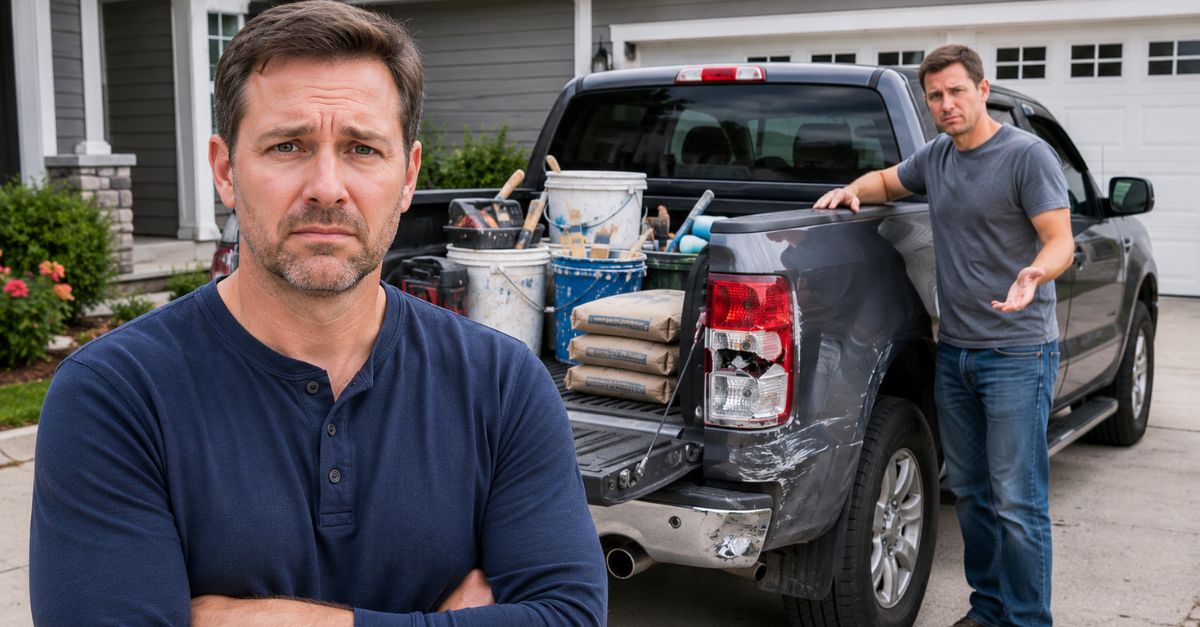
If your brother keeps borrowing your truck for weekend drywall runs and bringing it back with a new scrape, busted taillight, or mystery clunk, you need to say something. This kind of family problem can look small from the outside, but it can spiral out of control before you know it. But if you're smart, you can put a stop to it without turning every family gathering into a fight.
Why This Feels Bigger Than A Few Scratches
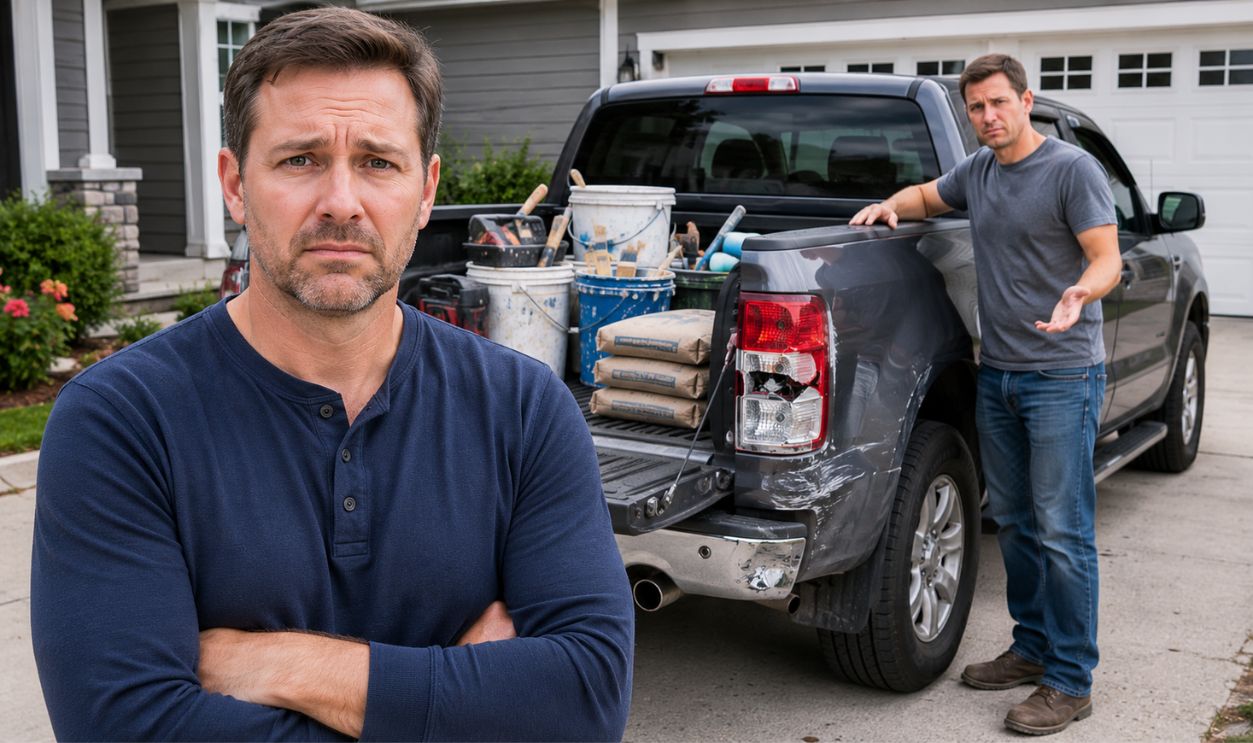
A damaged truck is not just annoying to look at. It can mean repair bills, insurance trouble, lower resale value, and the stress of wondering what shape it will come back in next time. When family is involved, part of the frustration is often feeling taken for granted, not just paying for the damage.
Start With The Plain Facts
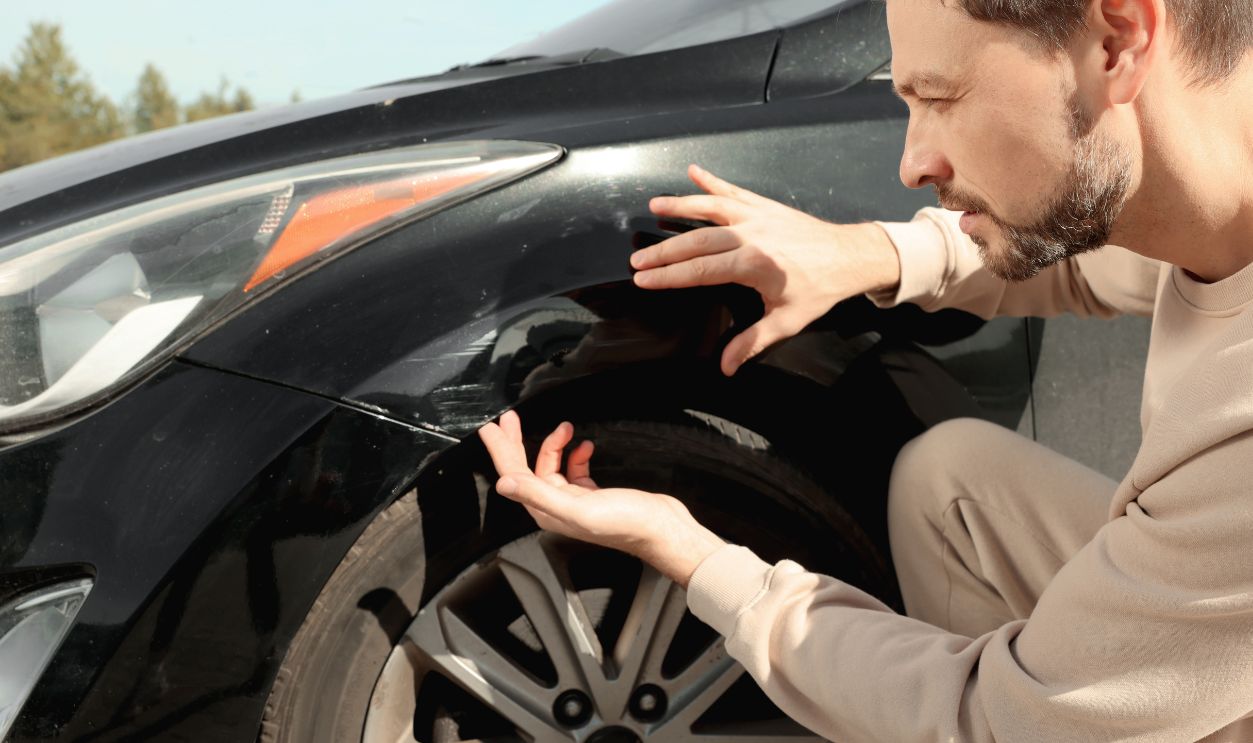
Before you say anything, get clear on what has happened. Write down the dates you loaned out the truck, what shape it was in before, and what damage or problems you noticed after it came back. A simple list of facts keeps the conversation grounded and helps stop it from turning into a vague argument about old resentments.

Photos Are Your Best Friend
If you already have photos of the truck, save them. If not, take clear walkaround photos the next time it is clean and store them with the date. Time-stamped pictures help show patterns, and they make it easier to explain that this is not about one tiny dent but a repeat problem.

Insurance Is Where This Gets Real
A lot of people assume lending a vehicle is no big deal as long as the other person has a license. But insurance matters. The Insurance Information Institute says auto insurance generally follows the car, not the driver, so your policy may be on the hook first if someone crashes your truck with your permission. That alone is a solid reason to be careful about handing over the keys.

Permission Changes Everything
The Insurance Information Institute also notes that coverage questions can look very different if the driver did not have permission to use the vehicle. That is one reason it helps to be clear and direct if you decide your brother cannot borrow your truck anymore. A fuzzy answer now can become a much bigger mess later.
State Rules Can Add More Risk
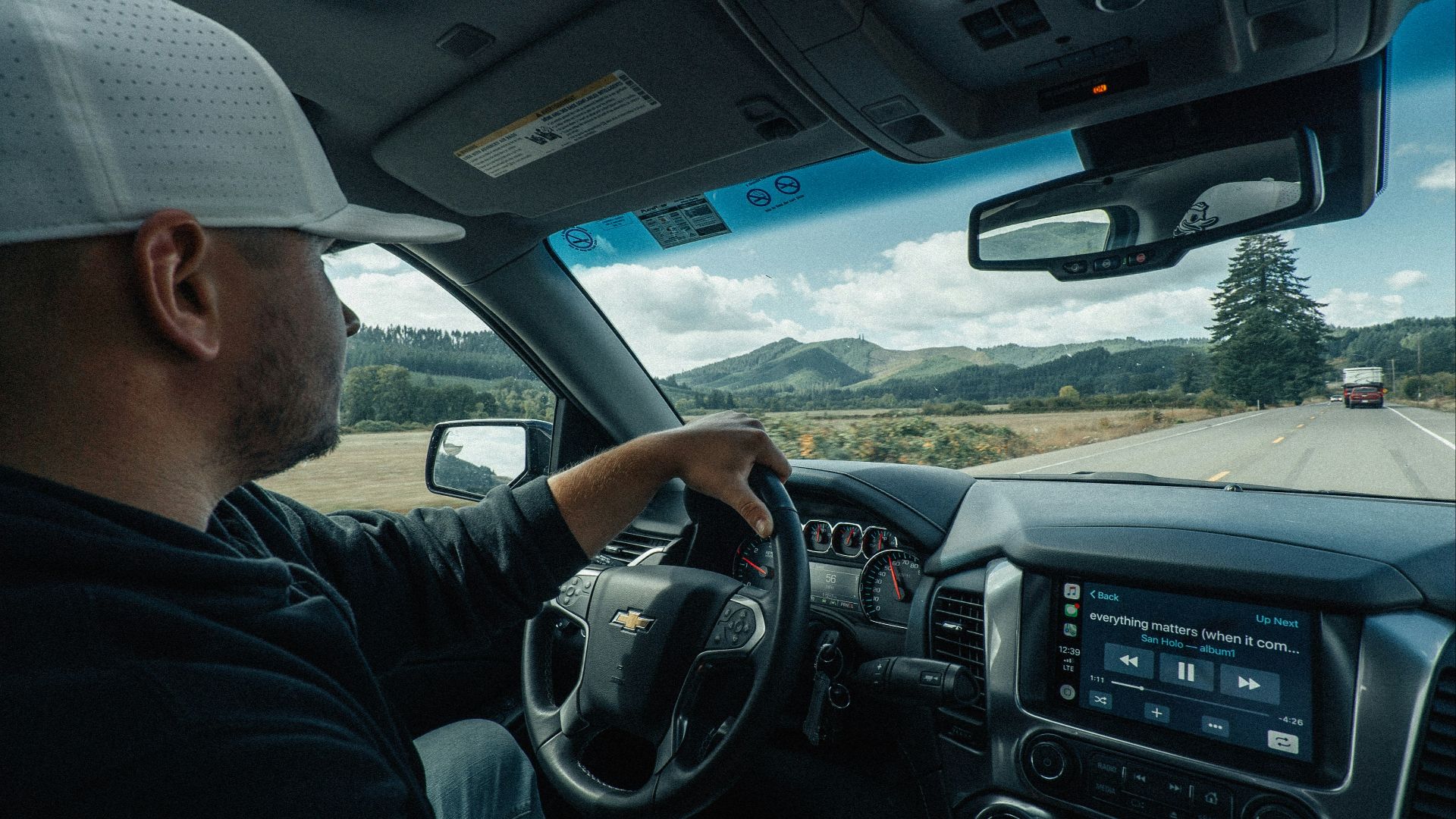
Liability rules are not the same everywhere, and some states have owner liability laws that can create extra risk for vehicle owners. DMV.org explains that responsibility can vary by state and situation. If your brother causes a crash while hauling lumber or tile, this can turn into a lot more than an argument over a dented bumper.

Your Costs Go Beyond The Body Shop
Even a minor incident can mean paying a deductible, losing time to repairs, covering a rental, or taking on wear that is hard to measure in the moment. Kelley Blue Book has long noted that a vehicle’s condition affects resale value, and visible damage can push that number down. A truck that keeps coming home banged up is quietly costing you money every time it leaves the driveway.

This Is Also About Wear And Tear
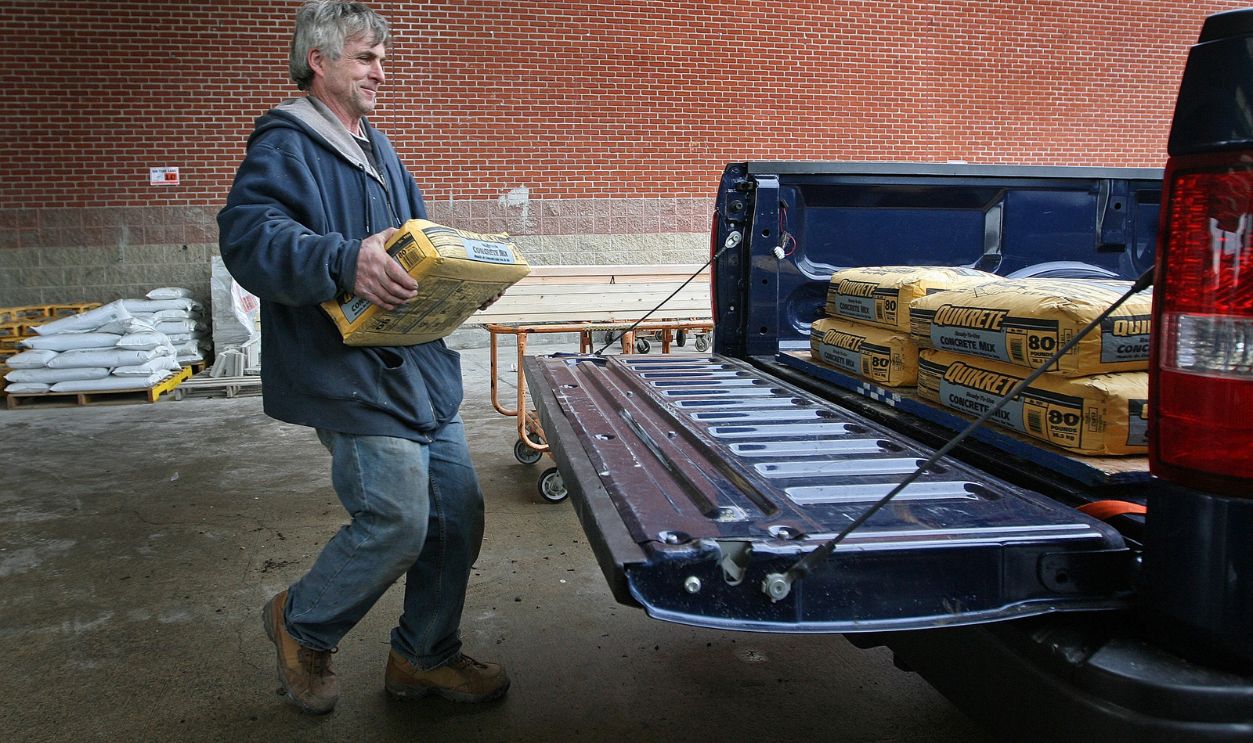
Home project hauling is usually a lot tougher on a truck than normal errands. Heavy loads, rough materials, stop-and-go driving, short trips, and careless loading can beat up the bed, suspension, tires, and interior in a hurry. The person borrowing it may see it as one simple favor. You are the one left with the long-term bill.
Do Not Wait For The Next Disaster
If you already know how this usually ends, waiting for one more incident will not make the conversation easier. It usually just raises the cost and your blood pressure. The best time to set a boundary is before the next text asking to borrow it for “just a couple hours.”

Pick A Calm Moment, Not A Chaotic One
Do not bring this up while standing over a fresh gouge in the tailgate. Have the talk when neither of you is rushed, embarrassed, or already defensive. Good timing makes it easier to sound firm instead of furious.

Lead With Ownership, Not Accusation
Try wording that focuses on your decision instead of attacking his character. You can say, “I have decided I am not lending out my truck anymore because I cannot afford more damage or repair costs.” That lands a lot better than, “You always wreck my stuff.”

Be Specific About Why
You do not need a full case file, but a short factual explanation helps. Mention the repeated damage, the repair costs, and the insurance risk. Real reasons are harder to brush off than a vague “I just do not want to.”

Skip The Long Debate Trap
Once you explain your boundary, do not get pulled into a half-hour argument. Long back-and-forth talks often turn a decision into a negotiation. A simple repeat usually works better: “I am not lending out the truck, but I can help you find another option.”

Offer Alternatives If You Want To Keep Peace
Saying no often goes over better when the other person is not left stranded. If you want to keep the temperature down, offer to help him rent a pickup from a home improvement store or a moving truck company. You do not owe him a backup plan, but having one can keep the conversation from blowing up.

There Are Real Rental Options
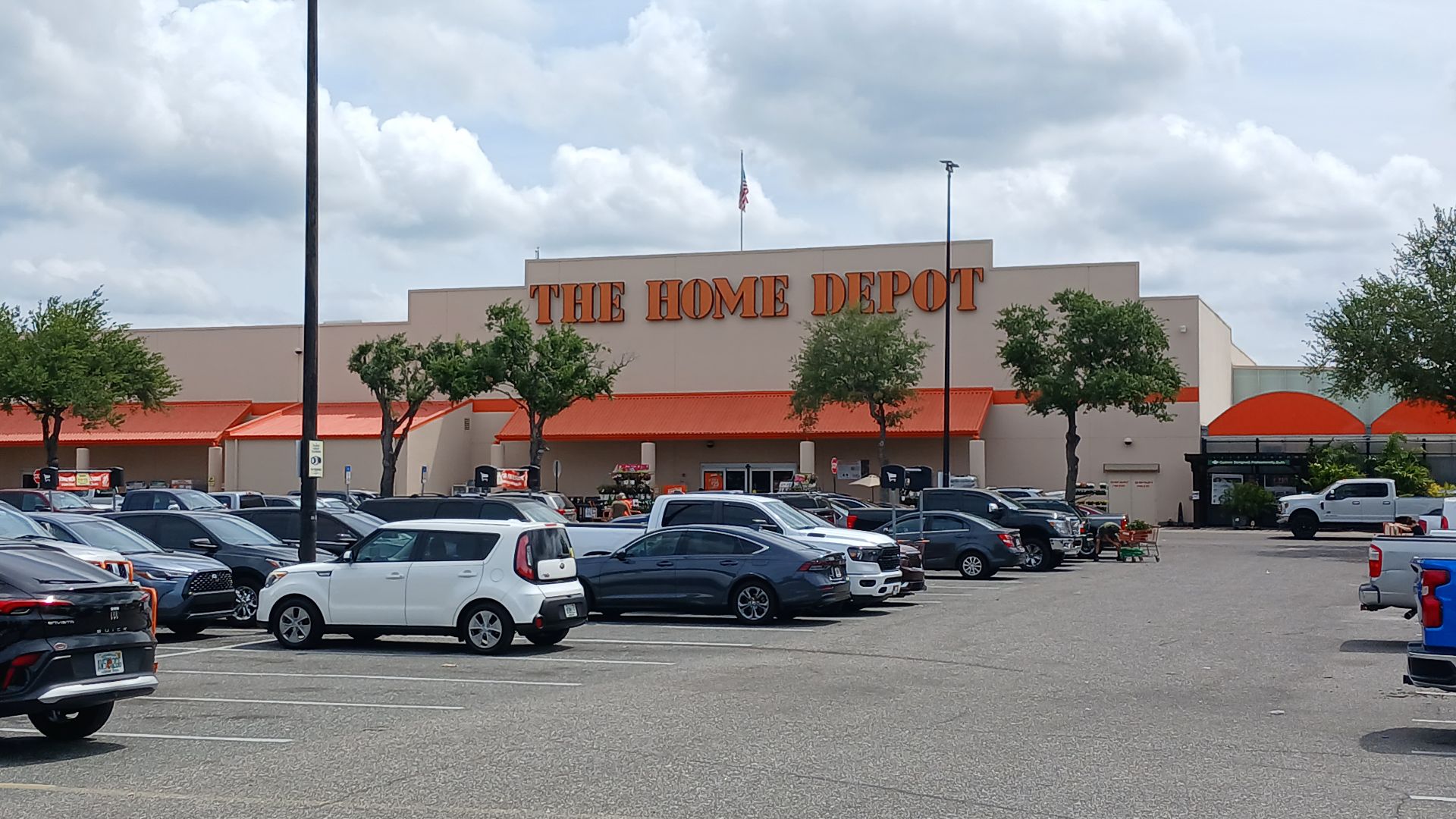
Home Depot has offered truck and van rentals for years in many places, and U-Haul also rents pickups and cargo vans in many markets. Those services exist for exactly this kind of hauling job. For a lot of projects, a short rental is cheaper than damaging someone else’s truck and hoping family goodwill covers the cost.
 MatthewHoobin, Wikimedia Commons
If You Are Open To One Last Chance, Set Rules
If you are not ready to make it a hard no, at least stop doing casual handoffs. Require advance notice, a clear plan for what the truck is being used for, and a set return time. You can also require that he pays for gas, tolls, and any damage right away.

Put The Terms In Writing
This does not have to look like a contract. A simple text message laying out the rules is enough to avoid confusion later. Written terms create clarity, and clarity can keep family drama from turning into “that is not what you said.”

A Walkaround Can Save Arguments
If the truck is ever borrowed again, do a quick walkaround together before and after. Note any dents already there, check the fuel level, and take a few photos. It may feel awkward for a minute, but it is a lot less awkward than arguing three days later over a cracked mirror.
Do Not Minimize Your Own Property
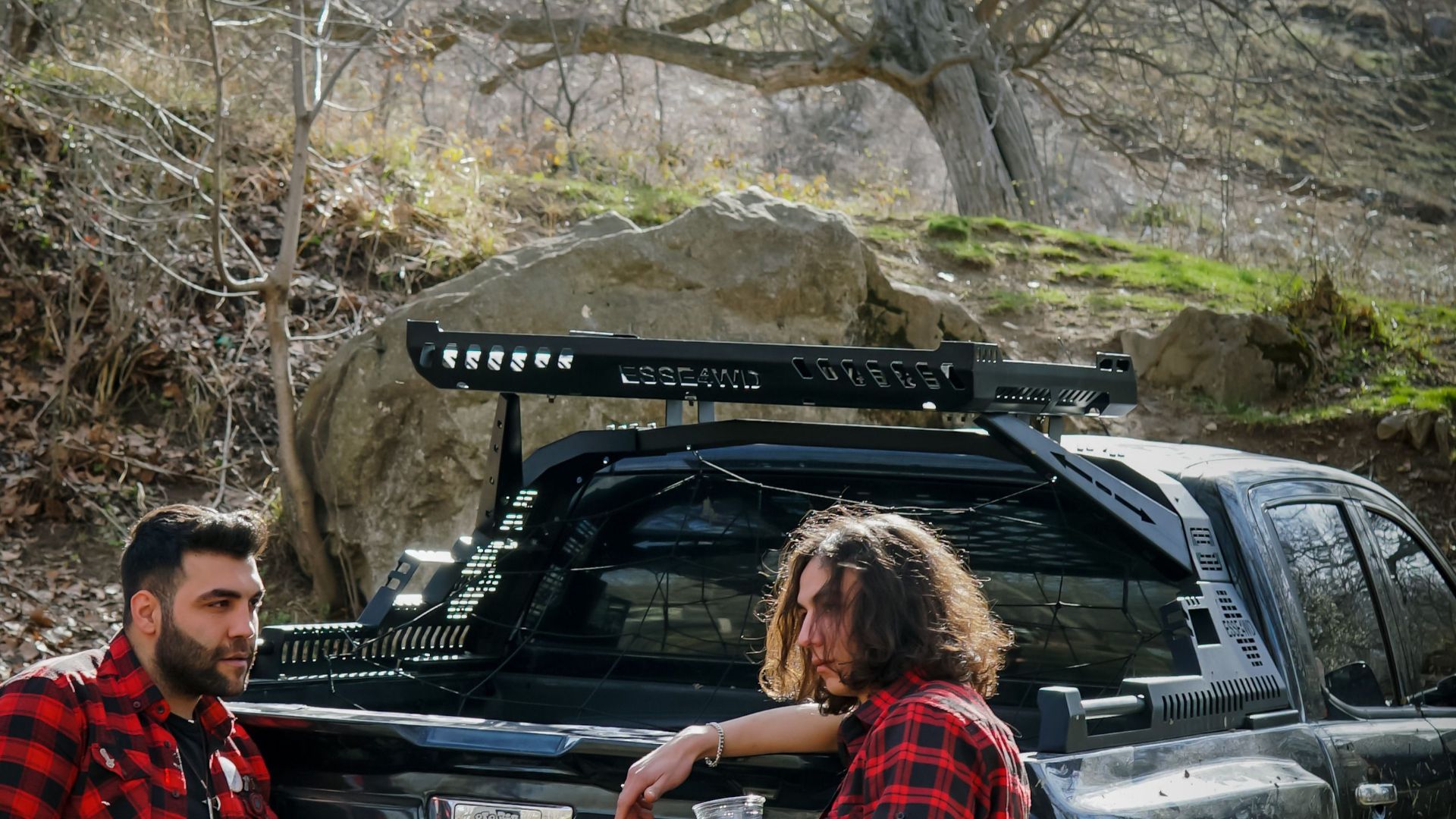
Some people stay quiet because they tell themselves a truck is “just a thing.” That misses the point. It is your vehicle, your money, and your risk. Setting limits around it is a normal adult move.

Family Pressure Does Not Change The Math
You may hear that family is supposed to help family. Fine. But helping someone is not the same as giving them unlimited access to expensive property. When your help keeps ending in damage and repair bills, the setup is no longer generous. It is one-sided.

Expect Pushback And Plan For It
Your brother may act shocked, annoyed, or suddenly very persuasive. Be ready with one or two short responses and stick to them. “I am not lending the truck out anymore” and “I can help you find a rental” are usually enough.

Bring Up Money Only If You Are Ready To Be Direct
If he still owes you for past damage, decide ahead of time whether you are going to ask for repayment. If you are, keep it factual and bring receipts, estimates, or invoices. Dates, photos, and paperwork will help you a lot more than general frustration.

If Other Family Members Jump In, Stay Boring
Relatives love to jump in when they hear there is conflict. Keep your explanation short, calm, and consistent. The less dramatic you sound, the harder it is for anyone else to paint you as unreasonable.

Boundaries Work Best When They Are Consistent
If you say no, mean it the next time too. A boundary that changes every time someone pushes hard enough is not really a boundary. It is just the start of bargaining.

You Can Be Kind Without Handing Over The Keys
There is a big difference between being helpful and being used. You can help him move a couch, suggest a rental, or even drive the truck yourself if you want to. What you do not have to do is keep eating the cost of his projects.
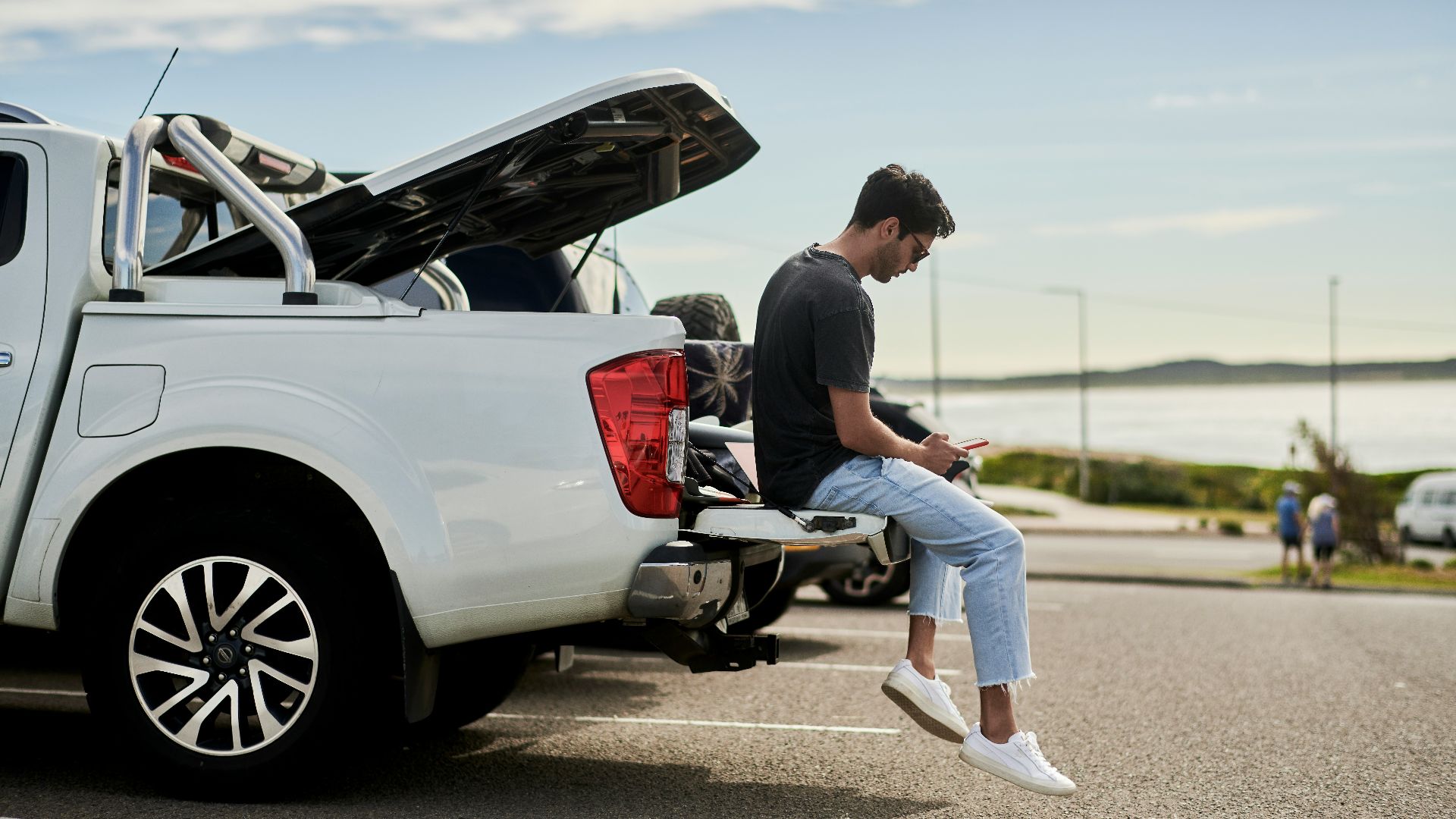
The Goal Is Less Drama, Not More Guilt
This is not about winning or embarrassing anybody. It is about protecting your truck and ending an arrangement that clearly is not working. The calmer and clearer you are, the better your odds of stopping the damage without wrecking the relationship.

A Simple Script That Actually Works
If you want something ready to say, try this: “I need to stop lending out my truck. It has come back damaged more than once, and I cannot take on the repair and insurance risk anymore. I am happy to help you look at rental options.”

Your Truck, Your Decision
In the end, this is not really about construction debris in the bed or one more scratch on the bumper. It is about respect, responsibility, and whether your generosity is being treated like a free truck rental service. You are allowed to shut that down before the next load of plywood comes with another repair bill.