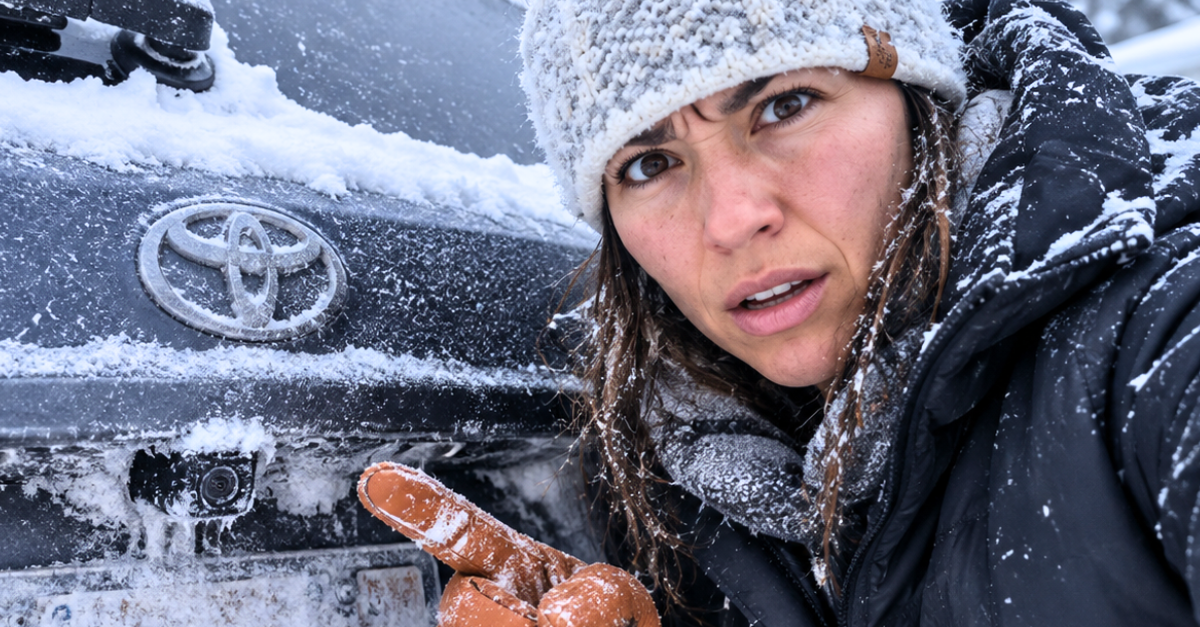
That Frozen Lens Exposed Something Bigger.
Backup cameras have dramatically improved the view immediately behind modern vehicles, but many newer cars also have thick pillars, high bodywork, and sloping rear glass that make traditional visibility surprisingly poor. Cameras are valuable safety equipment, yet winter weather shows why drivers still need mirrors, clean windows, and a usable backup plan when technology cannot see.
The Camera Was Never Supposed To Replace Your Eyes
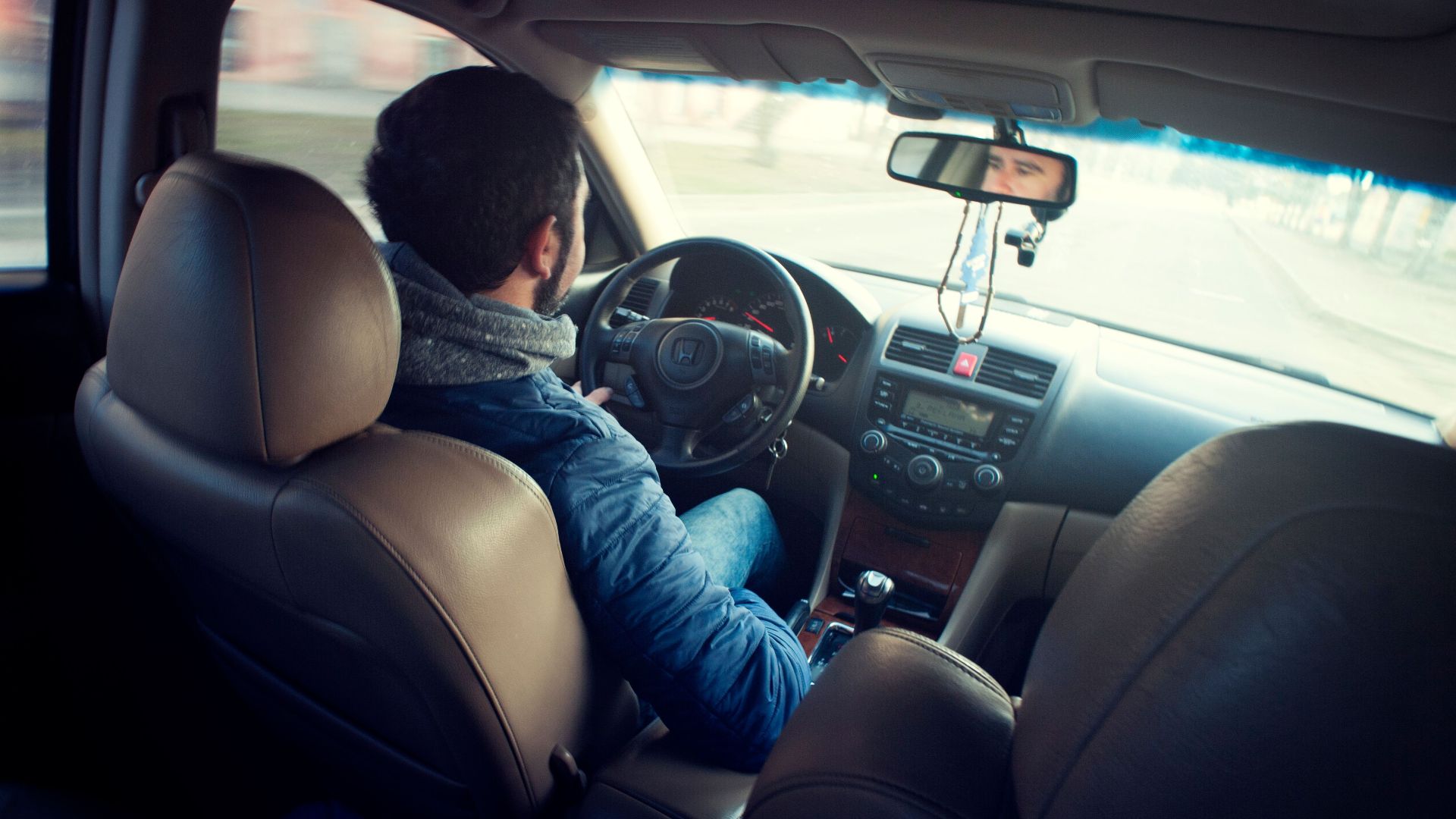
Honda explicitly warns drivers not to rely exclusively on the rear-camera display. Its manuals tell drivers to visually confirm that the area behind the vehicle is safe because the camera cannot show everything. Subaru provides essentially the same warning and says drivers should still use their eyes and mirrors while reversing.
Federal Rules Made Cameras Standard
Federal Motor Vehicle Safety Standard 111 requires qualifying vehicles to provide a rear-visibility image meeting specific requirements. The rule was phased in until backup cameras became required on virtually all new light vehicles beginning in May 2018. Regulators adopted the requirement because drivers often cannot directly see people or objects close behind their vehicles.
The Required View Covers A Dangerous Zone
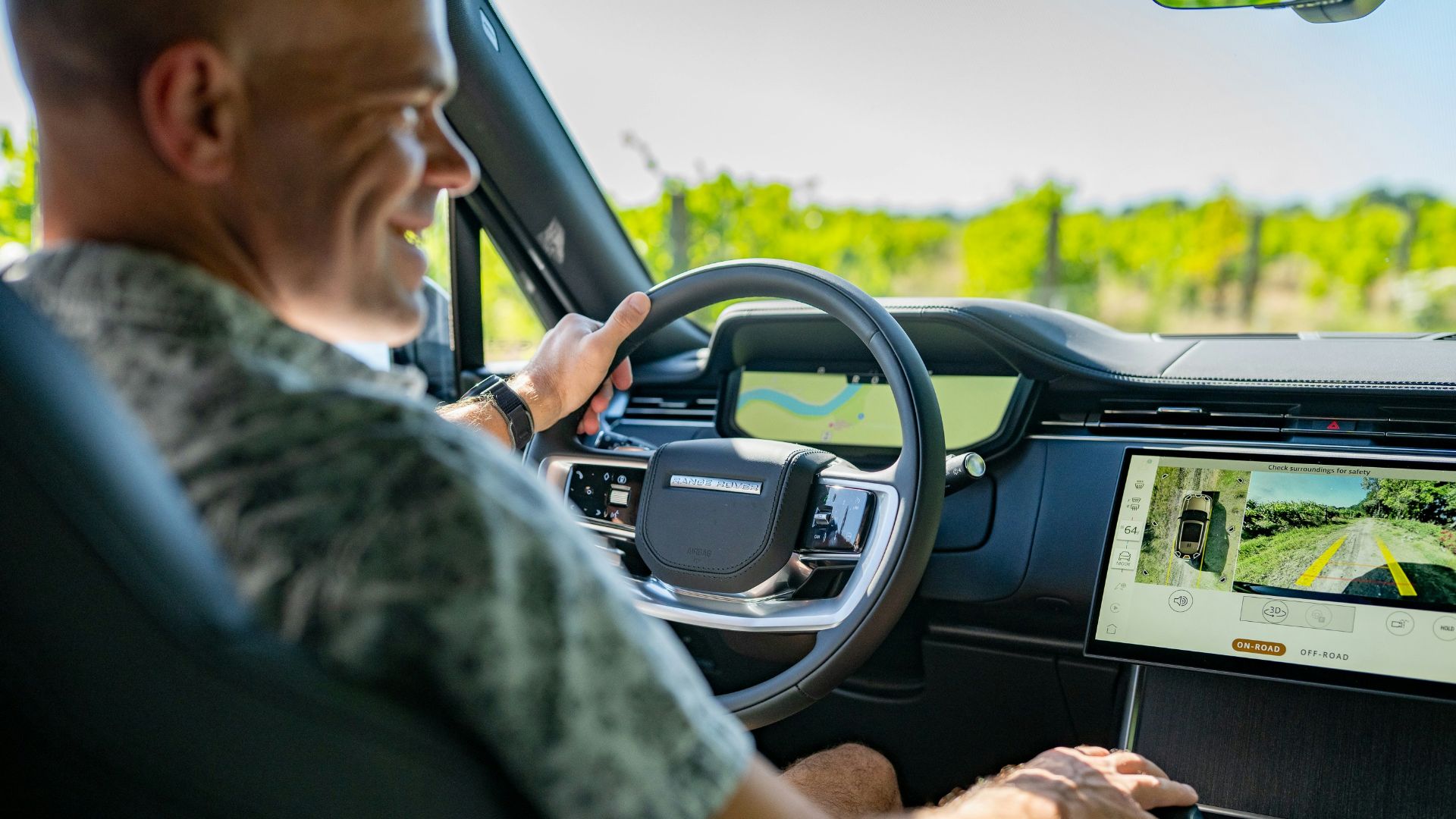
NHTSA designed the standard around an area extending roughly 20 feet behind the vehicle and 10 feet across. That region was identified as particularly important for detecting vulnerable people behind a reversing vehicle. A conventional rear window and mirrors do not necessarily provide a clear view of everything within it.
Cameras Really Do Solve A Serious Problem
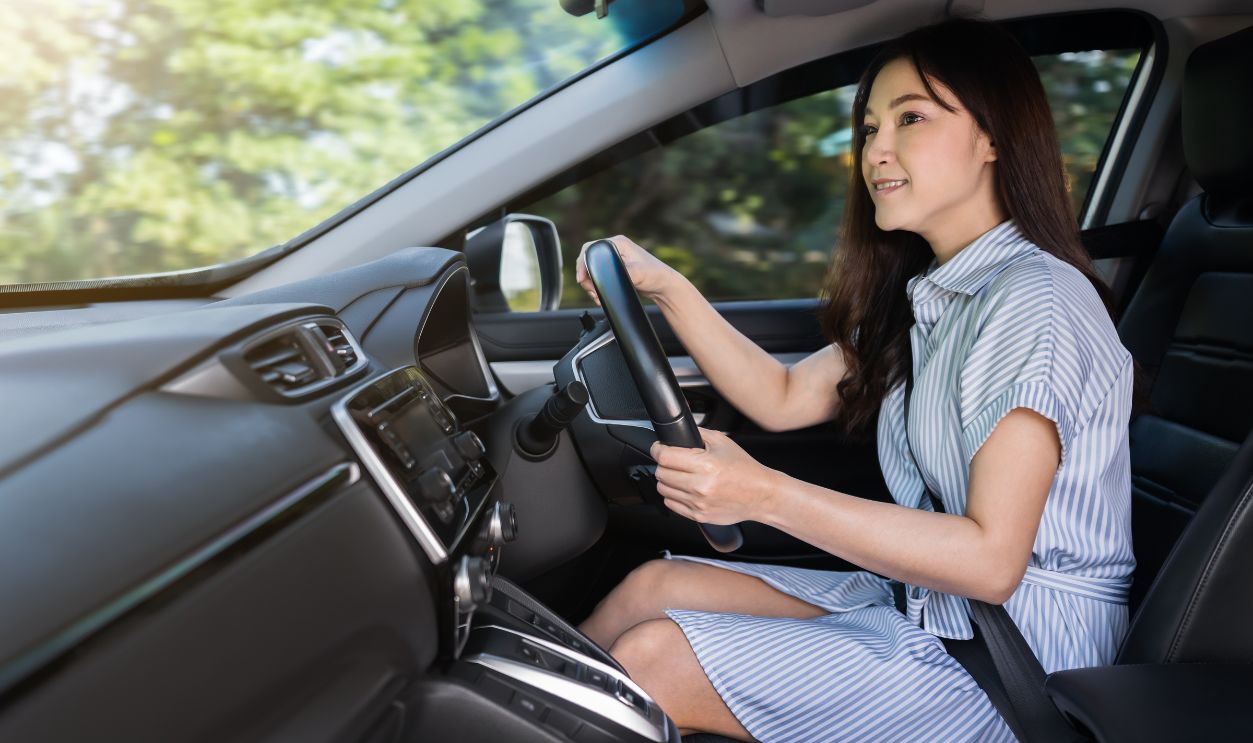
IIHS research found that backup cameras reduced rear blind zones by around 90 percent on average in the vehicles it studied. Cameras provided a much larger improvement in visibility than parking sensors alone. That is why simply removing the technology and relying on old-fashioned glass would not necessarily make vehicles safer.
They Also Reduce Real Crashes
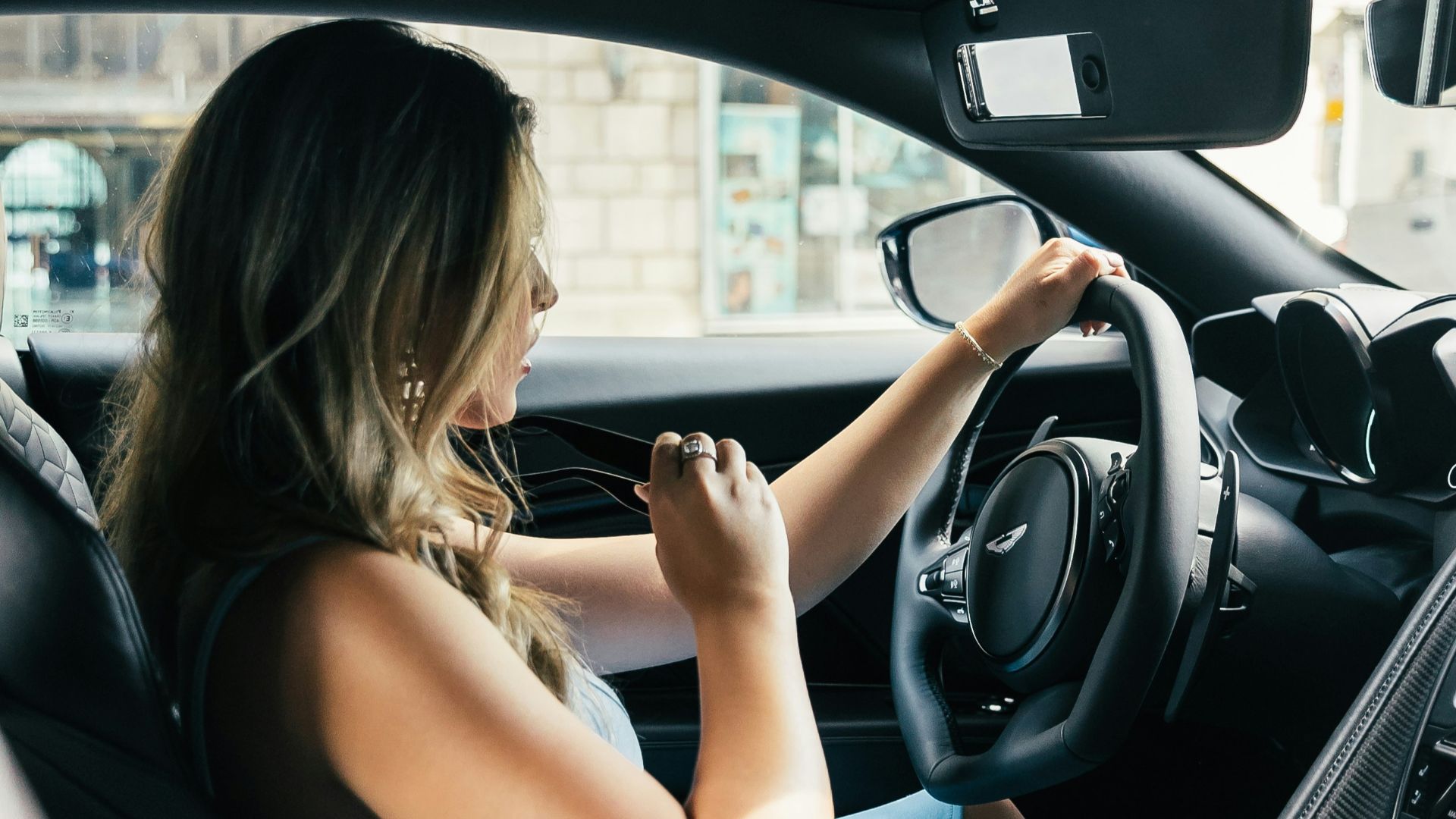
Later IIHS research found that rearview cameras reduced police-reported backing crashes. The researchers estimated the technology could prevent roughly one in six such crashes involving equipped vehicles. Cameras are not merely parking conveniences, even if they sometimes feel like them.
Modern Styling Has Made Glass Less Helpful
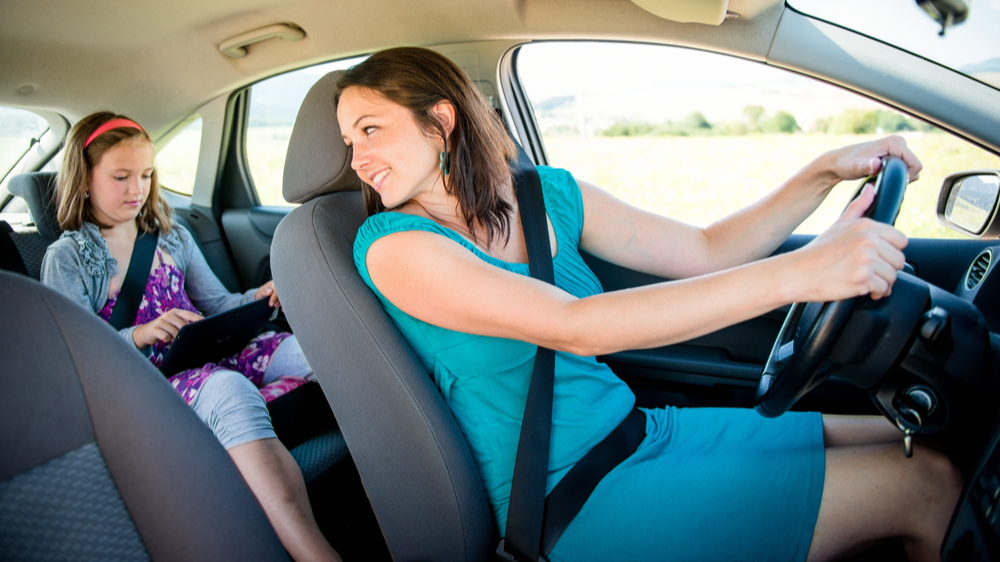
Consumer Reports has documented how thick roof pillars, high rear decks, and increasingly sloped rear glass reduce outward visibility. These design trends can make it difficult to see behind a vehicle by turning your head. The camera often compensates for a problem partly created by the vehicle's own shape.
Some New Cars Have Enormous Blind Spots
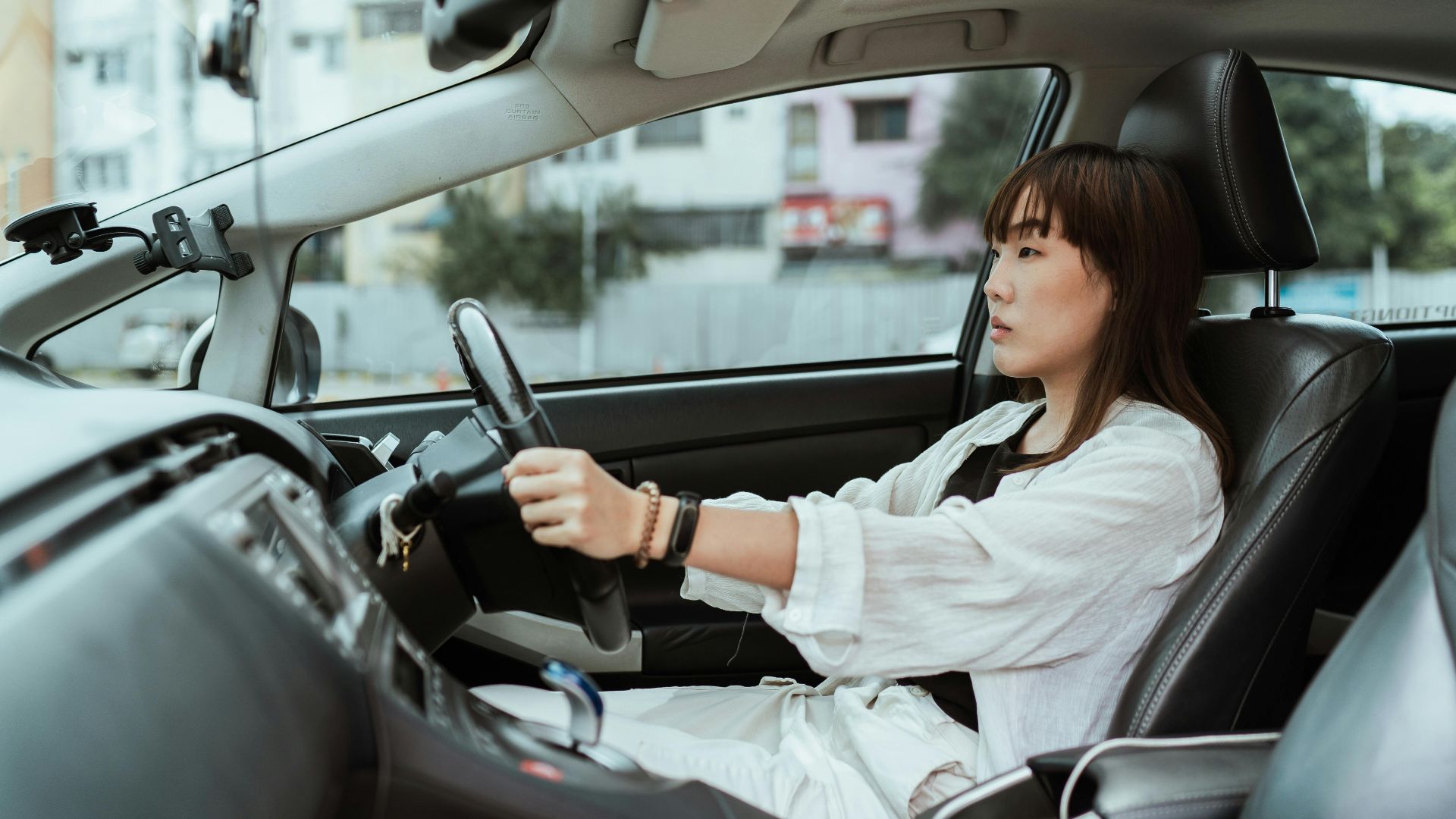
Consumer Reports recently criticized the 2026 Honda Prelude for thick rear pillars and an angled roof that create very large rear-corner blind spots. Testers said they had to crane their heads to see behind them and still had limited visibility. Its backup camera therefore performs a particularly important job.
Sleek SUVs Can Be Even Worse
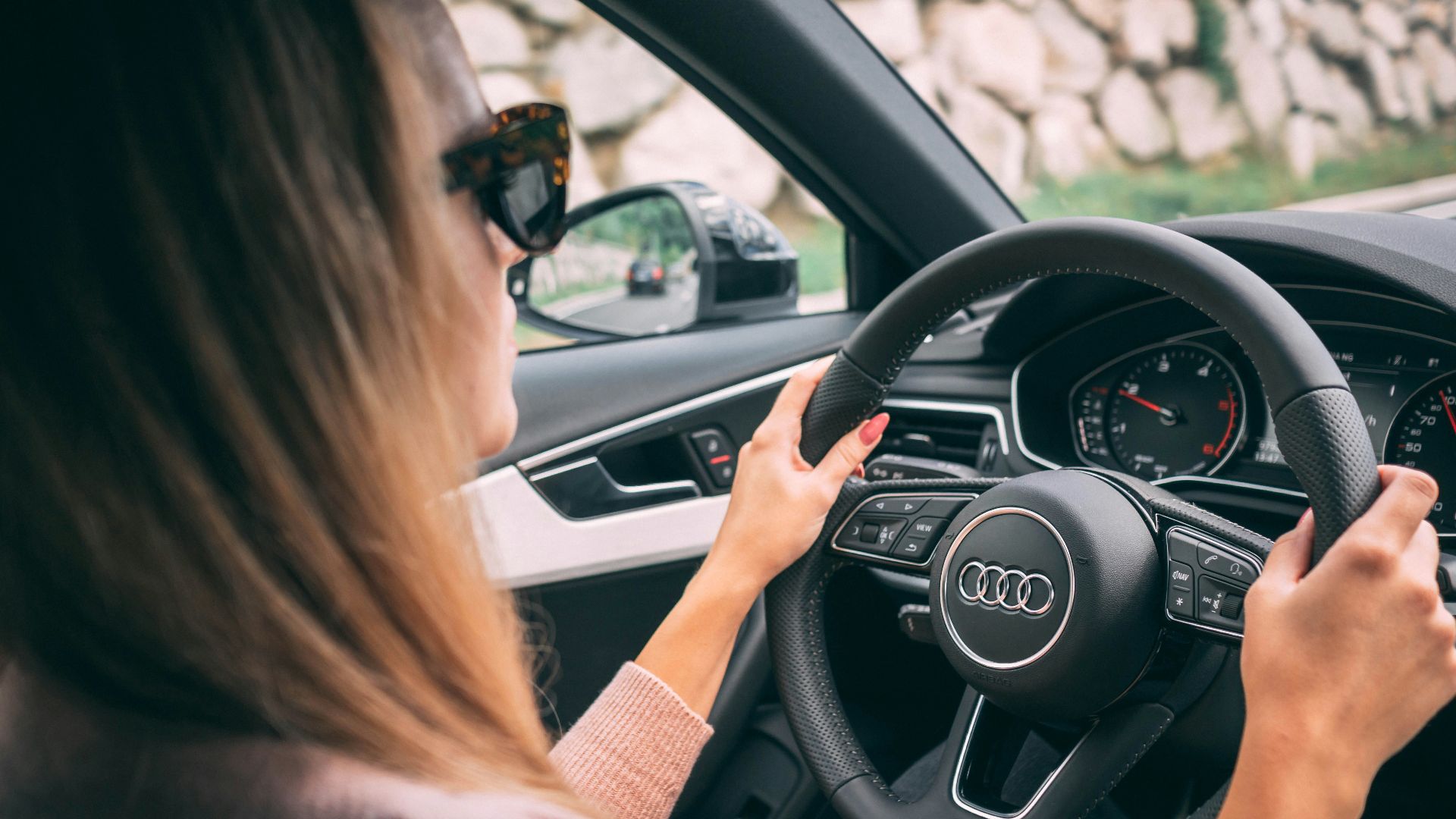
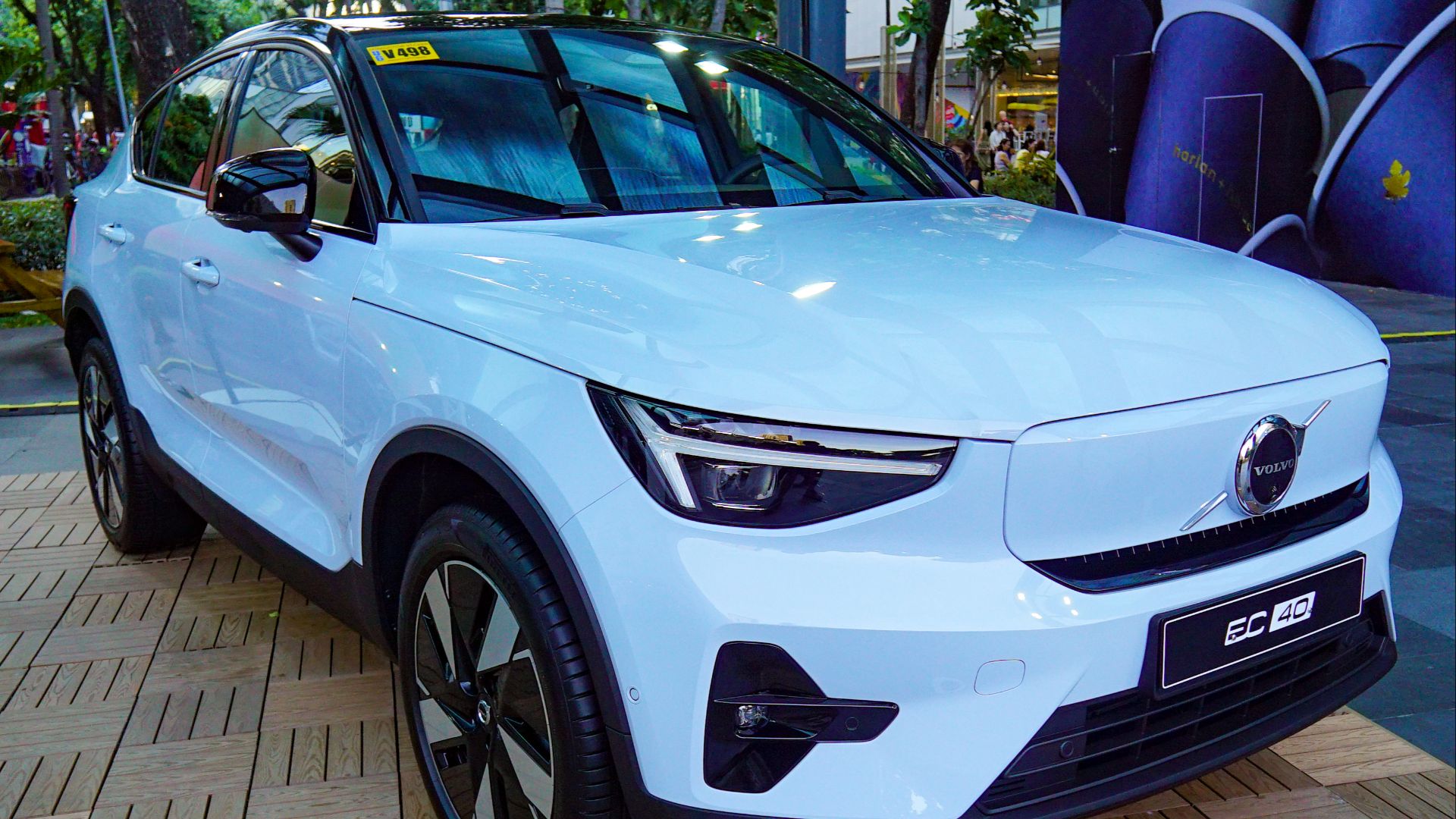
The 2025 Volvo C40 has a small back window and very thick rear roof pillars that Consumer Reports says significantly compromise rearward visibility. The BMW X6 similarly combines a sloping roof, thick pillars, tapering side glass, and a narrow rear window. Stylish proportions can carry a genuine visibility penalty.
 Ethan Llamas, Wikimedia Commons
Bigger Vehicles Have Historically Had Bigger Blind Zones
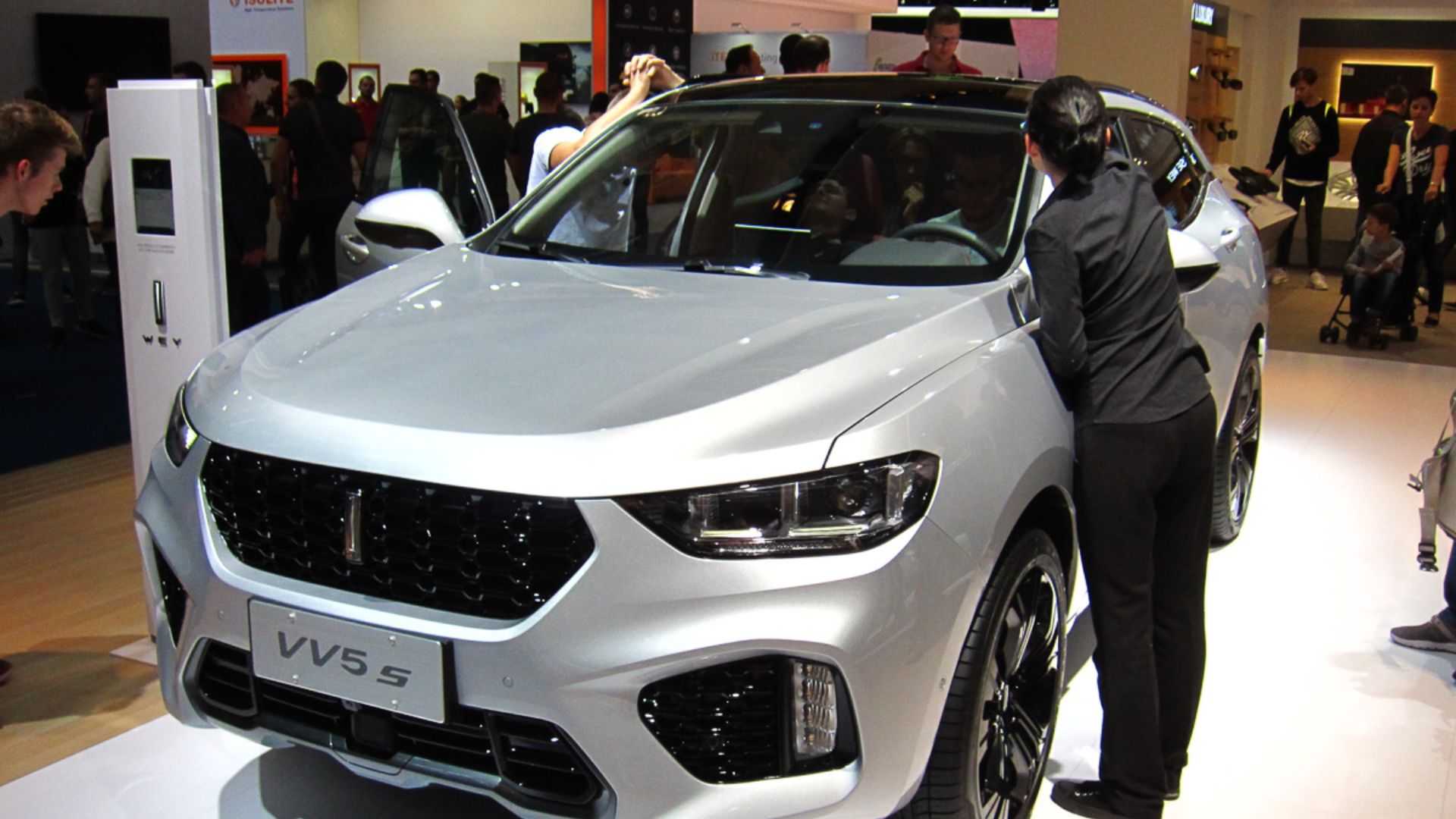
IIHS research comparing different body styles found that large SUVs had the poorest rear visibility among the vehicles studied. Consumer Reports has also measured larger rear blind zones in SUVs and pickups than in many passenger cars. A high seating position does not necessarily mean you can see what is directly behind the bumper.
 Rutger van der Maar, Wikimedia Commons
Then Winter Covers The Camera
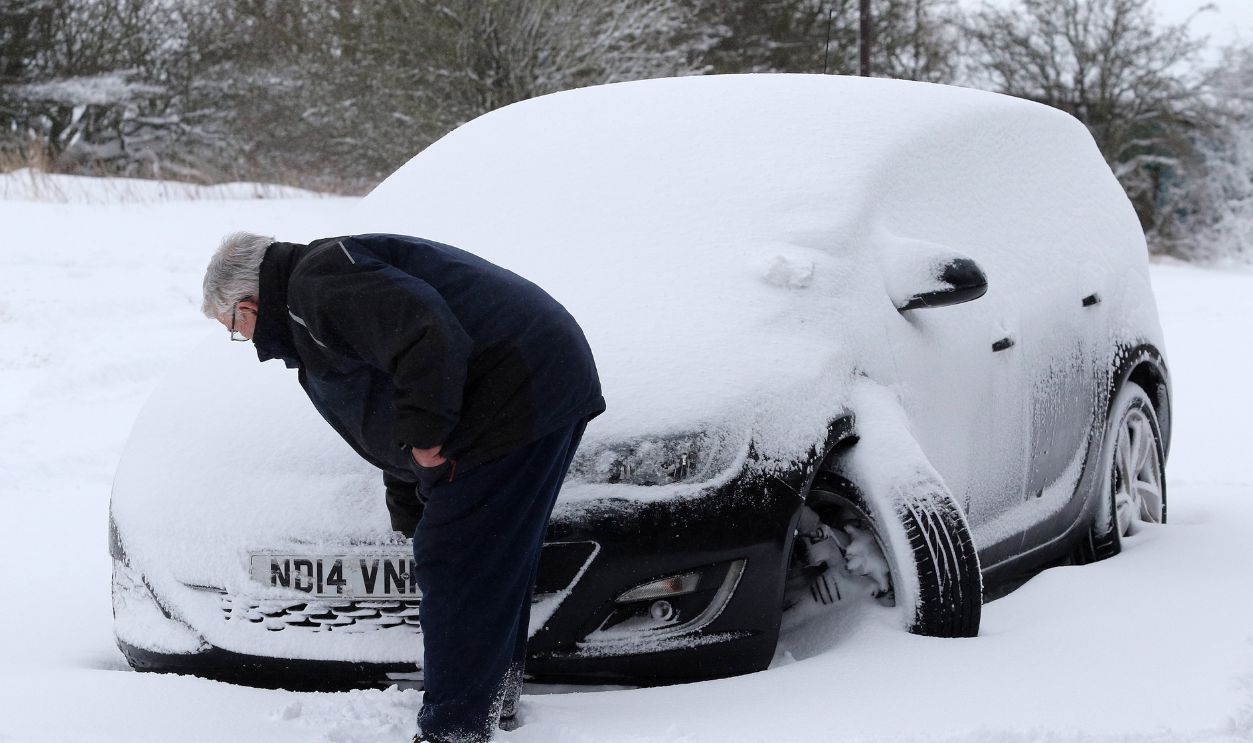
The rear camera sits on the exterior of the vehicle, often near the license plate or tailgate handle. That leaves it exposed to road spray, salt, slush, dirt, snow, and ice. Toyota, Honda, Subaru, and Volvo all warn owners that contamination on the camera can significantly reduce image quality.
A Tiny Patch Of Ice Can Hide A Lot
The wide-angle lens compresses a broad field of view into a very small camera surface. Volvo warns that even a relatively small obstruction in the displayed image can represent a much larger hidden area behind the vehicle. A thin crust of ice can therefore matter more than its size suggests.
The Camera Cannot See Through Snow
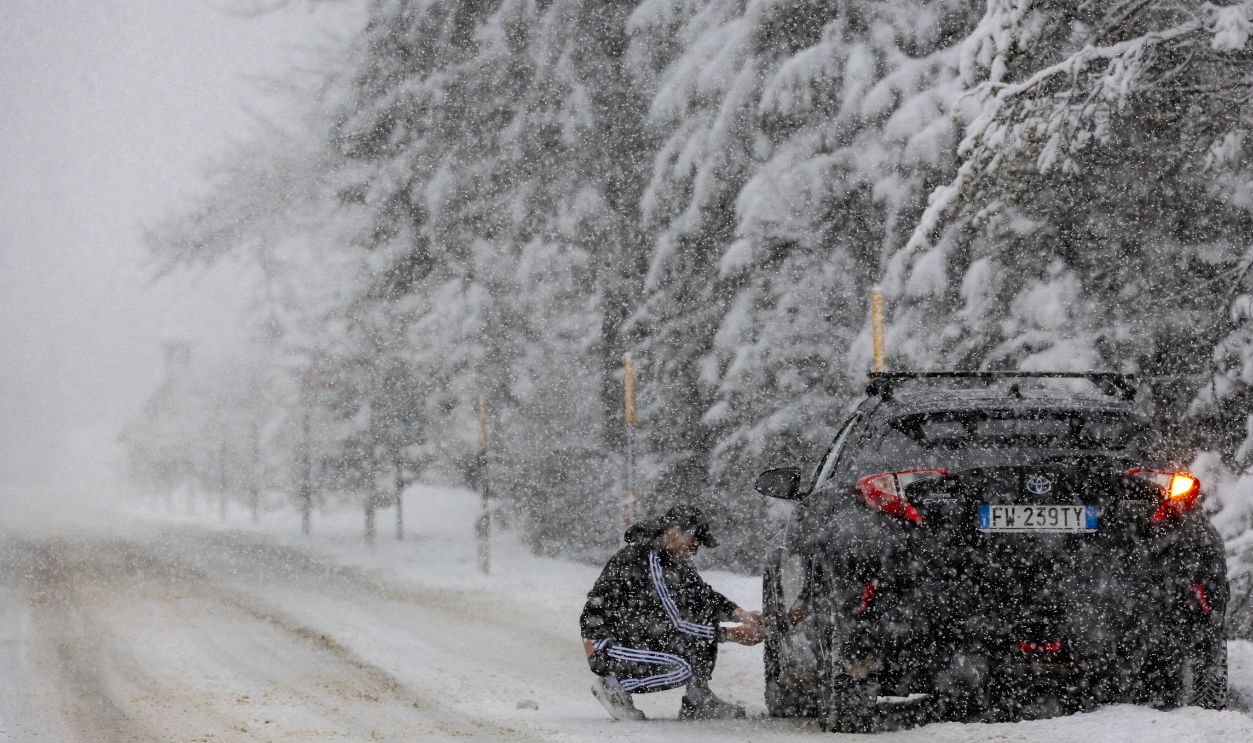
Subaru specifically warns that snow or mud stuck to the rear camera must be removed carefully. Toyota says water droplets, snow, mud, and other foreign material can prevent its rear monitor from transmitting a clear image. A frozen camera is a known operating limitation rather than an unusual failure.
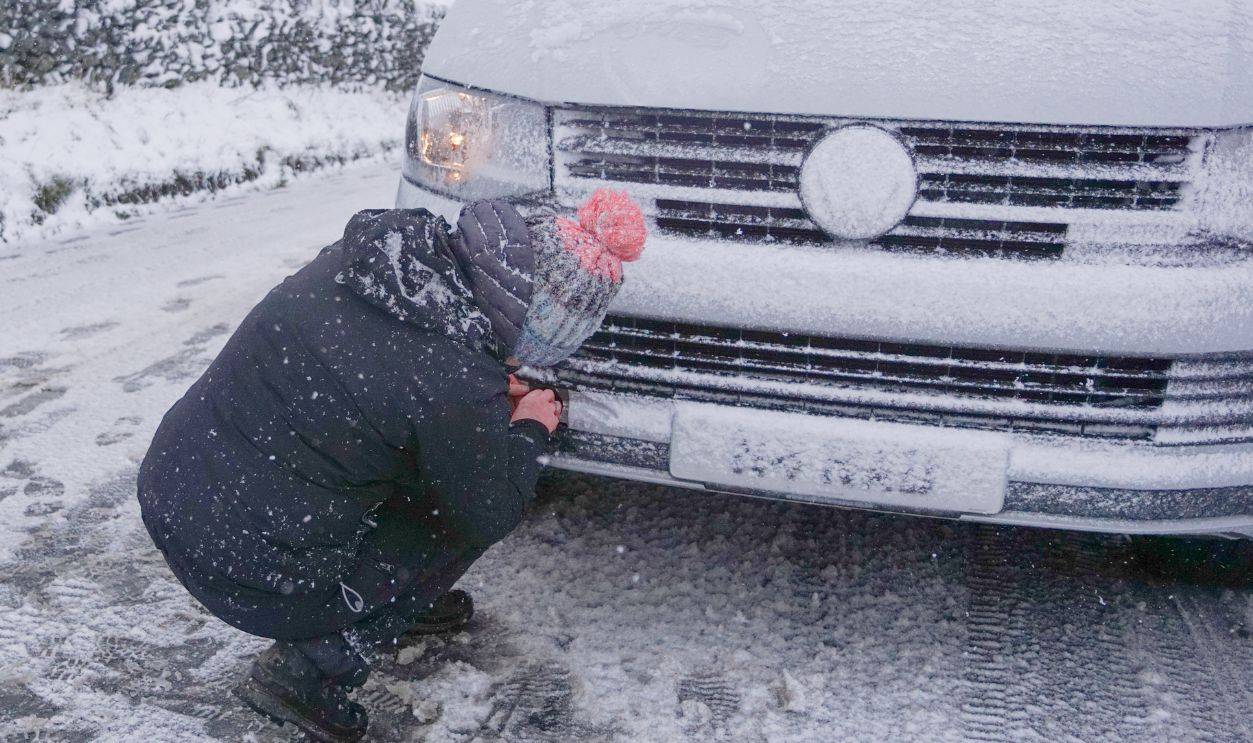
Do Not Attack The Lens With An Ice Scraper
Camera lenses are small precision components with surfaces that can be scratched or damaged. Subaru recommends using water or lukewarm water to loosen ice and then wiping the lens with a soft cloth. It specifically warns against trying to melt frozen material with direct heat.
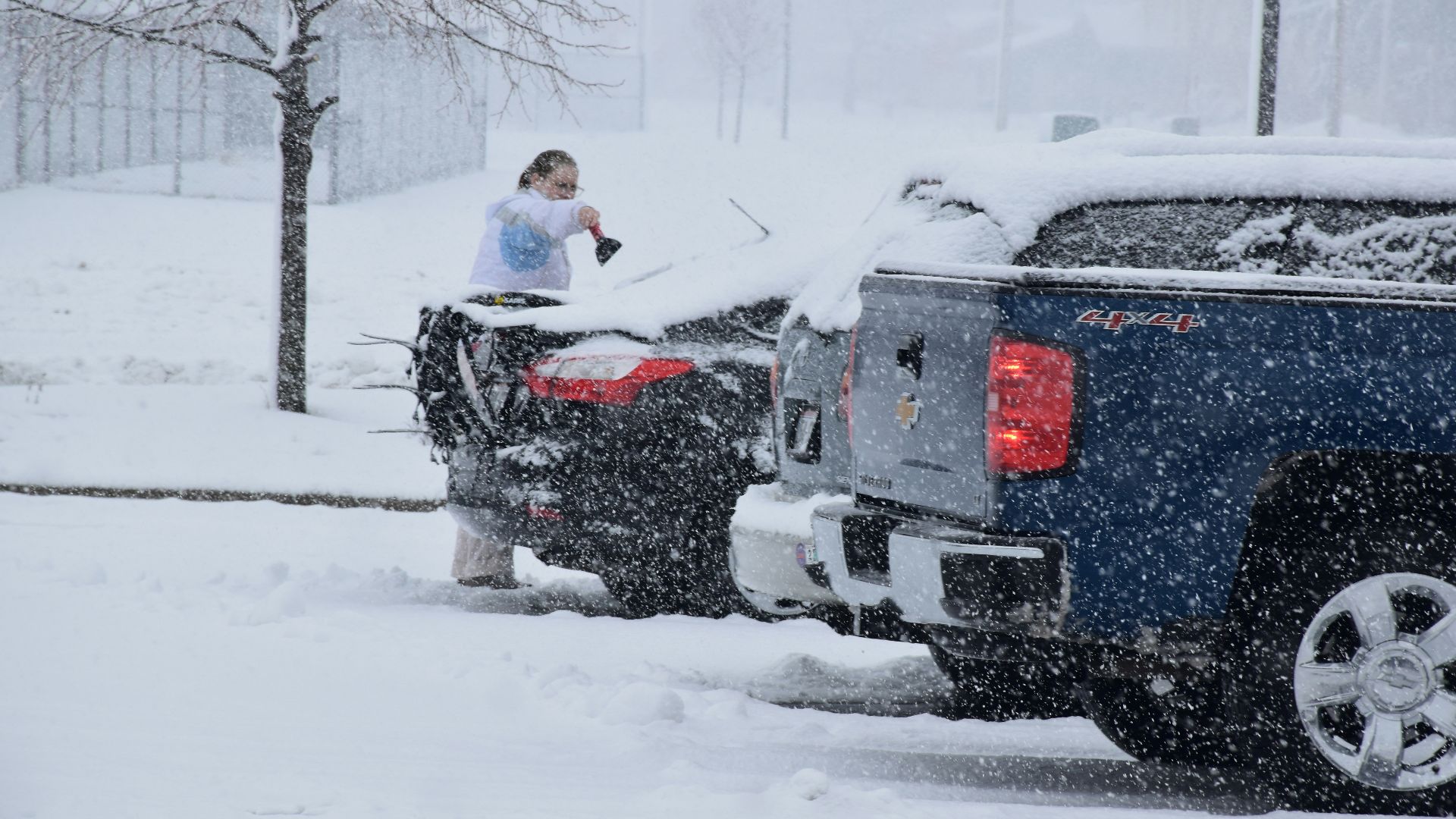
Hot Water Is Not The Answer Either
Pouring extremely hot water onto frozen exterior components can create a rapid temperature change. Toyota cautions against pouring hot water on a vehicle in cold conditions. Gentle thawing and manufacturer-approved cleaning methods are safer for the camera and surrounding trim.
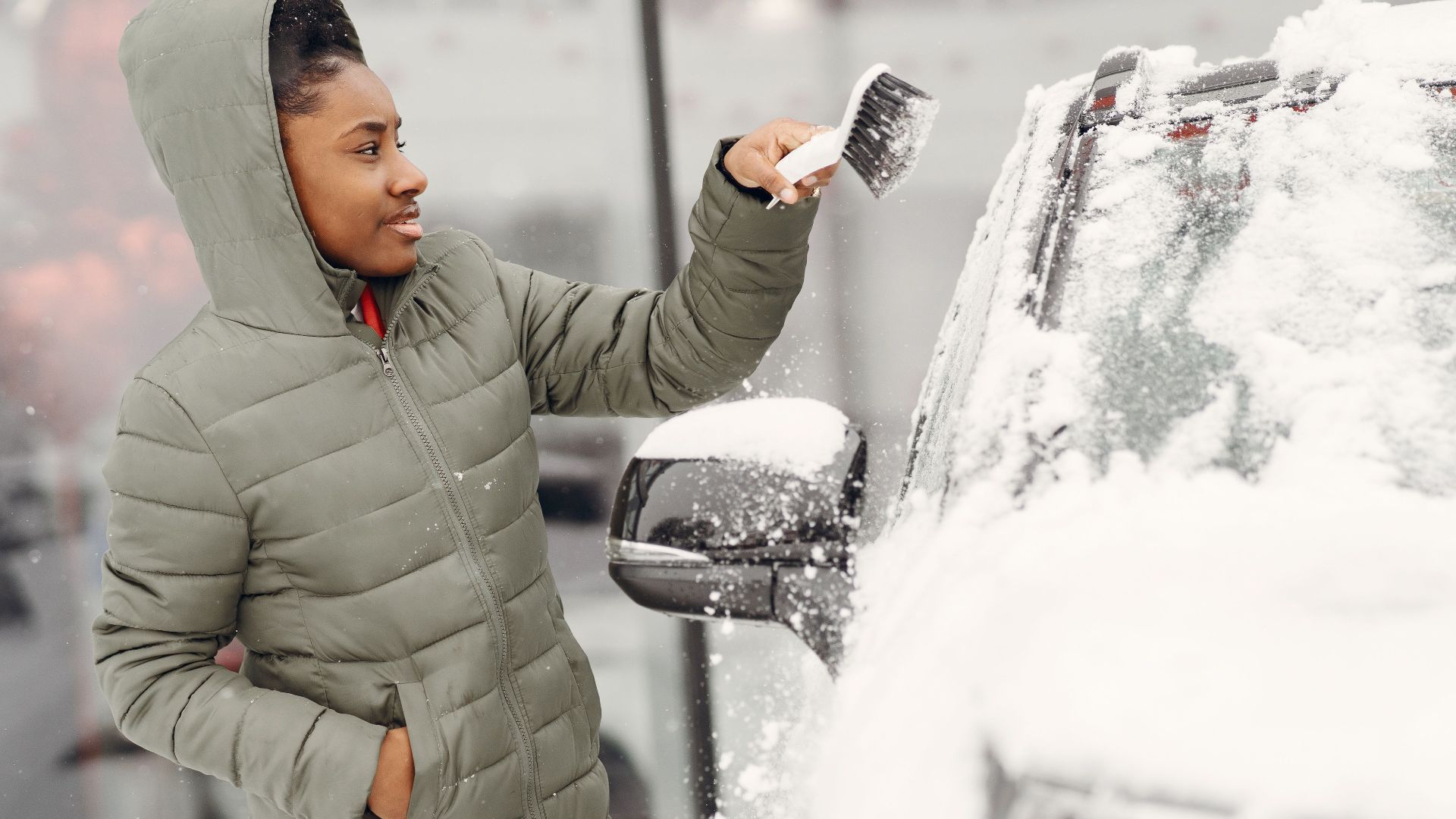
Some Automakers Added Camera Washers
Manufacturers have recognized that placing essential cameras outside creates a cleaning problem. The 2025 Subaru Forester includes a rear-vision camera washer that sprays the lens when the rear washer is operated. Toyota also offers dedicated camera-cleaning washers on some models.
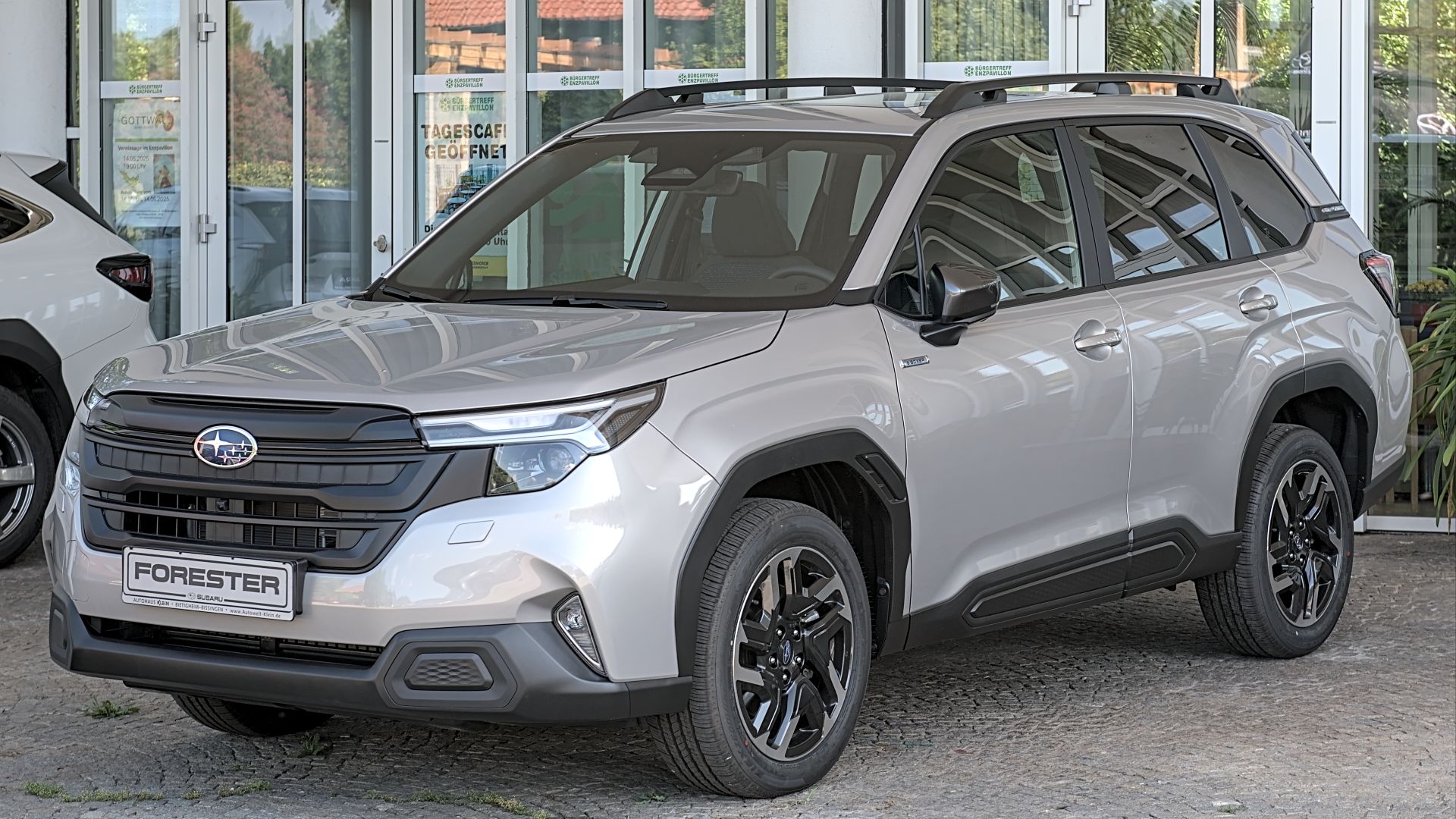 Alexander Migl, Wikimedia Commons
Even Camera Washers Have Limits
Toyota notes that its camera washer may remove dirt from the lens but cannot necessarily remove ice and snow accumulated around the camera housing. Washer fluid remaining on the lens can also temporarily make the picture harder to see. A mechanical cleaning system reduces inconvenience without making the camera weatherproof.
Parking Sensors Can Freeze Too
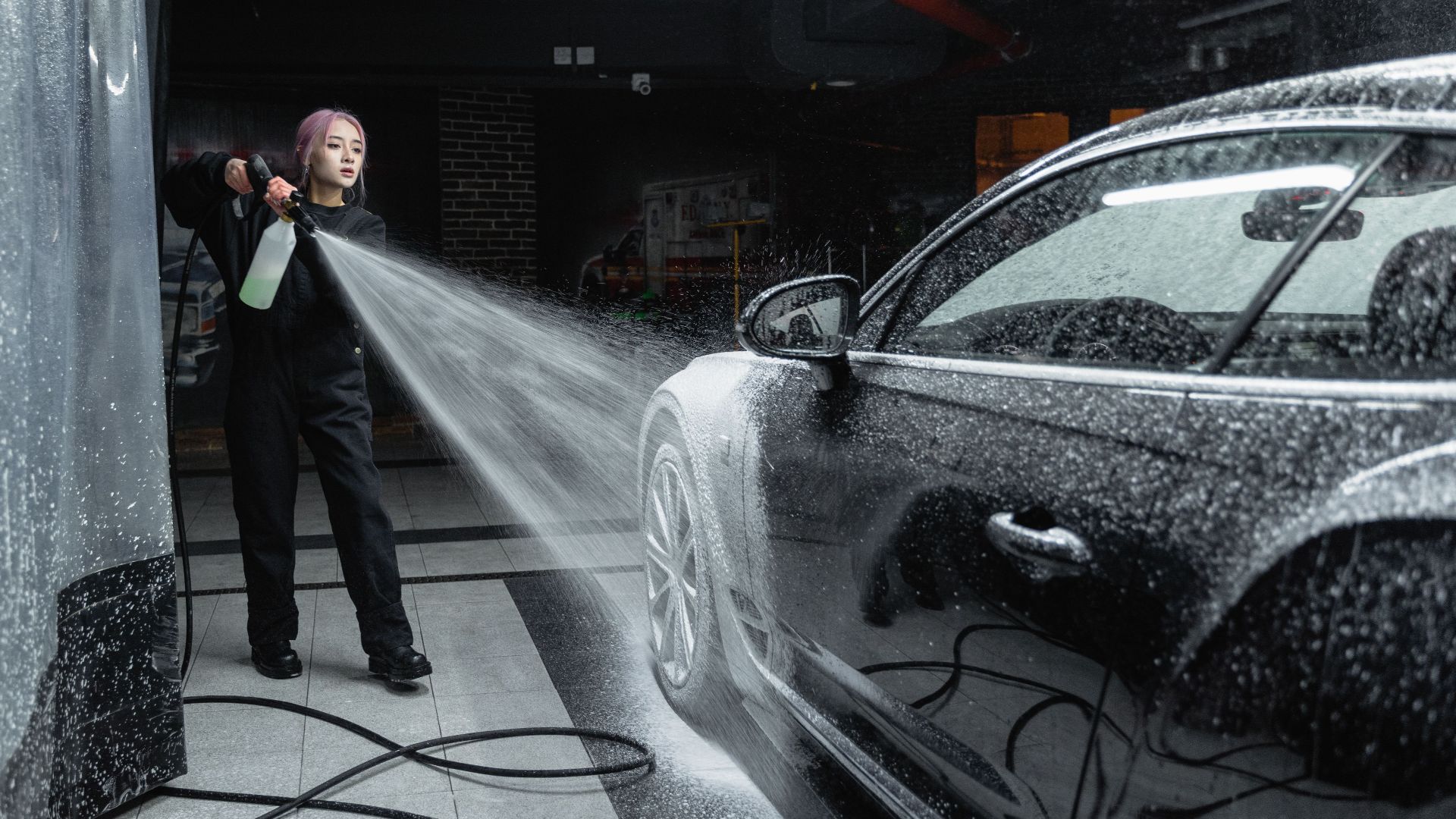
The backup camera is not the only technology that struggles in winter. Toyota warns that parking sensors can become covered or frozen by snow, ice, mud, or water and may stop detecting objects correctly. Your supposedly redundant electronic backup systems can therefore become impaired by the same storm.
Rear Cross-Traffic Systems Are Not Invincible
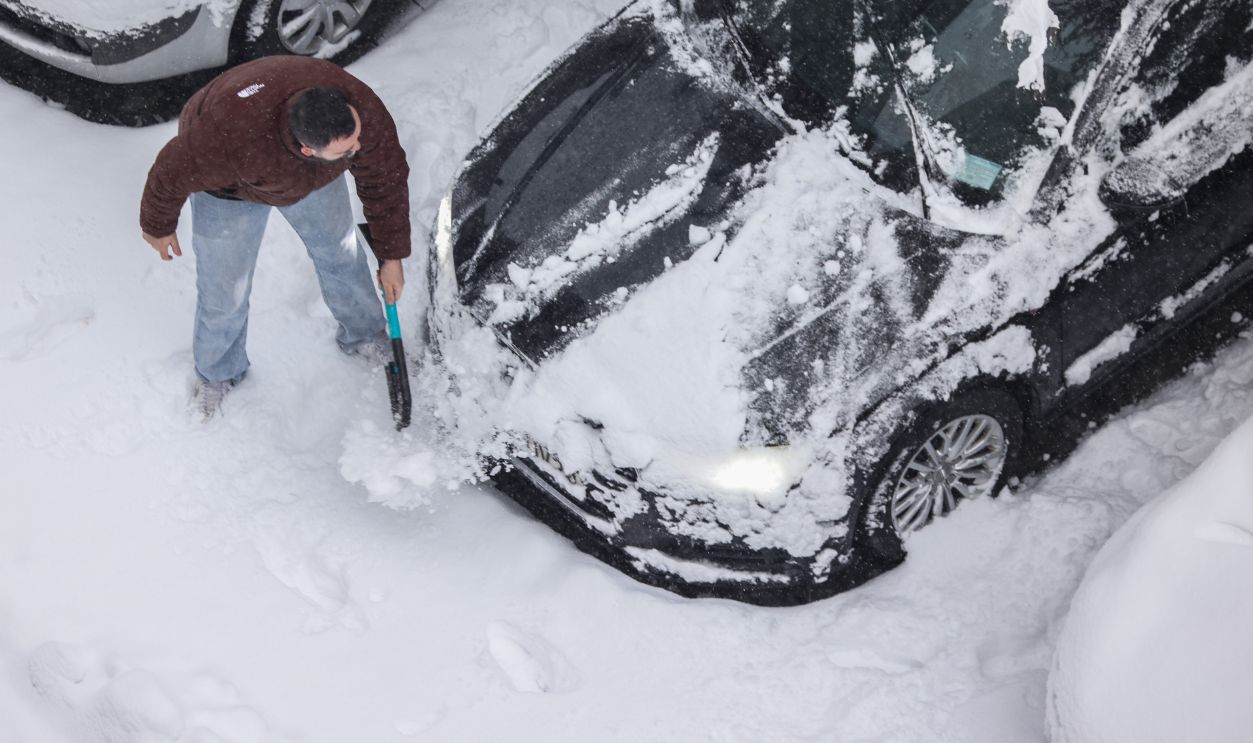
Blind-spot and rear cross-traffic systems commonly rely on radar units behind the rear bumper. Toyota says snow, ice, and mud around those sensors can cause the system to become unavailable. The warning beeps should be treated as assistance rather than a replacement for checking the surroundings yourself.
Camera Weather Problems Are Not Always Physical Ice
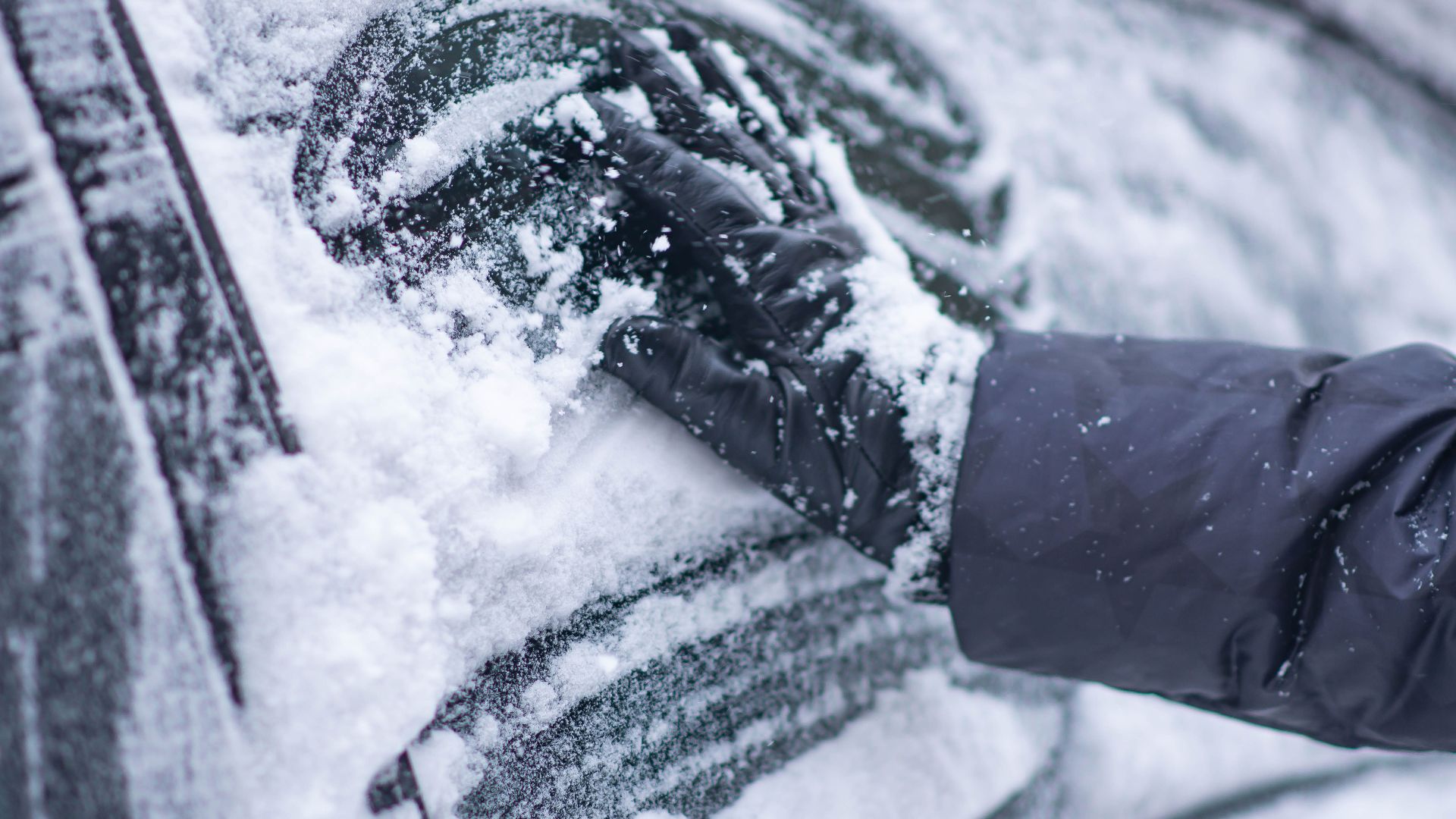
Heavy precipitation can reduce camera visibility even when the lens itself looks reasonably clean. Volvo warns that heavy rain, snowfall, fog, road spray, and swirling snow can limit camera-based systems. Bright sunlight and reflections can create problems under completely different weather conditions.
Software Can Freeze The Picture Too
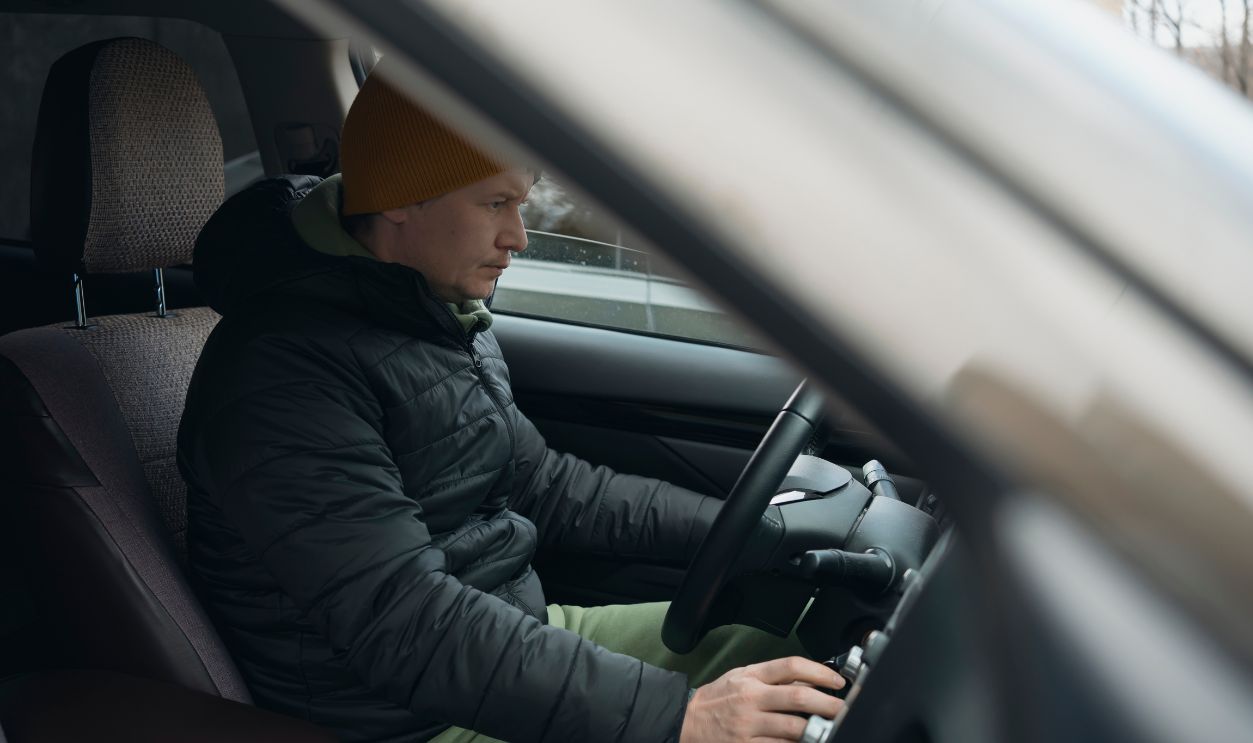
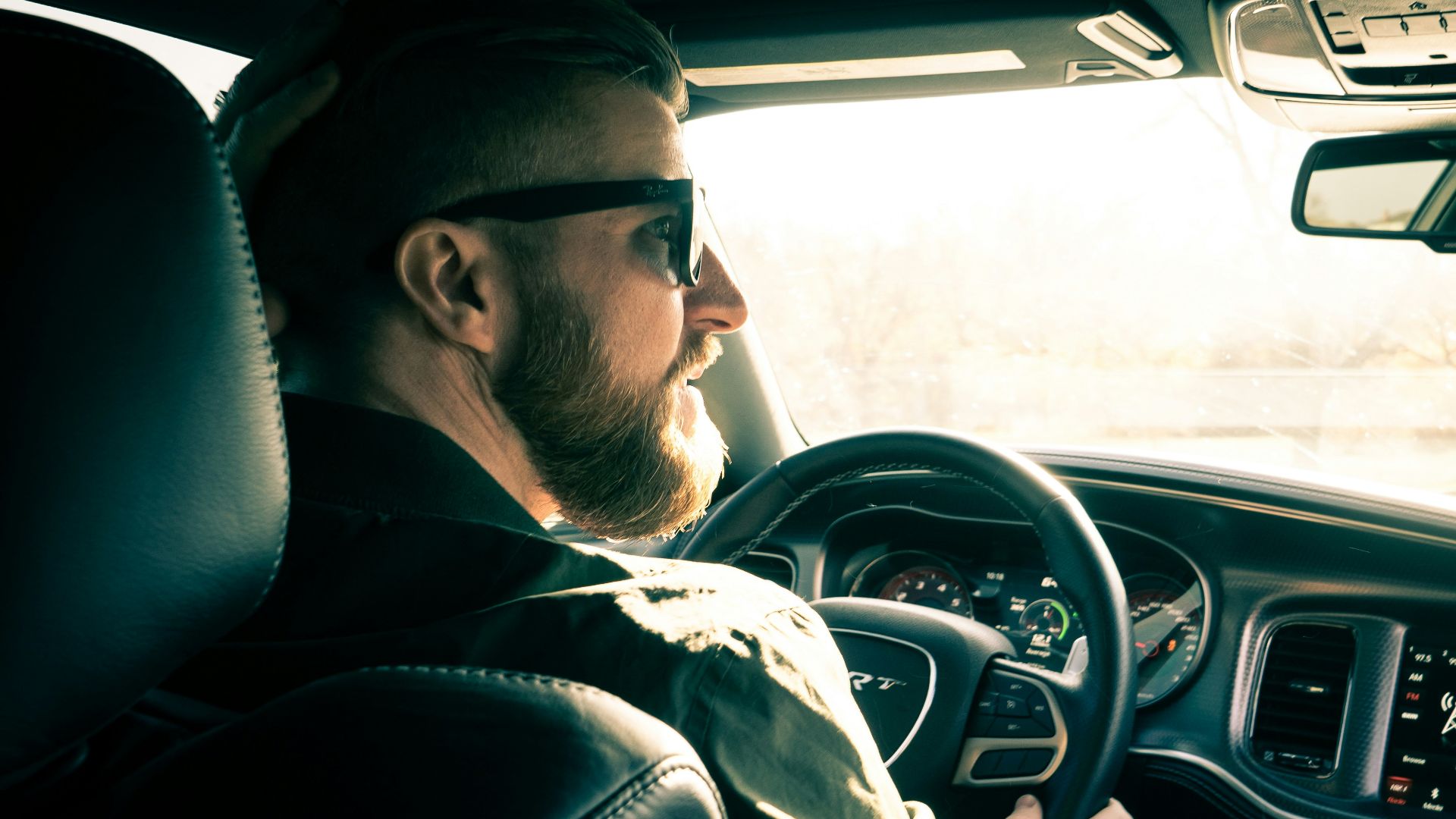
A frozen-looking image is not always caused by frozen water. In 2025, Ford recalled more than one million vehicles because a software error could cause the rearview-camera display to delay, freeze, or disappear while the vehicle was reversing. NHTSA said the problem could present an inaccurate picture of what was actually behind the vehicle.
A Frozen Image Can Be Worse Than A Black Screen
A blank display makes it obvious that the camera is unavailable. A frozen picture can look normal while showing something that happened seconds earlier. Ford's recall documentation specifically identified that false representation as a crash risk.
Check For Recalls If The Image Actually Locks Up
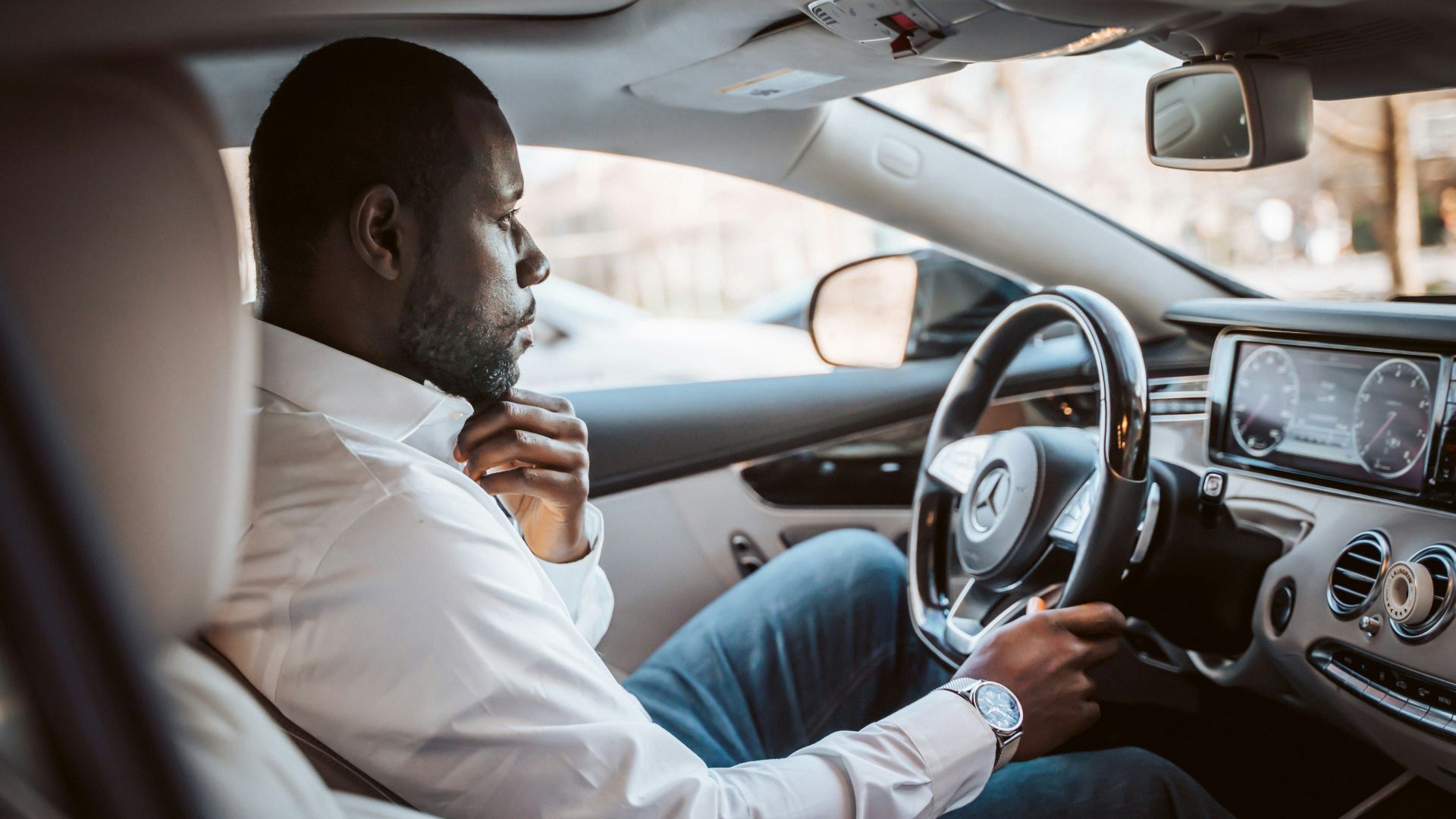
If clearing ice restores a crisp live picture, the cause is fairly obvious. If the screen freezes, lags, goes black, or behaves unpredictably with a clean camera, check your VIN for open recalls and contact the dealer. Recent safety recalls demonstrate that rear-camera software problems are real.
The Wide-Angle Image Also Distorts Distance
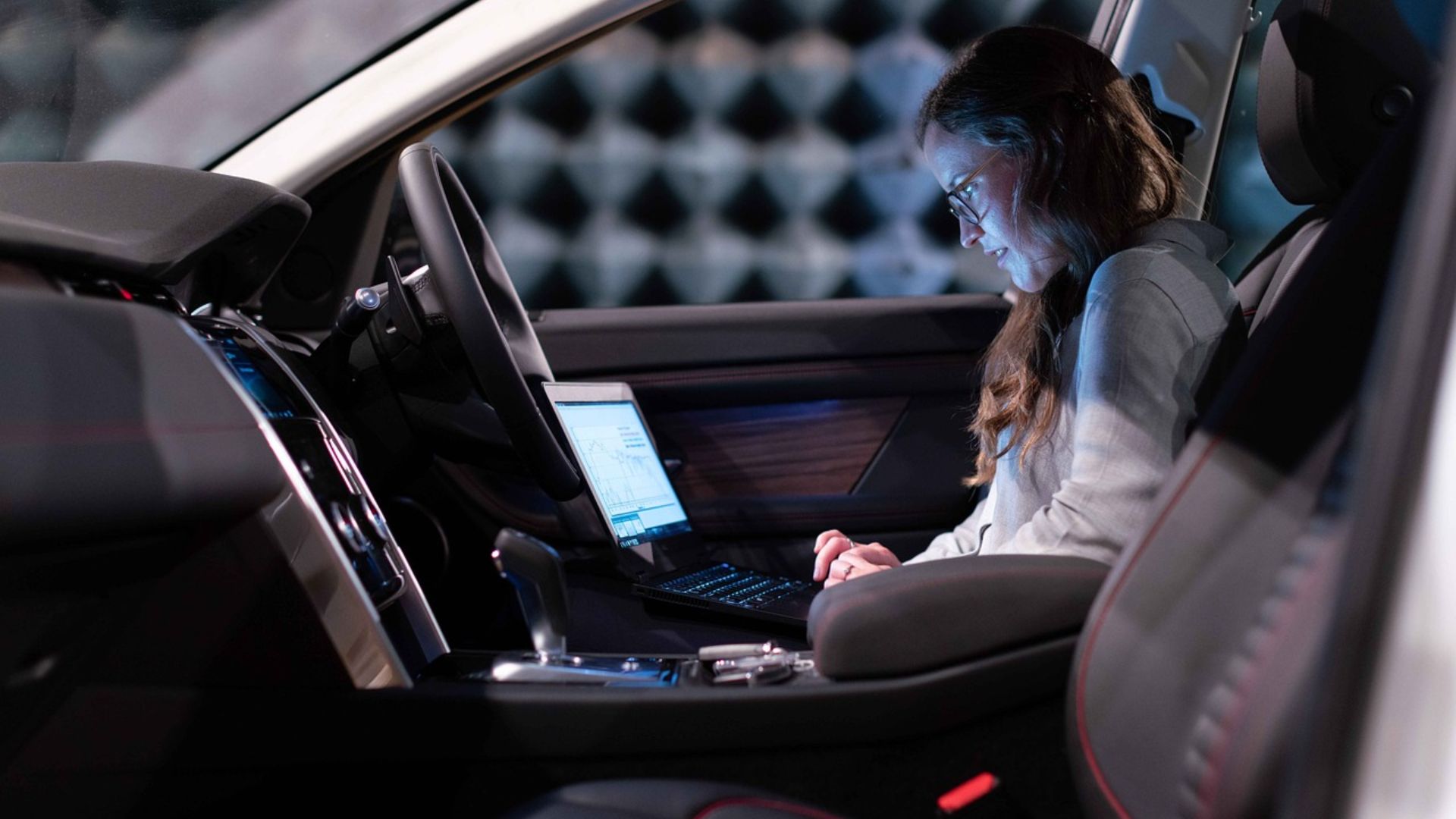
Backup cameras deliberately show a broad area, and that wide-angle perspective changes how objects appear. Honda and Toyota warn that displayed distances may differ from reality. Guidelines can help with positioning, but drivers should not treat the screen like a perfectly scaled photograph.
The Camera Has Blind Areas Of Its Own
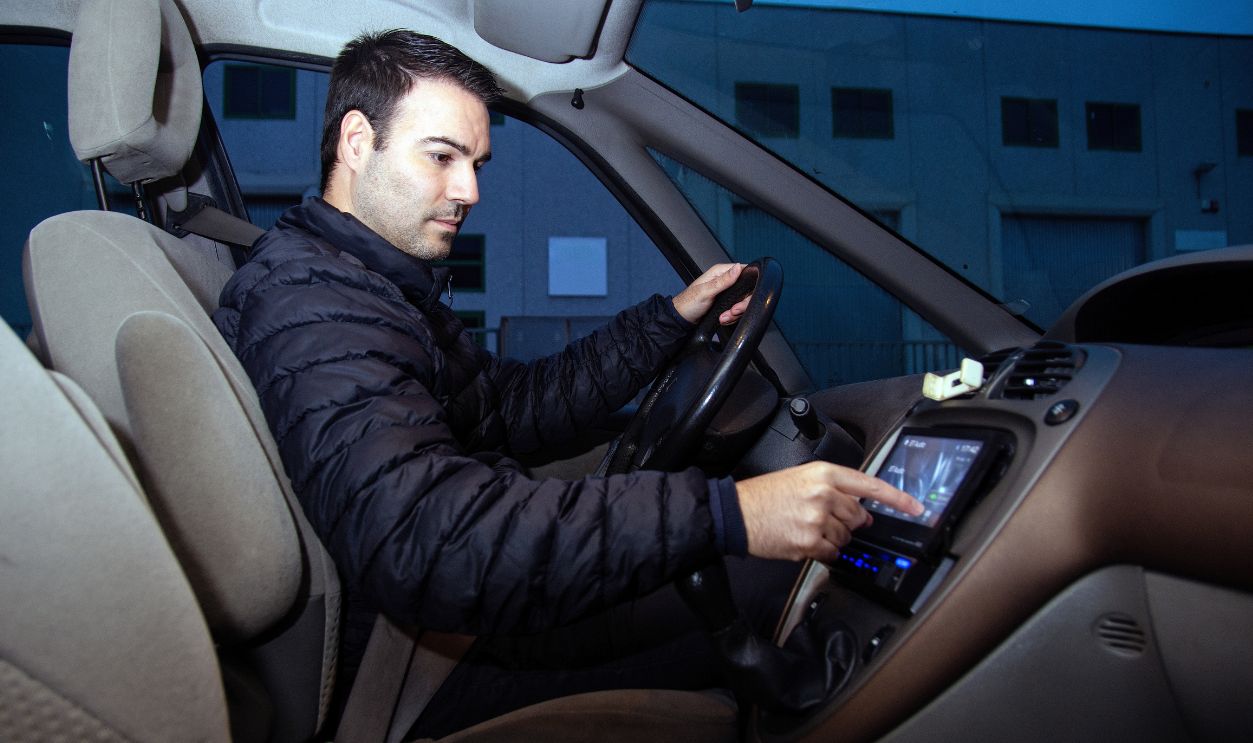
Honda notes that its rear camera cannot show everything around the bumper or underneath it. Parking sensors may detect certain nearby objects that are outside the useful camera view, which IIHS also observed in testing. The safest setup combines multiple sources of information rather than assuming one sensor sees everything.
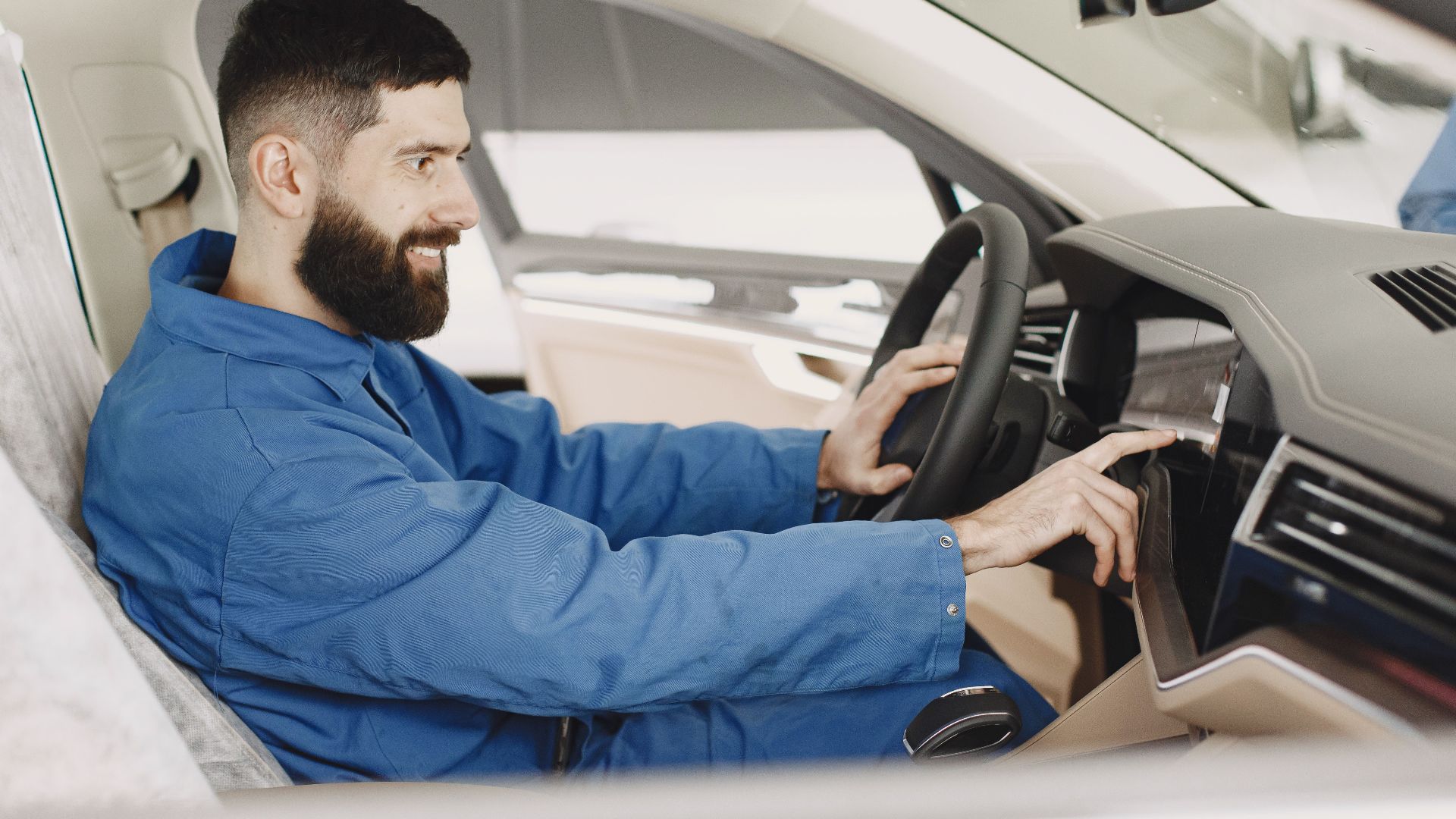
A Digital Rearview Mirror Adds Another Camera
Some vehicles now offer camera-fed interior mirrors that provide a wider view around passengers, head restraints, or cargo. Toyota's Digital Rear-view Mirror can switch between electronic and conventional optical modes. Toyota specifically tells drivers to return to the optical mirror when the camera image becomes difficult to see.
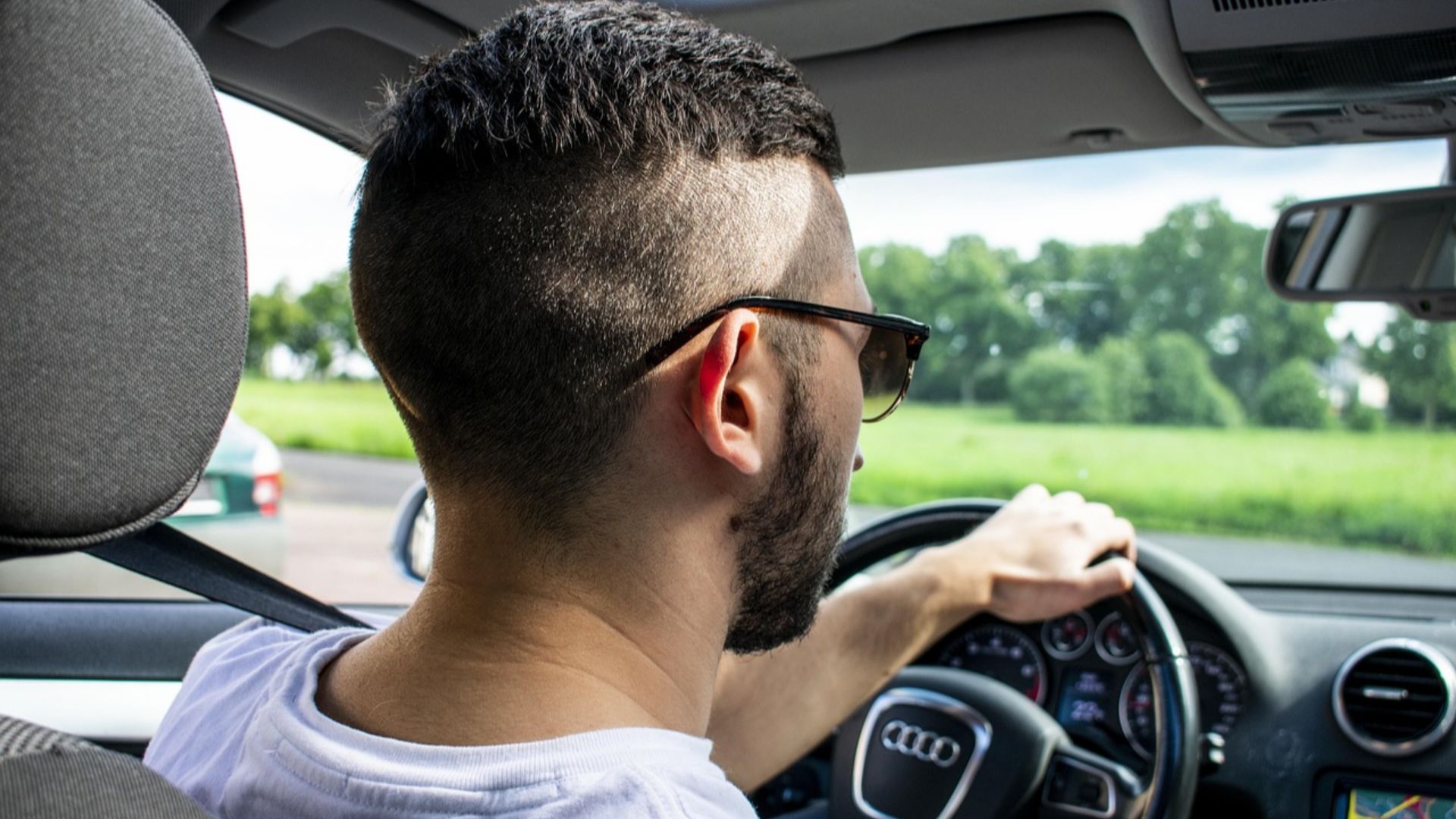
Not Every Vehicle Provides That Fallback Well
Camera dependence becomes more concerning when traditional visibility has been designed almost completely out of the vehicle. Consumer Reports found that with the Tesla Cybertruck's bed cover closed, the driver must rely heavily on the digital rear-camera image because normal rearward visibility is so restricted. That illustrates how far the industry can push the concept.
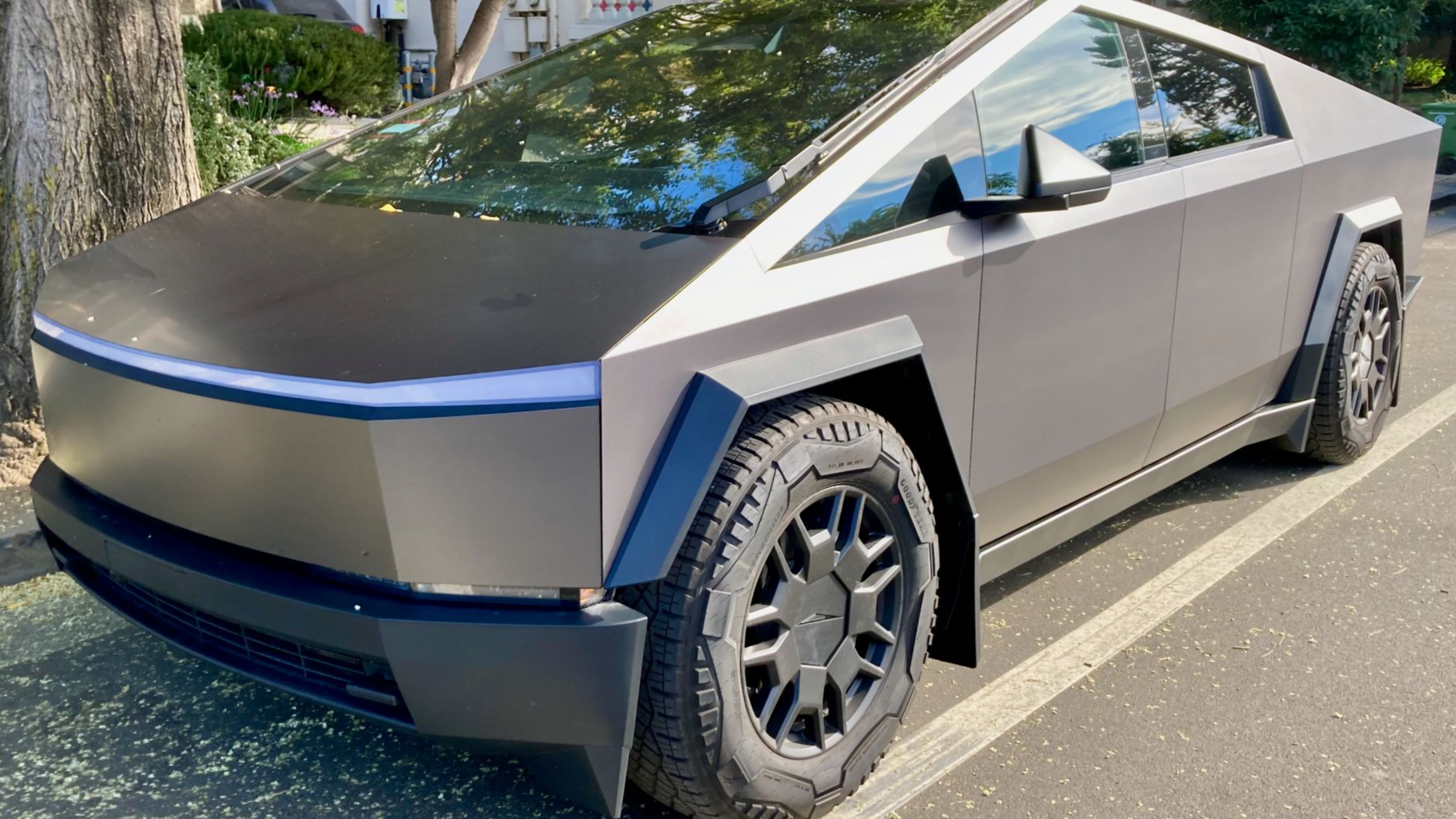 Bill Abbott, Wikimedia Commons
Good Traditional Visibility Is Still Possible
Poor rearward visibility is not inevitable. Consumer Reports praises the Jeep Grand Wagoneer's large rear window for providing a clear conventional view even with its rear seats in place. Cameras and driver-assistance technology then supplement that useful glass instead of compensating for its absence.
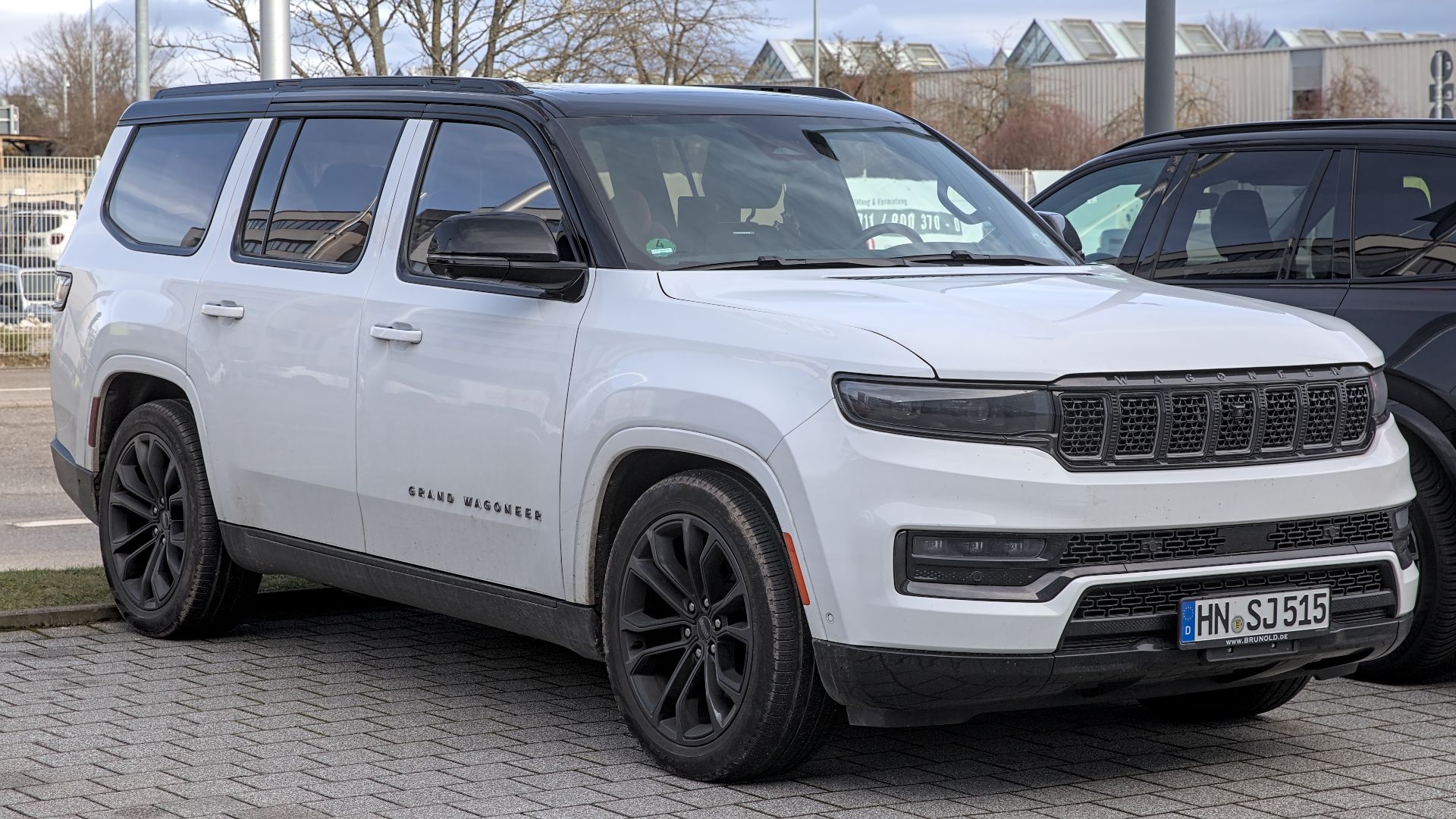 Alexander-93, Wikimedia Commons
Visibility Should Be Part Of A Test Drive
Shoppers usually check acceleration, comfort, screens, and cargo room before buying a vehicle. Rear visibility deserves the same attention. Sit in the normal driving position, look through the rear and side glass, and imagine whether you could confidently reverse if the camera were dirty or temporarily unavailable.
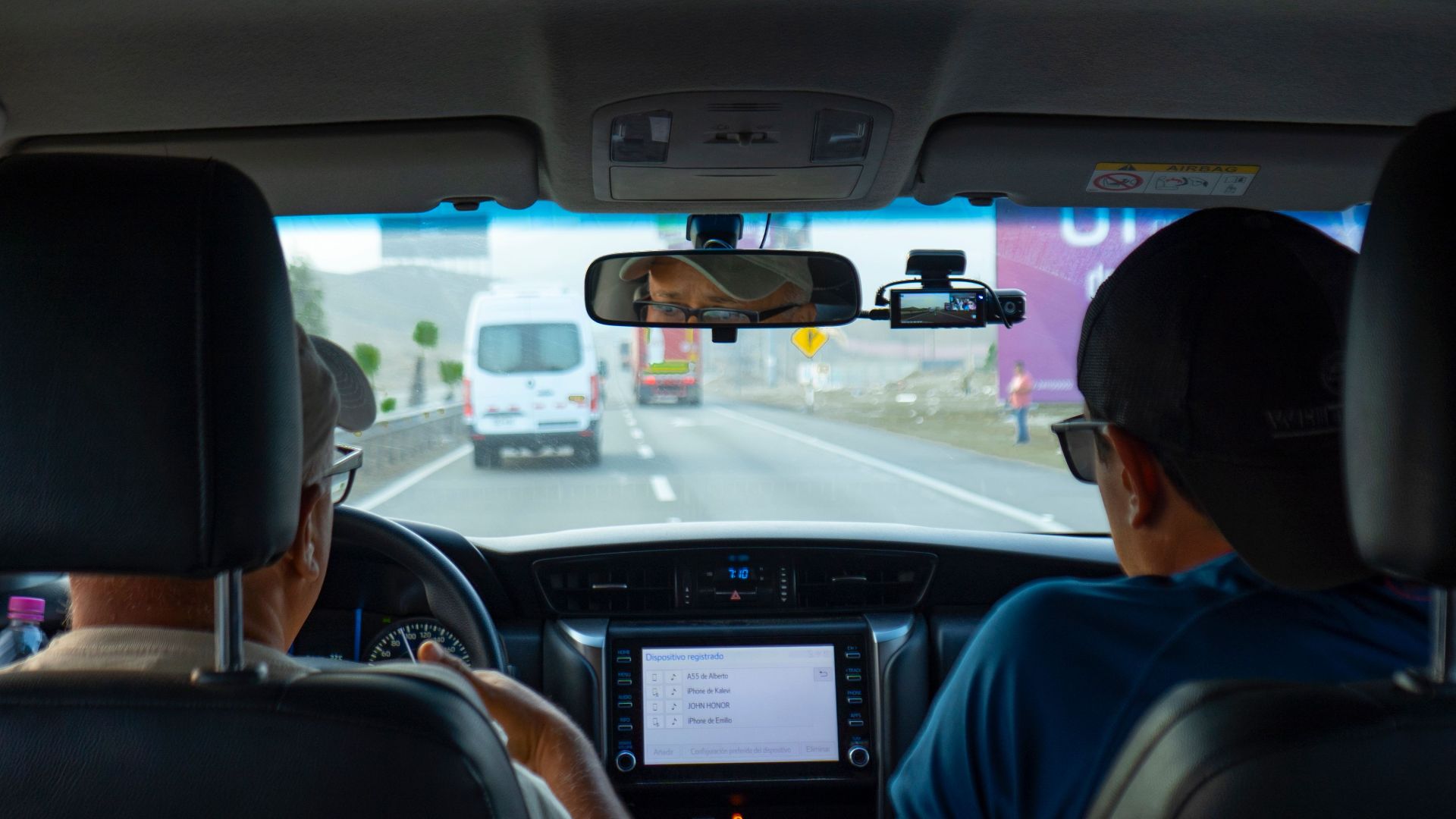
Clear The Vehicle Before You Clear The Driveway
In winter, remove snow and ice from more than the windshield. Toyota advises clearing exterior lights, mirrors, windows, and accumulated snow before driving. Add the rear camera and parking-sensor areas to that routine so the vehicle's electronic aids begin the trip with an unobstructed view.
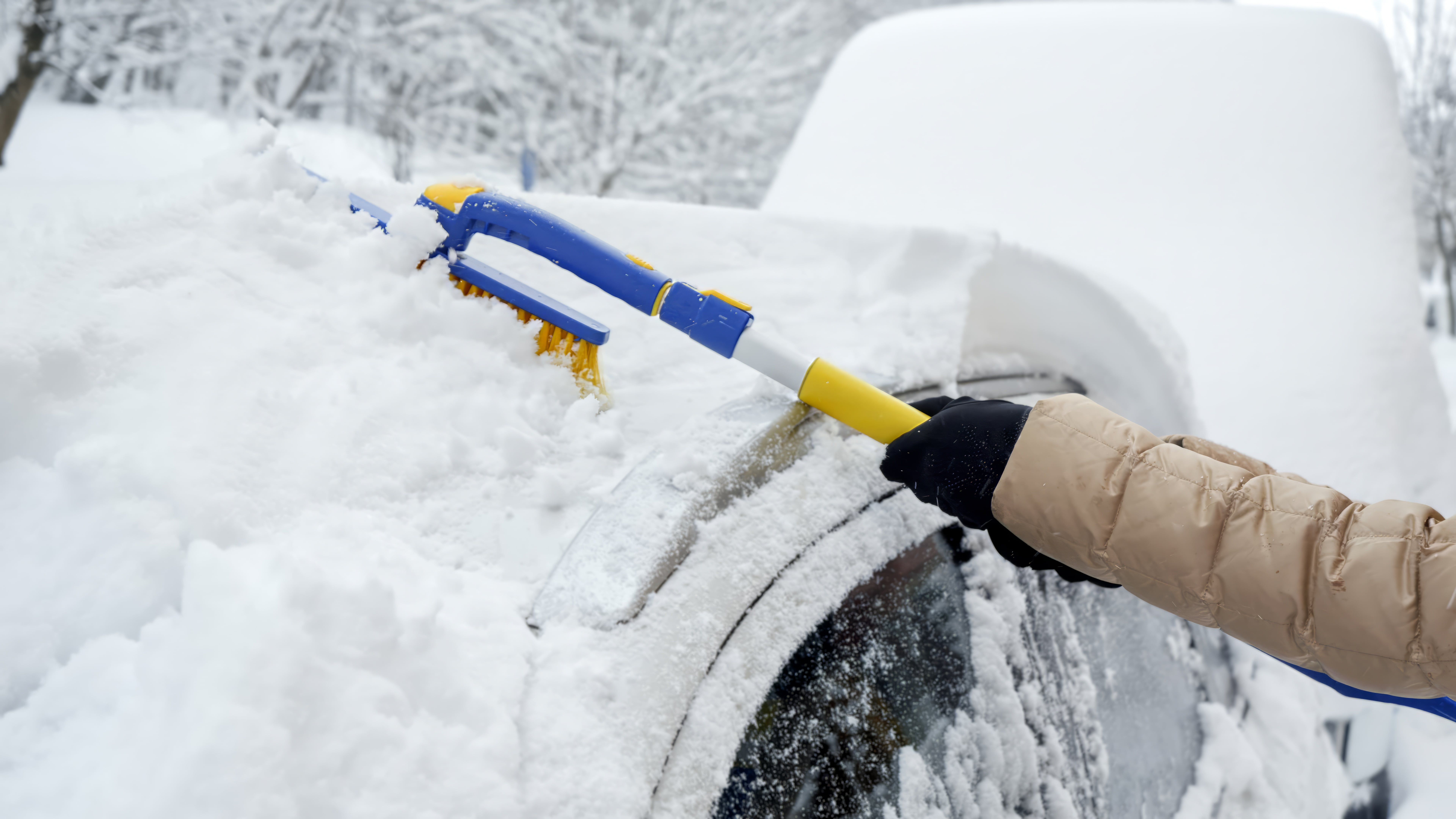
If You Cannot See, Stop And Check
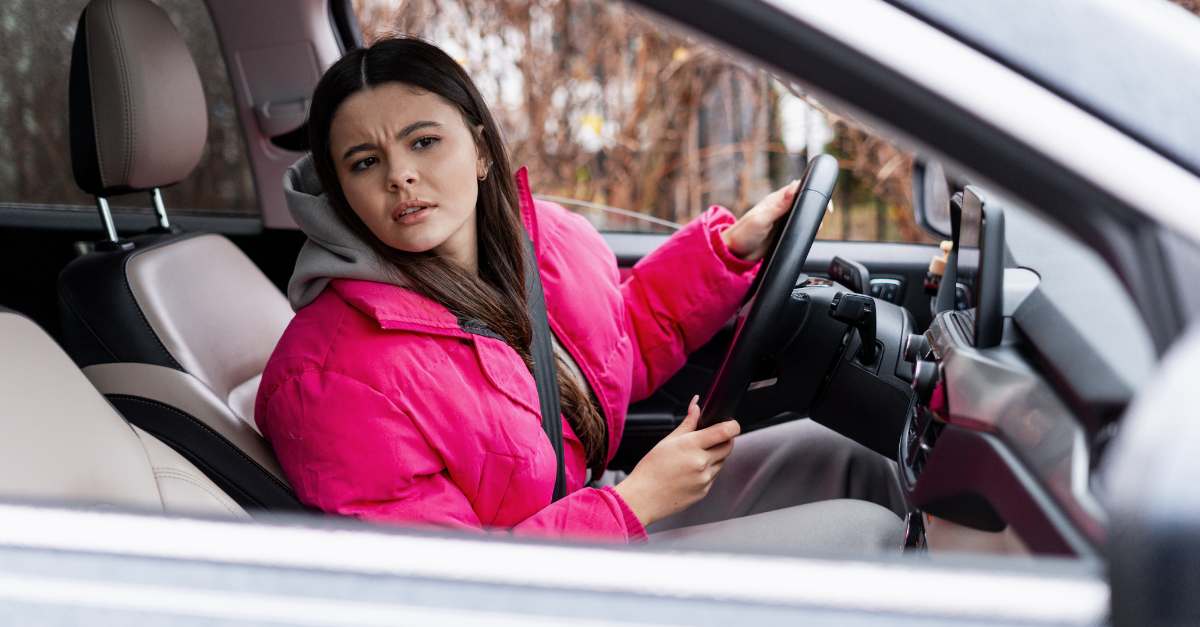
A camera failure does not create permission to reverse blindly. NHTSA recall guidance for unavailable rearview images advises drivers to use extra caution, inspect around the vehicle, use mirrors, and look over their shoulder as necessary. If uncertainty remains, getting out and checking behind the car is safer than guessing.
 AYO Production, Shutterstock Images
New Cars Are More Camera-Dependent Than Before
In many models, yes. Rear cameras became mandatory because they solve a real and serious blind-zone problem, but designers have also produced vehicles whose thick pillars, rising beltlines, sloping roofs, and small windows make drivers increasingly dependent on those cameras. The best design is not a return to the past, but a car with excellent cameras, useful mirrors, good glass visibility, and enough redundancy that one frozen lens does not leave the driver effectively blind.
You May Also Like:
Mechanics Say They Hate It When Customers Do These Things—So Don’t Do Them
Forgotten Sports Sedans That Deserve More Respect Than They Get
Classic Cars That Were Found In Barns, Then Set Auction Records
Sources: 1, 2, 3, 4, 5, 6, 7, 8, 9, 10, 11, 12, 13, 14, 15, 16, 17, 18, 19, 20, 21, 22, 23, 24, 25, 26