That Quote Seems Absurd
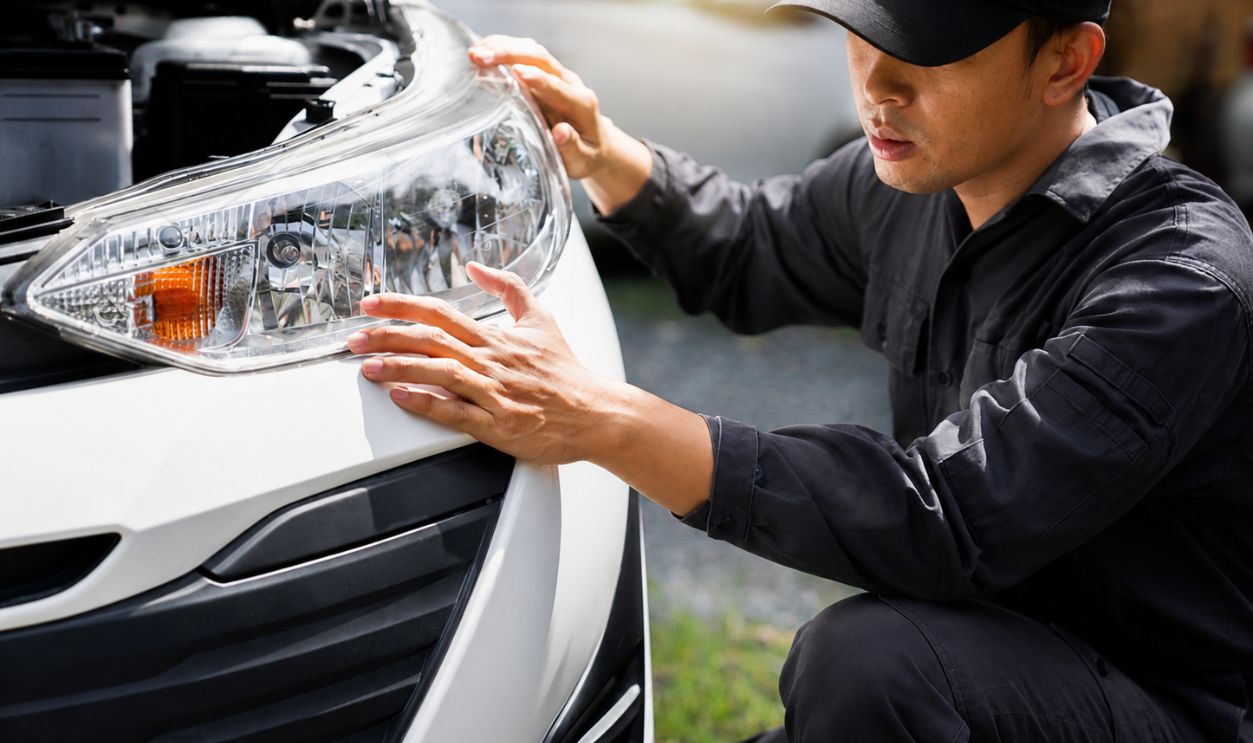
Your headlight stopped working, so you expected a bulb and perhaps 15 minutes of labor. Instead, your mechanic quoted $900. Before assuming you're being ripped off, understand that many modern headlights aren't really bulbs anymore. They're sophisticated assemblies containing LEDs, electronics, motors, cooling hardware, and precision optics.
Headlights Used To Be Simple
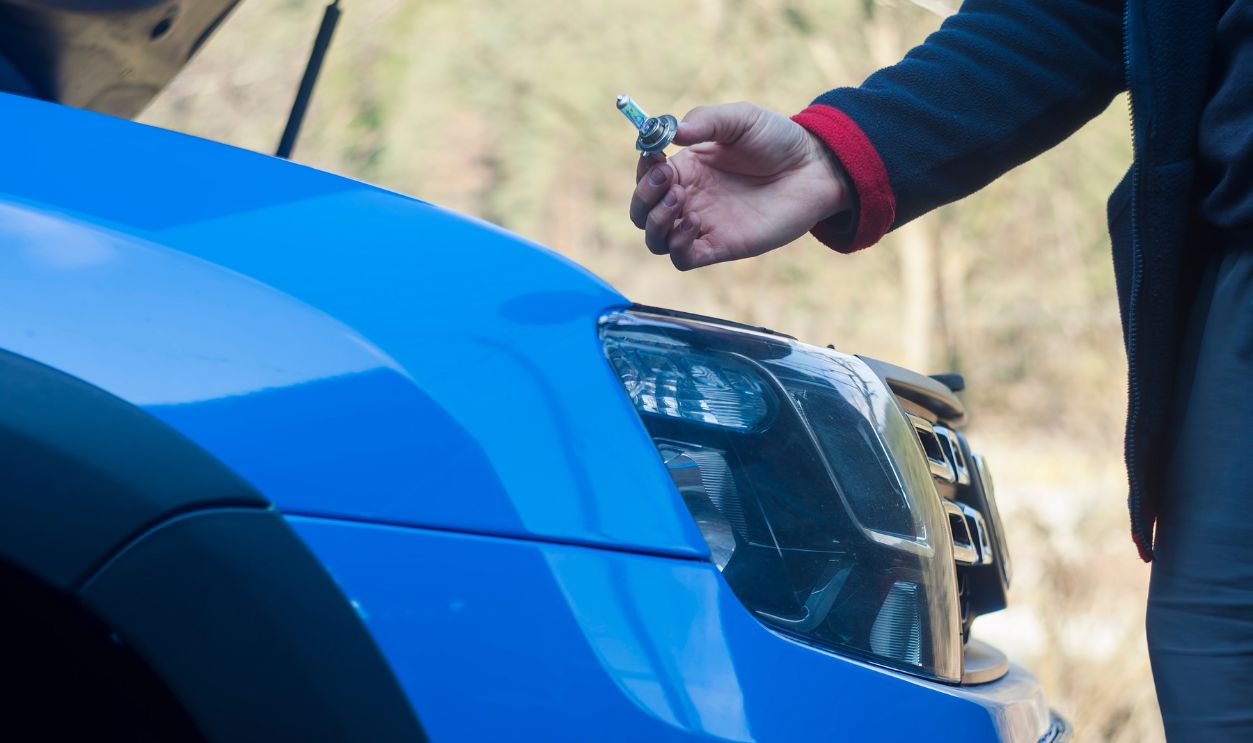
Older replaceable-bulb headlights really could be inexpensive. AAA says conventional halogen bulbs commonly cost about $10 to $25 each. On a vehicle providing easy access behind the housing, replacing one might involve little more than unplugging a connector, twisting out the old bulb, and installing another.

Sealed Beams Were Different
Go farther back and American cars commonly used standardized sealed-beam headlights. The lens, reflector, and filament formed a complete replaceable unit. Standardization limited styling freedom, but replacement was comparatively straightforward. The National Highway Traffic Safety Administration (NHTSA) notes that few lighting manufacturers still produce sealed beams because their automotive use has dwindled dramatically.

Halogens Changed The Equation
Replaceable halogen bulbs allowed manufacturers to separate the light source from the headlamp housing. When a filament burned out, you could often retain the expensive lens and reflector. This is the headlight-repair experience many drivers remember, which helps explain why today's four-figure assemblies produce such sticker shock.
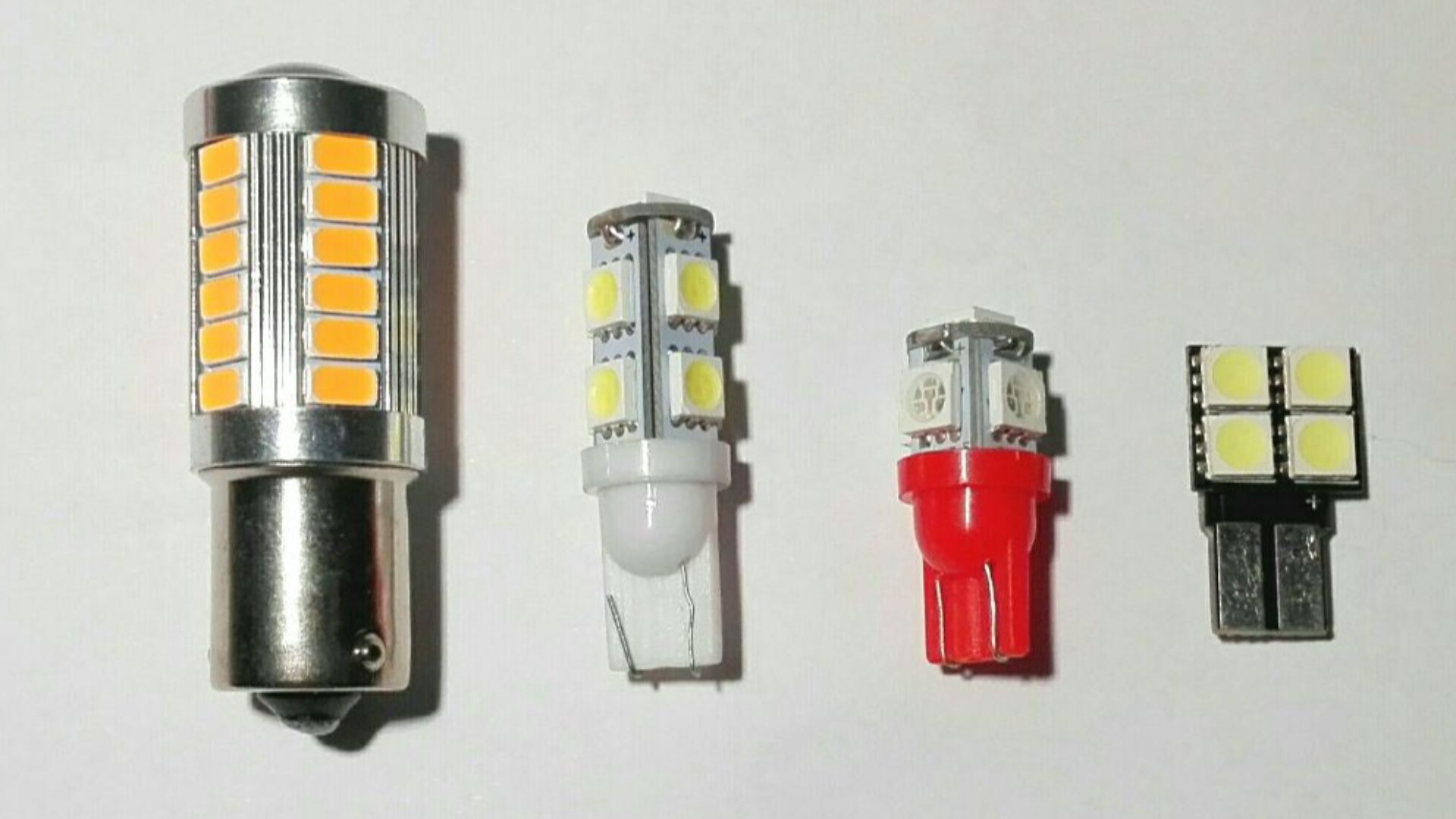
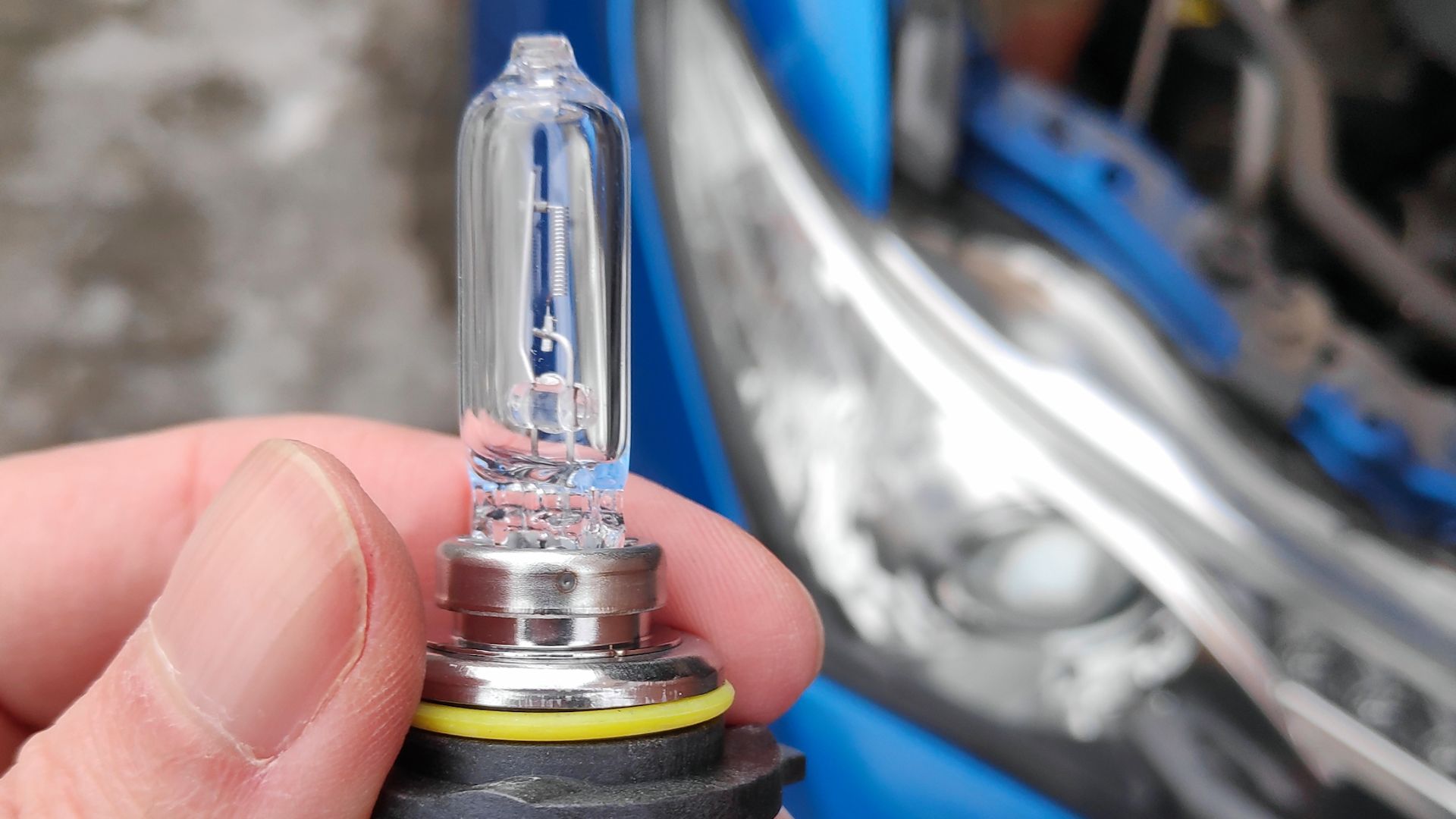 Marek Ślusarczyk (Tupungato) Photo portfolio, Wikimedia Commons
LEDs Changed It Again
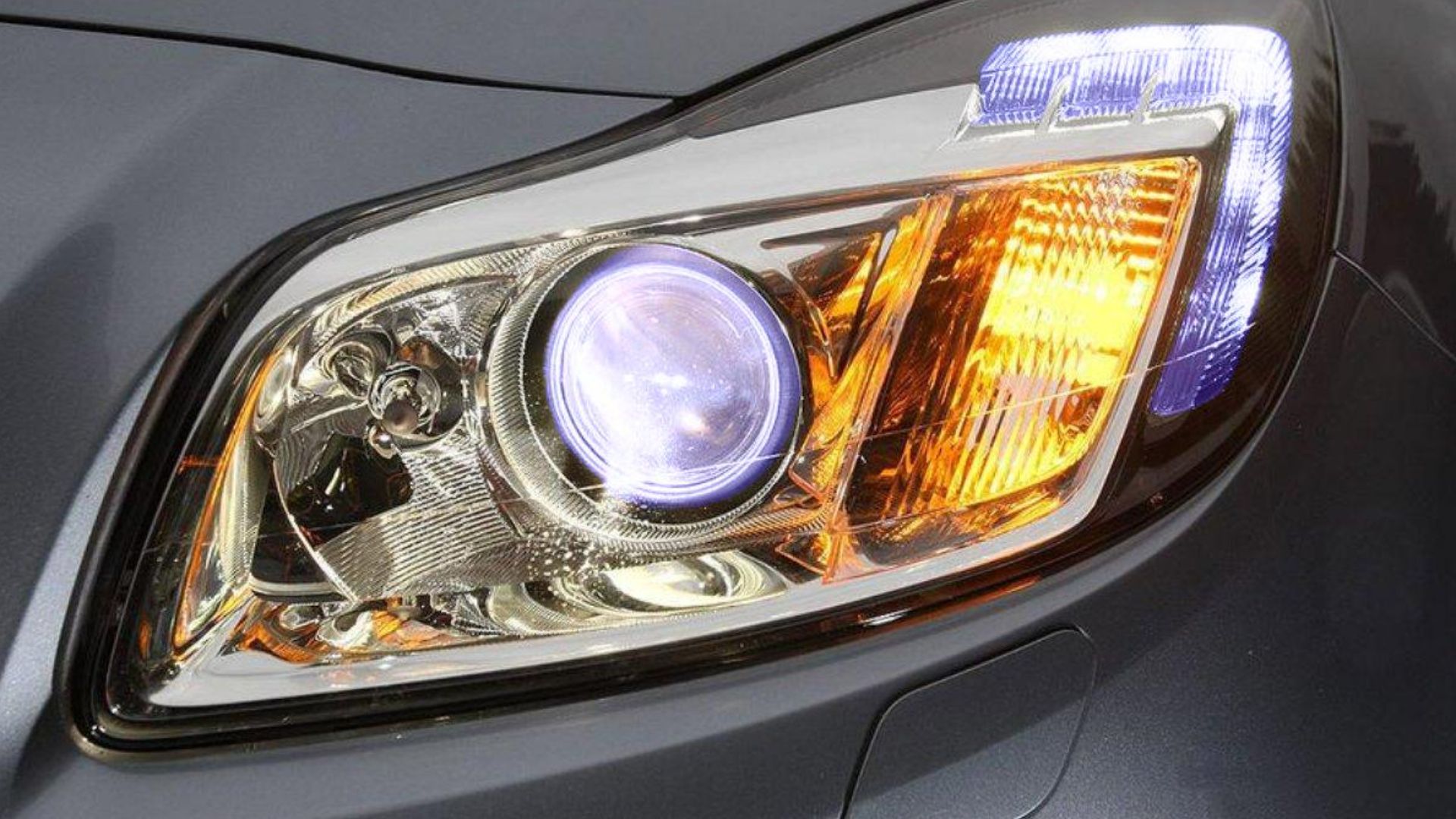
LEDs brought excellent efficiency, durability, and enormous design flexibility, but many automotive LED headlights aren't designed around a little replaceable bulb. NHTSA defines an integral-beam headlamp as an essentially indivisible optical assembly incorporating its lens, reflector, and light source. That distinction can make repairs dramatically more expensive.
You May Need Everything
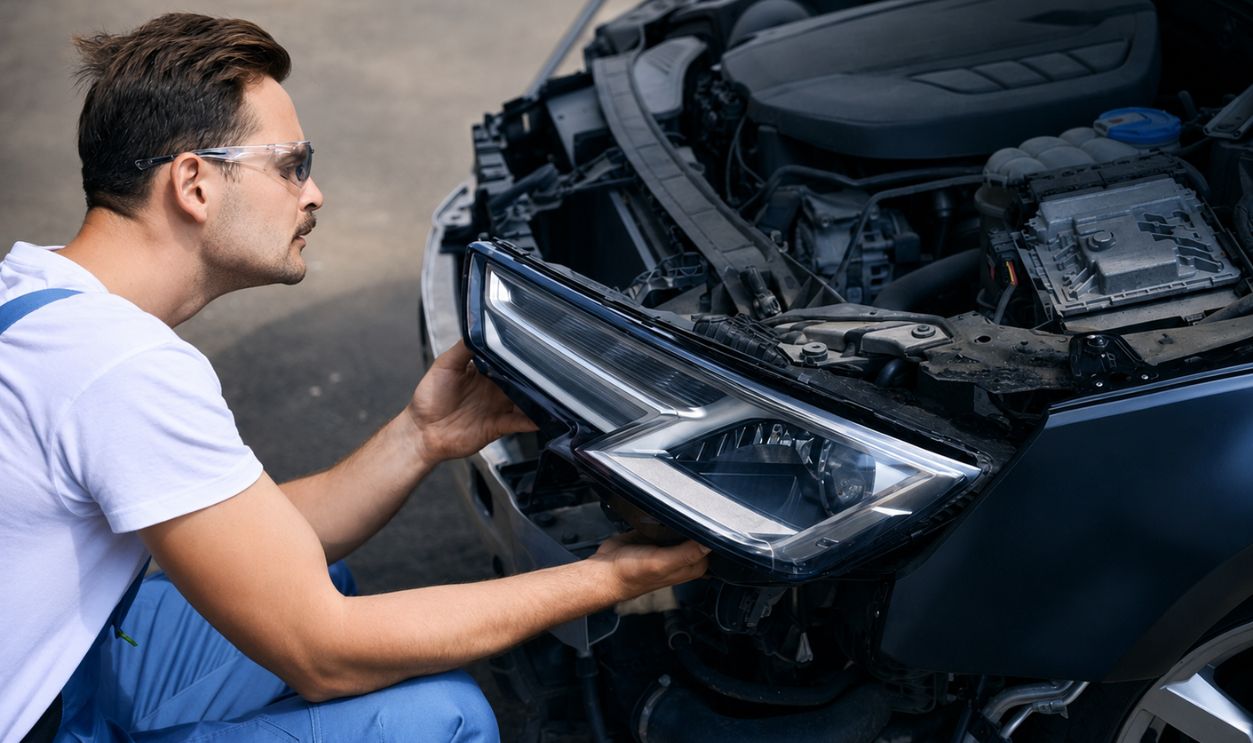
Ask your mechanic exactly what is being replaced. AAA says newer vehicles with sealed LED units may require replacement of the complete headlight assembly rather than an individual light source. Such assemblies can cost anywhere from several hundred dollars to well above $1,000 per side.
$900 Is Plausible
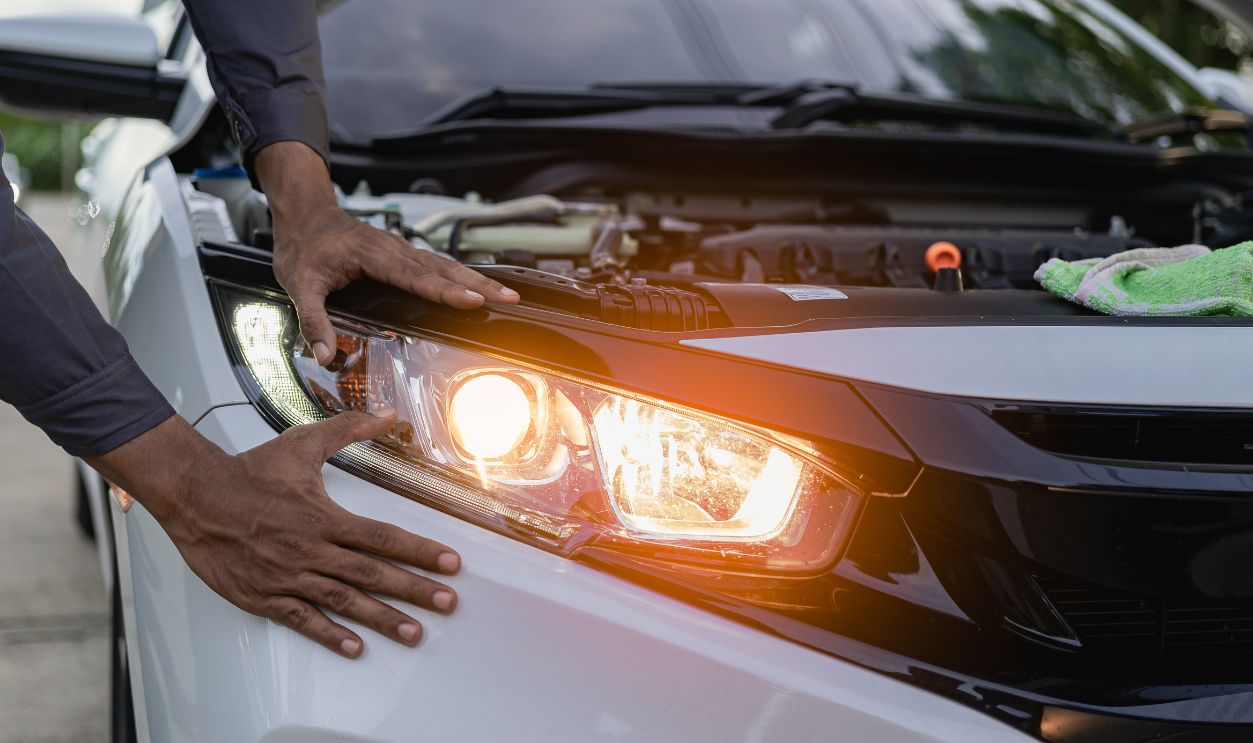
That doesn't automatically make your particular $900 estimate reasonable, but the number itself isn't extraordinary anymore. Consumer Reports has estimated replacement LED headlight and taillight assemblies at roughly $750 to $1,500, compared with about $200 to $500 for conventional halogen assemblies.
LEDs Rarely Work Alone
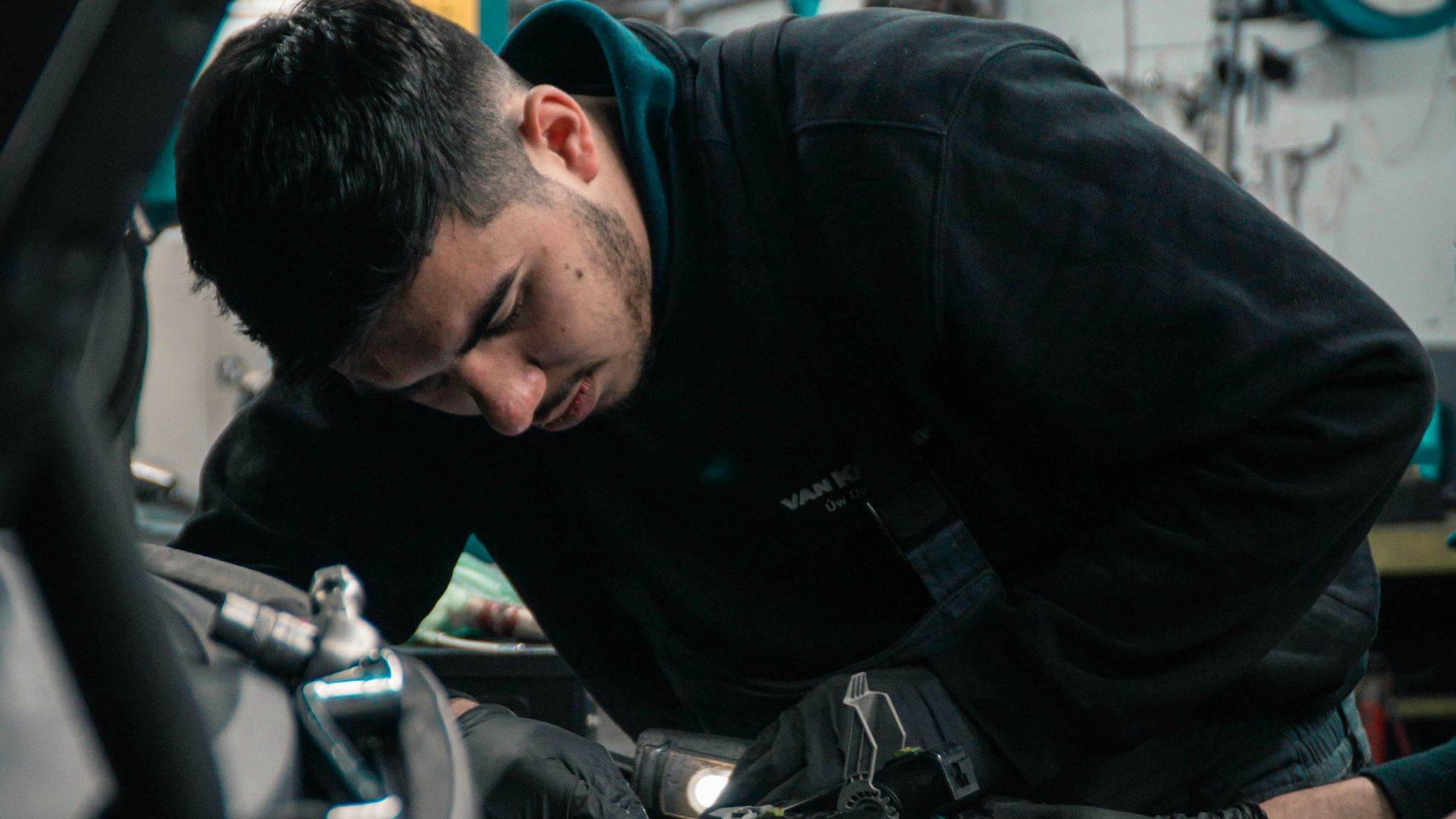
A modern LED headlamp may contain multiple LEDs, circuit boards, control electronics, heat-management components, reflectors, projectors, and other hardware. Consequently, diagnosing a dark headlight matters. The expensive assembly itself may have failed, but the problem could instead involve wiring, connectors, a control module, or another component.
HID Systems Add Complexity
High-intensity-discharge headlights introduced another layer of technology before LEDs became dominant. HID systems can involve bulbs, ballasts, igniters, and specialized housings rather than one simple filament. AAA notes that HID and LED light sources can exceed $100 even before you encounter the cost of replacing an entire assembly.
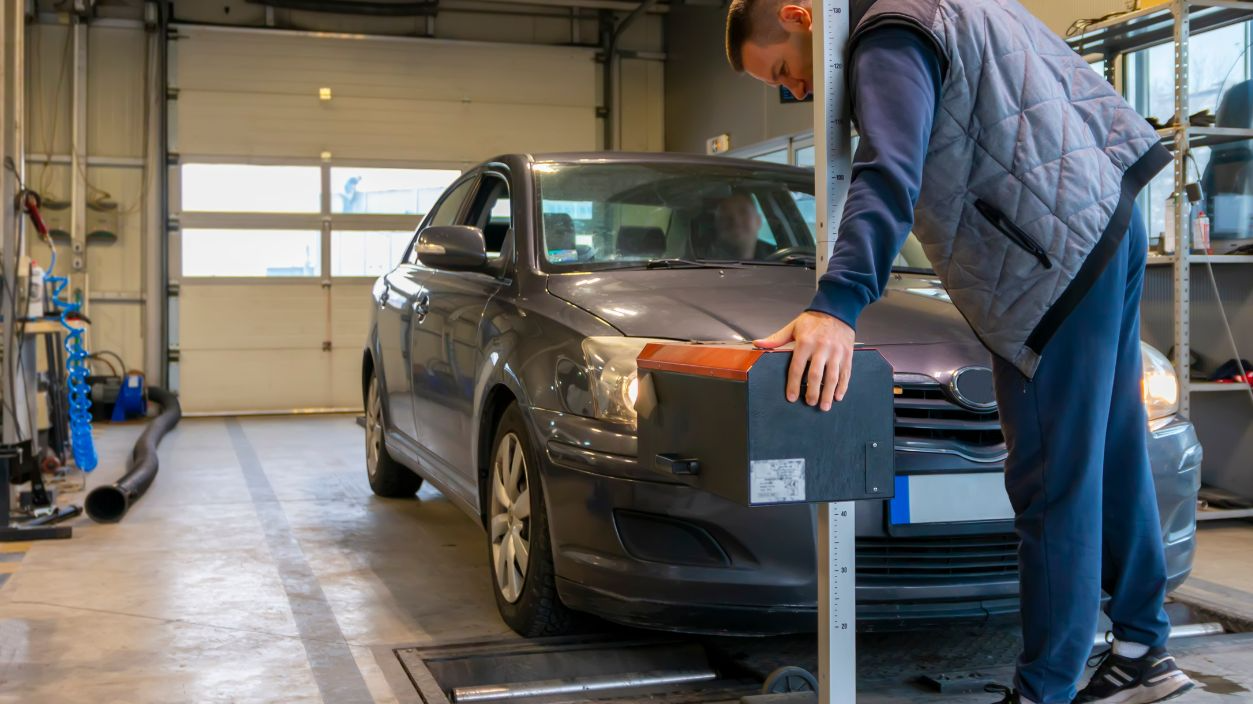 Anastasija Vujic, Shutterstock
Headlights Can Actually Steer
Some headlights turn their beams as your steering changes, helping illuminate curves. That requires considerably more sophistication than an old stationary reflector. NHTSA has previously addressed headlighting equipment whose horizontal aim changes according to vehicle speed and steering input, illustrating how deeply lighting can now integrate with vehicle operation.
Adaptive Beams Go Further
Adaptive driving beams can continuously alter their illumination pattern, maintaining greater high-beam visibility while shading areas occupied by other vehicles. NHTSA changed federal regulations in 2022 to permit ADB systems in the United States, subject to specific performance requirements intended to control glare.
Better Lights Improve Safety
All this sophistication we're talking about isn't merely decorative. IIHS says adaptive driving beams can provide high-beam visibility while reducing glare around other vehicles. Research has also associated automatic high-beam assistance with reductions in nighttime crashes. Better illumination therefore has genuine safety value, even when repairs become painfully expensive.
Styling Adds Another Cost
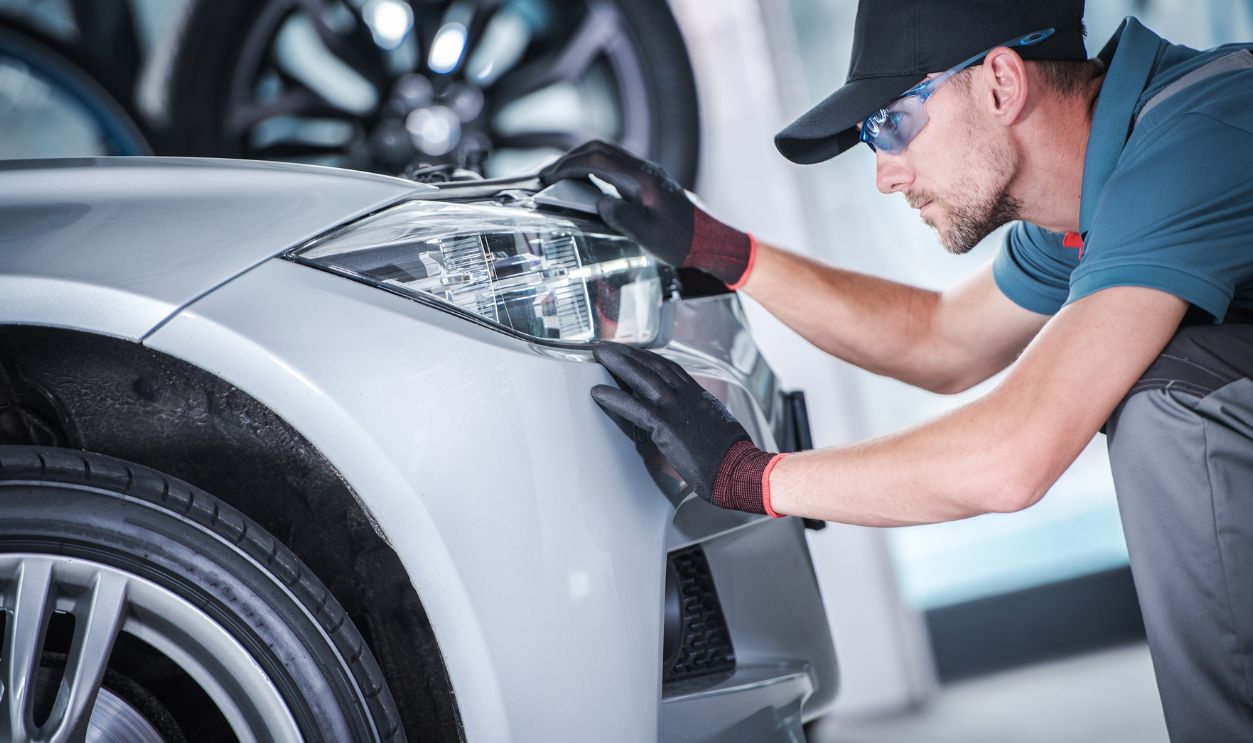
Automakers increasingly use headlights as major styling elements. Complex shapes, narrow LED signatures, multiple projectors, and distinctive daytime-running lights help establish a vehicle's identity. The downside becomes apparent when damage to one portion cannot be repaired separately and your supposedly minor lighting problem requires an elaborate vehicle-specific assembly.
Labor Can Surprise You
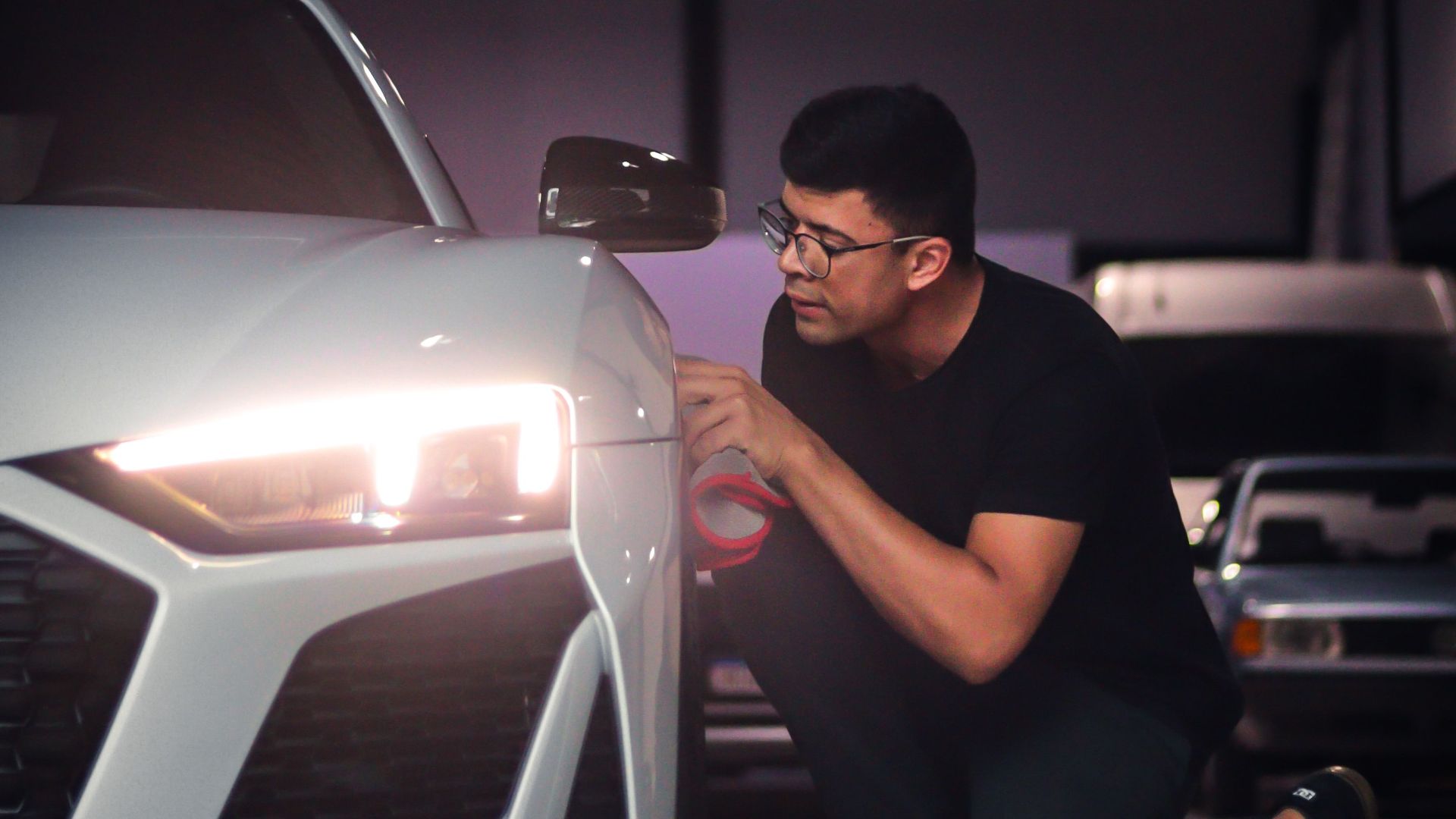
Don't assume the entire estimate represents the part. Access varies enormously between vehicles. Some headlights can be removed quickly, while others may require removing trim, wheel-well components, or portions of the bumper. Ask your shop for separate parts and labor figures so you understand exactly where your $900 is going.

Calibration Can Cost Extra
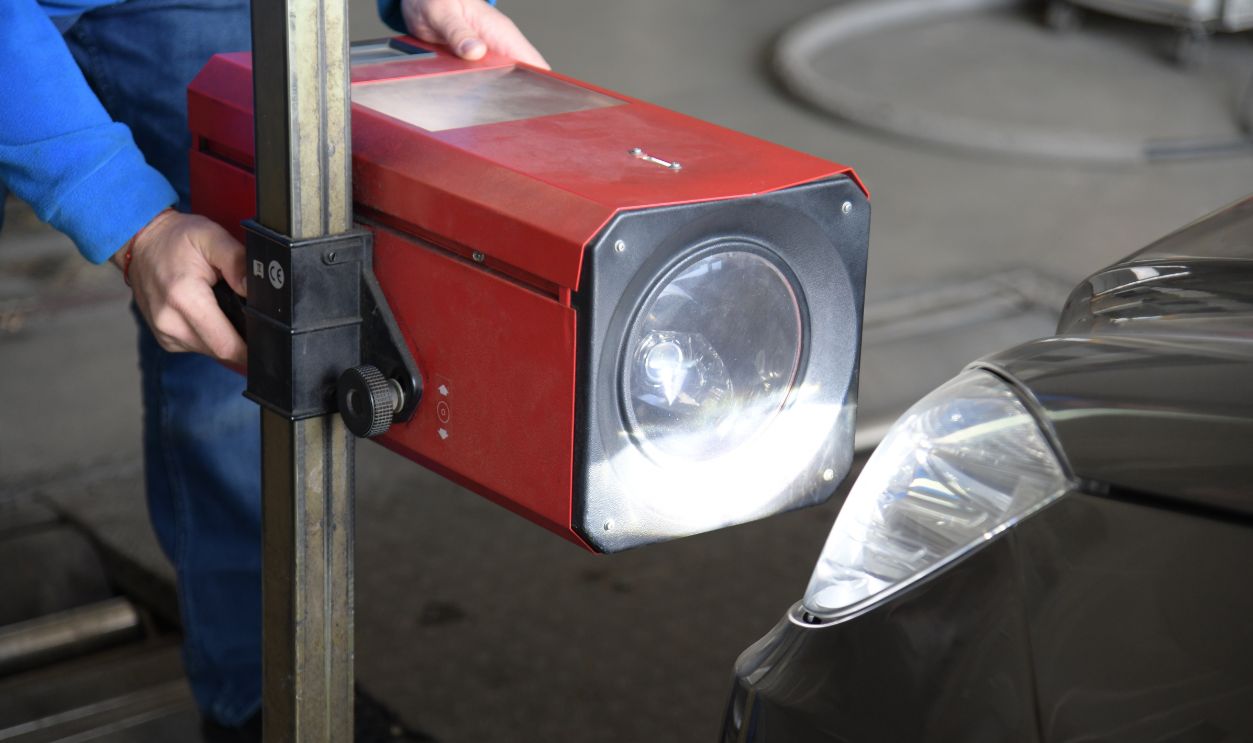
Some sophisticated lighting systems require aiming, initialization, or calibration after replacement. Consumer Reports estimates recalibration can add roughly $100 to $250 when applicable to modern headlight or taillight repairs. Ask whether your estimate includes calibration and why your particular vehicle requires it before authorizing the work.

Diagnosis Comes First
Before approving an entire headlight assembly, ask the mechanic how the failure was diagnosed. Did the technician confirm power and ground? Were fault codes checked? Is the LED unit itself defective? A $900 component shouldn't be replaced merely because somebody noticed that the headlight wasn't illuminating.

Get An Itemized Estimate
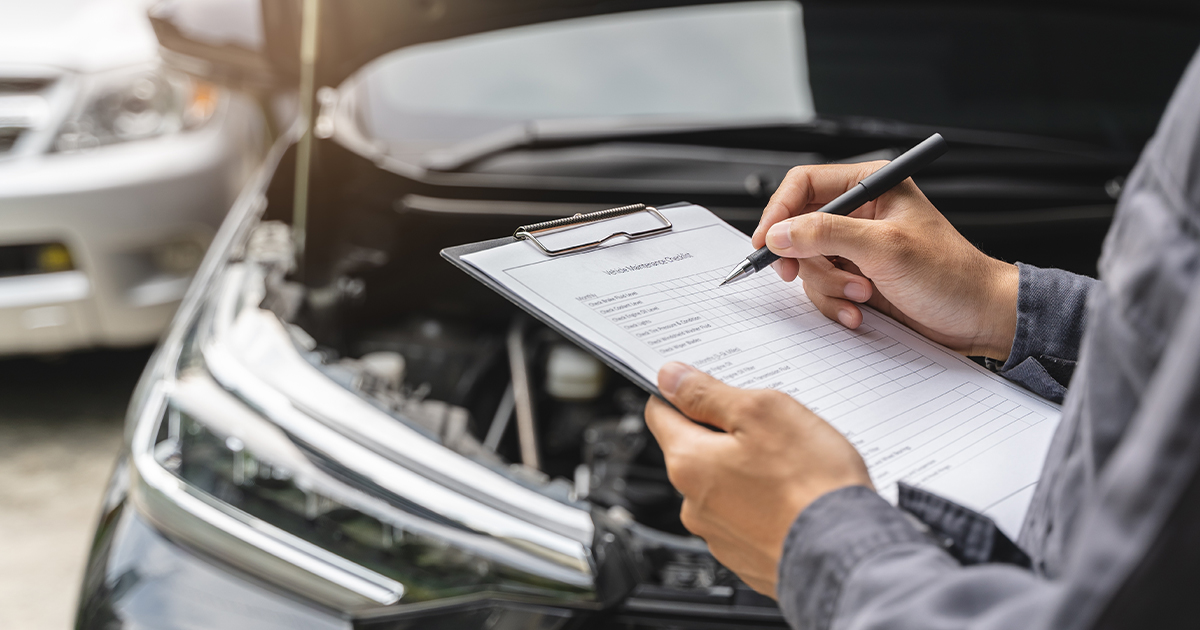
Ask for the repair in writing, including the exact part, labor charge, diagnostic fee, calibration, taxes, and other charges. The Federal Trade Commission (FTC) recommends written estimates for expensive repairs and notes that estimates should identify the condition being repaired, required parts, and anticipated labor charges.

Ask Which Part
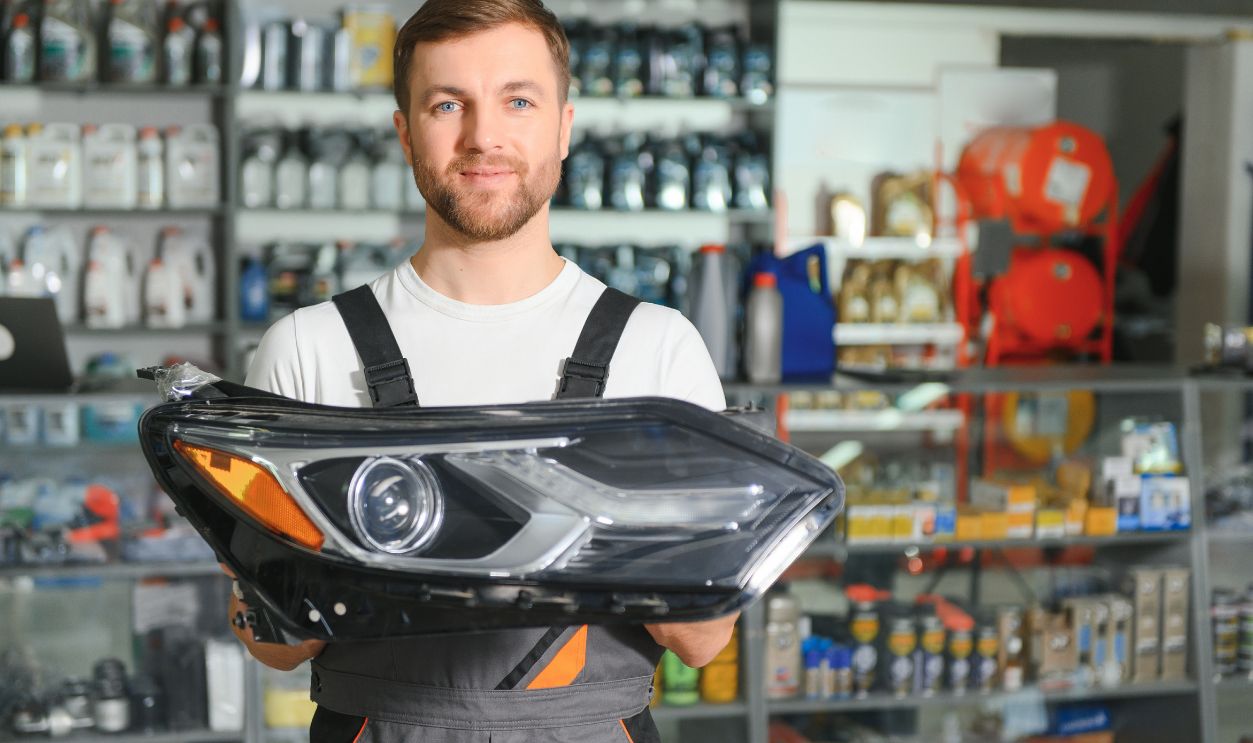
Find out whether your mechanic quoted a new original-equipment assembly, an aftermarket replacement, or another option. The FTC notes that replacement parts can come from the vehicle manufacturer or independent manufacturers, and some states require shops to disclose when non-original equipment parts will be installed.
Aftermarket Can Save Money
An aftermarket headlight assembly may cost substantially less than the manufacturer's original part, but don't choose solely by price. Lighting is safety equipment governed by federal performance requirements. Ask whether the replacement is appropriate for your exact vehicle and whether the shop will warranty its fit, operation, sealing, and installation.
Beware LED Bulb Swaps
Cheap online LED “bulbs” aren't necessarily a legitimate shortcut for halogen headlights. NHTSA has explained that LED replaceable light sources were not permitted for replaceable-bulb headlamps under Federal Motor Vehicle Safety Standards (FMVSS) No. 108 because accepted specifications had not been established for such replacements. State law can also affect modifications.
Check Your Warranty
If your vehicle is relatively new, investigate warranty coverage before paying anything. Determine whether the failed component is covered by the manufacturer's basic warranty, a lighting-specific provision, or a service contract. The FTC recommends examining exactly which repairs are covered and whether authorization procedures or deductibles apply.
Collision Damage Is Different
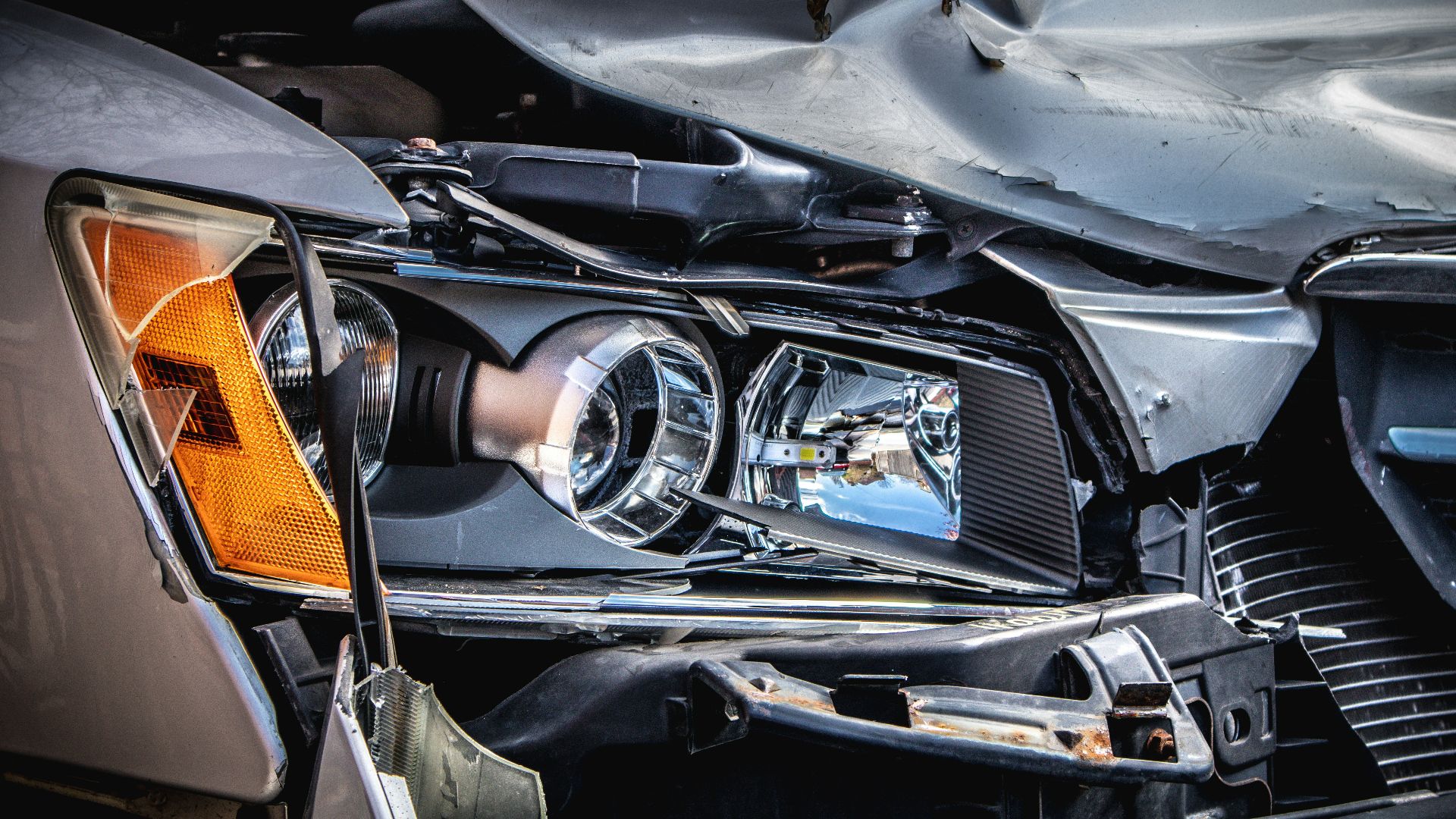
A failed LED module and a headlight smashed in a parking-lot collision create different financial questions. Collision or comprehensive insurance may potentially cover physical damage depending on what happened and your policy, but your deductible matters. Filing a $900 claim against a $1,000 deductible obviously provides little benefit.
Get Another Opinion
If $900 still seems unreasonable, you don't have to accept the first quote. The FTC specifically recommends considering a second opinion for expensive or complicated repairs. Ask another qualified shop to diagnose the problem independently rather than simply asking whether it can beat the first mechanic's price.
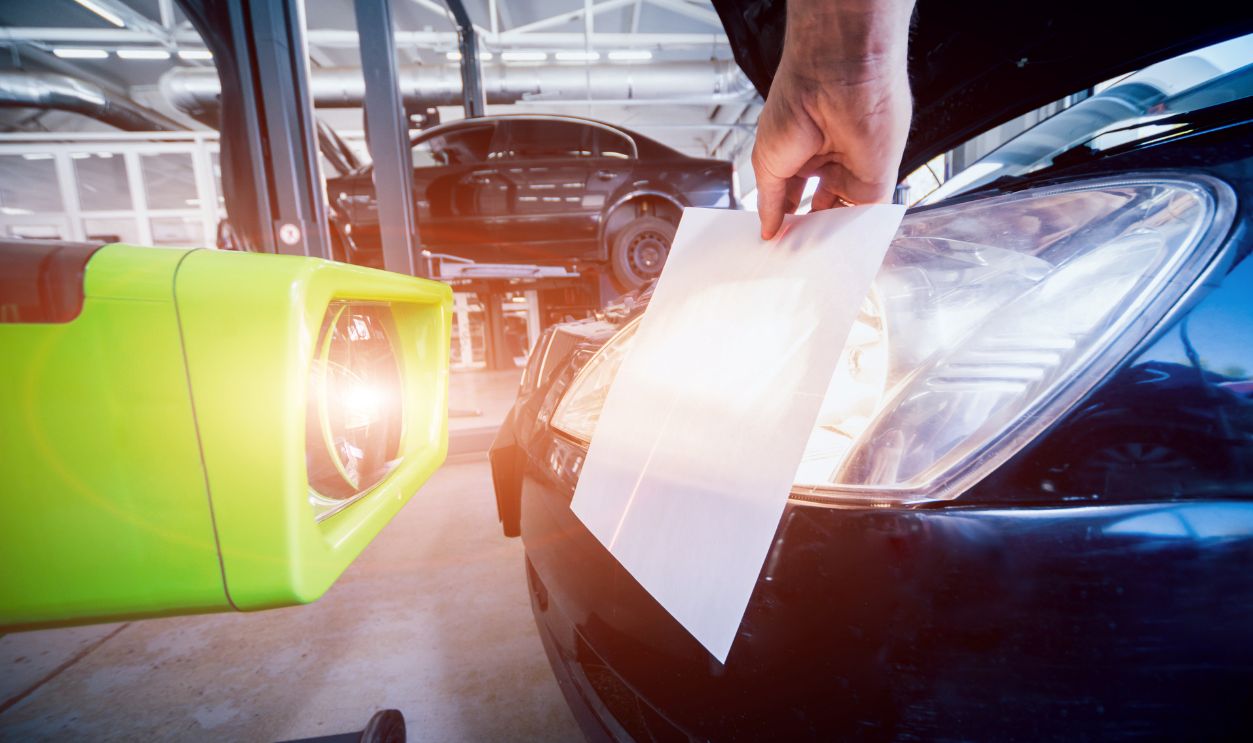
 Hryshchyshen Serhii, Shutterstock
Know Your State Rights
Auto-repair rules vary by state, so your rights regarding estimates, authorization, replaced parts, and unexpected charges depend partly on where you live. California, for example, requires repair authorization and detailed documentation. The FTC recommends contacting your state attorney general or consumer-protection agency about applicable requirements.
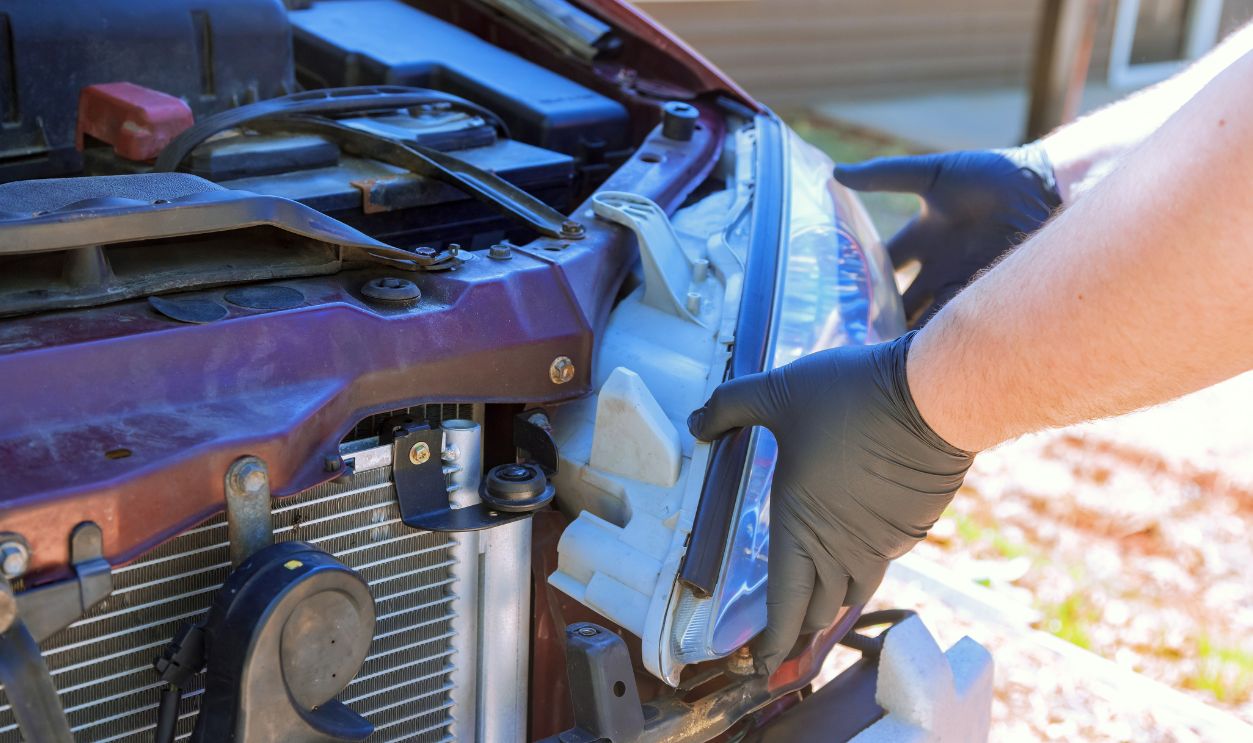
 Tualek Photographer, Shutterstock
The Bulb Disappeared
So how did a $20 bulb become a $900 repair? In many vehicles, it didn't. The replaceable bulb effectively disappeared, replaced by an integrated lighting system. Your best defense isn't automatically rejecting the estimate. It's confirming what failed, demanding an itemized quote, checking coverage, and comparison-shopping before authorizing replacement.
 YAKOBCHUK VIACHESLAV, Shutterstock
You May Also Like:
Only True Car Fans Can Identify These Classic Tail Lights. Can You?