The “Totaled” Call That Makes No Sense
After a small crash, your car may still drive straight, but your insurer says still might say it's “totaled.” That can feel like someone is trying to take your beloved car away for no reason. In reality, “totaled” is usually a math decision, not a drivability decision.

What “Totaled” Usually Means In Plain English
In most claims, a car is considered a total loss when the cost to repair it is too close to, or more than, what the car is worth. Insurers often use a threshold that is set by state law or company rules. The key point is that a car can be safe to start and drive, yet still not be worth repairing on paper.
Why It Can Drive Fine And Still Be A Total Loss
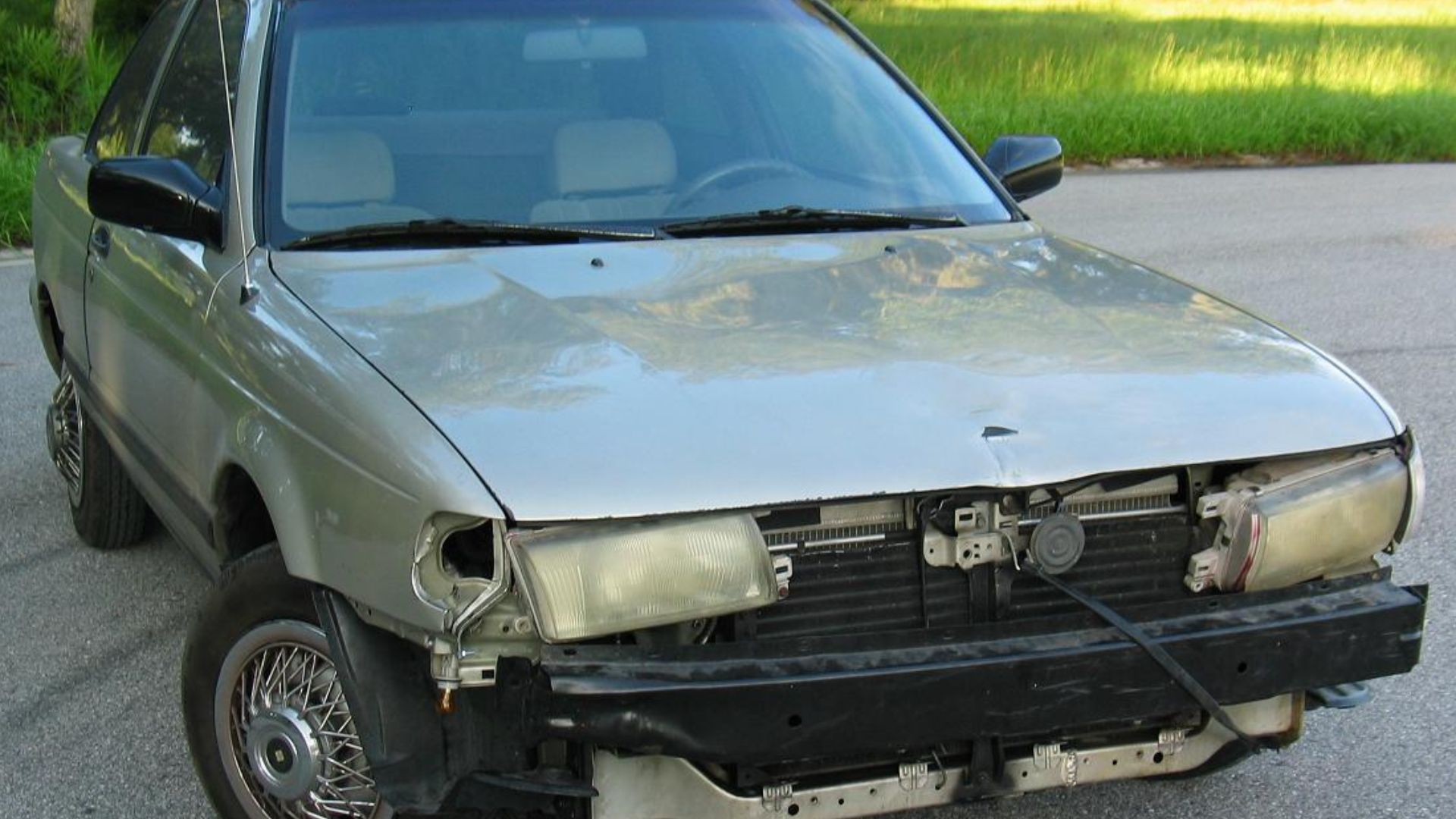
Many kinds of damage do not show up in a quick neighborhood test drive. Hidden structural issues, airbag and sensor problems, and expensive calibration needs can turn a “minor” hit into a huge estimate. Total loss decisions are based on repair cost and value, not whether the engine starts.
 BP63Vincent, Wikimedia Commons
How Insurers Actually Do The Math
The typical comparison is between the estimated repair cost and the car’s actual cash value, often called ACV. ACV is basically what the vehicle was worth right before the crash, considering age, mileage, trim, and condition. Many insurers also factor in salvage value, which is what the damaged vehicle could sell for at auction.

Actual Cash Value Is Not The Price Of A Similar Car On A Dealer Lot
People often compare their settlement offer to retail listings online and assume the insurer is lowballing. ACV is generally closer to a private-party value than a dealer retail asking price. Dealers also bake in profit, reconditioning, and warranties that an ACV number does not include.

States Can Set The Rules With Total Loss Thresholds
Some states specify a total loss threshold, which is commonly expressed as a percentage of the vehicle’s value. If the estimate crosses that threshold, the insurer may be required to declare it a total loss. Because these rules vary by state, the same damage could be repairable in one state and “totaled” in another.

A Common Trigger: The Airbag Light Is Not A Small Problem
A fender-bender that deploys airbags can get expensive fast. Airbag modules, seat belt pretensioners, dash parts, and related sensors can add thousands of dollars. Even if the car drives, an airbag system fault is a major safety issue that can push a car into total loss territory.

Modern Cars Need Calibrations After Many Repairs
Today’s bumpers and windshields often house cameras, radar, and sensors for driver-assistance features. After certain repairs, those systems may require calibration procedures and scan-tool work. Those steps add real labor time and equipment costs, and they can change a borderline estimate into a total loss.
Hidden Damage Is Not A Myth, It Is A Shop Reality
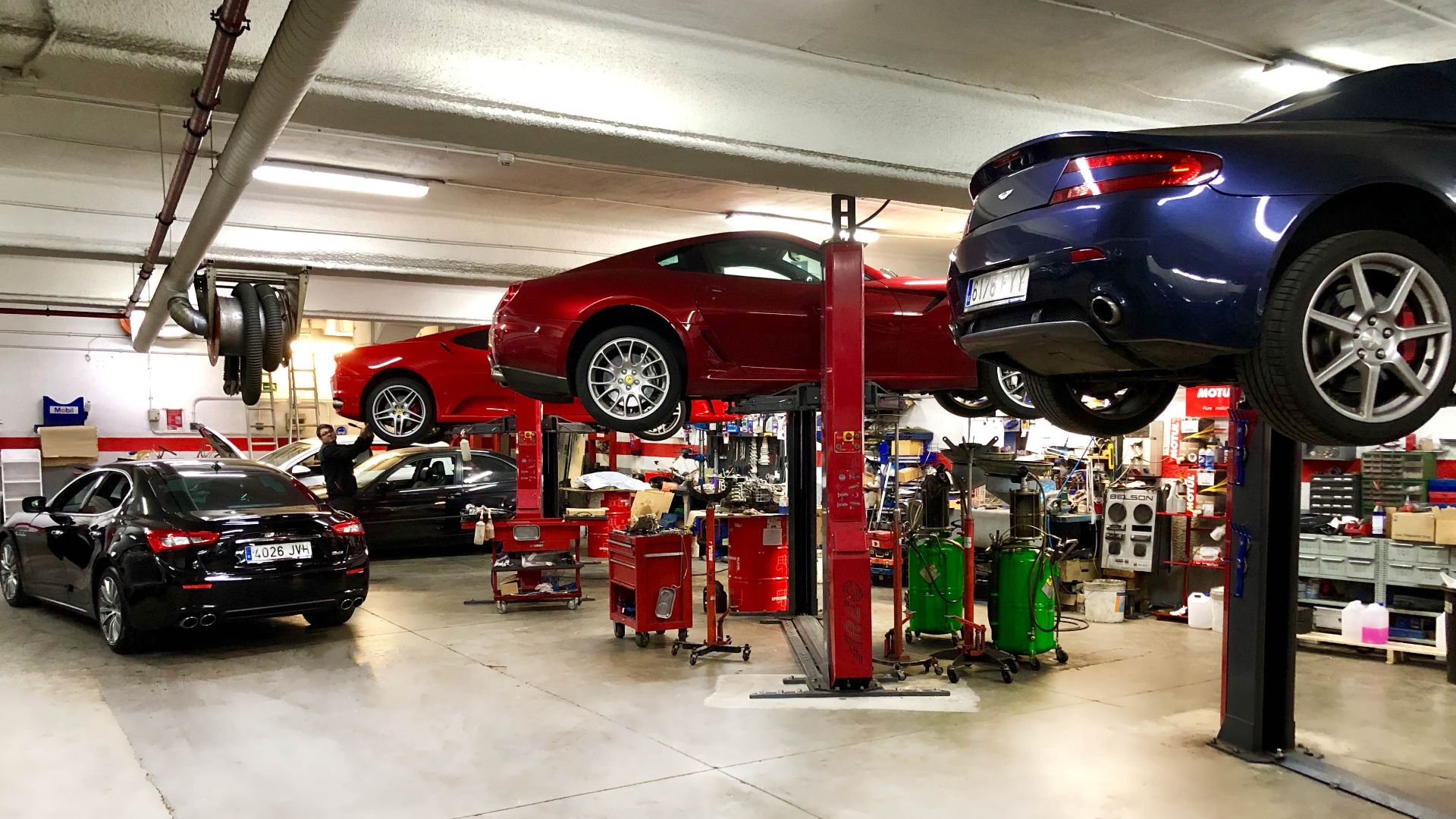
Body shops routinely find additional damage after tearing down a car. That could include bent mounting points, cracked brackets, damaged wiring, or crushed absorber material behind the bumper cover. An initial estimate can grow quickly once the car is disassembled and measured.
 Madridsocialhub, Wikimedia Commons
Labor Rates And Parts Prices Have A Big Say
Repair costs depend heavily on local labor rates and parts availability. OEM parts can be expensive, and some components are sold only as assemblies. On late-model vehicles, even a headlight can cost enough to reshape a total loss decision.

The Salvage Value Can Make “Totaled” More Likely
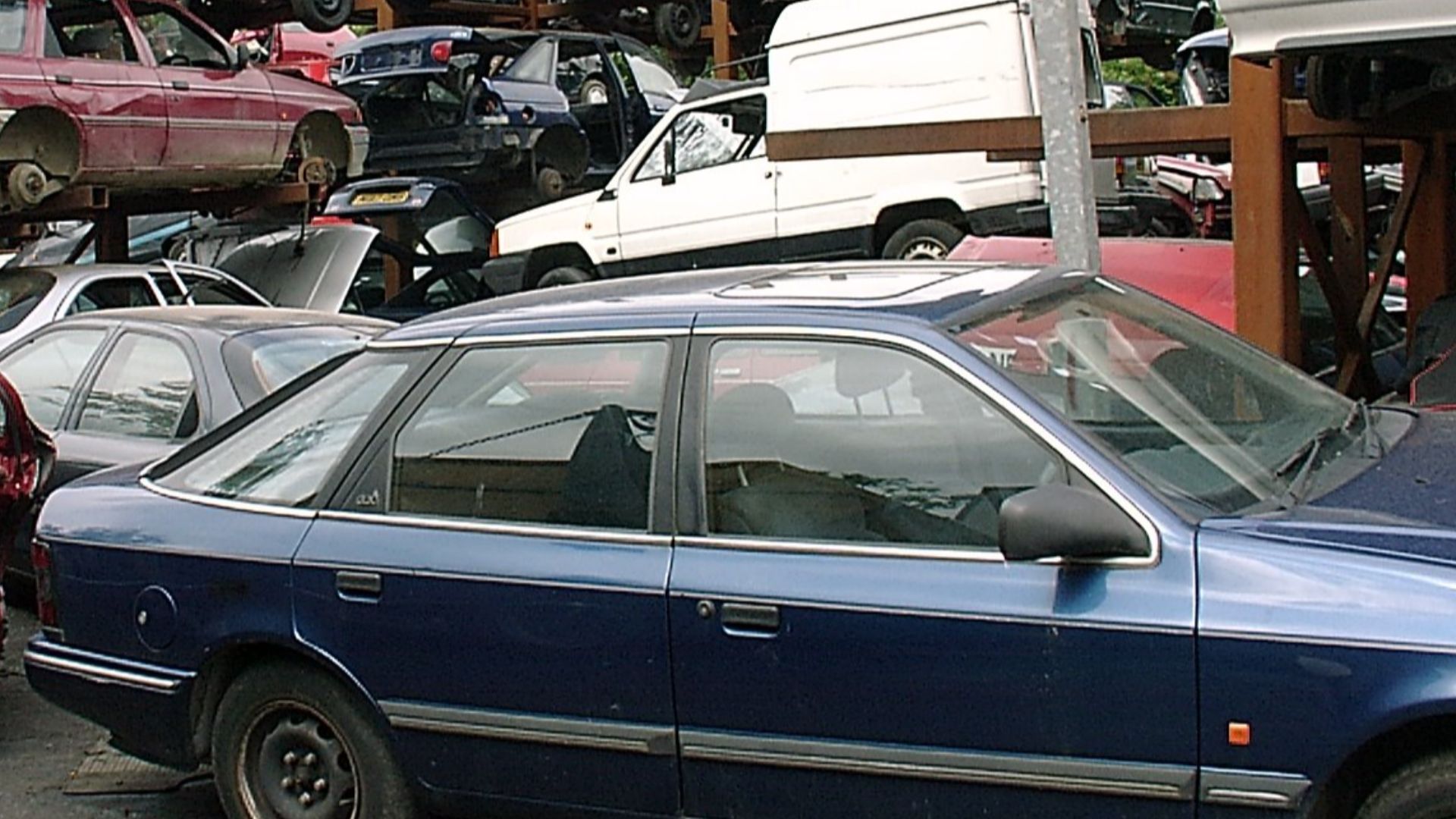
Salvage value is what the insurer expects to recover by selling the damaged car to a salvage auction. If salvage value is high, the insurer may lean toward totaling because it reduces their net payout. This is one reason why some popular trucks and SUVs get totaled more easily than owners expect.
 Snowmanradio at English Wikipedia (Original text: snowmanradio), Wikimedia Commons
Total Loss Math Often Uses A Formula, Not A Vibe
Many insurers use a total loss formula that considers repair cost plus salvage value compared with ACV. If repairs plus what they could get for the wreck approaches or exceeds ACV, totaling can be the rational financial move. This can happen even when damage looks mostly cosmetic.

“It’s Just A Bumper” Is Not Always Just A Bumper
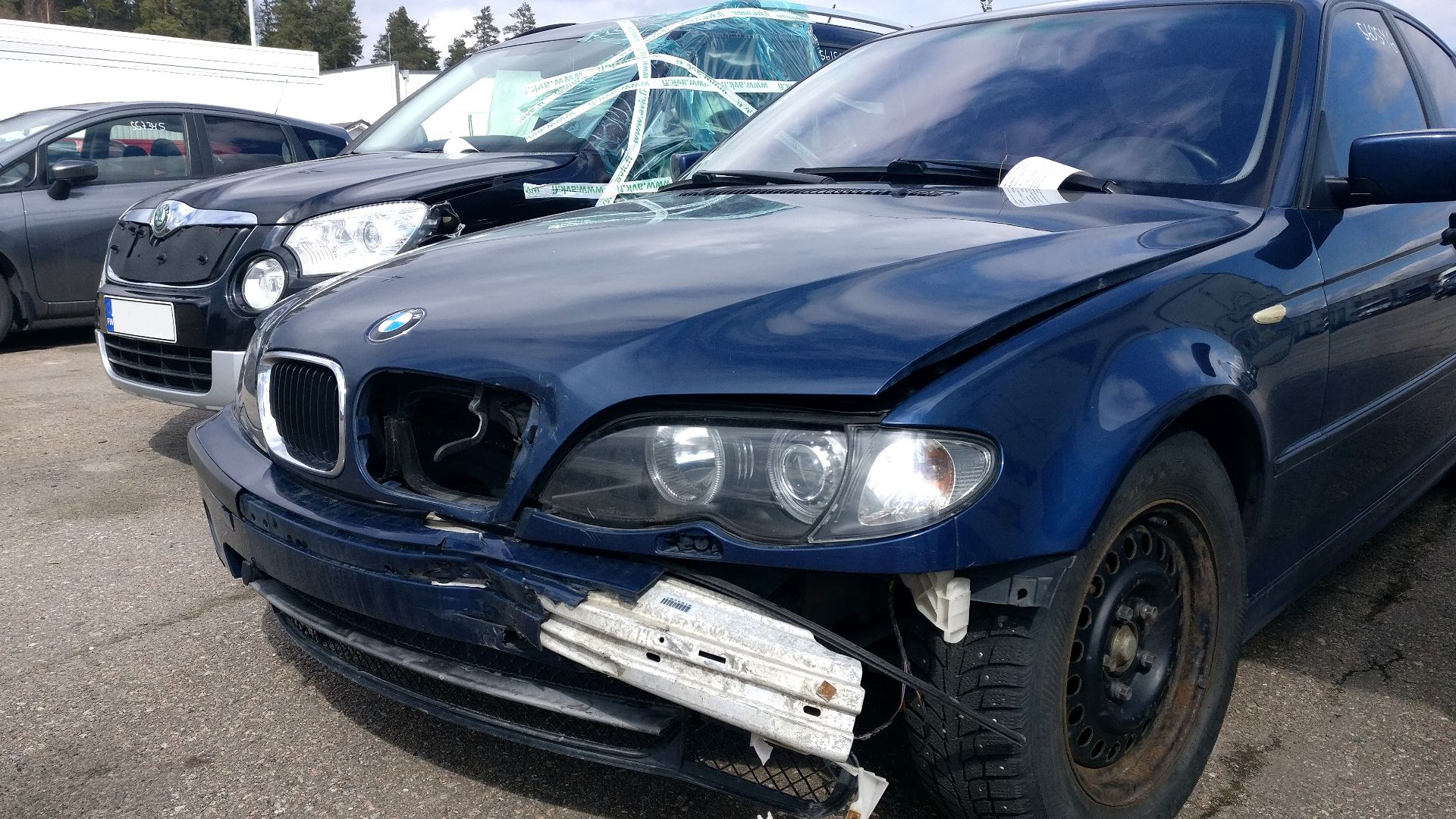
On many cars, the bumper cover is the cheap part. Behind it may be foam absorbers, impact bars, crash sensors, parking sensors, radar units, and wiring. A low-speed hit can crack or misalign these components without obvious external damage.
 Santeri Viinamaki, Wikimedia Commons
Frame Or Unibody Damage Can Be Subtle And Expensive
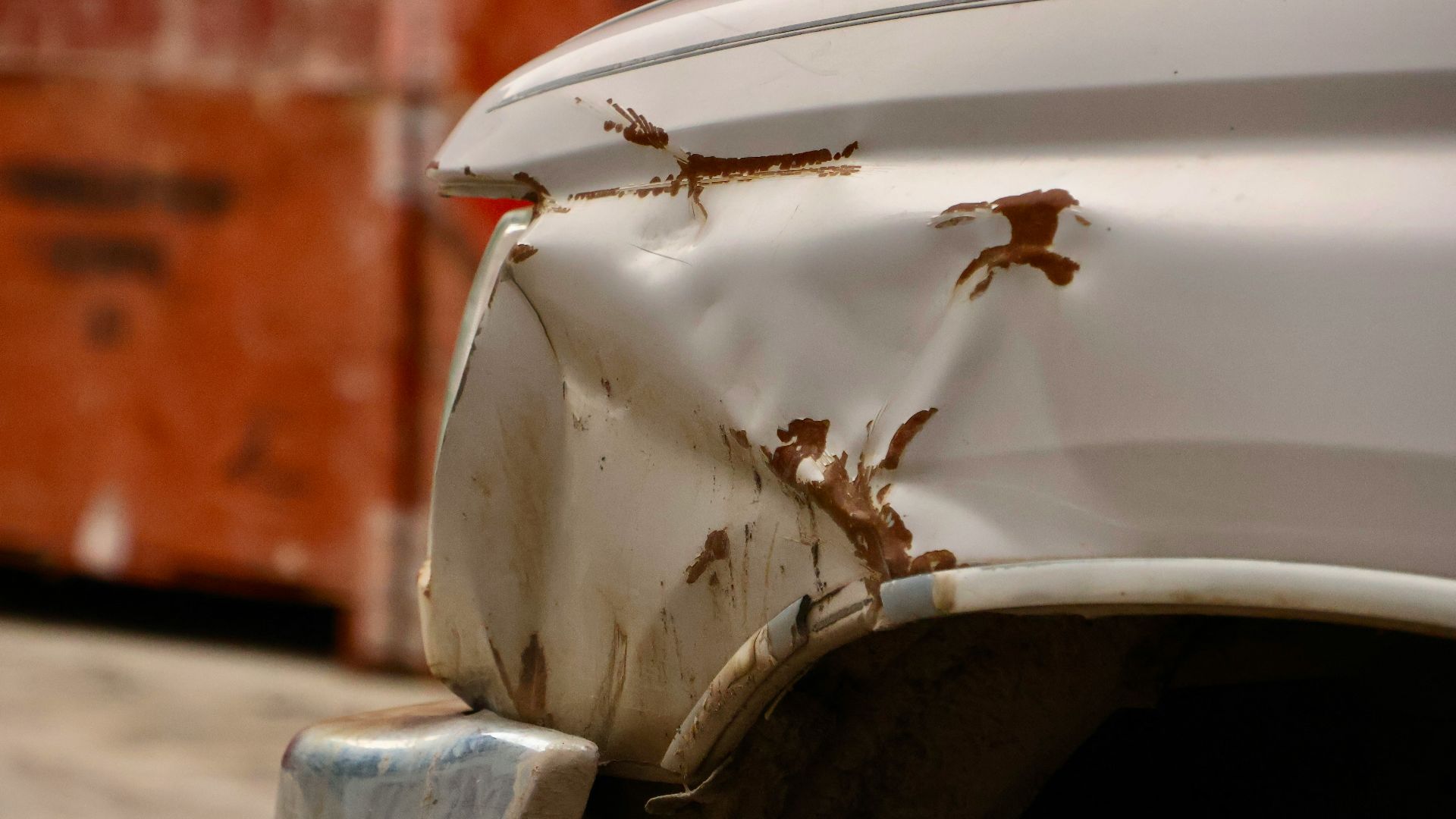
Minor-looking impacts can still push or pull the unibody structure slightly out of spec. Correcting that can require measuring systems, frame pulls, and additional refinishing work. Even if the vehicle tracks straight, insurers may not want to pay for extensive structural repair on a lower-value car.
Insurance Companies Also Think About Future Risk
Insurers generally want repairs that restore the car to pre-loss condition. If repairs are complex and the risk of supplement costs is high, totaling can limit uncertainty. This is not about punishing you, but about controlling cost and risk inside the claim.
 Coolcaesar at en.wikipedia, Wikimedia Commons
What Happens After The Car Is Declared A Total Loss
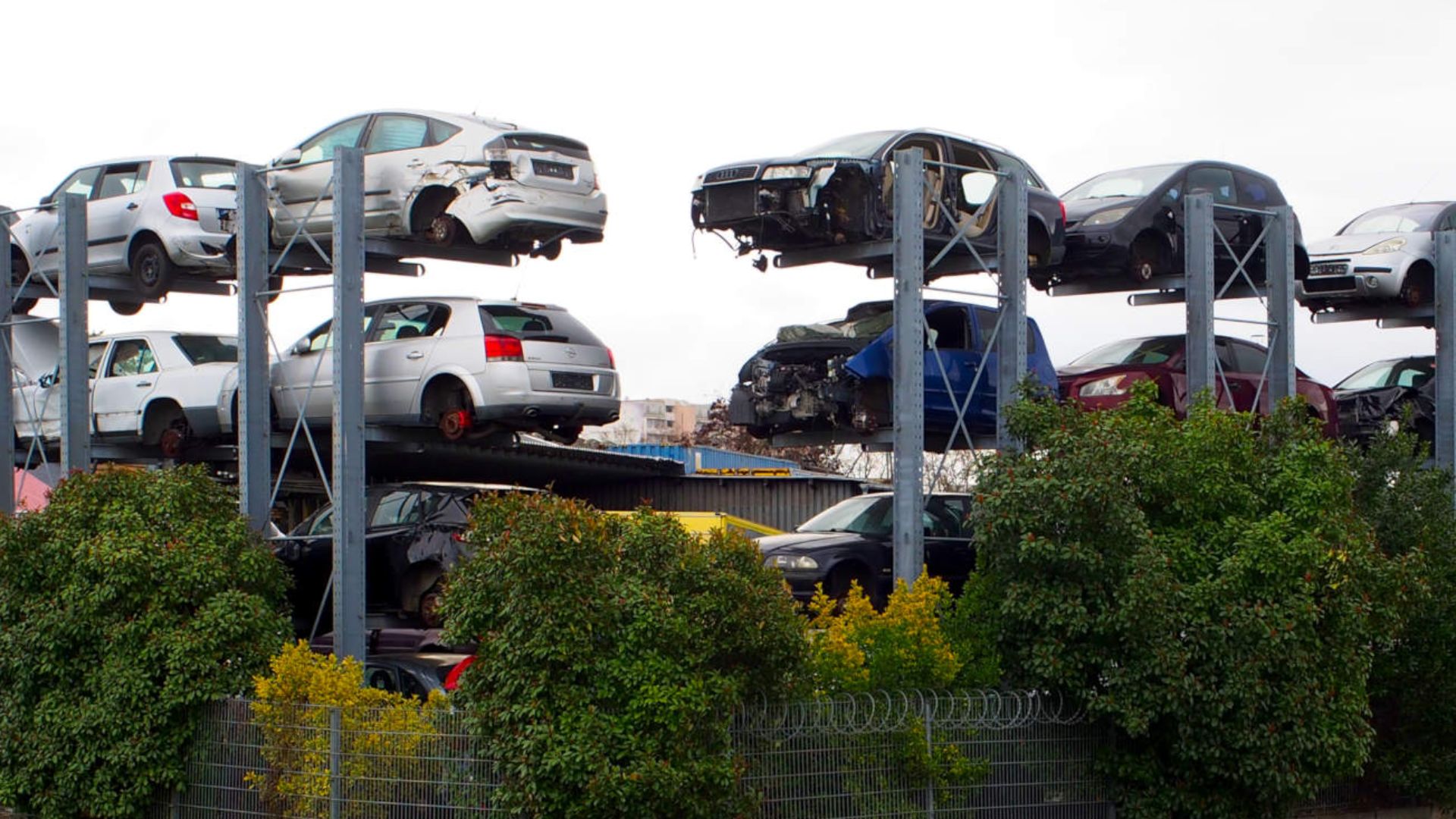
Usually, the insurer offers a settlement based on ACV and takes possession of the vehicle. In many states and situations, the vehicle then gets a salvage title or similar branding if it is repaired and returned to the road. The details are handled through state motor vehicle agencies and vary by jurisdiction.
You Might Be Able To Keep The Car, But Read The Fine Print
In many cases, you can “retain salvage,” which means you keep the vehicle and accept a reduced payout. The insurer reduces your settlement by the salvage value they would have recovered. You will also need to understand the title rules, inspection requirements, and insurance implications where you live.

Salvage Titles And Rebuilt Titles Are Not The Same Everywhere
States handle branded titles differently, including what inspections are required after repairs. A rebuilt title can hurt resale value and can complicate financing and some forms of coverage. Before you keep a totaled car, confirm what your state will require to get it legally back on the road.
Your Settlement Should Match Your Car’s Pre-Crash Condition
ACV should reflect mileage, trim, options, and overall condition. If you recently installed new tires, replaced a transmission, or have maintenance records that show unusually good condition, gather that paperwork. You can ask the adjuster how they calculated ACV and what comparable vehicles they used.

Ask For The Valuation Report And Read It Like A Receipts List
Insurers often rely on third-party valuation reports that list comparable vehicles and adjustments. Check for errors like wrong trim, missing options, incorrect mileage, or condition deductions that do not match reality. Fixing a few wrong details can sometimes move the settlement amount.

Do Not Ignore The Repair Estimate Details
Ask the insurer or shop for an itemized estimate and look for big-ticket categories. Airbags, headlights, ADAS sensors, radiators, and cooling components are common cost drivers. If the estimate seems oddly high or low, ask what assumptions were made about parts and labor.

If You Still Owe Money On The Car, The Loan Does Not Disappear
A total loss payout typically goes to the lienholder first, with anything left going to you. If the payout is less than what you owe, you may be responsible for the difference unless you have gap insurance. This is one of the most painful “totaled but drivable” scenarios.

Gap Insurance Is Often The Difference Between Annoying And Devastating
Gap coverage is designed to cover the difference between ACV and your loan balance in certain cases. Many buyers get it through a dealer or insurer, especially with long loans or small down payments. If your car is totaled early in the loan, gap can matter a lot.

You Can Negotiate, But You Need Clean Evidence
Bring listings for comparable vehicles in your area, but focus on matching year, trim, mileage, and condition. Provide maintenance records and photos that show pre-crash condition if you have them. Keep the conversation centered on verifiable facts, because ACV disputes usually turn on documentation.

Know When To Escalate The Dispute
If you cannot resolve it with the adjuster, ask about the company’s dispute process. Some policies include an appraisal clause that lets each side hire an appraiser, with an umpire if needed. Your state insurance department may also publish consumer guidance on total loss claims and complaint options.

One Last Reality Check Before You Fight To Keep It
A car that “drives fine” can still be compromised in ways that matter in a second crash. If the structure, airbags, or driver-assistance sensors are not right, you could be taking on real safety risk. Before you retain salvage, get an independent inspection and a realistic repair plan.
The Bottom Line: Totaled Is A Financial Label
Your insurer is not necessarily claiming the car is undrivable. They are saying the repair cost, plus the risk of additional damage, does not make sense compared with the vehicle’s value. If you understand the math, the title rules, and your options, you can decide whether to take the payout or keep the car.
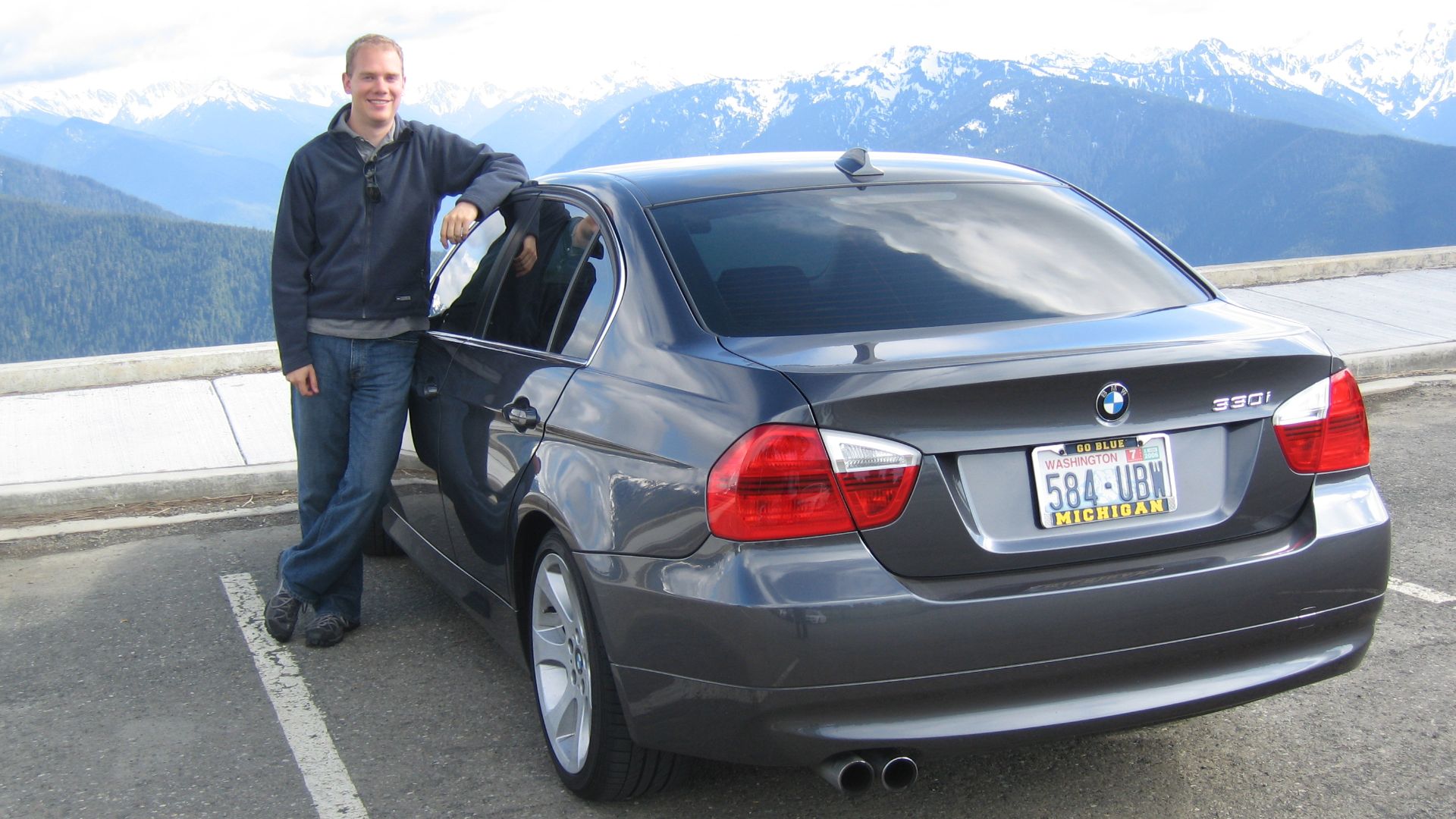 Jeff Wilcox, Wikimedia Commons