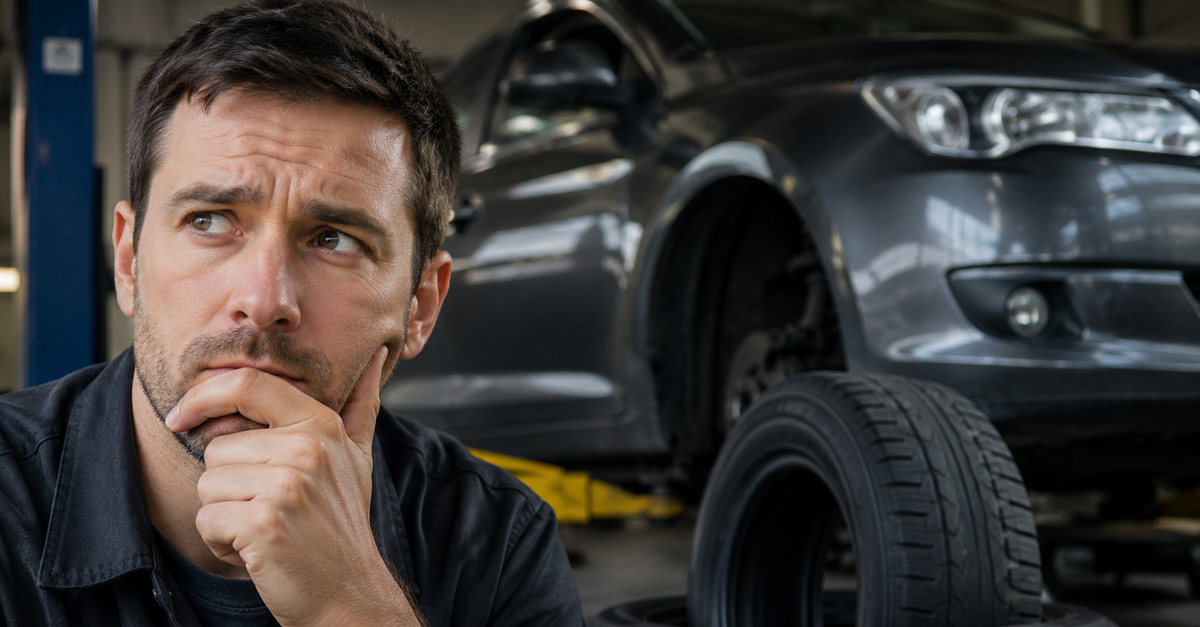
The New Tires Looked Fine At First
I expected my replacement tires to feel almost identical to the ones that came with my car. They were the correct size, had fresh tread, and cost much less than premium options. Within a few days, I noticed the car simply did not drive the same way. Factinate Ltd
The Steering Felt Less Precise
The steering wheel suddenly seemed slower to respond. Turning into corners required slightly more effort, and the car no longer felt as connected to the road. Tire construction plays a major role in steering response because the sidewalls flex differently depending on the design.

Braking Distances Can Change
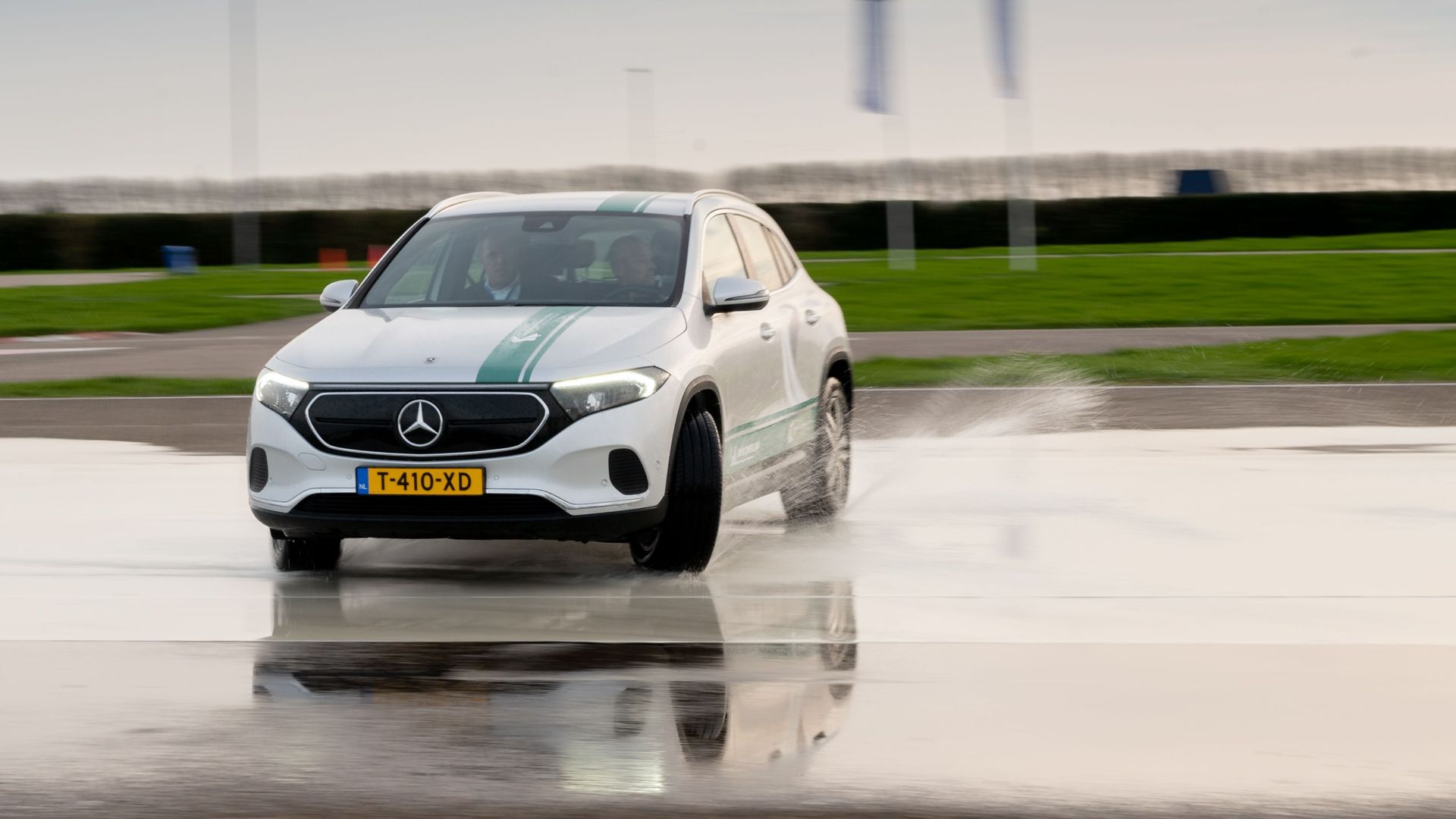
One of the biggest differences between tire models is how quickly they stop on wet pavement. Tire testing by Consumer Reports has found large differences in wet braking performance between models, even when the tires are brand new. That means two tires that fit the same vehicle can produce very different stopping distances.
Cheap Does Not Always Mean Unsafe
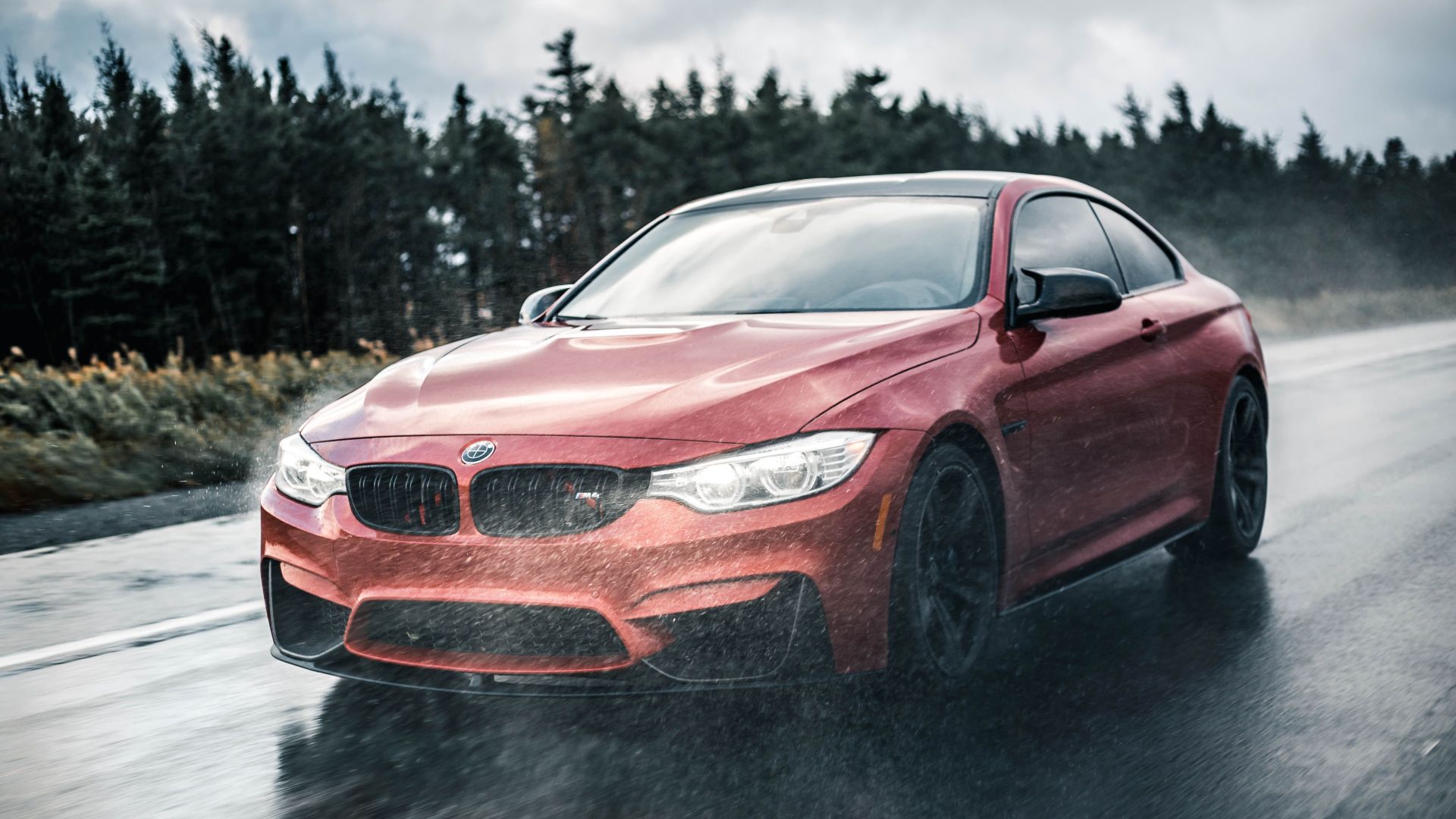
Lower-priced tires are not automatically dangerous. Many budget tires meet all required federal safety standards before they can be sold. The difference often appears in areas like wet grip, noise, ride quality, and long-term durability rather than basic legality.
Tires Are The Only Contact With The Road
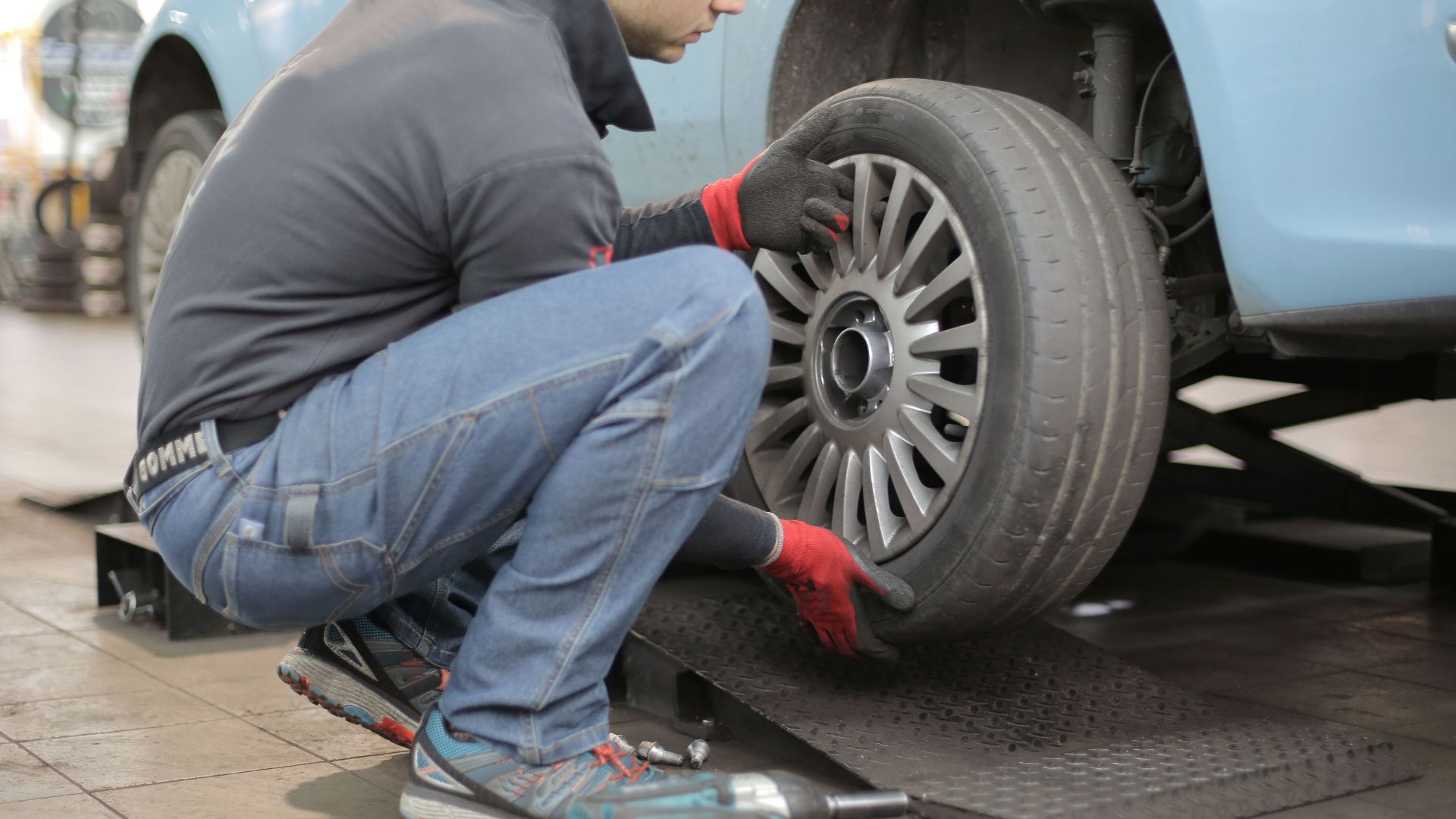
Each tire touches the pavement through a relatively small contact patch. Every steering, braking, and acceleration input passes through those four areas. That makes tire performance far more important than many drivers realize.
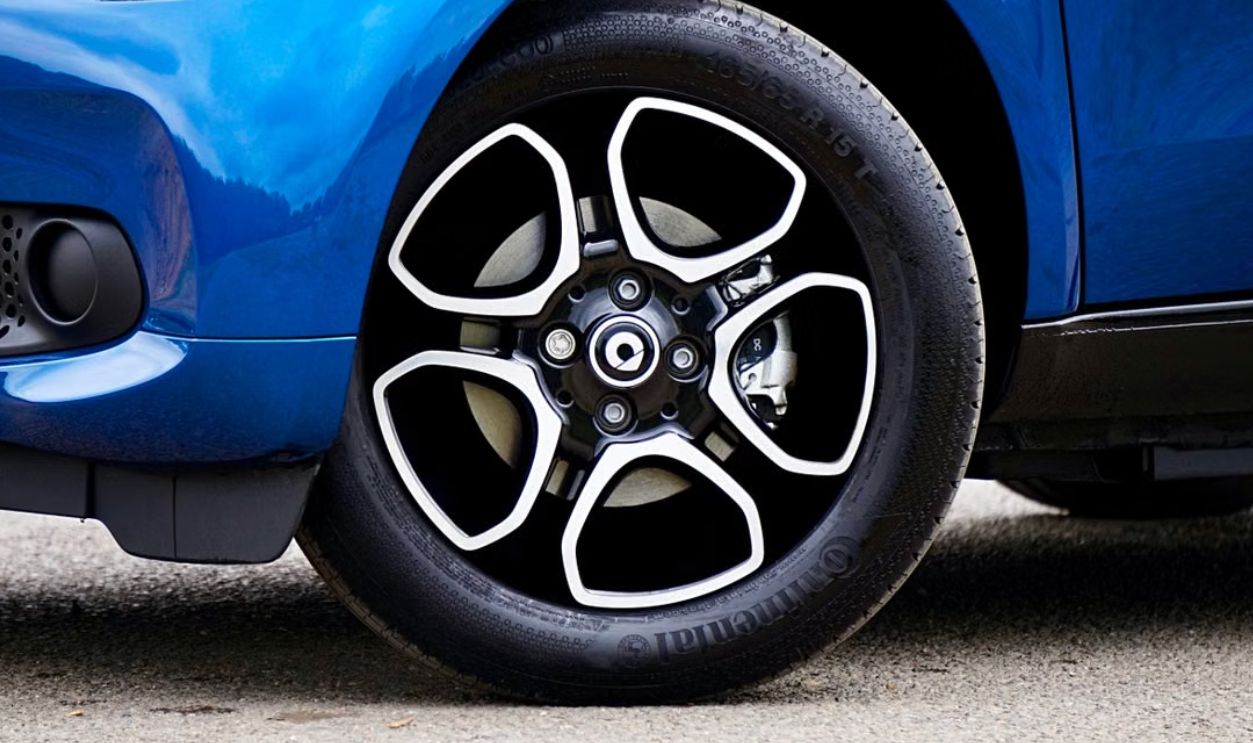
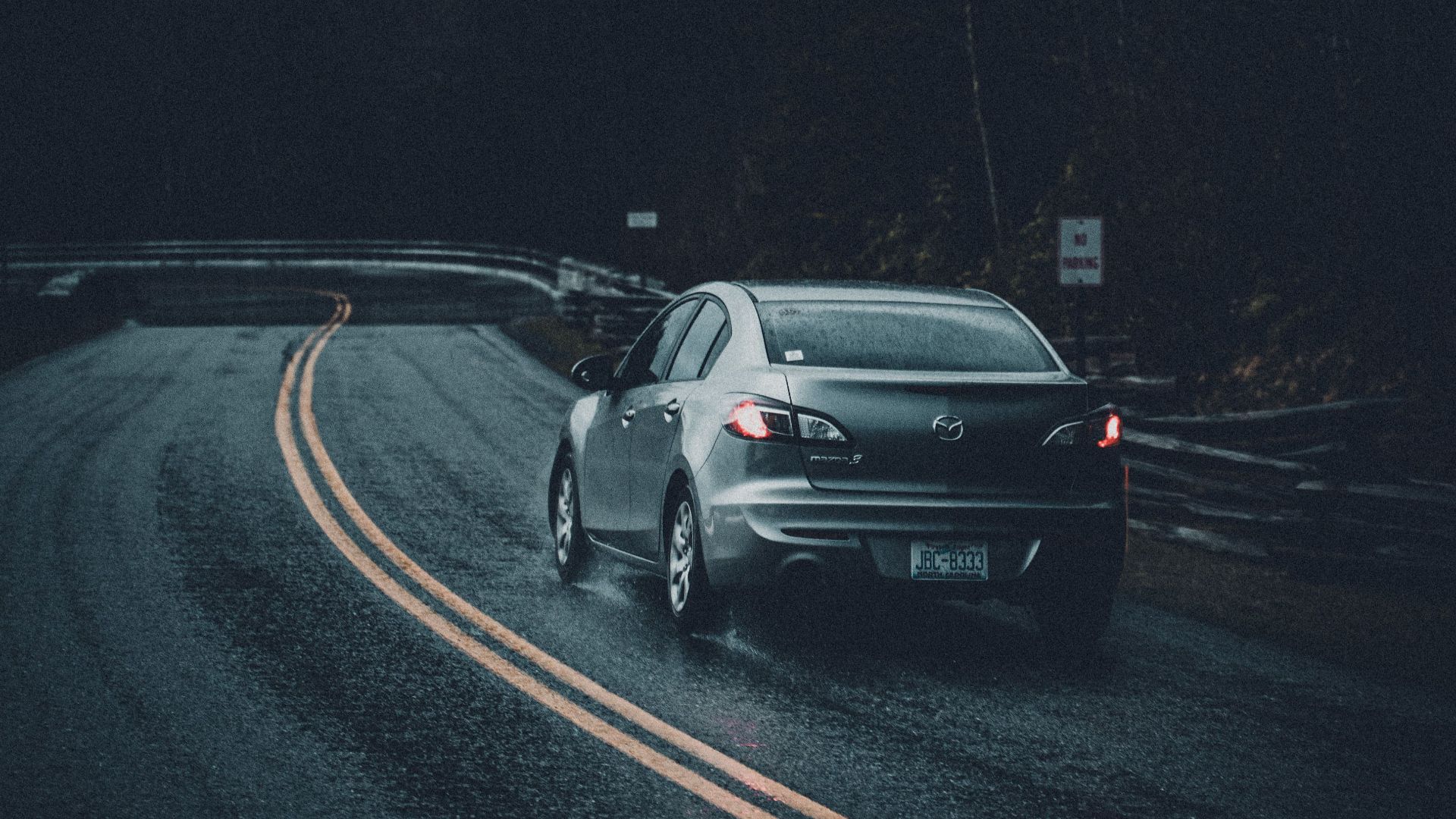
Wet Roads Reveal The Biggest Differences
Dry roads hide many tire weaknesses. Rain is often where premium tires begin to separate themselves from lower-performing models. Better tread designs help move water away from the contact patch, improving grip and reducing hydroplaning risk.
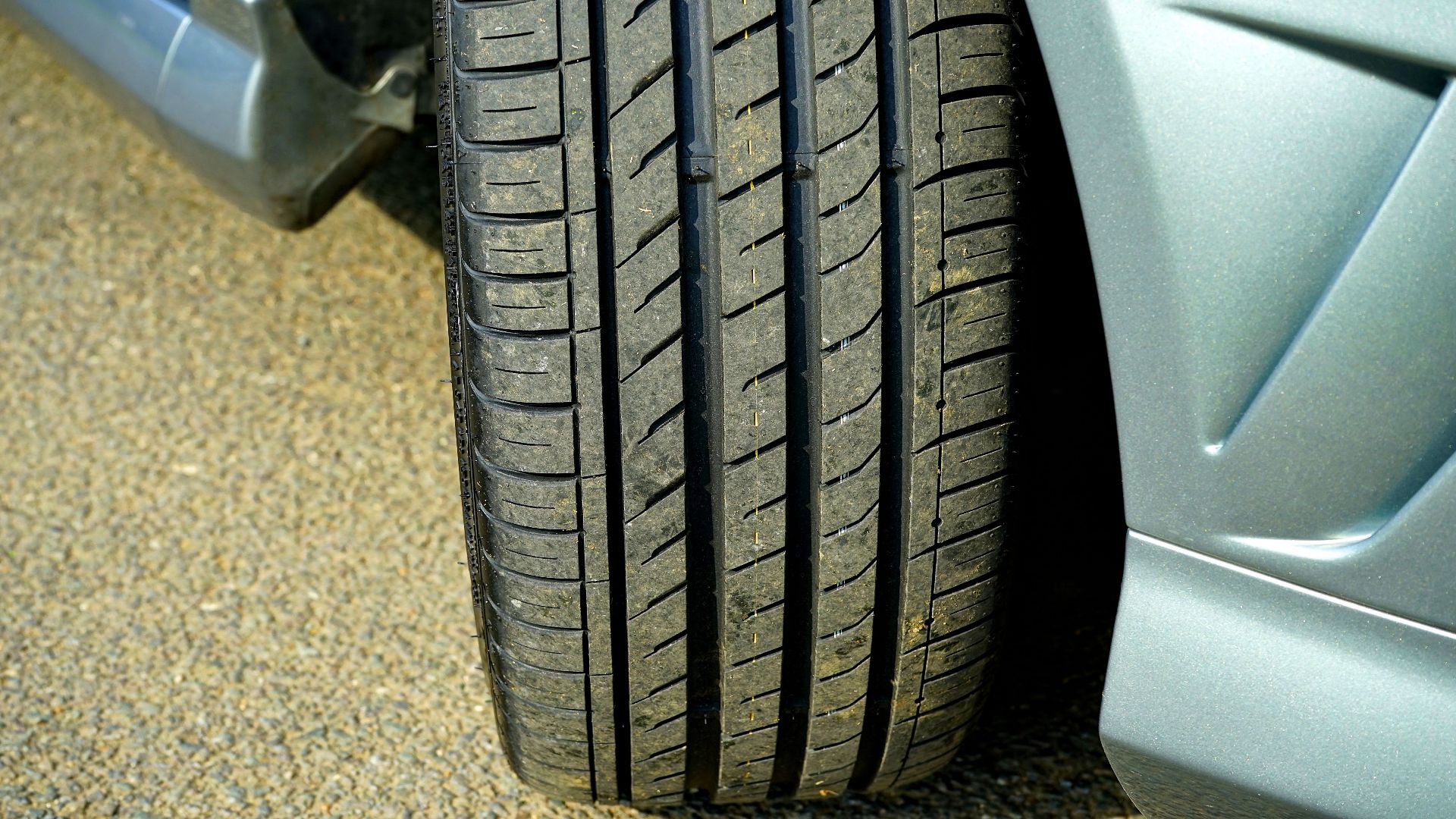
Tread Design Is More Than Appearance
Two tires may look similar from a distance. Engineers carefully design grooves, channels, and sipes to improve traction under different conditions. Those patterns influence braking, cornering, and water evacuation.
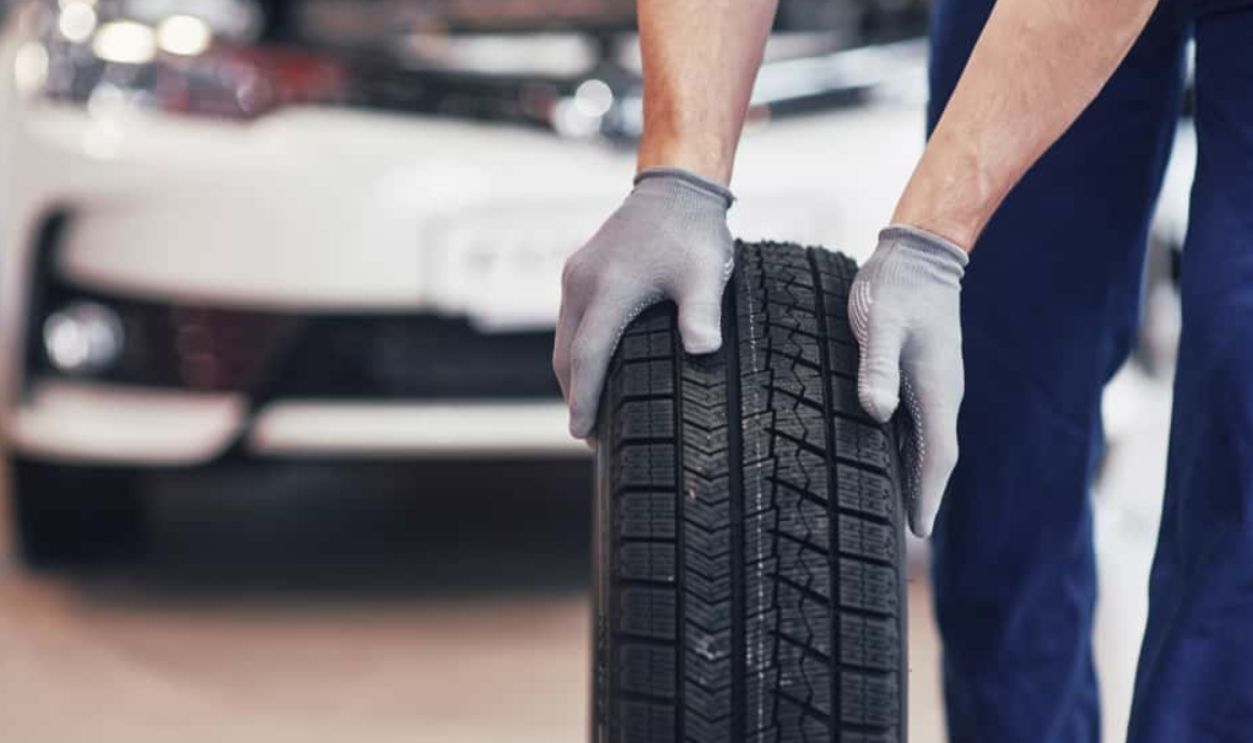
Rubber Compound Makes A Huge Difference
The rubber itself is just as important as the tread pattern. Softer compounds often provide better grip but may wear faster. Harder compounds may last longer but can sacrifice traction in some situations.
Sidewalls Affect Ride Quality
Some tires absorb bumps better than others. Stiffer sidewalls usually improve steering response while transmitting more road imperfections into the cabin. Softer sidewalls often create a smoother ride but may feel less responsive.
Road Noise Can Suddenly Increase
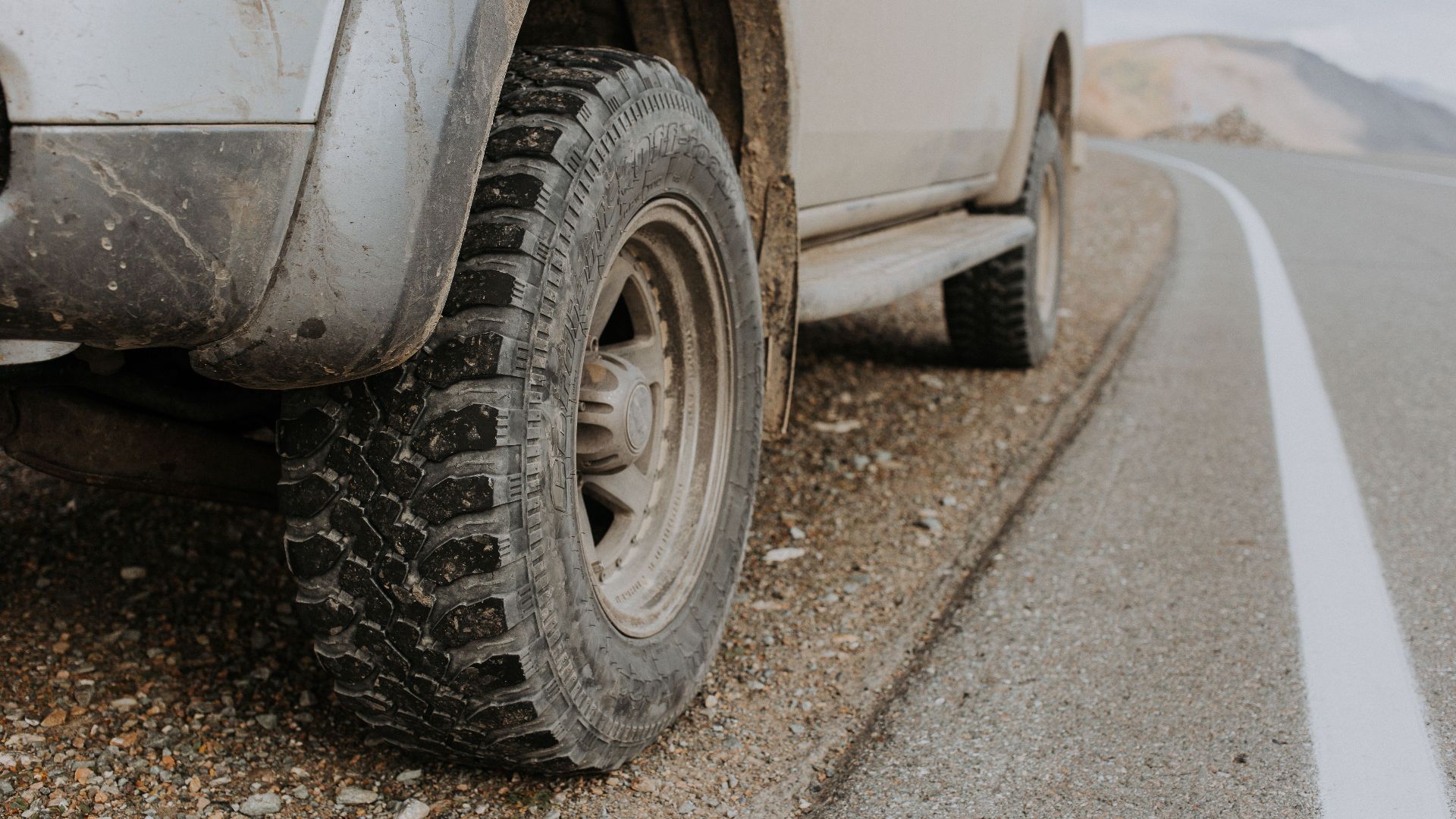
One surprise after installing different tires is extra cabin noise. Tread block design and rubber composition affect how much sound reaches the interior. Even two highly rated tires can sound noticeably different at highway speeds.
Fuel Economy Can Change Too
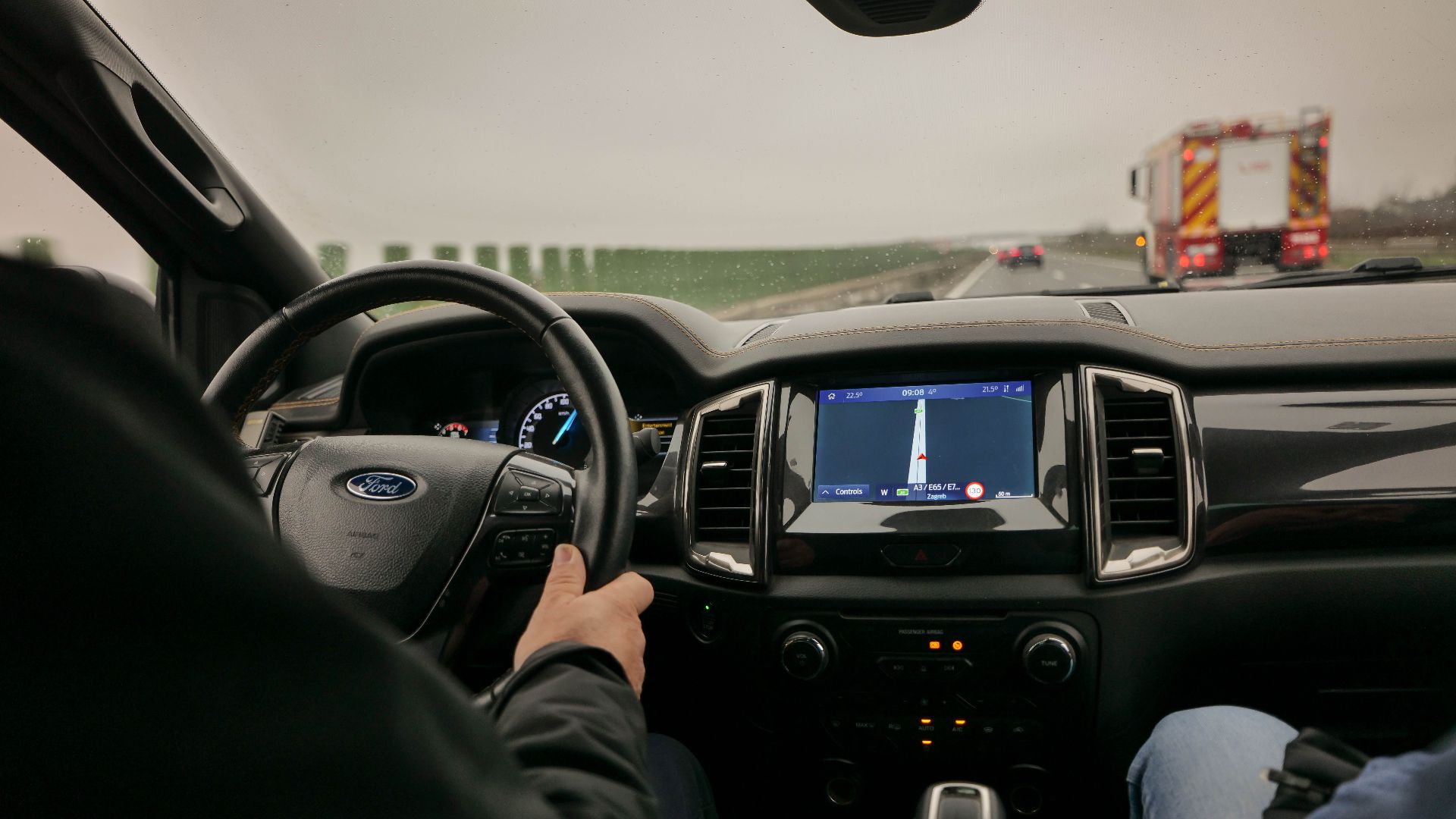
Rolling resistance varies among tire models. Tires designed with lower rolling resistance reduce energy loss as they roll, helping improve fuel economy. The difference is usually modest but measurable over thousands of miles.
Tire Pressure Still Matters
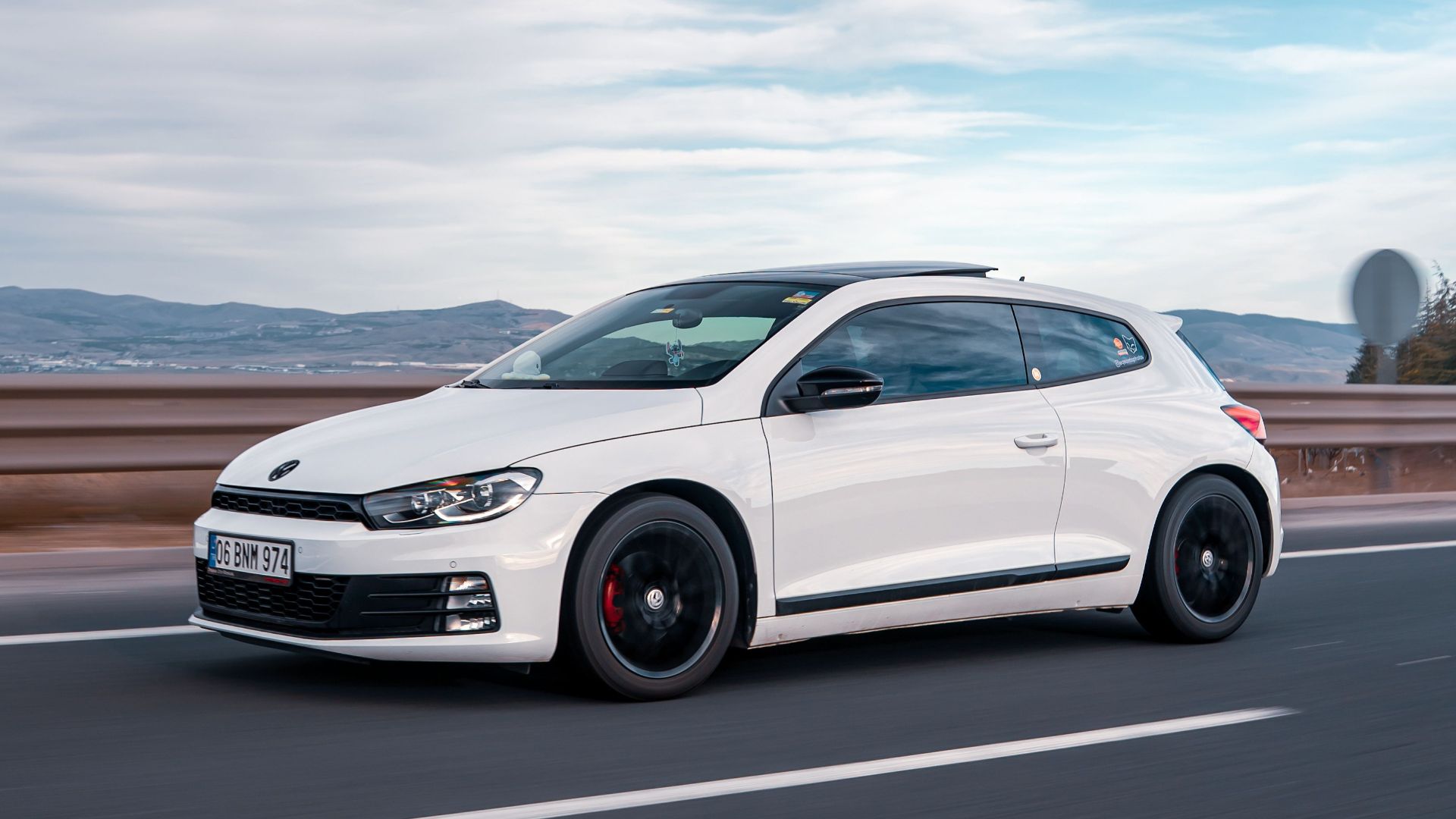
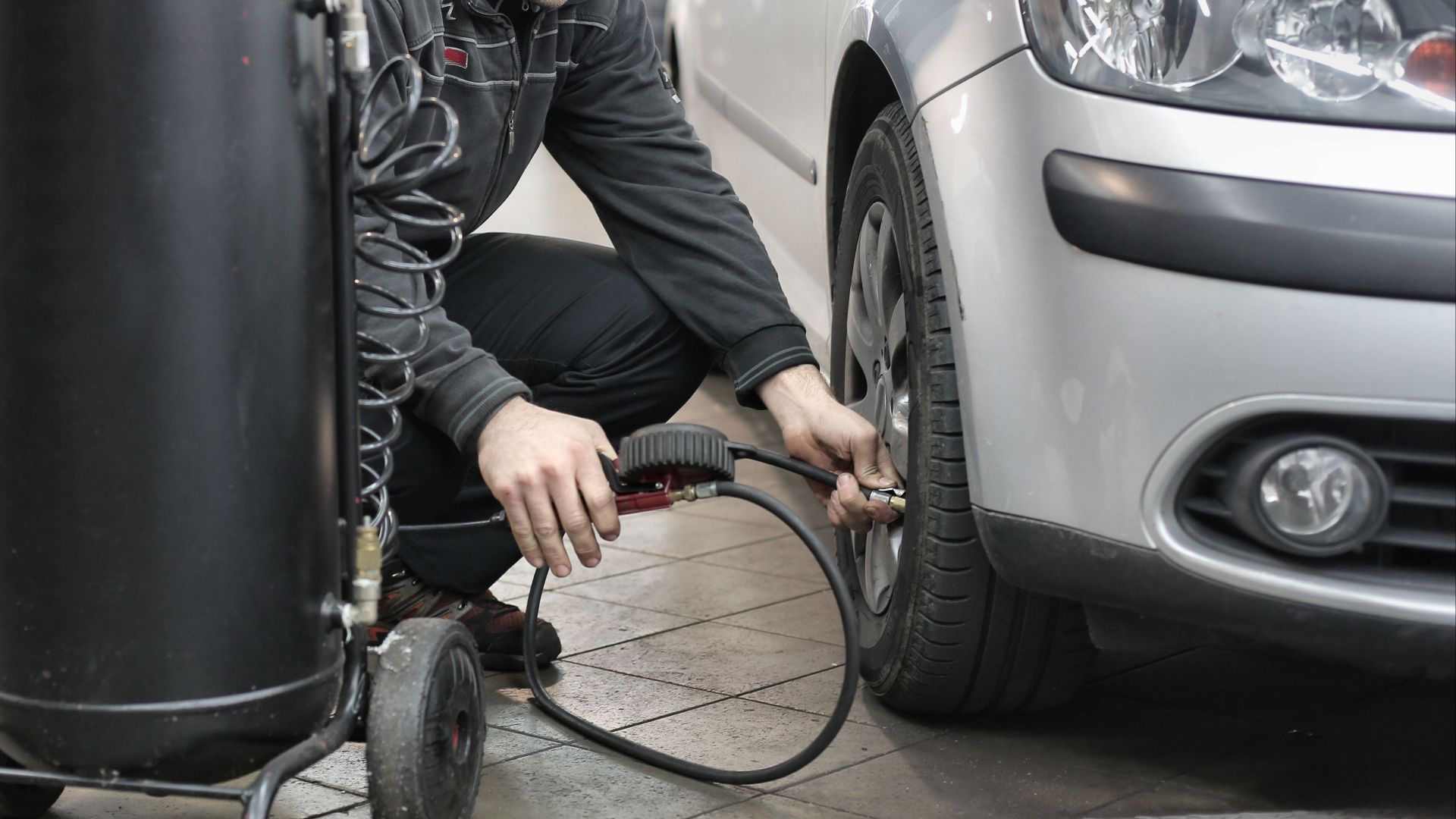
Even excellent tires perform poorly when underinflated. Proper inflation improves handling, extends tread life, and can improve fuel economy. Federal safety officials recommend checking tire pressure regularly rather than waiting for a warning light.
Matching The Correct Size Is Essential
Changing tire size without understanding the consequences can affect handling and speedometer accuracy. Vehicle manufacturers recommend specific tire sizes for a reason. Sticking with approved sizes helps preserve the vehicle's intended performance.
The Cheapest Option May Cost More Later
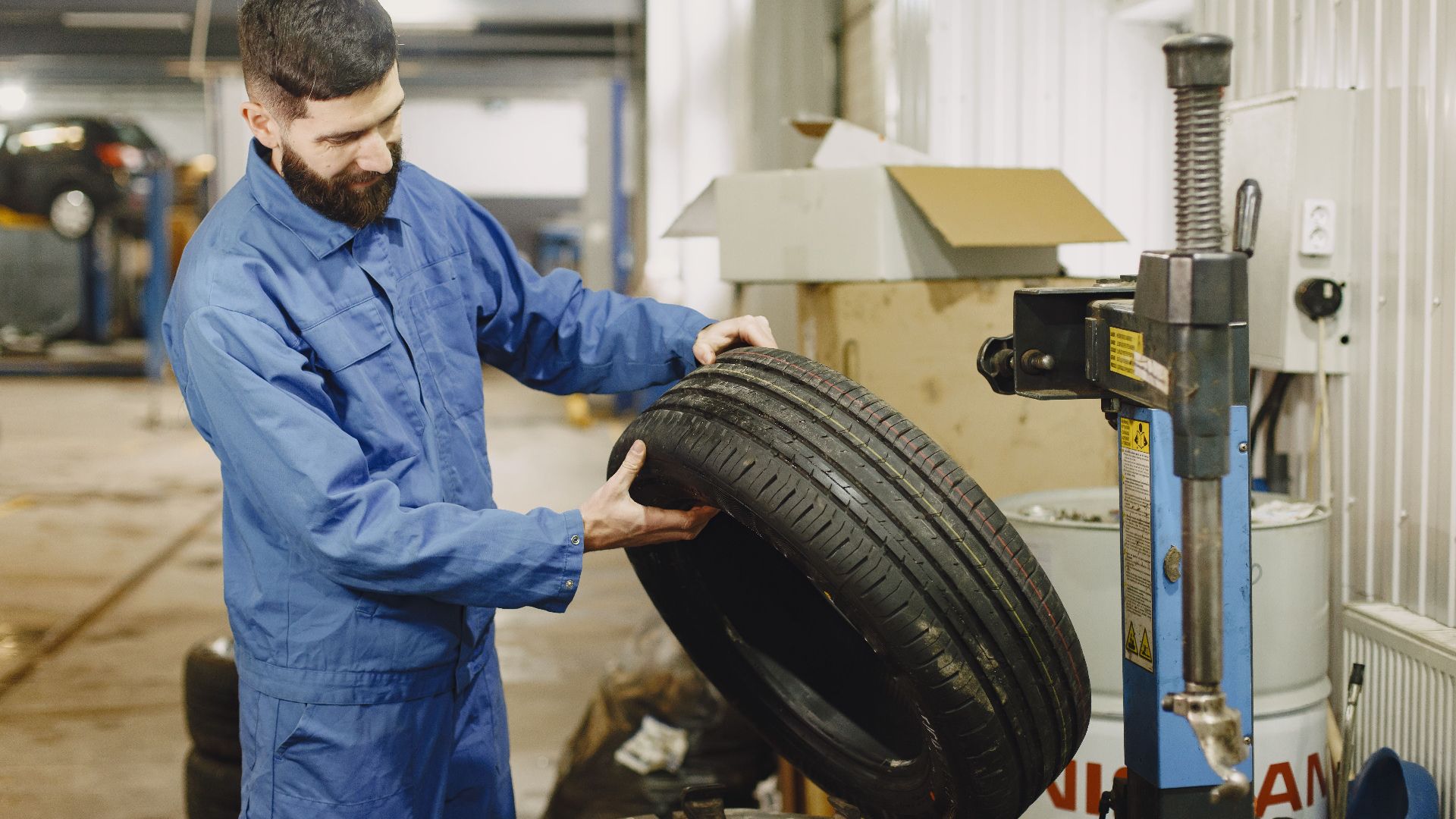
An inexpensive tire that wears out quickly may not actually save money. Replacement intervals, fuel economy, and performance all contribute to the total ownership cost. Looking beyond the purchase price often leads to better value.
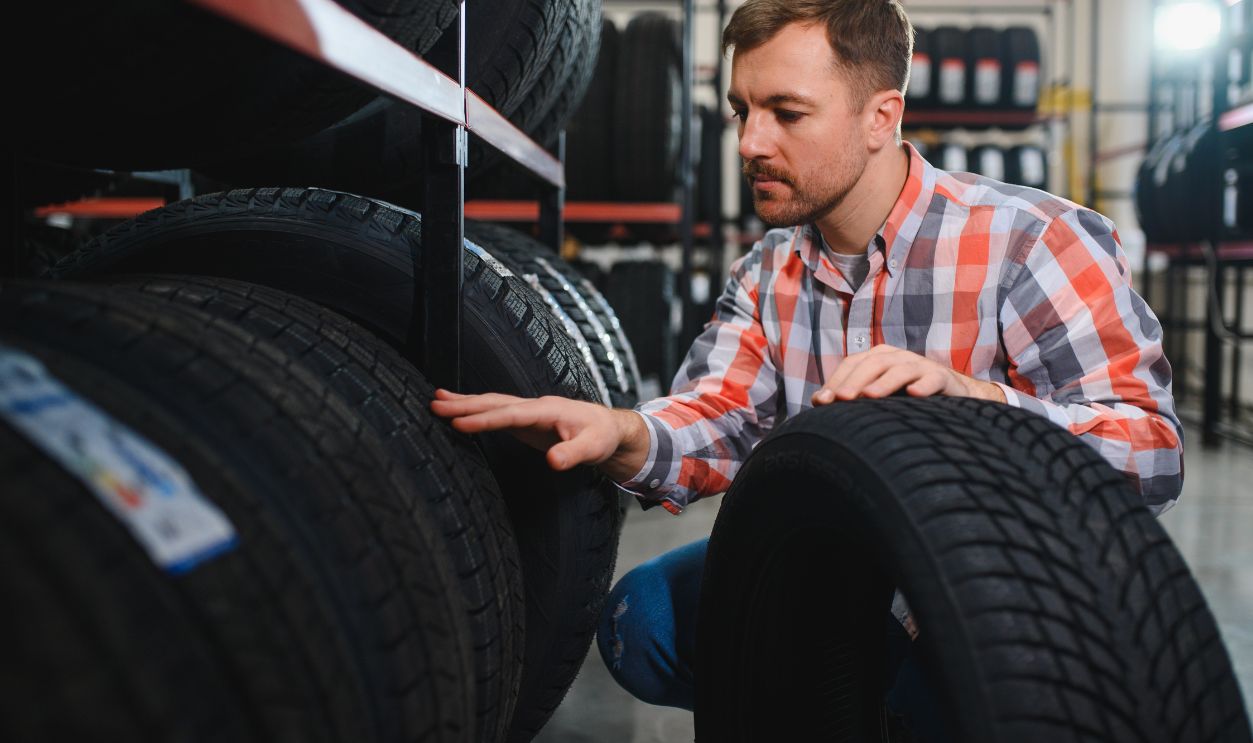 Hryshchyshen Serhii, Shutterstock
Treadwear Ratings Tell Only Part Of The Story
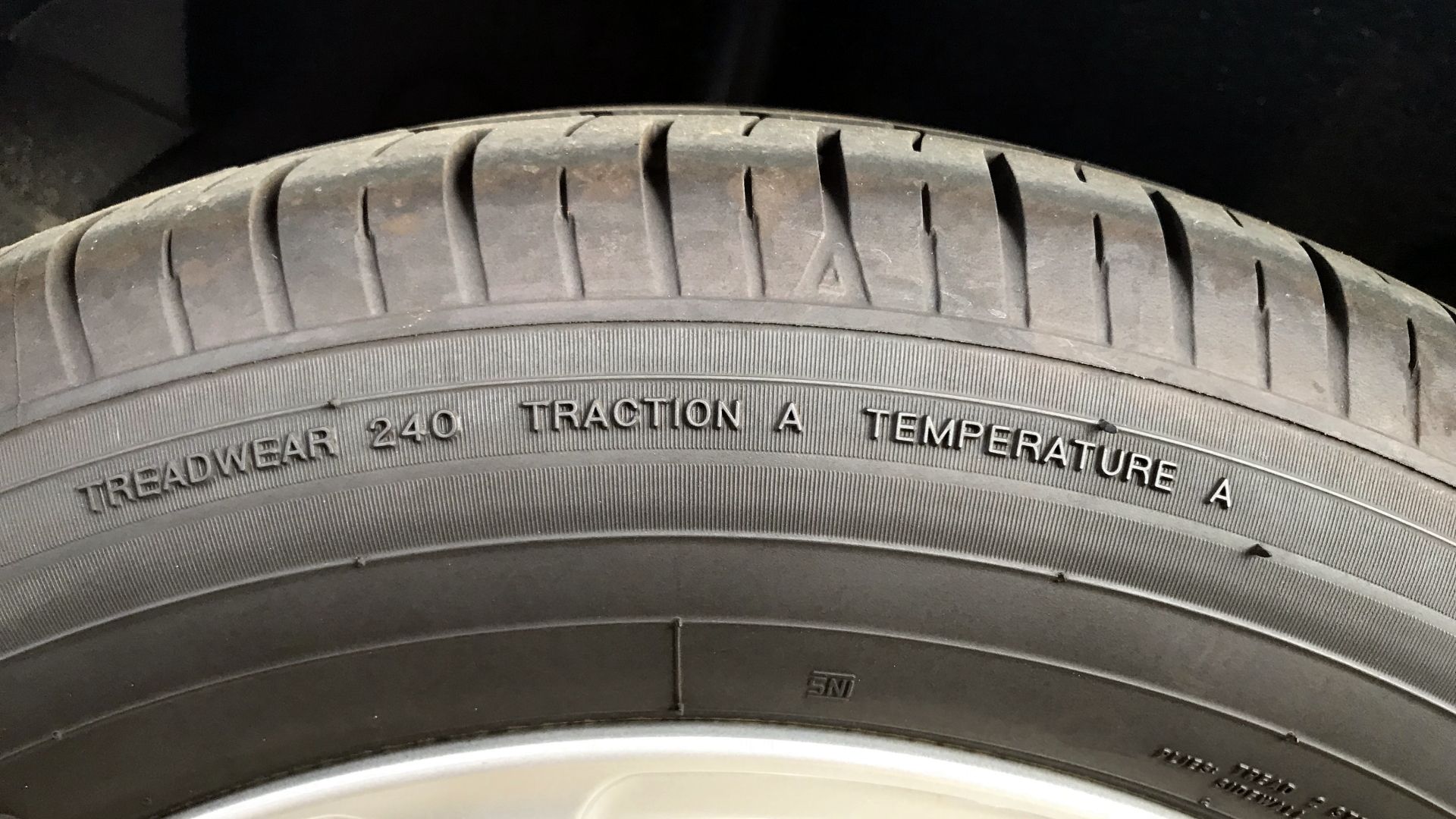
Federal treadwear ratings estimate relative longevity. They do not directly measure braking, cornering, or ride comfort. Drivers should consider traction and temperature grades alongside treadwear ratings.
Premium Tires Are Built For Different Priorities
Higher-priced tires often spend years in research and testing. Manufacturers balance grip, durability, comfort, and efficiency through advanced materials and engineering. Those improvements can become noticeable during everyday driving.
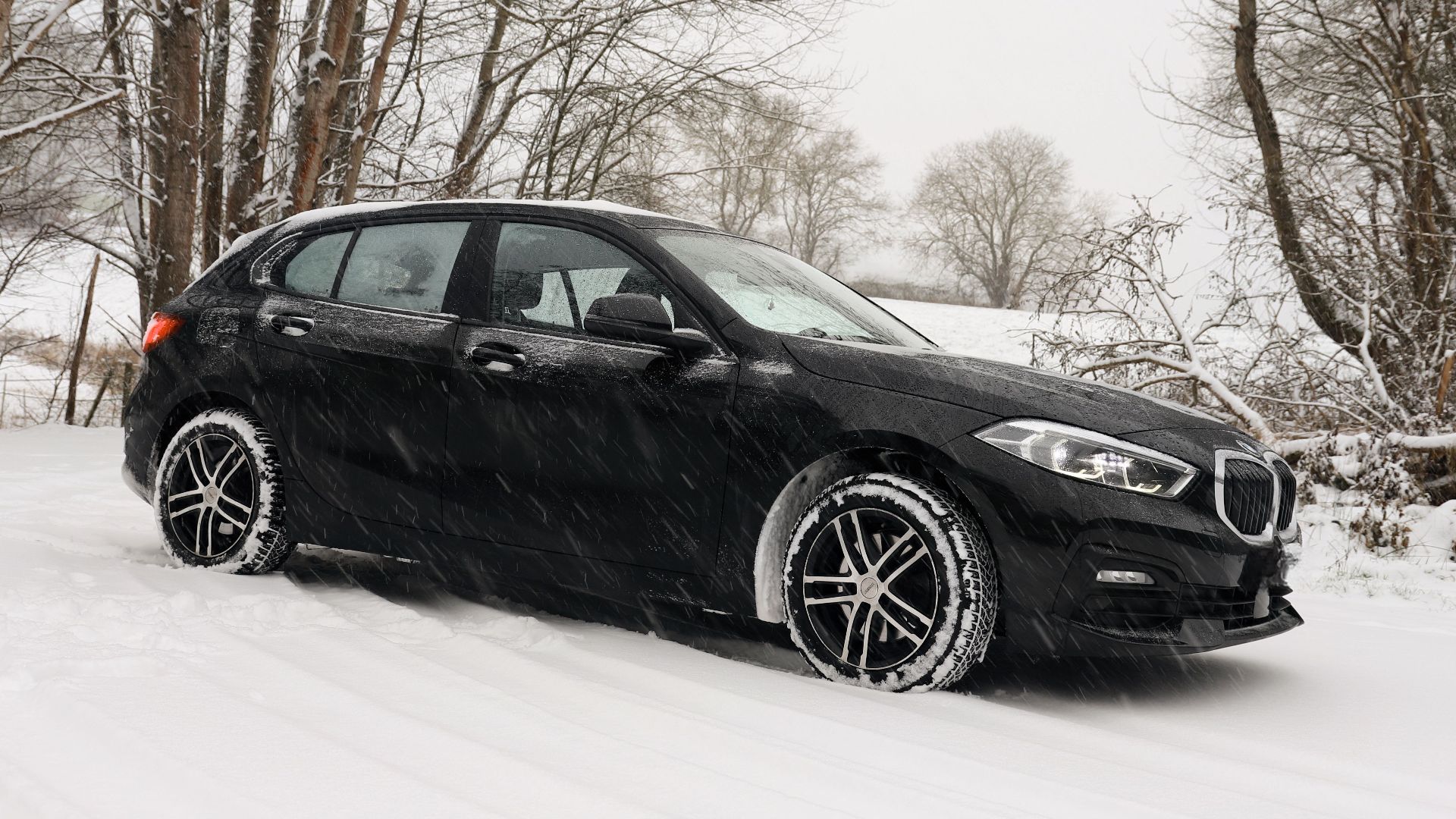
Seasonal Tires Have Clear Advantages
All-season tires work reasonably well across many conditions. Winter tires remain more flexible in cold temperatures and provide substantially better traction on snow and ice. Drivers in colder climates often notice dramatic improvements after switching.
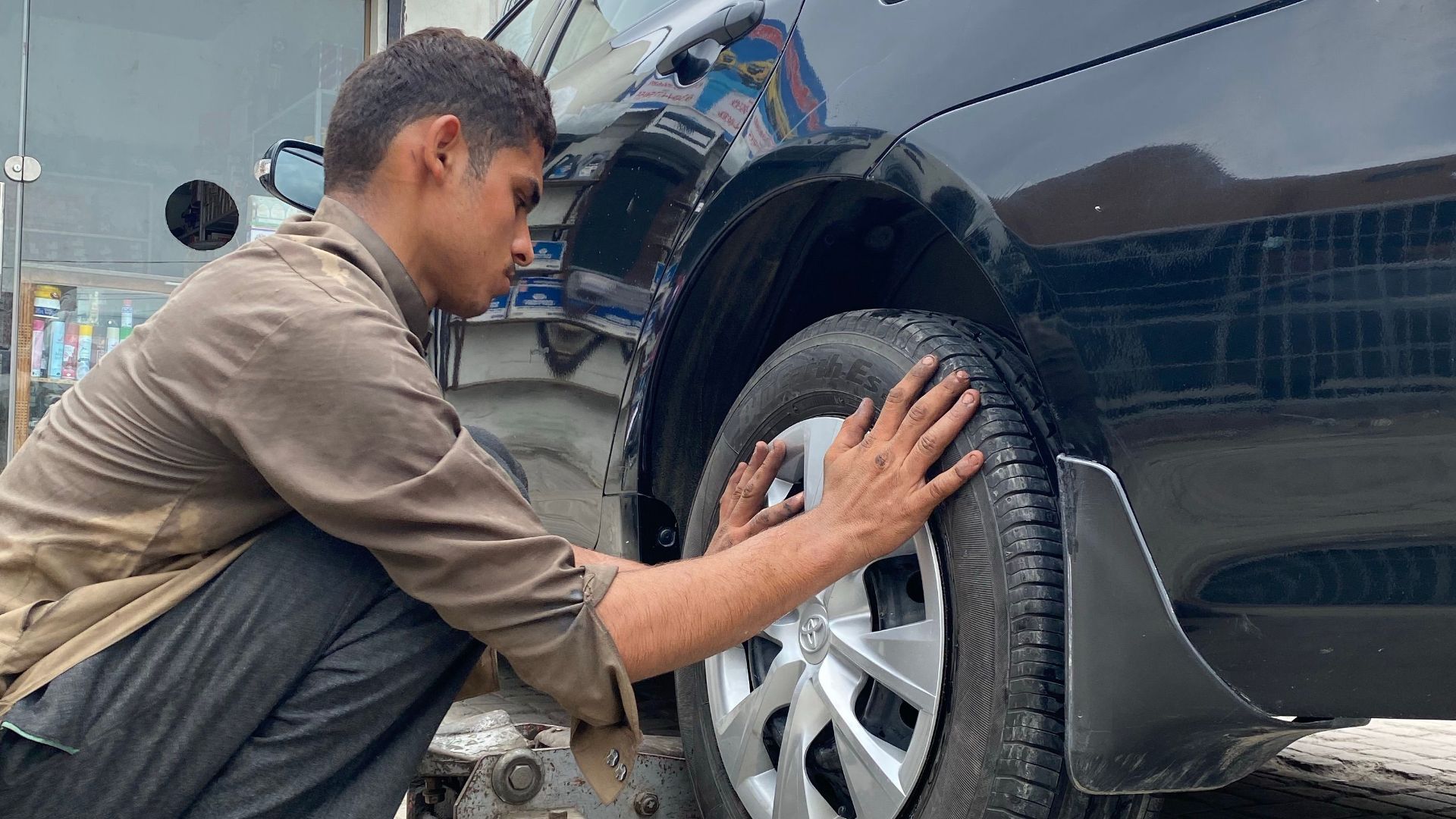
Tire Rotation Protects Your Investment
Front and rear tires usually wear at different rates. Rotating them at recommended intervals promotes even wear and helps maximize tire life. Regular rotation can delay the need for another expensive replacement set.
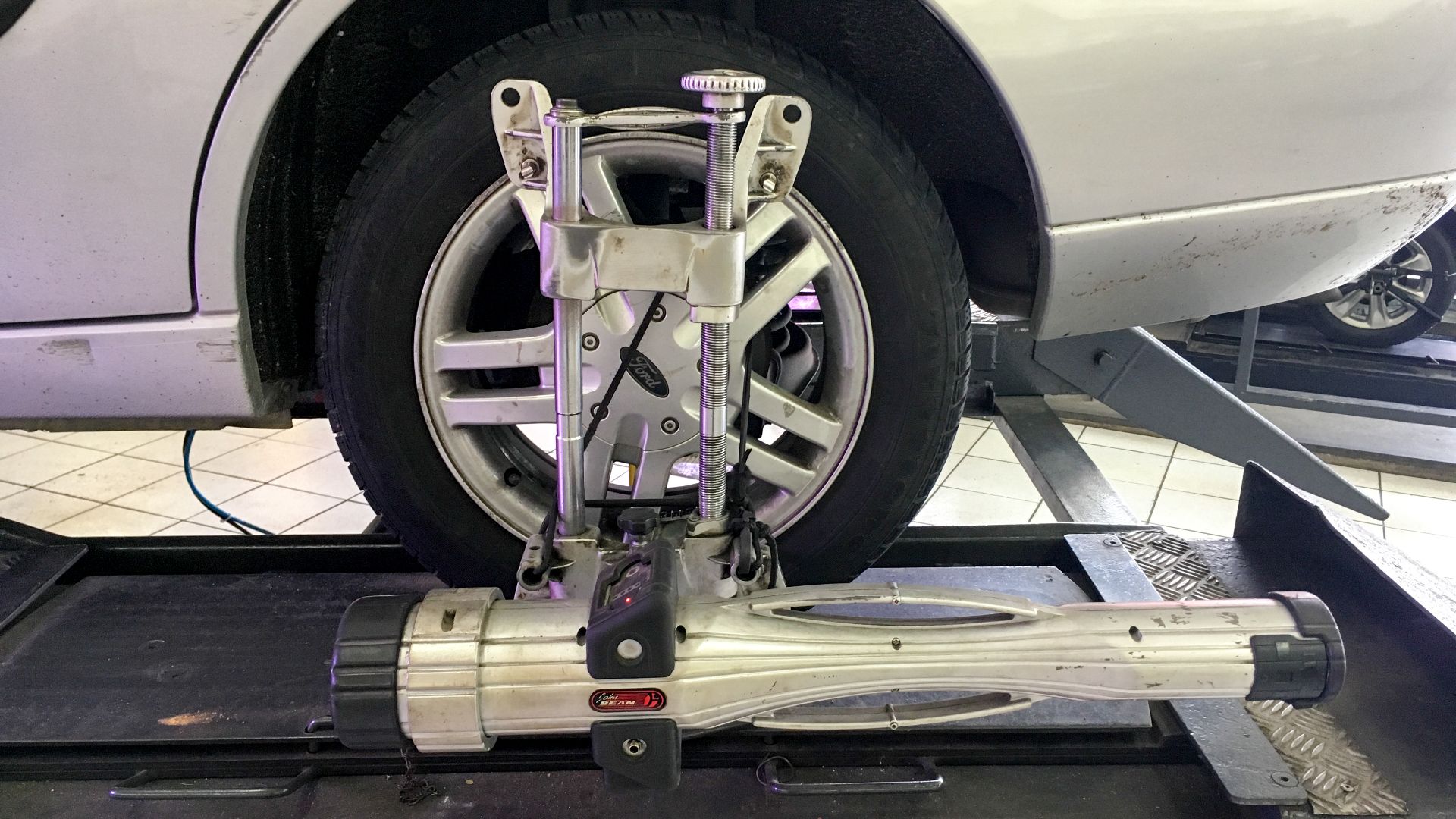
Alignment Can Mimic Tire Problems
A vehicle that pulls to one side may not have defective tires. Poor wheel alignment can create uneven tread wear and strange handling characteristics. Checking alignment after installing new tires is often worthwhile.
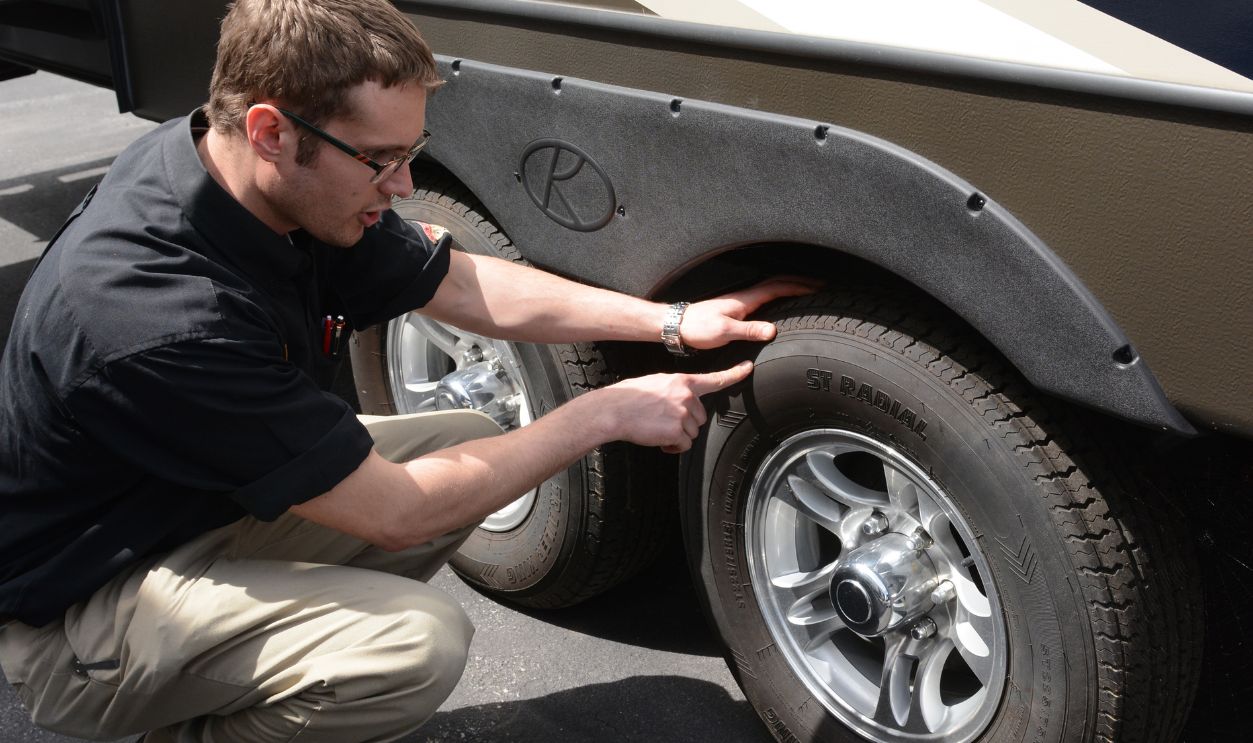
 Photograph by Mike Peel (www.mikepeel.net)., Wikimedia Commons
Weather Changes Everything
The same tires can behave differently depending on temperature. Cold weather hardens many rubber compounds, reducing grip. Warm pavement generally allows tires to perform closer to their intended design.
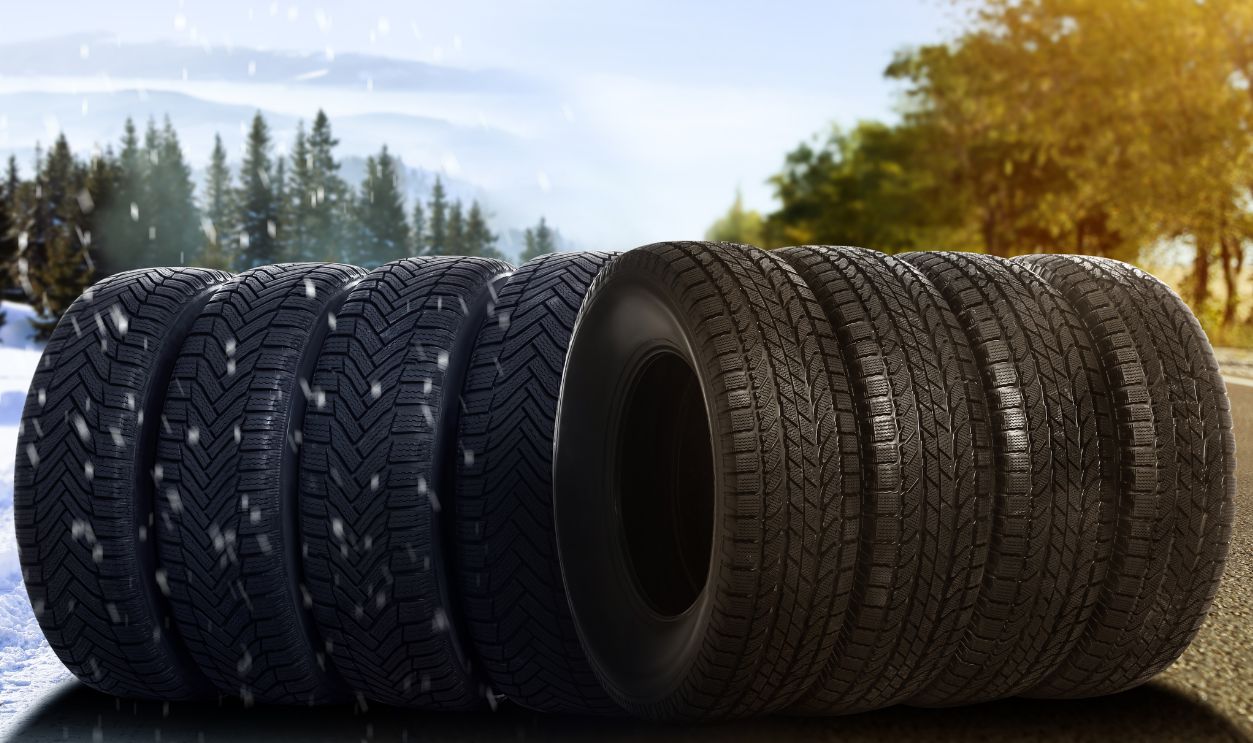
Premium Tires Often Shine During Emergencies
Most daily commutes never push tires to their limits. Emergency braking, sudden lane changes, and heavy rain reveal differences much more clearly. Those situations are exactly when extra traction becomes most valuable.
Comfort Is A Personal Preference
Some drivers prioritize quiet highway cruising. Others care more about responsive handling. Tire manufacturers tune products for different priorities, which explains why one driver may love a tire that another dislikes.

Reading Reviews Requires Context
Professional testing compares tires under controlled conditions. Owner reviews provide useful long-term experiences but often reflect different vehicles, climates, and driving styles. Combining both sources creates a more complete picture.

Buying Tires Should Start With Your Needs
Someone who drives mostly on dry city streets may not need the same tire as someone who frequently travels through snow or heavy rain. Thinking about your normal driving conditions helps narrow the choices. The best tire is not always the most expensive one.
So, Do Tires Really Matter?
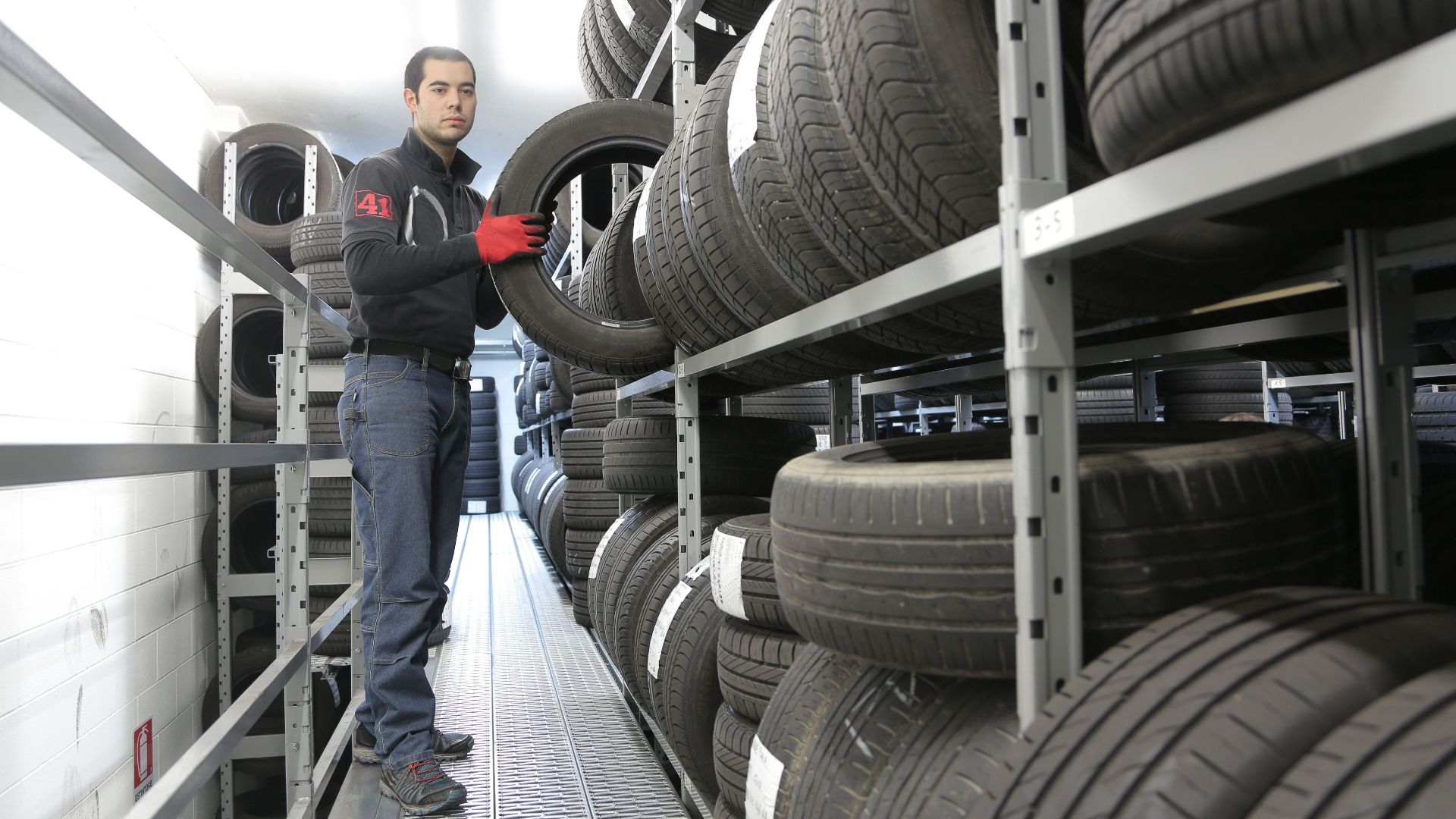
After living with the cheaper replacements, I understood why the car felt different. Tires influence nearly every aspect of driving, from steering feel and braking to comfort and fuel economy. Choosing the right set is one of the most important decisions you can make for your vehicle.
You May Also Like:
The Most Overrated Cars Today, According To Car Enthusiasts
People With The Largest Car Collections In The World