AWD Feels Invincible Until It Isn't.
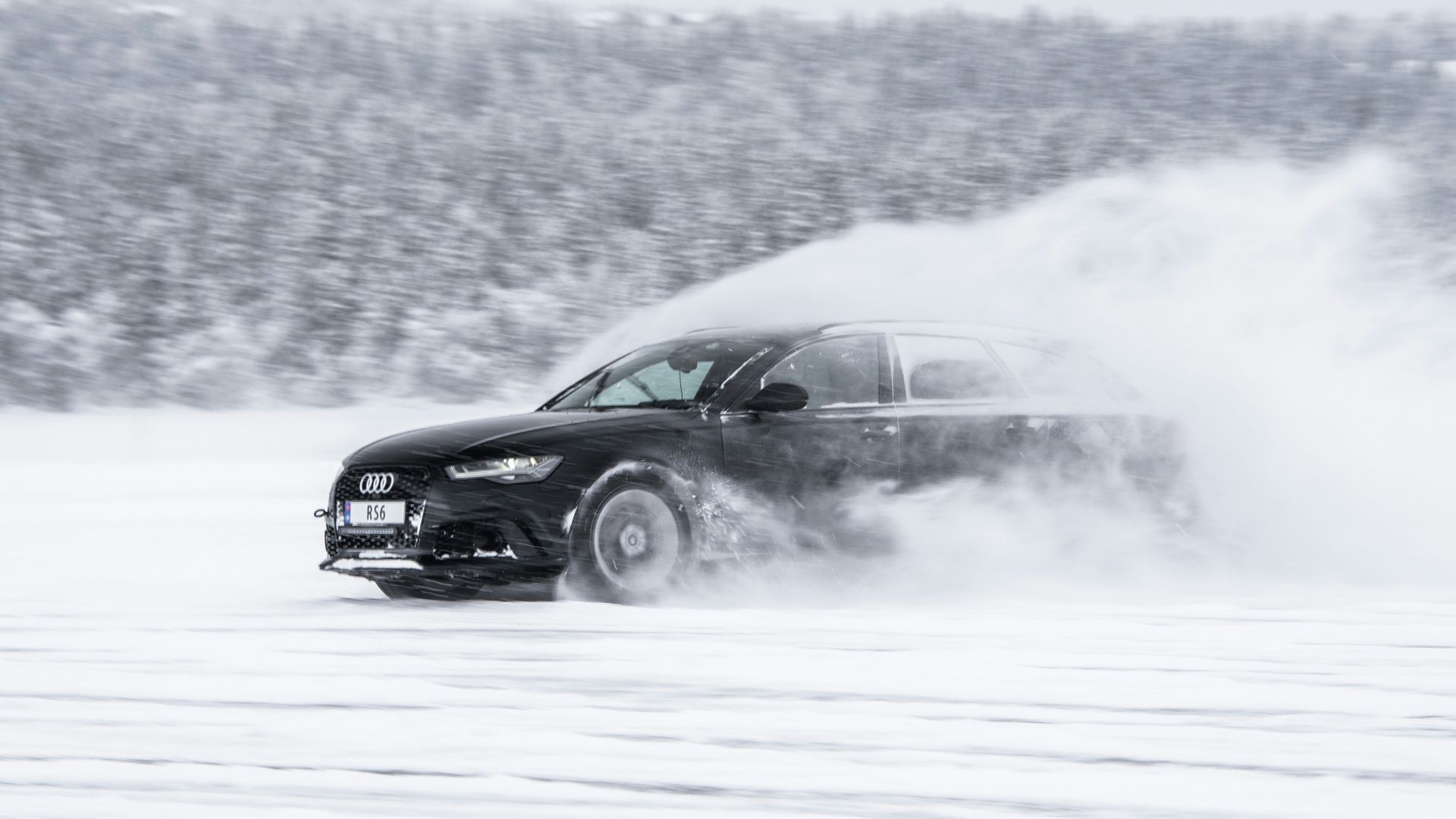
Modern systems can make an SUV launch impressively through snow, but they cannot create tire grip that simply is not available when you brake or turn. Automakers are right that AWD improves traction, although the language surrounding that benefit can leave drivers expecting more than the hardware can actually deliver.

Your SUV Did Not Necessarily Malfunction
Sliding on snow or ice does not mean the all-wheel-drive system failed. Ford's own AWD guidance acknowledges that these vehicles can skid just like other vehicles when traction disappears. The drivetrain can redistribute propulsion, but it cannot make a slippery surface behave like dry pavement.
AWD Is Mostly About Putting Power Down
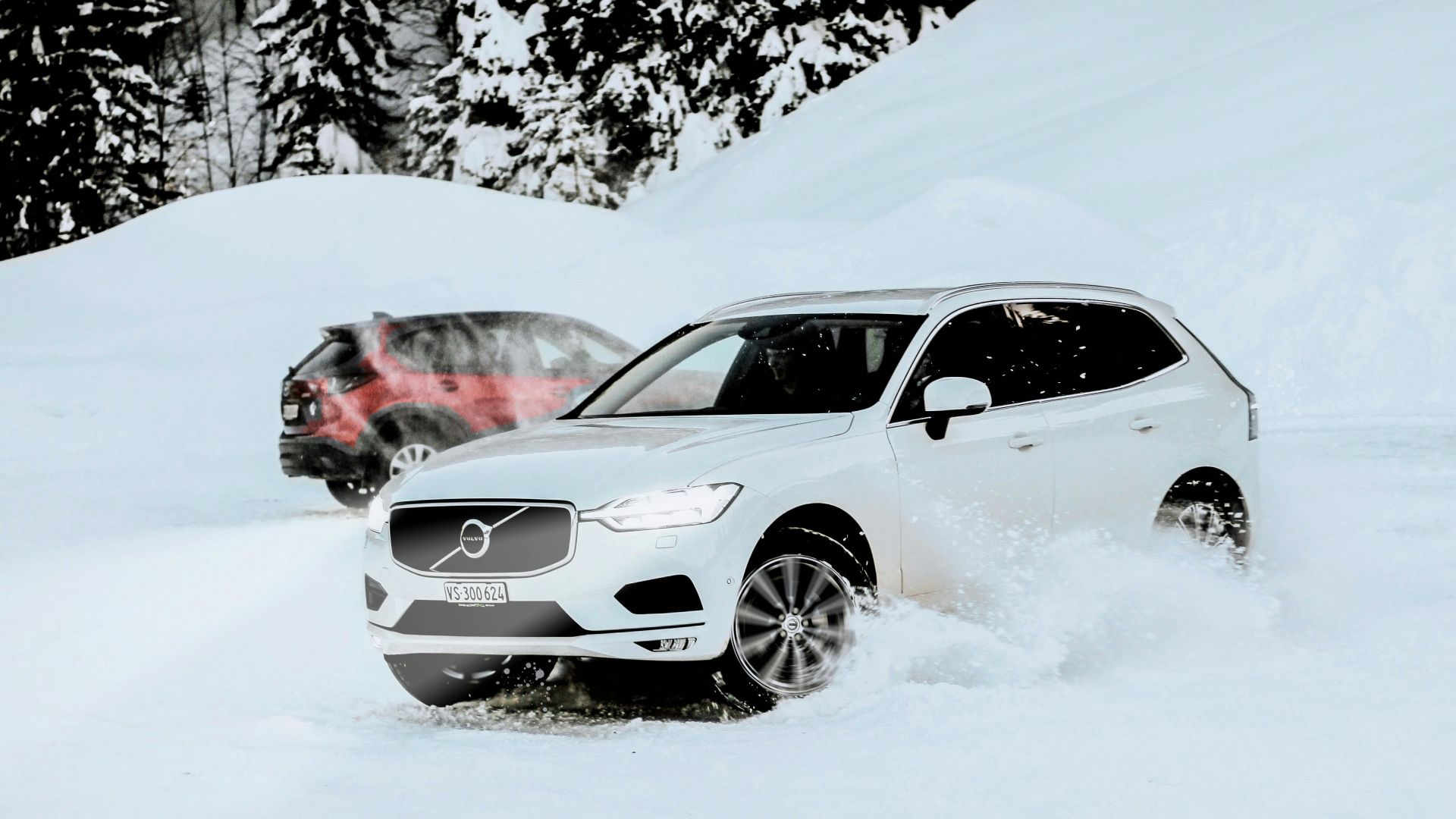
An AWD system can send engine or motor torque to both axles instead of relying on only two driven wheels. That can dramatically improve acceleration when one pair of tires is sitting on snow, ice, mud, or another low-grip surface. It is why an AWD SUV often feels so much more secure when pulling away from a snowy stop.
Braking Does Not Get The Same Advantage
Every modern passenger vehicle already uses brakes at all four wheels. Switching from two-wheel drive to AWD therefore does not suddenly give the vehicle twice as many tires for stopping. Ford specifically warns that AWD can improve acceleration in snow without making the vehicle stop any faster.
That Difference Is Easy To Misunderstand
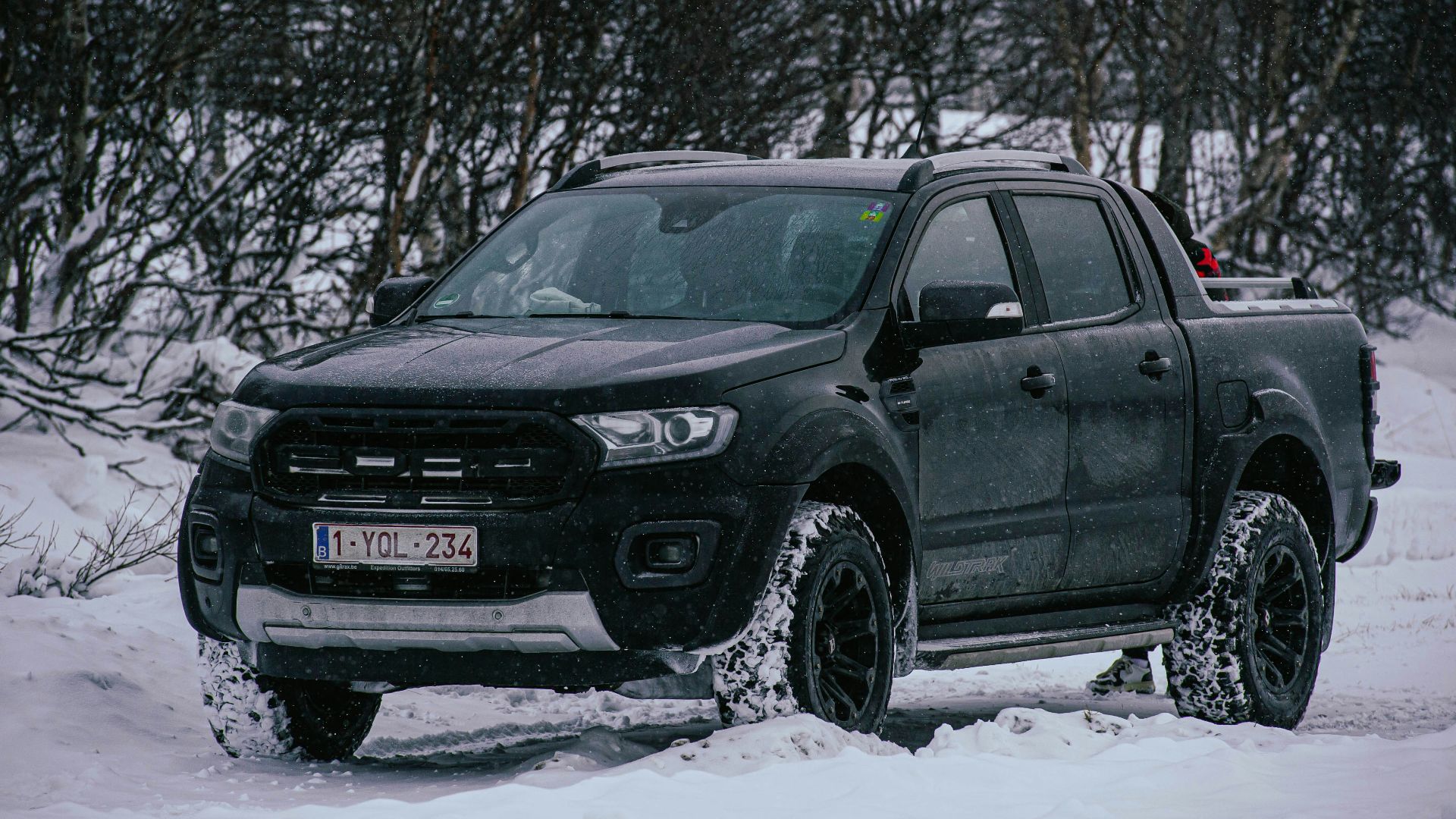
Acceleration is one of the first things a driver notices after a snowfall. An AWD SUV may leave an intersection with surprisingly little drama while a two-wheel-drive car nearby spins its tires. That effortless launch can make the road seem safer than it really is.

The Advertising Often Talks About Confidence
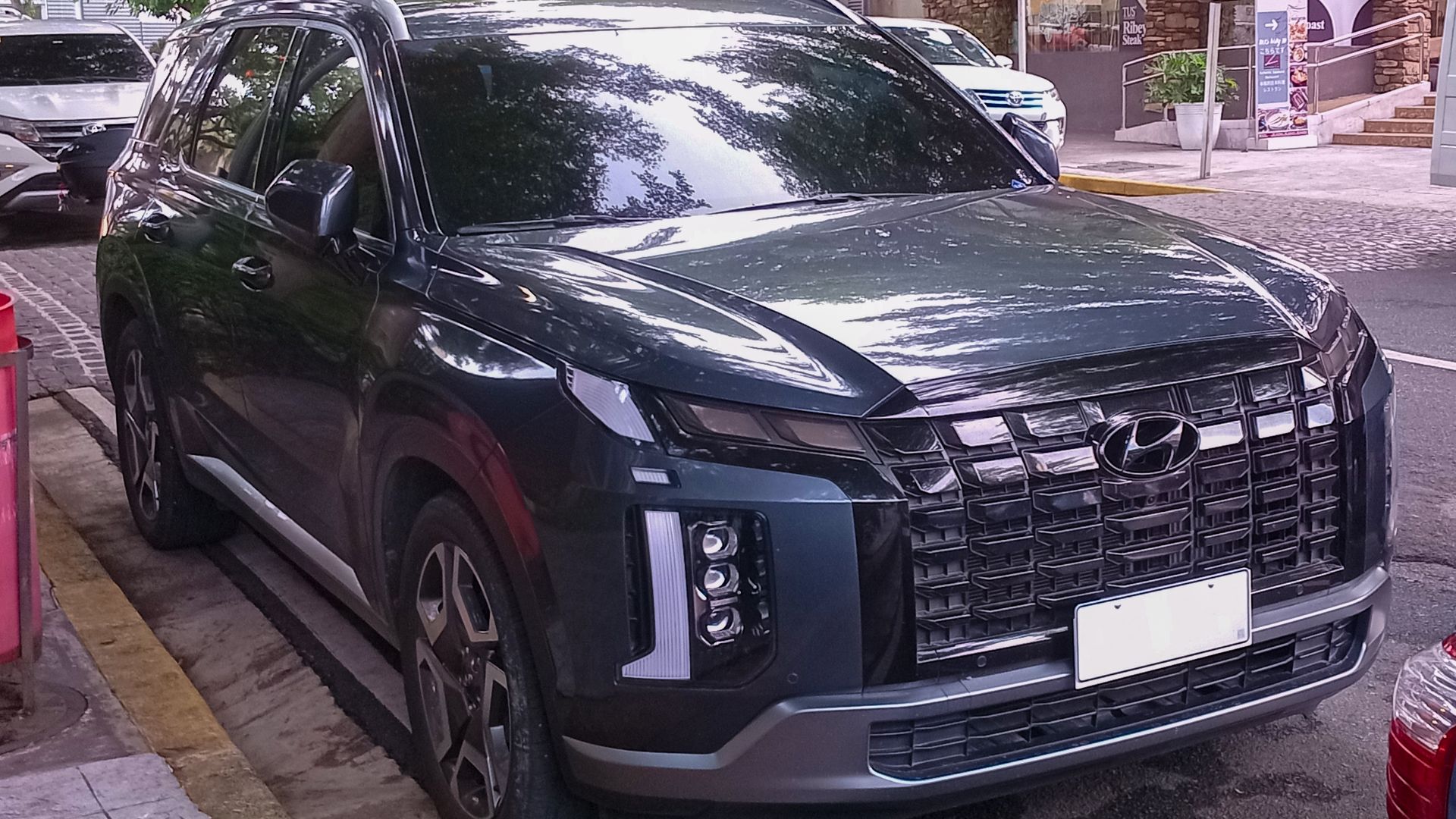
Automakers regularly associate AWD with words such as confidence, capability, security, and all-weather traction. Hyundai currently says its HTRAC AWD helps keep confidence steady when weather gets nasty, while Toyota markets AWD as enhancing traction and driving confidence. Subaru similarly describes its standard AWD in terms of dependable confidence and traction in rain and snow.
 Ethan Llamas, Wikimedia Commons
The Owner's Manual Sounds More Cautious
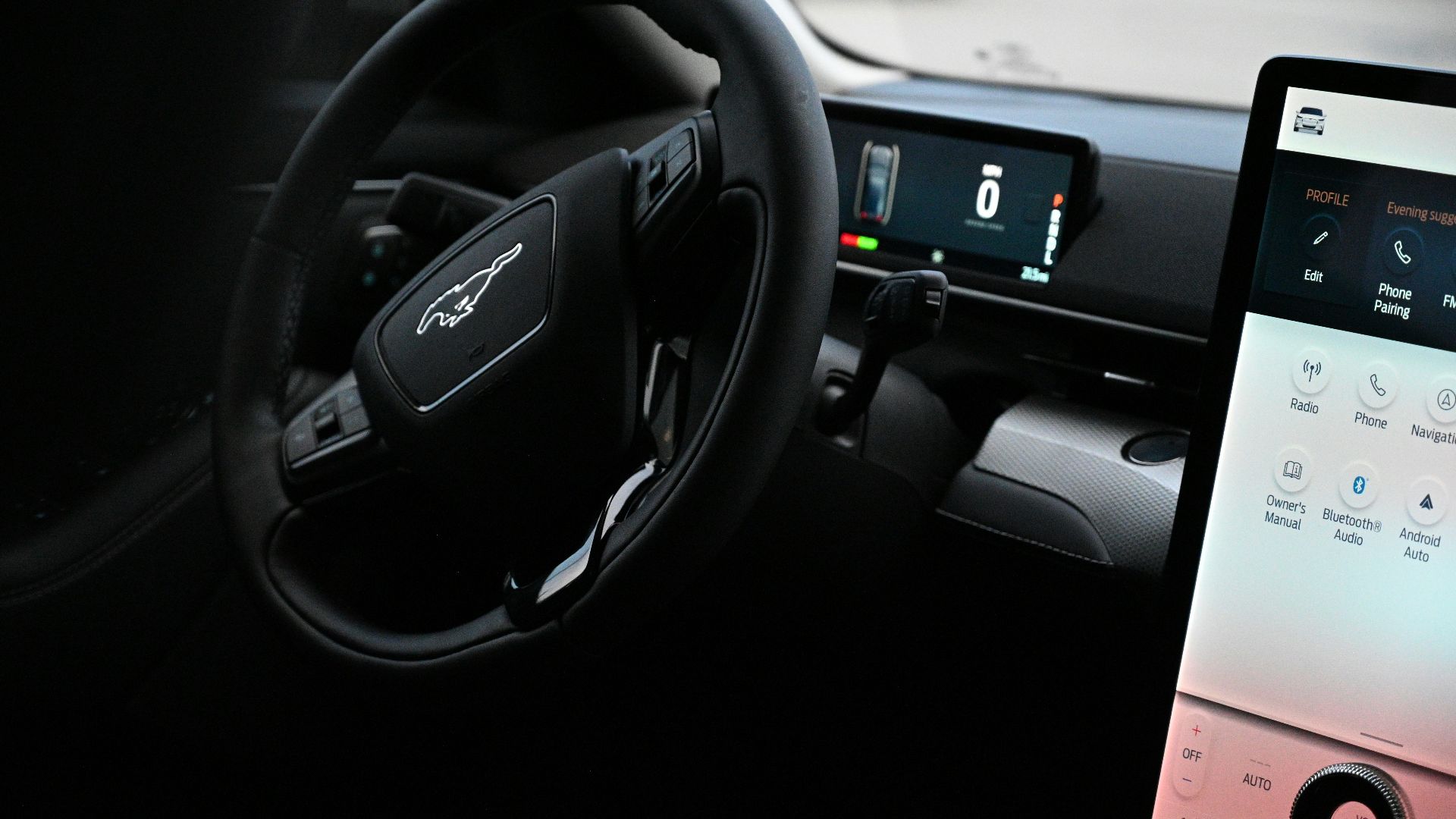
Read the fine print and the message becomes much less glamorous. Ford's current Bronco Sport manual says AWD vehicles can still skid, will not stop faster on snow or ice, and should not make drivers overconfident about road conditions. The marketing and engineering statements are not technically contradictory, but their tone is very different.
Confidence Can Become The Real Problem
Consumer Reports has warned that AWD can encourage drivers to travel too quickly because the vehicle accelerates so easily on slippery surfaces. The weakness only becomes obvious when that driver tries to brake or negotiate a sharp curve. In other words, AWD can hide how little grip the road actually provides until you urgently need it.
Tires Set The Ultimate Limit
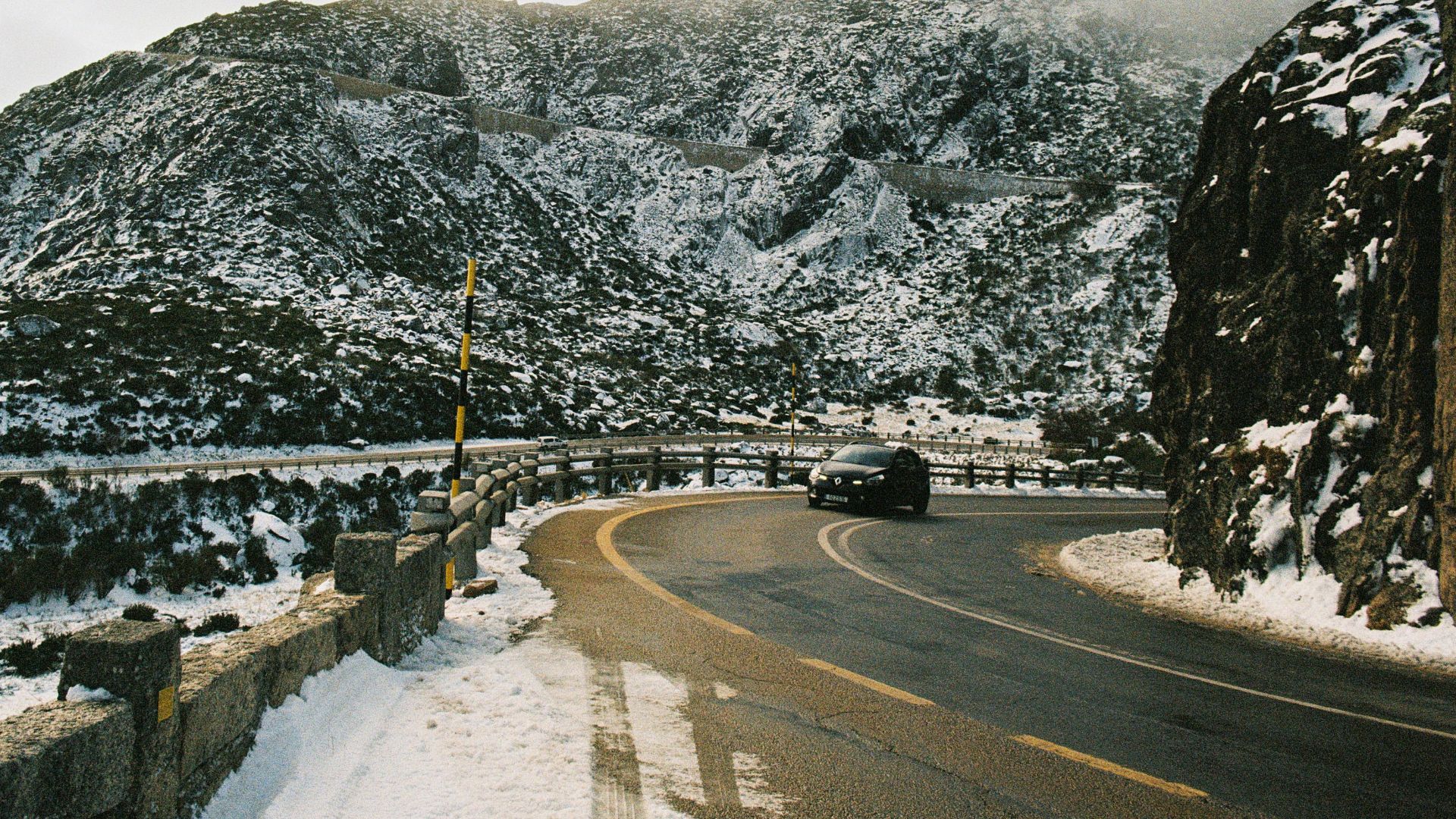
Every acceleration, braking, and steering force must pass through four relatively small patches of rubber touching the road. Once those tires exceed the grip available on ice or snow, the drivetrain cannot rescue them. AWD can distribute power intelligently, but it cannot increase the friction coefficient of the road surface.
Winter Tires Change More Than The Drivetrain
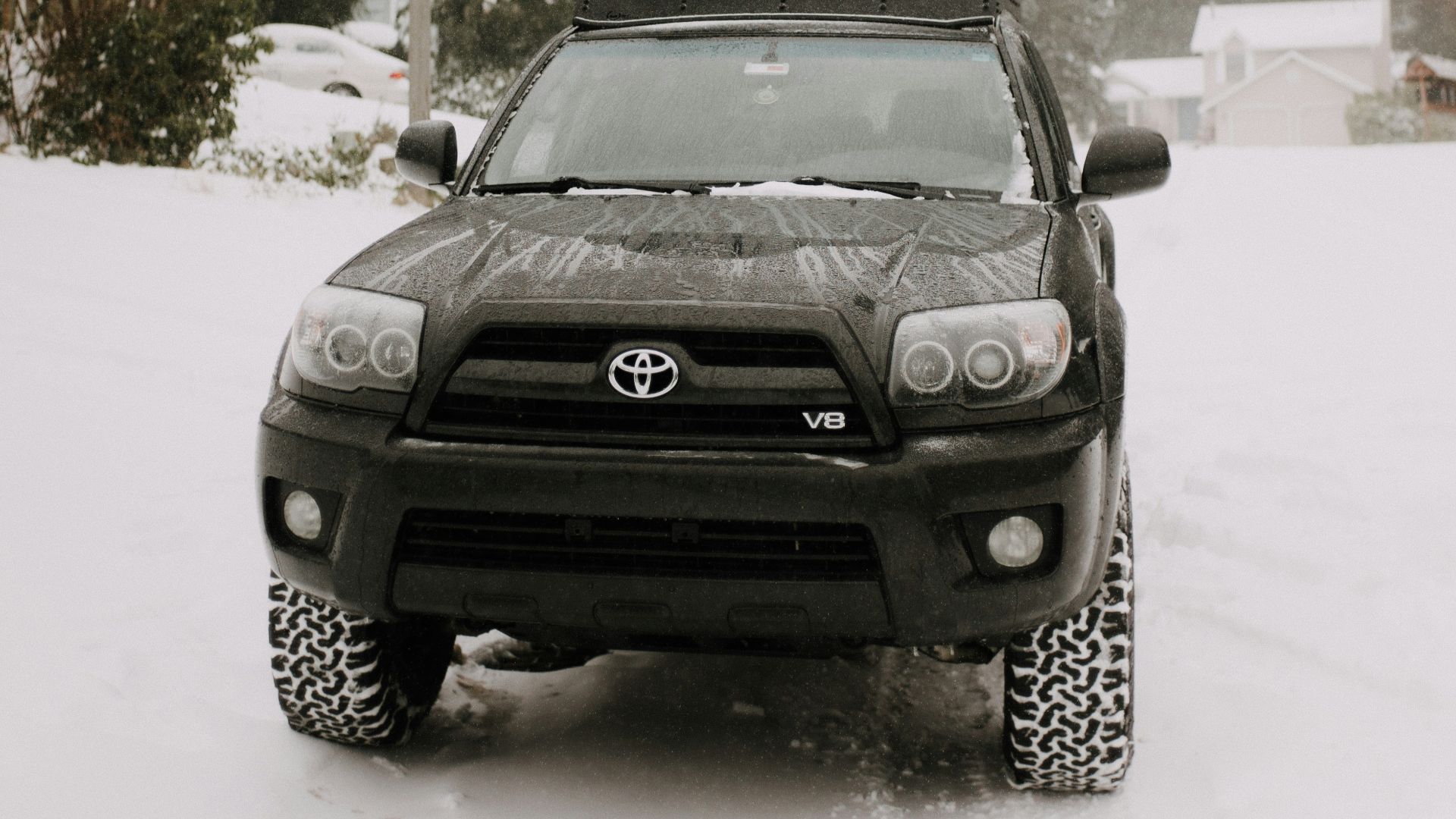
Dedicated winter tires are designed specifically to generate grip in cold temperatures, snow, and ice. Consumer Reports says they improve the ability to start, stop, and turn in winter conditions and recommends them for front-, rear-, and all-wheel-drive vehicles. They address exactly the areas where AWD alone reaches its limits.
Testing Makes The Difference Obvious
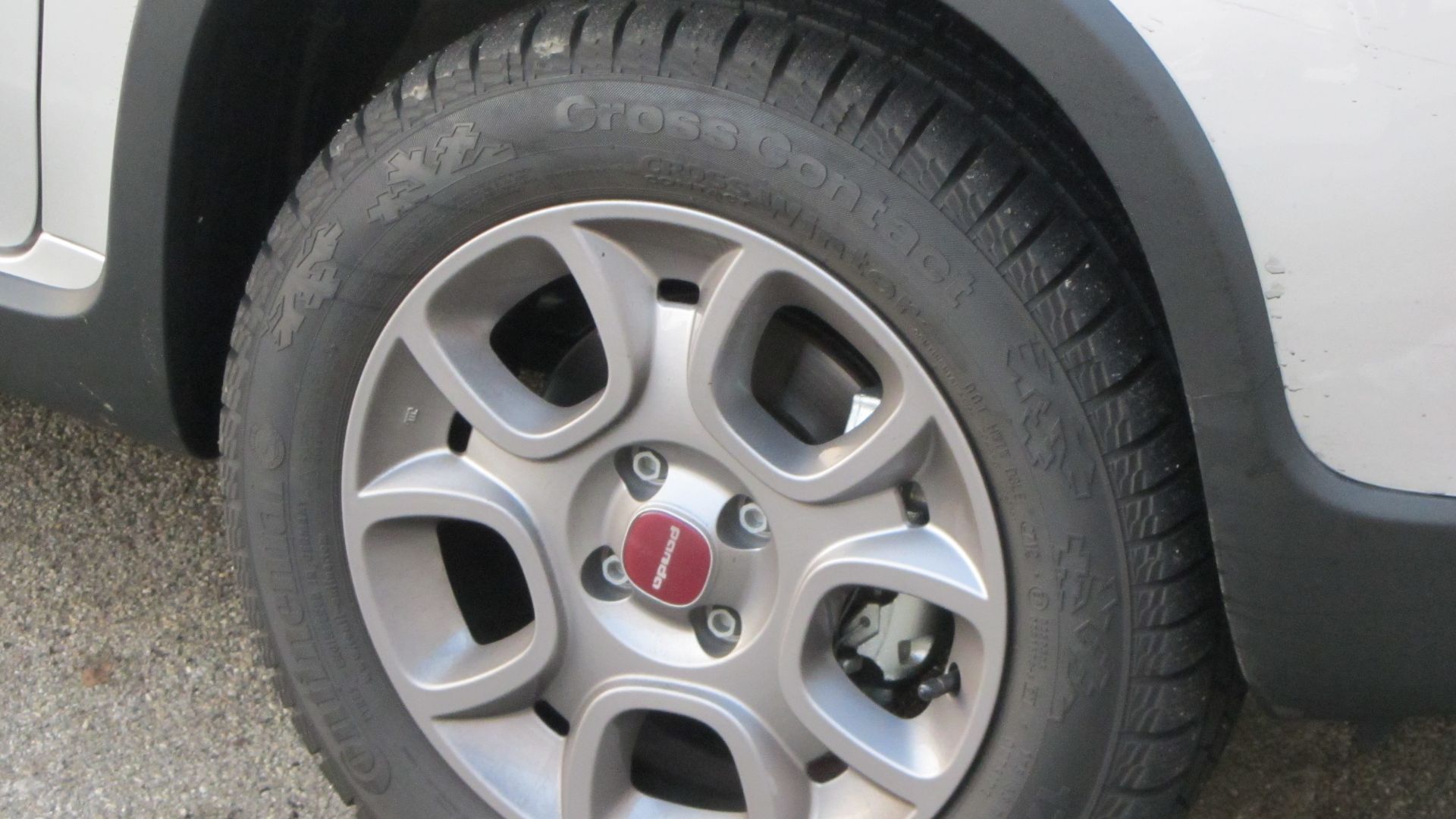
Consumer Reports tested an AWD Honda CR-V in snow and found that the drivetrain itself did not solve braking limitations. Its broader testing concluded that winter tires can matter more than AWD in many snowy and icy situations. A front-wheel-drive car on four winter tires can sometimes brake as effectively as an AWD crossover on comparable winter tires because the tires, not the driven wheels, determine stopping grip.
 Renardo la vulpo, Wikimedia Commons
An AWD SUV On All-Seasons Is Still Compromised
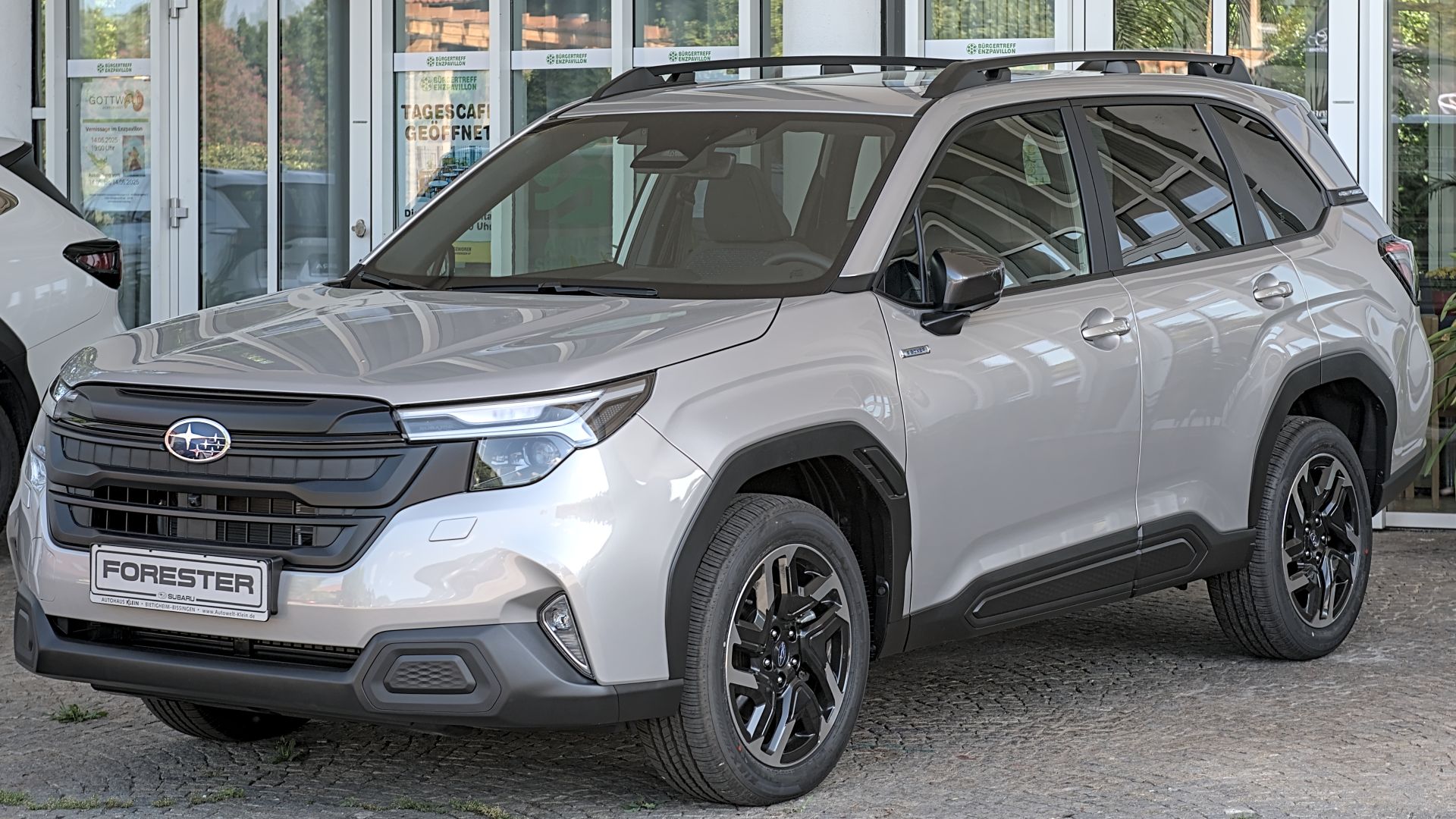
All-season tires are designed to perform reasonably across many temperatures and weather conditions. That broad mission necessarily involves compromises compared with a tire engineered specifically for severe winter use. Installing AWD underneath an all-season tire does not remove those compromises.
 Alexander Migl, Wikimedia Commons
Cold Temperature Matters Before Snow Arrives
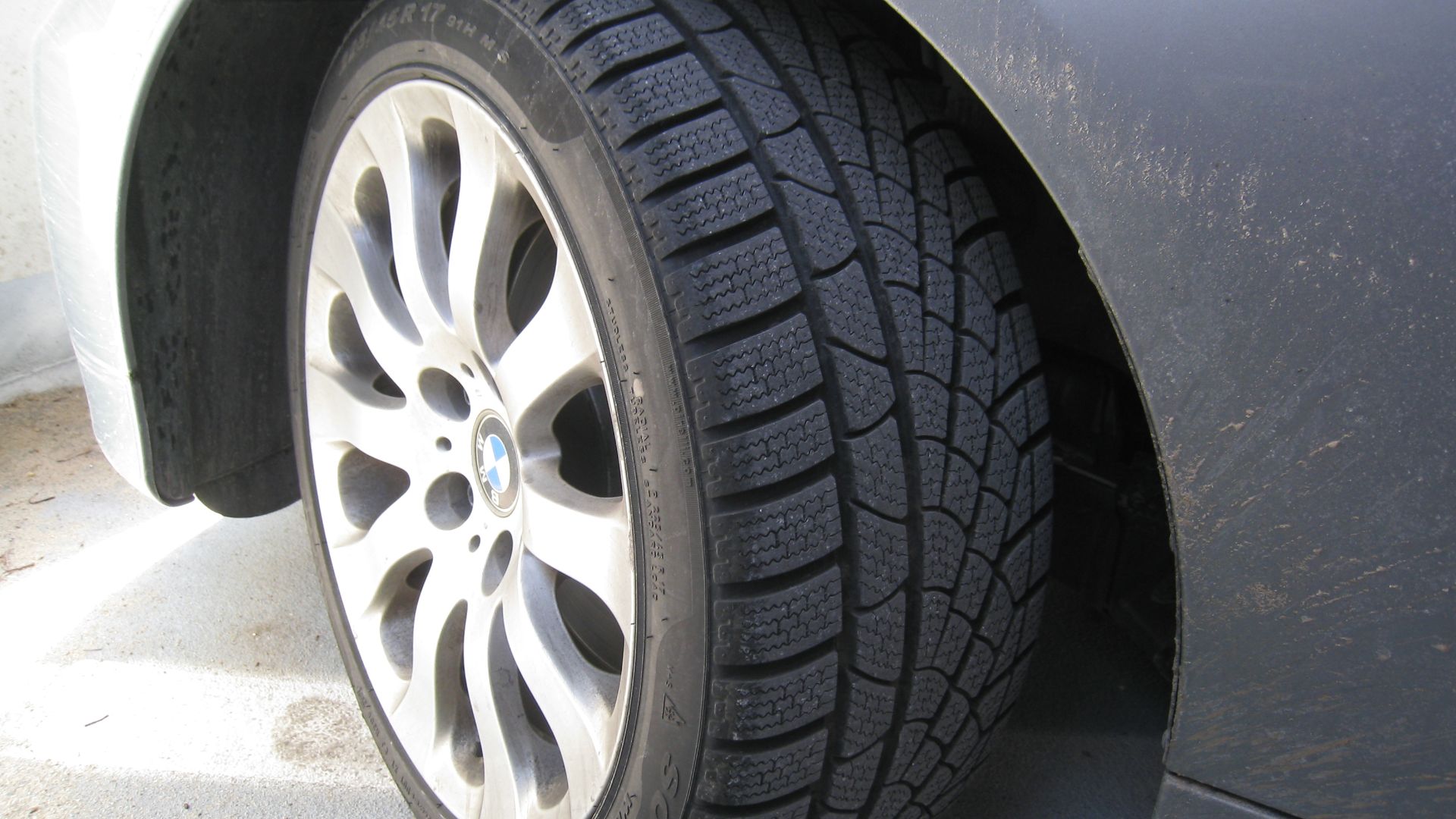
Winter-tire advantages are not limited to driving through deep snow. Their tread compounds are designed to remain useful in low temperatures when other compounds can become less compliant. That means tire selection can matter on a freezing dry morning as well as during an active snowstorm.
Look For The Mountain And Snowflake
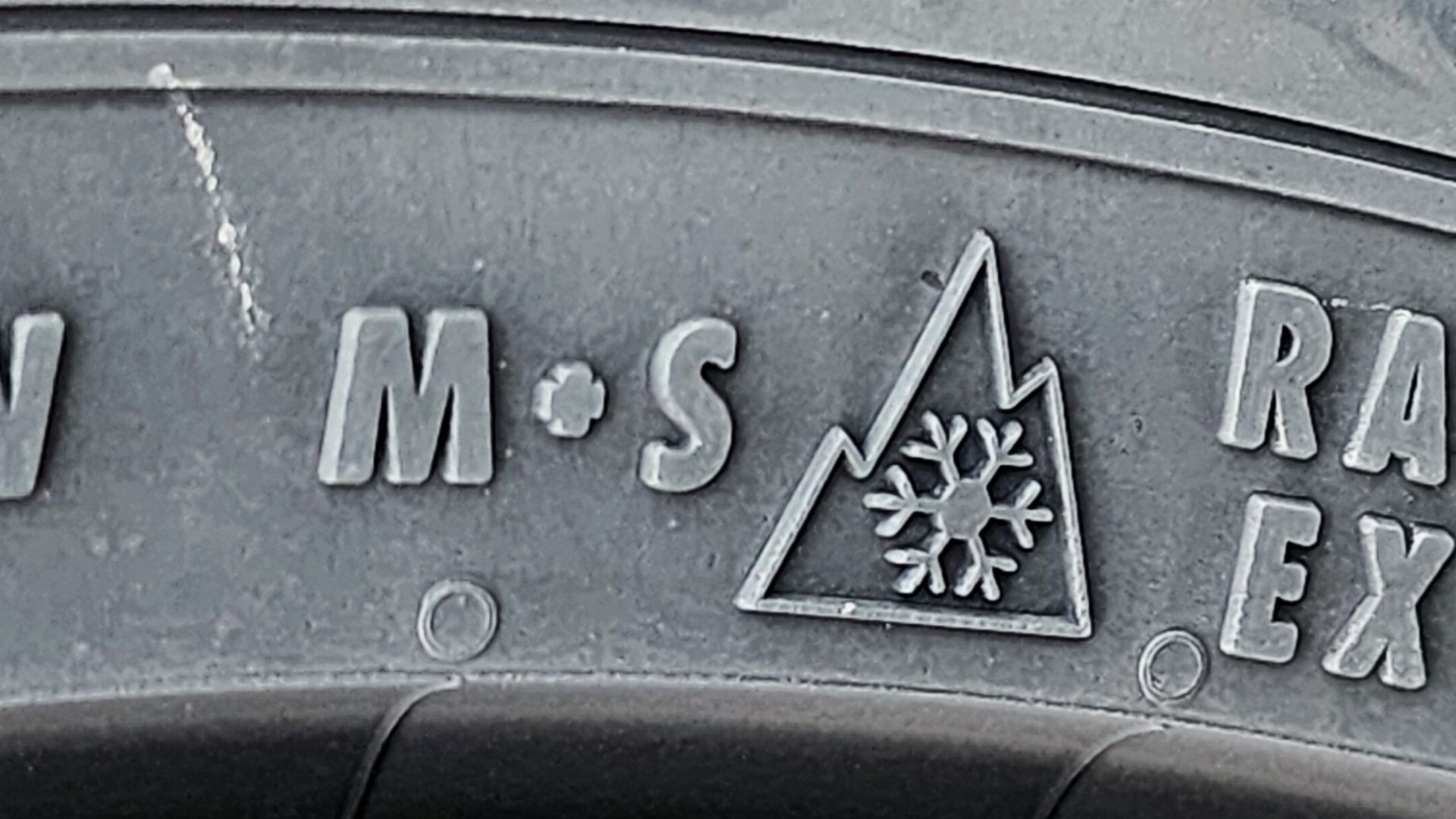
The three-peak mountain snowflake symbol identifies tires that have met a standardized severe-snow performance requirement. Consumer Reports uses the symbol when discussing both dedicated winter tires and qualifying all-weather designs. It provides more useful winter information than assuming any tire fitted to an AWD SUV must be suitable for serious snow.
 U.S. Army USAG-RP by Linda Lambiotte, Wikimedia Commons
All-Weather Tires Offer Another Choice
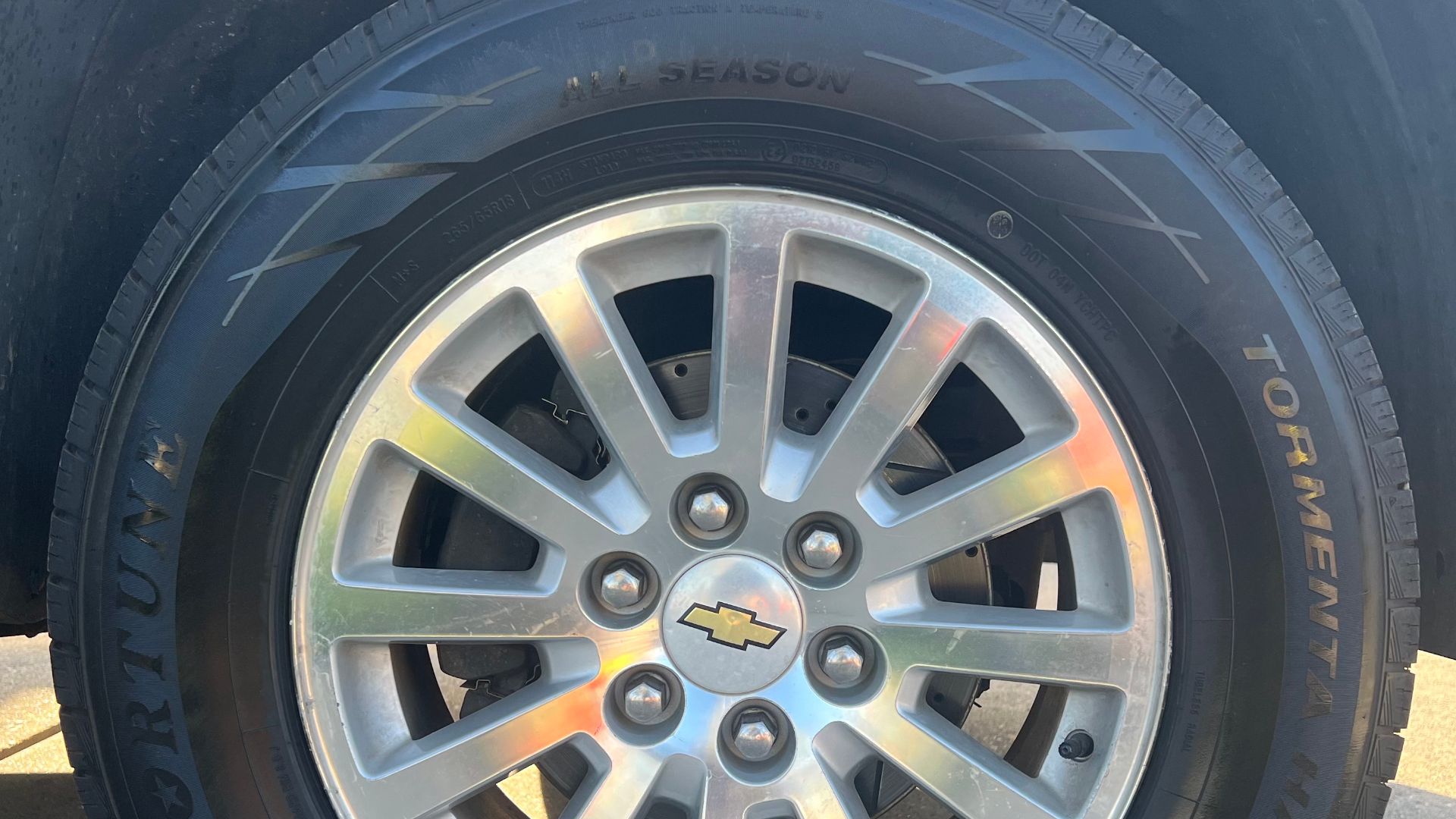
Some drivers do not experience enough severe winter weather to justify seasonal tire changes. All-weather tires carrying the mountain-snowflake symbol can offer stronger winter traction while remaining designed for year-round use. Consumer Reports notes that the better examples can approach dedicated winter tires in some winter conditions, although dedicated winter models remain the specialist option.
 TaurusEmerald, Wikimedia Commons
Four Matching Winter Tires Matter
Putting specialized winter rubber on only one axle creates an imbalance between the front and rear of the vehicle. NHTSA-related manufacturer guidance recommends fitting winter tires at all wheel positions, including on AWD and 4x4 vehicles. Tire Rack testing likewise demonstrates that matched tires provide more predictable stopping and cornering behavior.
AWD Does Not Fix Worn Tires
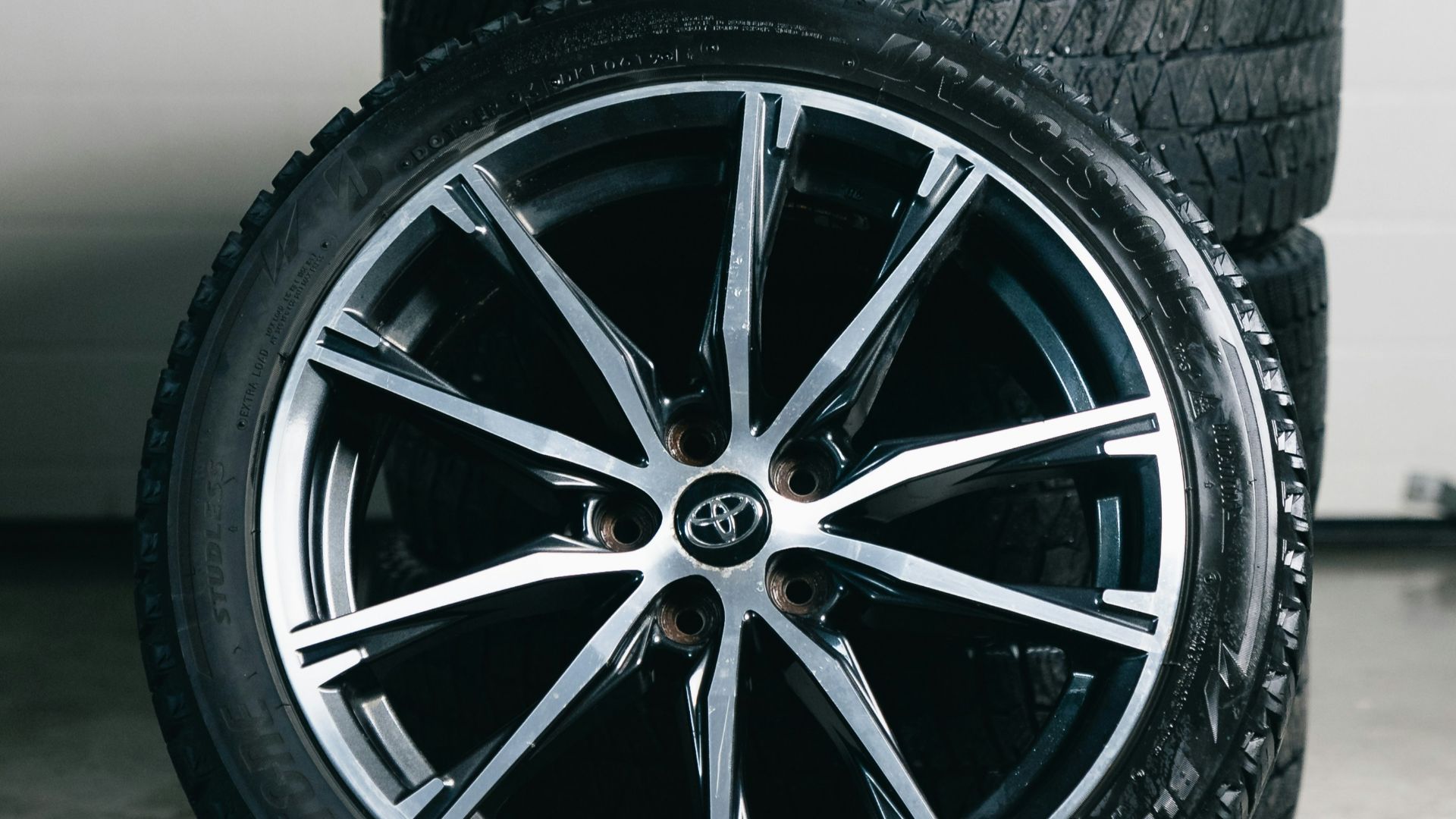
A sophisticated drivetrain cannot restore missing tread depth. Worn tires have less ability to manage snow and slush, and winter performance can deteriorate well before a tire looks completely bald. NHTSA recommends inspecting tread and replacing tires before they reach unsafe condition.

Cold Weather Also Drops Tire Pressure
Outside temperature affects inflation pressure, so winter can leave tires underinflated even when nobody touched them. NHTSA recommends checking pressure when the tires are cold and using the vehicle manufacturer's recommended specification. Proper inflation helps the tires perform as their designers intended.
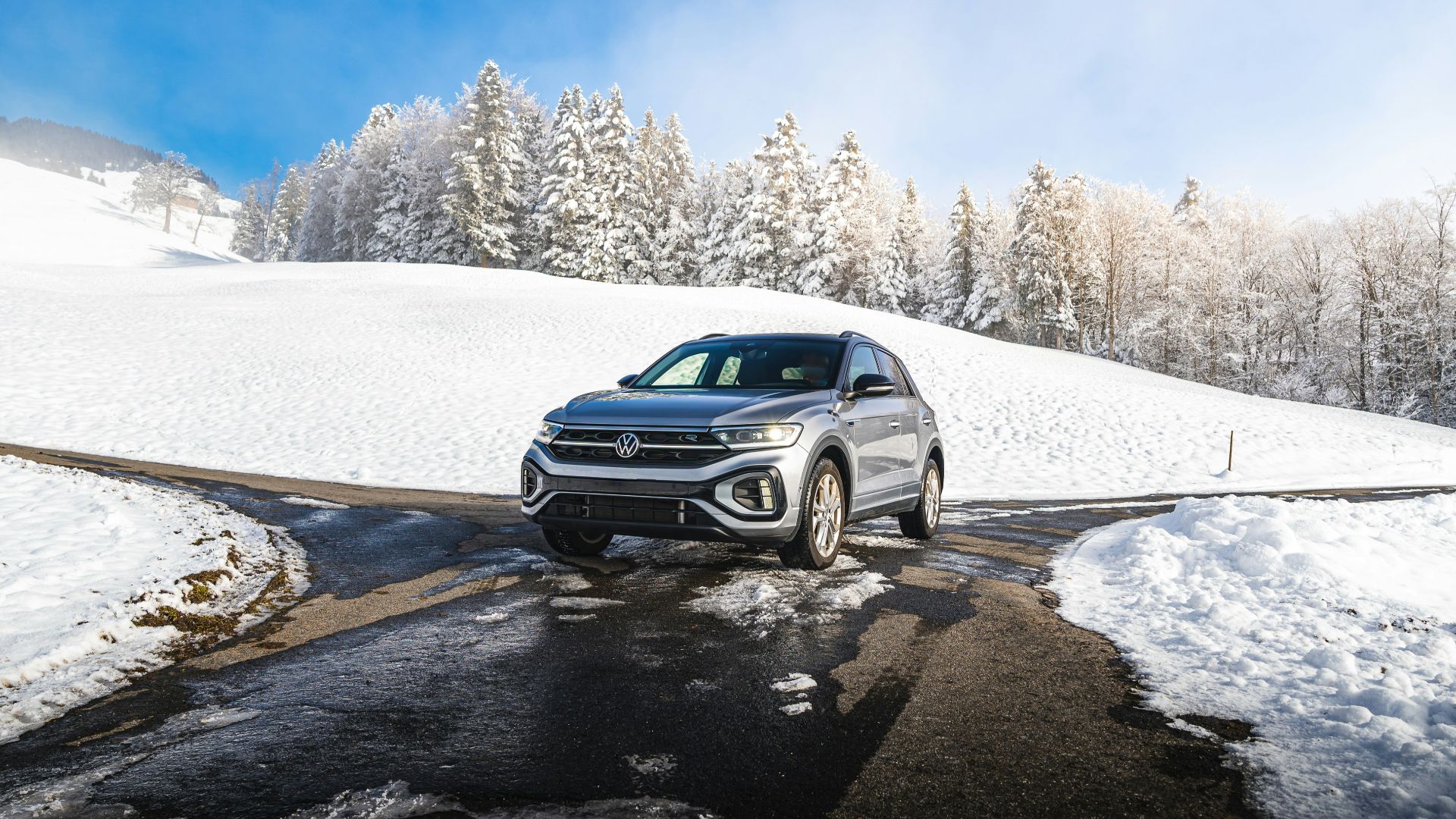
Use The Door-Jamb Number
The maximum pressure molded into the tire sidewall is not normally your everyday target. NHTSA instructs drivers to use the inflation specification on the vehicle placard or in the owner's manual. Correct pressure is particularly worth monitoring when temperatures change quickly.
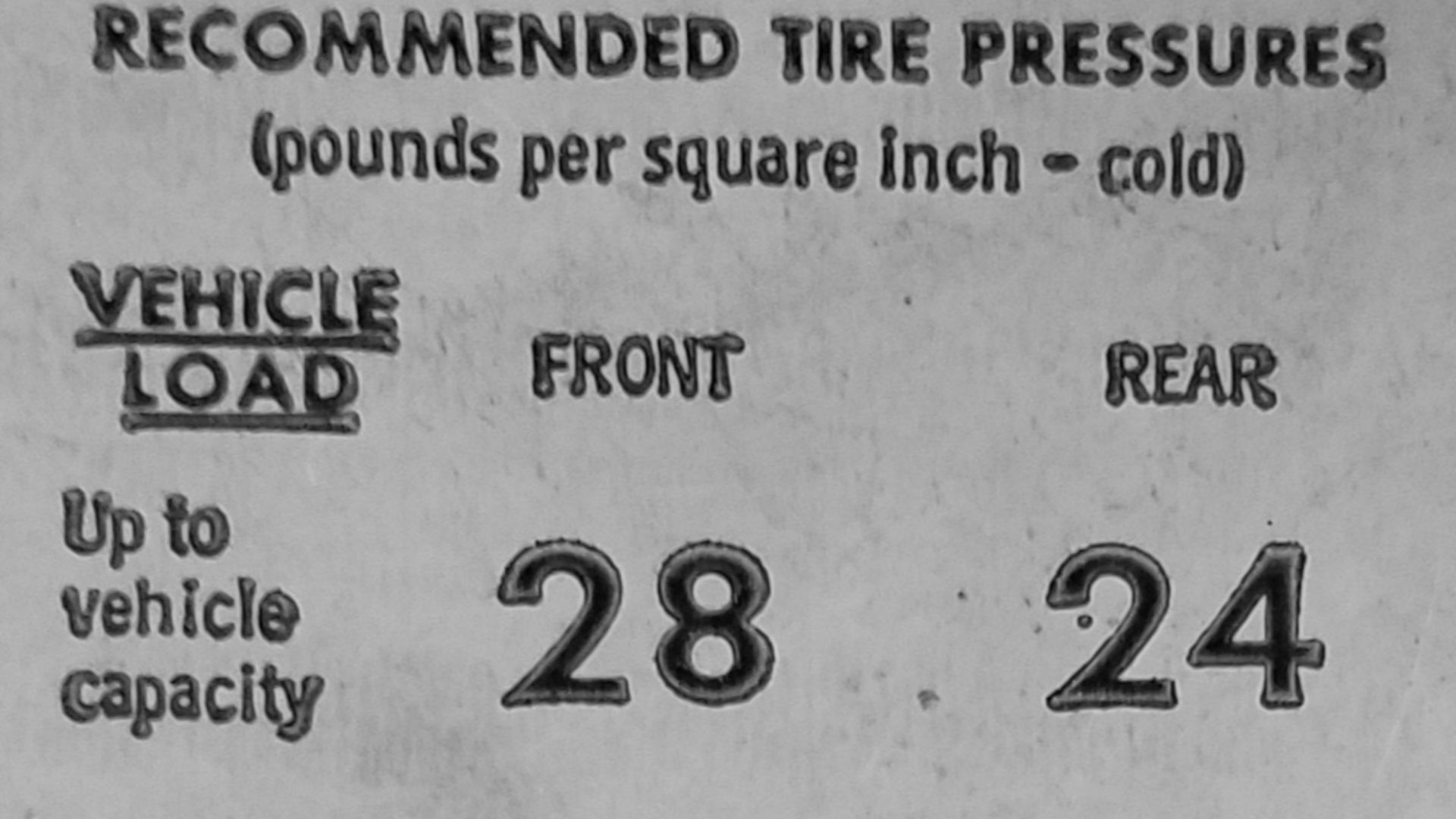 General Motors, Wikimedia Commons
A Heavy SUV Still Has Momentum
Many AWD SUVs are relatively large and heavy vehicles. Regardless of how many wheels receive engine torque, that mass still has to be slowed through the available tire grip. AWD may make a substantial SUV feel effortless leaving a snowy intersection, but physics returns immediately when it is time to stop.
Speed Makes Every Winter Mistake Bigger
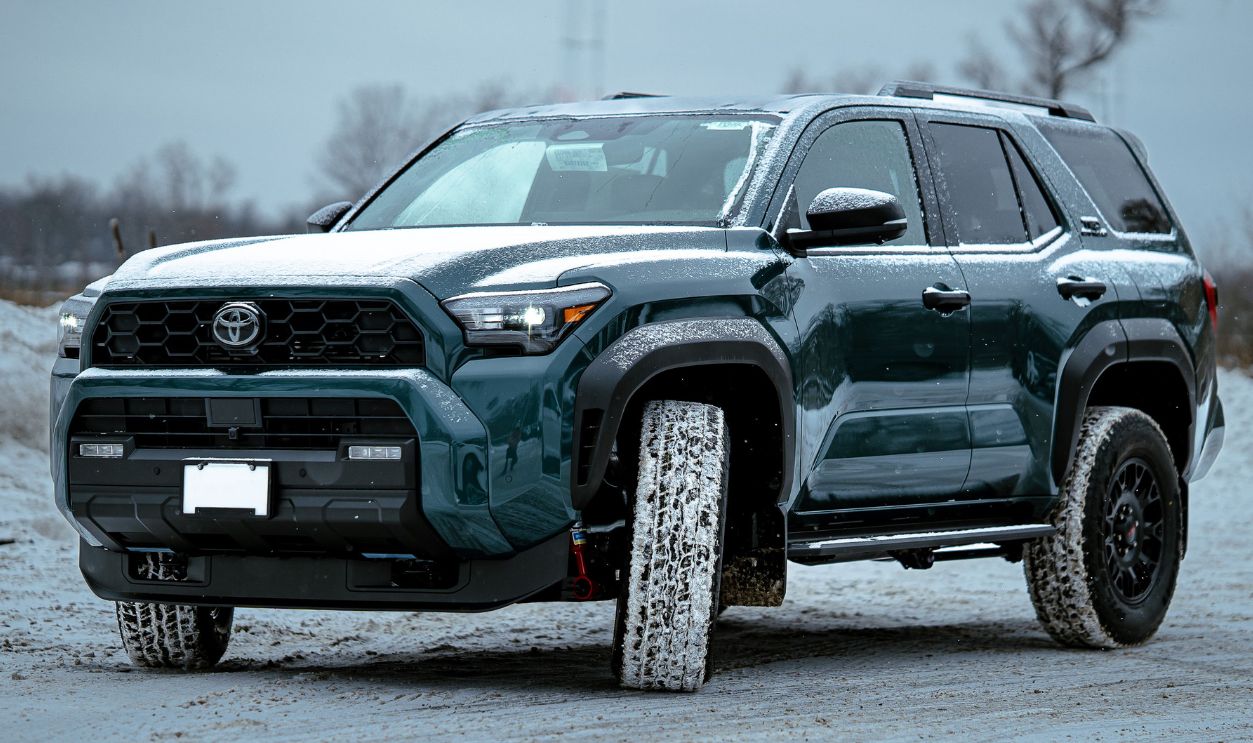
Stopping from a slightly higher speed requires more distance than many drivers intuitively expect. Tire Rack's current winter testing emphasizes that differences in snow braking become dramatically larger as speed rises. Slowing down before trouble appears is therefore far more effective than asking AWD to recover from excessive speed afterward.
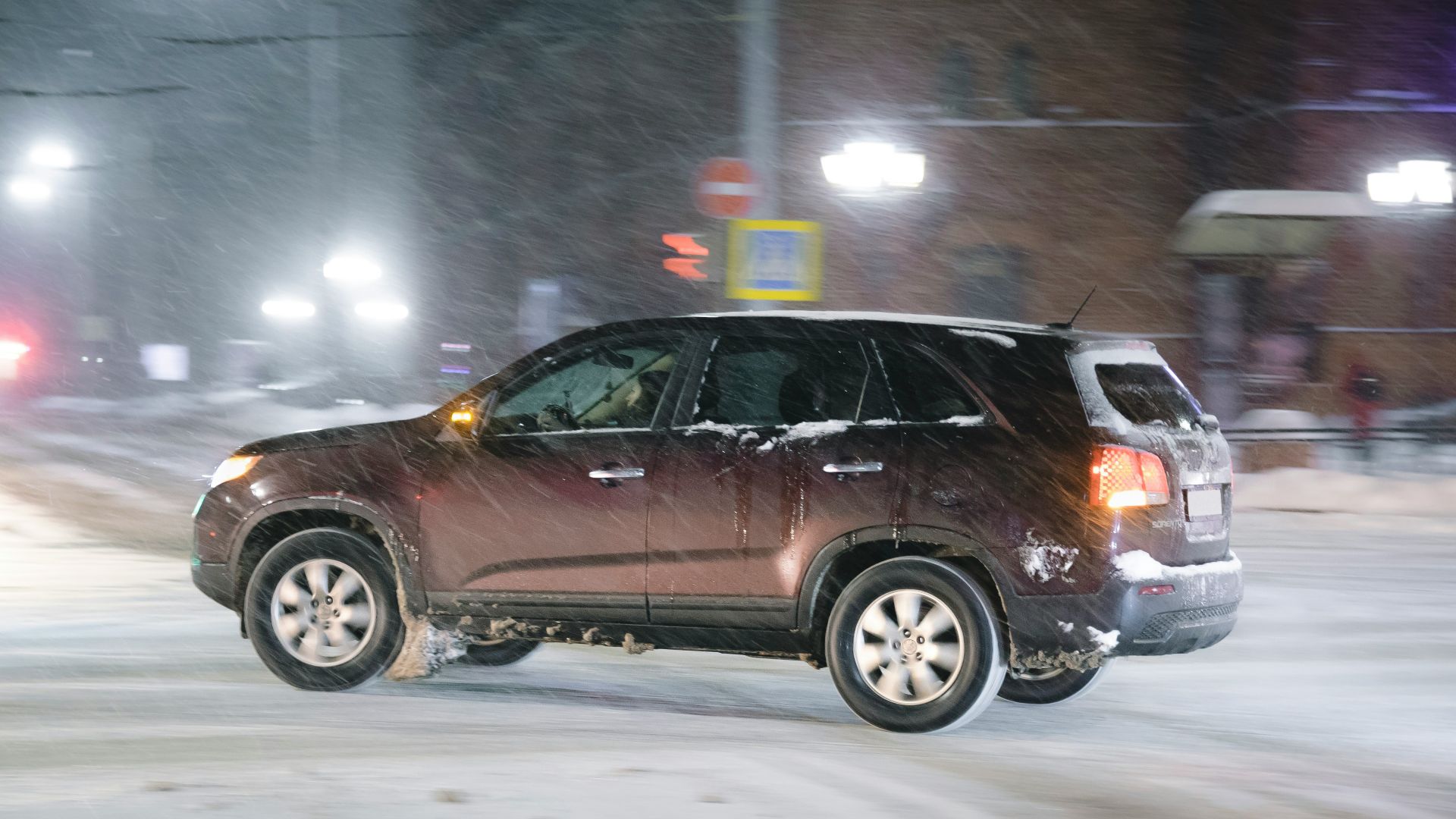
ABS Helps Without Creating Grip
Antilock brakes rapidly regulate brake pressure to keep wheels from remaining locked during hard braking. That can preserve steering ability and help the driver use available traction more effectively. It still cannot shorten the stop beyond what the road and tires physically permit.
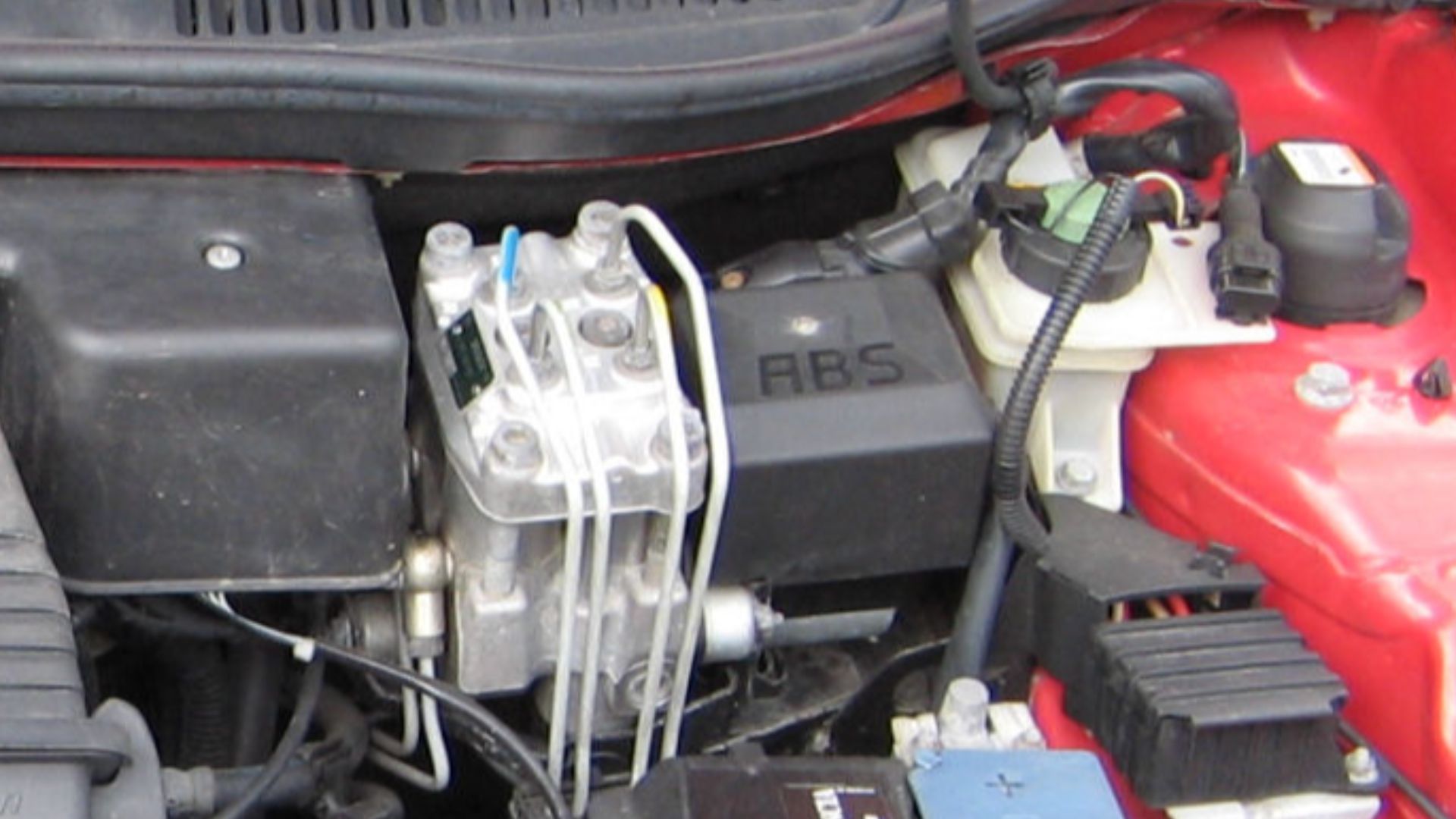
Do Not Pump Modern ABS Brakes
Drivers who learned winter techniques decades ago may remember being told to pump the brake pedal. Ford's modern AWD guidance specifically says not to pump brakes on vehicles equipped with four-wheel ABS. Apply the pedal firmly and let the system regulate wheel slip.
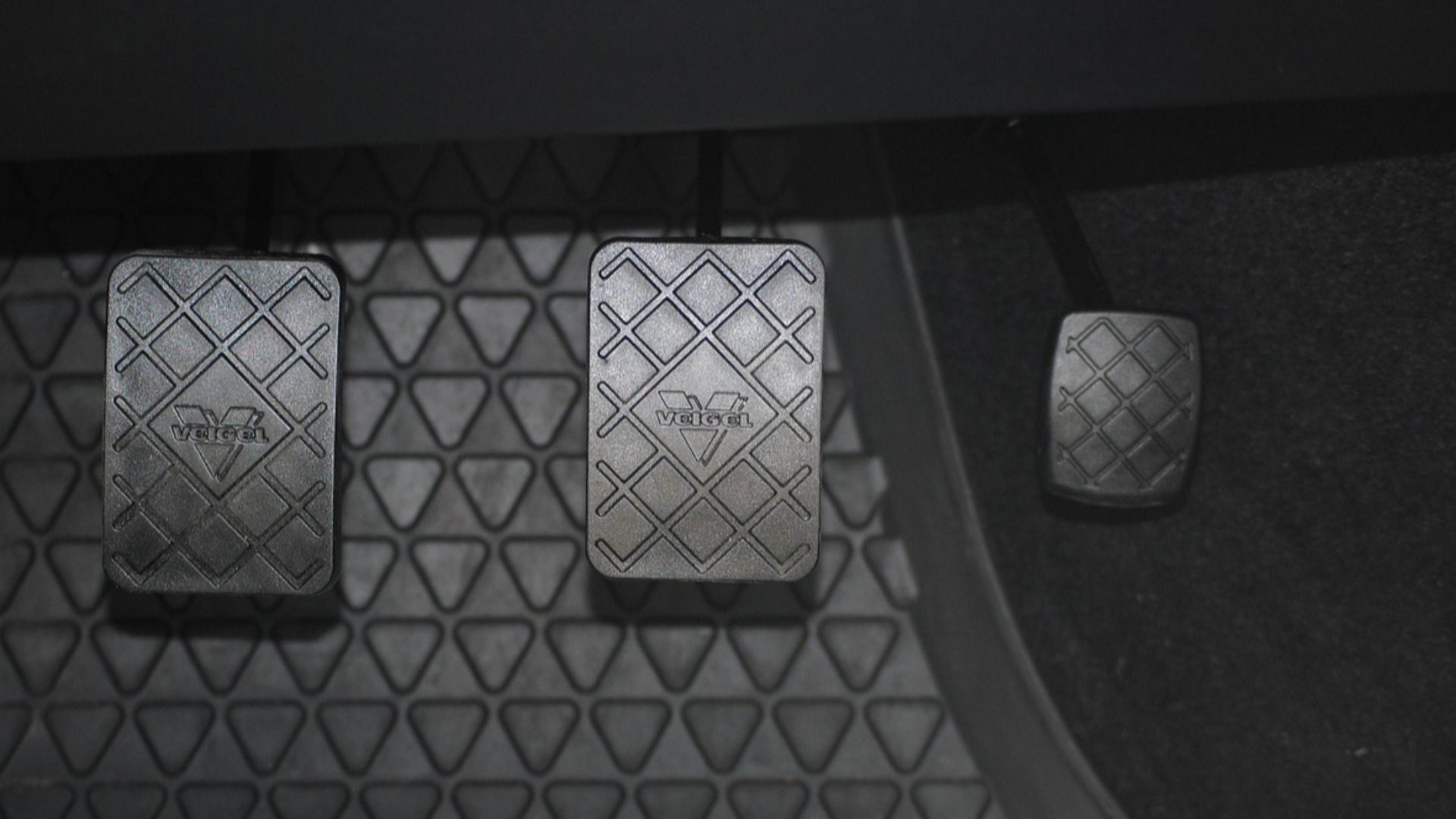
Stability Control Is Not A Force Field Either
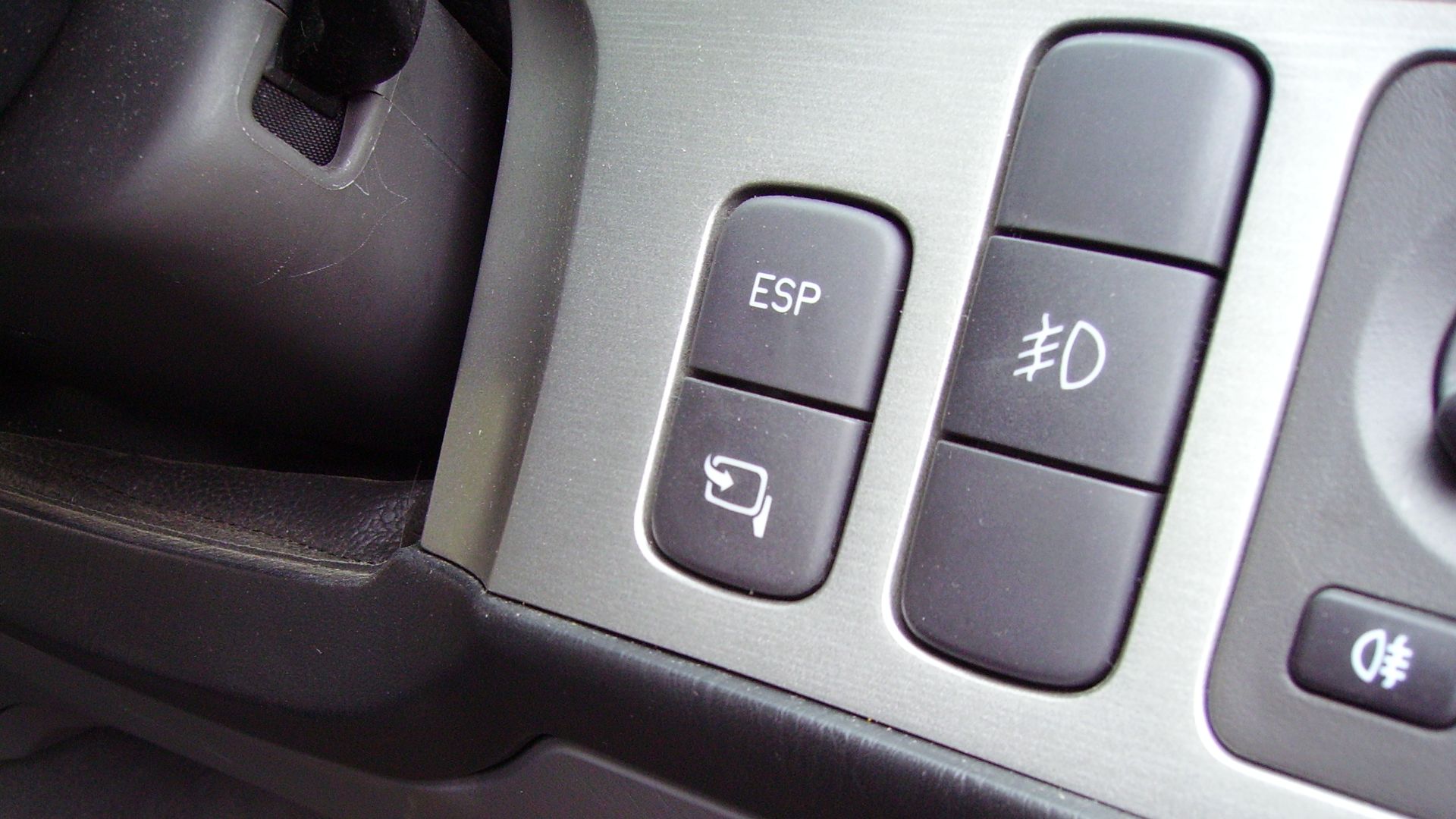
Electronic stability control can reduce engine power and selectively brake individual wheels when a vehicle begins rotating away from the driver's intended path. It is an enormously valuable safety technology, but it still works through the tires. When every tire has exceeded available grip, electronics have very little force left to manipulate.
 User Ballista on en.wikipedia, Wikimedia Commons
Snow Modes Improve Management, Not Physics
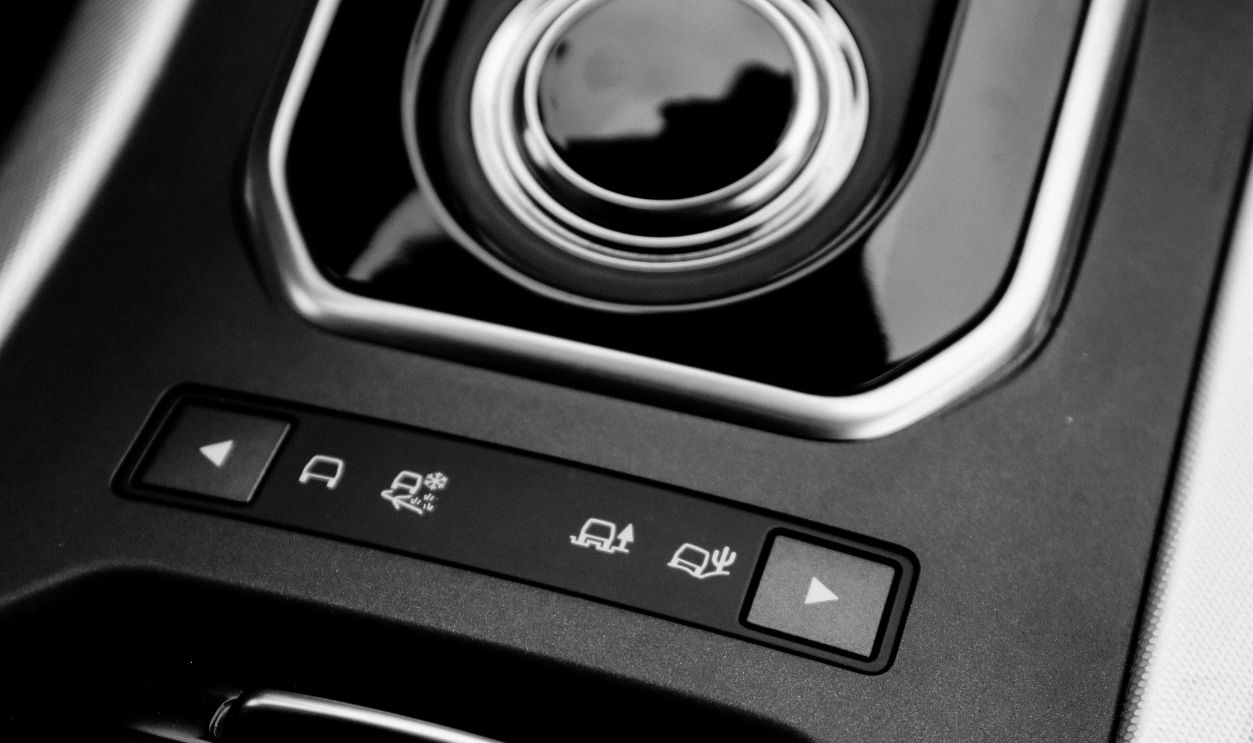
Many SUVs now offer Snow modes, X-MODE, Terrain modes, or similar systems. Hyundai says its Snow mode changes torque distribution and acceleration behavior, while Subaru says X-MODE optimizes AWD for slippery surfaces. These systems can make better use of available traction, but they cannot create additional tire-road friction.
Ground Clearance Solves A Different Problem
SUV advertising often places AWD beside generous ground-clearance figures, which can make the whole package feel exceptionally winter-ready. Clearance helps prevent deeper snow from contacting the underbody and can improve mobility through accumulation. It does nothing meaningful to shorten an emergency stop on polished ice.
Smooth Inputs Preserve Your Grip
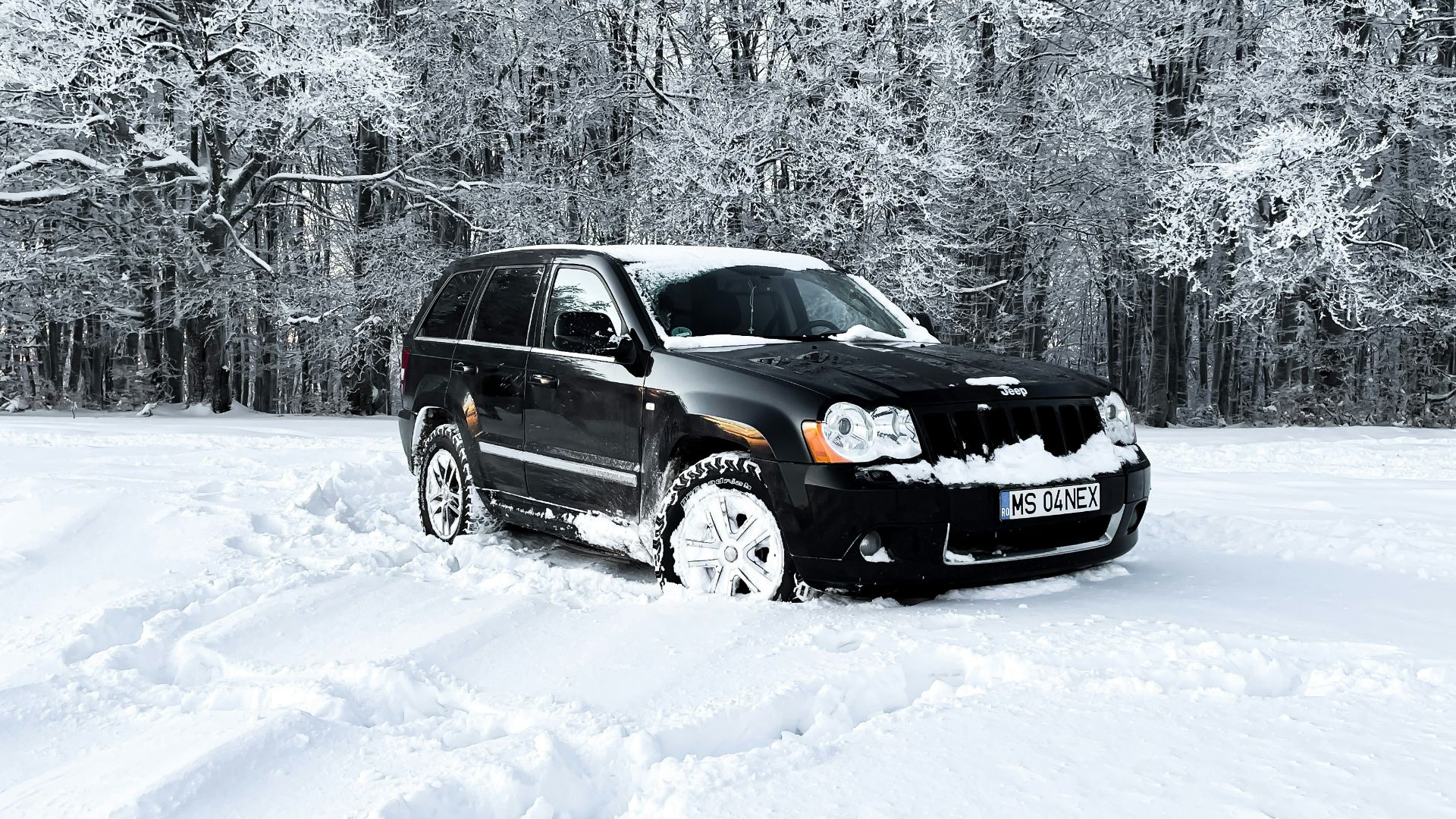
Sudden throttle, abrupt steering, and hard braking demand large amounts of traction immediately. Winter-driving guidance consistently recommends slower, smoother inputs so the tires are less likely to exceed their available grip. An AWD system performs best when the driver gives it something to work with.

Slow Down Before The Corner
Waiting until halfway through a snowy curve to discover you entered too quickly puts the tires in a difficult position. They must generate cornering force while you are simultaneously asking them to brake. Reducing speed before turning leaves more traction available for steering through the curve.
Give Yourself Much More Space
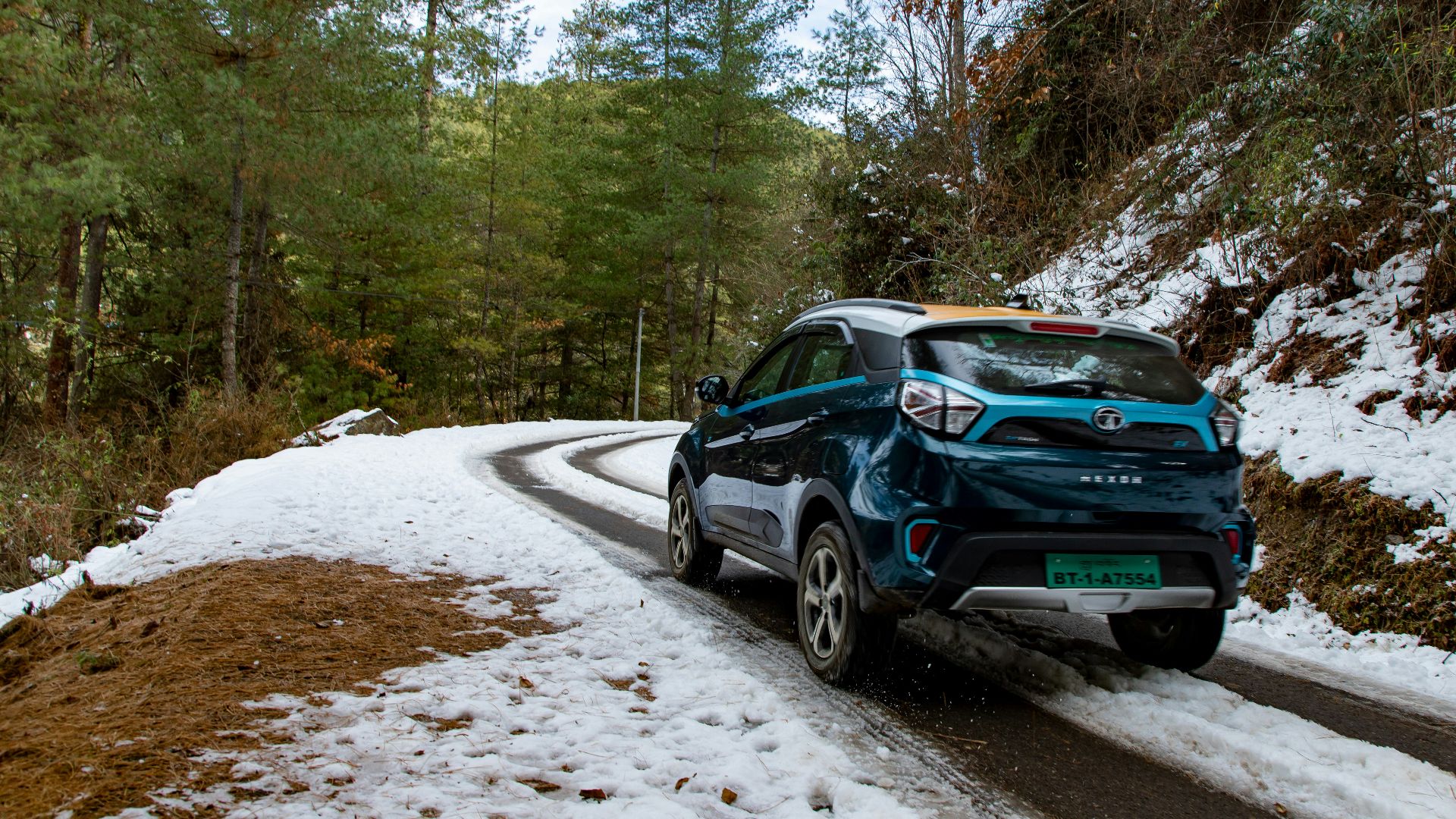
NHTSA advises increasing following distance on snow- and ice-covered roads because vehicles are harder to control and stop. That advice applies regardless of drivetrain. More space is one winter upgrade that works equally well on every SUV ever built.
Ice Can Defeat Almost Anything
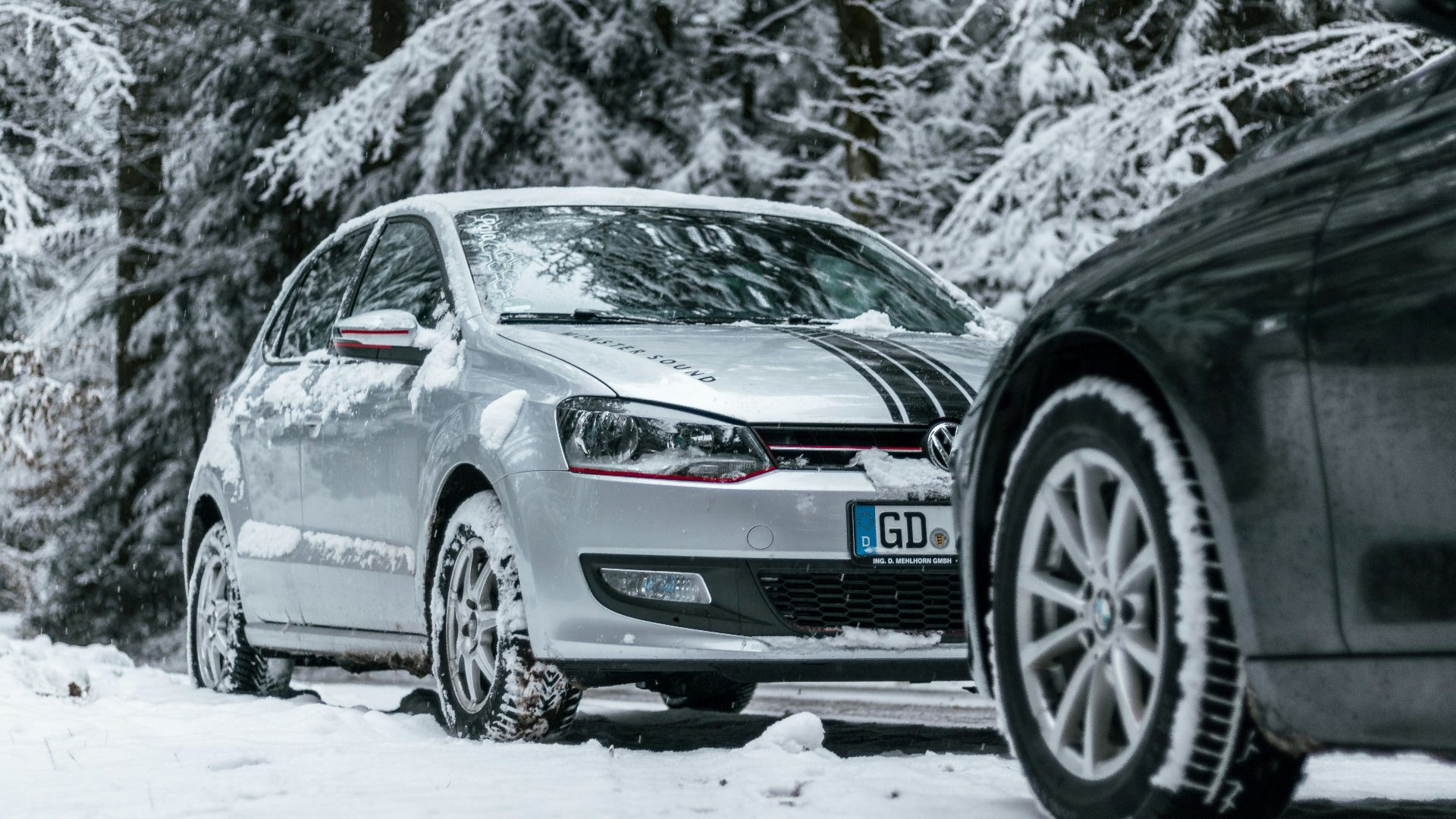
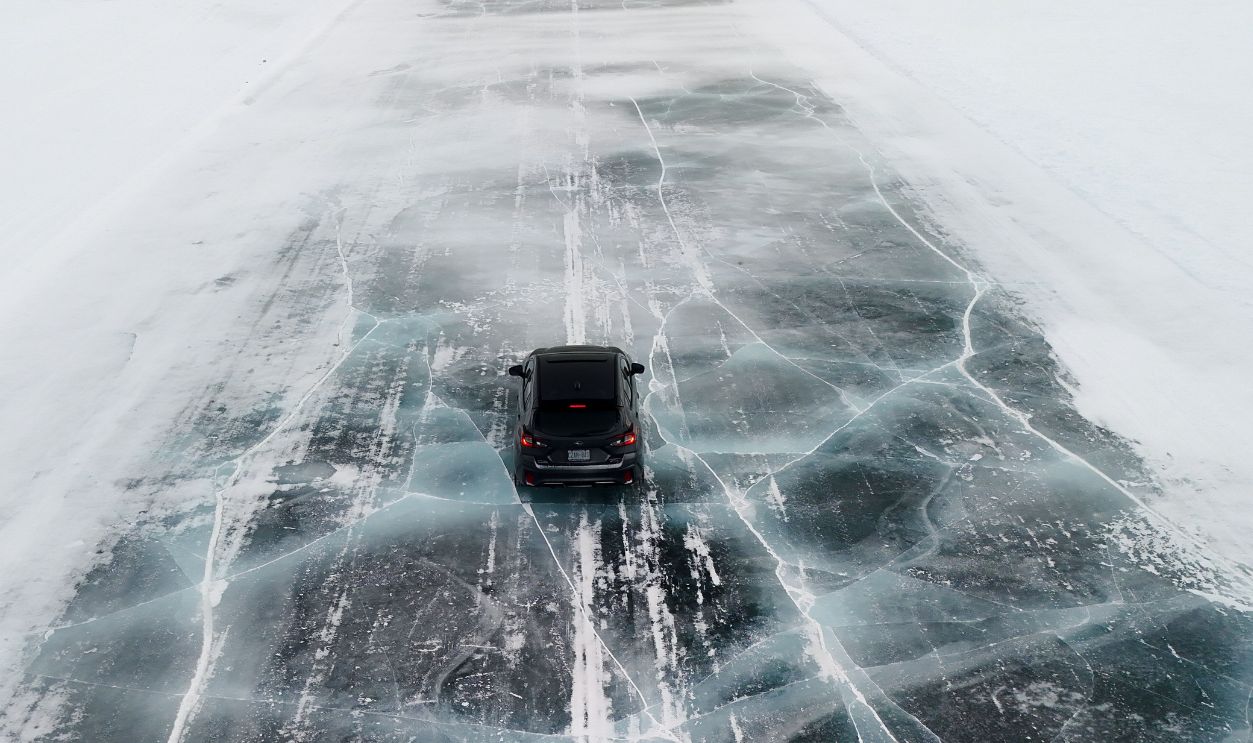
Snow sometimes provides more usable traction than a thin polished layer of ice. Tire Rack conducts dedicated ice testing precisely because braking, acceleration, and cornering differences become extreme on such surfaces. Even the best AWD system and winter tires cannot make an icy road behave normally.
Automakers Sell A Real Benefit
Calling AWD useless would be just as misleading as treating it as invincible. It genuinely improves the ability to accelerate through slippery conditions, climb snow-covered grades, and keep propulsion available when individual tires lose traction. For drivers facing frequent winter weather, those are meaningful advantages.
But The Word "Confidence" Needs Context
The uncomfortable part is that marketing often emphasizes the feeling AWD provides rather than the limits that appear during braking and cornering. Toyota, Hyundai, and Subaru all use confidence-oriented language around AWD, while Ford's owner's manual explicitly cautions drivers not to become overconfident. The technology is valuable, but consumers benefit from hearing both halves of that message.
Your AWD SUV Still Needs Winter Driving Skills
The correct lesson is not that you bought the wrong SUV. AWD gives you better tools for getting moving, while appropriate tires, reduced speed, smooth inputs, and generous following distance provide the grip and margin needed to stay in control afterward. Treat AWD as a traction aid rather than winter immunity, and its real advantages become much easier to appreciate.
You May Also Like:
Accessible Classic Sports Cars For The Budget-Conscious Enthusiast
Sports Cars That Were So Powerful It Was Almost A Problem
Sources: 1, 2, 3, 4, 5, 6, 7, 8, 9, 10, 11, 12, 13, 14, 15, 16, 17