
I'm Driving Less, So Why Am I Paying More?
I used to drive almost every day, but now my car spends most of its time parked in the driveway. I've cut my annual mileage dramatically, avoided accidents, and maintained a clean driving record. Yet every time my insurance renewal arrives, the premium seems to climb again. Shouldn't driving less mean paying less, or is something else happening behind the scenes? Factinate Ltd
Your Insurance Bill Isn't Just About Your Driving
It's reasonable to assume that fewer miles should translate into lower insurance costs. After all, spending less time on the road generally reduces your exposure to traffic accidents. However, insurance companies calculate premiums using far more than your personal driving habits. Your vehicle, location, coverage choices, and the insurer's overall claims experience can all influence what you pay.

Insurance Companies Are Paying More For Claims
One major reason premiums have increased is that insurance claims have become more expensive to settle. Vehicle repairs, replacement parts, and labor costs have all contributed to rising expenses. Statistics Canada found that vehicle parts, maintenance, and repair prices increased 22.3% between December 2019 and December 2024. Even drivers who never file a claim can experience higher premiums when insurers adjust rates to account for these costs.

A Minor Accident Can Now Cost A Fortune
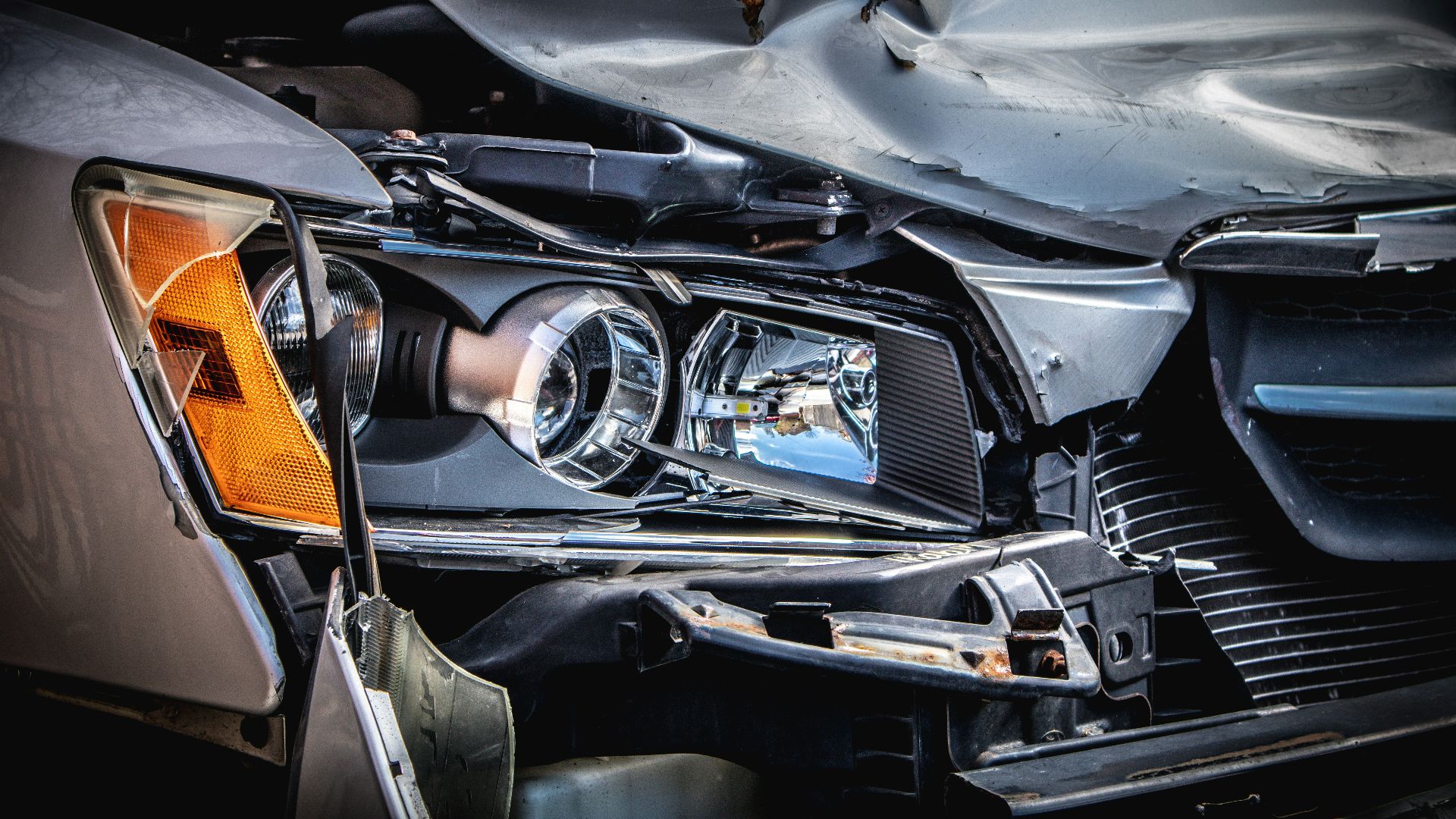
Modern vehicles contain expensive technology that can make even relatively minor collisions costly to repair. Cameras, radar sensors, and advanced driver-assistance systems are often integrated into bumpers, windshields, and other vulnerable components. Repairs may require specialized equipment and recalibration after the damaged parts are replaced. These additional expenses can increase the average cost of insurance claims, putting pressure on premiums across the market.
Car Prices Have Changed The Insurance Equation
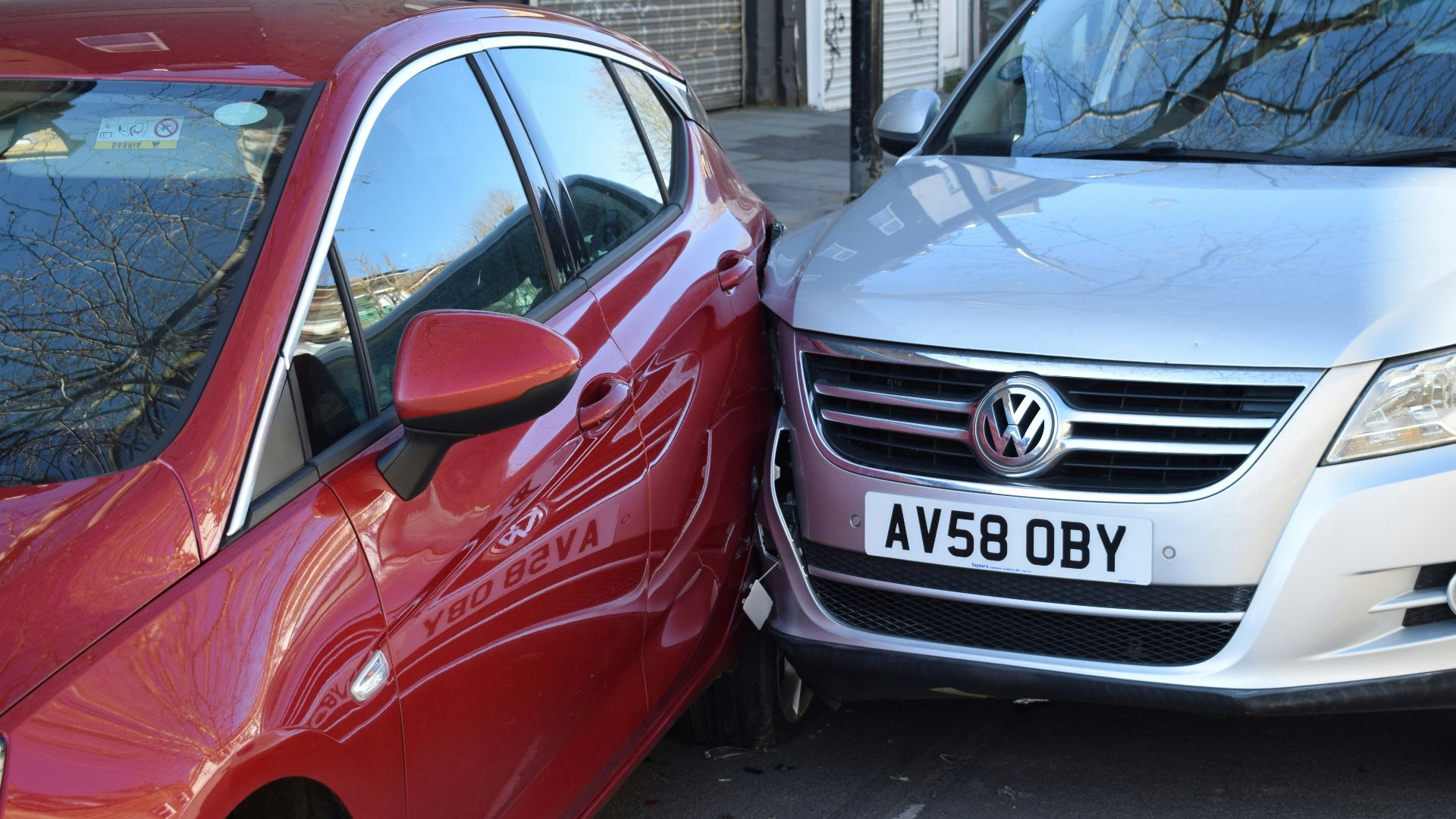
The price of replacing a damaged vehicle also influences insurance costs. Statistics Canada reported that median new-vehicle prices rose 61.5% between December 2019 and December 2024, while median used-vehicle prices increased 82.2%. When an insurer must replace a stolen or totaled vehicle, higher market values can translate into larger payouts. Those increased replacement costs can eventually affect premiums for drivers who haven't purchased another vehicle.
Your Neighbors' Accidents Can Affect Your Rates
Insurance companies don't calculate premiums solely by examining an individual driver's history. They also consider claims patterns among drivers living in the same geographic area. If collisions, thefts, or other insured losses become more expensive in your neighborhood, local premiums may rise. Consequently, you can experience a rate increase without having an accident yourself.
Your ZIP Code Can Matter More Than You Think
Where your vehicle is normally kept is an important insurance rating factor. Insurers examine local claims experience, including the frequency and cost of accidents and vehicle thefts. Moving to a different ZIP code can change your premium even if your car and driving habits remain identical. Some locations are simply more expensive to insure than others because of their historical claims patterns.

Car Theft Is Part Of The Problem
Vehicle theft creates significant costs for insurance companies, particularly when expensive models are targeted. Statistics Canada reported that Canadian automobile theft claims exceeded $1.5 billion in 2023, compared with $489 million in 2019. Insurers consider theft risk when pricing comprehensive coverage, including the make and model of the vehicle. Your car doesn't have to be stolen for rising theft-related claims to influence insurance rates.

Extreme Weather Can Raise Insurance Costs Too
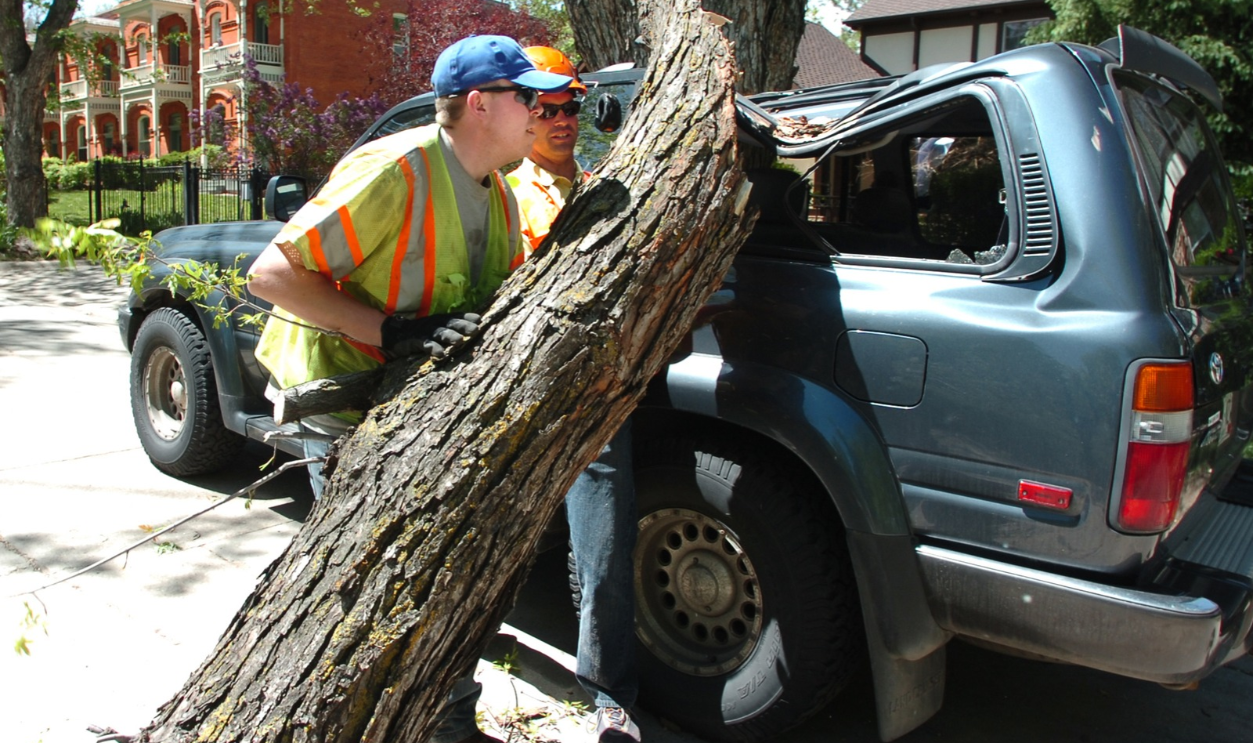
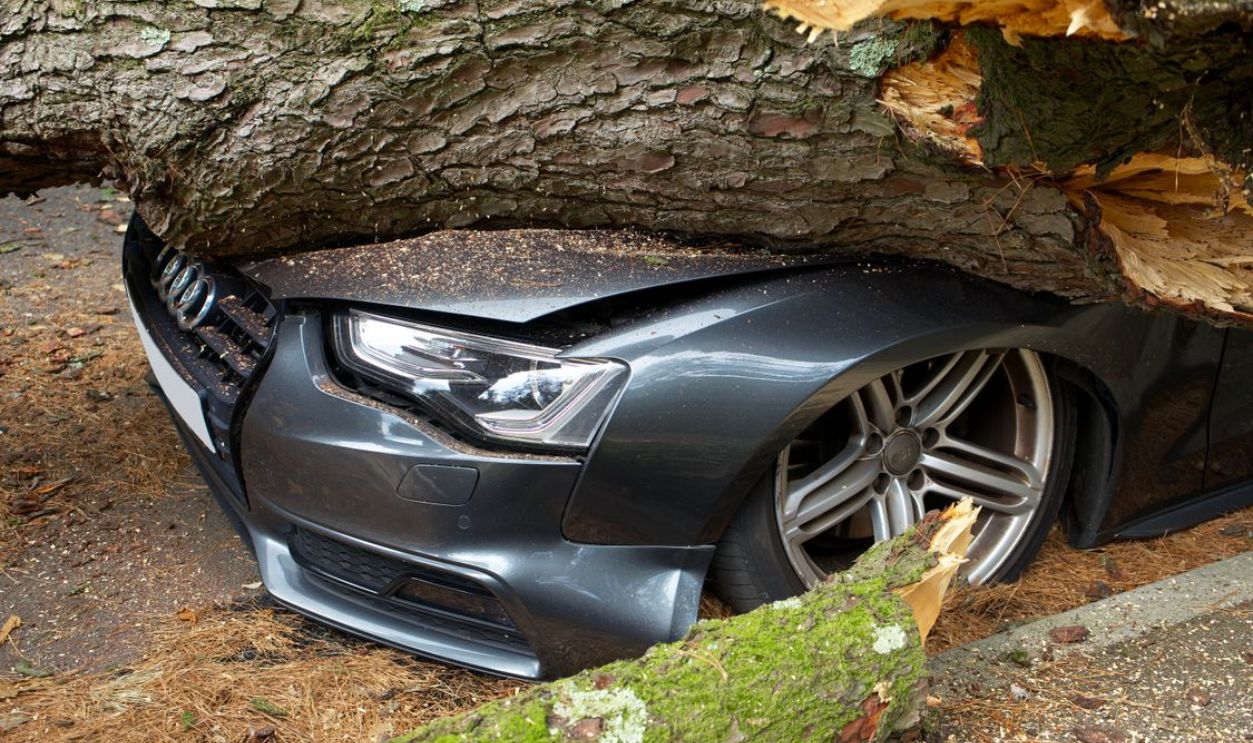
A parked car isn't completely protected from damage simply because nobody is driving it. Hailstorms, flooding, falling trees, and other weather events can damage vehicles that haven't moved in weeks. Comprehensive insurance generally covers many of these risks, subject to the policy's terms and exclusions. When insurers experience costly weather-related claims, those expenses can contribute to broader premium increases.
 MediaNews Group/Boulder Daily Camera via Getty Images, Getty images
Your Clean Driving Record Still Matters
Maintaining a clean driving record remains one of the most useful ways to control insurance costs. Insurers consider traffic violations, accidents, and claims history when assessing an individual's risk. However, a clean record doesn't guarantee that your premium will remain unchanged from year to year. It may help you qualify for a better rate than a comparable driver with violations, even while overall insurance prices increase.

Your Insurance Company May Still Think You Commute
If your driving habits have changed, your insurer may not automatically know about it. A policy originally written for daily commuting might still reflect the mileage and vehicle use you reported years ago. Insurance companies commonly consider annual mileage and whether a vehicle is used for commuting, pleasure, or business. Updating this information could help you qualify for a lower premium.

Check The Mileage Listed On Your Policy
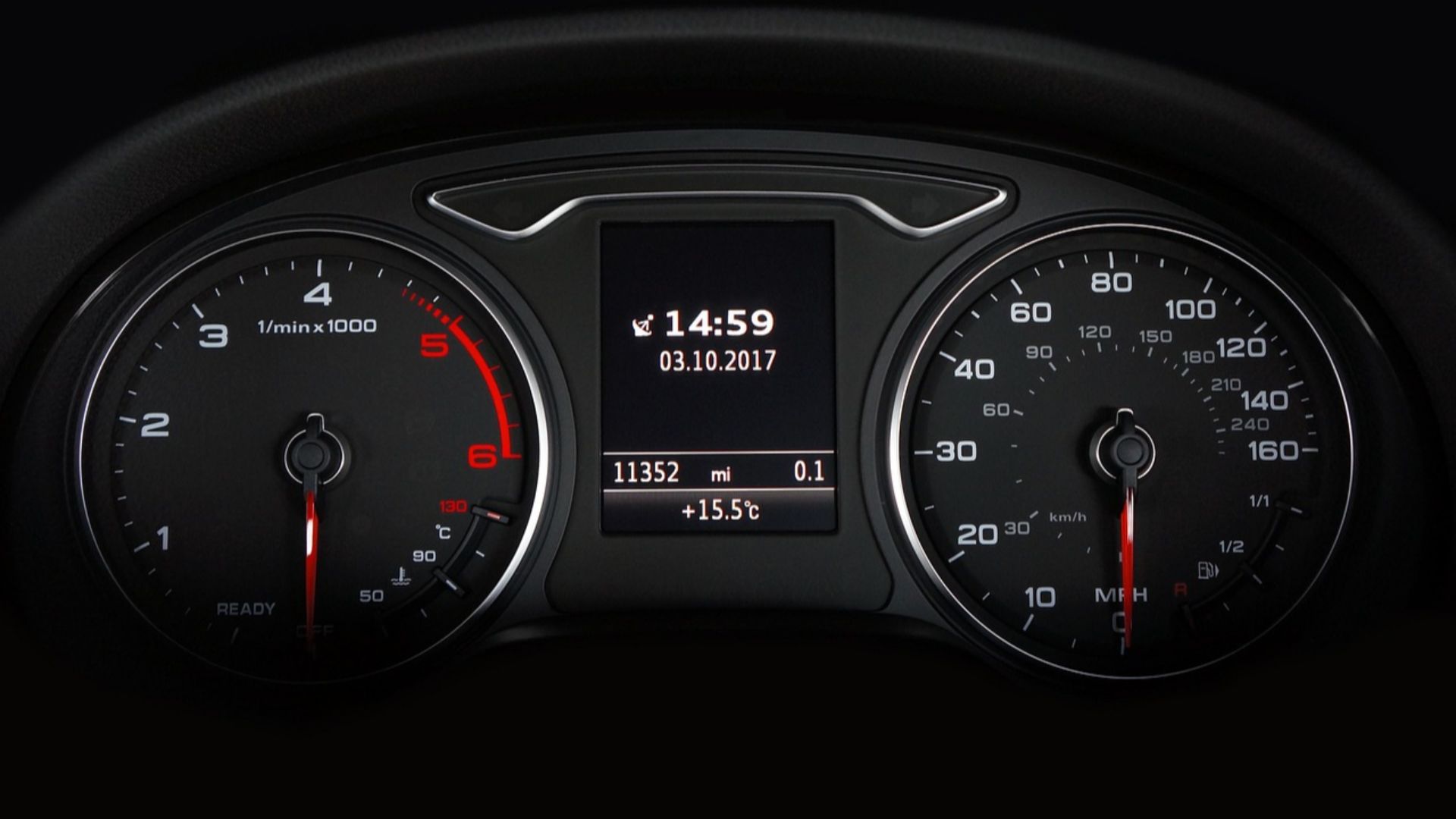
Before accepting another expensive renewal, review the annual mileage estimate associated with your coverage. Compare that figure with how far you actually drive during a typical year. If you've gone from a long daily commute to occasional weekend trips, ask your insurer to update its records. The savings aren't guaranteed, but accurate mileage information can make a meaningful difference with some insurers.
Low-Mileage Discounts Are Worth Asking About
Some insurance companies offer discounts specifically for drivers who accumulate relatively few miles annually. These programs recognize that driving less generally reduces exposure to certain types of claims. Eligibility requirements vary by insurer, and not every company offers the same discounts. If your car rarely leaves the driveway, ask whether your current mileage qualifies for a different rating category.

Pay-Per-Mile Insurance Could Change Everything
Traditional car insurance typically charges a premium based on several risk factors, including estimated annual mileage. Pay-per-mile insurance uses a different approach, often combining a fixed base charge with an additional cost for each mile driven. This structure can make insurance more affordable for drivers who use their vehicles infrequently. However, availability varies, and the total cost still depends on the insurer's pricing and coverage terms.

The Math Behind Pay-Per-Mile Coverage
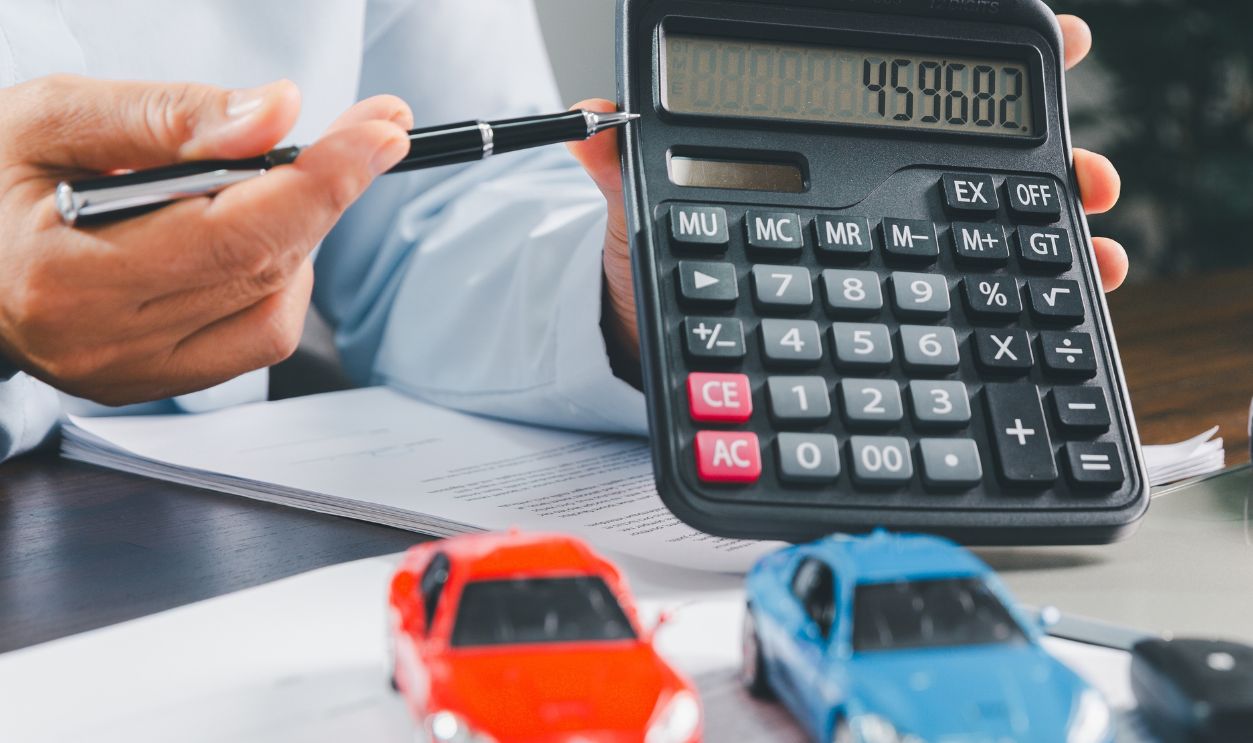
Imagine a hypothetical pay-per-mile policy charging a $40 monthly base rate plus 6 cents for every mile driven. Someone driving 200 miles per month would pay approximately $52, while a driver covering 1,000 miles would pay about $100. These figures are illustrative rather than actual insurance quotes, but they demonstrate how mileage-based pricing works. Comparing this structure with a traditional policy can reveal whether occasional driving creates a genuine savings opportunity.
 Natthawadee Jana, Shutterstock
Your Insurer Might Want To Track Your Driving
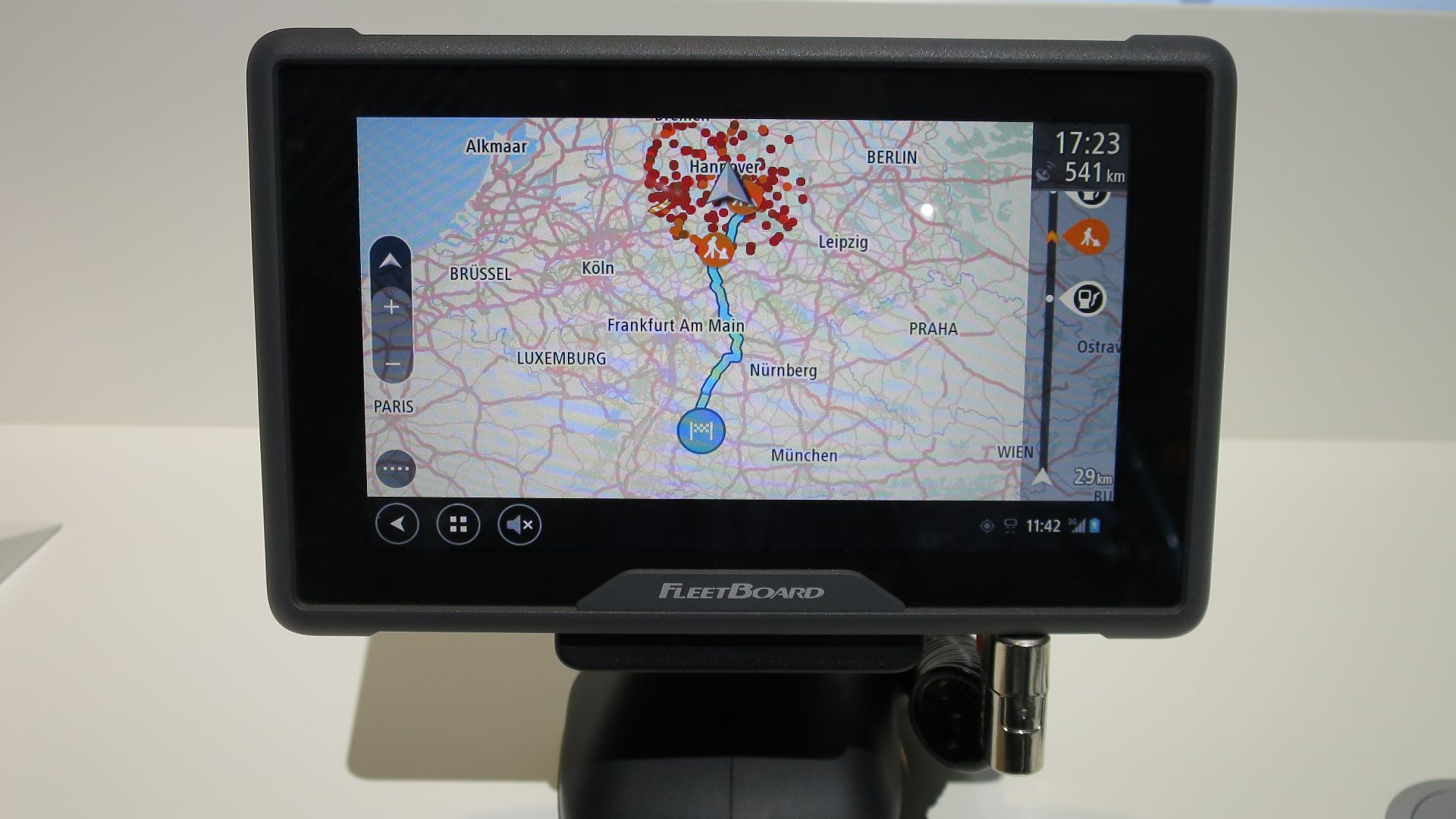
Usage-based insurance programs use smartphone apps or devices installed in vehicles to collect information about driving behavior. Depending on the program, insurers may monitor mileage, acceleration, braking, speed, and the times when you drive. Drivers with lower-risk habits may qualify for discounts, although some programs can also produce higher premiums. Before enrolling, understand exactly what information the insurer collects and how it affects your rate.
There Is A Privacy Trade-Off
Allowing an insurance company to monitor your driving can introduce privacy concerns. Telematics programs may collect information about your location, driving patterns, and vehicle usage. The National Association of Insurance Commissioners recommends understanding how this information is collected and used before signing up. If you're uncomfortable sharing detailed driving data, a traditional low-mileage discount might be a better option.

Your Car's Age Can Affect The Calculation
A vehicle's age and market value can influence the cost and usefulness of certain insurance coverages. An older car may cost less to replace than a newer one, but that doesn't mean every component of its insurance premium will decrease. Liability coverage, for example, protects against covered injuries or damage you cause to others rather than paying to replace your own vehicle. Reviewing how much you're paying for each coverage can reveal whether your policy still makes financial sense.

Do You Still Need Collision Coverage?
Collision insurance generally helps pay for damage to your vehicle after a covered crash, subject to your deductible and policy limits. If your car has depreciated significantly, the annual premium may represent a substantial portion of its value. Consider what the insurer would realistically pay after a total loss and whether you could afford to replace the car yourself. Dropping collision coverage might save money, but it also means accepting more financial risk.

Comprehensive Coverage Is A Different Story
Comprehensive insurance generally protects against covered losses such as theft, vandalism, fire, and certain weather-related damage. These events can occur even when a vehicle remains parked for extended periods. That makes comprehensive coverage potentially valuable for someone who rarely drives but still owns a car worth protecting. Before removing it, consider the vehicle's value, where it's stored, and your ability to absorb an unexpected loss.

A Higher Deductible Could Lower Your Premium
Your deductible is the amount you generally pay toward a covered claim before the insurer contributes. Choosing a higher deductible for collision or comprehensive coverage can reduce your premium because you're accepting more of the potential expense. However, the savings should be weighed against the additional amount you would need to pay after a claim. A deductible you cannot comfortably afford could create a financial problem when you need coverage most.

Your Credit History Might Be Part Of The Price
In many U.S. states, insurers are permitted to use credit-based insurance scores when calculating premiums. These scores are designed to help predict insurance-related risk rather than simply measuring whether someone can repay a loan. Some states restrict or prohibit the practice, so the rules aren't identical everywhere. If your insurer uses credit information, understanding the applicable rules and checking your credit report for errors may be worthwhile.

Don't Assume Loyalty Guarantees The Best Rate
Staying with the same insurance company for years can be convenient, especially when you have multiple policies. However, insurers use different pricing models and may assess the same driver differently. The National Association of Insurance Commissioners encourages consumers to compare quotes because premiums can vary considerably between companies. A competing insurer might offer a better rate for your low-mileage driving habits without requiring you to sacrifice important coverage.

Bundling Might Help, But Compare The Total Cost
Insurance companies frequently offer discounts when customers purchase multiple policies together. Combining auto insurance with homeowners or renters insurance may reduce the cost of one or both policies. However, a discounted bundle isn't automatically cheaper than purchasing coverage from separate insurers. Compare the combined annual cost and coverage details before deciding whether bundling is worthwhile.
 https://kaboompics.com/, Pexels
Check Whether Your Discounts Have Disappeared
Insurance discounts can affect the final price you pay, and eligibility may change over time. Common discounts include low-mileage, multi-vehicle, safe-driver, anti-theft, and multi-policy savings. Review your renewal documents and ask your insurer to identify which discounts currently apply. If a discount has disappeared or your circumstances now qualify you for another one, request an explanation and an updated quote.
 Zoriana Zaitseva, Shutterstock
A Parked Car May Qualify For Different Coverage
If your vehicle will remain completely unused for an extended period, ask whether your insurer offers a storage-related coverage arrangement. Some insurers allow eligible vehicles to retain comprehensive coverage while suspending certain driving-related coverages. However, registration requirements, state laws, and financing agreements can limit your options. Never assume you can legally drive the vehicle while its road coverage is suspended.
Canceling Insurance Entirely Could Backfire
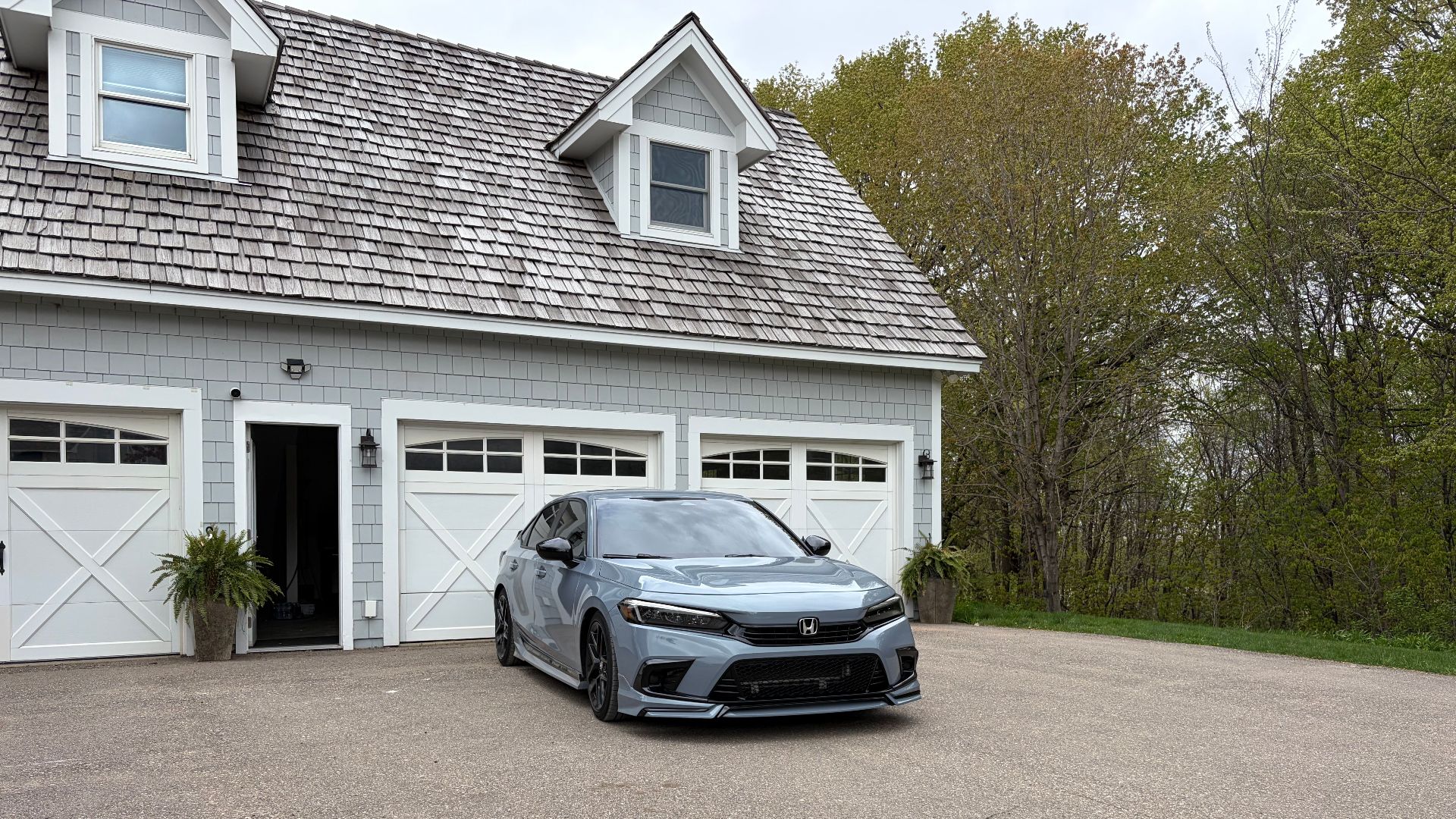
Eliminating insurance might seem attractive when a car spends nearly all its time parked. However, an uninsured vehicle can still be stolen, vandalized, or damaged by severe weather, leaving you responsible for the loss. A lapse in coverage may also affect future insurance pricing, depending on your state and insurer. Before canceling a policy, investigate the legal requirements and whether reduced coverage would provide a better balance of savings and protection.
Your Monthly Payment Might Include Extra Fees
The amount you pay each month isn't always determined solely by the underlying insurance premium. Some insurers charge installment or service fees when customers spread payments across the policy term. Paying the premium in full may eliminate certain fees, although discounts and payment arrangements vary. Ask your insurer for the total annual cost under each available payment option rather than comparing only monthly installments.

Ask Your Insurer To Explain The Increase
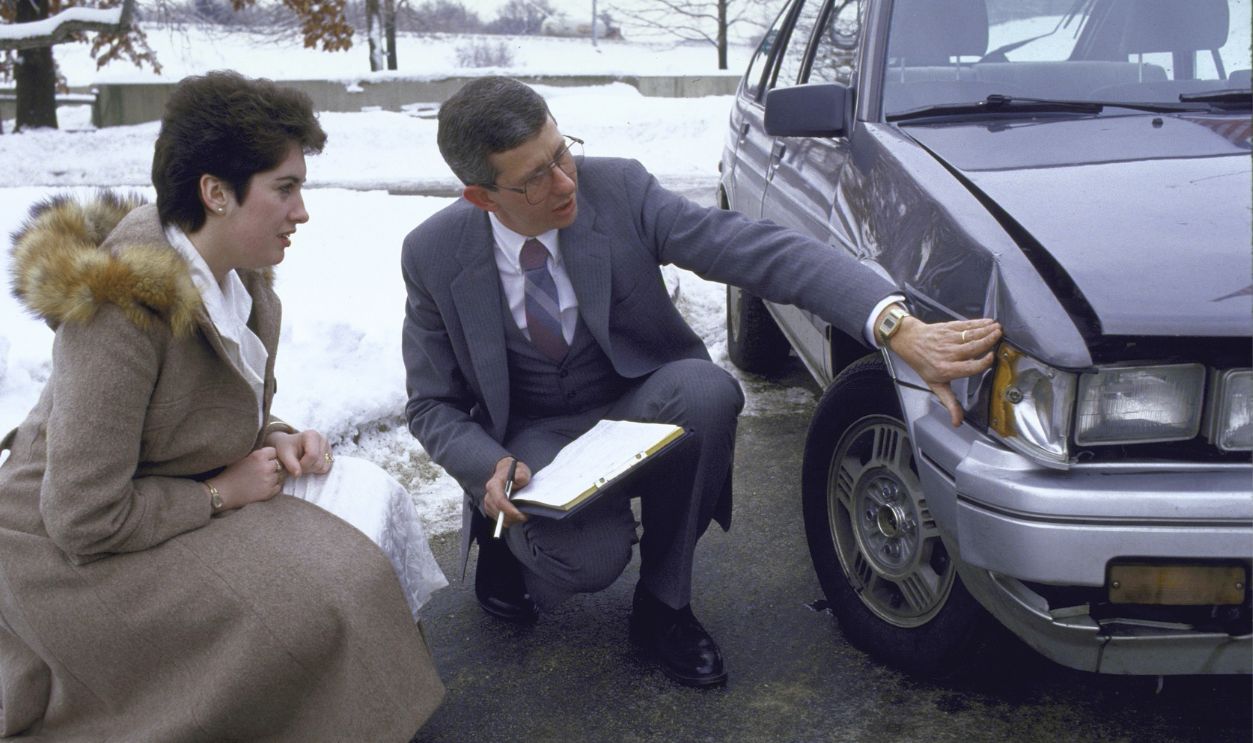
If your premium keeps rising, you don't have to accept a vague explanation about industry-wide costs. Contact your insurer and request a breakdown of the factors affecting your renewal. Confirm your annual mileage, vehicle use, coverage limits, deductibles, and applicable discounts. Although the company may not disclose every detail of its pricing model, this conversation can help identify errors or opportunities to reduce your bill.
The Best Savings May Come From Shopping Around
After reviewing your existing policy, obtain quotes from several competing insurance companies. Provide the same mileage estimate, vehicle information, coverage limits, and deductibles so the comparisons are meaningful. Remember that the cheapest quote isn't necessarily the best option if it provides substantially less protection. Comparing equivalent policies is the most reliable way to determine whether another insurer offers better value.

Driving Less Should Still Work In Your Favor
Your insurance premium can rise even when your car spends most of its time parked, largely because insurance pricing reflects broader costs and risks. Nevertheless, reduced mileage remains a legitimate reason to review your policy and ask about available savings. Updating your driving information, comparing usage-based options, reviewing coverage, and shopping around can all help. The important lesson is that driving less doesn't automatically lower your bill, but it can give you opportunities to negotiate a better one.

You May Also Like:
Classic Truck Features That Drivers Miss Now That Pickups Have Gone Luxury
Popular Vehicle Features That Mechanics Say Cause More Trouble Than They’re Worth