They Deserve The Spotlight
The muscle car world is packed with stylish Mustangs and Camaros, and so some often get overlooked. Here are some beasts that have gone under the radar but deserve the spotlight.
Unpopular Muscle Cars With Unusual Looks
Muscle cars are American sports coupes with higher performance than the average vehicle. Besides the popular Ford Mustang, the '60s and '70s also produced some of the strangest muscle cars ever seen. Besides their high horsepower figures, the off-beat looks of these muscle cars deserve our attention.
 calflier001, CC BY-SA 2.0, Wikimedia Commons
Dodge Demon 340 (1971–1972)
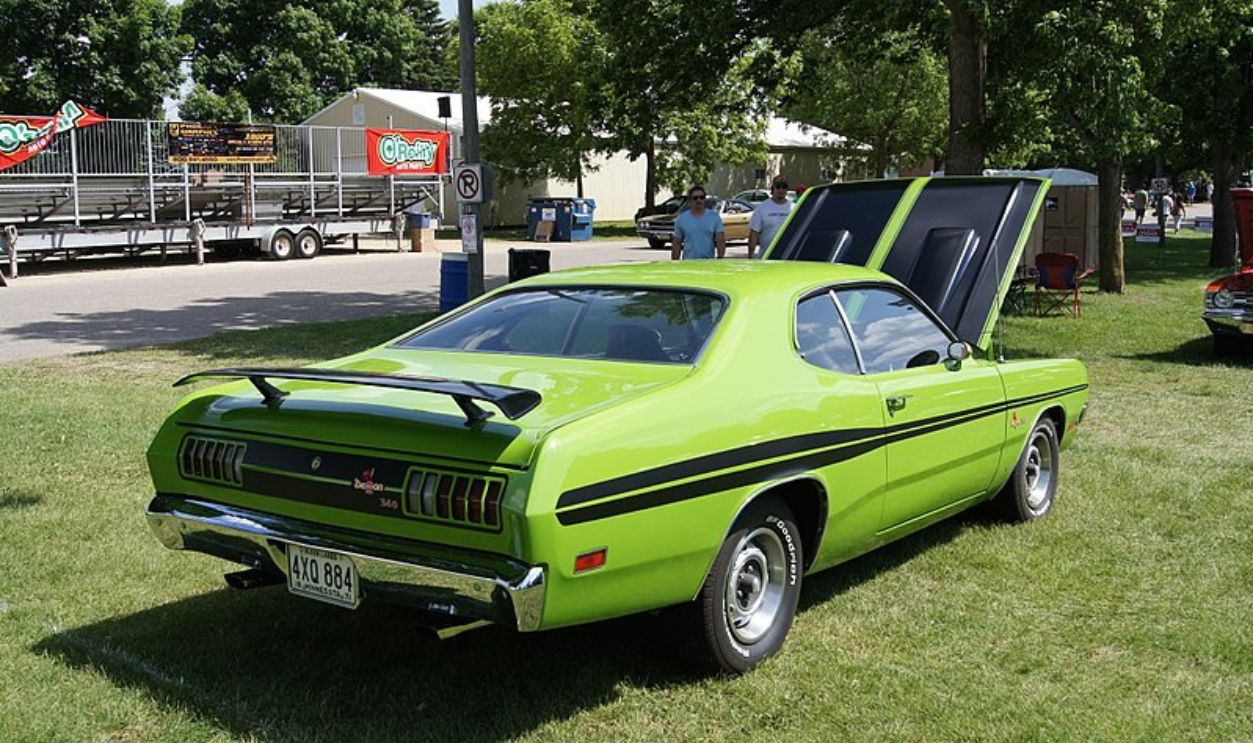
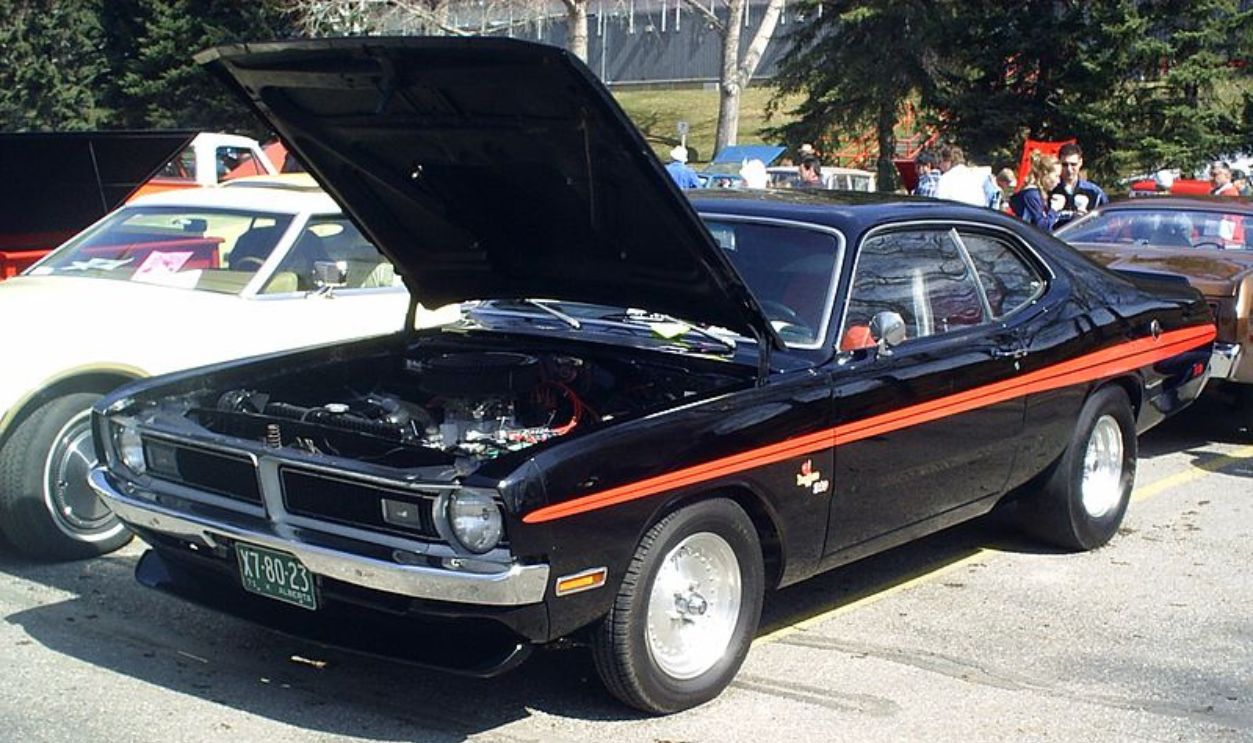
Dodge launched the Demon 340 as a compact muscle car to attract younger buyers. It had an aggressive design with a dual-scooped hood and sporty stripes. The designers complemented this bold styling with a 275 HP V8 engine. Then, its unusual name caught people's attention—for the wrong reasons.
 Greg Gjerdingen, CC BY 2.0, Wikimedia Commons
It's Name Was Its Undoing
Despite its commendable performance, the Demon had haters due to its controversial name. Several religious groups protested, and Dodge felt the heat. As pressure piled, combined with declining sales and stricter emissions regulations, the carmaker renamed it Dart Sport in 1973. They produced about 10,000 units.
 dave_7, CC BY 2.0, Wikimedia Commons
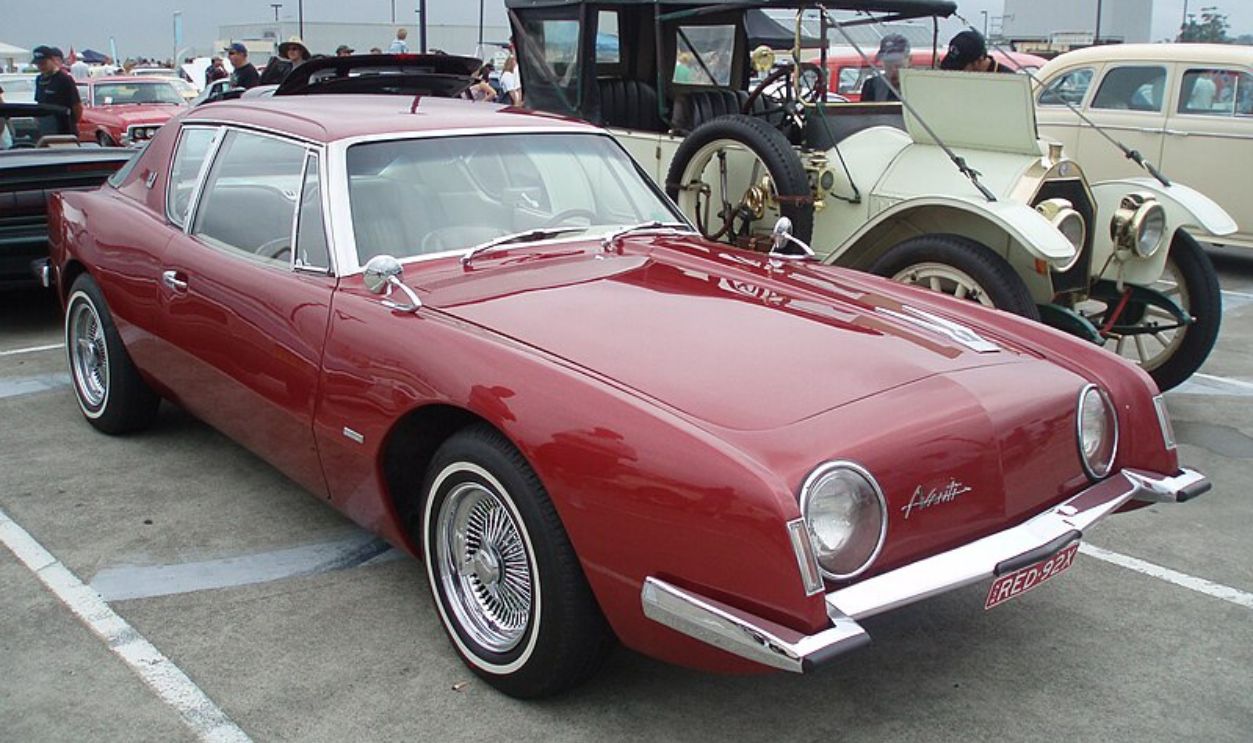
Studebaker Avanti R2 (1963–1964)
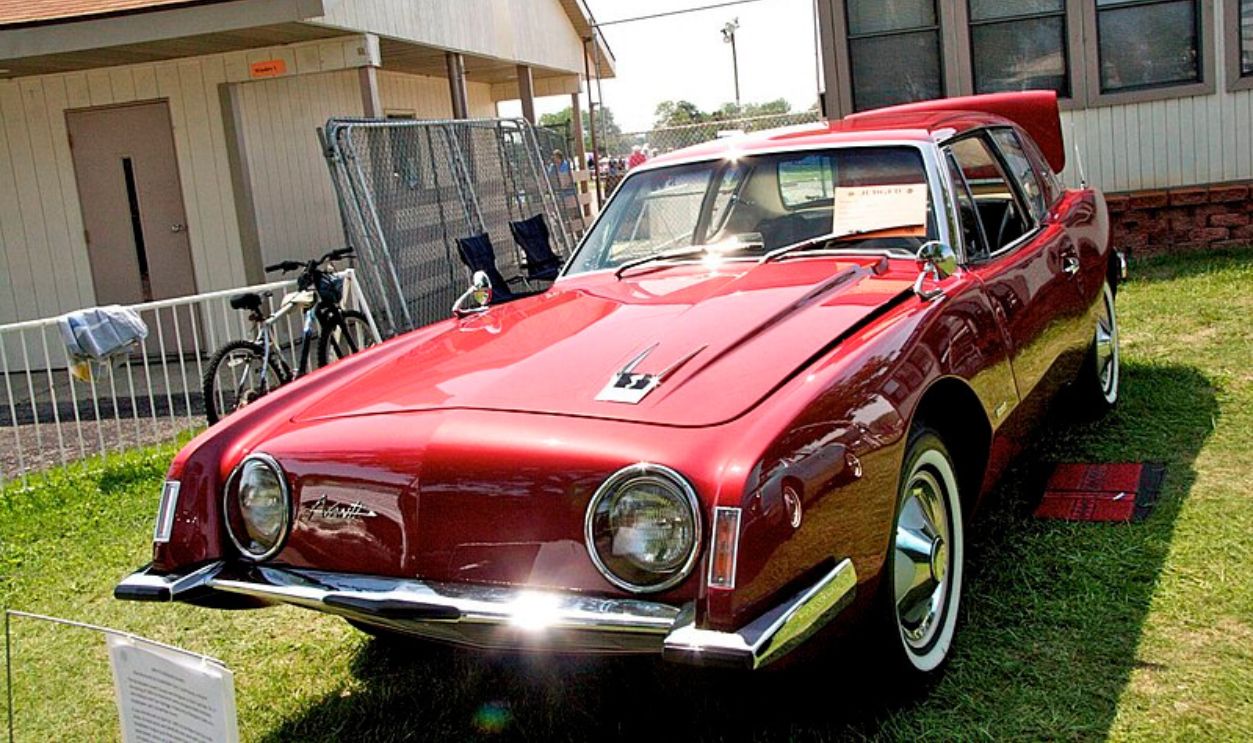
In 1961, Studebaker president Sherwood Egbert sketched a luxury coupe on an airplane napkin. Years later, the carmaker unveiled the Avanti at the New York International Auto Show. Its 4.7L V8 engine and sleek fiberglass body were capable of competing with Ford's Thunderbird and Chevrolet's Corvette.
 Lschuc, CC BY-SA 4.0, Wikimedia Commons
This Muscle-Luxury Avanti Is A Rare Collectible
Thanks to its supercharged V8 engine, the 290-HP Avanti set multiple speed records at Bonneville Salt Flats. Even Studebaker loyalists were surprised that their favorite passenger car company released a muscle car. But the carmaker stopped producing this muscle-luxury coupe early before even reaching 2,000 units.
 sv1ambo, CC BY 2.0, Wikimedia Commons
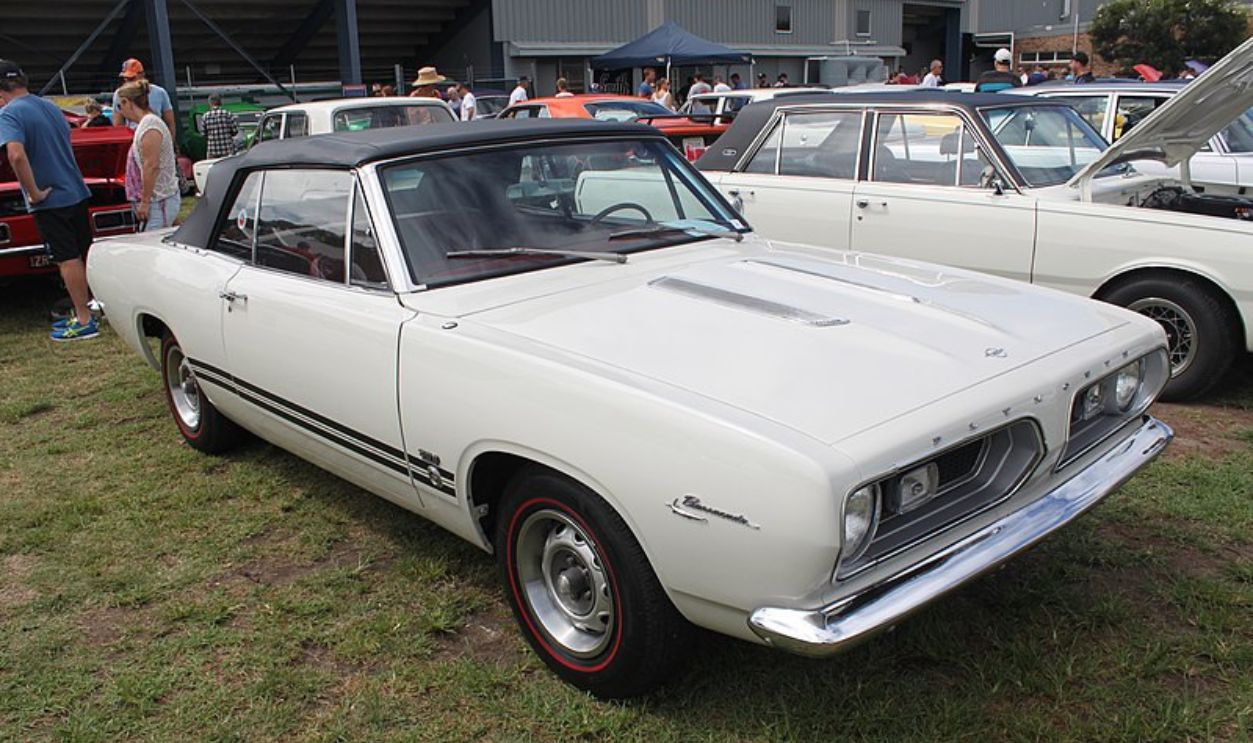
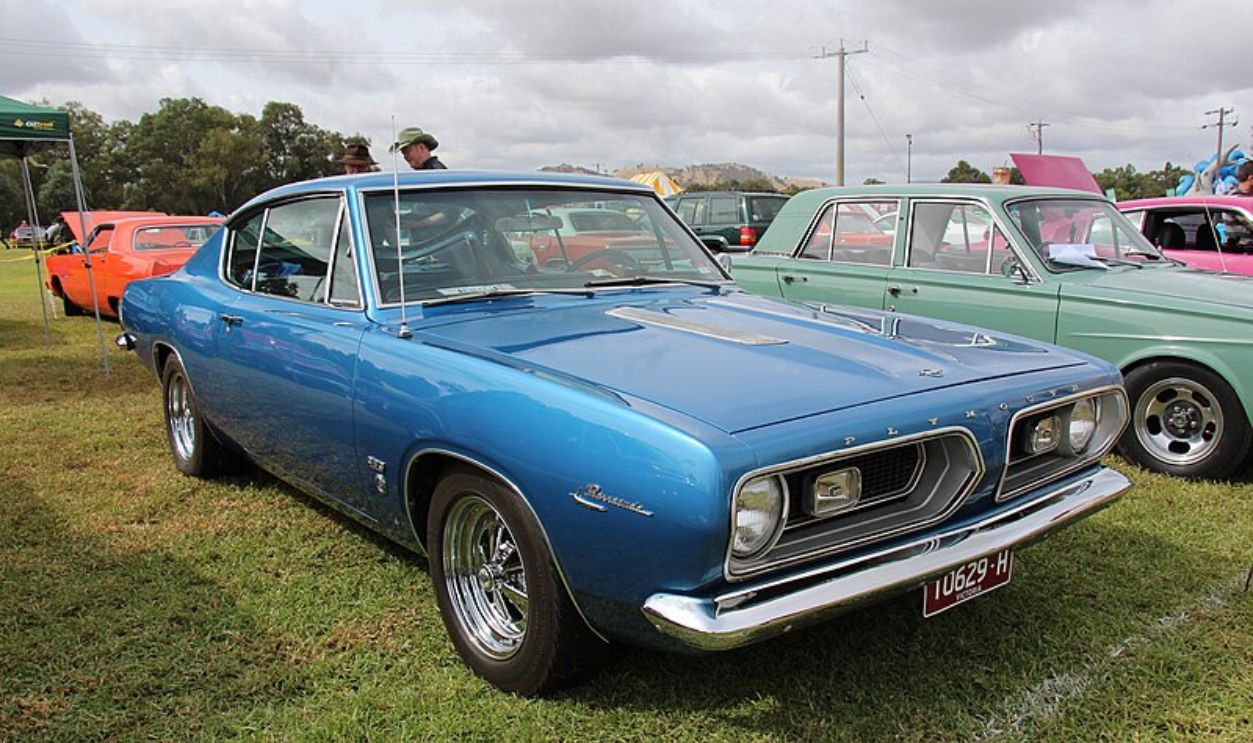
Plymouth Barracuda Formula S (1967–1969)
Although the Mustang overshadowed the Barracuda, this Plymouth was the first ever pony car. The second-generation Barracuda, especially the Formula S trim, was a better contender with its sleek design. Besides its upgraded handling, it also had several engine options, including a powerful 383 Super Commando V8.
 Jeremy, CC BY 2.0, Wikimedia Commons
Formula S Variants Were The Real Deal
The Formula S stood out with sporty stripes, special badging, and heavy-duty front torsion bars. This car left its mark despite having below 400 units. It starred as the hero's car in Highwaymen and appears in video games such as Forza Motorsport 2, 3, and Forza Horizon 5.
 Sicnag, CC BY 2.0, Wikimedia Commons
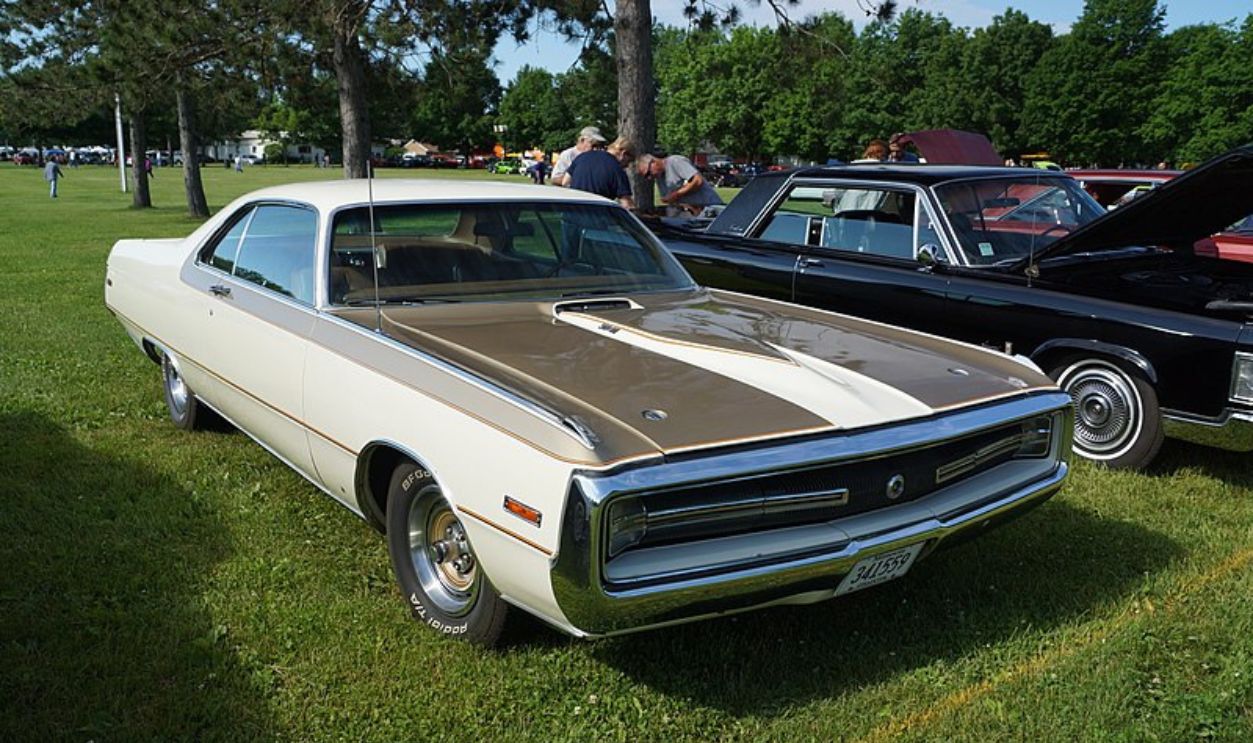
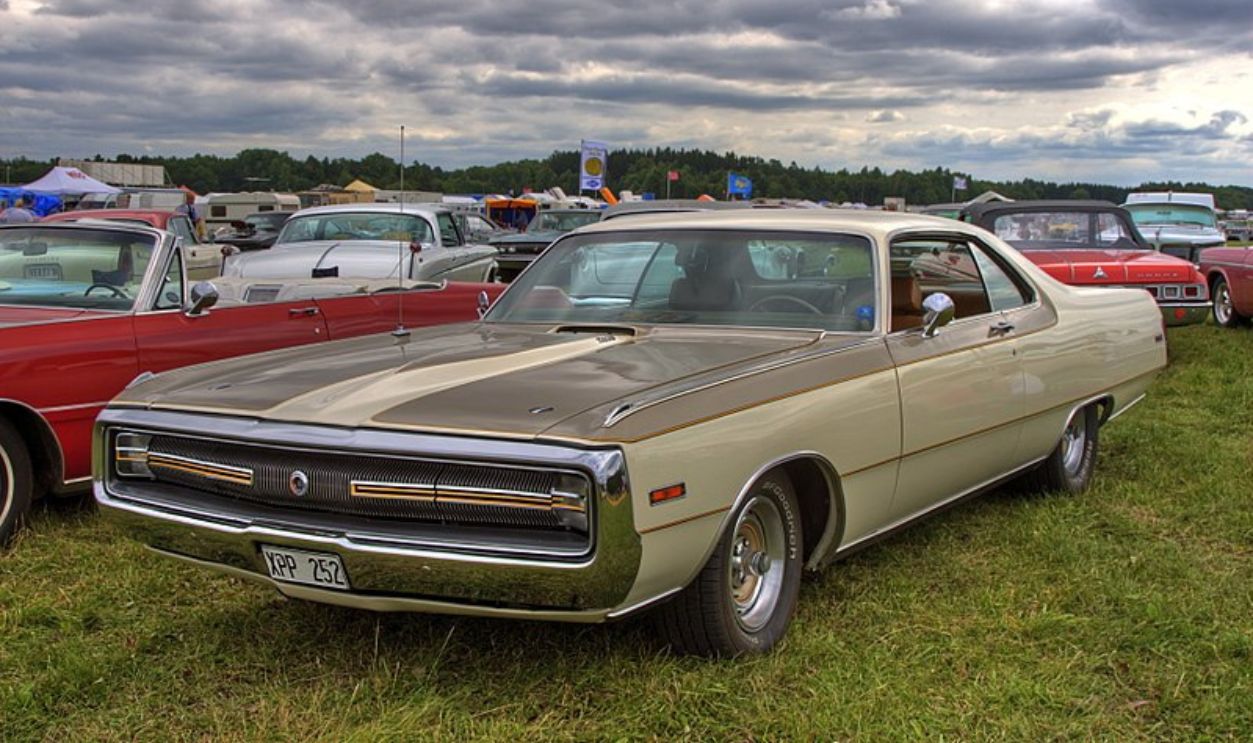
Chrysler 300 Hurst (1970)
When Chrysler noticed in 1969 that most people admired performance-oriented vehicles, they partnered with Hurst Performance to create a high-performance version of its flagship 300 model. Then, Hurst equipped the white and gold Chrysler 300 Hurst with a custom-built shifter for quicker, more precise gear changes.
 Greg Gjerdingen, CC BY 2.0, Wikimedia Commons
Power And Luxury
The 300 Hurst had a powerful 375 HP V8 engine generating 480 lb-ft or torque. This full-sized sedan also had plush seating and high-end finishes. However, by the late 1970s, after 500 units, Chrysler discontinued this beauty when low sales, limited market support, and rising fuel prices threatened.
 Triple-green, CC BY-SA 2.0, Wikimedia Commons
Dodge Charger Daytona (1969)
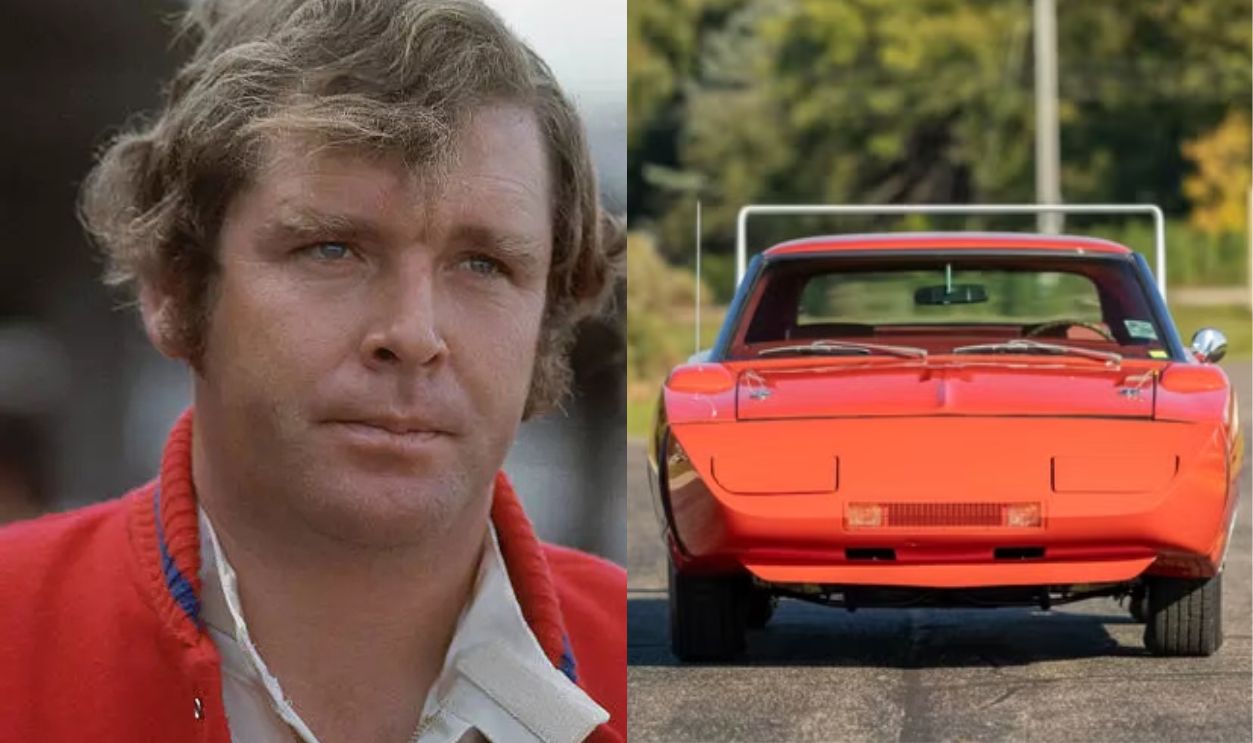
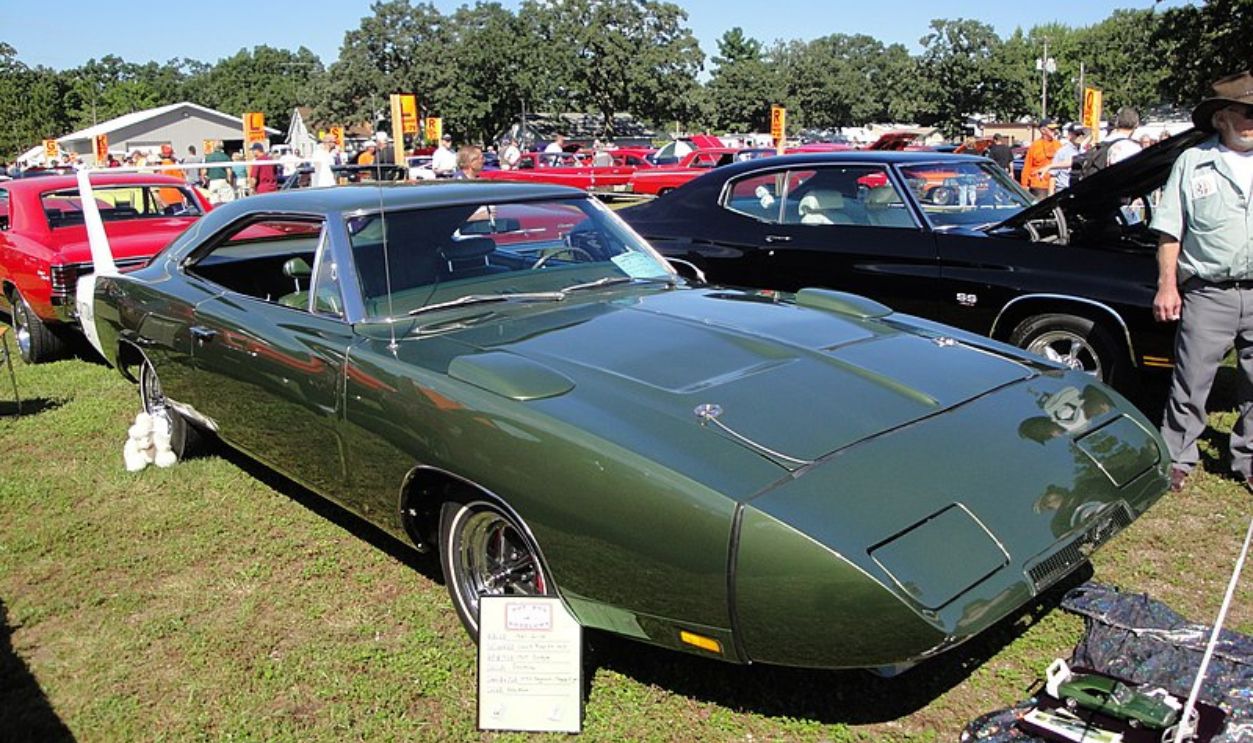
When NASCAR's "aero wars" intensified in 1968, Dodge released a more aerodynamic model to compete. The 1969 Charger Daytona had a long nose and an enormous wing. These bizarre features made this muscle car resemble a real-life Batmobile. Thankfully, Dodge's efforts paid off.
 Greg Gjerdingen, CC BY 2.0, Wikimedia Commons
It Is A NASCAR Winner
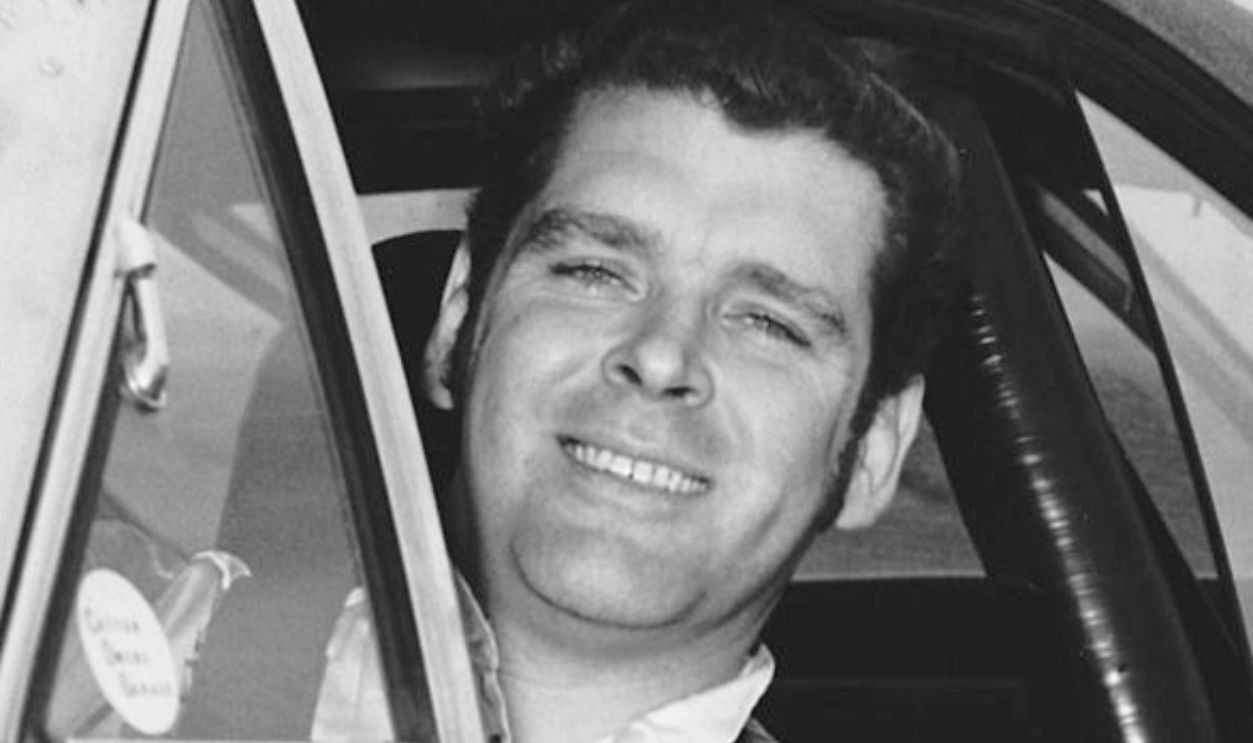
In 1970, Buddy Baker drove the Charger Daytona to become the first NASCAR driver to break the 200 mph barrier. The Daytona also won six races between 1969 and 1970. Its insane designs led to screen time in Dirty Mary Crazy Larry, Dukes of Hazzard, and Fast & Furious 6.
 Racing One, CC BY-SA 4.0, Wikimedia Commons
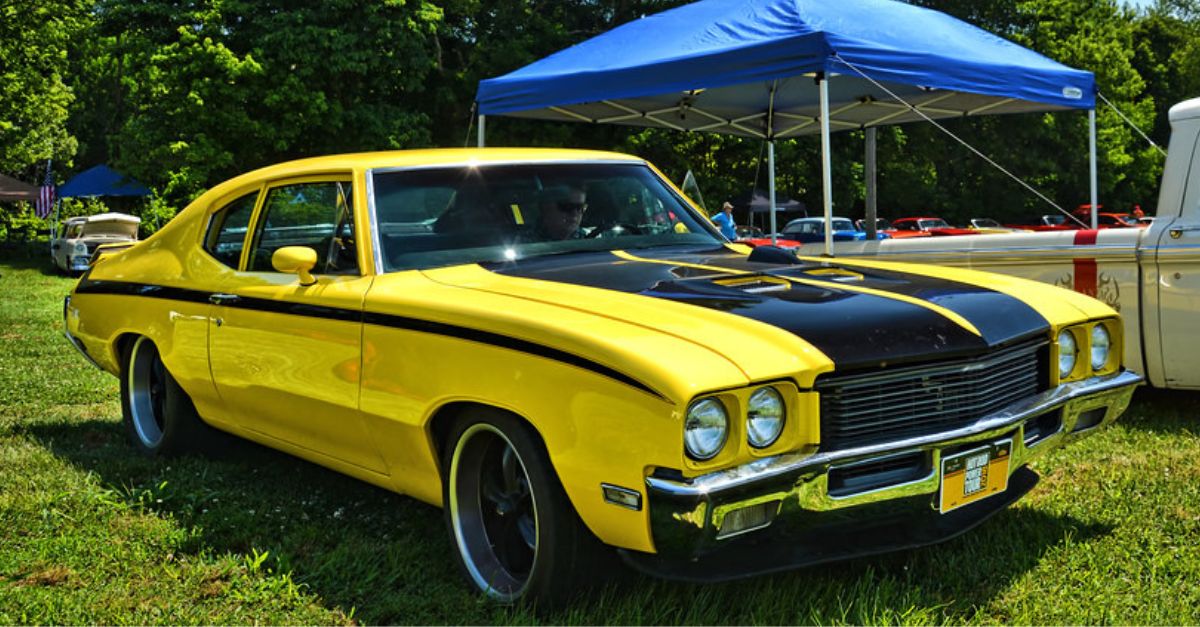
Buick GSX (1970)
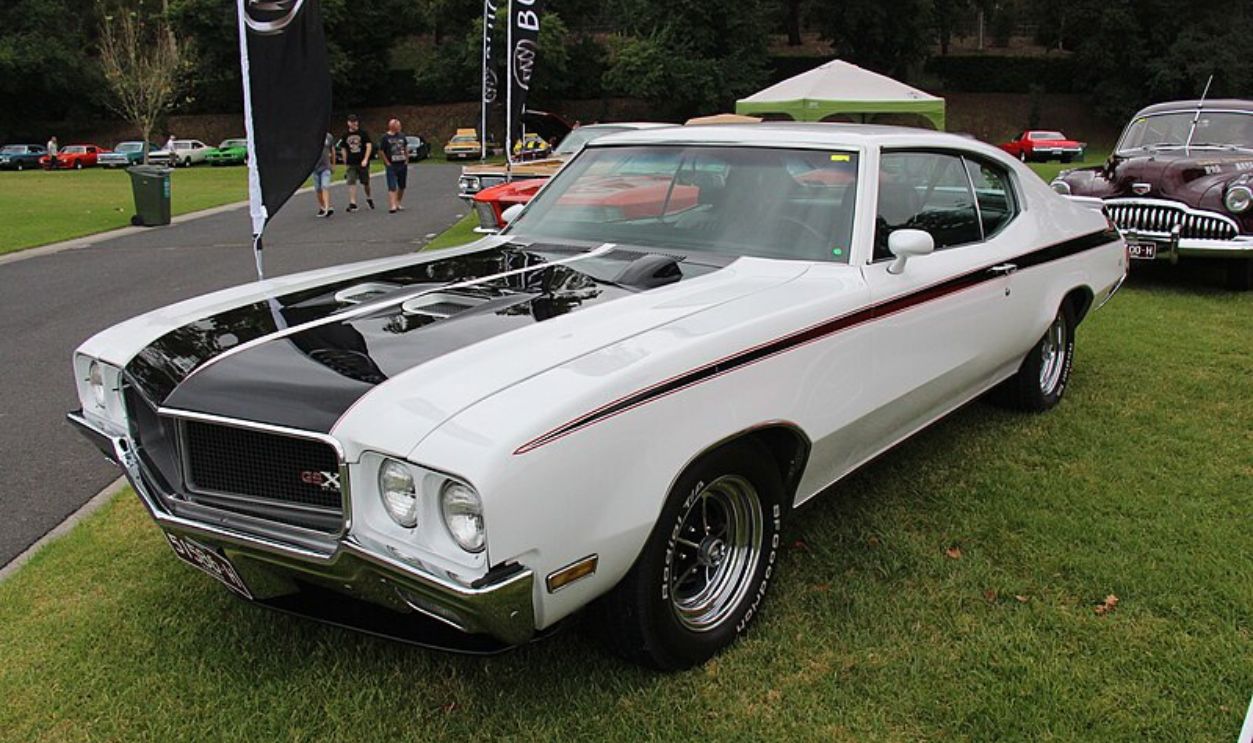
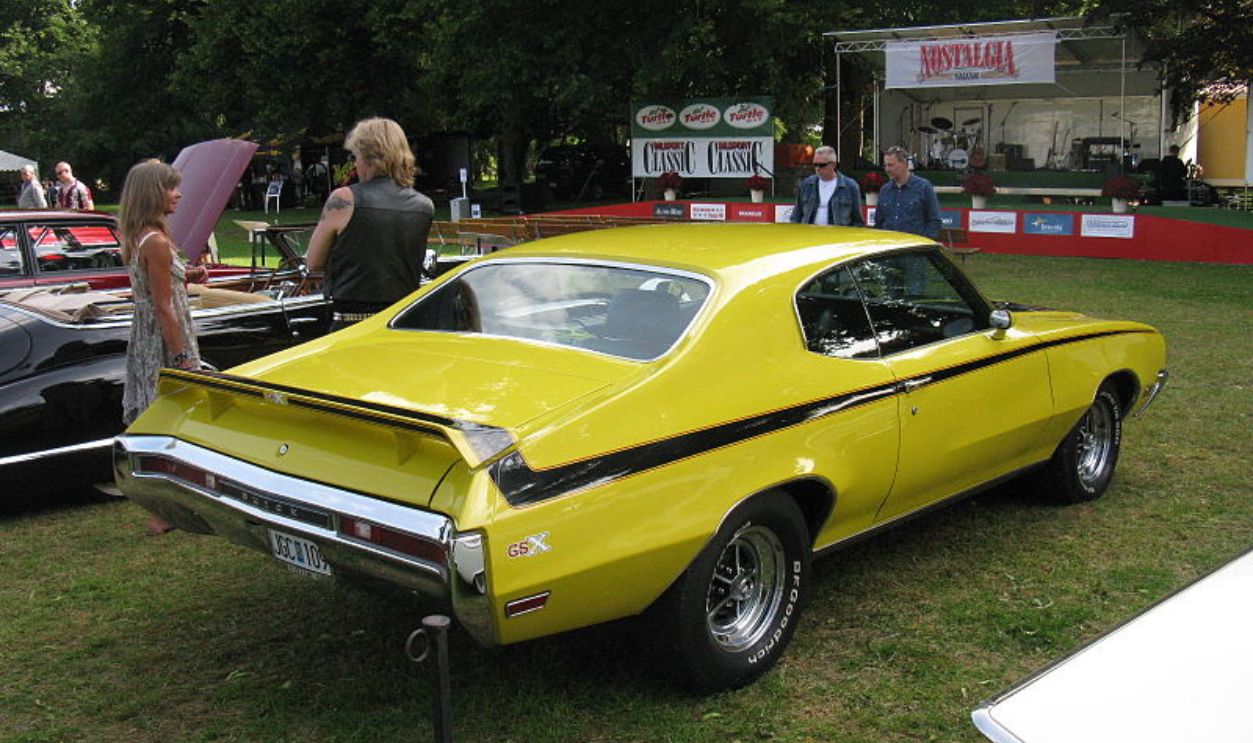
Buick started building the GSX in 1969 as a high-performance variant of the Skylark to meet the demand for more powerful muscle cars. The vehicle was a high-performance GS 455 and had a 360–400 HP V8. In addition to the horsepower figures, Buick also invested in looks.
 Sicnag, CC BY 2.0, Wikimedia Commons
It Was A Stunner
One of the most eye-catching features of the GSX was its limited color palette. It had a vibrant Apollo White and Saturn Yellow, which weren't ordinary shades. GSX also had black body striping across the top of the front fenders, doors, and rear quarters.
 nakhon100, CC BY 2.0, Wikimedia Commons
Pontiac Can Am (1977)
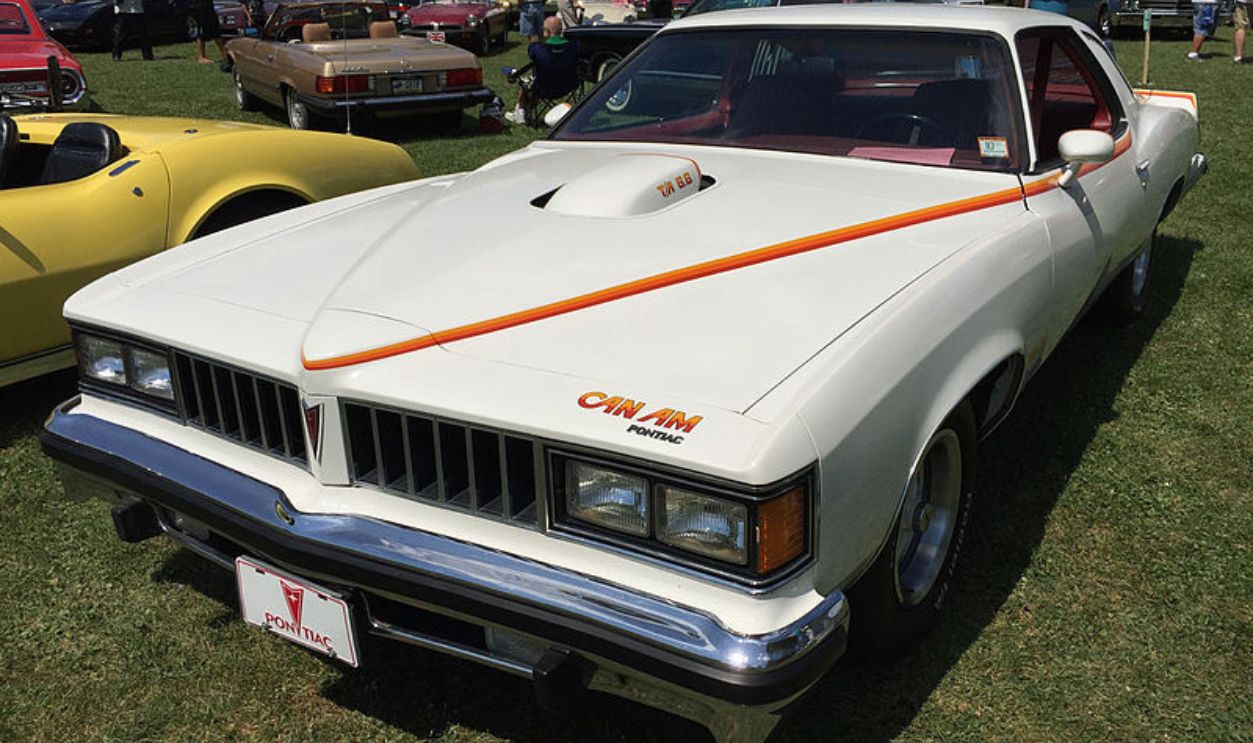
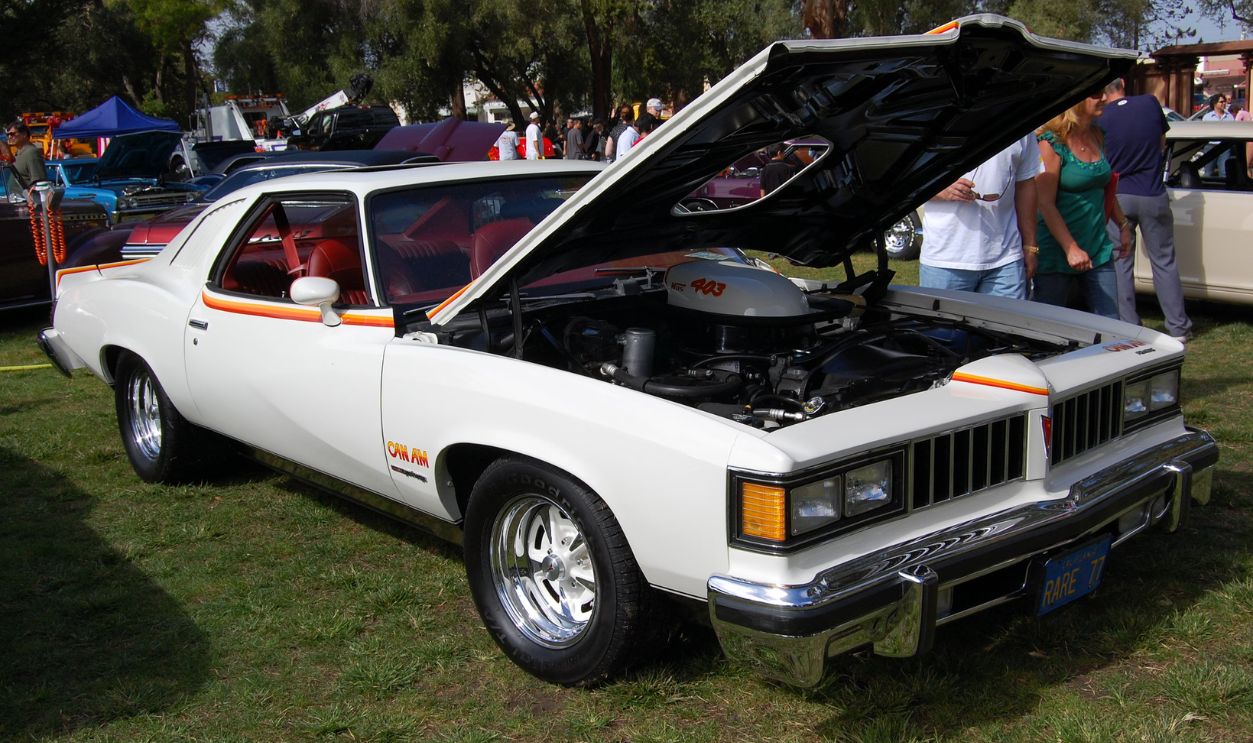
Despite stricter emissions regulations, Pontiac launched the Can-Am as a high-performance LeMans variant. It had a bold design with the 185-HP Oldsmobile 403 or 200-HP Pontiac 400 engine. Pontiac added shaker hood scoops and distinct color schemes to stand out from other models. Sadly, its reign was short-lived.
 CZmarlin, CC BY-SA 4.0, Wikimedia Commons
It Suffered A Setback And Couldn't Recover
Production ended unexpectedly due to a damaged mold for the Can Am's "ducktail" spoiler. Pontiac's management didn't approve of fixing it, partially because the Can-Am competed with their more profitable Grand Prix. The vehicle's run ended at 1,377 units, so it's a rare collector's item today.
Mercury Cyclone Spoiler II (1969)
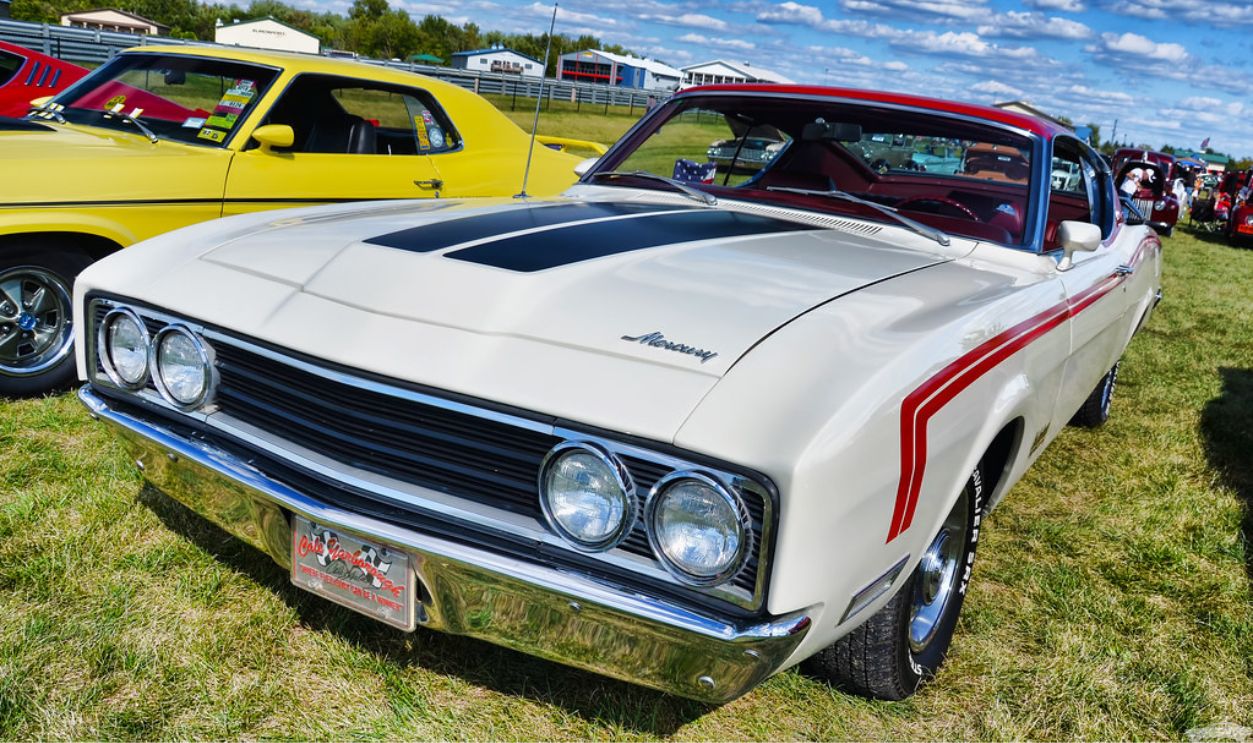
Dodge wasn't the only brand responding to NASCAR's aero wars. Mercury also designed the Cyclone Spoiler II in 1969 with aerodynamics in mind. Its radical designs included an extended nose and reshaped panels. When the 335 HP Spoiler II met NASCAR's homologation rules, it brought home trophies.
Mercury Named Its Colors After NASCAR Racers
Despite little fanfare and less than 500 units, the Spoiler II won eight Grand National races in 1970. Mercury painted this rare muscle car after famous NASCAR drivers. The Dan Gurney Special was white with a blue interior, while the Cale Yarborough Special was white with a red interior.
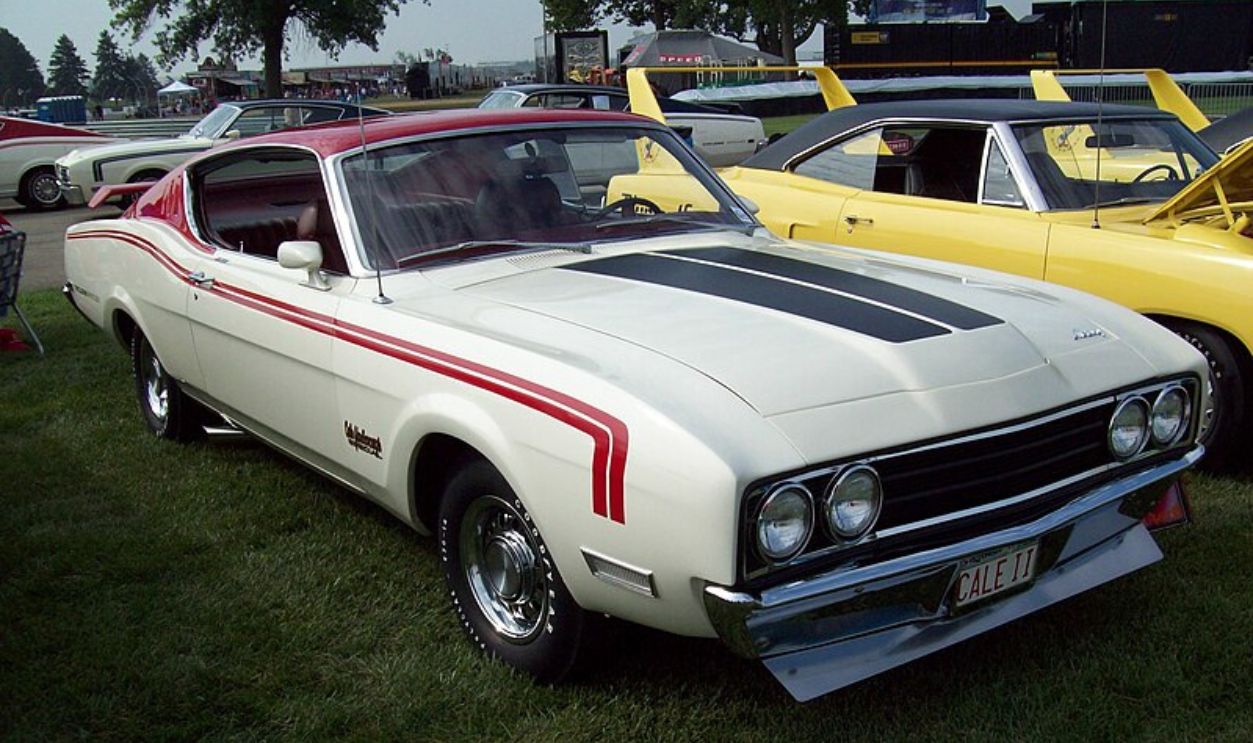 Carl Sharp, CC BY-SA 3.0, Wikimedia Commons
American Motors AMX/3 (1970)
American Motors successfully built cars (sedans) until they decided to design a muscle car. In 1968, the first AMC AMX/3 prototype had a powerful V8 engine and a sleek Italian look by Giorgetto Giugiaro. By 1970, only five cars were ready.
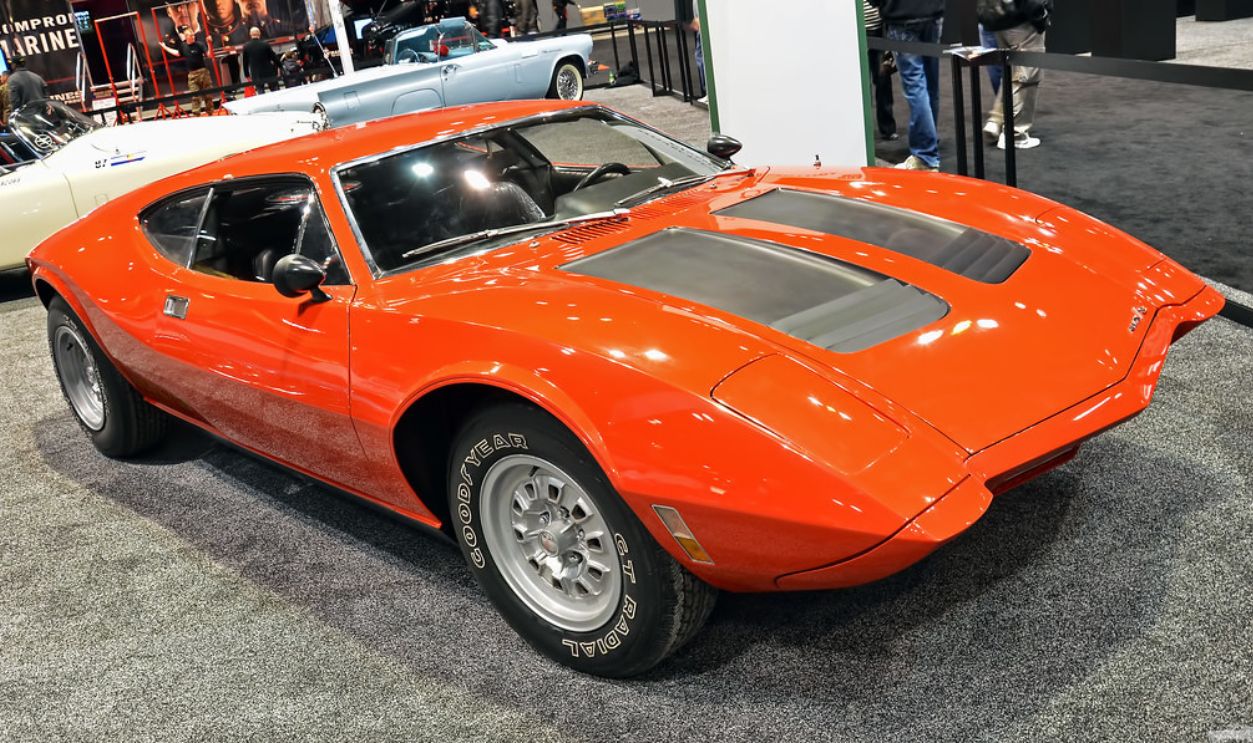
It Is A Prized Collector's Item
AMC completed the prototypes, but only six have a traceable history. After production, AMC marketed them as "Bizzarrini" models. In 2019, a fully restored AMX/3 prototype was showcased at the Amelia Island Concours d'Elegance. Earlier in 2017, prototype #2, the "Red Monza Car," was auctioned for $891,000.
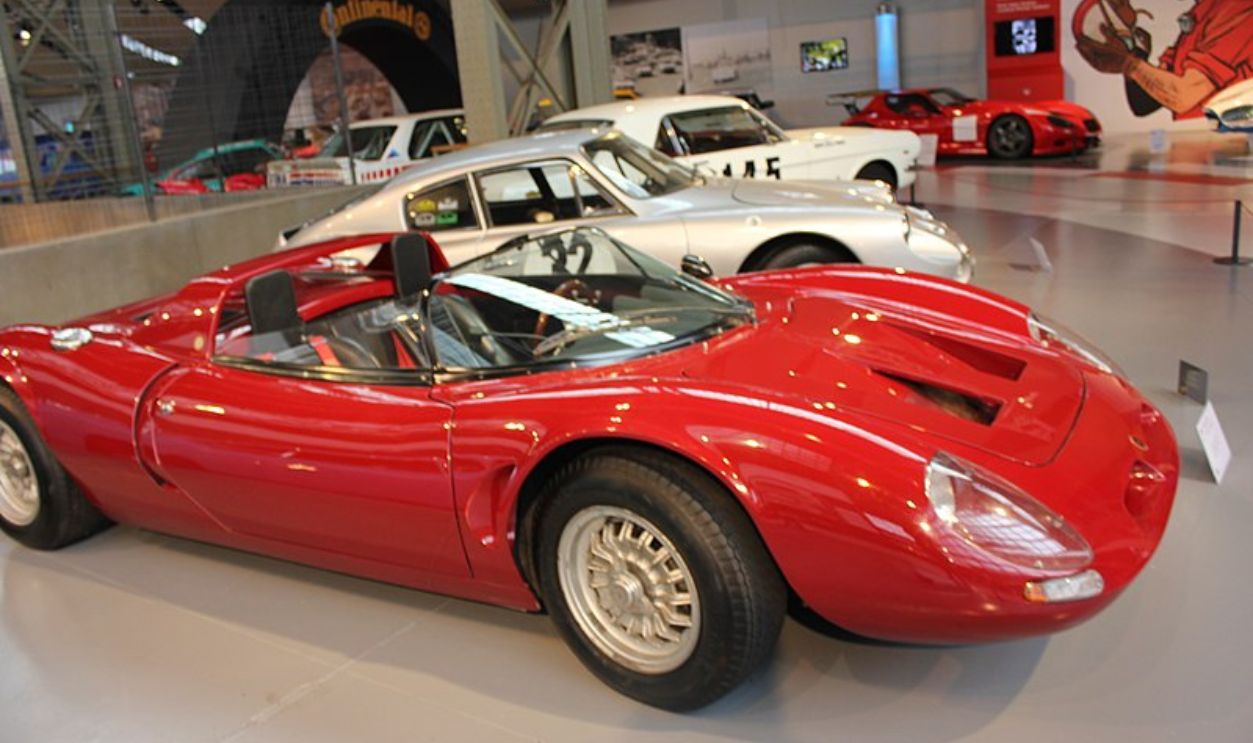 Pedro Pablo, CC BY-SA 2.0, Wikimedia Commons
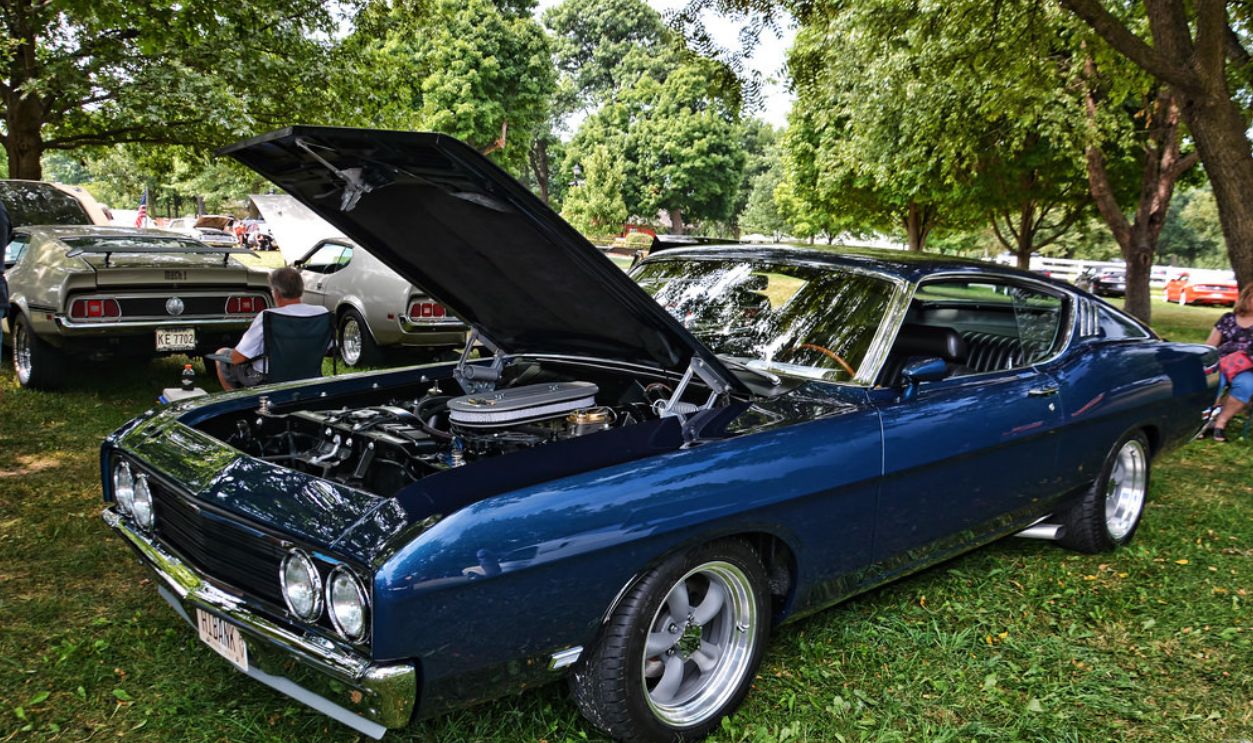
Ford Torino Talladega (1969)
Here's yet another car designed to dominate NASCAR races. Ford released the Torino Talladega, which had a sleek design to reduce drag, and a 428 Cobra Jet V8 engine that helped it contend on racetracks. It was named after the Talladega Superspeedway, where it would compete.
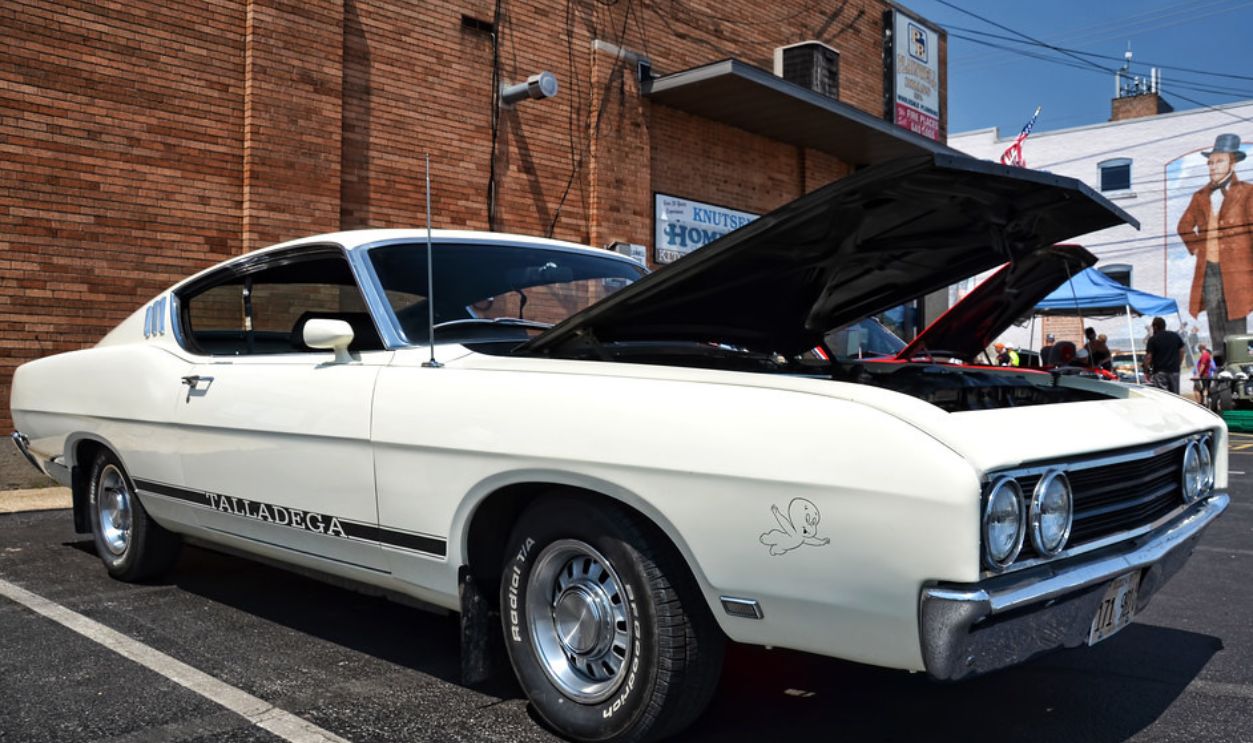
This NASCAR Champion Is A Sleeper Car
Although the Torino Talladega looked like a family sedan, it easily outran competitors with a speedy acceleration from 0 to 60 mph within 5.5 seconds. The speedster won 29 Grand National races and the 1969 NASCAR Manufacturers Championship. Despite its racing prowess, Ford only produced about 750 units.
Chevrolet Biscayne 427 (1966–1969)
In 1966, Chevrolet introduced the Biscayne 427, a muscle car with a powerful 427 cubic-inch V8 engine in two versions. The L36 produced 390 HP, while the more popular L72 delivered 425 HP. However, unlike most muscle cars, this car didn't look the part.
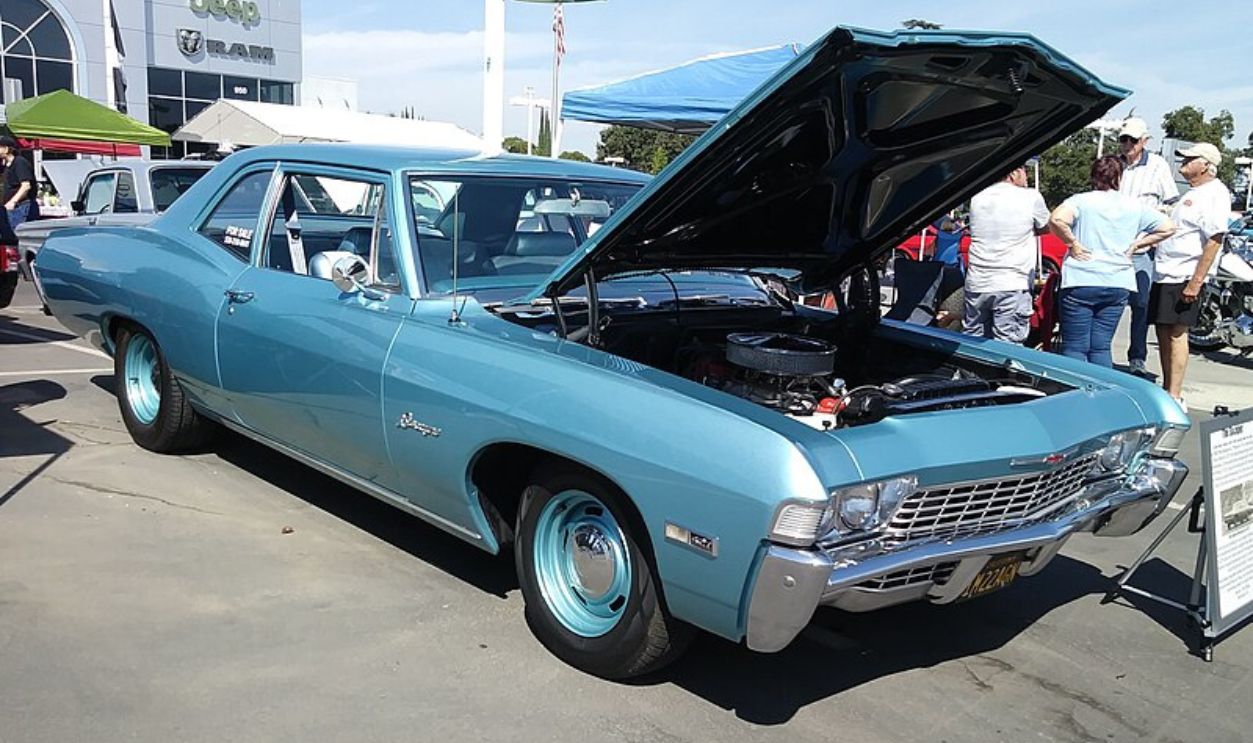 Alden Jewell, CC BY-SA 2.0, Wikimedia Commons
Power Hidden In Plain Sight
Despite its speed, the Biscayne had no hood scoops or outward speed indicators. Street racers who valued performance over looks loved its simple, no-frills design. A Biscayne ordered by Bader Chevrolet in Fontana, California, was used as a drag racer for several years.
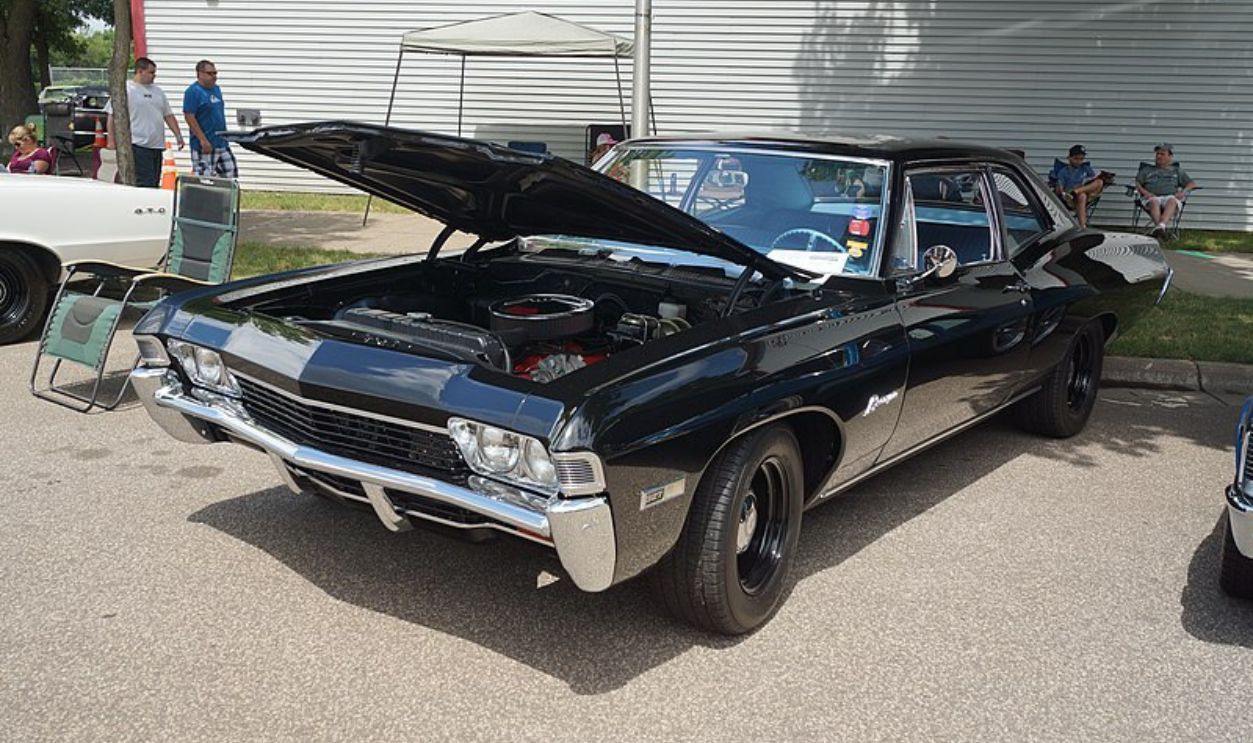 Greg Gjerdingen, CC BY 2.0, Wikimedia Commons
Ford Galaxie 500 7-Litre (1966–1967)
The space craze inspired Ford's powerful Galaxie 500. When the vehicle arrived in 1966, it had a 7.0-liter V8 engine producing 345 HP. Unlike most muscle cars, the almost 4,000-pound vehicle has comfortable luxury features like bucket seats, a console, and even wood-grained accents.
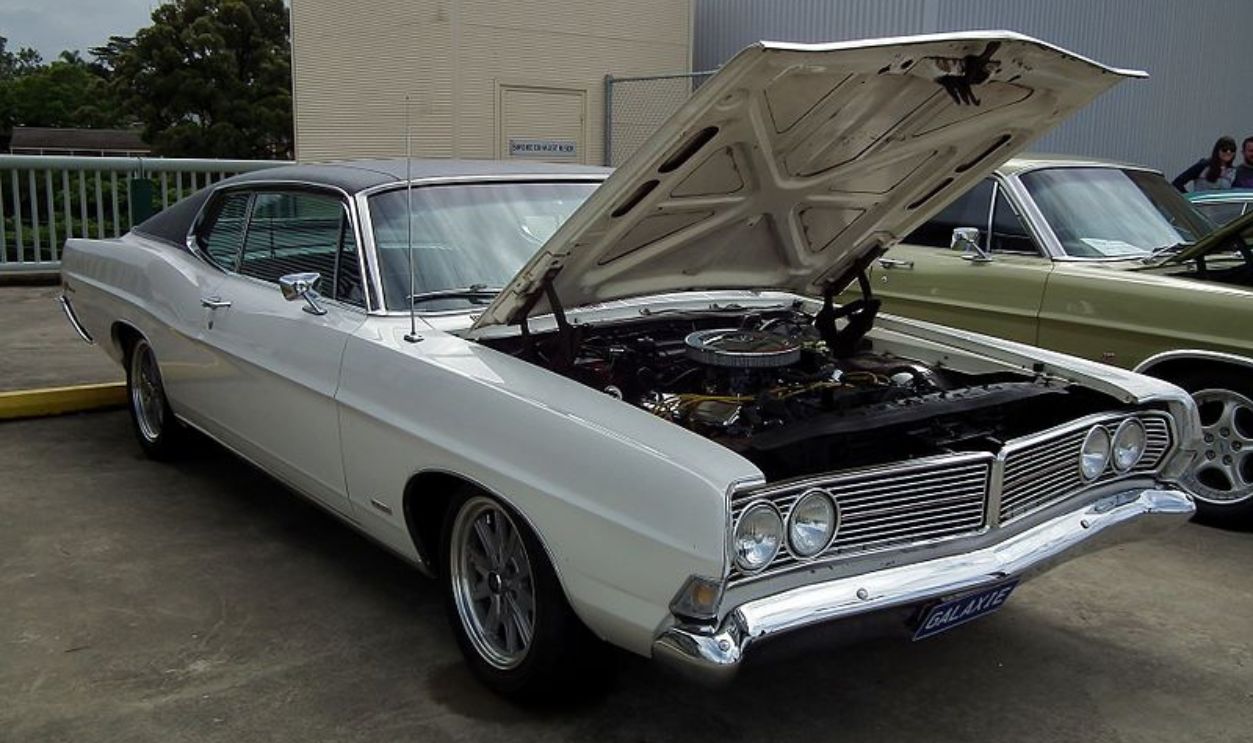 sv1ambo, CC BY 2.0, Wikimedia Commons