
Car Names Used To Be A Lot Wilder
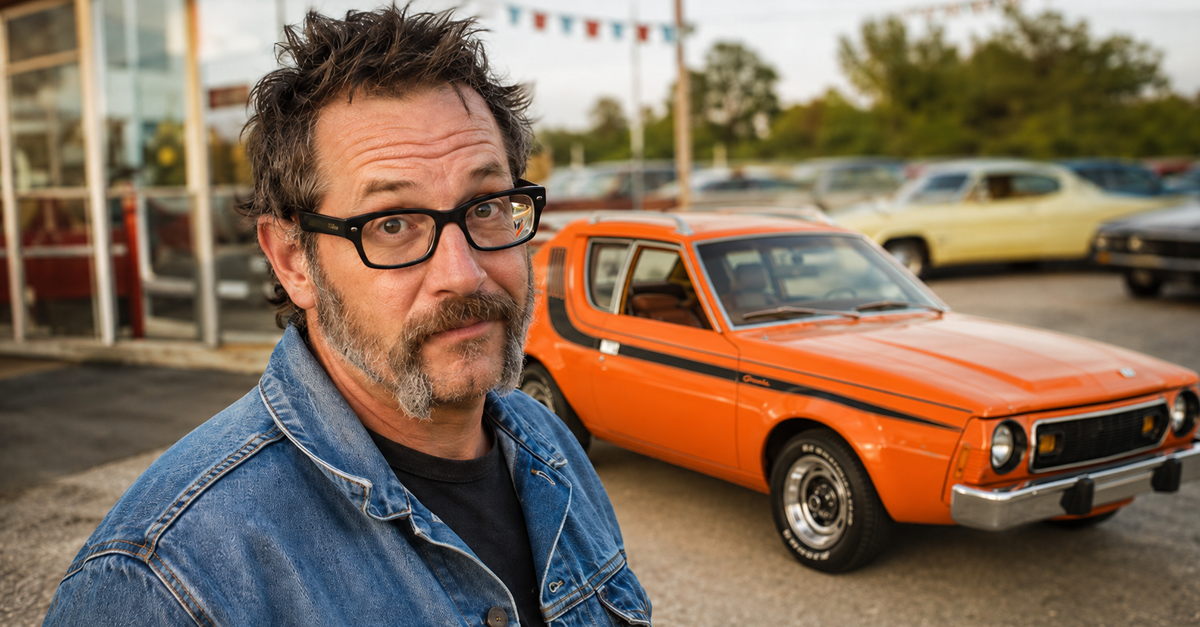
Car names used to be a whole lot wilder. Automakers slapped badges on cars that today would sound politically loaded, unintentionally suggestive, hilariously vague, or simply impossible to sell. Some became classics and others became disasters, but plenty have names no marketing department would dare revive now.
Studebaker Dictator
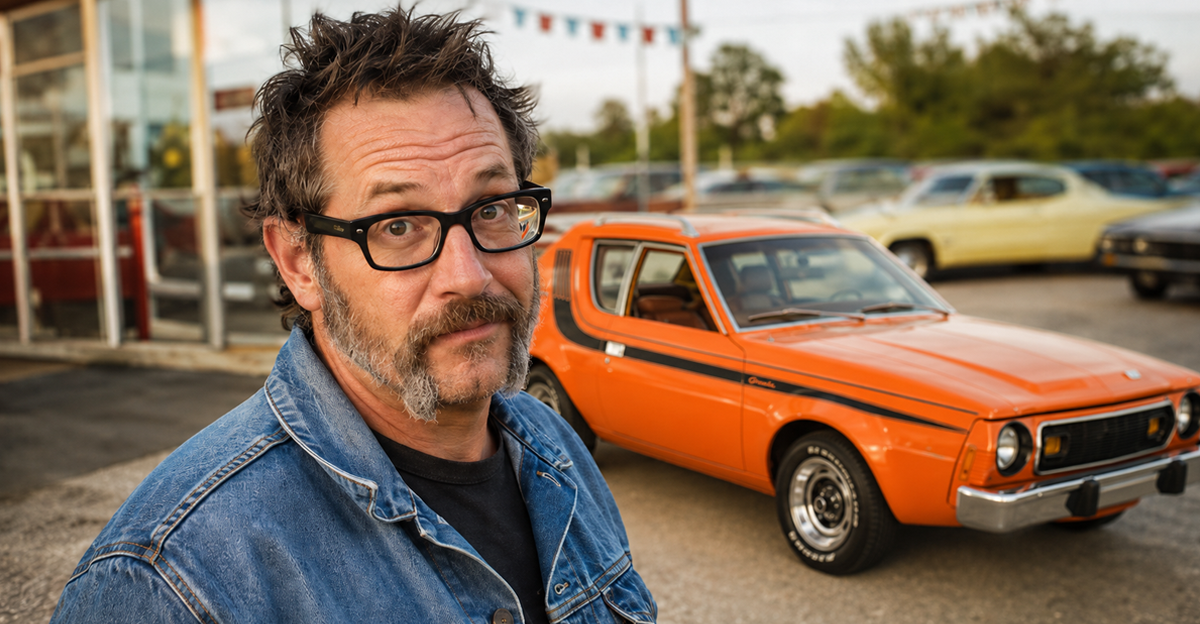
Studebaker renamed its Standard Six the Dictator during the 1927 model year, saying it would “dictate the standard” competitors should follow. As authoritarian rules to dominate world events in the 1930s, the name aged badly, and Studebaker replaced it with Commander after 1937. It is hard to imagine any mainstream automaker reviving Dictator today.
 Greg Gjerdingen from Willmar, USA, CC BY 2.0, Wikimedia Commons
Chevrolet Confederate
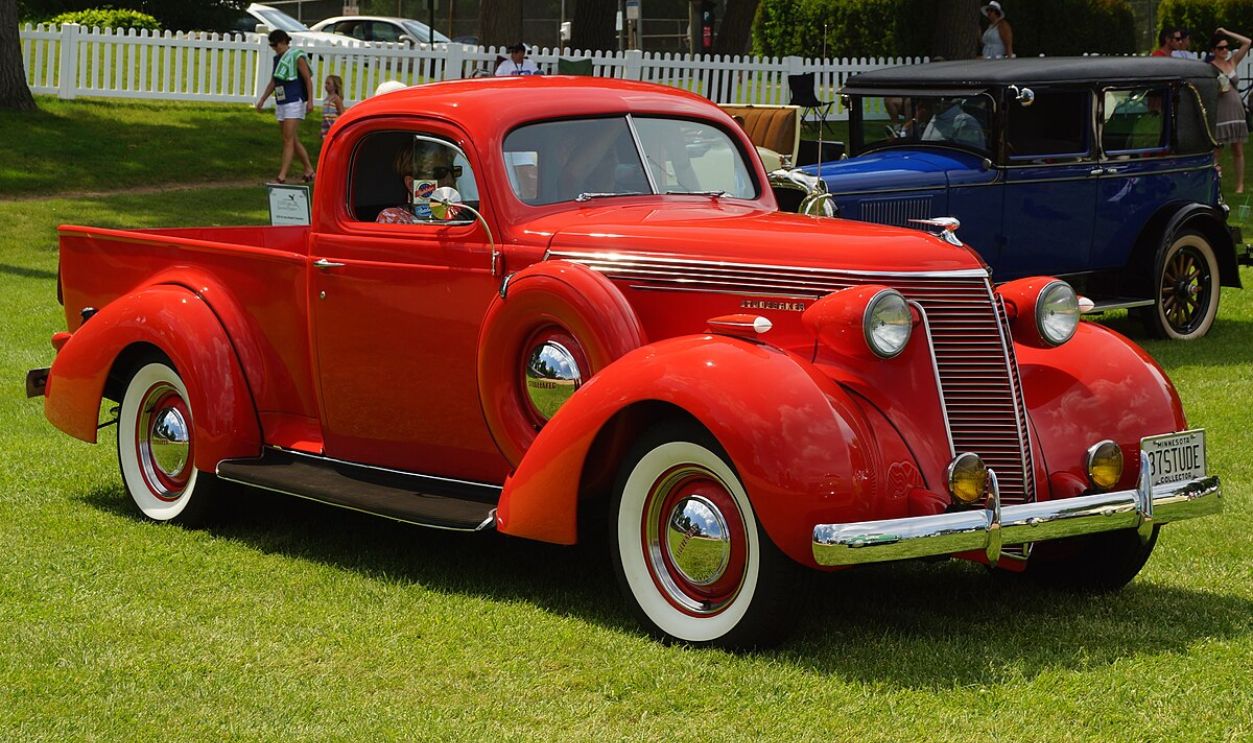
Chevrolet’s 1932 lineup included the Confederate, also identified internally as the Series BA. It was part of an era when Chevrolet used evocative names alongside its alphanumeric model designations, and GM’s heritage collection still identifies the car by that name. Given everything the word Confederate represents in modern America, this badge is effectively locked in the history books.
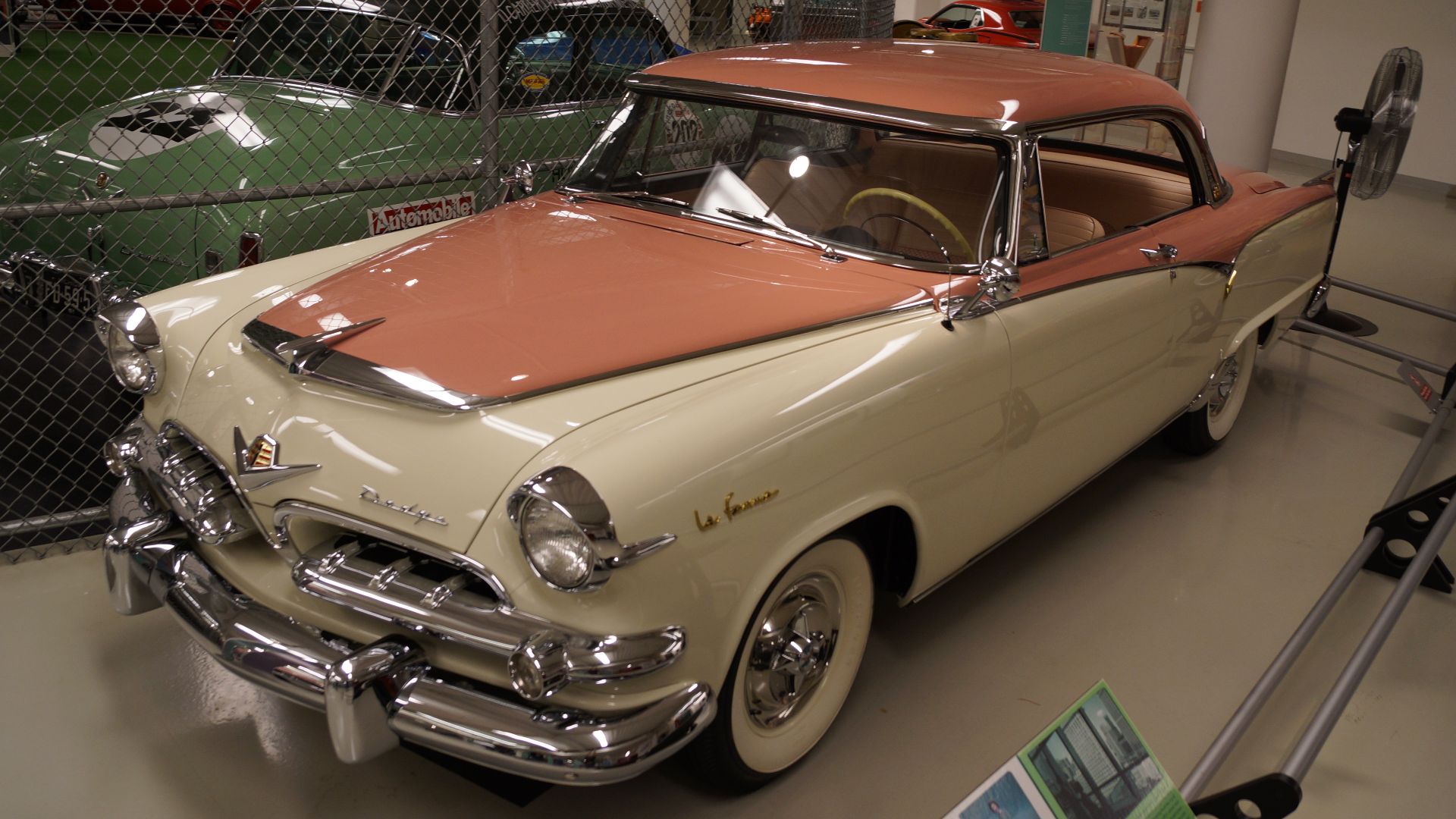
Dodge La Femme
Dodge introduced the La Femme package on its Custom Royal Lancer for 1955 and brought it back for 1956. It was marketed specifically toward women, complete with distinctive colors and accessories that included items such as a purse, cosmetics case, rainwear, and umbrella. A modern automaker would almost certainly take a very different approach to attracting female buyers than simply creating a pink, accessorized car called “The Woman.”
 Greg Gjerdingen from Willmar, USA, Wikimedia Commons
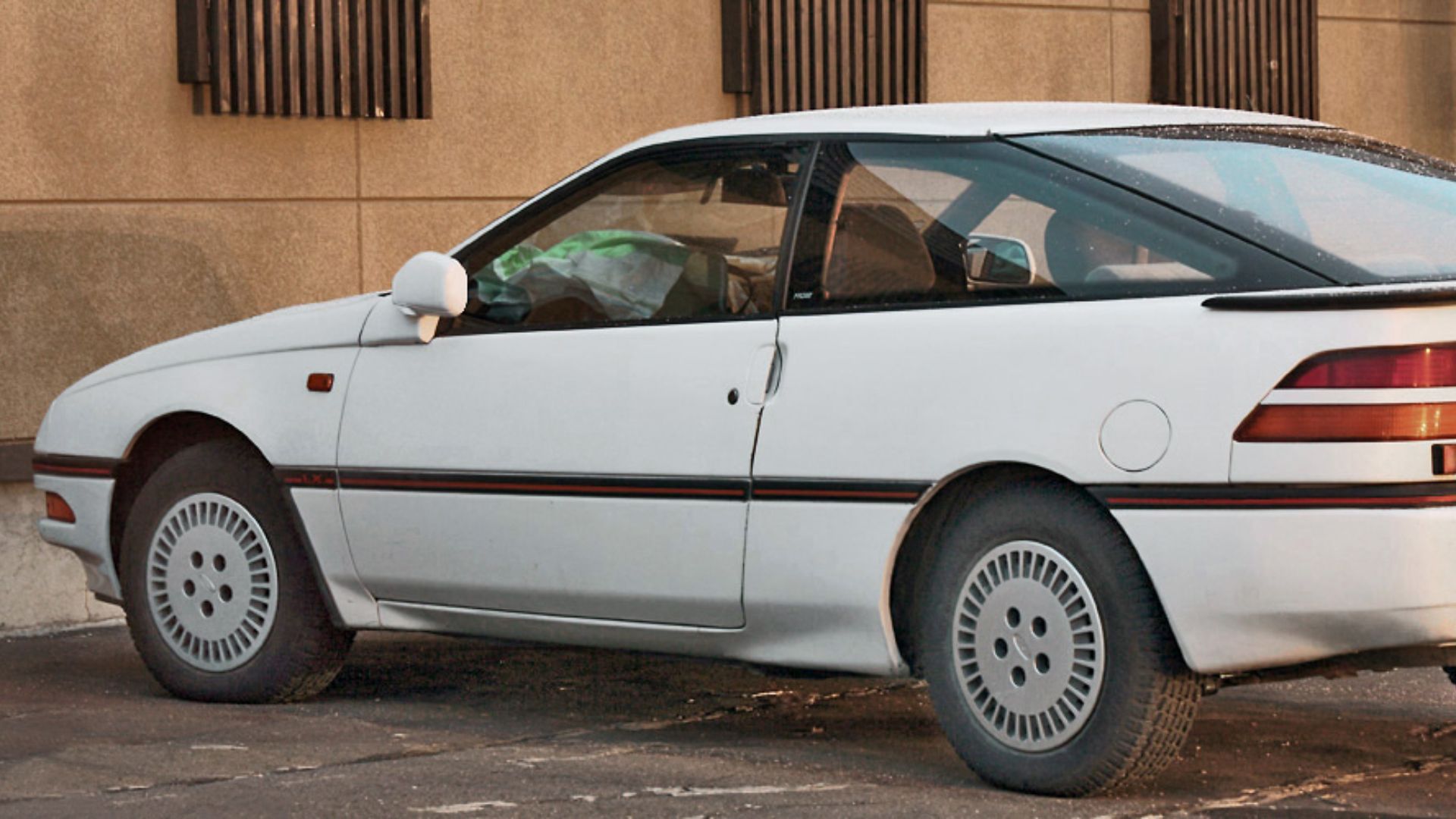
Ford Probe
Ford used the Probe name on futuristic concept cars before applying it to a production sports coupe beginning with the 1989 model year. The Mazda-based Probe was competent enough, and at one stage its development was closely tied to Ford’s plans for what might replace the Mustang. Unfortunately, “Probe” now sounds less like a thrilling sports car and more like something involving a doctor, a laboratory, or an alien encounter.
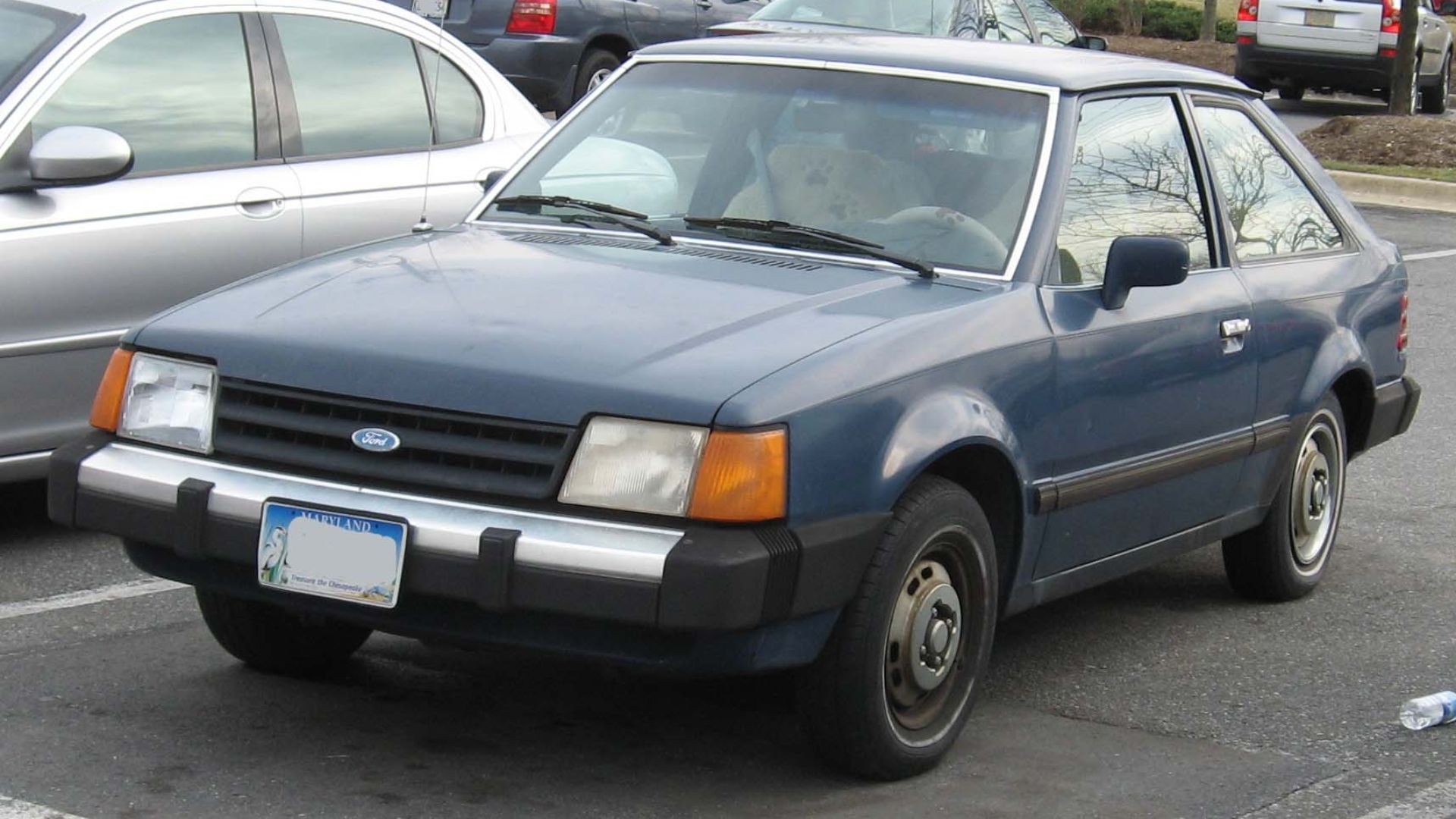
Ford Escort
Ford’s American Escort arrived for the 1981 model year and remained a familiar piece of inexpensive transportation for more than two decades. It became enormously successful, even finishing as America’s bestselling car in both 1987 and 1988. The word still means a companion or someone accompanying another person, but its other modern associations would make an Escort revival considerably more awkward than it once was.
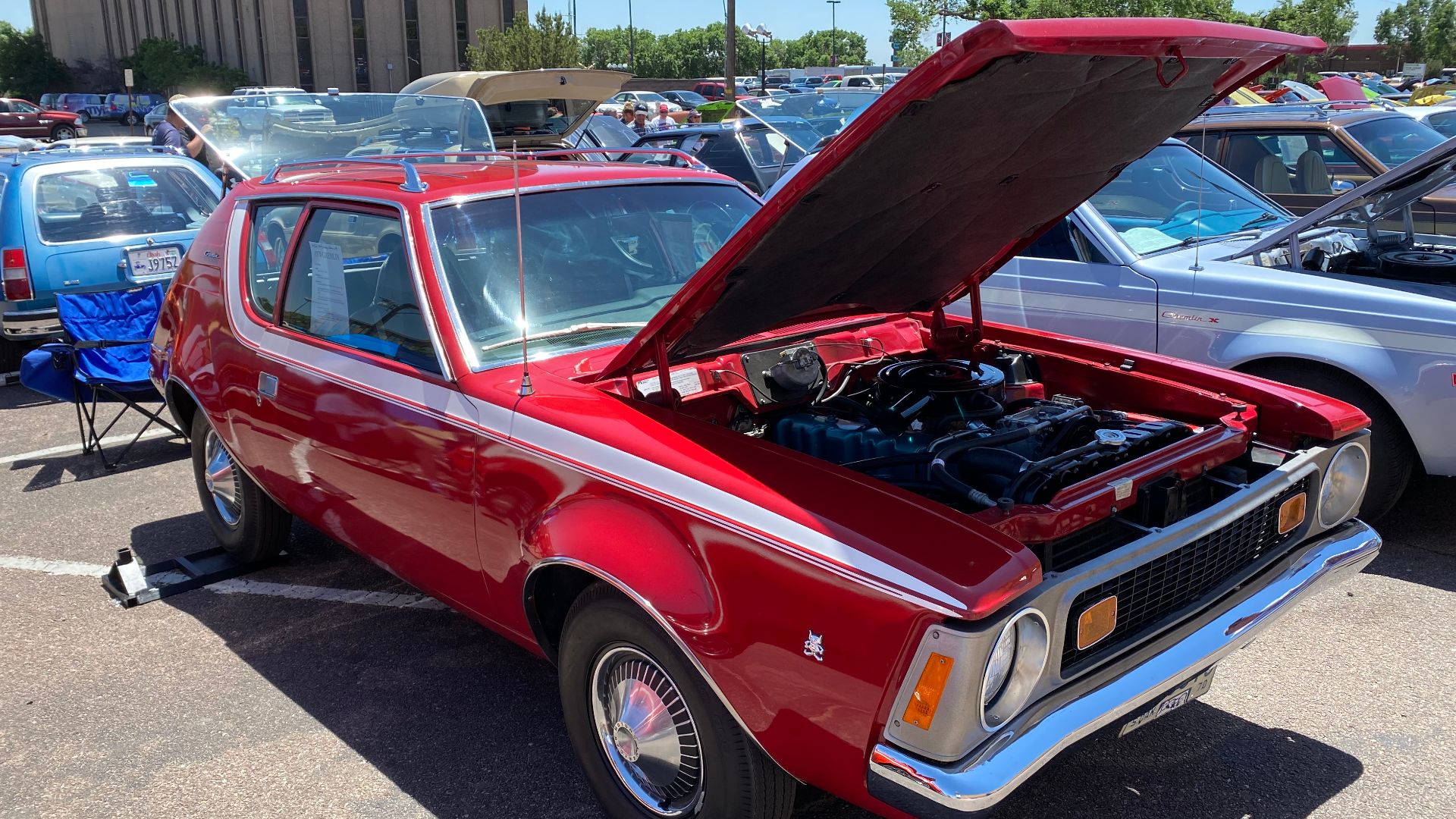
AMC Gremlin
AMC introduced the Gremlin on April 1, 1970, and the mischievous name was completely intentional. Gremlins were mythical troublemakers blamed for mechanical failures, particularly in aviation, which sounds like an astonishing creature to name a machine you are trying to convince people is dependable. Buyers apparently appreciated the joke, because AMC ultimately sold more than 670,000 of them.
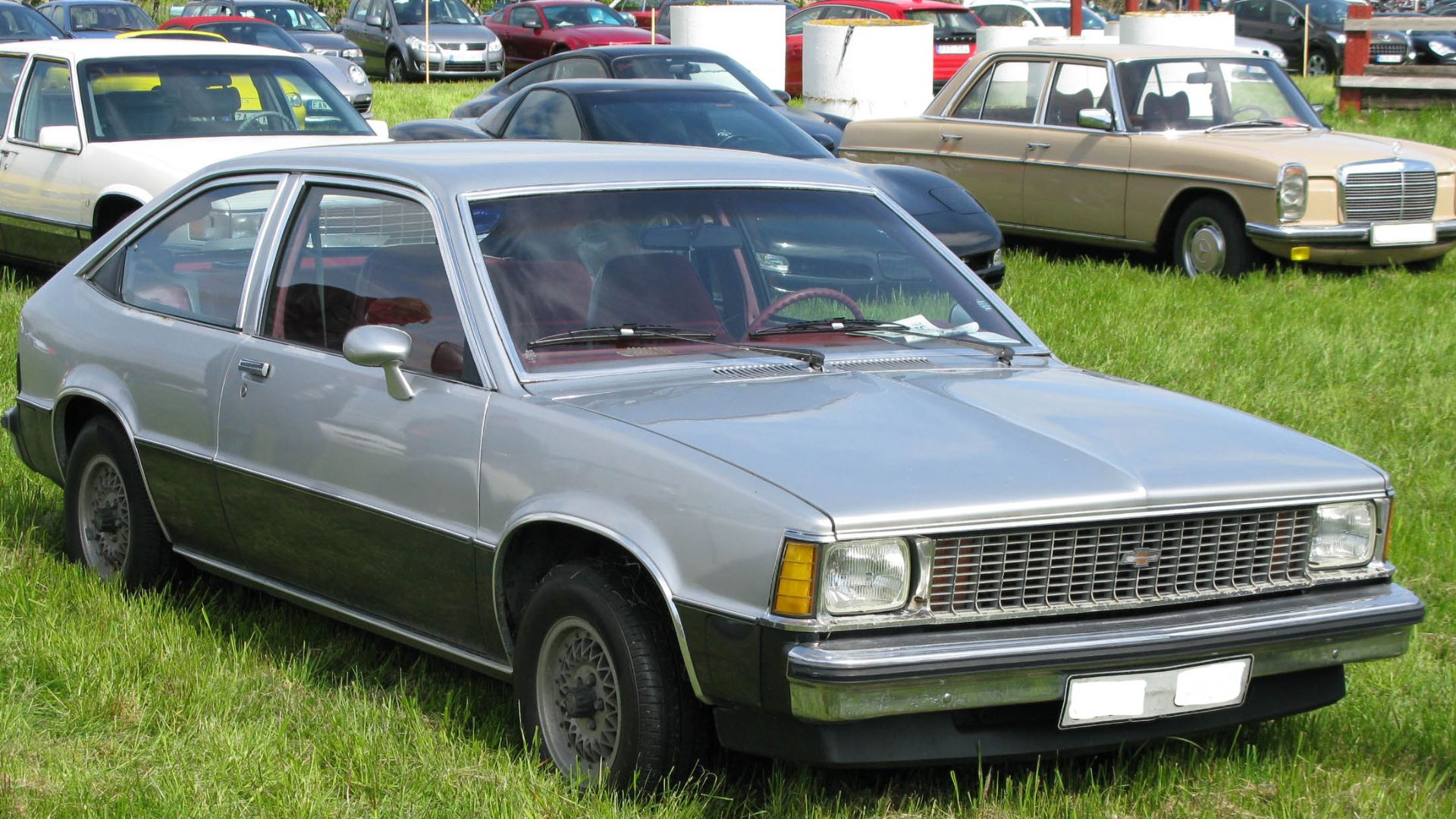
Chevrolet Citation
The Chevrolet Citation debuted as a 1980 model and represented a major technological shift for the company as part of GM’s new front-wheel-drive X-car program. It initially looked like a smash hit and even won MotorTrend’s 1980 Car of the Year award. Naming a car after something drivers generally hope not to receive from a police officer still seems like an odd bit of automotive branding.
 Herranderssvensson, Wikimedia Commons
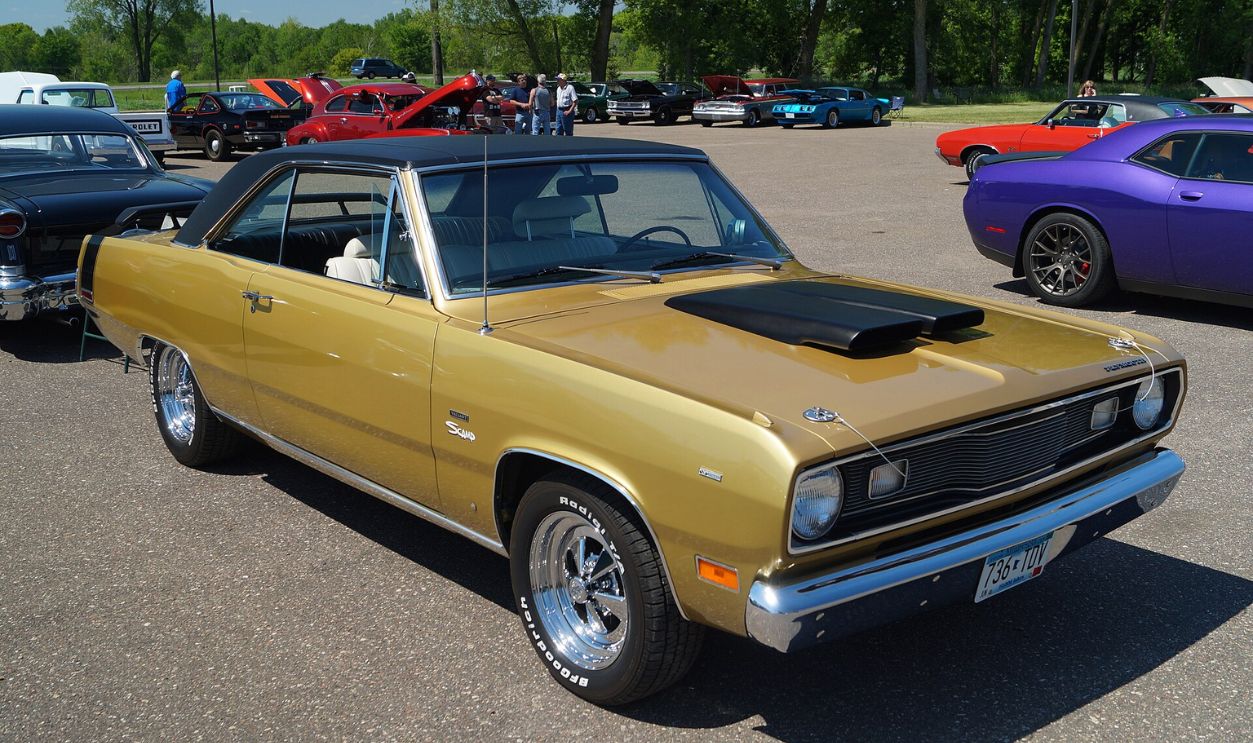
Plymouth Scamp
Plymouth added the Scamp two-door hardtop to the Valiant family for 1971. Mechanically, it was closely related to the dependable Valiant and Dodge Dart family rather than being some especially mischievous machine. Calling your new car a Scamp, however, sounds more like describing a badly behaved child or lovable rogue than a serious product launch today.
 Greg Gjerdingen from Willmar, USA, Wikimedia Commons
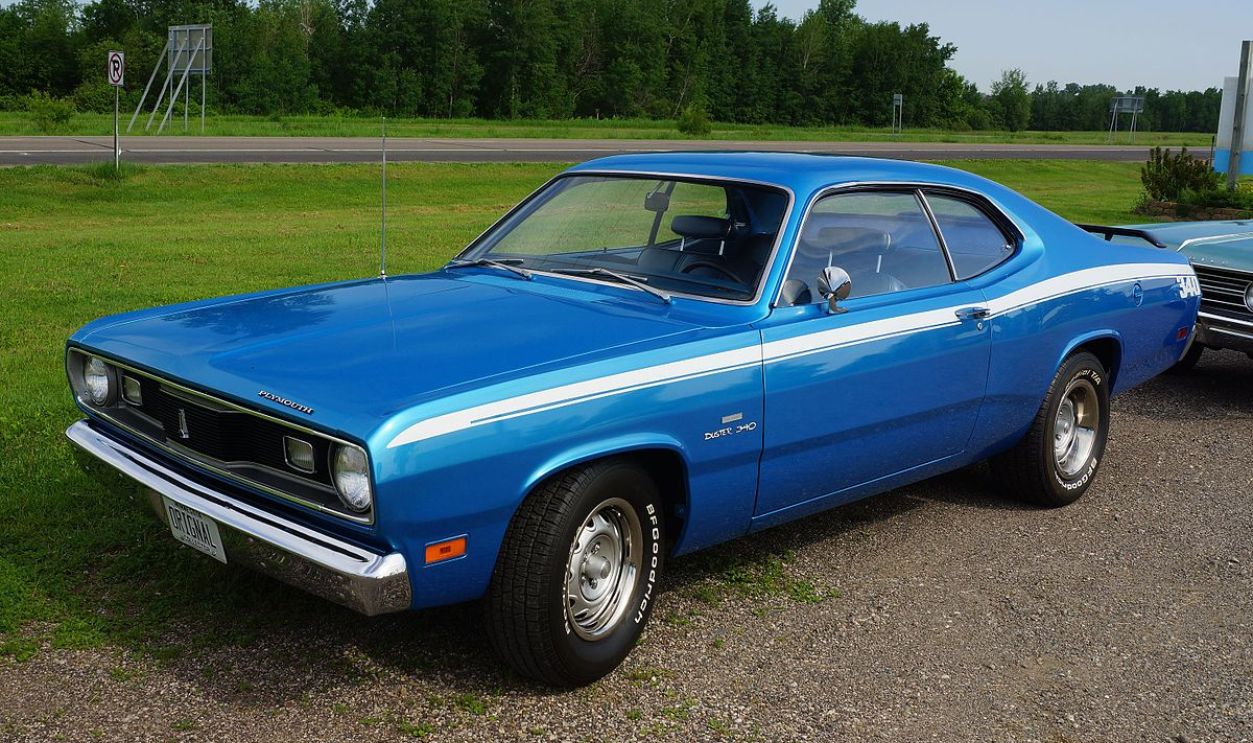
Plymouth Duster
Plymouth turned the Valiant platform into the sportier Duster for 1970, including the well-regarded Duster 340. More than 1.3 million were produced, but without that history, naming a performance coupe after something used to clean dust would be a tough sell today.
 Greg Gjerdingen from Willmar, Wikimedia Commons
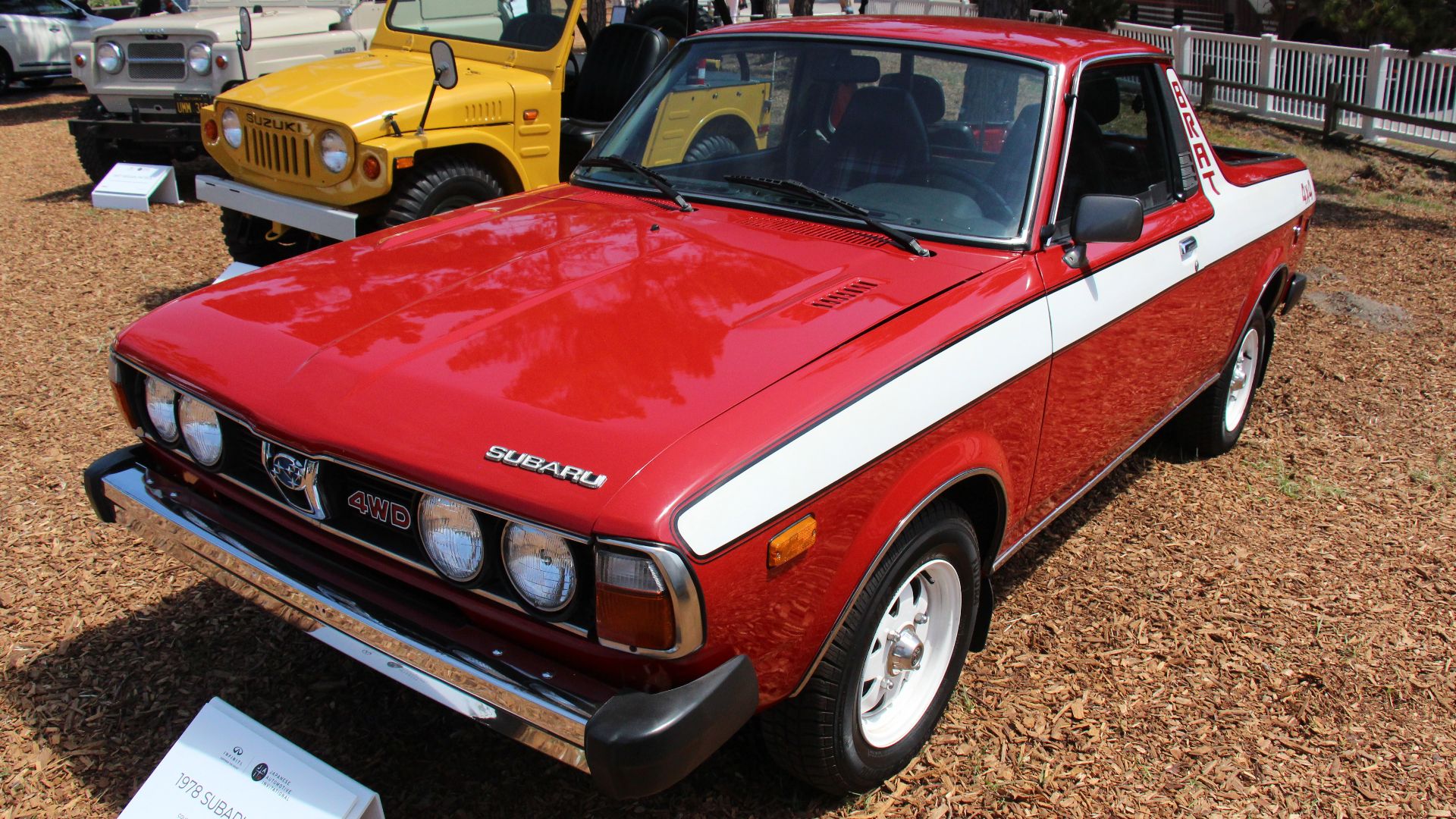
Subaru BRAT
Subaru introduced the BRAT to America for 1978 as a small four-wheel-drive utility vehicle with an open cargo bed. Its name stood for Bi-drive Recreational All-terrain Transporter, but also meant a badly behaved child. Subaru still celebrates the BRAT today, though reviving that badge for a new model would certainly get attention.
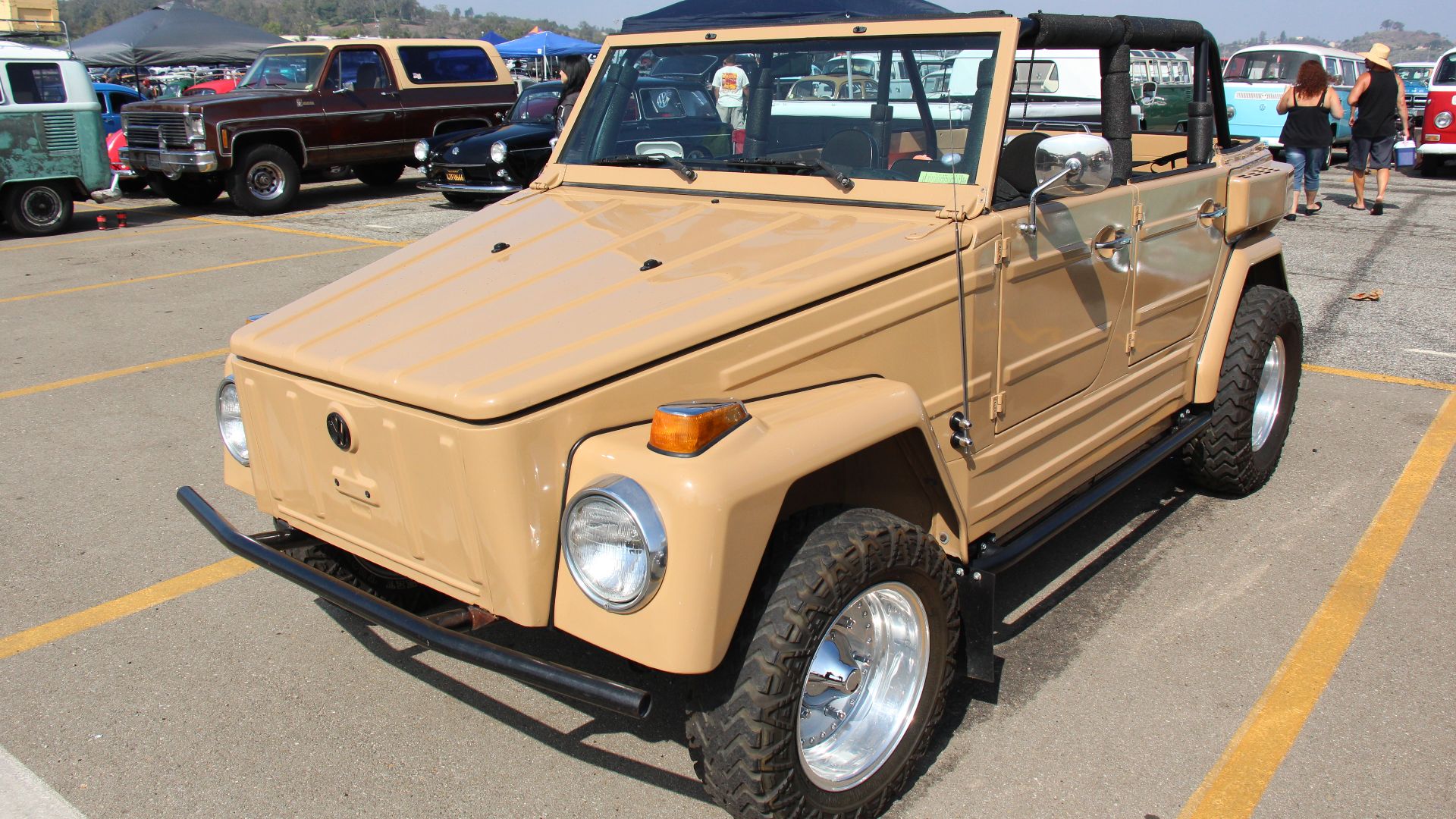
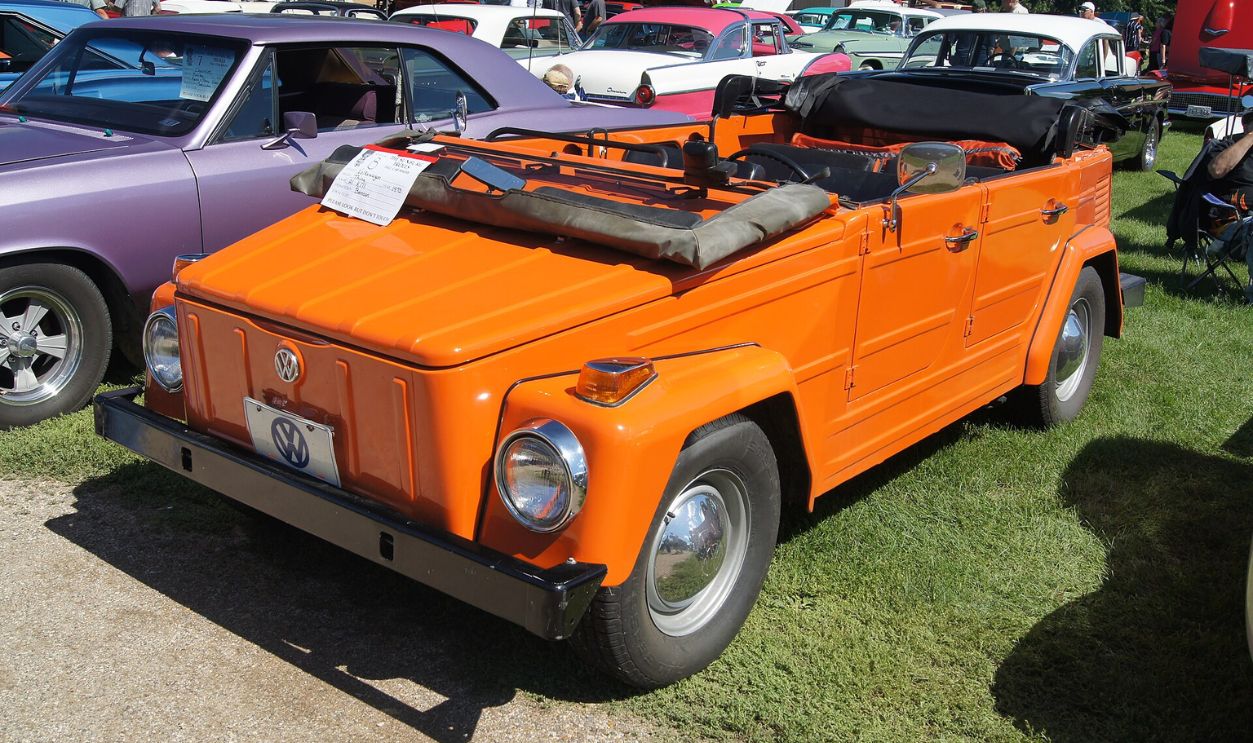
Volkswagen Thing
Volkswagen’s utilitarian Type 181 reached North America for 1973 wearing one of the most wonderfully vague names in automotive history: Thing. Other markets received names including Trekker and Safari, but American buyers simply got the Volkswagen Thing. In an era of carefully researched names such as Atlas, Taos, and Tiguan, deliberately launching a brand-new vehicle called the Thing would feel almost rebellious.
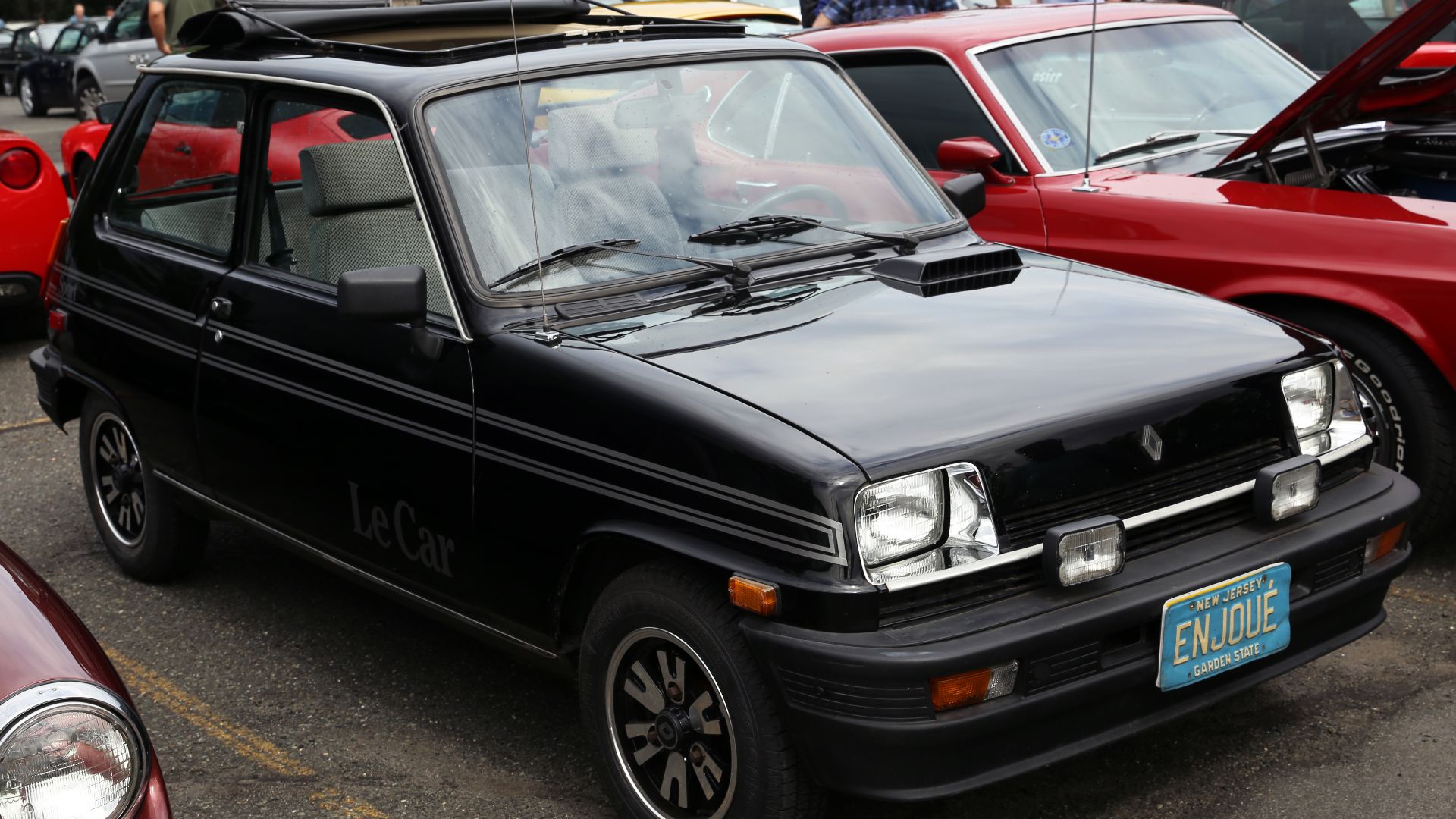
Renault Le Car
The Renault 5 was a massive success in Europe, but American buyers received it under the wonderfully literal name Le Car beginning in the 1970s. Renault apparently decided that adding the French article “Le” to the English word “Car” was enough to give its small hatchback a distinct American identity. The name now feels so stereotypically French that it sounds more like a comedy sketch than a multinational product strategy.
 Mr.choppers, Wikimedia Commons
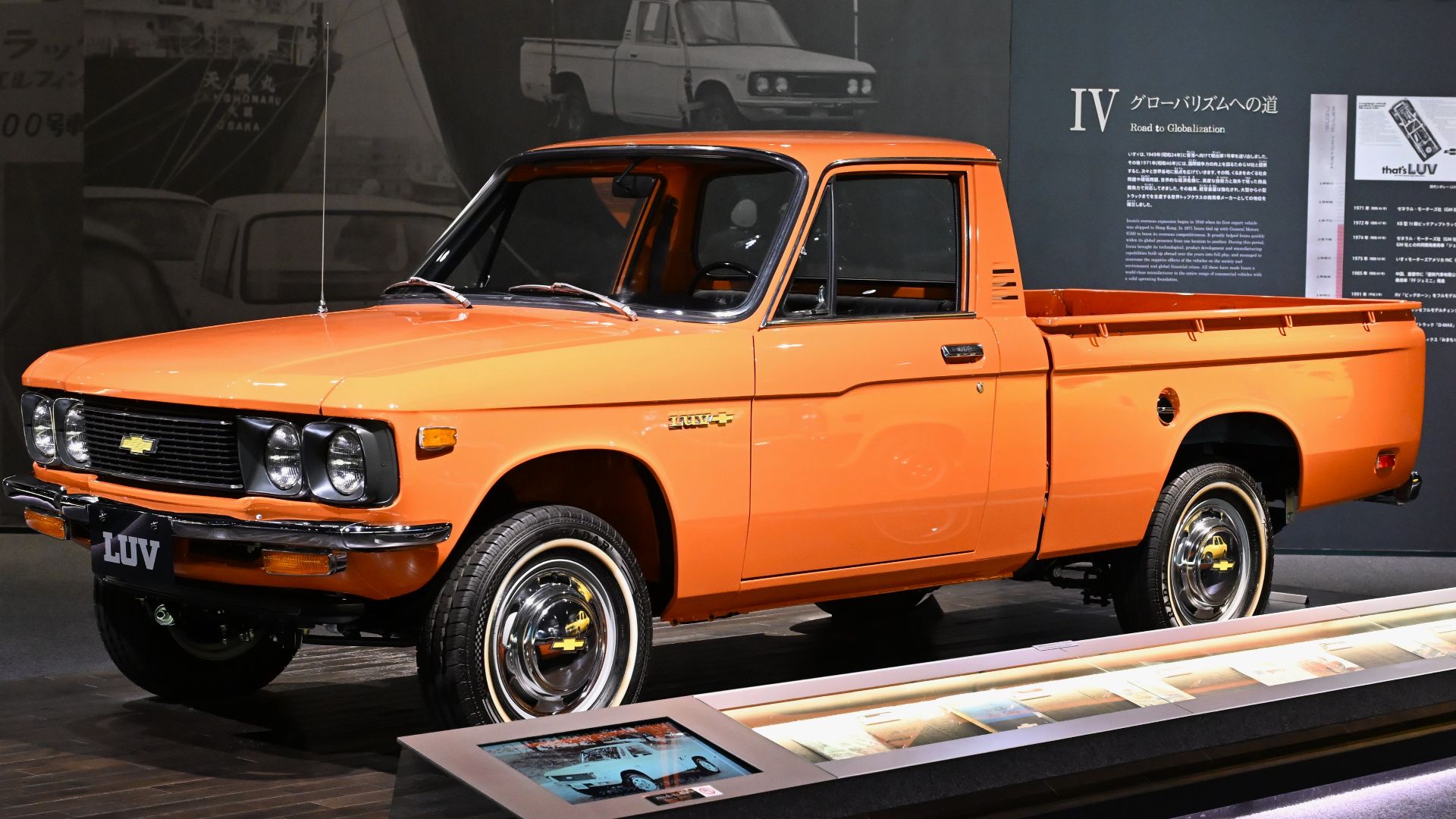
Chevrolet LUV
Chevrolet needed a compact pickup to challenge the increasingly popular Japanese competition, so it began selling an Isuzu-built truck as the LUV in the early 1970s. The letters officially represented Light Utility Vehicle, creating one of Detroit’s more obvious attempts at turning an acronym into something memorable. “Chevy LUV” certainly had personality, although today it sounds more like a personalized license plate than the name of a serious pickup.
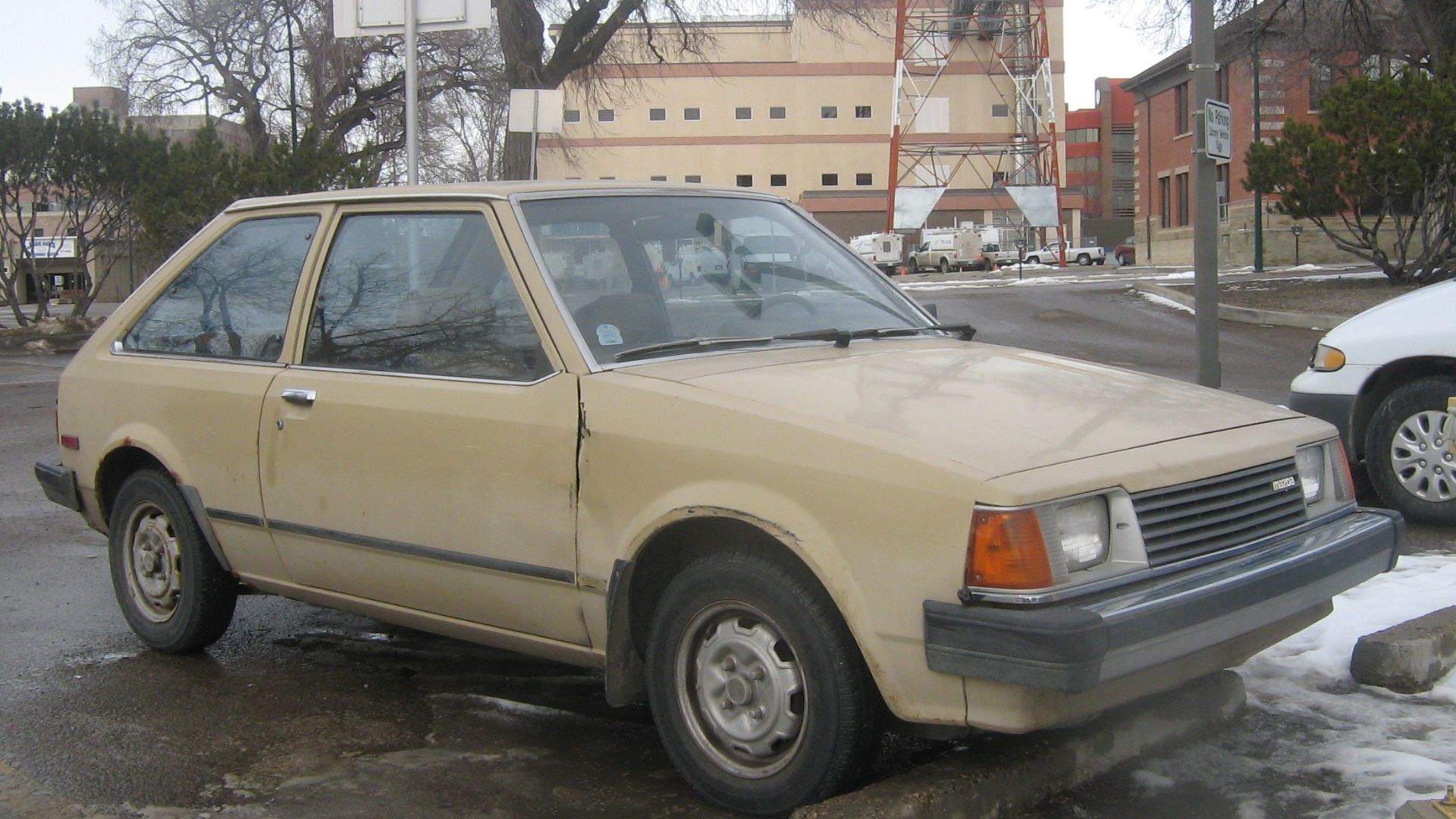
Mazda GLC
Mazda introduced Americans to the GLC in 1977. Car and Driver reported at the time that the letters technically had no hidden meaning, although Mazda suggested buyers could interpret them as “Great Little Car.” Automotive names rarely get more confident or more straightforward than effectively calling your own new model great before customers have even driven it.
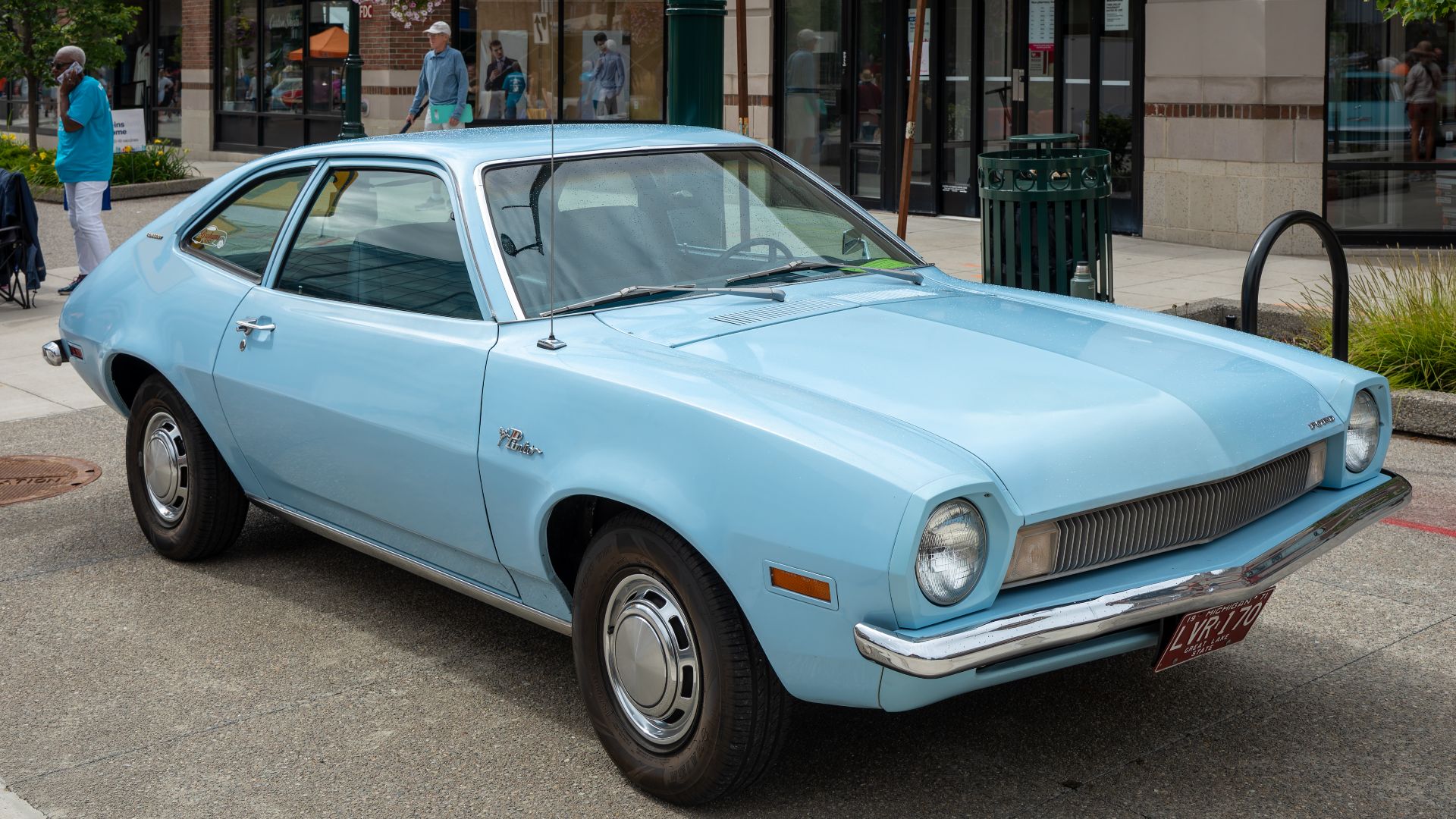
Ford Pinto
Ford introduced the Pinto as its answer to growing demand for small cars in the 1970s. Its reputation was badly damaged by controversy over rear-impact fuel-system safety, followed by a major 1978 recall. Today, Pinto is one heritage name Ford would have a very hard time reviving.
 Mustang Joe, Wikimedia Commons
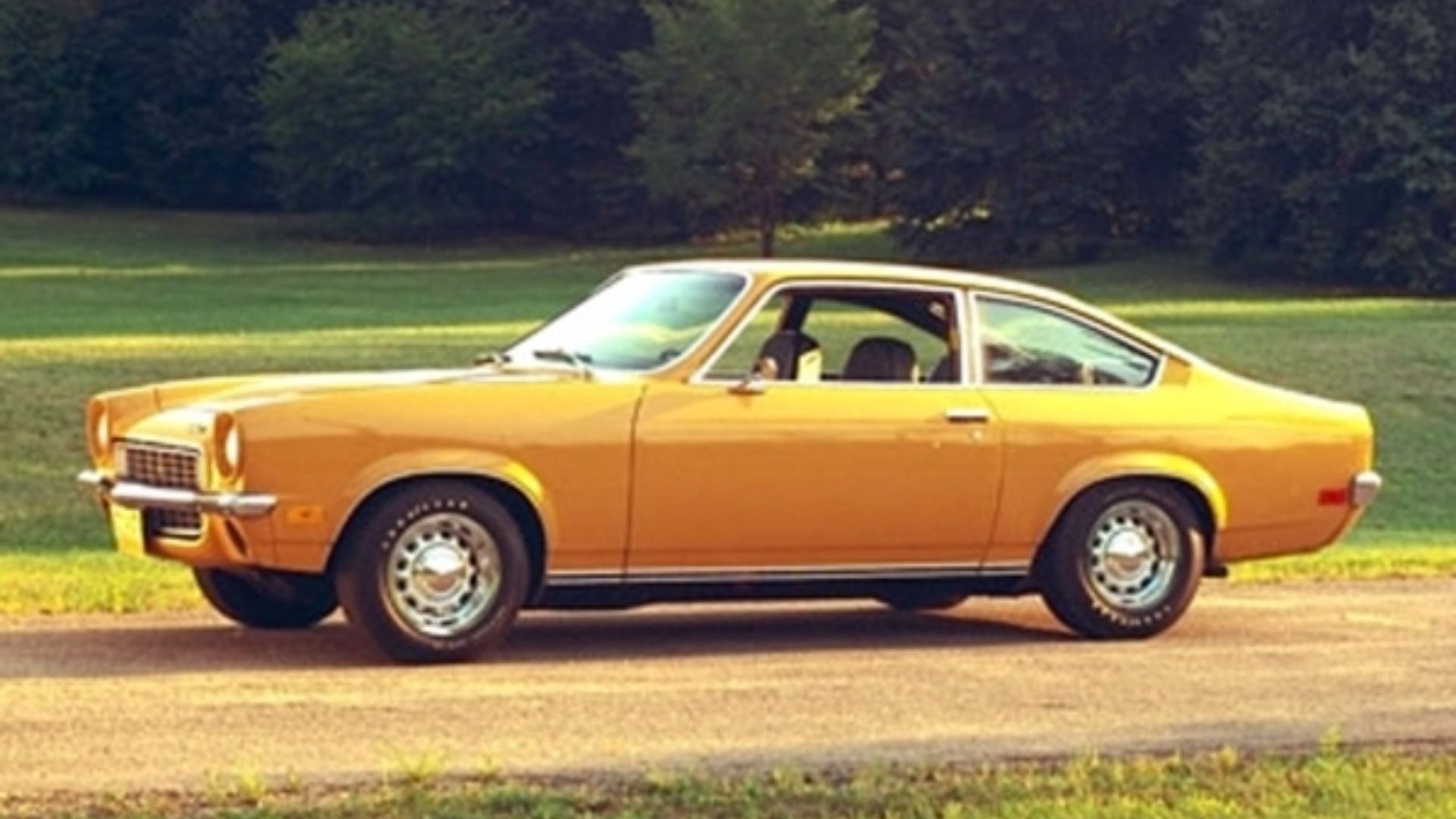
Chevrolet Vega
Chevrolet launched the Vega with ambitious engineering and enough early promise to win MotorTrend’s 1971 Car of the Year award. Corrosion, recalls, and engine problems badly damaged its reputation, despite later improvements. Vega remains a usable celestial name, but its baggage makes a revival hard to imagine.
 Chevrolet pre-1978, Wikimedia Commons
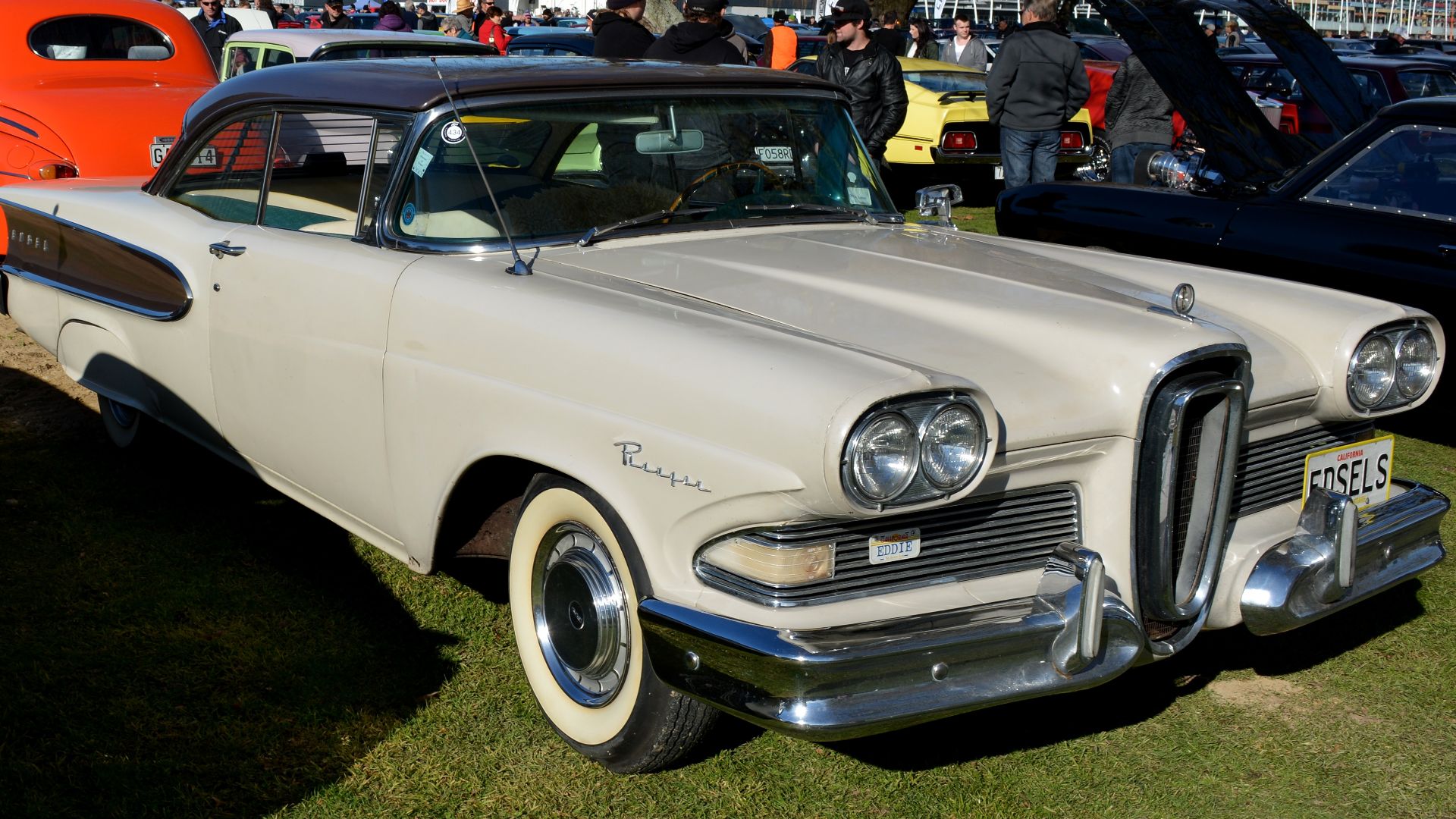
Ford Edsel
Ford introduced the Edsel with extraordinary publicity in September 1957 after investing heavily in developing and marketing its new division. Buyers never arrived in the numbers Ford expected, and production was abandoned after only a few years. The failure became so famous that the Edsel name itself turned into cultural shorthand for a disastrously unsuccessful product, which makes a Ford revival extremely hard to imagine.
 GPS 56 from New Zealand, Wikimedia Commons
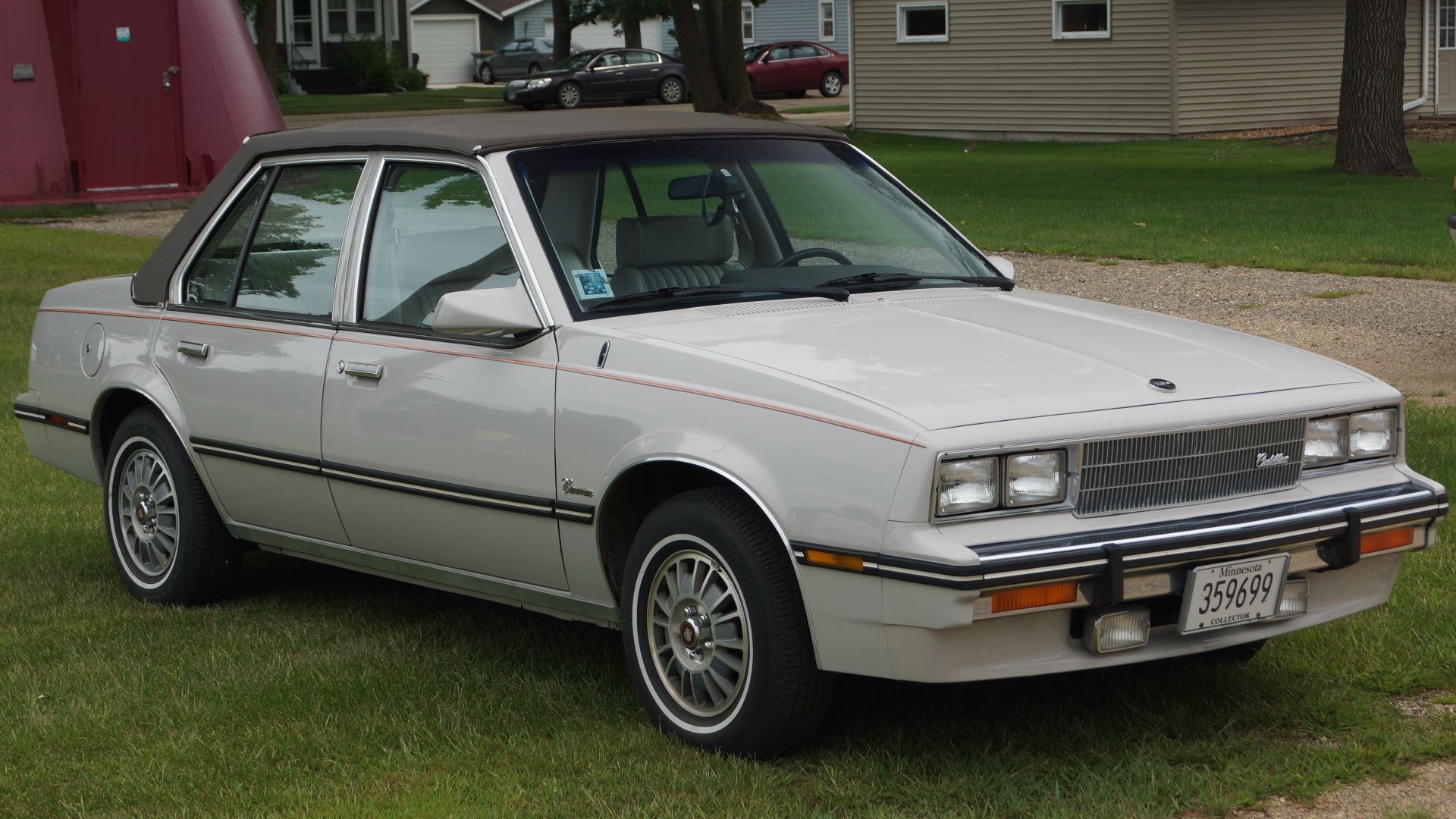
Cadillac Cimarron
Cadillac introduced the Cimarron for the 1982 model year as a compact luxury car based heavily on GM’s front-wheel-drive J-car architecture. Its close relationship to the much cheaper Chevrolet Cavalier became a symbol of the badge engineering that damaged Cadillac’s prestige during the era. Cadillac has spent decades rebuilding its performance and luxury credentials, so Cimarron is unlikely to be the heritage badge executives rush to resurrect.
 Greg Gjerdingen, Wikimedia Commons
Pontiac Aztek
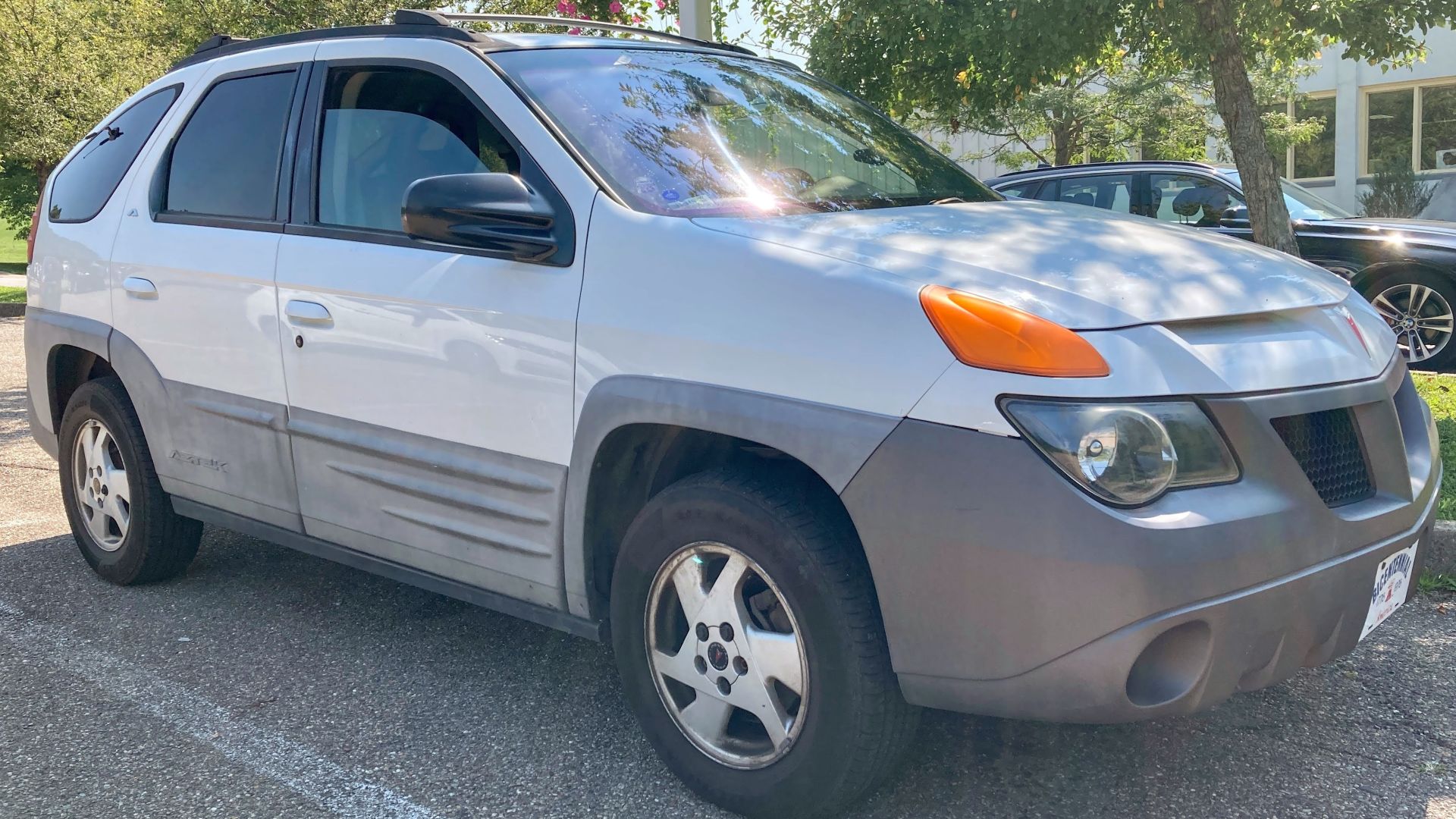
Pontiac launched the Aztek for 2001 with adventurous intentions and genuinely useful features. Its heavily cladded styling was widely criticized and quickly became infamous. The Aztek has gained some ironic affection since then, but the name is still so tied to that design that a revival would invite instant comparisons.
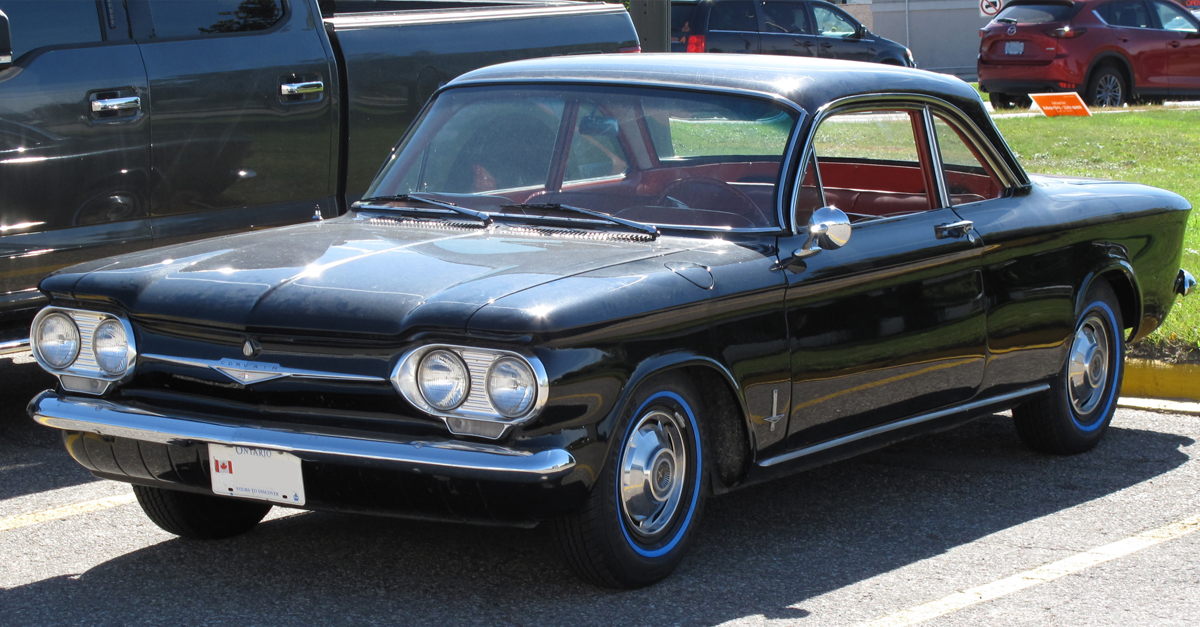
Chevrolet Corvair
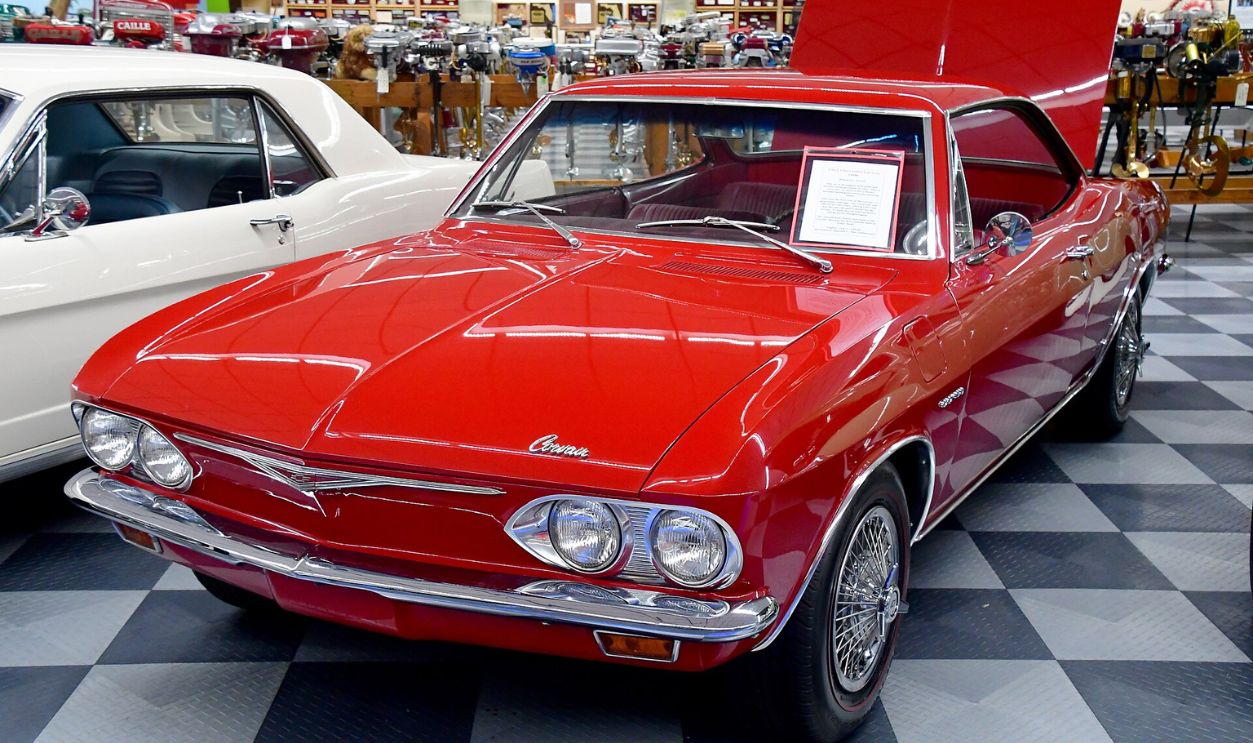
The Chevrolet Corvair was one of Detroit’s boldest experiments, with an air-cooled rear engine and independent suspension. Ralph Nader’s 1965 book Unsafe at Any Speed made it central to a national safety debate, even though a later federal study found its stability comparable with other compact cars. That legacy makes Corvair a tough badge to revive.
 Eric Friedebach, Wikimedia Commons
AMC Matador
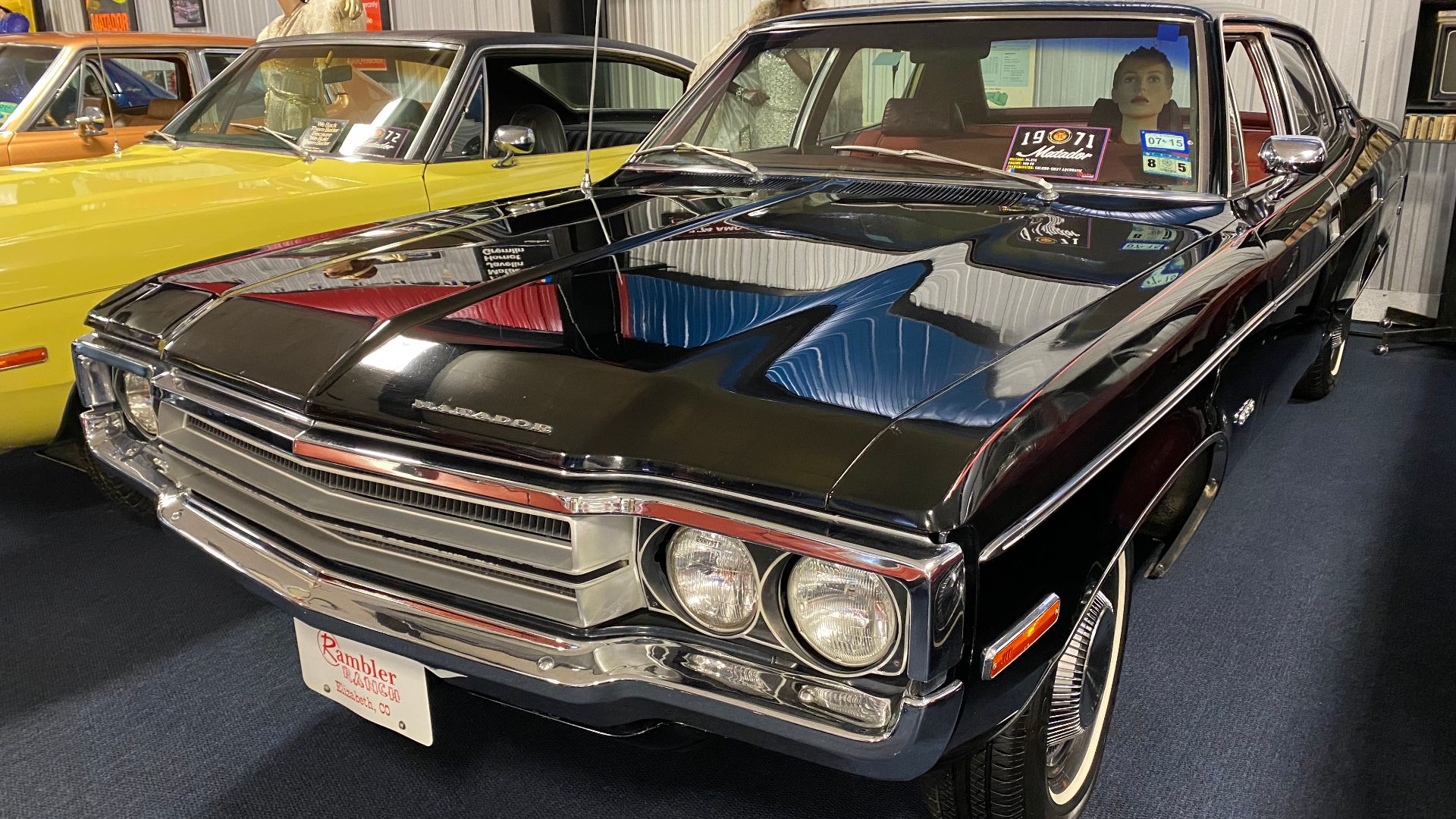
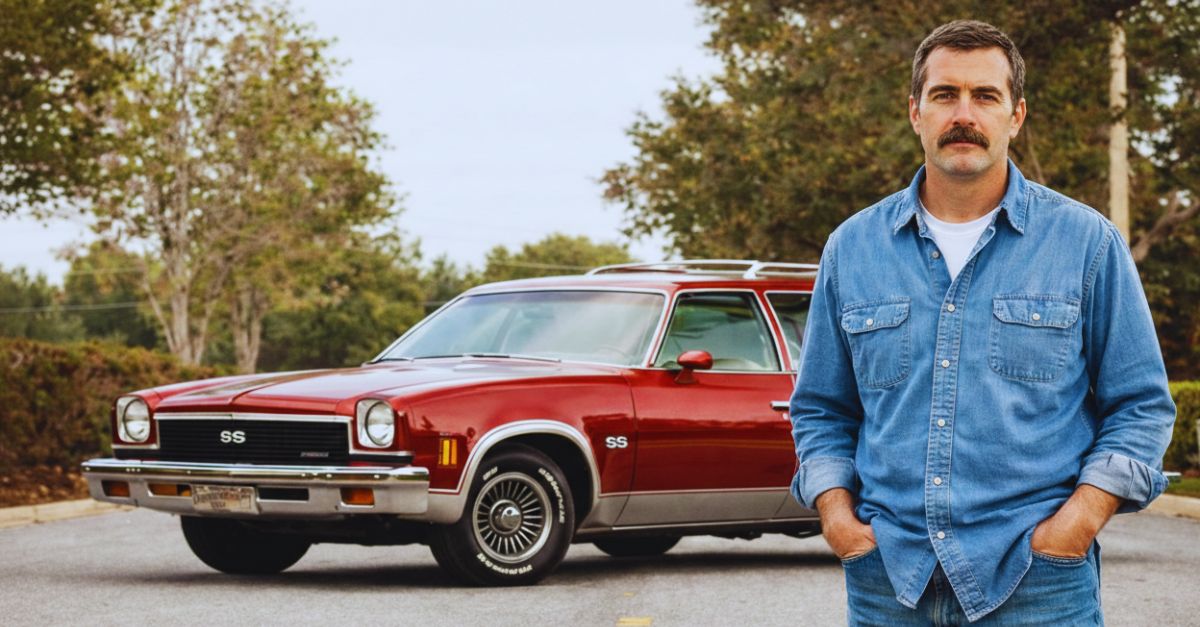
AMC replaced the Rebel with the Matador for 1971, offering sedans, wagons, and coupes under the new badge. The cars ranged from practical family transportation to police vehicles and NASCAR racers, so the aggressive name covered a surprisingly wide spectrum. Naming an ordinary modern family sedan after the central figure in a bullfight would be a much harder branding conversation today.
AMC Rebel
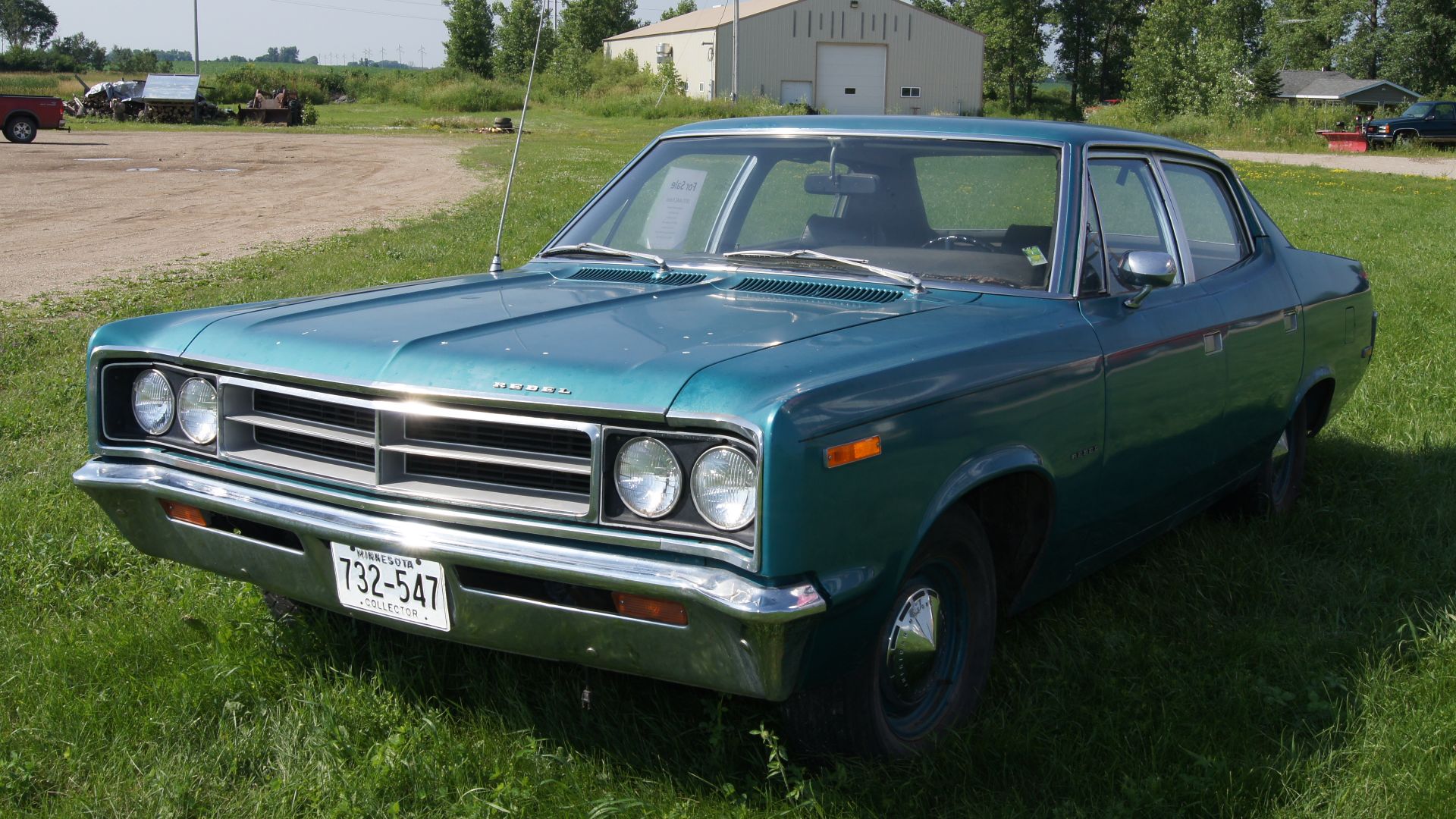
AMC used Rebel for its midsize line through 1970, culminating in the 390 V8-powered Rebel Machine. The name still sounds suitably aggressive, but its political and cultural baggage would make it a much tougher sell for a mainstream automaker today.
 Greg Gjerdingen from Willmar, USA, Wikimedia Commons
Plymouth Cricket
Plymouth’s Cricket arrived in America for 1971 as a version of the British-built Hillman Avenger. The inexpensive compact lasted only a few model years in the United States, making it one of the more obscure products ever to wear a Plymouth badge. Animal names remain common in the car business, but Cricket doesn't exactly project the strength, speed, or adventure modern automakers usually chase.
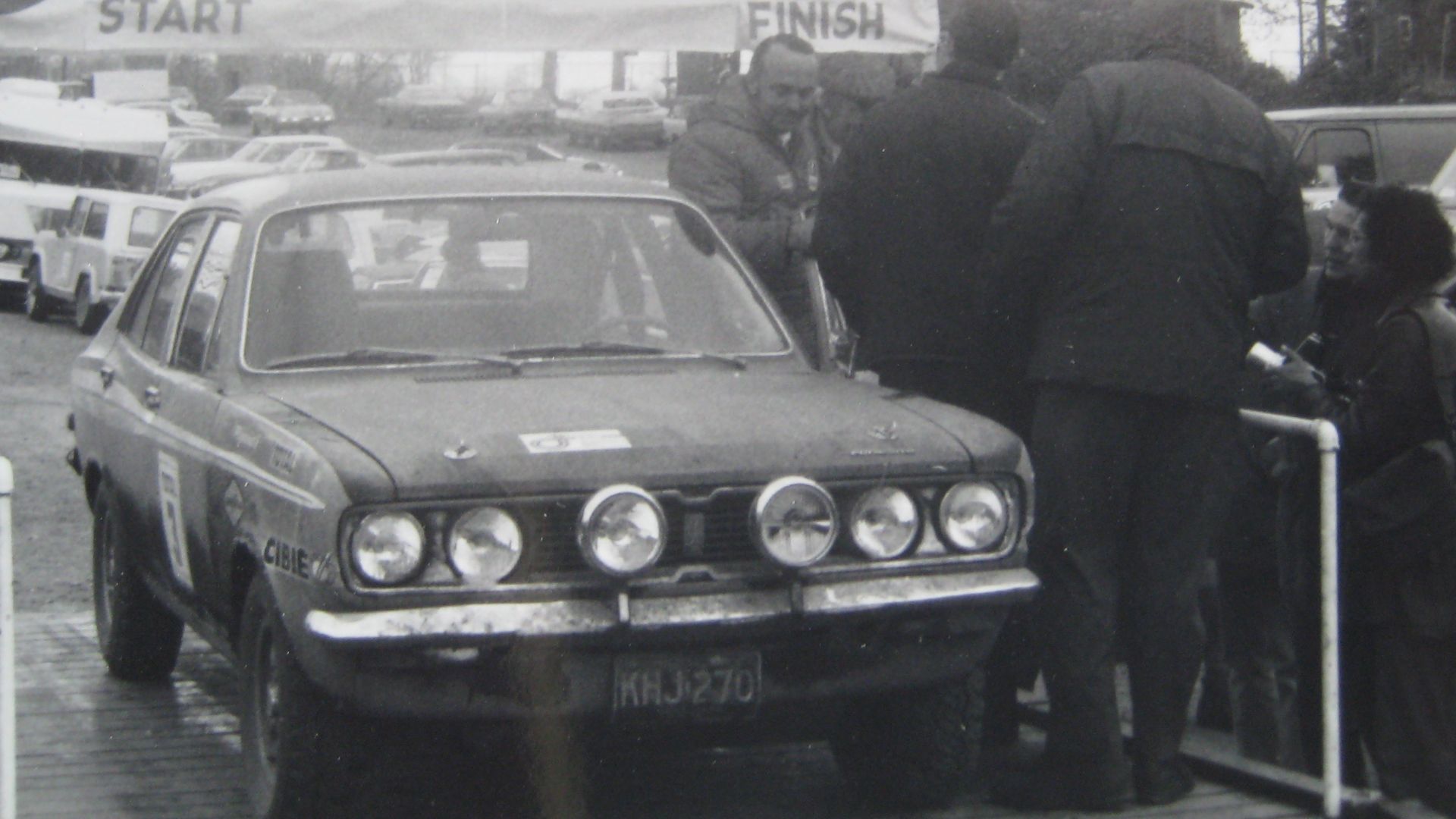 JOHN LLOYD from Hanover, Pennsylvania, United States, Wikimedia Commons
Daihatsu Charade
Daihatsu entered the American market for 1988 with the tiny Charade hatchback. The car was reasonably well regarded, but the name suggests pretending or deception in everyday English. For a little-known brand trying to win buyers’ trust, calling the car a Charade was an unusual choice.
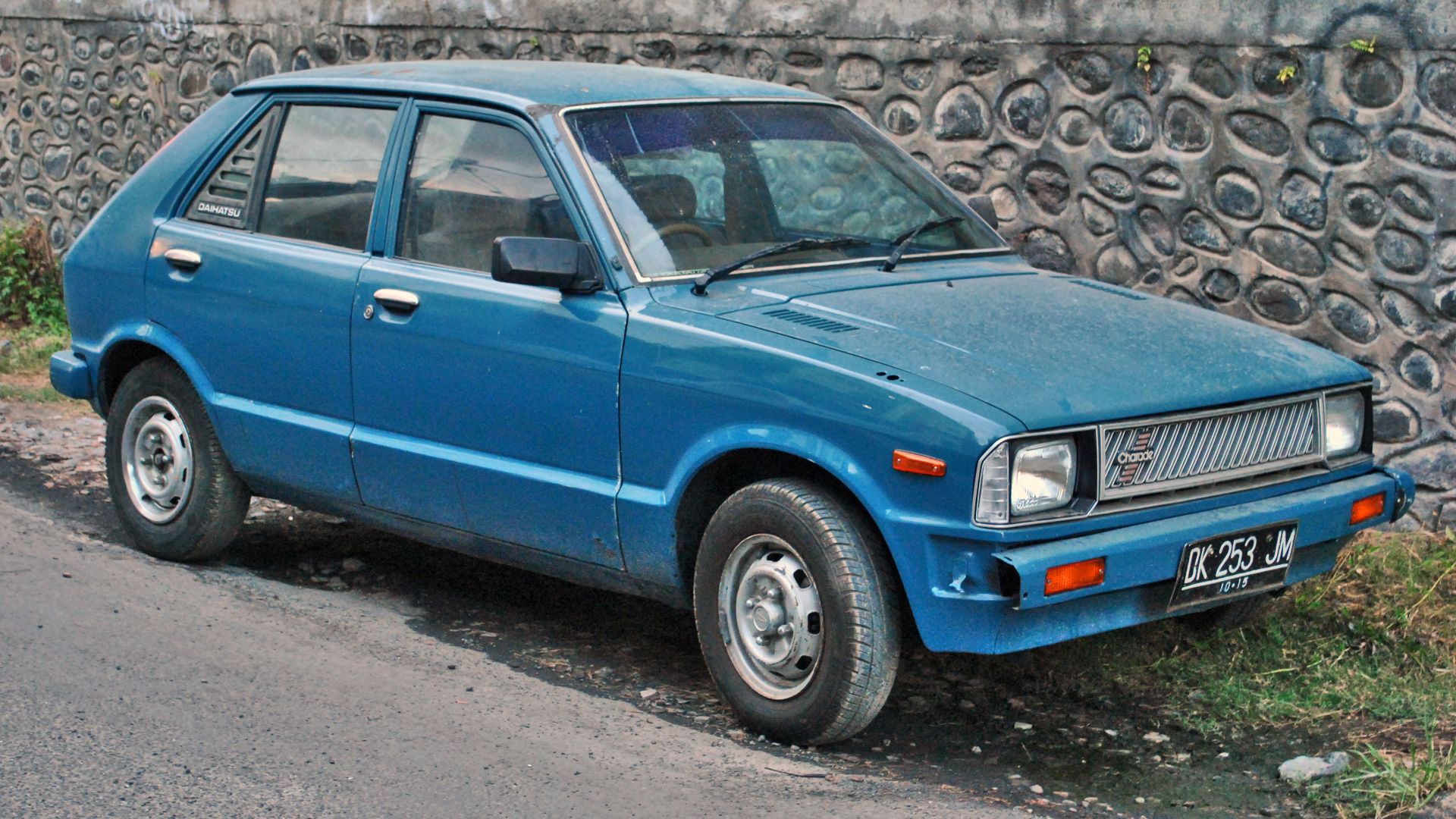 Sabung.hamster, Wikimedia Commons
Suzuki Esteem
Suzuki sold the Esteem in America during the late 1990s and early 2000s as an affordable sedan and wagon. The name later gained fresh recognition when a battered Esteem became Jimmy McGill’s car in Better Call Saul. Calling a budget compact “Esteem” still sounds oddly grand for such basic transportation.
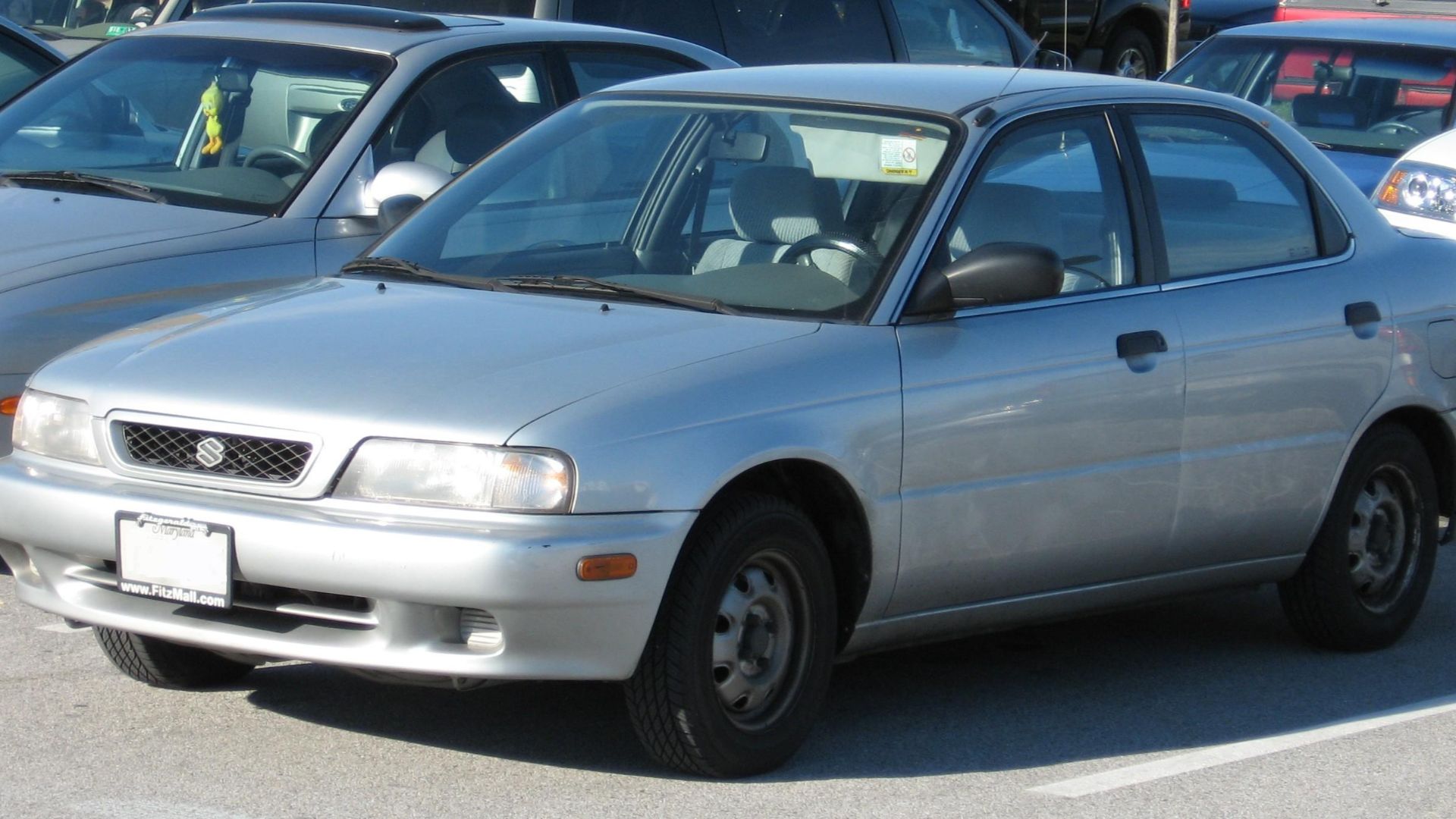
Chevrolet Celebrity
Chevrolet introduced the front-wheel-drive Celebrity as a 1982 model, and it became the bestselling car in America for 1986. Despite that success, even contemporary Car and Driver writers complained about the name while testing the sportier Celebrity Eurosport. A modern automaker could certainly revive the badge, but calling a sensible midsize family car “Celebrity” feels wonderfully tied to the excess and optimism of the 1980s.
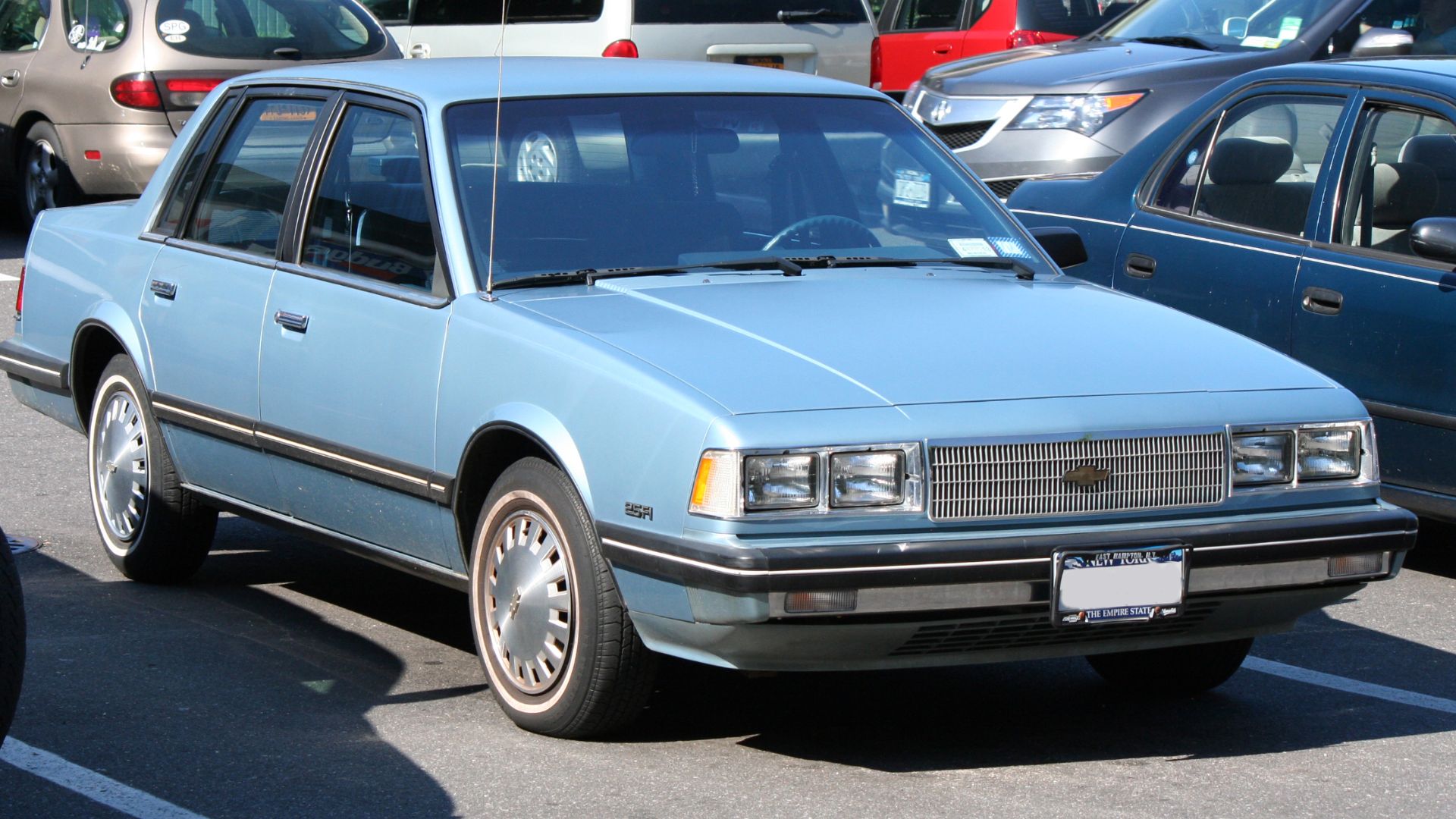 Mr.choppers, Wikimedia Commons
Some Names Really Belong To Their Era
Automakers still revive famous badges when nostalgia can help sell a new vehicle, but not every old name travels well through time. Language changes, cultural attitudes shift, and a disastrous vehicle can permanently attach its reputation to what was once an innocent word. That leaves names like Dictator, Confederate, Probe, Thing, and Celebrity as reminders that automotive branding used to be considerably less cautious.
 Greg Gjerdingen from Willmar, USA, Wikimedia Commons
You May Also Like:
Classic Car Badges That Used To Mean Something Special—Do You Still Have A Favorite?
Forgotten Coupes From The 1980s—Seriously, Do You Remember Even 5 Of These Cars?
Drivers Still Miss Front Bench Seats, So Why Did Automakers Abandon Them?
Sources: 1, 2, 3, 4, 5, 6, 7, 8, 9, 10, 11, 12, 13, 14, 15, 16, 17, 18, 19, 20, 21, 22, 23, 24, 25, 26, 27

_(cropped).jpg)
.jpg?)
_(cropped).jpg)

