
When Two Doors Meant You Had Arrived
There was a time when buying a luxury car did not automatically mean choosing a giant four-door sedan. Detroit spent decades perfecting another formula: two doors, a long hood, an indulgent cabin, and enough chrome to signal success from three blocks away. These forgotten coupes kept that wonderfully excessive idea alive.
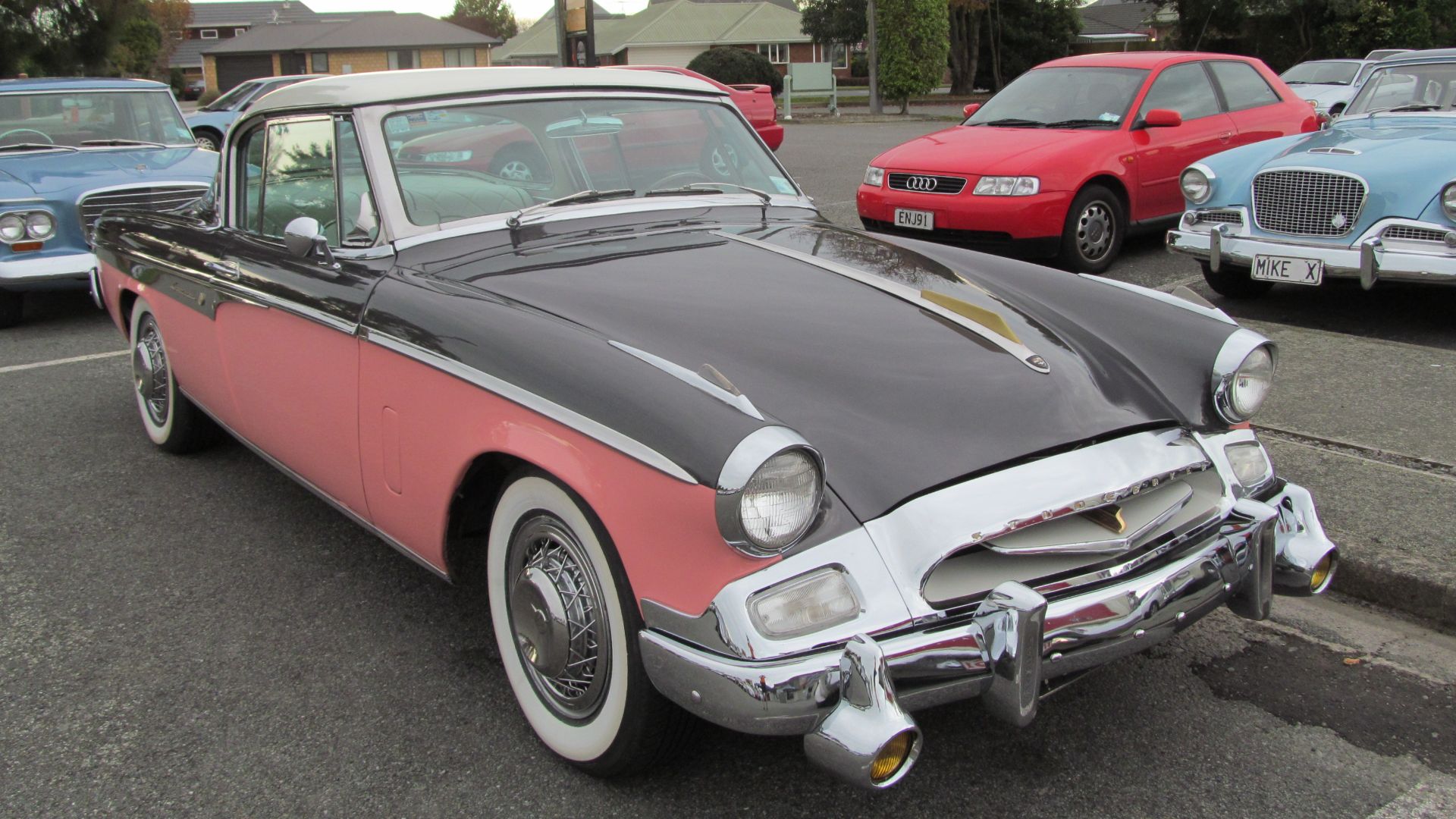
Studebaker President Speedster
Before “personal luxury car” became an industry buzzword, Studebaker was already experimenting with the recipe. The 1955 President Speedster wrapped V8 power, flashy trim, generous equipment, and distinctive two-tone styling around Studebaker’s sleek coupe body. It lasted only one year, but its influence was bigger than its production run.
 Riley from Christchurch, New Zealand, Wikimedia Commons
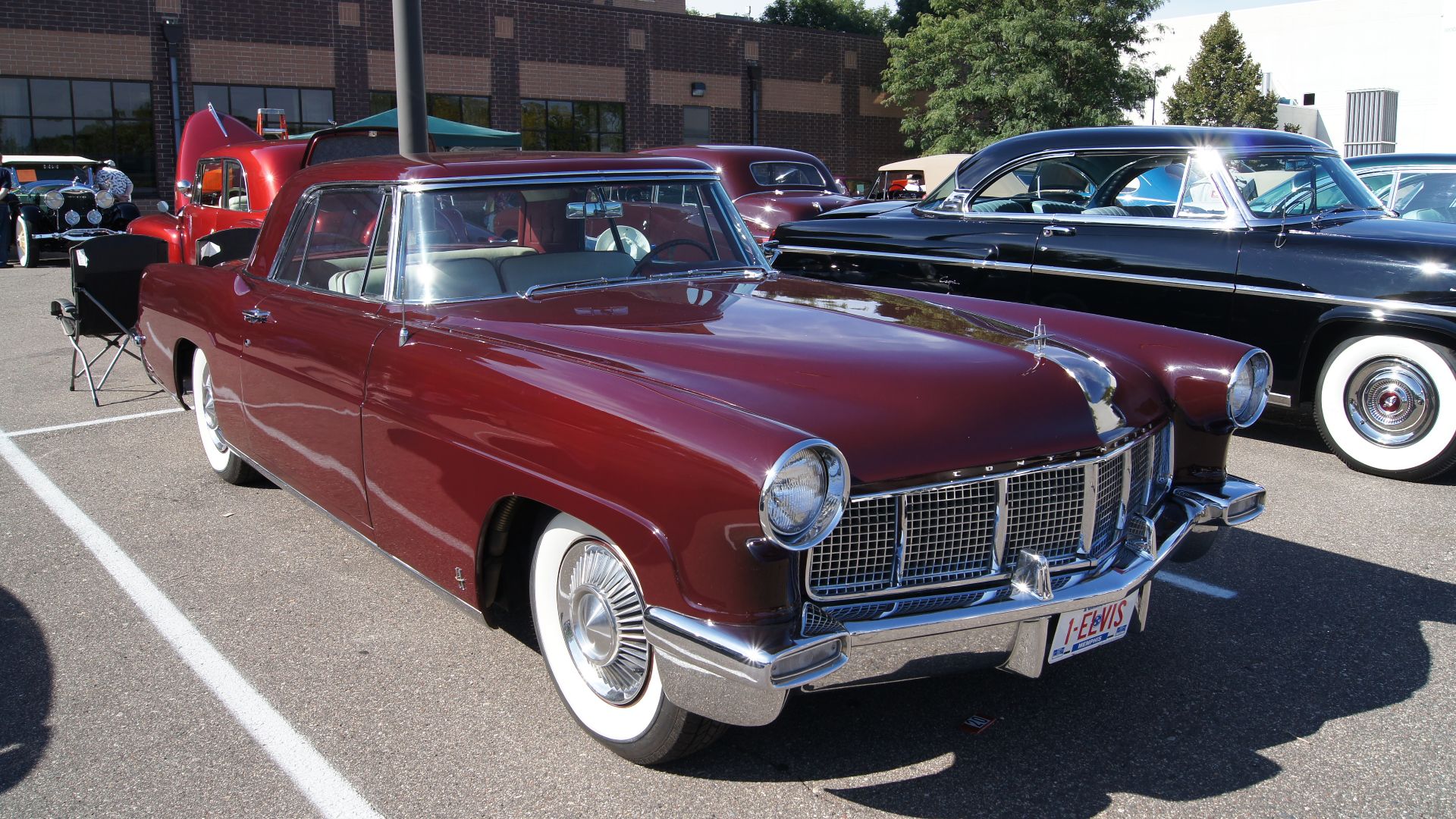
Continental Mark II
Ford created an entirely separate Continental division for this extraordinary 1956-57 coupe, and the Mark II was essentially American hand-built luxury at its most ambitious. Its restrained styling hid an obsessive level of finish, while its nearly $10,000 price rivaled Rolls-Royce territory. Roughly 3,000 were produced.
 Greg Gjerdingen from Willmar, USA, Wikimedia Commons
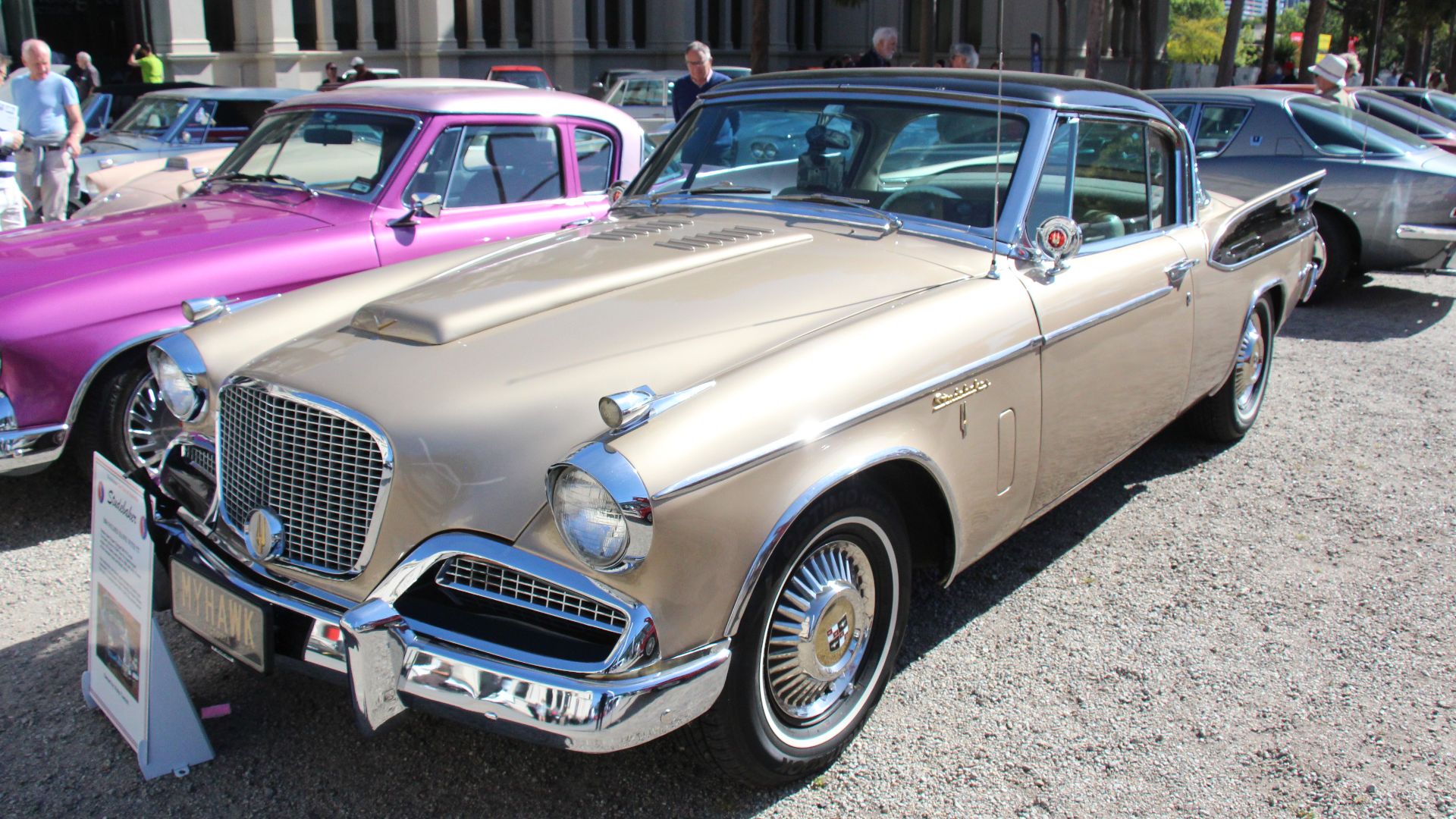
Studebaker Golden Hawk
The Golden Hawk looked like someone had taken Studebaker’s graceful coupe and fed it a steady diet of horsepower and expensive accessories. The 1956 version used a muscular Packard V8, while 1957-58 cars offered a supercharged Studebaker 289. Luxury, speed, and dramatic styling arrived years before Detroit fully embraced the formula.
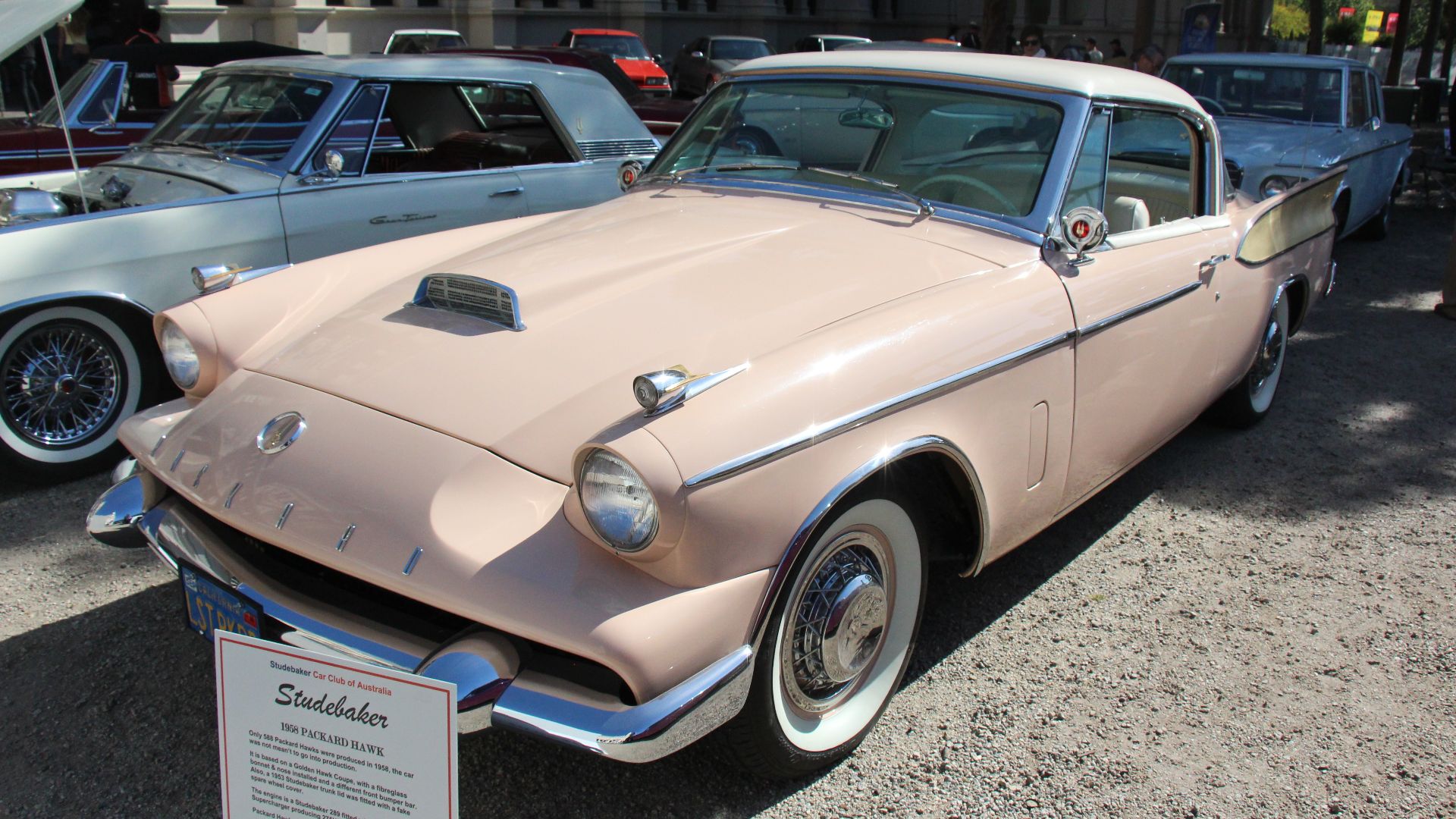
Packard Hawk
Packard’s final years produced some odd machinery, but the 1958 Hawk might be the most fascinating. Essentially an extra-luxurious Studebaker Golden Hawk wearing a dramatically restyled nose, it came with a supercharged 289-cubic-inch V8 and a leather-lined cabin. Only 588 were built, making surviving examples seriously unusual today.
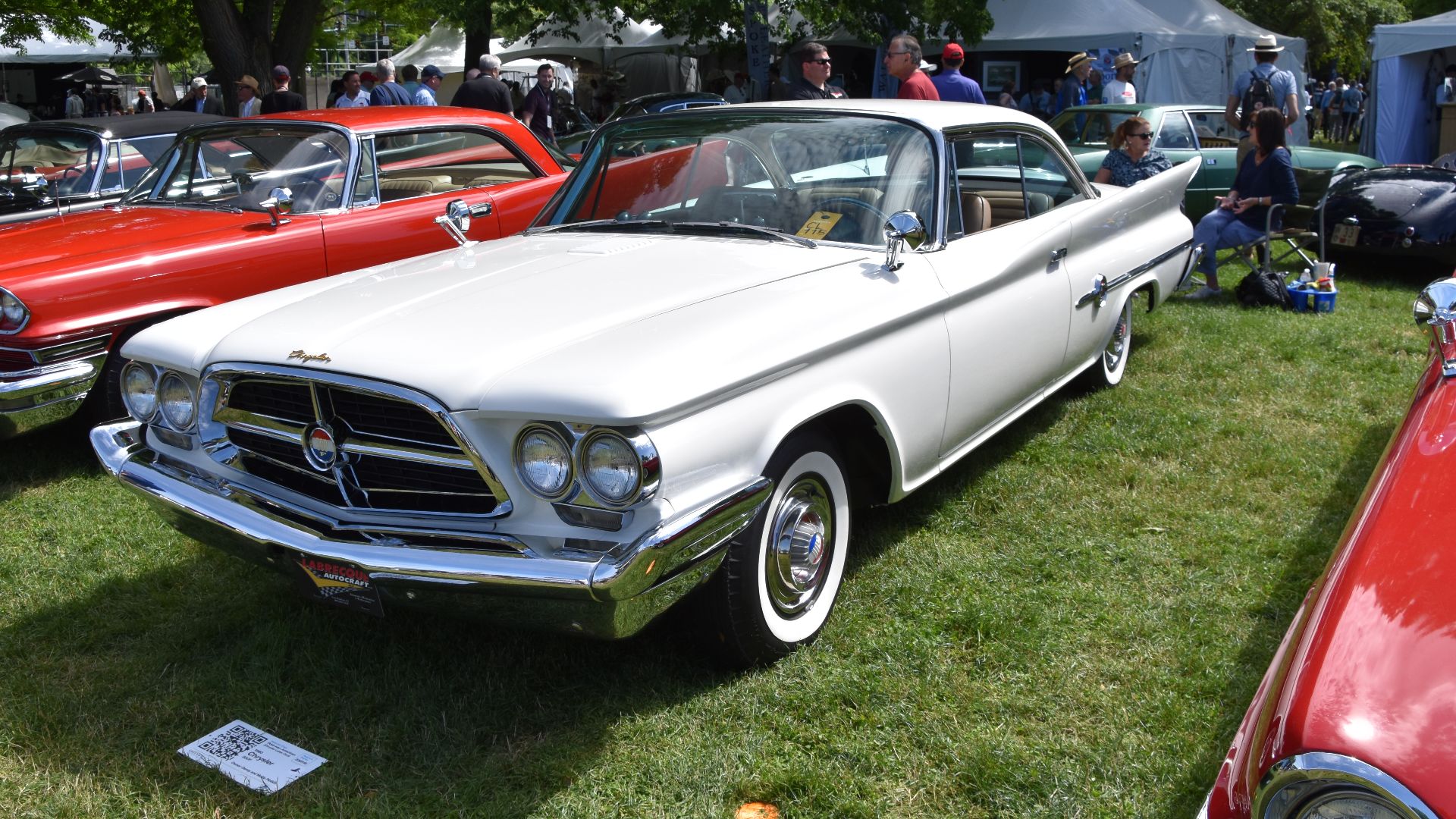
Chrysler 300F
The letter-series Chrysler 300s blended luxury and brute strength before that combination became routine. The 1960 300F was especially memorable, with sweeping tailfins, swivel front seats, wild dashboard styling, and a mighty 413-cubic-inch V8. It was equal parts boulevard cruiser, executive express, and enormous piece of rolling mid-century optimism.
 Charles from Port Chester, New York, Wikimedia Commons
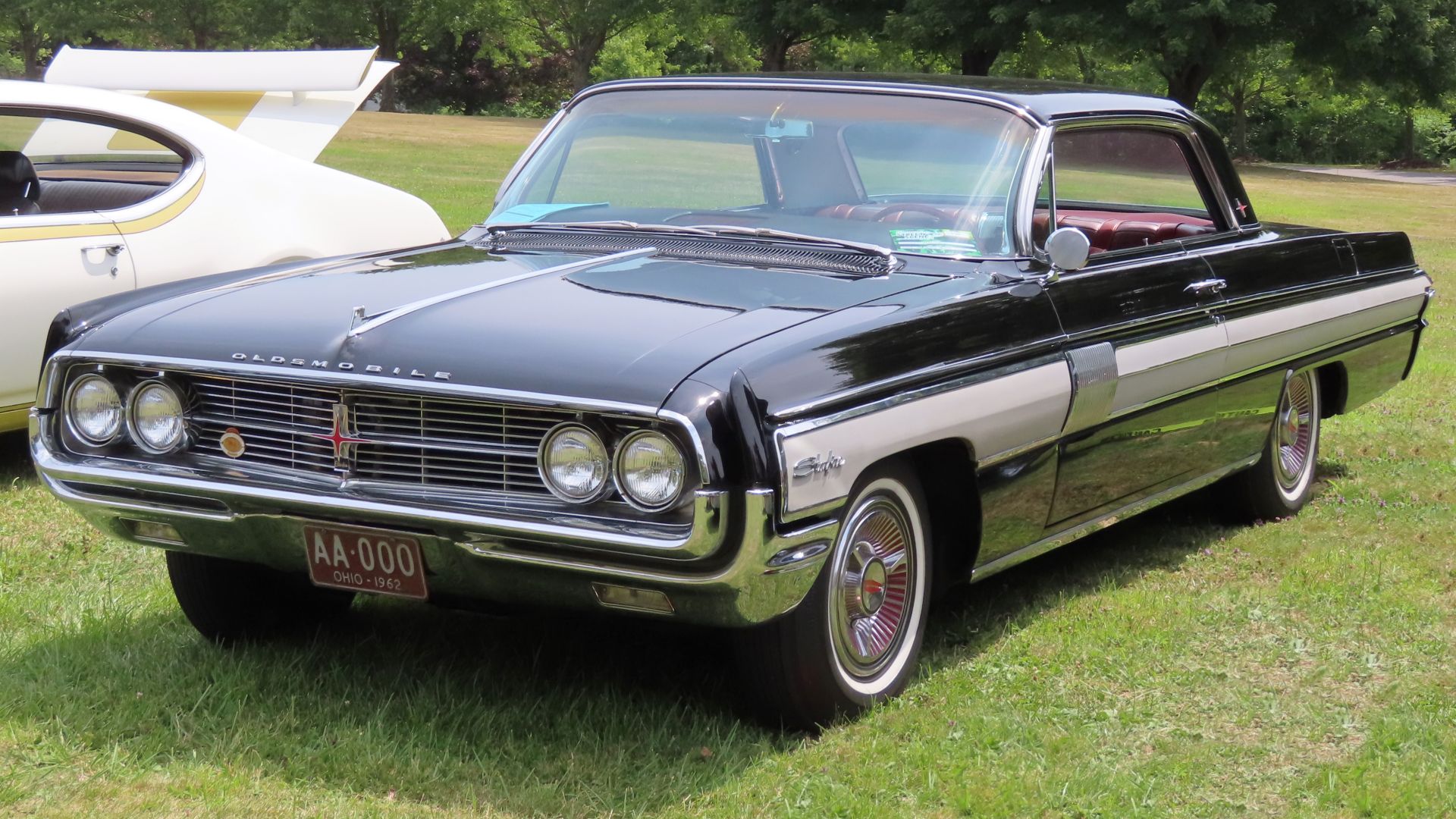
Oldsmobile Starfire Coupe
Oldsmobile turned the Starfire into a full-fledged hardtop coupe for 1962, creating an expensive, lavishly trimmed machine aimed squarely at customers who wanted their comfort with a little swagger. Bucket seats, a center console, V8 power, and flashy aluminum trim helped distinguish it from the ordinary family Oldsmobiles surrounding it.
 MercurySable99, Wikimedia Commons
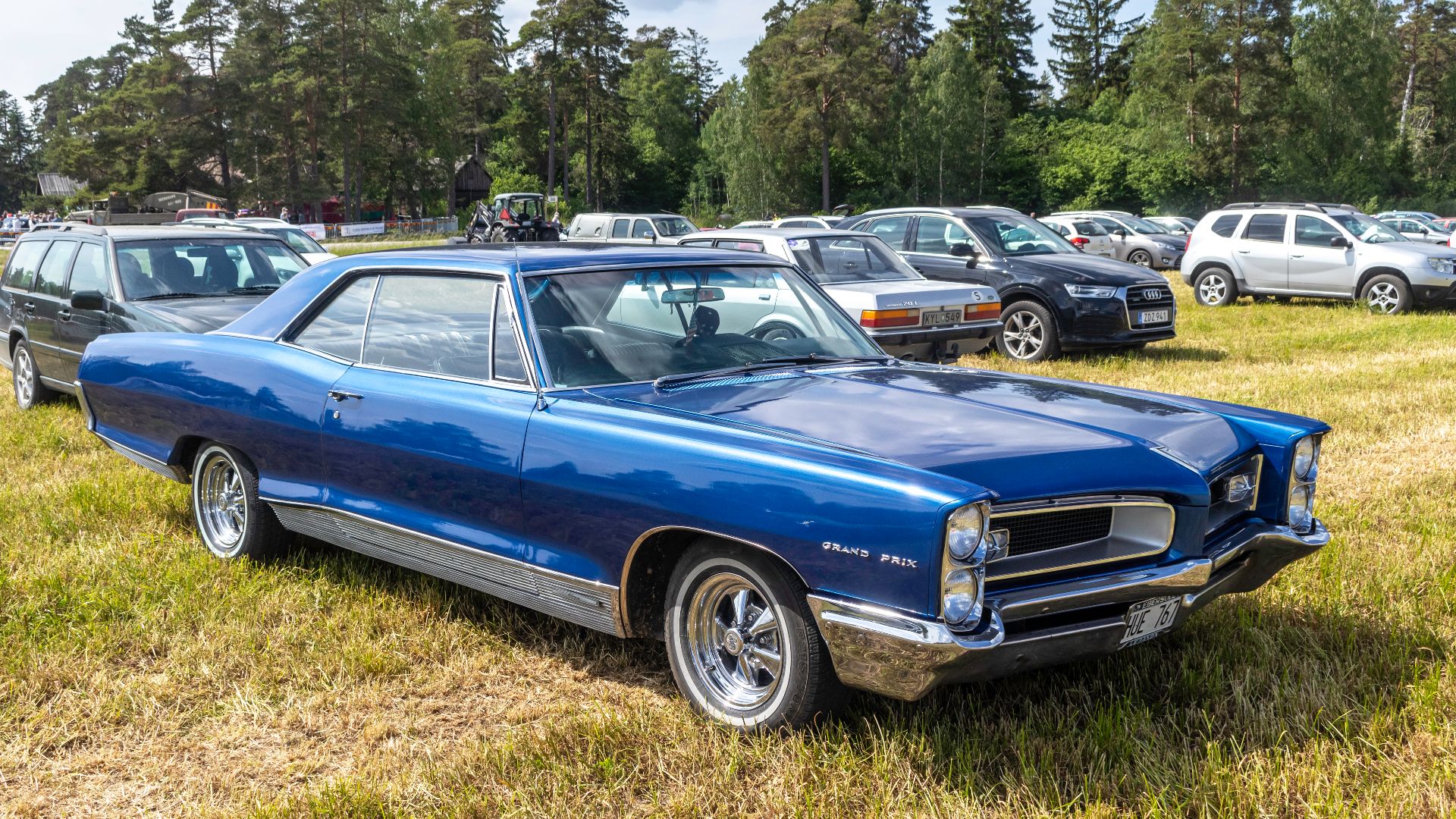
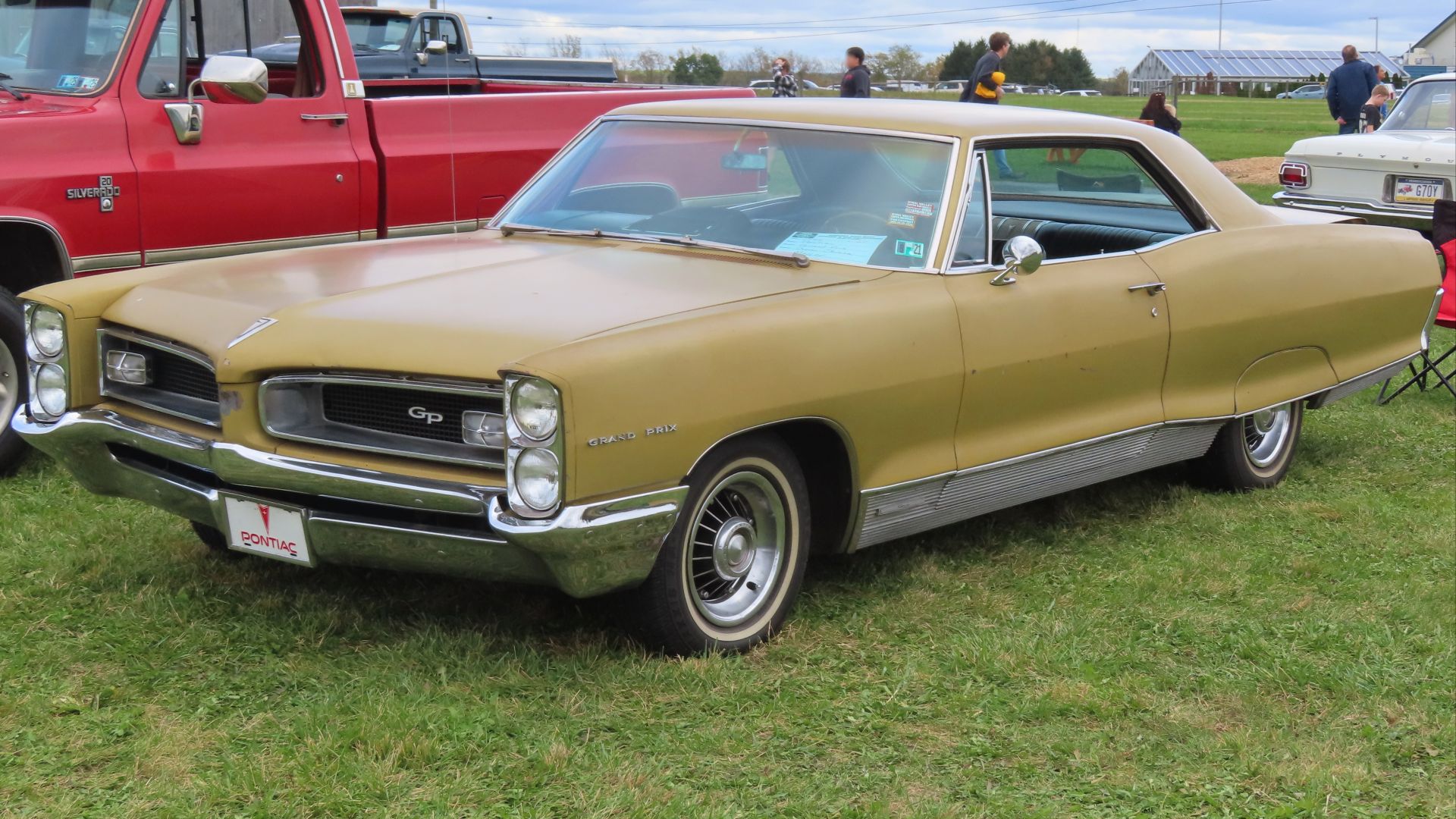
Pontiac Grand Prix
The original 1962 Grand Prix was enormous by modern standards, yet Pontiac treated it like a sporty personal car. Bucket seats, a console, restrained exterior brightwork, and serious V8 choices gave it attitude. It was a luxury coupe for buyers who considered themselves too young—or perhaps too interesting—for a conventional luxury sedan.
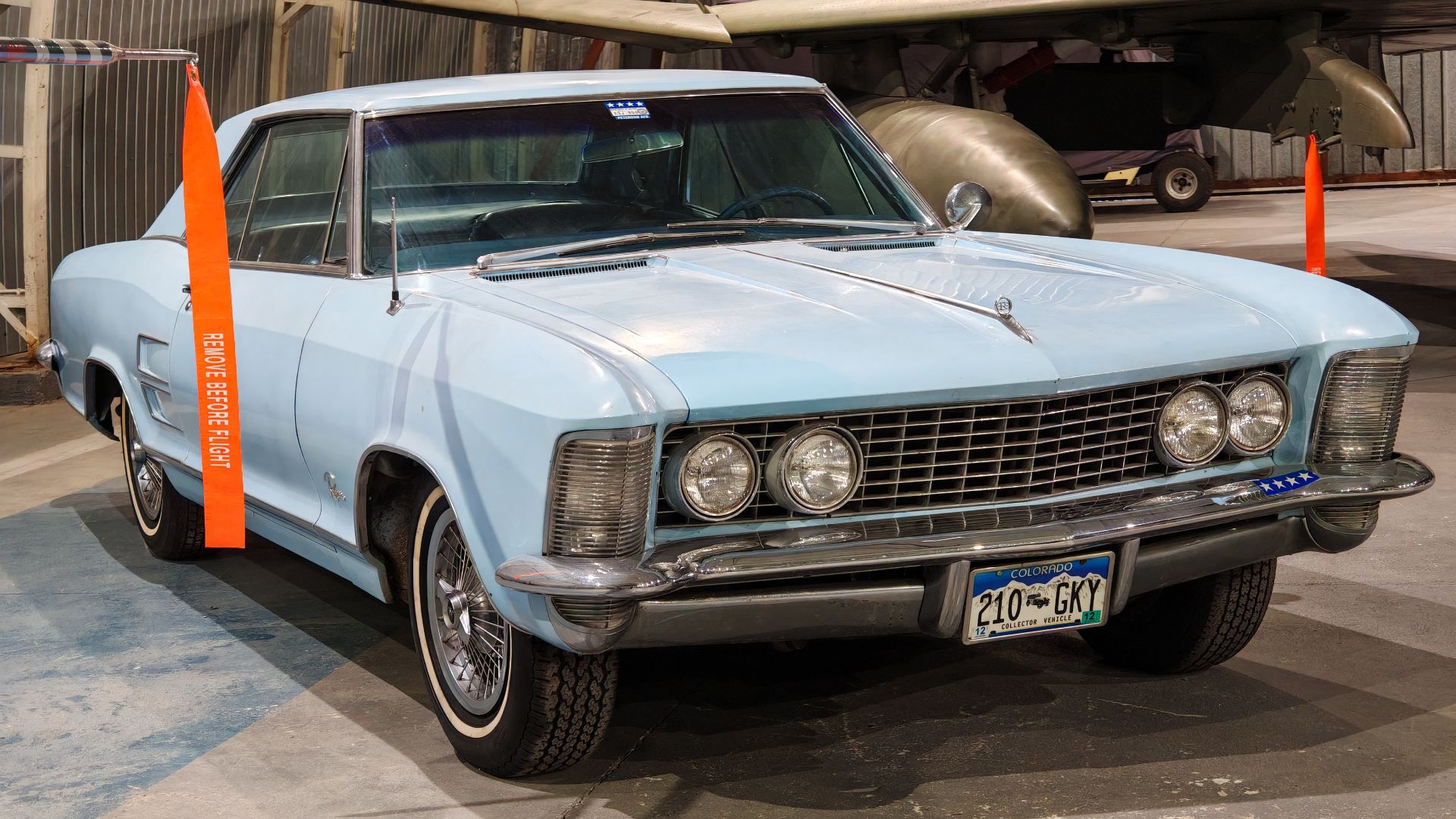
Buick Riviera
The 1963 Riviera remains famous among designers, but plenty of casual enthusiasts forget just how radical it seemed at launch. Its razor-edged body rejected the usual fins and excessive decoration, while the cabin offered four-place luxury. Buick had created a true Thunderbird rival without simply copying Ford’s homework.
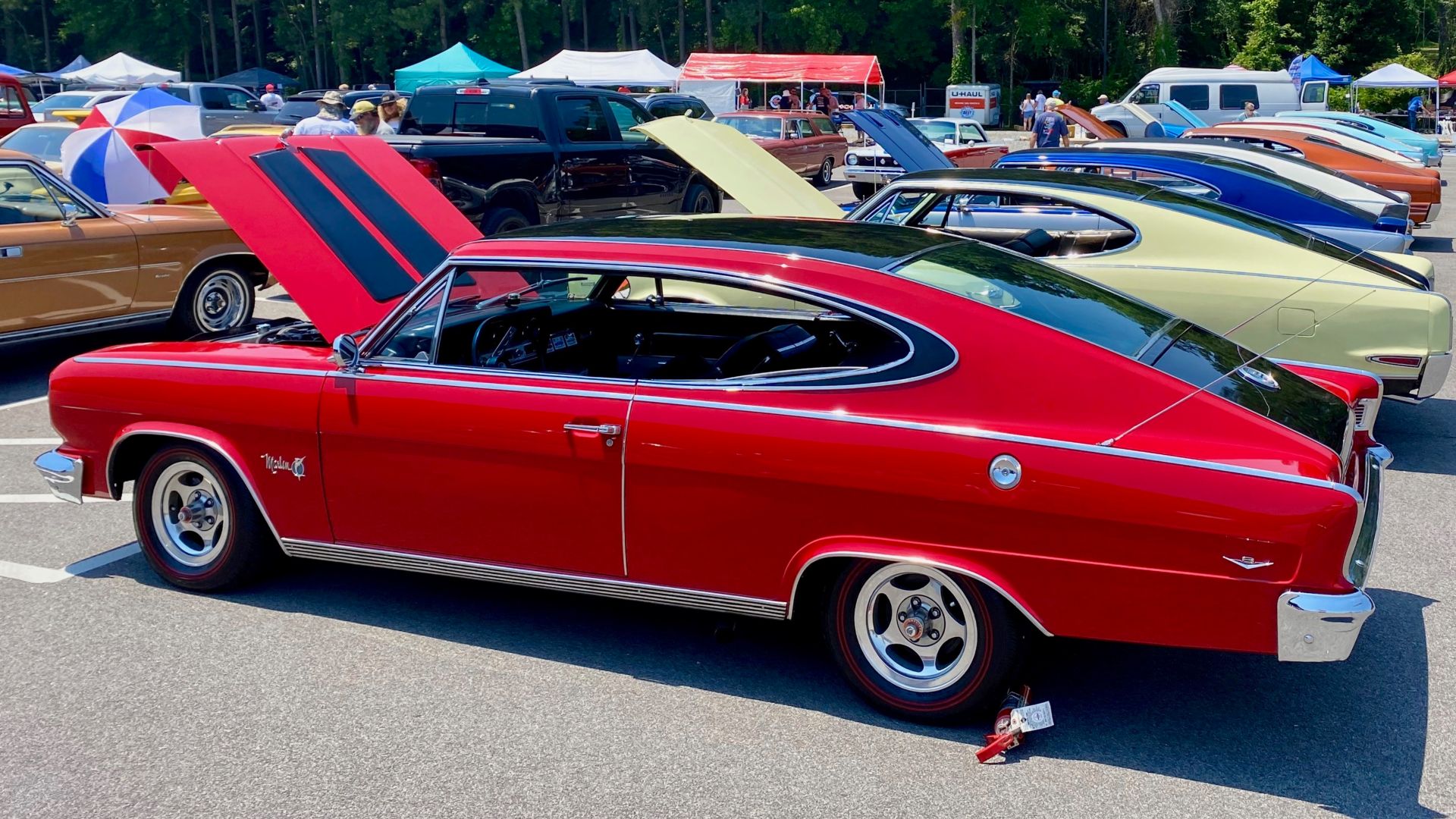
Rambler Marlin
AMC was better known for practical transportation, which made the Marlin wonderfully strange. Introduced for 1965, the giant fastback mixed sporty styling with reclining seats, deluxe trim, available V8 power, power accessories, and air conditioning. It fell somewhere between muscle car and luxury cruiser—and never quite found enough buyers.
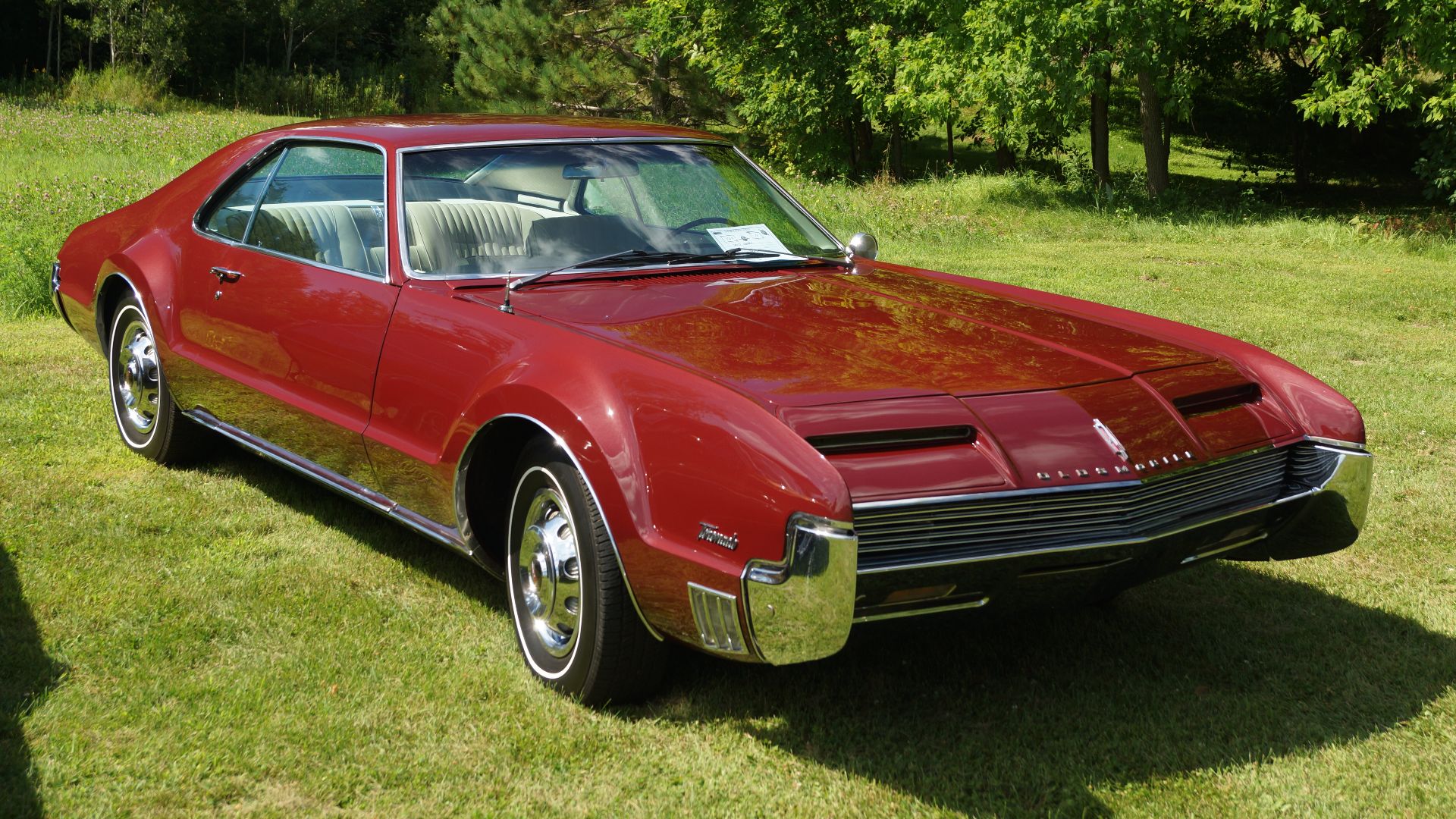
Oldsmobile Toronado
Then Oldsmobile decided the personal-luxury coupe needed front-wheel drive. The 1966 Toronado paired dramatic fastback styling with a 425-cubic-inch V8 driving the front wheels, becoming America’s first front-drive production car since the 1930s Cord. It was huge, powerful, technologically daring, and unlike practically anything else in the showroom.
 Greg Gjerdingen from Willmar, USA, Wikimedia Commons
Pontiac Grand Prix Goes Smaller
Pontiac reinvented the Grand Prix for 1969 by moving the name onto a smaller platform and giving it an absurdly long hood. The result helped define the next generation of personal luxury: midsize dimensions, big-car styling, bucket-seat comfort, and a cockpit-like dashboard. Suddenly, everybody in Detroit wanted something similar.
 MercurySable99, Wikimedia Commons
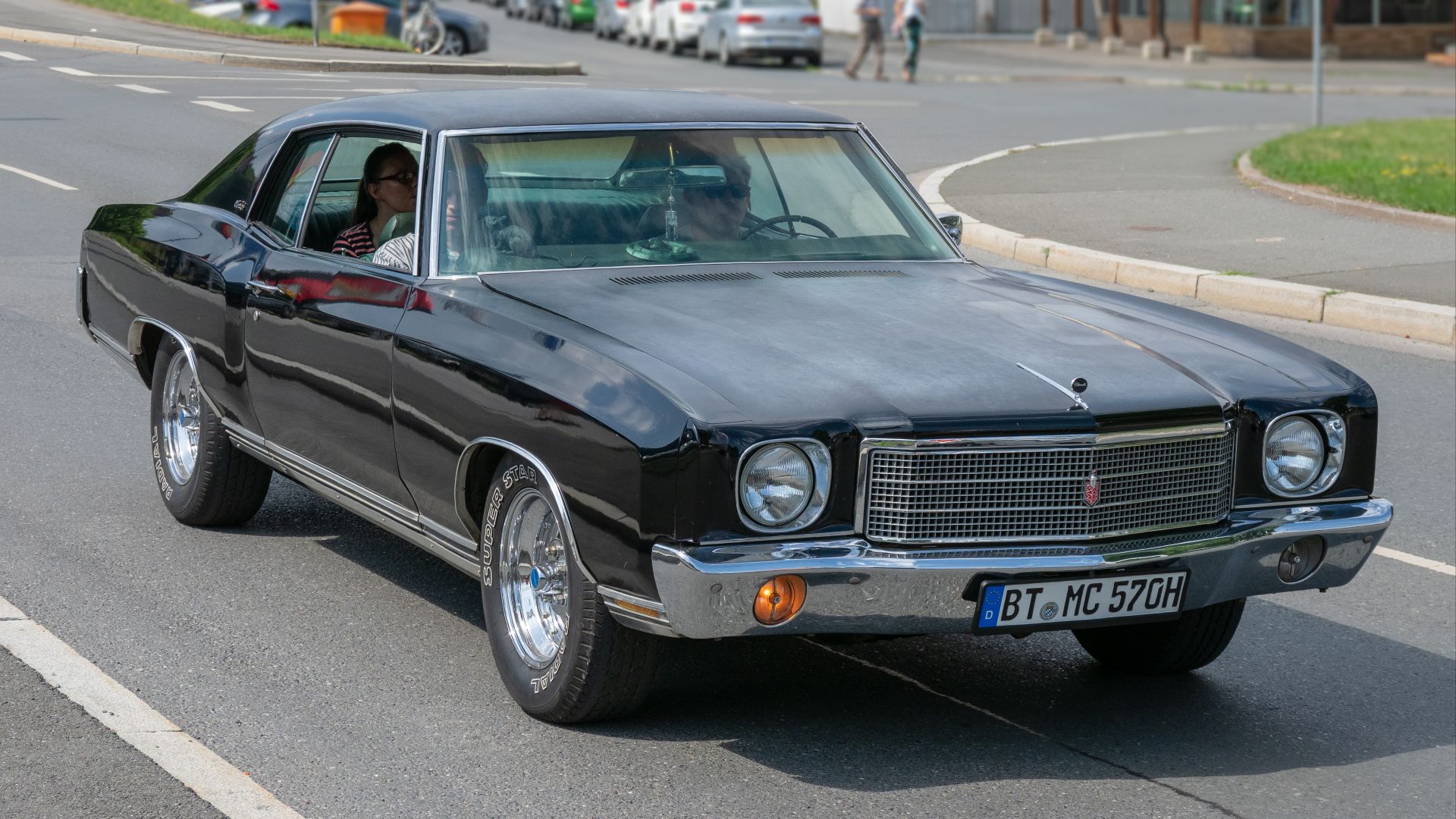
Chevrolet Monte Carlo
Chevrolet entered the party for 1970 with the Monte Carlo, effectively proving that personal luxury did not require a premium badge. Its long hood, formal roof, quiet ride, V8 options, and plush cabin made ordinary Chevy buyers feel unusually important. The formula worked so well that competitors spent years trying to duplicate it.
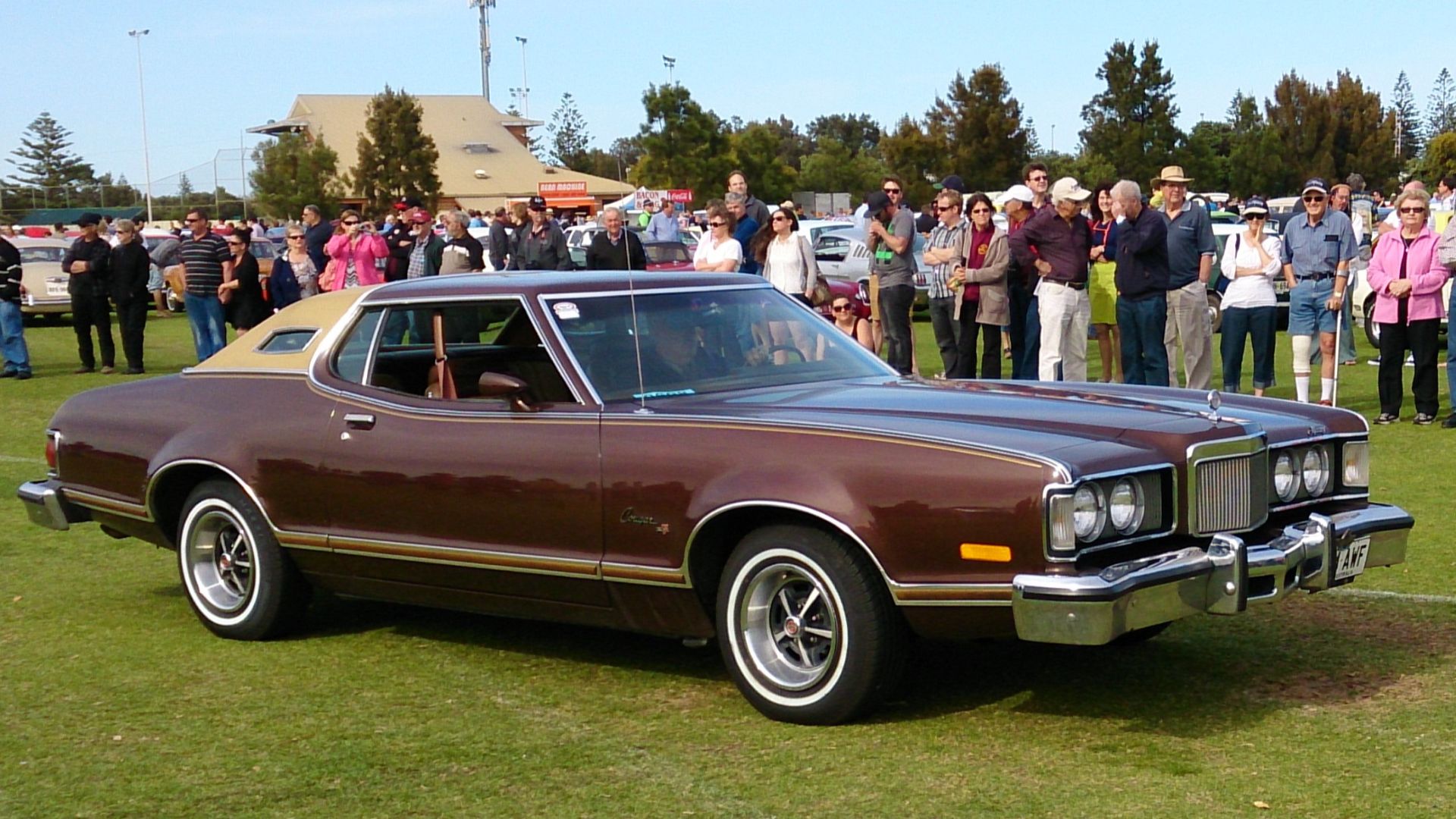
Mercury Cougar XR-7
The Cougar began life as Mercury’s more sophisticated Mustang cousin, but by 1971 it was steadily moving toward personal luxury. The XR-7 emphasized richer equipment, distinctive interiors, vinyl-roof formality, and effortless V8 cruising. The transformation was almost complete: less pony car, more country-club express.
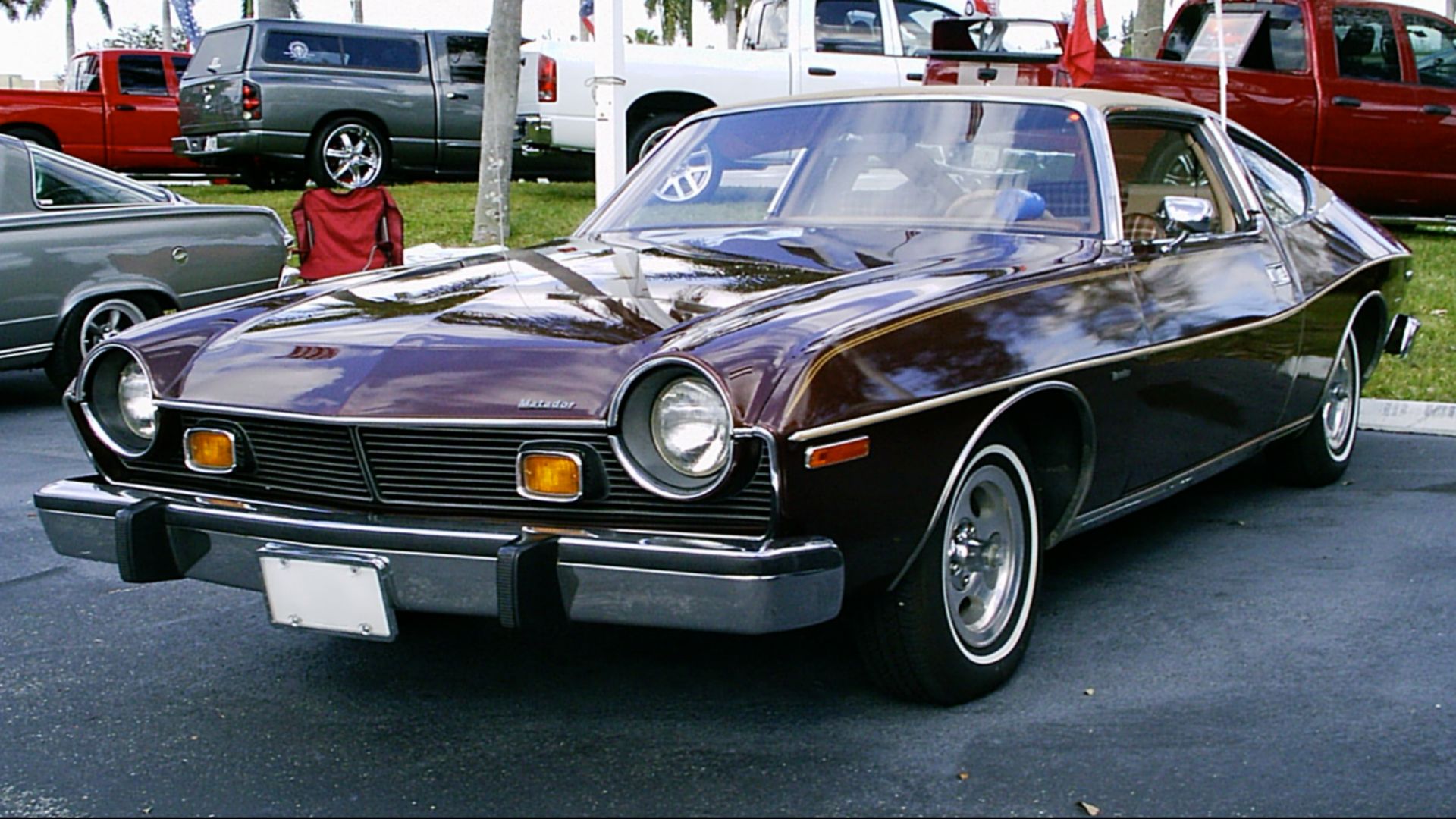
AMC Matador Brougham
Yes, even AMC joined the personal-luxury craze. The dramatically styled Matador Coupe arrived for 1974 and could be ordered in upscale Brougham form. AMC even offered a special interior associated with designer Oleg Cassini. It was eccentric, lavish, and proof that opera-window-era luxury had reached almost every corner of Detroit.
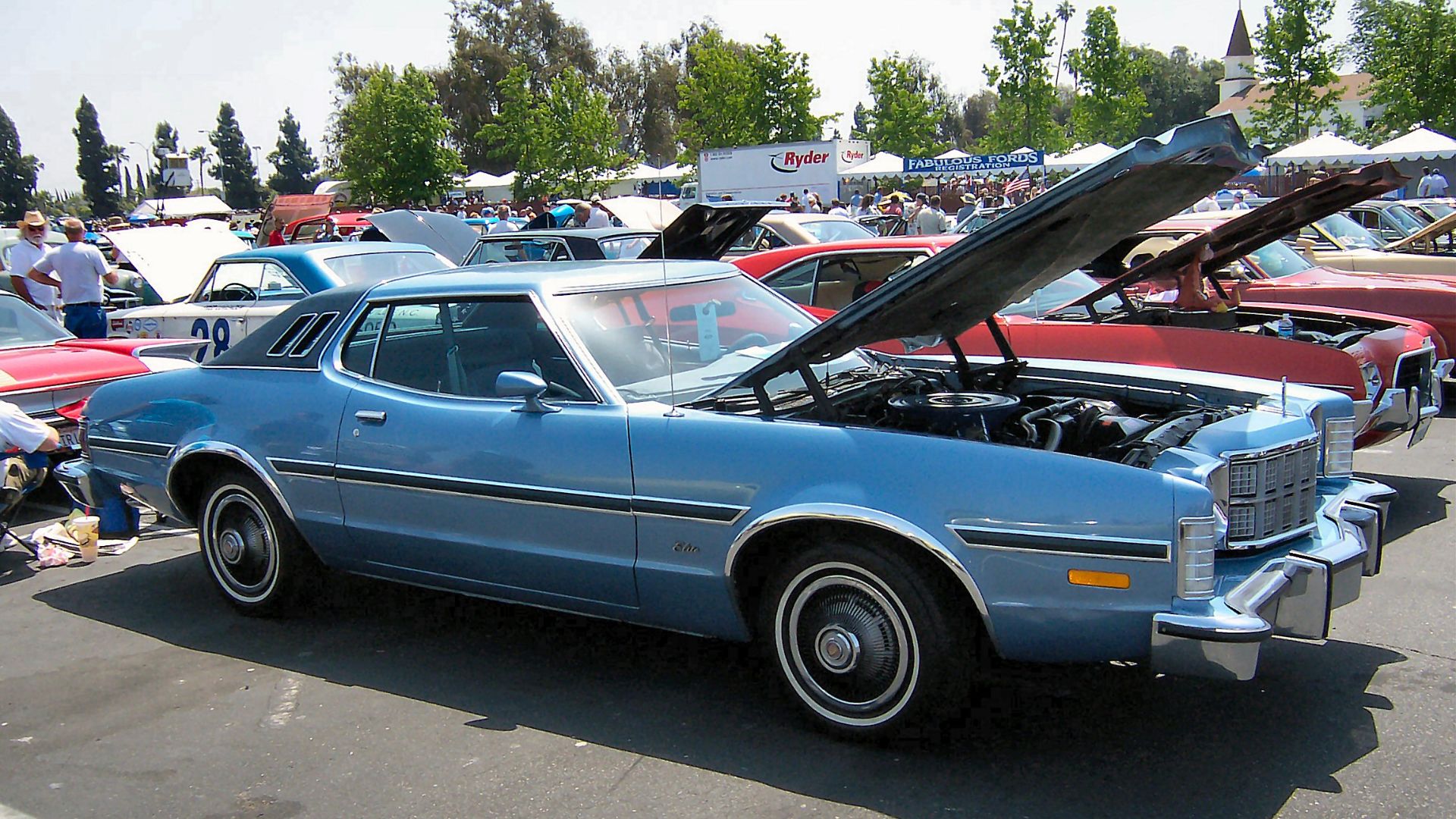
Ford Elite
Ford’s Elite looked suspiciously like somebody shrank a Thunderbird and parked it on a Torino chassis. That was basically the idea. Introduced during 1974, it offered V8 power, automatic transmission, formal styling, opera windows, and plenty of luxury options at a noticeably lower price than the full-size Thunderbird.
Chrysler Cordoba
Few cars capture 1970s personal luxury better than the Cordoba. Introduced for 1975, Chrysler’s smaller two-door offered formal styling, thick upholstery, available leather, V8 power, and enough woodgrain atmosphere to furnish a suburban den. Ricardo Montalbán’s famous commercials only made the whole thing more gloriously theatrical.
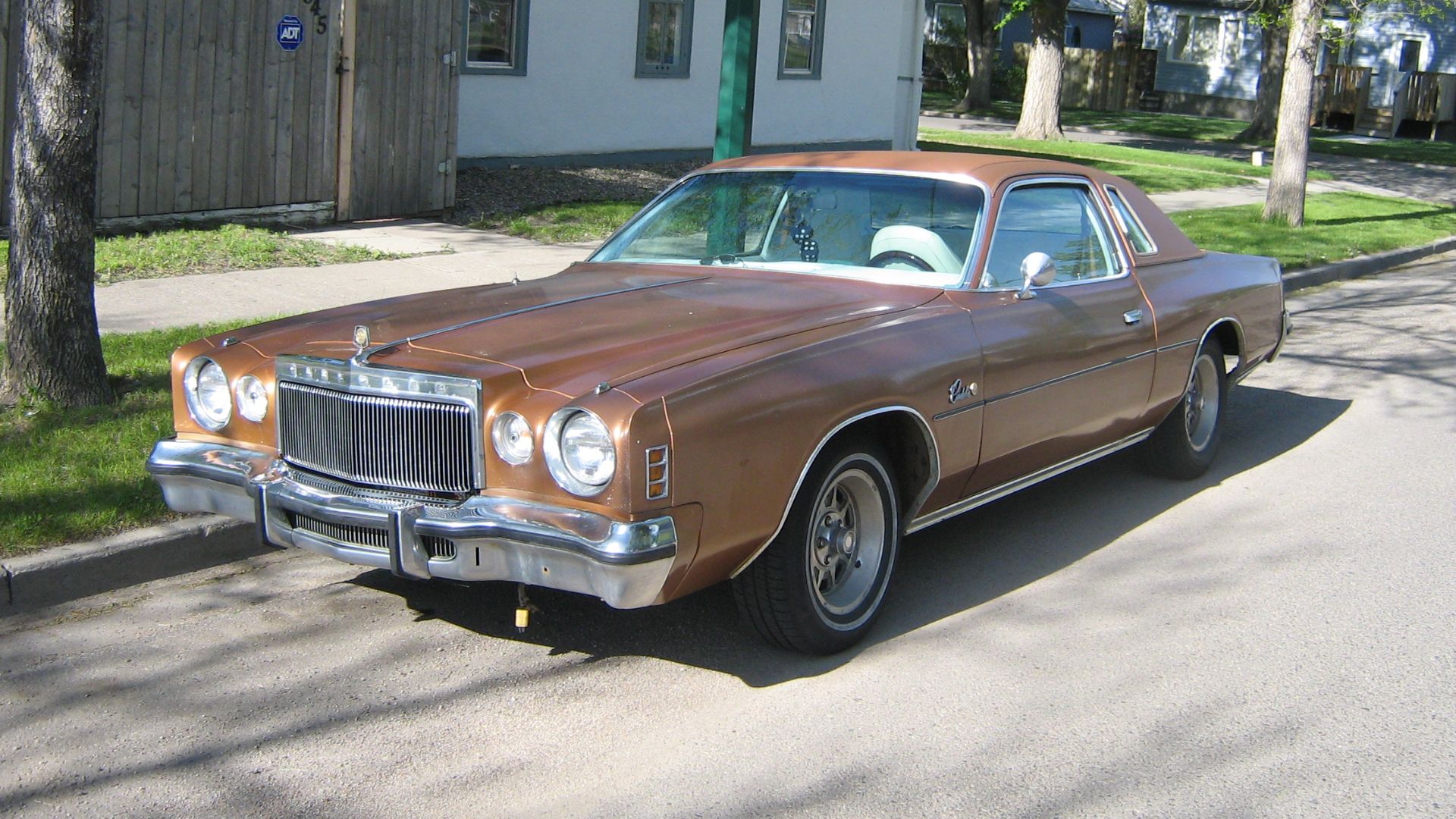
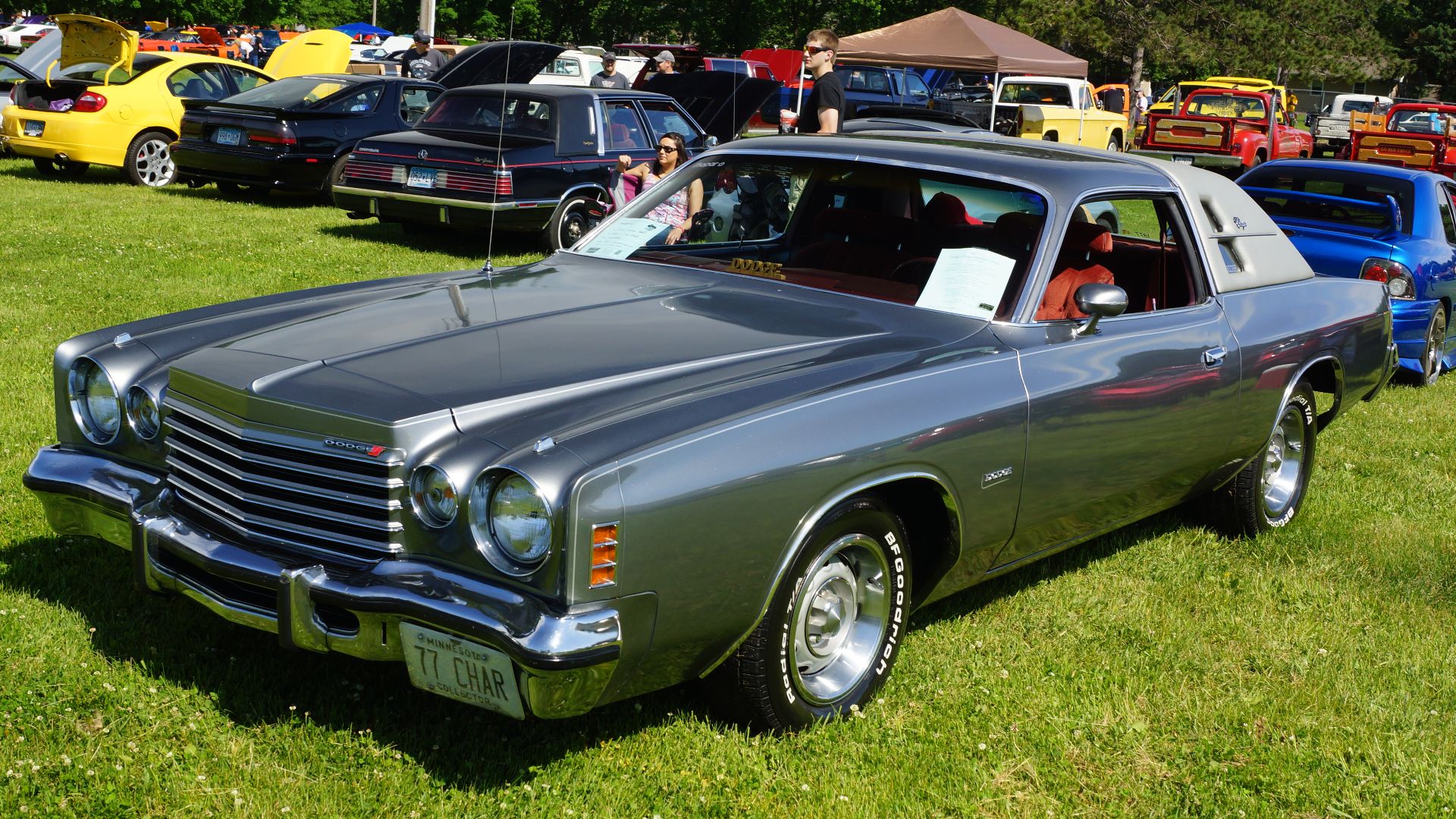
Dodge Charger SE
Muscle-car fans may prefer pretending this Charger never happened. By 1975, Dodge had transformed its famous performance name into a personal-luxury coupe closely related to the Cordoba. Landau roofs, opera windows, velour, faux wood, and big cushy seats replaced the drag-strip image. Strange? Absolutely. Historically fascinating? Definitely.
 Greg Gjerdingen from Willmar, USA, Wikimedia Commons
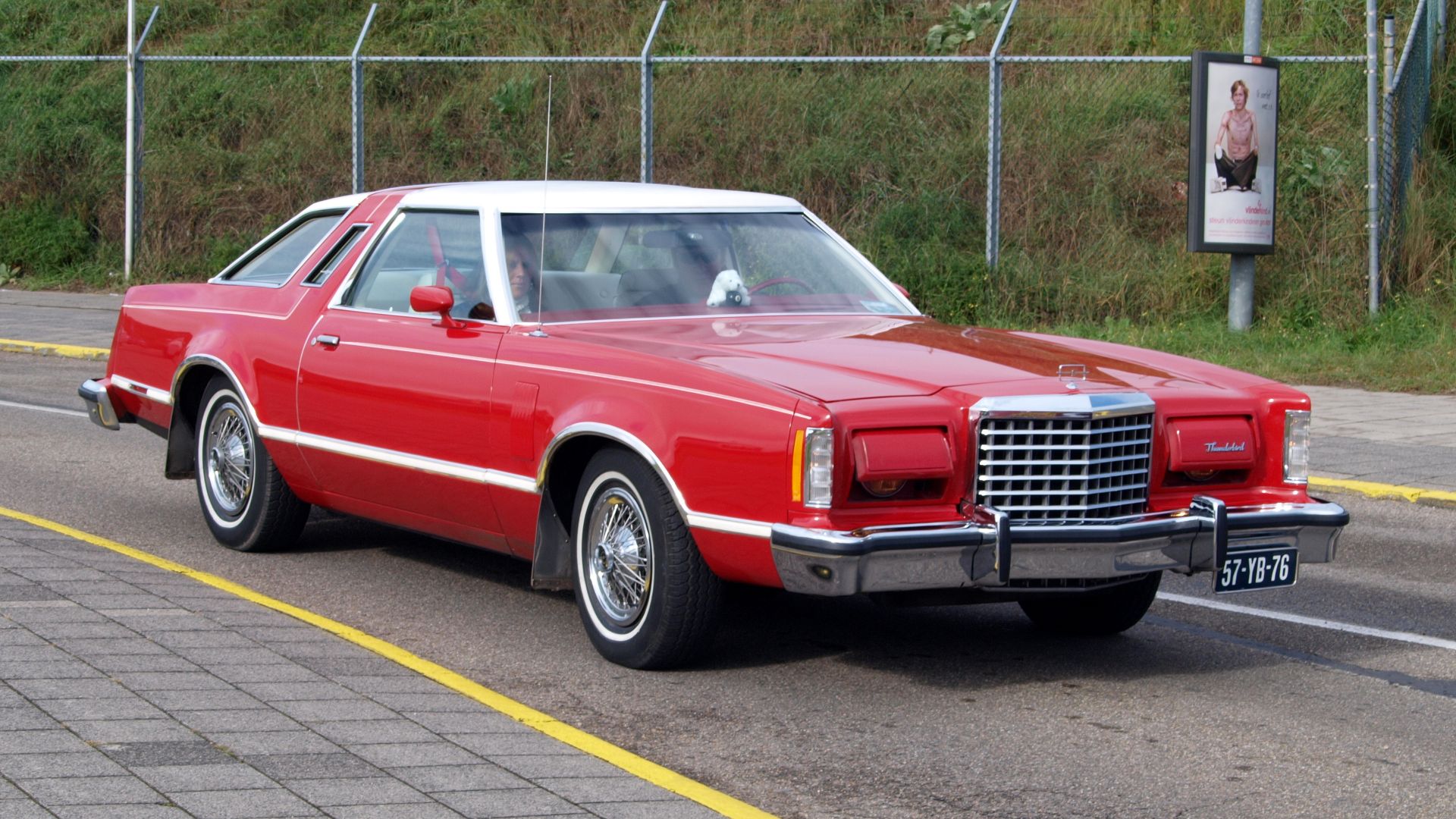
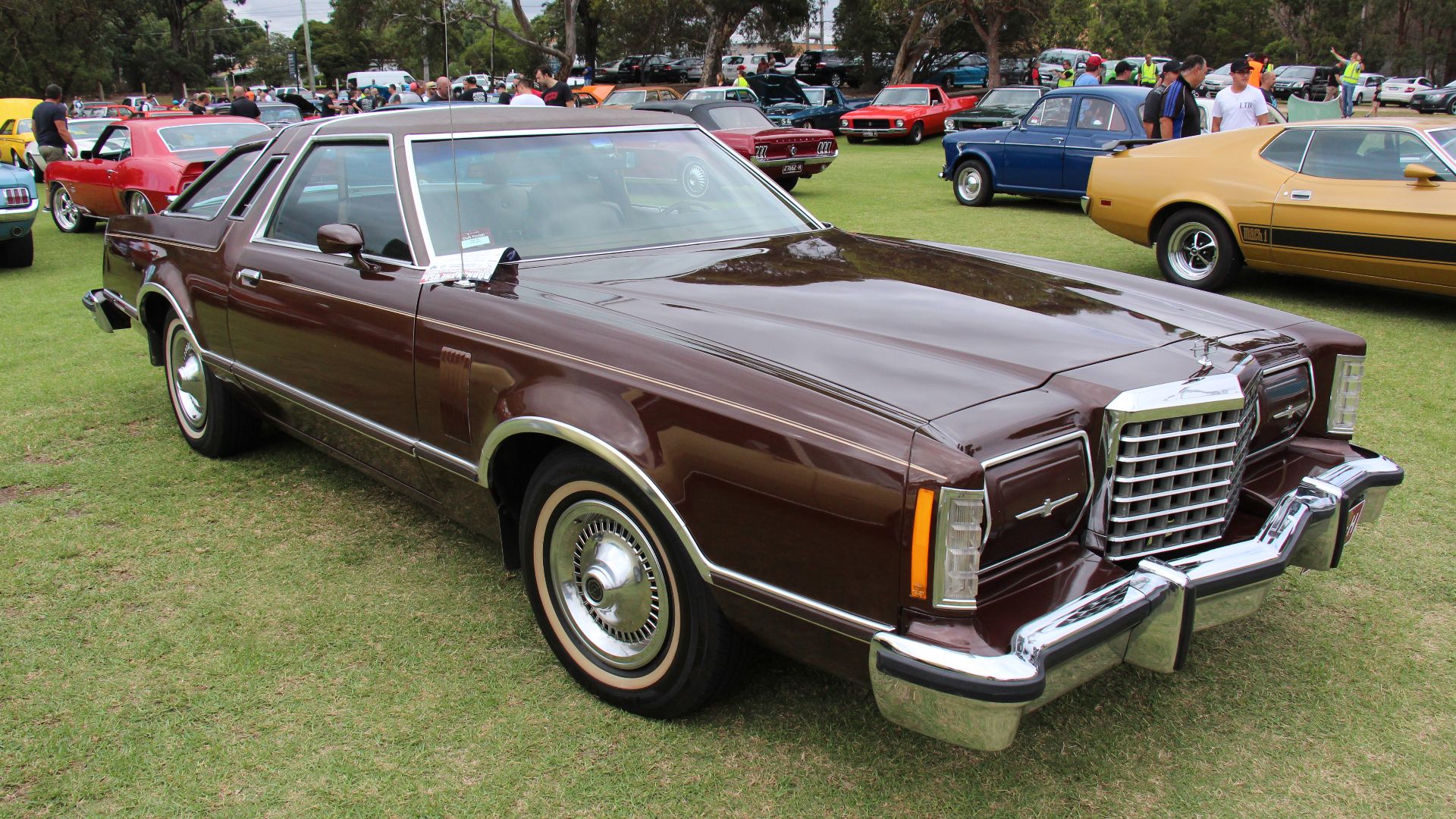
Ford Thunderbird Gets Downsized
For 1977, Ford dramatically repositioned the Thunderbird onto a smaller platform, essentially taking the Elite concept and applying the more prestigious Thunderbird name. The gamble worked spectacularly. Buyers still received that unmistakable personal-luxury look—formal roof, long hood, plush interior—but at a price and size far more appropriate for the late 1970s.
 Alf van Beem, Wikimedia Commons
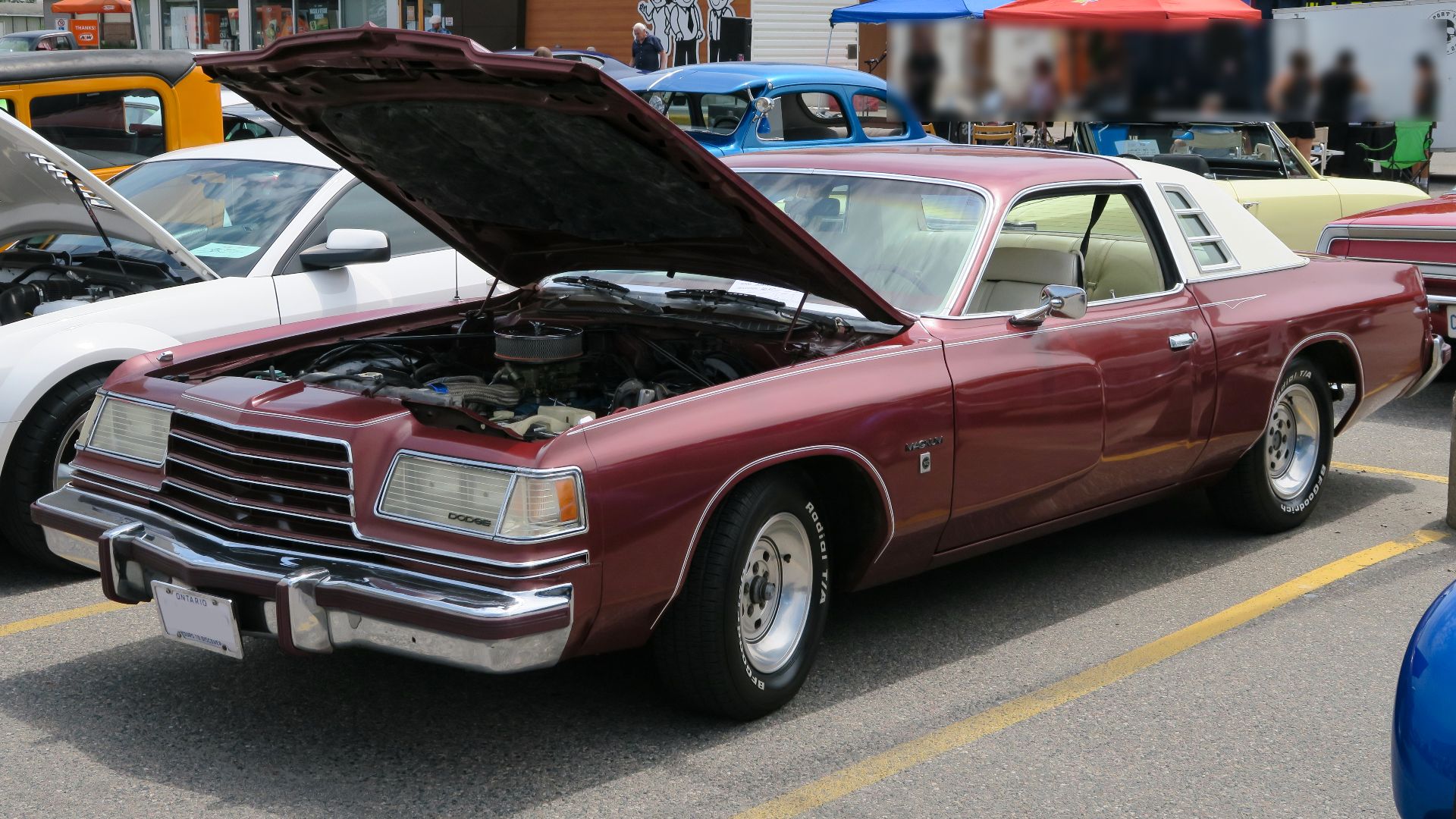
Dodge Magnum XE
The 1978 Magnum XE was Dodge’s attempt to build a personal-luxury coupe with a slightly tougher personality. Clear headlamp covers, aggressive sheetmetal, substantial dimensions, and a comfortable cabin made it look ready for high-speed interstate work. Even period testers recognized it as a businessman’s express dressed in a sportier suit.
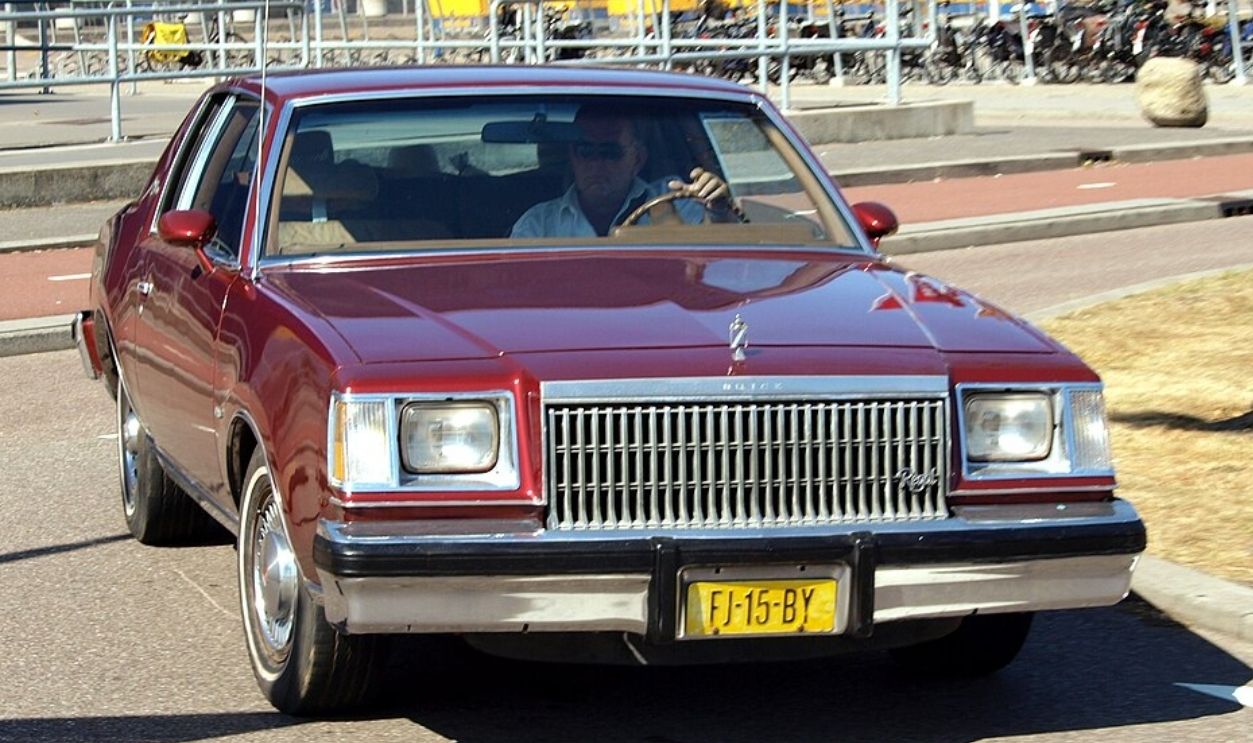
Buick Regal Limited
The downsized 1978 Regal proved that shrinking a personal-luxury coupe did not mean abandoning cushiness. In Limited form, Buick loaded its new midsize two-door with soft upholstery, extra trim, quiet-road manners, and plenty of traditional Buick atmosphere. Performance would eventually make the Regal famous, but luxury was originally a major part of its appeal.
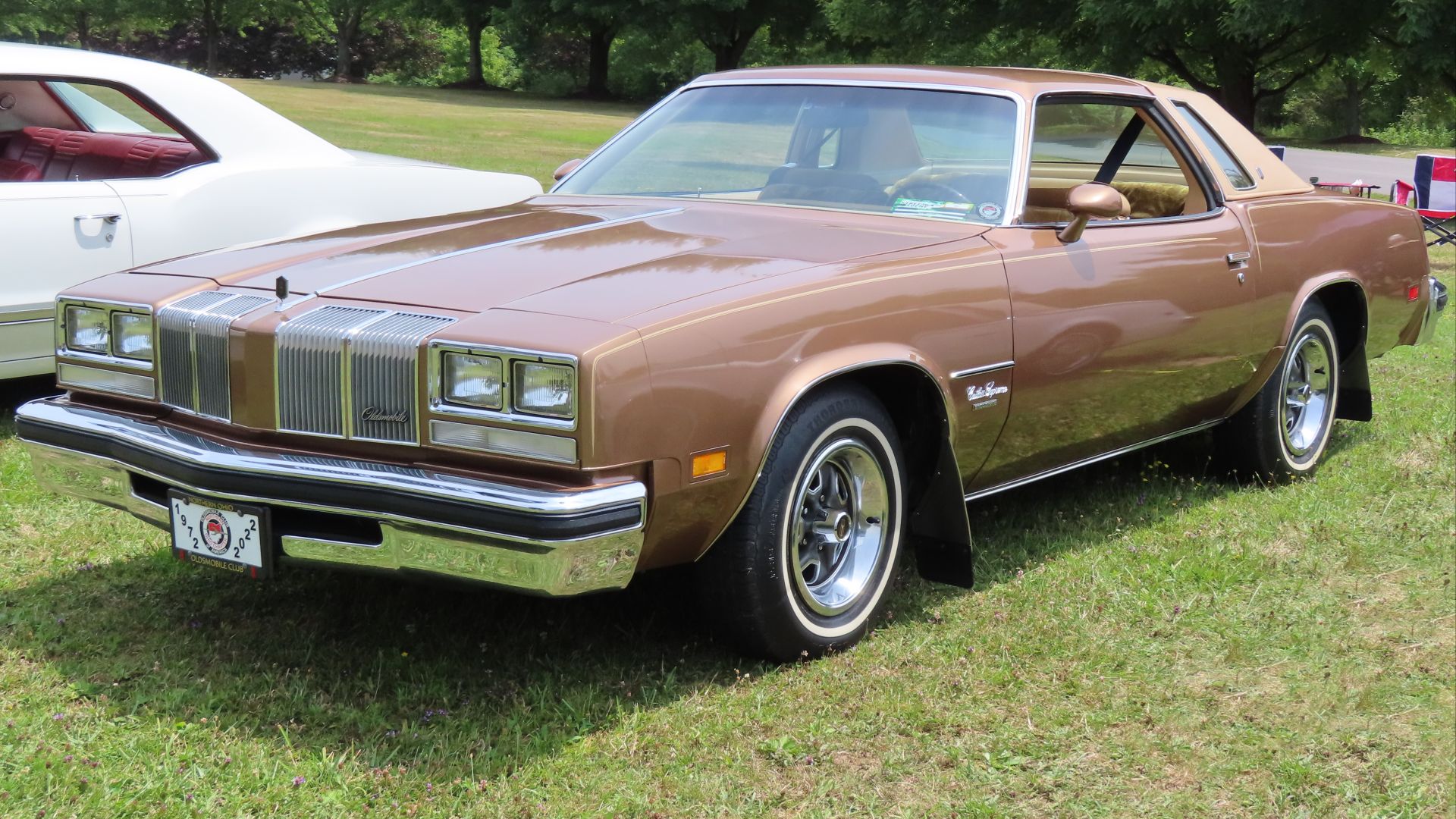
Oldsmobile Cutlass Supreme Brougham
If you grew up around American suburbs in the late 1970s, chances are somebody nearby owned a Cutlass Supreme coupe. Brougham versions pushed the idea even further with pillow-like seating, formal trim, vinyl roofs, and an almost living-room approach to motoring. These cars were enormously popular then yet surprisingly scarce today.
 MercurySable99, Wikimedia Commons
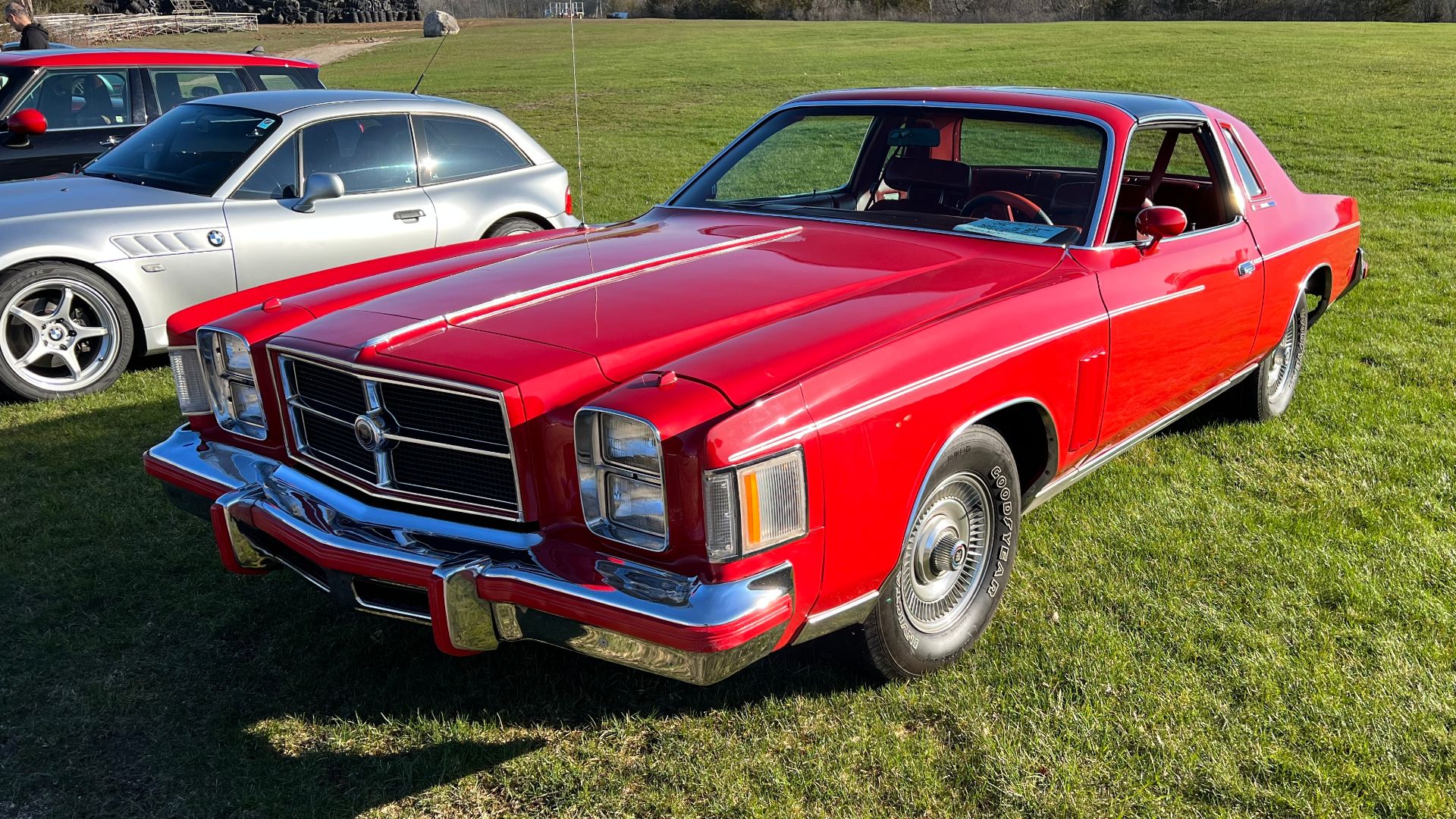
Chrysler 300 Returns Differently
The 300 badge once belonged to some of Chrysler’s fiercest big coupes, but its 1979 comeback was thoroughly different. Based on the Cordoba, this limited-edition 300 mixed personal-luxury comfort with firmer suspension, sporty trim, and a higher-output V8. It was an intriguing final flicker of old-school Chrysler performance wrapped in late-1970s plushness.
 Lawrence Jinx, Wikimedia Commons
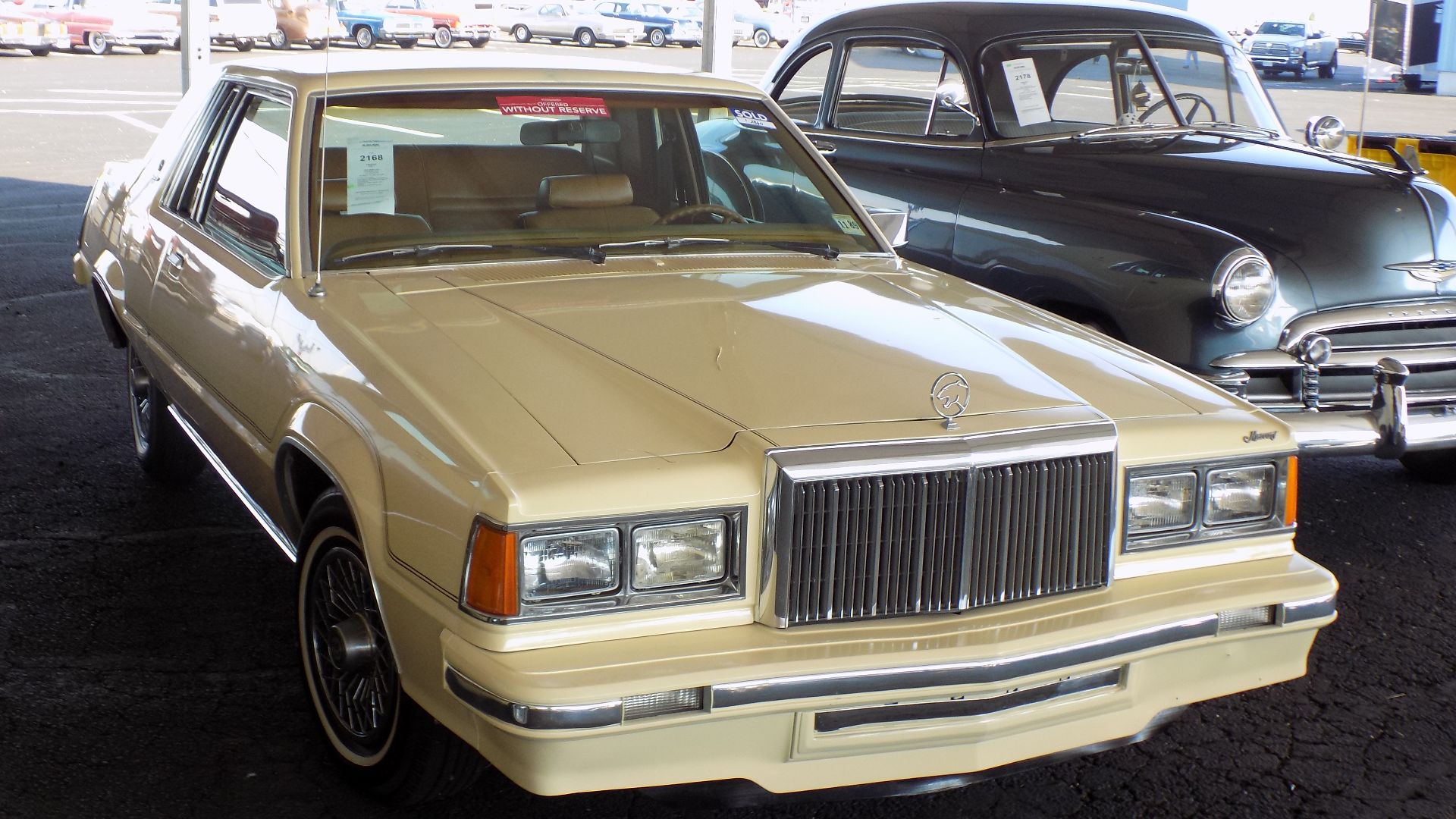
Mercury Cougar XR-7 Shrinks
Mercury radically downsized the Cougar XR-7 for 1980, moving it onto Ford’s Fox platform alongside the Thunderbird. The new car was hundreds of pounds lighter and dramatically shorter than its predecessor, yet Mercury still filled it with formal styling cues. Personal luxury was adapting to fuel economy whether traditional buyers liked it or not.
 Greg Gjerdingen from Willmar, USA, Wikimedia Commons
Dodge Mirada
Dodge introduced the Mirada for 1980 just as America’s obsession with personal-luxury coupes was beginning to cool. Smaller than the lumbering machines of a few years earlier, it still offered the necessary ingredients: rear-wheel drive, available V8 power, formal styling, comfortable seating, and a suitably extravagant CMX luxury package.
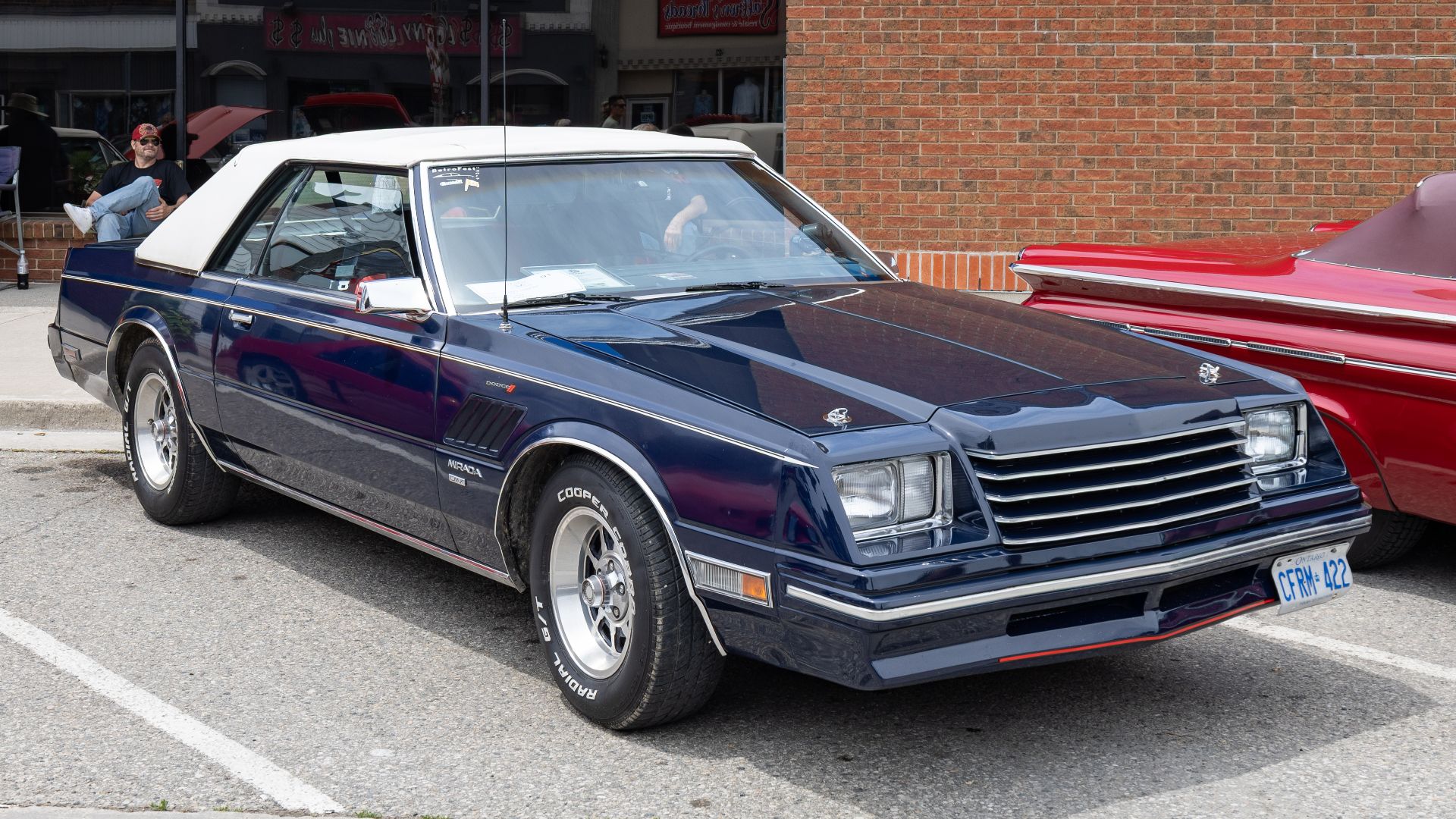 Crisco 1492, Wikimedia Commons
Imperial Tries One Last Time
Chrysler resurrected the Imperial name for 1981 as a sleek two-door flagship loaded with electronic gadgetry and luxury equipment. There was even a Frank Sinatra Edition complete with special badging and Sinatra cassette tapes. Unfortunately, troublesome technology and terrible timing limited its success. Few cars better symbolize personal luxury’s final extravagant gasp.
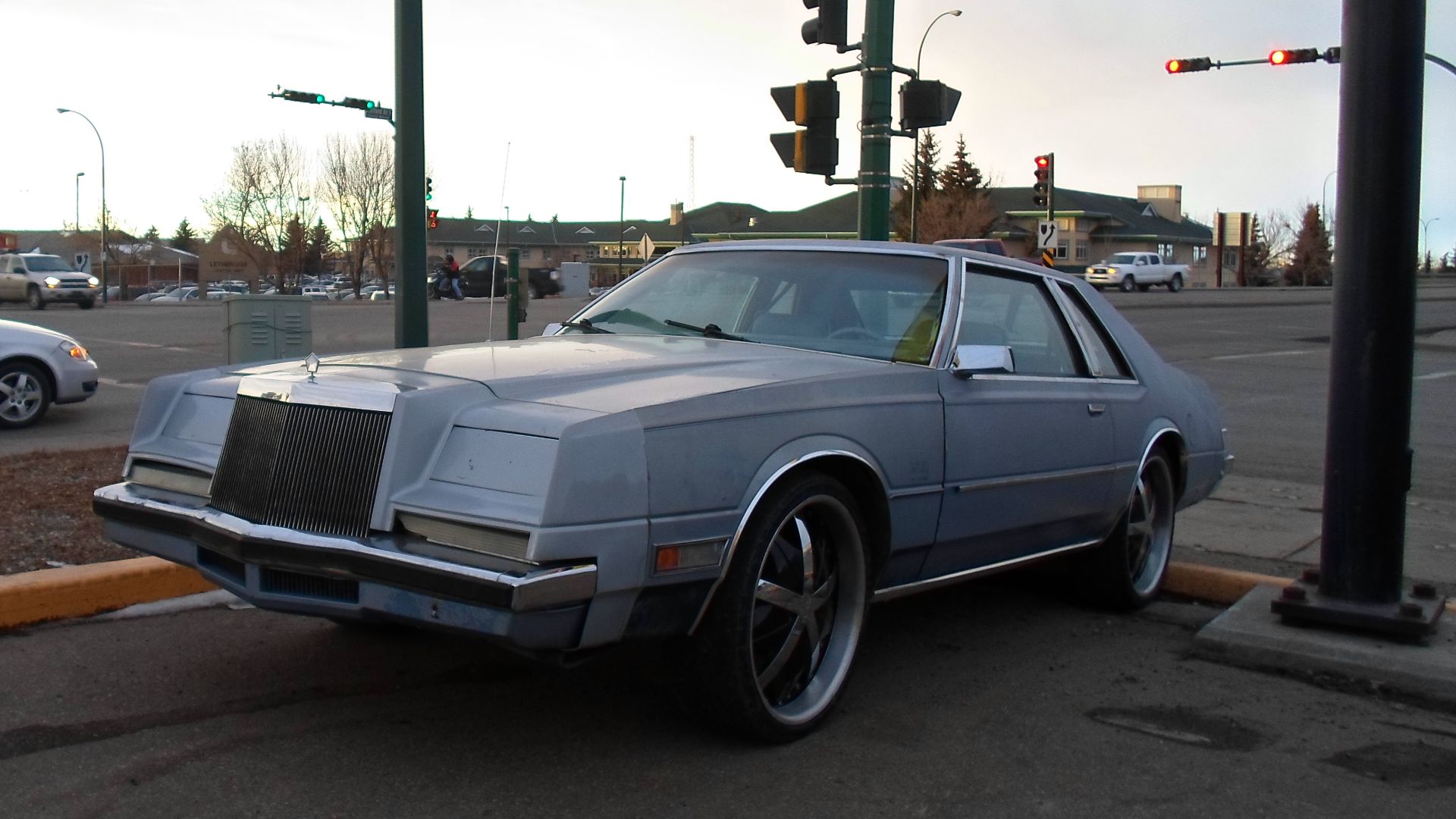 dave_7 from Lethbridge, Canada, Wikimedia Commons
The Personal-Luxury Party Finally Ended
These coupes belonged to an era when nobody questioned whether one person needed fifteen feet of automobile, six feet of hood, two doors, crushed velour, and a V8 to commute downtown. Practicality eventually won. Yet today, these forgotten machines feel refreshing precisely because practicality was never really the point.
You May Also Like:
My Car Automatically Slammed On The Brakes For A Shadow. Are Modern Safety Systems Actually Safe?
Things Drivers Did Every Day In The 1970s That Would Seem Unbelievable Today



.jpg)