The Underdog That Conquered Rally
In the world of rally racing, some cars grab your attention right away, and others quietly prove themselves race after race. The Fiat 131 Abarth definitely falls into that second group. It started out as a humble family sedan, but once Fiat and its performance arm Abarth got their hands on it, things changed in a big way. Before long, this unassuming little car was racking up world titles and becoming a true legend in rally history.
The Roots Of The Fiat 131
The Fiat 131 was introduced in the mid-1970s as a mid-size family car built in Turin, Italy. It was designed to be practical and affordable for everyday buyers, with a straightforward layout and conventional engineering that made it easy to maintain and repair. Fiat offered it in both two-door and four-door versions, giving buyers some flexibility. At the time, nobody imagined this sensible sedan would eventually become a rally hero.
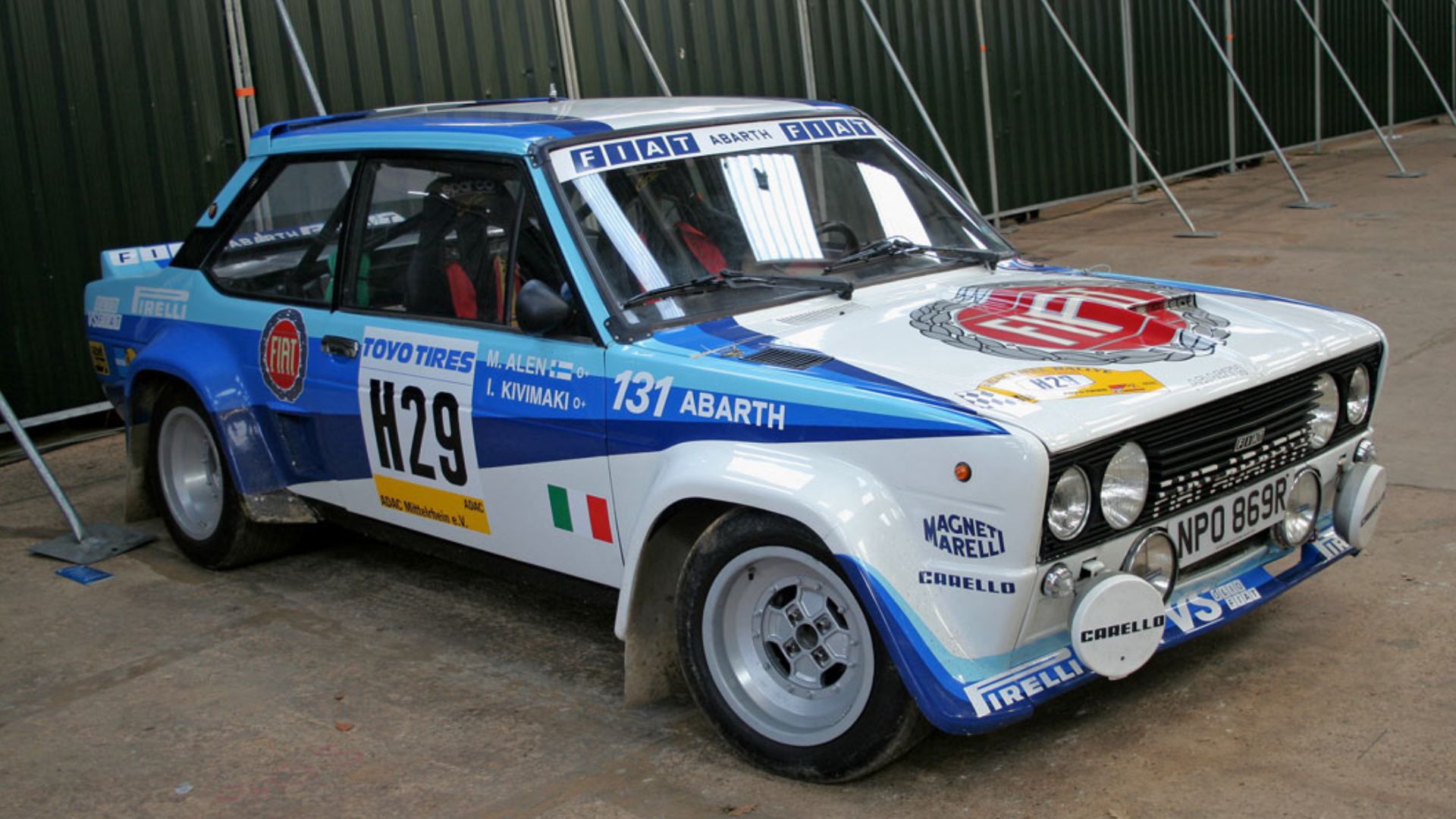 Tony Harrison from Farnborough, UK, Wikimedia Commons
Abarth Gets Involved
Abarth was Fiat’s in-house performance and racing division, famous for turning ordinary cars into something much more exciting. After finding success with earlier models like the Fiat Abarth 124 Rally, the team needed a new weapon for international competition. The 131 was chosen to take over that role. The idea was simple: replace the older rally cars and promote the 131 on the global stage at the same time. What followed was a serious transformation.
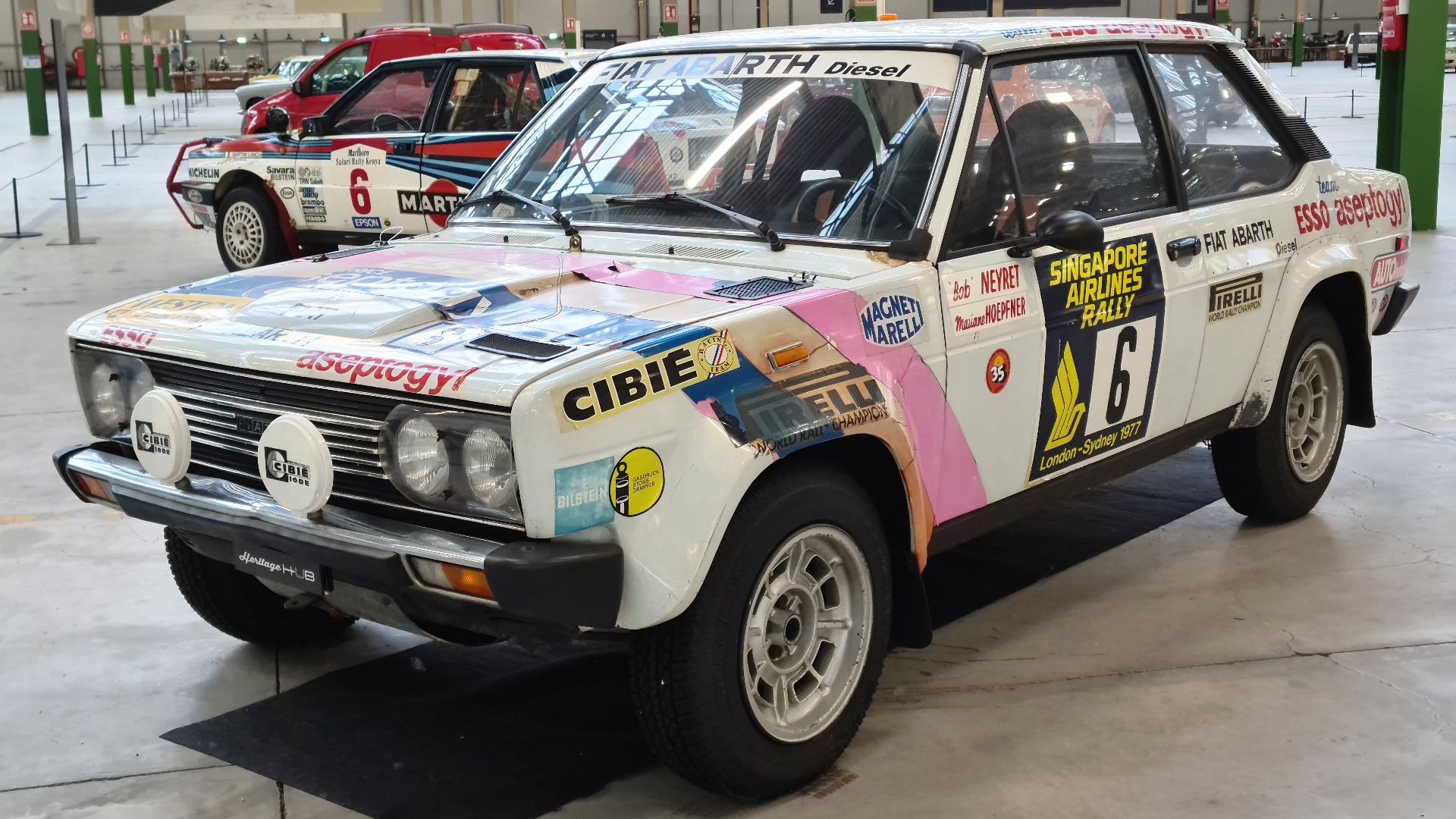
Homologation And Group 4
To compete at the highest levels of international rallying, Abarth had to build a minimum number of street-legal versions of the race car in order to satisfy Group 4 homologation rules. Around 400 Fiat 131 Abarth Rally cars were built for this purpose beginning in 1976. These cars featured wide wheel arches, lightweight components, and numerous mechanical upgrades that distinguished them from the standard production 131.
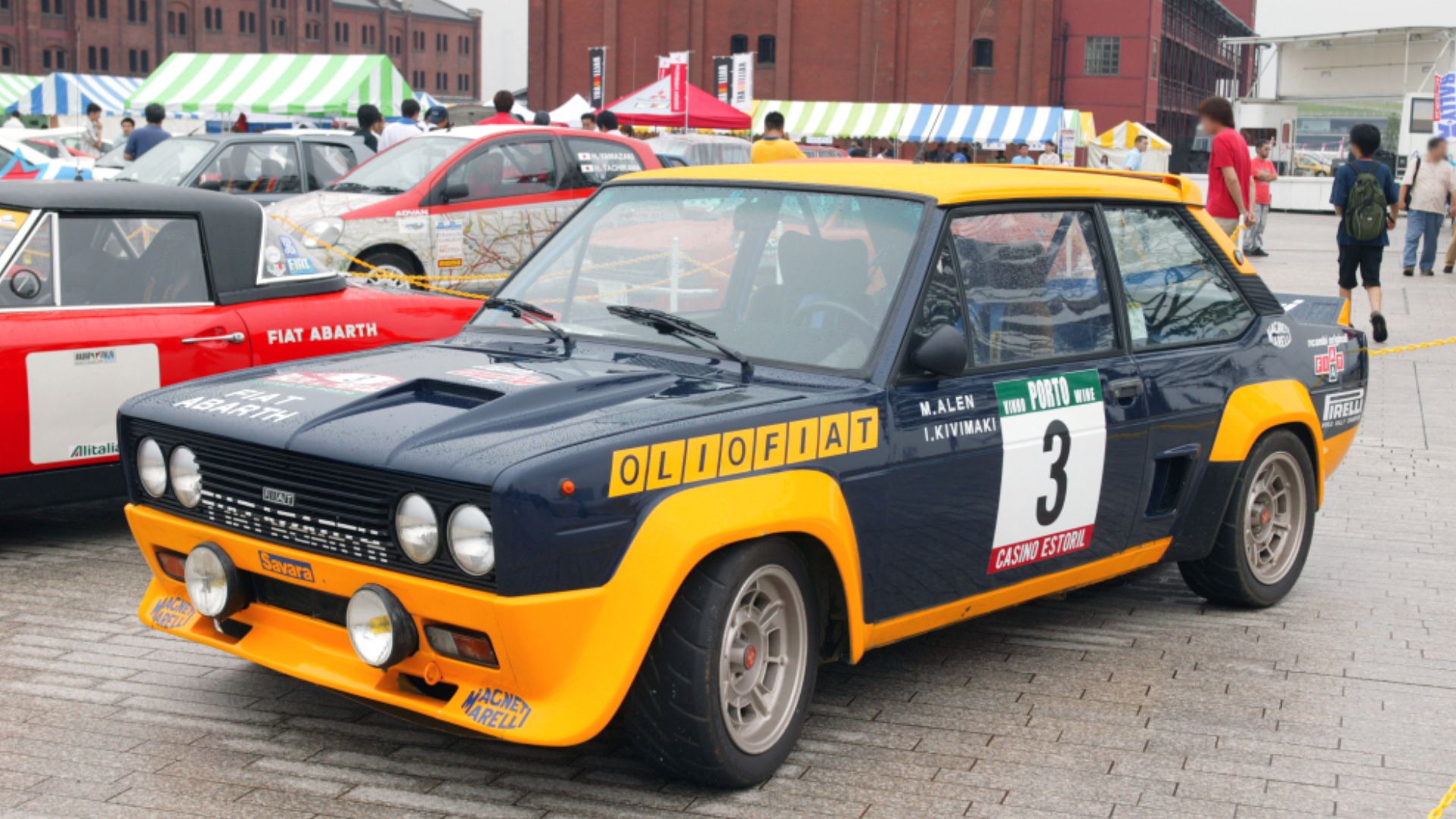 natural gas, Wikimedia Commons
How The Rally Car Was Built
The rally-spec 131 began life on the normal production line at Fiat’s Mirafiori plant. Once the basic body shell was assembled, it was sent off to Bertone for further tweaks. There, it received lightweight panels, including plastic pieces for the hood and trunk to shave off extra weight. One of the biggest changes was underneath: the standard rigid rear axle was swapped out for a fully independent suspension setup, which made a huge difference when driving flat out over rough rally stages.
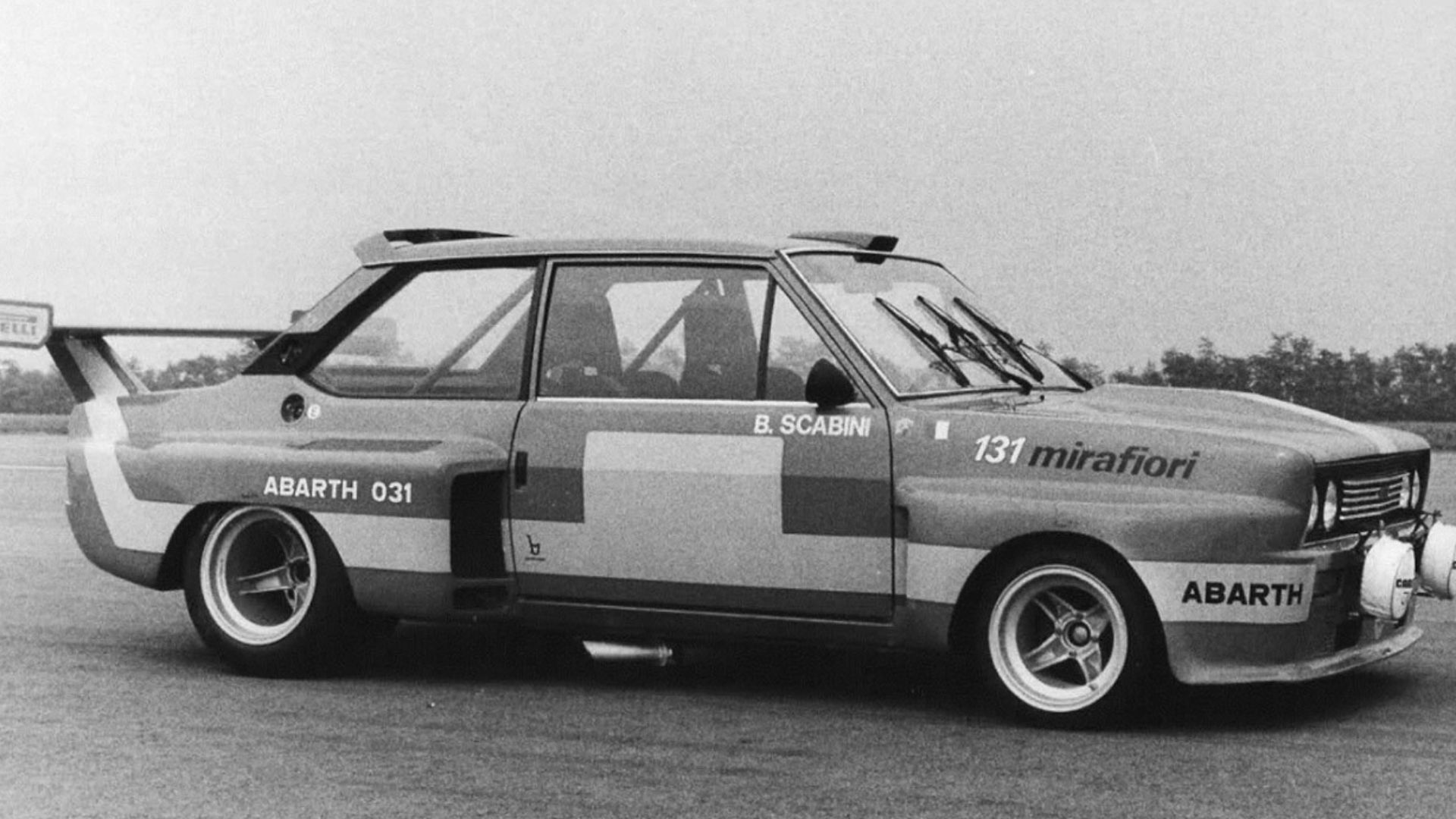 Unknown authorUnknown author, Wikimedia Commons
Engine And Mechanical Upgrades
Under the hood, the 131 Abarth Rally packed a specially built 2.0-liter twin-cam engine with four valves per cylinder and mechanical fuel injection. In full race trim, it produced somewhere between 230 and 245 horsepower. That might not seem wild today, but in a lightweight, rear-wheel-drive rally car from the late 1970s, it was more than enough to make things exciting.
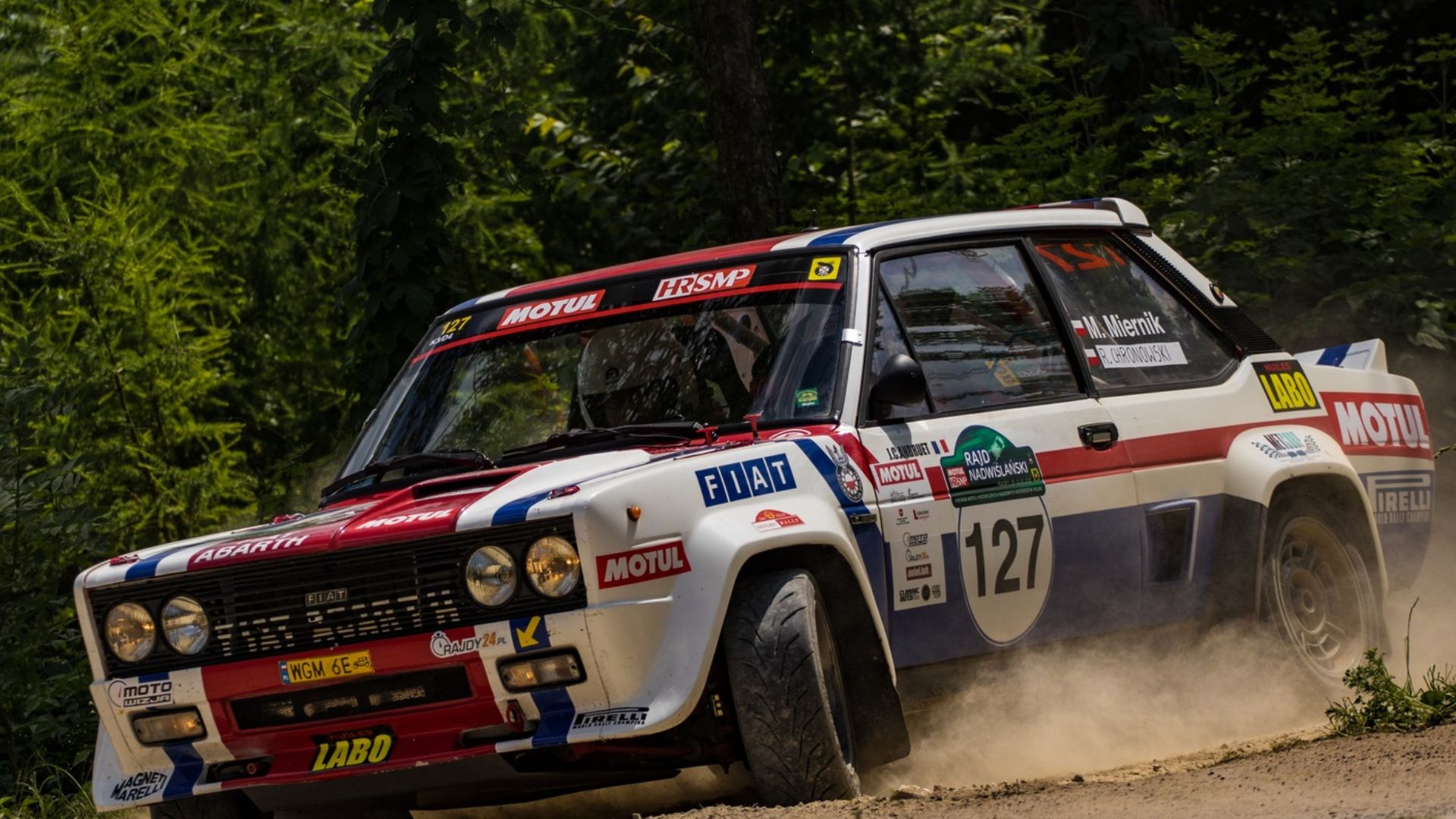 Don Boolgot, Wikimedia Commons
Early Rally Debut
The Fiat 131 Abarth made its World Rally Championship debut in 1976. Like most new competition cars, it had a few teething problems early on. But it did not take long for the 131 to show what it was capable of. Strong finishes started rolling in, and Fiat quickly found itself climbing the championship standings. The car’s balance of solid engineering and reliability helped it build a reputation as a serious contender.
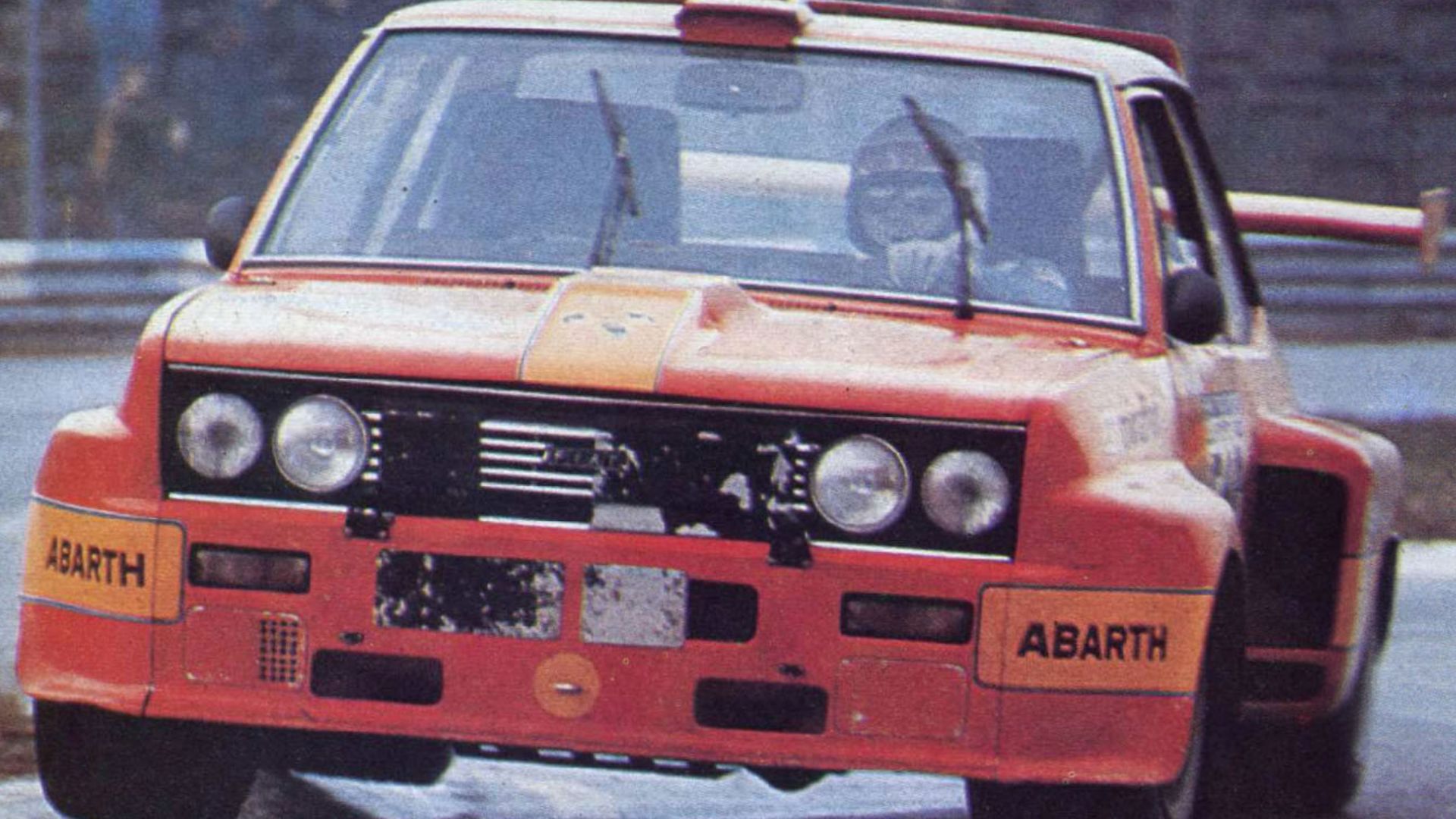
Manufacturers Championship Success
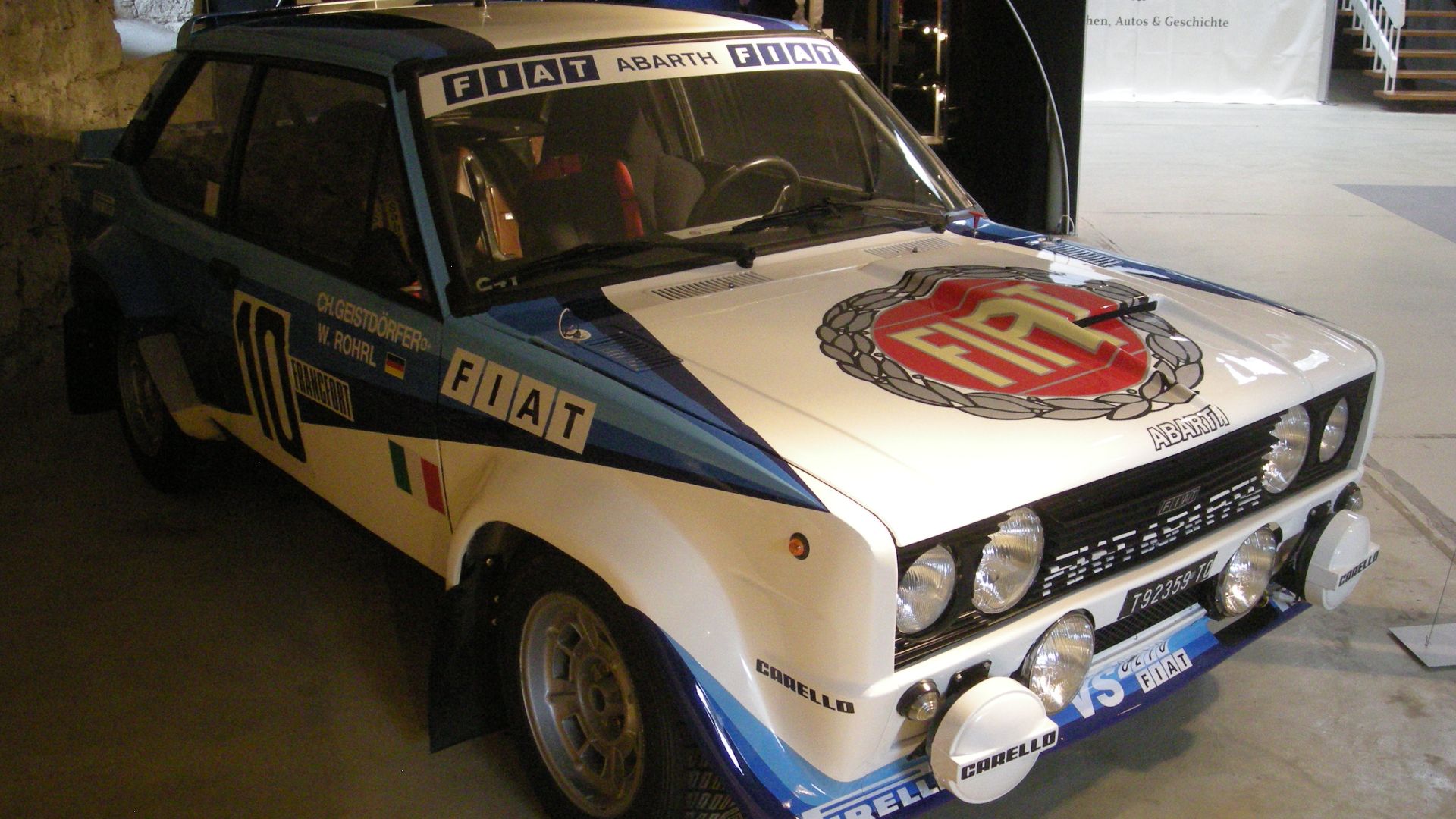
What really locked in the 131 Abarth’s place in rally history was its success in the World Rally Championship. Fiat captured the manufacturers title three times with the 131, winning in 1977, 1978, and again in 1980. The team managed to beat tough rivals like Ford by combining speed with consistency and smart race strategy. The 131 was not just quick, it was dependable, and that made all the difference over a long season.
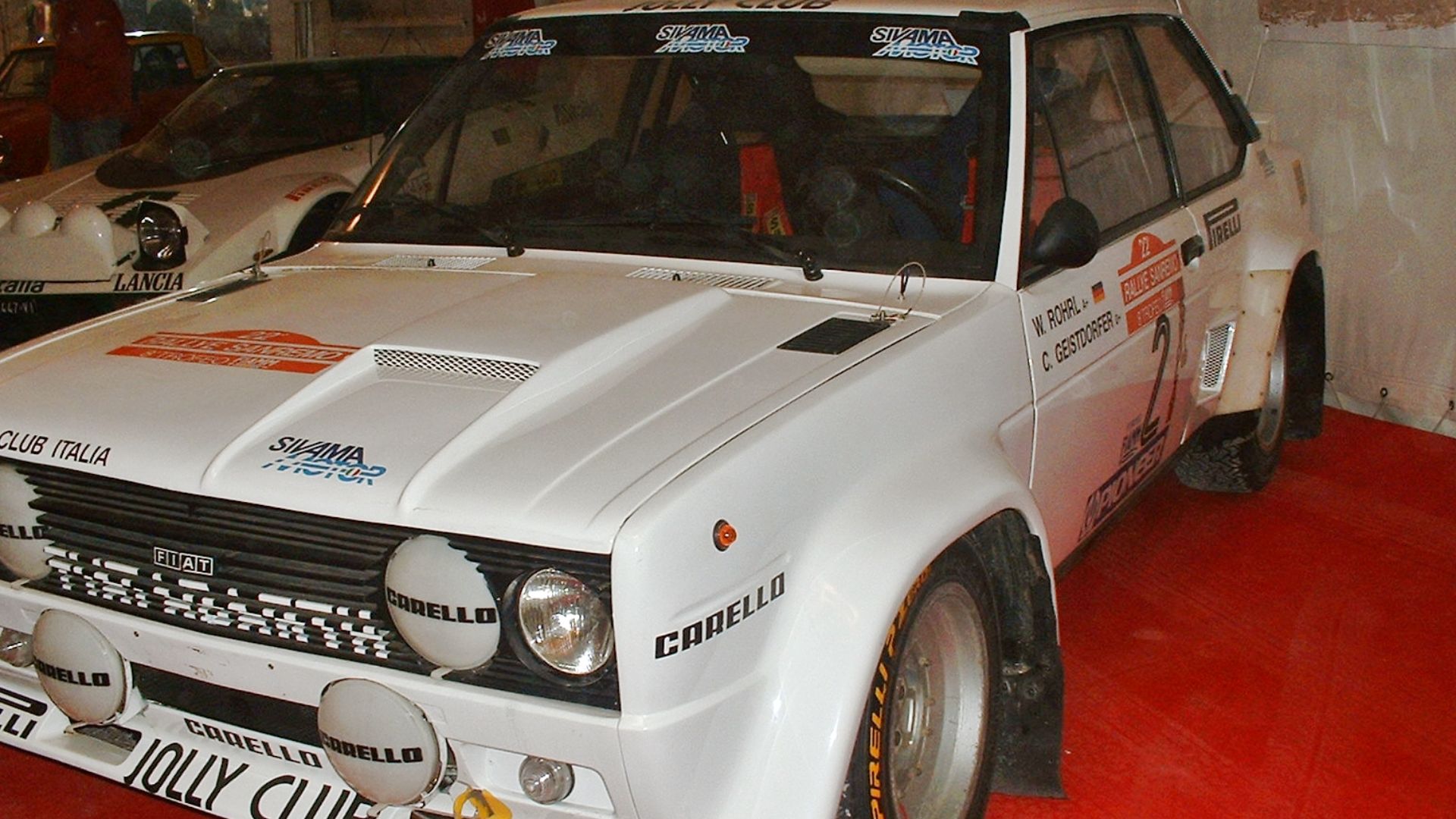
A Driver’s Title For Röhrl
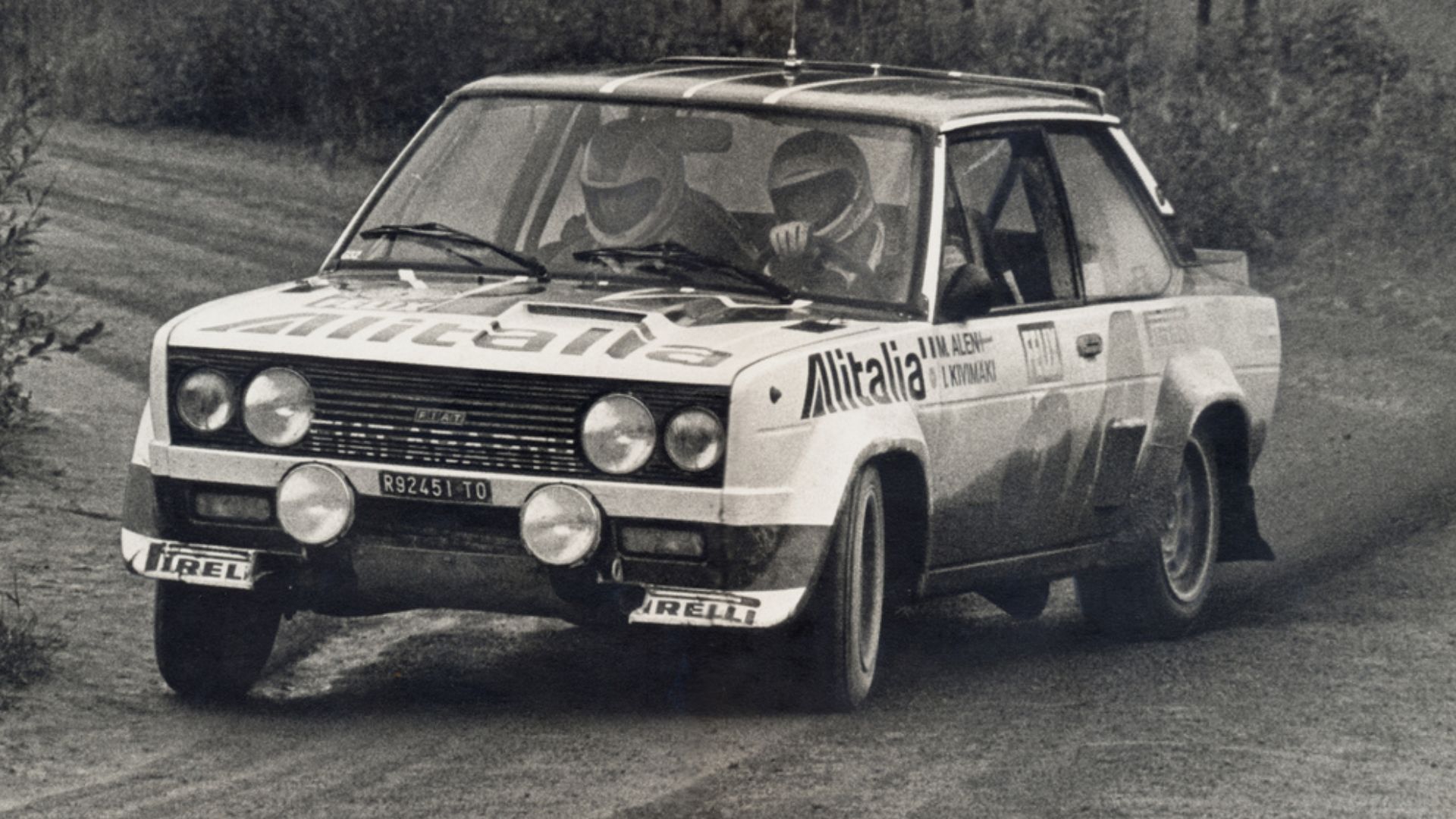
In addition to the manufacturers trophies, the 131 Abarth was also driven to driver success. In 1980, Walter Röhrl drove the 131 Abarth to the World Rally Championship drivers title. Röhrl’s precise driving style and technical skill matched the car perfectly. Together, they formed a combination that was incredibly hard to beat and helped push the 131 into the spotlight as one of rally’s all-time great machines.
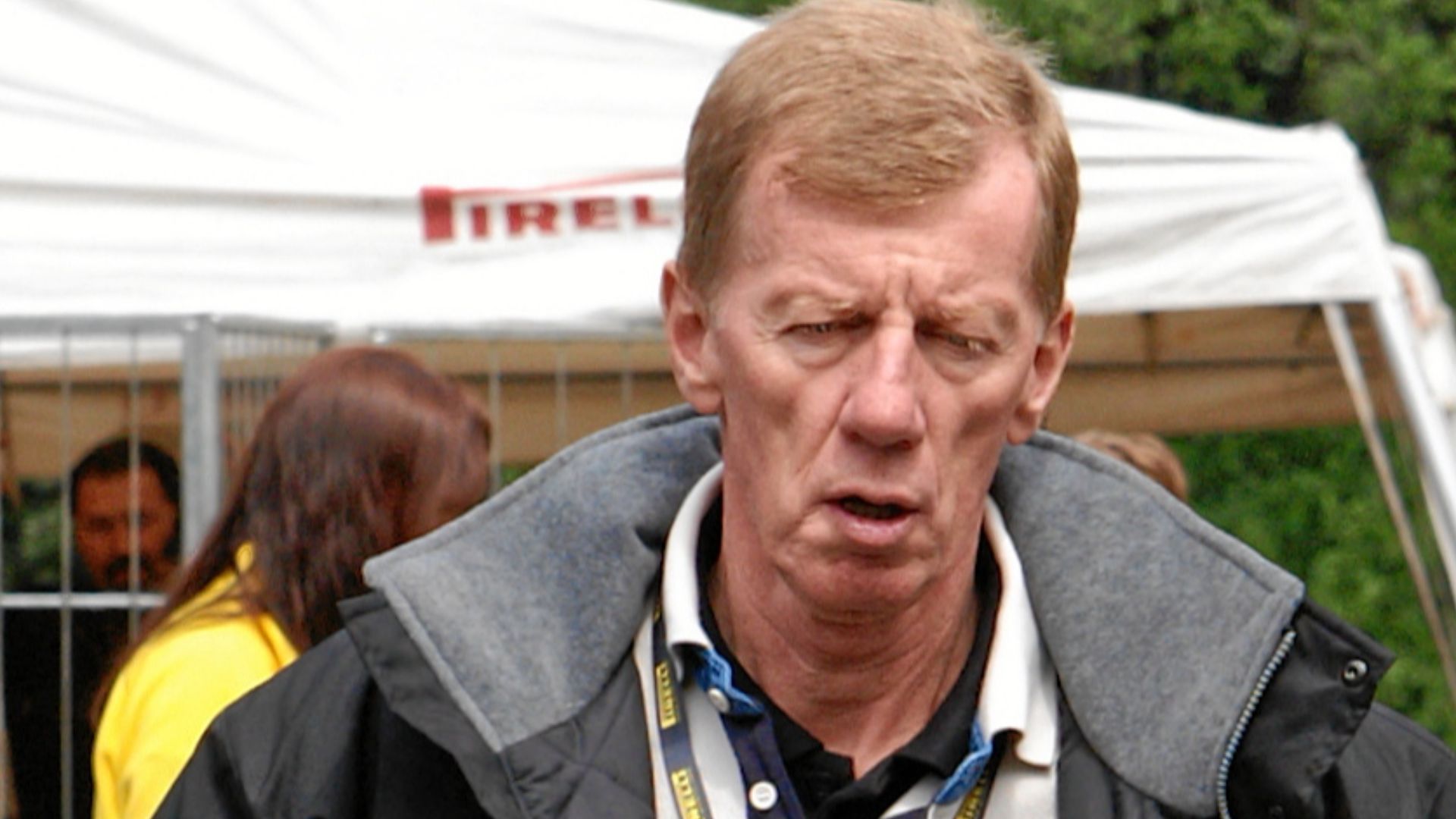 Benutzer gsh, Wikimedia Commons
Other Notable Drivers
Röhrl was not the only big name behind the wheel. The 131 Abarth was also driven by rally stars like Markku Alén, Sandro Munari, Timo Salonen, Attilio Bettega, and even Michèle Mouton. These drivers took the car to victory on all kinds of terrain, from loose gravel to smooth tarmac, adding to its growing list of achievements.
 Jarmo Mäki - JKM(C)Pictures, Wikimedia Commons
Rally Wins And Durability
Between 1976 and 1981, the 131 Abarth won about 20 World Rally Championship events. A big part of that success came down to its toughness. The car’s relatively simple mechanical layout and rugged construction meant it could survive punishing back-to-back rallies. While some rivals were more exotic or technically complex, the Fiat proved that reliability and smart design could win championships.
 Michael Barera, Wikimedia Commons
The Alitalia Livery
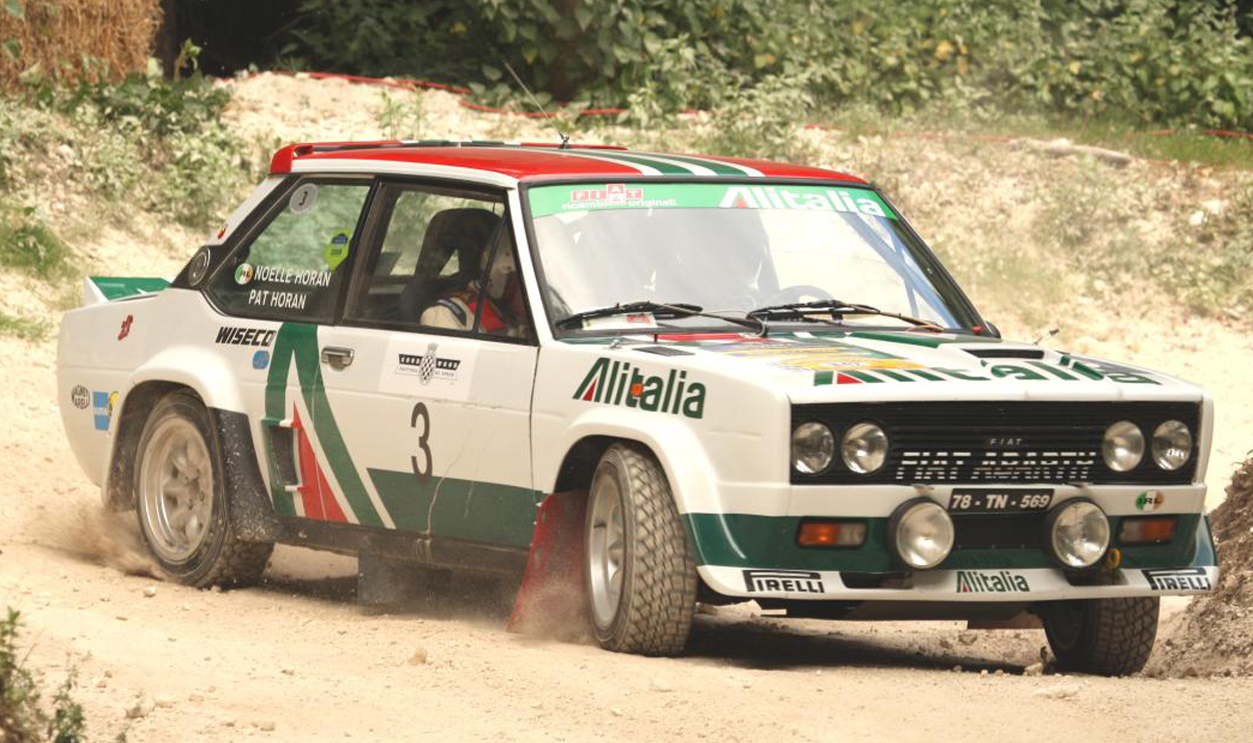
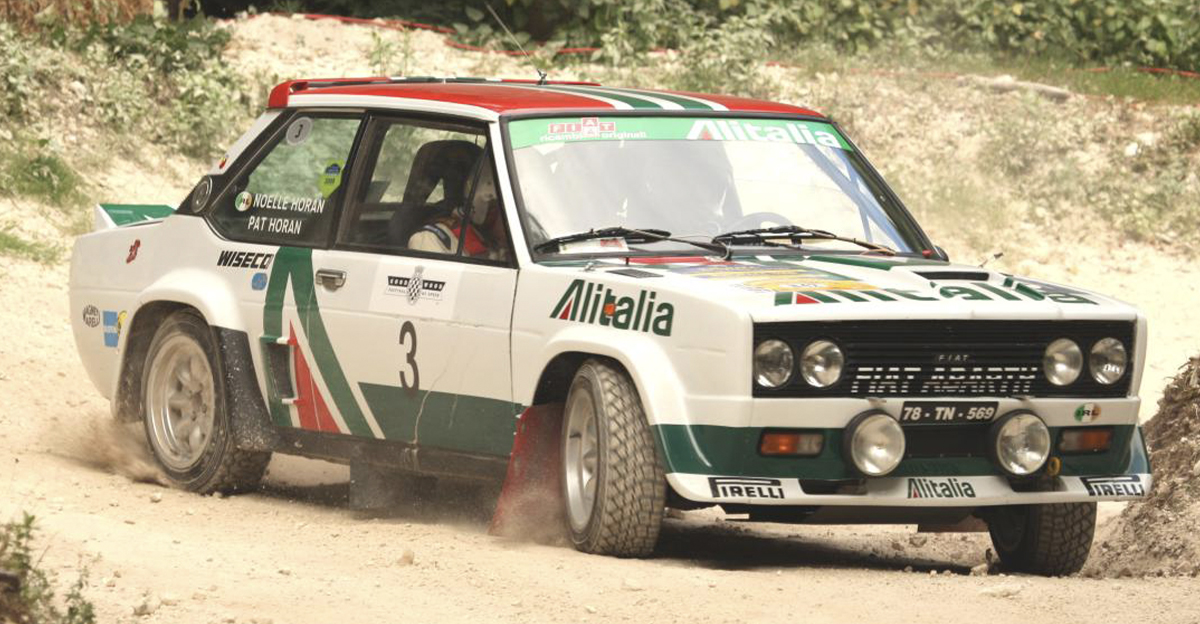
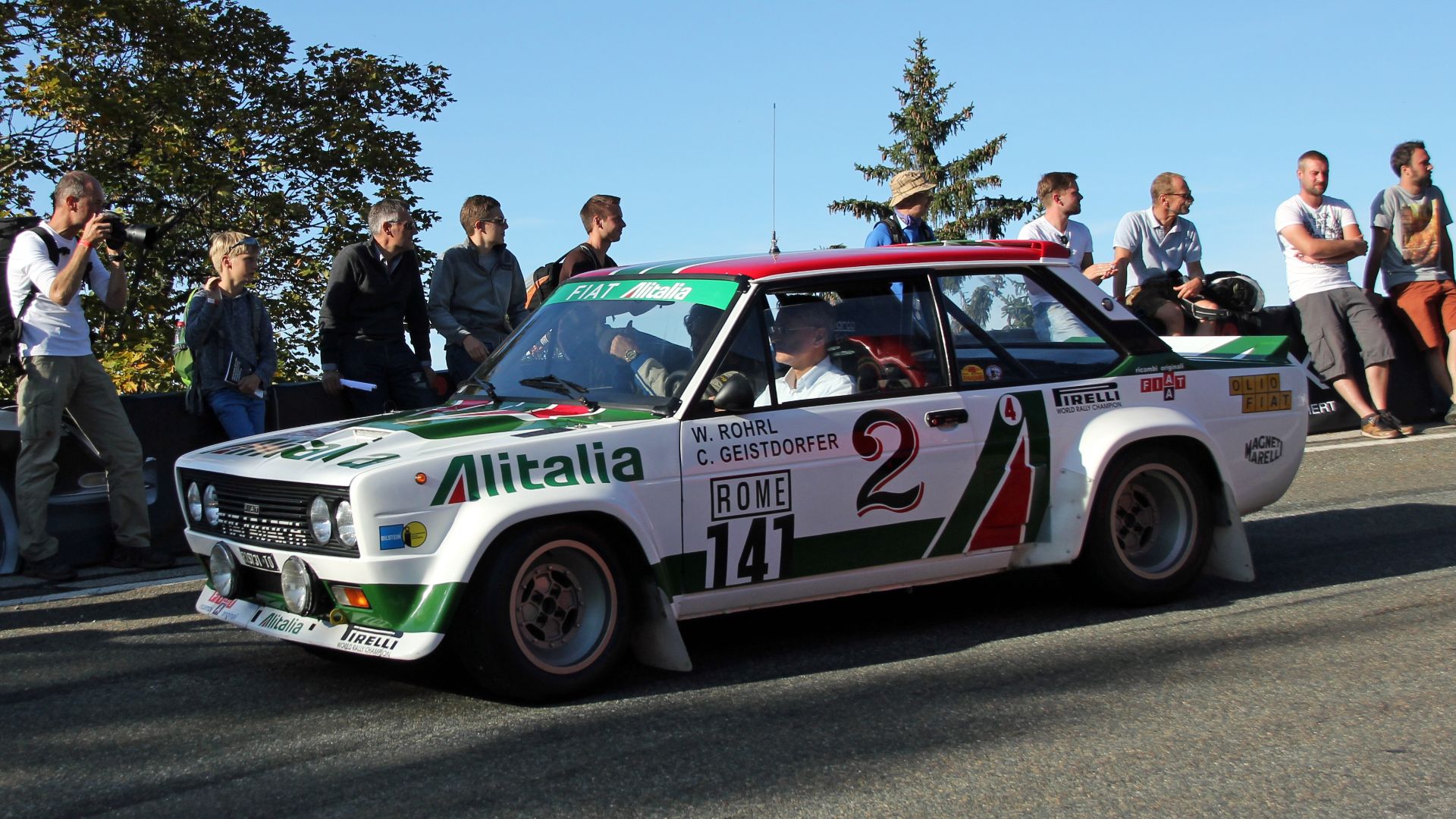
One of the most unforgettable versions of the 131 Abarth wore the red, white, and green colors of Alitalia, the Italian airline. That livery became an instant icon in the late 1970s and is still one of the most recognizable paint schemes in rally history. For many fans, those colors represent Fiat’s golden era in the sport.
How It Compared To Rivals
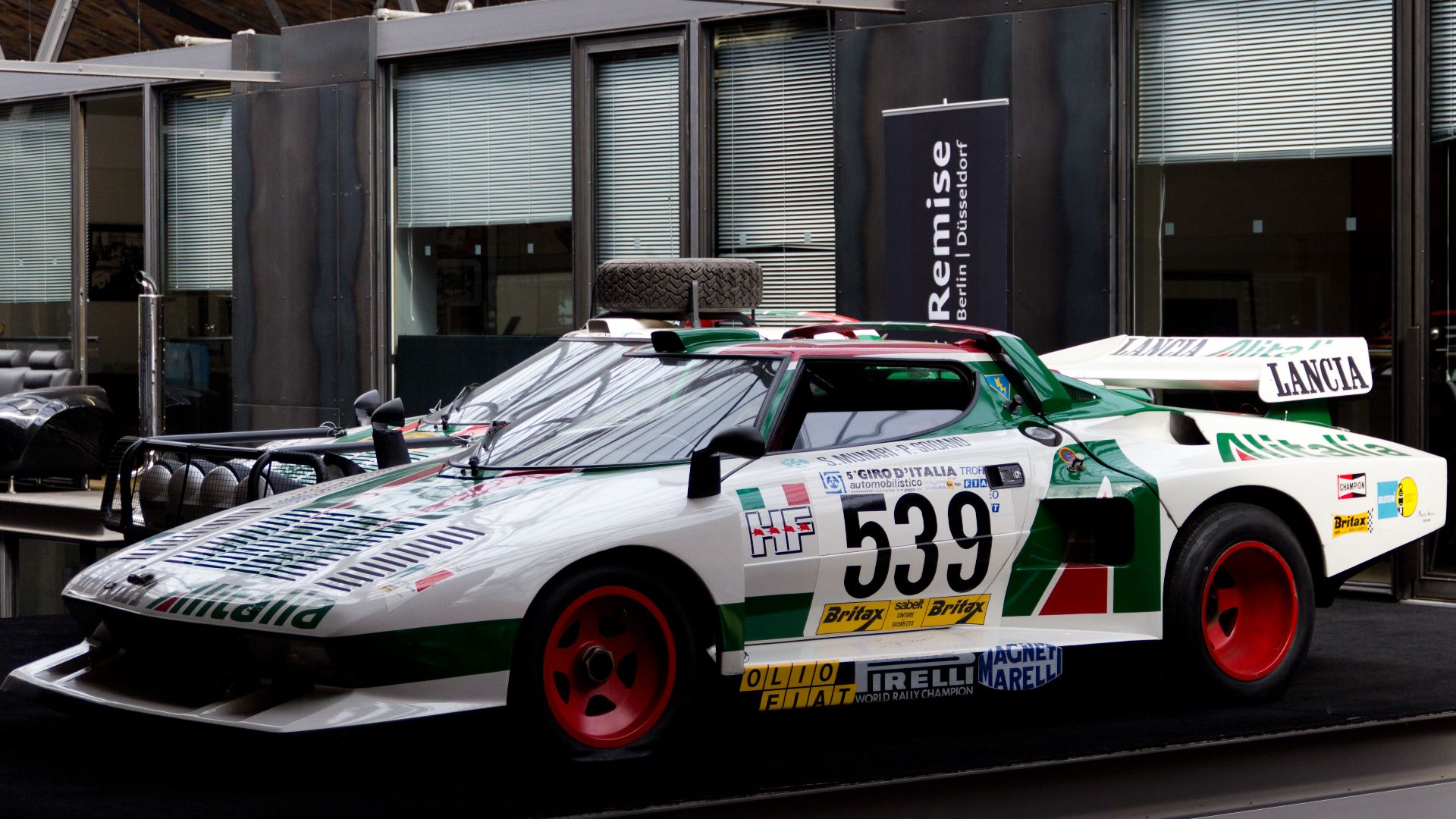
The late 1970s and early 1980s were packed with legendary rally machines. You had the wild mid-engine Lancia Stratos and later the revolutionary four-wheel-drive Audi Quattro. Compared to those cars, the 131 Abarth looked almost traditional with its front-engine, rear-wheel-drive layout. But that conventional setup proved that you didn't always need radical engineering to compete at the highest level. When done right, the basics still worked.
 https://www.flickr.com/people/66926737@N08, Wikimedia Commons
A Homologation Special With Street Cred
The road-going 131 Abarth models built for homologation were special in their own way. With limited production numbers and real performance upgrades, they stood out from the standard 131 lineup. Over time, these cars became highly sought-after collectibles. Owning one today means owning a genuine piece of rally history.
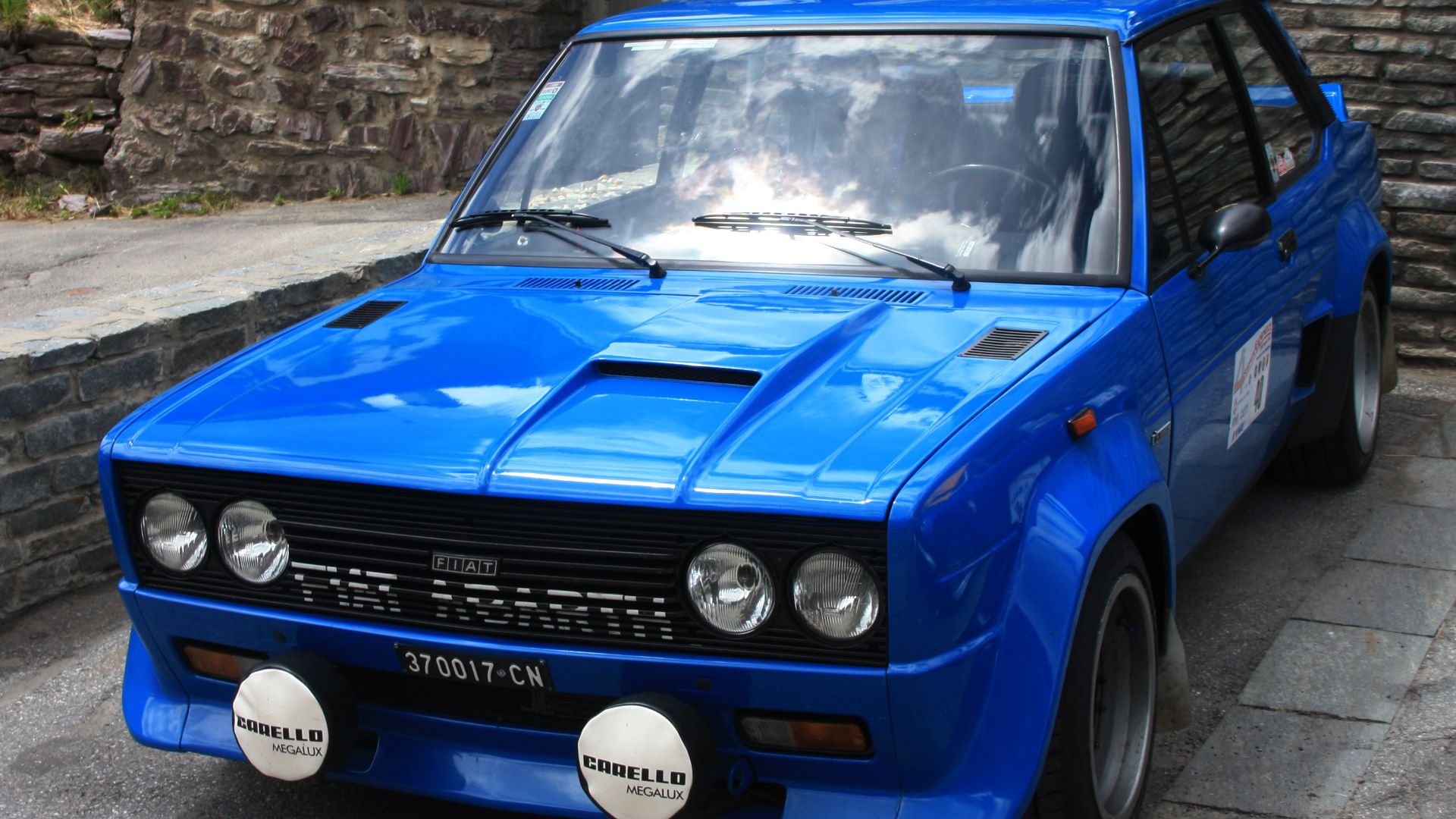 raffaele sergi from Pinerolo, Italia, Wikimedia Commons
A Transformation From Ordinary To Extraordinary
What makes the 131 Abarth story so cool is how unlikely it all seemed at the start. This was a sensible family sedan that somehow evolved into a world championship-winning rally car. Very few cars have made such a dramatic leap while still being clearly connected to their everyday roots.
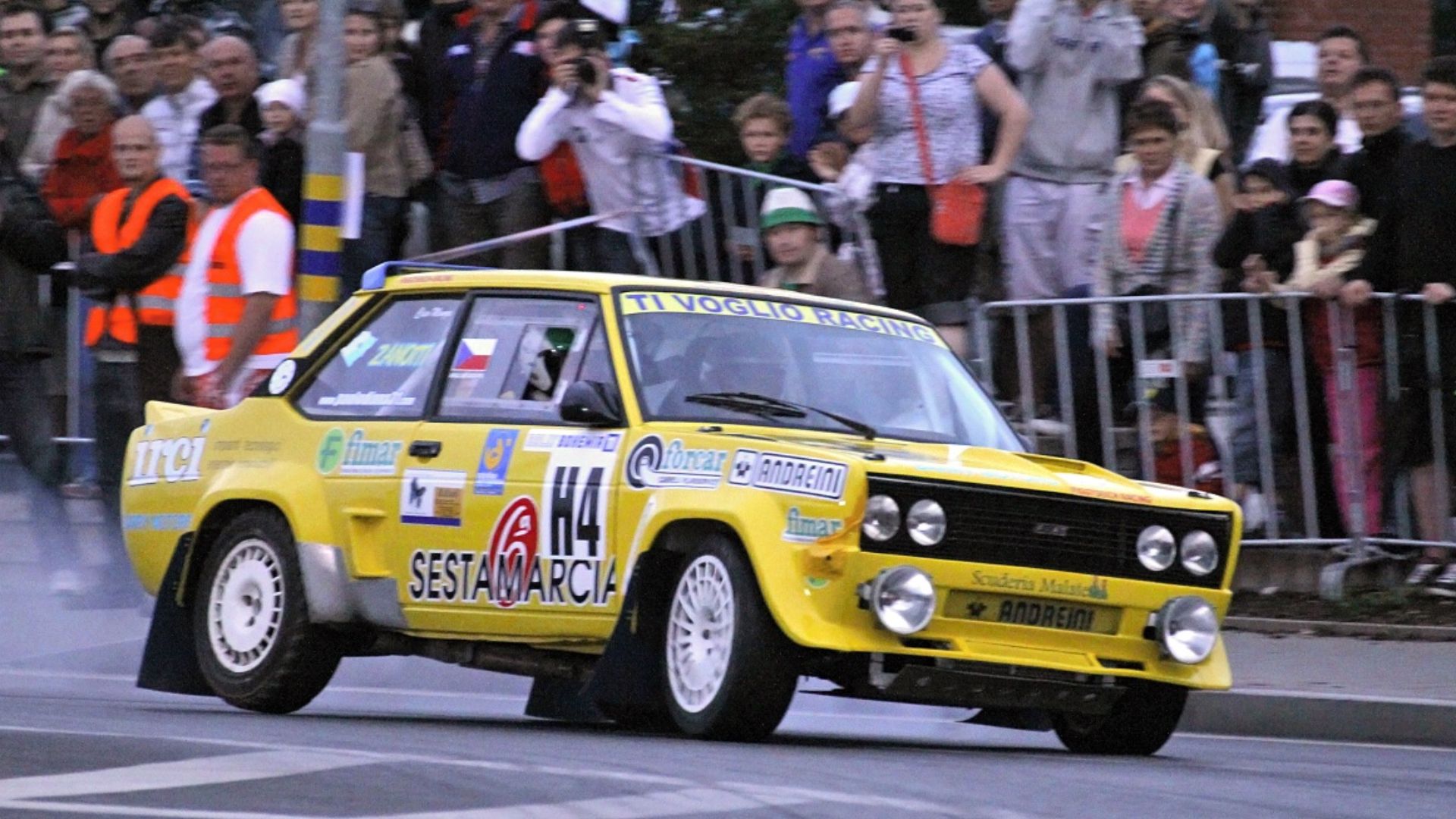
Performance Across Surfaces
Rally racing in the late 1970s and early 1980s was no joke. Drivers had to deal with snow, ice, gravel, mud, and smooth paved roads, sometimes all in the same season. Thanks to its strong engine, capable chassis, and upgraded suspension, the 131 Abarth handled this variety surprisingly well. It was not perfect everywhere, but it was competitive almost everywhere, and that consistency paid off.
![Collectie / Archief : Fotocollectie Anefo
Reportage / Serie : [ onbekend ]
Beschrijving : Start Tulpenralley in Rotterdam; wethouder De Jong star eerste auto van Verini/Russo
Datum : 23 april 1976
Locatie : Rotterdam, Zuid-Holland
Trefwoorden : Autoraces
Instellingsnaam : Tulpenrally
Fotograaf : Croes, Rob C. / Anefo
Auteursrechthebbende : Nationaal Archief
Materiaalsoort : Negatief (zwart/wit)
Nummer archiefinventaris : bekijk toegang 2.24.01.05
Bestanddeelnummer : 928-5360](https://www.factinate.com/storage/app/media/driversdaily/2026/3/5/1772723834927d6c026efc1d3441453078ab1e36661ab59546.jpg) Rob Croes / Anefo, Wikimedia Commons
Rob Croes / Anefo, Wikimedia Commons
Cultural Impact
Even decades later, the Fiat 131 Abarth still holds a special place in the hearts of rally fans and car enthusiasts. Its boxy shape, aggressive flares, and racing pedigree make it instantly recognizable. Add in its connection to legends like Röhrl and Alén, and you have a car that continues to draw crowds at historic rally events and classic car shows.
![Collectie / Archief : Fotocollectie Anefo
Reportage / Serie : [ onbekend ]
Beschrijving : Start Tulpenralley in Rotterdam; Finnen Kivimaki (links) en Alen (rechts) in auto
Datum : 23 april 1976
Locatie : Rotterdam, Zuid-Holland
Trefwoorden : Autoraces, coureurs
Instellingsnaam : Tulpenrally
Fotograaf : Croes, Rob C. / Anefo
Auteursrechthebbende : Nationaal Archief
Materiaalsoort : Negatief (zwart/wit)
Nummer archiefinventaris : bekijk toegang 2.24.01.05
Bestanddeelnummer : 928-5362](https://www.factinate.com/storage/app/media/driversdaily/2026/3/5/1772723972935677f3126ee2e68e9cad70a2b90752835ce49c.jpg) Rob Croes for Anefo, Wikimedia Commons
Rob Croes for Anefo, Wikimedia Commons
In Competition And In Memory
Today, surviving 131 Abarth models can still be seen at vintage rallies, historic demonstrations, and museum displays. They remind people of a time when rally cars were raw, loud, and incredibly tough. Even fans who were not around during its championship years respect what the 131 achieved.
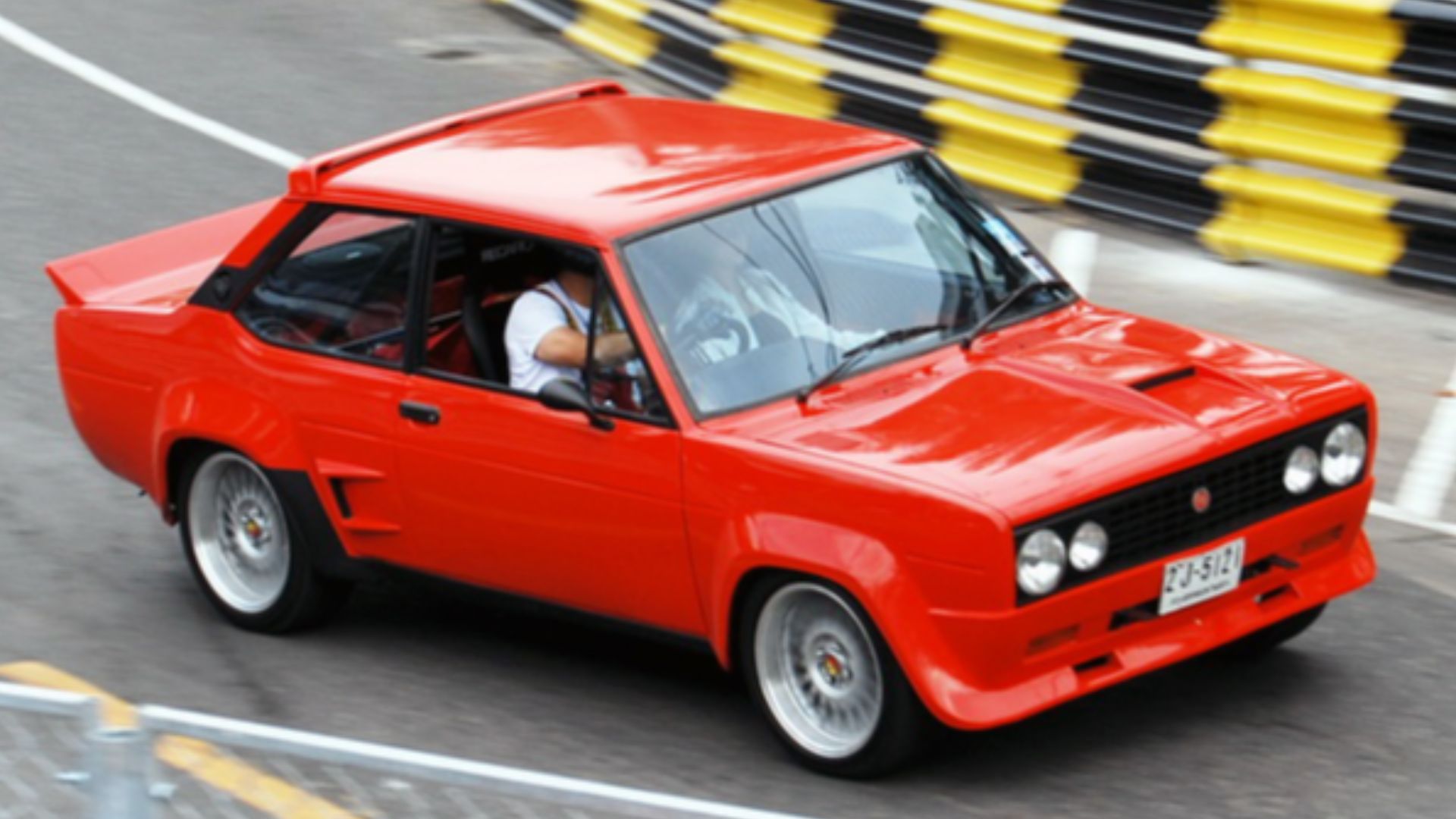 Tom Marshall from Chonburi, Thailand, Wikimedia Commons
Final Thoughts
Looking back, the Fiat 131 Abarth has to be one of the most surprising success stories in rally history. It wasn't the flashiest car on the grid, and it did not rely on cutting-edge tech. Instead, it won through solid engineering, smart development, and pure competitive spirit. Not bad for a car that started life as a humble family sedan.
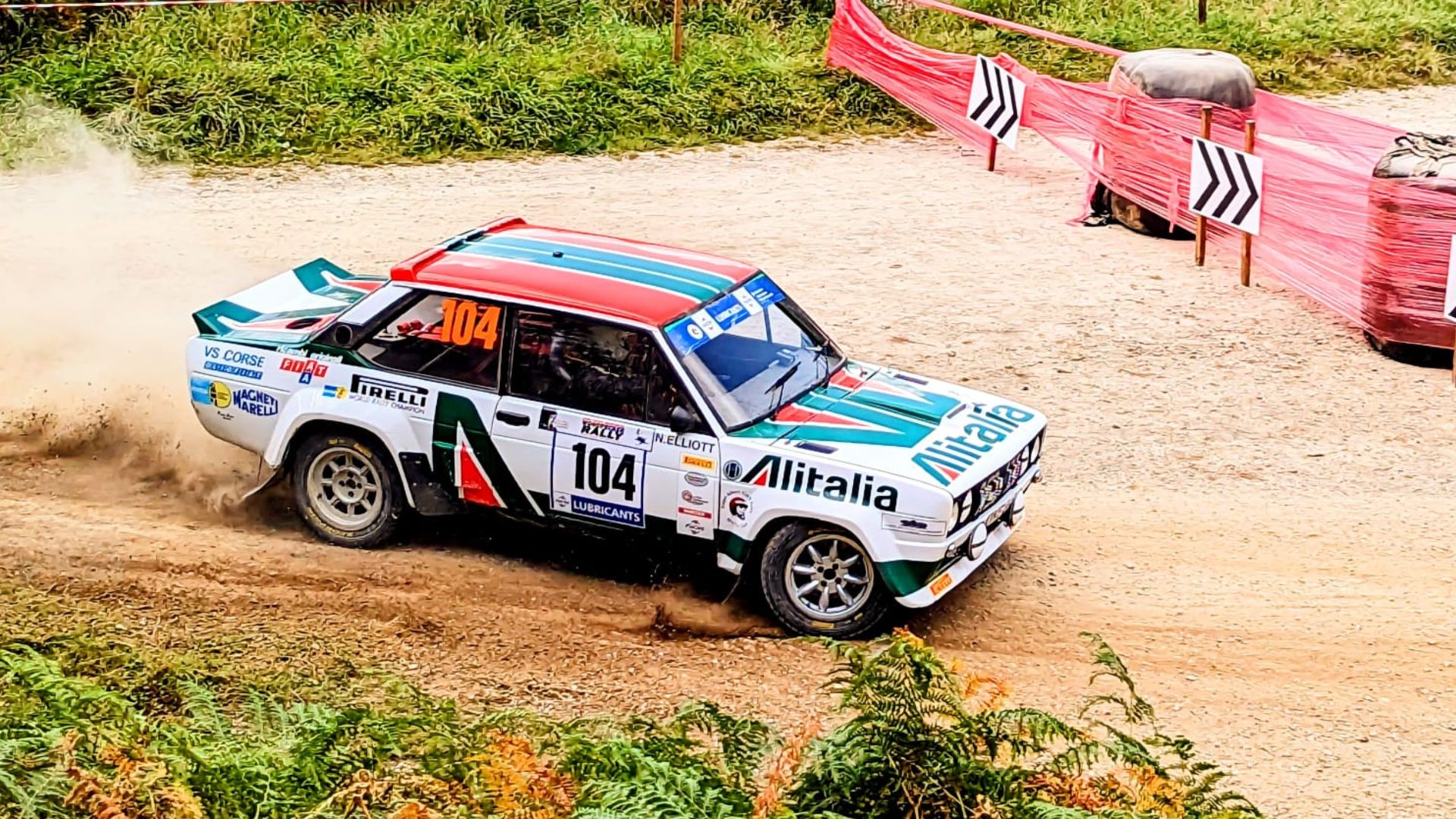 Peter Evans , Wikimedia Commons
You May Also Like:
Rally America: The New Race Format That Has NASCAR Panicking
The Dodge Challenger SRT Demon 170 Made Every Other Muscle Car Look Tame
The Secret World Of Sand Dragging, America’s Hidden Desert Obsession