How One Bike Became Ducati’s Lifeline
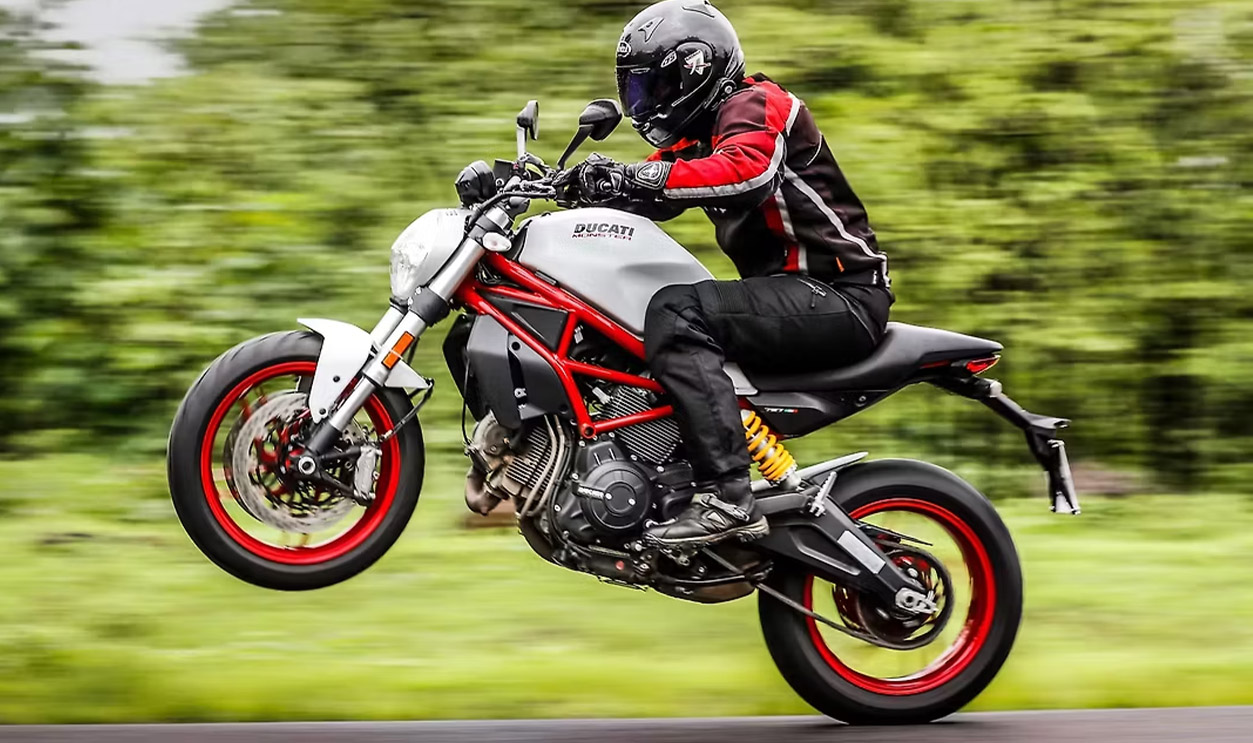
In the early 1990s, Ducati was teetering on the edge. Budgets were tight, credit was shrinking, and the company needed something bold yet affordable to bring in revenue. Enter the Ducati Monster, a stripped‑down, raw bike that changed everything. With its minimalist design, accessible price point, and unmistakable Ducati character, the Monster rescued the entire brand.
The Rise Of Ducati
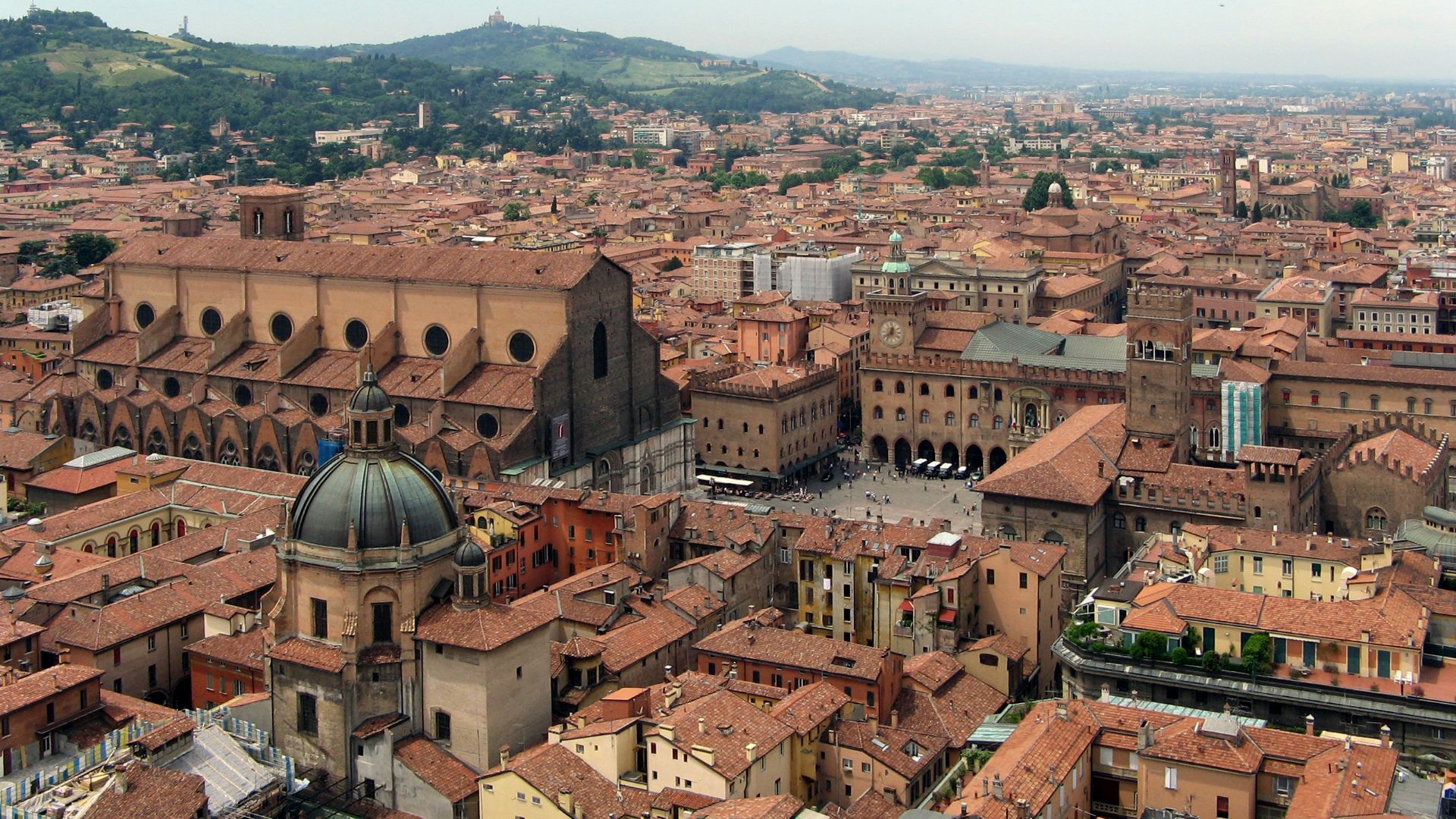
Ducati’s story begins in Bologna, Italy, originally as an electronics firm. Post‑WWII, the company moved into motorcycles and built a reputation for racing success and distinctive engineering, especially the 90° “L‑twin” (V‑twin) with desmodromic valves. By the 1980s and early 1990s, Ducati had built niche supersport bikes (like the 851/888/916 series) that were thrilling but expensive and low‑volume.
 Steffen Brinkmann, claimed to be Szs here Hue and distortion fixed by Wikipeder., Wikimedia Commons
The Decline And Financial Troubles
Despite its pedigree, Ducati in the early 1990s faced serious financial troubles. The cost of developing high‑end superbikes, the narrow niche market, and credit problems with suppliers meant cash flow was endangered. Some sources say the company was in real danger of bankruptcy, with mounting debts and limited product breadth.
A New Direction Needed
Management realized Ducati couldn’t survive by only making exotic superbikes. They needed a broader appeal, a model that could be built using off‑the‑shelf parts, priced more affordably, and attract younger riders. Mass production, efficient design, and a “fun” package became the goal.
The Birth Of The Monster Concept
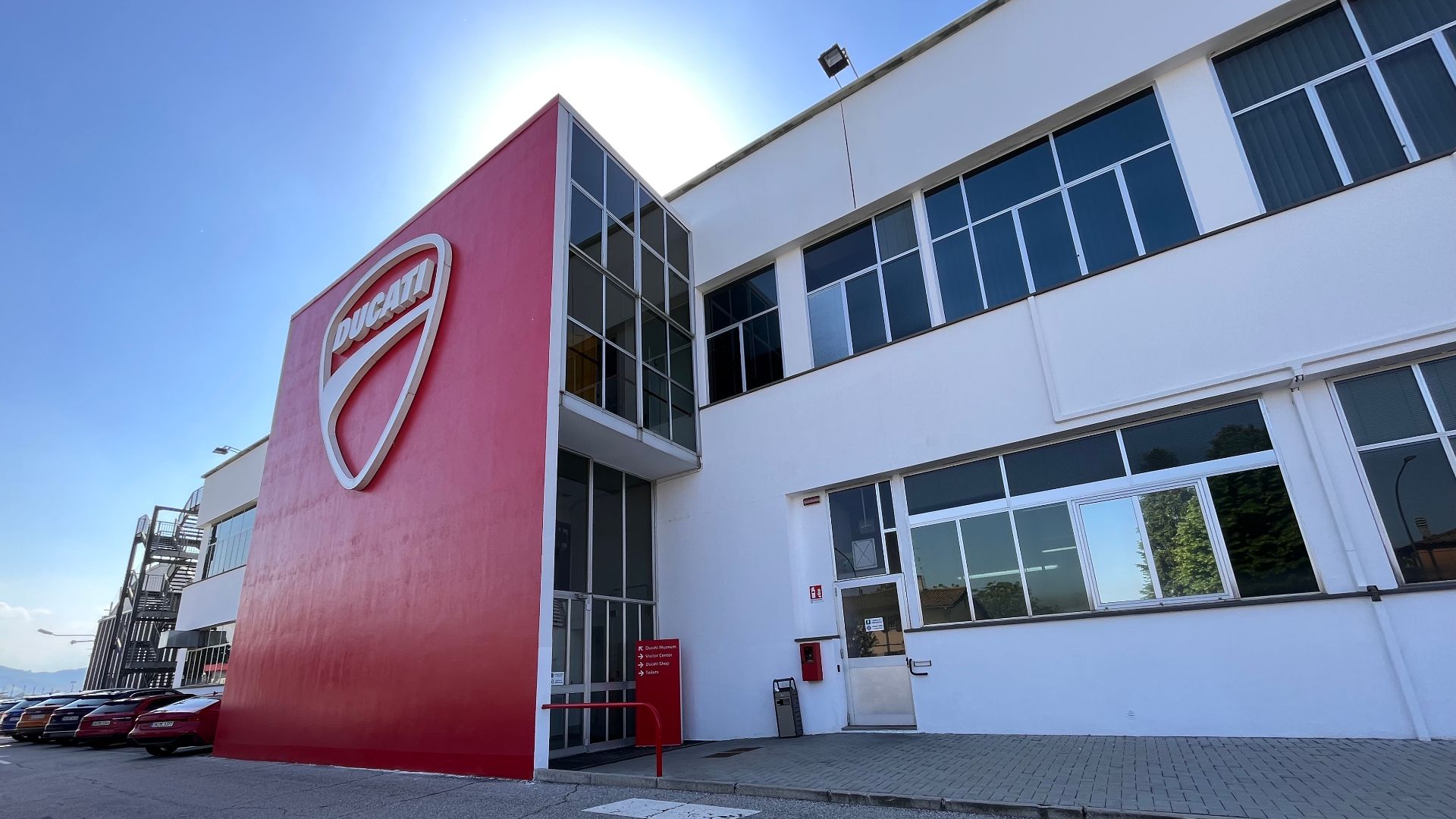
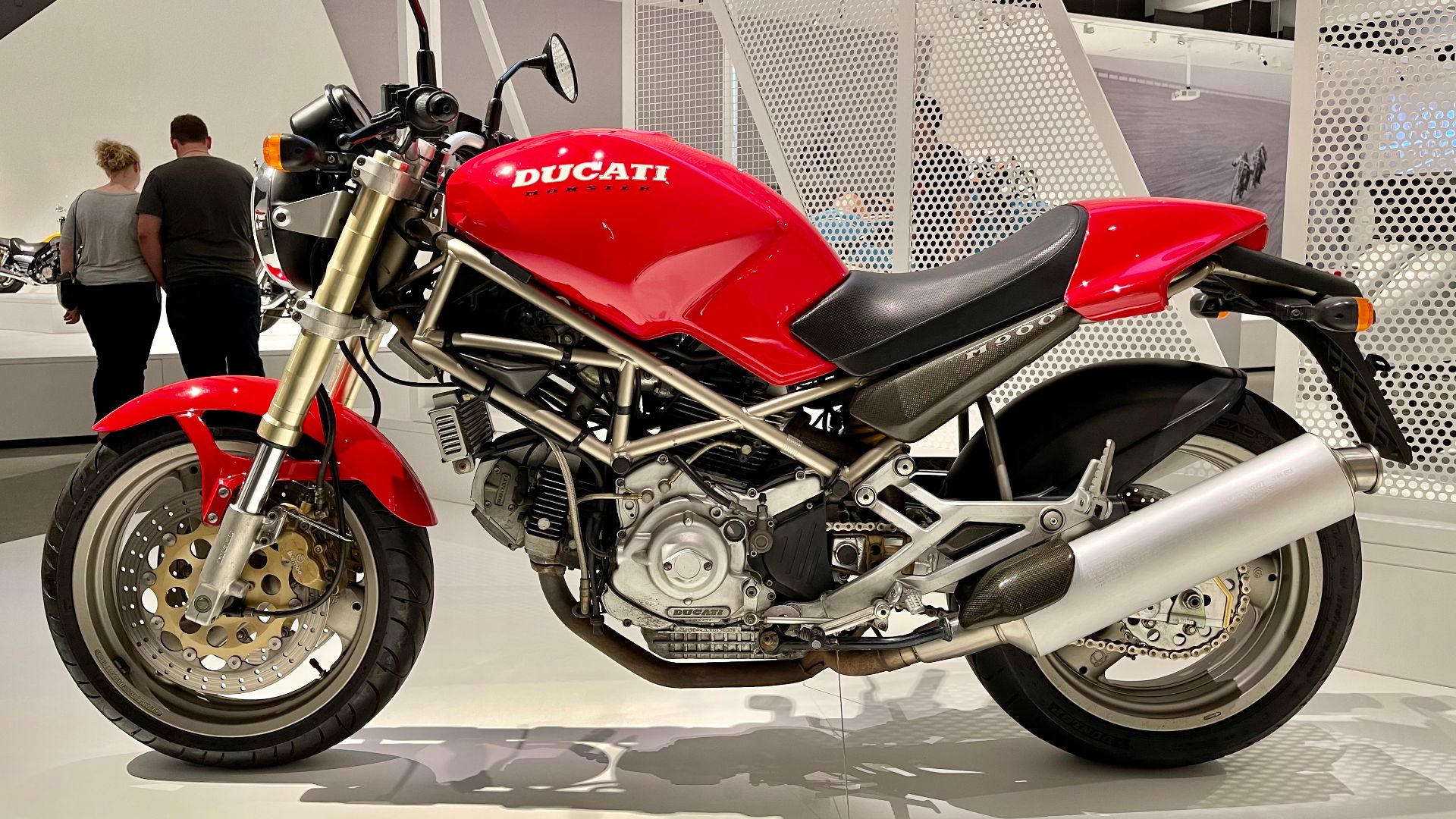
In 1992, designer Miguel Galluzzi (working for Cagiva’s design shop, which overlapped with Ducati at the time) sketched what became the Monster. He famously said: “all a bike needs is a saddle, engine, two wheels, handlebars and a tank to fill with fuel”. The concept: expose the engine and trellis frame, remove fairings, simplify, reduce cost, but keep character.
 Chris Olszewski, Wikimedia Commons
From Parts Bin To Production
Ducati leaned into the idea by using existing parts across models to keep cost and development time down. The first Monster used the air‑cooled 904 cc engine from the 900SS, the trellis frame from the superbikes, inverted forks and Brembo brakes borrowed from other models. This clever reuse gave performance and quality at a lower cost.
Launch And Early Reception
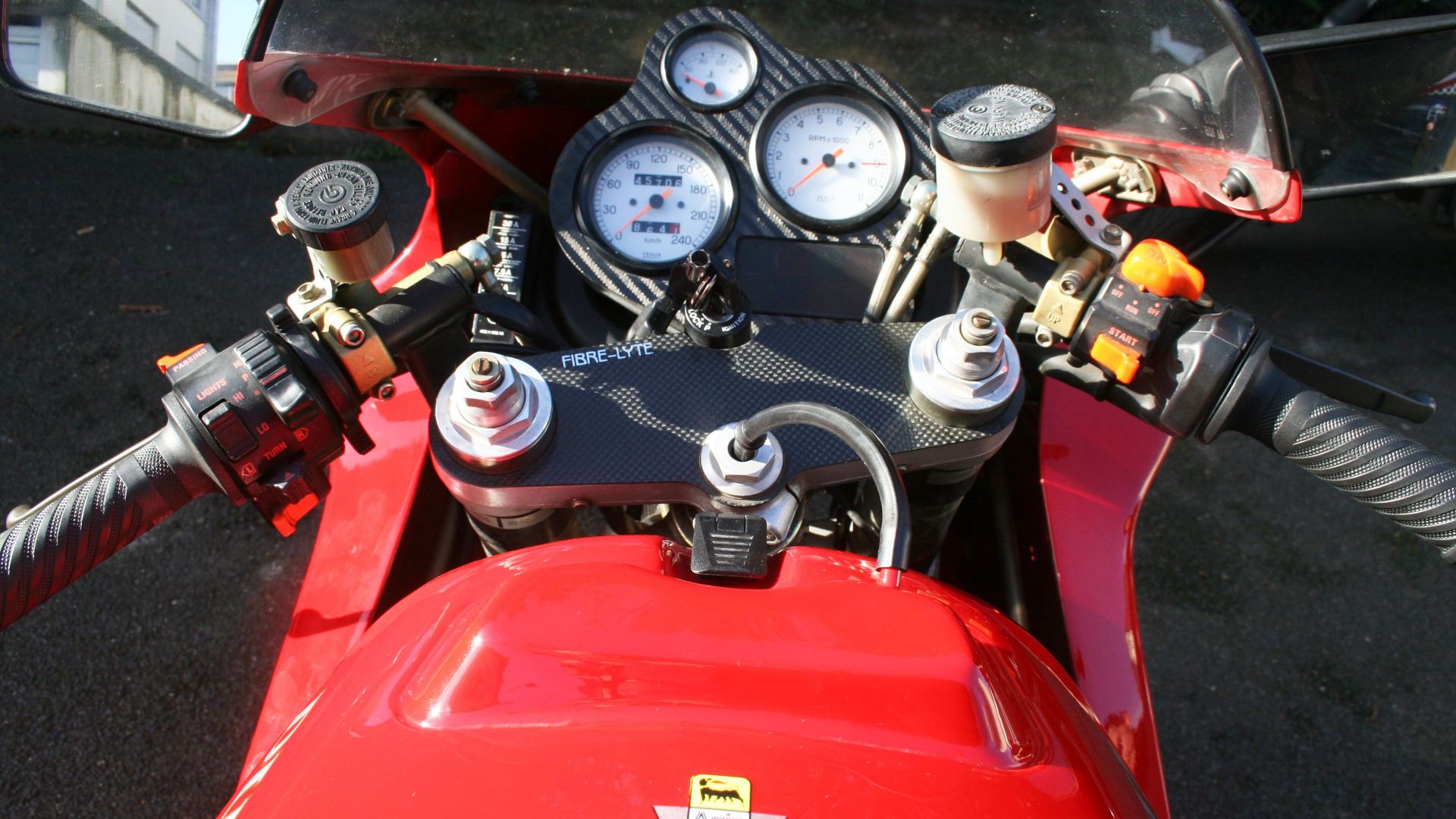
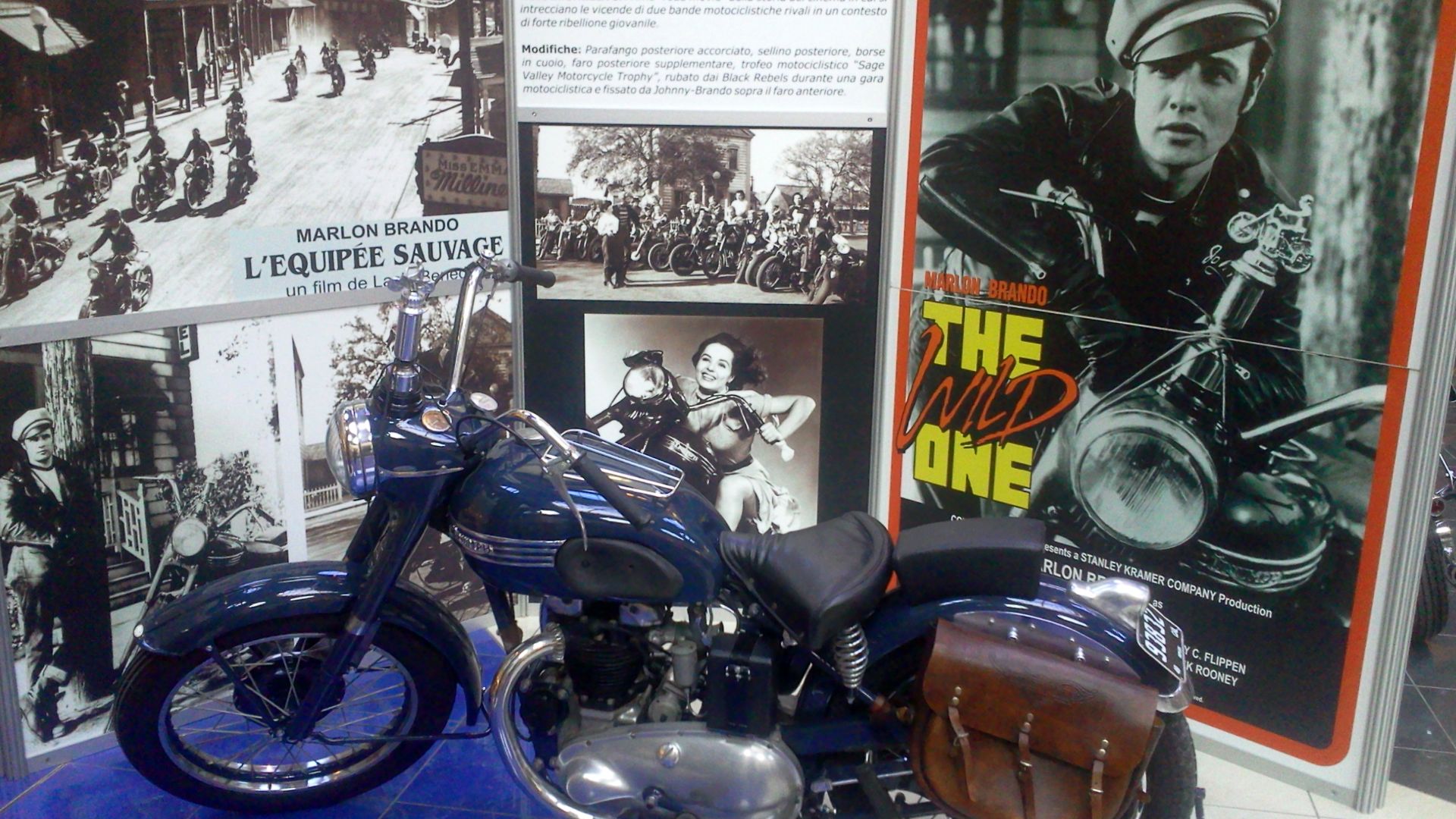
The first Monster (the M900) launched in late 1992/early 1993. At its Cologne Motorcycle Show debut, it attracted attention. According to sources, it looked like the bike Marlon Brando would ride today in The Wild One. The styling was bold for Ducati and the naked motorbike genre.
 Midnight bird, Wikimedia Commons
The M900: Performance & Accessibility
The M900 tipped the scales at around 185 kg, featured a 904 cc air‑cooled L‑twin, produced approx 78 bhp (in early spec) and delivered sporty handling thanks to the sportbike‑derived chassis. For riders, it meant Ducati performance without the full superbike price tag.
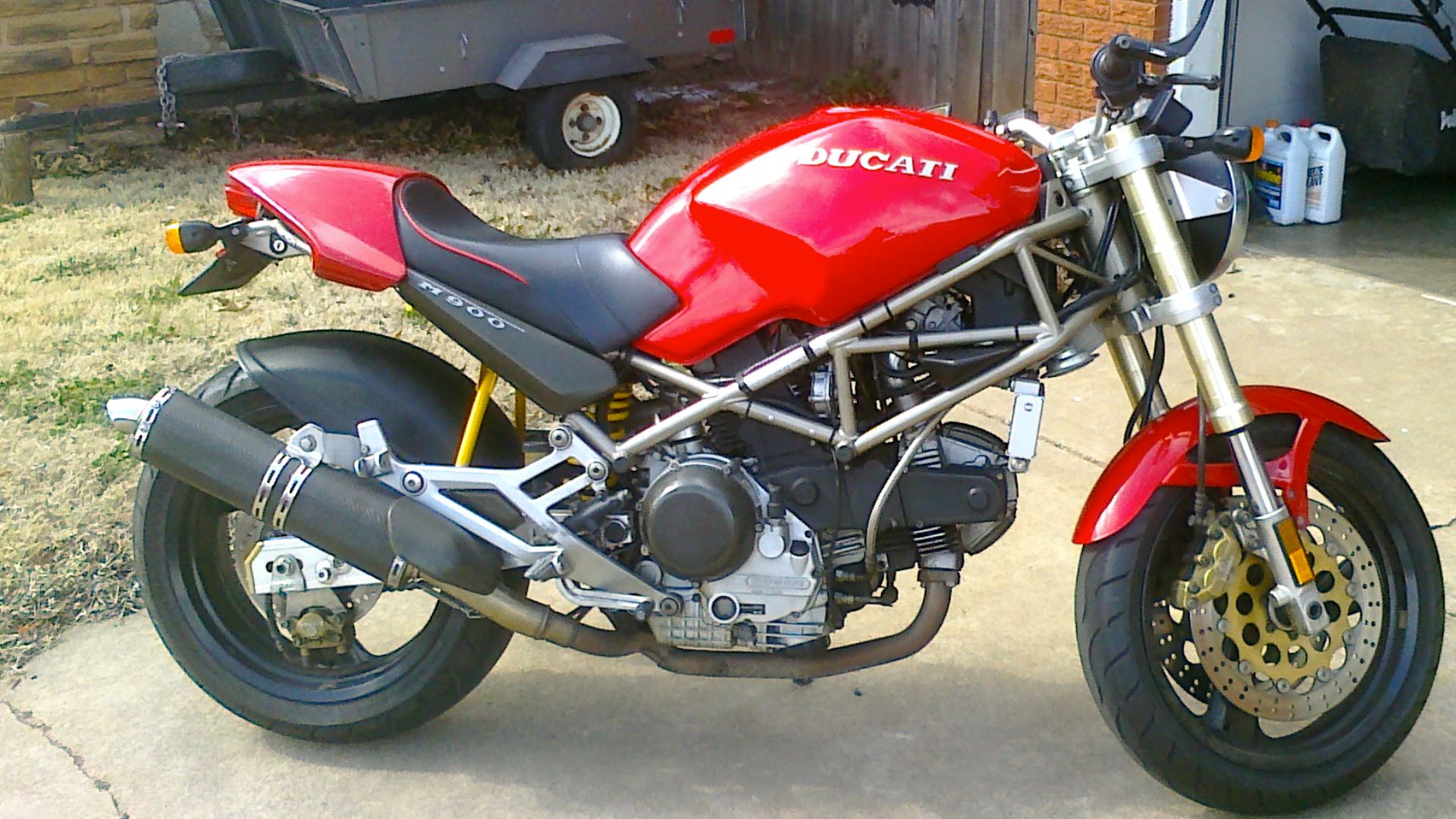 Allen Bearce from Midwest City, USA, Wikimedia Commons
Rapid Expansion
With its broader appeal, the Monster spun off many models: the smaller M600 in 1994, the M750 in 1996, and later multiple capacity versions. The wider model range meant more buyers, and more revenue. By 2005, Monster sales accounted for over half of Ducati’s worldwide output.
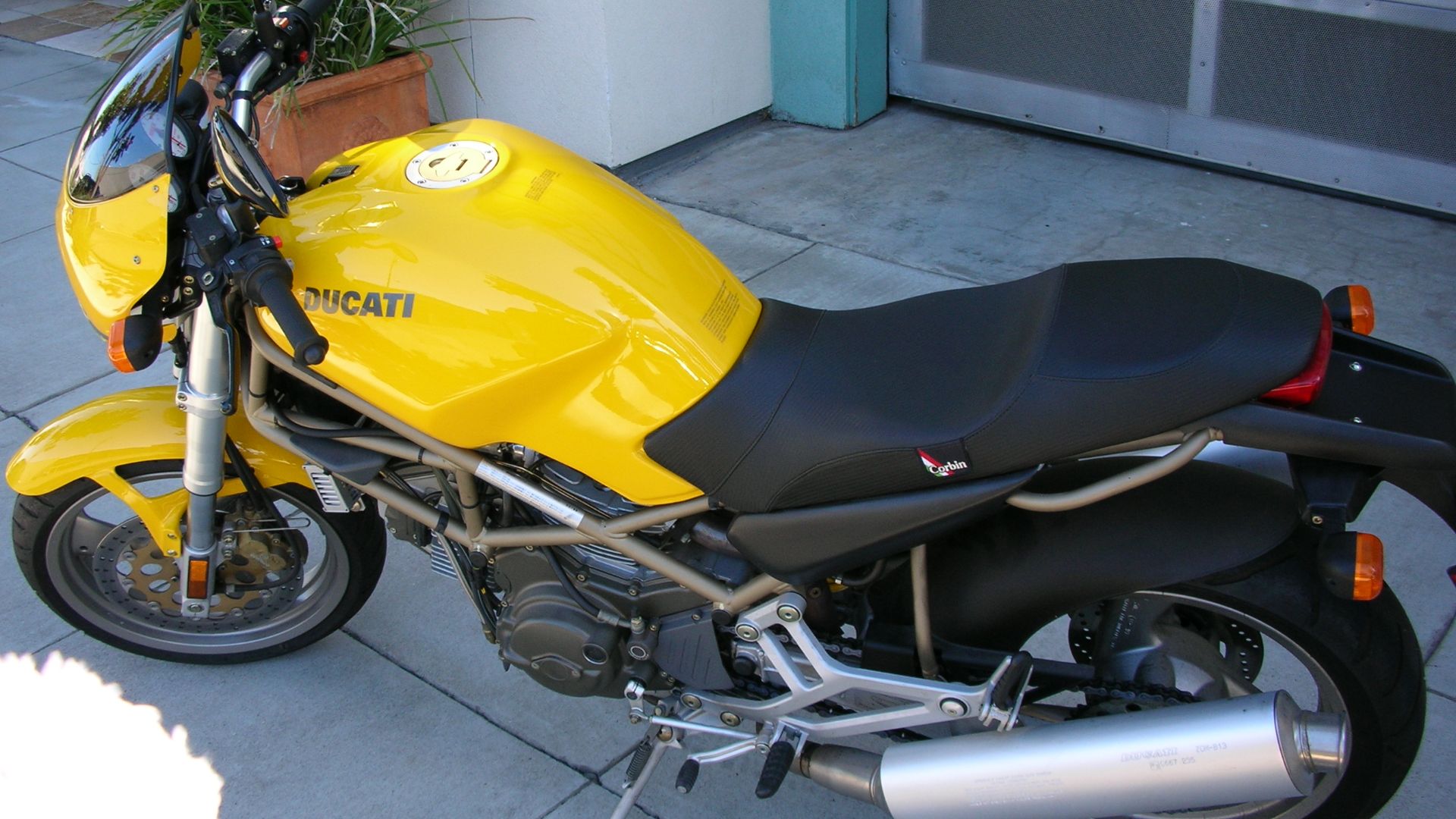 George Arriola from Potrero Hill, San Francisco, CA, United States, Wikimedia Commons
The Bike That Saved Ducati
Because the Monster brought volume, visibility, and stability. It created cash flow, broadened Ducati’s brand beyond hardcore superbike fans, and allowed investment in future models. Many commentators say without the Monster’s success, Ducati might’ve folded or been sold off.
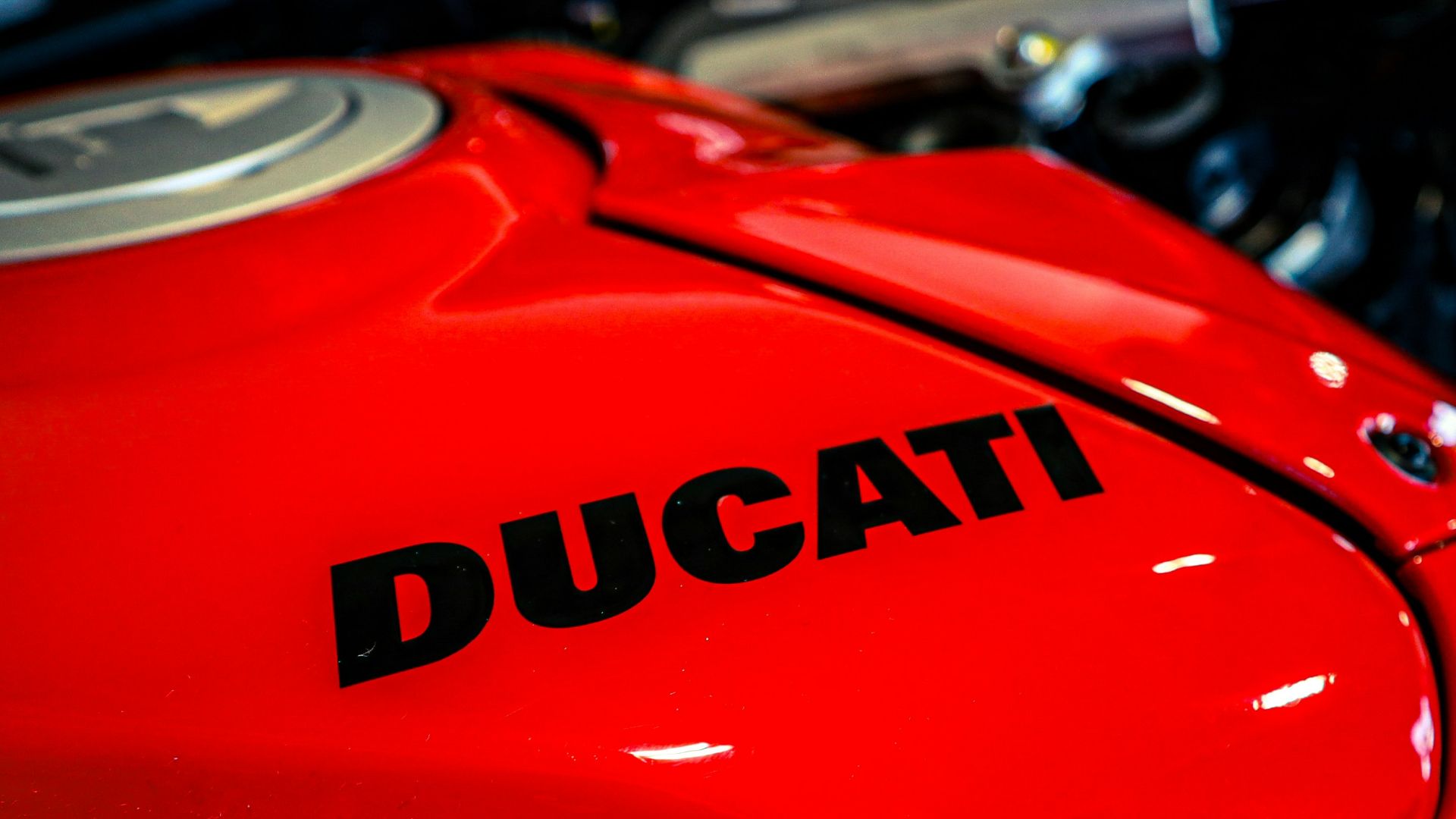
Design Philosophy: “Bare Essentials”
The Monster’s design deliberately stripped away fairings and embraced the visible trellis frame, engine and naked mechanical beauty. Galluzzi said good design “doesn’t have time” and should avoid trendy gimmicks. The result: a timeless look that still resonates.
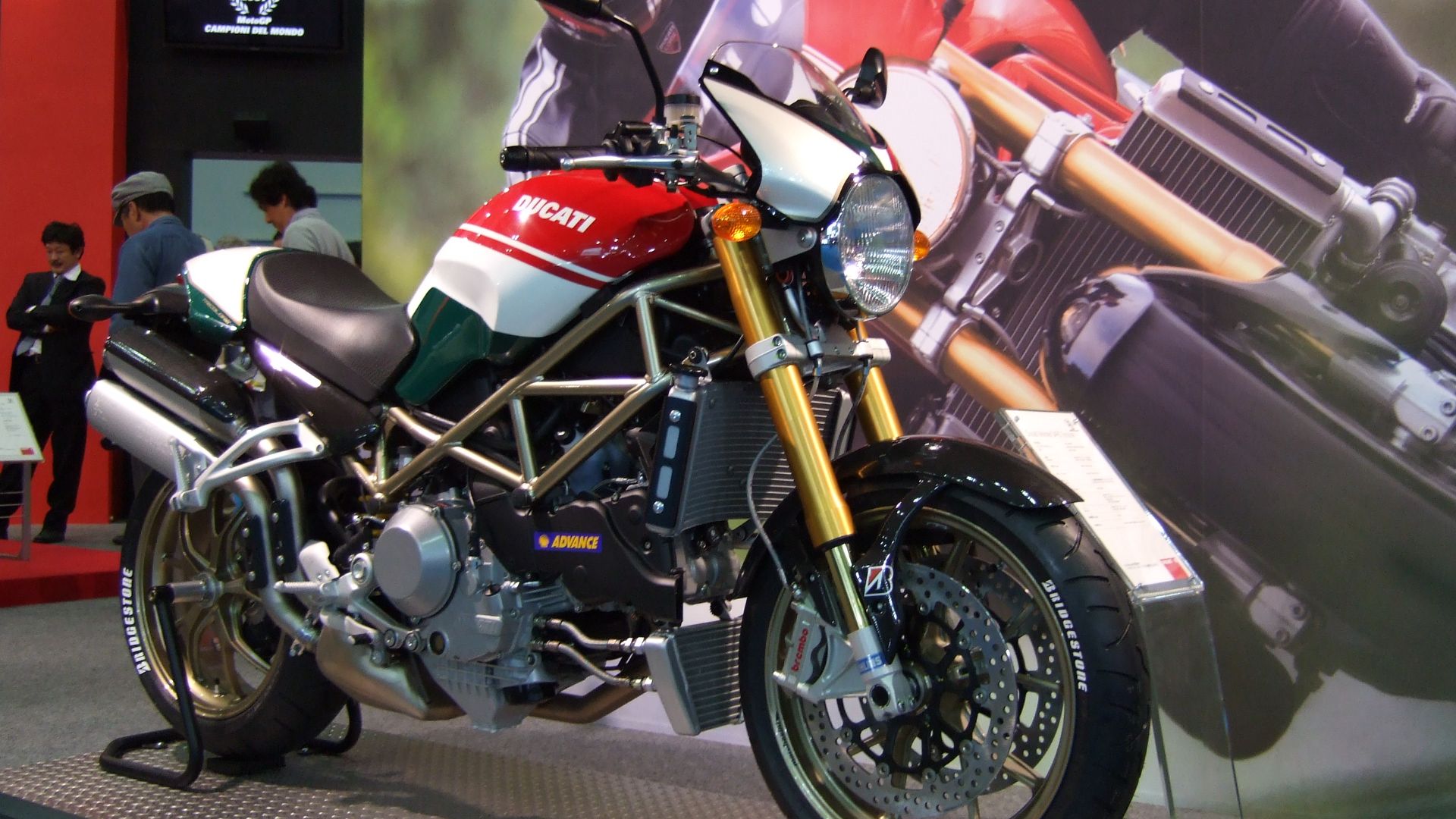 HORURUN@SRV250, Wikimedia Commons
The Evolution Of Engine And Chassis
Over time the Monster line grew to include water‑cooled engines, bigger displacements (796, 1100, 1200), upgraded suspension (Öhlins on top models), improved brakes, and electronics. For instance, the Monster 1200 used the Testastretta engine, making 135 hp in base trim.
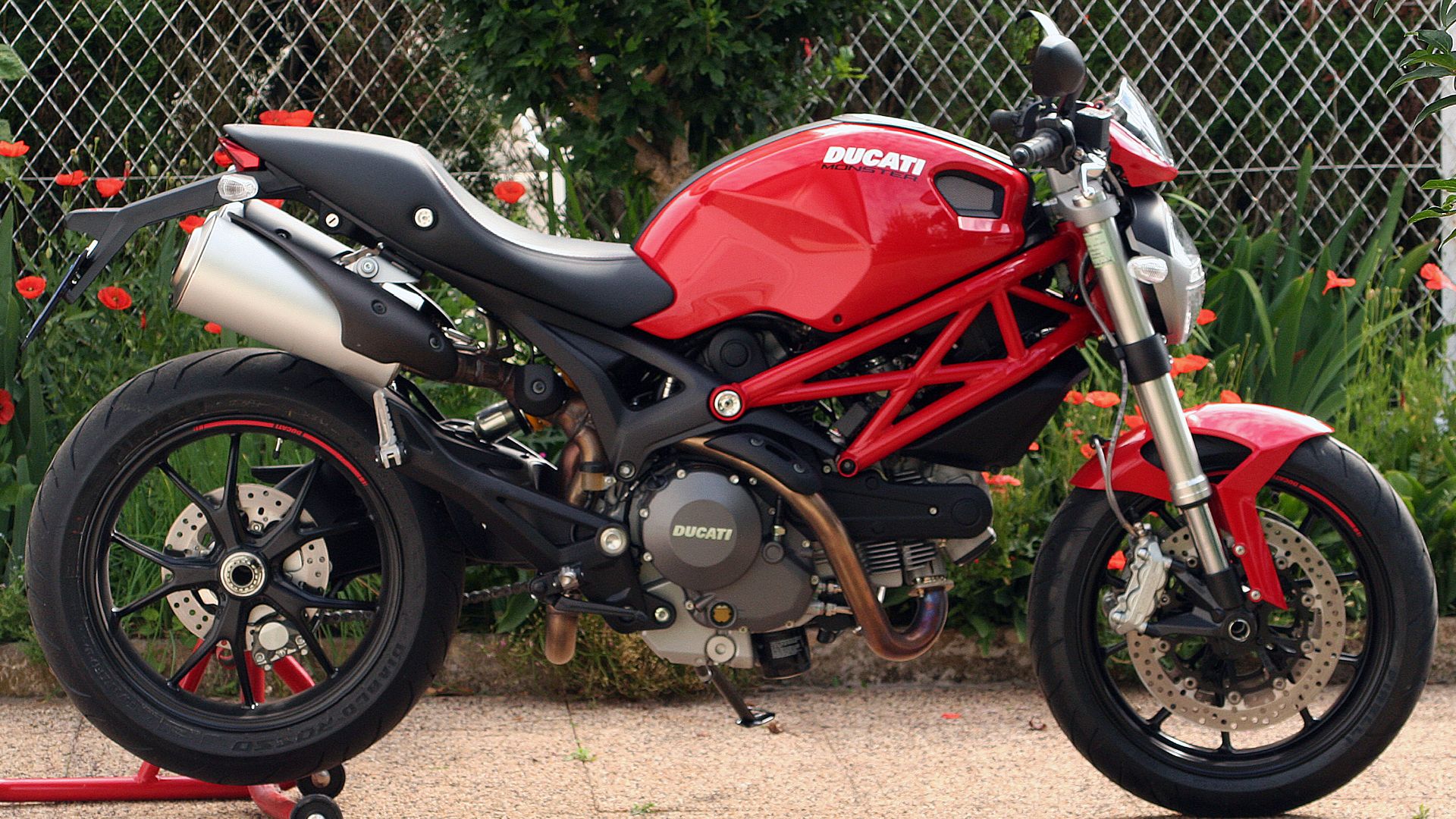 Monster1000, Wikimedia Commons
The Specs: The Classic Monster 900
The basics: the 1993 Monster 900 used a 904 cc air‑cooled L‑twin, approx 78 bhp, weight about 185 kg, and thanks to its sport‑bike frame and naked design felt agile. Later versions improved significantly. It offered Ducati performance in a simpler package.
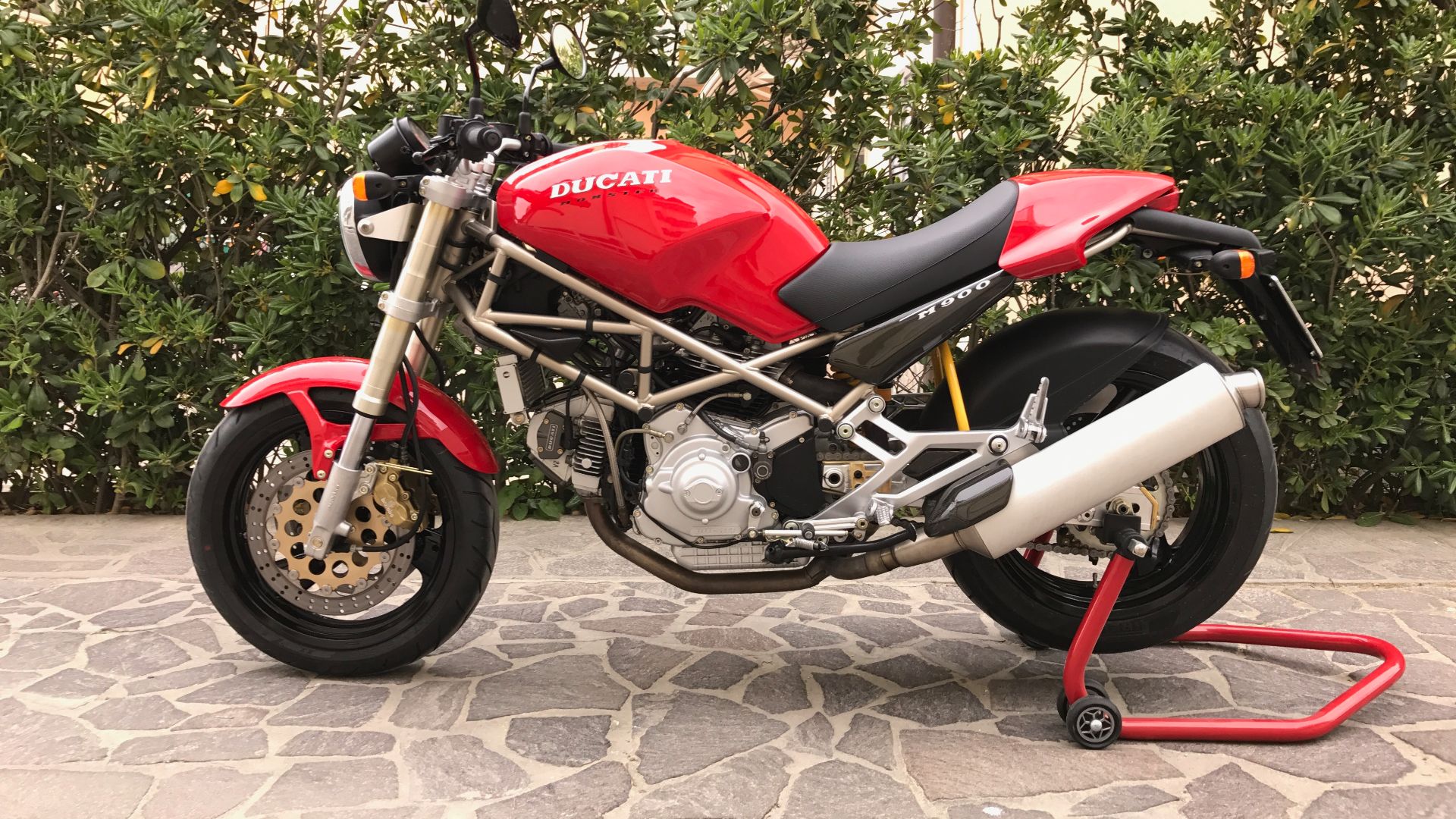
A Market Pioneer
Because of the Monster’s success, the “naked bike” or “streetfighter” category exploded. Other manufacturers followed. The Monster wasn’t just a new model, it inspired an entire segment. For Ducati it, meant “category creator” status.
 Tom Reynolds from Melbourne, Australia, Wikimedia Commons
The Business Side: Cost‑Effective Manufacturing
Ducati optimized production by sharing components, using existing tooling, and targeting a more accessible price point. The Monster served as a volume model that funded the higher‑end bikes. Its profitability and lower production cost per unit were crucial to stabilizing the company’s finances.

Cultural Icon And Custom Base
The Monster’s minimalist, “blank canvas” nature made it popular for customization. Owners could personalize tanks, frames, exhausts. The style resonance helped build a community and brand loyalty, which reinforced Ducati’s image beyond mere bikes.
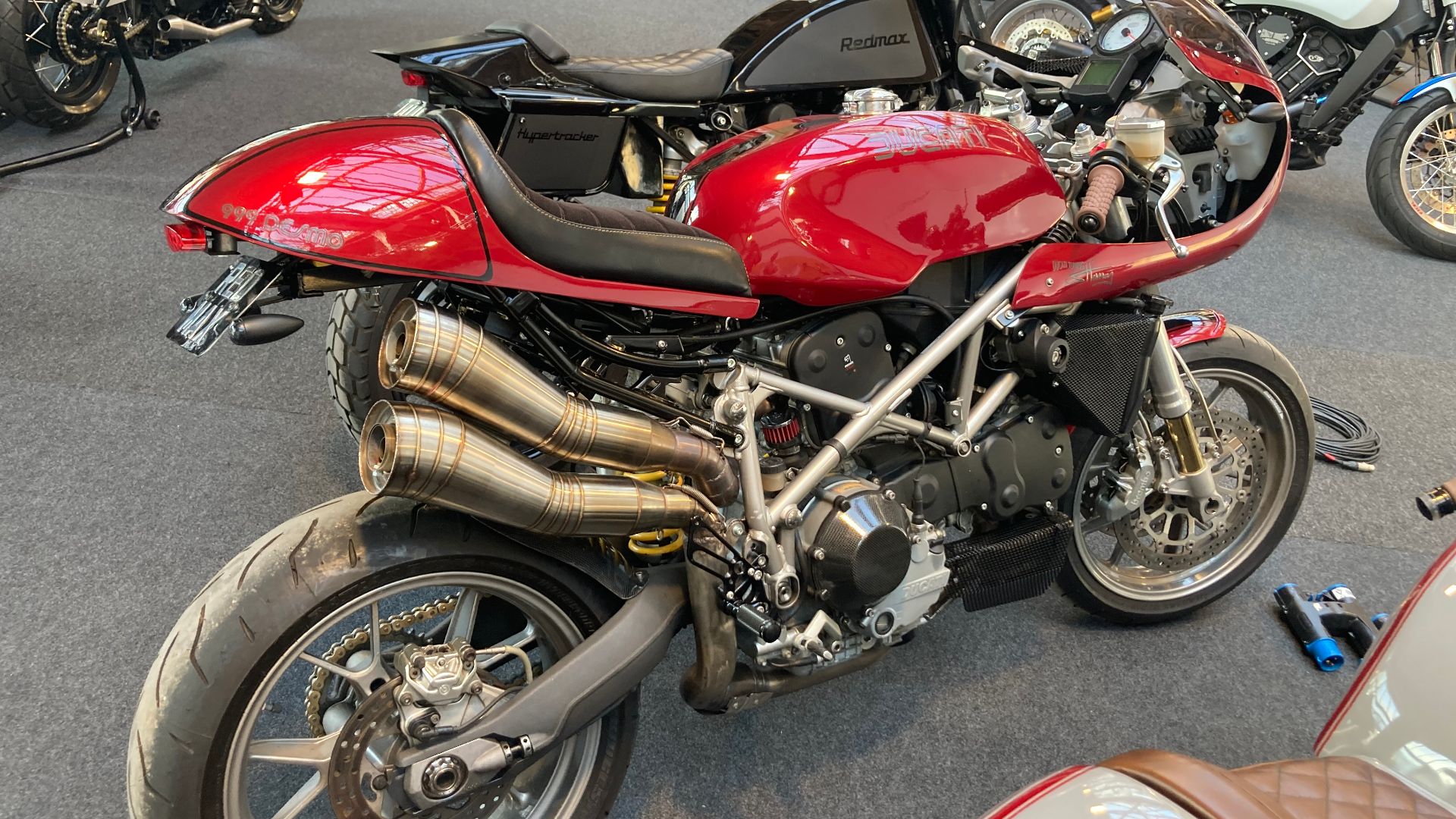 REDMAXSPEEDSHOP.COM, Wikimedia Commons
Why Riders Loved It
Riders loved the Monster because it delivered Ducati’s signature L‑twin thrill and Ducati chassis feel, but in a less intimidating, more upright, versatile form. It could do city rides, weekend jaunts, and sport‑bike thrills. That versatility widened Ducati’s appeal.
The Monster’s Legacy
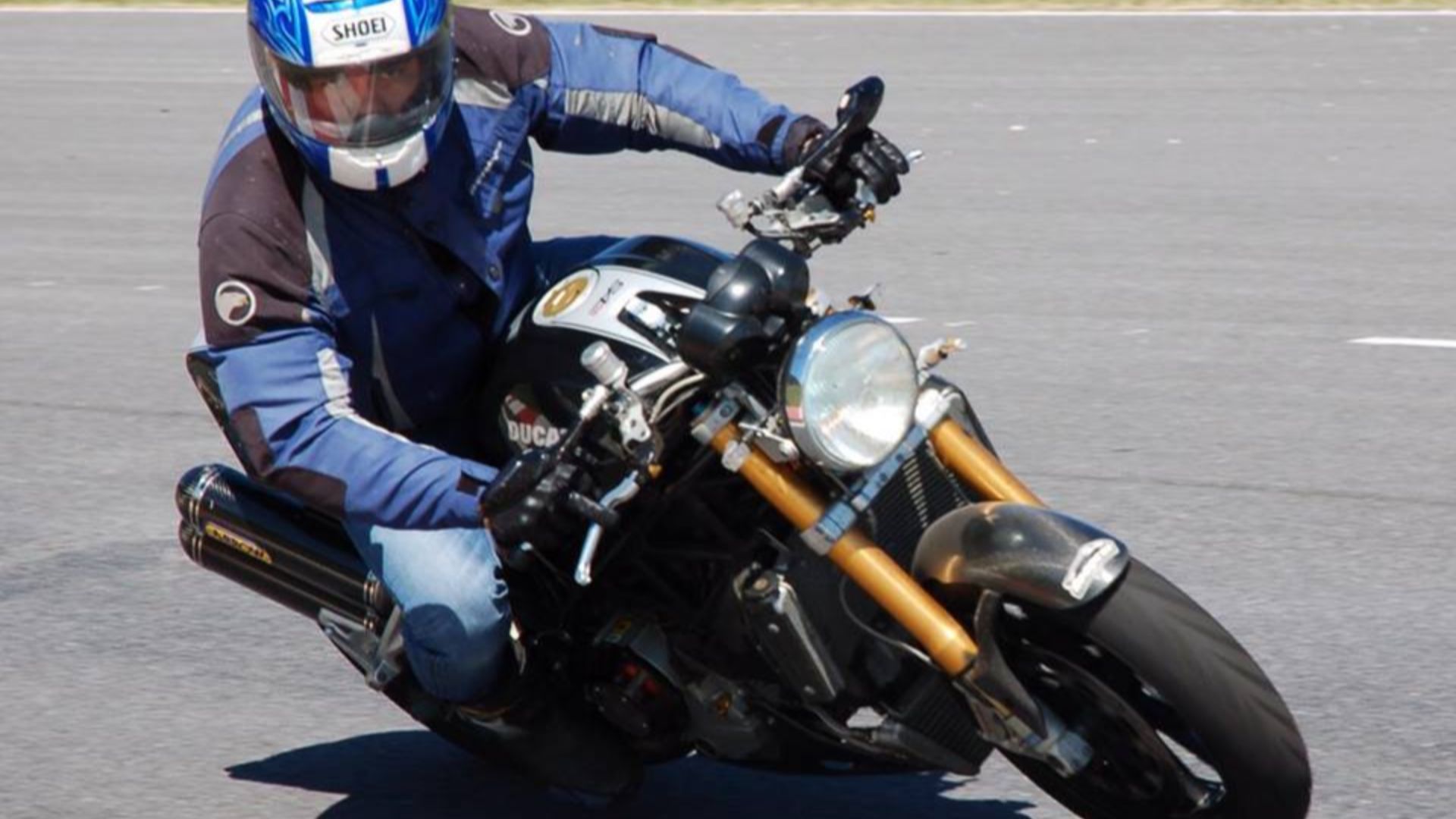
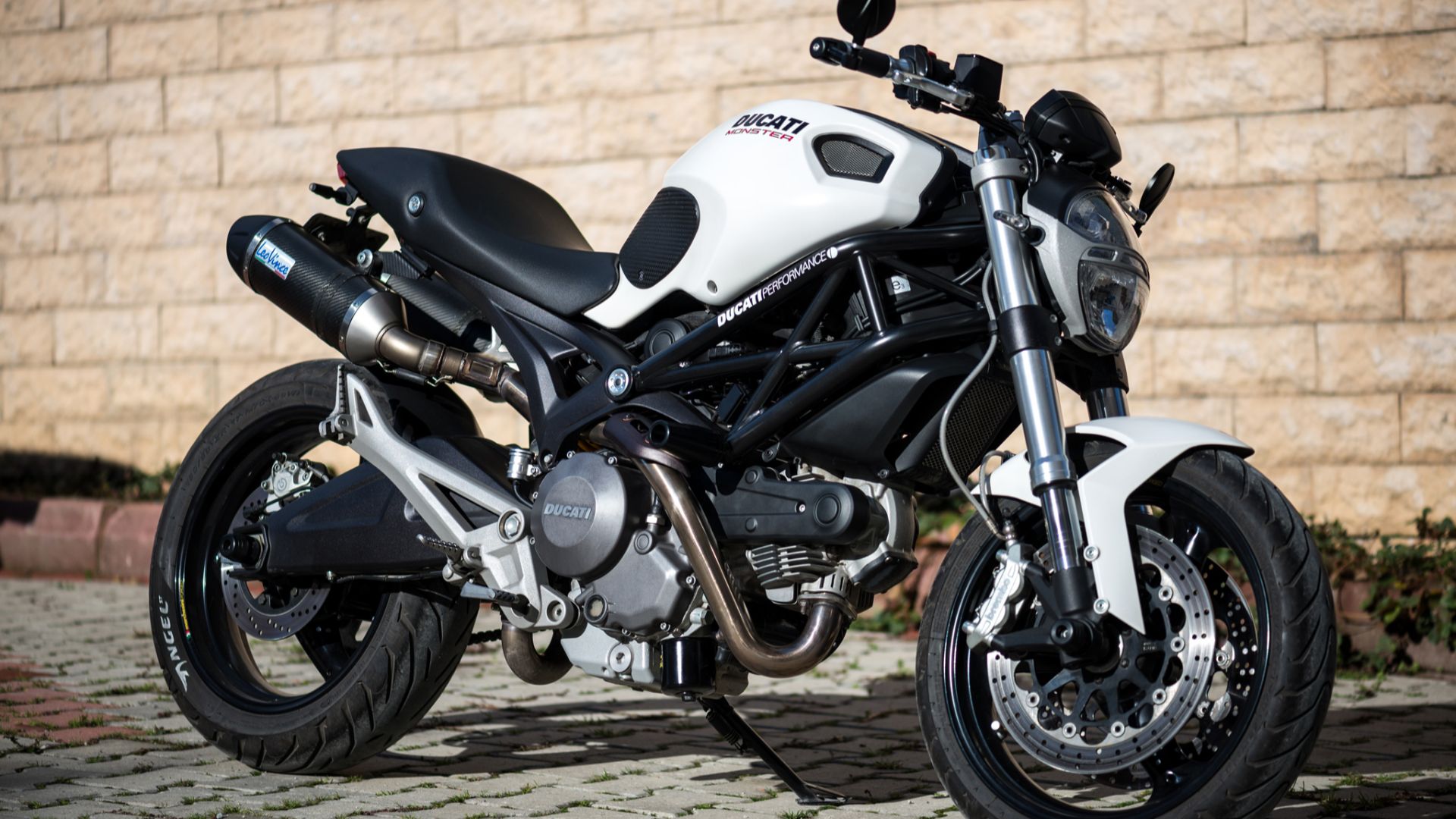
Even today, the Monster range continues. Newer versions weigh less, have electronics, ride‑by‑wire, TFT displays. Yet many original design cues remain: the trellis frame, exposed engine, muscular tank. It’s a legacy model that still sells and defines Ducati.
Ducati Today
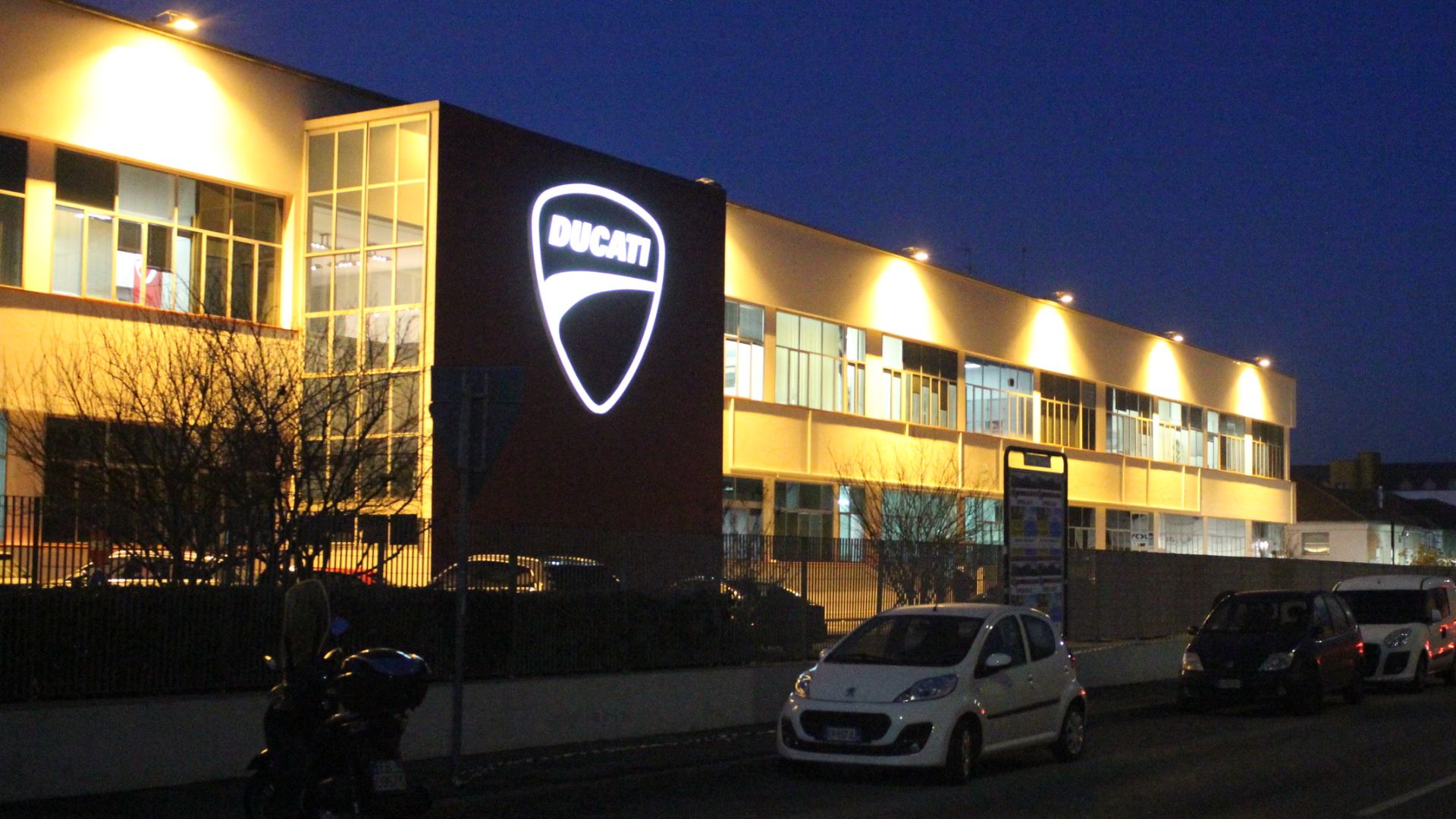
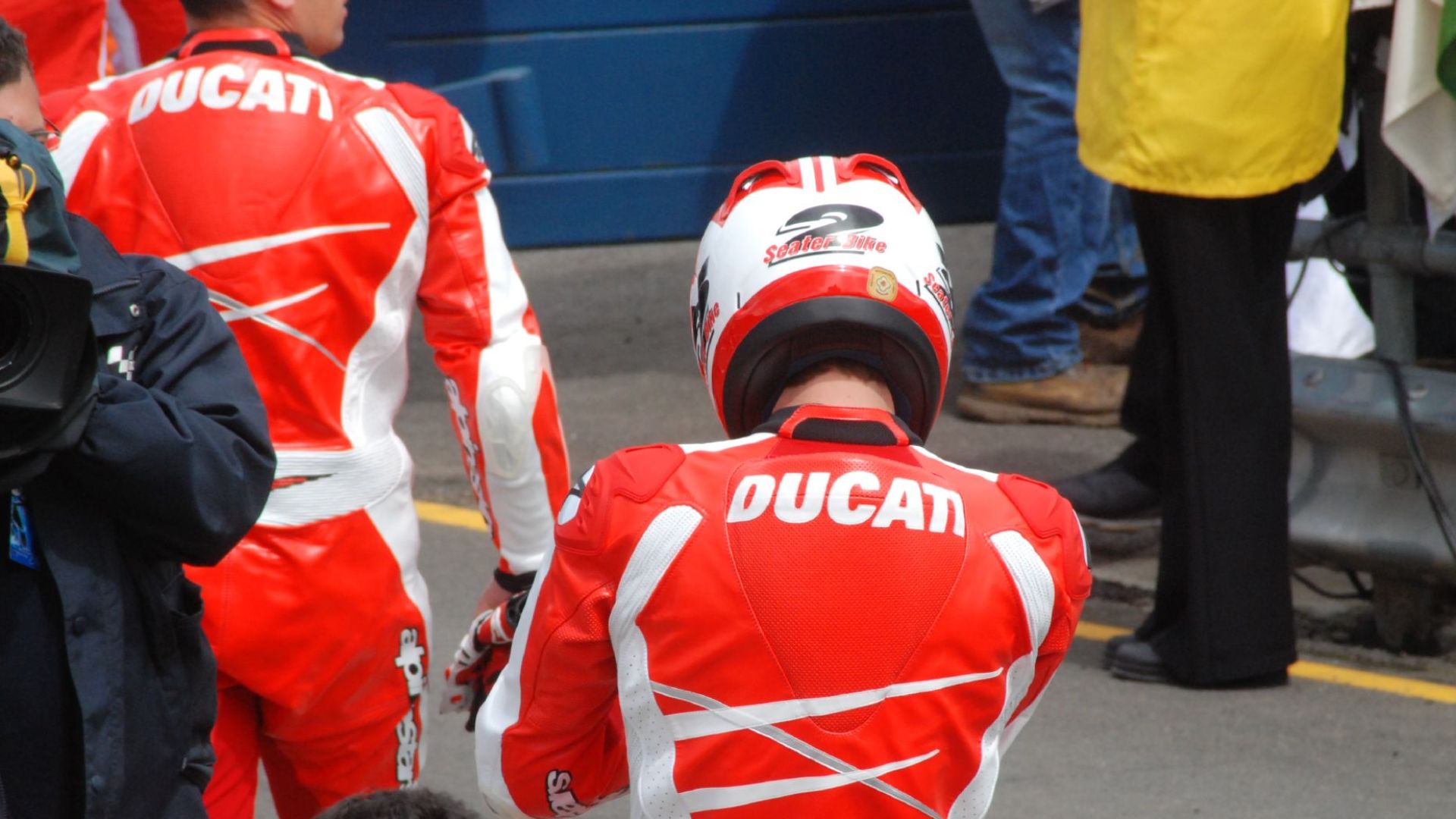
Thanks to the Monster’s sales volume, Ducati had the resources to invest in R&D, global expansion, brand licensing, and to survive the late 1990s’ lean years. When competitors were shrinking, Ducati reinvented itself. The Monster was a central pivot. Without it, the Ducati we know might not exist.
 Angelo.Muratore, Wikimedia Commons
Challenges And Criticisms
Of course, the Monster wasn’t perfect. Some versions were criticized for weight, ergonomics, cost of ownership. But those issues were small compared to its achievements. Also, maintaining the flexibility of a parts‑shared platform while preserving excitement was a balancing act.
 Tom Reynolds from Melbourne, Australia, Wikimedia Commons
A Monster Worth Celebrating
The Ducati Monster stands as a living symbol of how bold design and smart business strategy can combine. It’s a bike that saved a company, spawned a market segment, and still thrills riders. For enthusiasts and business watchers alike, it’s a story of transformation, survival, and style. Whether you ride one or just admire the story, “Il Mostro” earned its place.
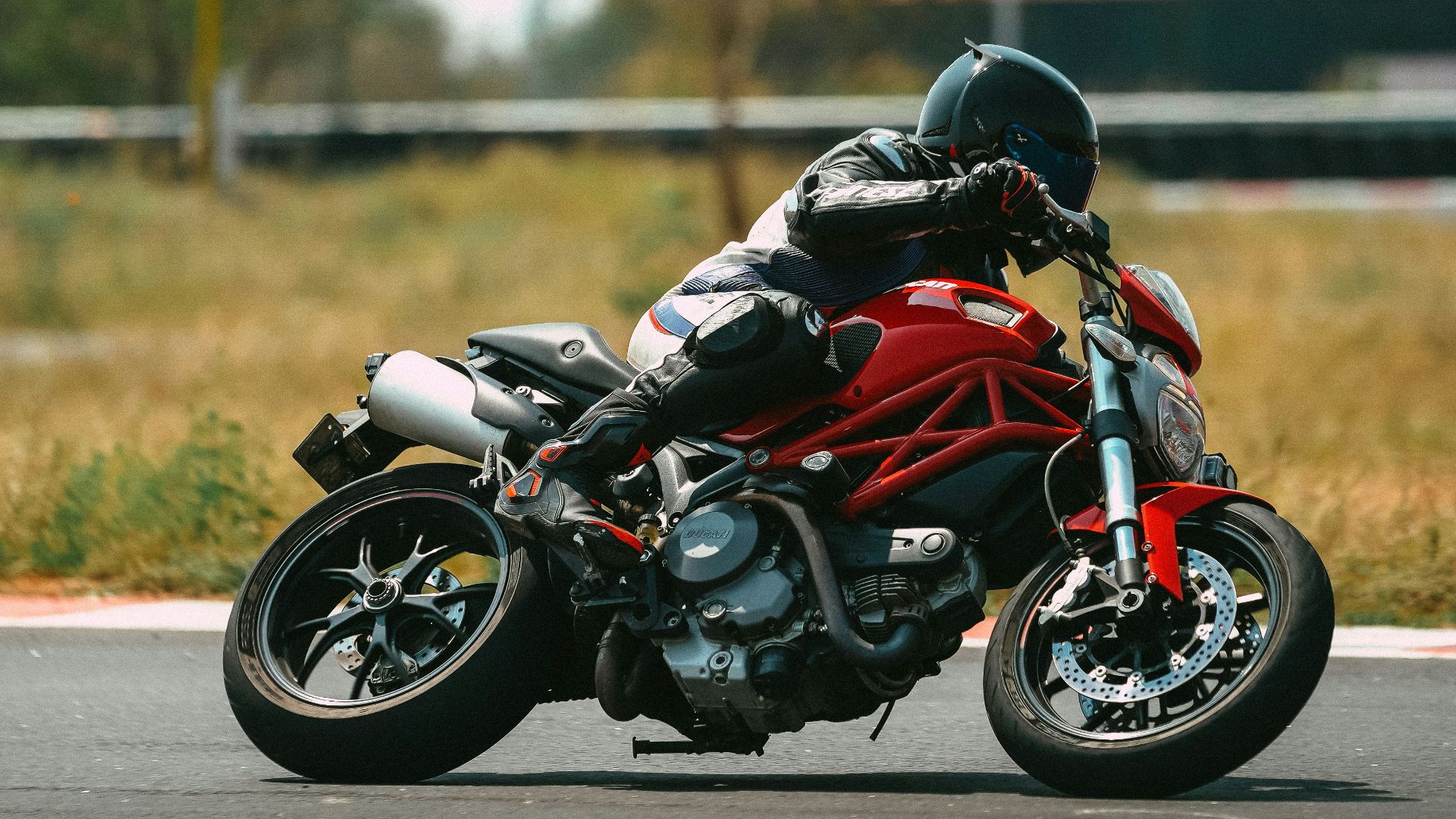 karthegan Padmanaban, Unsplash
You May Also Like:
Legendary Bikes That Defined The 1970s
The Truth About The Hells Angels And Their Bikes