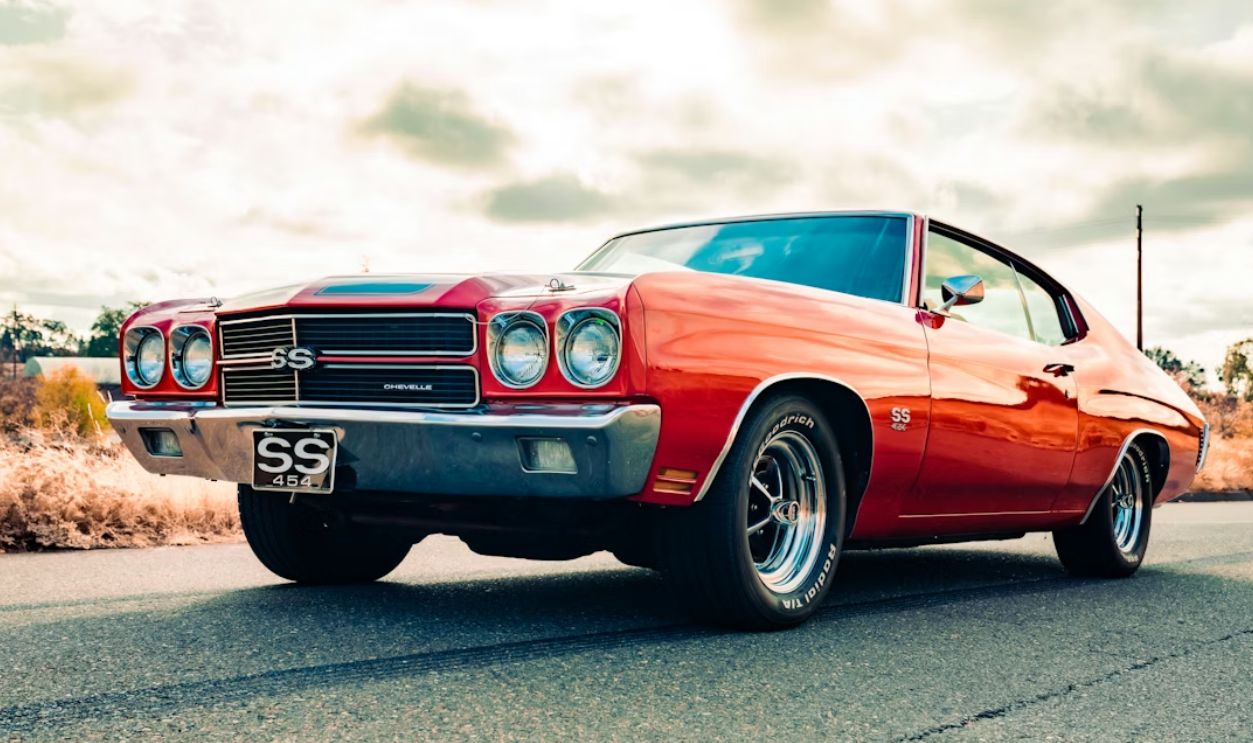
Big-Block Power Inside A Family Wagon
Most muscle cars made noise through bold styling and aggressive marketing. But one vehicle did neither. Behind conservative lines and practical intent was a factory-built anomaly that quietly challenged everything enthusiasts expected from the 1970s performance scene.
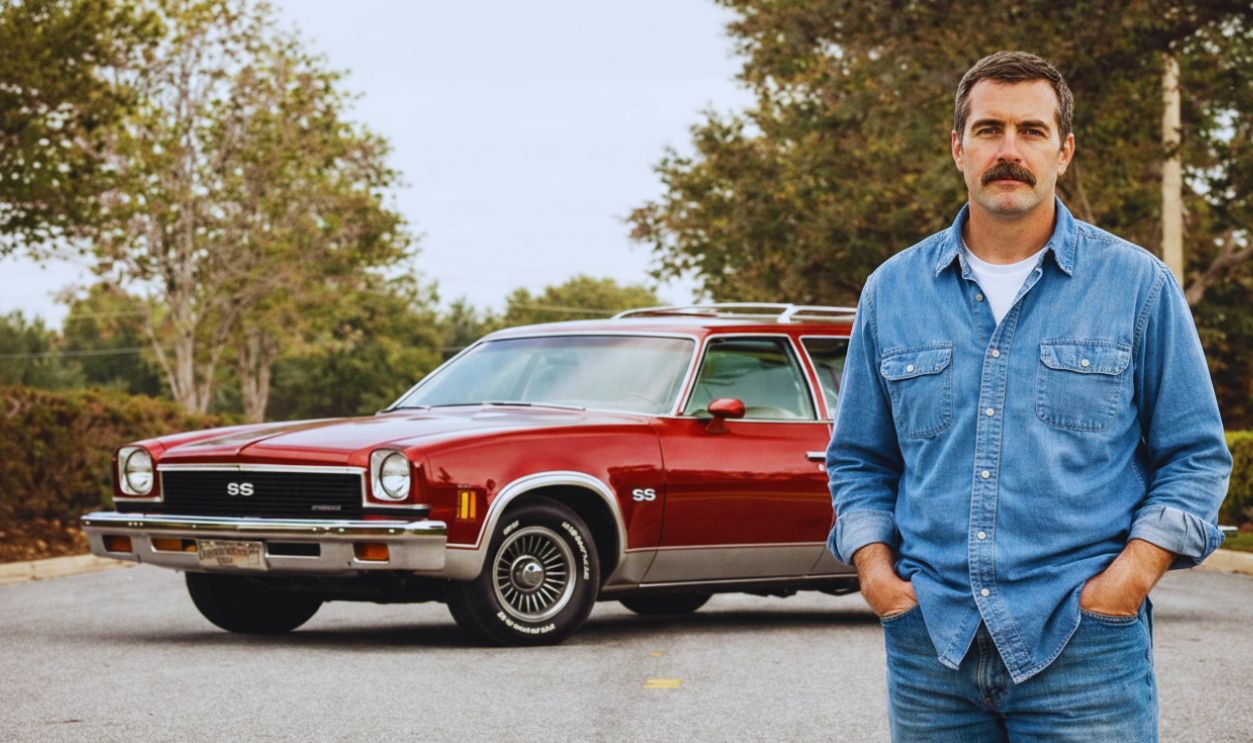
When The Muscle Car Era Was Approaching Its Final Chapter
By the early 1970s, the golden age of American muscle was clearly fading. Rising insurance premiums and tighter emissions laws with new safety standards affected what automakers could offer. Performance didn’t disappear, but brute force gradually gave way to efficiency and broader consumer appeal.
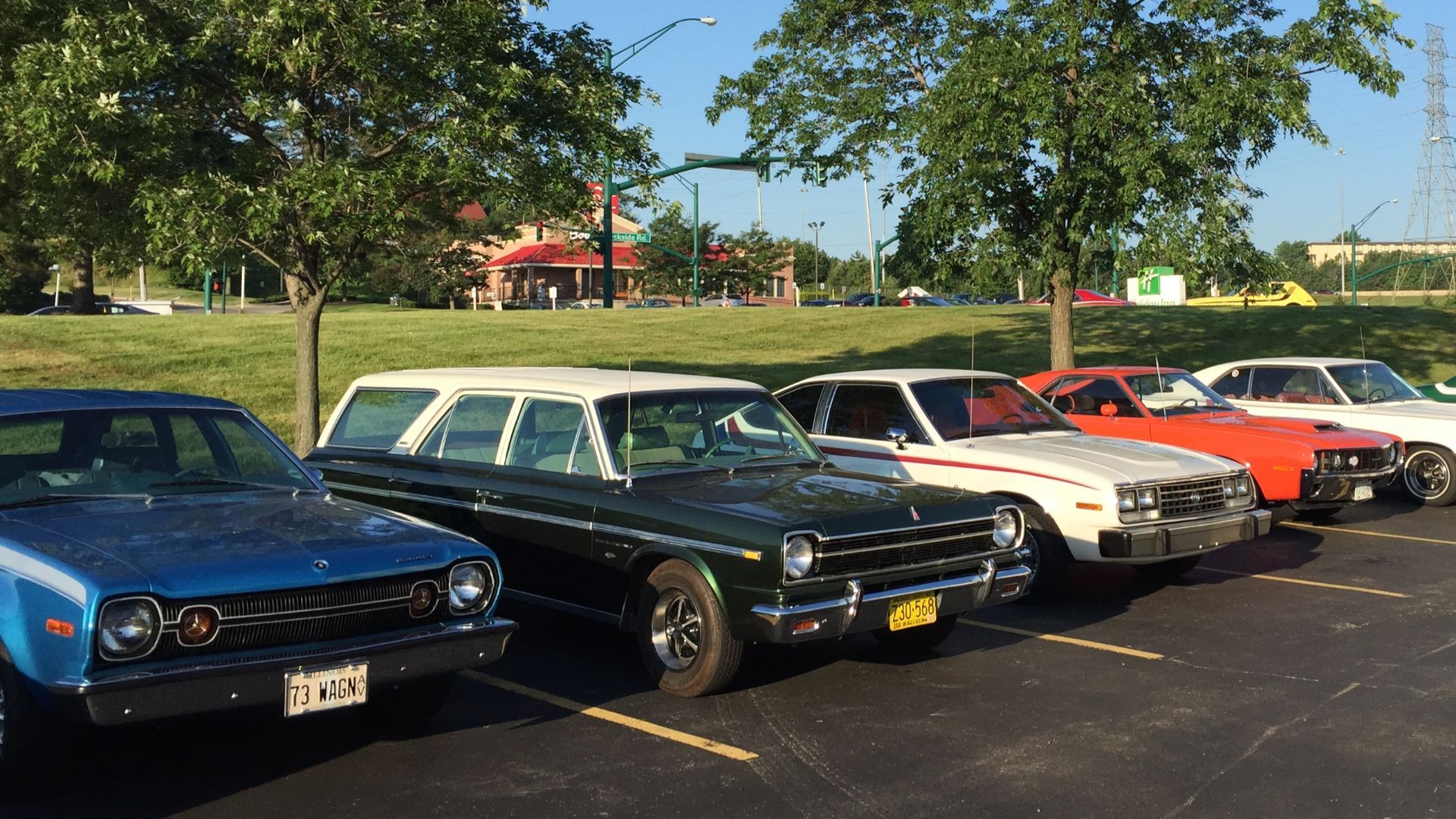
1973 Marked A Major Shift For Chevrolet
For Chevrolet, 1973 represented a moment of adjustment rather than retreat. Federally mandated impact bumpers changed exterior design, and at the same time, emissions controls reduced engine output. The brand had to balance power and compliance with market survival in a rapidly evolving automotive environment.
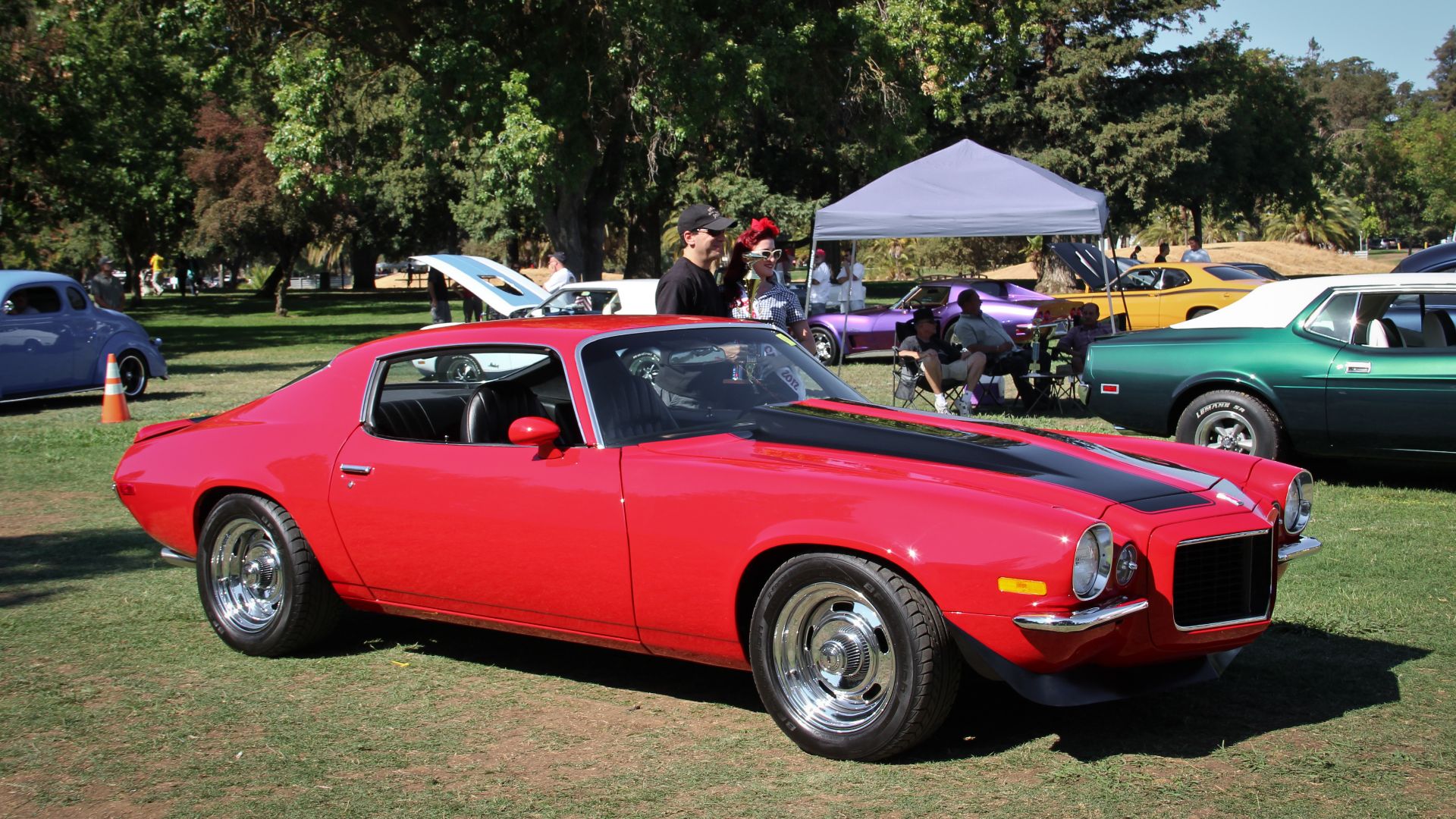 Nick Ares from Auburn, CA, United States, Wikimedia Commons
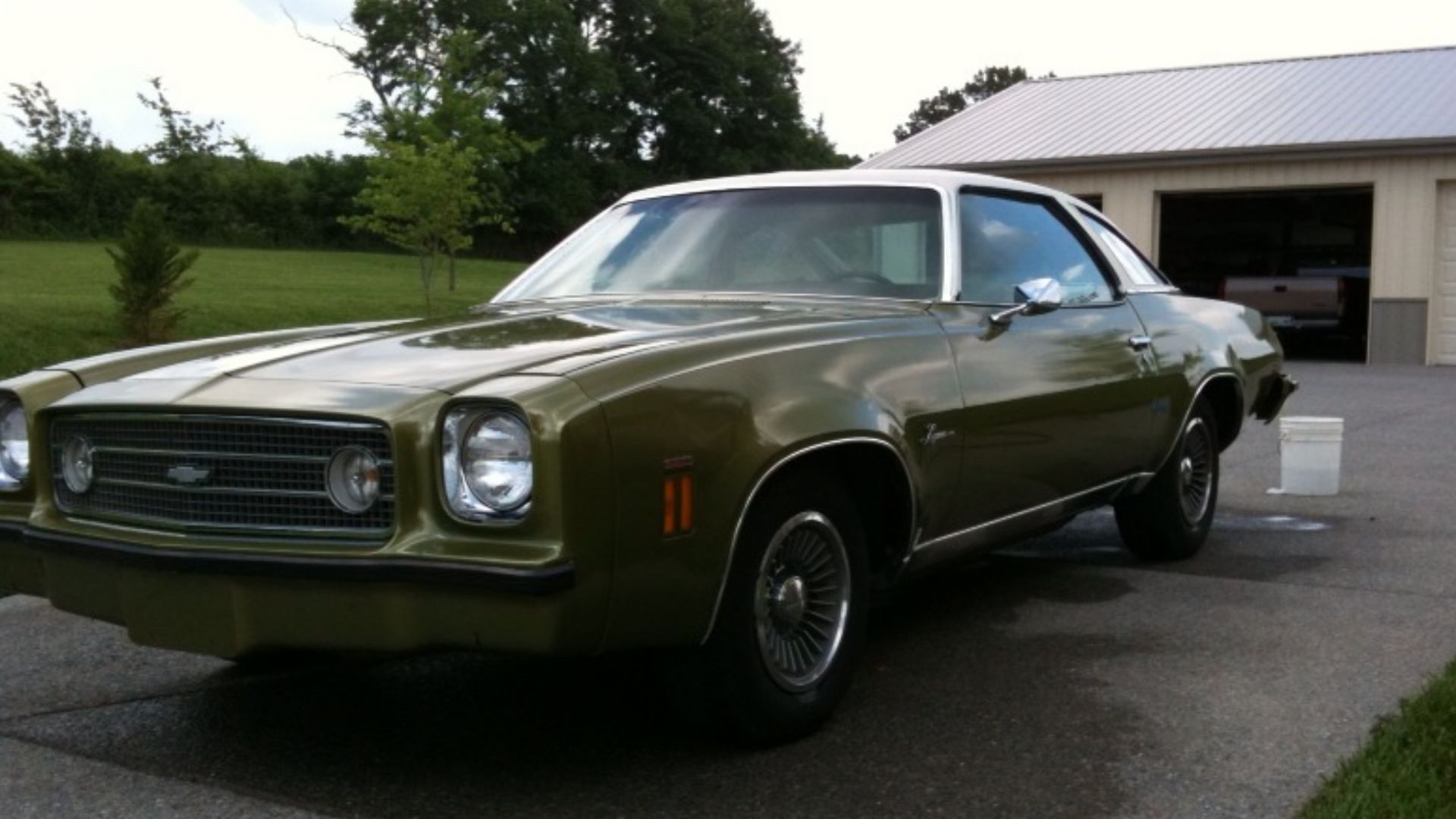
The Chevelle Entered Its Colonnade Era
The 1973 Chevelle debuted with Colonnade styling, featuring fixed B-pillars and thicker roof structures. This design improved safety and rigidity but altered the car’s proportions. Controversial among purists, the new look reflected Chevrolet’s effort to meet regulations without abandoning the model’s identity.
 Vegavairbob (talk)Robert Spinello, Wikimedia Commons
Performance And Practicality Collided
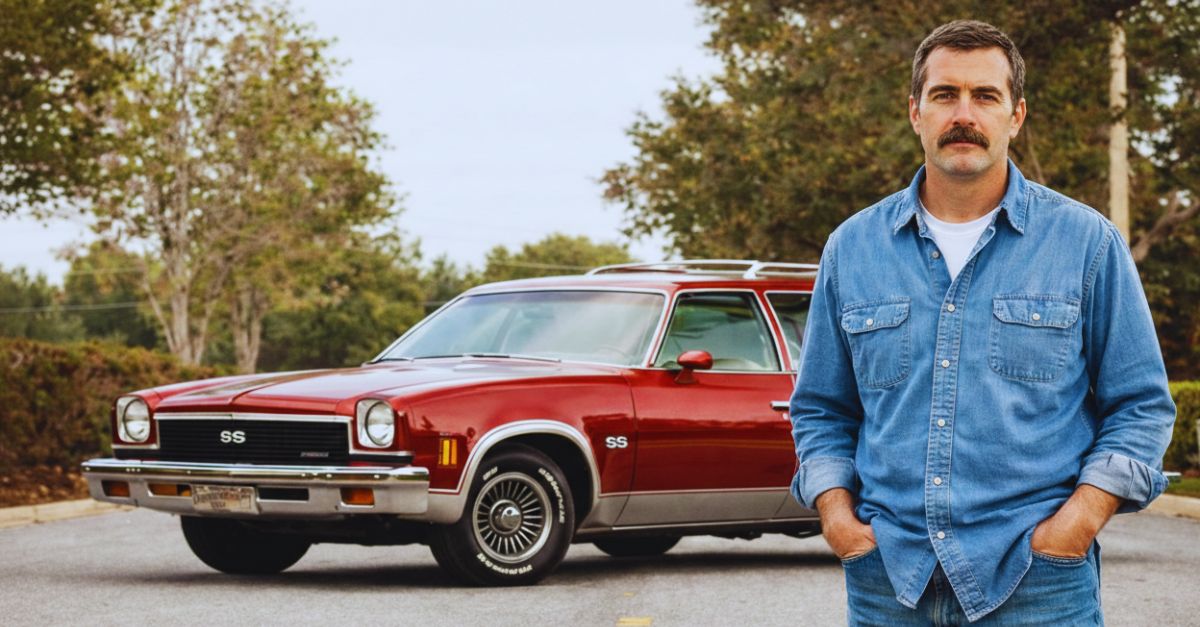
Station wagons were long associated with family duty, not spirited driving. Combining utility with serious engine options challenged expectations. The Chevelle SS wagon demonstrated that cargo space and strong acceleration could coexist in an unusual combo.
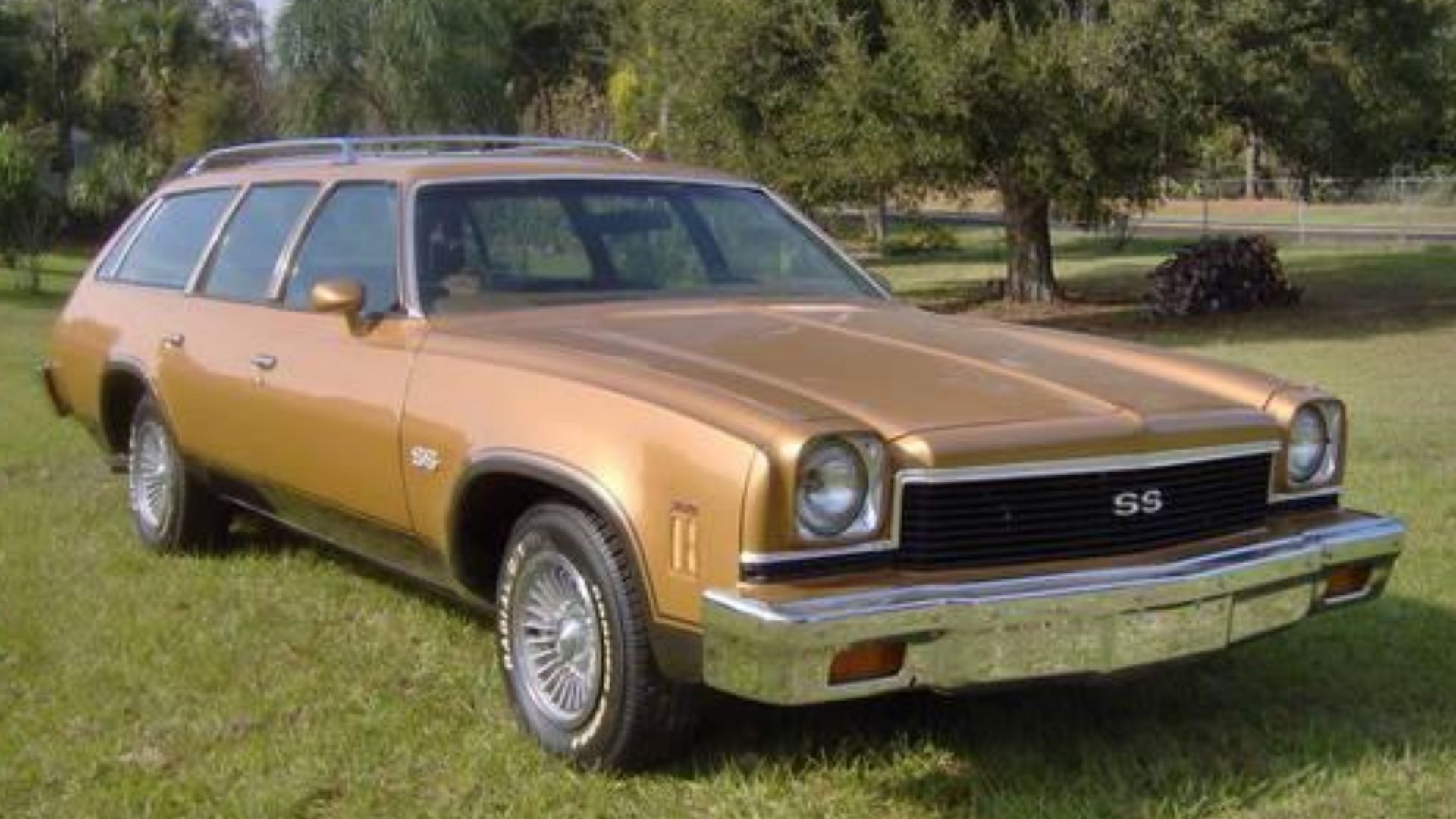 Vegavairbob, Wikimedia Commons
In A Super Sport Wagon
The SS wagon was never meant to be a headline grabber. Chevrolet quietly offered it through an option package, which made it easy to overlook. That low-profile approach unintentionally created one of the most intriguing muscle-era combinations by blending restraint with unexpected capability.
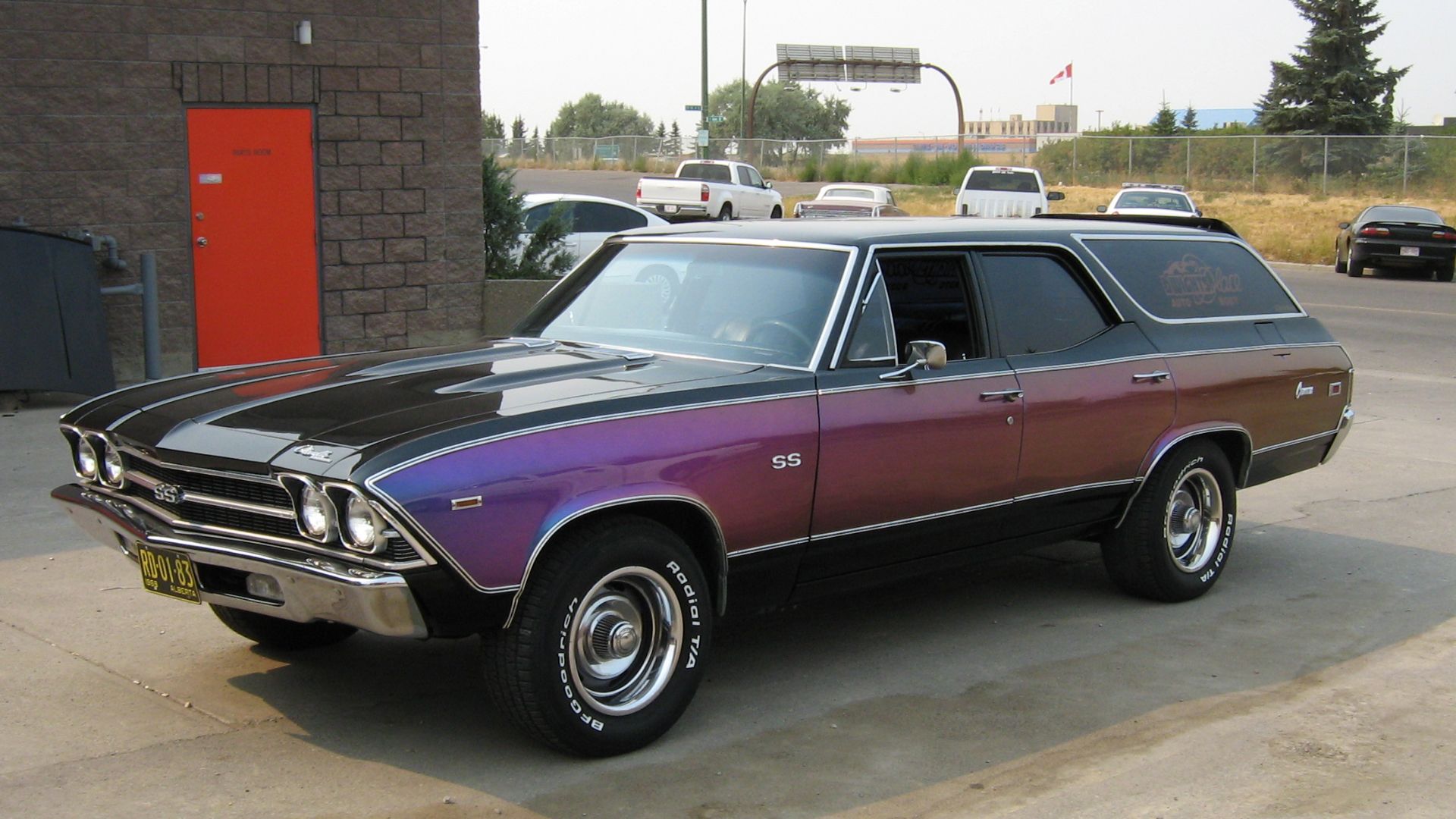 dave_7 from Lethbridge, Canada, Wikimedia Commons
What The SS Badge Represented
By the mid-1970s, the SS badge no longer guaranteed peak output across the lineup. It often signified upgraded suspension and equipment. Still, when paired with a big-block engine, the SS retained its performance credibility and reminded buyers of Chevrolet’s muscle-car heritage.
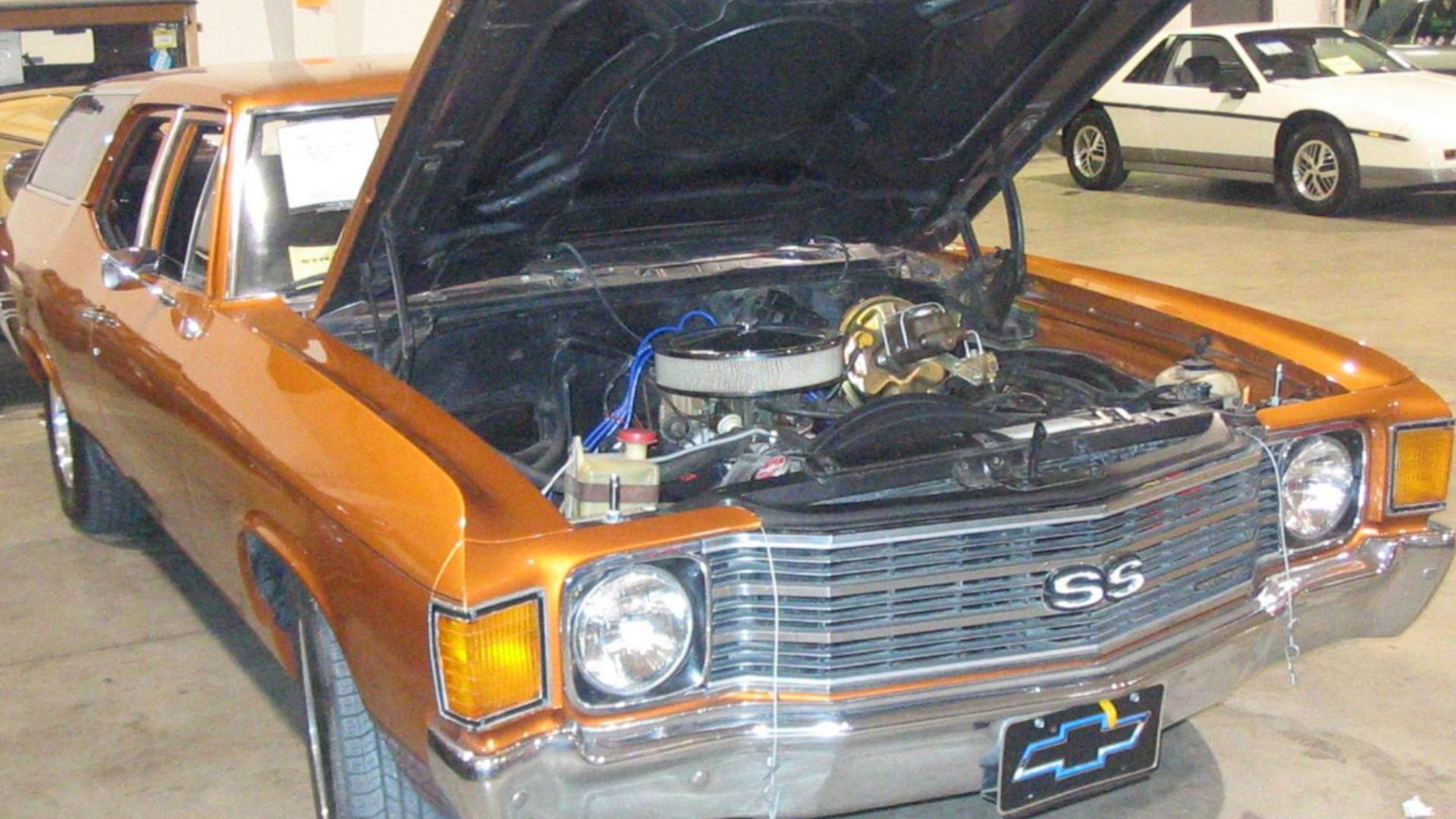 Bull-Doser at English Wikipedia, Wikimedia Commons
Choosing The Malibu Wagon As The Starting Point
The Malibu wagon was a practical base for experimentation. Its spacious body and mainstream appeal made it ideal for housing optional performance components. Chevrolet used this everyday platform to create a sleeper that looked ordinary but delivered far more than expected.
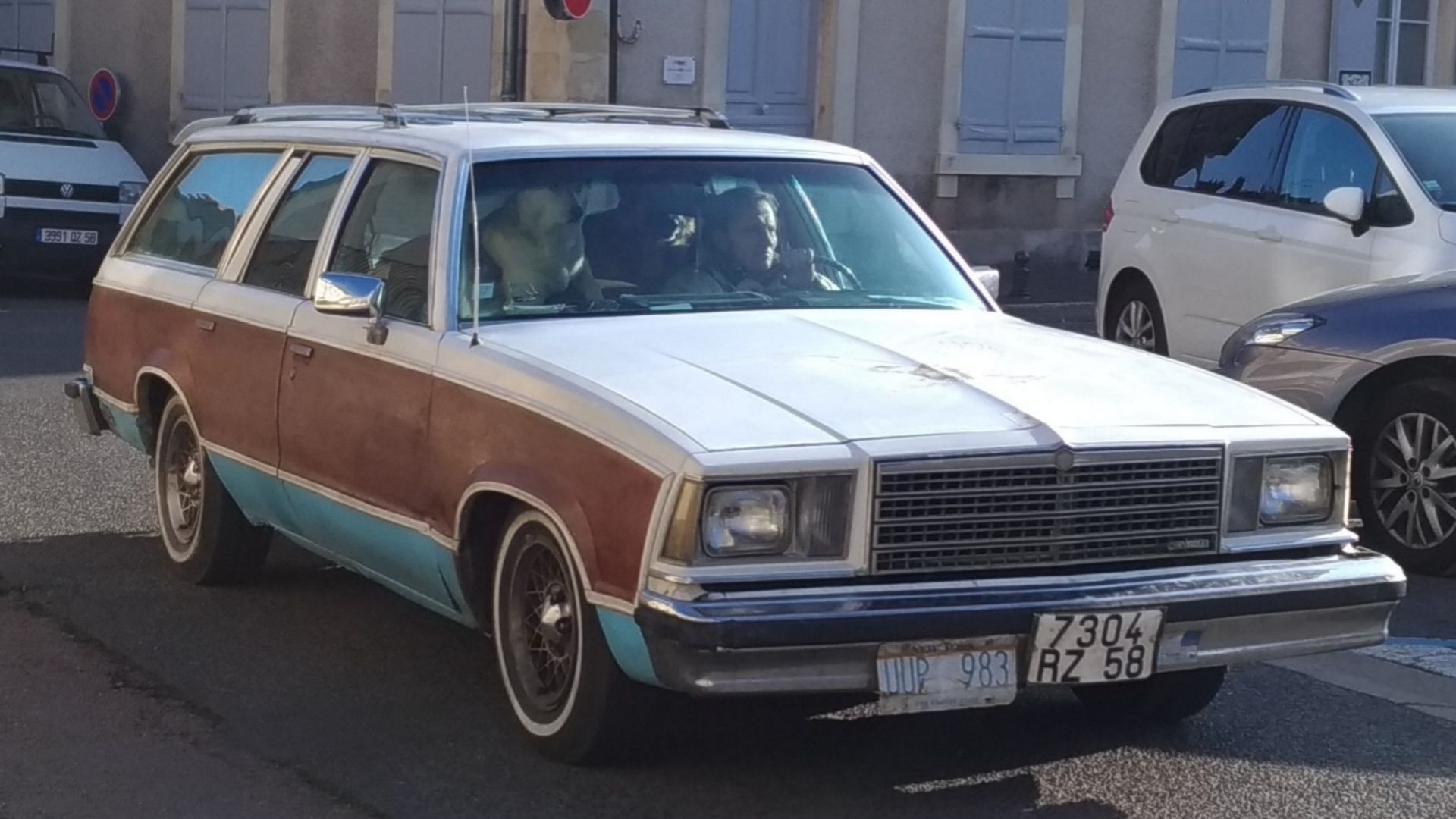 Guillaume Vachey from Chalon sur Saone, France, Wikimedia Commons
The Arrival Of The Massive 7.4-Liter 454 V8
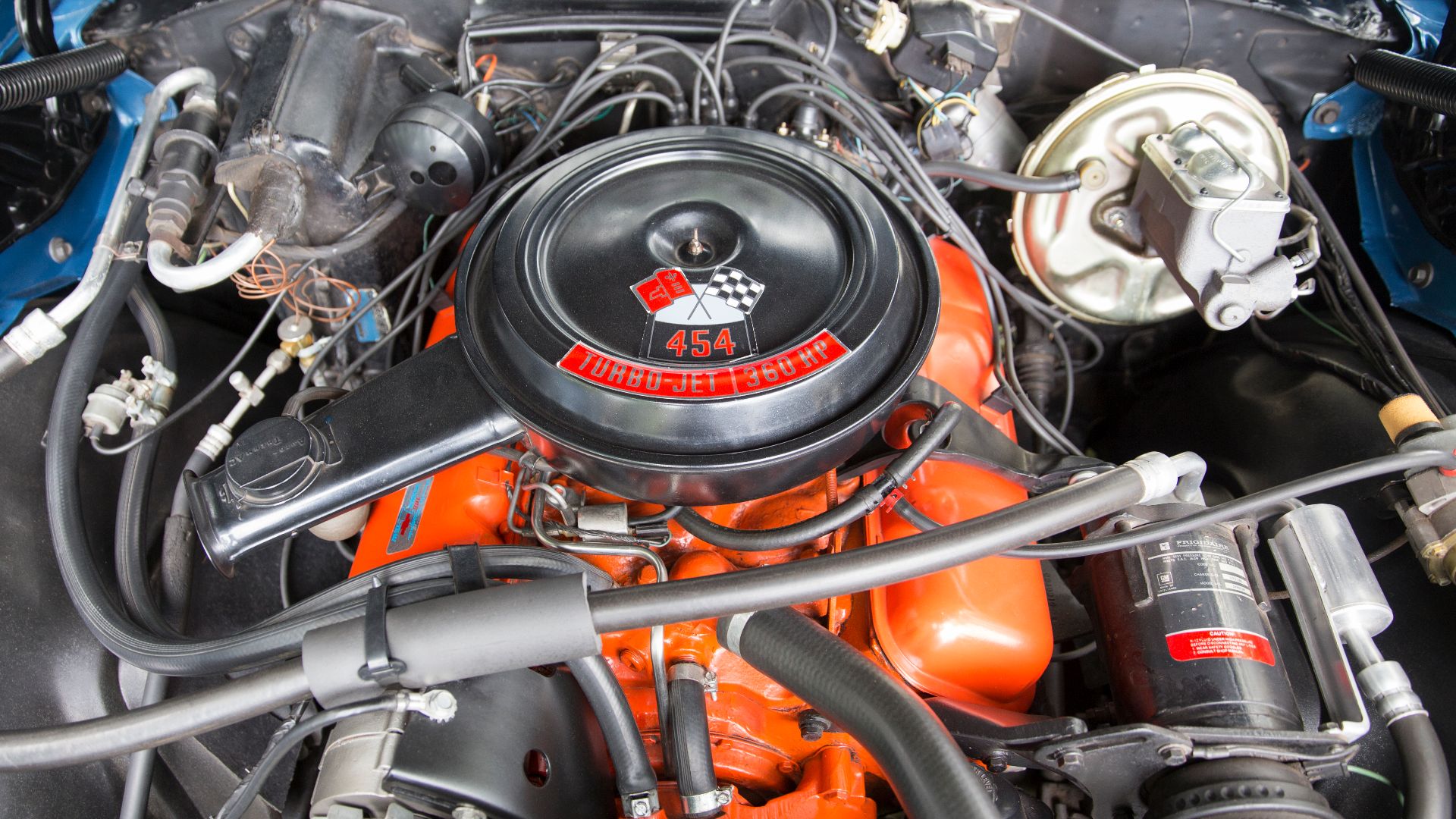
At the heart of the Chevelle SS wagon was Chevrolet’s legendary 454 cubic-inch V8. This 7.4-liter big-block was already known for its strength, and even in a detuned era, its sheer displacement delivered effortless power that smaller engines simply could not replicate.
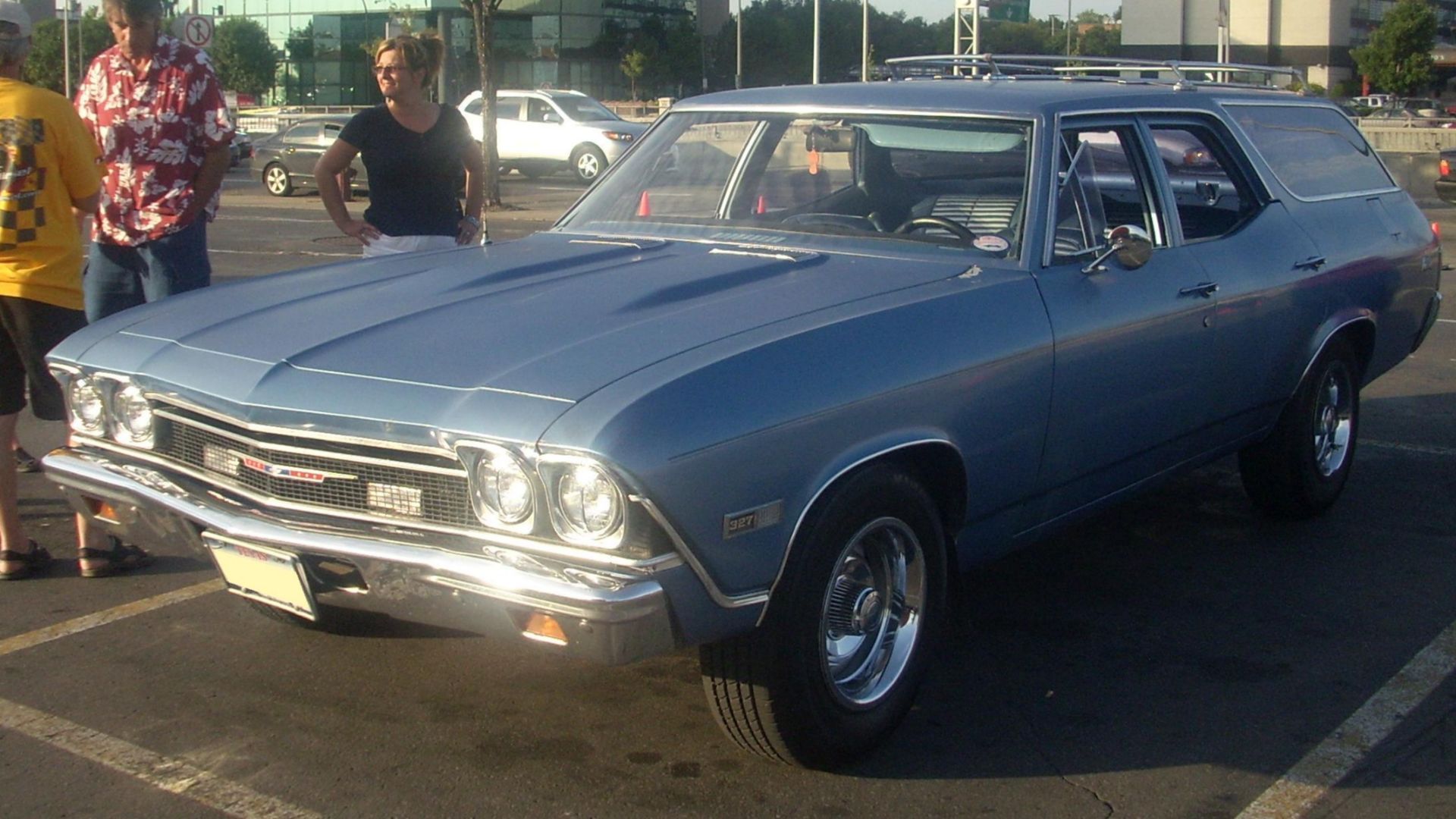
Big-Block Engineering In An Emissions-Controlled World
By 1973, emissions regulations changed engine design across Detroit. Compression ratios dropped, and exhaust systems grew restrictive. The 454 adapted to these limits while retaining its core advantage: massive displacement that produced strong output without needing high revs.
 Michael Tighe, Wikimedia Commons
Horsepower Numbers No Longer Told The Full Story
Net horsepower ratings replaced the earlier gross figures, and this made engines appear weaker on paper. The 454’s published output seemed modest compared to earlier muscle cars, yet those numbers ignored real-world drivability and how effortlessly the engine moved a heavy wagon under normal conditions.
 Mr.choppers, Wikimedia Commons
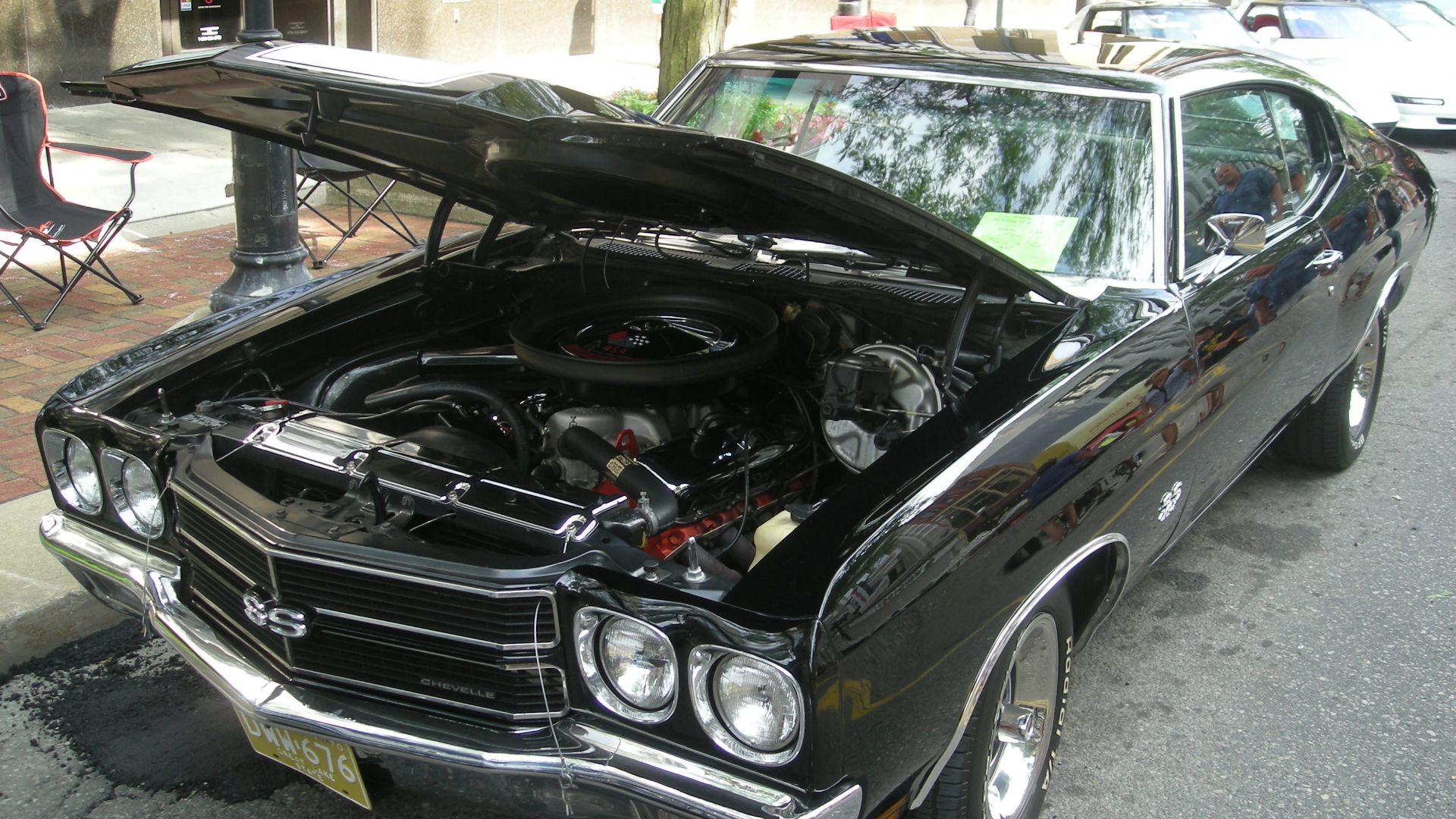
Torque Was The Real Strength
Torque defined the big-block experience. The 454 delivered a strong low-end pull that made acceleration smooth rather than explosive. This characteristic suited a wagon perfectly, as it allowed easy highway merging and strong passing power without constant downshifting or aggressive throttle input.
 Michael Barera, Wikimedia Commons
What Driving A Big-Block Wagon Actually Felt Like
Behind the wheel, the SS wagon felt composed and surprisingly refined. Power arrived early and smoothly, pushing the long body forward with authority. Straight-line confidence and effortless momentum gave it a distinct personality unlike typical family vehicles.
 dave_7 from Lethbridge, Canada, Wikimedia Commons
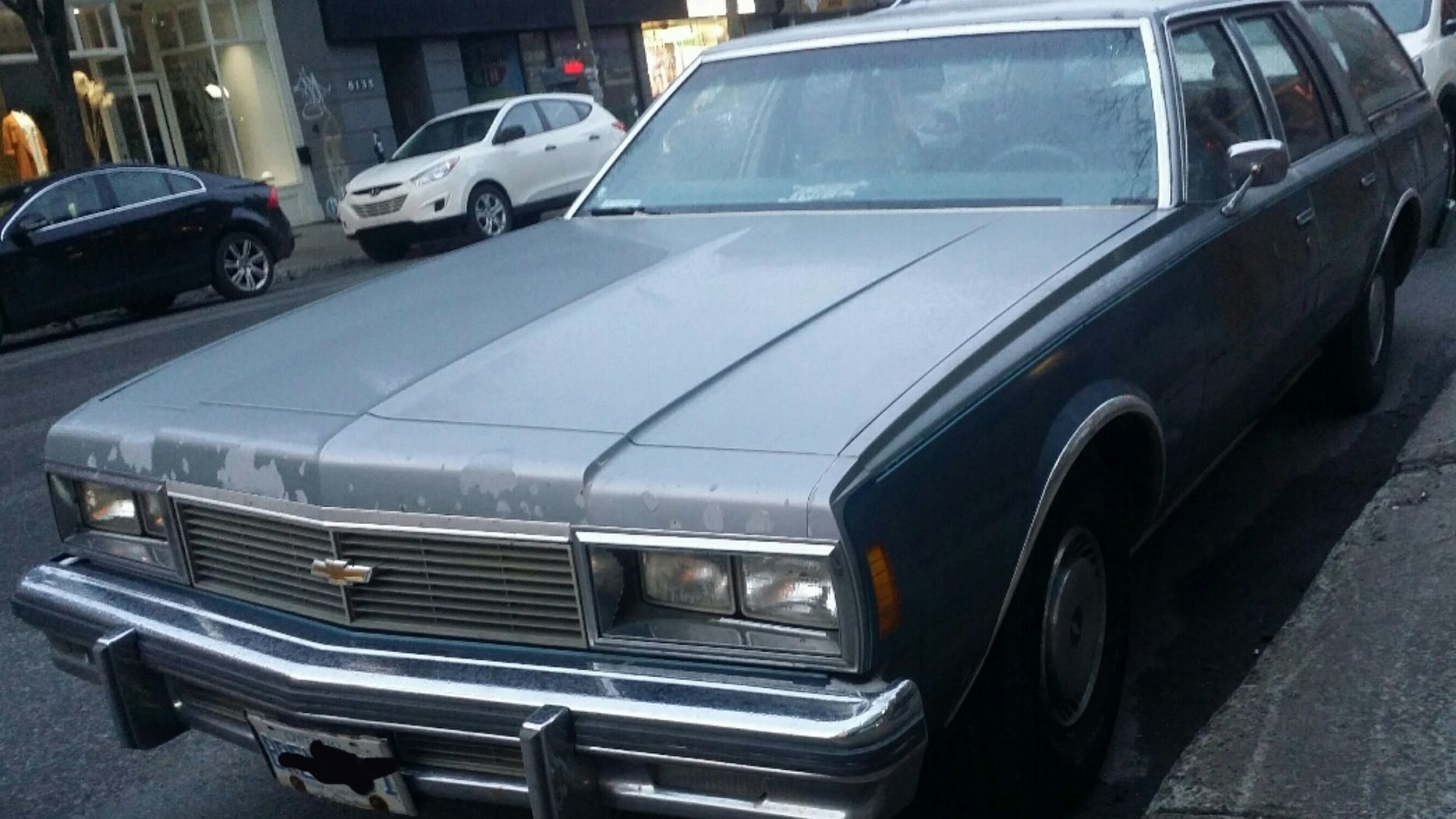
Exterior Styling That Subtly Signaled Performance
Visually, the SS wagon avoided flashy cues. SS badging and upgraded wheels hinted at something special without shouting. This understated approach helped the car blend in by reinforcing its sleeper appeal while still offering knowledgeable enthusiasts just enough visual clues to notice.
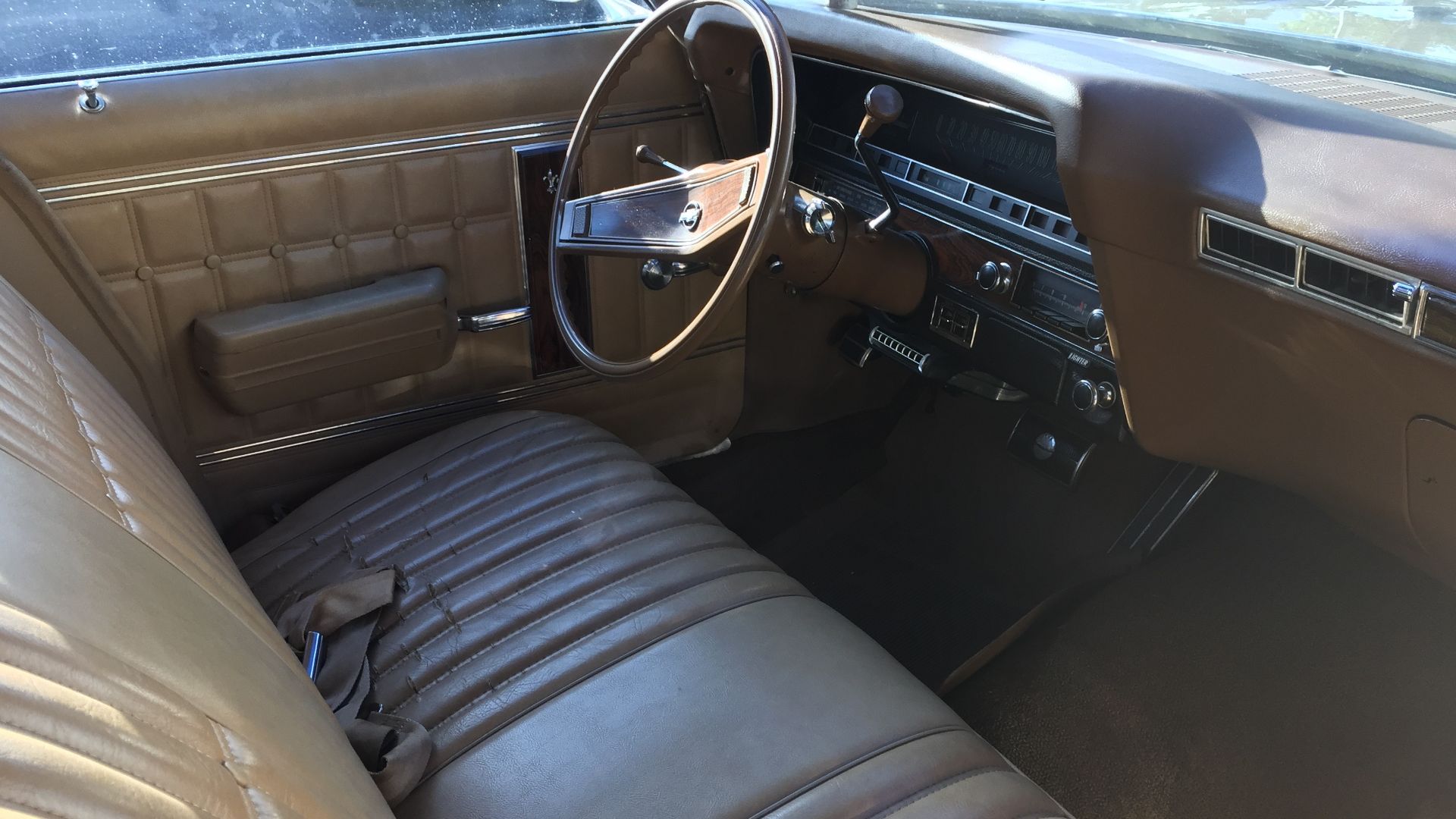
An Interior That Offered Comfort And Attitude
Inside, the Chevelle SS wagon emphasized comfort over aggression. Bench seating and familiar controls reflected its family-oriented roots. Yet optional instrumentation and performance-oriented details reminded drivers that this was more than a grocery getter.
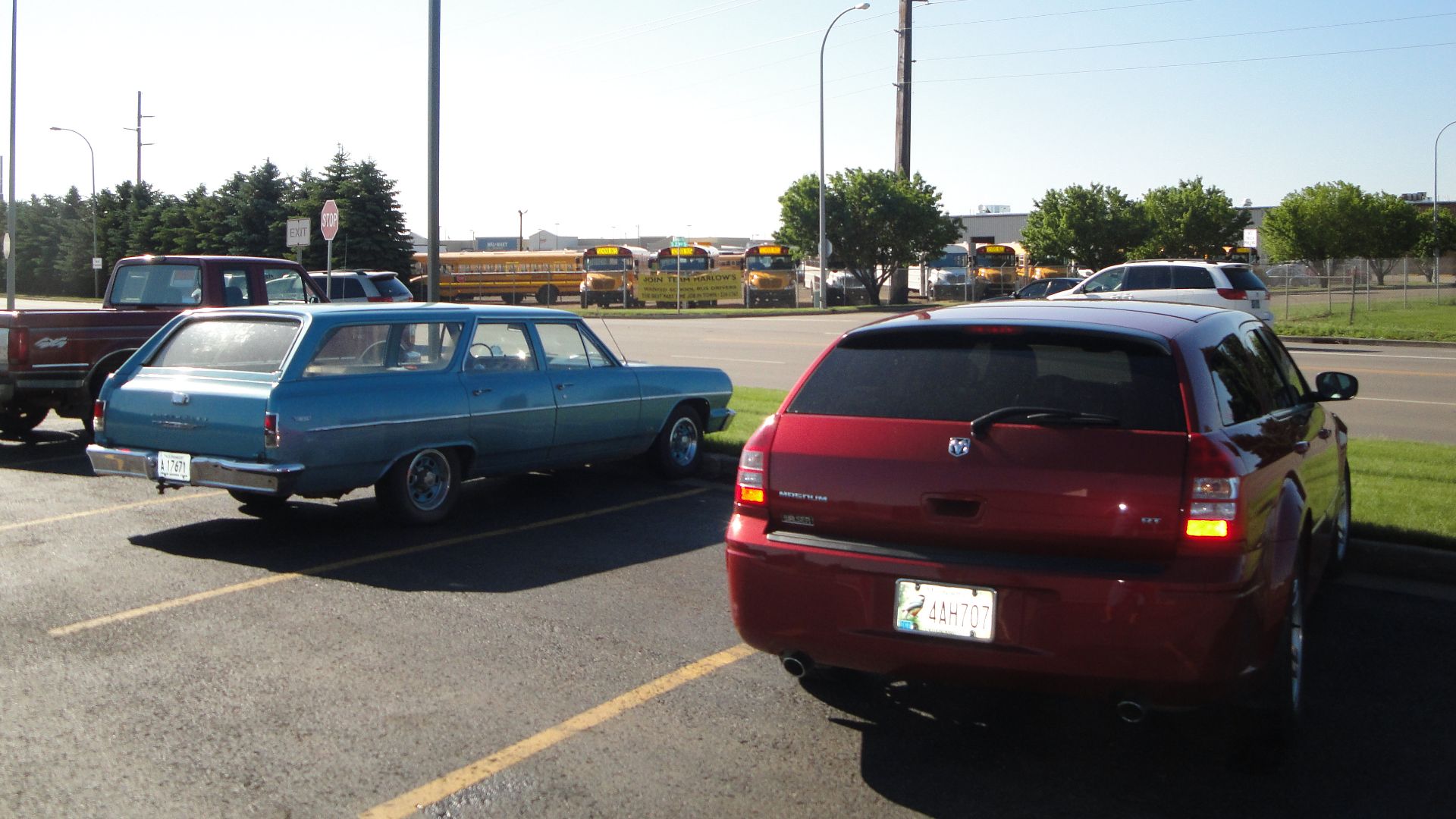
Limited Production Made The Wagon Rare
Production numbers for the Chevelle SS wagon were extremely low, especially when equipped with the 454 V8. Chevrolet did not heavily promote the option, and most buyers chose conventional engines. As a result, only a small handful of big-block SS wagons were ever built.
 Greg Gjerdingen from Willmar, USA, Wikimedia Commons
And Most Buyers Never Noticed It Existed
Many shoppers simply didn’t realize the SS wagon was available. It appeared quietly on order sheets without major advertising support. During a time of rising fuel concerns and shifting tastes, few customers walked into dealerships expecting a high-performance station wagon to even be an option.
 Tichnor Brothers, Publisher, Wikimedia Commons
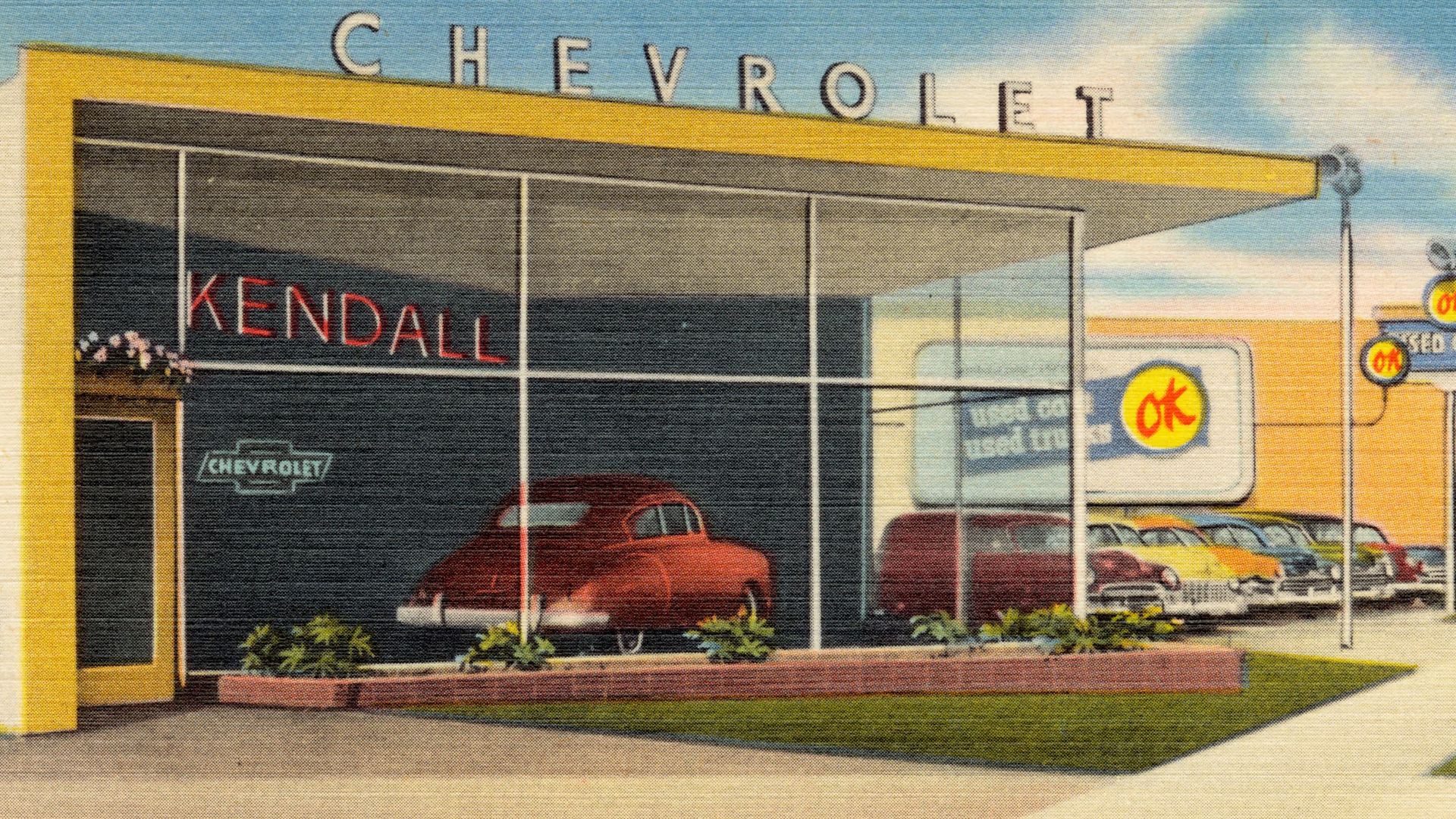
Dealer Lots And The Wagon’s Quiet Introduction
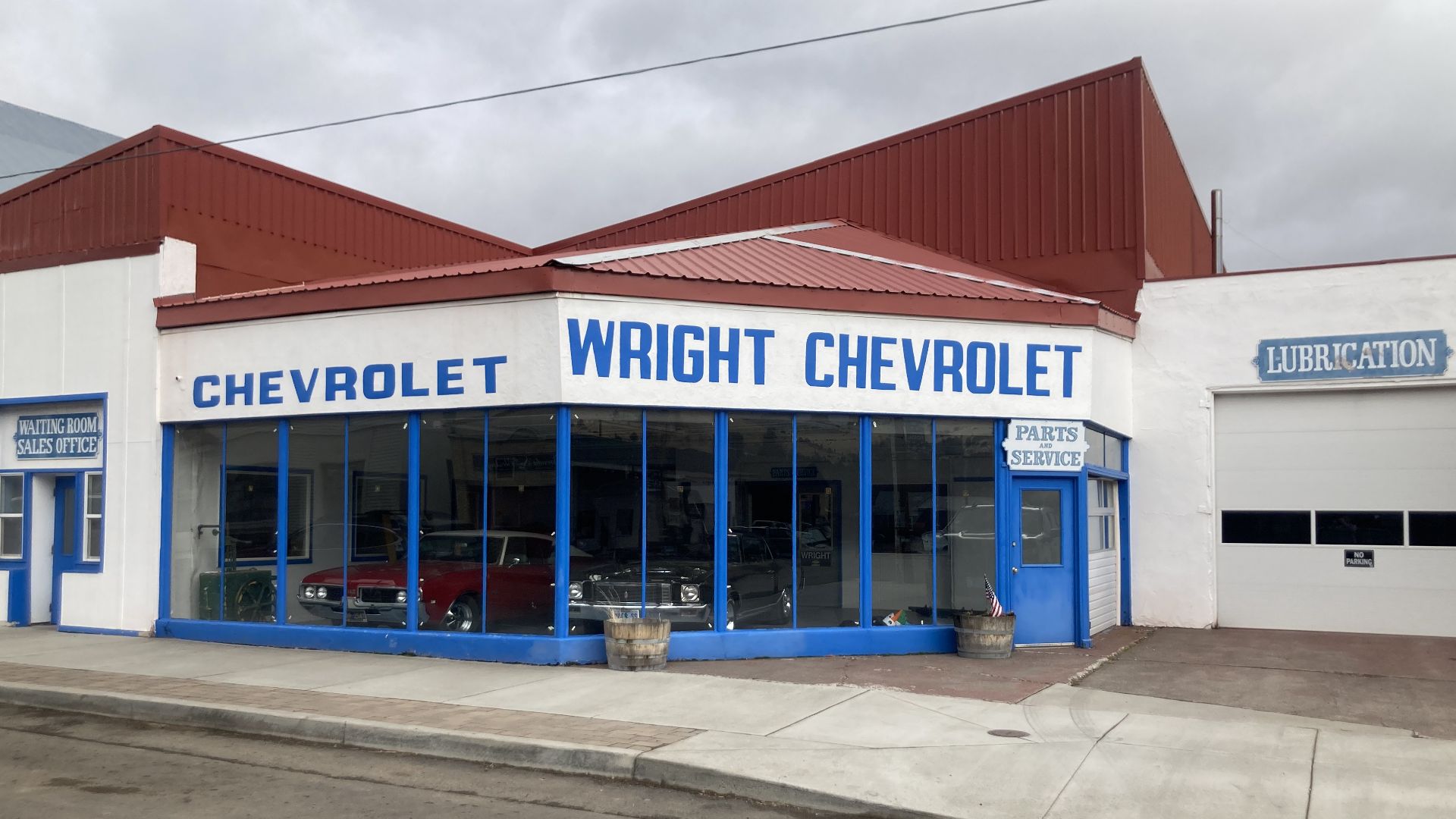
On dealership floors, the SS wagon blended in among practical family cars. Sales staff focused on sedans and economy models, which left the wagon largely unnoticed. Without bold marketing or showroom emphasis, this unusual Chevelle slipped past the spotlight almost entirely.
Why Chevrolet Never Repeated The Experiment
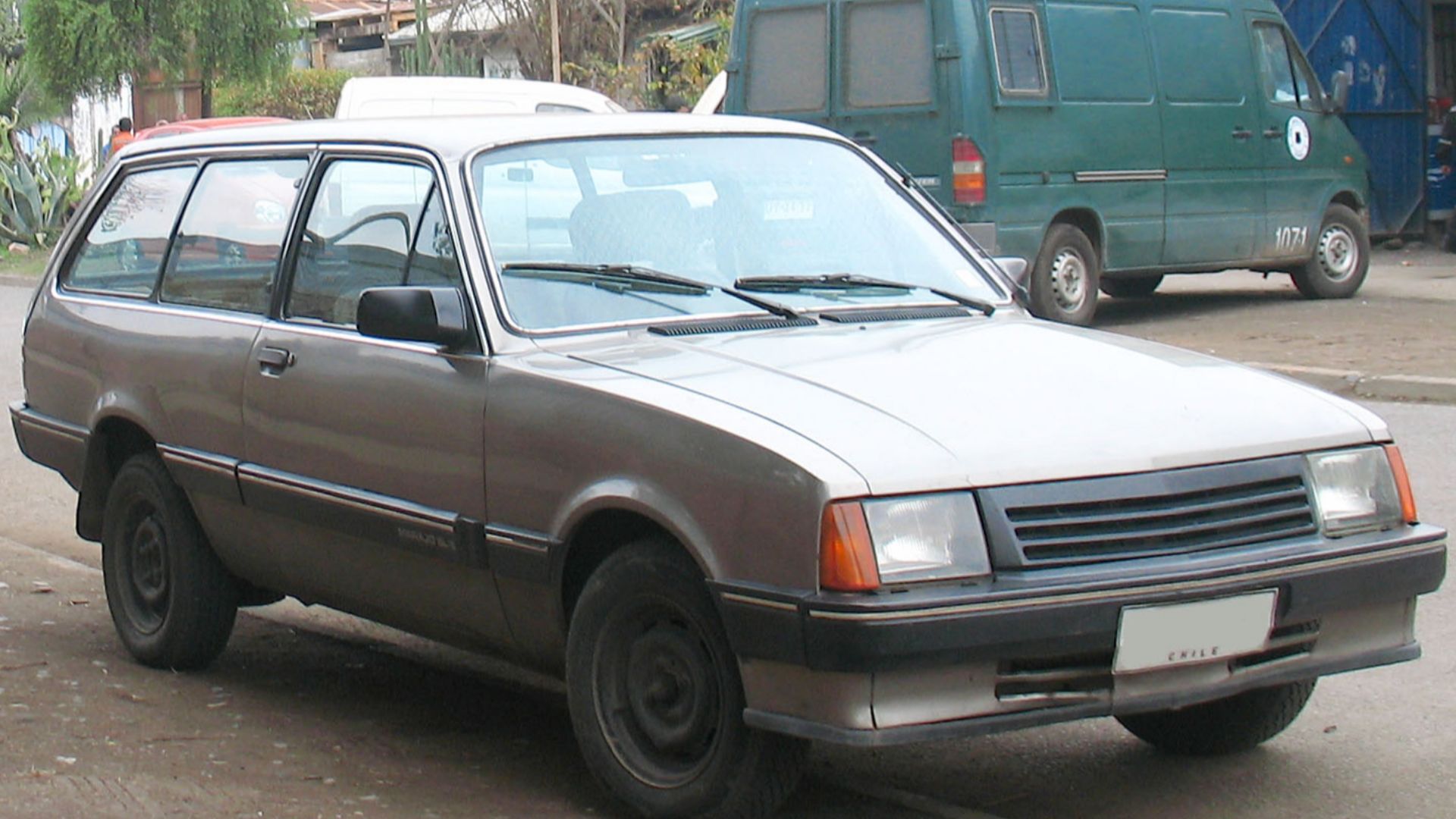
Chevrolet never revisited the idea of a big-block SS wagon. Market demand favored smaller engines and wagons increasingly targeted families over enthusiasts. The concept arrived too late in the muscle era, and this made the vehicle more of a fascinating anomaly than a repeatable business case.
 Josephew (talk), Wikimedia Commons
Survivors Managed To Beat The Odds
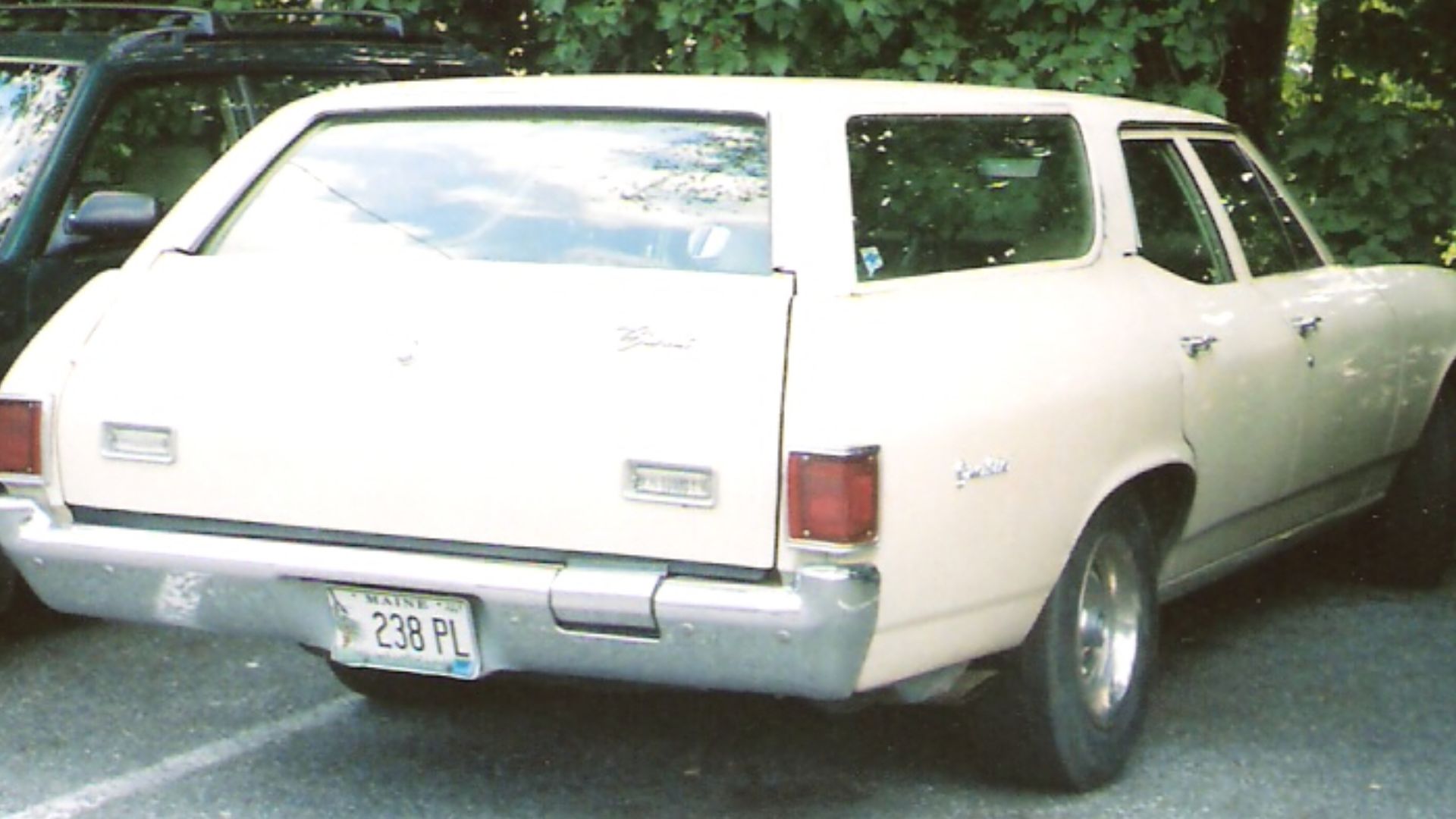
Many SS wagons lived hard lives as daily drivers or family haulers. Their performance significance went largely unrecognized due to neglect and modification. The few surviving examples today exist because of careful owners or late recognition of their rarity.
Restoration Stories That Brought Legends Back
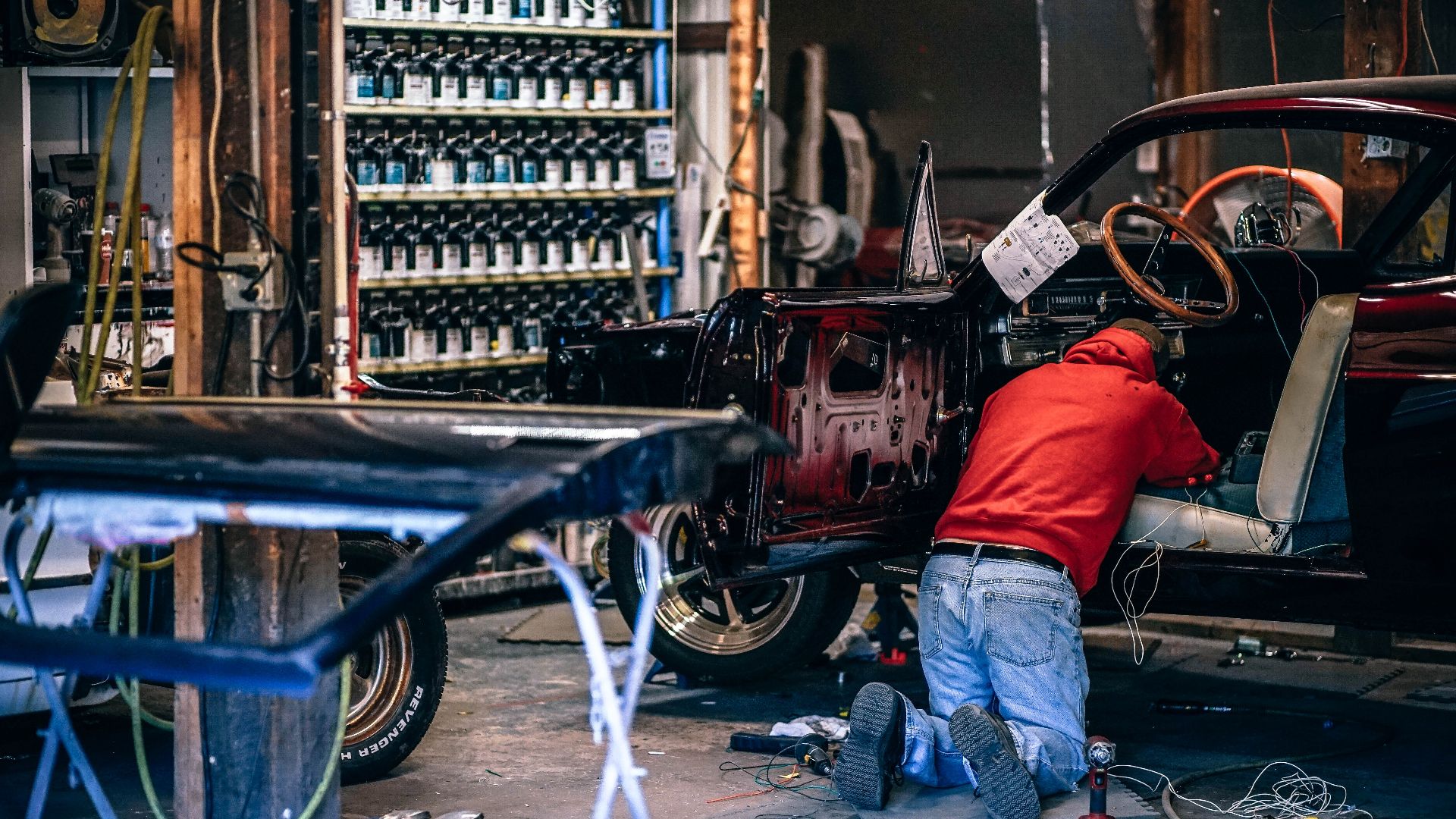
Restoring an SS wagon is challenging due to scarce documentation and unique components. Enthusiasts often rely on factory paperwork and community knowledge. These efforts have helped reestablish the wagon’s identity and bring long-overlooked examples back into the spotlight.
 Igor Ovsyannykov igorovsyannykov, Wikimedia Commons
The Growing Recognition Among Collectors
In recent years, collectors have begun appreciating the SS wagon’s uniqueness. Its combination of big-block power and unexpected body style sets it apart. As interest in unconventional muscle grows, the Chevelle SS wagon has earned newfound respect among serious enthusiasts.
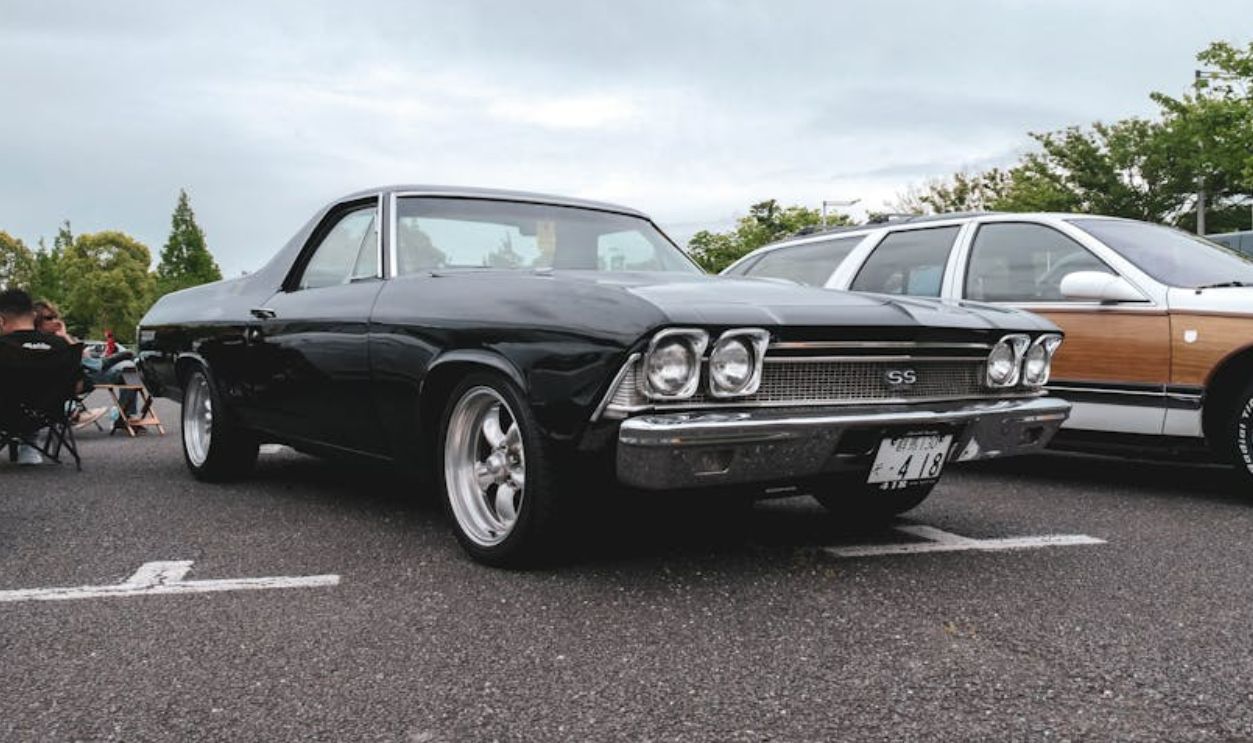
How Modern Auctions Reframed Its Value
As rare examples surfaced at high-profile auctions, perceptions shifted quickly. Documentation confirming factory SS and 454 equipment drew serious attention. These sales helped establish market value by proving the wagon was more than a curiosity.
 Robin Stott , Wikimedia Commons
A Muscle Wagon That Defied Expectations
The Chevelle SS wagon challenged nearly every assumption about performance cars of its time. It looked practical and delivered the big-block experience without flash. That contrast made it memorable as a reminder that innovation sometimes appeared quietly rather than through bold styling or marketing.
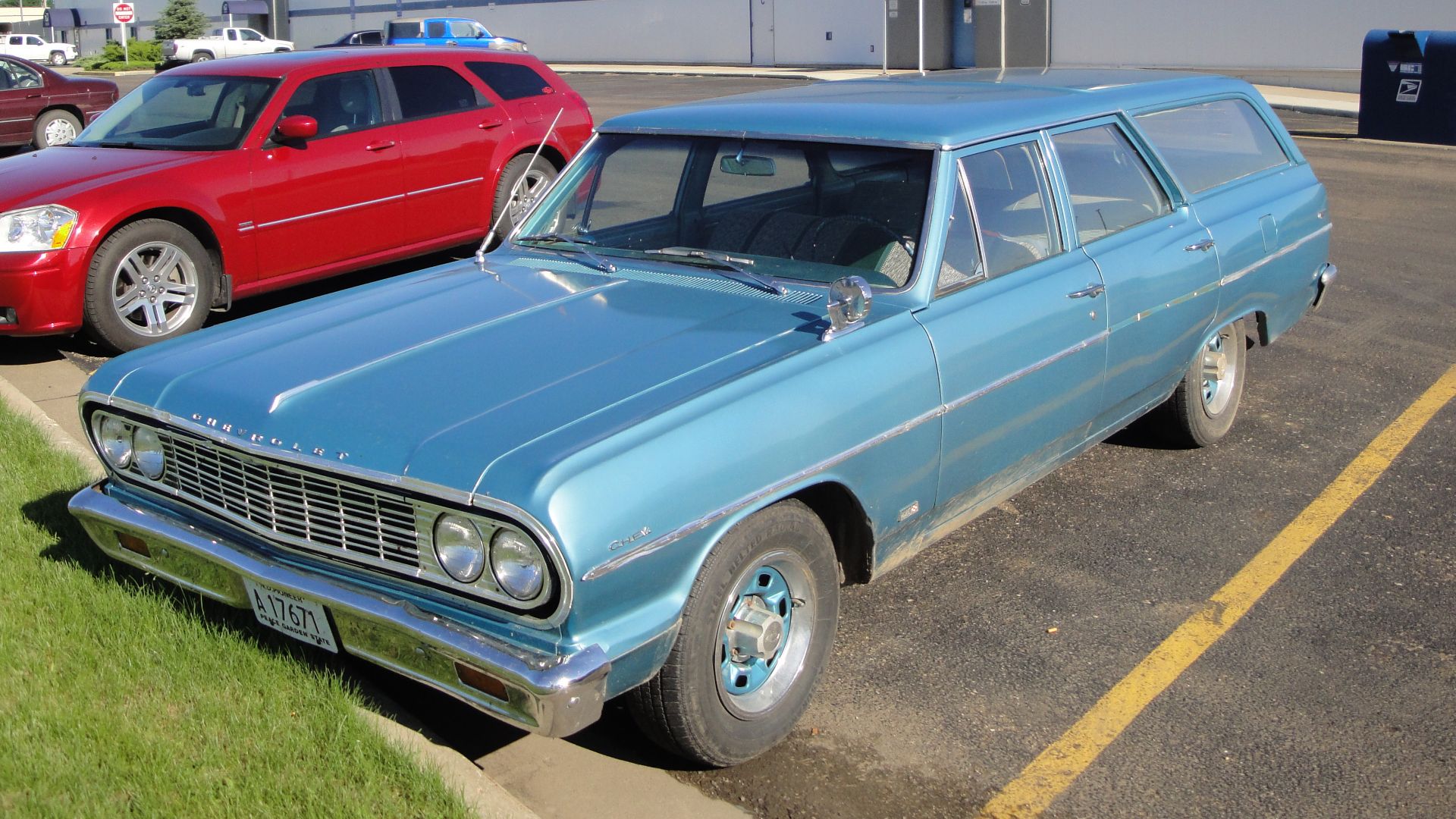 Greg Gjerdingen from Willmar, USA, Wikimedia Commons
The Lasting Legacy Of Chevrolet’s Boldest Wagon
Today, the 1973 Chevelle SS wagon stands as a rare symbol of creativity during constraint. It captured a fleeting moment when muscle met practicality. Its legacy lives on not because of mass appeal, but because Chevrolet dared to build something unexpected when the era was closing.