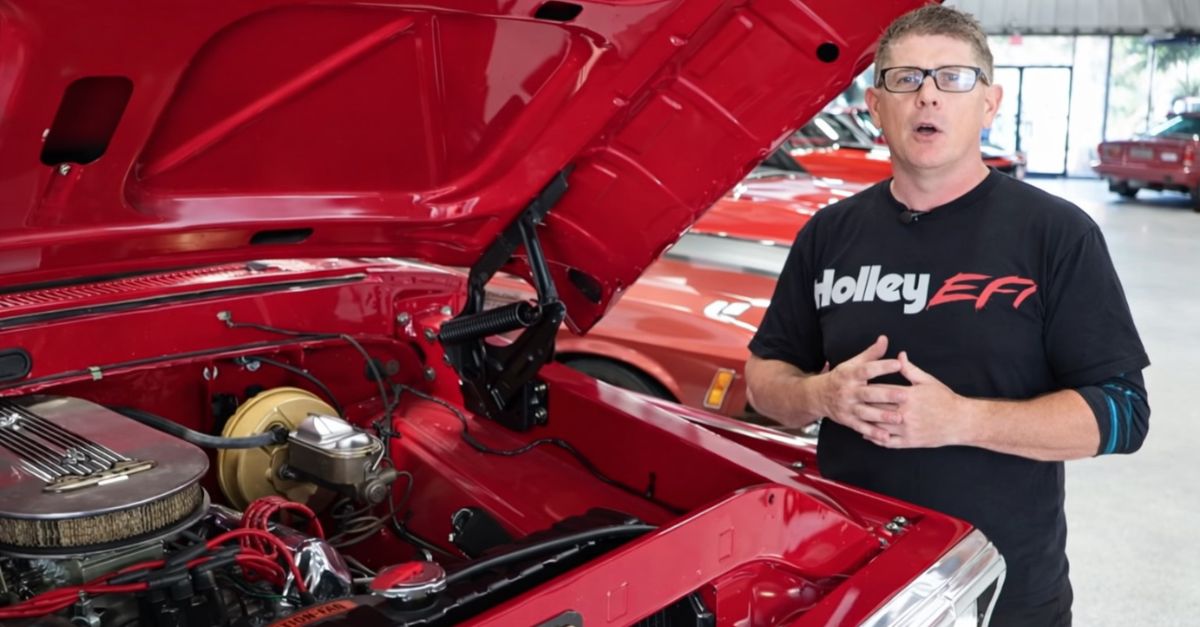
Timeless Automotive Icons
Long before digital dashboards and sealed drivetrains, cars demanded involvement. These classics combined bold styling with mechanical honesty, rewarding skill and attention in ways modern vehicles rarely attempt anymore.

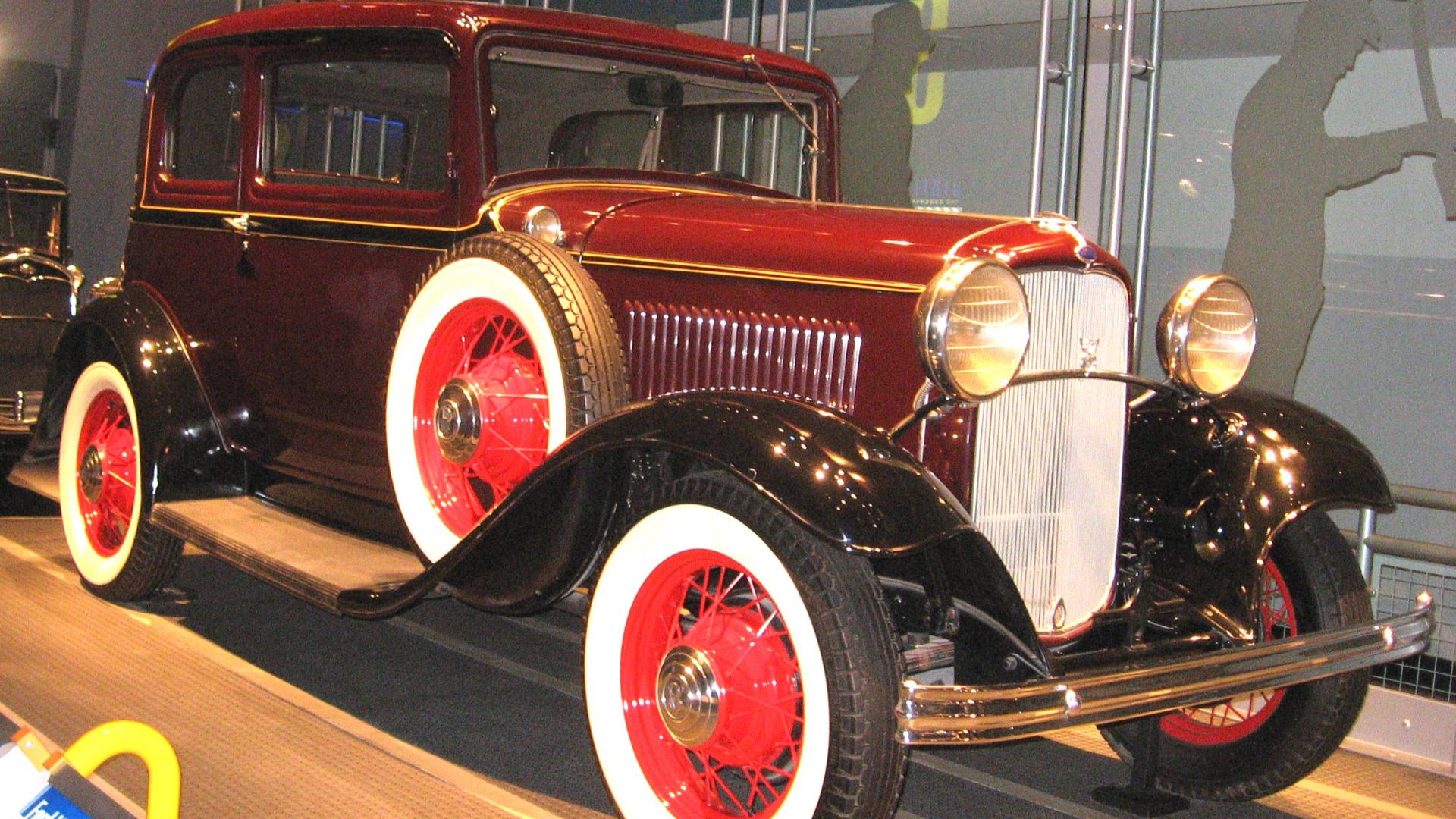
1932 Ford V-8 Coupe
Ford's groundbreaking 65-hp flathead V8 brought affordable power to everyone. Weighing under 2,500 pounds with Duesenberg-inspired styling, it launched hot rod culture. Its endless customization potential delivers hands-on driving experiences that today's sealed systems can't match.
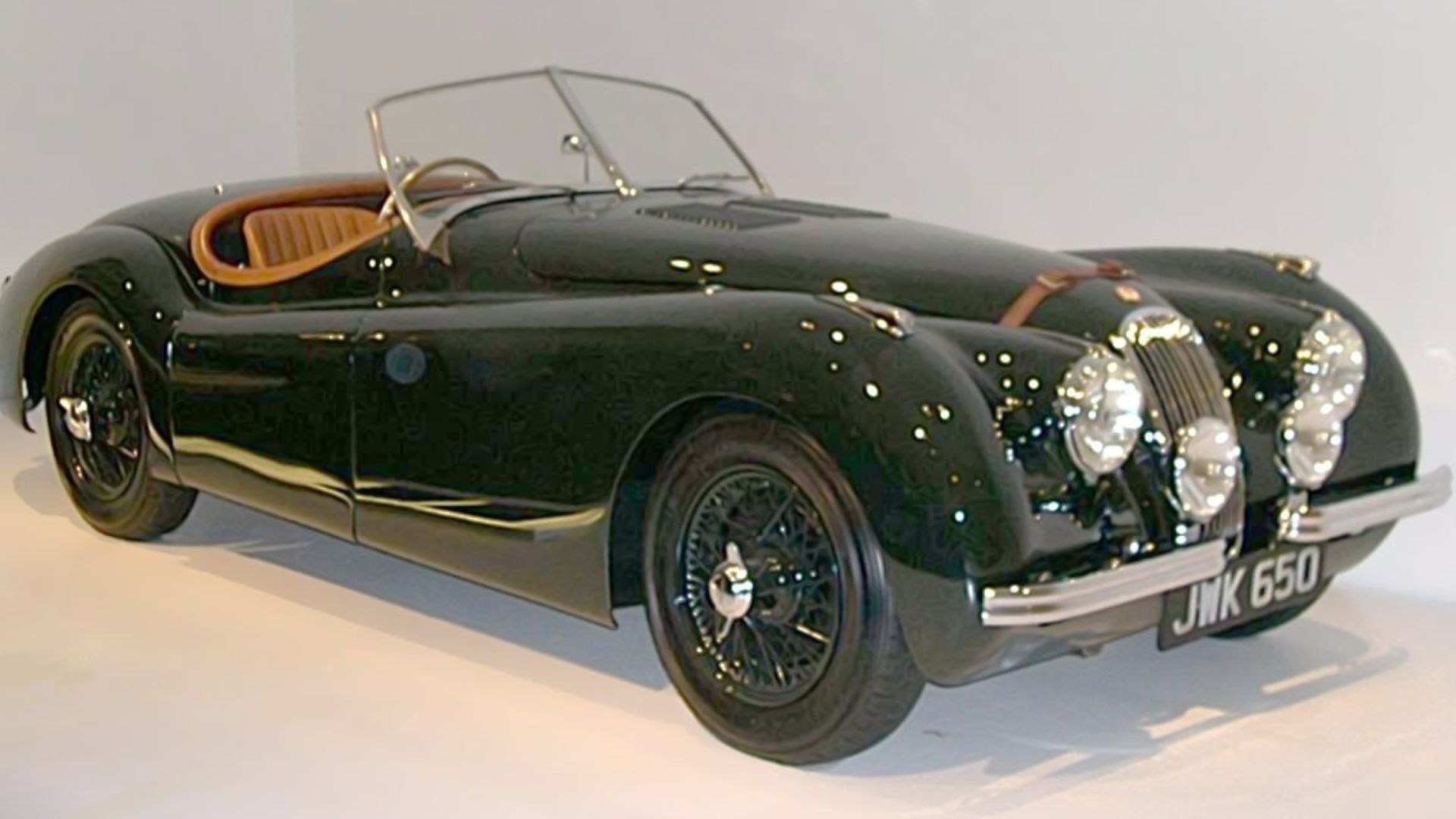
1950 Jaguar XK120
The 160-horsepower engine pushed this beauty to record-breaking 120 mph speeds through pure mechanical engineering. Aluminum bodywork created sophisticated elegance while Le Mans victories proved racing credentials. Contemporary Jaguars rely heavily on electronics, but this XK120 delivered authentic performance through timeless design.
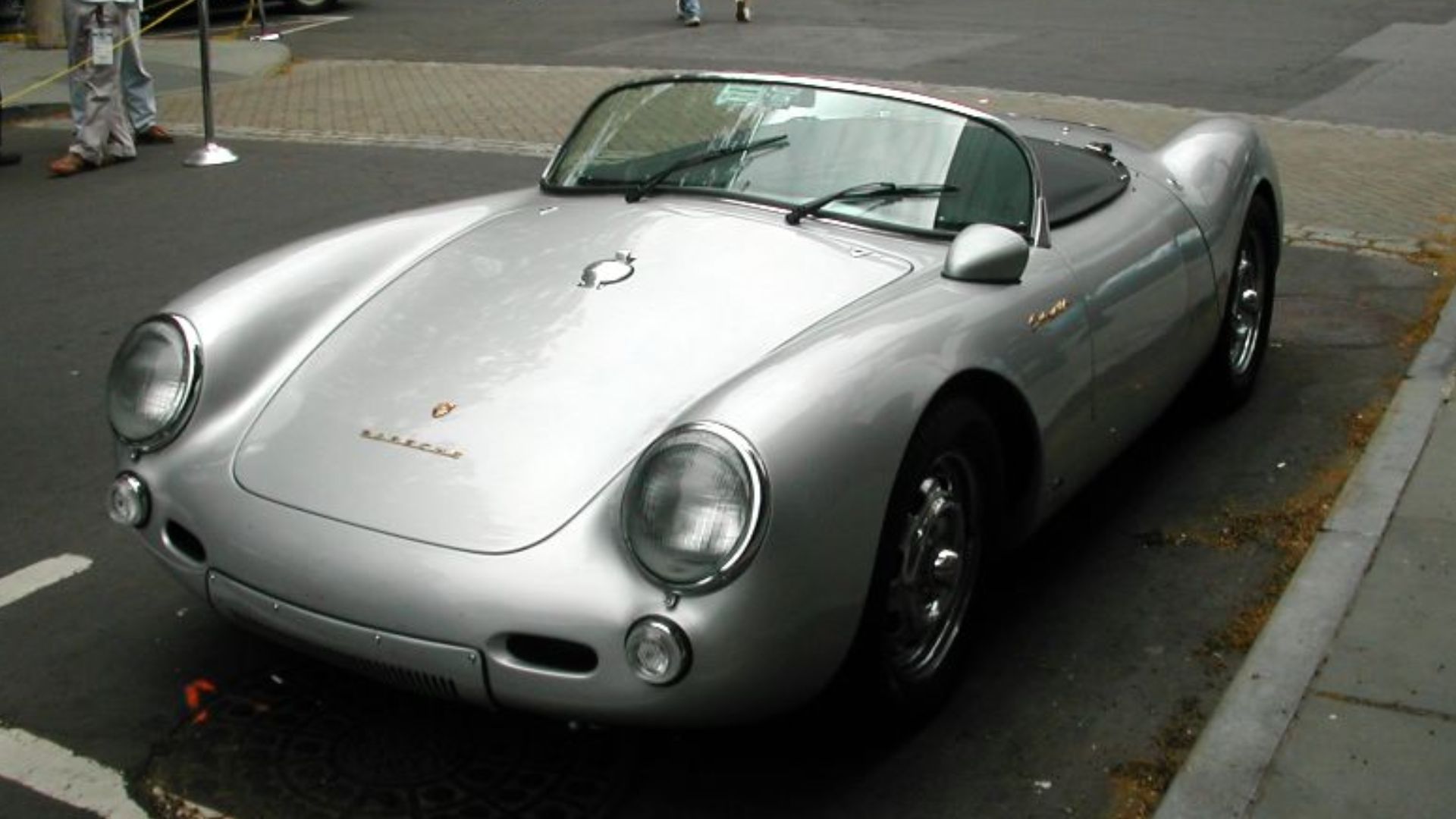
1955 Porsche 550 Spyder
At just 1,300 pounds, this aluminum-bodied legend's mid-engine layout delivered agile handling, outshining modern electronic-dependent Porsches. Its 110-hp flat-four secured Le Mans and Nurburgring victories with pure mechanical prowess. Only 90 built means auction values exceed $3 million.
1955 Chevrolet Bel Air
Bold fins and tri-color schemes made this beauty stand out with a 283-ci V8 that symbolized post-war prosperity. Chrome accents created visual impact no modern Chevy matches in style or excess—over 1.5 million buyers agreed. As one of the first cars with factory air conditioning, it pioneered comfort features.
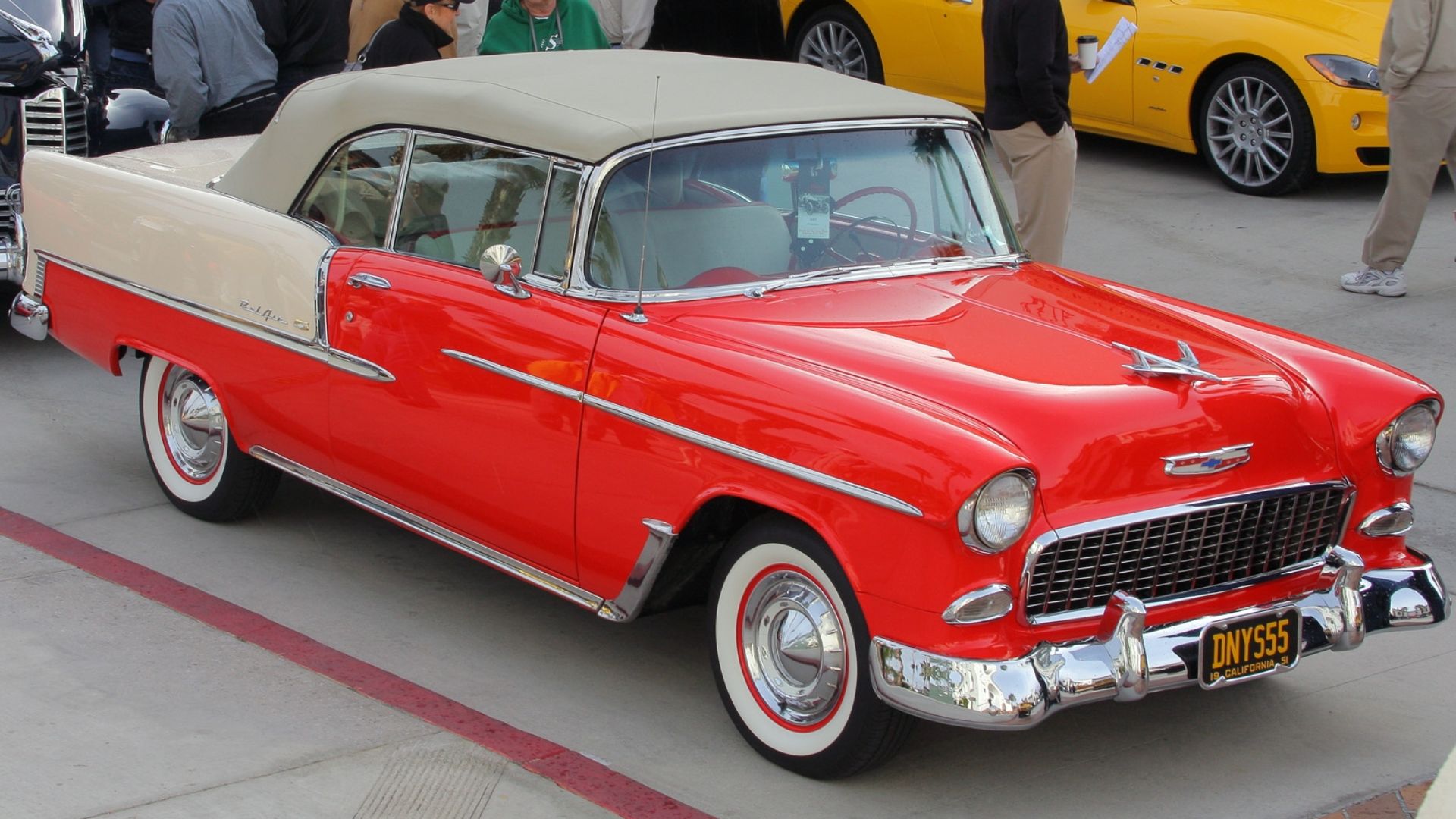 Rex Gray from Southern California, Wikimedia Commons
1957 Ford Thunderbird
Ford blended luxury with a 312-ci V8 that delivered 245 horsepower, prioritizing style over utility in ways modern Thunderbirds completely fail to capture. The porthole hardtop and continental kit evoked Hollywood glamour with analog charm. Plus, its dipped bumper improved cooling for better engine performance.
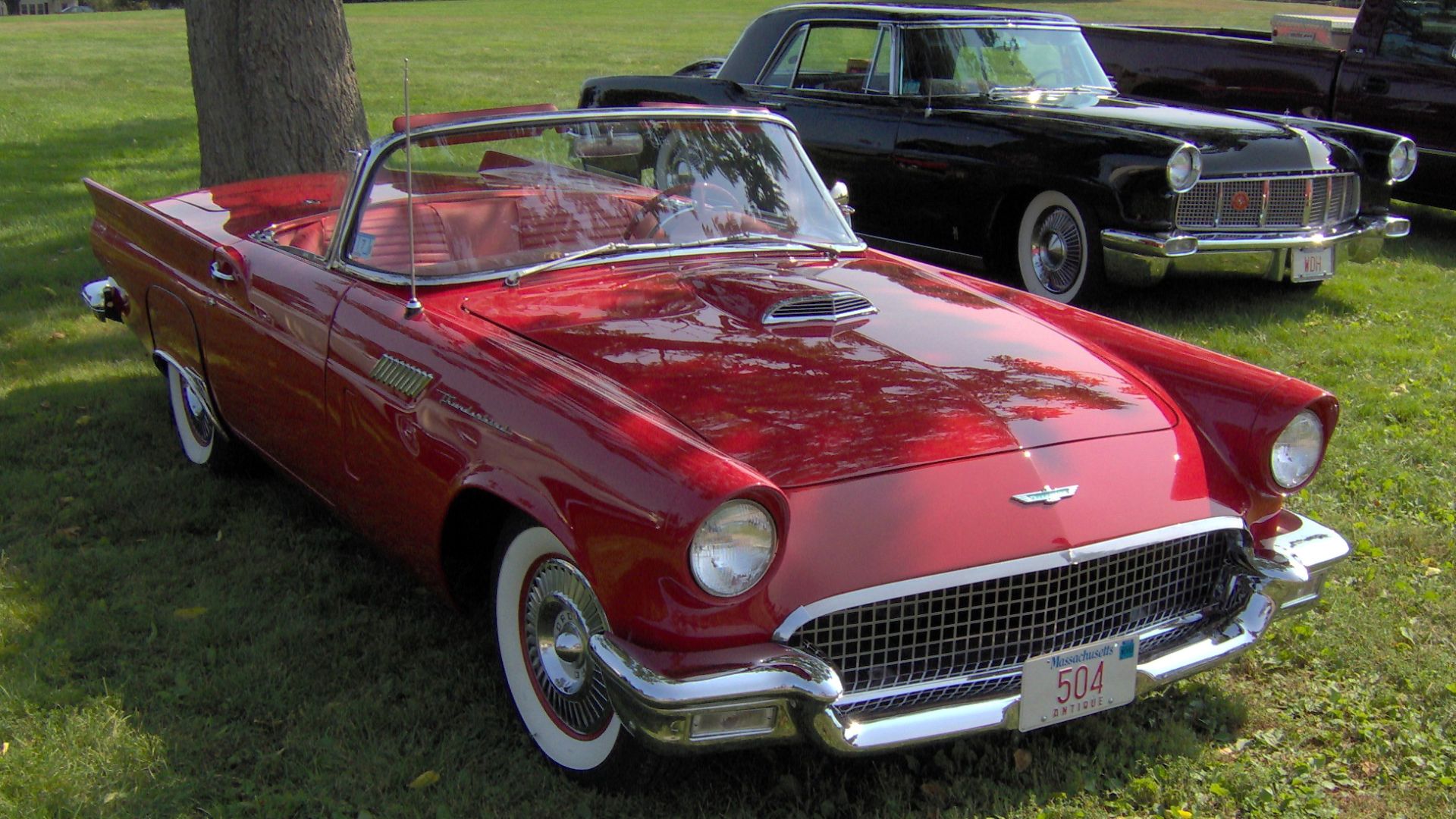 Stephen Foskett (Wikipedia User: sfoskett), Wikimedia Commons
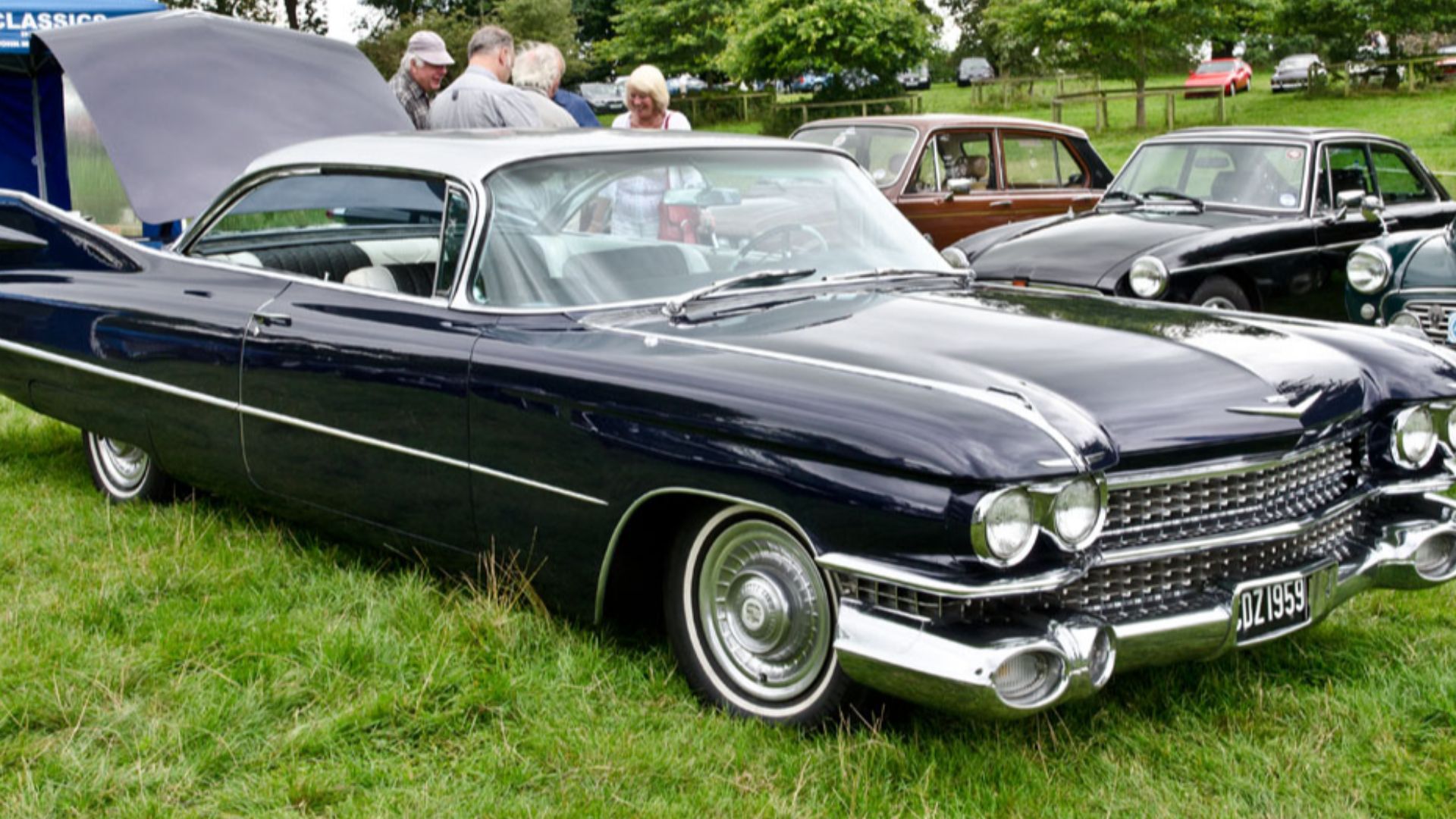
1959 Cadillac Eldorado
Massive 42-inch tailfins and a 390-ci V8 with 345 horsepower defined American excess. Quad headlights with chrome overload created a pop culture status symbol, and convertibles now fetch over $200k at auction. Those audacious tailfins inspired space-age fantasies—bold statements that current safety regulations simply prevent.
1959 Aston Martin DB4 GT Zagato
This rare beauty featured a 3.7L inline-six with 302 horsepower and exclusive Zagato bodywork. The aluminum body saved 200 pounds for pure driving emotion. Limited to just 19 units, its Le Mans pedigree commands $10 million-plus values over mass-produced contemporaries.
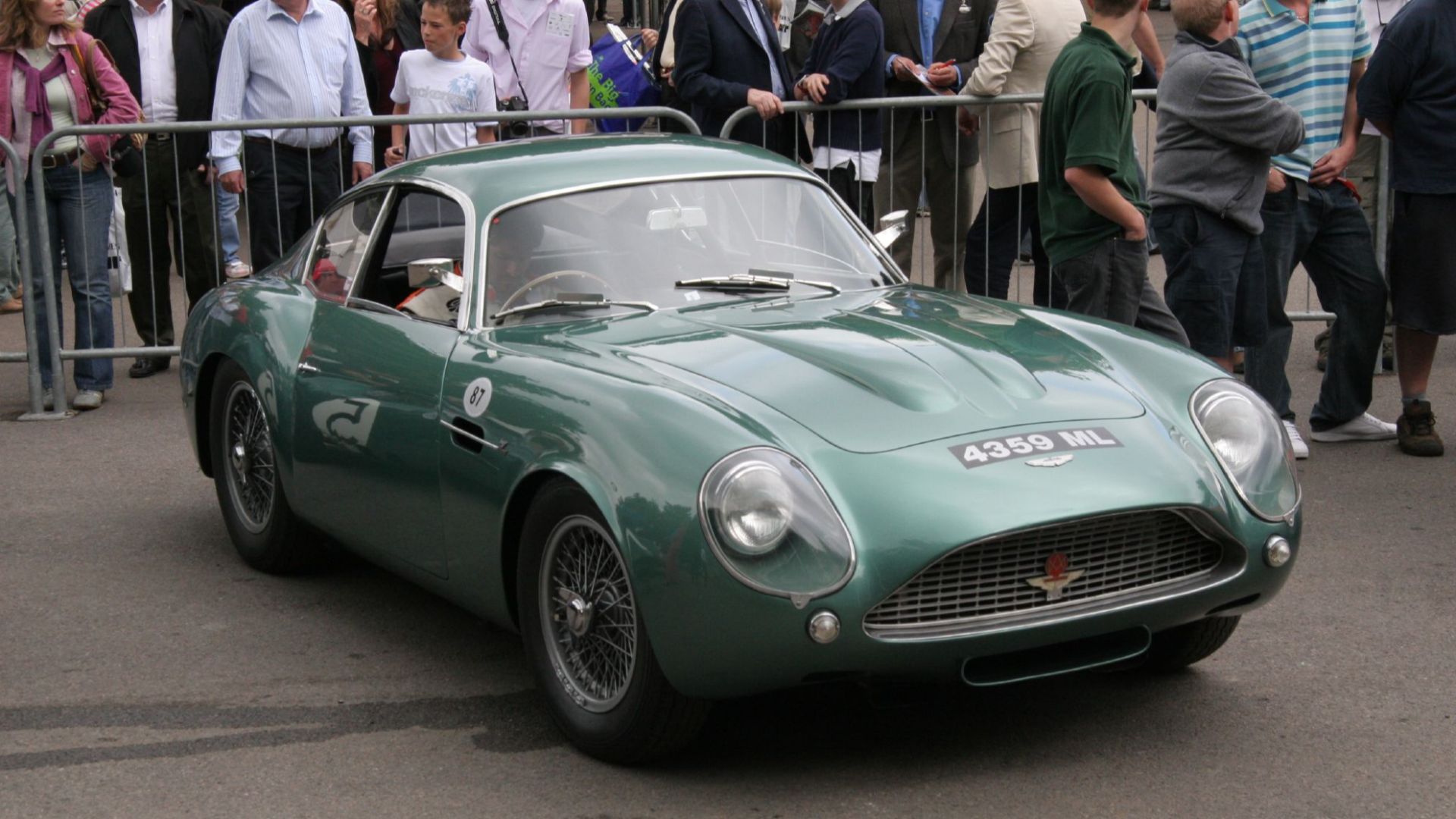 Brian Snelson from Hockley, Essex, England, Wikimedia Commons
1961 Lincoln Continental
Suicide doors and slab-sided minimalism created a neo-classical design that offered refined luxury. The 430-ci V8 delivered 300 horsepower while hand-assembled interiors evoked Kennedy-era sophistication. Dimensions shrank from 227 to 212 inches for better agility, contrasting today's bloated luxury sedans.
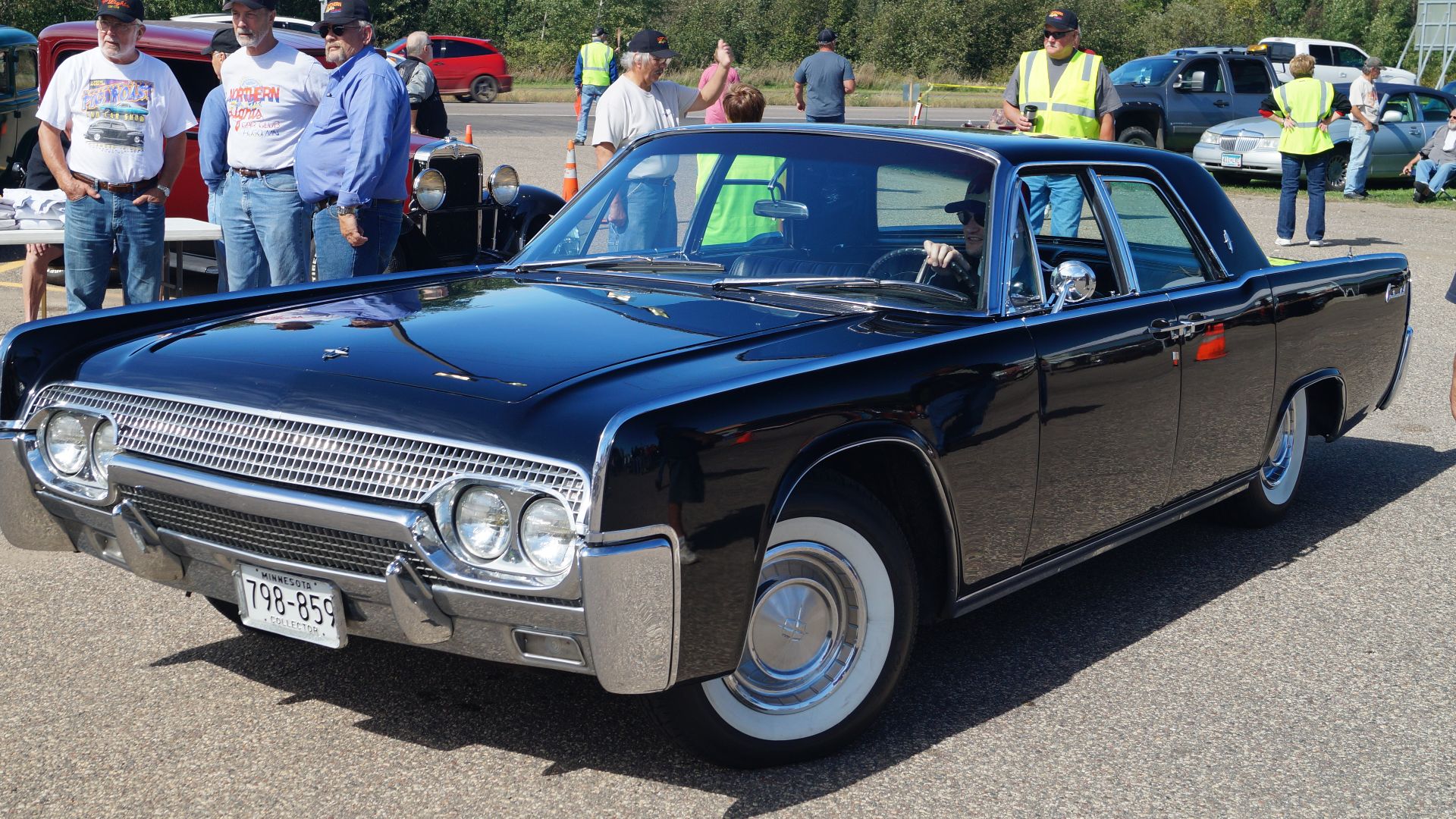 Greg Gjerdingen from Willmar, USA, Wikimedia Commons
1962 Ferrari 250 GTO
Only 36 of these legends were built, each powered by a 3.0L V12 generating 300 horsepower. The GTO dominated circuits and won three consecutive FIA GT World Championship titles through racing brilliance. Today, auction values exceed $70 million for this ultimate collector's prize.
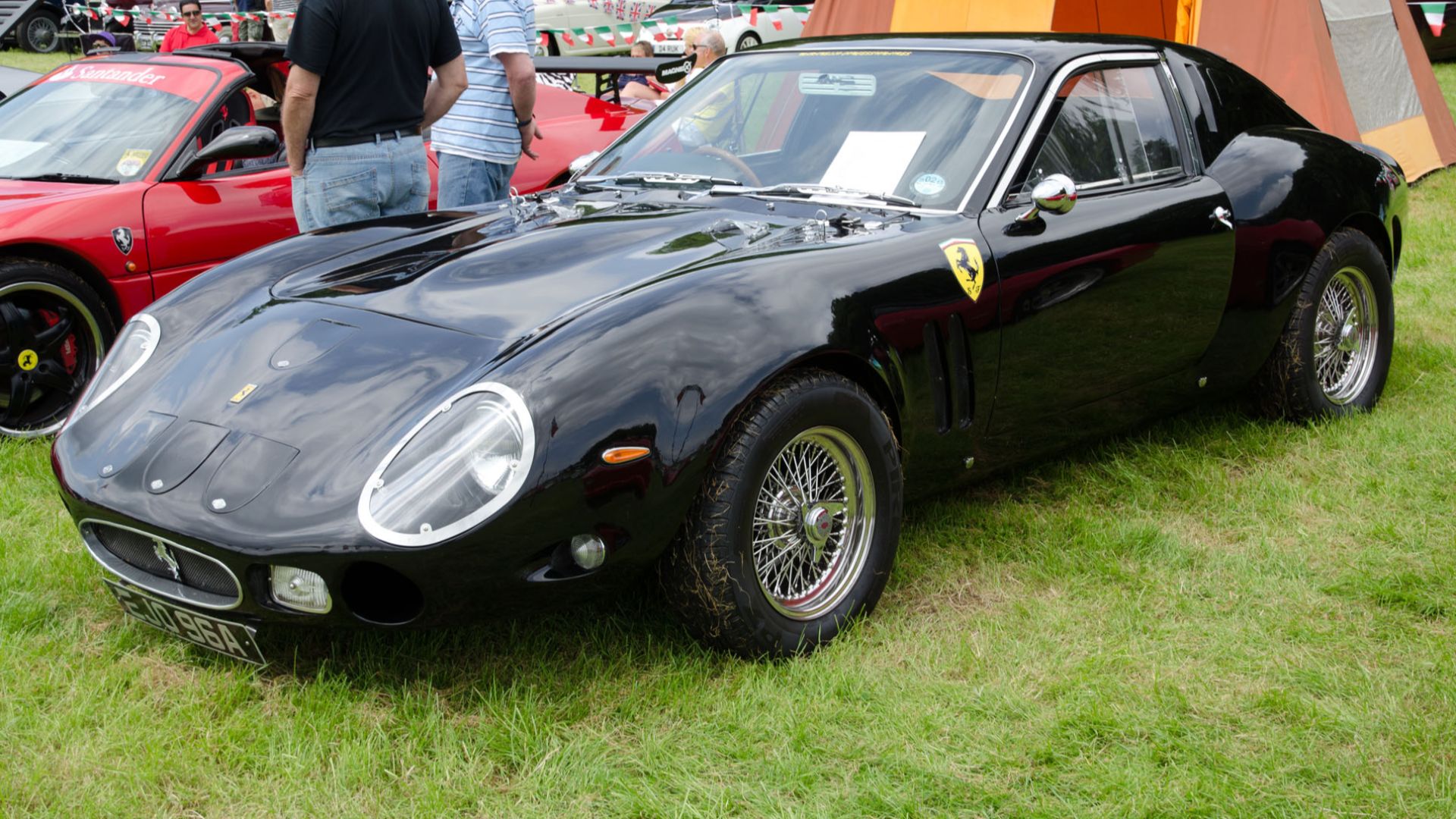
1963 Chevrolet Corvette Sting Ray
Revolutionary fiberglass construction combined with independent suspension transformed American sports car handling. Under the hood, the 427-ci engine unleashed up to 435 horsepower and launched this beauty to 60 mph in under 12 seconds, while split-window coupes now command $200,000 at auctions.
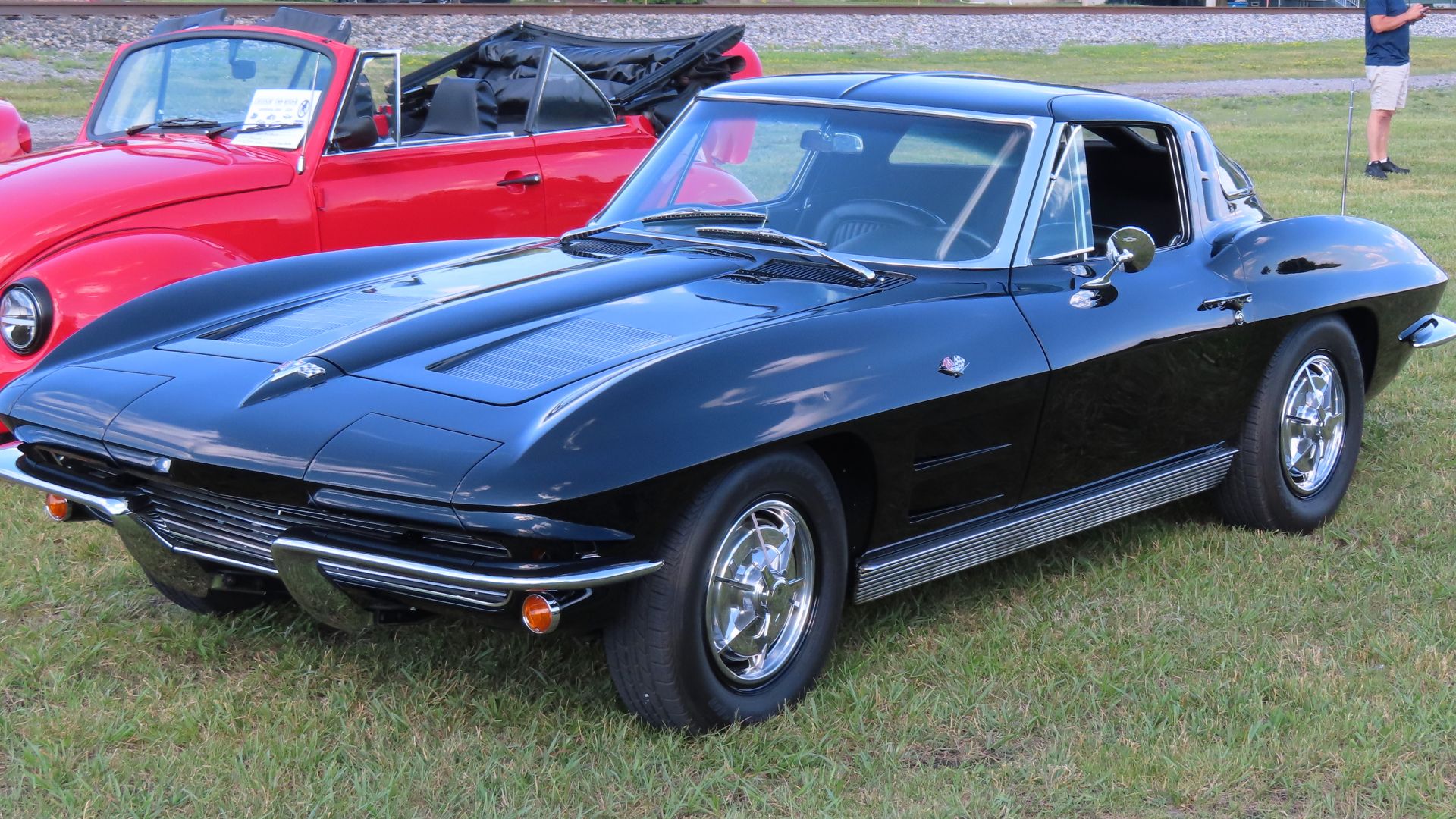 MercurySable99, Wikimedia Commons
1963 Jaguar E-Type
Enzo Ferrari declared this the most beautiful car ever made, and his praise wasn't empty. The 3.8L inline-six generated 265 horsepower while aerodynamic excellence provided accessible glamour. Its current values hover around $150,000 for standard models. Only 12 Lightweights were produced, and their racing victories created exclusivity that remains unmatched.

1965 Ford Mustang
This icon revolutionized the youth market with a 289 V8 delivering up to 271 horsepower while fostering a customization culture that modern Mustangs' complexity prevents. Affordable sporty design featured bucket seats and full carpeting for a premium feel at bargain prices.
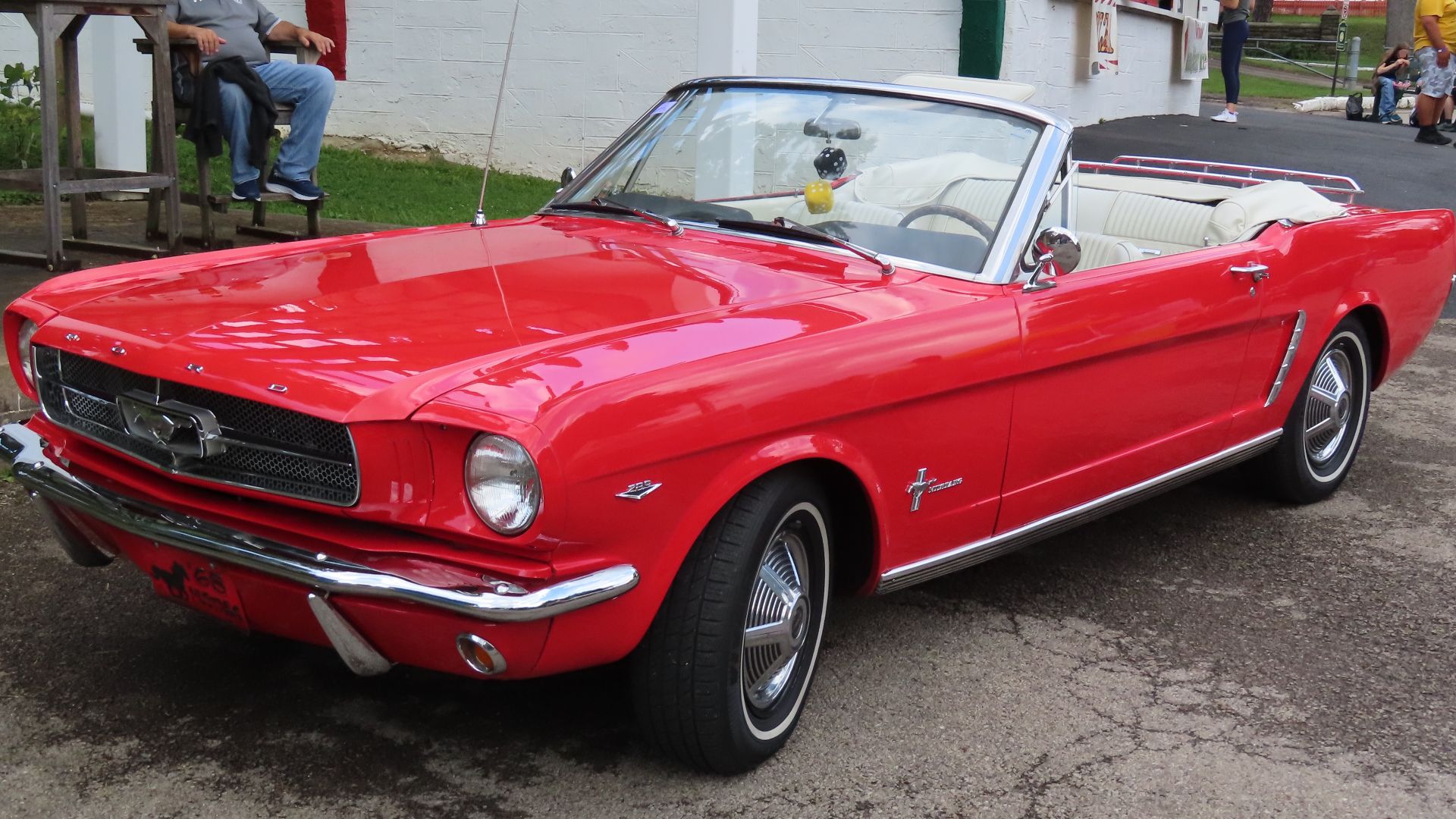 MercurySable99, Wikimedia Commons
1967 Chevrolet Corvette
The big-block 427 produced 435 horsepower for raw power, and fully independent suspension transformed traction and handling in ways contemporary models dilute. The L78 hit 0–60 in 6.5 seconds, dipping into the low 13s for quarter-miles—elite performance for the era.
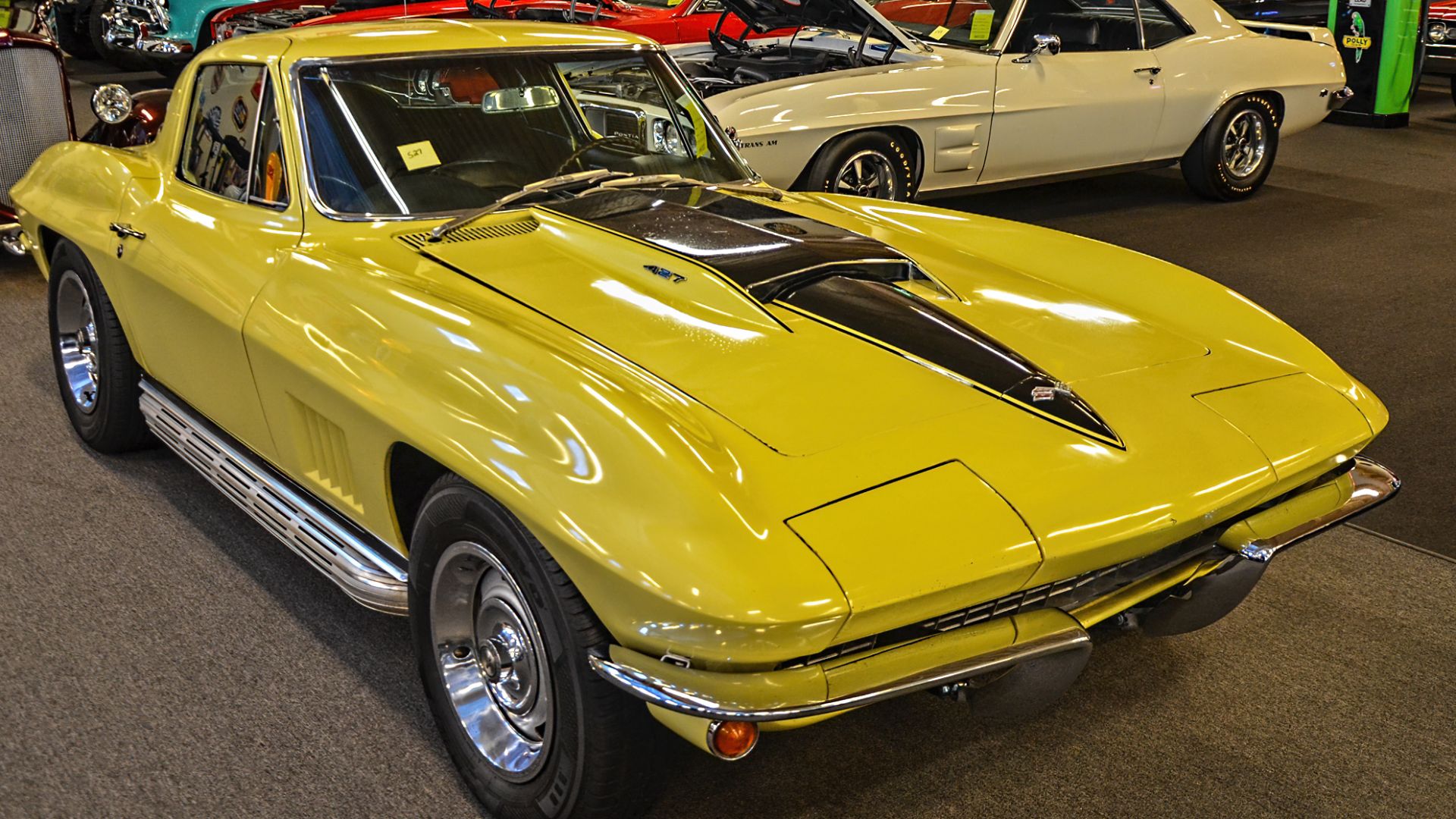 Tomas Del Coro from Fabulous Las Vegas, Nevada, USA, Wikimedia Commons
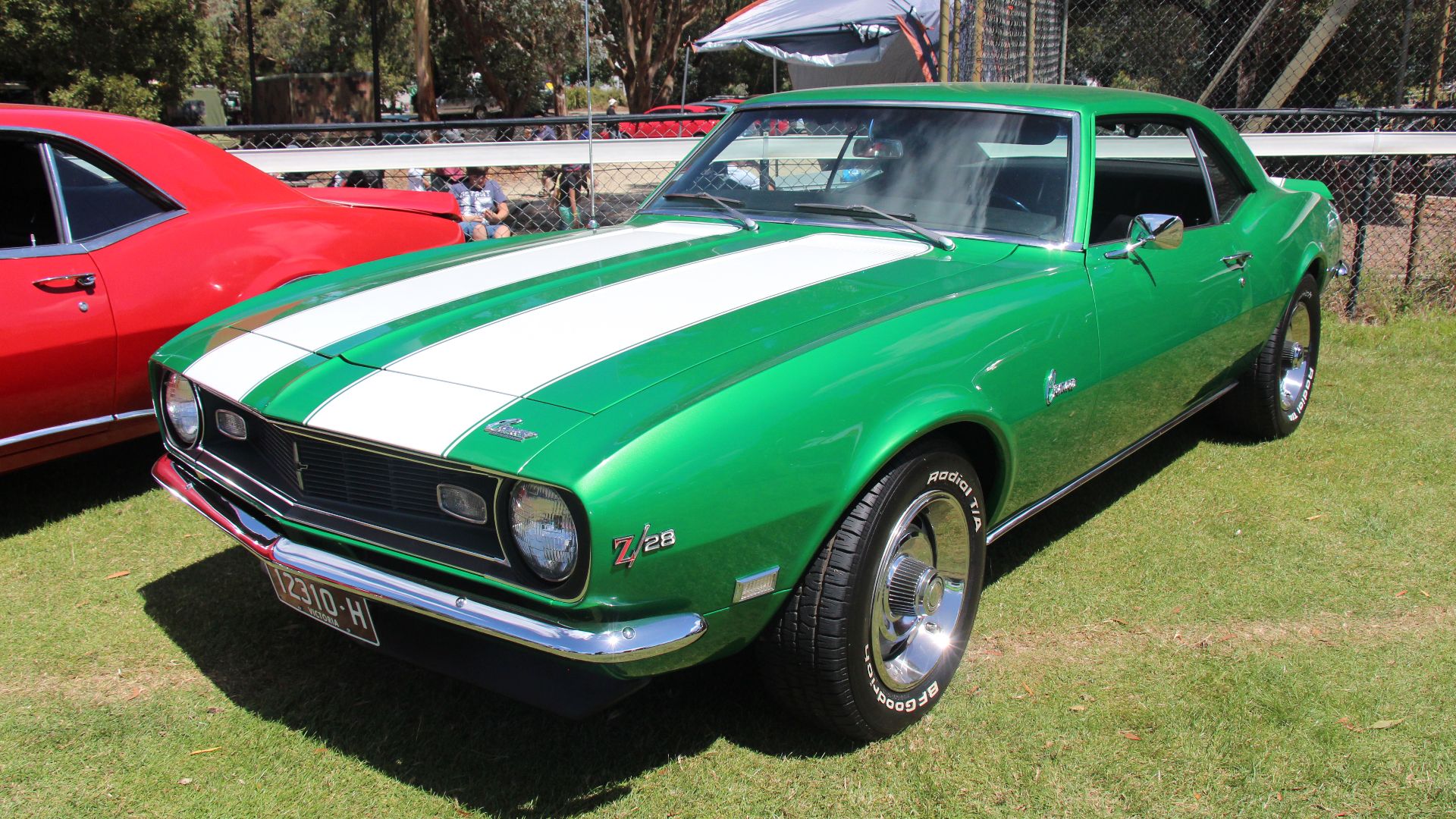
1968 Chevrolet Camaro Z28
Trans-Am racing homologation birthed this American legend, with a 302 V8 delivering 290 horsepower specifically tuned for track domination. Power front disc brakes came standard to handle the performance, and optional four-wheel setups gave serious racers even more stopping power. Today, collectors happily pay over $100,000 for authentic examples.
1969 Dodge Charger
The mighty 426 Hemi delivered 425 horsepower wrapped in some of the most aggressive and iconic muscle car styling ever designed. Engineers crafted a split grille that improved airflow by 15% for better engine cooling, and the dramatic coke bottle shape cut drag by 12% for improved aerodynamics.

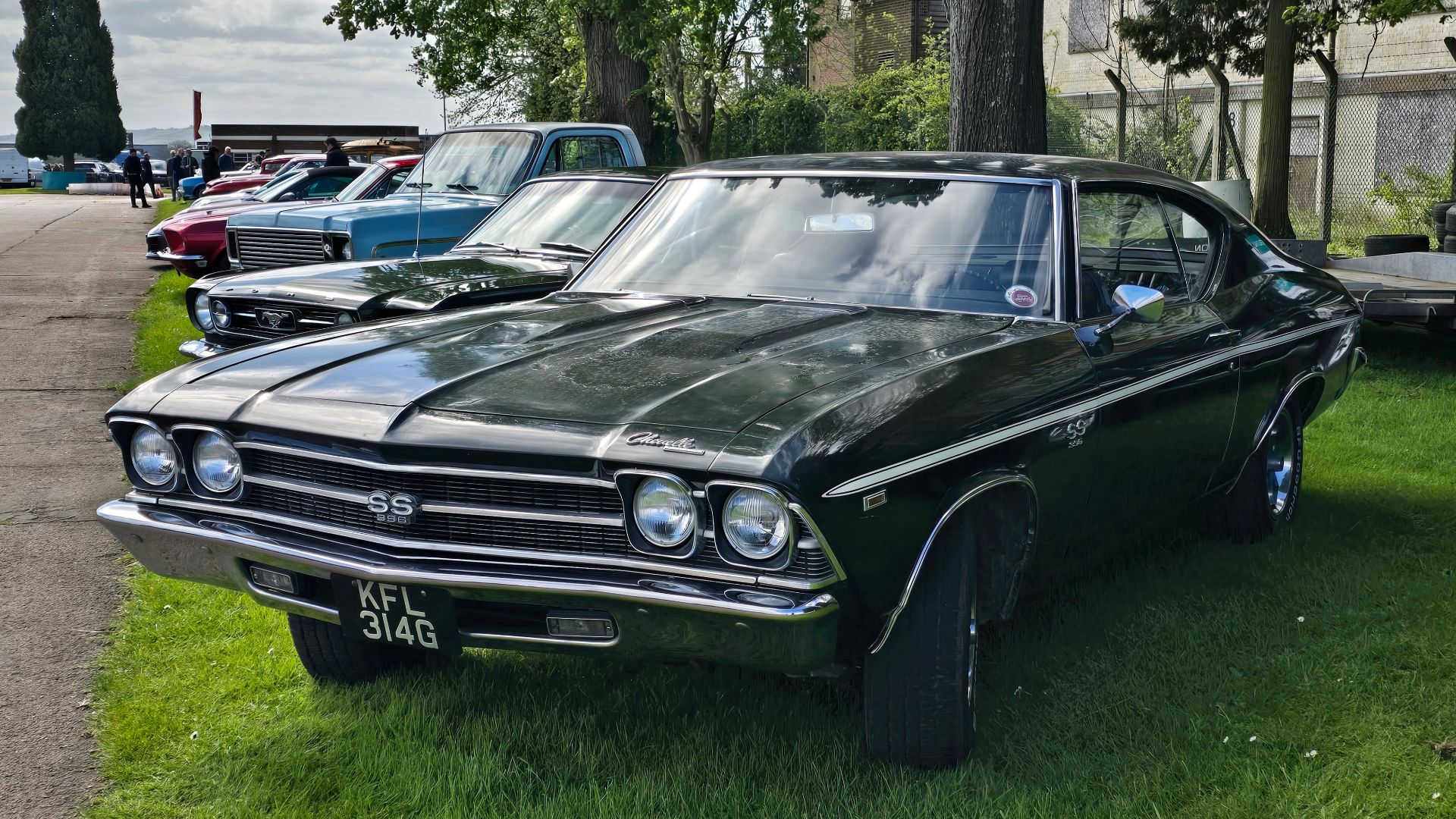
1969 Chevrolet Chevelle SS
The 396 V8 generated 375 horsepower and dominated drag strips with low 13-second quarter-mile times. Chevrolet offered the SS package on any two-door model, which helped sell 86,000 units total. Moreover, cleaner styling featured a distinctive power-bulge hood that defined the muscle car era.
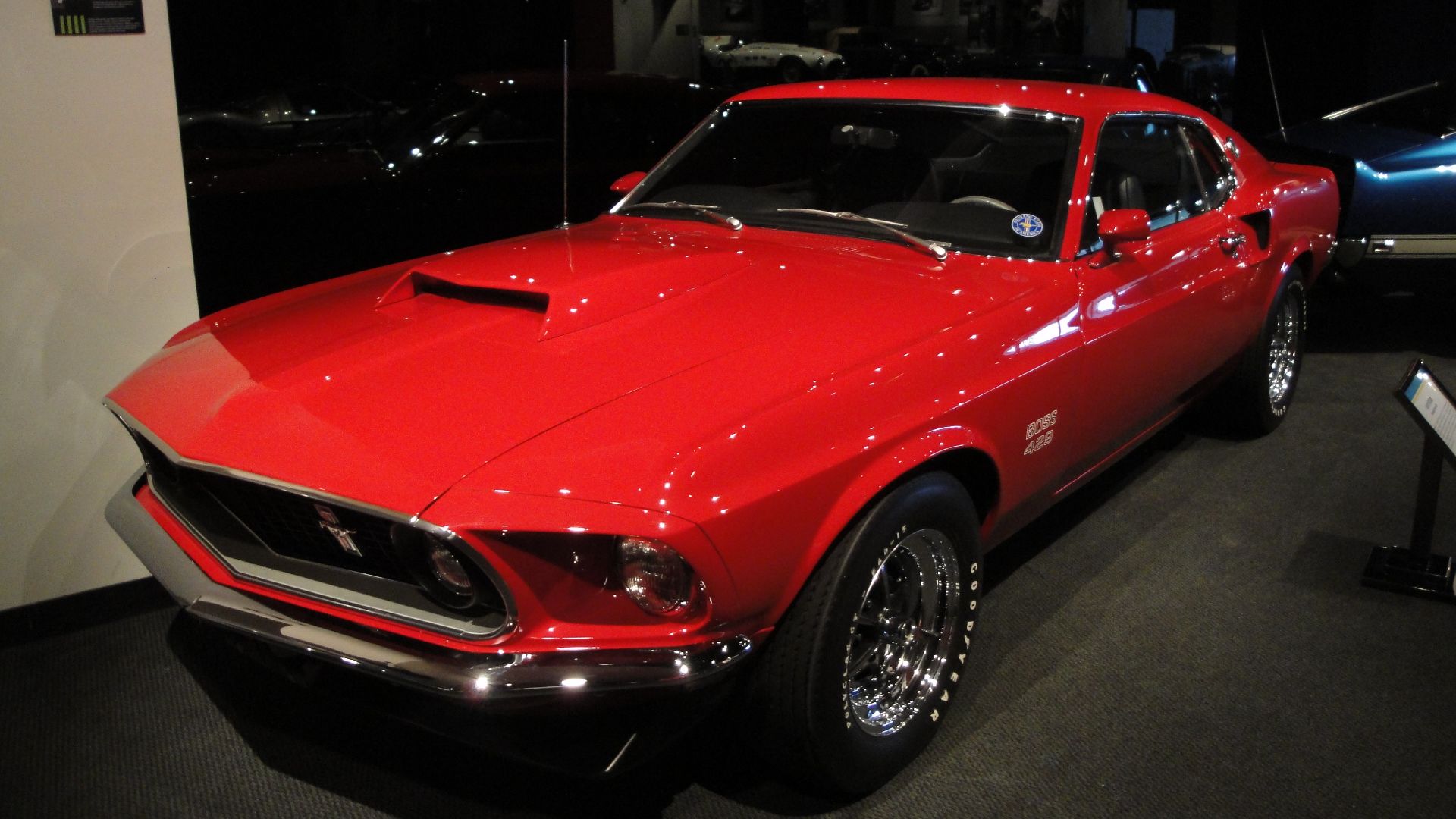
1969 Ford Mustang Boss 429
Limited to just 859 units, the 429 V8 delivered 375 horsepower for NASCAR homologation requirements that created legendary rarity. Engineering feats prioritize track focus over street comfort, as modern Mustangs emphasize. The 0–60 sprint took 7.1 seconds with 118 mph capability, but untapped rumors suggest 175 mph potential existed.
 Greg Gjerdingen from Willmar, USA, Wikimedia Commons
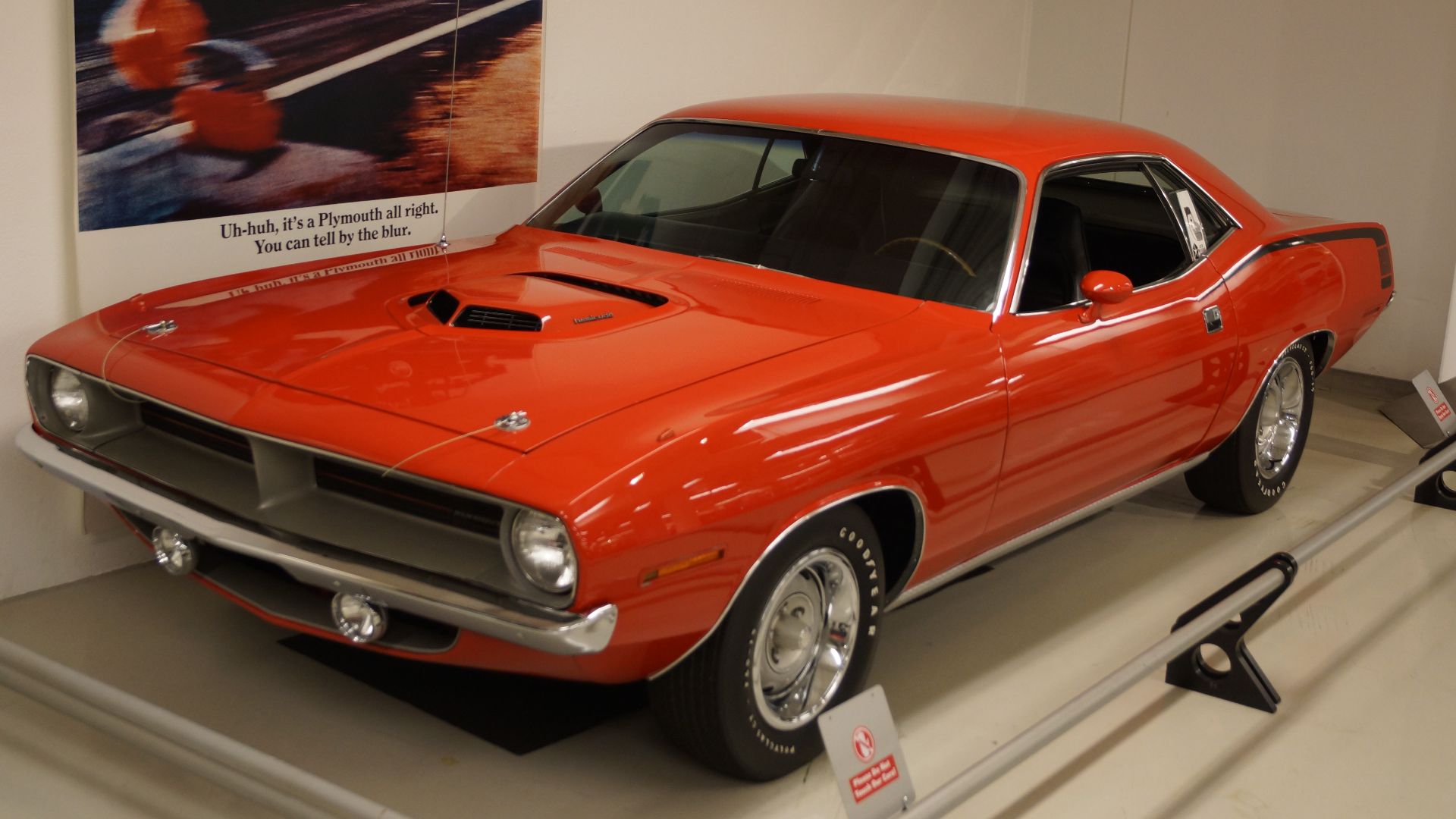
1970 Plymouth Hemi 'Cuda
Bold shaker hood styling paired with the 426 Hemi created muscle iconography superior to modern hybrids completely. Quirky gullwing doors with stainless steel reached a 109 mph top speed. Featured as Bond's amphibious submarine in The Spy Who Loved Me, it offered gimmicks contemporary cars simply can't replicate today.
 Greg Gjerdingen from Willmar, USA, Wikimedia Commons
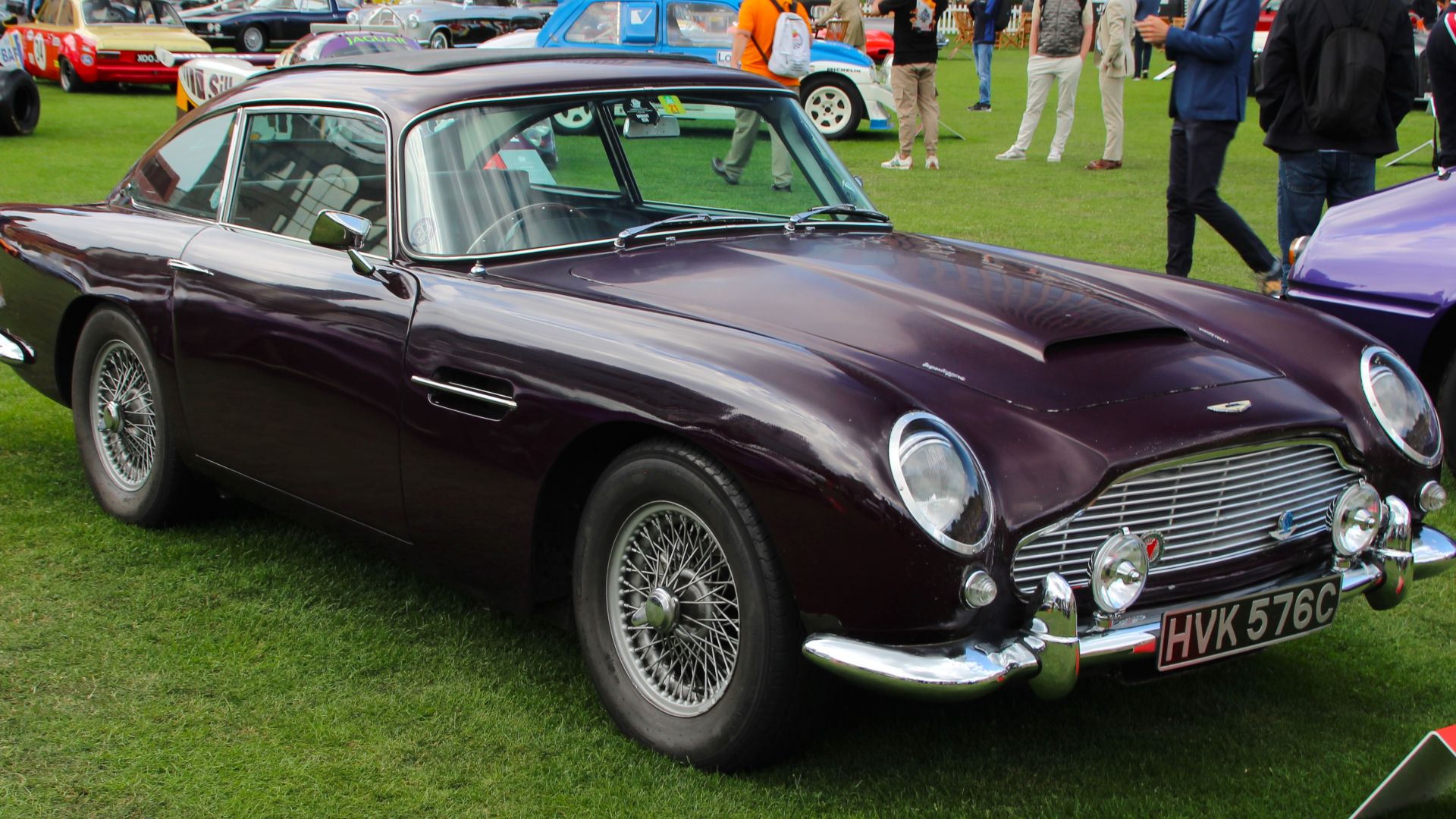
1964 Aston Martin DB5
James Bond made this legendary in Goldfinger as the first gadget-equipped car. Its 4.0L inline-six with 282 horsepower offered elegant performance, later upgraded to 330 bhp for emotional depth. Auction values over $1 million prove that timeless design beats tech-heavy successors.
1970 Datsun 240Z
This import revolution featured a 2.4L inline-six producing 151 horsepower, with elegant design modern complexity obscures. Skidpad numbers of 0.78–0.80 Gs surpassed the Jaguar E-Type and Porsche 911T for superior handling. The 0–60 sprint in 7.8 seconds beat both the Mustang Mach 1 and the Corvette.

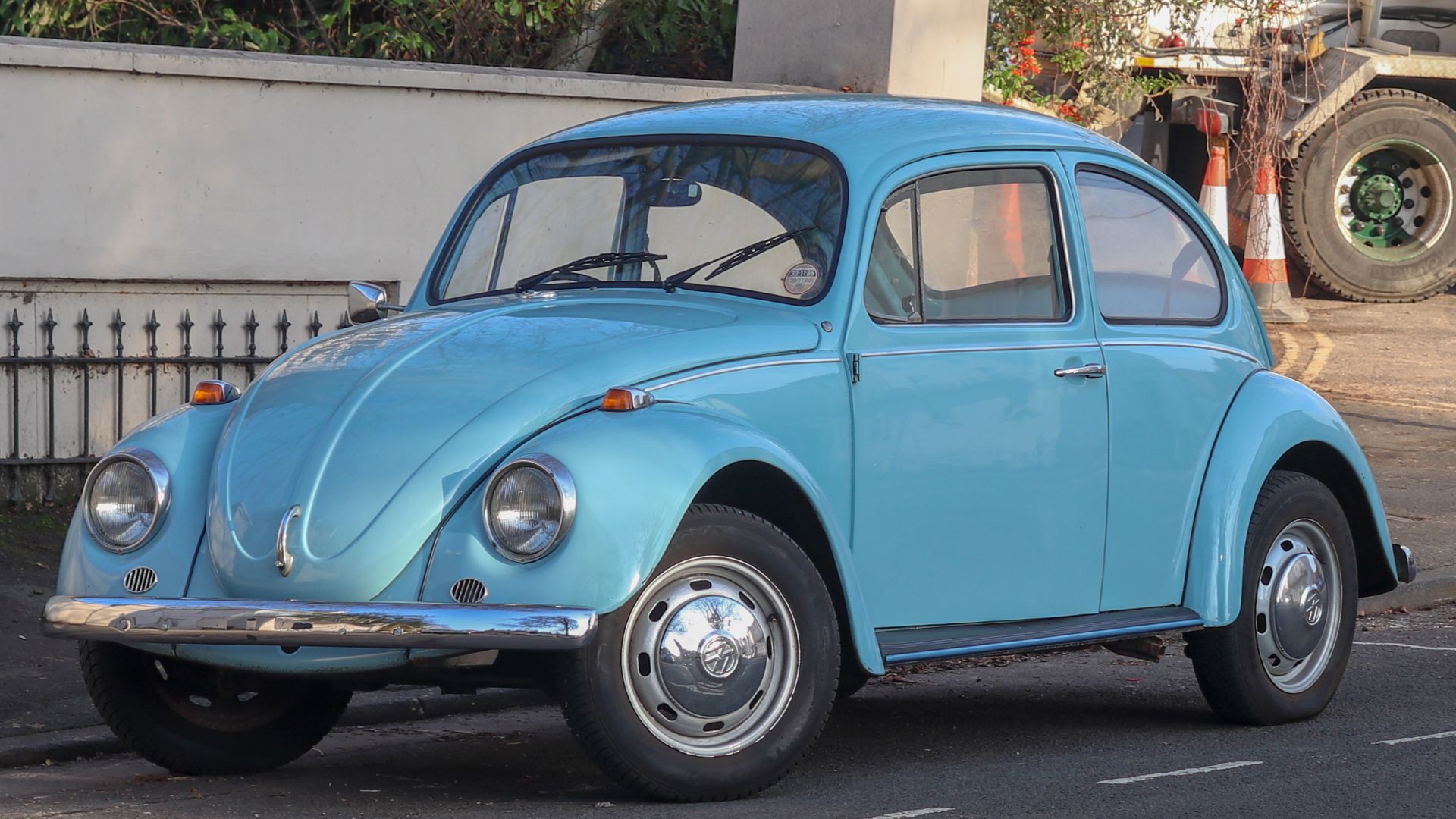
1970 Volkswagen Beetle
Simple air-cooled engineering without radiators delivered durability modern tech-heavy Beetles lack, symbolizing hippie culture perfectly. It survived hundreds of thousands of miles without planned obsolescence or significant issues. Its interiors focused on reliability and avoided water cooling and potential leaks completely.
1973 Pontiac Trans Am
Bold styling from Smokey and the Bandit paired with a Super Duty 455 producing 310 horsepower during the oil crisis. Quarter-mile times in the low 14s with 0–60 in 6.5 seconds delivered elite performance despite emissions. Plus, the iconic Screaming Chicken decal created flair.
 Francois Martinez, Wikimedia Commons
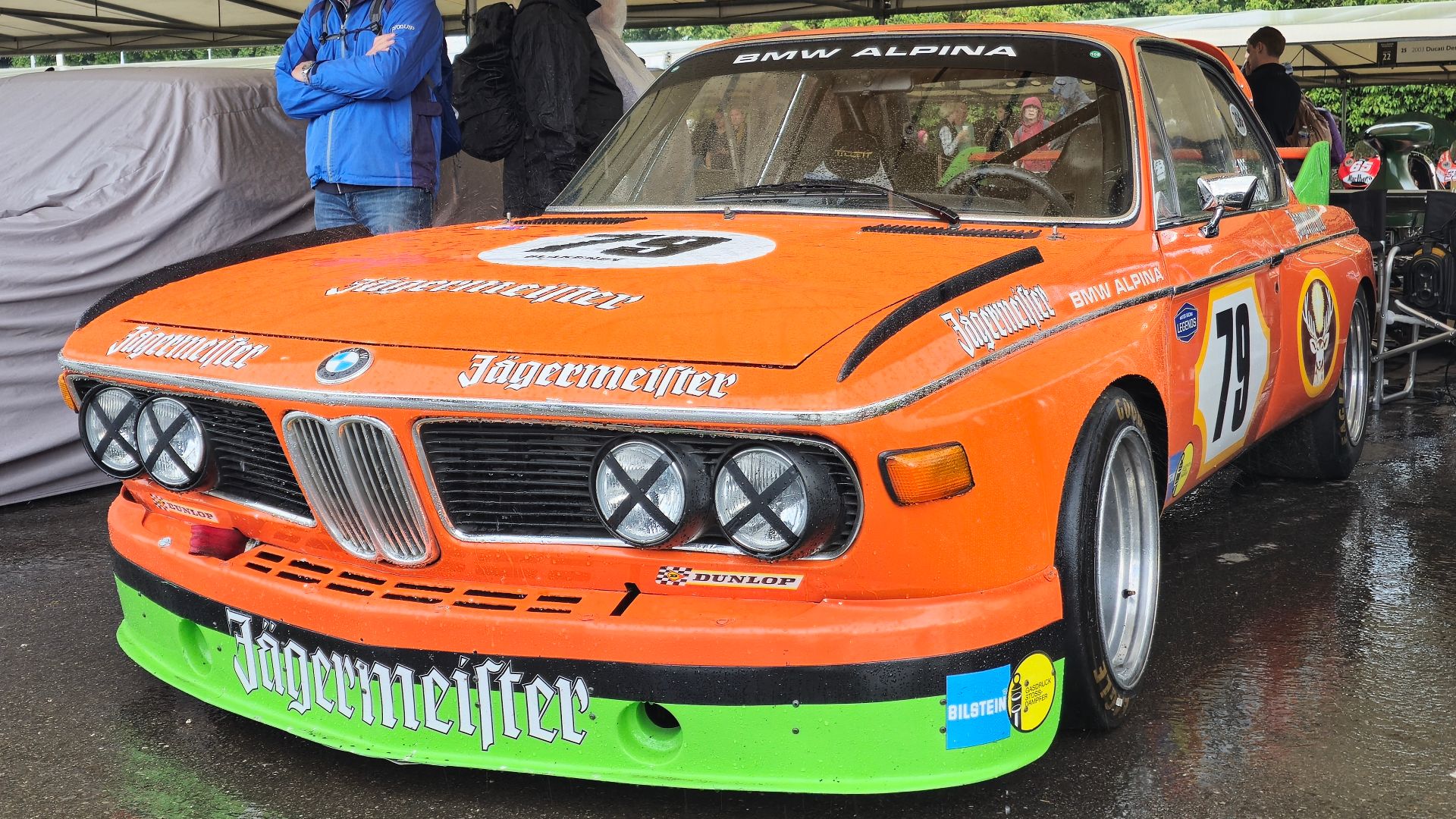
1975 BMW 3.0 CSL
Aluminum construction saved 440 pounds on this E9, and the 206-hp engine with a front air dam dominated racing through aerodynamic excellence. Reaching 153 mph with that iconic wing earned it the "Batmobile" nickname instantly.
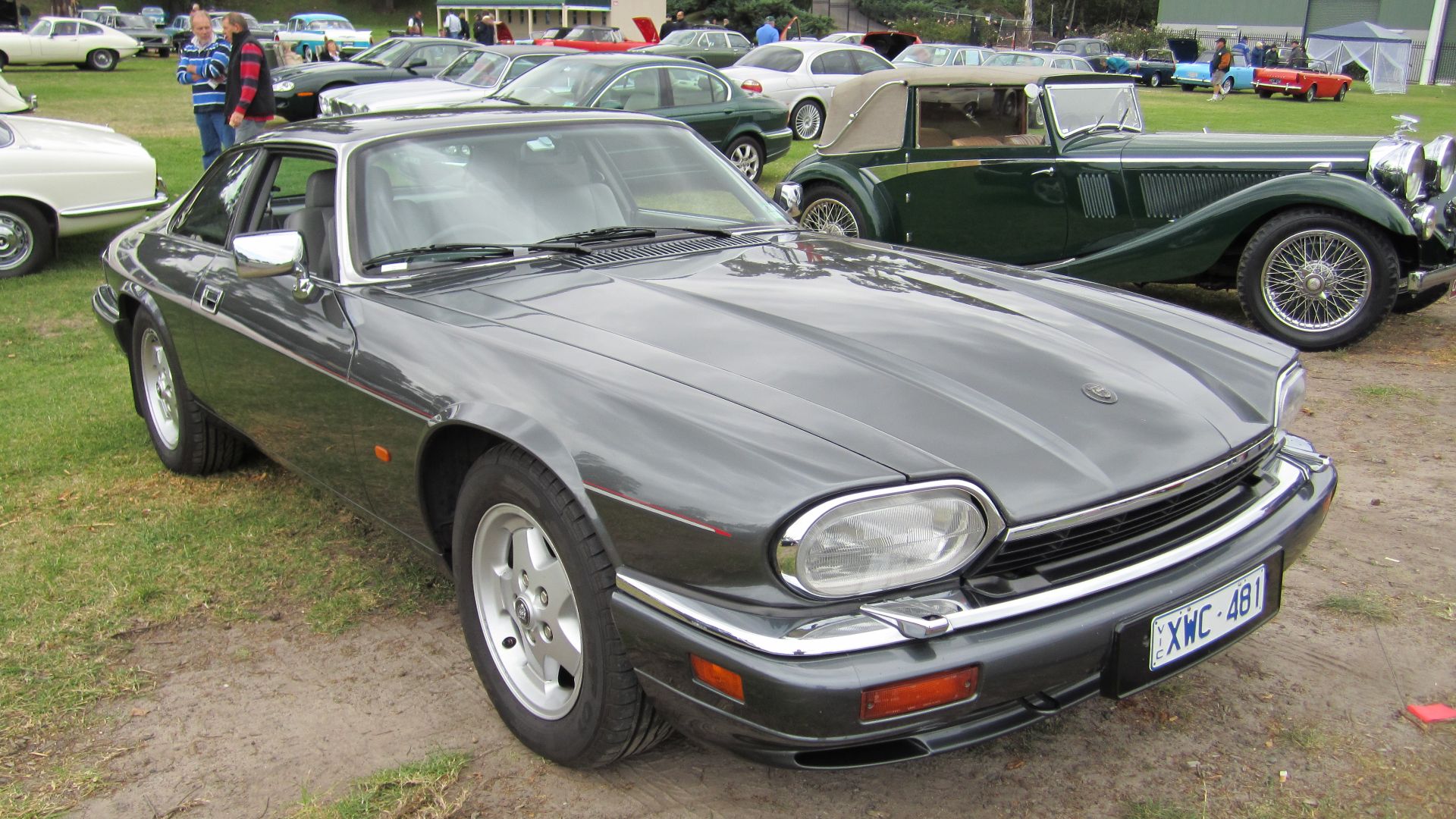
1975 Jaguar XJS
The V12 grand tourer produced 285 horsepower while prioritizing raw luxuriousness over modern complexity completely. Its aerodynamic shape achieved a 153 mph top speed with benchmark ride quality. Successful touring racing proved it a practical GT for continental journeys.
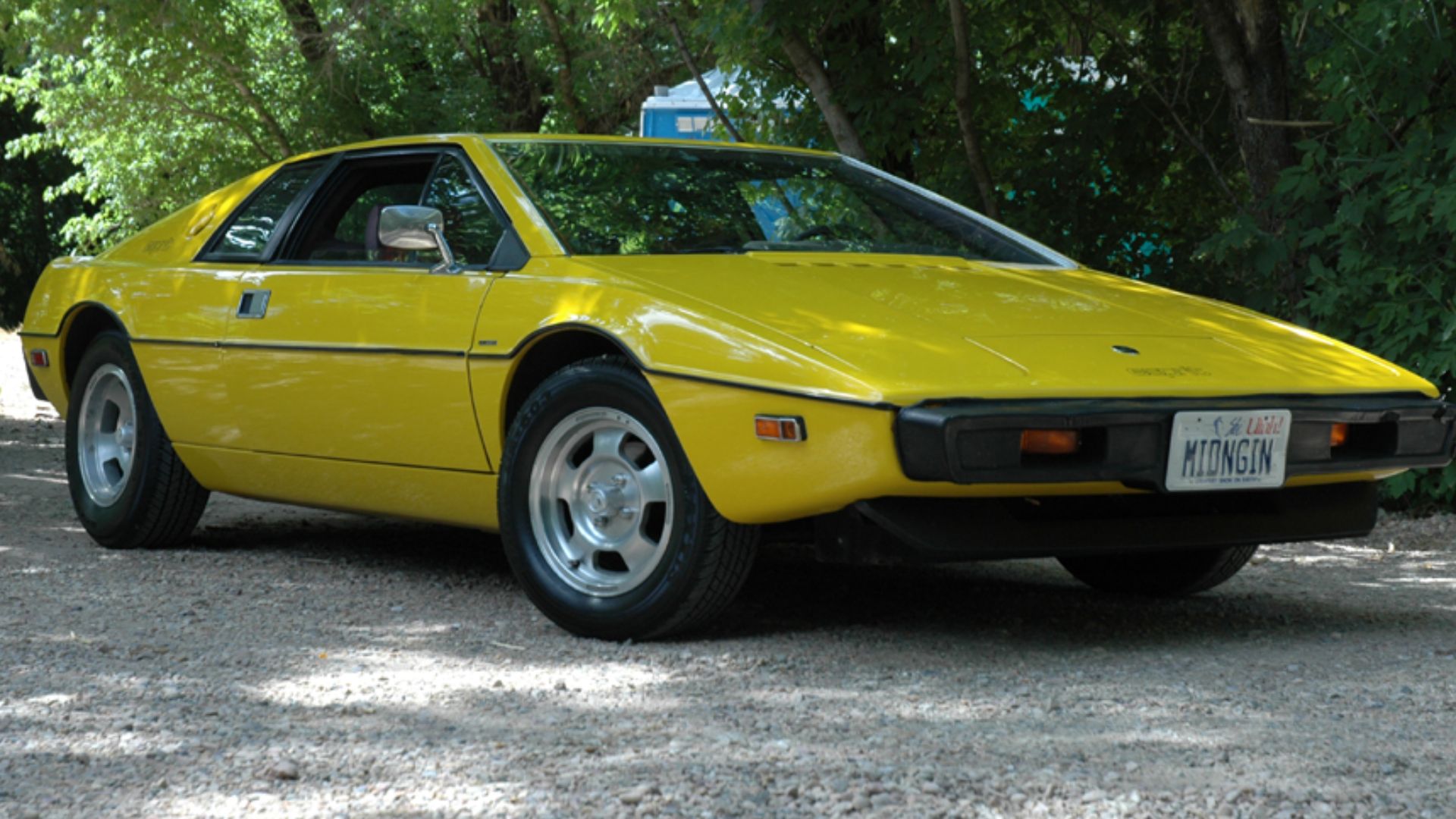
1977 Lotus Esprit
Mid-engine placement delivered 140 horsepower in a wedge shape for immersive driving. Innovative fiberglass construction achieved 0–60 in 6.6 seconds with lightweight efficiency. The basic cabin featured tartan trim for purity, enduring 28 years successfully.
 Jeff Greenland, Wikimedia Commons