The ongoing pandemic may have accelerated the shift to digital, but even if it never happened, such a transition would have still been inevitable. Nowadays, it seems that almost everything is being conducted through virtual means, whether it be personal shopping, schooling, or even doctor's visits. In the case of healthcare, we are now starting to see online solutions that were once considered optional becoming an integral part of everyday operations. With hospitals and clinics making an aggressive push to implement such initiatives into their systems, it's clear to see that telehealth will be the next big industry in the post-pandemic era.
According to a recent study by McKinsey & Company, as much as $250 billion of the U.S. healthcare budget has the potential to be virtualized. Over the past decade, a growing number of people have been receiving their care via video and remote services, leading to a significant jump in use from 35 percent to 76 percent. Insurance claims for telehealth services have also increased, with 2016 to 2017 alone seeing a 53 percent jump. Given that the current conditions are perfect for a digital transformation, there is a huge opportunity for investors to tap into the medical market and support the technological revolution.
The telehealth movement just so happens to coincide with the rapid rise of health consumerism. Today, health gadgets and fitness wearables are seeing massive sales, as heart rate monitors and even instant EKGs continue to enter the market with approvals from national health boards. That alone presents a golden opportunity—wireless compatibility between user devices and hospital instruments could help streamline various testing or diagnostic processes, allowing for quicker and more efficient medical service. Essentially, the more advanced the technology gets, the more convenient it will be to gather, analyze, and present patient information.
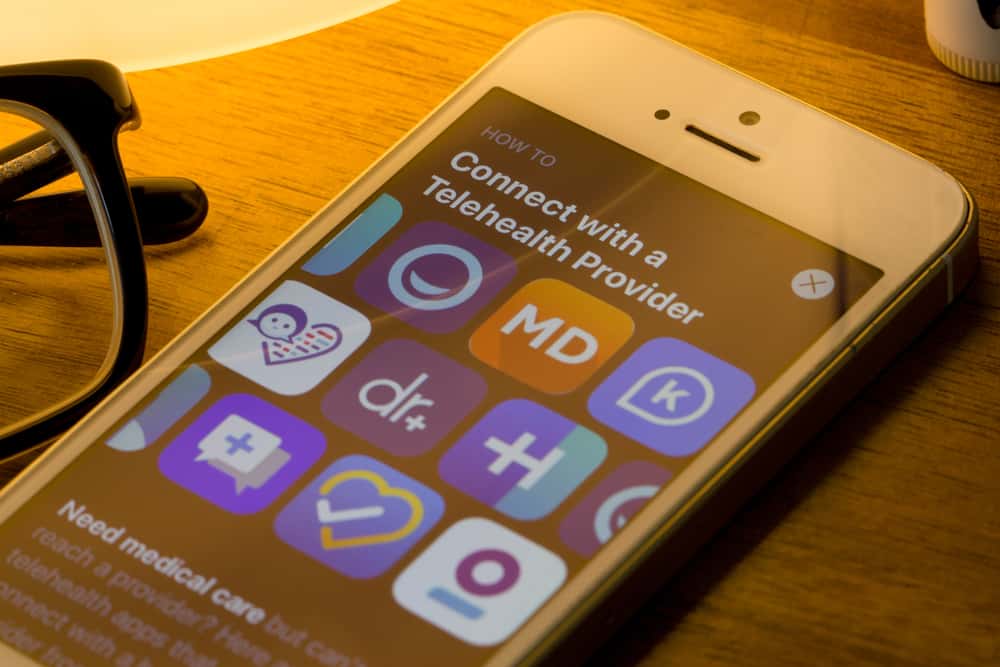
Mental health initiatives can also benefit from telehealth, as it would make psychologists and licensed therapists much more accessible to people who need them. According to The Journal of Health Service Psychology, there was an increase in use of telehealth services for mental health from 29 percent to 83 percent during the pandemic, clearly demonstrating its potential.
Of course, there are some drawbacks to a telehealth system that will require further consideration. Perhaps the main disadvantage is that they can be limit the physical aspect of examinations; which, for some medical cases, is a necessary component. While phone calls and video conferences may be useful follow-up tools, there are some procedures that can only be done in person.
Still, one cannot deny the potential of telehealth and the positive impact it could bring to healthcare. Those in the entrepreneurial space should therefore keep a watchful eye on the virtual movement and assess where they can take advantage of upcoming opportunities.