
Chevrolet's Corvette Concerns
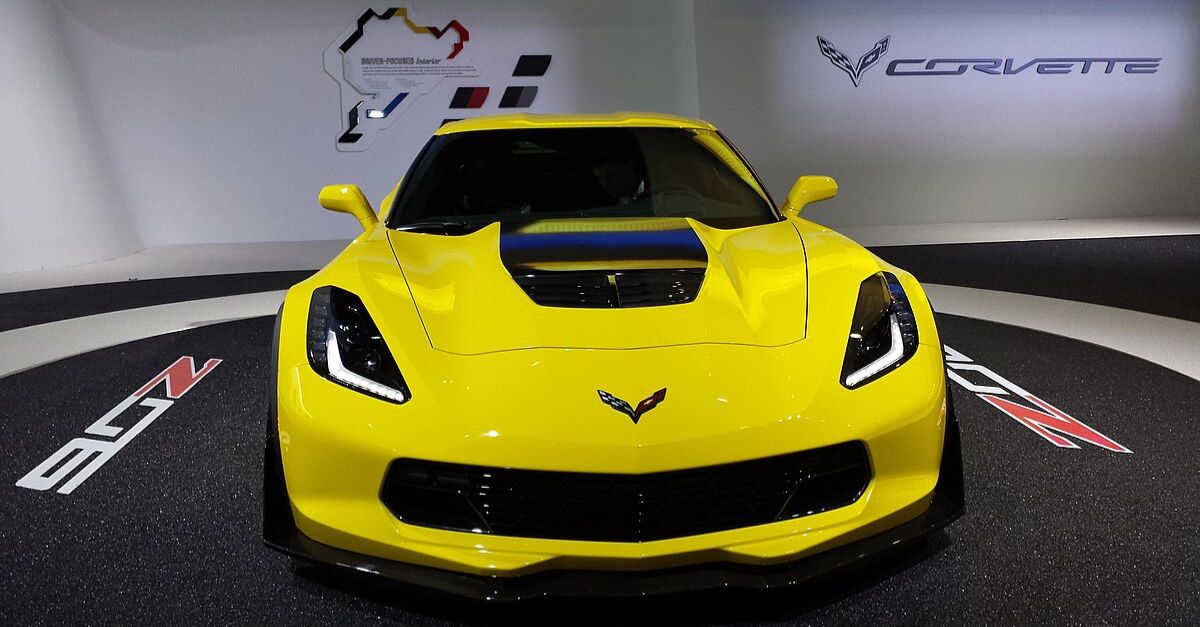
Car forums and review sites don’t always agree—but when it comes to certain Corvette years, the red flags start stacking up. These models prove that even America’s sweetheart sports car has had a few chapters it would probably rather leave in the rearview mirror.
 Jonathan Weiss, Shutterstock.com
1997 C5 Corvette
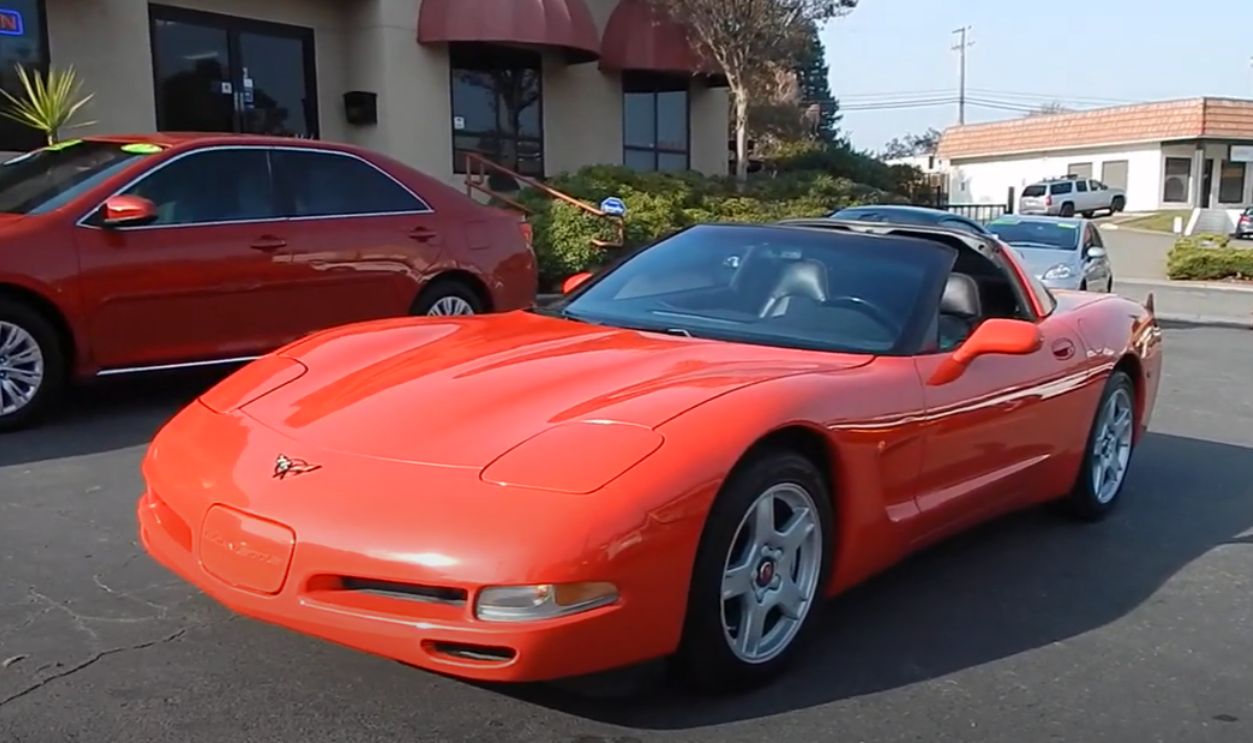
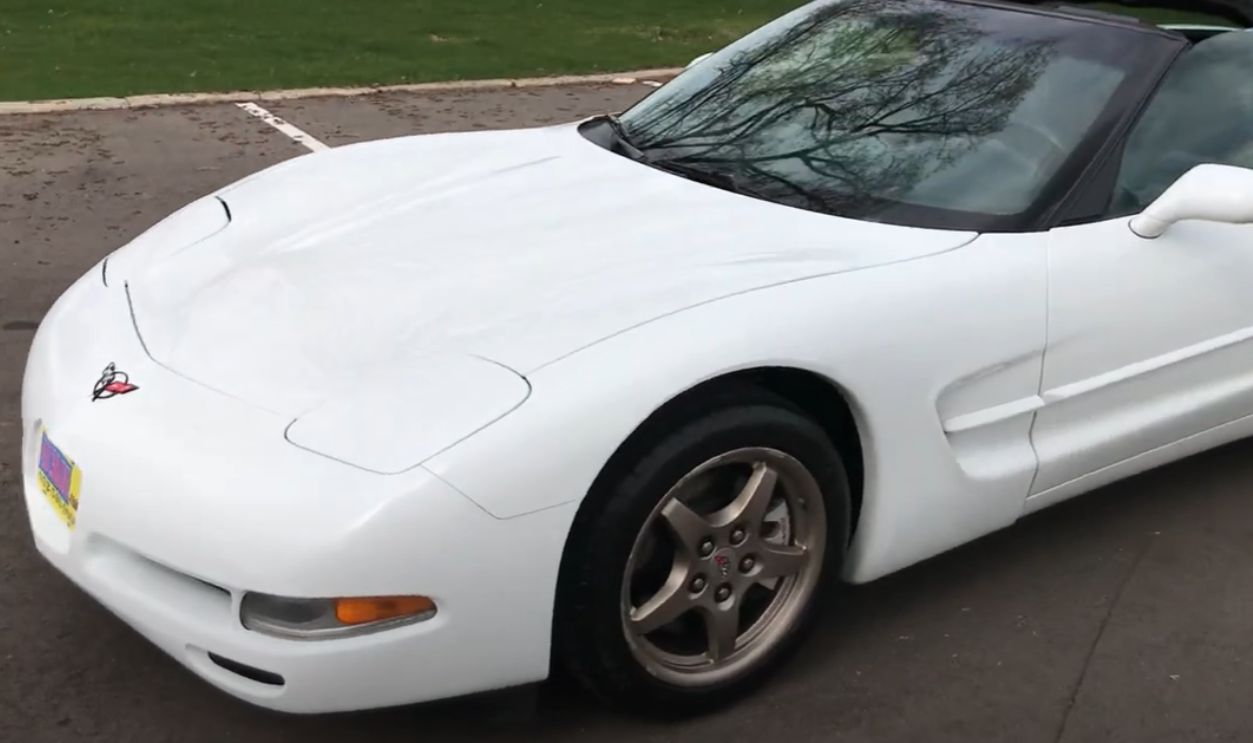
The 1997 Chevrolet Corvette, the first year of the C5 generation, had a rocky start marked by several issues. One of the most critical problems was the steering column locking mechanism, which could engage unexpectedly and prevent the driver from steering.
 1997 Chevrolet Corvette C5 coupe in depth walk around video review! by Direct Auto Outlet
1997 C5 Corvette (Cont.)
This problem would sometimes occur even while driving and required a dealer intervention to replace the locking plate with a modified version to resolve it. The Corvette also faced seven recalls, which included mechanical and safety-related issues.
 1997 Chevrolet Corvette C5 by 411CarLine
1997 C5 Corvette (Cont.)
Some drivers also reported pulsating brakes due to warped rotors. But anyway, the car came equipped with a 5.7L V8 engine that generated a horsepower of about 345 at 5,600 rpm and around 350 lb-ft torque at 4,400 rpm.
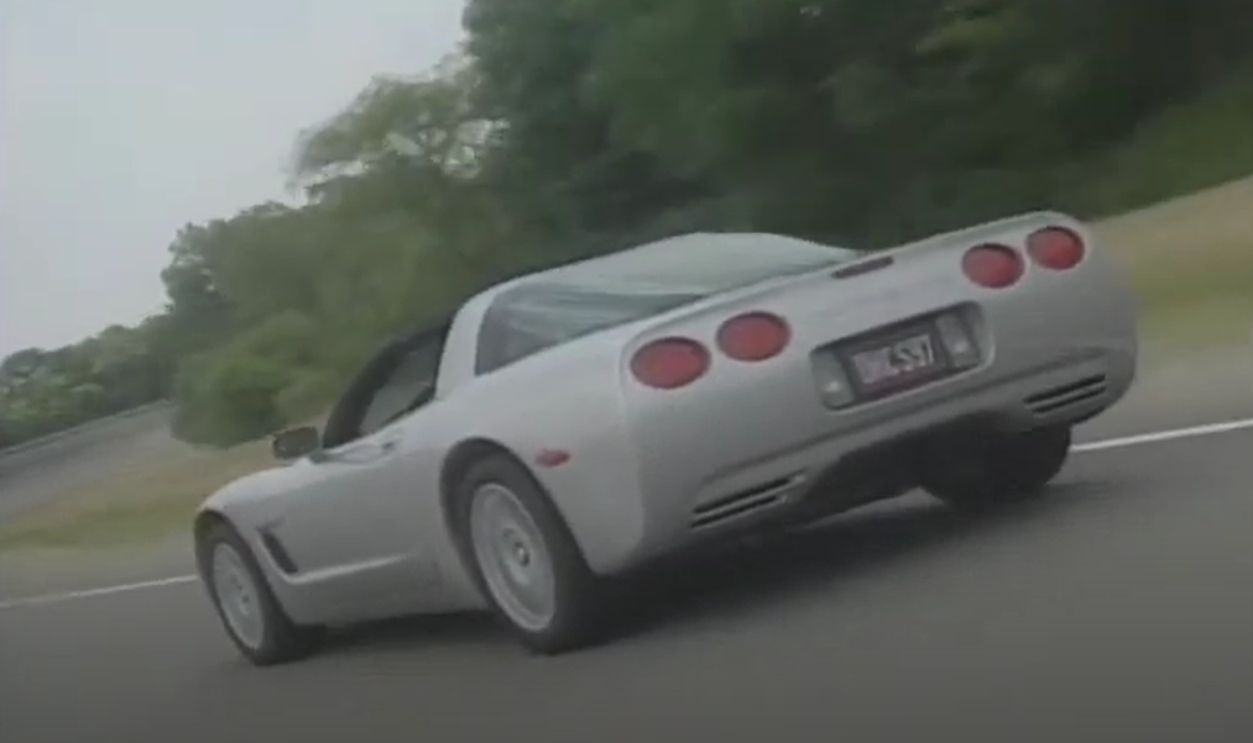 Chevrolet Corvette C5 1997 by King Rose Archives
1998 C5 Corvette
According to reports on CarComplaints.com, there were around 36 complaints filed with the NHTSA with regard to steering problems in the 1998 Corvette, which indicated a prevalent issue among owners. The car had a curb weight of around 3,245 lbs.
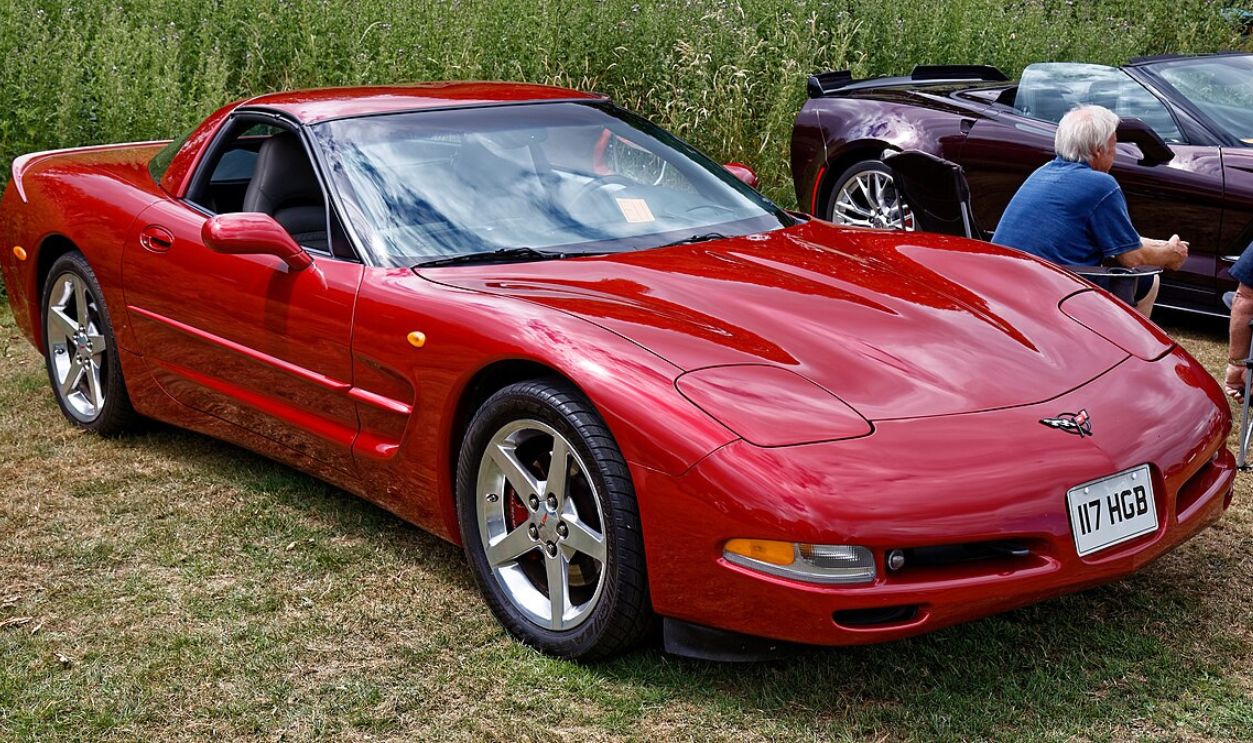 Acabashi, CC BY-SA 4.0, Wikimedia Commons
1998 C5 Corvette (Cont.)
Many owners also reported that the body control module would mistakenly believe the column was locked, causing the engine to stall when reaching speeds above two mph. The many recalls this model had aimed to address concerns about the possibility of seatbelts jamming during use.
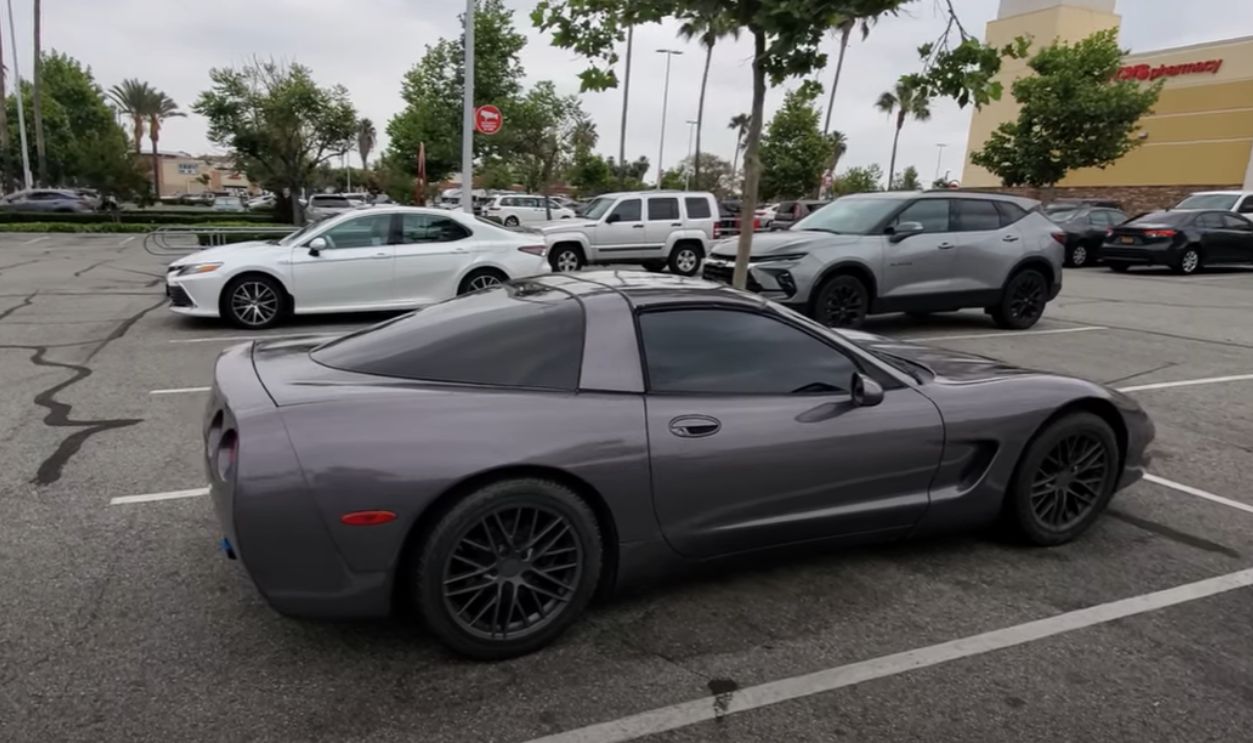 I Bought The Cheapest 1998 Chevrolet Corvette C5 On Earth by Kaiser Bros Media
1998 C5 Corvette (Cont.)
In terms of dimensions, this vehicle was 179.7 inches long, 73.6 inches wide, and 47.7 inches high. Besides, its wheelbase measured about 104.5 inches, and the curb weight was close to 3,245 lbs, which contributed to its impressive performance characteristics.
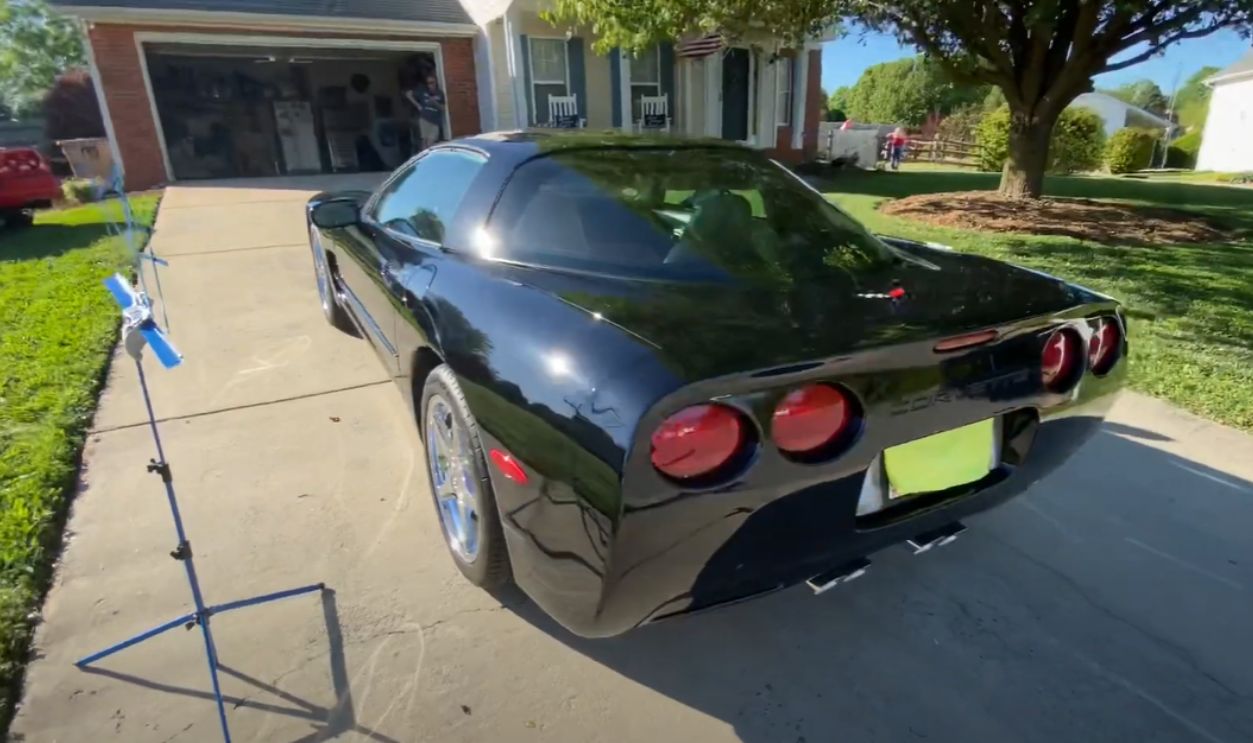 1998 Chevrolet Corvette C5 | Full in-depth review by ScorpiusHD
1984 C4 Corvette
The 1984 Corvette came equipped with a 5.7L V8 known as the L83 Crossfire Injection. It delivered 205 horsepower at 4,300 rpm and 290 lb-ft of torque at 2,800 rpm, backed by a 9.0:1 compression ratio. Chevrolet paired the engine exclusively with a 4-speed automatic transmission, rounding out the C4’s much-hyped debut setup.
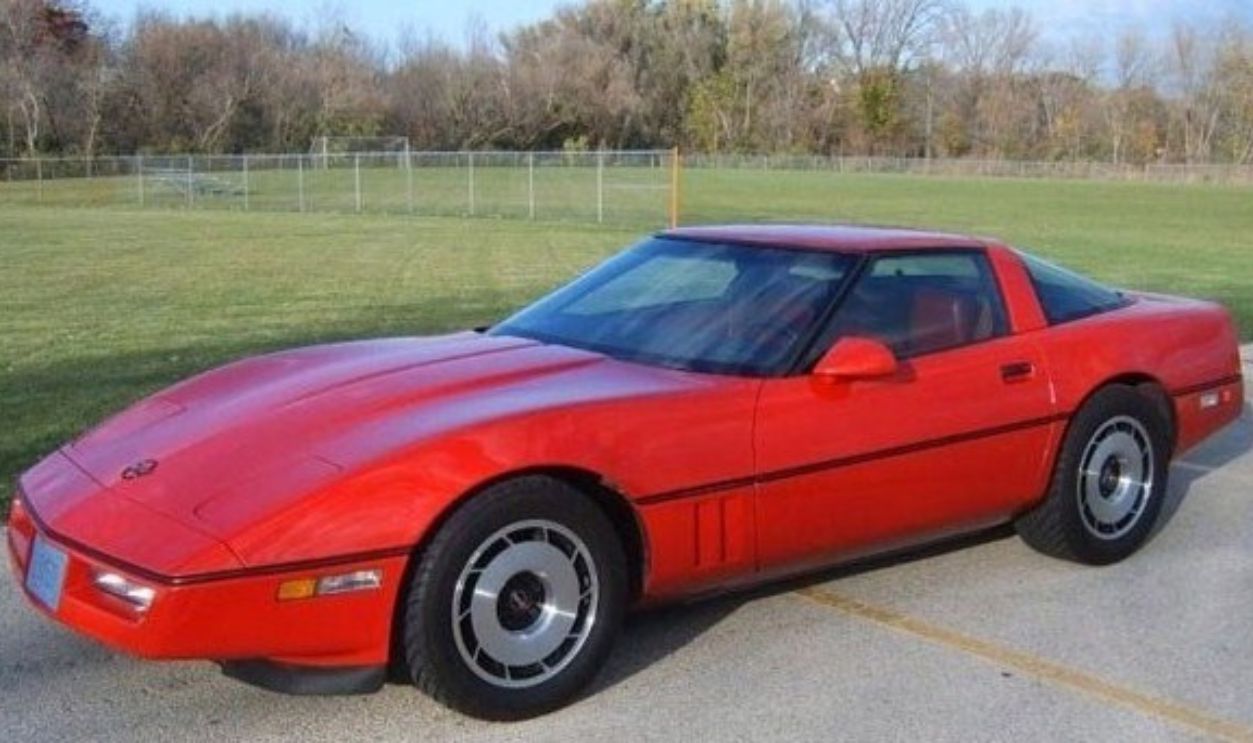 Barnstarbob at English Wikipedia, CC BY-SA 3.0, Wikimedia Commons
1984 C4 Corvette (Cont.)
So, the Crossfire injection system was known for poor performance at low RPMs, which led to rough idling and hesitation during acceleration. Many owners reported that the system would run rich, causing excessive fuel consumption and difficulty starting, especially in cold weather.
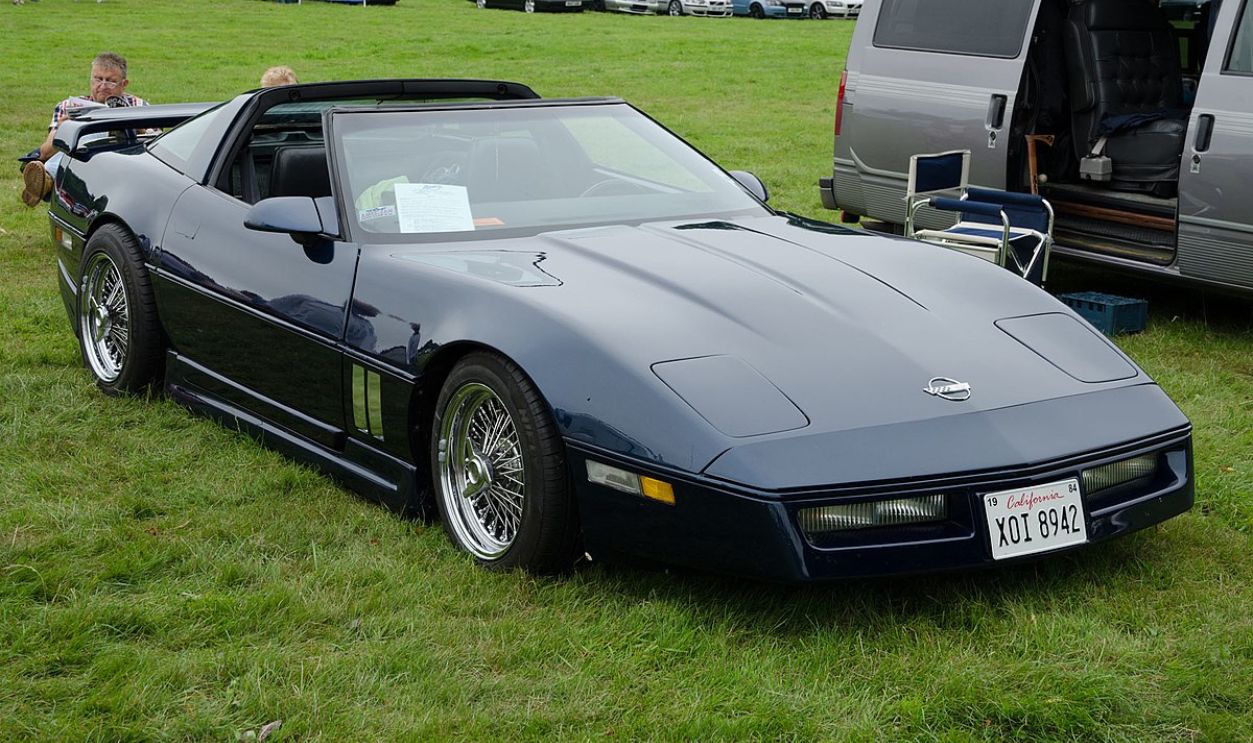 SG2012, CC BY 2.0, Wikimedia Commons
1984 C4 Corvette (Cont.)
Similarly, the 4+3 manual transmission had a reputation for being problematic due to the difficulty associated with shifting into gears or getting stuck in reverse. Common oil leaks from engine components were also reported from the oil cooler and gaskets.
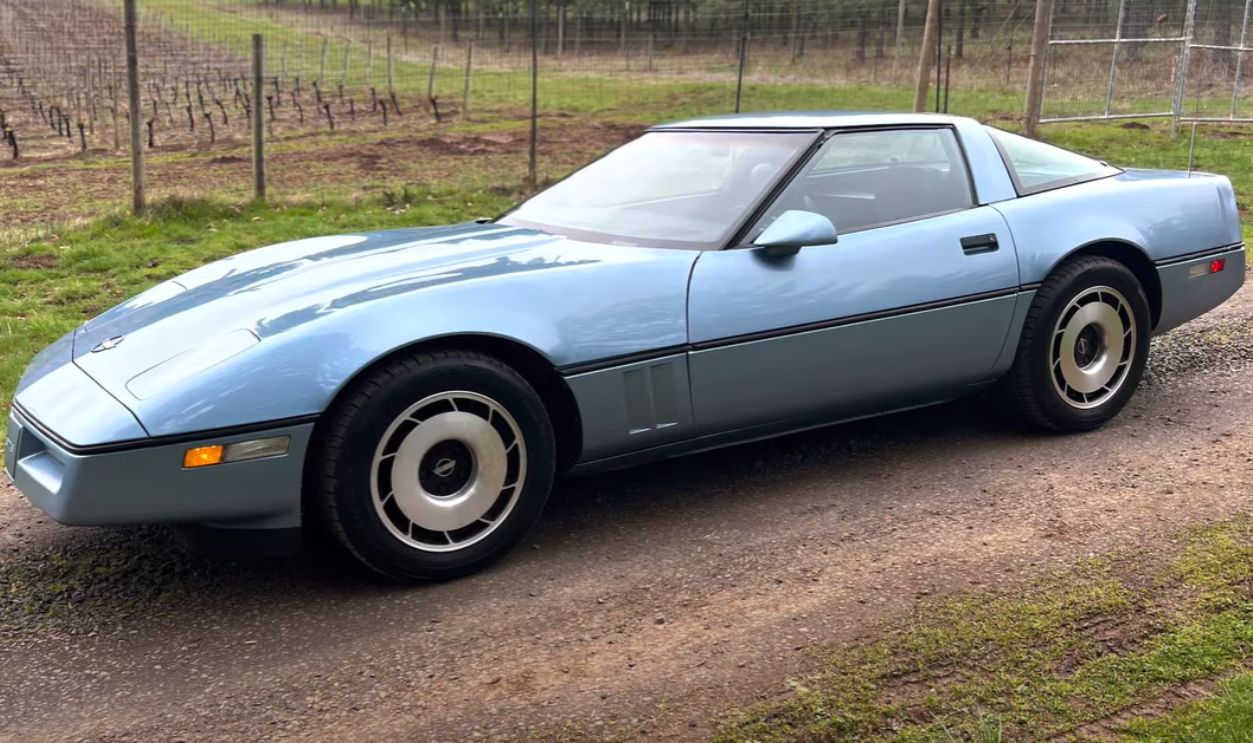 1984 Corvette C4 a Cheap Fun Car by Rusty Duck Garage
1980 C3 Corvette
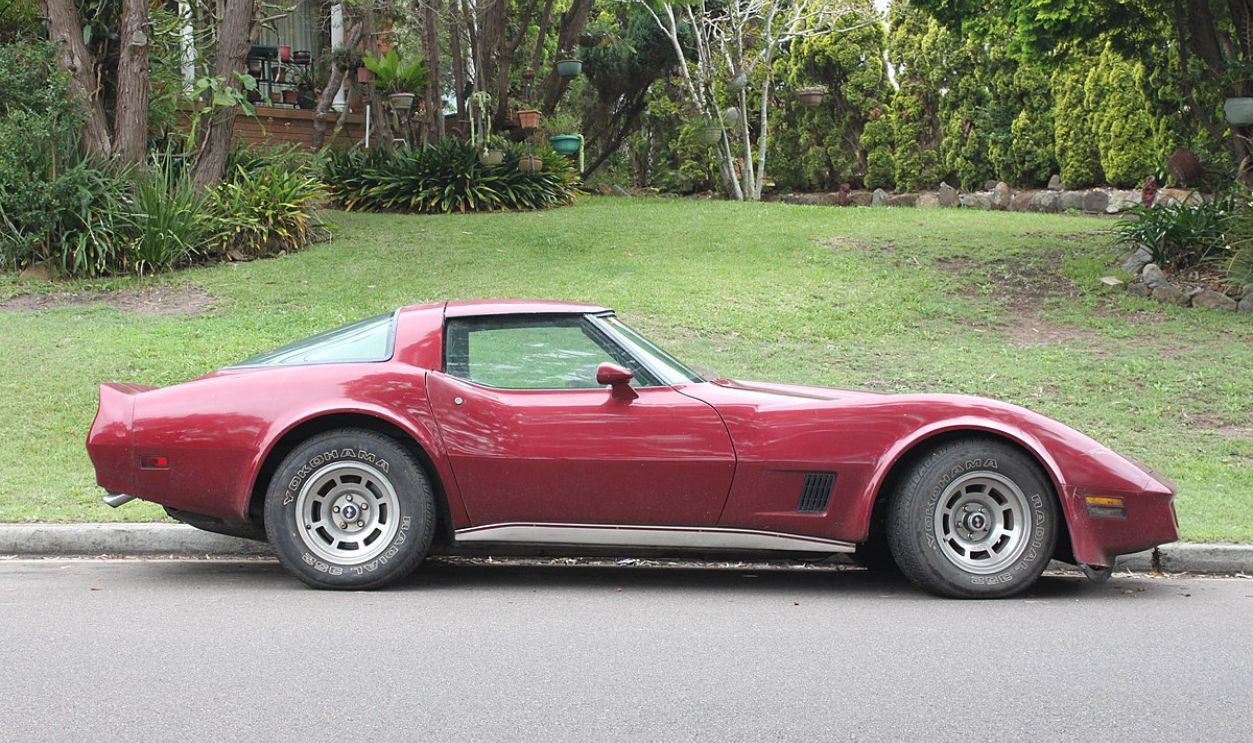
The 1980 Corvette, from the C3 generation, got a lot of flak for its low performance and the new 305 V8 engine, which a lot of car enthusiasts felt just didn't measure up to the earlier models. It produced only 190 horsepower at 4,400 rpm and 280 lb-ft of torque at 2,400 rpm.
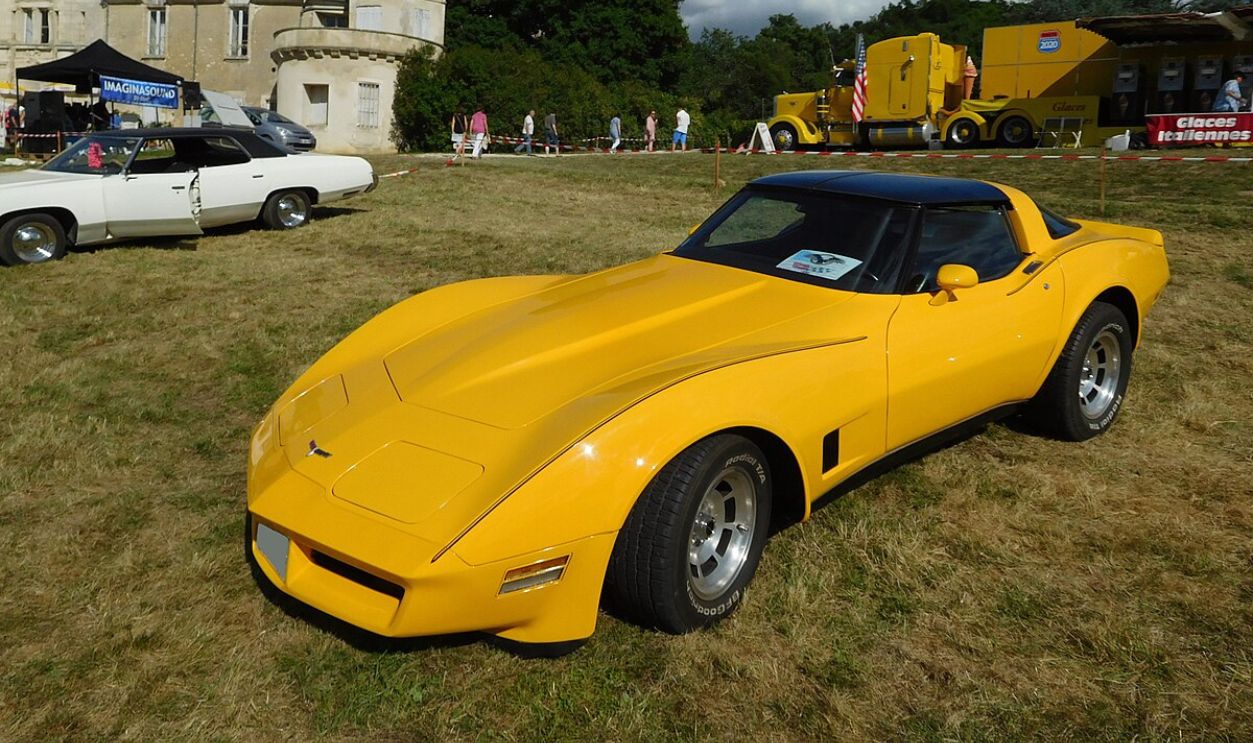 Cjp24, CC BY-SA 4.0, Wikimedia Commons
1980 C3 Corvette (Cont.)
Reaching as low as 180 hp in some California models, this horsepower was much little compared to the more powerful 350 V8 engines available in earlier Corvettes. These models could produce around 250-300 horsepower, depending on the configuration.
 Jeremy from Sydney, Australia, CC BY 2.0, Wikimedia Commons
1980 C3 Corvette (Cont.)
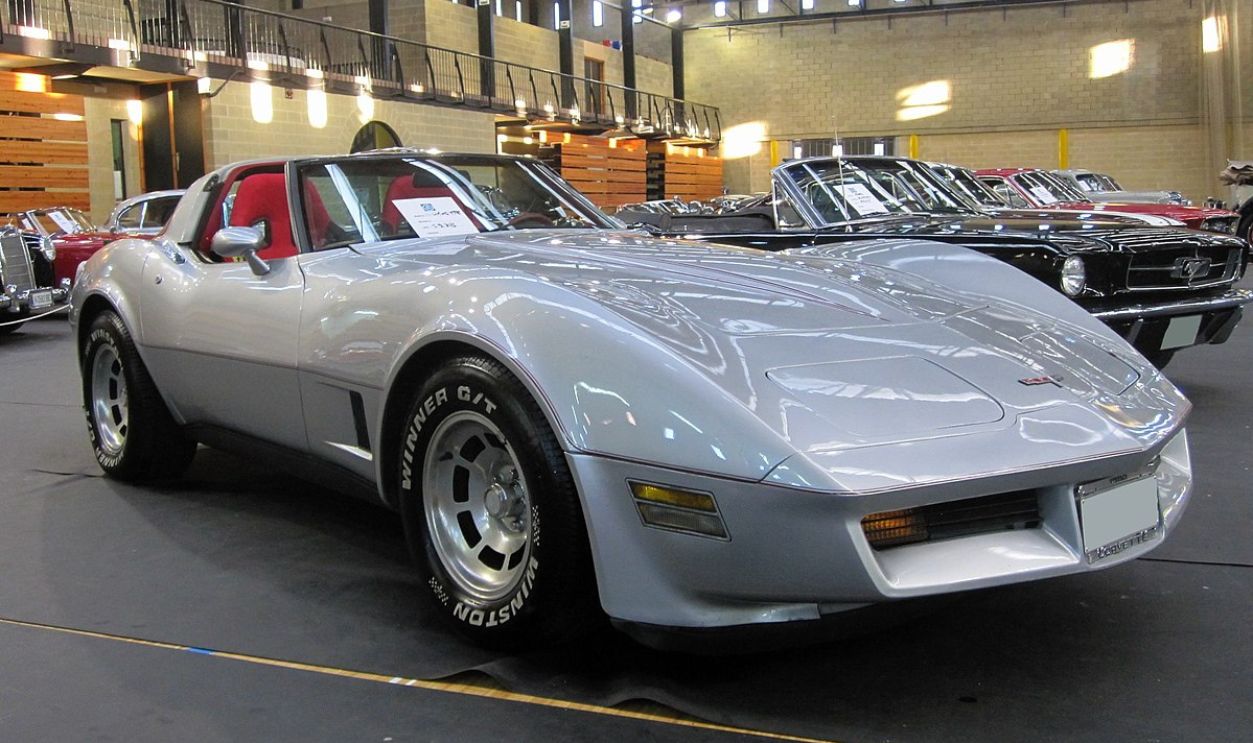
Basically, the 305 engine had a smaller displacement and bore size, which limited its power potential. With a bore of 3.736 inches and a stroke of 3.48 inches, it lacked the capacity to generate the same torque and horsepower as the larger 350 cubic inch (5.7L) engines.
 Spanish Coches, CC BY 2.0, Wikimedia Commons
1980 C3 Corvette (Cont.)
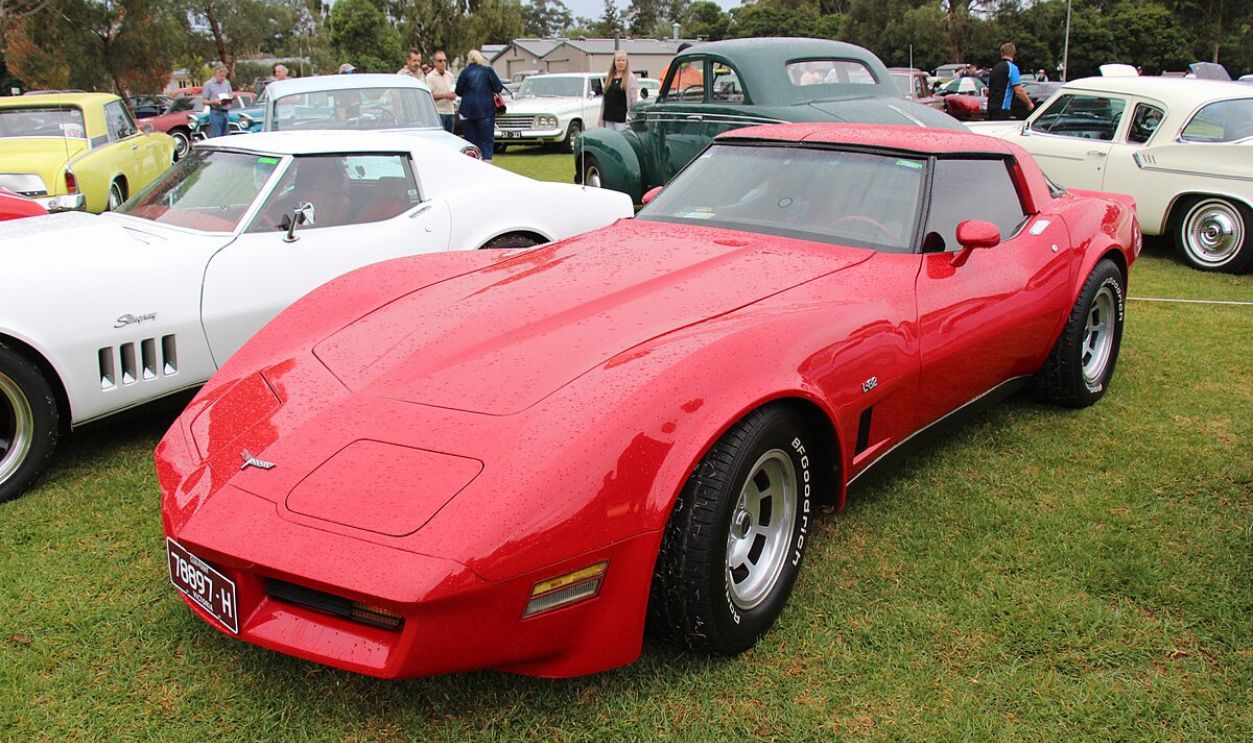
It wasn’t exactly the fastest ride out there. It took about 8.1 seconds to go from 0 to 60 mph, which felt sluggish compared to earlier models that could hit those speeds in under 6 seconds. Plus, its top speed was around 125 mph.
 Sicnag, CC BY 2.0, Wikimedia Commons
1953 C1 Corvette
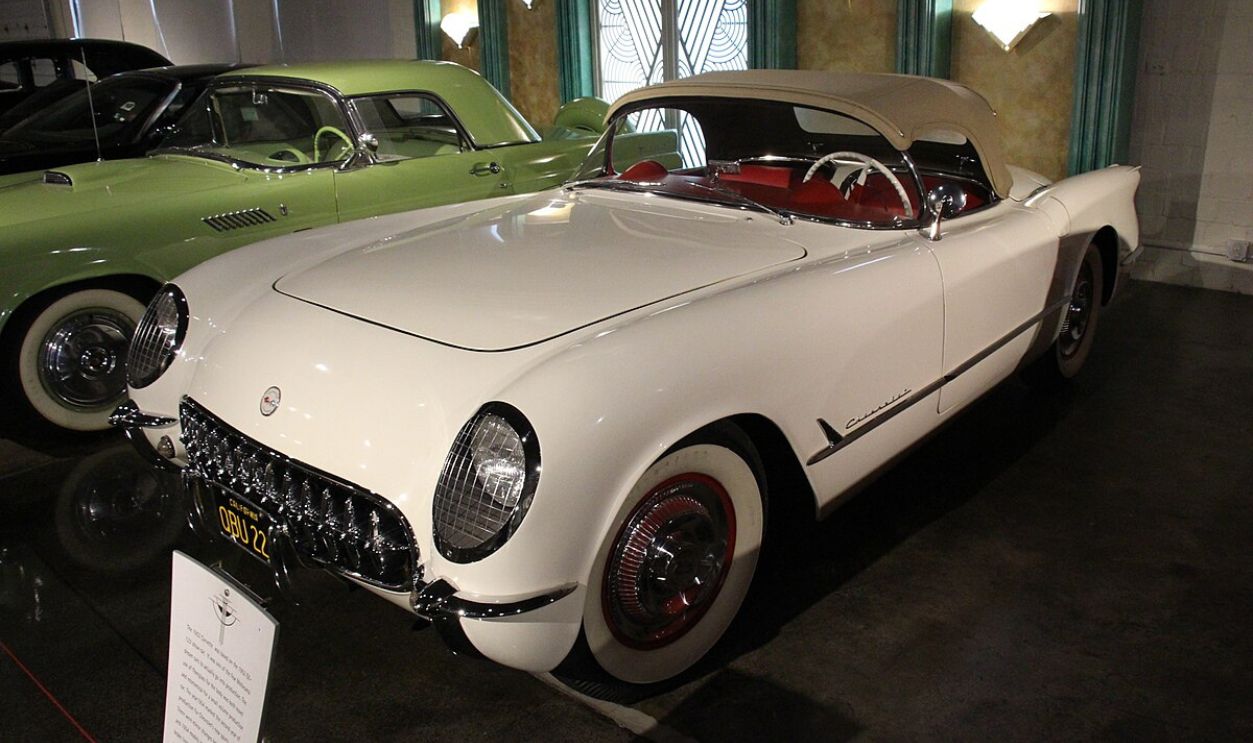
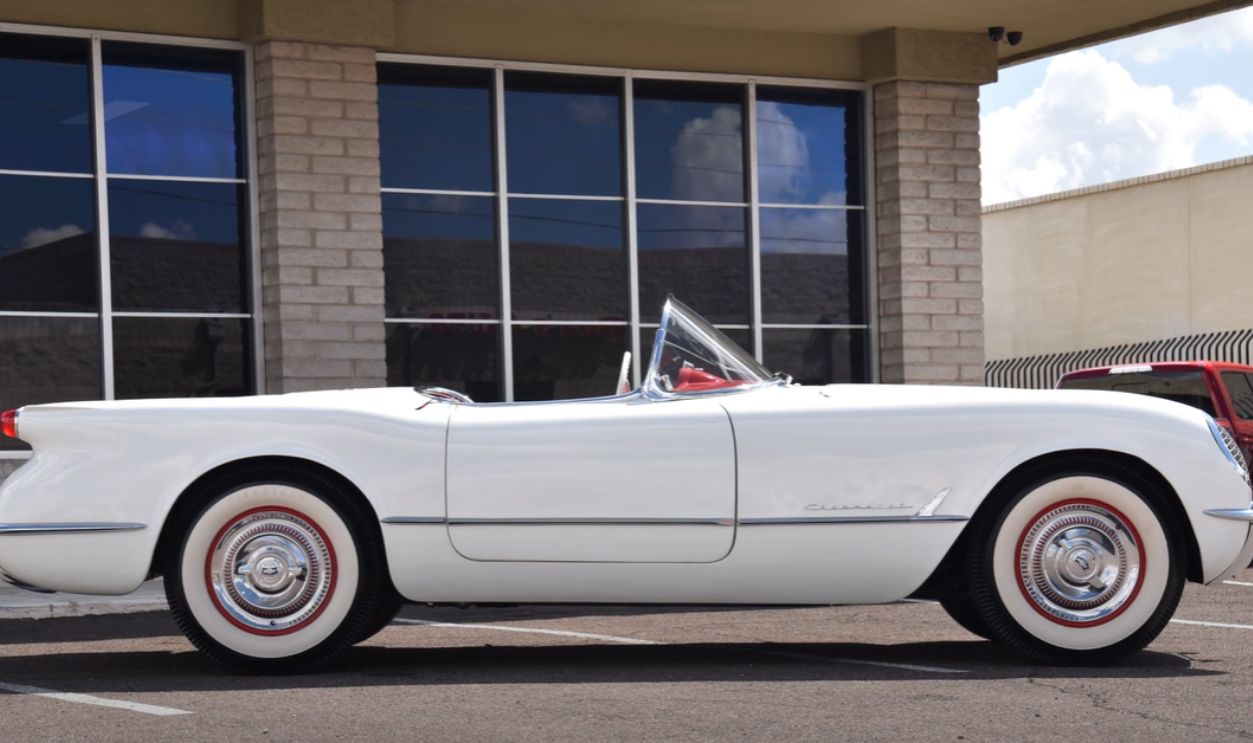
As the very first C1 off the line, the 1953 Corvette ran on a 235-cubic-inch (3.9L) inline-six nicknamed the Blue Flame Six. It managed just 150 horsepower—respectable for a standard car at the time, but a little underwhelming for something being billed as America’s new sports car. The styling turned heads, but the performance didn’t exactly snap necks.
 Sicnag, CC BY 2.0, Wikimedia Commons
1953 C1 Corvette (Cont.)
What needs to be noted is that this vehicle was the first production car to have an all-fiberglass body consisting of 108 separate pieces. The process involved skilled technicians hand-laying fiberglass, which was labor-intensive and required precision.
 1953 Chevrolet Corvette C1: Regular Car Reviews by Regular Car Reviews
1953 C1 Corvette (Cont.)
Hence, it is said that due to the complexity of working with fiberglass and the newness of the manufacturing techniques, many early Corvettes suffered from poor fit and finish. Reports showed that parts often did not align properly, causing gaps in the bodywork.
 Why Did This 1953 C1 Corvette Change American Cars Forever by Horsepower Matrix
1979 C3 Corvette
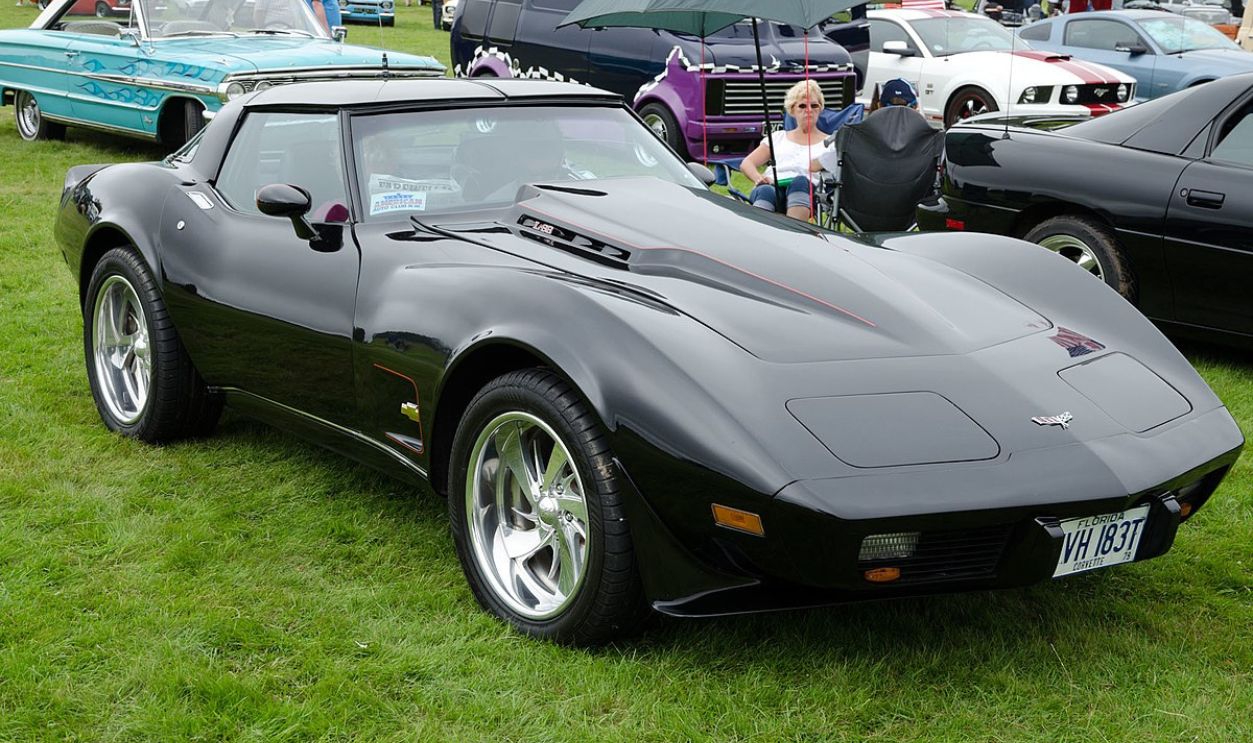
The 1979 Chevrolet Corvette, particularly the L48 variant, is usually viewed skeptically by enthusiasts and collectors. It is said that the interior of this one featured a "relentless, hideous monochrome" design that extended disco-era upholstery colors onto door panels and dashboards.
 SG2012, CC BY 2.0, Wikimedia Commons
1979 C3 Corvette (Cont.)
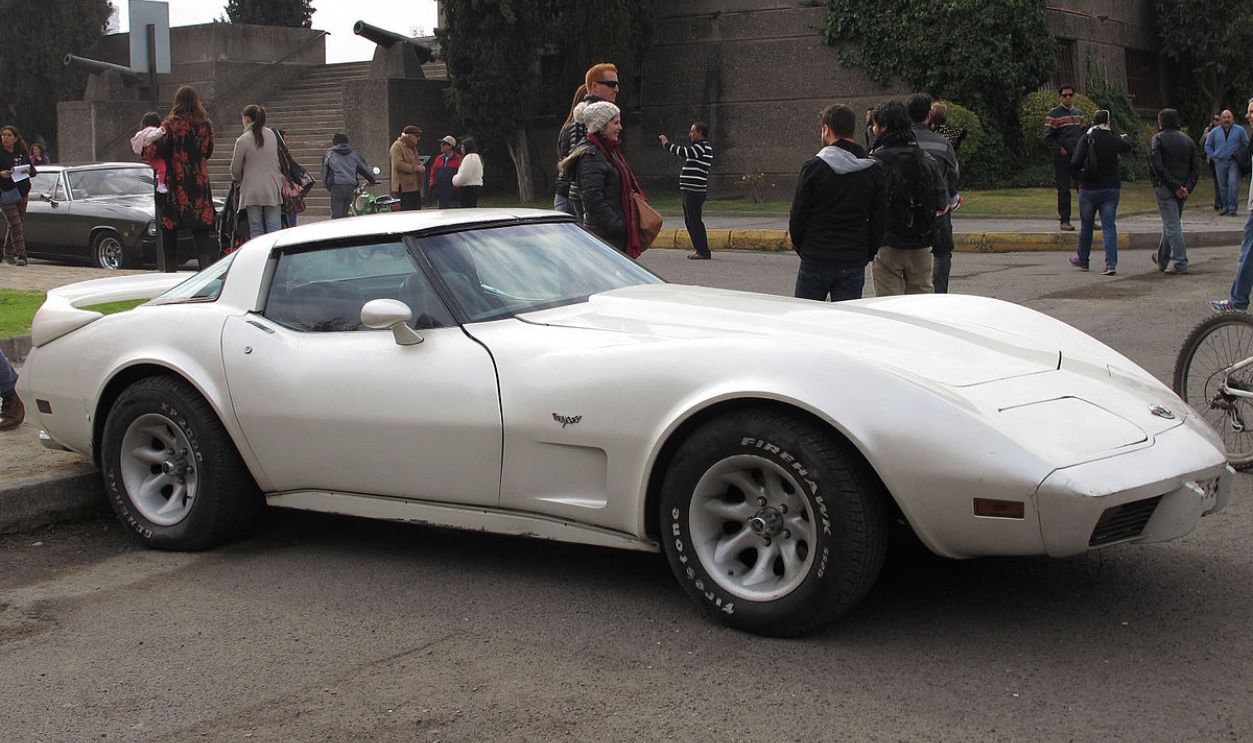
Like some other C3 Corvettes, the 1979 model was prone to frame rot and structural integrity issues, particularly around critical areas like rear suspension mounts. What came as a shocker was that this car performed well on the market, with about 53,807 units sold.
 order_242 from Chile, CC BY-SA 2.0, Wikimedia Commons
1979 C3 Corvette (Cont.)
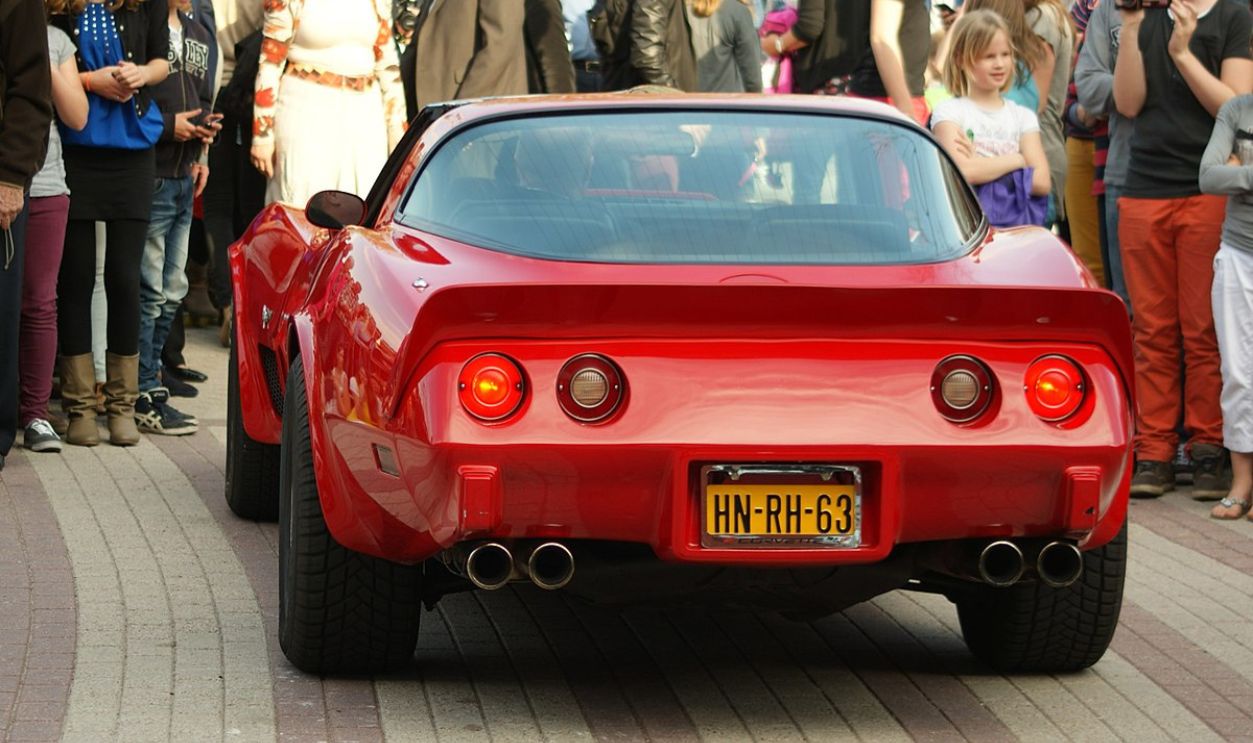
So, the L48 engine, a 5.7-liter V8, pumped out only 195 horsepower and 285 lb-ft of torque at 2,400 RPM, which was barely sufficient to propel the grand 3,372-pound vehicle. Also, the compression ratio was 8.2:1, which contributed to its modest output.
 Niels de Wit from Lunteren, The Netherlands, CC BY 2.0, Wikimedia Commons
1982 C3 Corvette Collector Edition
Based on GM Heritage Centre, 6,759 Collector Editions were produced out of 25,407 Corvettes built in 1982, making it a relatively rare variant. It was equipped with a Cross-Fire Injection system, which had two throttle bodies. This system has been criticized for its complexity and reliability.
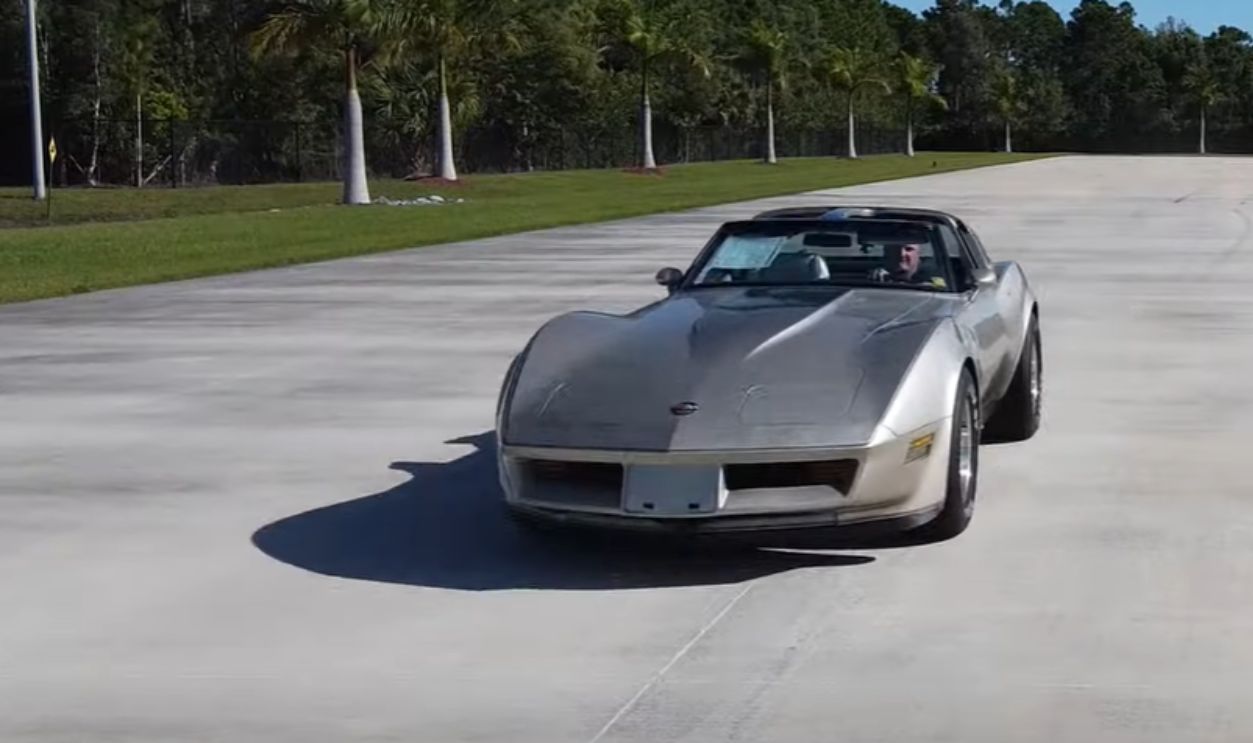 1982 Chevrolet Corvette Collector's Edition by American Muscle Car Museum
1982 C3 Corvette Collector Edition (Cont.)
Owners quickly learned that the CFI system wasn’t exactly user-friendly. It was notoriously tricky to tune and maintain, often leading to rough idling, sluggish acceleration, and even failed emissions tests. To make matters worse, Chevrolet dropped the manual transmission altogether for this model—an unpopular decision that left driving purists less than thrilled.
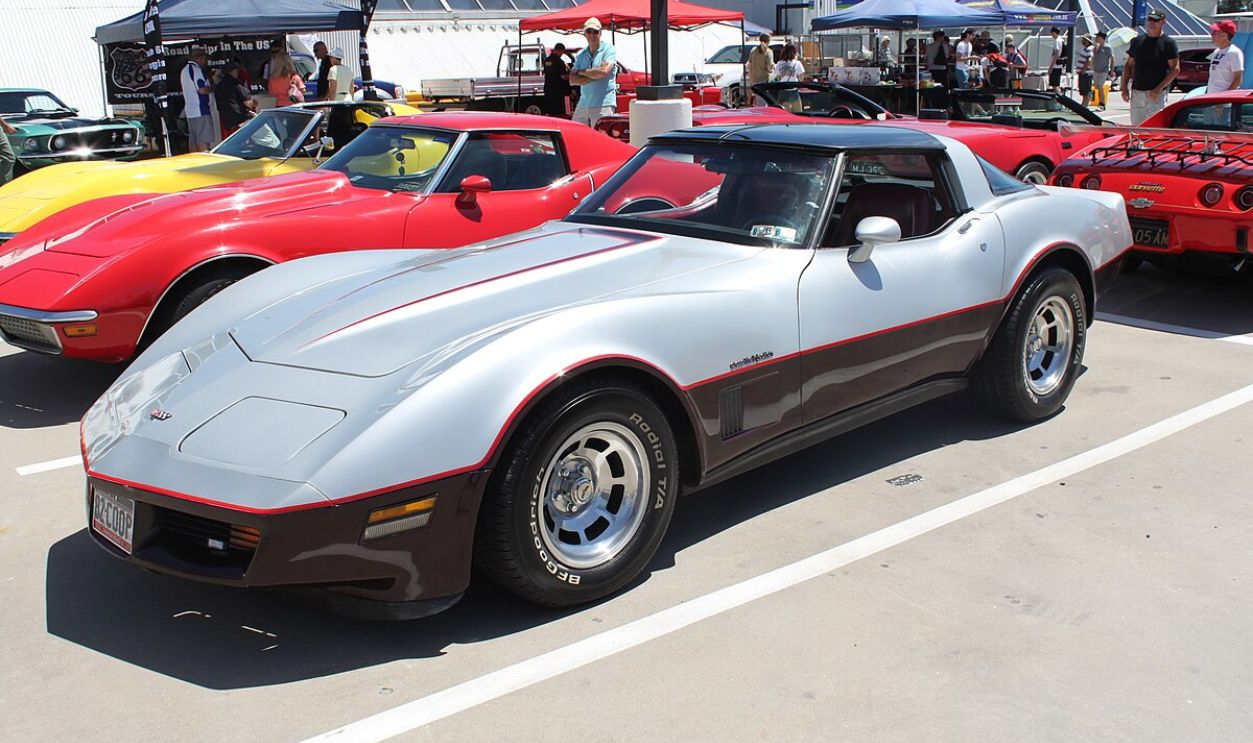 Jeremy from Sydney, Australia, CC BY 2.0, Wikimedia Commons
1982 C3 Corvette Collector Edition (Cont.)
The Collector Edition was driven by a 5.7-liter (350 cubic inch) V8 engine that gave 200 horsepower. It had a unique VIN code with a "0" in the sixth digit, which helped distinguish it from other models, as well as a standard 4-speed automatic transmission.
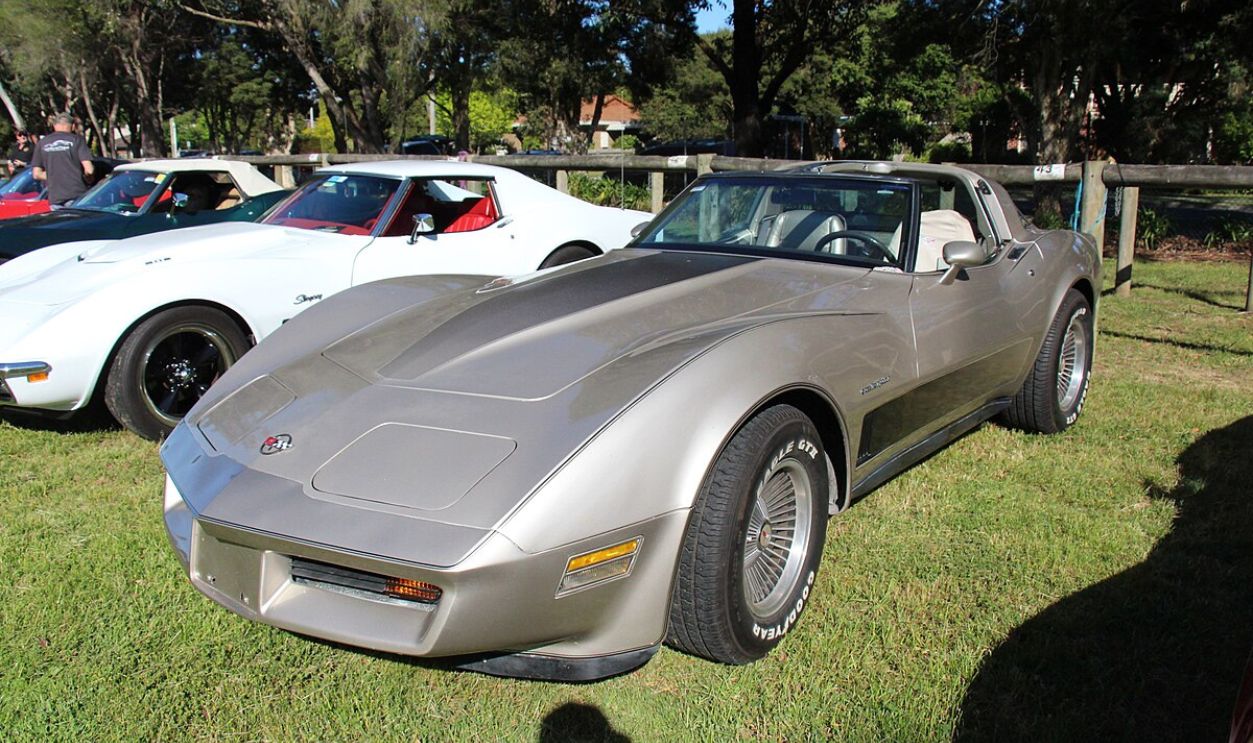 Sicnag, CC BY 2.0, Wikimedia Commons
1987 C4 Callaway Twin Turbo Corvette
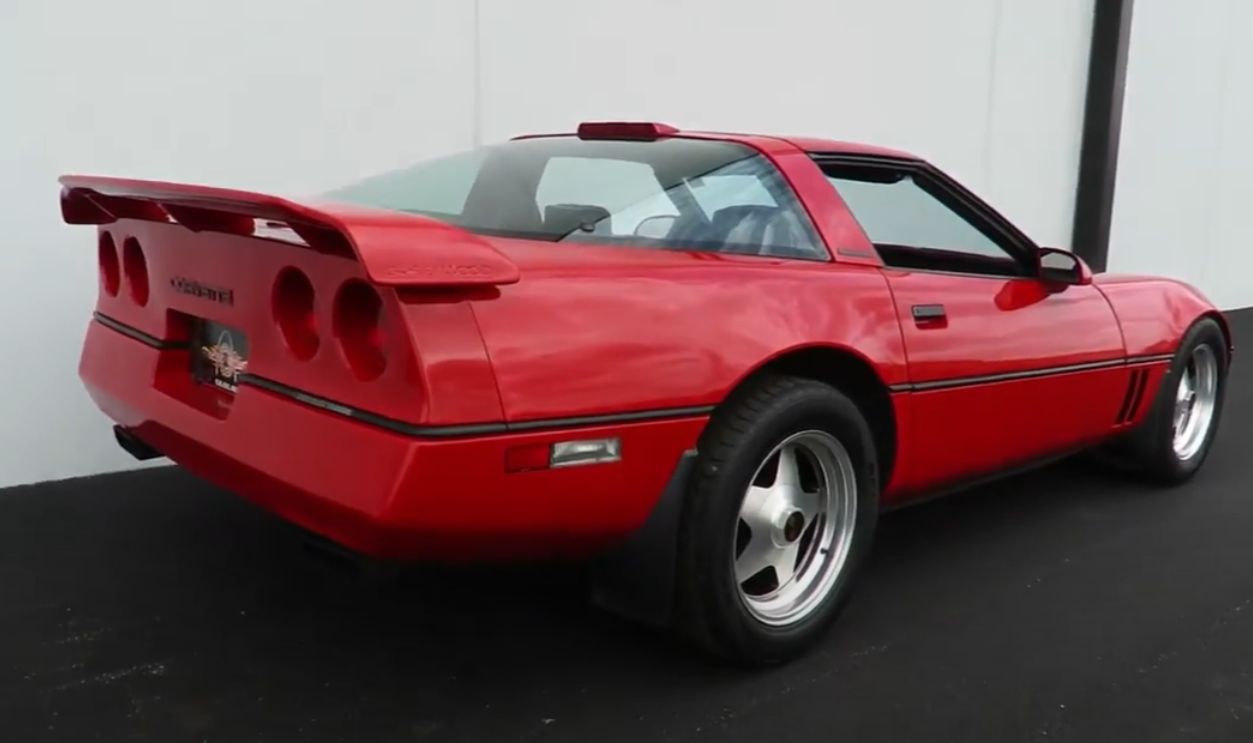
Some owners have mentioned problems with the Electronic Control Unit (ECU), which can make it tough to start the car or even cause it to stall. This is usually linked to the Vehicle Anti-Theft System (VATS), which can keep the car from starting for a few minutes.
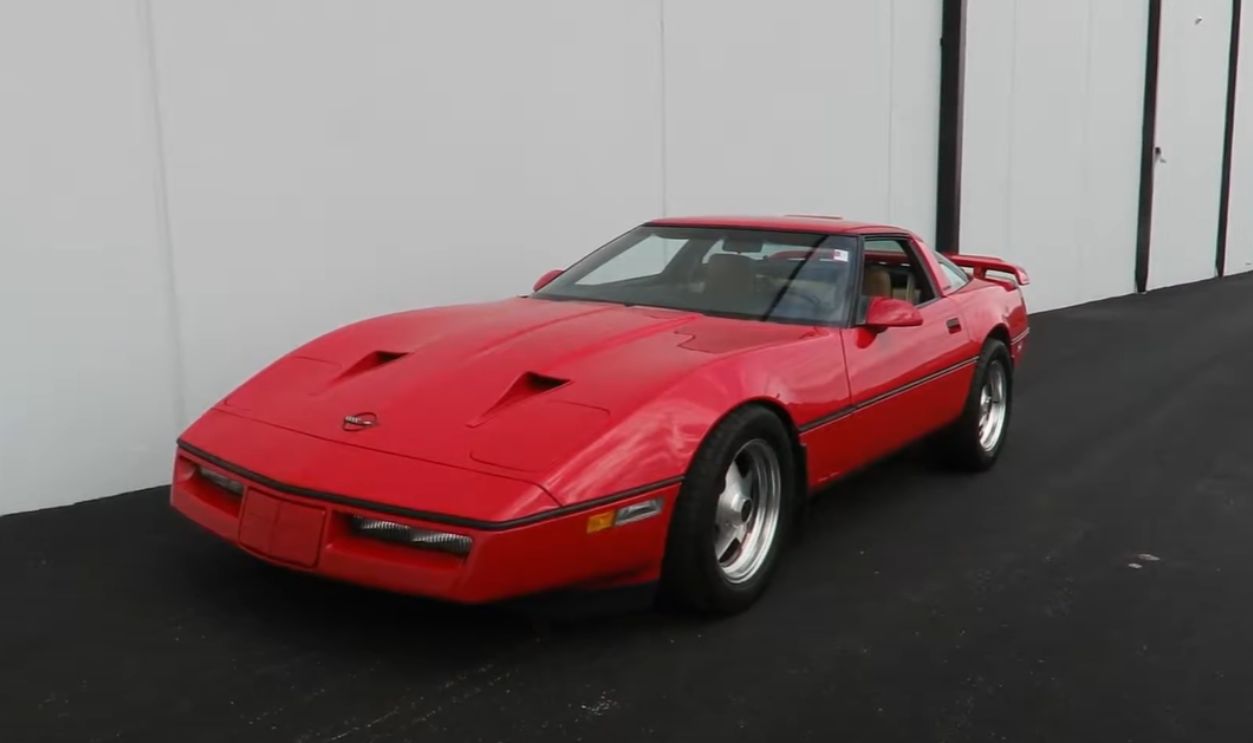 1987 Chevrolet Callaway Twin Turbo Corvette (SOLD) by MotoeXotica Classic Cars
1987 C4 Callaway Twin Turbo Corvette (Cont.)
Apparently, the C4 generation, which includes the Callaway variant, is known for various electrical glitches. For instance, there were issues with gauges and sensors that could lead to erratic behavior or failure of critical systems. Surging and stalling were other issues.
 1987 Chevrolet Callaway Twin Turbo Corvette (SOLD) by MotoeXotica Classic Cars
1987 C4 Callaway Twin Turbo Corvette (Cont.)
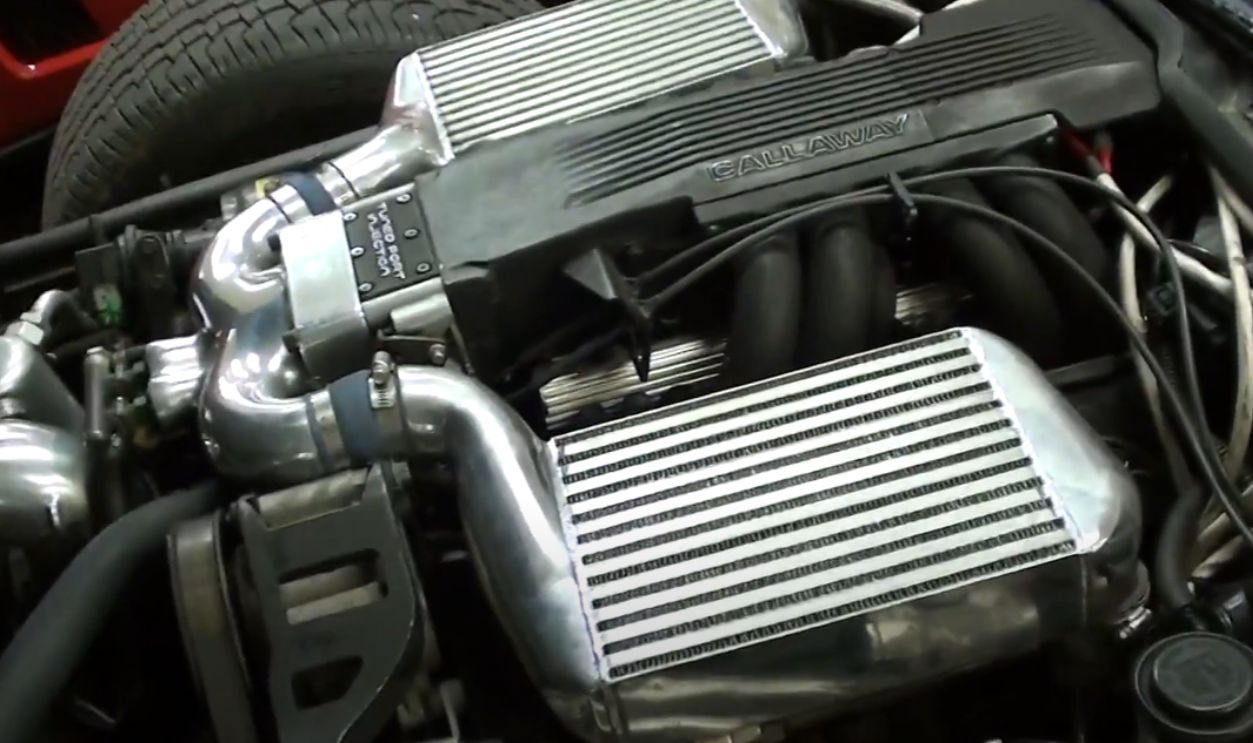
After the engine warmed up, some owners encountered problems with stalling and surging that indicated errors in the Mass Air Flow (MAF) sensor. Similarly, the drive belt tensioner, which incorporated the turbo oil scavenge pump, was also known to fail.
 1987 Callaway Twin-Turbo Corvette - 178 MPH Top Speed by RamblinAround
2001 C5 Corvette
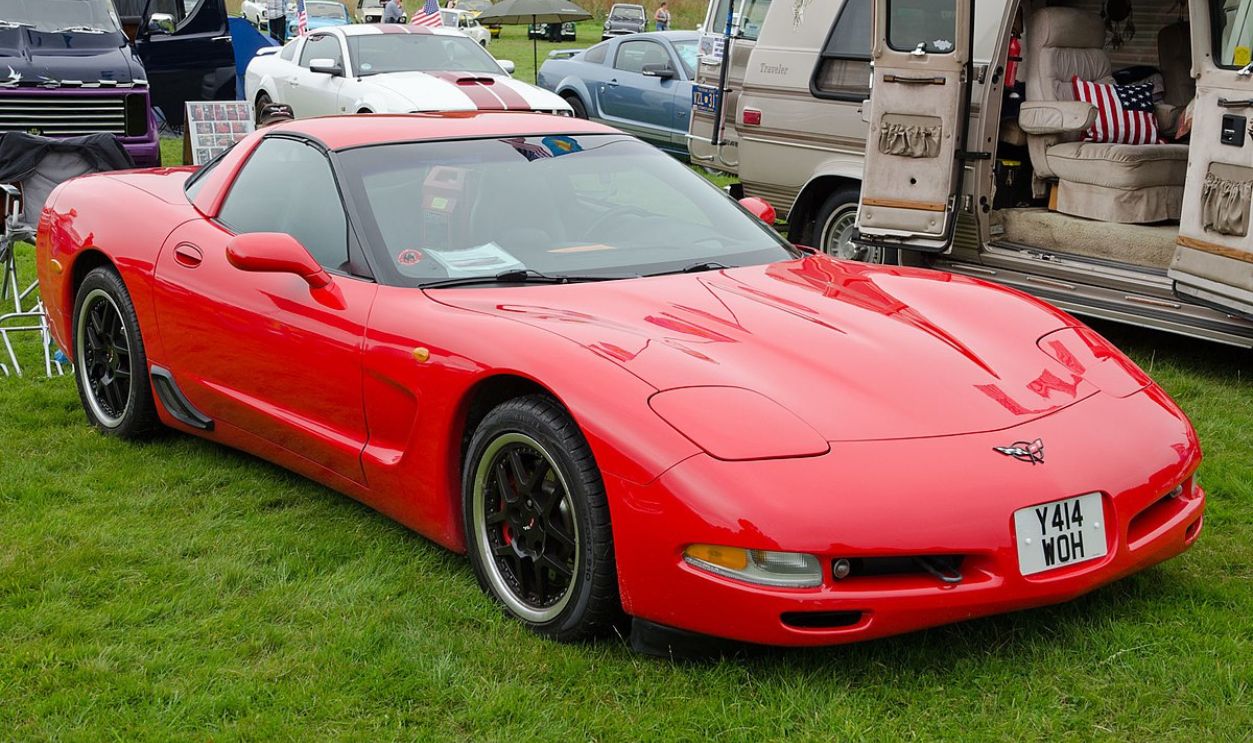
With a 5.7L LS1 V8 engine, the 2001 C5 had lots of owners who had mentioned problems with their ignition system misfiring, usually showing up with the P0300 code. This meant that there was a random or multiple-cylinder misfire happening.
 SG2012, CC BY 2.0, Wikimedia Commons
2001 C5 Corvette (Cont.)
This kind of trouble could be caused by bad ignition coils, spark plugs, or some wiring connections that were not doing their job. Symptoms included rough idling, decreased power, and engine shaking. Also, some cars were reported to burn excessive oil.
 Regular Car Reviews: 2001 Chevrolet Corvette C5 by Regular Car Reviews
2001 C5 Corvette (Cont.)
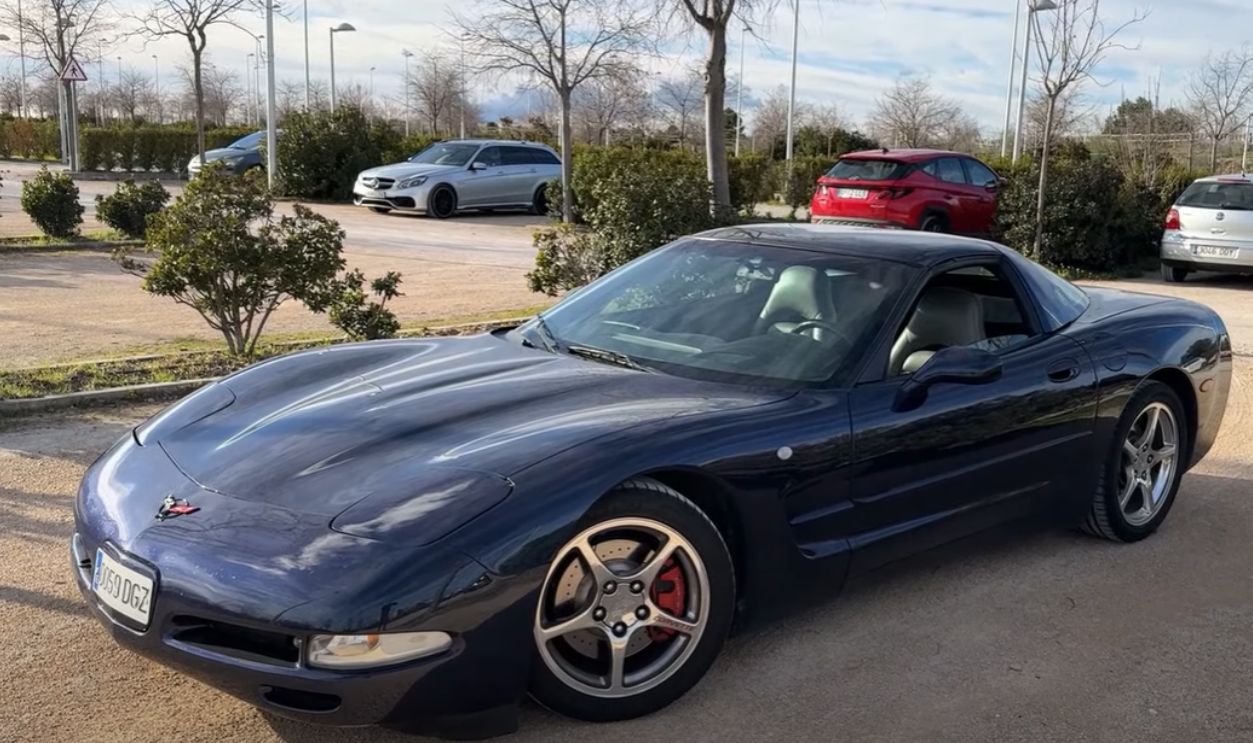
The trouble typically surfaced when engine RPMs climbed past 4,000 for extended stretches. Many pointed to ring flutter as the culprit, a condition that let oil slip past the oil control rings and into places it shouldn’t be. And as if that weren’t enough, the steering column locking mechanism issue made yet another unwelcome appearance.
 Only Foreigners can understand Corvettes - Chevrolet Corvette C5 LS1 Review (2001) by Abriatus
2004 C5 Corvette
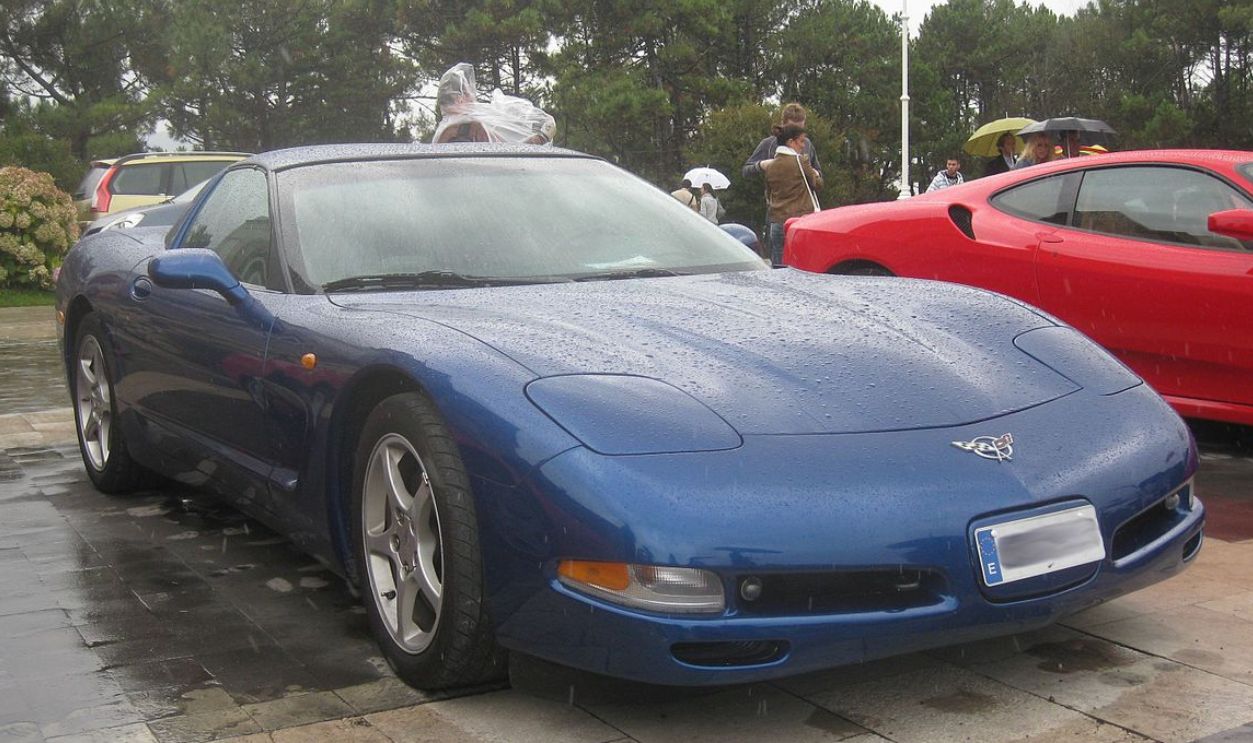
This beast could race from 0 to 60 mph in close to 4.7 seconds, with a top speed nearing 175 mph. 5,600 rpm, the car’s 5.7L LS1 V8 engine produced roughly 350 horsepower, and at 4,000 rpm, it cranked out 360 lb-ft of torque.
 Spanish Coches, CC BY 2.0, Wikimedia Commons
2004 C5 Corvette (Cont.)
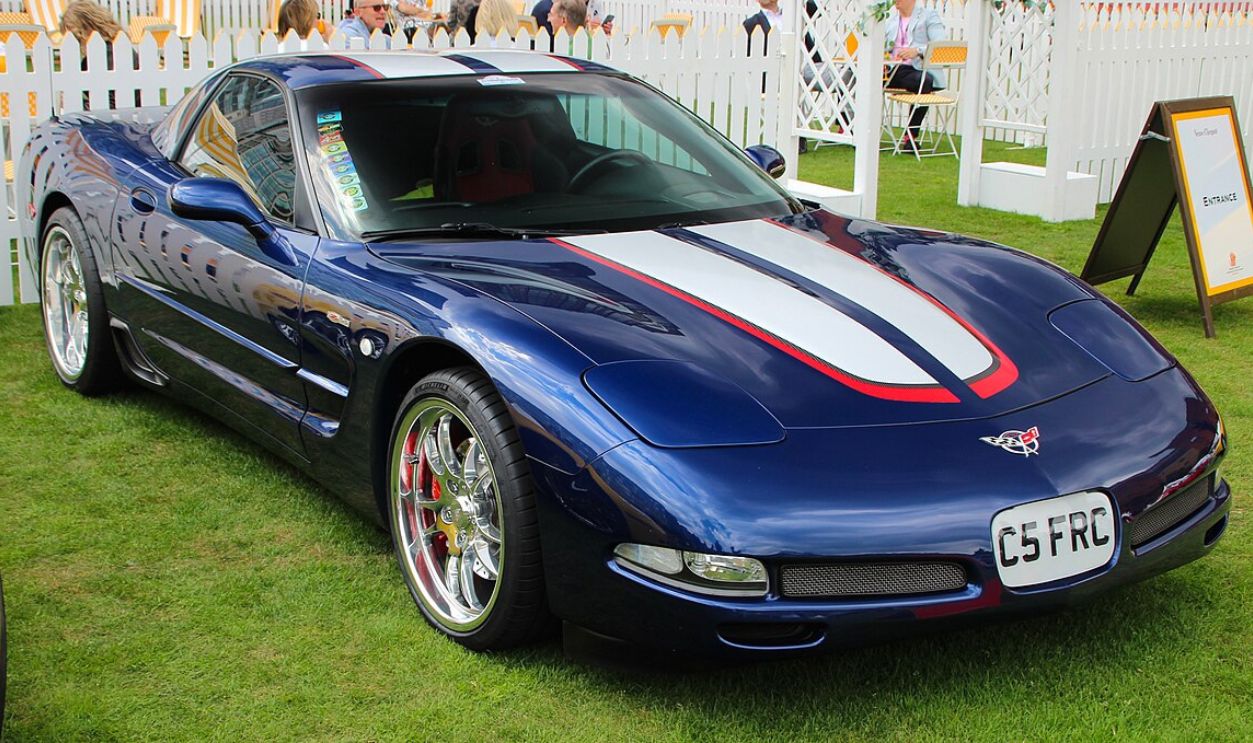
Now, one notable problem with the 2004 Corvette was the cracking of the left-hand fuel tank due to a design change that introduced a metal crossover tube. There were safety risks and possible fire threats due to the possibility of gasoline leaks caused by this flaw.
 MrWalkr, CC BY-SA 4.0, Wikimedia Commons
2004 C5 Corvette (Cont.)
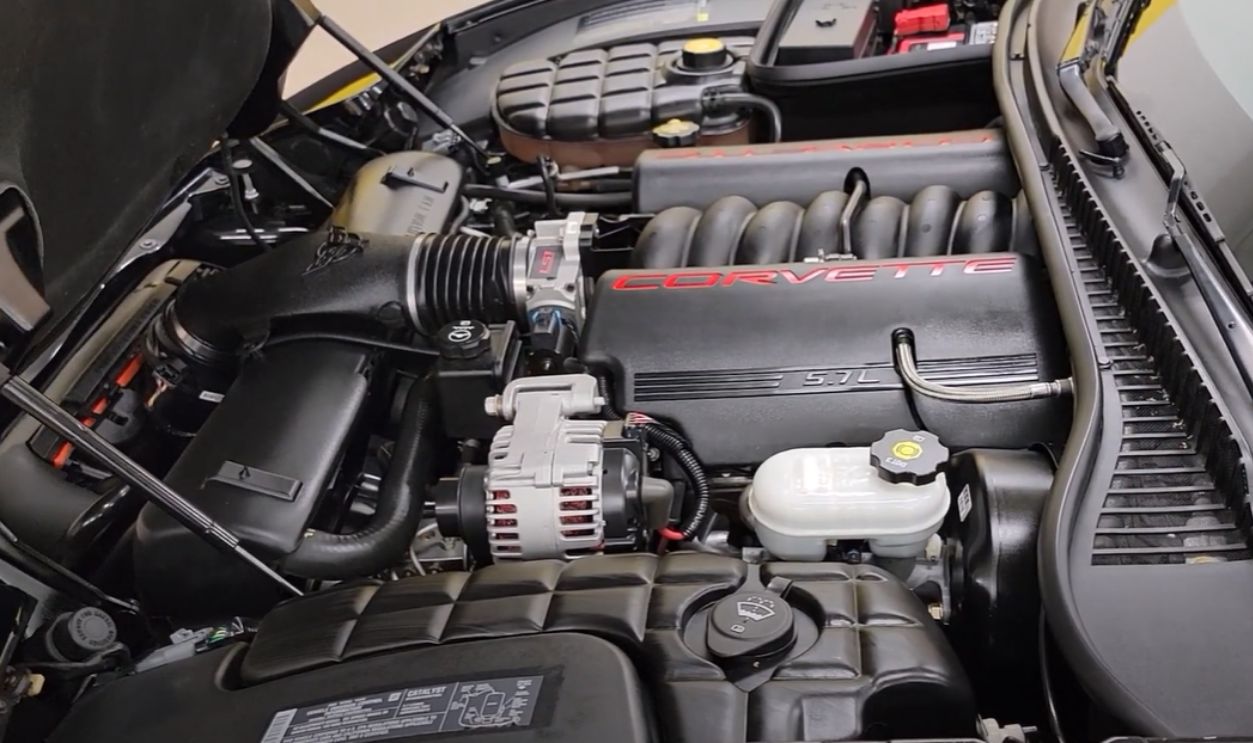
Apparently, some 2004 Corvettes experience erratic behavior with their fuel level sensors. Folks have stated that the fuel gauge may drop to empty or behave inconsistently, especially when the tank is half full. This is often attributed to sulfur buildup on the contacts of the fuel level-sending unit.
 2004 Chevrolet Corvette Coupe | For Sale $19,900 by Unique Classic Cars
2004 C5 Corvette (Cont.)
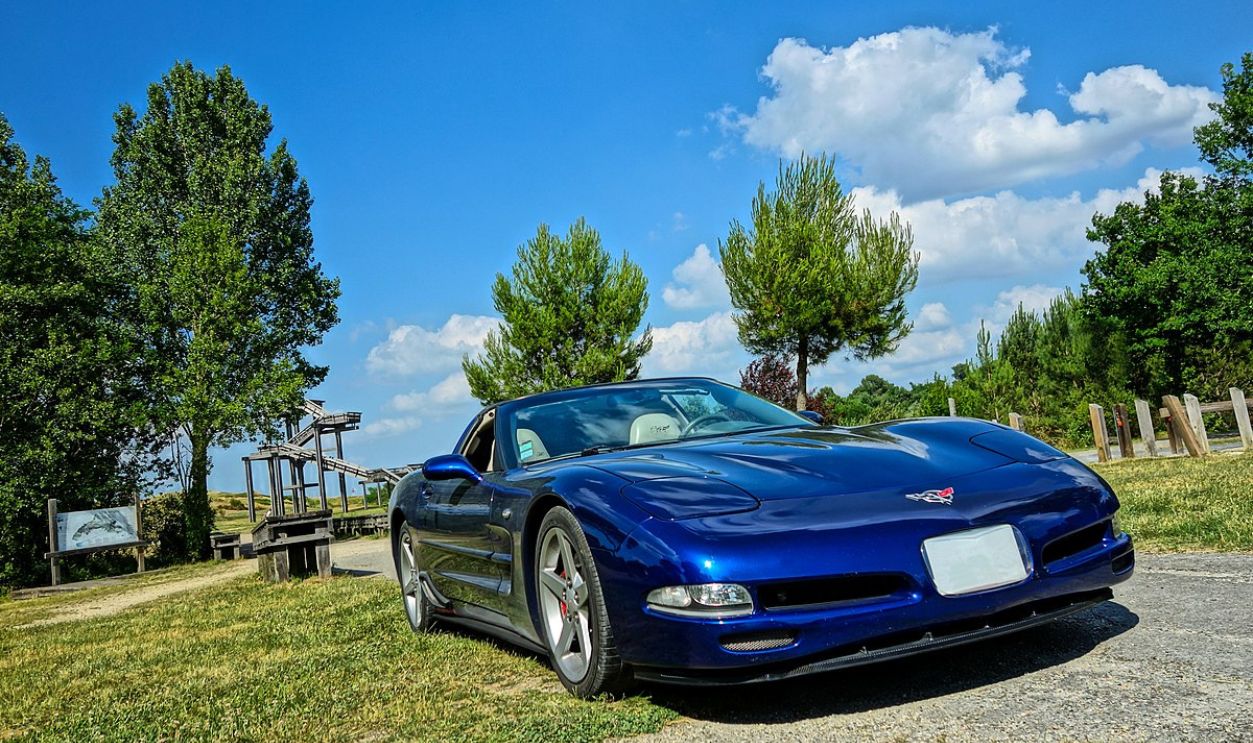
CarComplaints.com mentions how this model has received numerous complaints related to its fuel system. Most of the reports indicate an average of 78 complaints logged with NHTSA regarding gasoline-related issues and difficulties filling up the tank due to siphoning issues between the two tanks.
 Falcon® Photography, CC BY-SA 2.0, Wikimedia Commons
2015 C7 Corvette
The standard transmission for the 2015 Corvette was the new 8-speed automatic, which replaced the previous 6-speed unit. A 7-speed manual transmission was also available. Plus, the 2015 Corvette displayed a lightweight aluminum frame and an advanced independent suspension system.
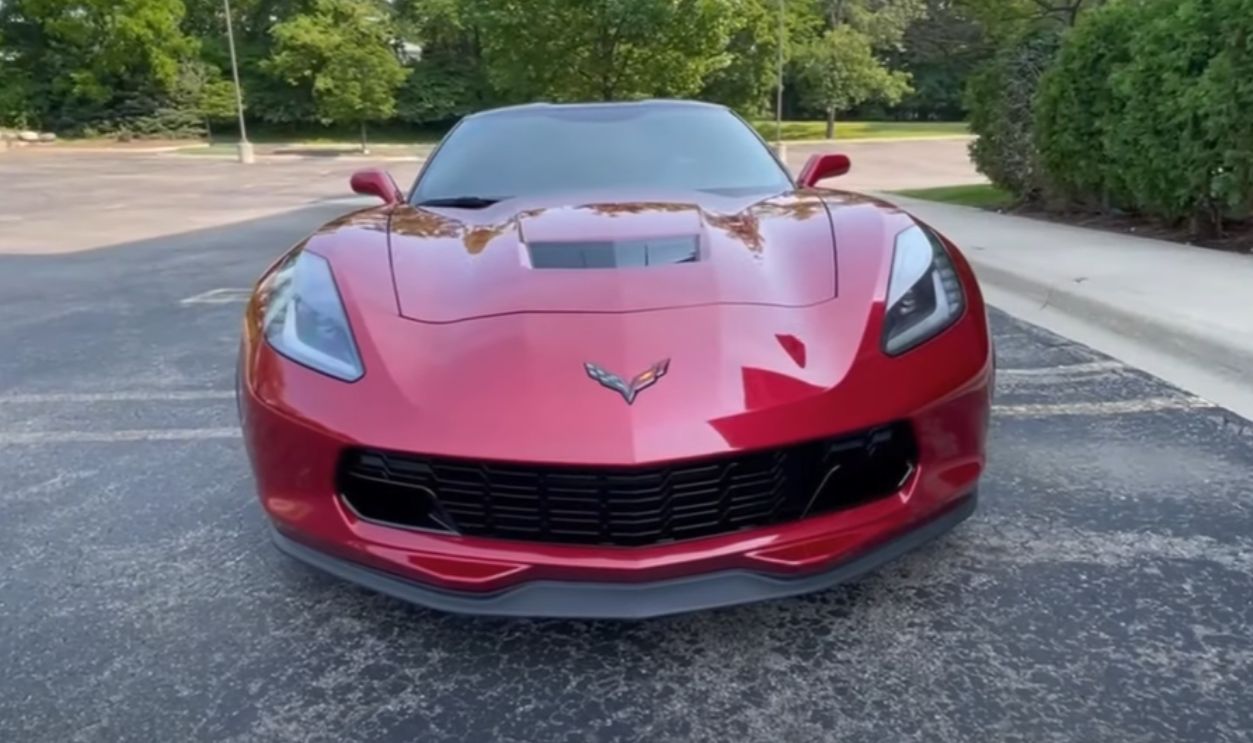 2015 Corvette C7 Stingray Review & What to look for when buying a C7 by Find the Right Road
2015 C7 Corvette (Cont.)
When accelerating, several motorists have complained of a noticeable shake or vibration, especially when using a light throttle between 25 and 80 mph. This problem actually shows up as harshness while shifting gears, particularly when doing so at high speeds.
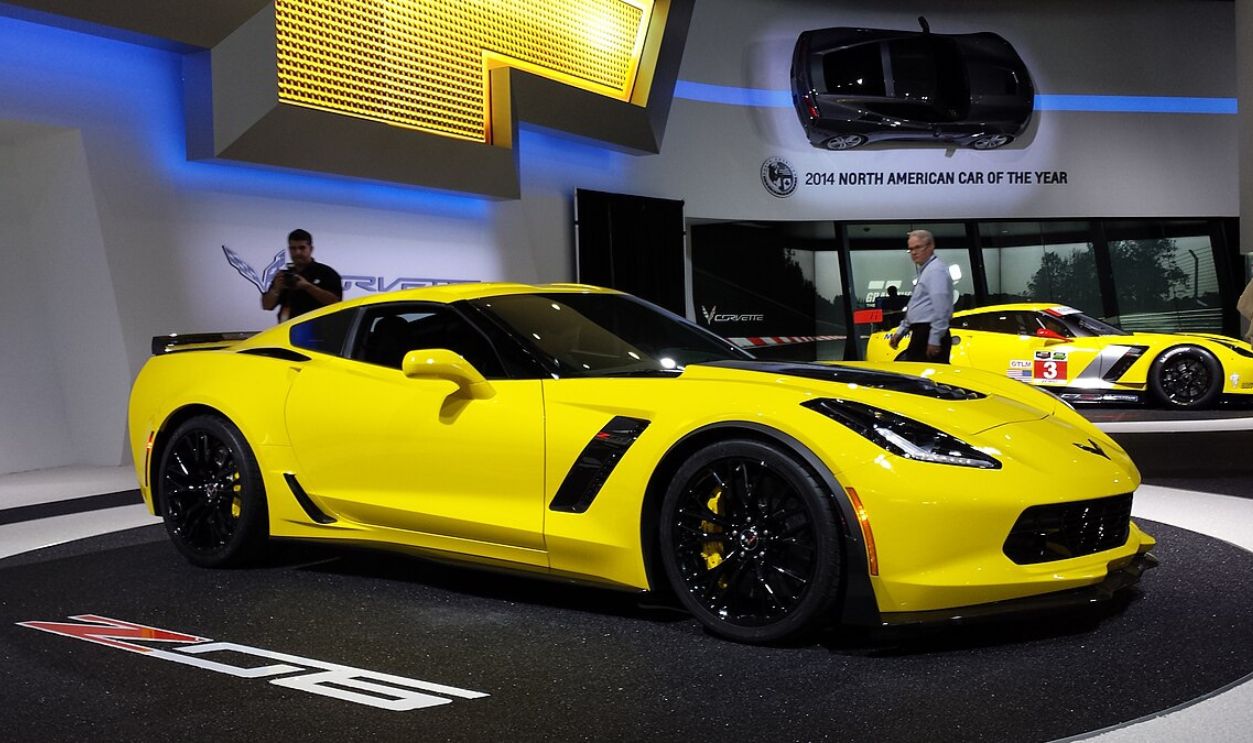 Tuner tom, CC BY-SA 3.0, Wikimedia Commons
2015 C7 Corvette (Cont.)
Some owners also reported a faint fluttering noise coming from the transmission, often traced back to a leaking belt tensioner or general internal wear. On the tech side, the MyLink infotainment system had its own quirks, with screens that flickered, froze, or occasionally refused to show the backup camera feed when drivers needed it most.
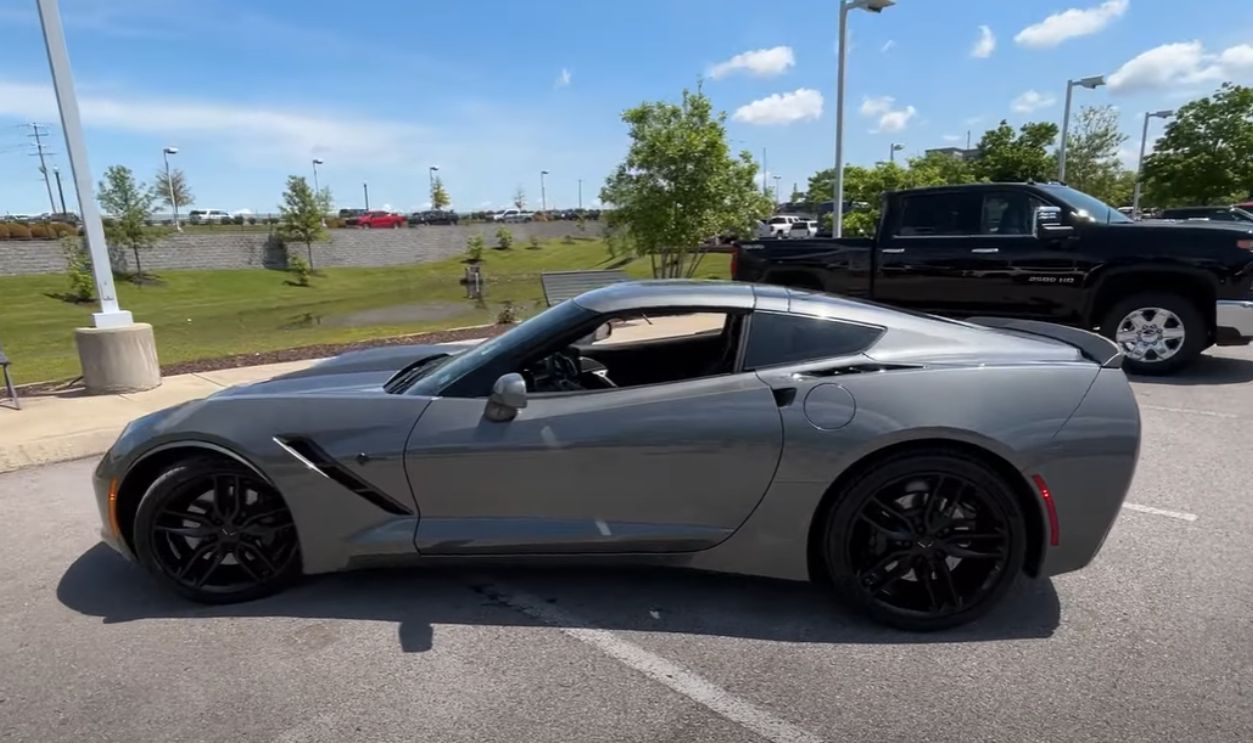 2015 Chevrolet Corvette C7 Z51 2LT 6.2 POV Test Drive & Review by Nothin’ But Car Reviews
2016 C7 Corvette
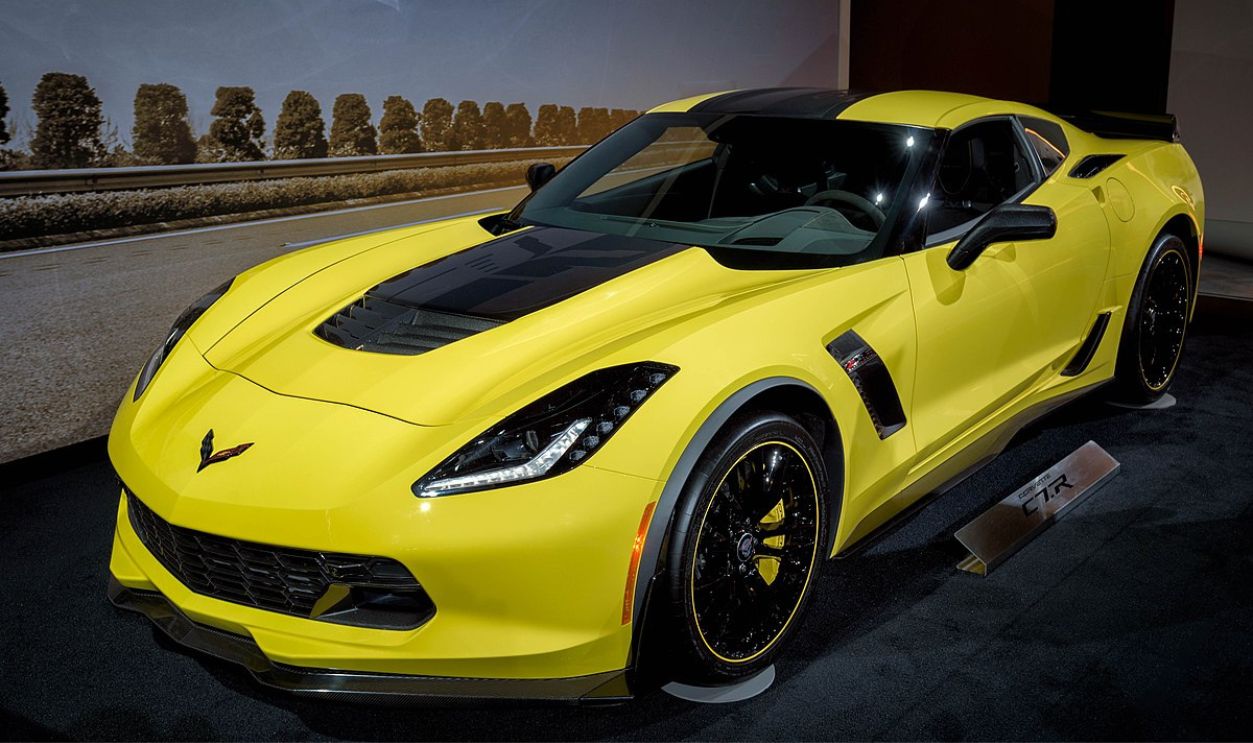
A couple of drivers have pointed out overheating issues, mainly during track use, which is a continuation of problems noted in earlier C7 models. A recurring issue involves the driveshaft bearing within the torque tube. Owners have heard noises coming from underneath the vehicle.
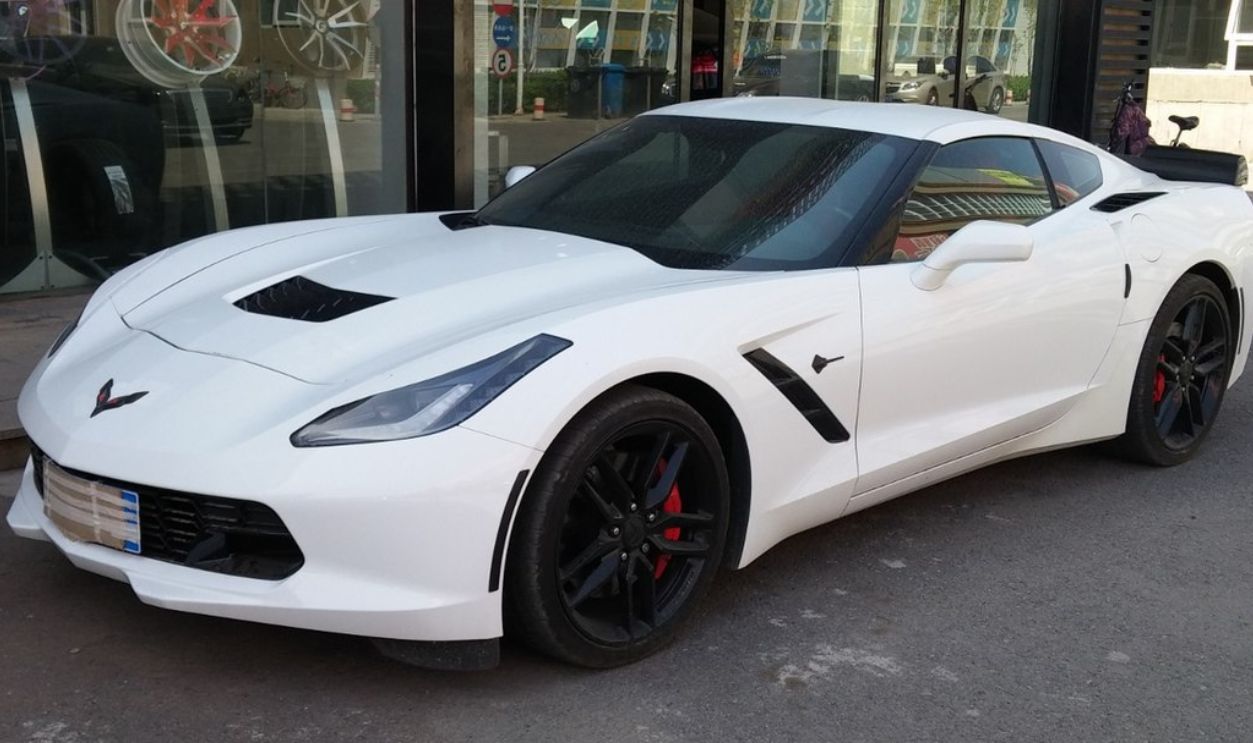 Navigator84, CC BY-SA 4.0, Wikimedia Commons
2016 C7 Corvette (Cont.)
Basically, from where the driveshaft connects to the transmission or rear differential. While not as prevalent as in earlier models, some 2016 Z06 variants have experienced overheating during high-performance driving. This raised concerns about the cooling system's effectiveness under extreme conditions.
 Joe deSousa, CC0, Wikimedia Commons
2016 C7 Corvette (Cont.)
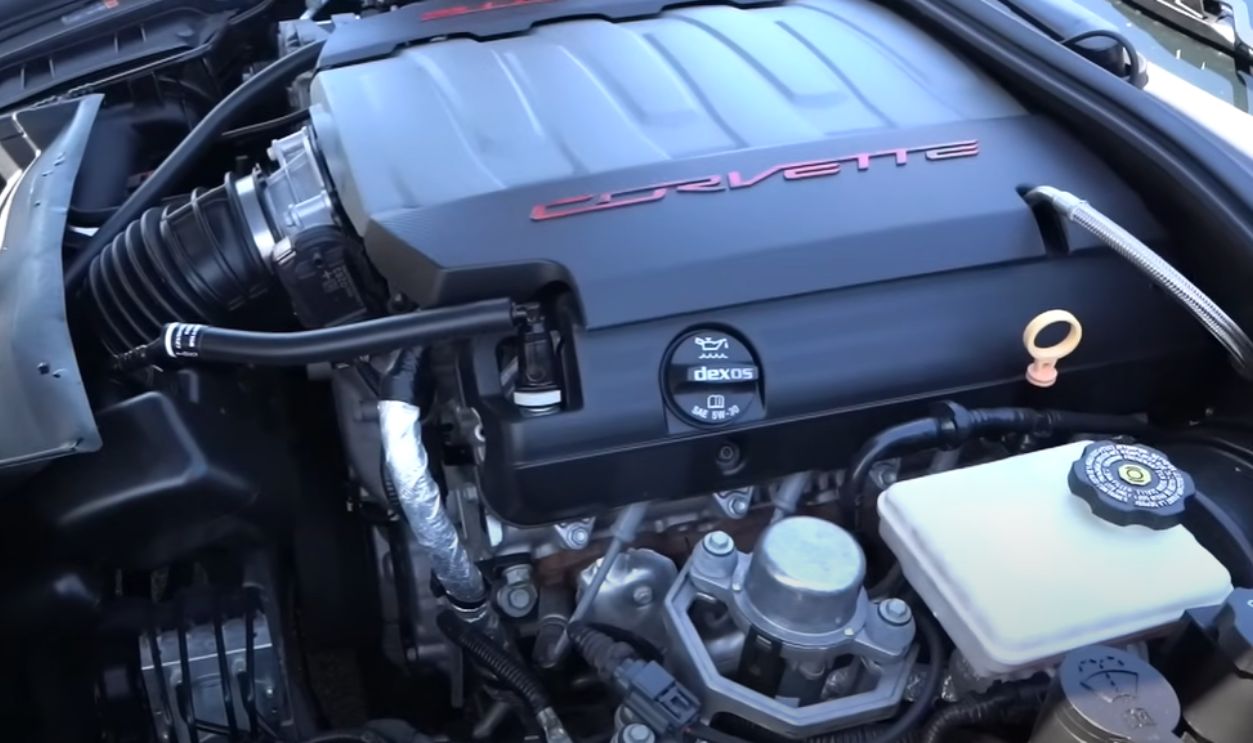
The 6.2L V8 engine that drove the 2016 Corvette generated 455 horsepower and 460 lb-ft of torque. The output also rose to 465 lb-ft of torque and 460 horsepower when the optional performance exhaust system was installed.
 Is a 2016 C7 Corvette Stingray the BEST used sports car for under $40k? by Raiti's Rides
2017 C7 Corvette
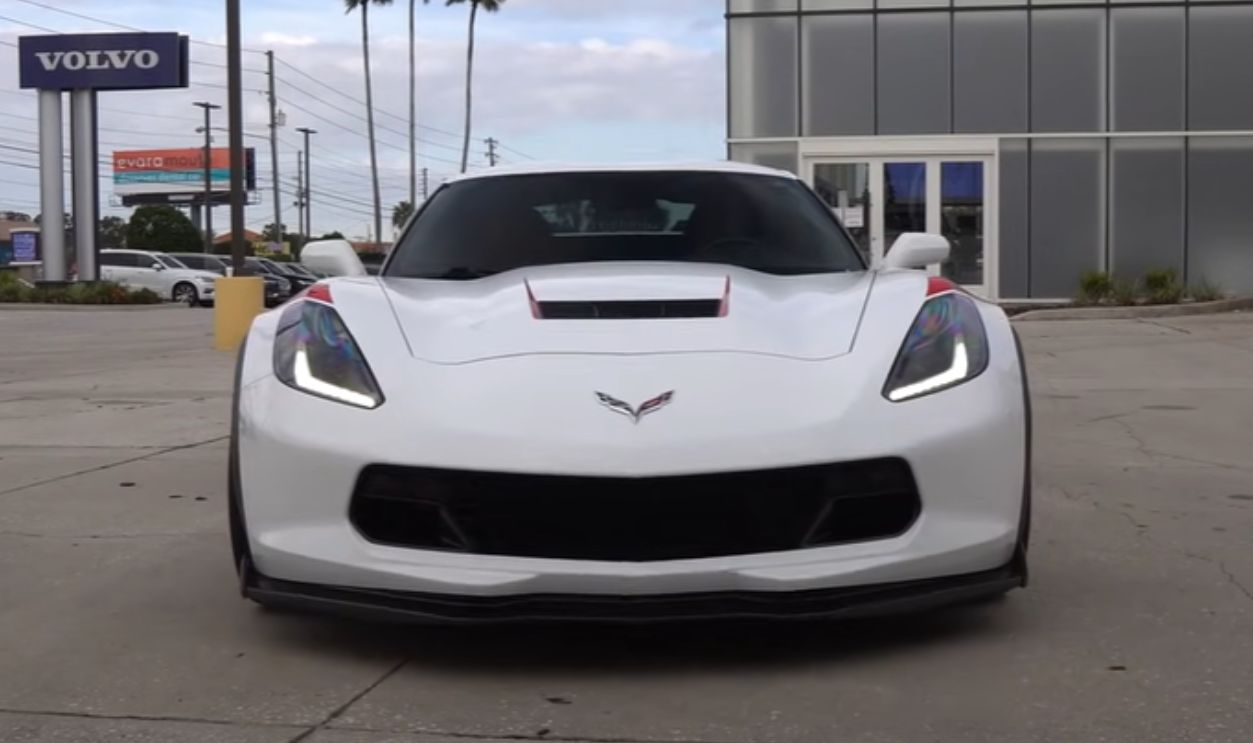
But then comes the 2017 Chevrolet Corvette, part of the C7 generation, which is widely seen as one of the most problematic model years for the Corvette. So, the main complaint was about the car’s cracked and bent wheels, especially on models equipped with larger or performance-oriented wheels.
 Is the 2017 Chevrolet C7 Corvette Grand Sport the must BUY sports car? by Raiti's Rides
2017 C7 Corvette (Cont.)
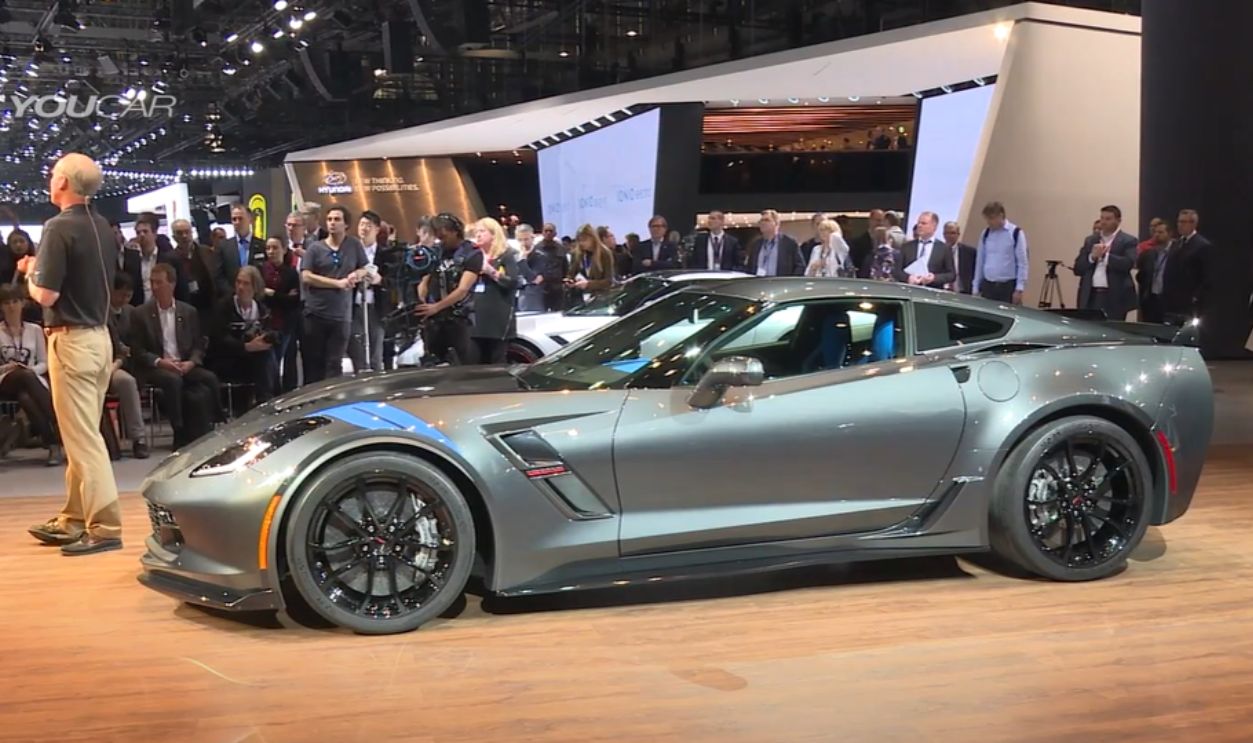
Examples would be the ones on the Grand Sport and Z06 trims. Drivers say that wheels often crack or bend under normal driving conditions, especially when encountering potholes or rough roads. This issue is costly to repair, with some replacements exceeding $1,600 per wheel.
 Corvette C7 Grand Sport (2017) Interior and Exterior Walkaround by YOUCAR
2017 C7 Corvette (Cont.)
Besides the wheel problems, people were also worried about issues with the hubs and suspension. Consumer Reports also highlights reliability issues with the 2017 Corvette in areas such as the infotainment system, paint quality, and electrical components.
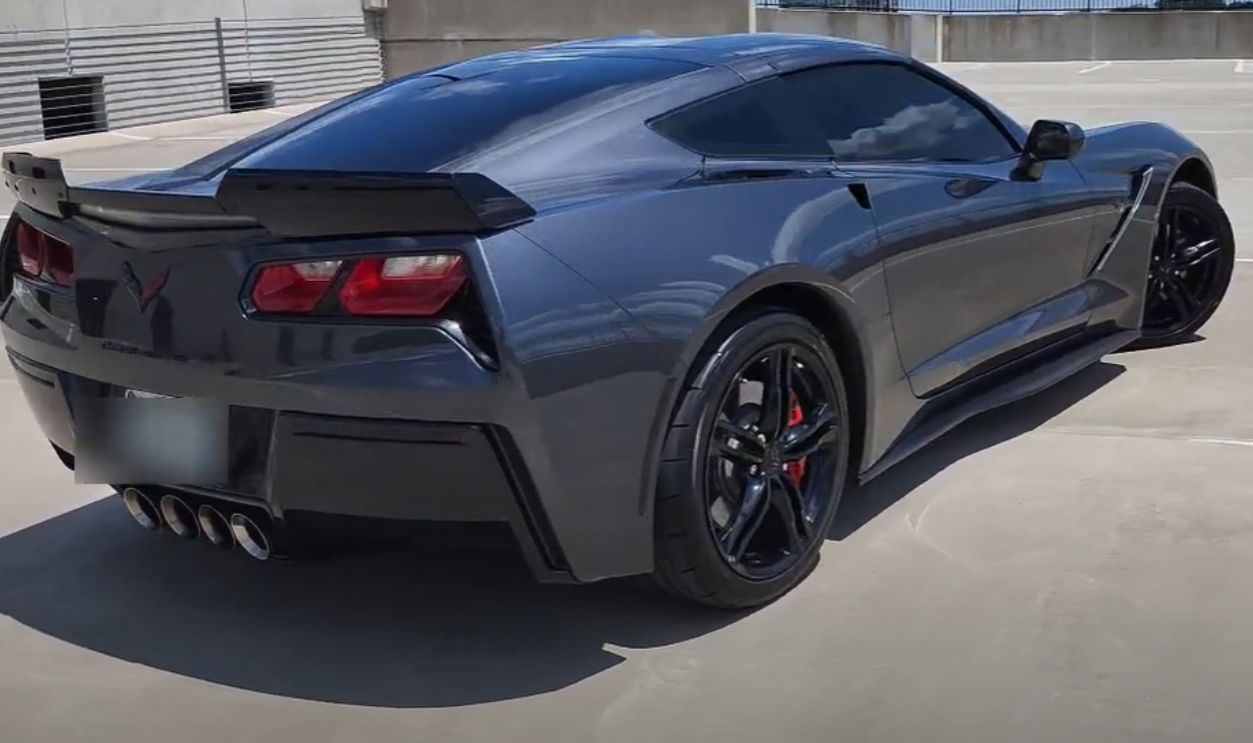 2017 C7 Chevy Corvette Stingray 1LT Review! by KeonComin'Thru
2019 C7 Corvette
Numerous issues with this car's steering and suspension systems have been reported, according to NHTSA. Wheel bearing issues, ball joints, tie rods, shocks, and struts are among the most frequent grievances. Cracking rims and excessive play in the steering column are also noted.
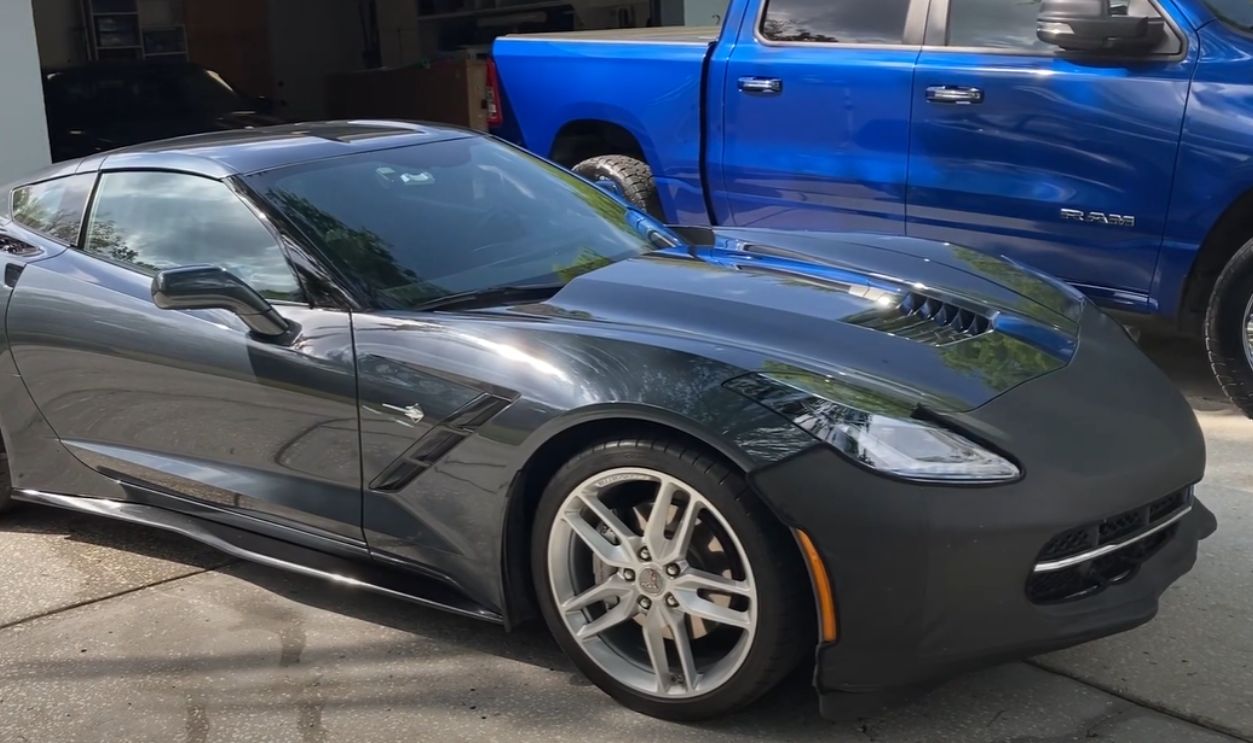 Living With A 2019 Chevrolet Corvette Stingray C7. Real World Review by Aaron’s Autoshop
2019 C7 Corvette (Cont.)
But that’s not all. The 2019 Corvette's 6.2L LT1 V8 engine pumps out 460 lb-ft of torque and 455 horsepower. 460 horsepower is produced when the performance exhaust system is added as an option. Its engine could go up to 60 miles per hour in 3.7 seconds.
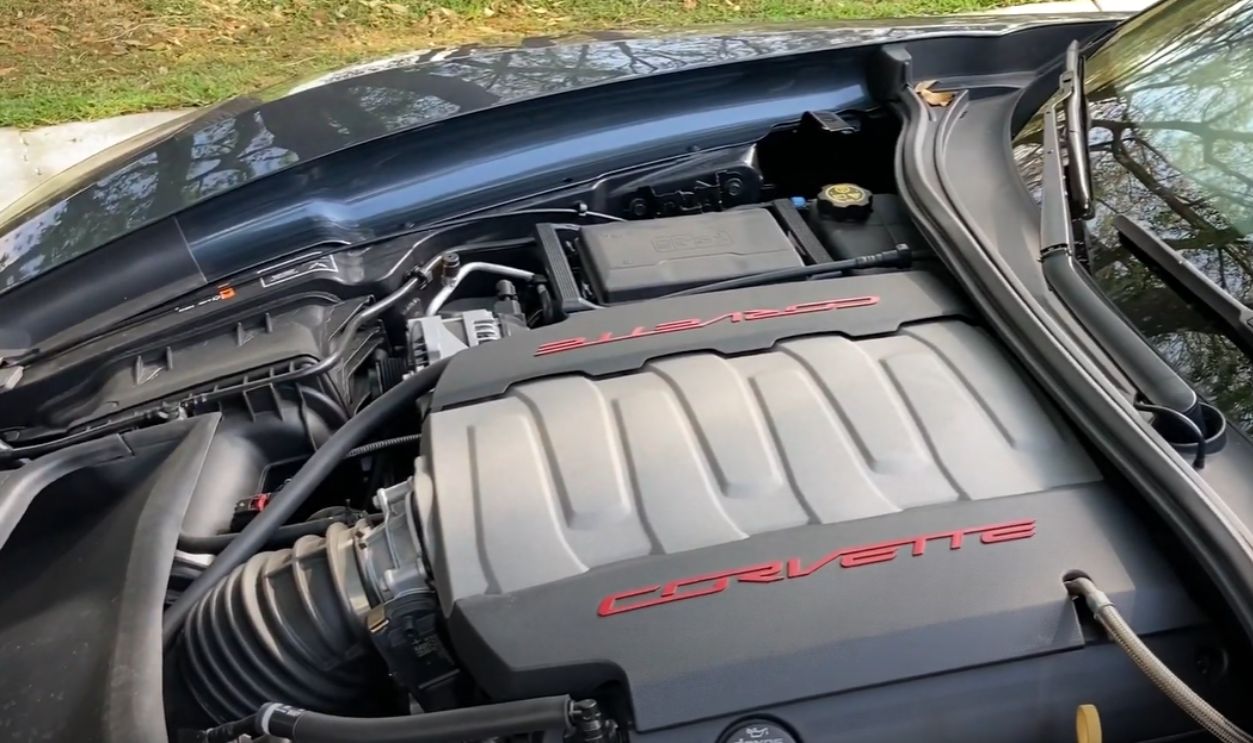 Living With A 2019 Chevrolet Corvette Stingray C7. Real World Review by Aaron’s Autoshop
2019 C7 Corvette (Cont.)
According to CarComplaints.com, the 2019 Corvette has 154 problems and defects stated by owners. In relation to wheels and hubs, there were 17 complaints, with 119 related to NHTSA reports. Also, about drivetrain problems, there were 6 NHTSA complaints.
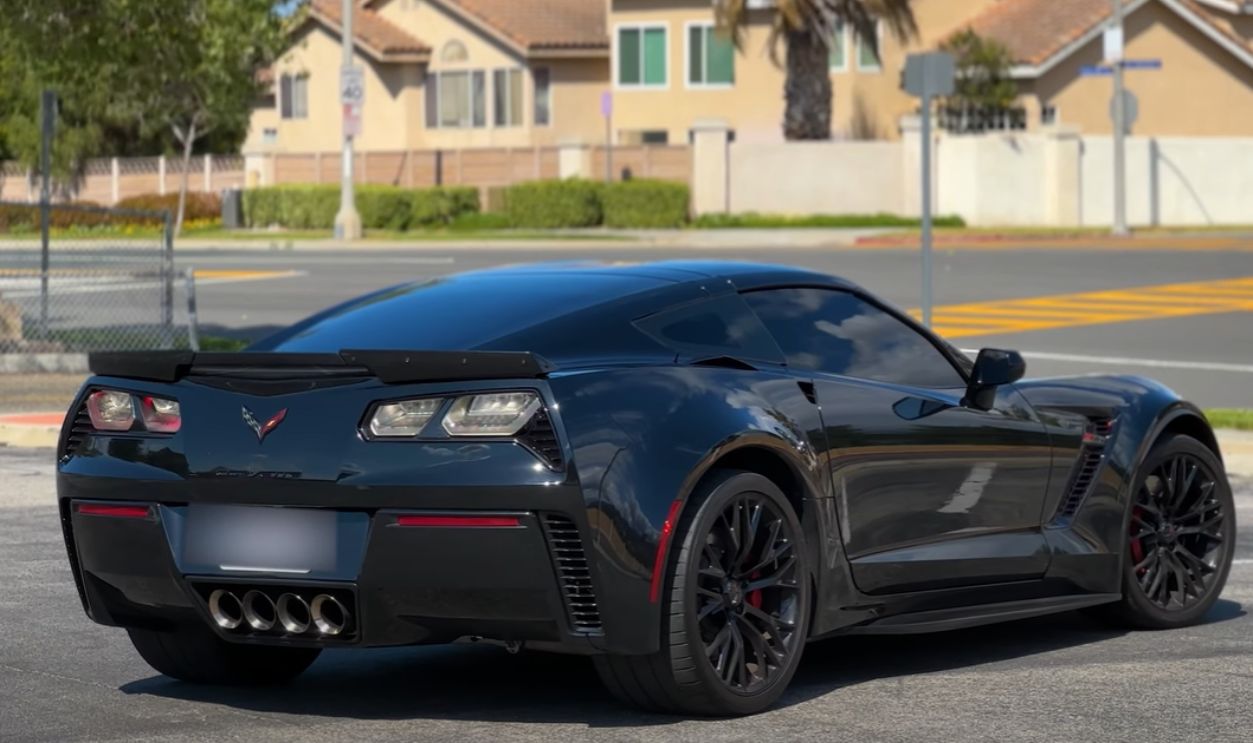 2019 Chevrolet C7 Corvette Z06 | Unmatched Performance Per Dollar by Auto Wisdom





.jpg)


