That Little Overhang Can Be A Real Problem
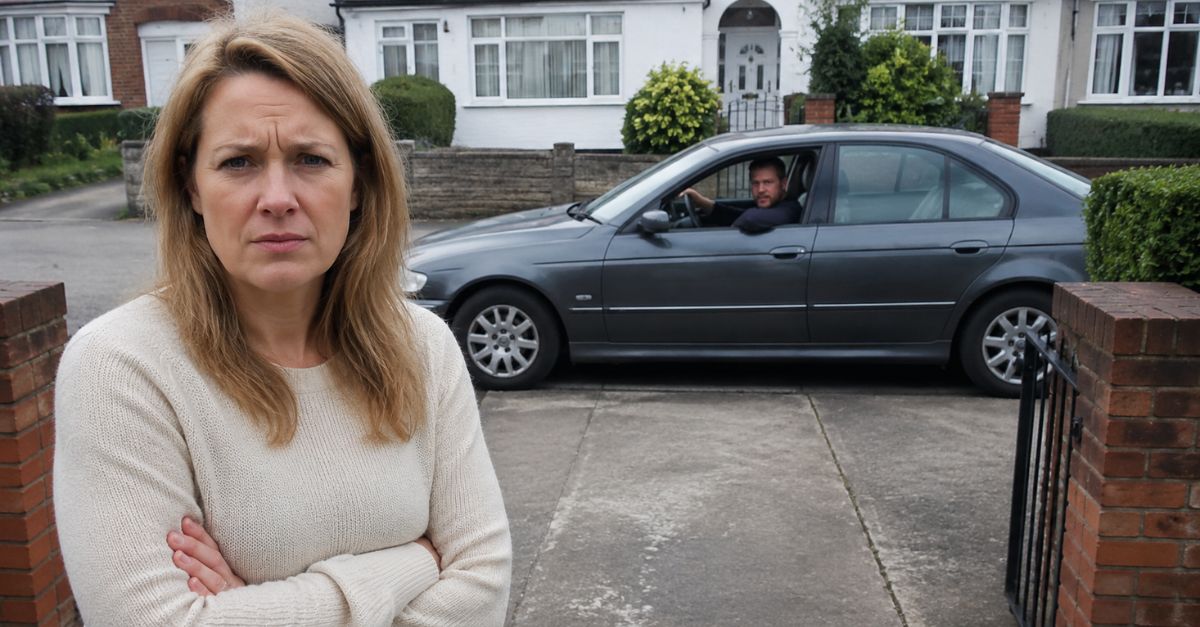
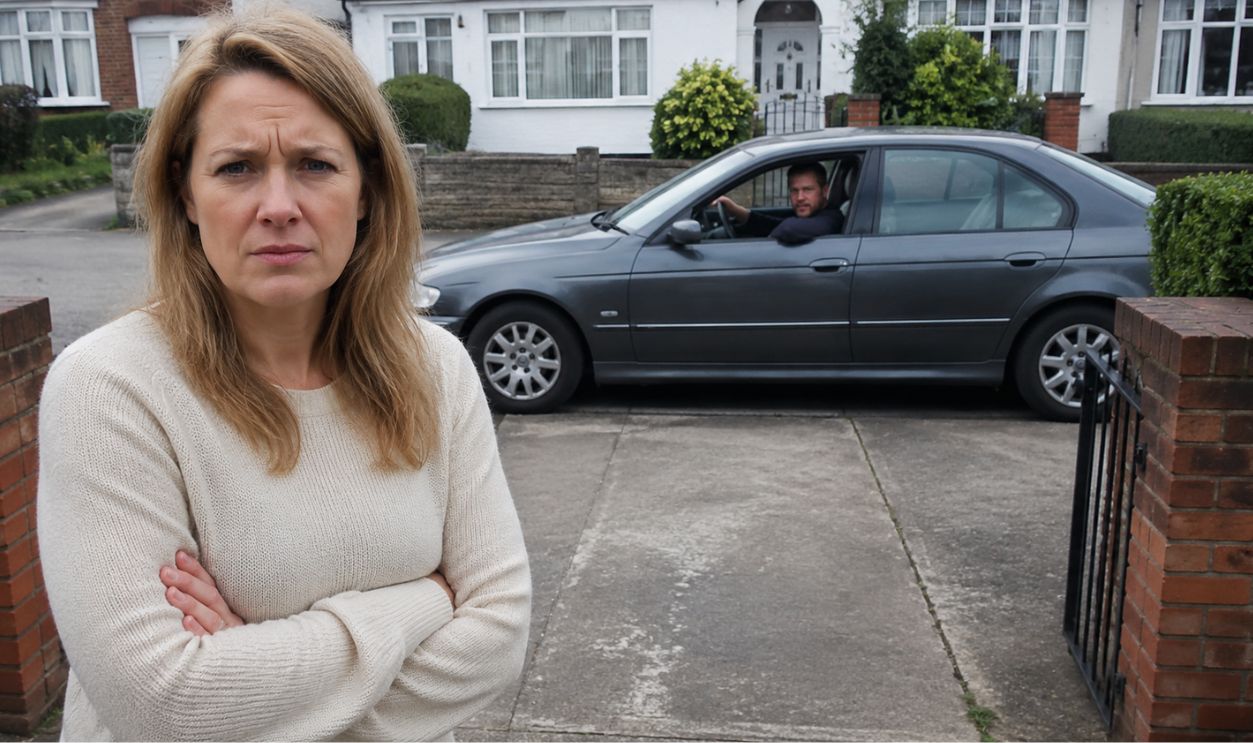
We've all been there. You can technically drive around, but that doesn't change the fact that the neighbor's car is clearly hanging out into your driveway. He might say you're being petty, but in many places, blocking any part of a driveway entrance can break local parking rules, even if it looks minor. These disputes may seem small, but they present a real safety issue for multiple reasons.
Why It Gets Irritating So Quickly
A driveway is not just a strip of concrete. It is how you get to your home, your garage, and often your main parking spot. When someone keeps creeping into that space, it feels personal because it disrupts your routine every time you leave or come back.

The Law Usually Focuses On Access
The real issue is usually not whether your neighbor thinks you are overreacting. It is whether their car interferes with your ability to use the driveway. City parking rules often focus on keeping entrances and exits clear, not on who sounds more reasonable in an argument.

New York City Says Not To Block Driveways
New York City’s parking rules say a vehicle cannot block a driveway. The rule is direct and simple. That matters because it shows that driveway access is treated as a real issue, not just a neighbor complaint.

Los Angeles Takes A Similar Approach
Los Angeles law also deals with driveway access. Section 80.53 generally bars stopping in front of, on, or in a way that obstructs a driveway. The wording matters because a car does not have to cover the whole entrance to create a problem.

Chicago Treats It As A Violation Too
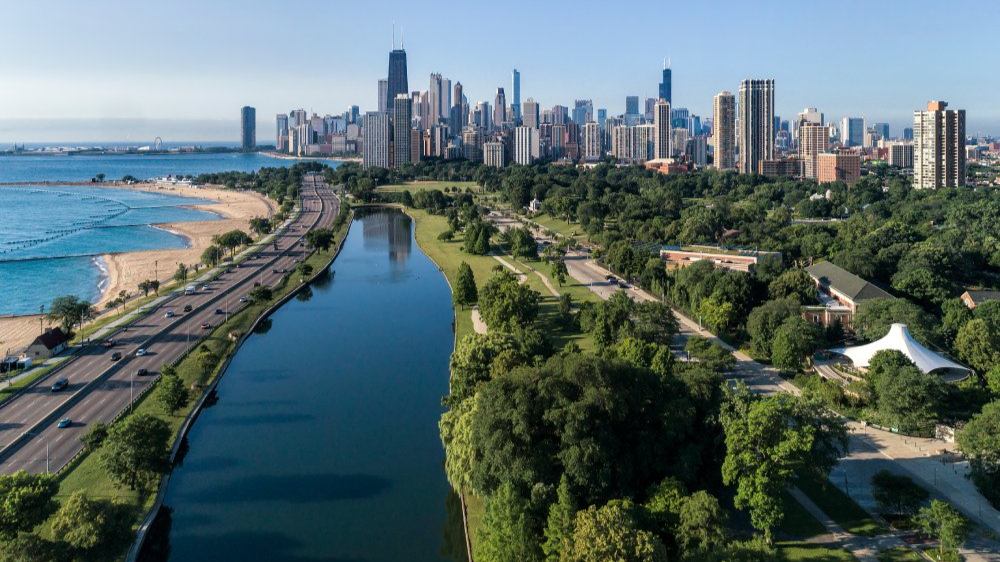
Chicago’s municipal code also prohibits parking in front of a public or private driveway. Once again, the issue is access. A bumper, wheel, or front corner can still make getting in and out harder, and that can be enough to matter.
Even A Few Inches Can Change The Turn
Drivers know this without needing it explained. A car sticking over the edge of your driveway can force you into a wider turn, a multi-point move, or a blind reverse into traffic. If you drive a larger SUV, pickup, or long sedan, that extra lost space can become a daily headache.
The Curb Cut Matters Too
What people casually think of as the driveway edge often lines up with the curb cut or apron, the sloped part that connects the property to the street. Local rules often protect that area because blocking it can interfere with safe entry and exit. So this is not only about someone parking directly in the middle of the driveway opening.

Petty Would Mean There Is No Real Impact
If the car does not affect your access at all, then maybe it is worth letting go. But if you have to angle awkwardly, wait longer for traffic, or worry about scraping your bumper, then you are reacting to a practical problem. That is not pettiness. That is dealing with an obstacle.
 Alexandra Rotanova, Shutterstock
Why Neighbors Often Brush It Off
The driver usually sees only their own convenience. They think they are just a little over the line because they are not the one trying to steer around it every day. That mismatch is why driveway fights can escalate fast.
Start With One Simple Question
Can you get in and out of your driveway normally and safely every time they park there? If the answer is no, or even not really, then you have a solid reason to object.
A Calm Conversation Is Still The Best First Move
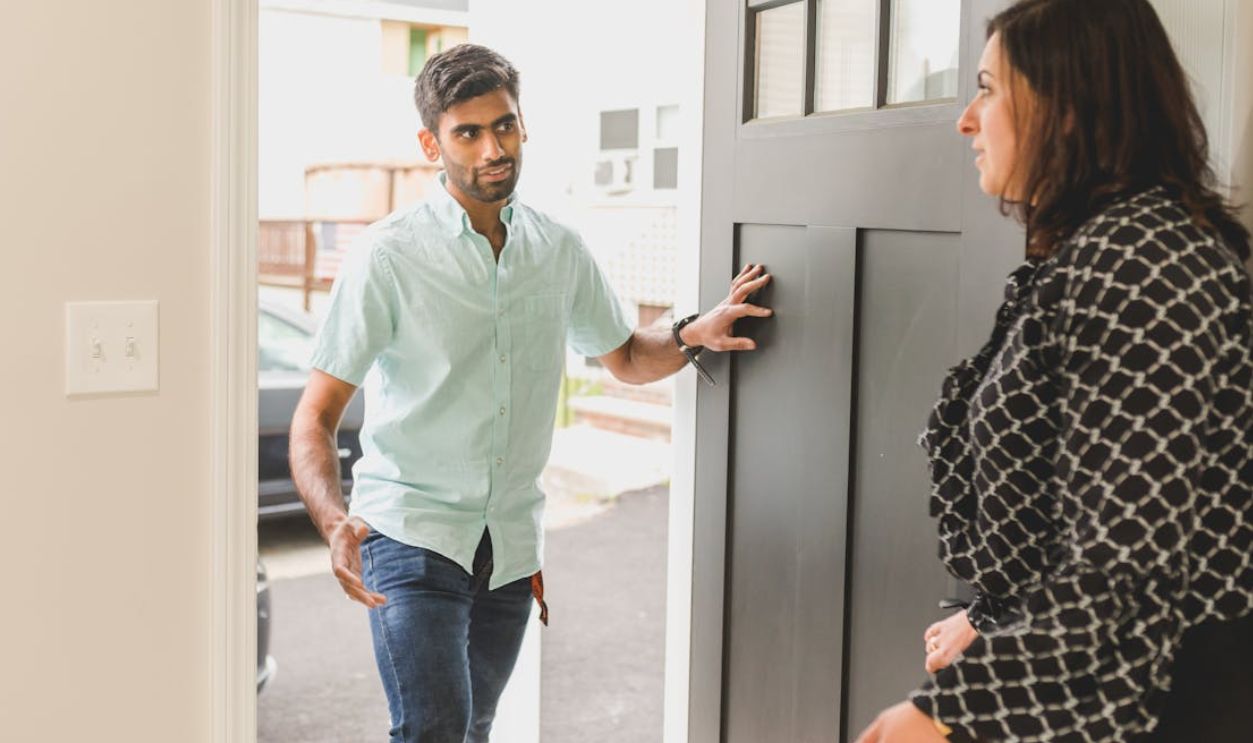
Before you jump to tickets or towing, it usually makes sense to say something directly and calmly. Keep it short. Explain that their car is blocking part of your driveway access and ask them to keep the whole opening clear.
Be Specific
Saying “you are always disrespecting me” usually starts a fight. Saying “your bumper sticks into my driveway entrance and I cannot make the turn cleanly” is much clearer. In parking disputes, details work better than speeches.

Photos Help
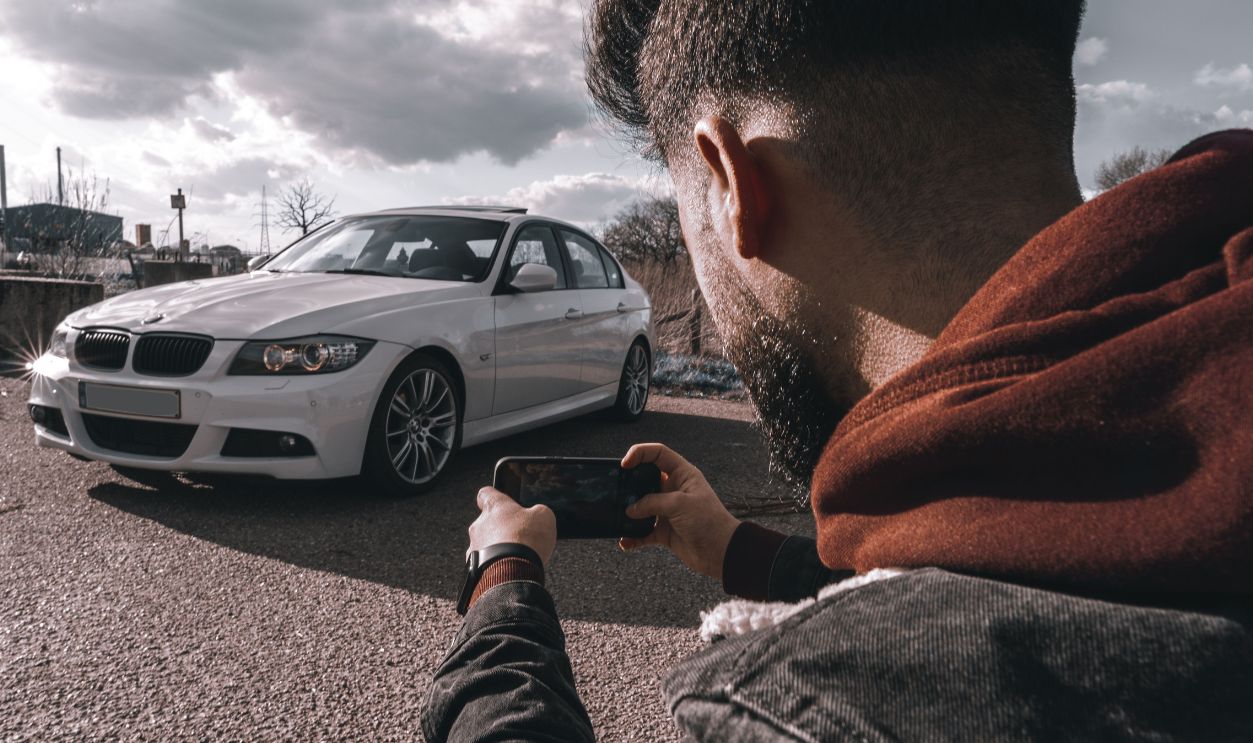
If it keeps happening, document it. Take clear photos showing the car’s position, the driveway opening, and the date if you can. That helps if you need to explain the problem to an HOA, landlord, parking officer, or a police non-emergency line.
Check Your Local Rules Before You Escalate
This part matters. Parking enforcement is local, and the exact wording can vary a lot. Before reporting the vehicle, look up your city code or transportation department rules so you know whether partial obstruction, curb-cut blocking, or driveway interference is specifically banned where you live.
Rules Are Not The Same Everywhere
New York City, Los Angeles, and Chicago all ban blocking driveways, but the details of enforcement can differ. Some places allow immediate ticketing. Some allow towing in certain situations. Others make distinctions based on who owns the vehicle or whether the driveway serves an occupied property.
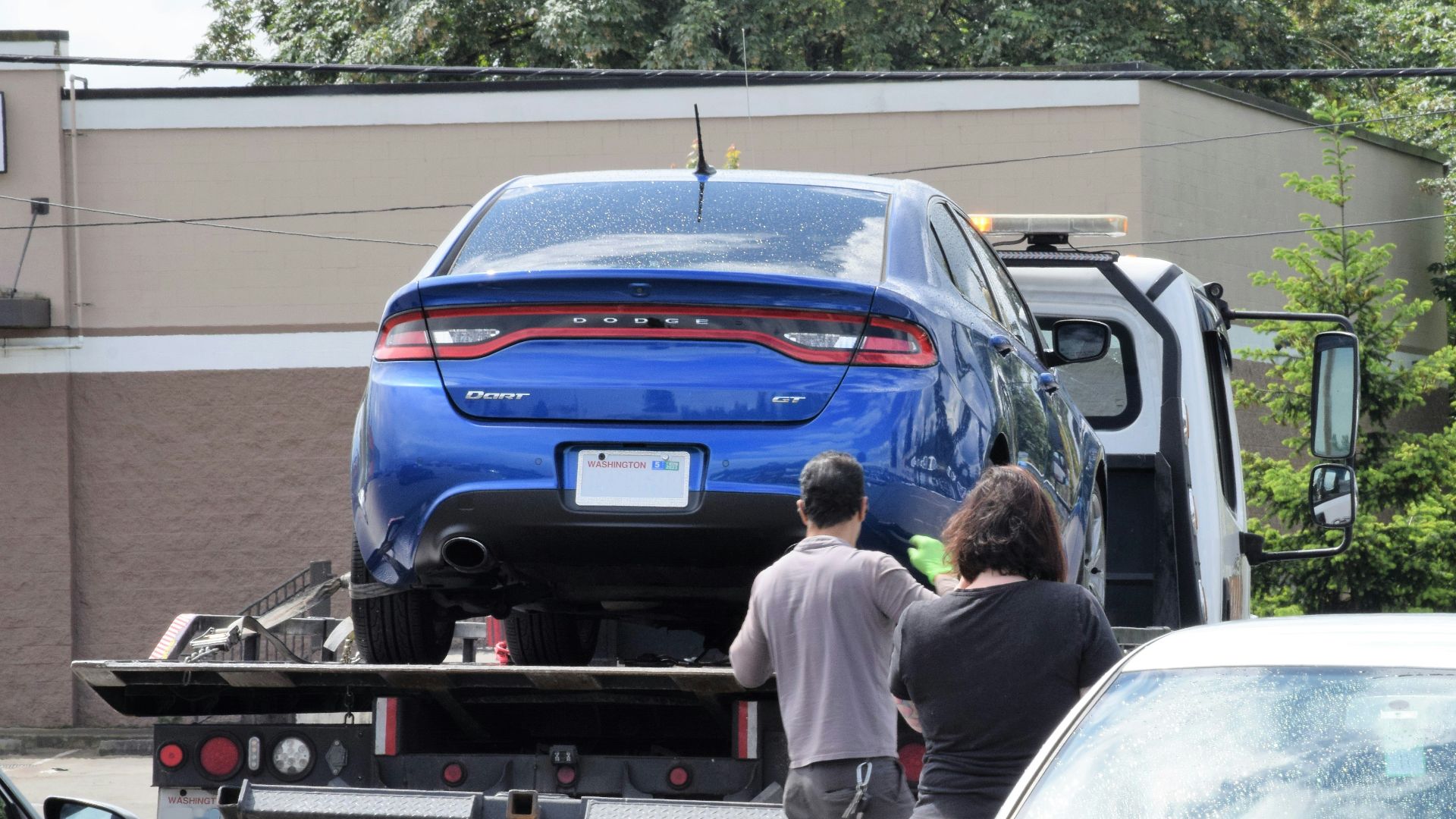
Towing Is Possible, But Usually A Last Step
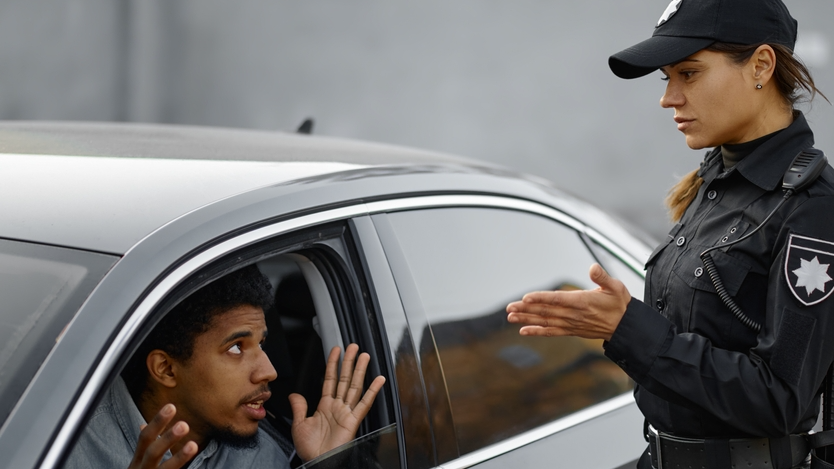
Many cities allow vehicles blocking driveways to be removed, though the process often goes through law enforcement or parking enforcement. That can seriously raise the stakes in a neighbor dispute, so it is usually not the first move. Still, the fact that towing is even on the table shows that local governments do not see this as a trivial problem.
Do Not Try To Get Even
It may be tempting to block them back, leave nasty notes, or put objects near their car. That usually makes everything worse and can create legal trouble for you too. Stick to facts, photos, and official channels.

HOAs And Landlords Can Sometimes Step In
If you live in a community with an HOA, condo board, or rental management, check whether parking rules are part of the bylaws or lease. Private communities often have their own enforcement options on top of city law. Sometimes a warning from management works when a direct request does not.

There Is A Safety Issue Here Too
Partially blocked driveways can create visibility problems, especially on busy streets. They can also slow down how fast residents can leave in an emergency or affect access to the property. What looks minor from the curb can matter a lot when time and space are tight.
Bigger Vehicles Make This Worse
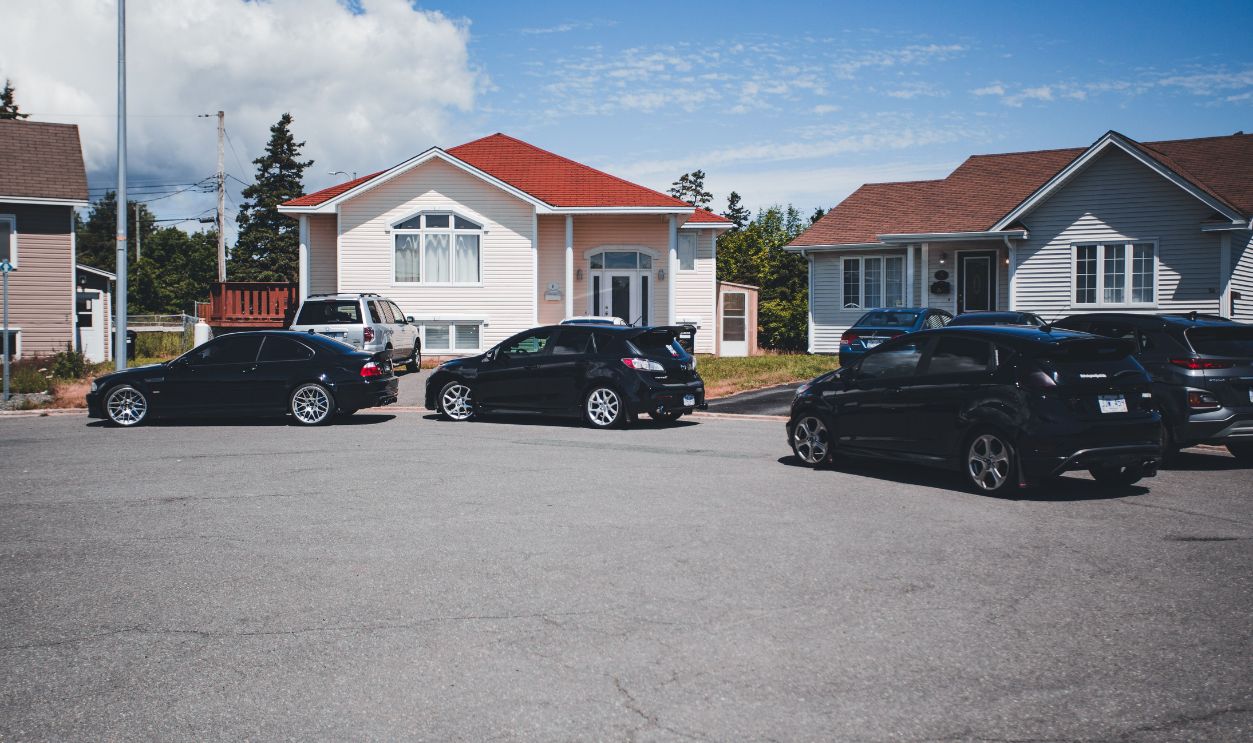
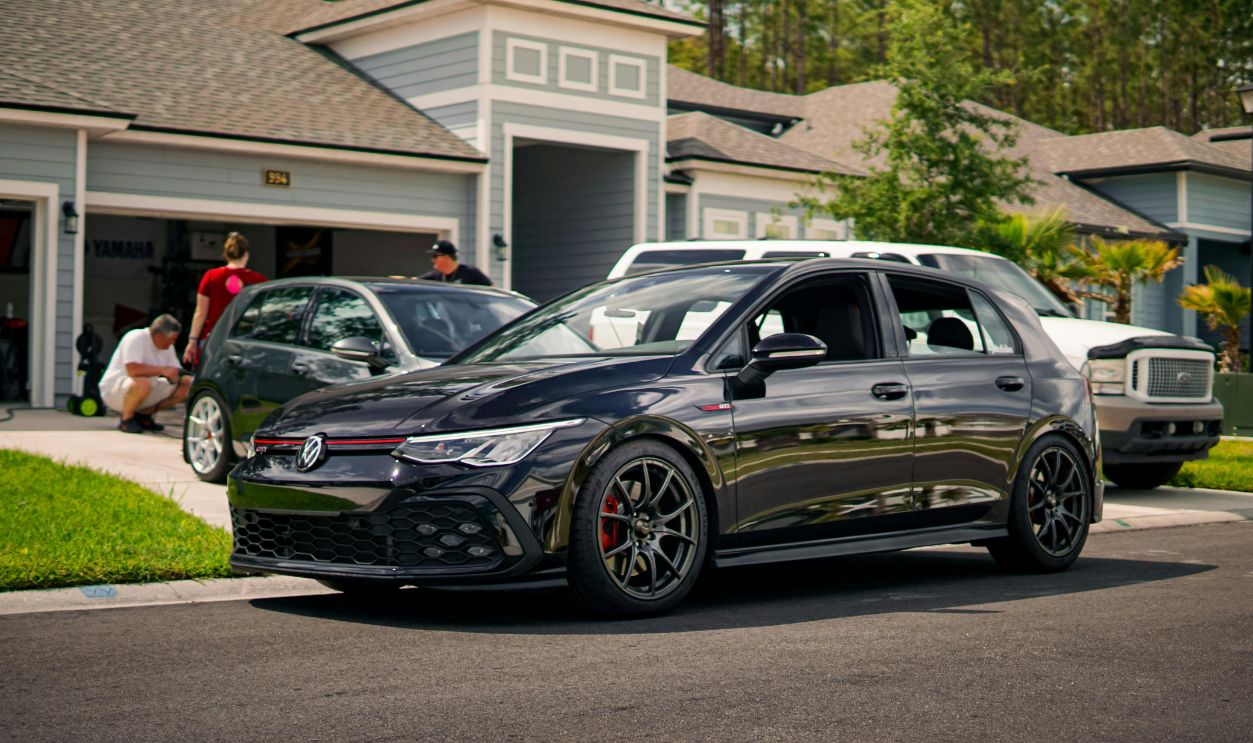
This problem is even more common now that many people drive oversized pickups and three-row SUVs. Modern vehicles are often wider and harder to maneuver than older sedans. A little lost turning room can be the difference between an easy exit and a clumsy back-and-fill routine.

There Is Also A Basic Courtesy Issue
Even where the exact legal line might be debated, considerate drivers leave driveway entrances fully clear. It is a simple habit that helps neighborhoods function. If your neighbor knows it causes problems and keeps doing it anyway, that says plenty.
What To Say If They Call You Petty
You do not need a dramatic response. Try something simple: “I am not asking for special treatment. I just need full access to my driveway.” That keeps the focus on the actual problem.

When It Becomes Worth Reporting
If you have asked politely, documented the issue, and checked the local rules, then contacting parking enforcement or the right city agency is reasonable. Once the problem has been explained and it keeps happening, formal action is not pettiness. It is just dealing with a repeated problem.
When You Might Be Reading Too Much Into It
There are cases where the complaint may be more emotional than practical. If the car is near your driveway but does not cross into the curb cut, narrow the entrance, or affect how you maneuver, it may be worth letting it go. The best test is not whether it looks annoying from your window. It is whether it actually changes your ability to use the driveway.

The Bottom Line
If your neighbor parks over the edge of your driveway in a way that interferes with access, you are not being petty. You are responding to a real problem that many city parking codes already recognize. The best approach is calm communication first, checking local rules second, and enforcement only if it keeps happening.