
The Short Answer
In 2026, for a lot of drivers, the old claim that synthetic oil is a waste of money no longer holds up. Modern engines, newer oil standards, and longer factory oil change intervals have changed the picture. In many newer vehicles, full synthetic is not just a pricey add-on. It's exactly what the manufacturer expects you to use. But that's not the end of the story.

Why This Advice Still Hangs Around
Your mechanic may be repeating advice that made a lot more sense years ago. Synthetic oil used to cost much more, and many older engines were built around conventional oil and shorter service intervals. Back then, telling drivers to save their money was often practical.

What Synthetic Oil Actually Is
Motor oil is made from base oils and additives, but synthetic oil uses more highly refined or engineered base stocks. The American Petroleum Institute says engine oils are built to meet specific performance standards. Put simply, synthetic oil is made to perform more consistently in heat, cold, and over longer stretches of use.

The Military Helped Prove The Idea
Synthetic lubricants are not some recent marketing invention. Mobil says synthetics were used heavily in military and aerospace work, especially during and after World War II, because they could handle conditions that challenged conventional oils. That matters because synthetic oil was created to solve real engineering problems.
Mobil 1 Brought It To Everyday Drivers In 1974
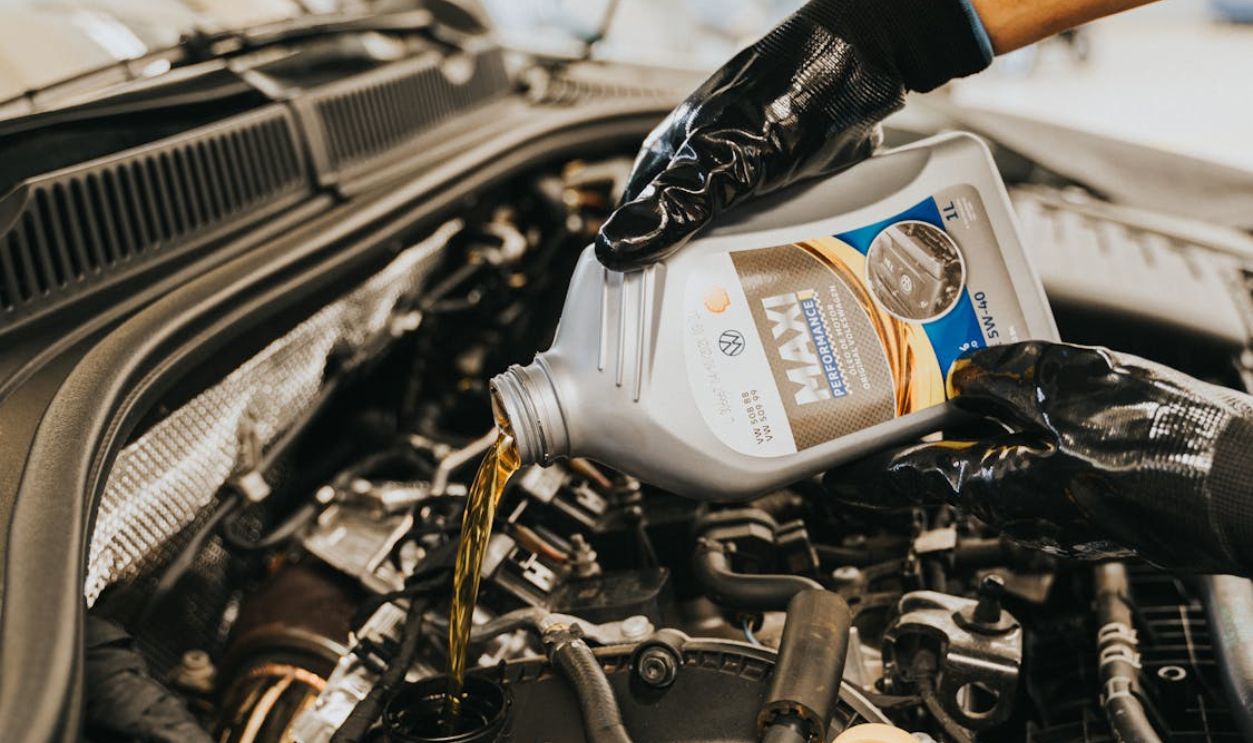
A major turning point came in 1974, when Mobil 1 launched in the United States as the first major full synthetic motor oil sold for everyday passenger cars. That was the moment synthetic oil started moving from specialized use into regular garages and driveways. This has been around for about 50 years. It is not a fad.
Engines Changed, And Oil Had To Keep Up
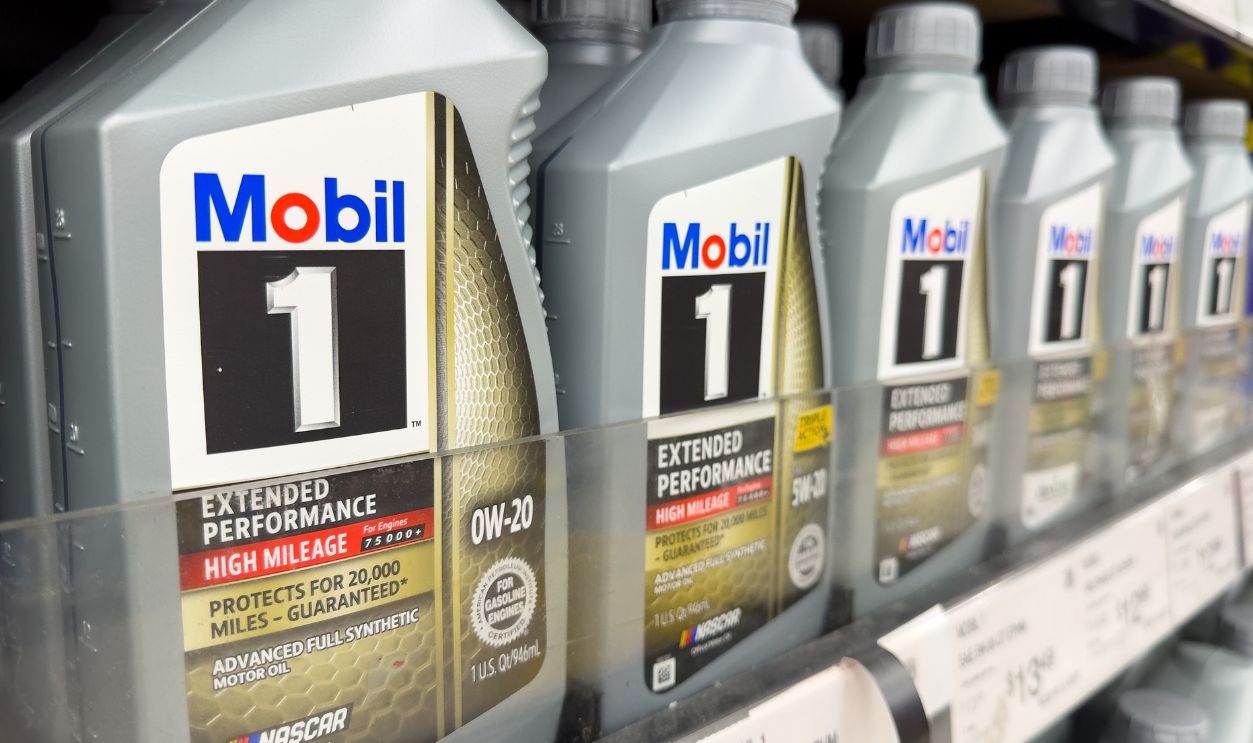
What really dates the old advice is how much engines have changed. Many of today’s engines use turbochargers, gasoline direct injection, variable valve timing, and tighter internal tolerances. Those features can mean more heat, more stress, and tougher demands on oil than the engines many veteran mechanics first worked on.
Manufacturers Now Call For Synthetic More Often
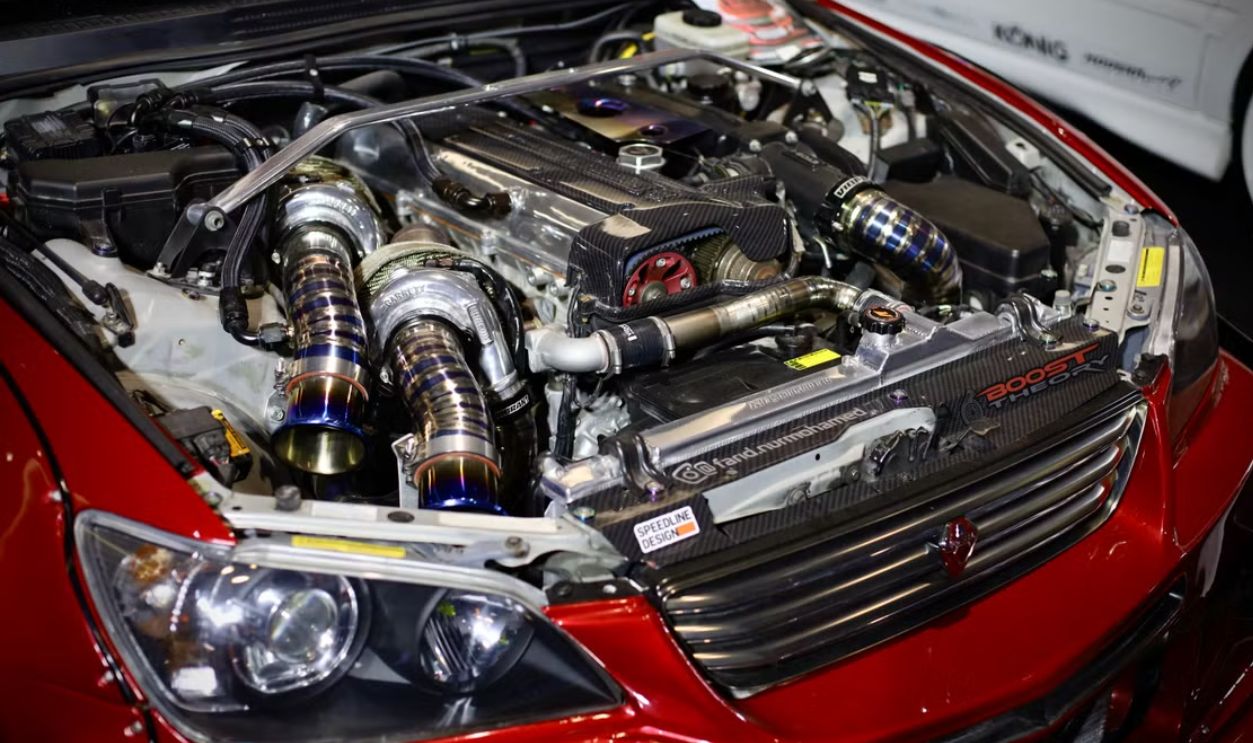
Open the owner’s manual in a lot of late-model vehicles and you will see full synthetic listed as required or strongly recommended. That is not just marketing from an oil company or quick-lube shop. It is part of how the engine was designed to operate, especially in vehicles built around longer oil change intervals.

GM Made Dexos Part Of The Conversation
General Motors introduced its dexos1 engine oil specification in 2010 for gasoline engines, and dexos-approved oils are usually synthetic or synthetic blends that meet tougher performance targets. GM says dexos oils are designed to support fuel economy, emissions systems, and engine durability. When an automaker creates its own oil standard, it is a clear sign that old one-size-fits-all oil advice no longer works.
Oil Standards Got A Lot Tougher
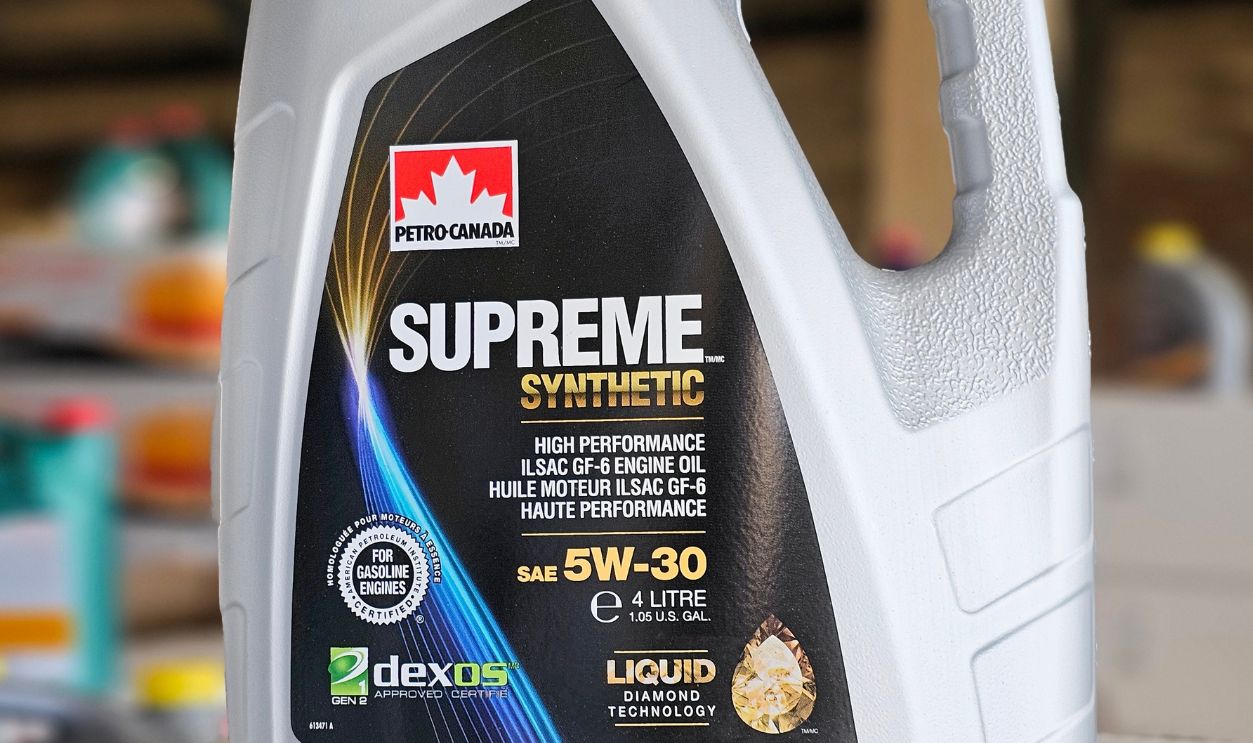
It is not just about whether the bottle says synthetic. Oils now have to meet detailed standards from groups like API and ILSAC, and those standards have become more demanding over time. API’s current gasoline categories focus on sludge control, oxidation resistance, wear protection, low-speed pre-ignition protection, and timing chain wear.

API SP Arrived In 2020 For Modern Problems
API introduced API SP in May 2020 along with ILSAC GF-6. These standards were created to improve protection against low-speed pre-ignition in turbocharged gasoline direct injection engines, reduce timing chain wear, and improve protection against high-temperature deposits. Those are very modern issues, and they help explain why modern oil chemistry matters more now.
 Around the World Photos, Shutterstock
Turbo Engines Make Oil Work Harder
Turbochargers spin at very high speeds and expose oil to serious heat. That can speed up oxidation and deposit buildup if the oil cannot handle it. Synthetic oils generally do better under those conditions, which is one reason they are so common in turbocharged vehicles.

Cold Starts Are One Of The Biggest Tests
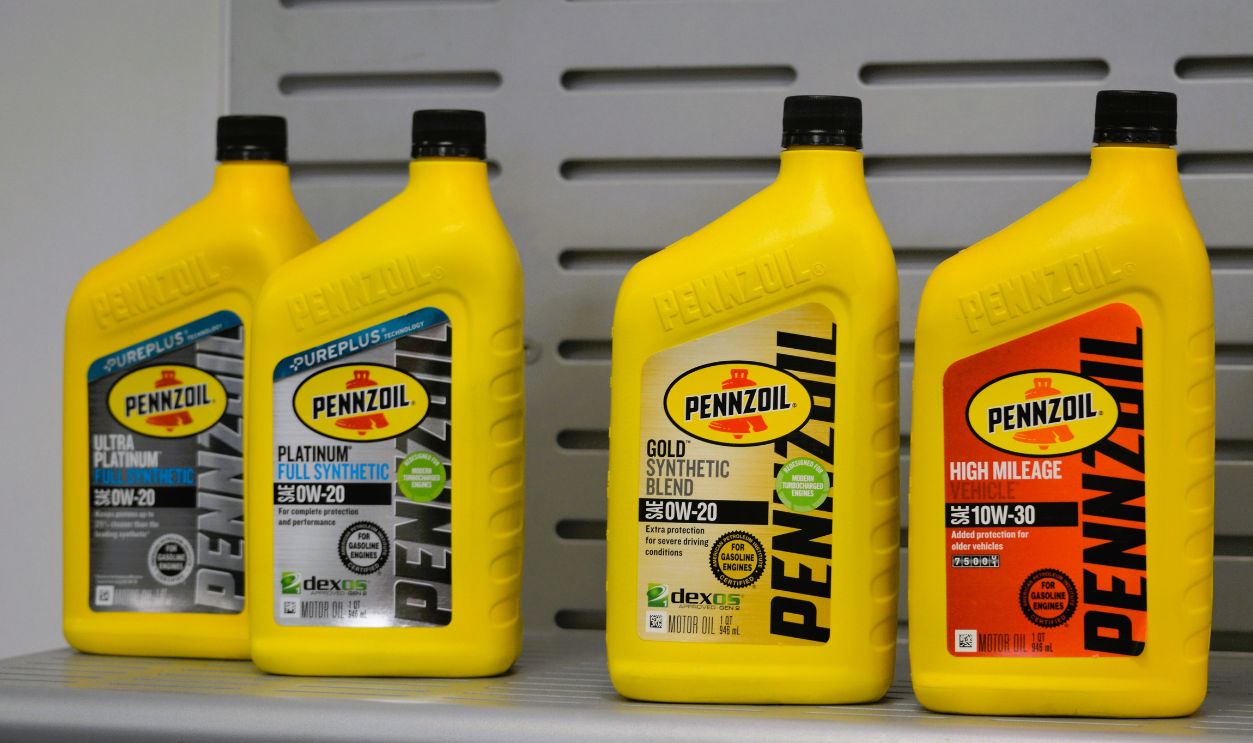
One of the biggest real-world advantages of synthetic oil is how it flows in cold weather. Pennzoil notes that synthetic oils generally move better at low temperatures, helping oil circulate faster during startup. Since startup wear is one of the roughest moments in an engine’s life, that benefit is not just theory, especially in cold climates.

Heat Resistance Is Another Strong Point
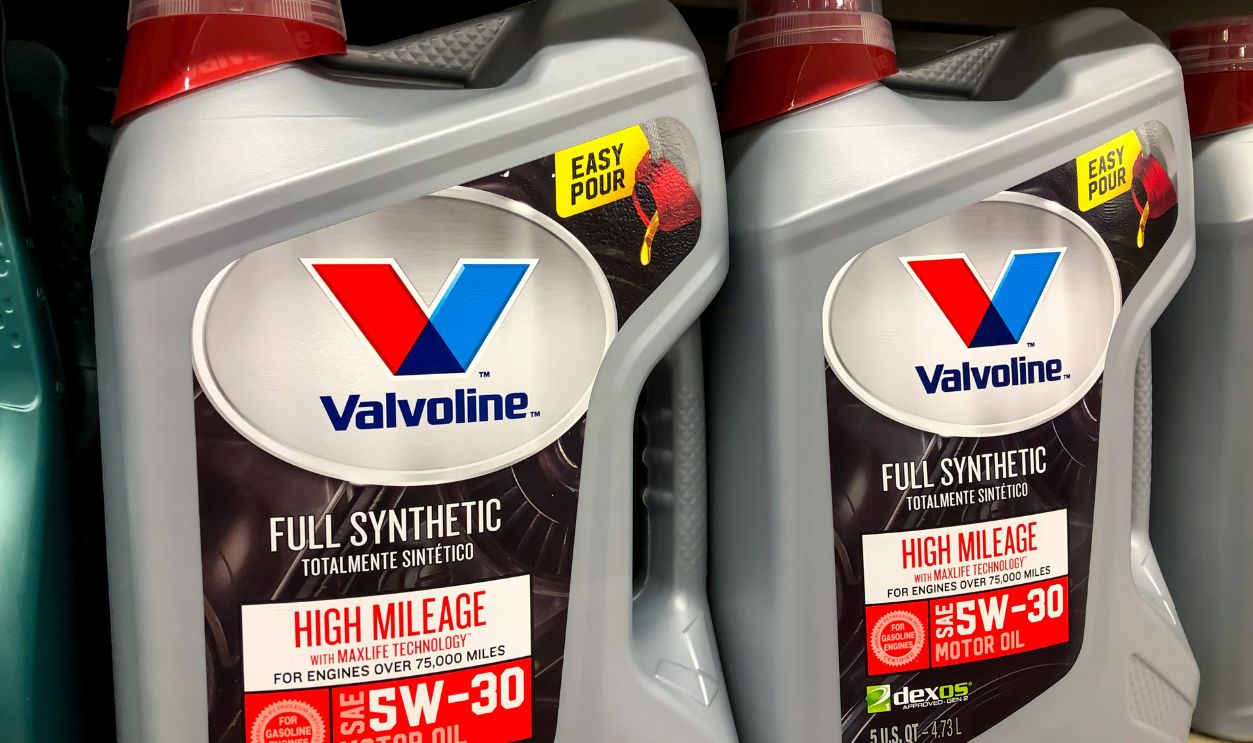
Synthetic oil also tends to resist thermal breakdown better than conventional oil. Valvoline says full synthetic oils are designed to keep protecting at high temperatures and under harsh operating conditions. If you tow, sit in heavy traffic, drive in desert heat, or regularly push a turbo engine, that extra cushion can matter.
Longer Oil Change Intervals Changed The Math
The biggest reason synthetic is harder to dismiss now is the oil change interval. Many newer vehicles call for 7,500, 10,000, or even longer intervals under the right conditions, and that usually assumes an oil that can hold up over time. If you are changing oil less often, the higher upfront cost may not be much of a downside.

Cost Per Mile Matters More Than Sticker Price
Drivers often compare the shelf price of conventional and synthetic oil and stop there. That misses the bigger point. If synthetic lasts longer and better supports the interval in your manual, the more useful comparison is cost per mile, not cost per bottle.
 Hryshchyshen Serhii, Shutterstock
Conventional Oil Still Makes Sense In Some Cases
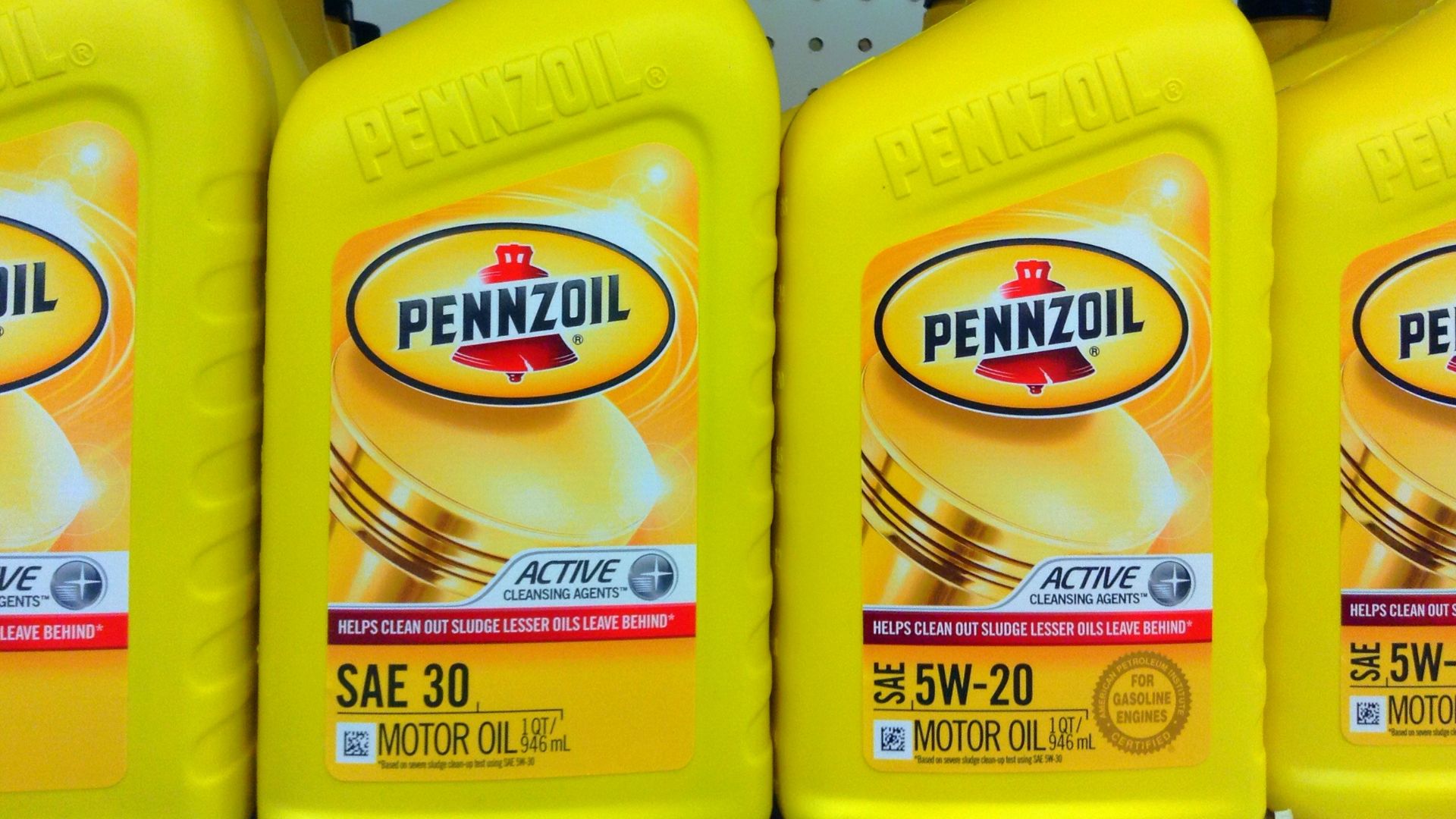
That does not mean every car on the road suddenly needs premium full synthetic. If you drive an older vehicle designed for conventional oil, have modest yearly mileage, and follow shorter recommended intervals, conventional oil that meets the required specification may still be perfectly fine. The key is following the manufacturer’s requirements, not treating synthetic like magic.
 Mike Mozart, Wikimedia Commons
The Old Advice Was Not Always Wrong
To be fair, experienced mechanics were not necessarily wrong when they gave that advice years ago. In the 1980s, 1990s, and even early 2000s, plenty of everyday cars did just fine on conventional oil changed on time. The advice only becomes outdated when it ignores newer engine designs, newer oil standards, and newer factory recommendations.

Synthetic Blend Makes Things Less Clear
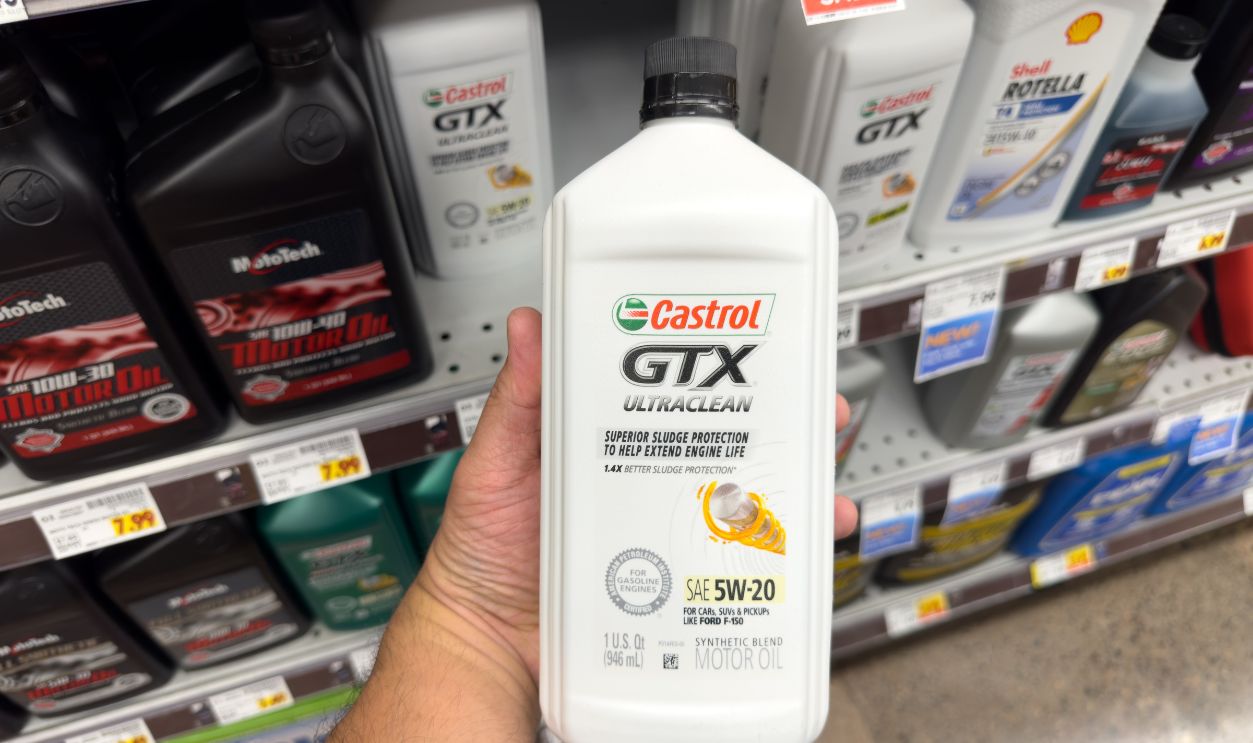
Part of the confusion is that there is a middle option. Synthetic blend oils mix conventional and synthetic base oils and can offer some of the benefits at a lower cost. For some vehicles and driving habits, that can be a smart compromise if it still meets the specification listed in the owner’s manual.
The Approval On The Bottle Matters More Than The Marketing
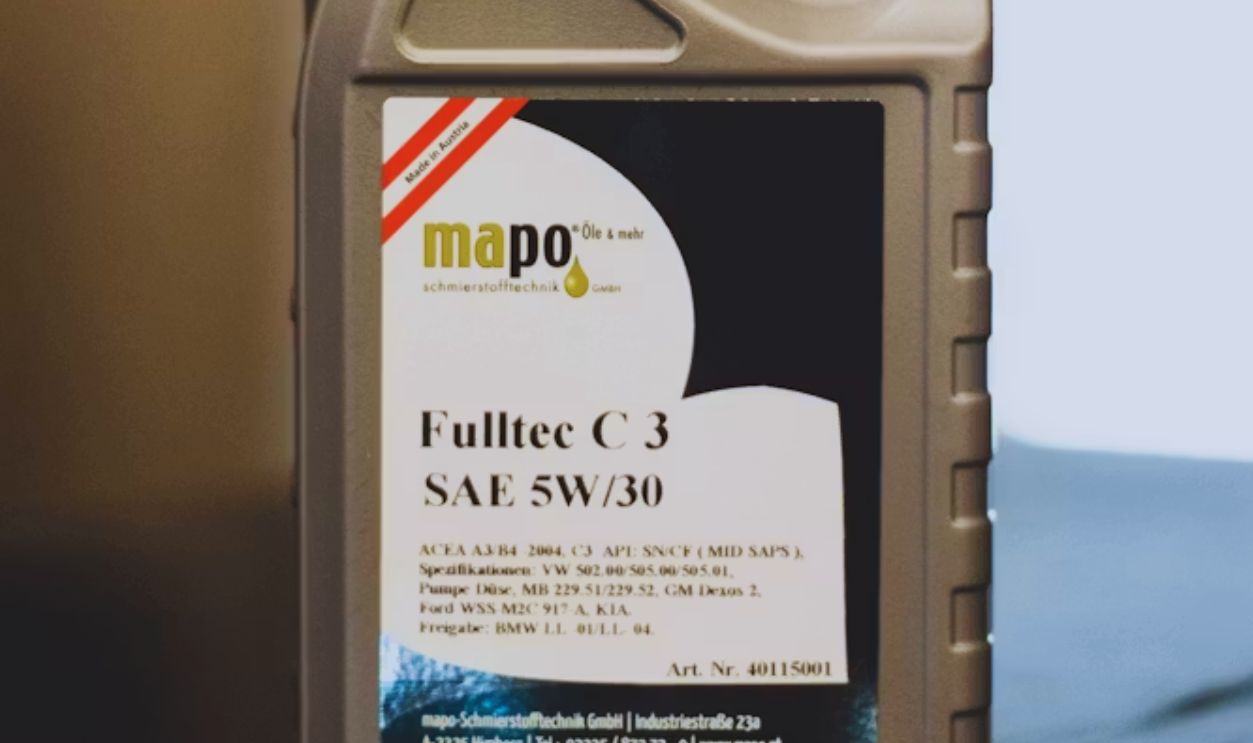
The smartest way to buy oil is to ignore the flashy claims and check for the right viscosity and approvals. API’s service symbol and automaker approvals like dexos matter far more than broad advertising promises. If the bottle does not meet your vehicle’s listed requirements, the word synthetic by itself does not make it the right oil.

Viscosity Still Matters
Using the wrong viscosity can cancel out the benefits of a high-quality oil. If your manual calls for 0W-20, 5W-30, or another grade, that recommendation reflects engineering choices about startup flow, fuel economy, and protection. Synthetic oil helps, but using the right grade is just as important.
Severe Driving Can Make Synthetic Worth It Sooner
Some drivers pile on easy highway miles, but many do not. Repeated short trips, towing, dusty roads, stop-and-go traffic, extreme temperatures, and performance driving all count as severe service in many maintenance schedules. Under those conditions, synthetic oil’s resistance to breakdown can be more than a nice extra.

High-Mileage Engines Are Their Own Case
Drivers with older, worn engines often ask whether switching to synthetic will cause leaks. That fear is often overstated, but the real answer depends on the engine’s condition, existing seals, and oil consumption. A high-mileage synthetic that meets the correct spec can be the right choice, but this is one case where a careful inspection and the owner’s manual both matter.

You Do Not Need The Most Expensive Oil On The Shelf
There is a sensible middle ground here. You do not need boutique racing oil with dramatic branding if your daily driver just needs an API-certified oil in the right viscosity. In many cases, a mainstream full synthetic from a reputable brand is enough to meet the car’s needs without wasting money.
The Owner’s Manual Beats Shop Talk
If there is one thing that settles this debate, it is this: the owner’s manual is the final word. It reflects the engine’s design, testing, and required oil performance standards. A mechanic’s experience matters, but broad advice should not override the manufacturer’s specification.

So Is Synthetic A Waste For Most Drivers
For most drivers in newer vehicles, no. Not if the vehicle is designed for it or benefits from longer intervals and tougher protection. For some owners of older, lightly used cars that allow conventional oil, skipping the extra cost can still be reasonable. So the honest answer is not a simple yes or no, but the broad claim that synthetic oil is a waste of money is clearly aging out.
The Best Rule To Follow
Use an oil that matches your vehicle’s required viscosity and approvals, then change it on the schedule that fits your driving conditions. If that means full synthetic, it is not wasted money. It is simply part of maintaining a modern engine the right way.