The Claim Sounds Wild, but There’s a Reason People Believe It
Cars usually lose value fast. Useful raw materials usually do not. In a narrow set of cases, an EV battery pack, or the materials inside it, can make up a huge share of a used EV’s value. But the short version is this: While this can genuinely happen, that is a rare scenario. In truth it depends on the battery’s age, chemistry, condition, and the market at the time.
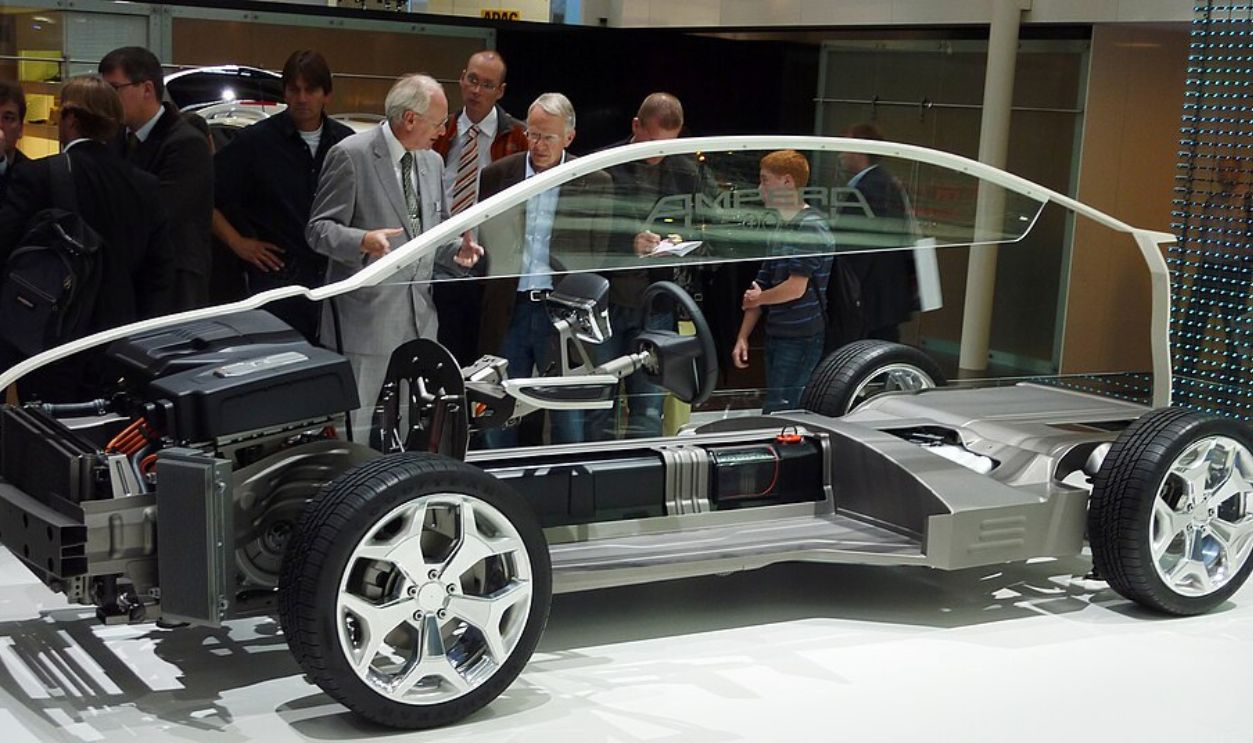
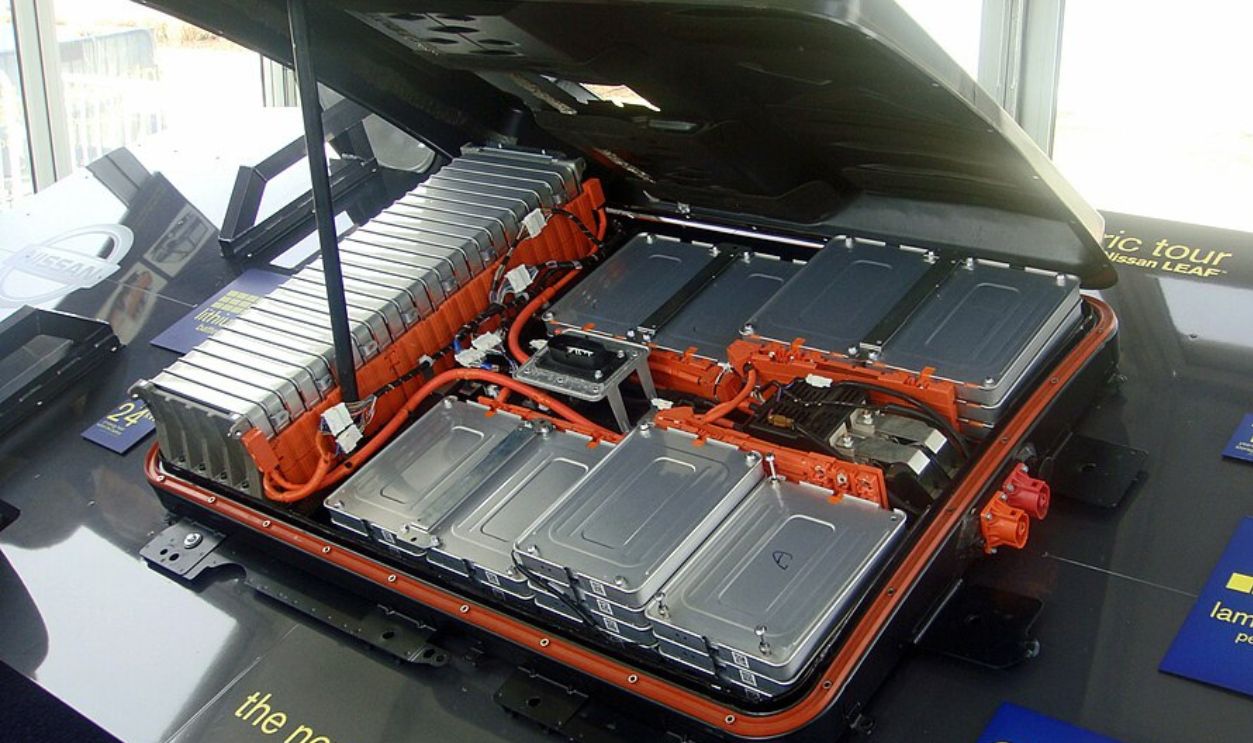
Battery Packs Are the Most Expensive Part of an EV
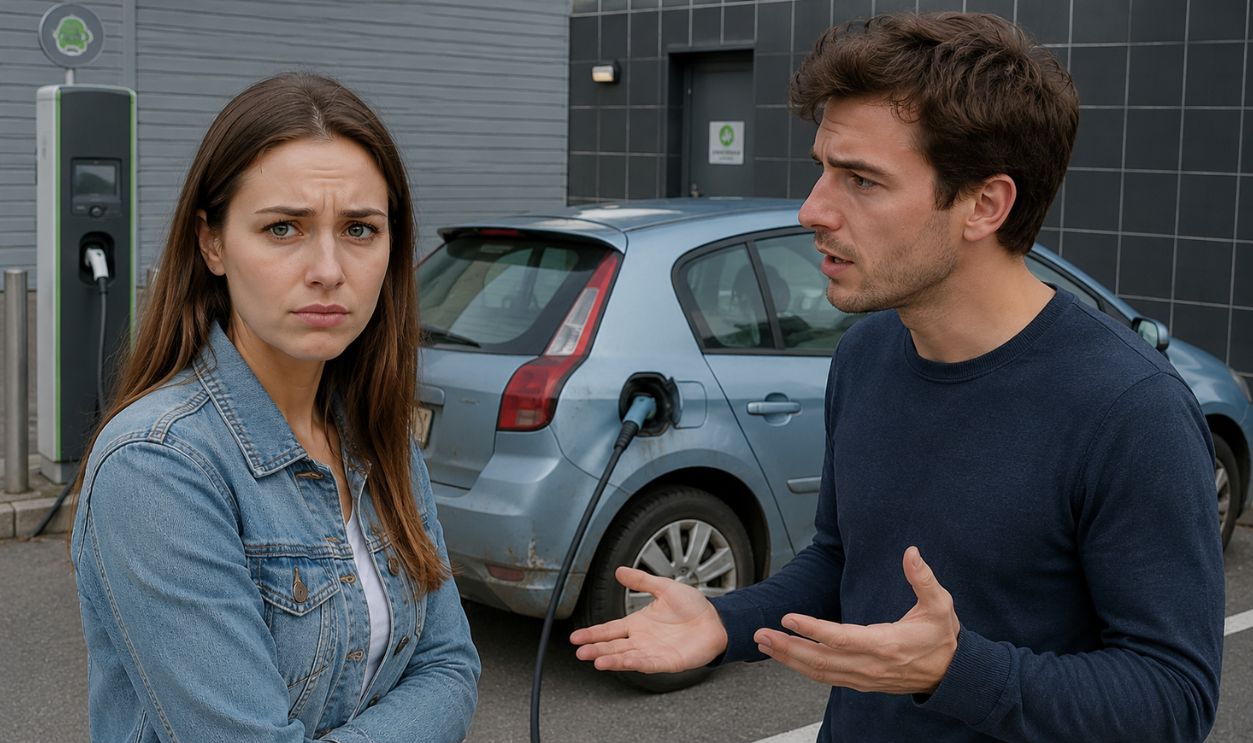
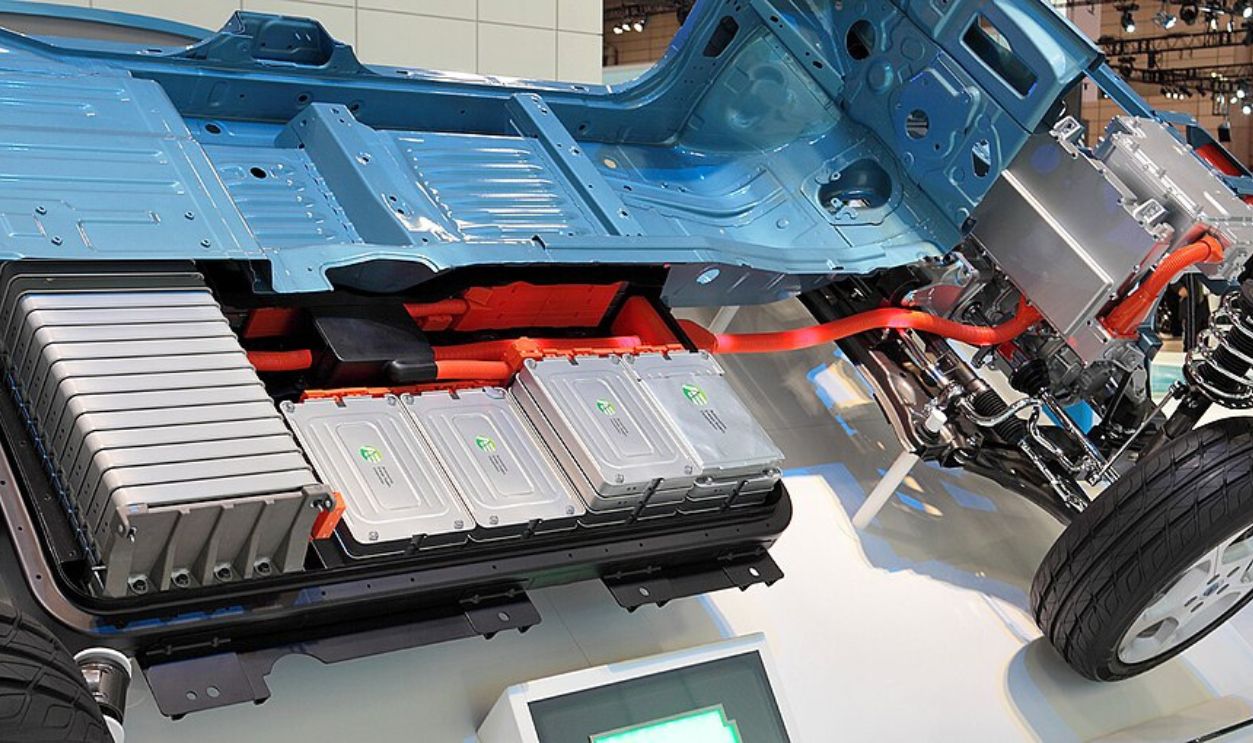
The battery pack is usually the costliest single part in an electric car. The International Energy Agency said battery pack prices averaged about $300 per kilowatt-hour in 2014 and fell to around $139 per kilowatt-hour in 2023. That long slide matters, because the cheaper new batteries get, the harder it is for old ones to end up worth more than the vehicles around them.
 RudolfSimon, CC BY 3.0, Wikimedia Commons
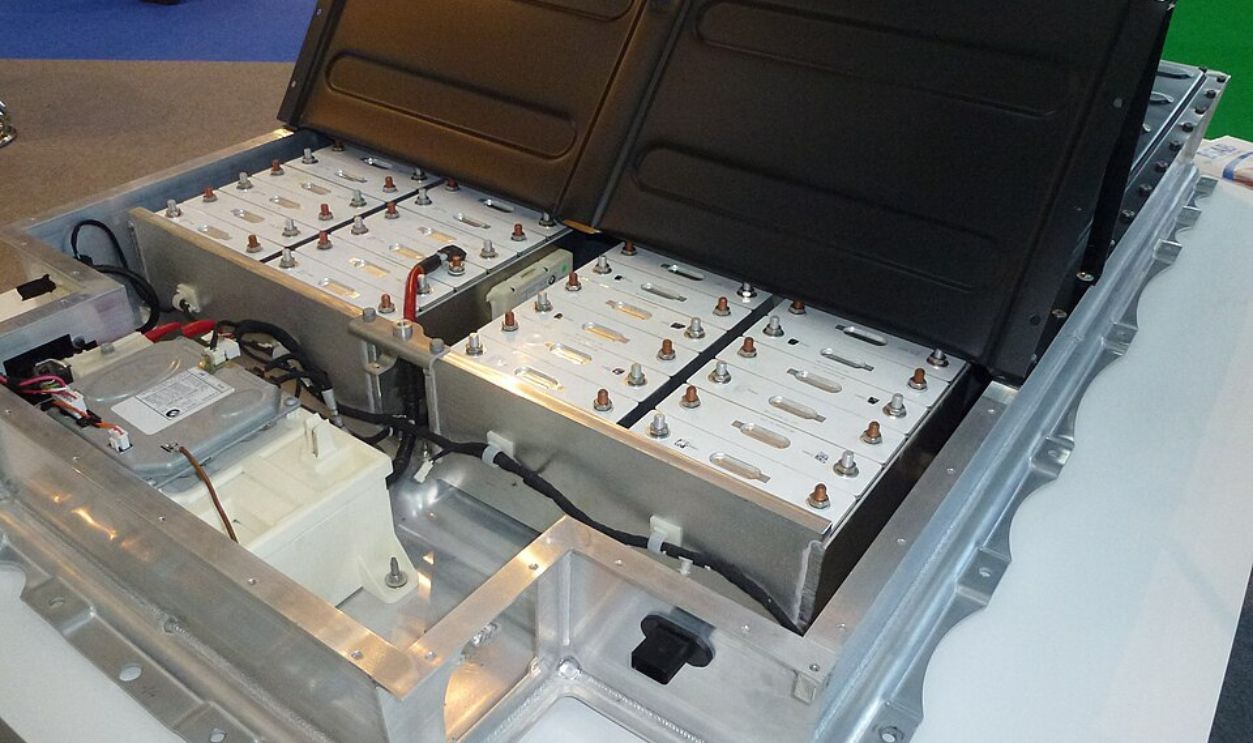
Battery Prices Fell for Years
BloombergNEF has tracked battery prices for a long time, and in December 2023 it said average lithium-ion battery pack prices dropped 14% from 2022 to a record low of $139 per kilowatt-hour. That fall came after higher raw material costs briefly interrupted the trend in 2022. If replacement packs keep getting cheaper, old batteries have a weaker case for outvaluing the cars they came from.
 RudolfSimon, CC BY-SA 3.0, Wikimedia Commons
But Replacing a Battery Can Still Be Very Expensive
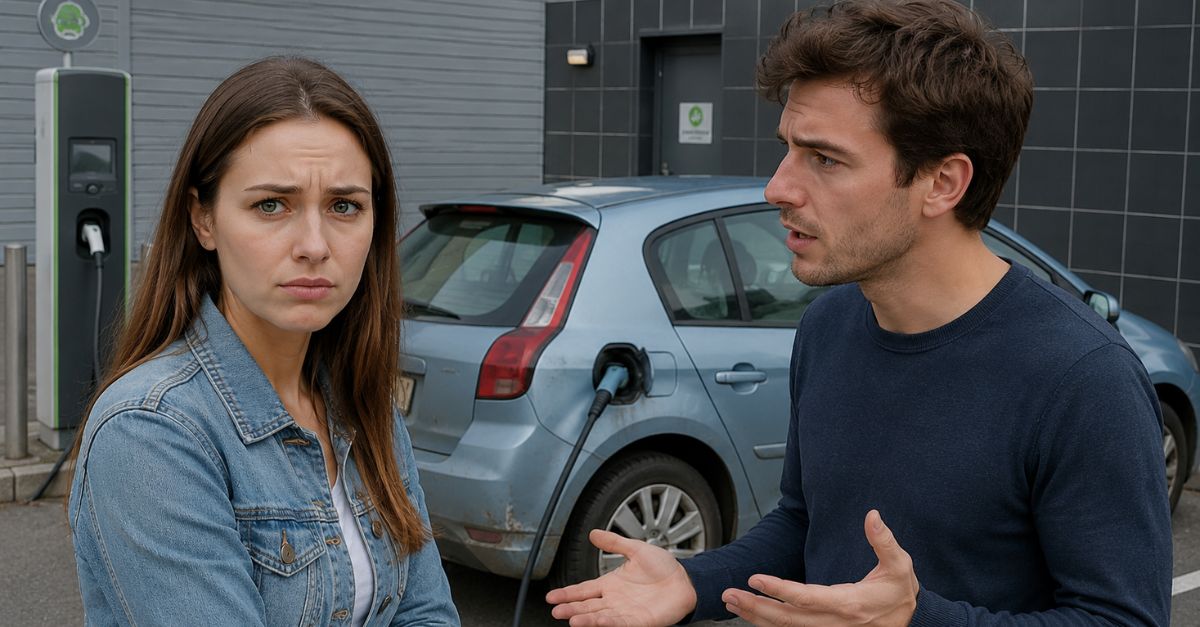
Even with lower battery costs, replacing a full EV pack can still be a huge bill in the real world. Labor, cooling hardware, casing, software setup, and automaker parts pricing all push the final number well above the cost of the cells alone. That is one reason battery damage can turn an older EV into a total loss after a crash.

Totaled Cars Help Explain the Myth
If a used EV is worth $12,000 and repairs involving the battery, structure, and electronics get close to that, an insurer may total the car. That does not mean the battery itself is worth more than the car in a normal sale. It means repair math can make the whole vehicle seem disposable while the pack still has real value.

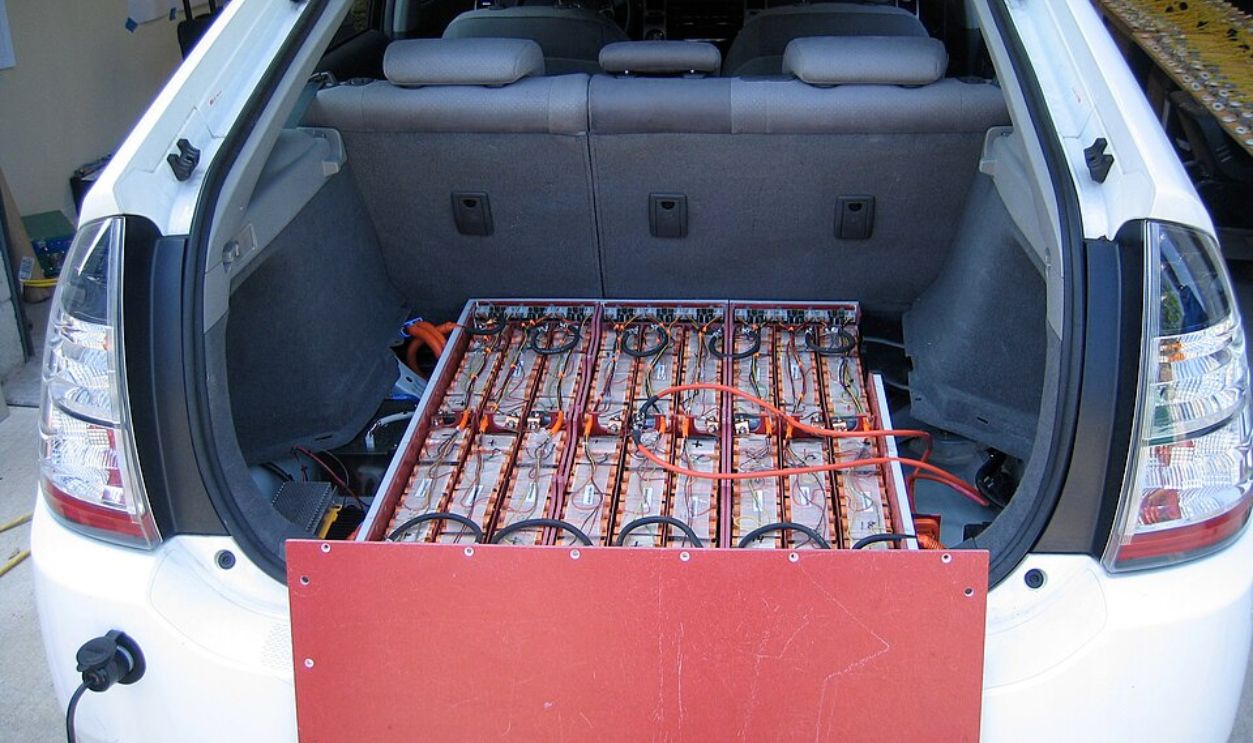
Recycling Value Is Real, but Usually Not Amazing
EV batteries contain valuable materials, including lithium, nickel, cobalt, copper, graphite, aluminum, and steel. Depending on the chemistry, nickel and cobalt can matter a lot to the value of recovered materials, while lithium iron phosphate packs usually contain less of those high-value metals. So yes, the scrap value is real. But that is not the same as saying every old battery turns into a jackpot.
 The original uploader was LossIsNotMore at English Wikipedia., Wikimedia Commons
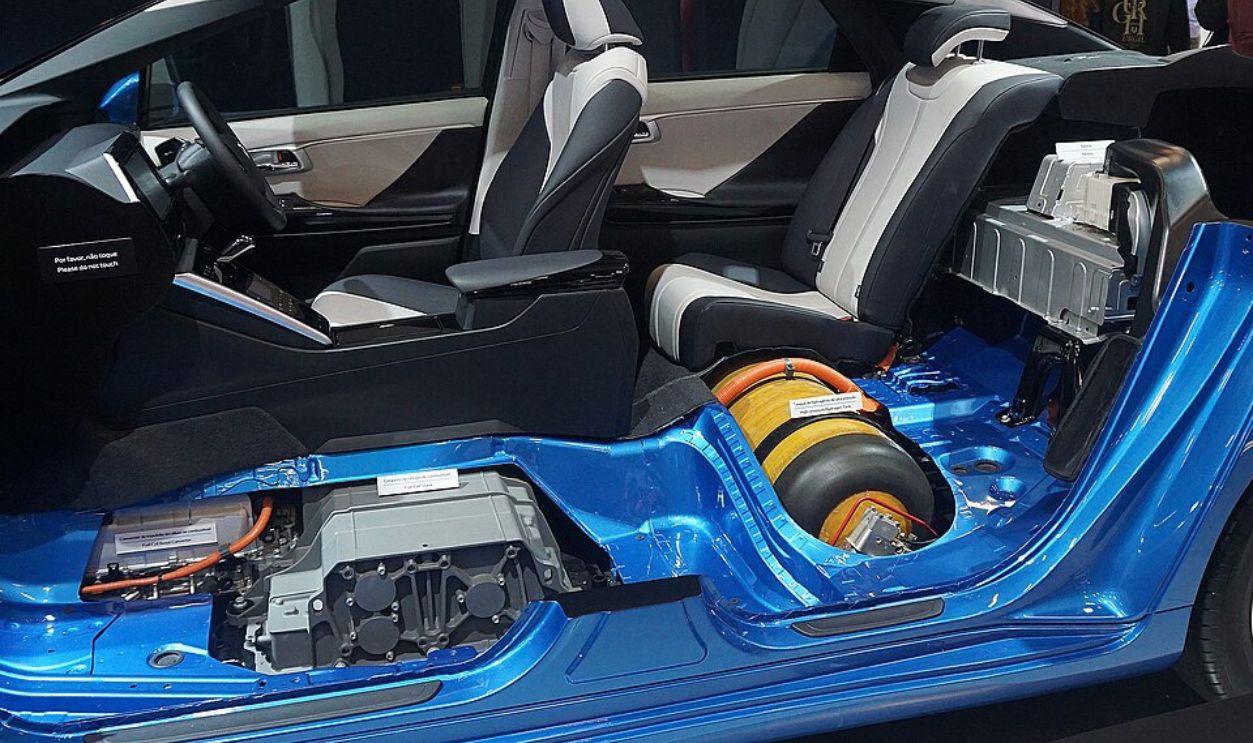
Battery Chemistry Changes the Answer Fast
Not all EV batteries use the same recipe. Nickel-rich chemistries like NMC and NCA usually contain more expensive metals than LFP packs, which use iron and phosphate. That means two batteries of similar size can have very different recycling values before you even get to age or condition.
 Mariordo (Mario Roberto Duran Ortiz), CC BY-SA 4.0, Wikimedia Commons
Recyclers See Old Batteries as Valuable Feedstock
Redwood Materials says it can recover more than 95% of critical minerals like nickel, cobalt, copper, and lithium from end-of-life batteries. The company, founded in 2017 by former Tesla CTO JB Straubel, helped push the idea that old battery packs are not just trash. They can be a useful source of material, especially when supply chains are tight.
 RudolfSimon, CC BY-SA 3.0, Wikimedia Commons
That Matters Because Battery Materials Are Strategic
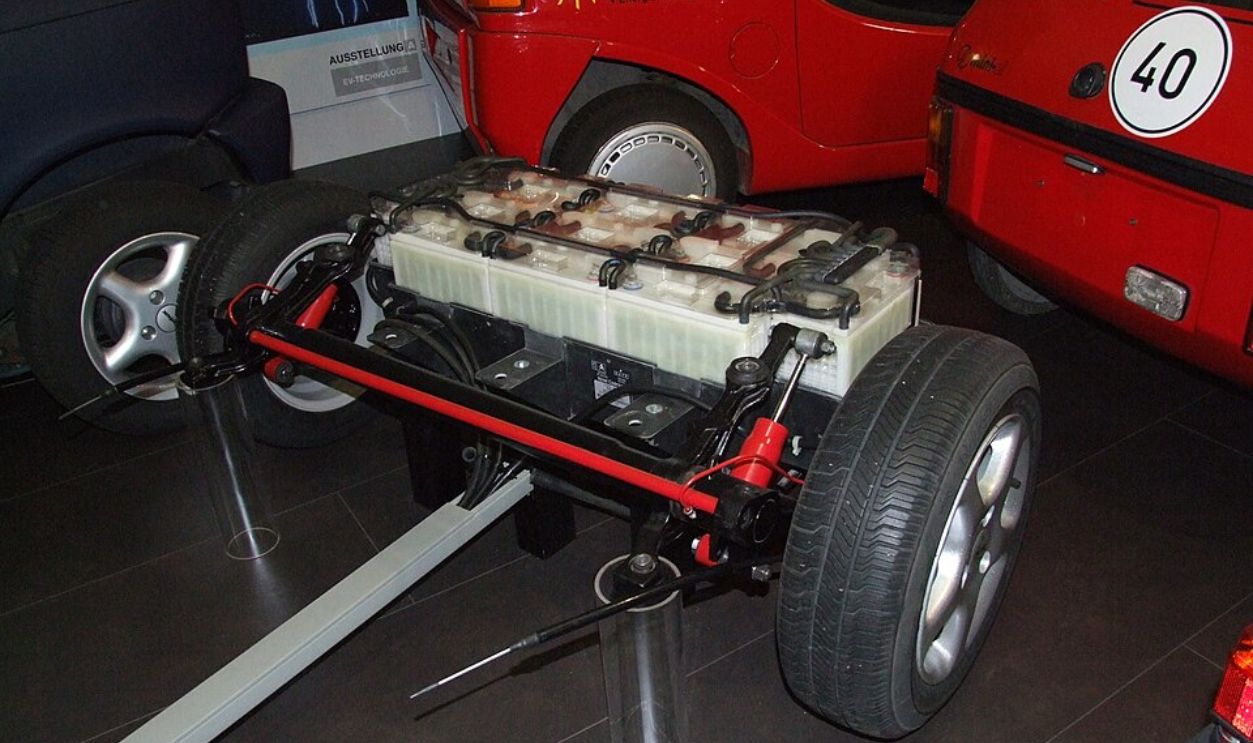
The United States and Europe have both pushed to secure more domestic battery materials. That makes old battery packs important in a bigger way than simple scrap value. A used battery that can feed a recycler or a second-life storage project may be worth more than people expect when they picture a worn-out car headed for the junkyard.
 Claus Ableiter, CC BY-SA 4.0, Wikimedia Commons
Second-Life Use Is a Big Part of the Story
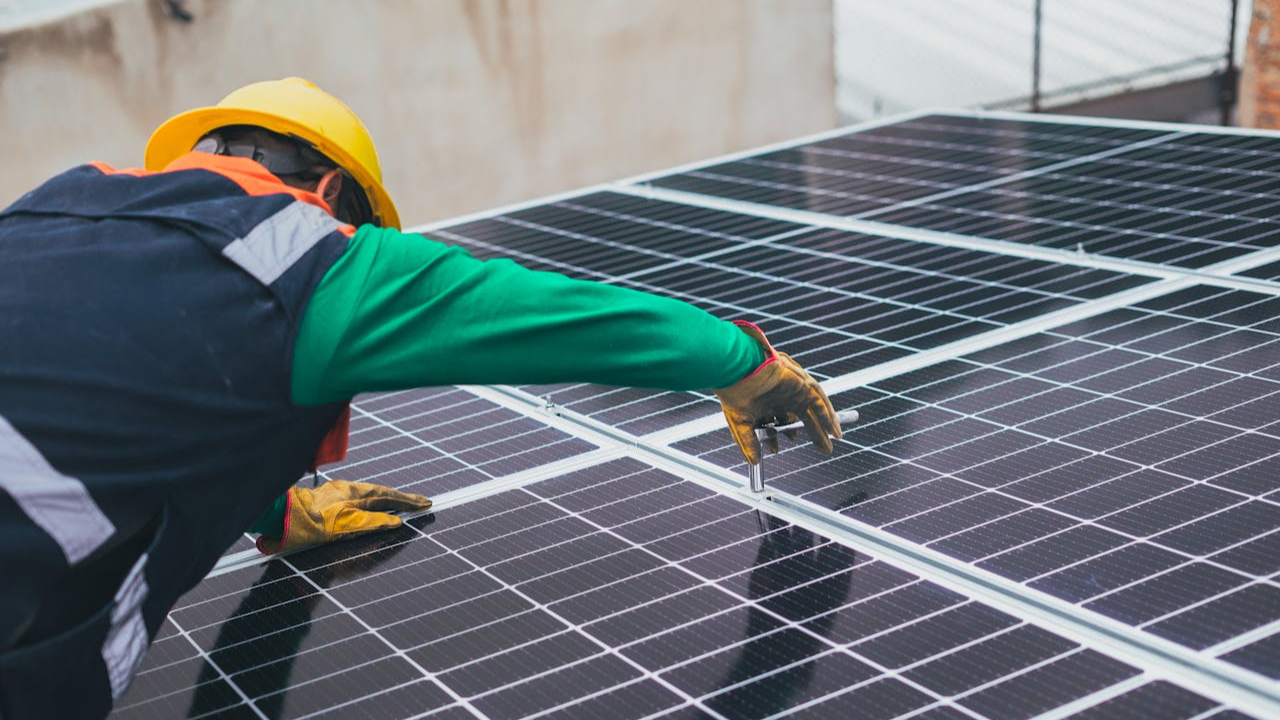
A battery does not have to be good enough for driving forever to still be useful. The U.S. Department of Energy notes that EV batteries can often be reused for stationary energy storage after they no longer meet vehicle performance needs. That second-life market can support values above plain scrap value, especially for packs that still have decent capacity left.
Nissan Helped Make Second-Life Batteries a Real Thing
Nissan was one of the early major names to spotlight second-life uses for used LEAF batteries in the 2010s. Automakers and utilities saw that a battery with reduced driving range could still store renewable energy or help balance demand on the grid. That did not make every old pack hugely valuable, but it did create a real market beyond recycling.
 Tennen-Gas, CC BY-SA 3.0, Wikimedia Commons
Condition Changes Everything
A healthy used battery pack is worth far more than one with water damage, crash damage, severe wear, or internal faults. Buyers care about state of health, usable capacity, thermal history, and whether diagnostic data is available. The gap between a valuable pack and a worthless one can be one inspection.

A Working Car Is Usually Worth More Than Its Battery
In most ordinary situations, a complete running EV is worth more than its battery alone because the buyer gets a car, not just parts. Once a battery is pulled from the vehicle, it loses context, warranty backing, and often easy compatibility. That is why the broad claim that EV batteries will eventually be worth more than the cars they are in does not hold up as a general rule.

Where the Claim Starts to Make Sense
The idea becomes more believable with very old, very cheap, or damaged EVs. If the car has cosmetic issues, a salvage title, or expensive non-battery problems, the battery can make up most of what is left of the vehicle’s value. In salvage markets, that can make the pack the main attraction.

Headline-Grabbing Repair Bills Added to the Hype
Tesla and other EV brands have drawn attention when battery-related repairs ended up costing an enormous amount compared with a car’s used value. Those stories stick because they turn normal car economics upside down. They also help explain why people walk away thinking the battery must be worth more than the whole vehicle.
Replacement Cost Is Not the Same as Resale Value
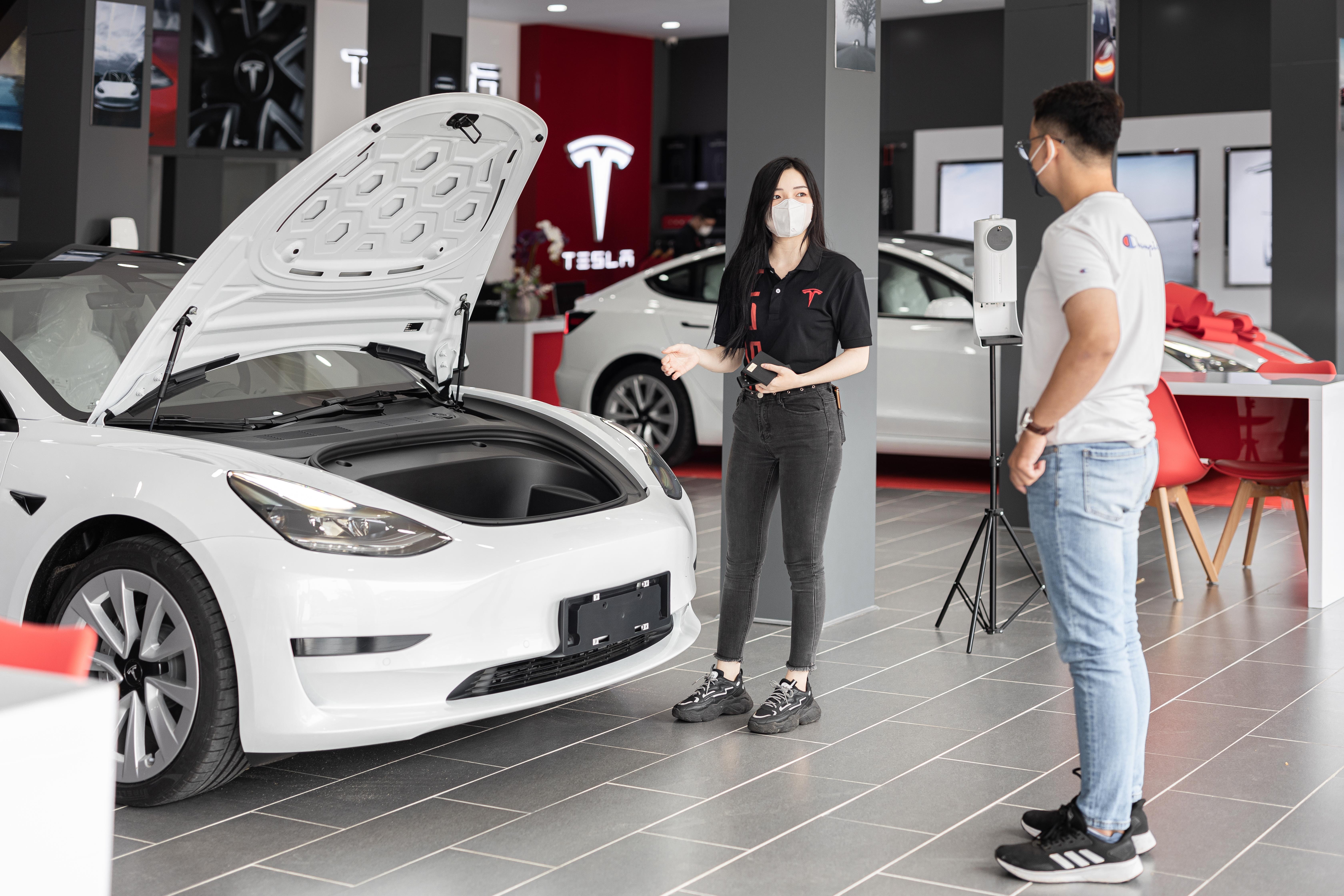
This is the key point many people miss. An automaker’s replacement battery price can be very high, but that does not mean a used pack can be sold for anything close to that amount. Retail replacement pricing includes overhead, shipping, integration, and often a big markup.

Raw Material Prices Can Swing Hard
Battery values also move with commodity markets. Lithium prices surged and then cooled sharply in the early 2020s, and nickel and cobalt have been volatile too. A battery that looks unusually valuable one year can look much less special the next.
 Mariordo Mario Roberto Duran Ortiz, CC BY-SA 3.0, Wikimedia Commons
Recycling Economics Are More Complicated Than They Look
Even if a recycler can recover a high share of battery materials, the process still costs money. Collection, discharge, transport, disassembly, shredding, refining, and regulatory compliance all cut into the value. So recovered metals can look impressive on paper without making every old battery pack a windfall.

LFP Batteries Make the Story Less Dramatic
LFP chemistry has become more common because it is cheaper and durable. That helps make new EVs more affordable, but it can lower end-of-life material value because those packs contain little or no nickel and cobalt. As more LFP-powered vehicles age into the used market, the claim that the battery will be worth more than the car may get weaker overall.

Battery Life Matters Too
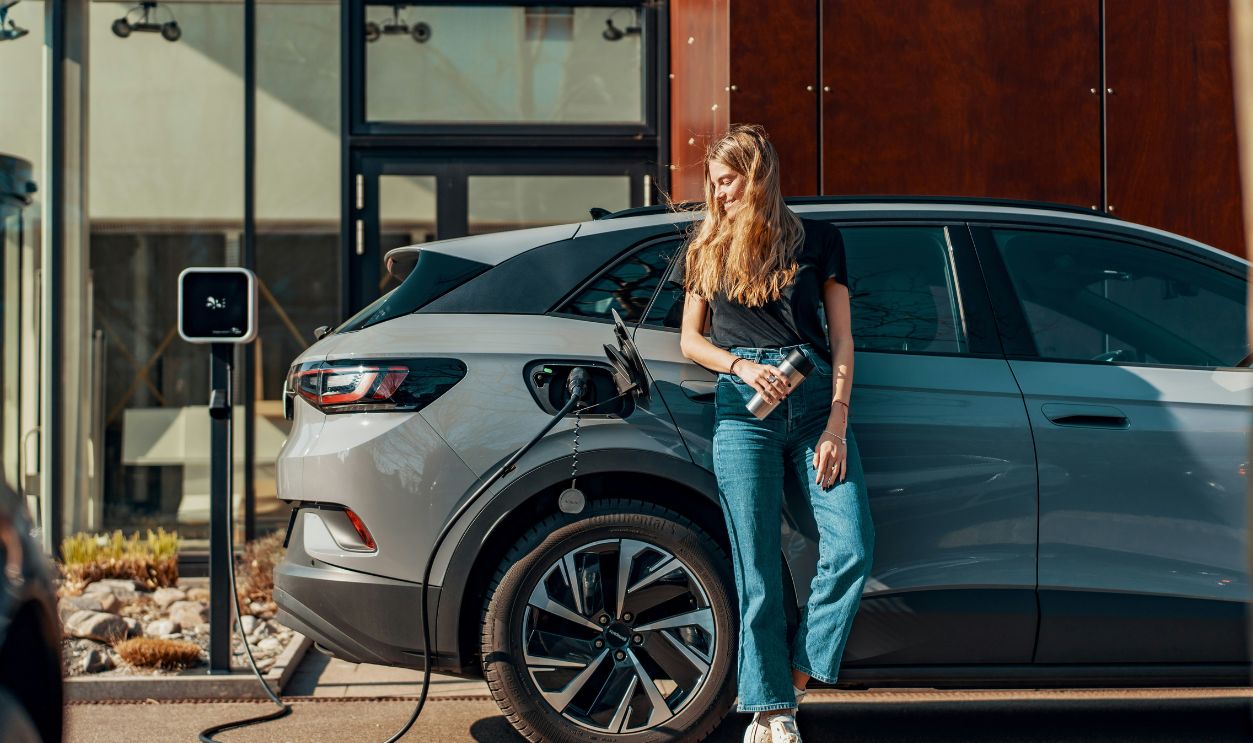
Modern EV packs often last much longer than early skeptics expected. The U.S. Department of Energy says today’s EV batteries are designed for long life, and federal rules require at least 8 years or 100,000 miles of warranty coverage, with longer coverage in some states. If batteries stay useful for a long time, they tend to support the vehicle’s value instead of becoming a separate value story.
Buyers Now Look Closely at State of Health
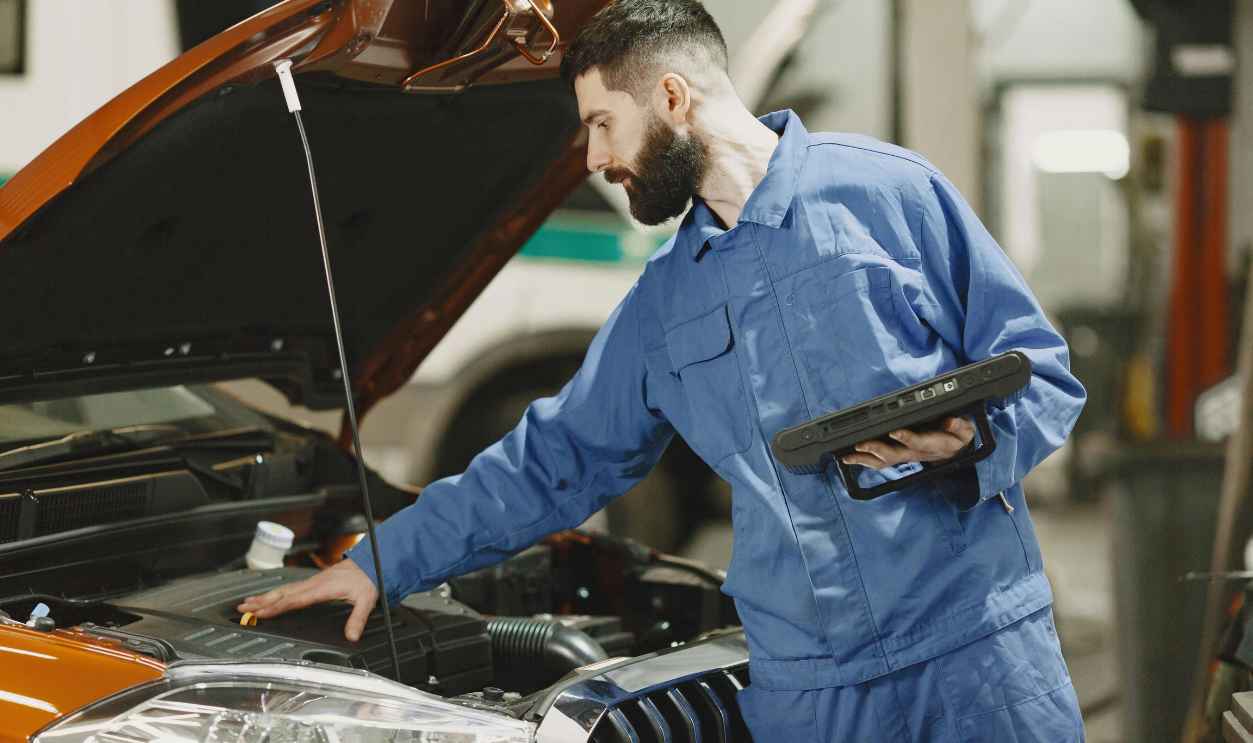
Used battery pricing depends more and more on measurable health instead of guesswork. Diagnostic tools can estimate remaining capacity, charging history, and fault records. That makes it easier for the market to price packs more rationally and makes wild overvaluation less likely.
Salvage Auctions Show When the Battery Really Matters Most
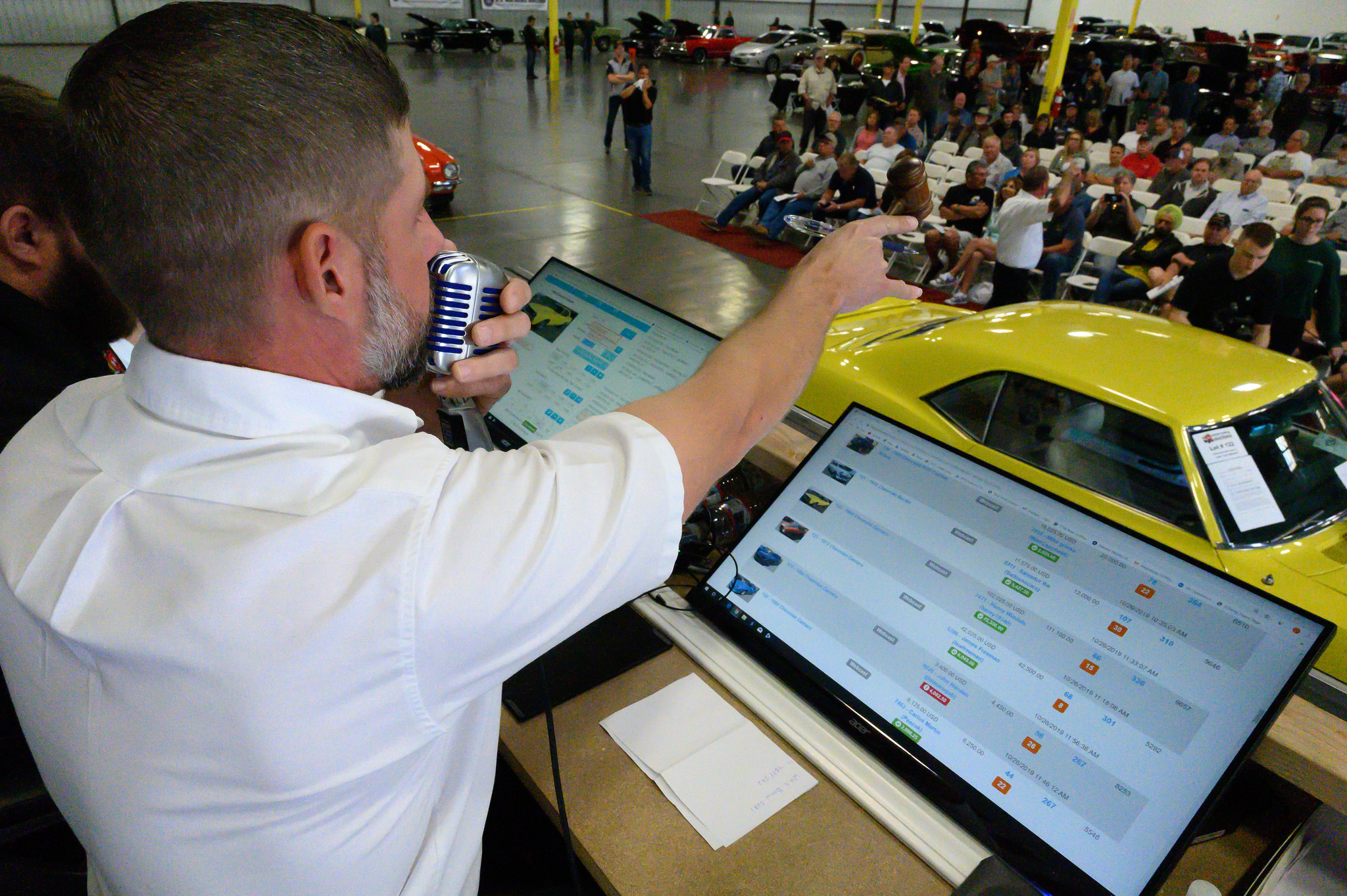
If you want to see cases where battery value dominates, salvage auctions are one of the best places to look. Flooded, wrecked, or mechanically troubled EVs can still attract buyers because the pack, motors, modules, or electronics may be reusable. In those cases, the battery system can account for most of what the vehicle is worth.
 Office of Public Affairs, Flickr
Old, Cheap EVs Are the Best Candidates
Picture an aging EV with dated styling, modest range, and a book value that has fallen hard. If its battery is still healthy and there is demand for replacement modules or stationary storage, the pack can be the most valuable part of the vehicle by far. That is the strongest version of your friend’s argument.

Luxury EVs Usually Do Not Fit This Claim
Higher-end EVs usually hold value through performance, brand, software features, charging speed, and overall desirability. The battery matters, but the full vehicle package matters more. Unless the car is damaged or has dropped heavily in value, the battery alone usually does not overtake the whole car.
The Industry Is Getting Better at Repairing Packs
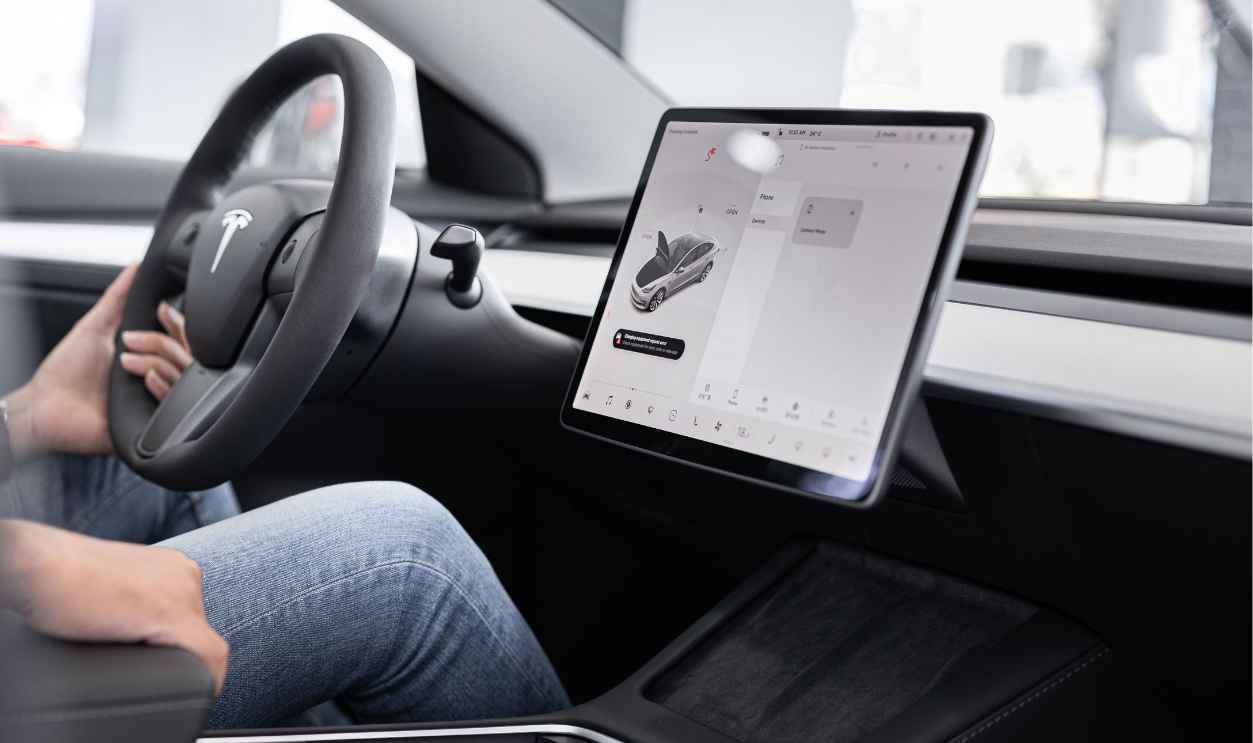
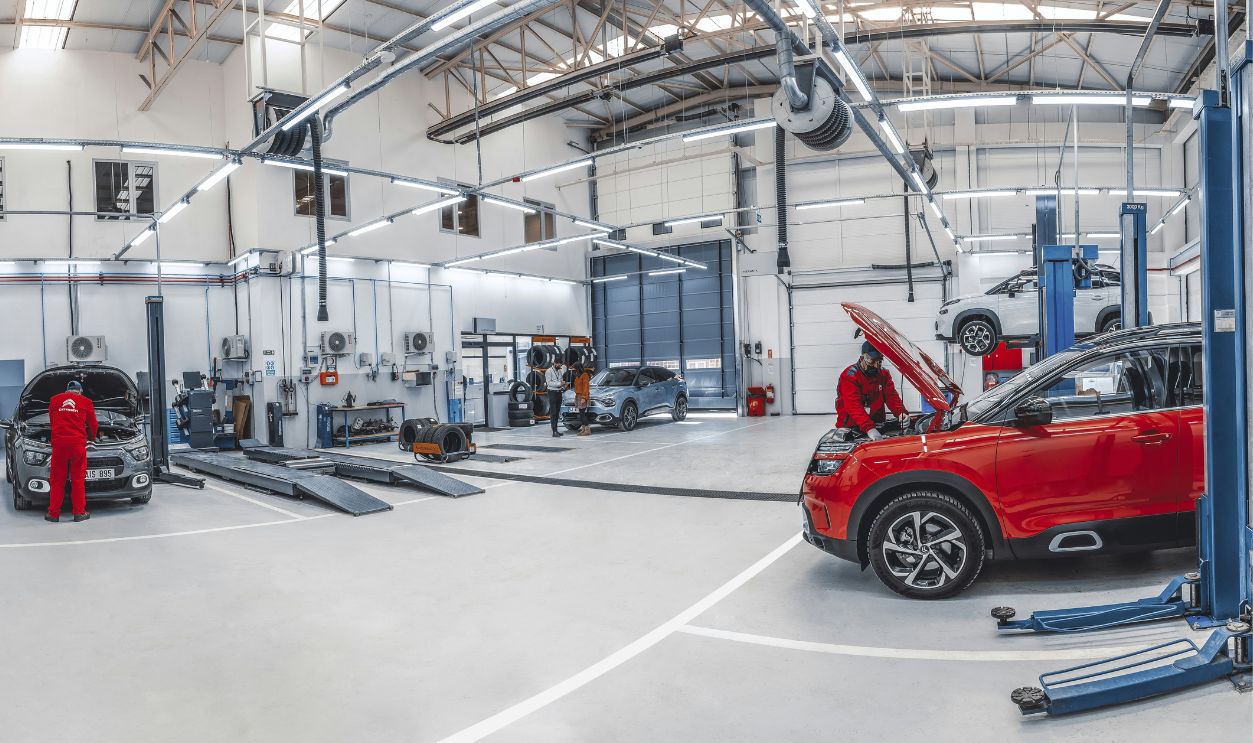
Battery repair and remanufacturing are improving as the EV fleet grows. More specialized shops can now replace modules or diagnose faults that once pushed owners toward full pack replacement. Better repair options lower the odds that a battery becomes a strangely dominant chunk of a vehicle’s value.
So, Is the Claim Plausible?
Yes, in specific situations. A healthy pack inside a very cheap, damaged, or heavily depreciated EV can be worth as much as or more than the rest of the car, especially if second-life use or salvage demand is strong. But as a blanket prediction for all EVs, it is too simple and mostly wrong.

The Practical Takeaway for Buyers
If you are shopping for a used EV, do not get hung up on the slogan. Ask about battery health reports, warranty status, chemistry, repair history, and whether the car has a salvage title. Those details tell you much more than any dramatic claim about batteries becoming more valuable than the cars they power.