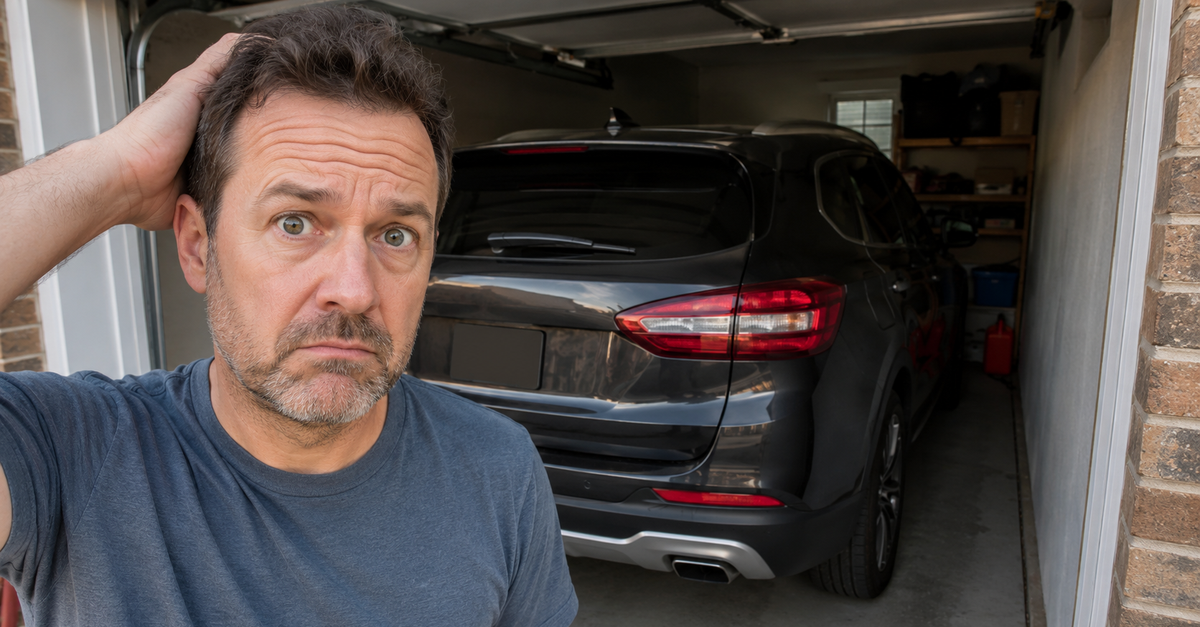
That Trade-In Number Might Actually Be Real
If a dealer just offered you more for your trade-in than you paid three years ago, it's not a dream. During the strange used-car market of 2021 and 2022, plenty of owners saw their vehicles go up in value instead of down. The really surprising part is not just that it happened. It's why it happened—and what it means if you are thinking about your next move.

The Strange Market That Made It Happen
The used-car market went through a huge price spike after the pandemic threw new-car production off balance. A shortage of semiconductors slowed factory output, which cut new-car inventory and pushed more shoppers into the used market. More buyers were chasing fewer vehicles, so trade-in values jumped fast.
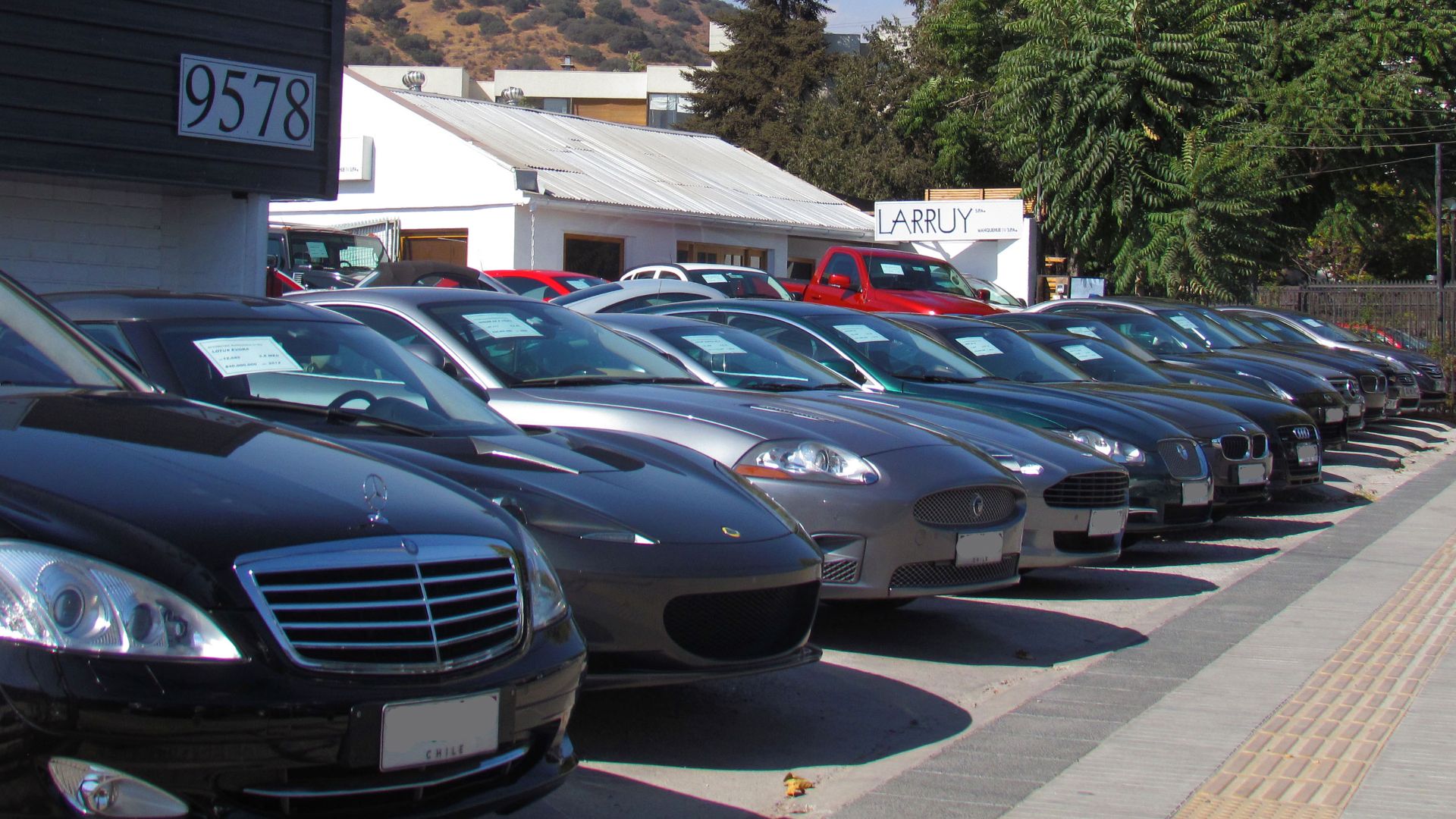 order_242 from Chile, Wikimedia Commons
Who Measured The Spike
Cox Automotive and its Manheim Used Vehicle Value Index tracked just how wild the market got. The index hit record highs in 2021 and stayed elevated into 2022 compared with pre-pandemic norms. That helps explain how a three-year-old vehicle could suddenly look like a prized asset instead of something steadily losing value.

New-Car Shortages Changed The Whole Picture
The problem was not only rising used-car demand. New vehicles were hard to find because automakers were building fewer of them, largely because of chip shortages that became a major story in 2021. The U.S. Department of Commerce reported in early 2022 that median semiconductor inventories had dropped sharply from 40 days in 2019 to fewer than five days in 2021 for some users.

Timing May Have Worked In Your Favor
If you bought your car about three years ago, there is a good chance you bought before prices really took off or before interest rates climbed. That means your original purchase price may have been fairly normal, while your current trade-in value was inflated by low supply. In simple terms, your timing may have been excellent.

Yes, Dealers Really Did Pay More Than The Original Purchase Price
This was not just a one-off story from an overly eager salesperson. Kelley Blue Book and Edmunds both reported stretches when consumers had strong equity in vehicles they had owned for a short time, especially popular SUVs, trucks, and hybrids. Some shoppers even found they could sell to a dealer or online retailer for more than their loan payoff and, in rare cases, more than their original out-the-door price.

So What Is The Catch
The catch is simple. If your trade-in is worth a lot, the replacement vehicle you want may also be expensive. In many cases, the dealer is offering strong money for your car because it also costs much more now to fill the lot, or because the new vehicle they are selling you comes with a higher price or higher financing costs.

High Trade Value Does Not Mean A Cheap Upgrade
This is where many buyers get tripped up. Getting a few extra thousand dollars on your trade feels like a win, but if the next car costs five thousand to ten thousand dollars more than it would have before the shortage years, you may not actually come out ahead. Your monthly payment can still go up even if the trade offer looks fantastic.

Interest Rates Changed The Math
Even after used-car prices cooled from their peak, borrowing costs stayed much higher than they were a few years earlier. The Federal Reserve raised rates aggressively starting in 2022 to fight inflation, and auto loan rates rose with them. That means a strong trade-in offer can get eaten up by a more expensive loan on the replacement car.
The Monthly Payment Can Hide The Real Cost
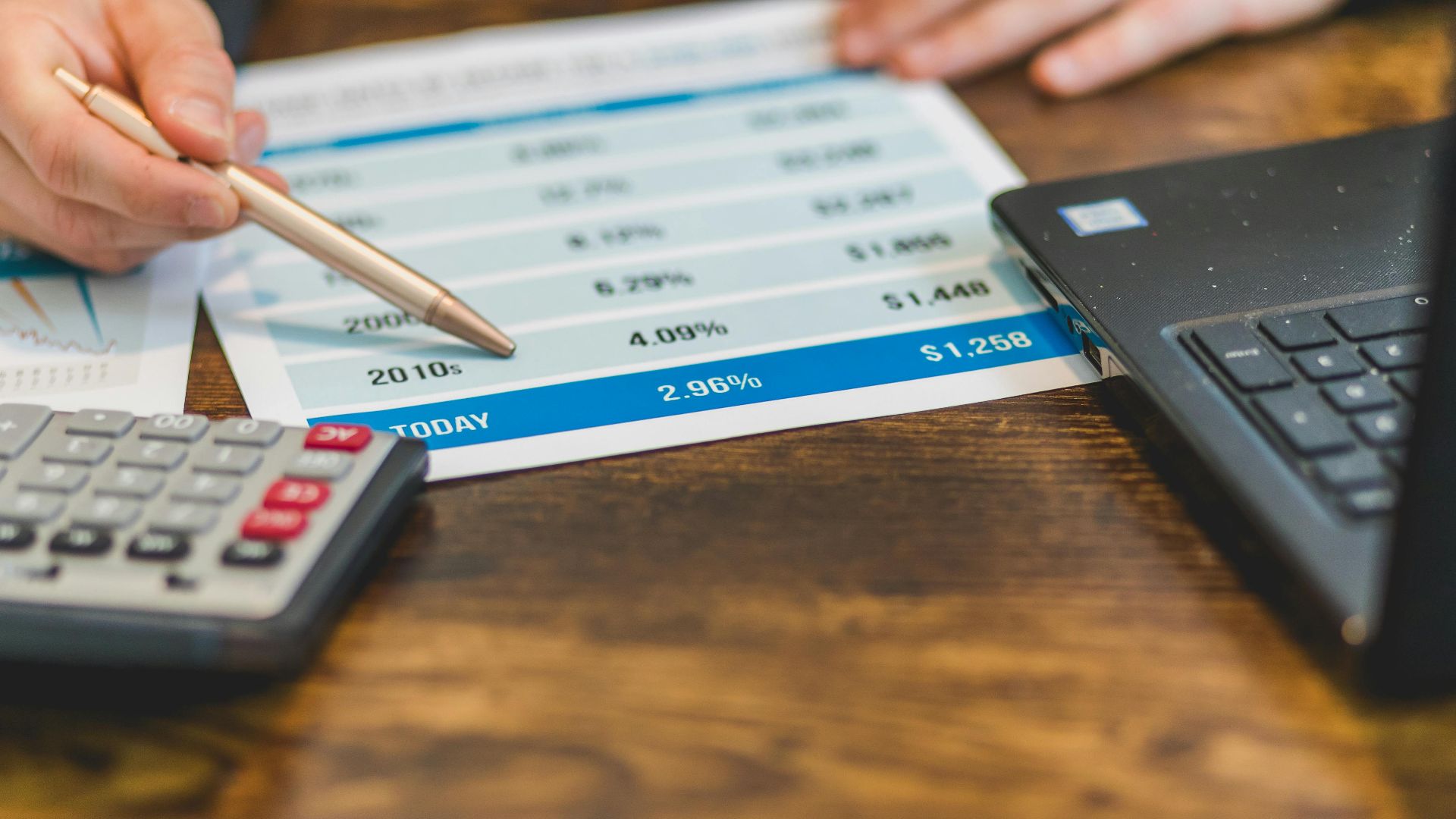
Dealers know many shoppers focus more on the monthly payment than the total cost of the deal. A generous trade-in number can make everything feel easier, especially if the loan term gets stretched out to keep the payment manageable. The real question is not whether your old car is worth a lot. It is how much you are paying overall to switch cars.

Watch For Higher New-Car Pricing
At the peak of the inventory crunch, some new vehicles sold above MSRP. Markups have eased in many segments, but they did not disappear everywhere at the same time. If the dealer is overpaying on your trade while charging a premium on the next vehicle, that trade bump may be more sales tactic than miracle.

Add-Ons Are Another Way Dealers Make It Back
The catch can also show up in extras. Paint protection, window etching, nitrogen-filled tires, service contracts, GAP coverage, and other finance office products can add thousands to the deal. A strong trade offer is great, but you still need to read the buyer's order line by line.

Your Trade Offer Might Come With Conditions
Not every eye-popping trade number is a blank check. Some offers depend on buying a specific vehicle from that dealer, financing through the store, or finishing the transaction before the quote expires. Always ask whether the offer is firm, how long it is good for, and whether it changes if you do not buy their car.

Condition Still Matters More Than Owners Want To Admit
A dealer may advertise top-dollar trade values, but the final number still depends on mileage, maintenance history, tires, body condition, accident history, and local demand. A clean, desirable vehicle gets the headline number. A rough version of the same model usually does not.

Some Vehicles Were Especially Hot
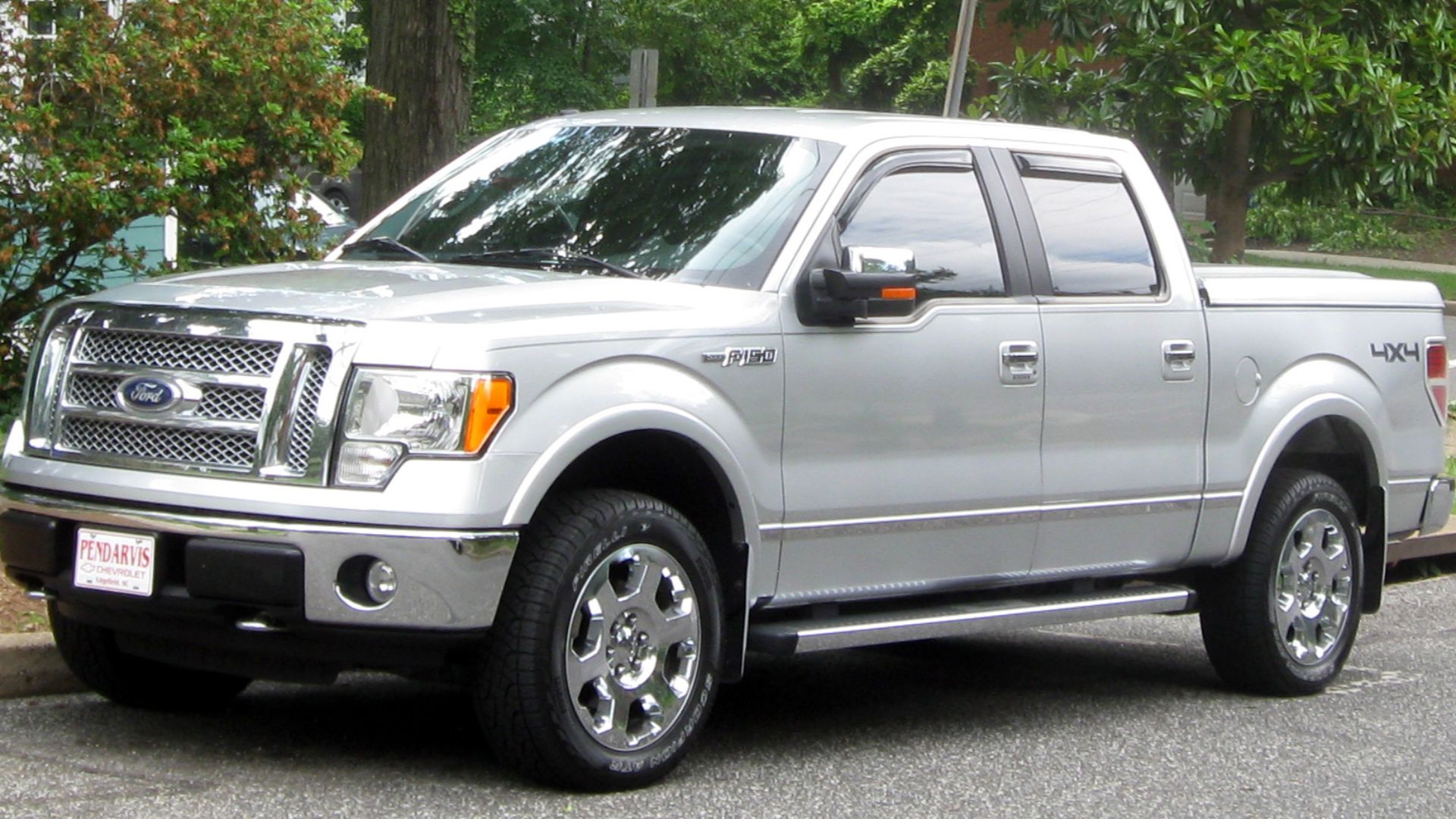
Trucks, body-on-frame SUVs, fuel-efficient hybrids, and certain Japanese models often held value especially well. Tight supply and strong reputations made these vehicles highly desirable during the shortage. If you own one of them, your trade-in surprise may not be much of a surprise at all.
Electric Vehicles Followed A Different Path
Not every segment stayed hot. EV values were more volatile as new EV prices shifted, Tesla cut prices multiple times in 2023, and the used EV market softened. If your dealer is making a huge offer on an EV today, compare it carefully with instant-buy offers from other retailers and current market guides.
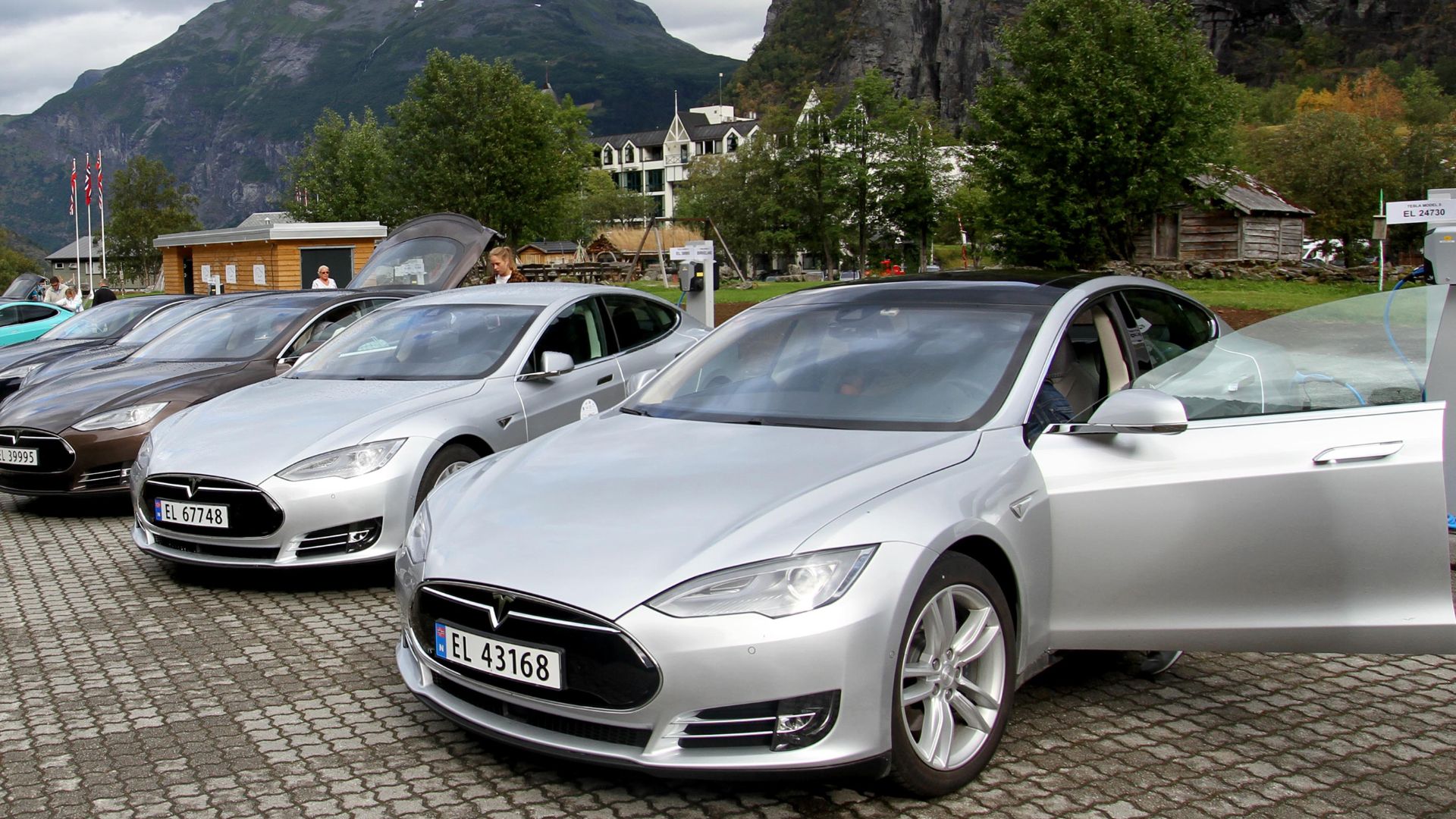 Norsk Elbilforening (Norwegian Electric Vehicle Association), Wikimedia Commons
Why Dealers Like Trades So Much
Trades matter to dealers because they are both inventory and profit opportunity. A used vehicle bought from a customer can be cheaper and easier to source than one bought at auction, especially when wholesale prices are high. That helps explain why a dealer may stretch on your trade if they know they can sell it quickly.
Wholesale Prices Have Cooled, But Not Evenly
Manheim data showed used wholesale prices cooling after the peak, but values have not dropped the same way across every category. Some vehicles have stayed stubbornly high because demand is still solid and replacement inventory is still not abundant. So yes, a dealer can still make a real offer that sounds crazy compared with what you paid a few years ago.

Your Equity Might Be Real, But It May Not Last
If you have positive equity, treat it like an opportunity, not a permanent rule. Vehicle values can fall fast when supply improves or buyer demand weakens. What looks like a jackpot today can shrink quickly if you wait too long or keep piling on miles.
Get Competing Offers Before You Sign Anything
This is the best way to spot the catch. Ask for quotes from at least three places, such as the dealership, CarMax, and another instant-offer source or local dealer. If one offer is far higher than the others, that can be a sign the store plans to make up the difference somewhere else in the deal.
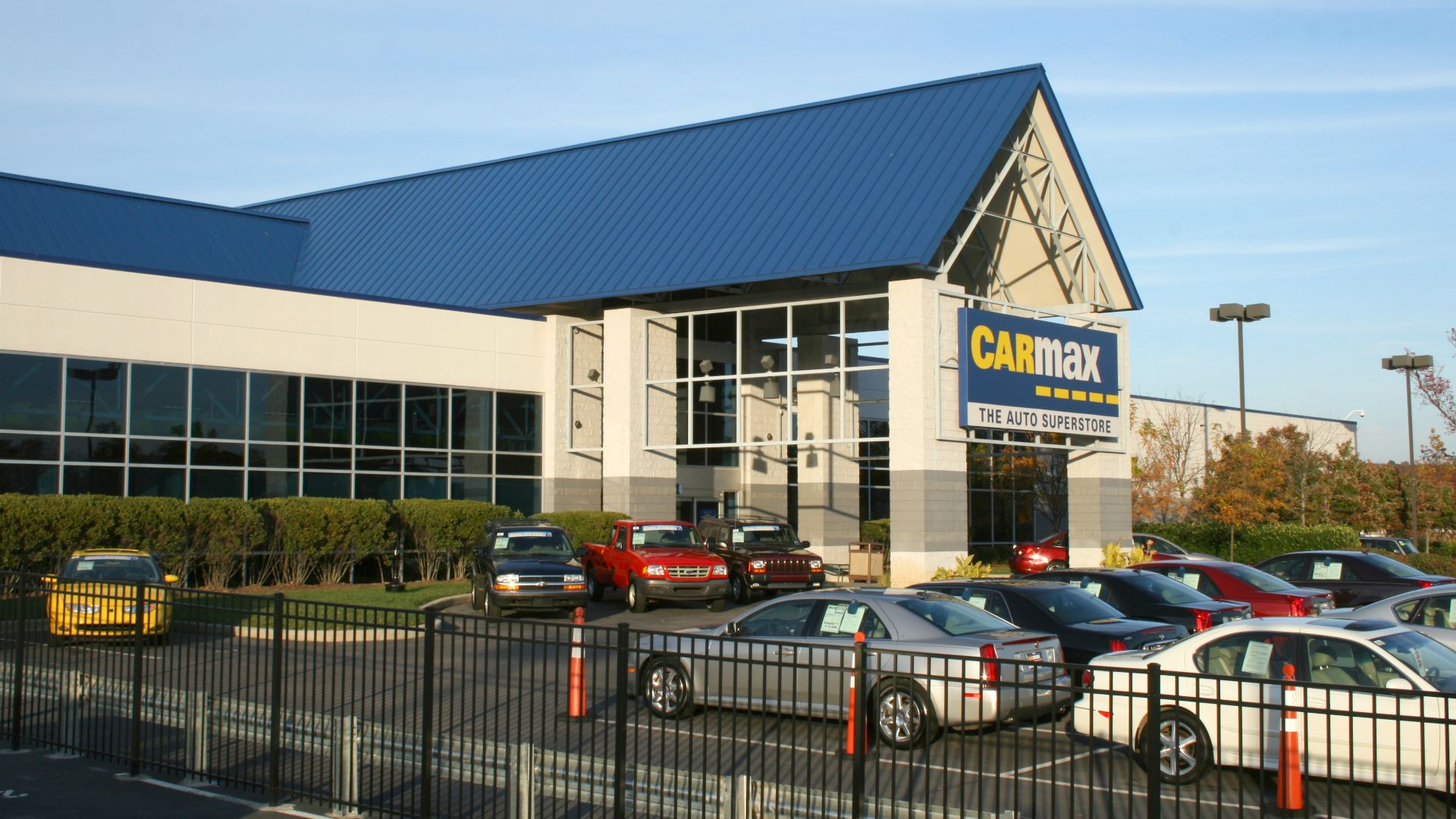 Ildar Sagdejev (Specious), Wikimedia Commons
Separate The Trade From The Purchase
Negotiate the trade-in value and the purchase price of the next vehicle as separate transactions. Then review financing as a third step. When all three numbers get blended together, it becomes much easier for a dealer to move money from one bucket to another without you noticing.

Check The Real Market Value Yourself
Use pricing tools from Kelley Blue Book, Edmunds, and live retailer offers to build a realistic range before you walk in. Those estimates are not perfect, but they give you a baseline. A strong trade offer feels a lot less mysterious when you already know the market supports it.
 Kelley Blue Book, Wikimedia Commons
Look Closely At Your Loan Payoff
If you still owe money, your payoff amount matters more than what you paid three years ago. A dealer can offer more than your original purchase price and you could still end up with less usable equity than you expected, depending on taxes, fees, and how much interest you have already paid. Ask for the exact payoff and a written breakdown.
Taxes Can Change The Equation
In many states, trading in a vehicle reduces the taxable amount on the next purchase, which can make a trade more appealing than a private-party sale. But the rules vary by state, so the tax advantage is not universal. This is one place where a slightly smaller trade offer can still be the better financial move.
The Best Deal Might Be Keeping Your Car
This is the least exciting answer, but often the smartest one. If your current vehicle is reliable, paid off or close to it, and still works for your life, keeping it may save more money than cashing in on a high trade value and stepping into a pricier replacement. A strong offer only helps if the next decision also makes sense.

When Cashing Out Does Make Sense
There are times when taking the deal is genuinely smart. If you can downsize, move into a cheaper car, get rid of a payment, or sell a vehicle you no longer need, elevated trade value can work in your favor. The key is making sure you are not just rolling your good luck into an even more expensive purchase.

The Bottom Line On The Catch
The catch usually is not that the dealer is lying about your trade value. The catch is that the rest of the deal may be priced to recover that generosity through the new vehicle price, financing, fees, or add-ons. If you separate the numbers, compare offers, and stay focused on total cost, you can tell whether that jaw-dropping trade quote is a real win or just a clever distraction.
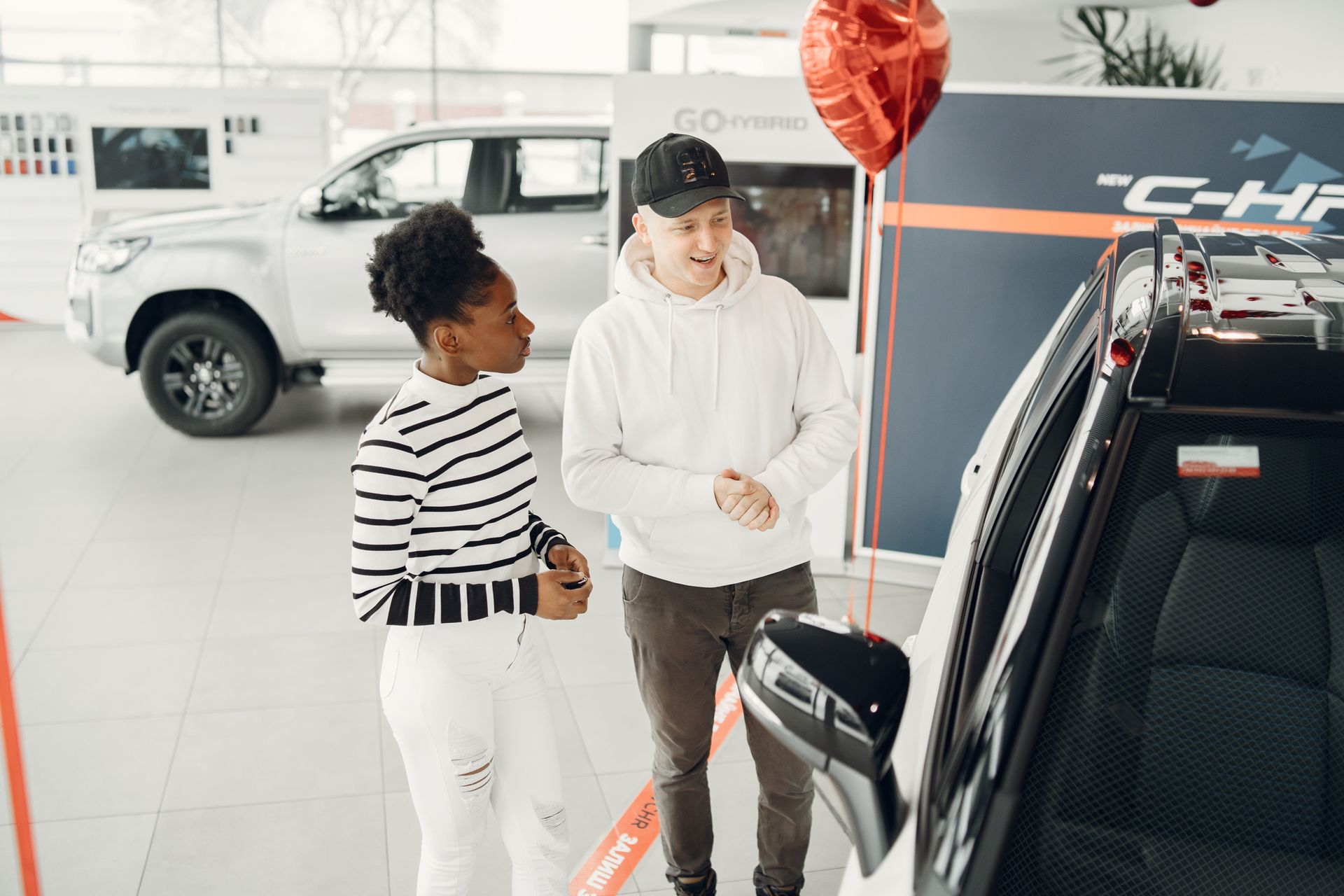
 Anatoliy Cherkas, Shutterstock, Modified