When Cars Had Little Mysteries Everywhere
Older cars were full of knobs, levers, vents, buttons, and little metal pieces that made perfect sense to drivers at the time. Today, many of them look confusing, charming, or downright strange. But each feature solved a real problem before screens, sensors, key fobs, and automatic everything took over.

Vent Windows
Those small triangular windows near the front of the door were not just for style. Drivers could angle them to pull fresh air into the cabin without rolling the whole window down. Before air conditioning became common, vent windows made summer driving more bearable and gave smokers a convenient way to move air out.
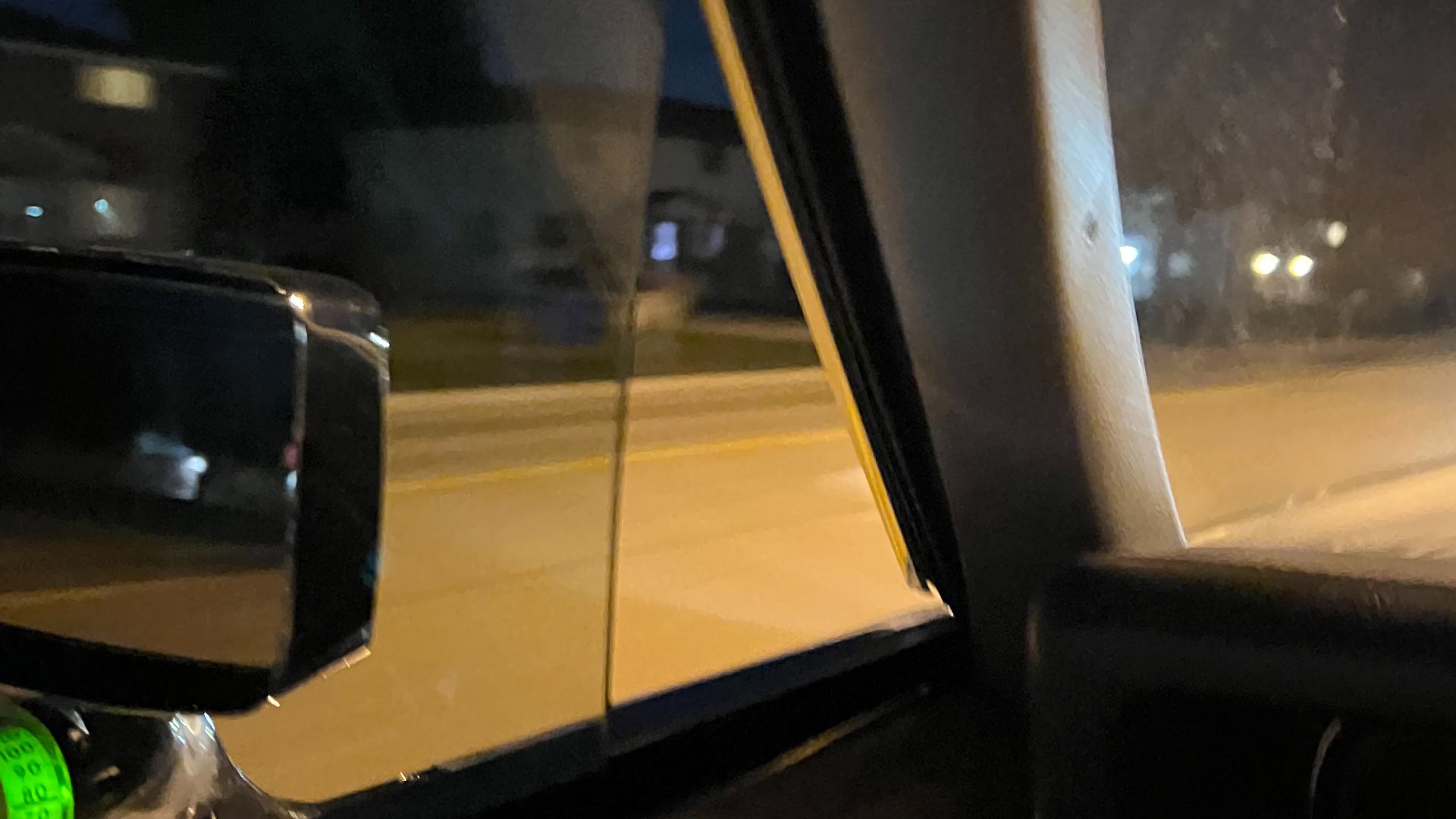 Wellifailed, Wikimedia Commons
Floor-Mounted Headlight Dimmer Switches
Long before high beams moved to steering-column stalks, many cars used a small metal button on the floor. Drivers pressed it with their left foot to switch between high and low beams. It seems odd now, but it let motorists control the headlights without taking their hands off the wheel.
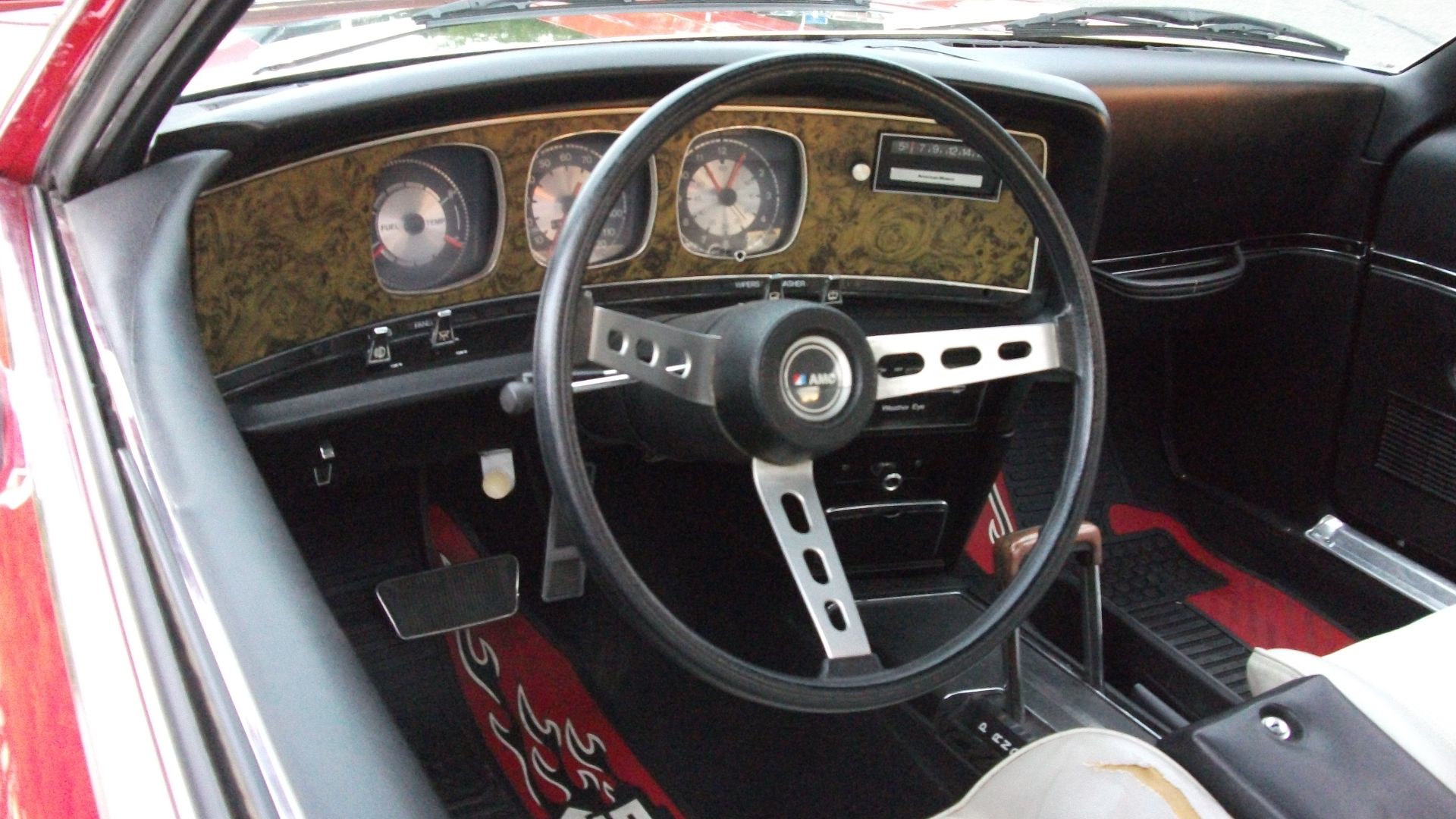 dave_7 from Lethbridge, Canada, Wikimedia Commons
Manual Choke Knobs
A manual choke helped older engines start when they were cold. Pulling the knob adjusted the fuel-and-air mixture so the engine could run more smoothly until it warmed up. Modern fuel injection made this ritual disappear, but older drivers remember the careful dance of pulling, starting, and easing it back in.
Curb Feelers
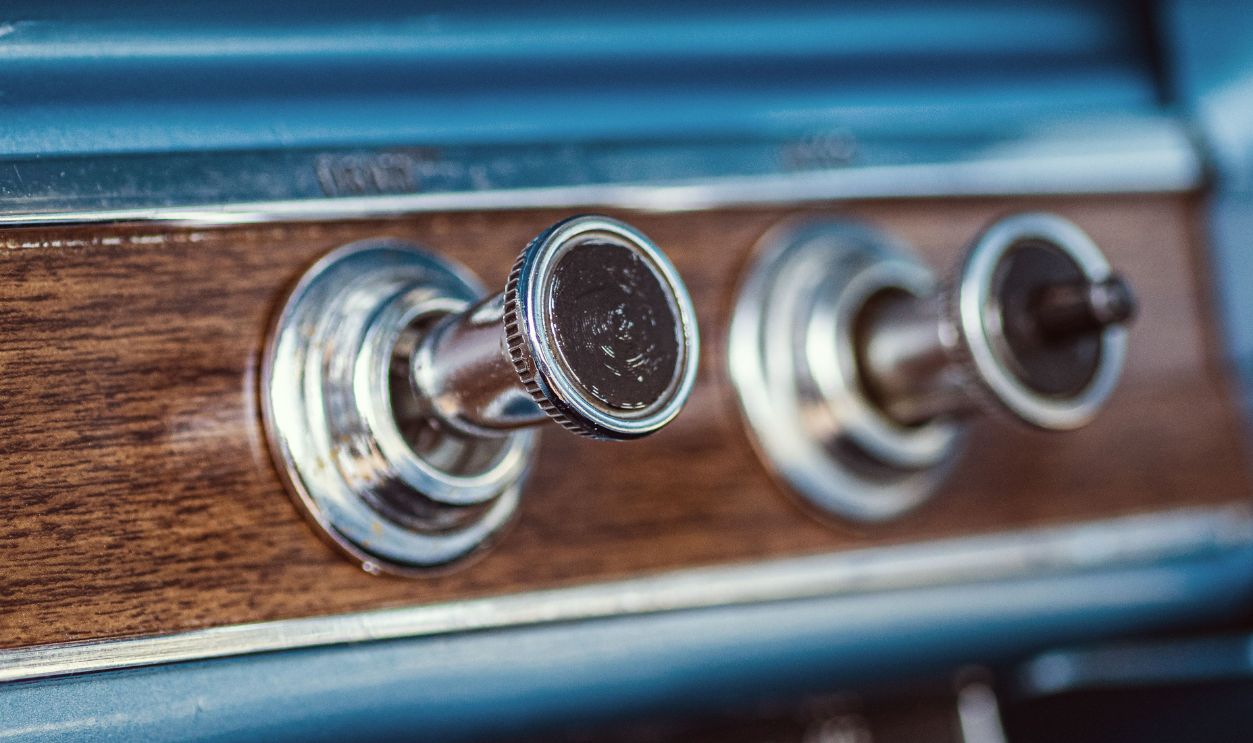
Curb feelers were thin metal wires mounted near the lower body or wheel area. When a driver parked close to the curb, the wire scraped first and made a warning sound before the tire or whitewall got damaged. They were especially popular when wide whitewalls were a point of pride.
Ashtrays In Every Door
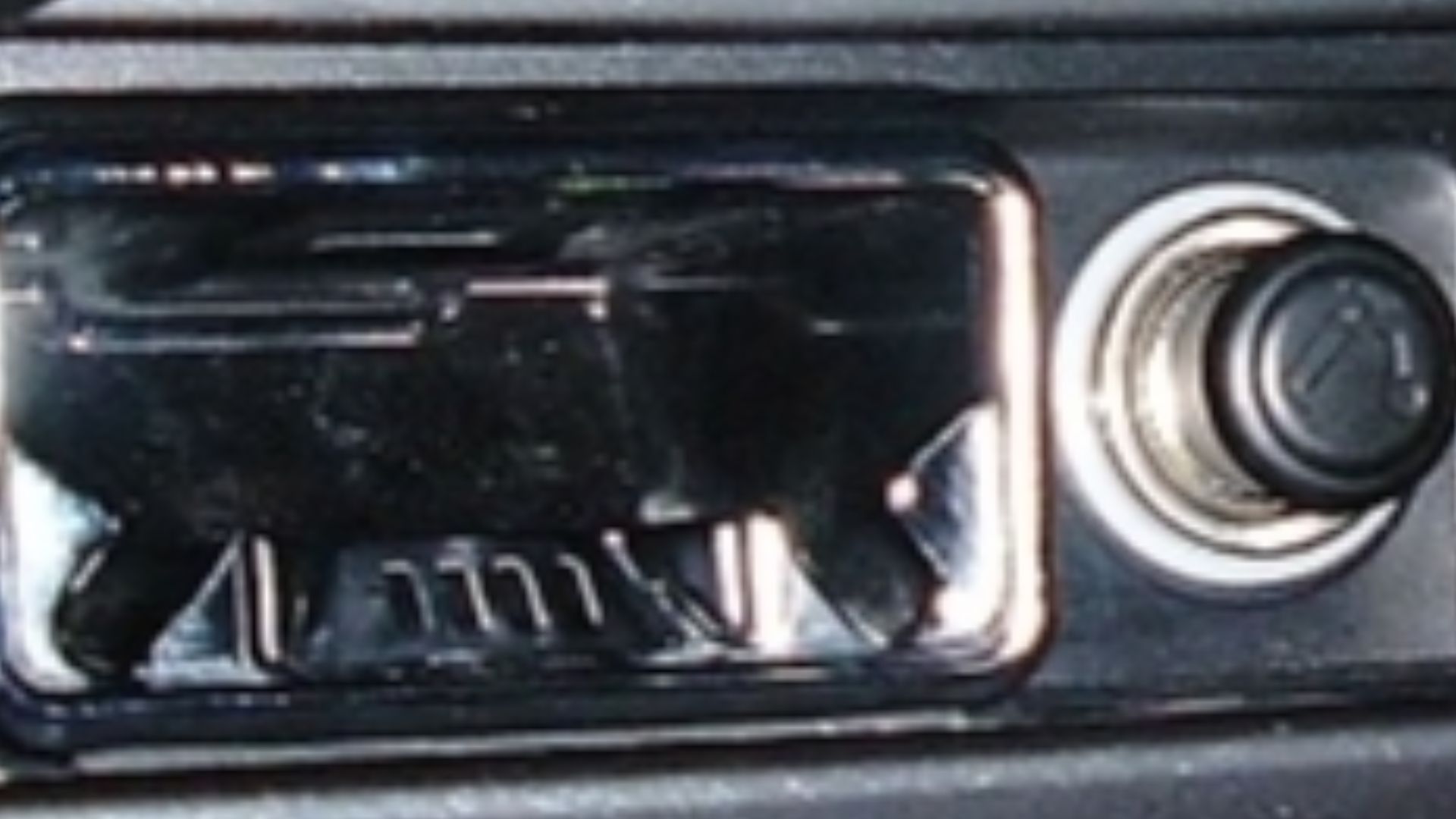
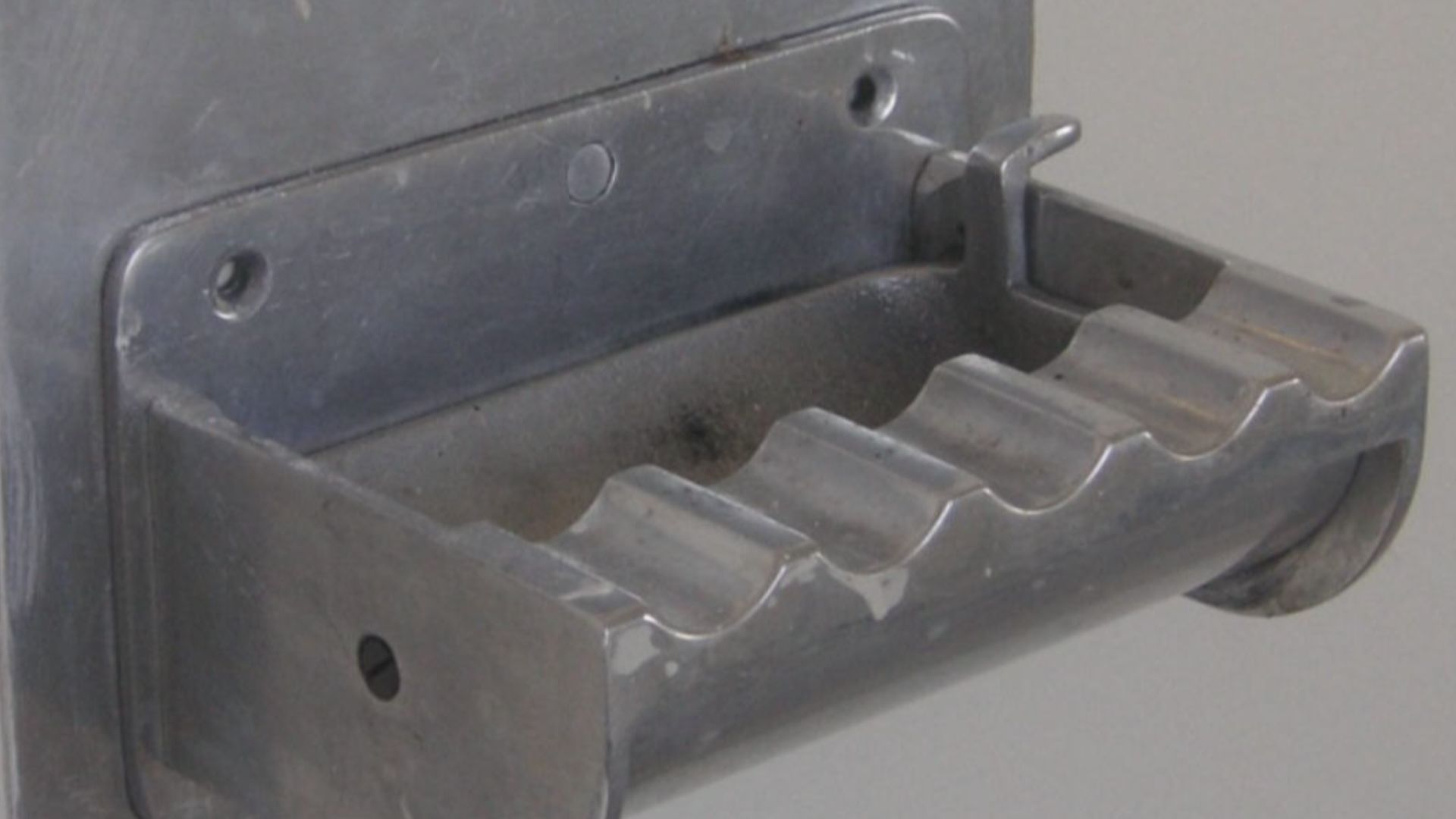
Old cars often had ashtrays for nearly every passenger. Some were built into doors, dashboards, armrests, or the back of the front seat. It feels strange today, but smoking in cars was once completely ordinary, and automakers designed interiors around that habit instead of pretending it did not exist.
 KF at English Wikipedia, Wikimedia Commons
Cigarette Lighters
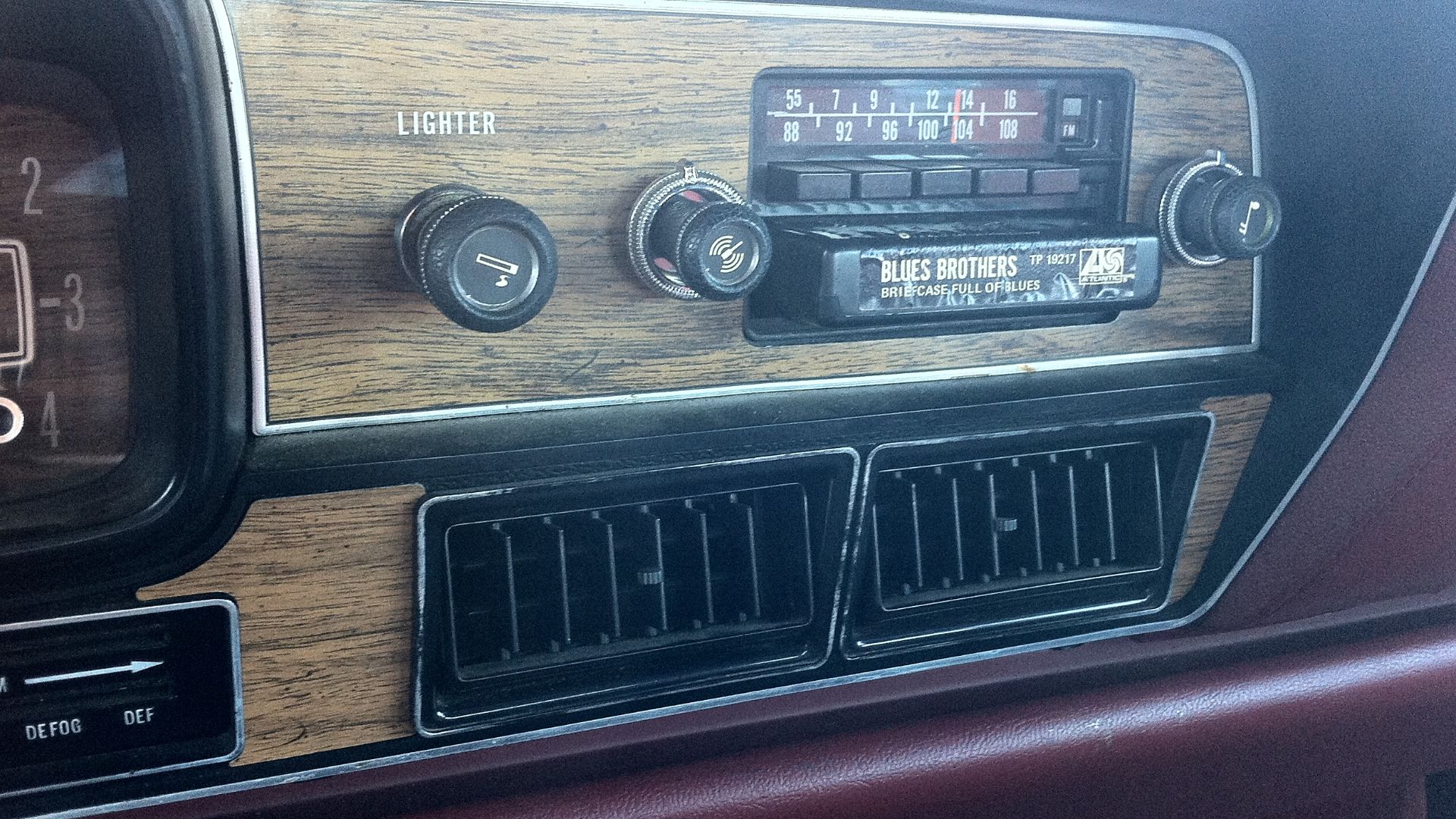
The cigarette lighter was originally exactly what it sounded like. Drivers pushed it in, waited for it to heat up, and used the glowing element to light a cigarette. Later, that same socket became the 12-volt power outlet for phone chargers, GPS units, tire inflators, and other gadgets.
Bench Seats
A front bench seat let three people sit across the front row, which made sense when seat belts and center consoles were less dominant. It also gave cars a relaxed, roomy feel. Bucket seats eventually became more common as automakers emphasized sportiness, safety packaging, and individual comfort.
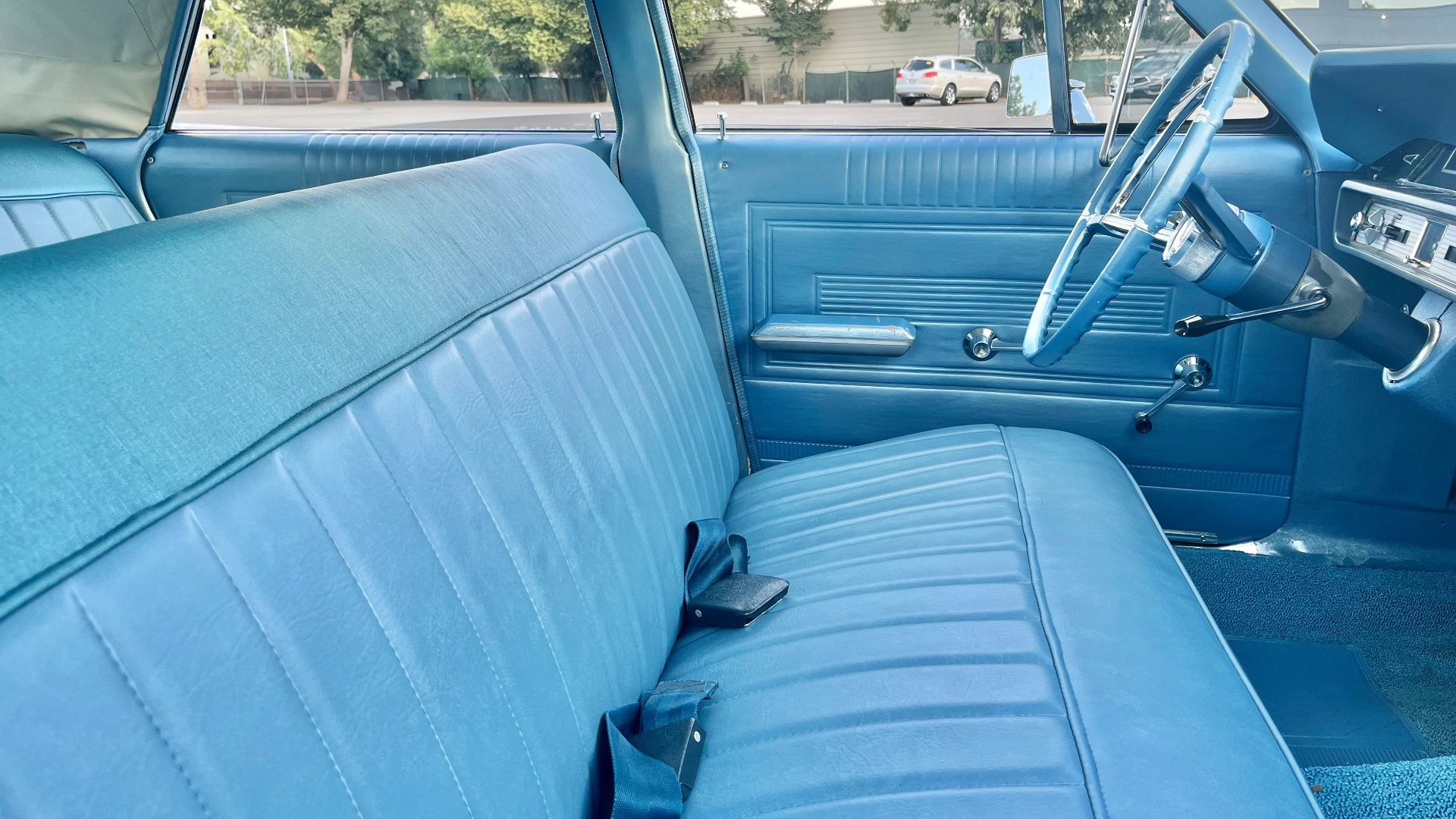 1966fordcustomsedan, Wikimedia Commons
Column Shifters
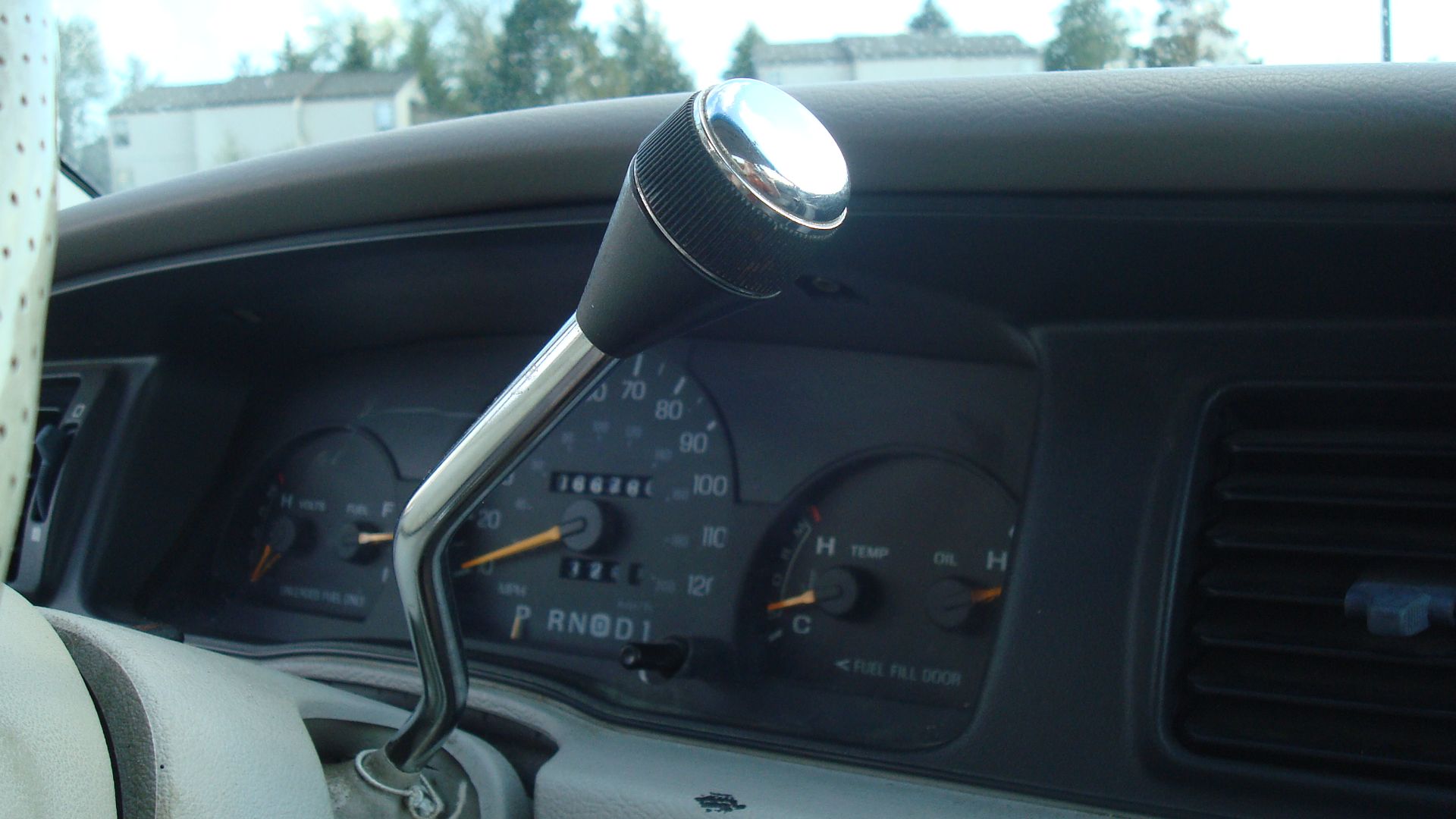
Many older automatic cars had the gear selector mounted on the steering column. This kept the floor clear and worked perfectly with front bench seats. Once center consoles, bucket seats, and sportier interiors became popular, floor shifters gradually took over as the more modern-looking layout.
Wing Mirrors You Adjusted By Hand
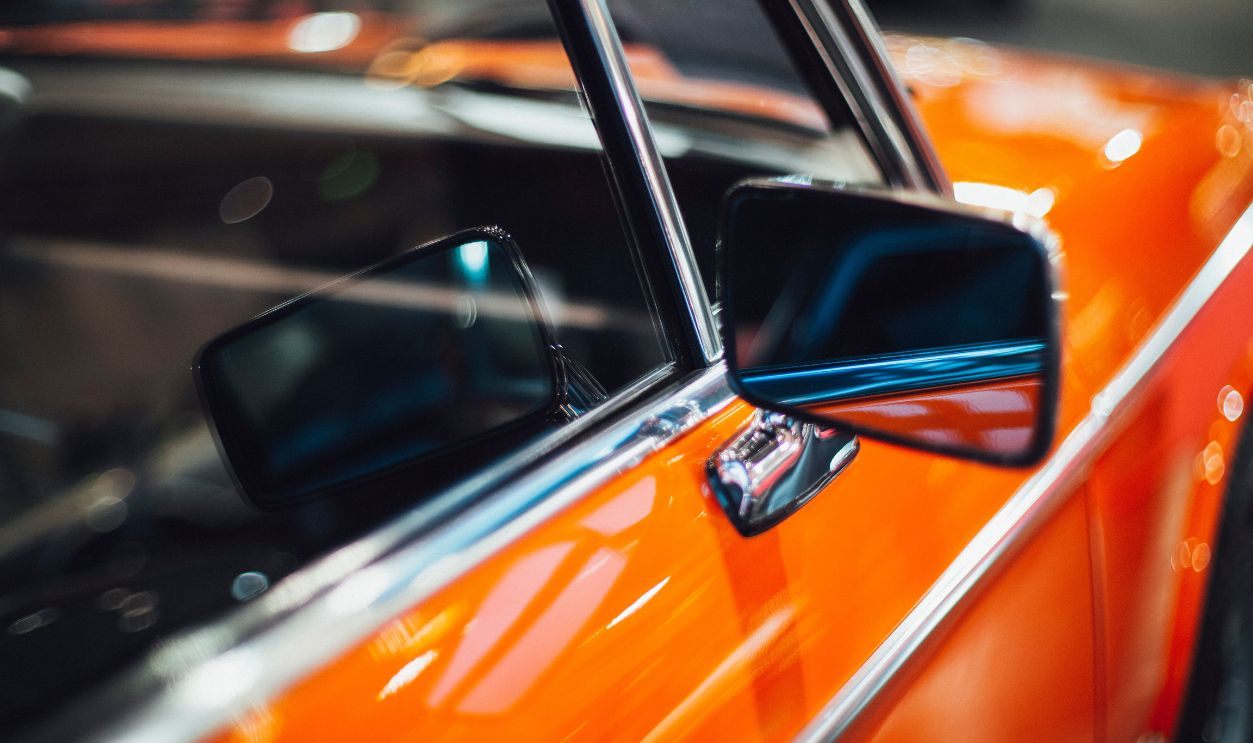
Before power mirror controls, adjusting a side mirror could mean rolling down the window and moving it with your fingers. Passenger-side mirrors were even more awkward, sometimes requiring help from someone outside the car. It made proper mirror adjustment a small but memorable pre-drive ritual.
Foot-Operated Parking Brakes
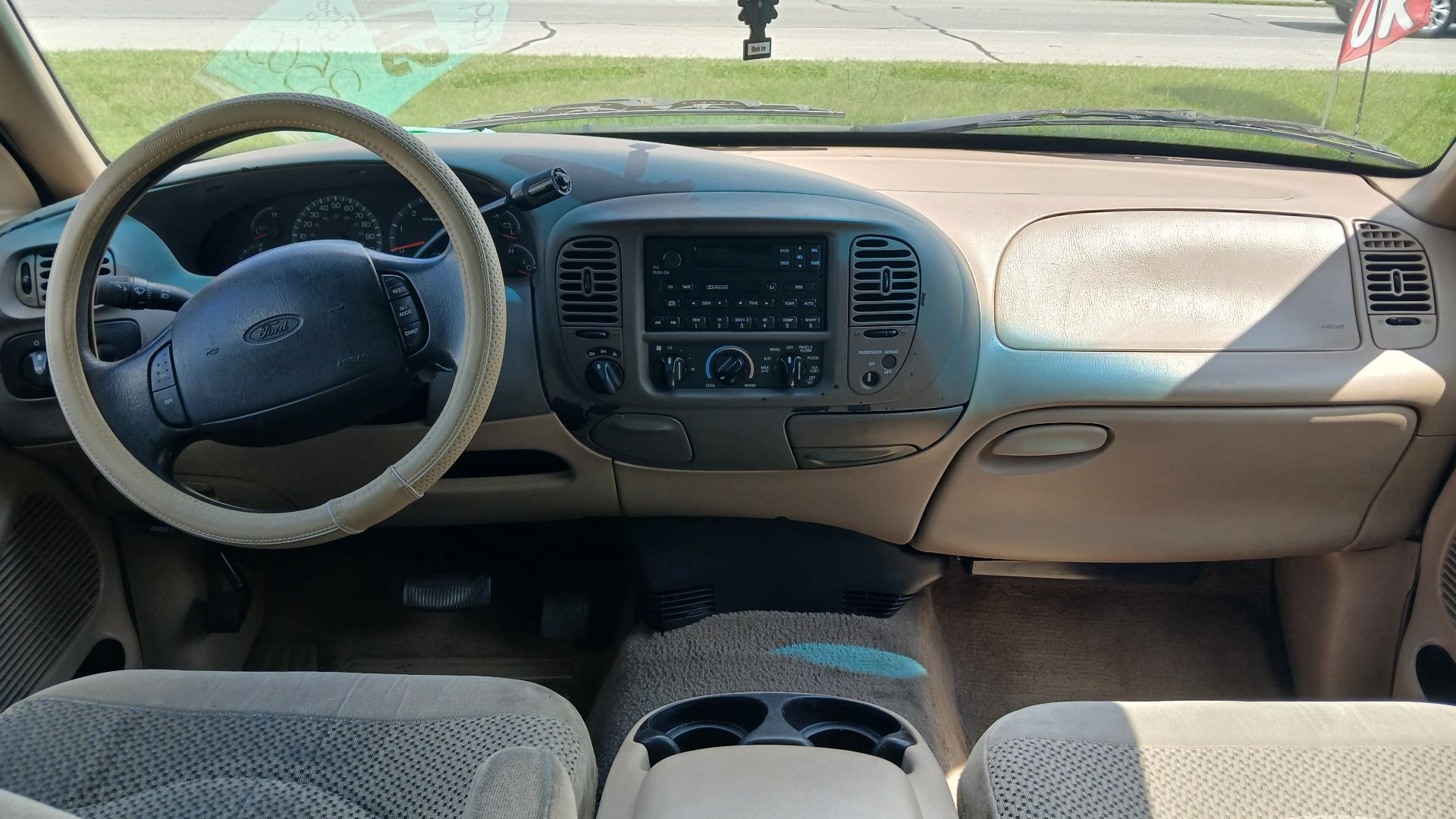
Some cars used a pedal on the far left to engage the parking brake, with a separate handle to release it. This layout saved space between the seats and fit well with bench-seat interiors. Drivers who grew up with handbrakes sometimes found the pedal setup strange, but it was once very common.
 Deathpallie325, Wikimedia Commons
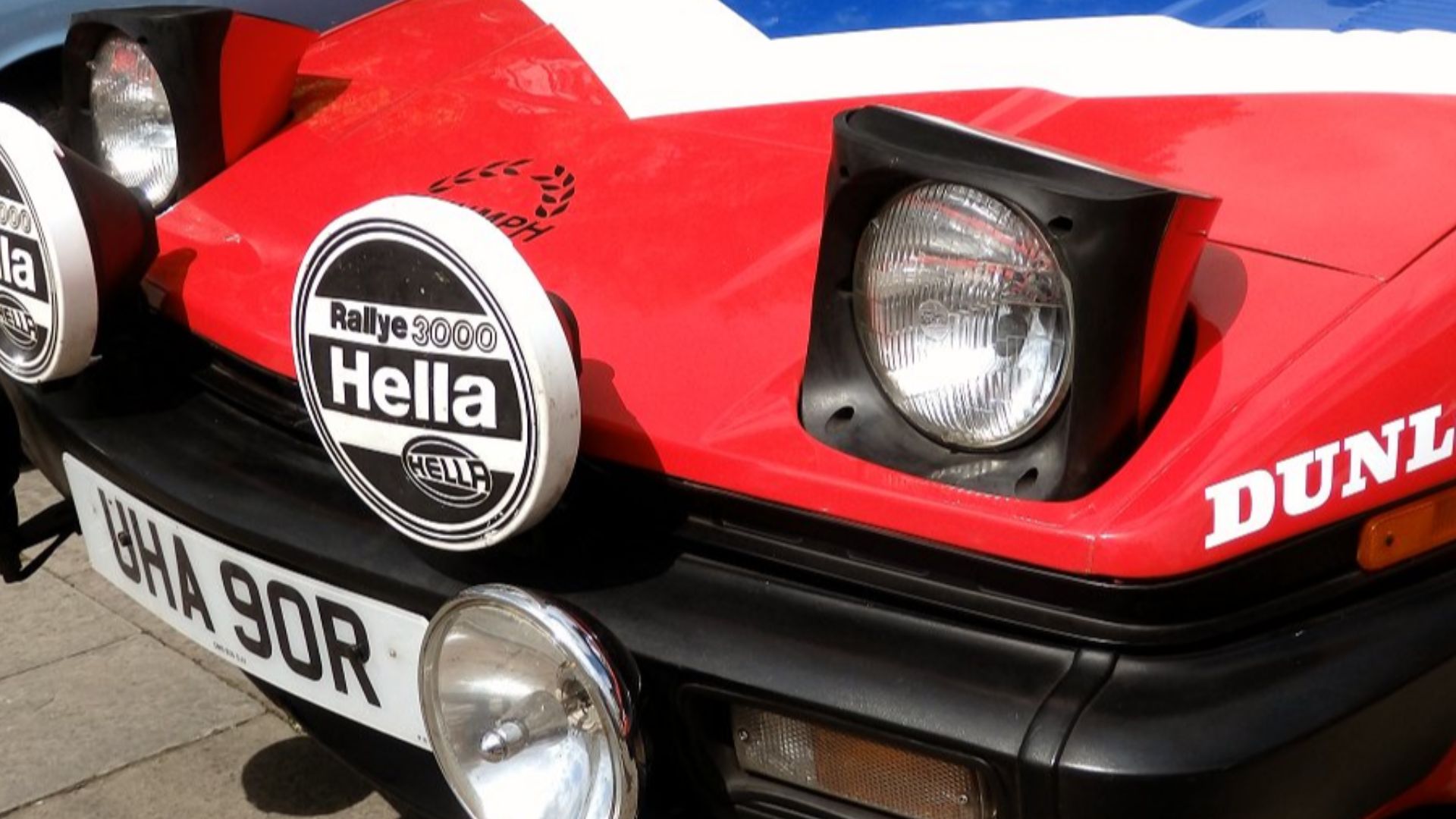
Pop-Up Headlights
Pop-up headlights made cars look sleek during the day and dramatic at night. They allowed designers to hide the lamps for cleaner front-end styling. The feature became iconic on sports cars, but changing safety expectations, aerodynamics, cost, reliability concerns, and new lighting designs eventually pushed them out of mainstream production.
 Phil_Parker, Wikimedia Commons
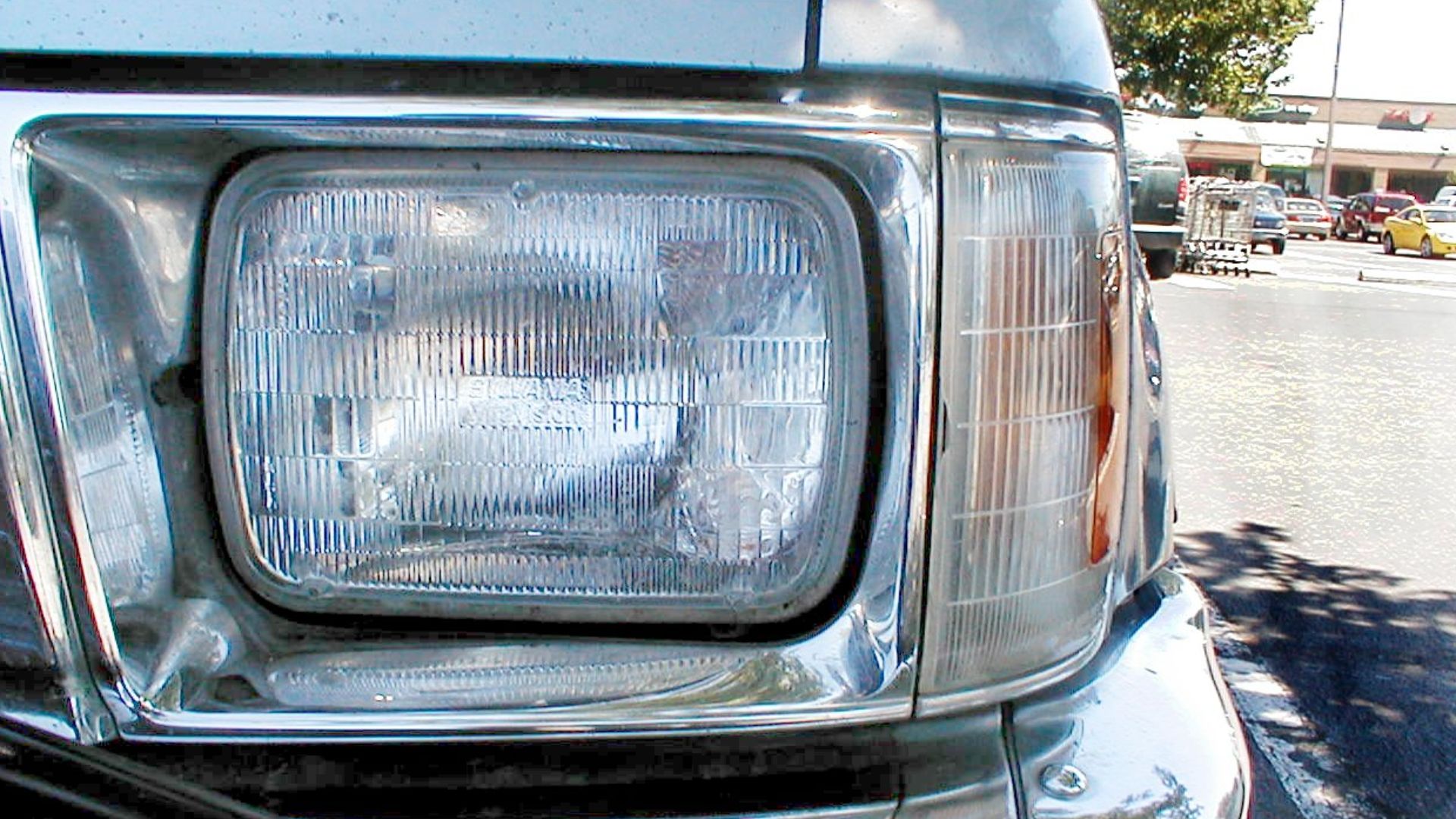
Sealed-Beam Headlights
For decades, many cars used standardized sealed-beam headlamp units. Instead of replacing a small bulb inside a custom housing, drivers replaced the entire glass lamp assembly. The system was simple and widely available, but it limited styling freedom compared with later composite headlight designs.
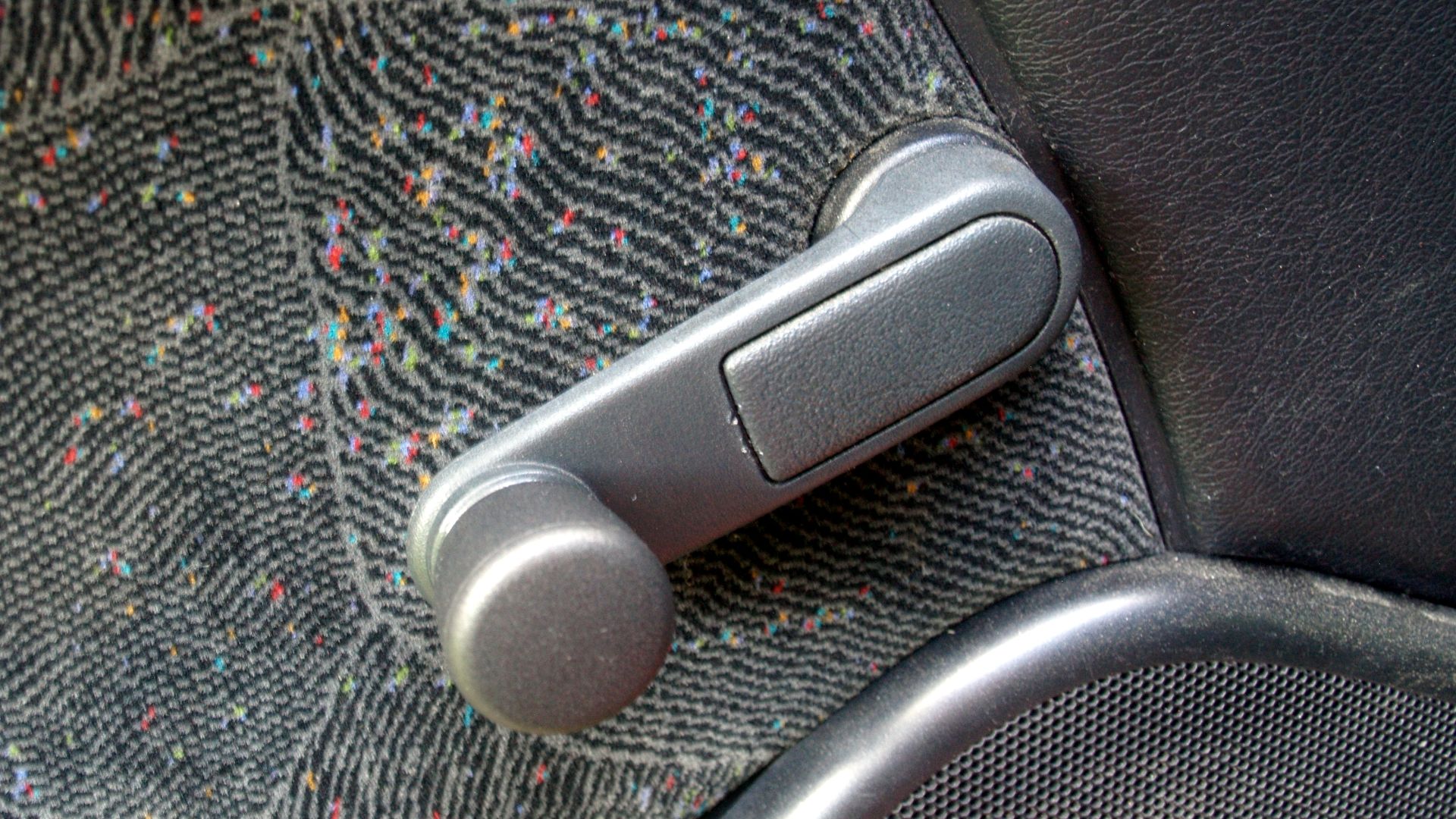
Manual Window Cranks
Before power windows became expected, everyone knew the little arm workout of rolling glass up and down by hand. Window cranks were simple, cheap, and reliable. They also created comedy when someone had to frantically crank during a sudden rainstorm or reach across the cabin for the passenger side.
 Santeri Viinamaki, Wikimedia Commons
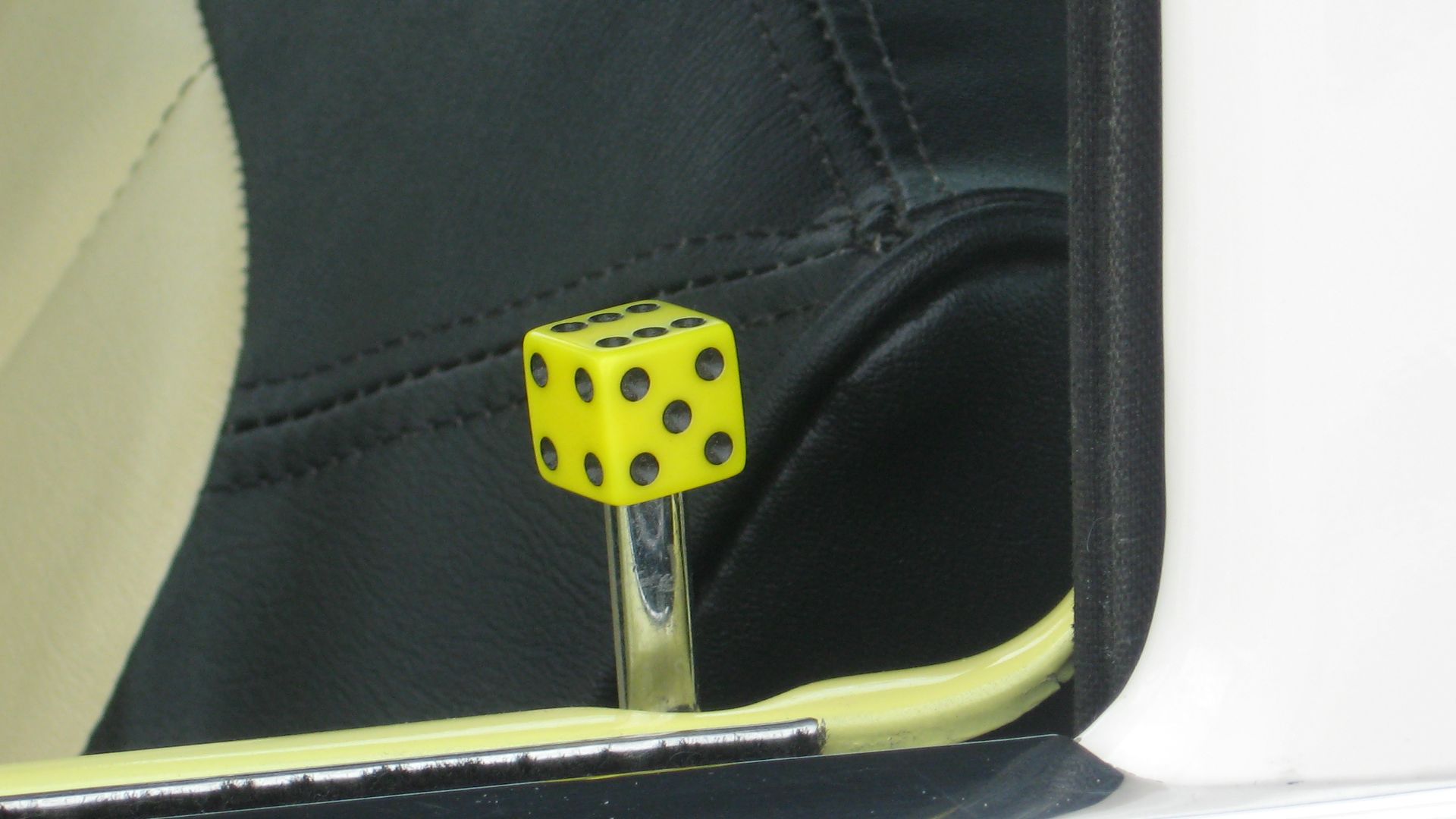
Pull-Style Door Locks
Older cars often had visible lock posts that popped up and down near the window. Drivers could instantly tell whether a door was locked. Central locking and remote key fobs made that little mechanical signal less important, but anyone who rode in older cars remembers pushing the lock down by hand.
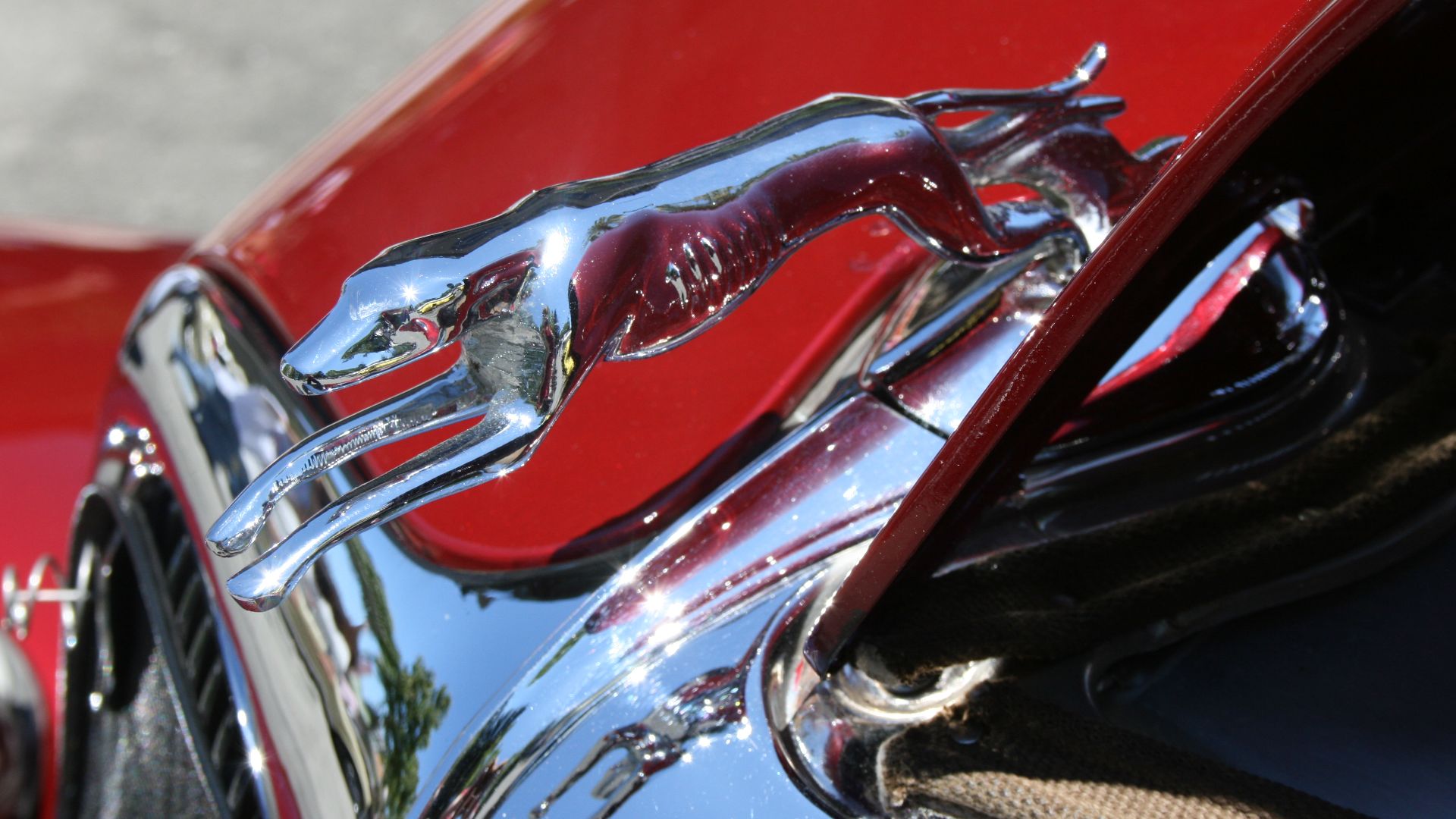
Hood Ornaments
Hood ornaments were once symbols of brand identity, luxury, and pride. Some were elegant, some were dramatic, and some looked like tiny sculptures leading the car forward. Safety regulations, theft concerns, aerodynamics, and changing tastes made them much rarer, but classic car fans still recognize their charm.
 Jill Clardy, Wikimedia Commons
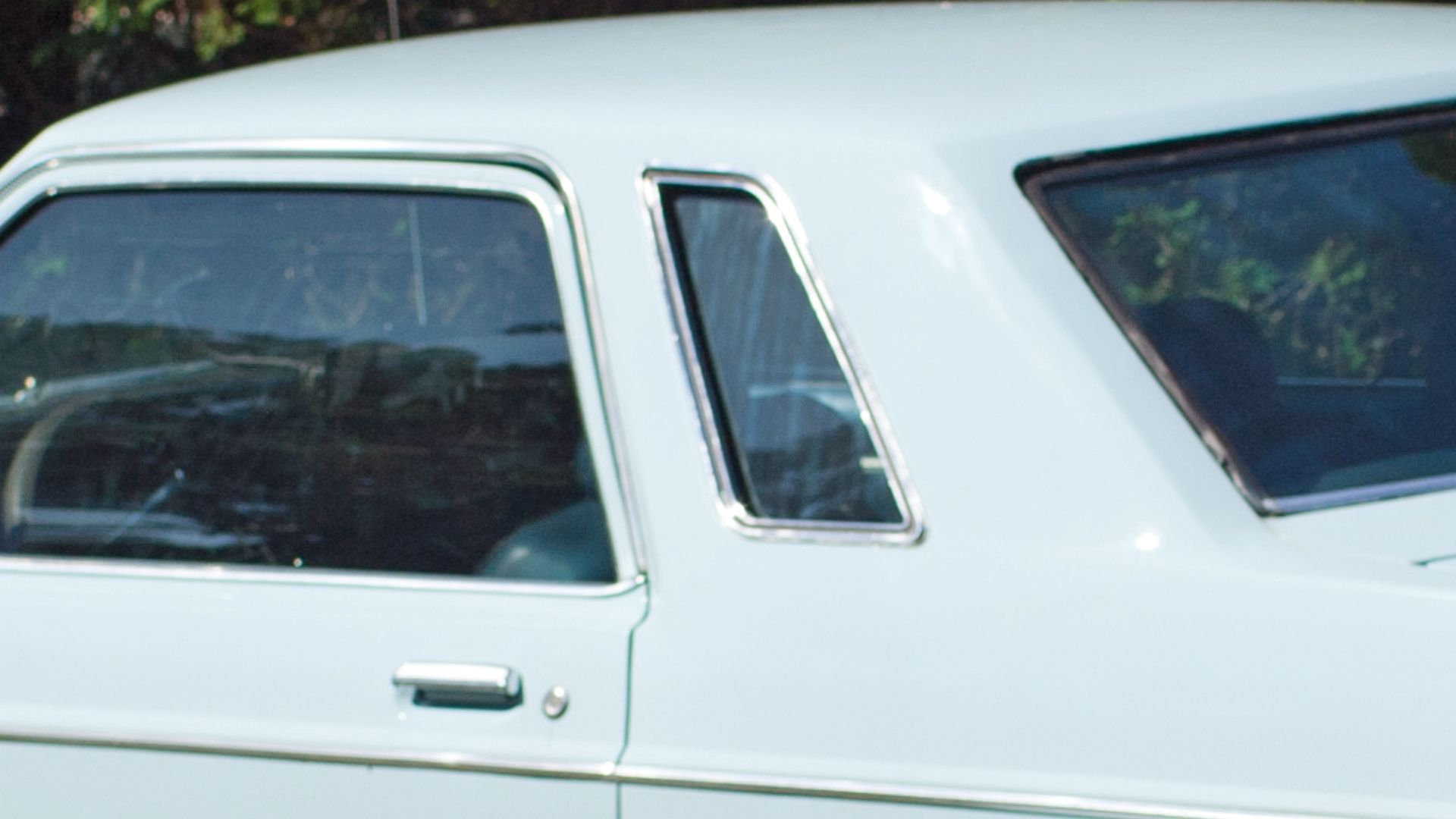
Opera Windows
Opera windows were small decorative side windows often found on personal luxury coupes. They added a formal, upscale look and made the rear cabin feel less closed in. They were less about visibility than style, giving cars a touch of limousine-like drama during an era that loved plush interiors.
 Mr.choppers, Wikimedia Commons
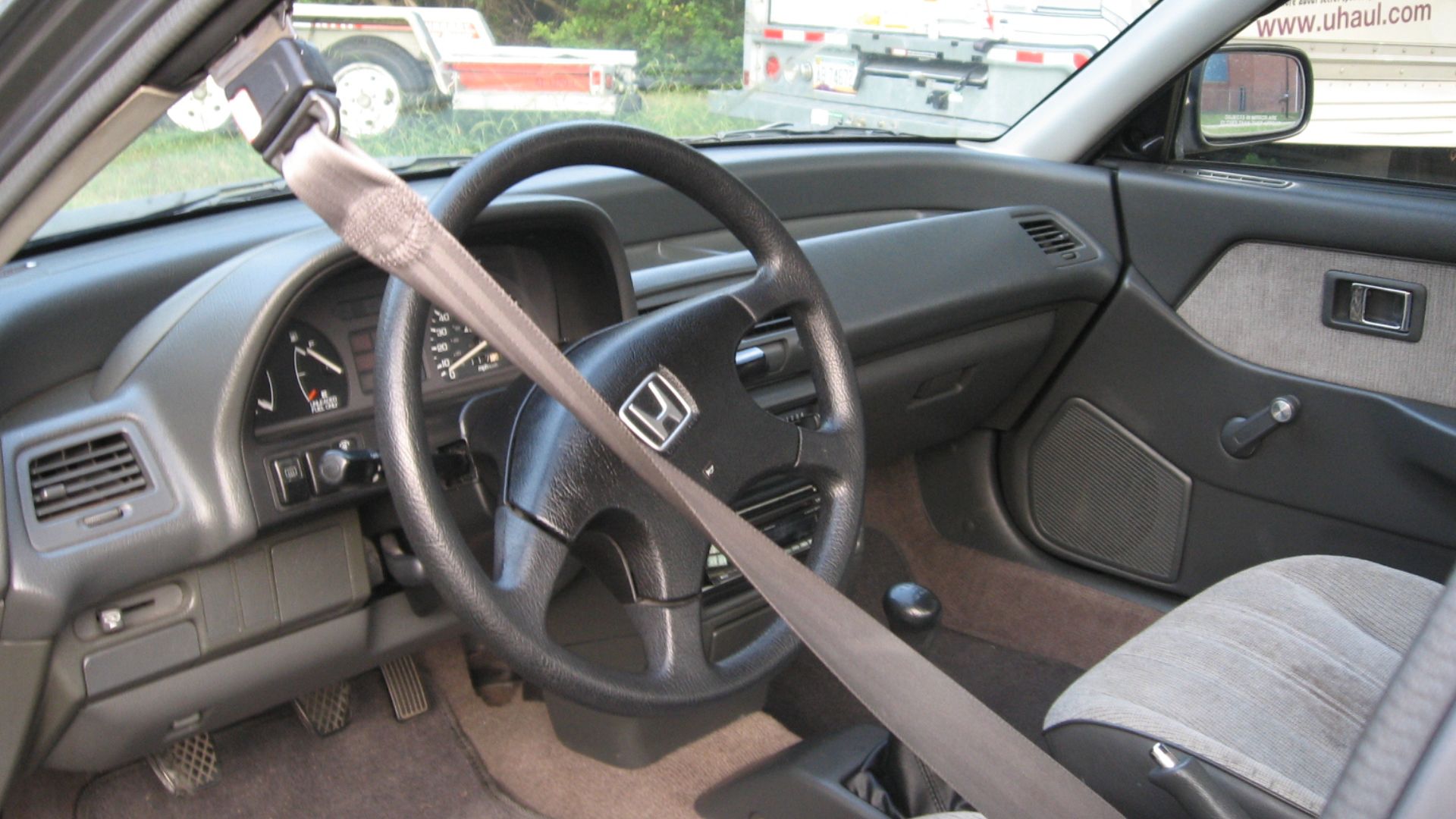
Automatic Seat Belts
Automatic seat belts were a strange transitional safety feature. Many moved along a track when the door opened or closed, placing the shoulder belt around the occupant automatically. They appeared as automakers worked around changing restraint requirements before airbags became the dominant solution.
 Piercetheorganist at English Wikipedia, Wikimedia Commons
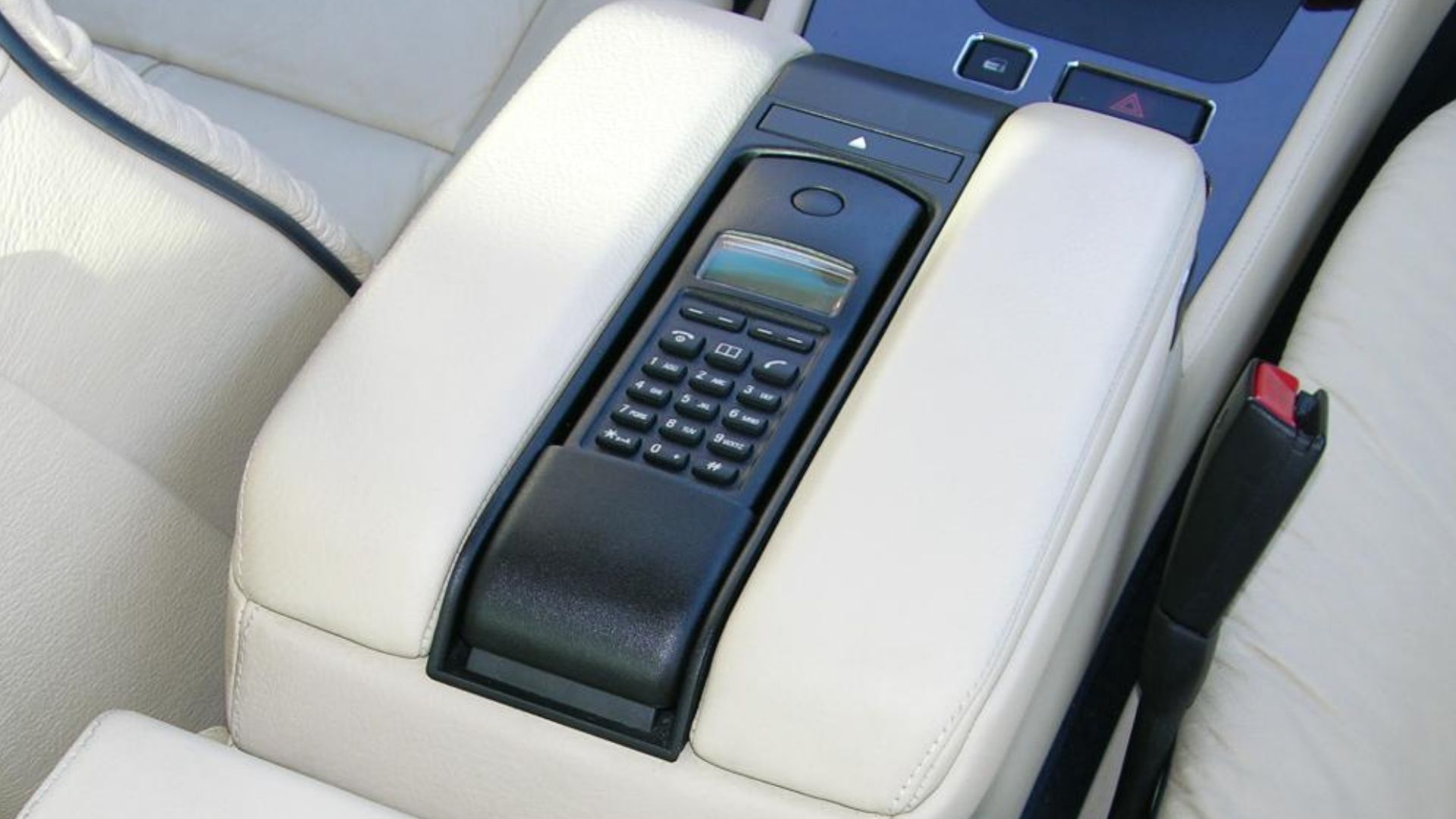
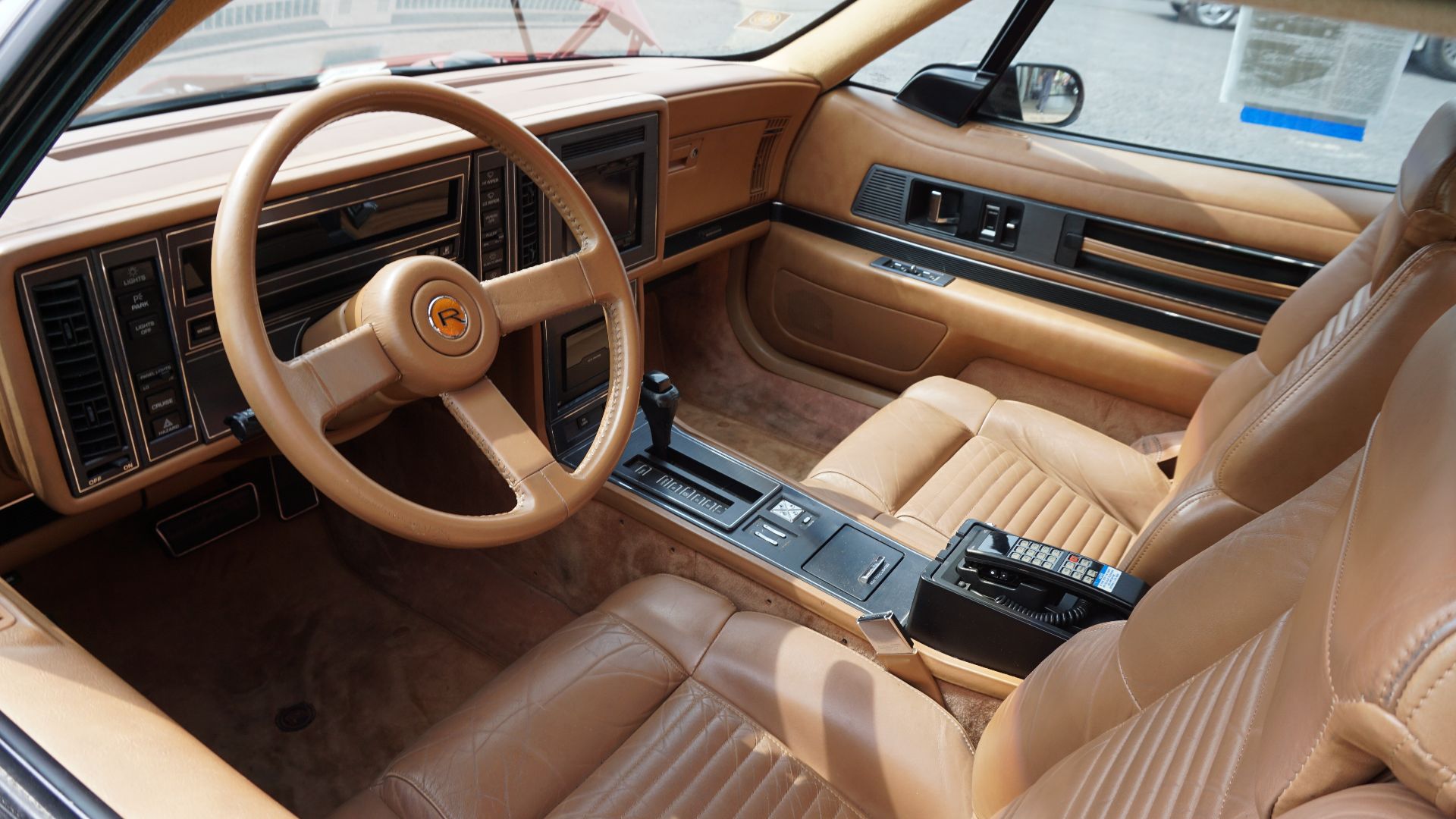
Car Phones
Before smartphones, a built-in car phone was a status symbol. It meant business, money, and importance. These systems were expensive, bulky, and usually found in luxury vehicles or executive cars. Today, the idea seems quaint, but at the time, making a call from the road felt futuristic.
 The Car Spy, Wikimedia Commons
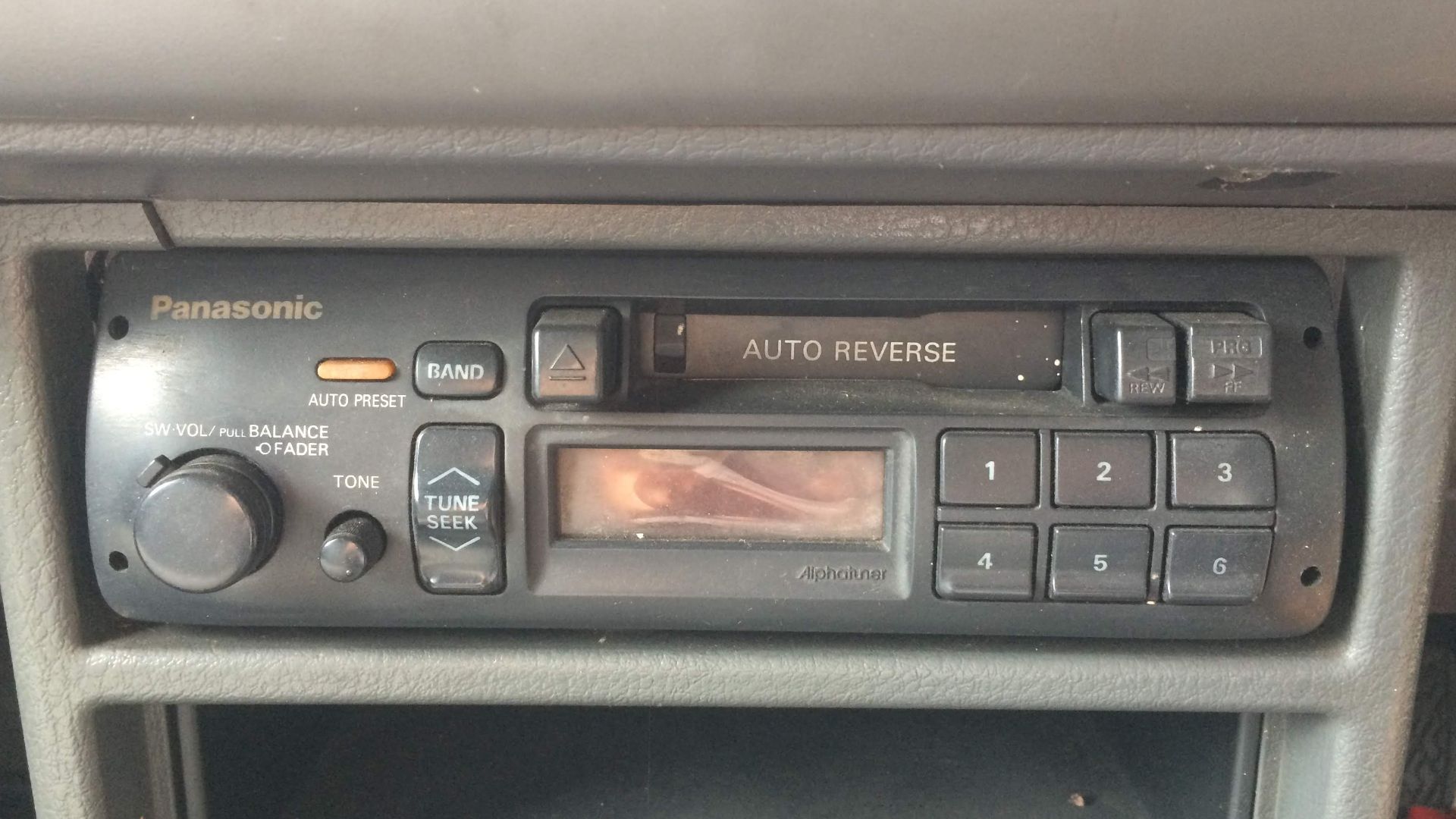
Cassette Decks
A cassette deck was once the center of in-car entertainment. Drivers made mixtapes, carried plastic cases full of music, and sometimes used cassette adapters for early CD or MP3 players. Modern streaming makes it look ancient, but for decades, the cassette slot was where road-trip personality lived.
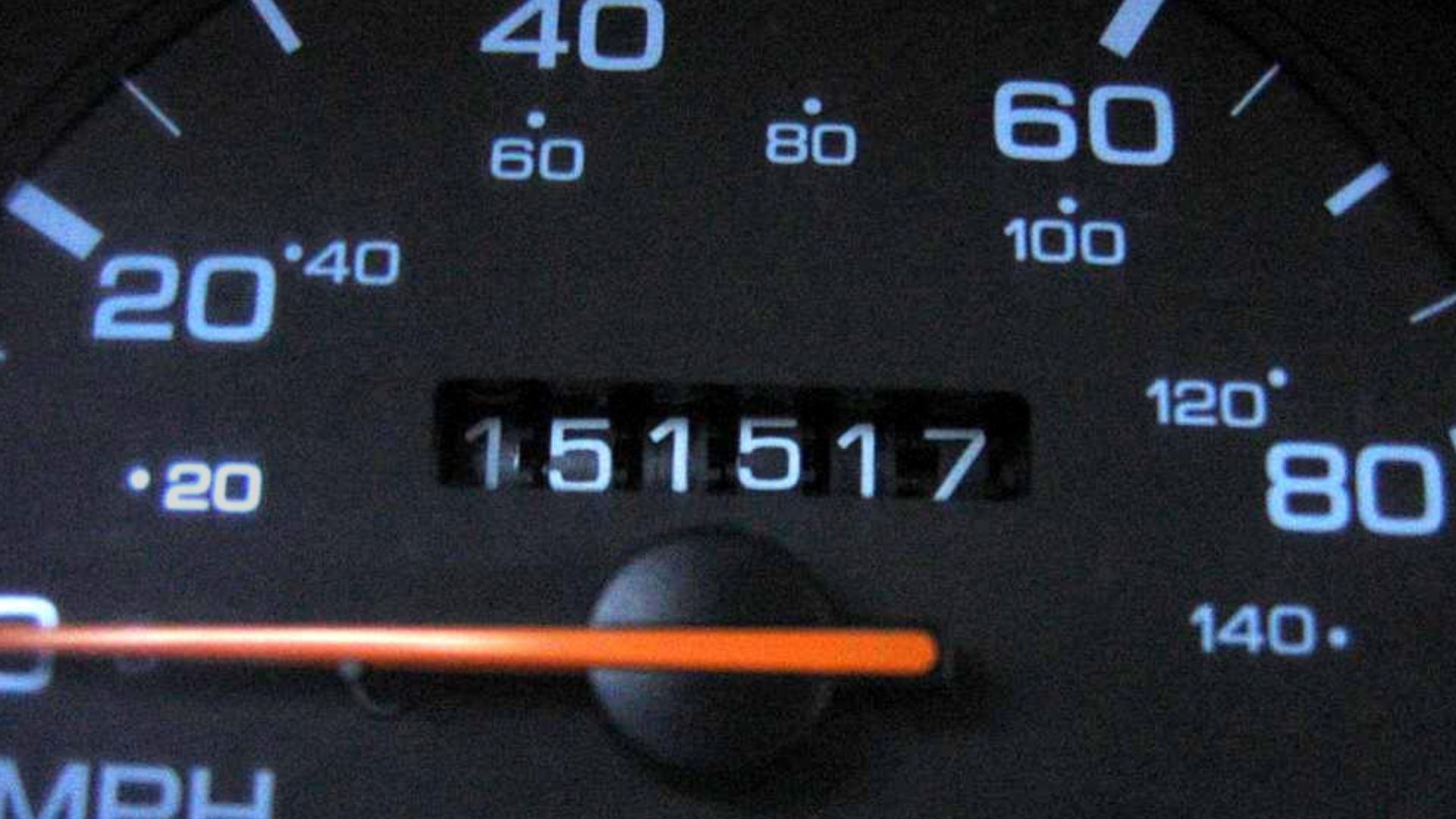
Analog Trip Odometers
Before digital screens tracked everything automatically, many cars had a small mechanical trip odometer. Drivers reset it with a little button or knob to measure fuel economy, road-trip distance, or mileage between fill-ups. It was simple, satisfying, and wonderfully mechanical.
 Interiot~commonswiki, Wikimedia Commons
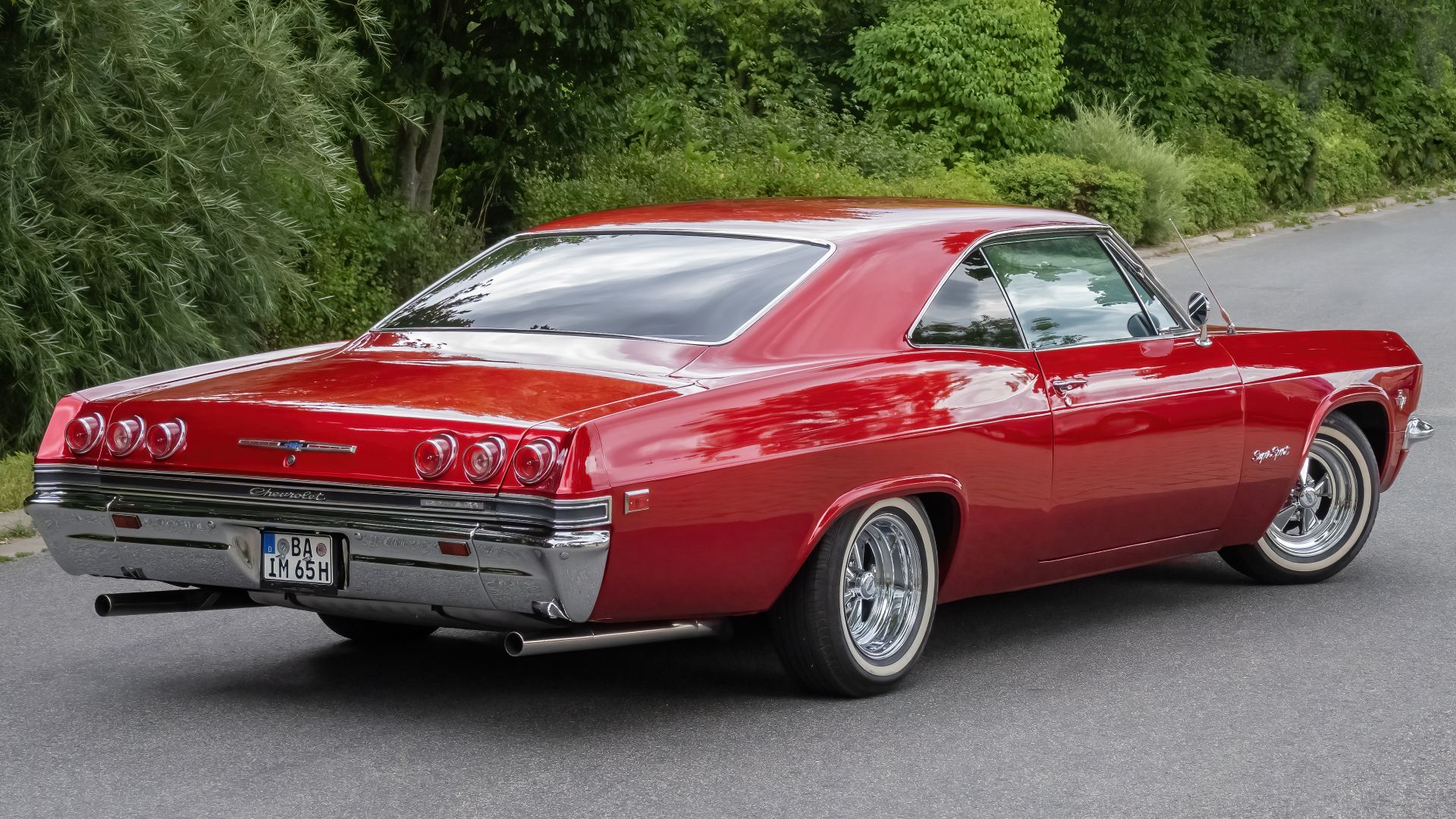
Fuel Door License Plate Fillers
Some older cars hid the fuel filler behind the rear license plate. The plate flipped down to reveal the gas cap, creating a clean exterior design. It was clever, tidy, and sometimes confusing to new attendants or younger drivers who had no idea where the fuel door was hiding.
How Many Have You Personally Experienced?
Old car features may look strange now, but most of them existed because drivers genuinely needed them. They helped with ventilation, visibility, cold starts, parking, music, smoking, comfort, or style. True car fans remember that these details were not just quirks. They were part of the driving experience.
 Michael Barera, Wikimedia Commons
You May Also Like:
Five Of The Greatest Video Game Cars
The Five Most Stolen Cars In North America
DIY Car Maintenance: Simple Tasks to Keep Your Vehicle Running Smoothly