The Weekend Car Wash That Everyone Notices
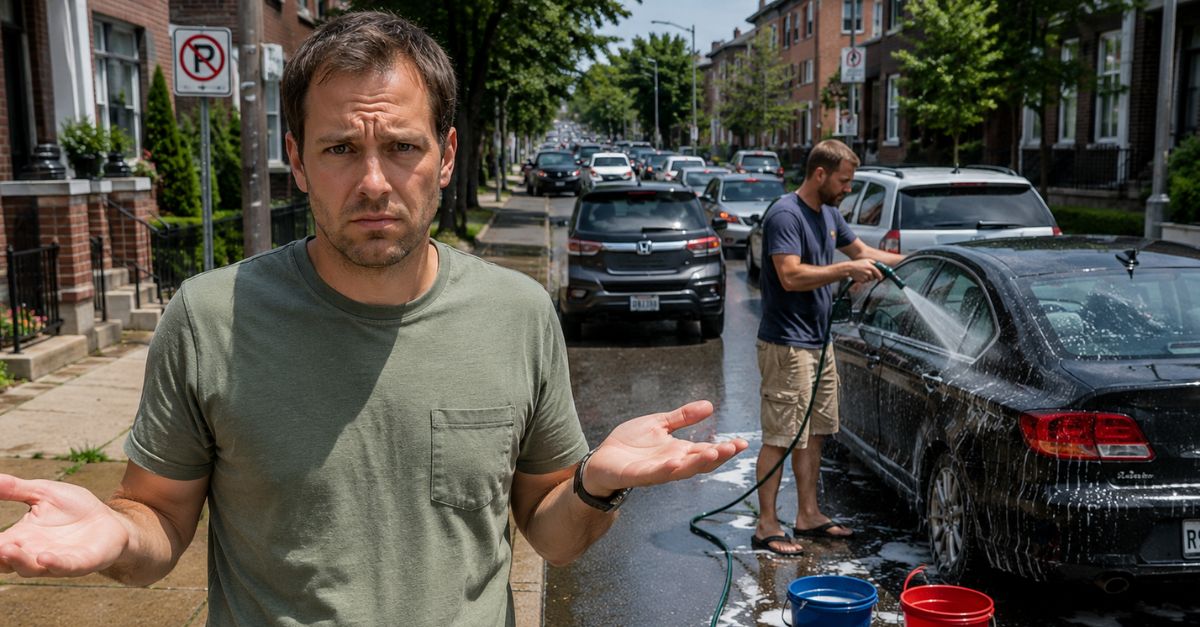
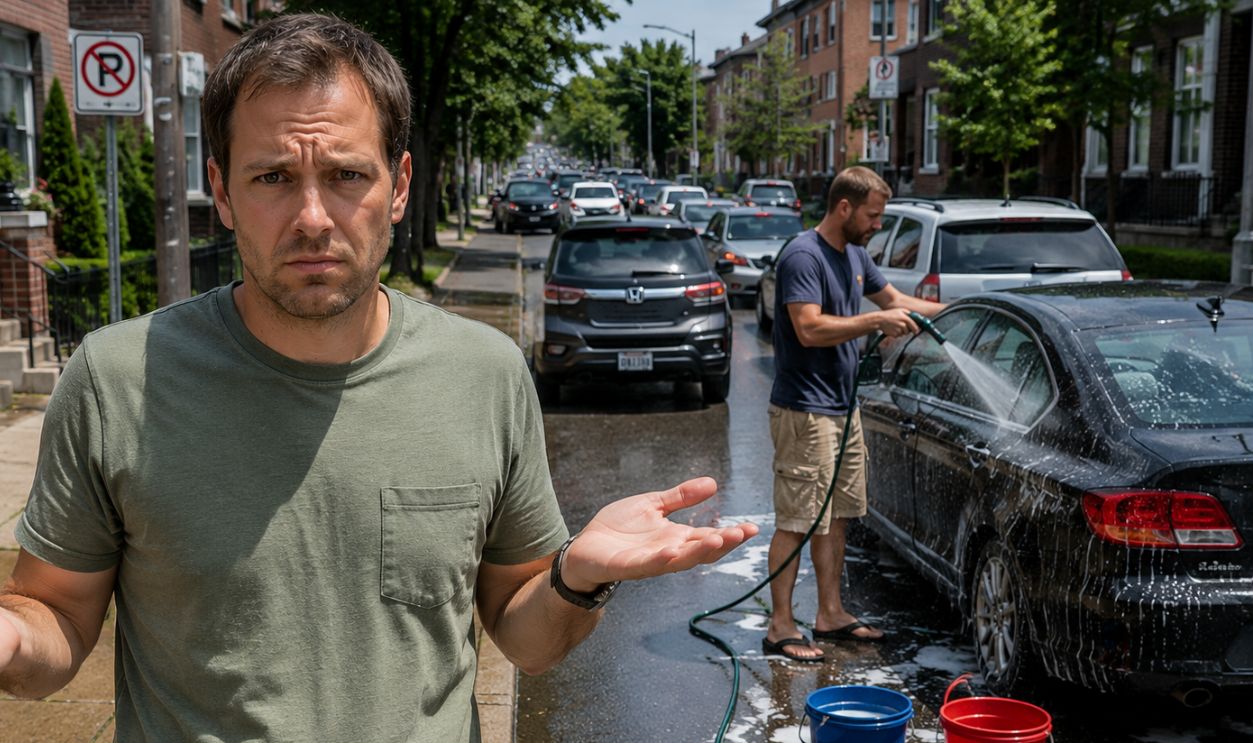
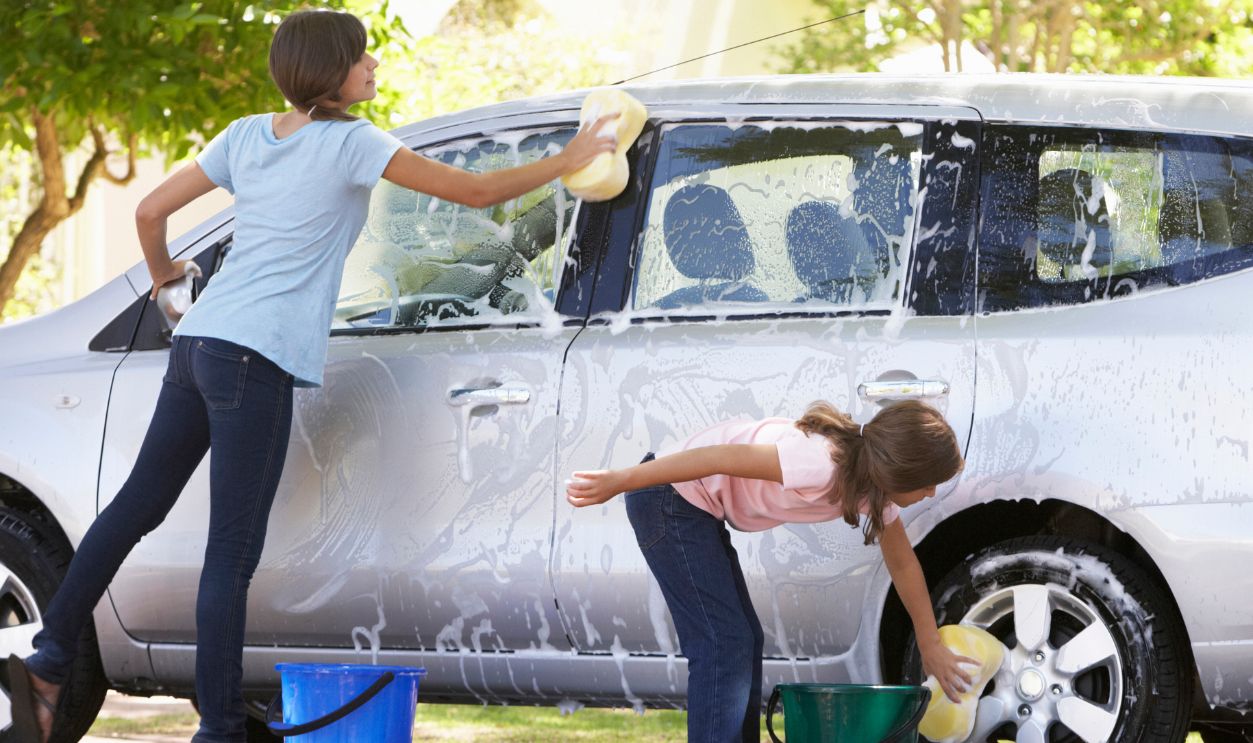
It starts like clockwork. A hose comes out, buckets hit the pavement, and one neighbor’s Saturday car wash turns the street into a bottleneck. If that routine blocks passing cars, frustrates drivers, or sends soapy water into the gutter, the legal answer is often less simple than people expect.
The Short Answer Is Usually Maybe, But Often No
There is no single nationwide rule that says washing a car in the street is always legal or always illegal. In the United States, the real answer depends on state traffic rules, local parking laws, and stormwater ordinances. Your neighbor could be fine in one town and breaking several rules in the next.
Why Blocking Traffic Is The Biggest Problem
The biggest legal issue is usually not the soap. It is the obstruction. If a person, a car, hoses, buckets, or chairs block normal travel on a public street, local police or code enforcement may see that as an unlawful obstruction or a traffic hazard.
Public Streets Are Not Private Work Areas
City streets are public rights of way. They are meant for travel, parking where allowed, and access. They are generally not meant to be taken over for private projects that interfere with other people’s use. That matters when a simple wash turns into a weekly setup that narrows a lane or makes drivers wait.
Local Governments Usually Decide This
Most of the rules that matter here are written and enforced at the city or county level. Municipal codes often cover nuisance conditions, street obstructions, water discharge, and what residents can do in the public right of way. So if you want the real answer, the city code and police non-emergency line usually matter more than broad advice online.

Storm Drains Are A Bigger Deal Than Many Drivers Think
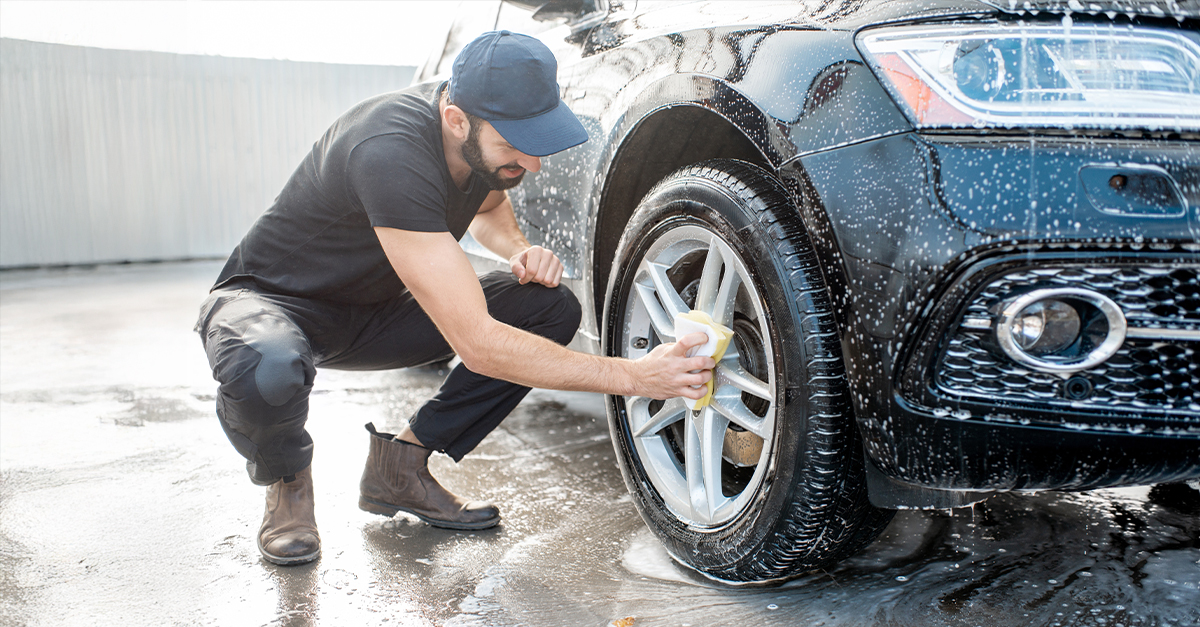
Even when the wash itself seems harmless, runoff can trigger a whole different set of rules. The U.S. Environmental Protection Agency explains that storm drains often carry water straight to local waterways without treatment. That means soap, dirt, oil, grease, and heavy metals washed off a vehicle can end up in creeks, rivers, lakes, or the ocean.
The EPA Has Warned About Car Wash Runoff For Years
The EPA’s guidance on vehicle washing says wash water can contain pollutants and should not be allowed to flow untreated into storm drains. The agency recommends using commercial car washes or washing on surfaces where water can soak into the ground, when local rules allow it. That guidance is one reason some cities began cracking down on driveway and street washing long ago.
California Shows How Strict These Rules Can Be
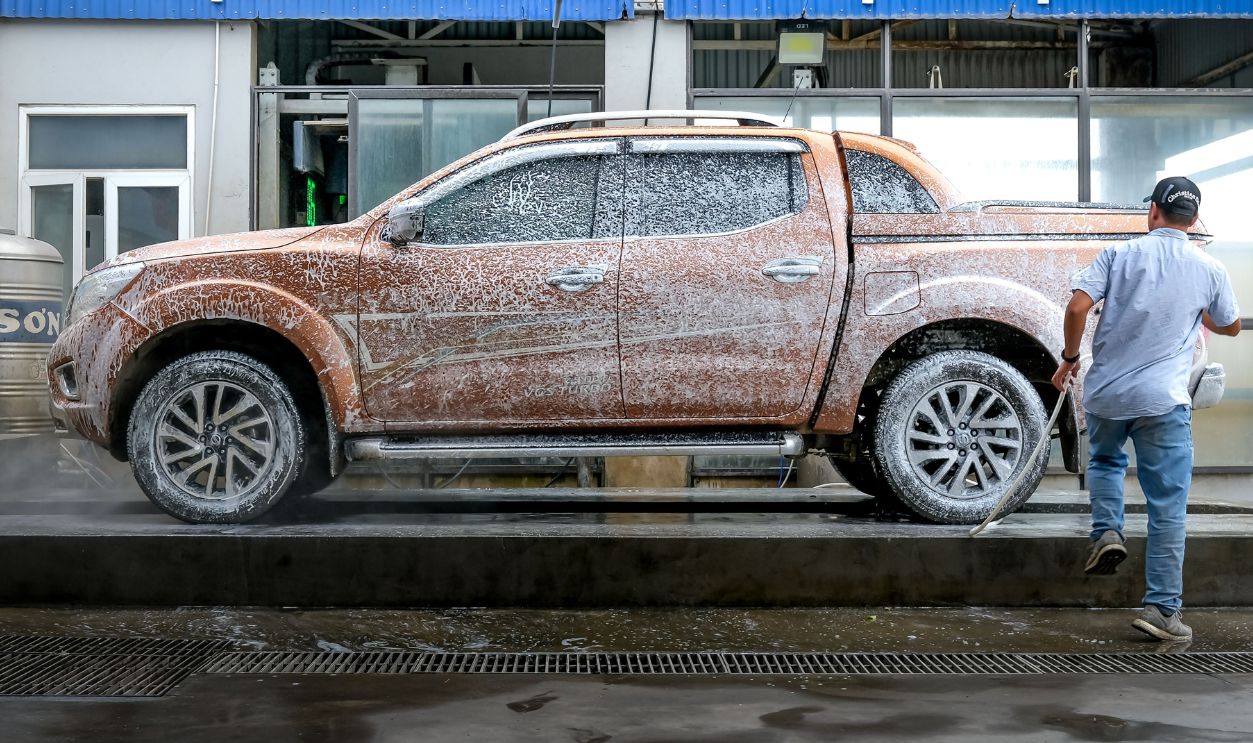
California water regulators have been especially clear. The California State Water Resources Control Board warns that dirty car wash water entering storm drains can violate local stormwater rules because those drains often lead straight to surface waters. In many California communities, residents are told to use a commercial car wash or wash on a permeable surface like gravel when possible.
 Quintin Soloviev, Wikimedia Commons
Los Angeles Makes The Street Rule Easy To Understand
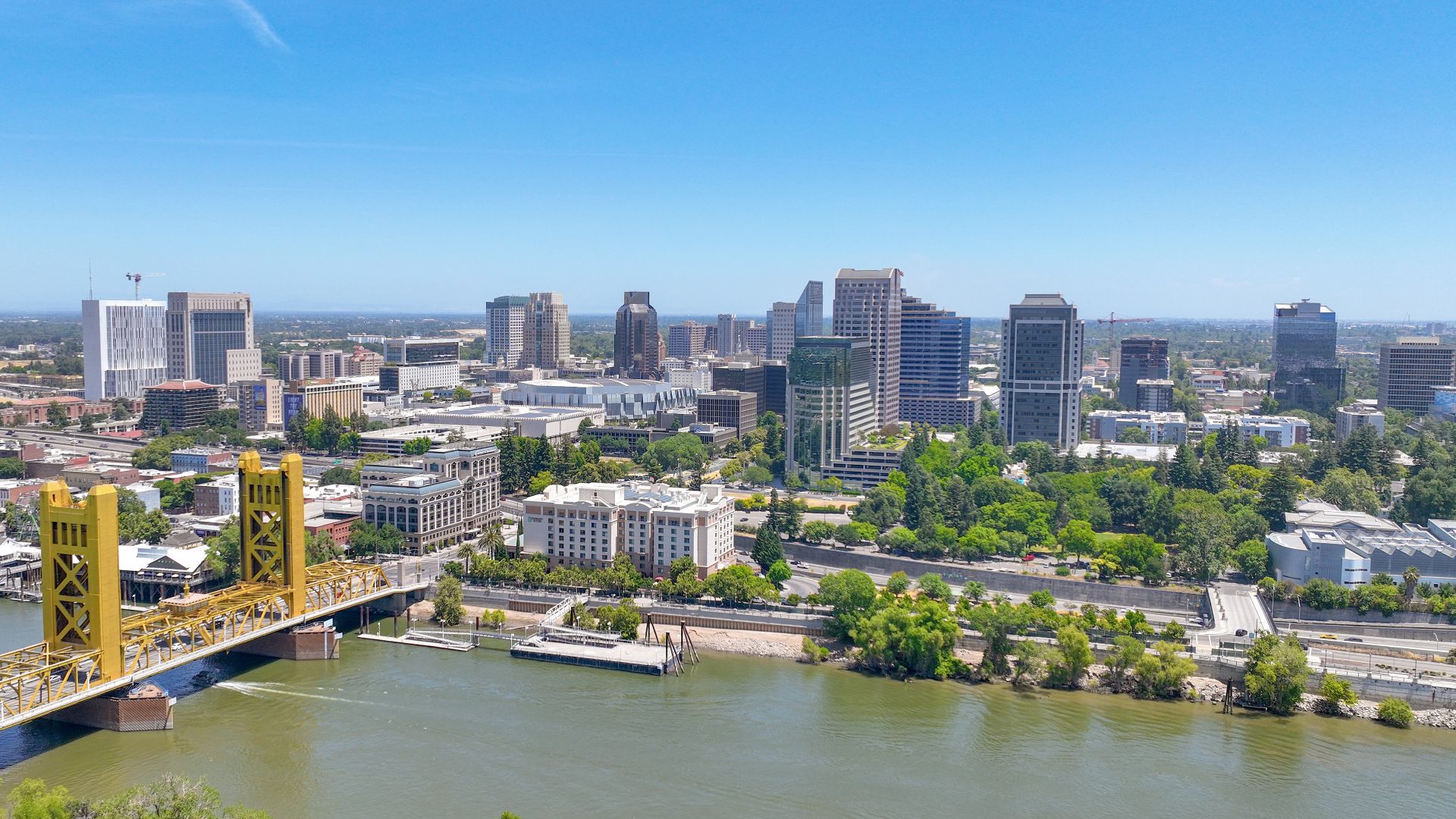
Los Angeles County public works guidance is blunt. It tells residents not to wash vehicles on the street because wash water flows to storm drains and into the ocean. That does not mean every street wash leads to a ticket, but it shows how clearly some local governments view the issue.
 Johnnydeezwax, Wikimedia Commons
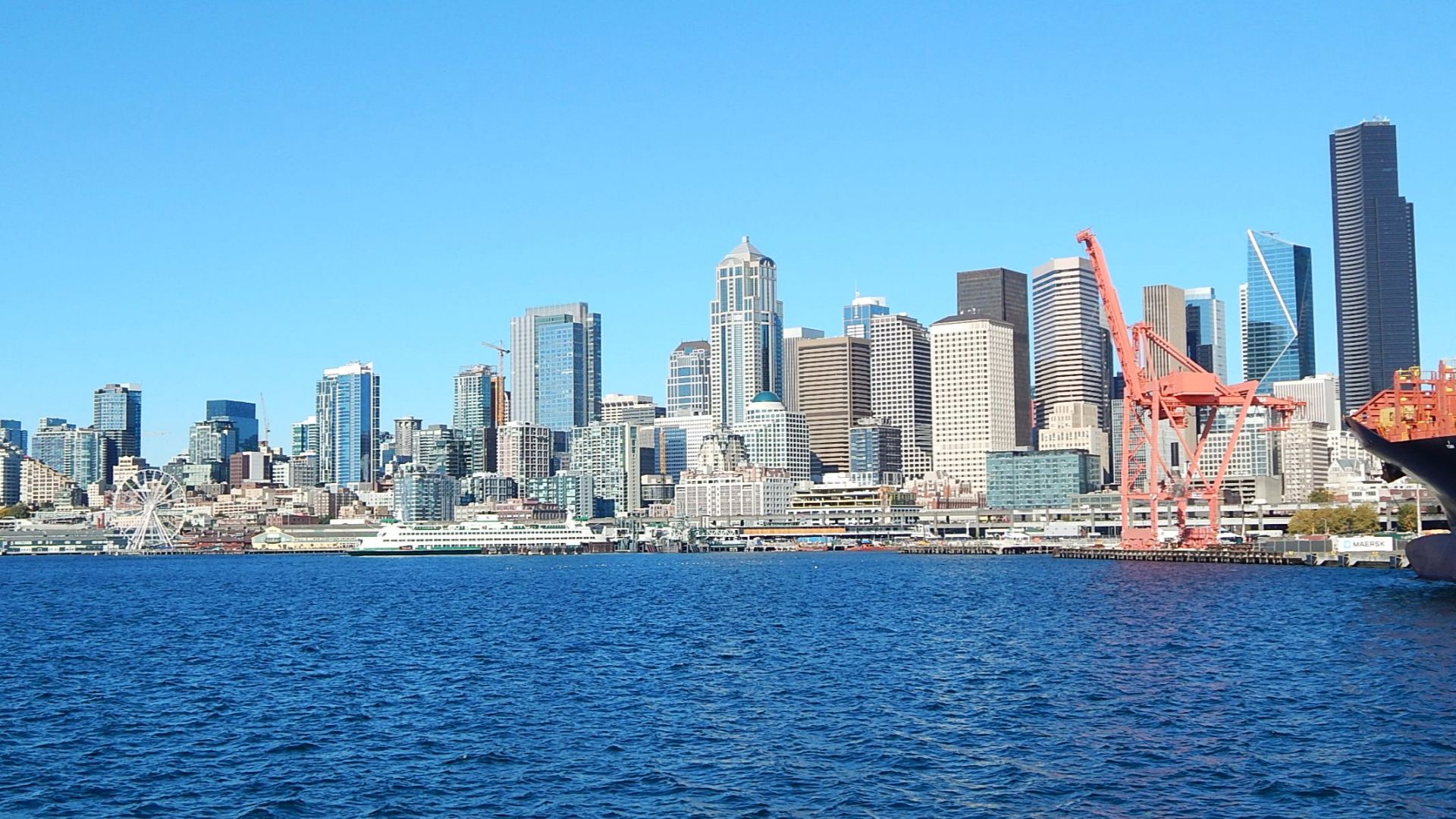
Seattle Is Another City With A Clear Rule
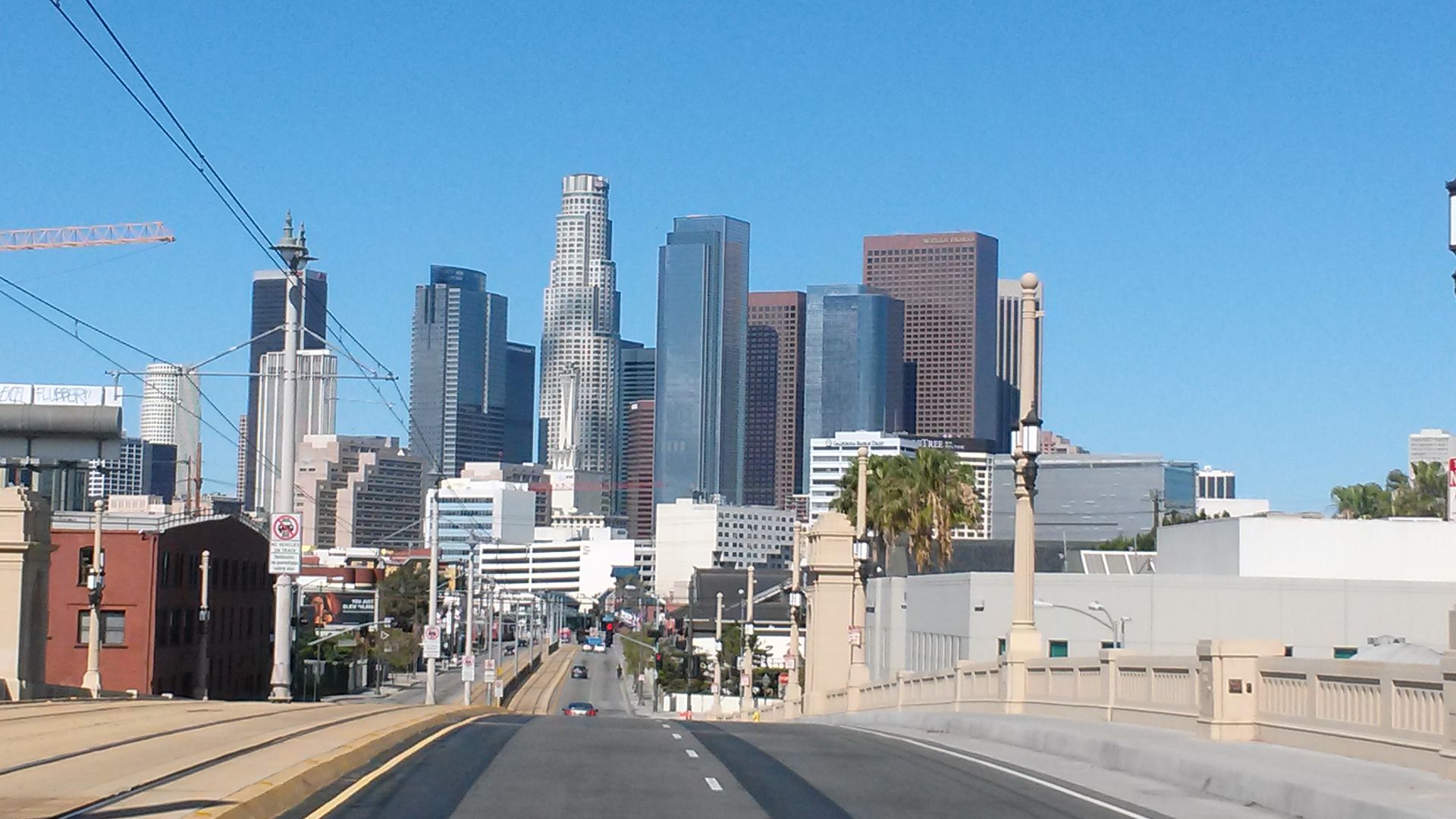
Seattle Public Utilities tells residents not to wash cars on the street because soap and grime can enter storm drains and pollute waterways. The city instead recommends commercial car washes or washing on grass or gravel where the water can soak in. It is a good example of how local environmental guidance shapes what is actually allowed.
 Ron Clausen, Wikimedia Commons
Some Cities Ban It, Others Limit How It Is Done
The details vary. One city may flatly prohibit washing vehicles in the street, while another may allow it only if runoff does not enter a storm drain. A third may care less about the washing itself and more about whether it blocks travel, creates standing water, or causes a neighborhood nuisance.
 monkeybusinessimages, Getty Images
Blocking Traffic Can Trigger Traffic Laws Fast
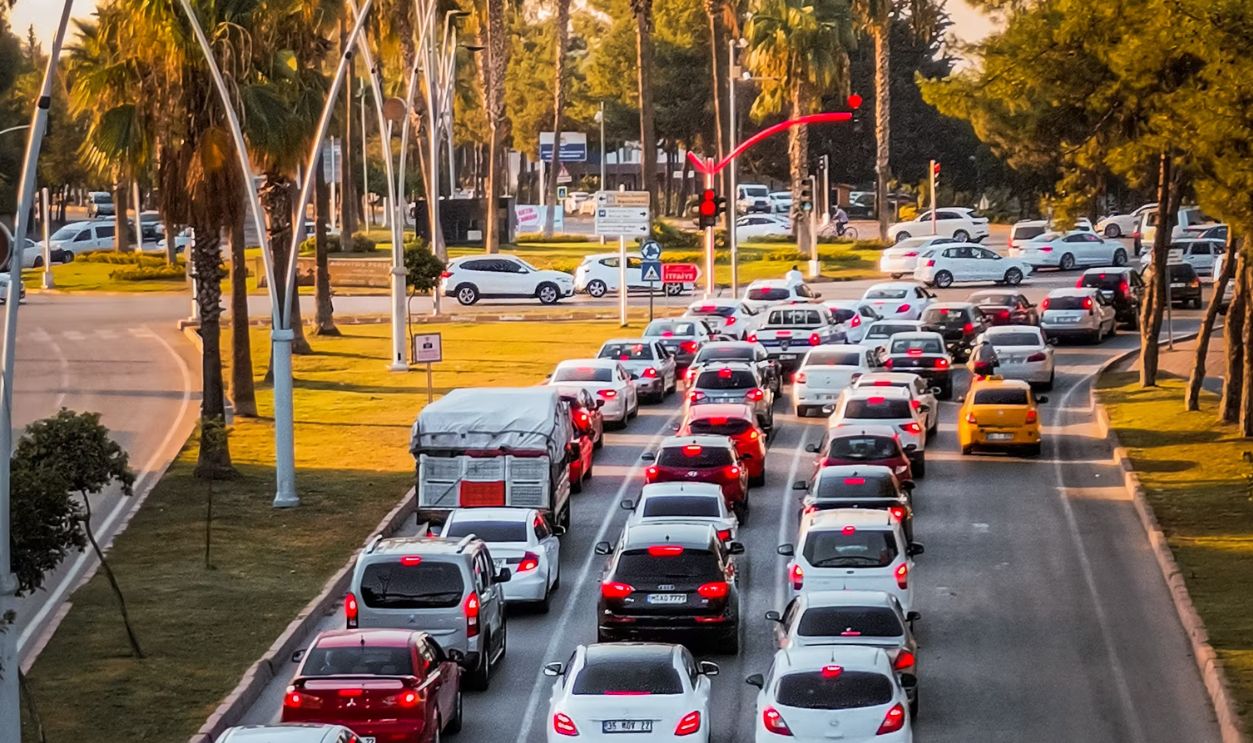
If your neighbor’s setup forces cars to stop, back up, or cross into another lane, the issue can quickly move beyond a code complaint. Police may view that as a street obstruction or a traffic hazard. Even a legally parked vehicle can become part of an illegal situation if people or equipment are using the roadway in a way that interferes with safe passage.
Hoses Across The Road Are Not Just Annoying
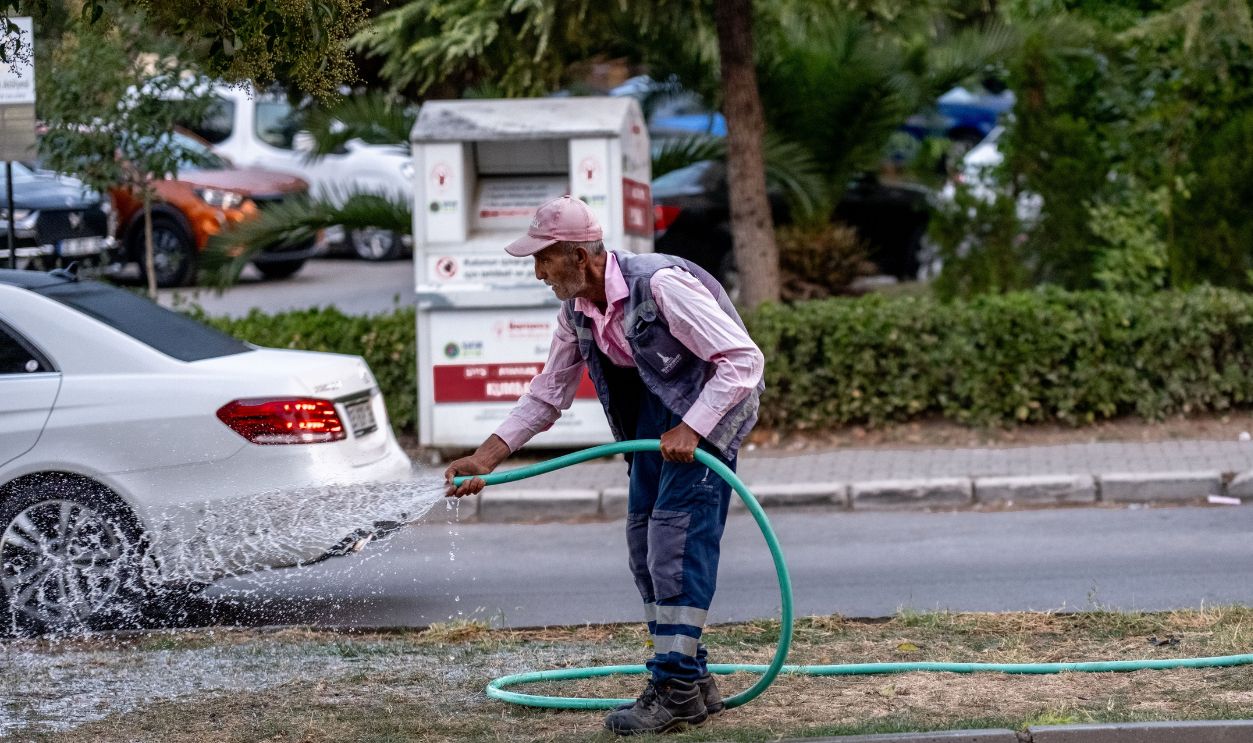
A garden hose stretched across a street or lane creates an obvious risk. It can affect bicycles, motorcycles, and pedestrians, and it can cause drivers to brake suddenly. Cities often do not need a car-washing-specific rule to cite that kind of conduct because general obstruction or hazard rules may already cover it.
There Is Also A Nuisance Issue
Repeated behavior that disrupts ordinary use of the street can sometimes be treated as a public nuisance. That usually depends on local code language and how serious or frequent the problem is. A once-a-year charity wash is one thing, but a weekly blockage that keeps irritating neighbors can draw more attention.
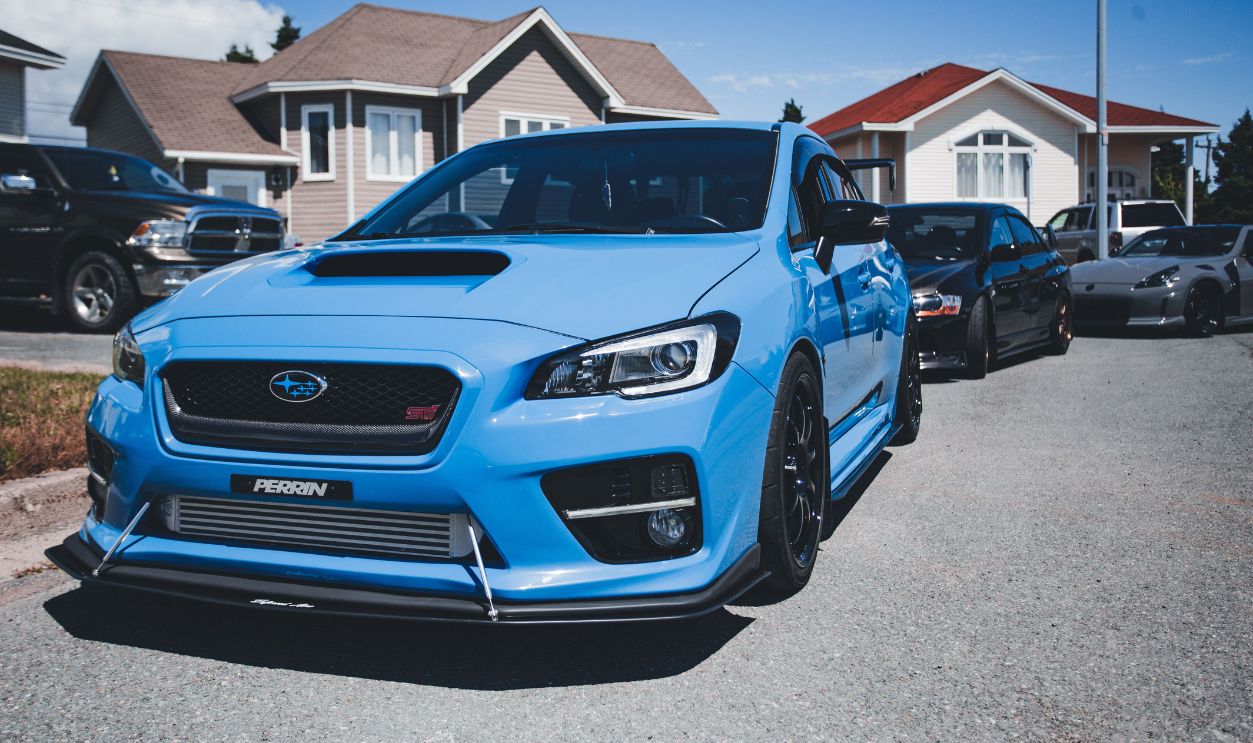
Water Waste Rules May Matter Too
In drought-prone areas, water use restrictions can add another layer. Some municipalities and water districts limit hose use, require automatic shutoff nozzles, or restrict runoff from outdoor washing. So even if the traffic issue seems minor, the water-use side may still create a violation.
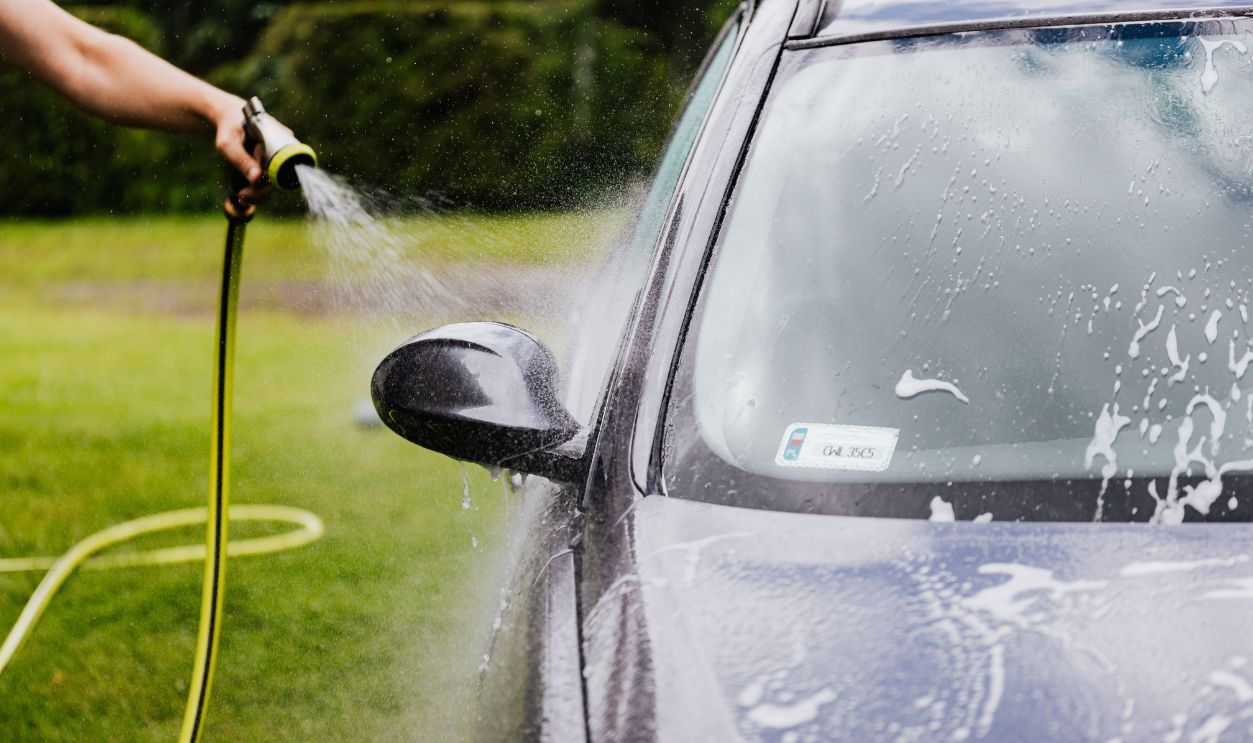
HOA Rules Can Matter, But They Are Separate
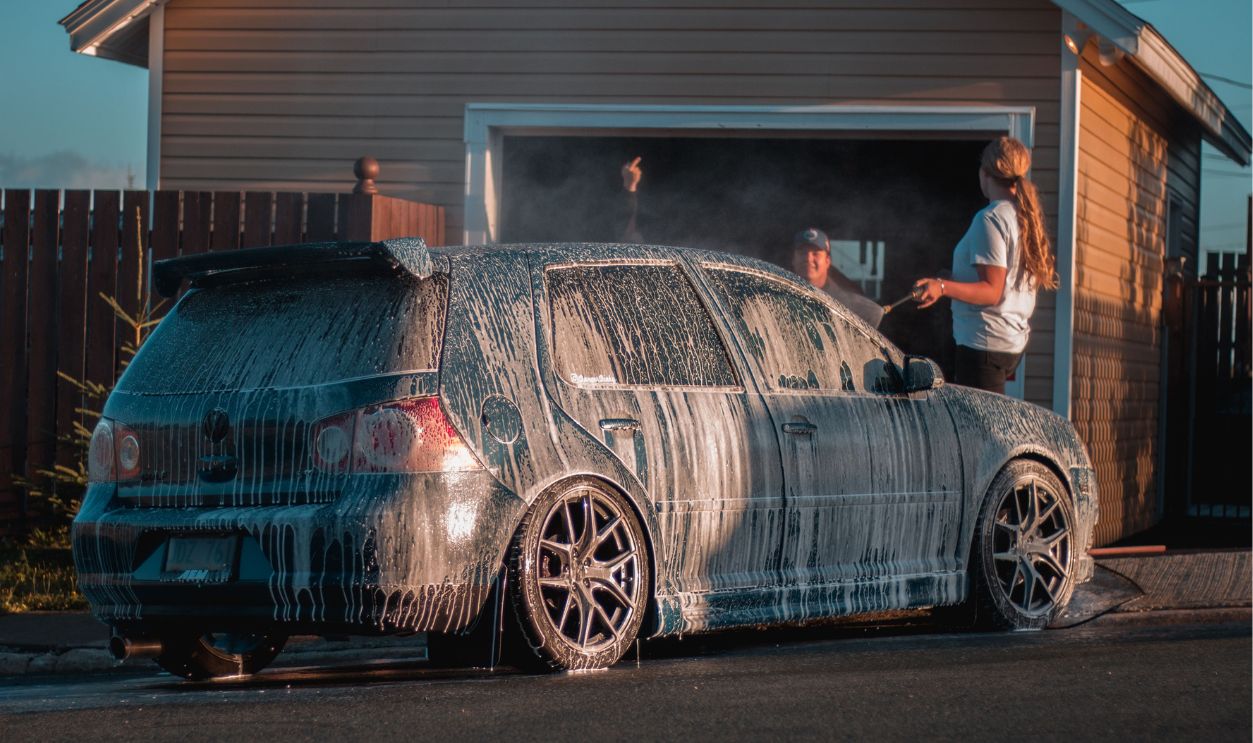
If the home is in a neighborhood with a homeowners association, there may be private rules about vehicle maintenance, appearance, or use of common areas. Those rules are not criminal laws, but they can still lead to warnings or fines. They do not replace city law, and they definitely do not allow someone to block a public street.
 Andrii Iemelianenko, Shutterstock
Commercial Activity Changes Things
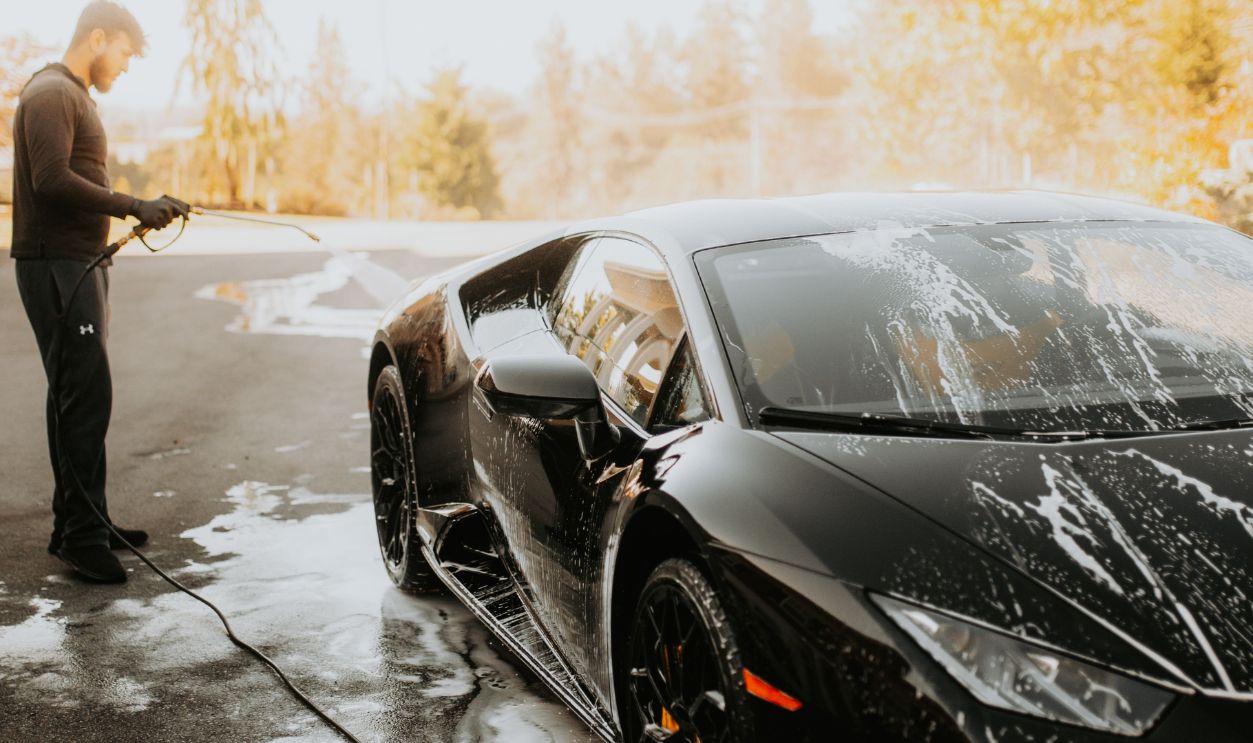
If the neighbor is detailing cars for pay rather than washing a personal vehicle, more rules can apply. Some cities regulate home-based businesses, mobile detailing, wastewater capture, and work done in public rights of way. Once money is involved, enforcement often gets more serious.
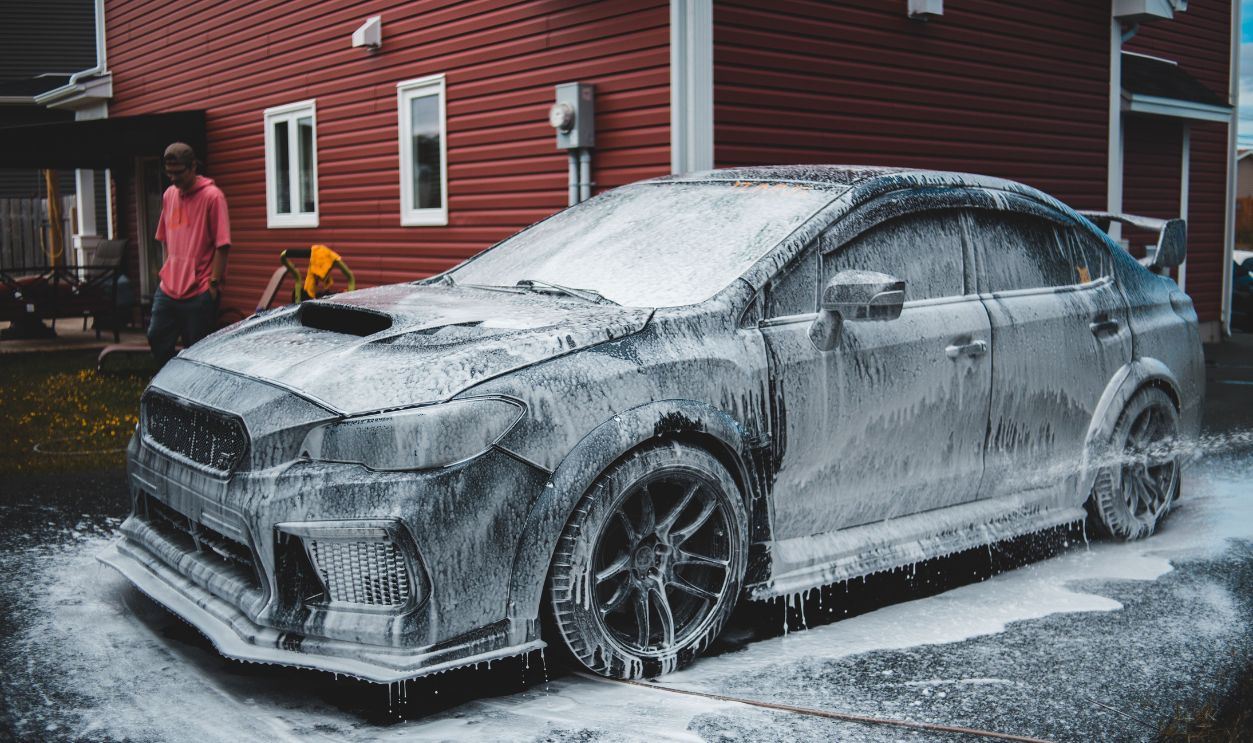
What Counts As Blocking Traffic
Blocking traffic does not always mean every lane is fully closed. It can mean narrowing the usable roadway, preventing vehicles from passing smoothly, or creating a situation where cars must wait for someone to move equipment. If ordinary travel is repeatedly interrupted, that is usually enough to raise a legal issue worth reporting.
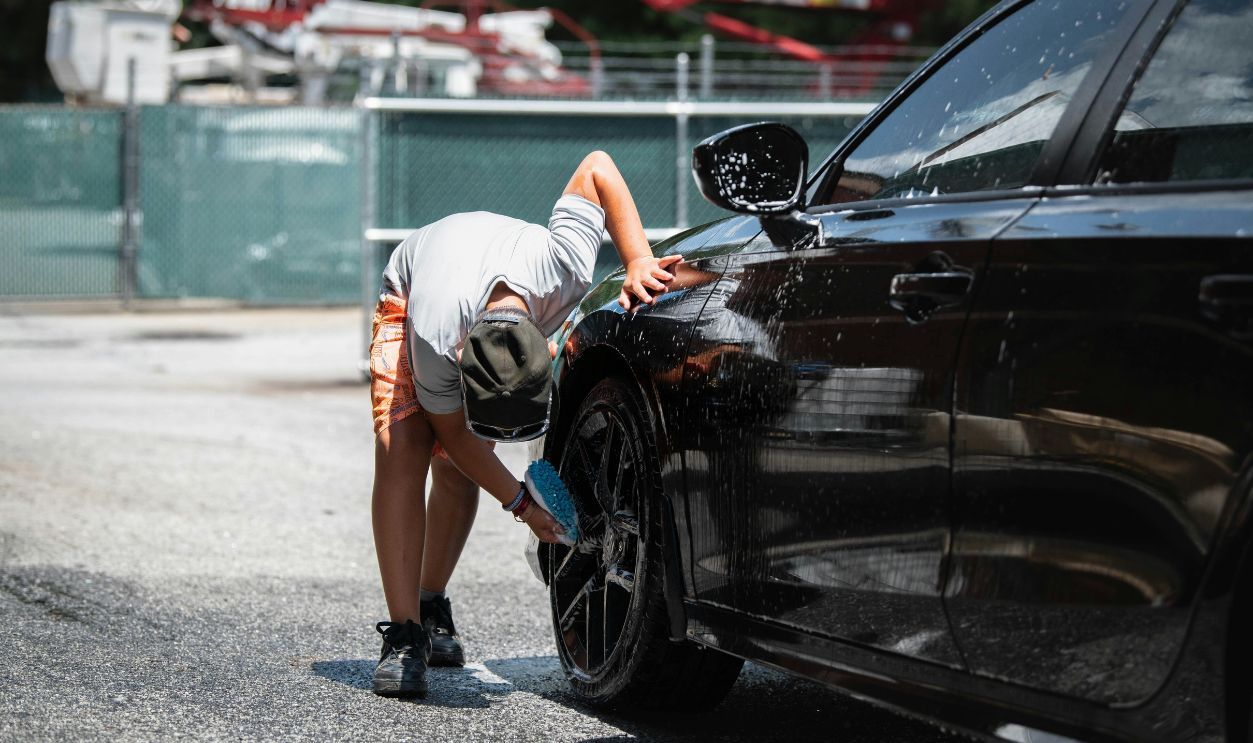
Why Photos And Times Matter
If you are dealing with this problem, details help. A quick record of dates, times, photos, and how long traffic was blocked makes a complaint more credible. It also helps code enforcement or police see that this is a recurring public access issue rather than a one-time inconvenience.

Do Not Start With A Street-Side Argument
It is tempting to confront the neighbor in the moment, especially when you are stuck waiting behind a hose and a soapy bumper. But a calm, friendly conversation usually works better than an argument in the street. A simple heads-up that the setup is blocking drivers may solve the problem without making it worse.

The Best First Call Is Usually Non-Emergency
If the problem keeps happening, the safest next step is usually a city code enforcement office, public works department, or police non-emergency line. Those offices can tell you whether the city bans street washing, runoff into storm drains, or roadway obstruction. They can also document repeated complaints if the behavior continues.

When It Becomes An Emergency
If the blockage creates an immediate safety risk, such as a blind-corner obstruction, a near-collision hazard, or interference with emergency access, it may justify a faster response. That is especially true if drivers are swerving into oncoming traffic to get around the wash setup. At that point, a minor neighbor dispute can become a real public safety problem.

There Is A Reason Commercial Car Washes Get Mentioned So Often
Environmental agencies do not recommend commercial car washes just to promote businesses. Many commercial facilities are connected to sanitary sewer systems or use water recycling systems that handle wash water more safely than a street gutter does. That makes them a cleaner legal and environmental option in many places.
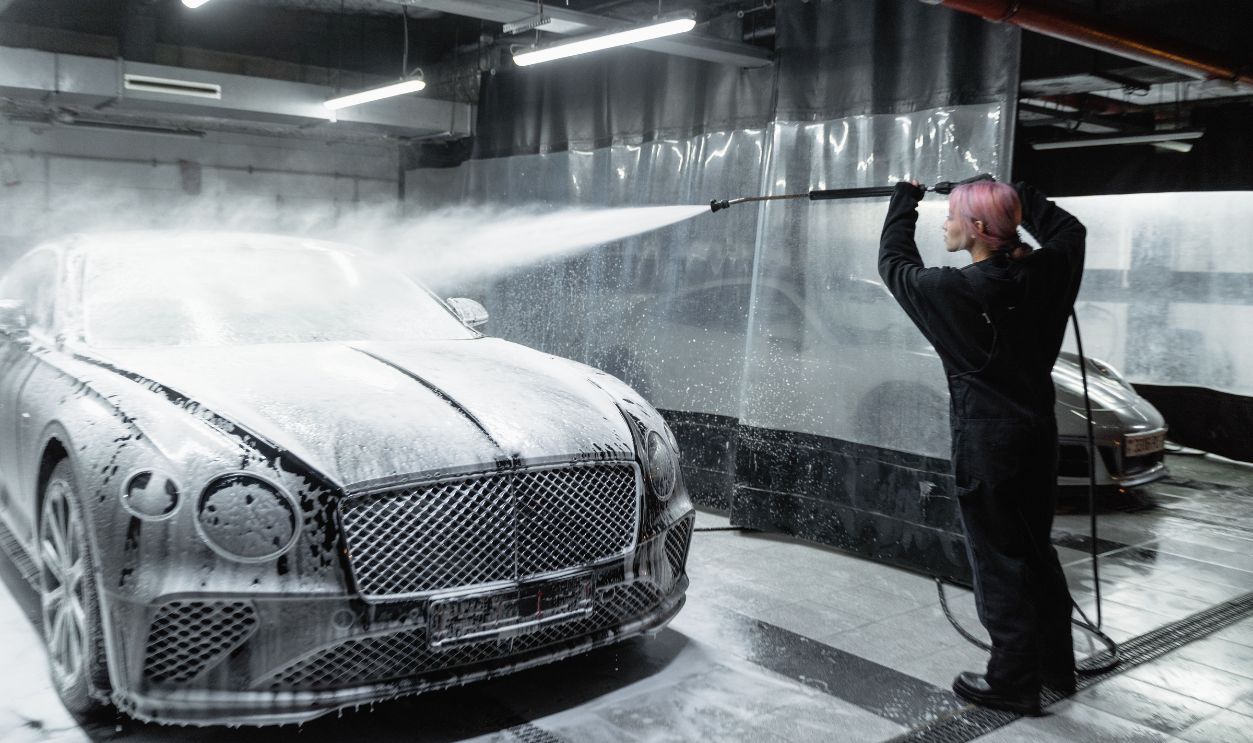
Driveways Are Not Always Automatically Fine Either
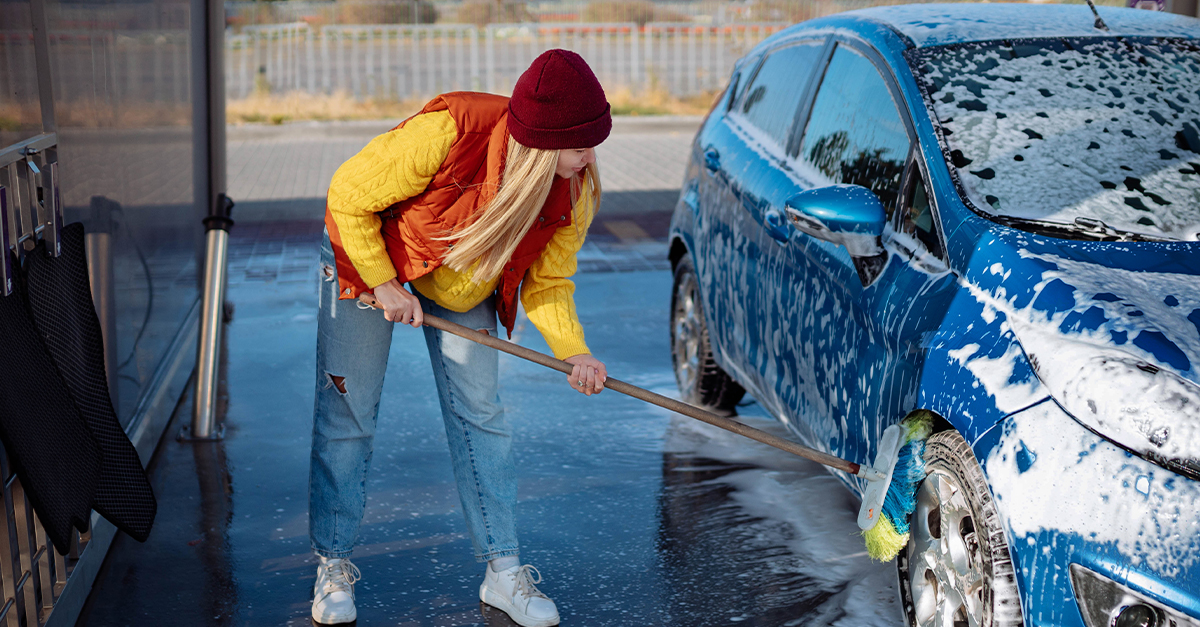
Many people assume moving from the street to the driveway solves everything. It often helps with traffic, but runoff rules may still apply if the water reaches a storm drain. Some local agencies specifically recommend washing on gravel or grass so the water can soak into the ground instead of rushing to the curb.
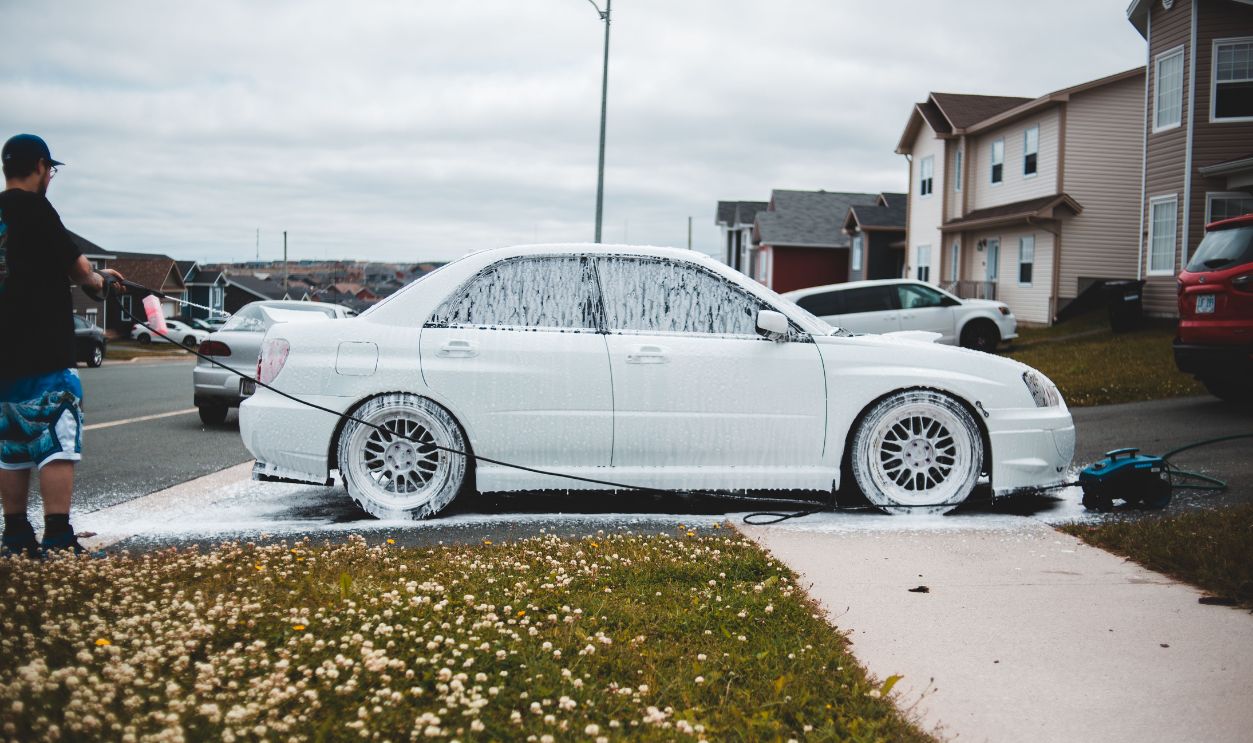
The Law Depends On Where You Live, Not On What Feels Normal
That is the frustrating truth. Plenty of people grew up seeing weekend driveway and street washes and assume they are harmless. But once local stormwater rules, public nuisance rules, and traffic obstruction laws are factored in, the legal answer becomes highly local and often stricter than old habits suggest.
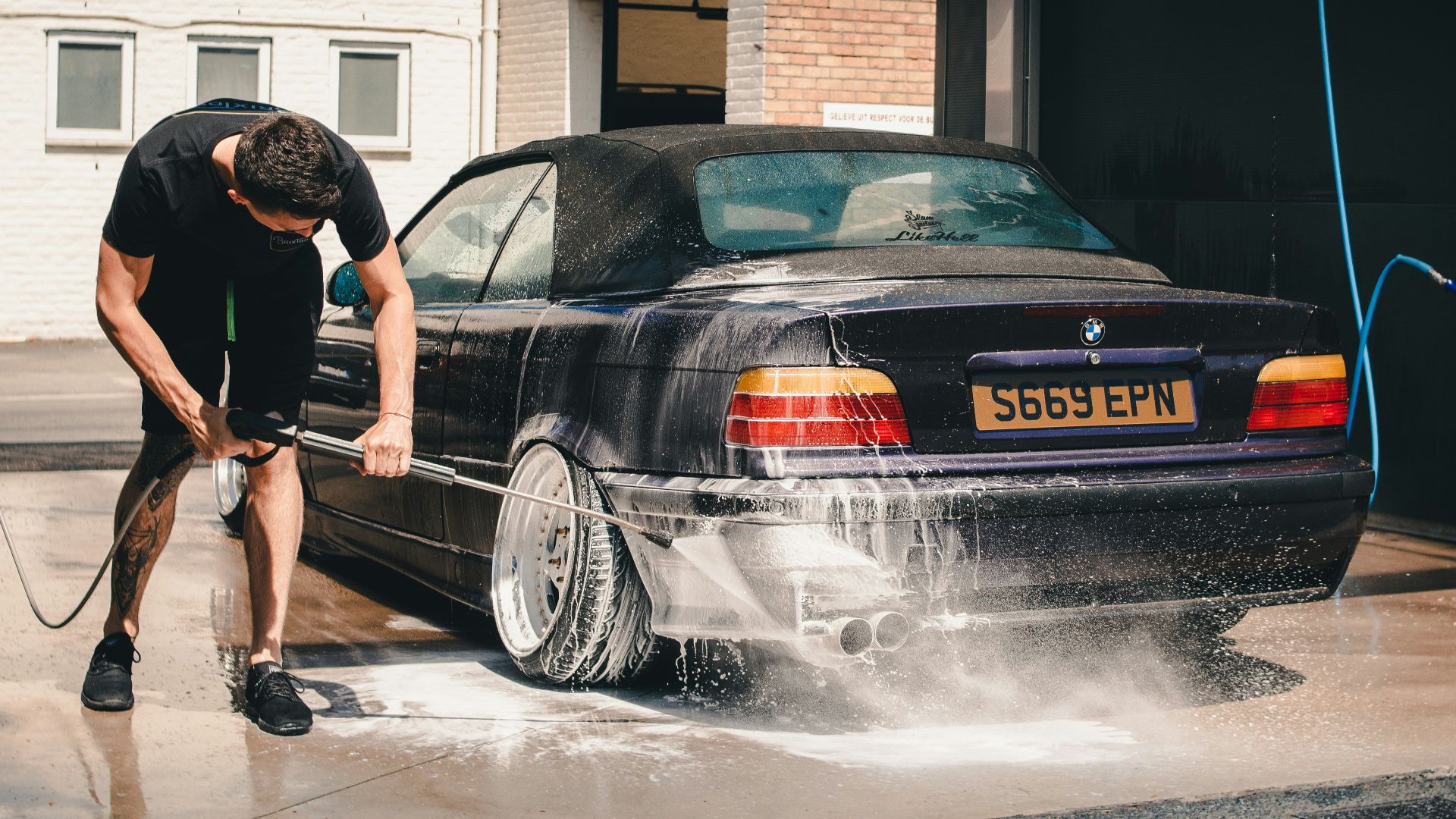
So Is Your Neighbor Actually Breaking The Law
If the wash regularly blocks traffic on a public street, there is a strong chance some local rule is being crossed, even if the specific offense is obstruction rather than washing itself. If soapy runoff is entering a storm drain, the odds of a violation go up in many cities. The clearest answer is that it may be legal in some places, but blocking traffic is where your neighbor’s weekend routine gets much harder to defend.
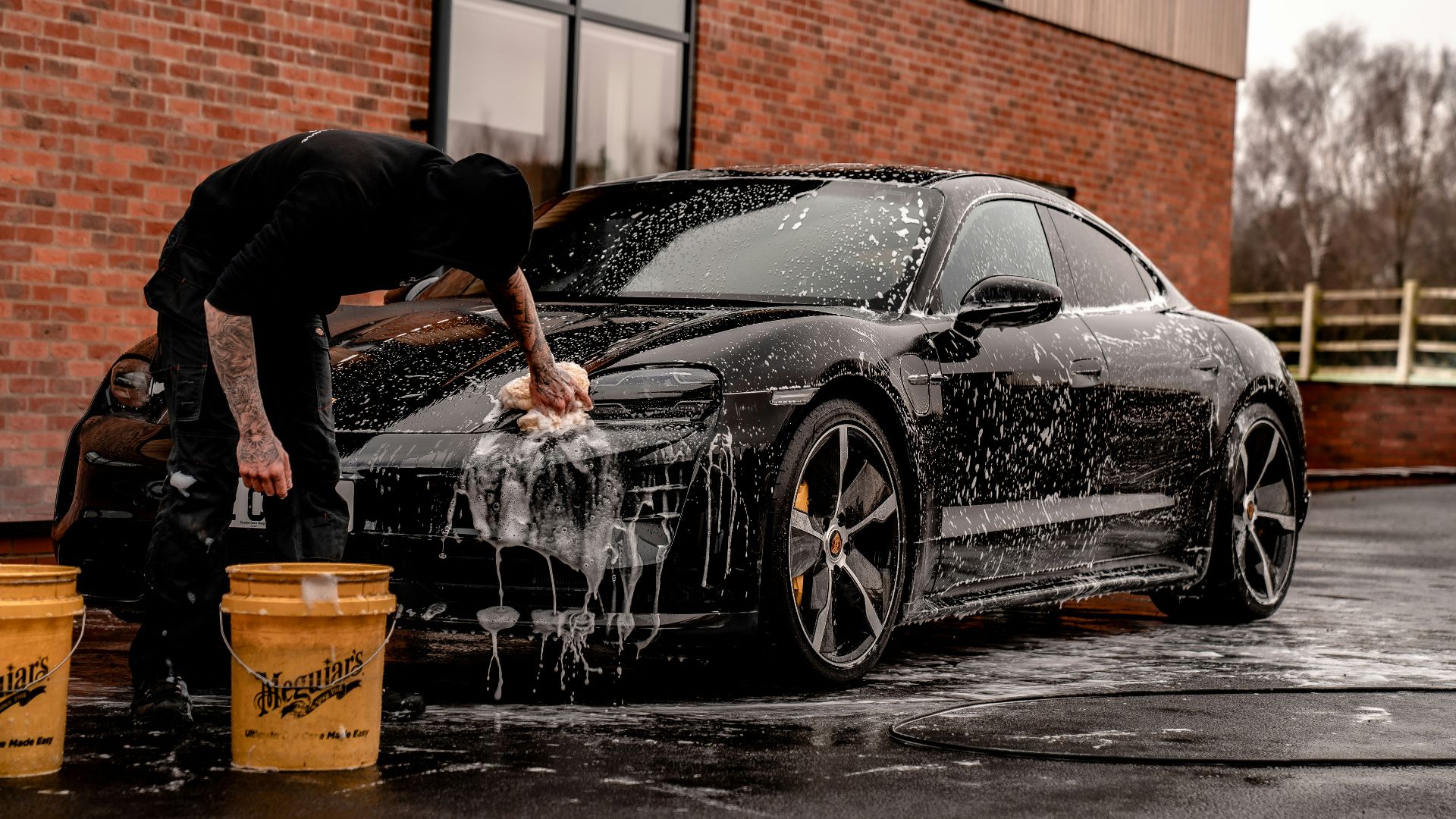
The Practical Bottom Line For Drivers
If you are the one doing the washing, keep it off the street, keep hoses and buckets out of the roadway, and avoid sending runoff to the storm drain. If you are the neighbor dealing with the blockage, document it, check your local city code, and use non-emergency reporting channels. On this issue, the law is local, but the common-sense rule is universal: do not turn a public street into your personal car wash bay.