It Still Runs, So How Bad Could It Be?
Hearing “you need a new engine” when your car still starts and drives can sound like a sales pitch. But an engine can keep running even when serious damage has already started. The real issue is not whether it runs today. It’s whether the signs show it is close to failing or no longer worth fixing.

A Running Engine Can Still Be A Failing Engine
Modern engines can keep limping along with worn bearings, low compression, coolant leaks, or heavy oil use long before they quit for good. The National Highway Traffic Safety Administration says warning signs like smoke, knocking, overheating, and loss of power should be taken seriously because they can point to major mechanical trouble. So yes, a car can still run and still have an engine that is in real trouble.
What Mechanics Usually Mean By “Needs A New Engine”
That phrase can mean a few different things, and the difference matters. Sometimes it means the engine has major internal damage and replacement is the most practical fix. Other times it means the engine could be repaired, but the labor and parts would cost as much as, or more than, a used, remanufactured, or brand-new replacement engine.

The First Thing To Ask For Is Proof
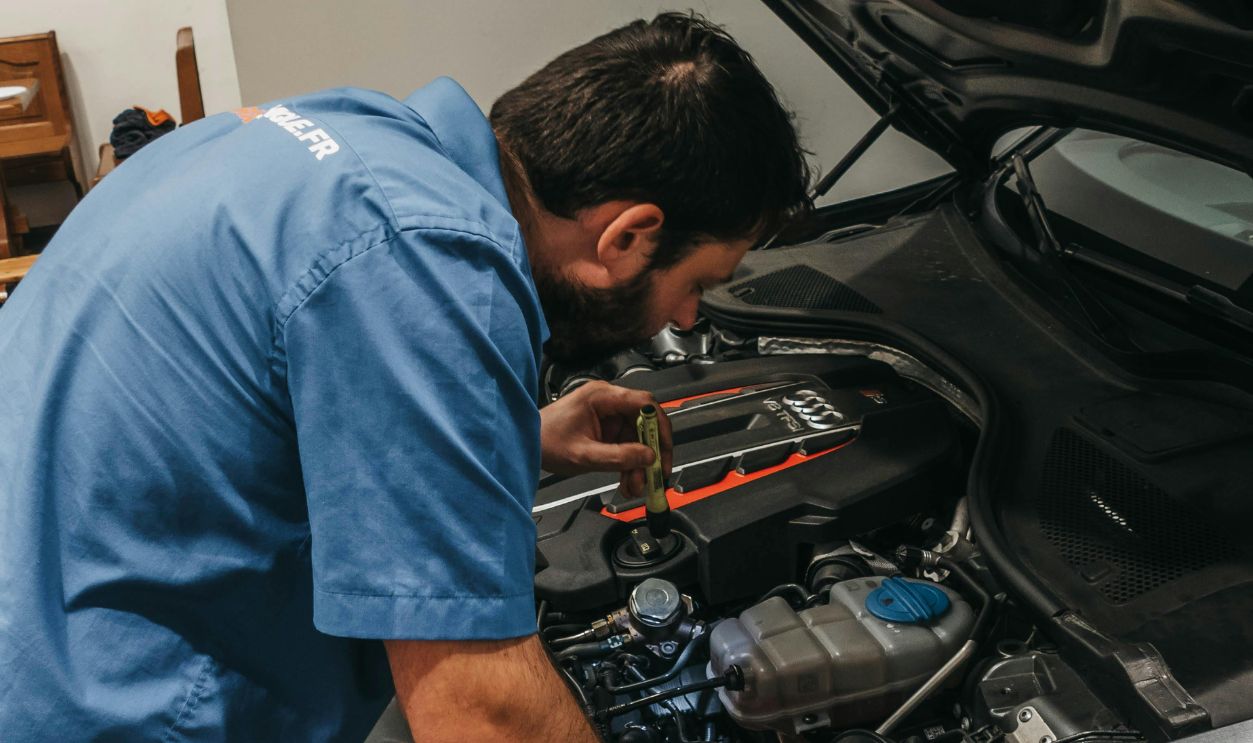
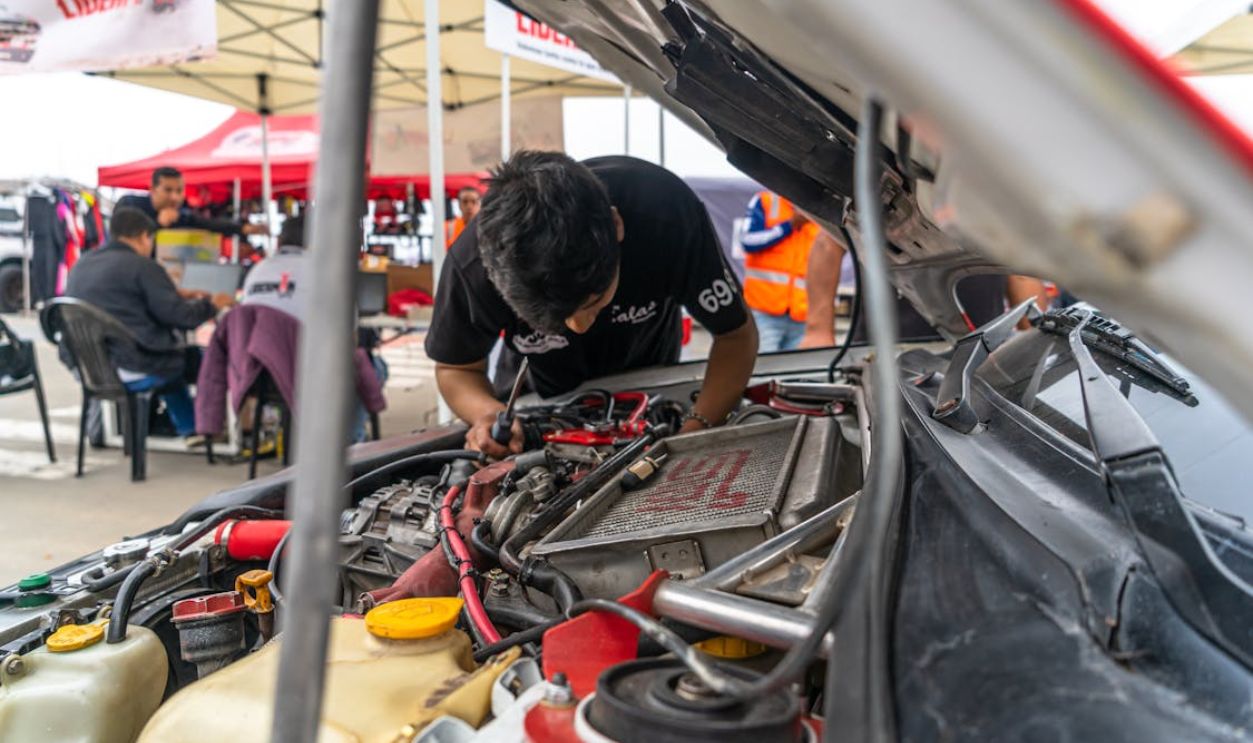
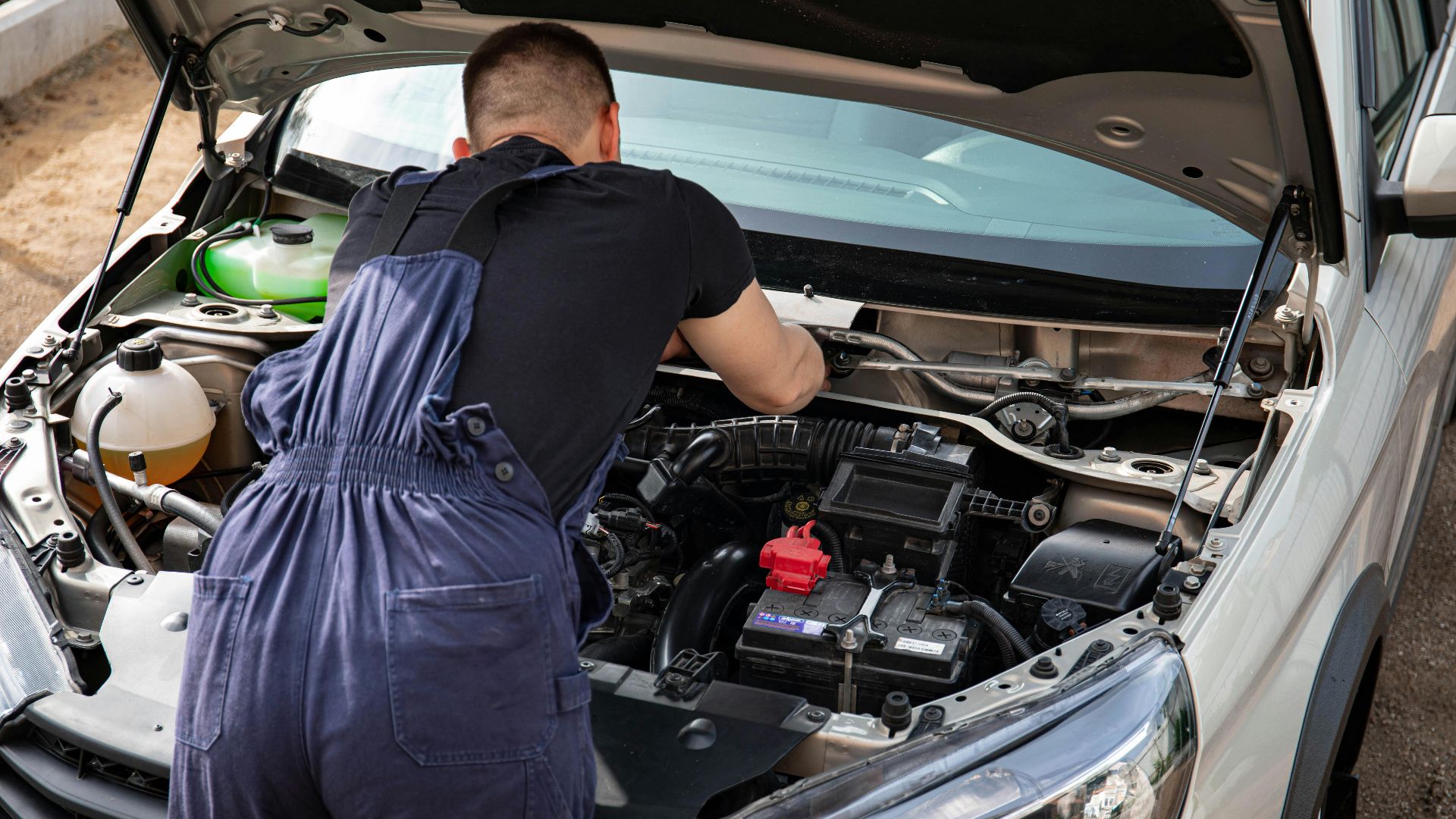
If a mechanic says you need an engine, ask them to show you what led them to that call. A solid shop should be able to point to compression readings, leak-down test results, oil pressure numbers, metal in the oil, overheating history, or visible damage. If the explanation is vague, that is a good reason to slow down and ask more questions.
 Jose Ricardo Barraza Morachis, Pexels
Blue Smoke Is One Of The Biggest Clues
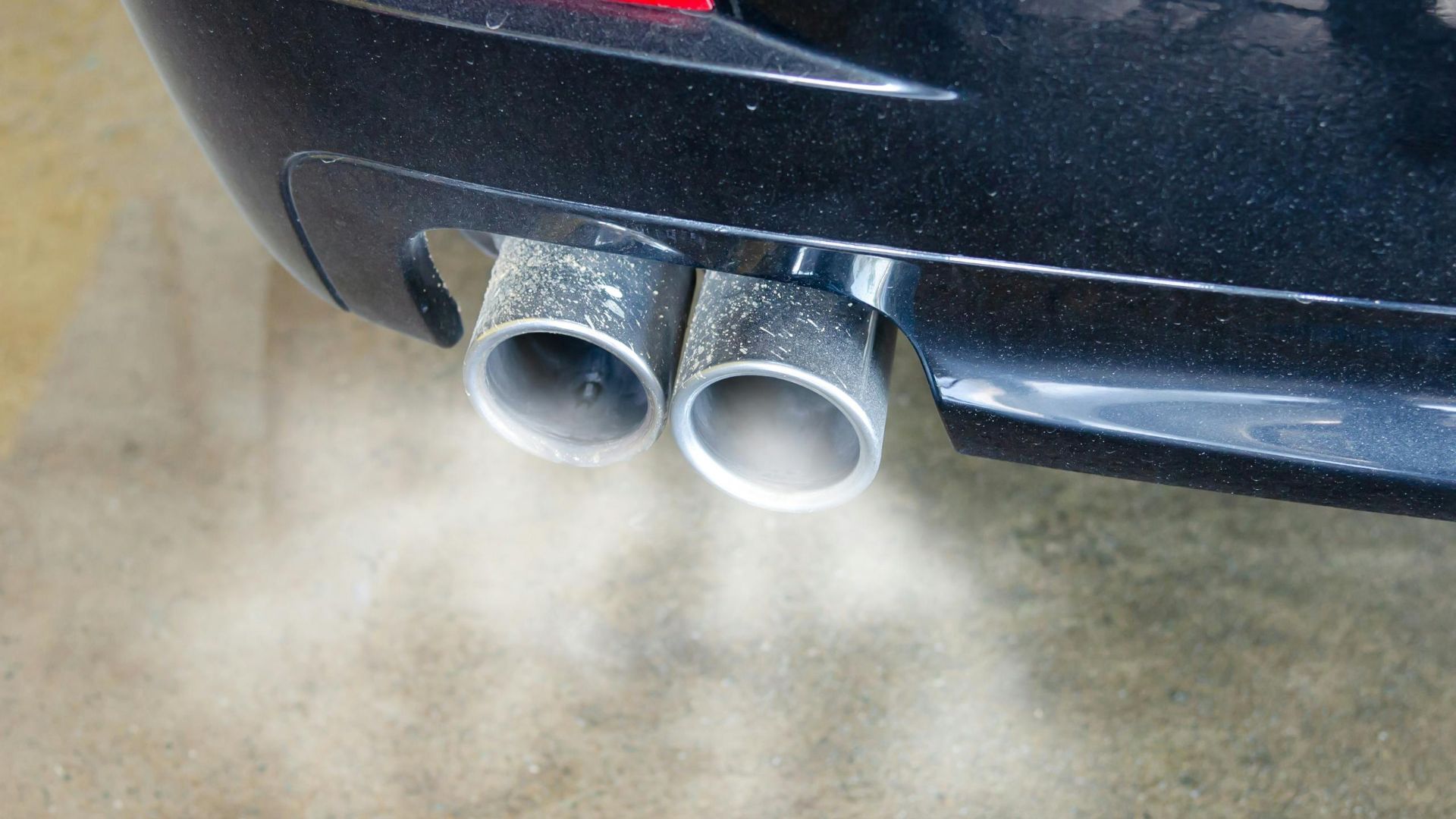
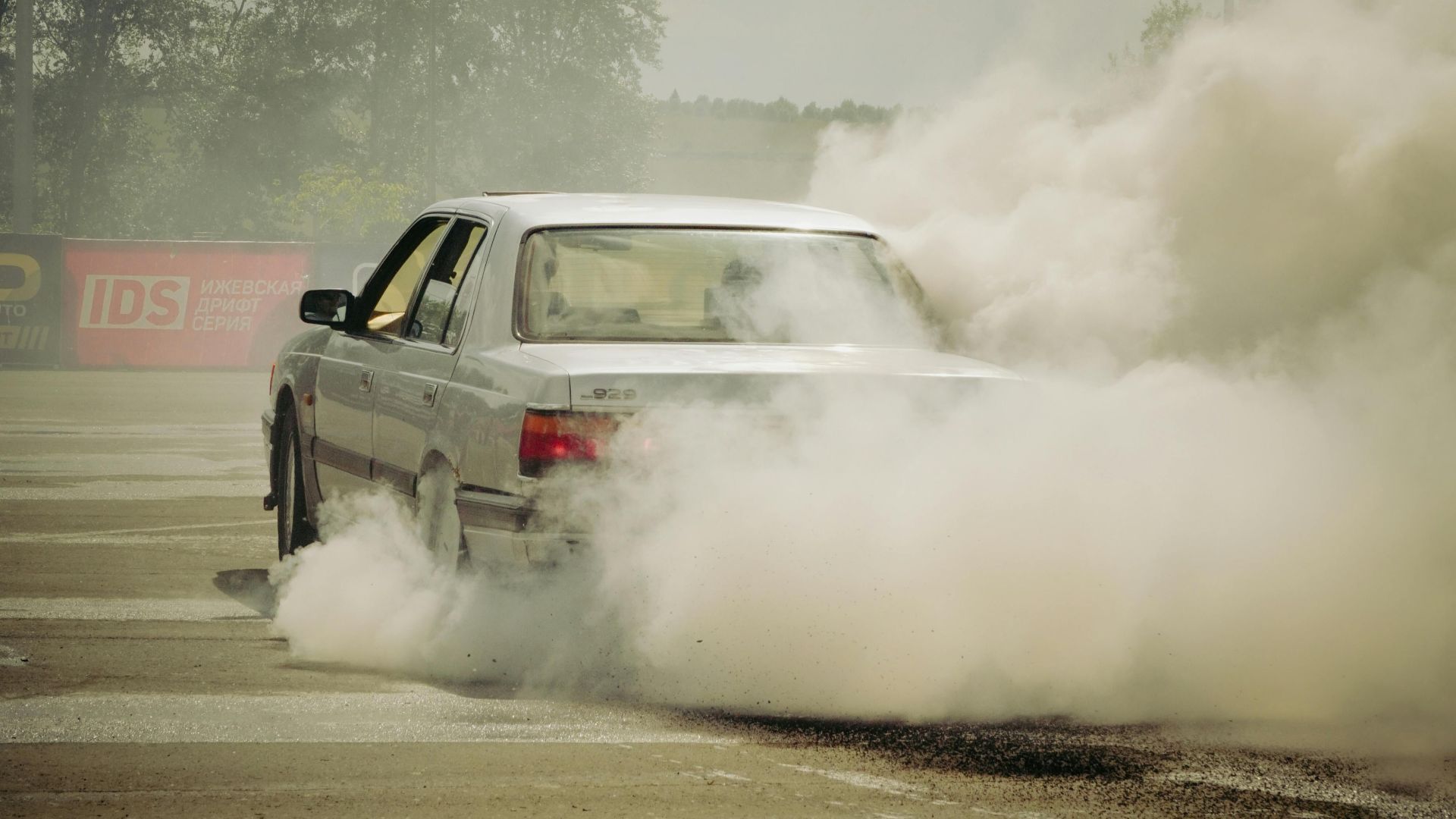
Blue or blue-gray smoke from the exhaust usually means the engine is burning oil. That can happen because of worn piston rings, damaged cylinder walls, or worn valve seals. The California Bureau of Automotive Repair tells drivers to watch for smoke and unusual sounds because they can signal serious engine problems that need a closer look.
White Smoke Can Mean Coolant Is Getting In
Thick white smoke from the exhaust, especially after the engine has warmed up, can mean coolant is getting into the combustion chamber. That often points to a blown head gasket, a cracked cylinder head, or a cracked engine block. Some of those problems can be repaired without replacing the whole engine, but severe overheating can turn a repairable issue into a replacement job.
Knocking Is The Sound You Do Not Want
A deep metallic knock from the lower part of the engine can mean worn rod bearings or other internal damage. If oil pressure has also dropped, the damage may already be serious. At that point, replacement can make more sense than rebuilding because the cost to repair the lower end can get very high very fast.
Low Compression Changes The Picture
Compression tests and leak-down tests are some of the best ways to check engine health. If one cylinder has low compression, the problem may be limited and fixable. If several cylinders are weak, especially because of ring or cylinder wear, that is a much stronger sign that the engine is worn out overall.
Oil Pressure Tells A Bigger Story
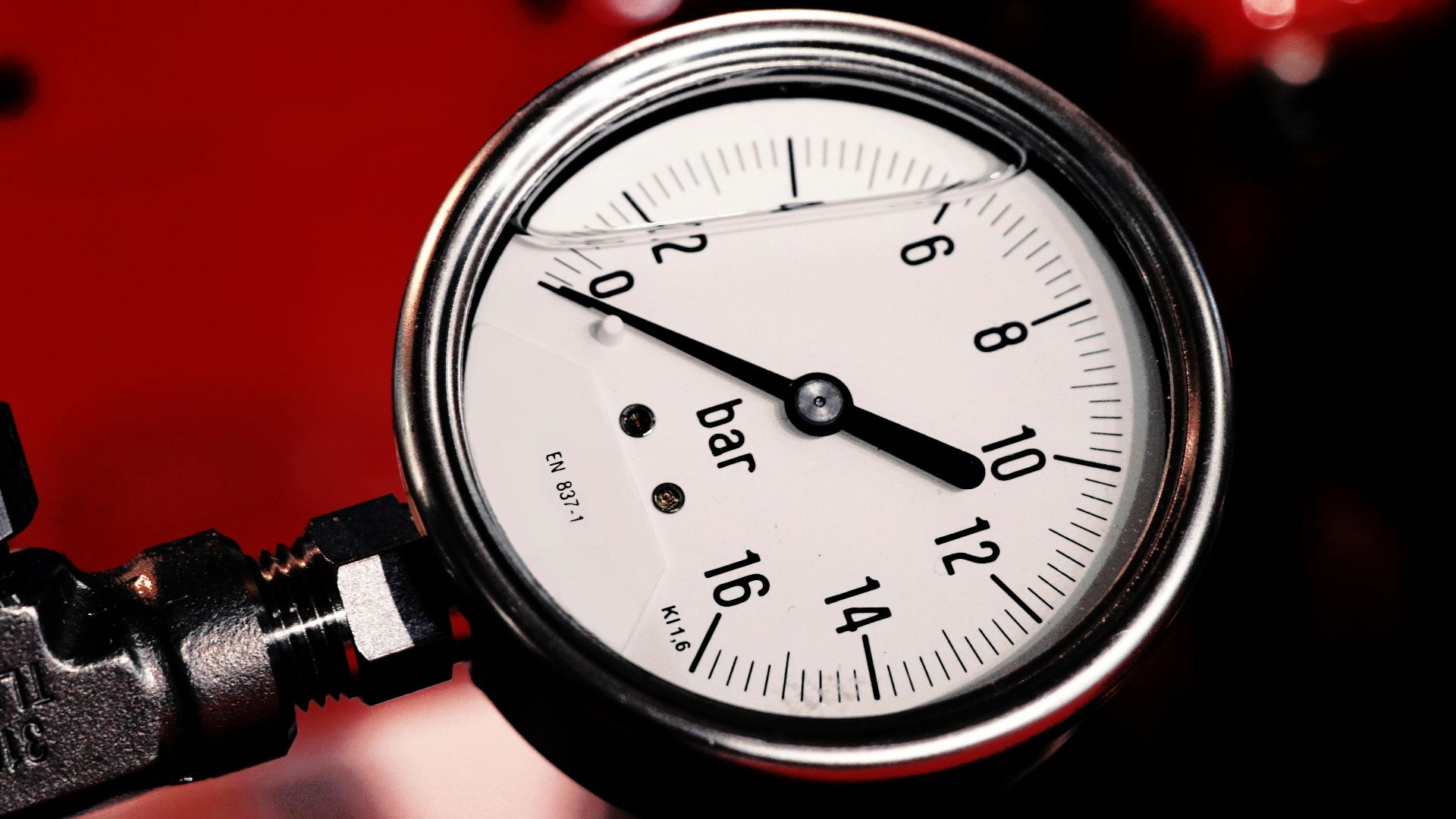
Low oil pressure can come from something simple, like a bad sending unit, but it can also point to worn bearings or an oil pump problem. If a mechanical gauge confirms the oil pressure really is low, the engine may be at risk of failing quickly. That is one of those moments when “it still runs” stops being very comforting.
Metal In The Oil Is A Major Red Flag
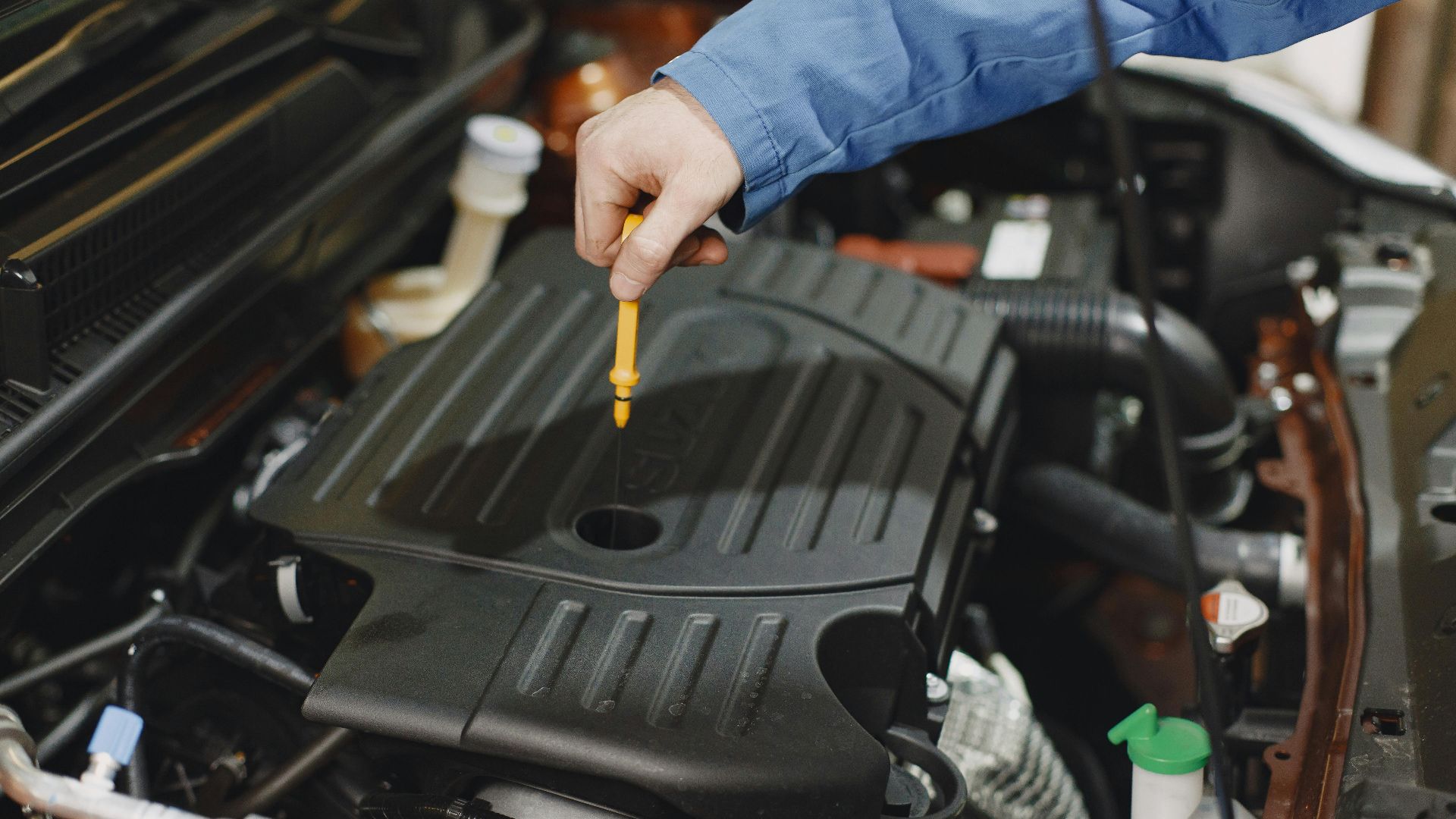
If a shop finds shiny metal flakes in the drained oil or in the oil filter, that often means internal parts are wearing down. Bearing material and steel particles are not normal. If the mechanic can show you that contamination, a recommendation for replacement starts to sound a lot more believable.

Overheating Can Wreck An Engine Fast
The U.S. Department of Energy says engine overheating can come from cooling system problems and should be fixed quickly. Repeated overheating can warp cylinder heads, damage head gaskets, and in severe cases crack major engine parts. A car may still run after that, but the damage may already be done.

Oil Consumption Is Not Always The End
Some engines burn oil for a long time and keep going, especially older high-mileage ones. The bigger question is how much oil it uses, whether the spark plugs are getting fouled, whether the catalytic converter is being damaged, and whether compression is still healthy. Heavy oil use with smoke and low compression is a much worse sign.
A Check Engine Light Alone Does Not Mean New Engine
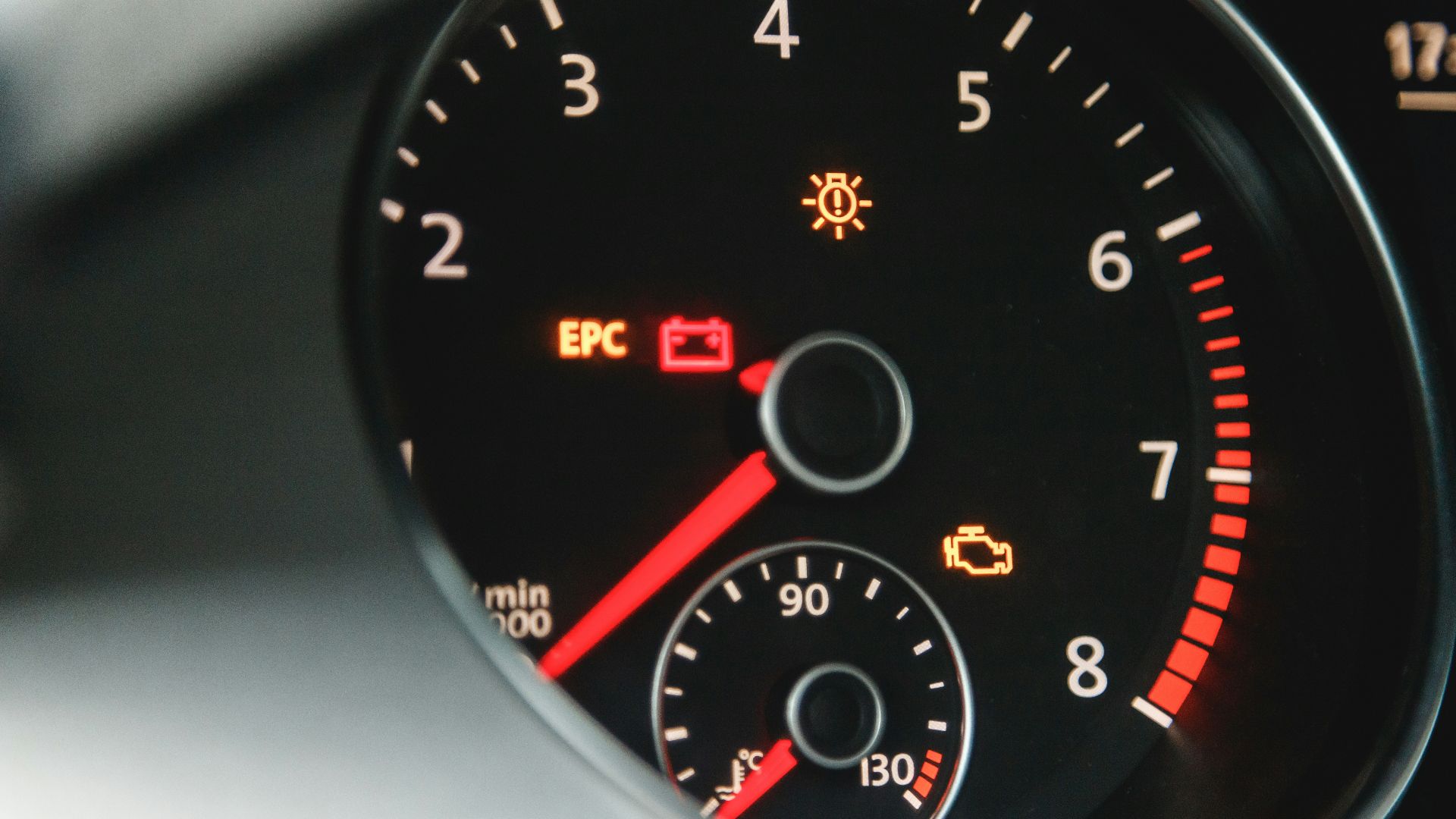
This is where a lot of drivers get understandably nervous. A check engine light can come on because of ignition, fuel, emissions, or sensor problems that have nothing to do with replacing the engine. If the diagnosis jumped from a warning light straight to “you need a new engine” without much testing, it is fair to be skeptical.
Misfires Can Be Cheap Or Costly
An engine misfire can come from spark plugs, coils, injectors, or vacuum leaks, and those are often manageable repairs. But a misfire can also be caused by low compression, a burned valve, or coolant leaking into a cylinder. The code only points you in a direction. It does not settle the case.
Head Gasket Trouble Is A Big Turning Point
A blown head gasket is serious, but it does not automatically mean the whole engine has to go. If the engine did not overheat badly and the block is still sound, replacing the gasket may be enough. But if the engine got extremely hot and the head or block cracked, replacement becomes much more likely.
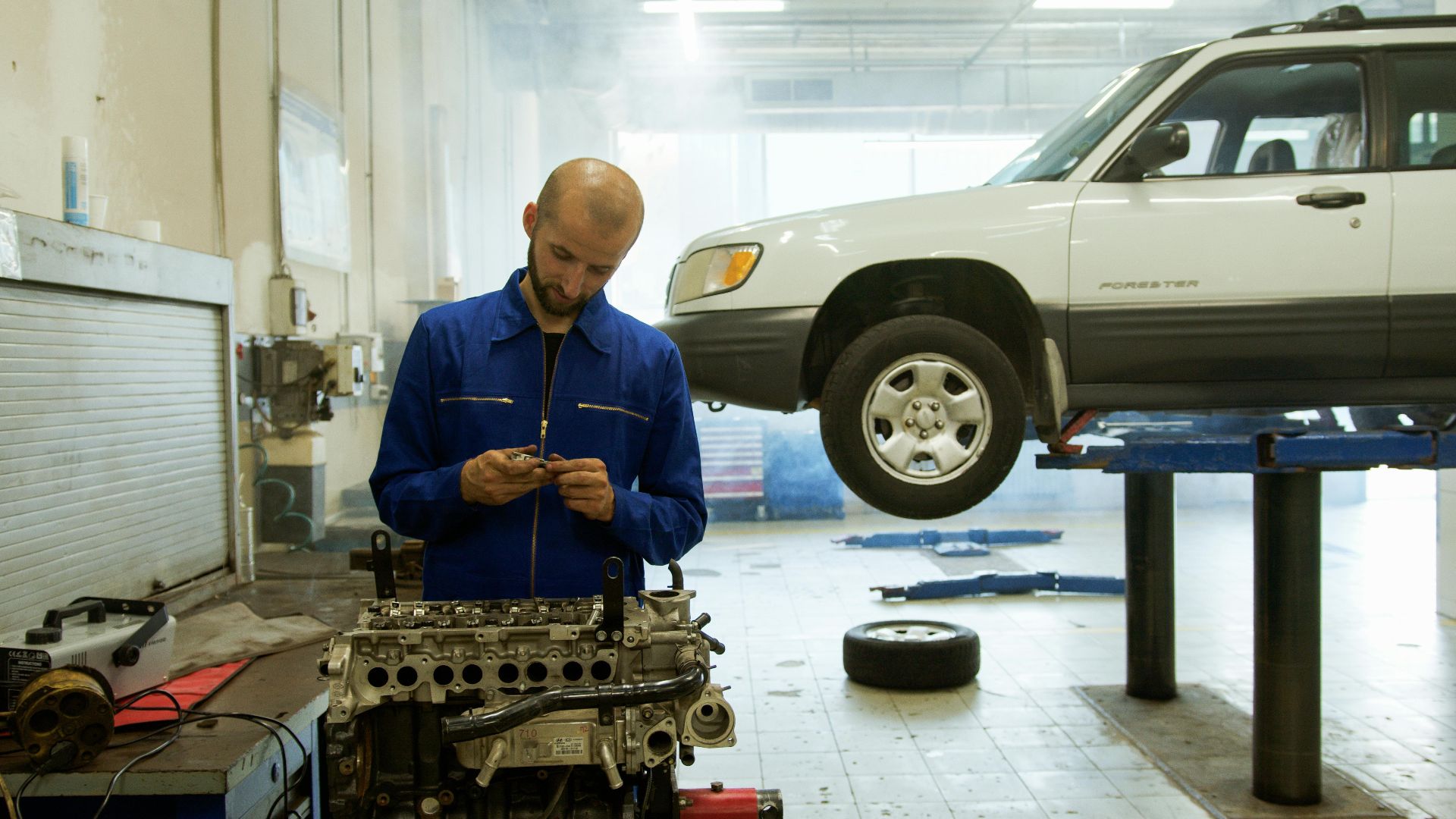
Timing Chain Or Belt Failure Can Lead To A Bigger Call
If a timing belt or chain problem caused the pistons and valves to hit each other in an interference engine, the damage can be extensive. In some cases, repairing the cylinder head is enough. In others, the parts and labor push the cost so high that replacing the engine makes more sense, even if the car still cranks or barely runs.
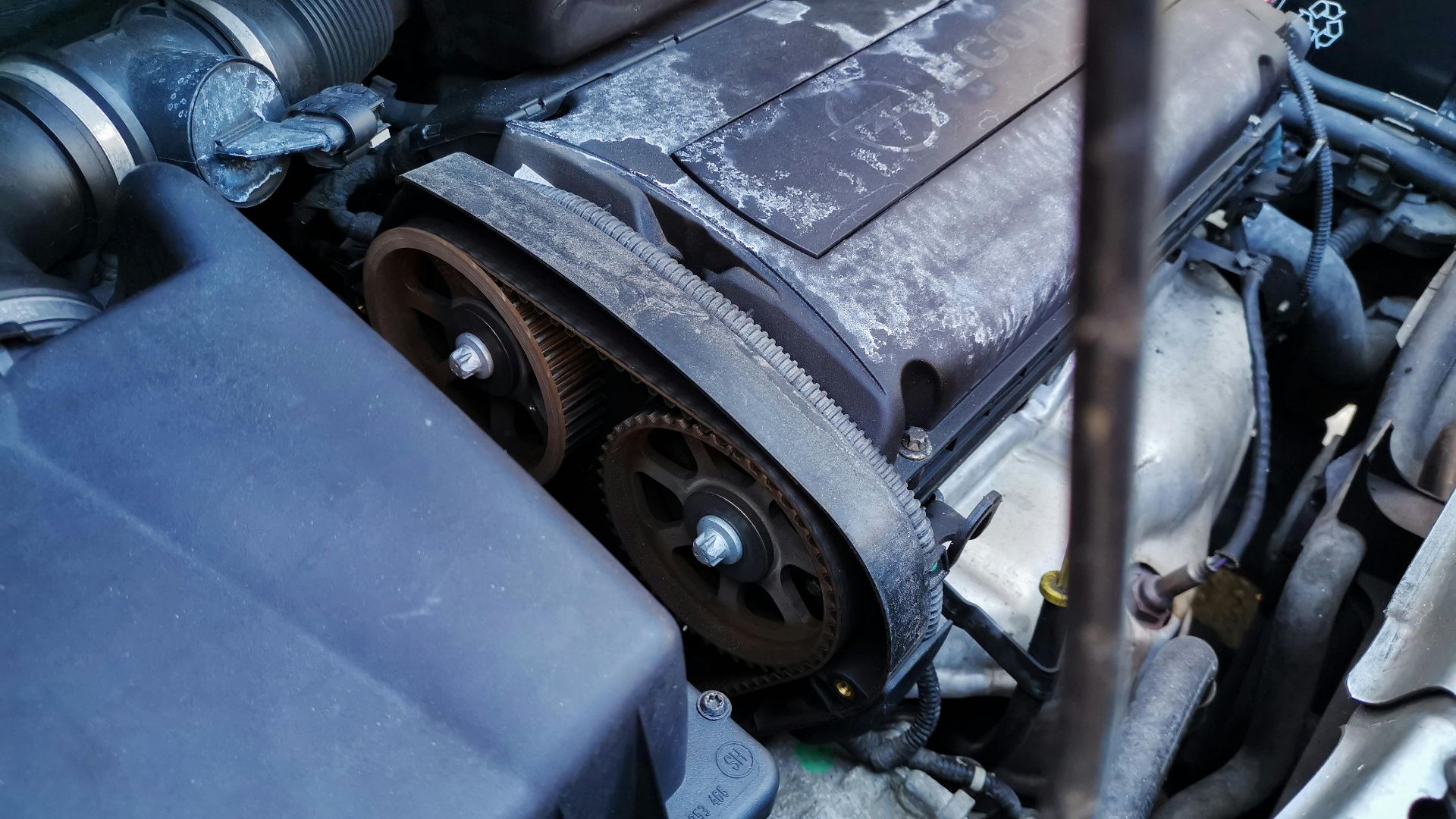 Frederick Adegoke Snr., Pexels
Ask Whether The Engine Is Failed Or Just Not Worth Fixing
Those are not the same thing. A mechanic may think the engine can technically be repaired, but that the cost would be higher than the value of the car or higher than the price of a replacement engine. That is partly a mechanical judgment and partly a financial one.

Get The Test Results In Writing
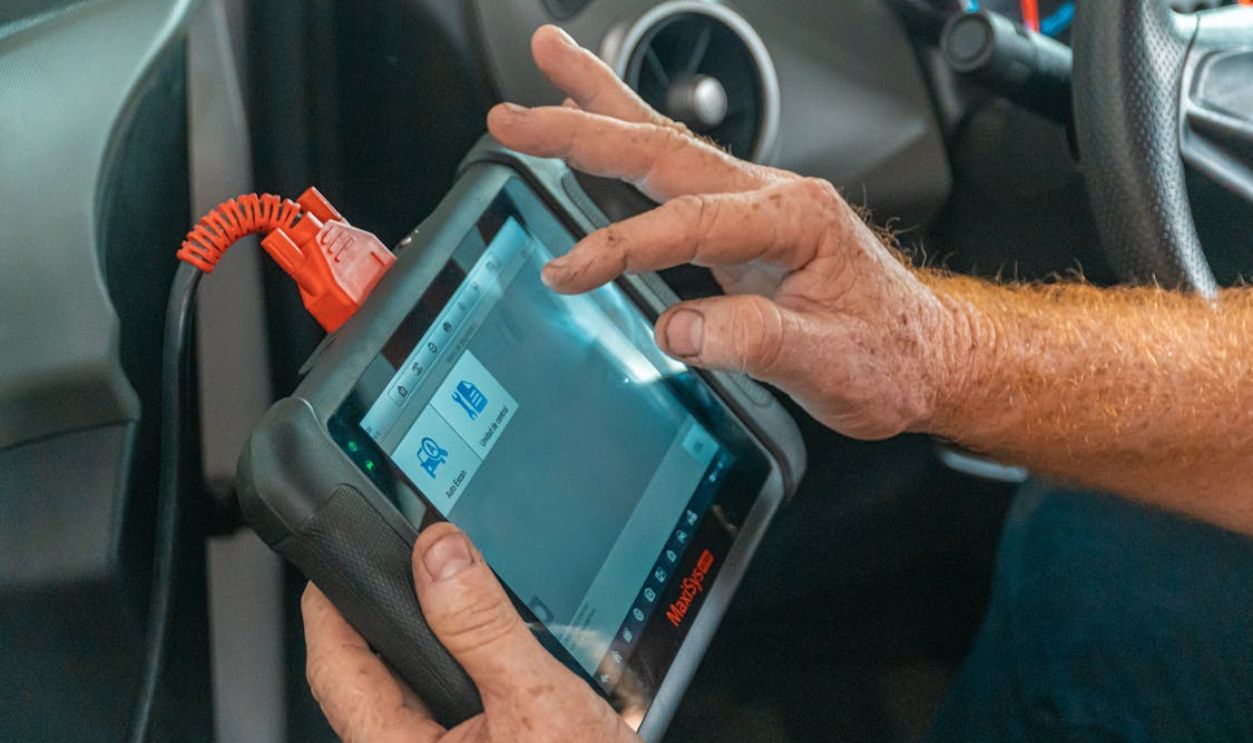
Ask for compression numbers for each cylinder, leak-down percentages, oil pressure readings, scan tool data, and photos if they have them. The Federal Trade Commission advises consumers to get estimates in writing and ask questions before approving repairs. Good paperwork makes it much easier to compare one shop’s diagnosis with another’s.

A Second Opinion Is Just Smart
If the quote is huge, another diagnosis is a sensible move. AAA advises drivers to understand the repair, ask for a written estimate, and get another opinion when a recommendation is unclear or very expensive. The second shop might confirm the bad news, or it might spot a less drastic fix.
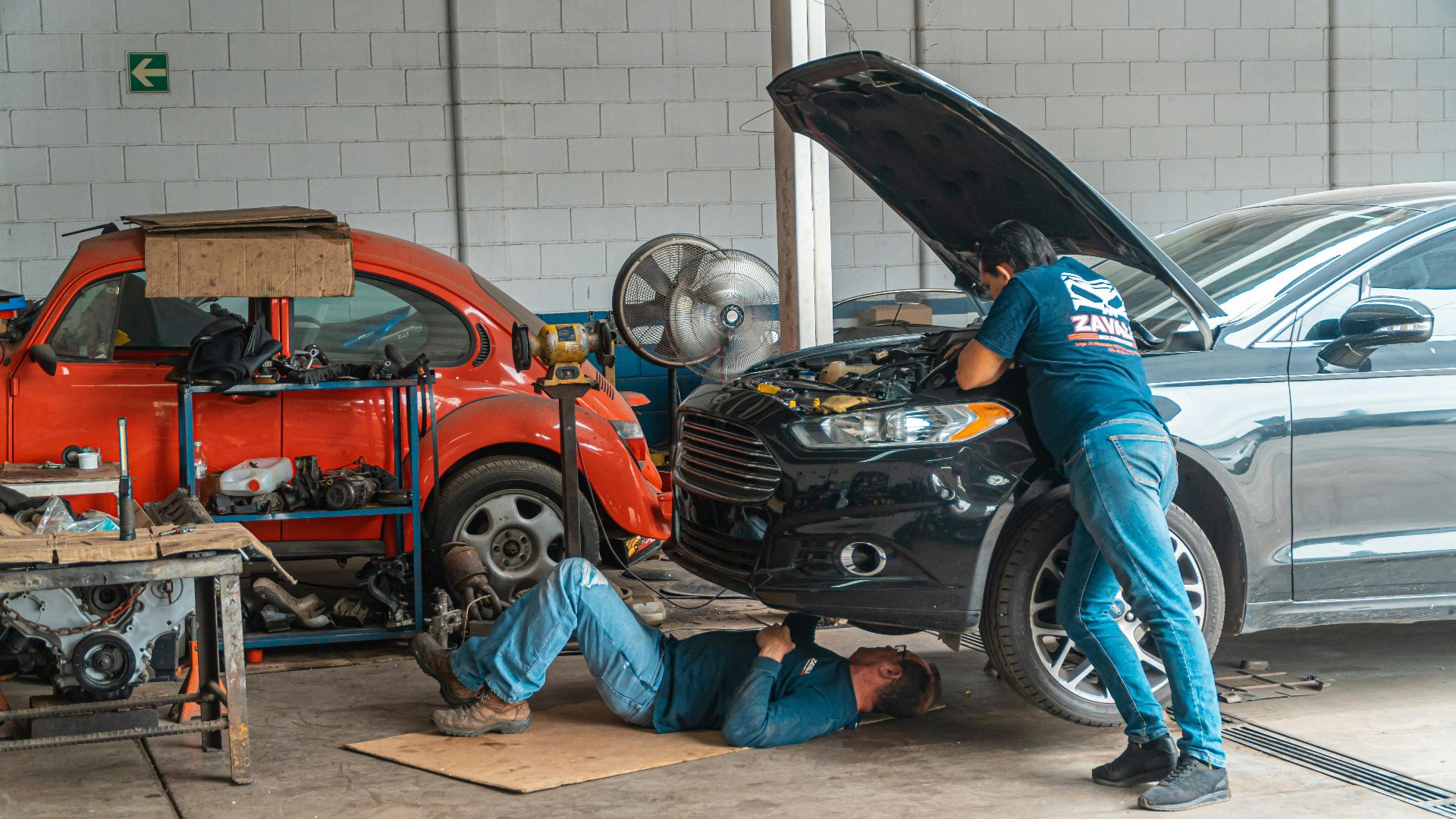 Jose Ricardo Barraza Morachis, Pexels
Ask About Repair, Rebuild, Used, And Remanufactured Options
“New engine” is not always meant literally. Your real choices may include repairing the current engine, rebuilding it, installing a used salvage engine, or going with a remanufactured unit. Each option comes with its own price, warranty, and level of risk.

A Used Engine Can Cut The Cost
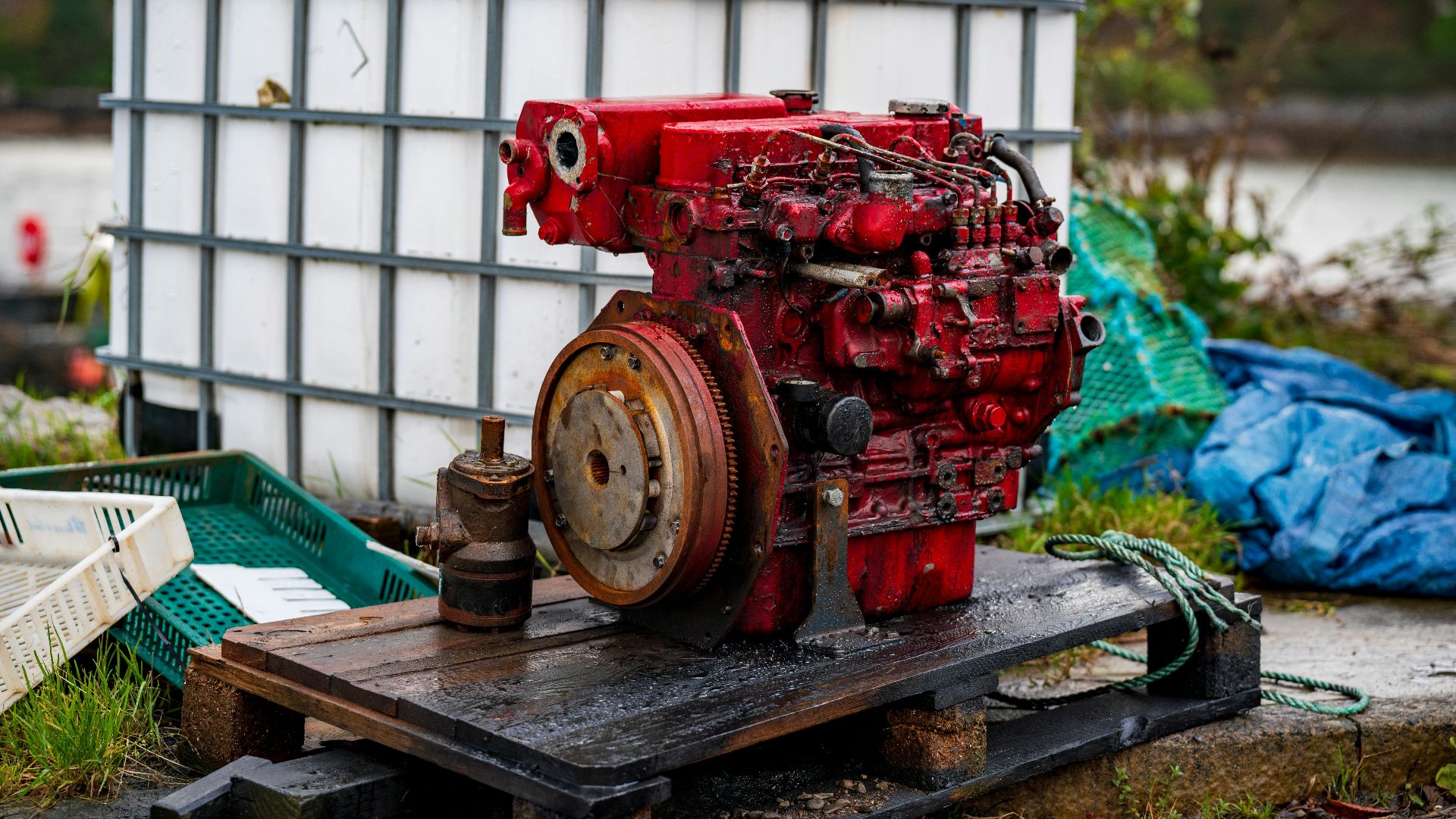
A salvage engine can lower the bill a lot, especially for older cars that are not worth the cost of a factory-new engine. But there are tradeoffs. The engine’s history may be unclear, the mileage may not be certain, and the warranty is usually shorter than what you get with a remanufactured engine. A lower upfront price is not the whole story.
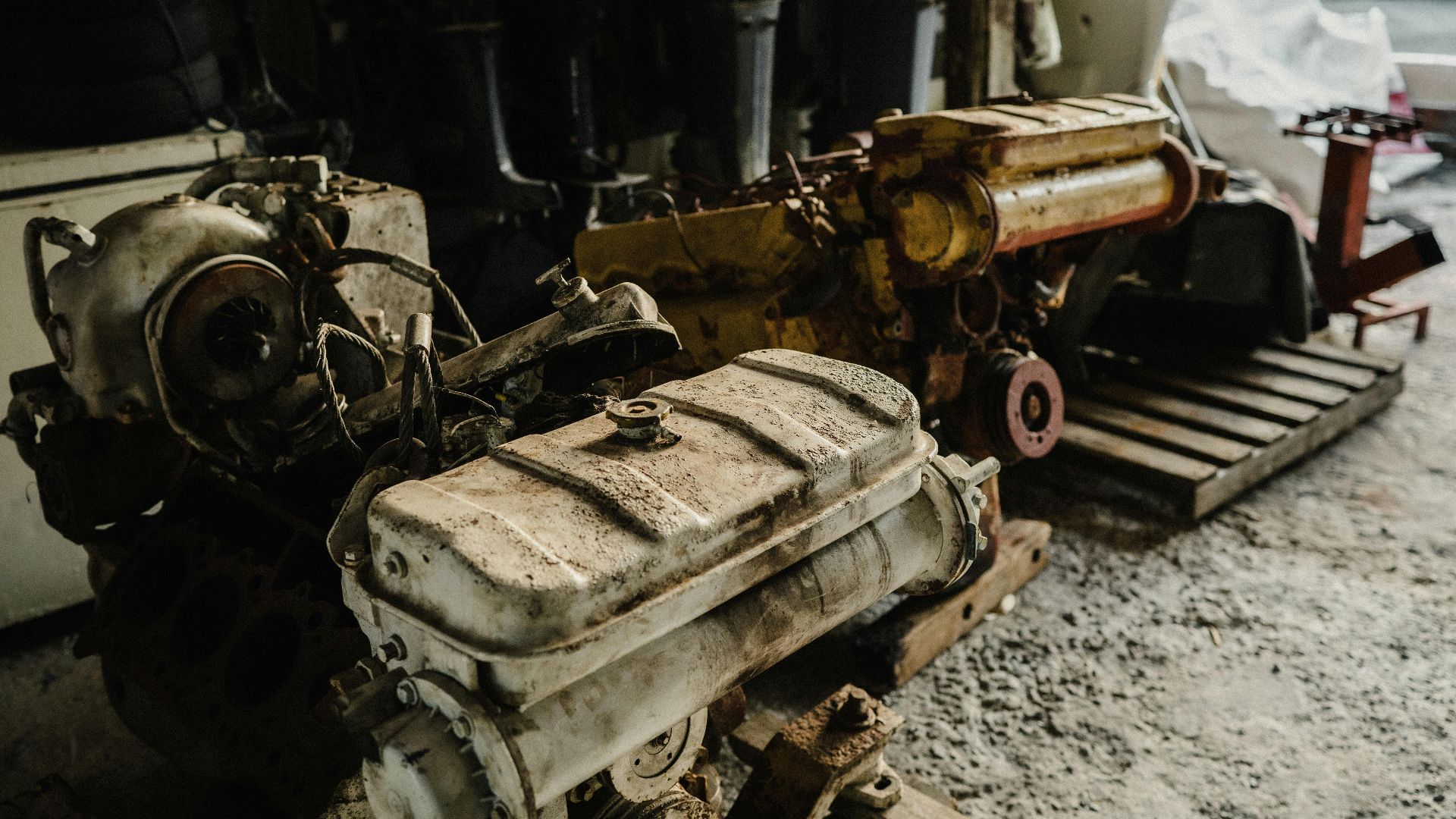
Remanufactured Engines Usually Offer More Peace Of Mind
A remanufactured engine has usually been taken apart, inspected, machined, and rebuilt to a set standard with worn parts replaced. These engines often come with better warranties than used ones. They cost more at the start, but they can be the better choice if you plan to keep the car for a while.
The Car’s Value Should Guide The Decision
If the car is worth $4,000 and the engine job costs $7,000, the math may not work unless the car has special value to you. On the other hand, if the rest of the vehicle is in good shape and replacement cars are expensive, fixing it may still be the cheaper move overall. The right choice depends on the whole car, not just the engine.

Maintenance History Matters More Than You Might Think
A car with full service records, a healthy transmission, and little or no rust may be worth a major repair in a way that a neglected car is not. If the engine failed because of one isolated problem, the rest of the vehicle may still have a lot of life left. If everything else is worn out too, replacing the engine may just be throwing more money at a losing situation.
 Jose Ricardo Barraza Morachis, Pexels
Watch For Shops That Skip Basic Steps
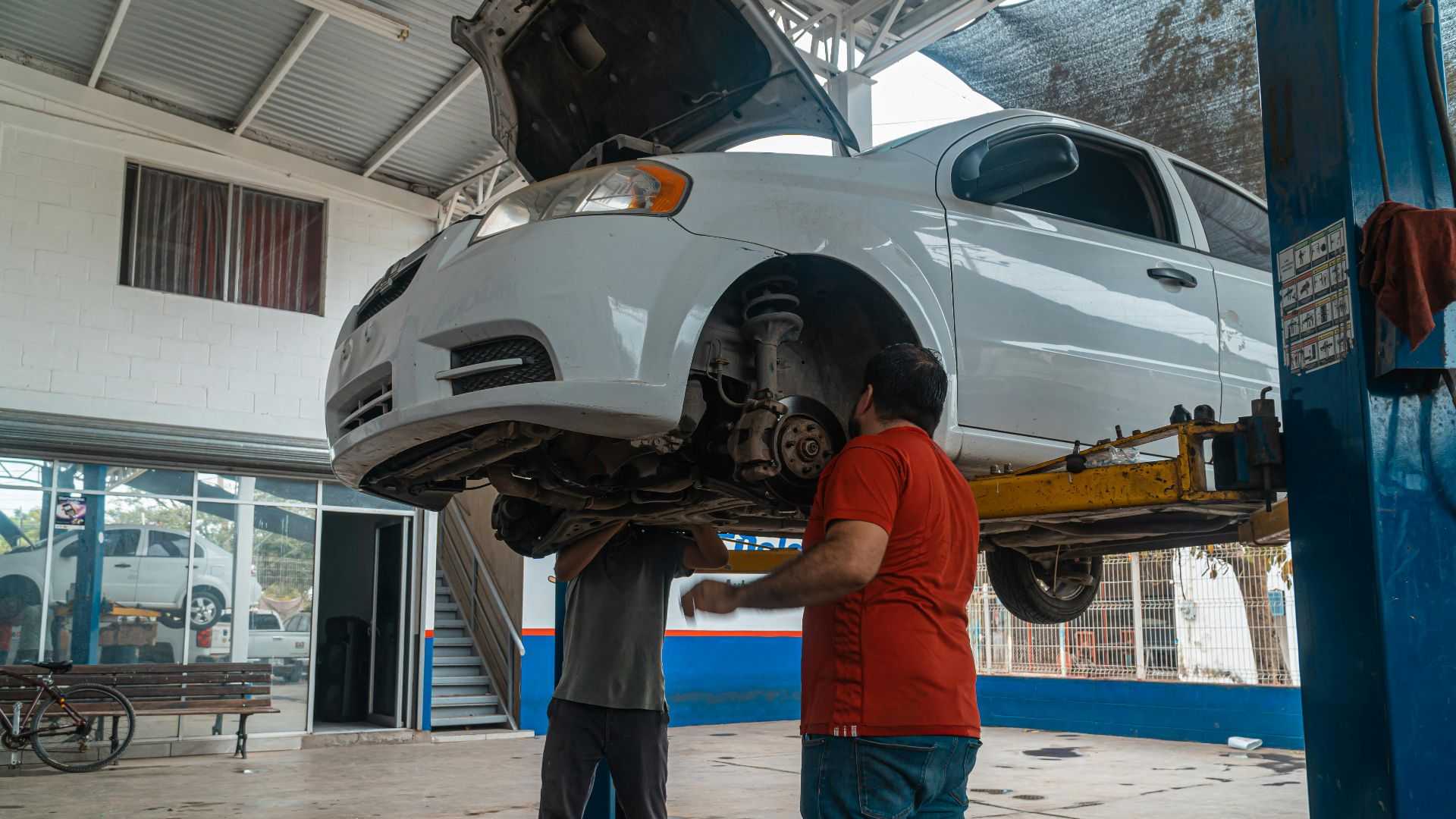
Be careful if a shop jumps straight to engine replacement without checking basics like oil level, coolant condition, spark, fuel delivery, trouble codes, compression, and pressure tests. That does not automatically mean the shop is being dishonest, but it does suggest the diagnosis may not be complete. Big claims should come with solid evidence.

Sometimes The Mechanic Is Probably Right
If the engine is knocking loudly, overheating again and again, losing compression in multiple cylinders, showing metal in the oil, or mixing oil and coolant, the replacement recommendation may be completely justified. Those signs point to real internal damage, not a minor sensor problem or simple tune-up issue. In cases like that, the fact that the engine still runs can be misleading.
Sometimes “New Engine” Sounds Too Fast
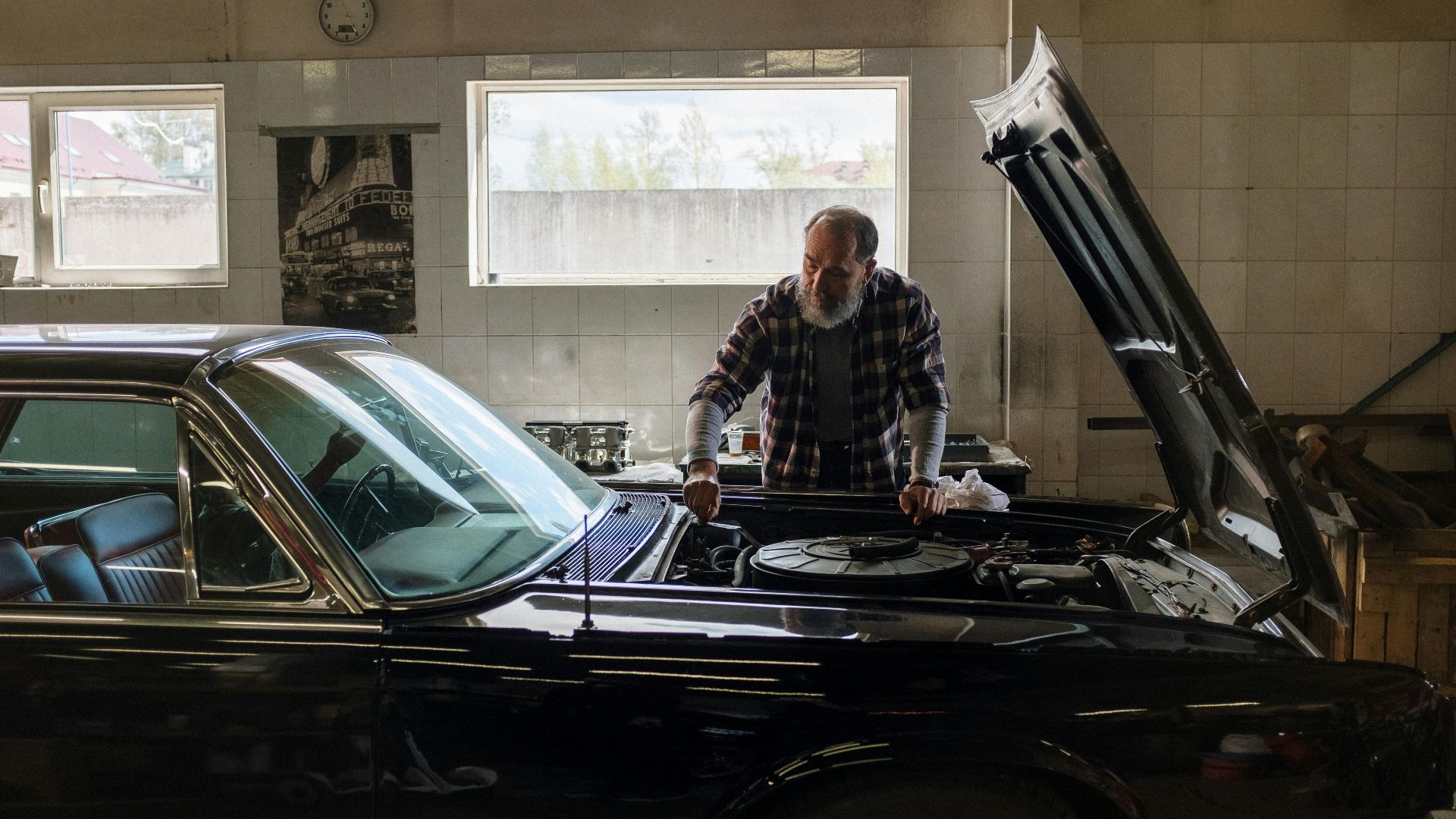
If the only symptoms are a check engine light, a rough idle, or a single-cylinder misfire with no compression or oil pressure testing, the case is not complete. A lot of drivability problems can look scary without actually meaning the engine needs to be replaced. That is exactly when a second opinion can save you a huge amount of money.
 Jose Ricardo Barraza Morachis, Pexels
Your Best Move Is To Ask Calm, Specific Questions
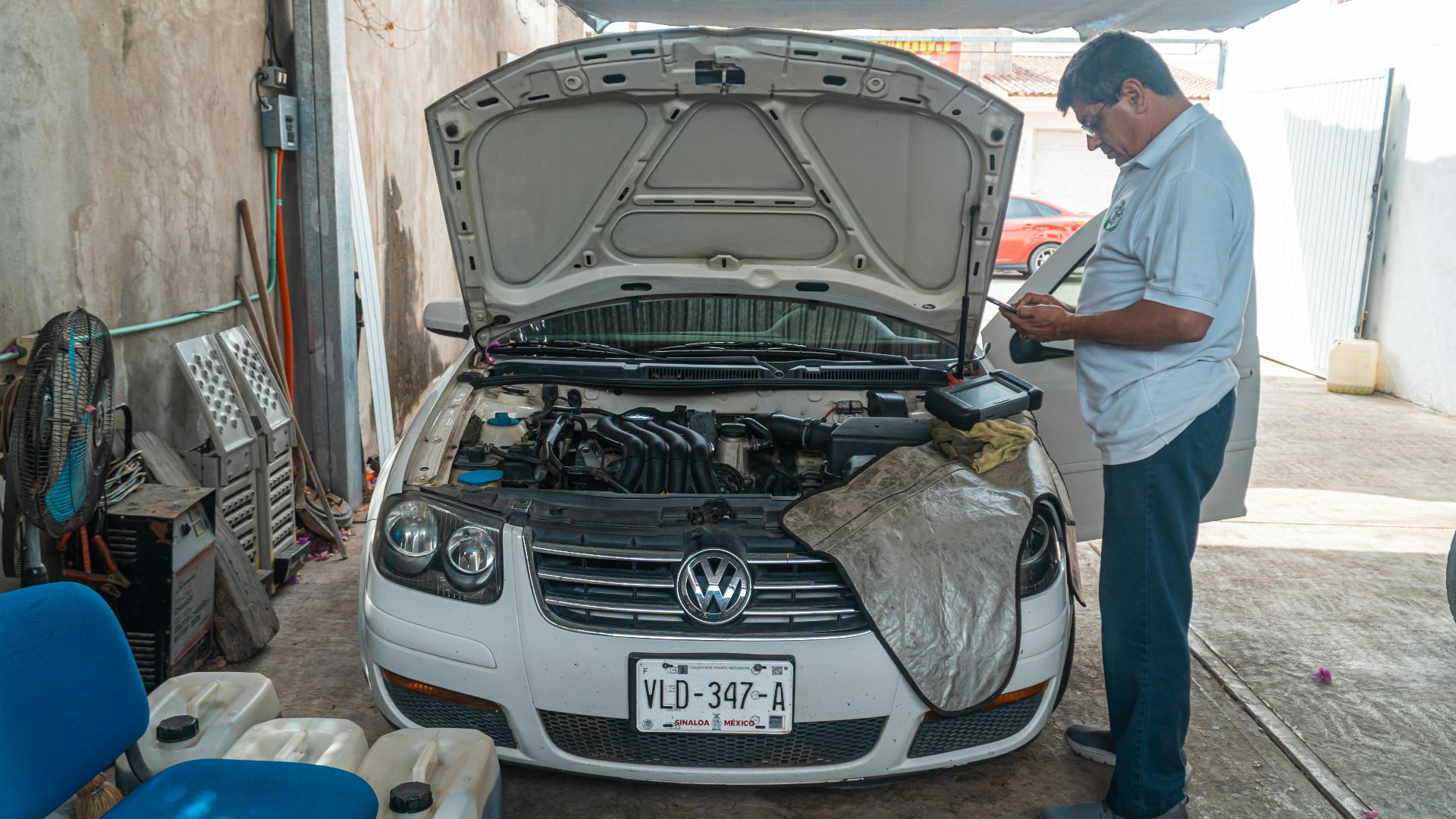
Ask what failed, how they confirmed it, what the test numbers were, and what other options exist. Ask whether the engine is unsafe to drive now or just likely to fail soon. The more specific the answers, the easier it is to tell whether you are hearing a careful diagnosis or a dramatic upsell.

The Bottom Line
Your mechanic could be exaggerating, but they also might be giving you bad news you were hoping not to hear. A car can absolutely still run and still need an engine, because serious wear and damage often show up long before total failure. The smartest move is to ask for proof, get it in writing, and compare at least one more professional opinion before spending thousands.