When Duty Meets Blue Lights
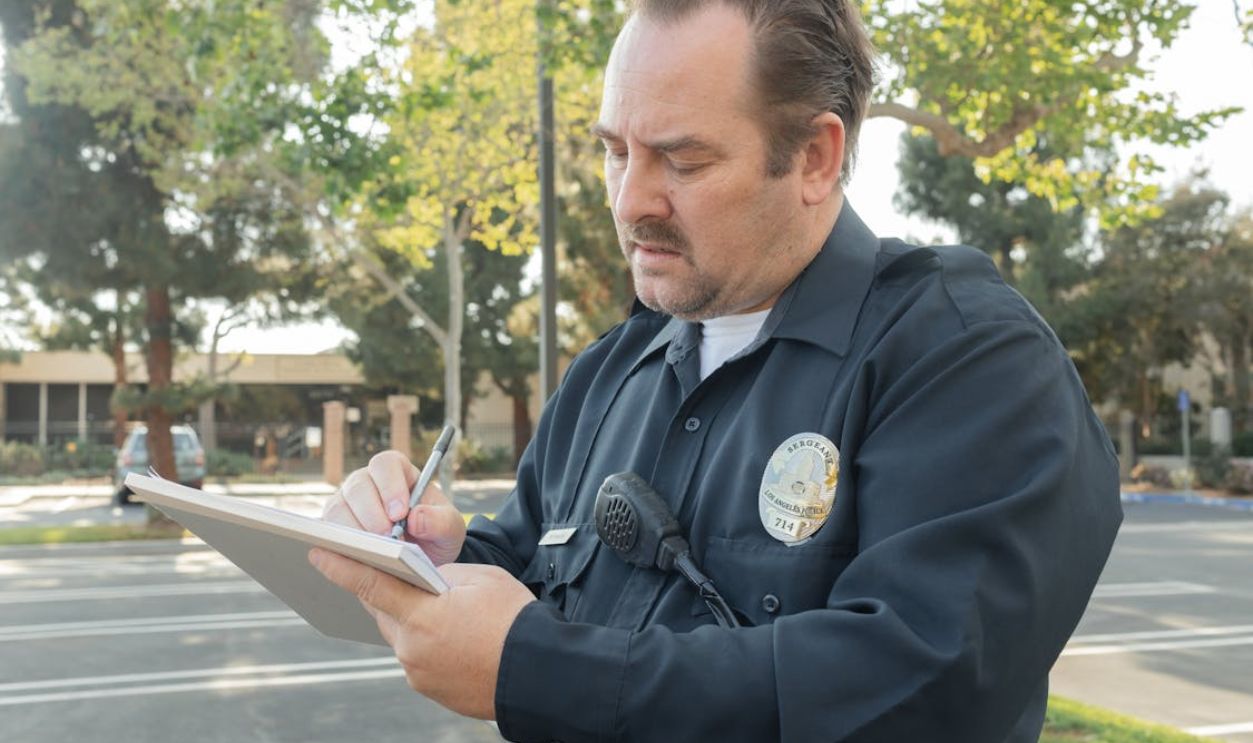
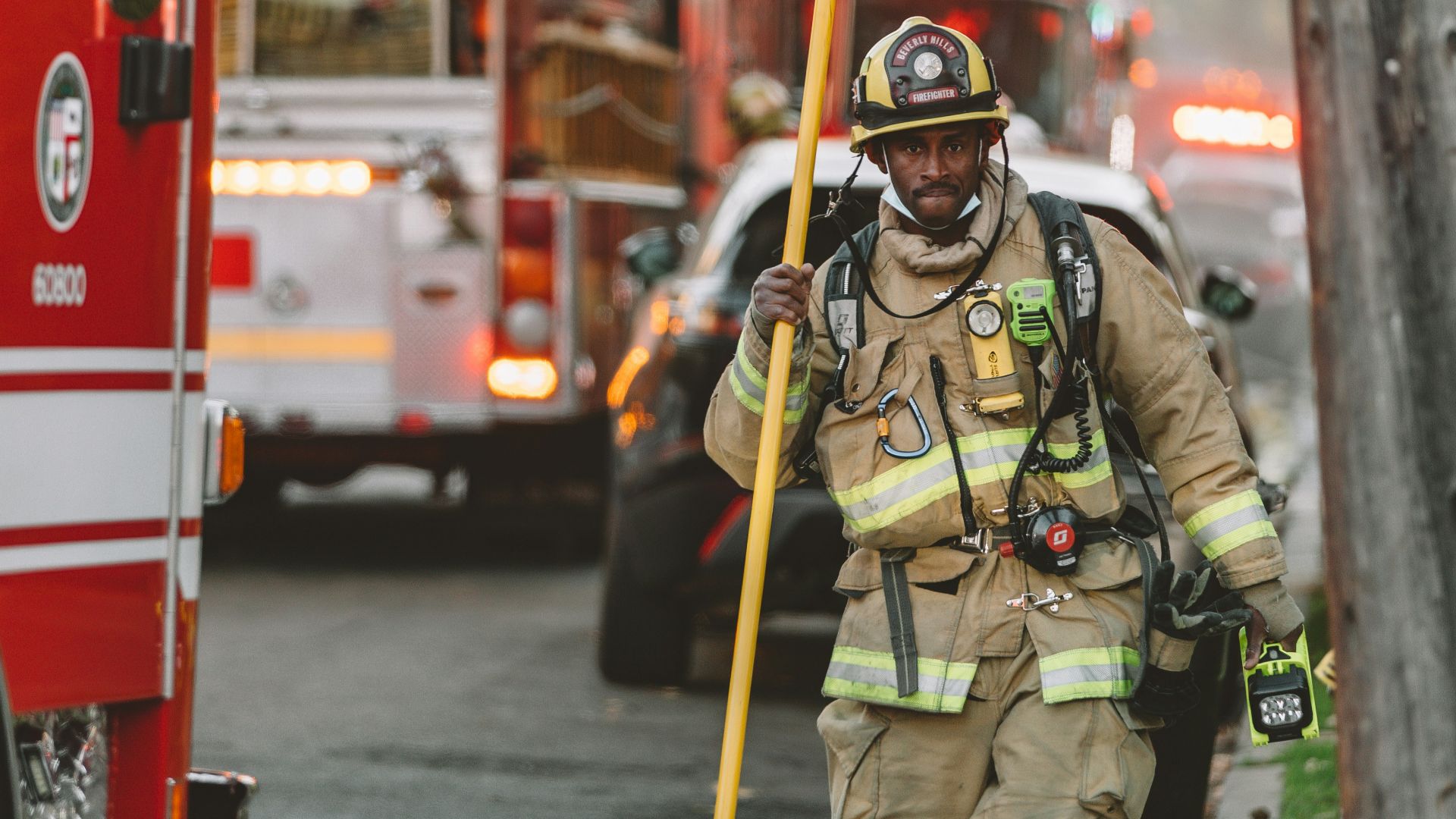
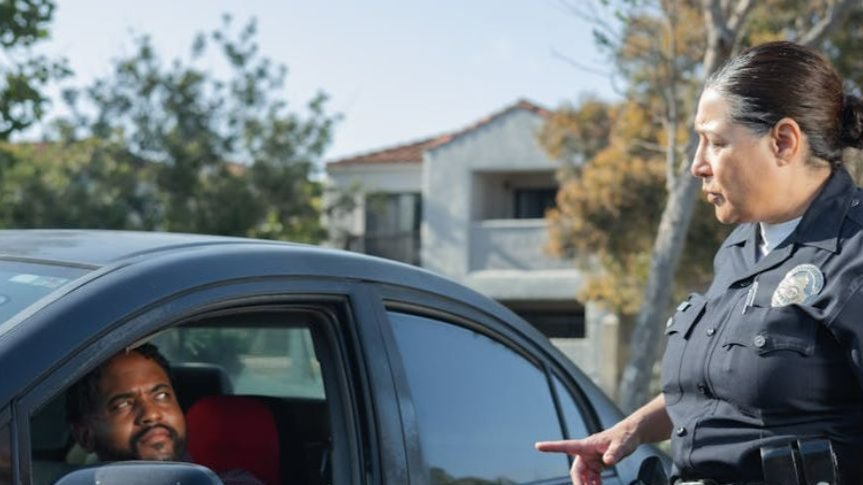
You signed up to help people on their worst days, not to argue roadside with a police officer. Yet here you are: pager buzzing, adrenaline high, sirens ahead — and flashing blue lights behind you. You explain you’re responding to a fire, but the officer isn’t interested. The ticket gets written anyway. Now you’re wondering if it was fair — and whether you can fight it. The short answer is sometimes yes, sometimes no — and the details matter more than most people realize.
The Unique Reality Of Volunteer Firefighters
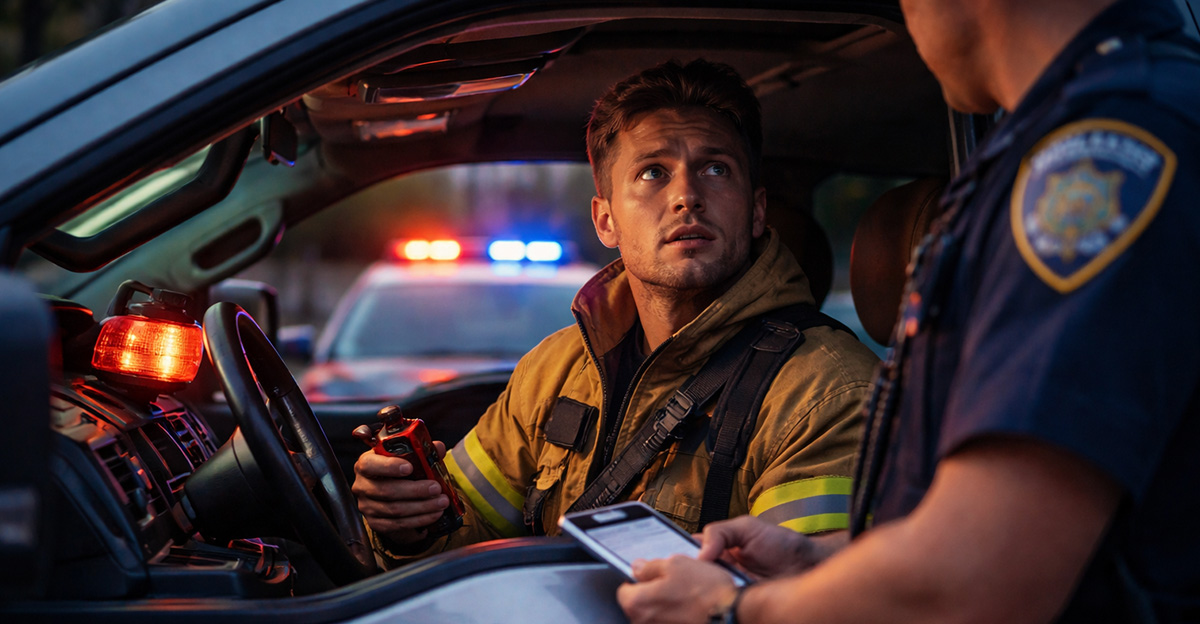
Volunteer firefighters occupy a legal gray area. You aren’t just a private citizen, but you’re also not a full-time responder on duty at all times. When the pager goes off, you’re expected to get moving quickly — often in your personal vehicle. That personal-vehicle detail is where legal complications usually begin.

Are Volunteer Firefighters Allowed To Speed?
In most states, volunteer firefighters do not have blanket permission to ignore traffic laws. Even while responding, you’re typically expected to obey speed limits, stop signs, and signals like everyone else. Some states allow limited exceptions if authorized emergency lights or sirens are used. Others only allow privileges in department vehicles. Many offer no exception at all.
Why The Officer May Have Refused To Listen
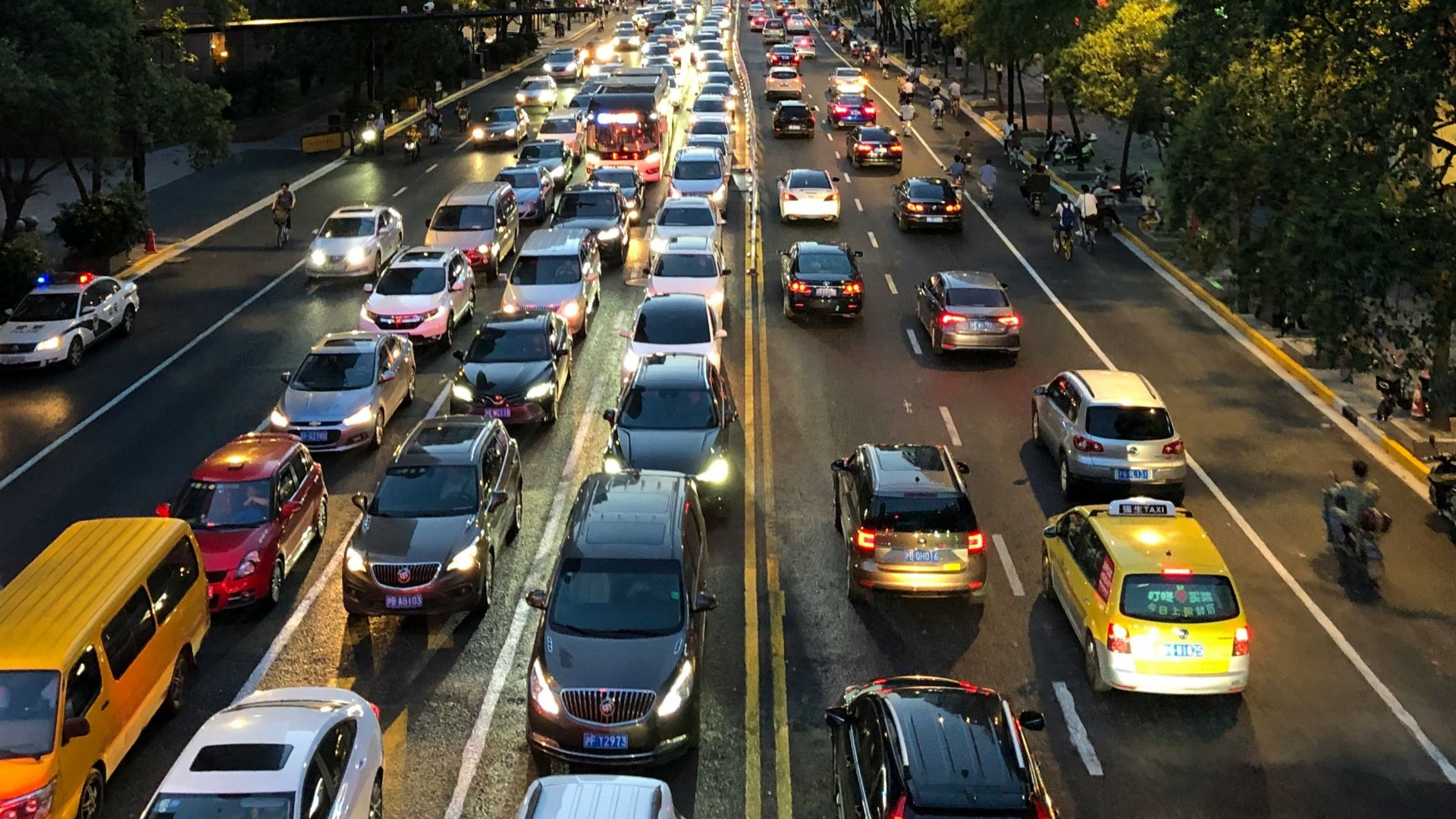
It feels dismissive when an officer won’t hear your explanation, but it’s often procedural. Officers are trained to enforce traffic laws as written, not to weigh defenses roadside. From their perspective, legal arguments belong in court, not during a traffic stop. That doesn’t make it pleasant — but it explains the response.

Emergency Lights: Helpful Or Legally Meaningless?
Much depends on whether your vehicle had authorized emergency lighting activated. Some states allow volunteer firefighters to use green, blue, or red courtesy lights when responding. However, courtesy lights often don’t grant true emergency privileges. They may request right-of-way, but they rarely provide immunity from enforcement.

Does Responding To A Fire Count As A Legal Emergency?
Courts often distinguish between an emergency situation and an emergency vehicle. Even if the fire is an emergency, your personal vehicle may not qualify for exemptions. If the law is vague or silent, judges usually default to strict traffic enforcement.

Can You Fight The Ticket?
Yes — you can almost always contest a ticket. The better question is whether you can win. Fighting gives you the chance to explain circumstances, present evidence, and ask for judicial discretion. Outcomes often depend more on reasonableness than technicalities.

The Importance Of State And Local Laws
This situation varies dramatically by state — and sometimes by municipality. Some states allow limited speeding for volunteers. Others require written authorization. Some allow nothing at all. Before proceeding, review your state’s emergency vehicle statutes carefully.

What Judges Actually Care About
Judges usually focus on a few things: Were you legally authorized? Were warning devices used? Was your driving reasonably safe? Can you prove you were responding to a real call? Respect for firefighters exists, but public safety still comes first.

Documentation Can Make Or Break Your Case
Evidence matters. Pager logs, dispatch records, and call timestamps help prove you were responding legitimately. A letter from your fire chief explaining policy and confirming your role can be especially persuasive in court.

Department Policies Matter More Than You Think
Internal department rules can help or hurt your case. If your department forbids speeding in personal vehicles, judges may view violations less sympathetically. Clear written guidance allowing limited exceptions can significantly strengthen your argument.

Were You Driving Reasonably? Be Honest
There’s a difference between mild speeding on an empty road and reckless driving through intersections. Judges are more likely to show leniency if your actions were cautious and proportional to the situation.

The “Necessity” Defense Explained
Some drivers argue necessity — that breaking the law prevented greater harm. This defense is narrow and difficult. You must show immediacy, lack of alternatives, and proportional response. Courts allow it sparingly.

Can The Ticket Be Reduced Instead Of Dismissed?
Yes. Even if dismissal isn’t likely, courts often reduce fines, downgrade violations, or convert them to non-moving offenses. Sometimes simply appearing and explaining your role results in a better outcome.

Should You Get A Traffic Attorney?
If the ticket involves points, insurance hikes, or suspension risk, an attorney may be worthwhile. Lawyers familiar with local judges and emergency statutes can often improve outcomes.

What About Professional Courtesy?
Many assume police and fire share automatic professional courtesy. Sometimes that’s true. Sometimes it isn’t. Legally, courtesy isn’t a defense — and it can’t be relied on after the fact.
Could This Affect Your Firefighter Status?
Most traffic tickets won’t affect your volunteer role. However, repeated violations can raise concerns with leadership. Some departments require clean records, especially for apparatus operators.
What If The Officer Was Legally Wrong?
It happens. Emergency vehicle laws are complex, and officers can misapply them. If you clearly qualify for an exemption, knowing the statute can significantly strengthen your case.
Courtroom Demeanor Counts
Your attitude matters. Calm, respectful explanations work better than anger or accusations. You’re there to explain circumstances — not to attack the officer or the system.

What If You Lose The Case?
If you lose, you’ll usually pay the fine and accept any points. Some jurisdictions allow appeals, though they’re limited. Sometimes accepting the outcome is the most practical choice.

Should You Just Pay The Ticket And Move On?
For minor violations with small fines, paying may be the least stressful option. The decision often comes down to long-term consequences versus time and effort.

How This Could Influence Future Responses
Many volunteers become more cautious after experiences like this — about speed, lighting, and documentation. That awareness can protect you legally and physically in the future.

Lessons For Volunteer Firefighters Everywhere
Good intentions don’t guarantee legal protection. Understanding your authority limits before responding can prevent future problems. Education and policy clarity help everyone involved.
 Fractal Pictures, Shutterstock
What Departments Can Do Better
Departments can reduce incidents by educating volunteers, documenting policies, and advocating for clearer laws. Preparation up front saves volunteers trouble later.
Police And Fire: A Shared Mission, Different Rules
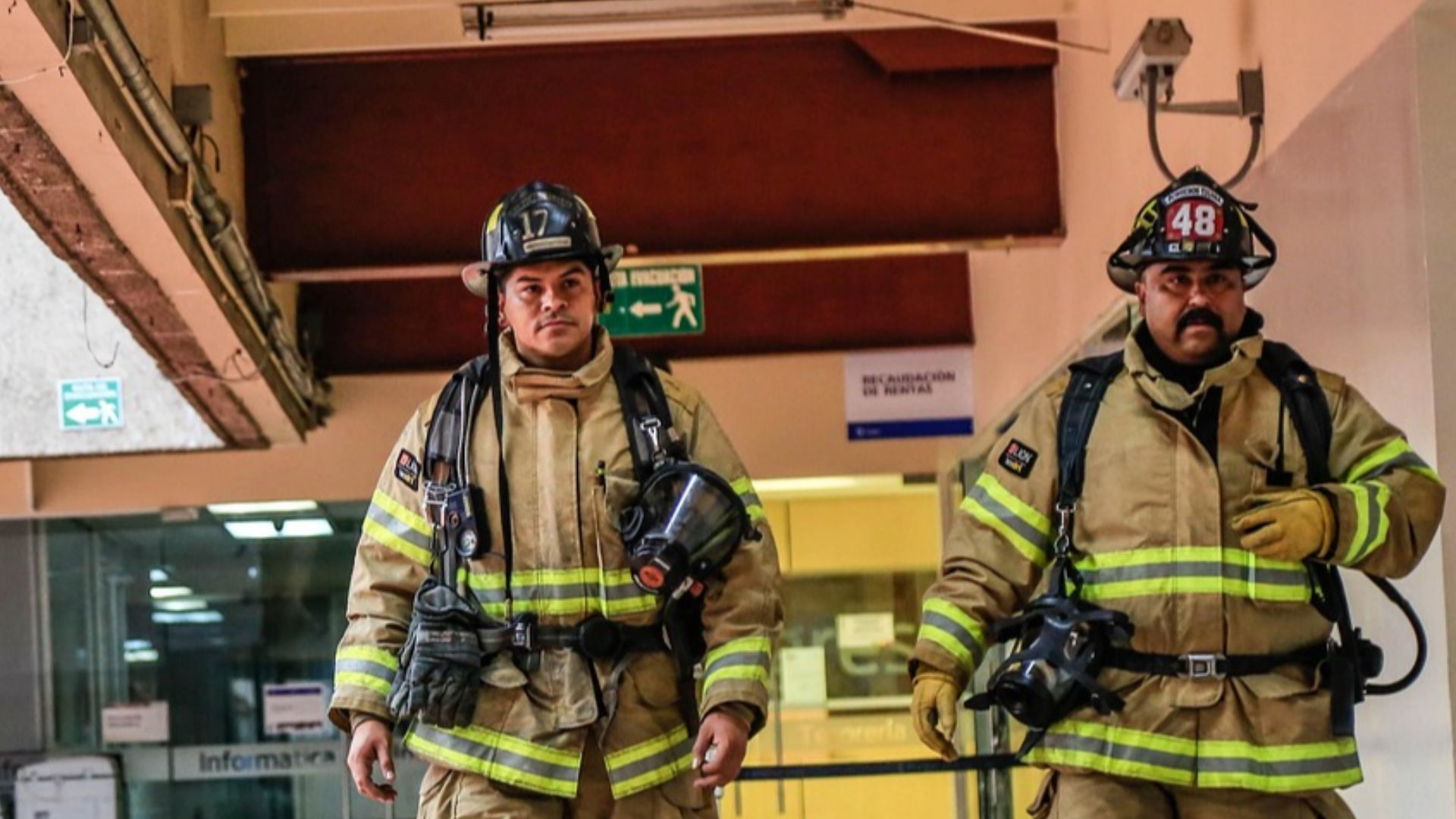
Police and firefighters both protect the public, but under different legal frameworks. When those rules collide, frustration is almost inevitable.

Realistic Expectations Going Forward
Not every ticket issued to a volunteer firefighter will be dismissed. Many are reduced or reconsidered when handled properly. Preparation and professionalism make the biggest difference.

So, Can You Fight It?
Yes, you can fight a ticket issued while responding to a fire — and sometimes you should. Success depends on local laws, department policies, driving behavior, and evidence. Volunteering to protect your community is admirable. Just remember that knowing the law helps ensure doing the right thing doesn’t cost you more than it should.

You May Also Like:
You Were Automatically Cool If You Drove One Of These 90s Cars
Gen X Hates Electric Cars. These Are The EVs That Will Finally Win Them Over