
Breaking Down NASCAR Racecars's Every Part
NASCAR cars are precision-built weapons—dialed in to do one thing: go fast and survive chaos. But not every car is built the same, and the price tags on their parts make that crystal clear.
Engine
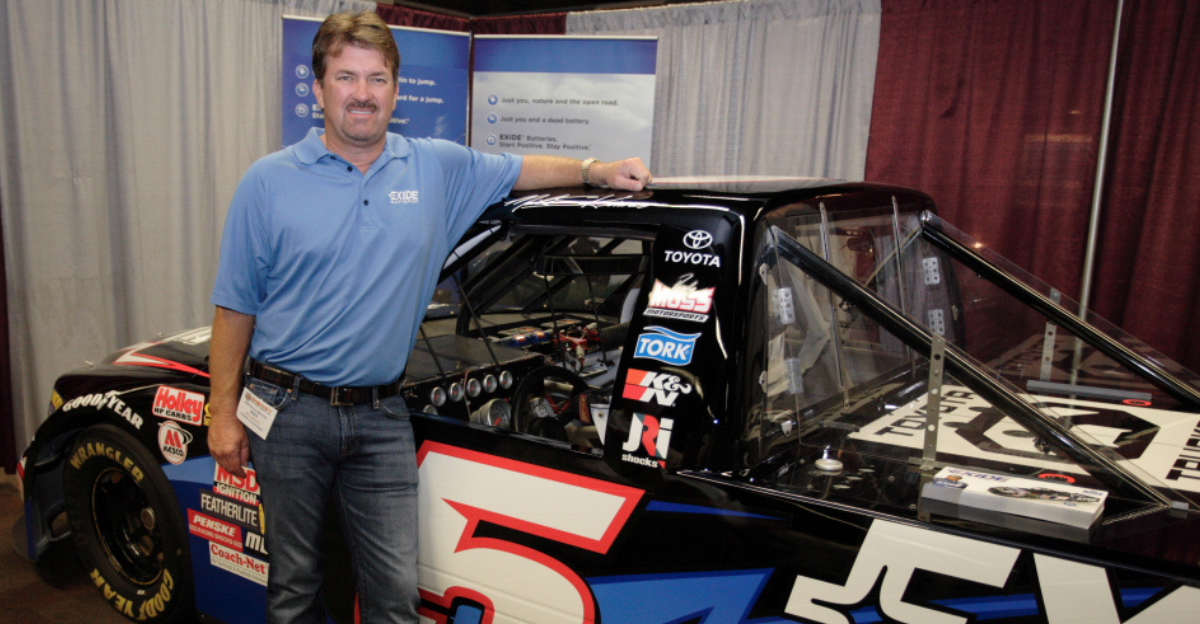
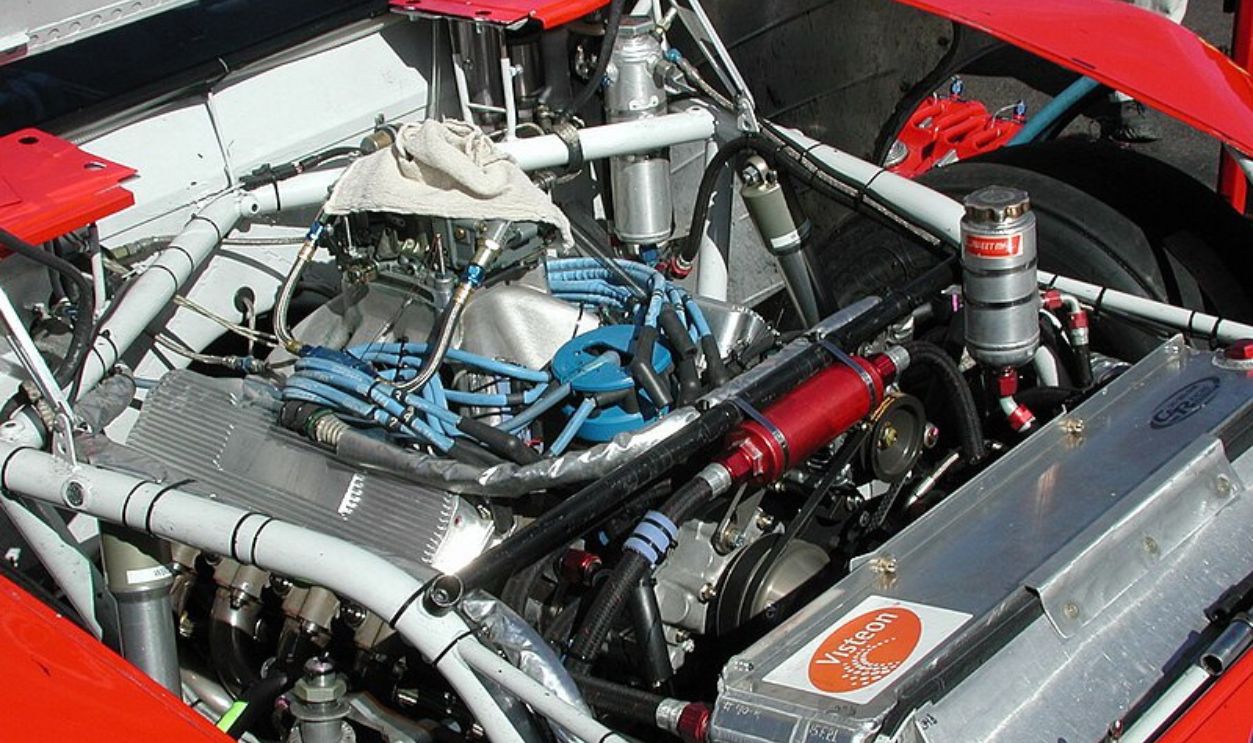
Engines are the powerhouse of every racecar, but their specifications and costs vary depending on the series and vehicle type. The Cup Series, which represents NASCAR's highest level of competition, features 5.8L V8s that produce over 750 hp and maintain speeds at over 9,000 RPM for extended periods.
 Brian Cantoni, CC BY 2.0, Wikimedia Commons
Engine (Cont.)
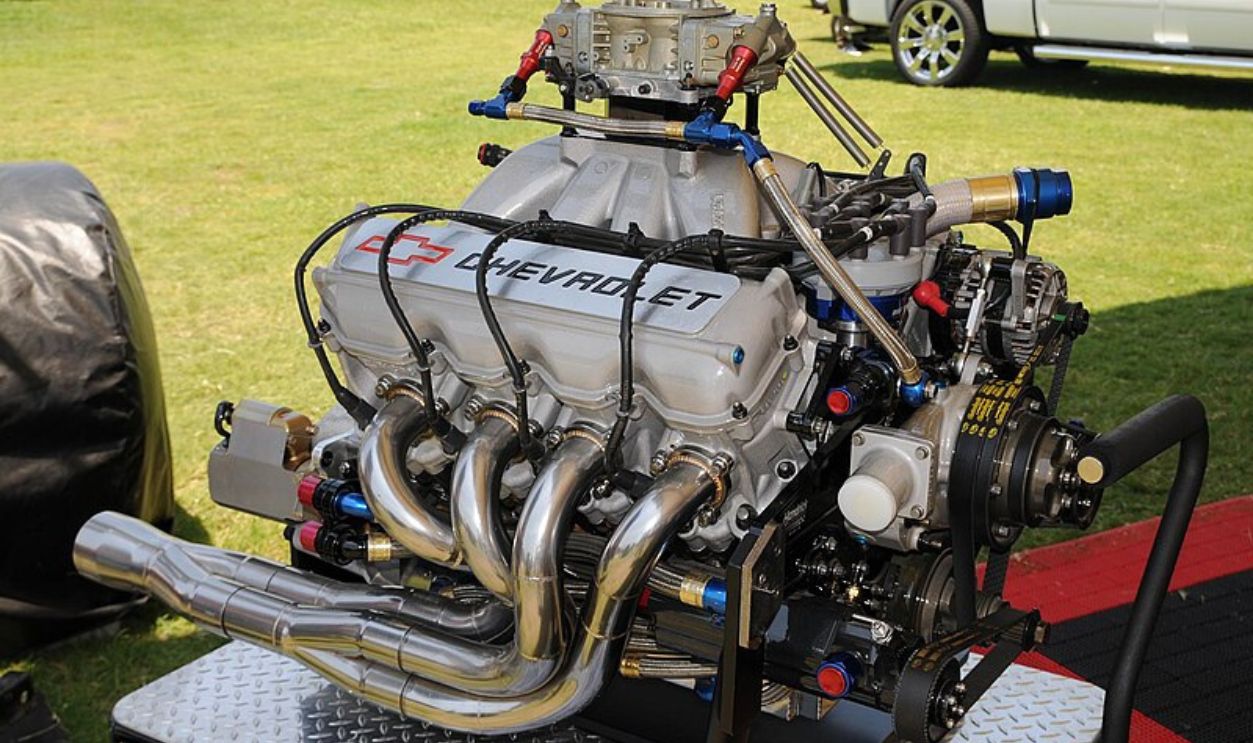
These engines are built with premium materials like titanium valves and advanced cooling systems to withstand intense top-tier racing. Some cost between $60,000 and $150,000, but the price can go up to $300,000 with upgrades to reflect the latest engineering required at this level.
 bdburton, CC BY 2.0, Wikimedia Commons
Engine (Cont.)
In the Xfinity Series, engines are slightly less powerful, capped at around 650 hp. These engines are similar in design but use simpler, cost-effective components to reduce overall expenses for teams while still delivering competitive performance. Prices for Xfinity engines range from $40,000 to $70,000.
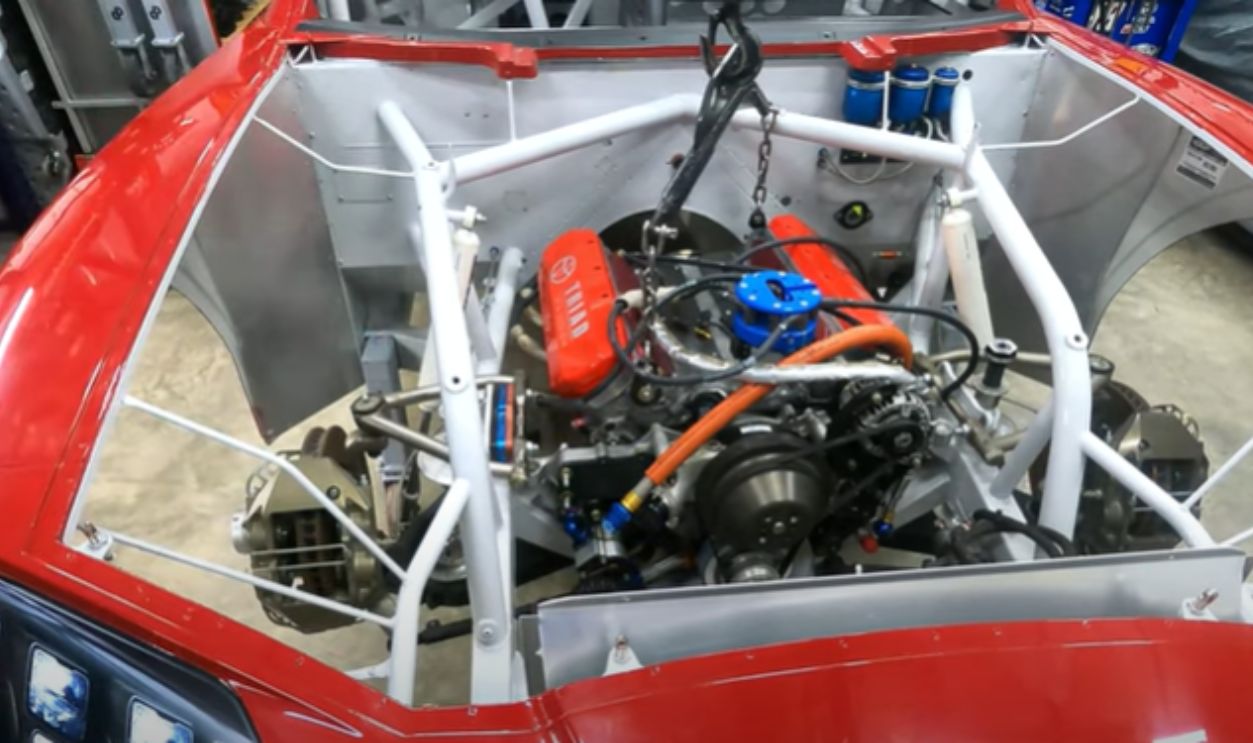 NASCAR Xfinity Toyota Supra Engine Installation by Stock Car Surplus
Tires
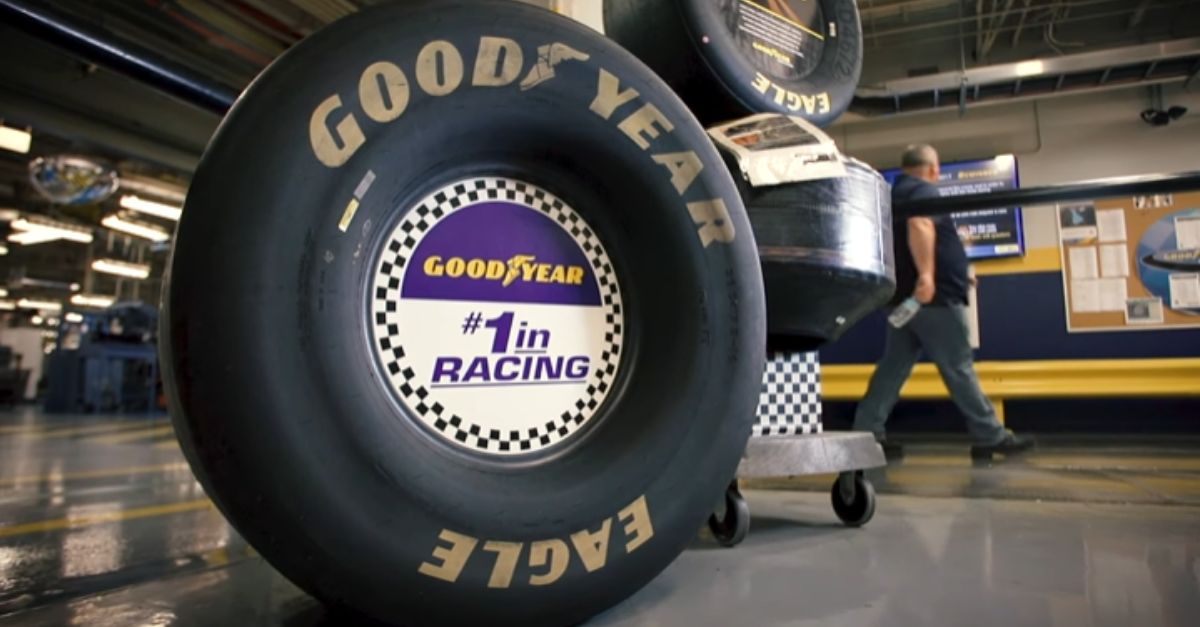
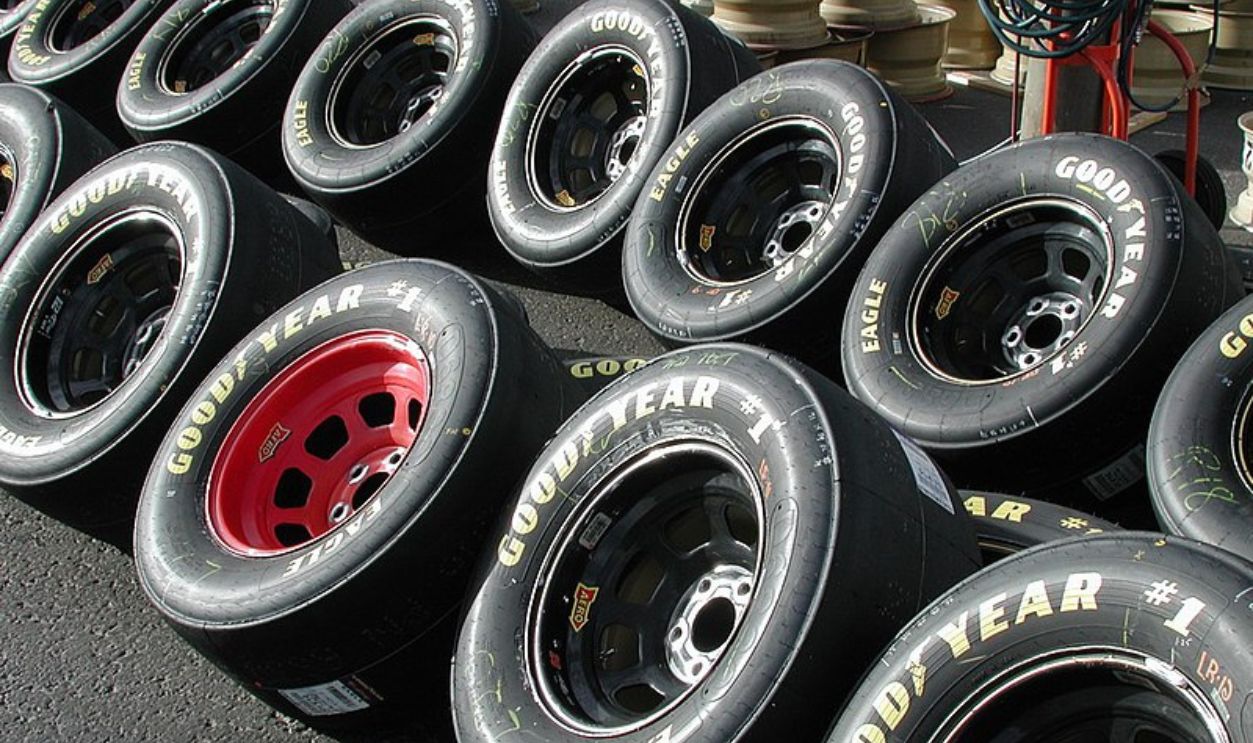
Drivers pay special attention to tires as they serve as the only point of contact between the vehicle and the track. Each series has unique demands based on track conditions, vehicle weight, and racing style, which affect the specifications and accordingly prices of tires.
 Brian Cantoni, CC BY 2.0, Wikimedia Commons
Tires (Cont.)
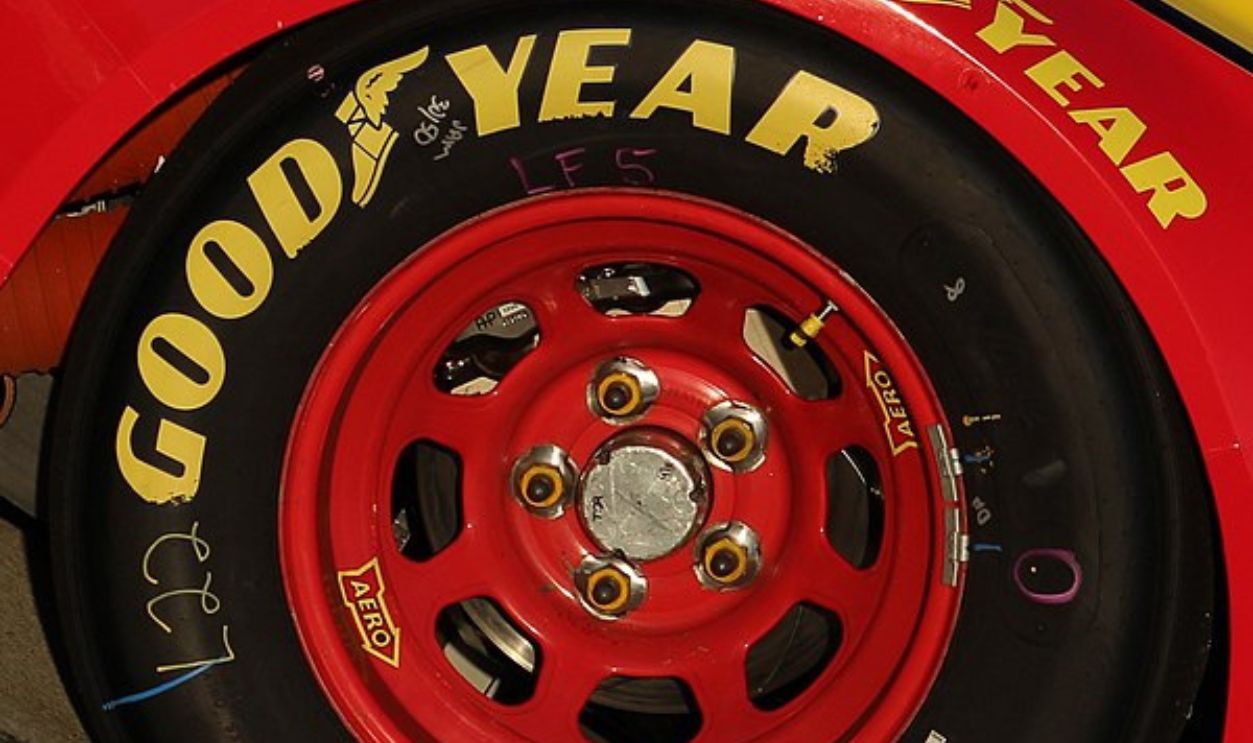
NASCAR relies on Goodyear as its exclusive tire supplier, with each series using specialized tire models. The Whelen Modified Tour cars are designed for short tracks, where grip is paramount. A set of tires costs around $500 to $700 per tire, with teams typically going through multiple sets per race.
 Zach Catanzareti, CC BY-SA 2.0, Wikimedia Commons
Tires (Cont.)
Those competing in the Advance Auto Parts Weekly Series rely on more standardized tire designs to reduce costs and promote accessibility for local racers. The tires are tailored for a variety of surfaces, including asphalt and dirt, and cost $350 to $500 per tire.
 Michael Rivera, CC BY-SA 3.0, Wikimedia Commons
Tires (Cont.)
Because the Whelen Euro Series runs road courses and mixed-surface layouts, the tires have to survive everything from flat-out straights to sketchy elevation changes. That means a tougher, longer-lasting compound—and a price tag to match: roughly $400–$600 per tire.
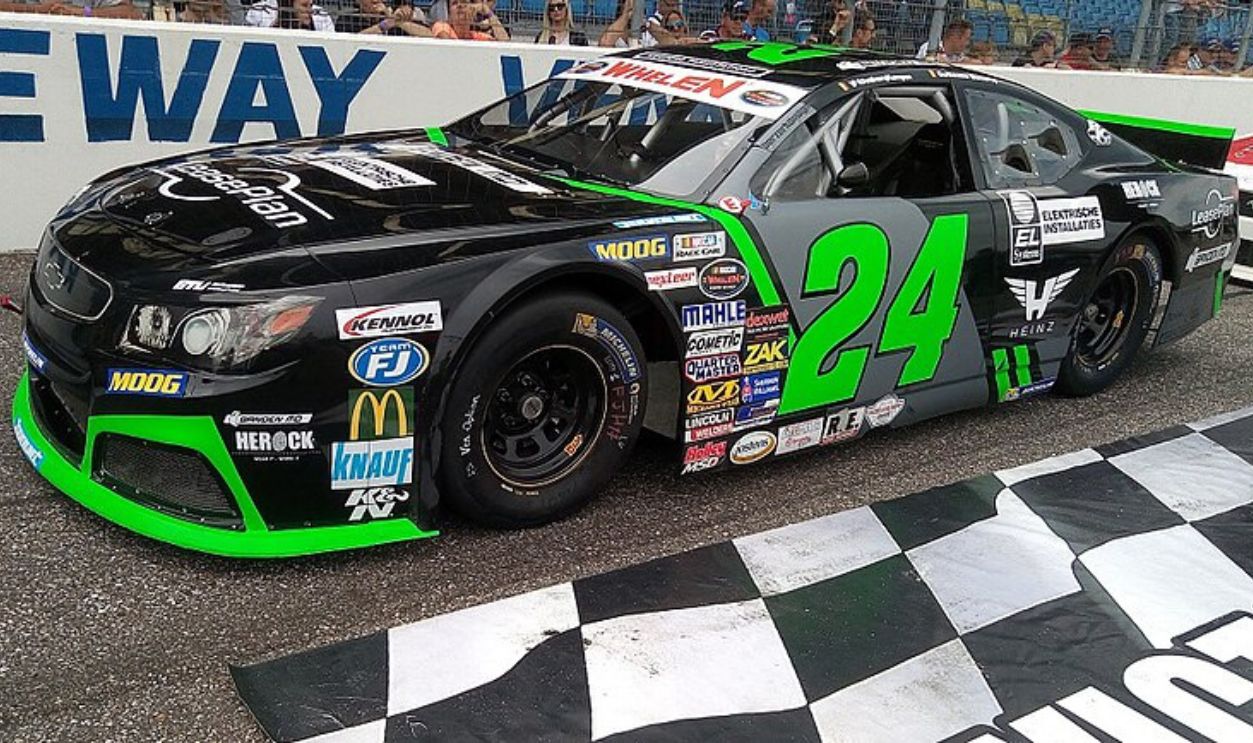 Poppo154, CC BY-SA 4.0, Wikimedia Commons
Tires (Cont.)
The most advanced tire technology is used in NASCAR racecars designed to compete in the Cup Series. These tires are 18-inch slicks, introduced with the Next Gen car, and are designed to handle speeds exceeding 200 mph. Each costs approximately $500 to $700, whereas some events require more expensive tires.
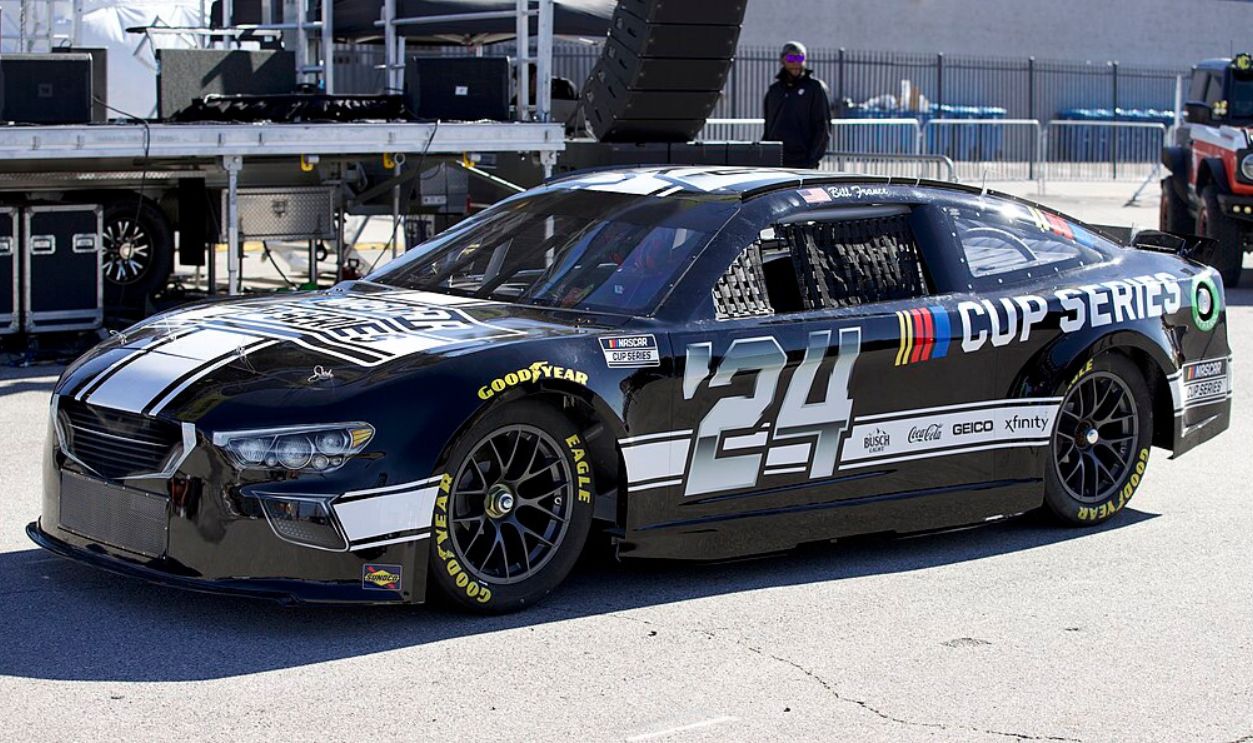 TaurusEmerald, CC BY-SA 4.0, Wikimedia Commons
Chassis
In short, there's no car without a good chassis. It represents the foundation of every NASCAR vehicle and should be strong enough to provide structural integrity and safety regardless of the series. Variations series ensure that each vehicle meets the specific demands of its competition level and track conditions.
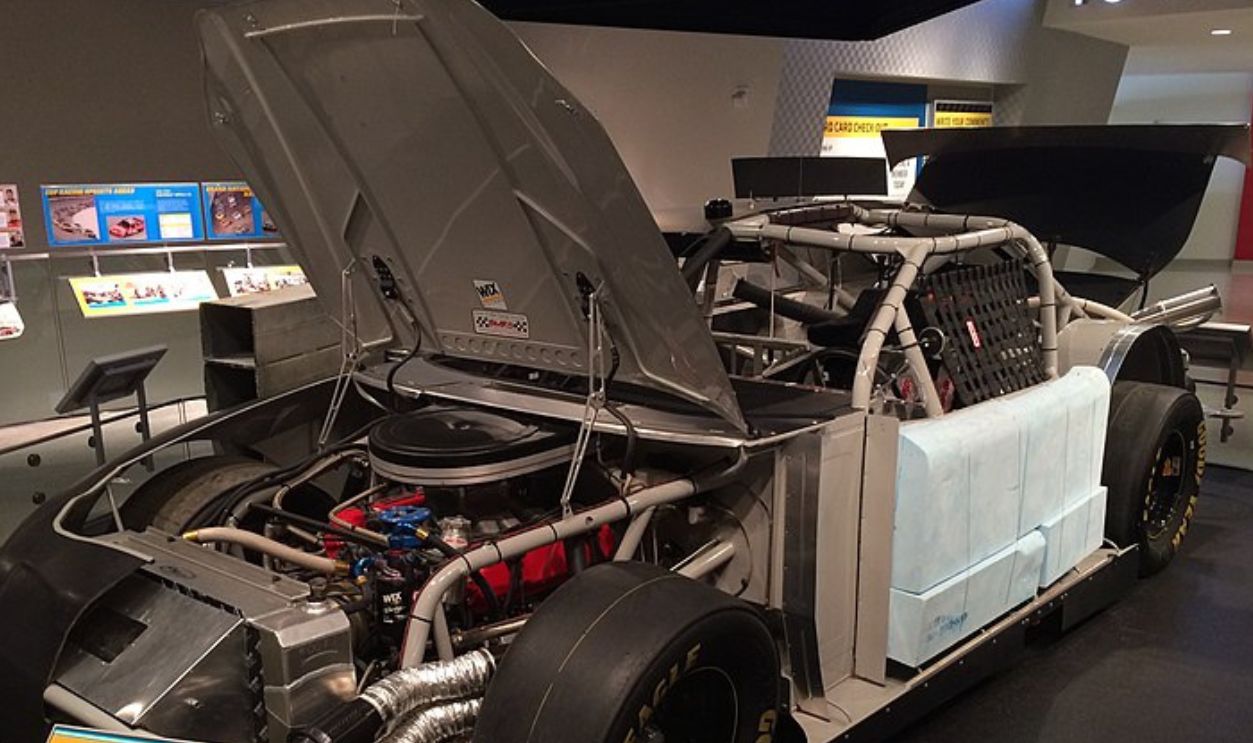 Chris Short, CC BY-SA 2.0, Wikimedia Commons
Chassis (Cont.)
For example, chassis used in the Truck Series are modified to suit the unique aerodynamics and weight distribution of trucks. Since trucks experience different stress dynamics due to their design, these chassis are designed to deliver strength and durability, and they cost between $40,000 and $60,000.
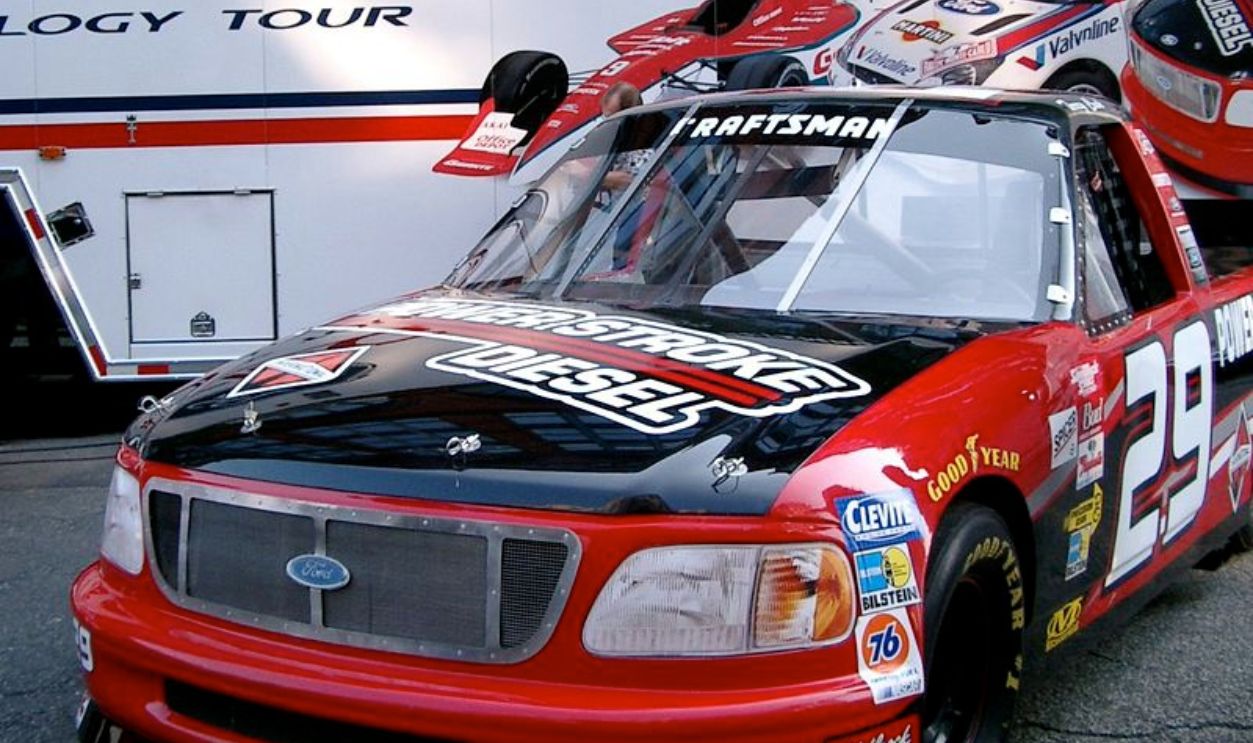 Andrew, CC BY 2.0, Wikimedia Commons
Chassis (Cont.)
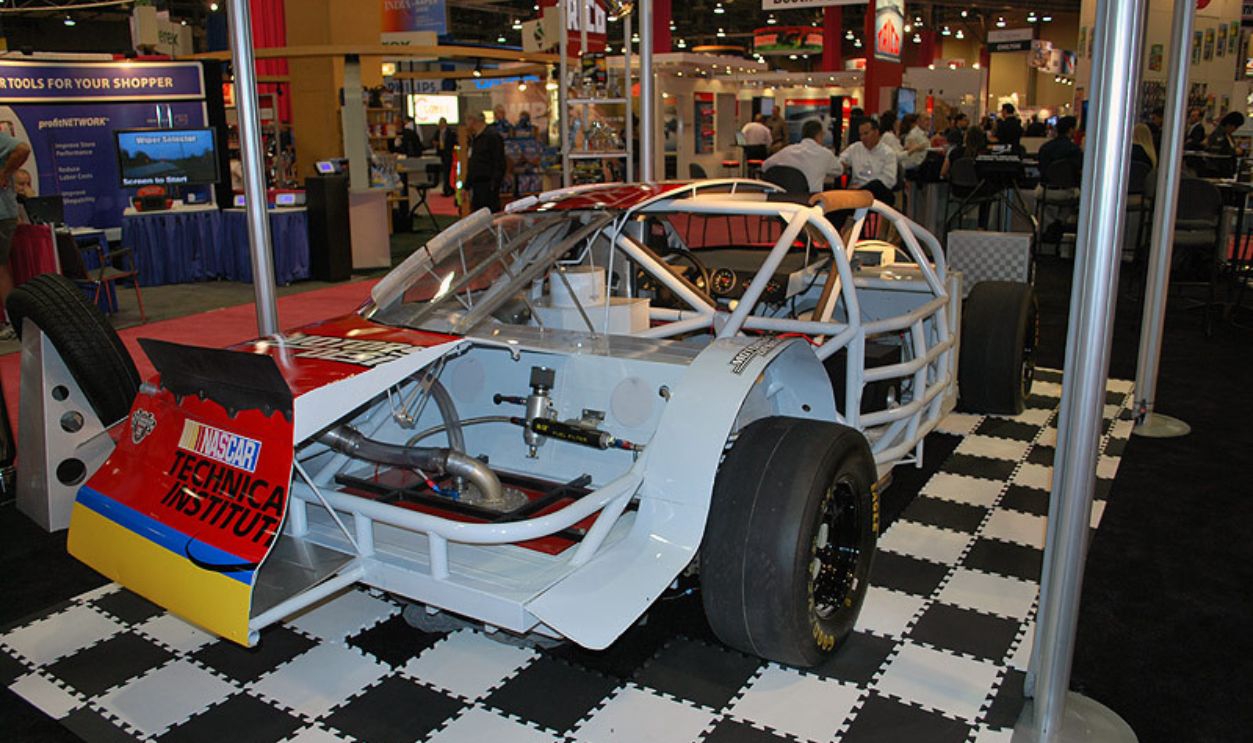
NASCAR uses custom-built tubular steel frames for high durability and crash protection. While the basic design principles are consistent across series, the ones used in the Cup Series are made to meet the highest standards of performance and safety, and they cost between $70,000 and $120,000.
 Kevin Durant, CC BY 2.0, Wikimedia Commons
Seat And Harness Systems
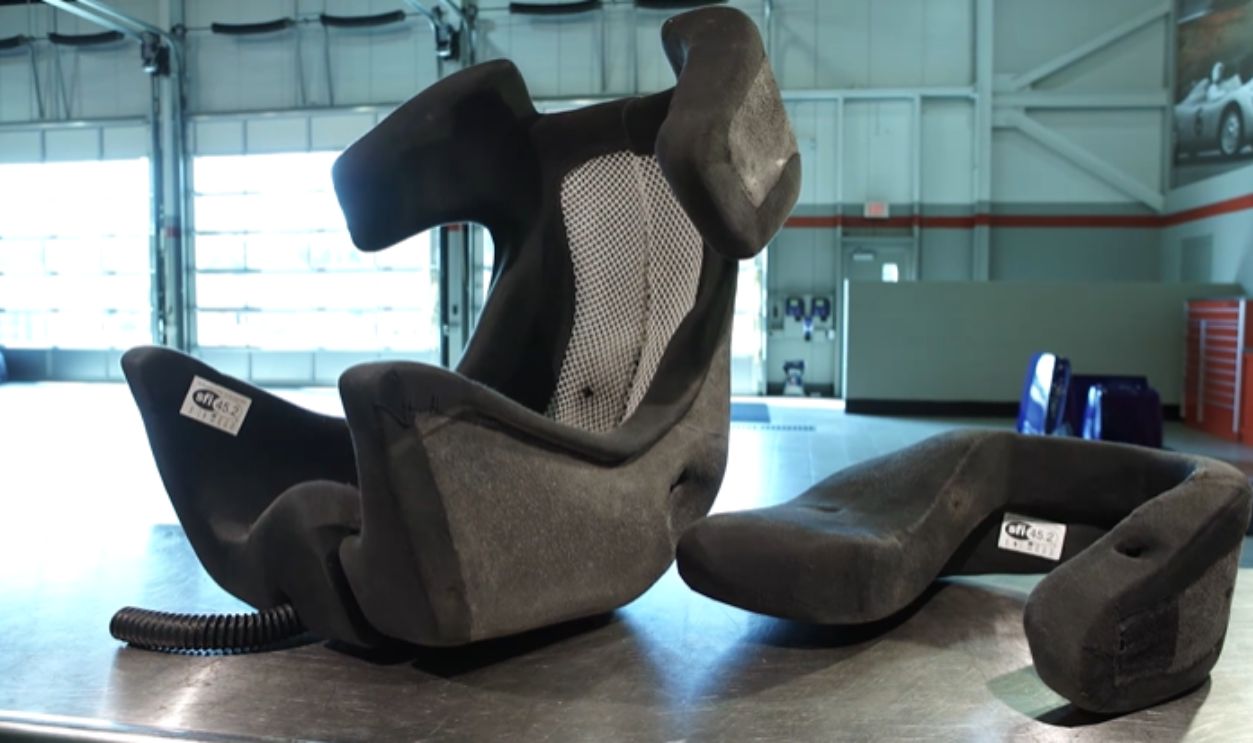
Safety is paramount in all NASCAR vehicles. As a result, seat and harness systems should provide stability and protection during high-speed impacts and collisions, with few variations, depending on the track. For example, in the Truck Series, seats are custom-molded aluminum or carbon fiber with reinforced padding.
 Inside a NASCAR® Cockpit with Joey Logano - Snap-on Tech Series: Penske® Edition by Snap-on Tools
Seat And Harness Systems (Cont.)
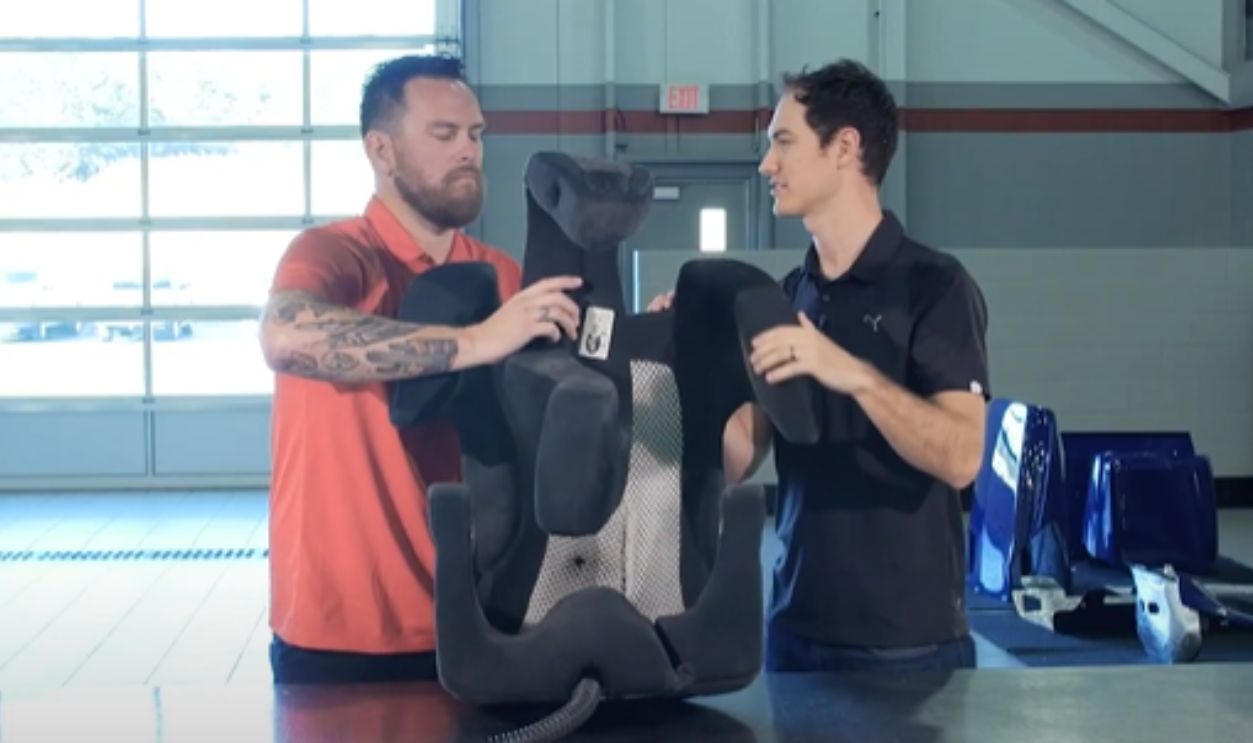
They are paired with a six-point harness system that secures the driver in place during the race's high-speed turns and potential crashes. Trucks' higher center of gravity increases the likelihood of rollovers, so the harness systems are designed with rollover protection in mind.
 Inside a NASCAR® Cockpit with Joey Logano - Snap-on Tech Series: Penske® Edition by Snap-on Tools
Seat And Harness Systems (Cont.)
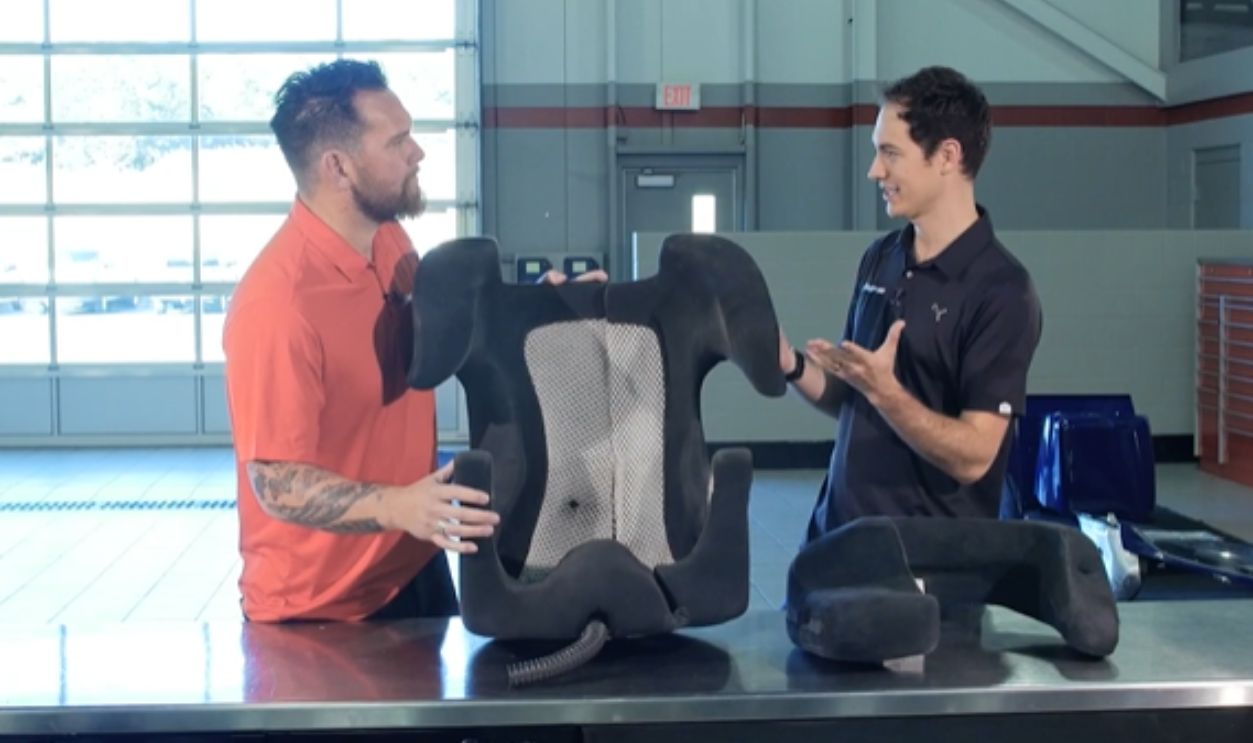
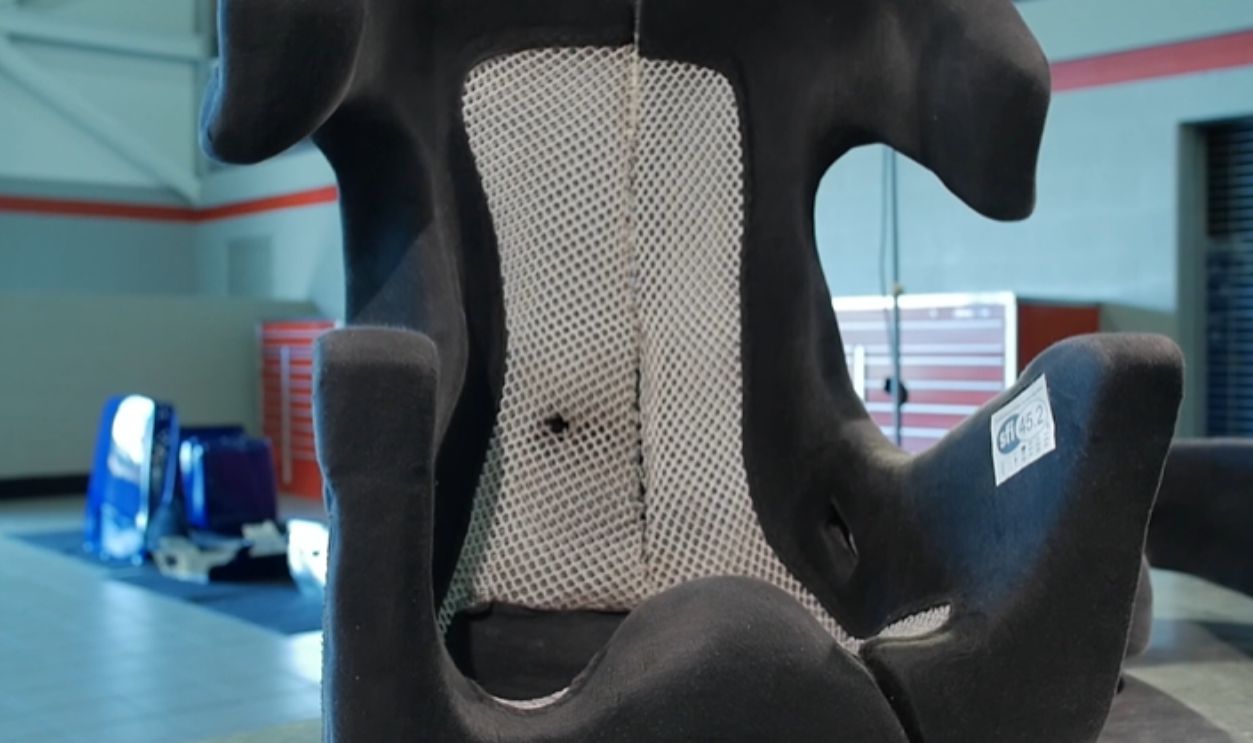
In the Truck Series, a proper seat-and-harness setup typically runs about $4,000–$7,000. But in the Whelen Modified Tour, the low-profile cockpit and open-wheel layout demand even more lateral support, so seats are custom-fit to each driver and built with extra side bolsters to keep them locked in through the corners.
 Inside a NASCAR® Cockpit with Joey Logano - Snap-on Tech Series: Penske® Edition by Snap-on Tools
Seat And Harness Systems (Cont.)
Seats and harness systems in the Cup Series represent the top of NASCAR safety innovation. They're custom-molded carbon fiber or aluminum with advanced padding and integrated head restraint systems, like the HANS device, to protect against neck injuries. Naturally, they come with a higher price tag.
 Inside a NASCAR® Cockpit with Joey Logano - Snap-on Tech Series: Penske® Edition by Snap-on Tools
Transmission
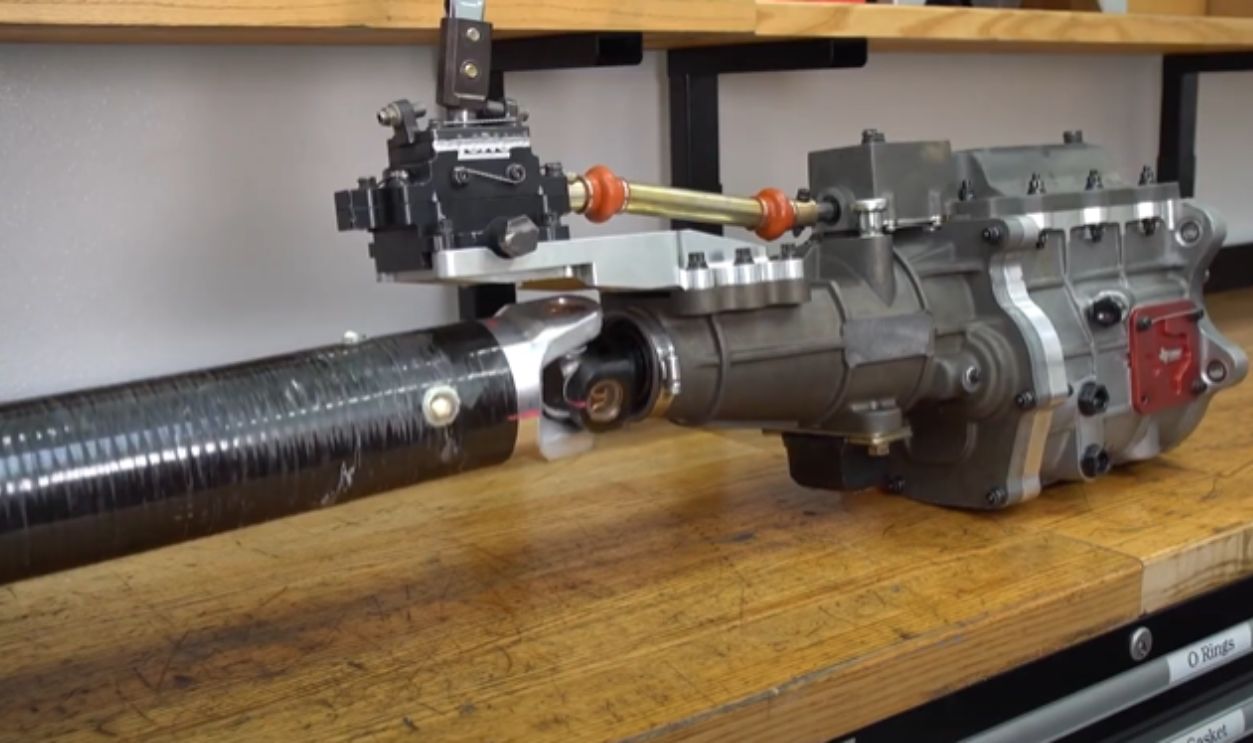
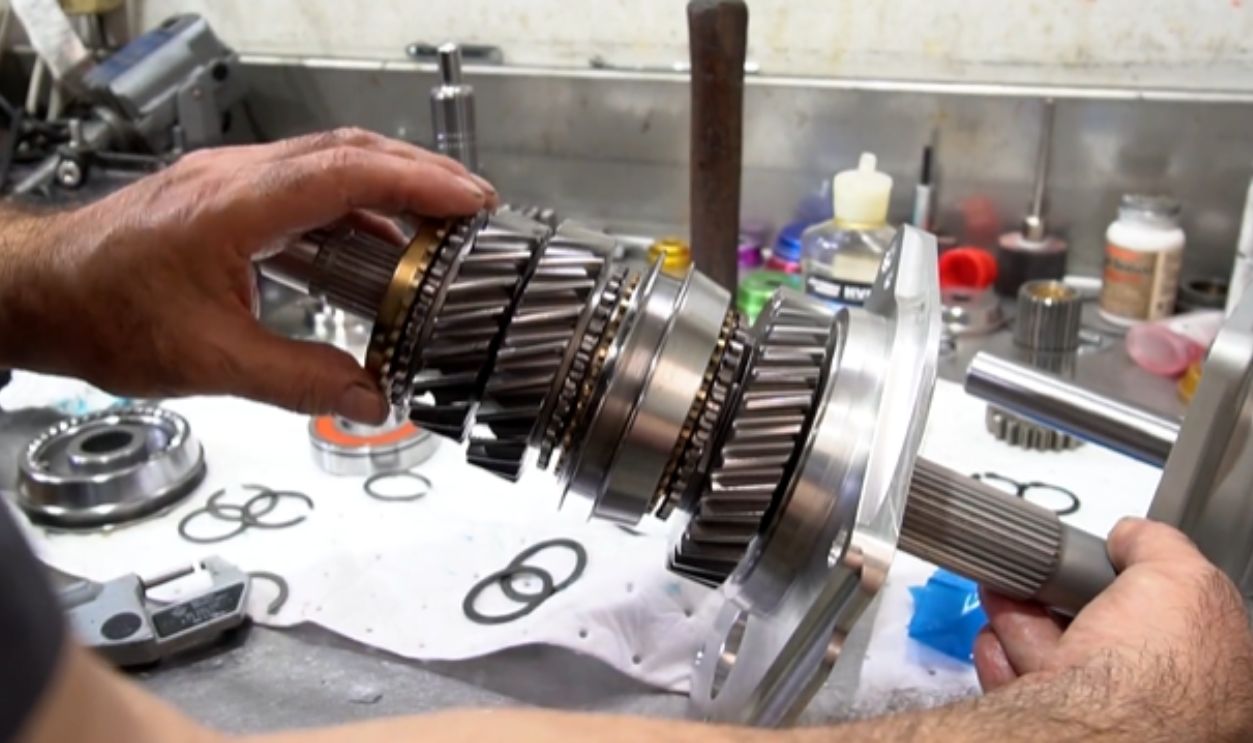
Transmission systems shine at corner speeds, where they transfer the torque and hp from the engine to the rear axle. These systems are designed to deliver maximum efficiency and response under extreme conditions. Except for the Next Gen that uses 5-speed, NASCAR cars use a 4-speed manual transmission.
 The SECRET To NASCAR’s 5 Gear Transmissions by Upclose Racing
Transmission (Cont.)
Although automatic transmission is more popular in road cars, NASCAR vehicles prioritize philosophy and traditions. By sticking to manual transmission, these cars deliver fun and impressive performance by showing the drivers' abilities, with an average price of $10,000 for the Xfinity Series vehicles.
 NASCAR 4 SPEED TRICKS FOR A STREET 4 SPEED by GearBoxVideo
Transmission (Cont.)
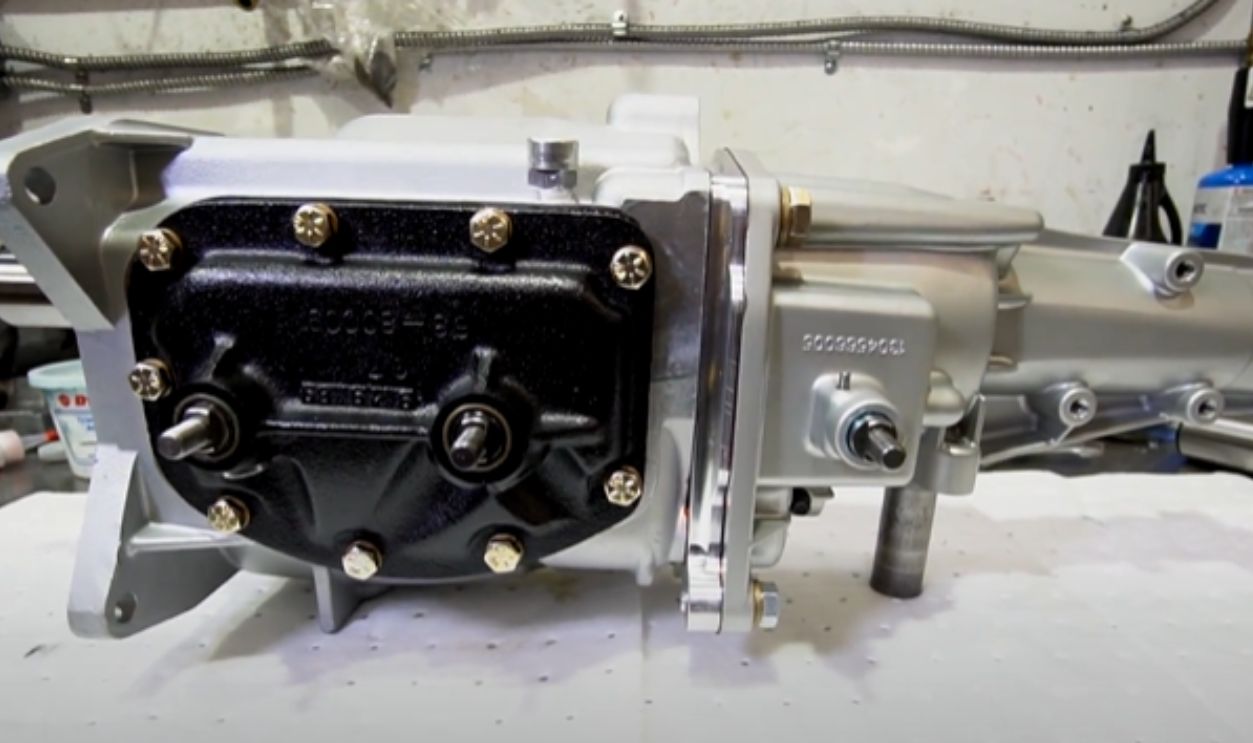
Differences exist between transmissions depending on the series. Such variations affect the price. In the Cup Series, transmissions are built to handle rapid shifts required on high-speed ovals and road courses. They use high-strength materials to reduce weight while maintaining durability, increasing the price up to $20,000.
 NASCAR 4 SPEED TRICKS FOR A STREET 4 SPEED by GearBoxVideo
Steering Systems
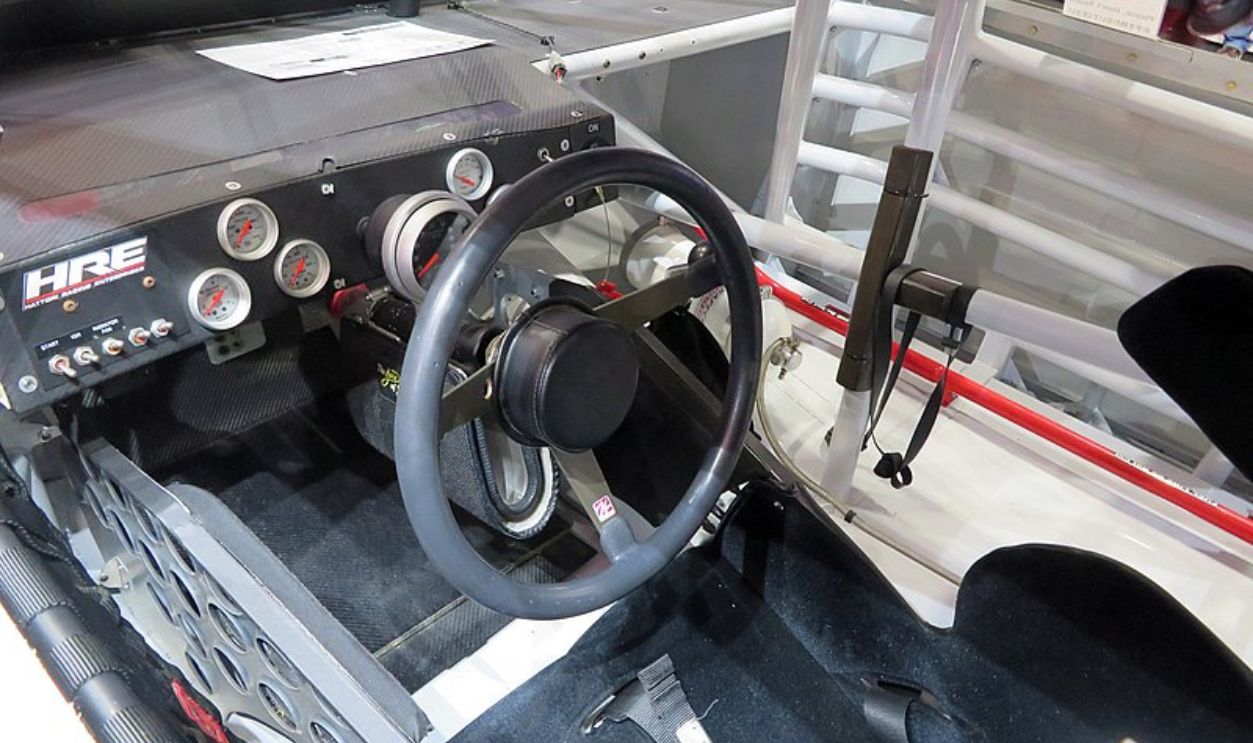
Drivers need to maintain precise control over their cars at high speeds and through challenging track conditions using reliable steering systems. The Truck Series uses strong, hydraulic-assisted rack-and-pinion steering systems designed to handle the added weight and higher center of gravity of the trucks.
 Tokumeigakarinoaoshima, CC BY-SA 4.0, Wikimedia Commons
Steering Systems (Cont.)
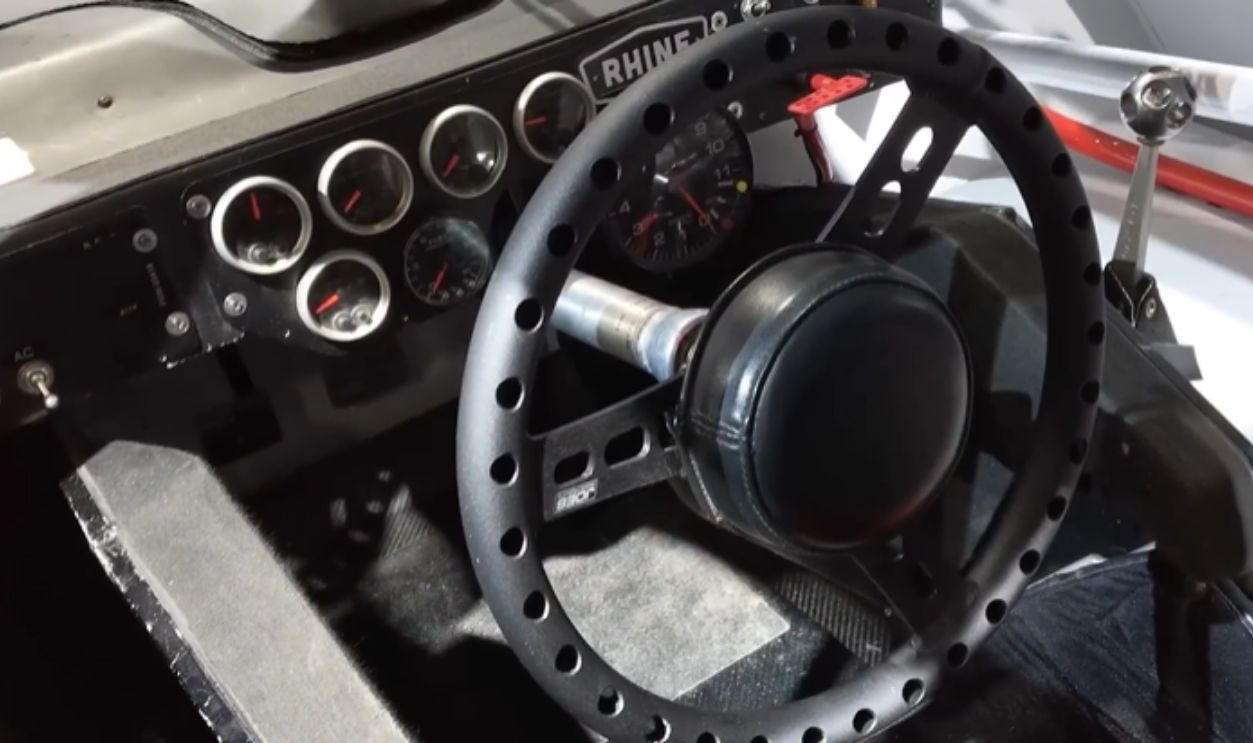
These systems provide exceptional stability and responsiveness during long oval races and ensure drivers can easily manage the truck's weight through high-speed turns. Trucks may also have reinforced components to endure the frequent impacts associated with this series, which can increase the steering system price up to $8,000.
 Toyota Supra Nascar at the Detroit auto show by MLive
Steering Systems (Cont.)
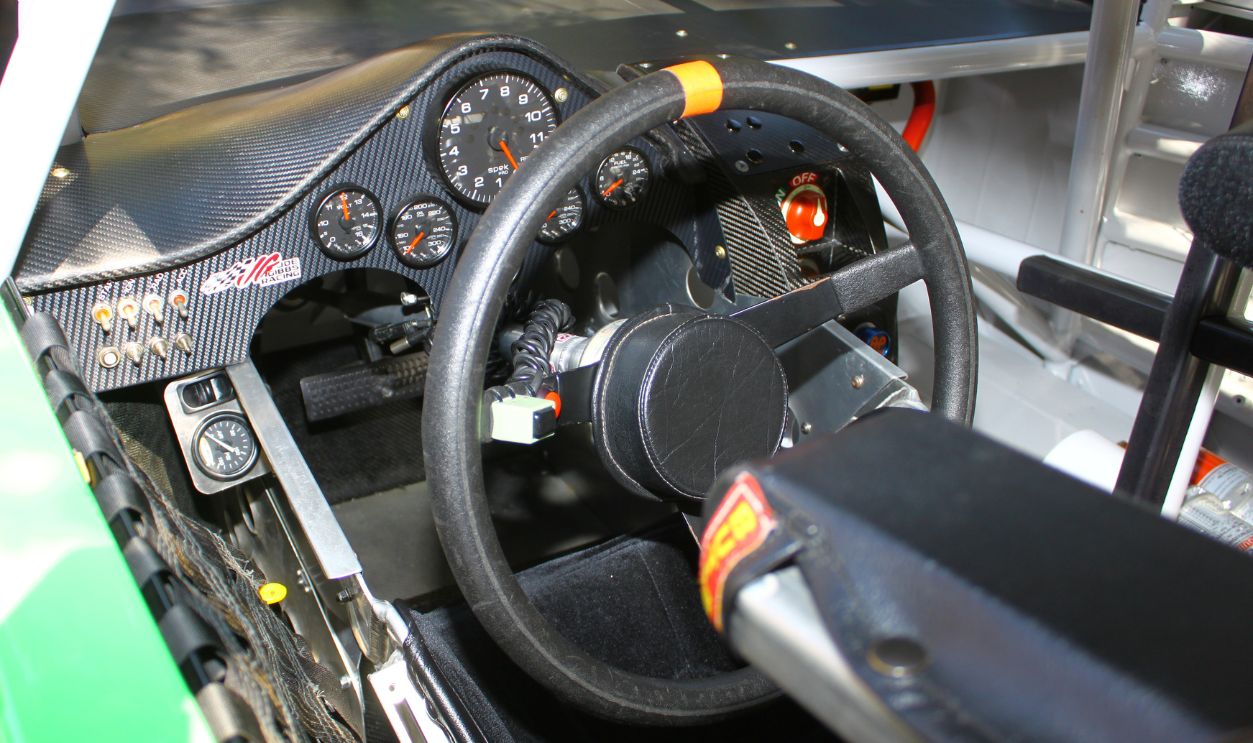
In the Whelen Modified Tour, steering setups are built for low-profile, open-wheel cars that live on tight, high-banked short tracks. And because that open-wheel layout invites plenty of side-to-side contact, the steering takes extra abuse—so teams reinforce key components to keep everything tight and responsive. The twist is that even with the added strengthening, these systems still tend to come in a bit cheaper than the heavier-duty steering used in the Truck Series.
Steering Systems (Cont.)
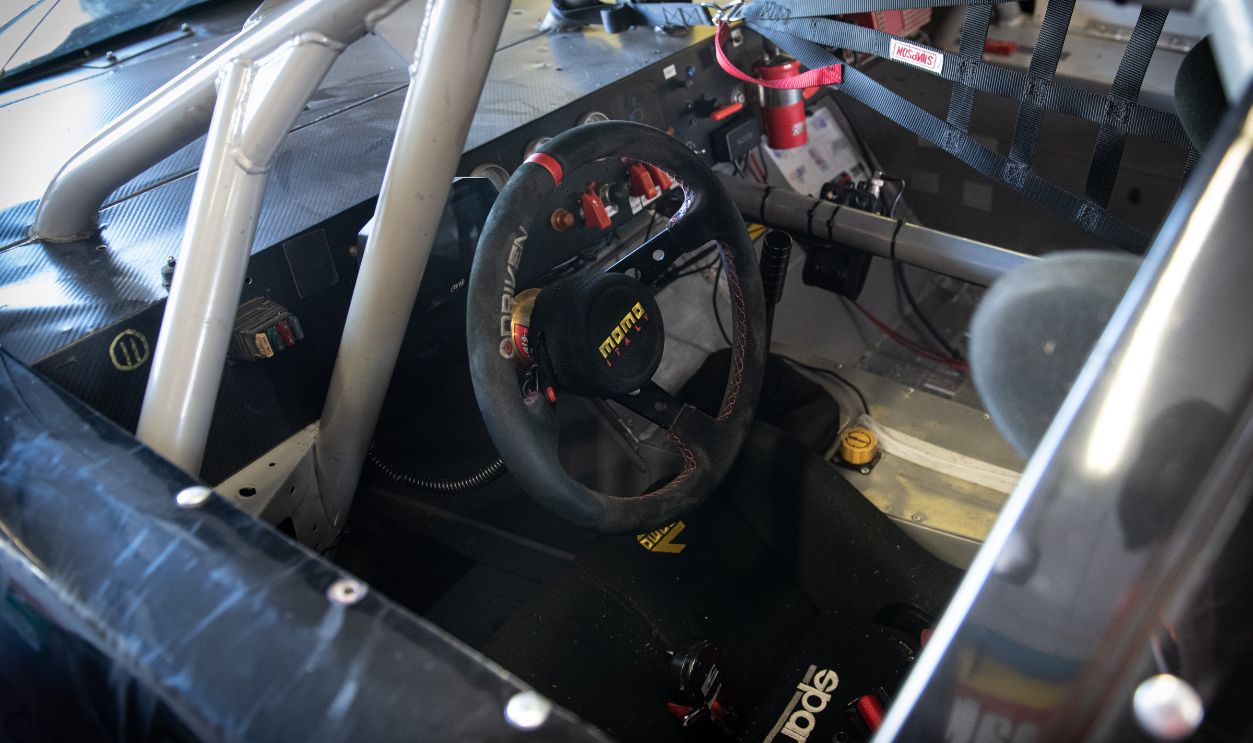
Grassroots racers in the Weekly Series often use simpler, more affordable hydraulic-assisted steering systems. The components are often sourced from standard performance parts suppliers, with costs ranging from $2,000 to $4,000 to remain budget-friendly for amateur racers.
Brakes
Brakes are among the most vital components in a NASCAR car by providing the stopping power and control needed to tackle sharp turns and manage high-speed deceleration. The features and costs of braking systems vary significantly between various races as each series presents unique challenges.
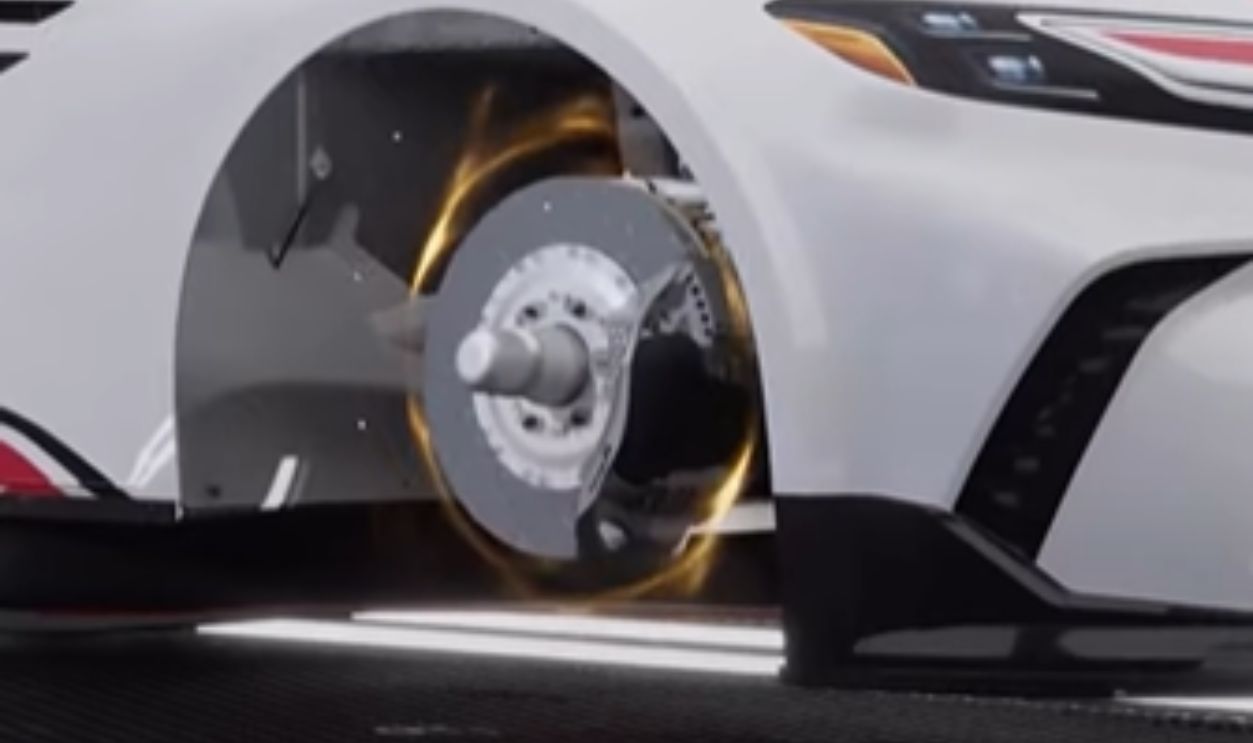 Gen 7 brake tech #nascar by NASCAR
Brakes (Cont.)
In the Whelen Modified Tour, cars use heavy-duty brake systems with larger rotors and calipers to handle high-speed braking zones. These systems are designed to provide consistent performance under extreme heat generated during races. The braking components often include four-piston calipers and vented rotors for improved heat dissipation.
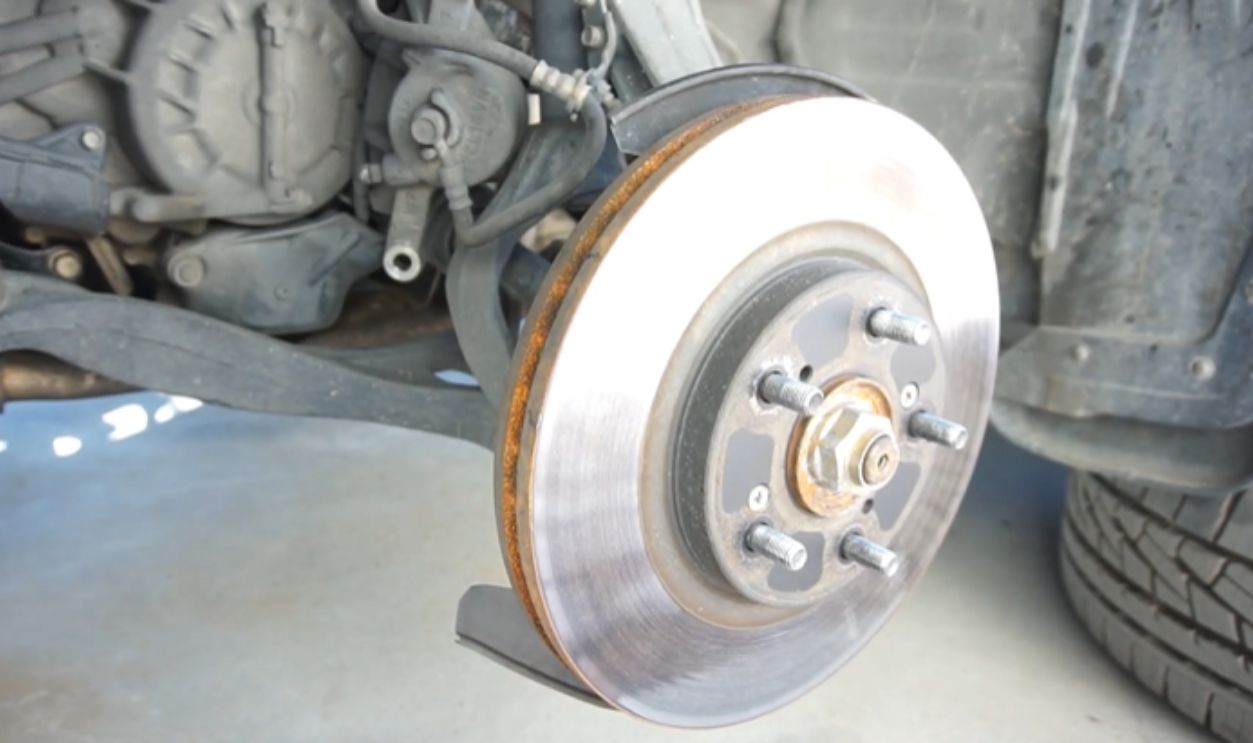 NASCAR Brakes On An Acura TL? Duralast Performance GT Rotors. 2004 3rd Gen by Halffast719
Brakes (Cont.)
Due to the high demands of Whelen Modified Tour races, a complete system can cost around $10,000, with some advanced systems costing $12,000. The systems used in the Advance Auto Parts Weekly Series cost almost half this price. This makes them more accessible to local teams and drivers.
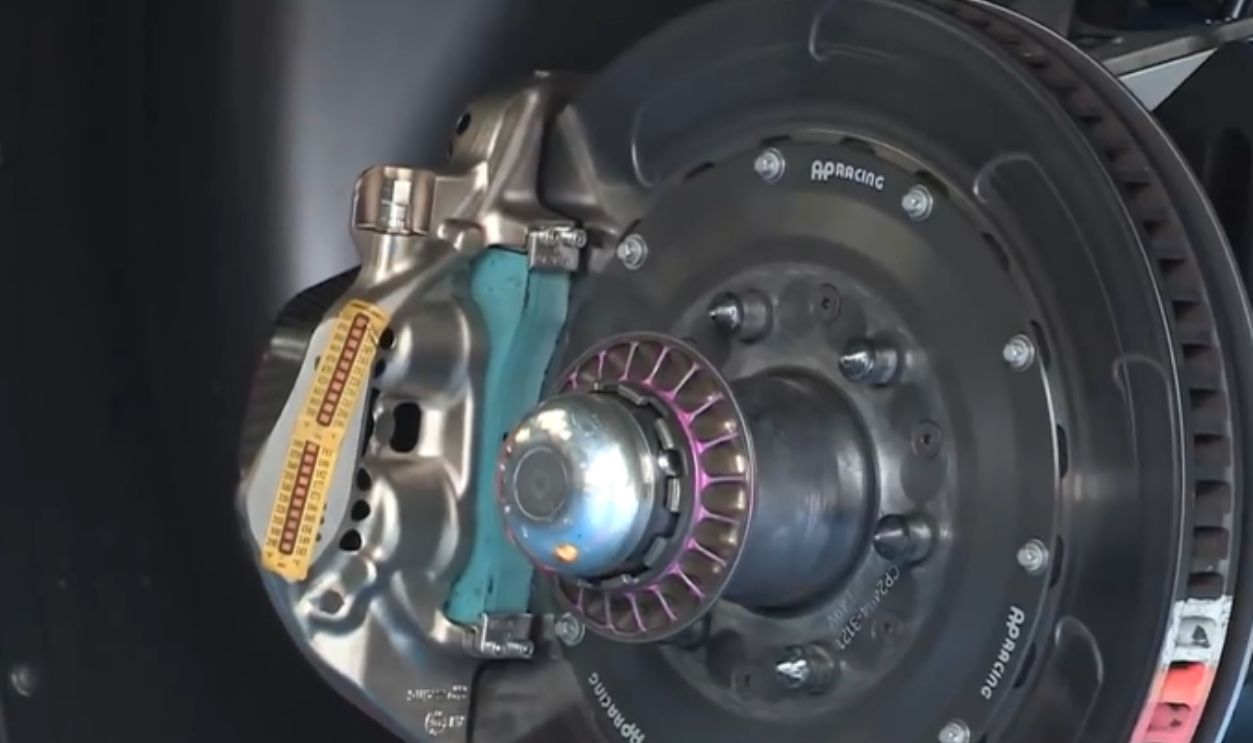 Larry Mac breaks down the Next Gen car's new front clip and brakes | NASCAR by NASCAR
Suspension System
Bumps in NASCAR races can be too serious. This is why all NASCAR cars use specialized suspension setups. However, the ones used in the Cup Series are highly advanced and meticulously tuned for specific track configurations to tire contact and minimize wear during races.
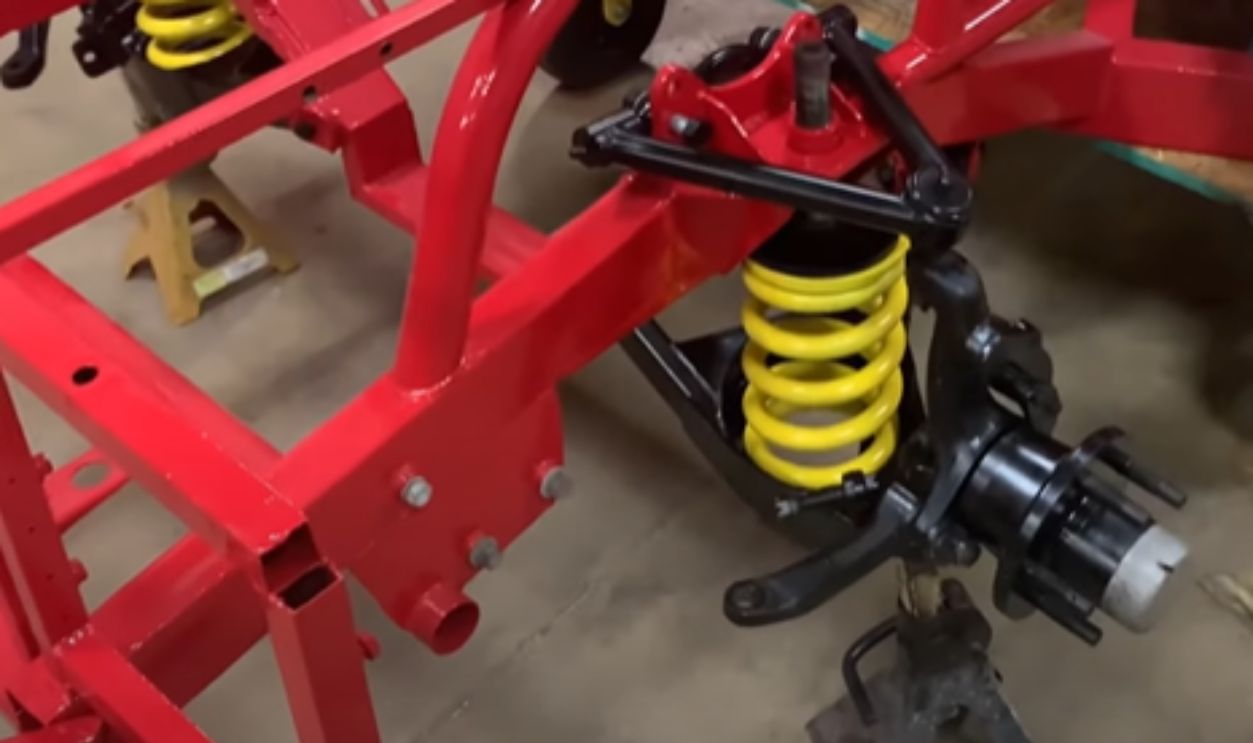 #94 Front Suspension Assembly 1988 NASCAR Buick Regal Winston Cup Car by Racecar Fabrication & Rest
Suspension System (Cont.)
Their price tag ranges between $25,000 to $40,000 per car, including specialized dampers and springs. This corresponds to their role in optimizing handling and tire grip. Most of these systems are made of lightweight alloys and carbon components for durability and performance.
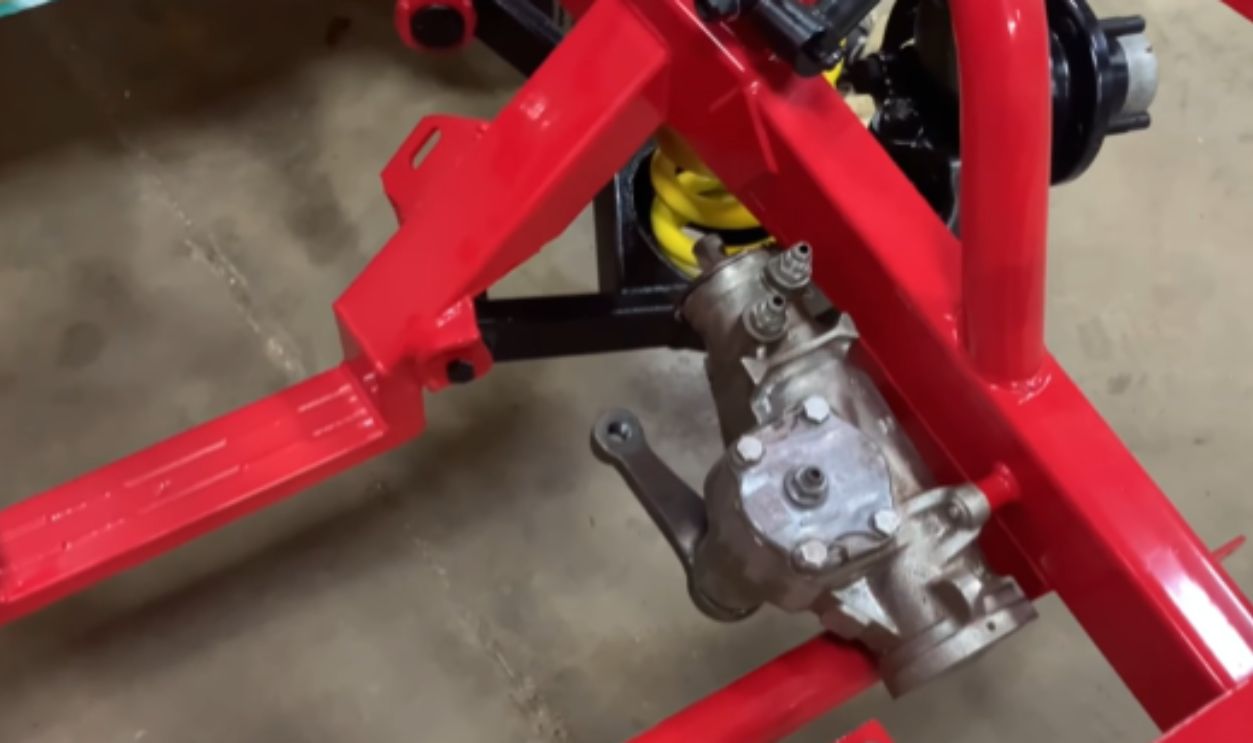 #94 Front Suspension Assembly 1988 NASCAR Buick Regal Winston Cup Car by Racecar Fabrication & Rest
Suspension System (Cont.)
The Xfinity Series suspension still offers plenty of tuning room, but it’s intentionally less complicated to keep costs from going completely feral. With fewer one-off custom pieces and more standardized components, teams get a setup that’s competitive without being ridiculously pricey—typically around $15,000 to $25,000.
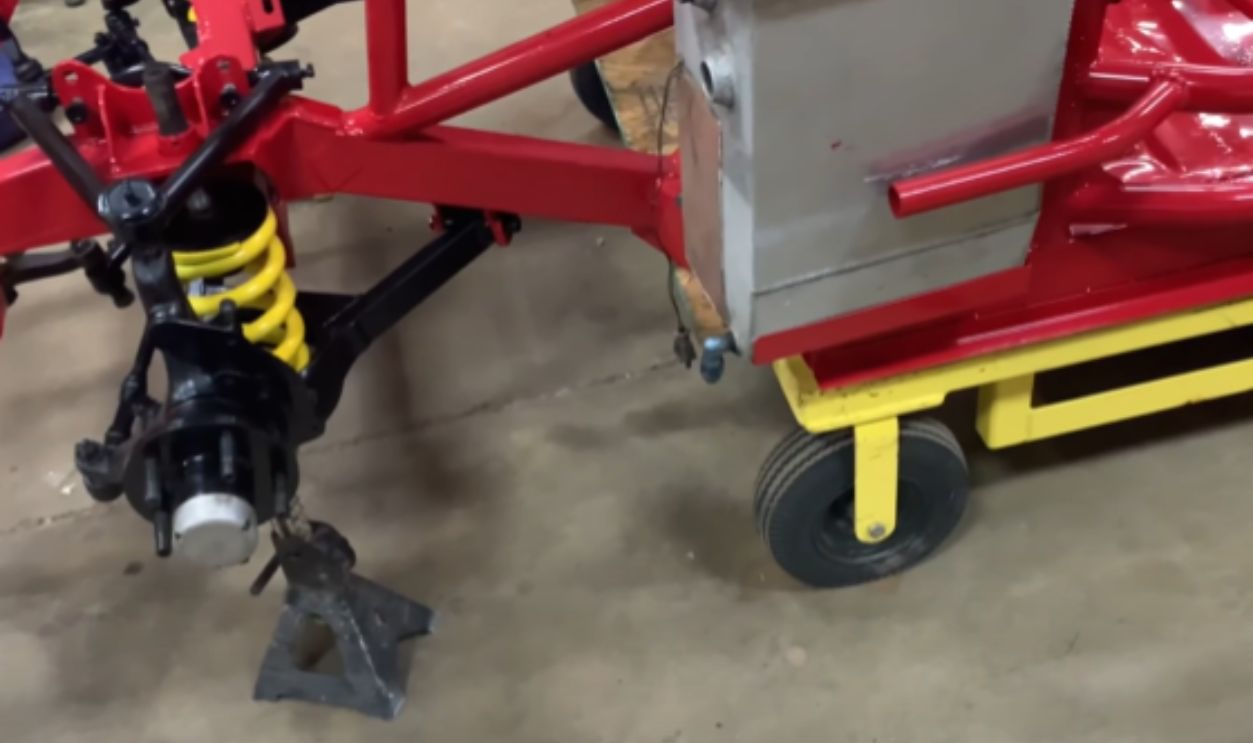 #94 Front Suspension Assembly 1988 NASCAR Buick Regal Winston Cup Car by Racecar Fabrication & Rest
Aerodynamic Components
Aerodynamics in the Cup Series is a major focus, with extensive wind-tunnel testing used to fine-tune the design of splitters, spoilers, and underbody components. These vehicles rely on precision-engineered elements like adjustable rear spoilers and front splitters to create downforce while minimizing drag, especially on superspeedways and intermediate tracks.
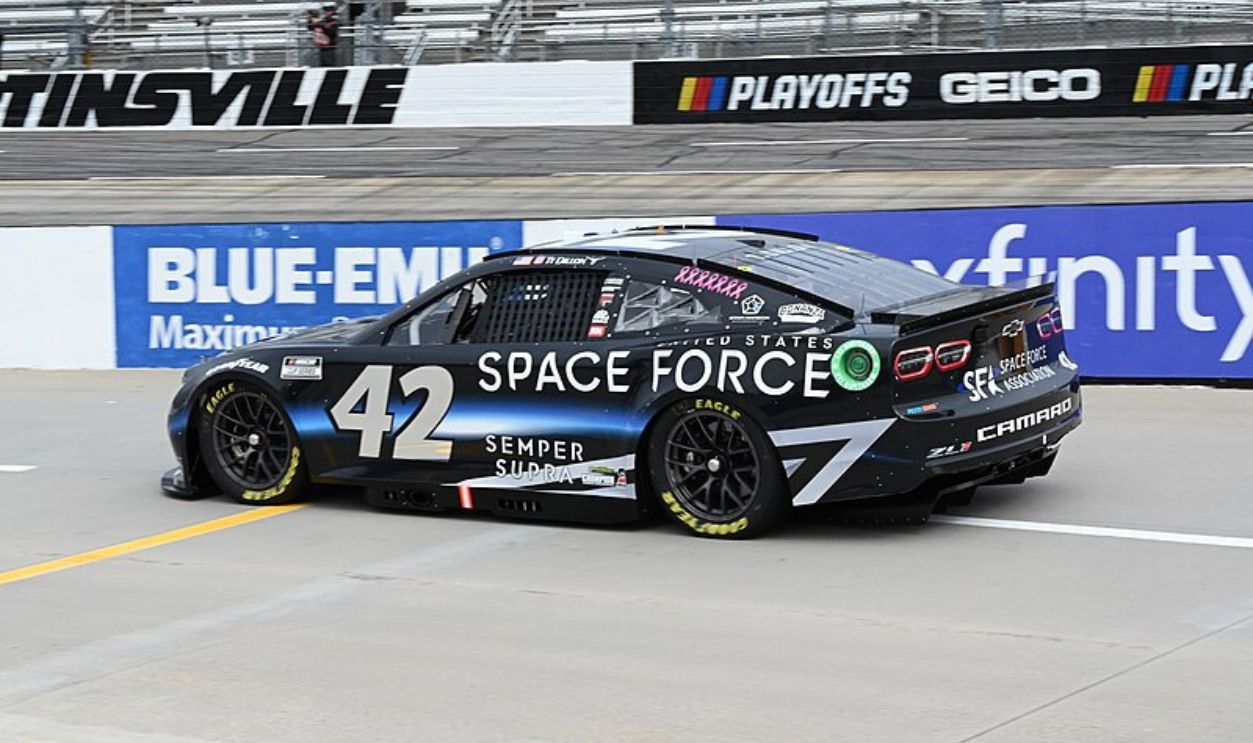 Randy Martin, Wikimedia Commons
Aerodynamic Components (Cont.)
The Next Gen car introduced rear diffusers for stability. Costs for aerodynamics in the Cup Series range from $20,000 to $30,000 to reflect the high-tech materials. Compare this to the $5,000 price tag on the ones used in the Whelen Modified Tour, and you'll get the picture.
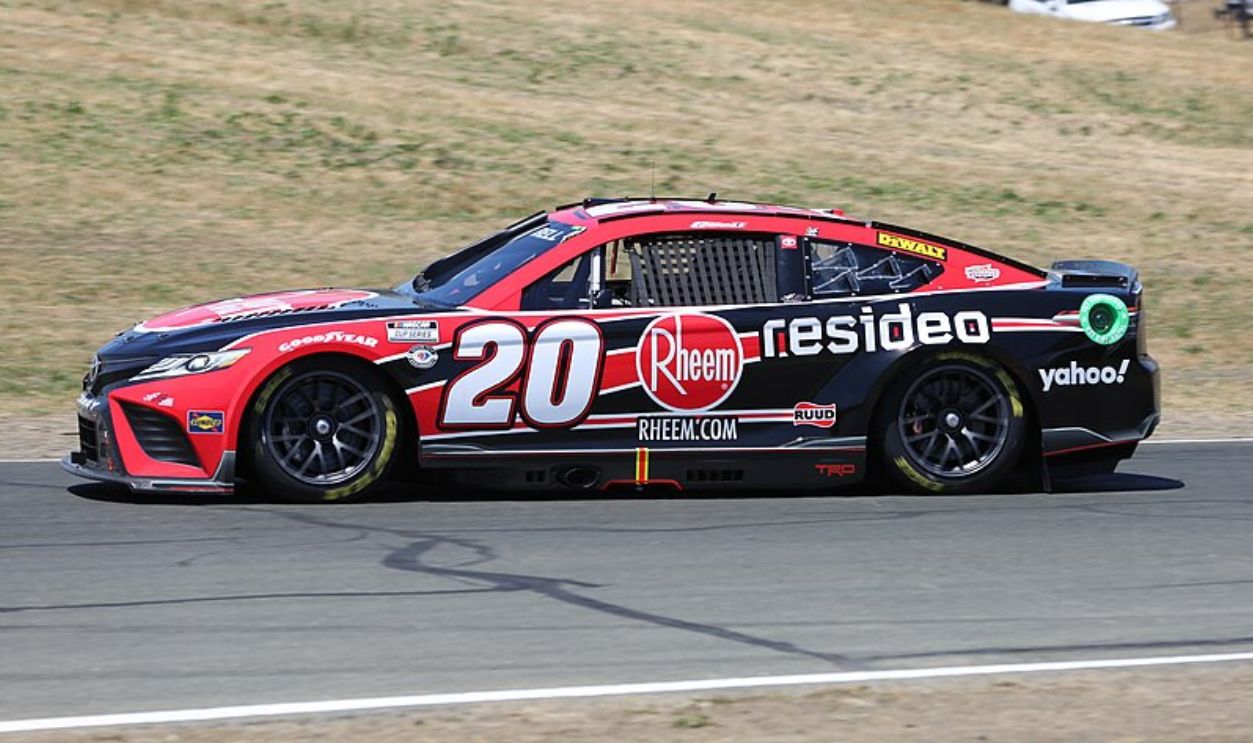 TaurusEmerald, CC BY-SA 4.0, Wikimedia Commons
Aerodynamic Components (Cont.)
Since racecars in the Whelen Modified Tour cars are low-profile vehicles with open wheels, there are limits on the aerodynamic elements they can use. However, they incorporate small front splitters and rear spoilers to improve downforce and cornering grip as they prioritize mechanical grip over extensive aero aids.
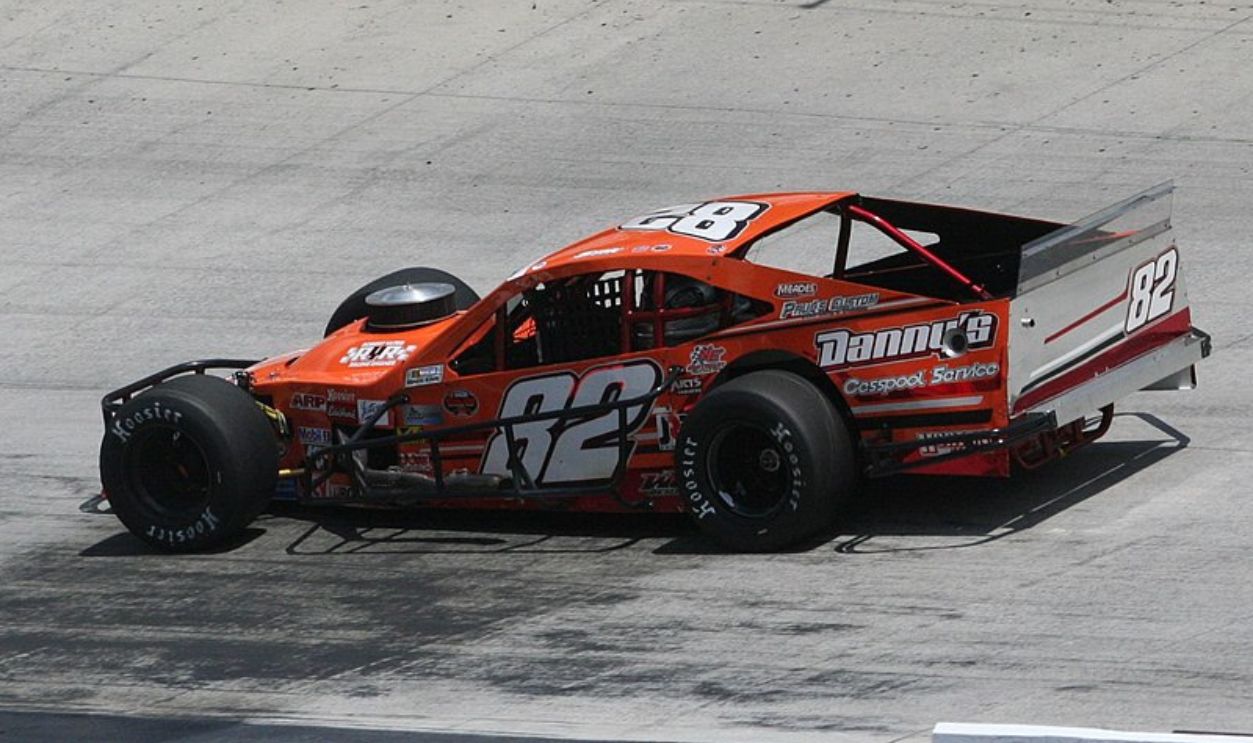 Mike Kalasnik, CC BY-SA 2.0, Wikimedia Commons
Aerodynamic Components (Cont.)
In all NASCAR races, aerodynamic components are among the most important parts as they influence a car's stability and cornering ability by managing airflow around the vehicle. They include splitters, spoilers, side skirts, and air ducts, which vary significantly in design and performance across different tracks.
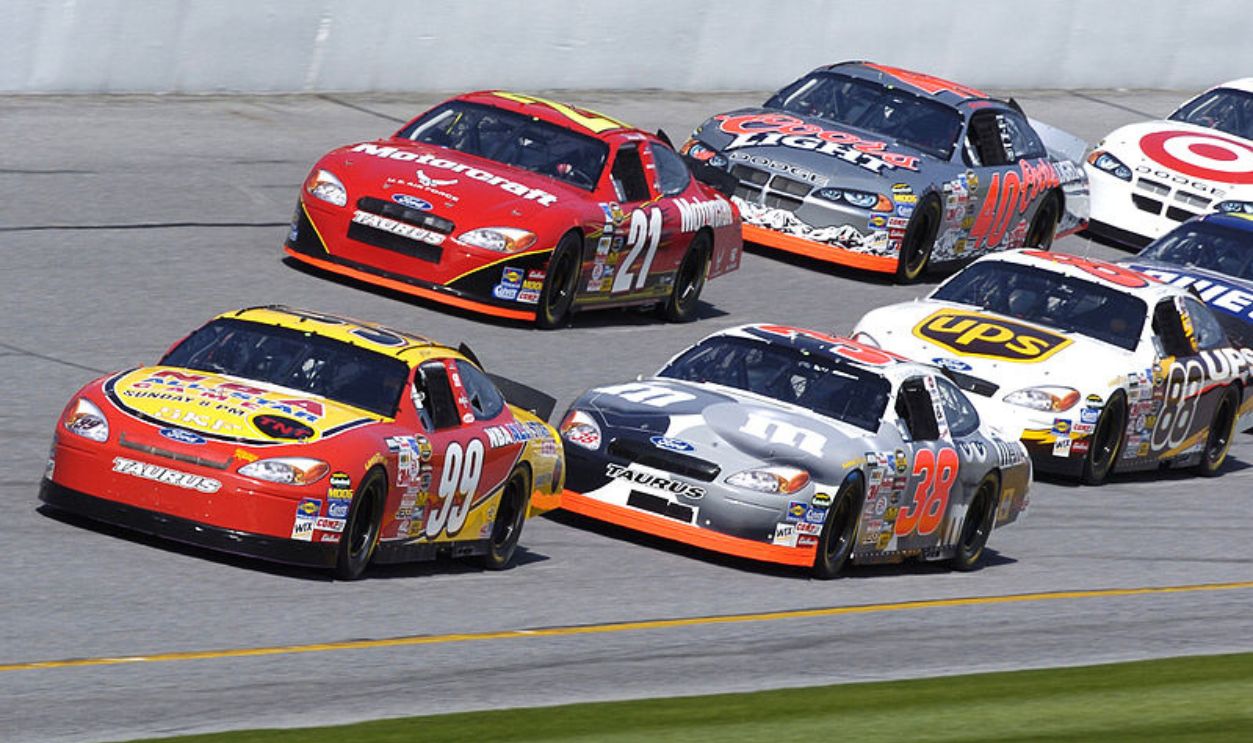 Larry McTighe, Wikimedia Commons
Aerodynamic Components (Cont.)
Like the Whelen Modified Tour cars, these components are kept minimal in the Weekly Series for accessibility. As a result, cars may feature basic spoilers and front air dams to manage airflow and reduce drag for a maximum of $3,0000. This is a budget-friendly option for amateur racers.
 Unknown author, Wikimedia Commons
Fuel Systems
The design and functionality of the fuel system depend on the race track, with the ones designed for the Cup Series being the most powerful and advanced ones. They cost around $10,000 with high-pressure fuel injection for maximum efficiency and power output.
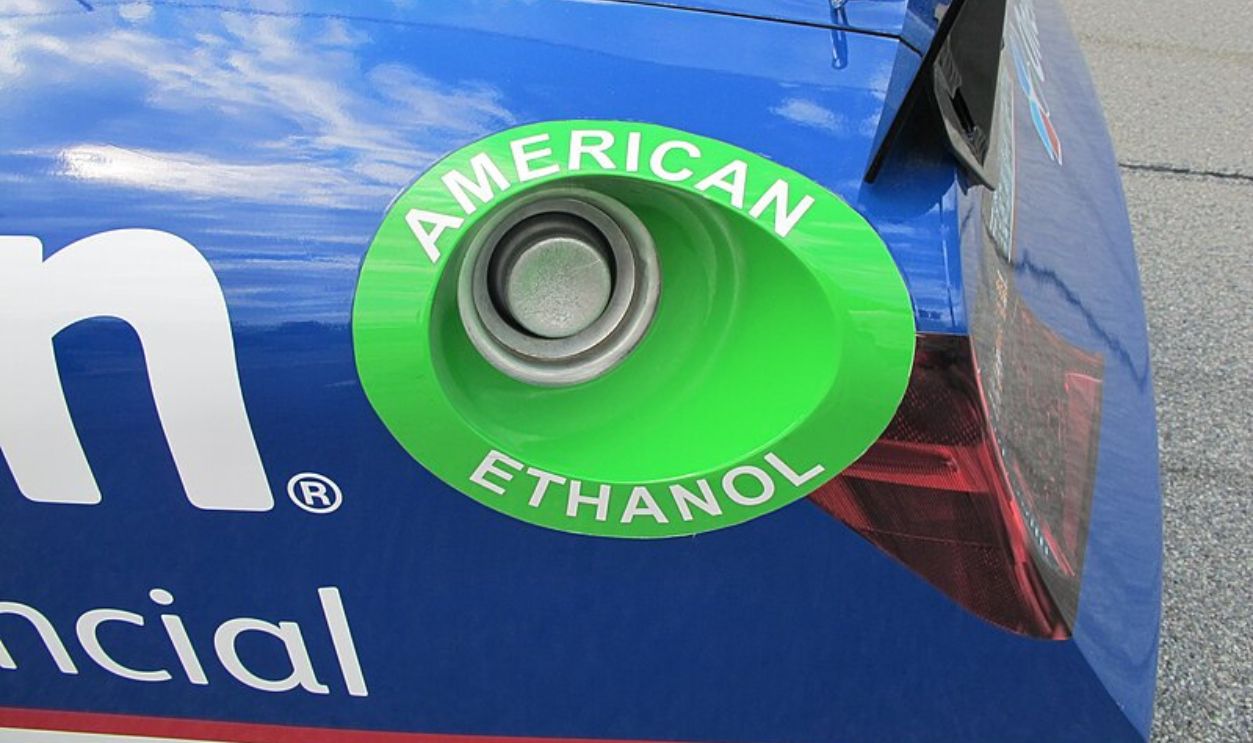 Bill McChesney, CC BY 2.0, Wikimedia Commons
Fuel Systems (Cont.)
Whelen Modified Tour cars run carbureted engines, and their fuel setup is built for safety as much as speed: a 22-gallon fuel cell lined with foam to help prevent slosh and reduce risk in a hit. And since close-quarters contact is basically part of the job description in this series, teams still end up spending a solid $3,000–$6,000 on the full fuel delivery system.
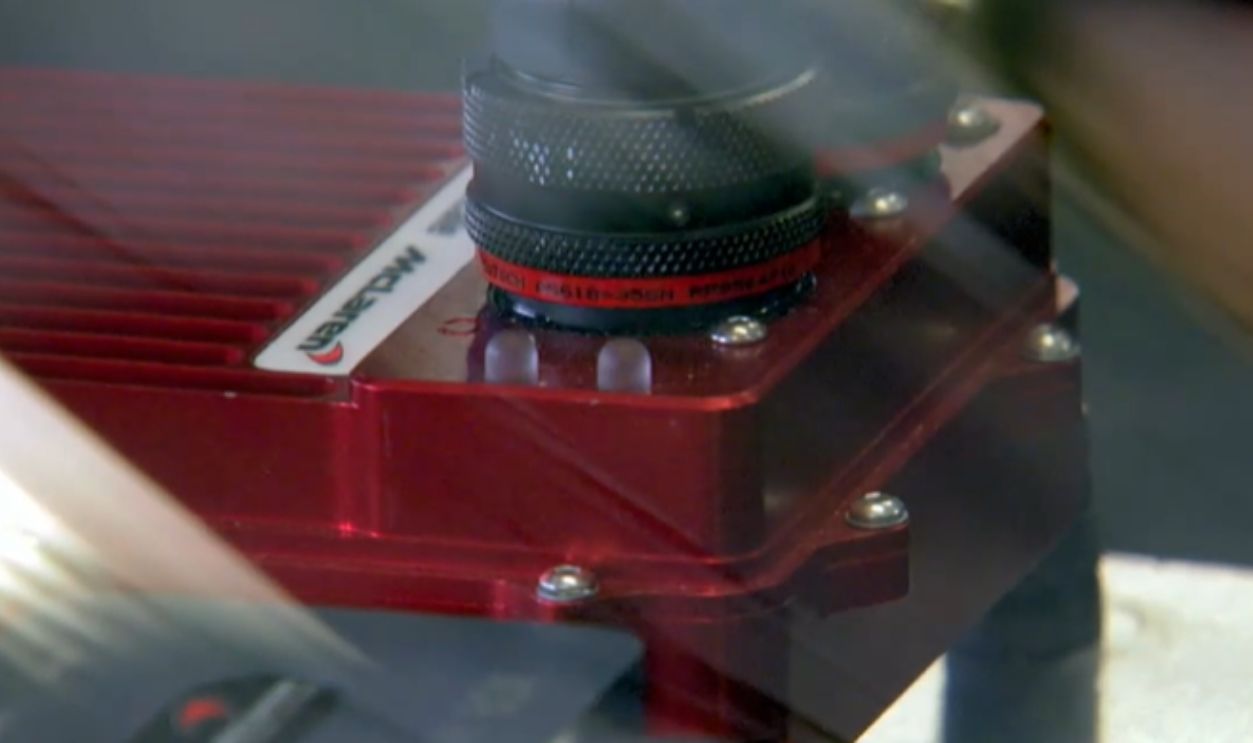 NASCAR Automotive Technology Series: Electronic fuel injection by NASCAR
Fuel Systems (Cont.)
Fuel systems in the Truck Series should accommodate the larger and heavier trucks that compete on high-speed oval tracks. The fuel cell is built to hold 18-22 gallons and features safety linings to prevent fuel spillage in the event of a crash.
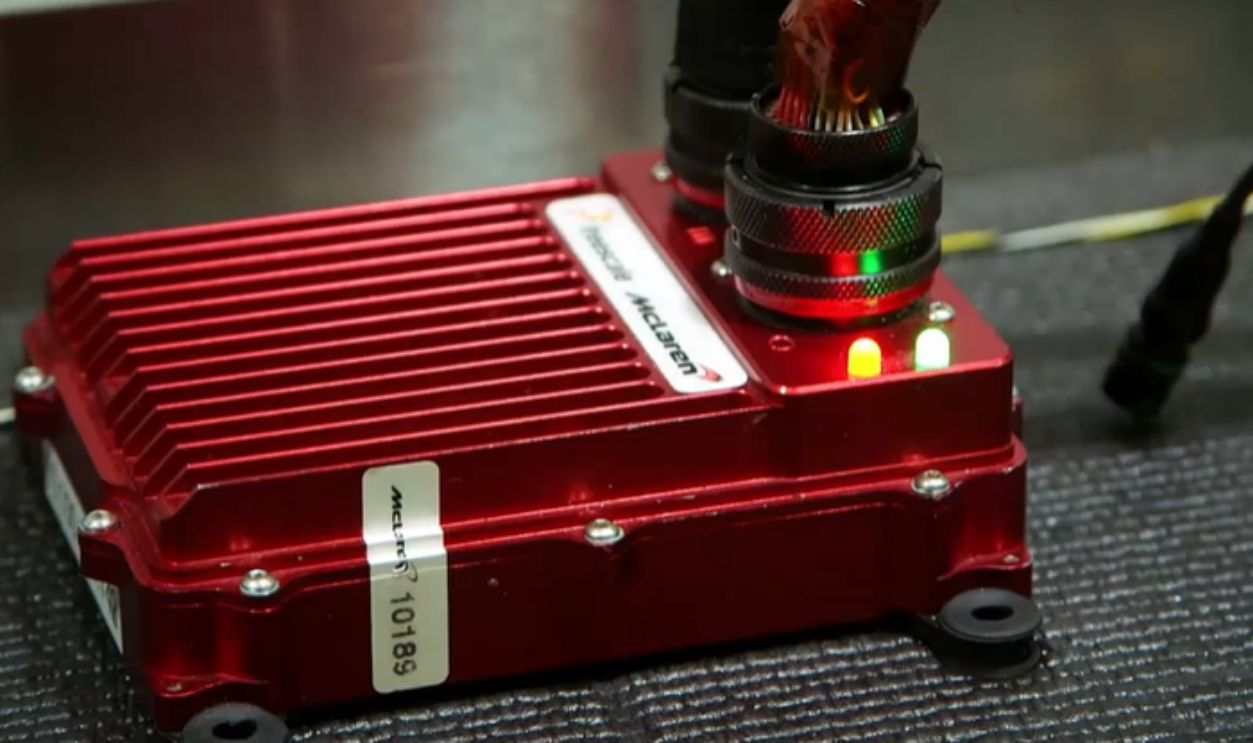 NASCAR Automotive Technology Series: Electronic fuel injection by NASCAR
Fuel Systems (Cont.)
Less professional drivers can still get reliable fuel systems for as little as $4,000 for the Advance Auto Parts Weekly Series. Many of these systems also use carburetors with fuel cells that meet NASCAR safety standards.
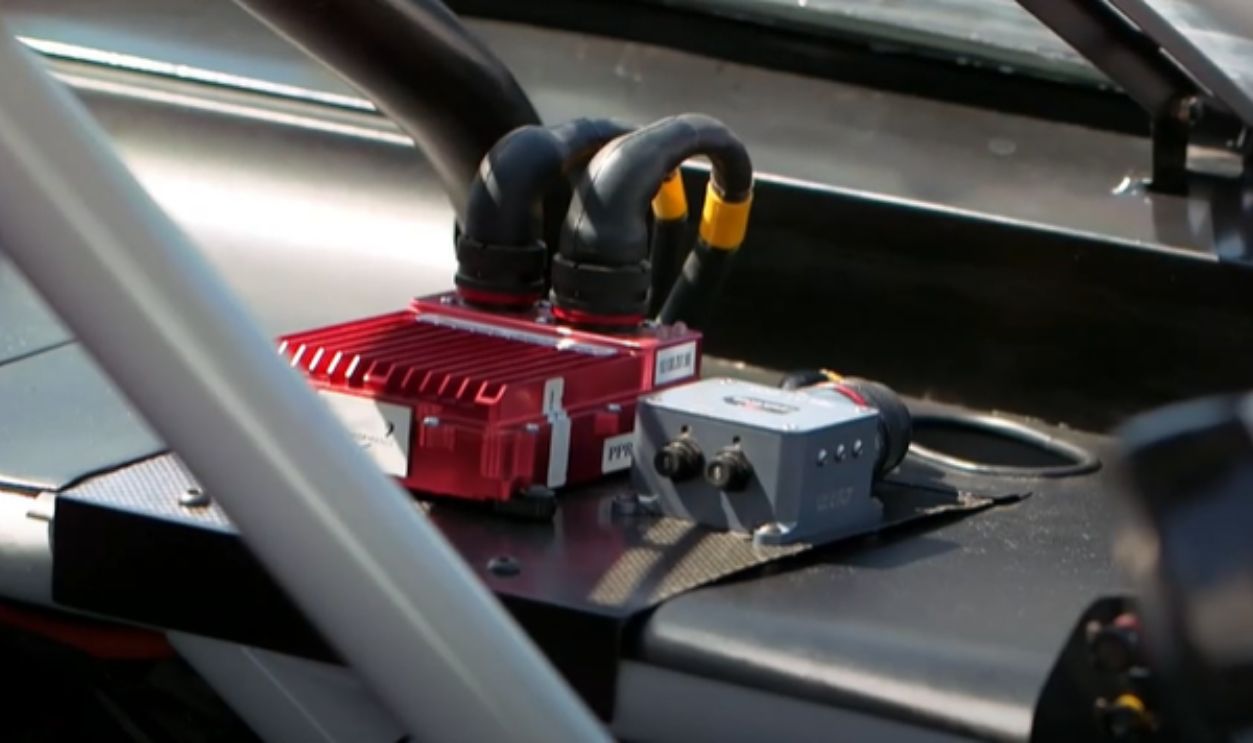 NASCAR Automotive Technology Series: Electronic fuel injection by NASCAR
Roll Cage
Adrenaline-packed drives come with a risk. This is why a reliable roll cage is a fundamental safety feature in all NASCAR vehicles. In the NASCAR Truck Series, roll cages are designed with unique considerations for the larger and taller truck bodies.
 Tennen Gas, CC BY-SA 3.0, Wikimedia Commons
Roll Cage (Cont.)
Such roll cages incorporate additional reinforcements to handle the higher center of gravity and weight of trucks compared to standard cars. Key features include reinforced roof bars, side-impact beams, and energy-absorbing padding around the driver's compartment.
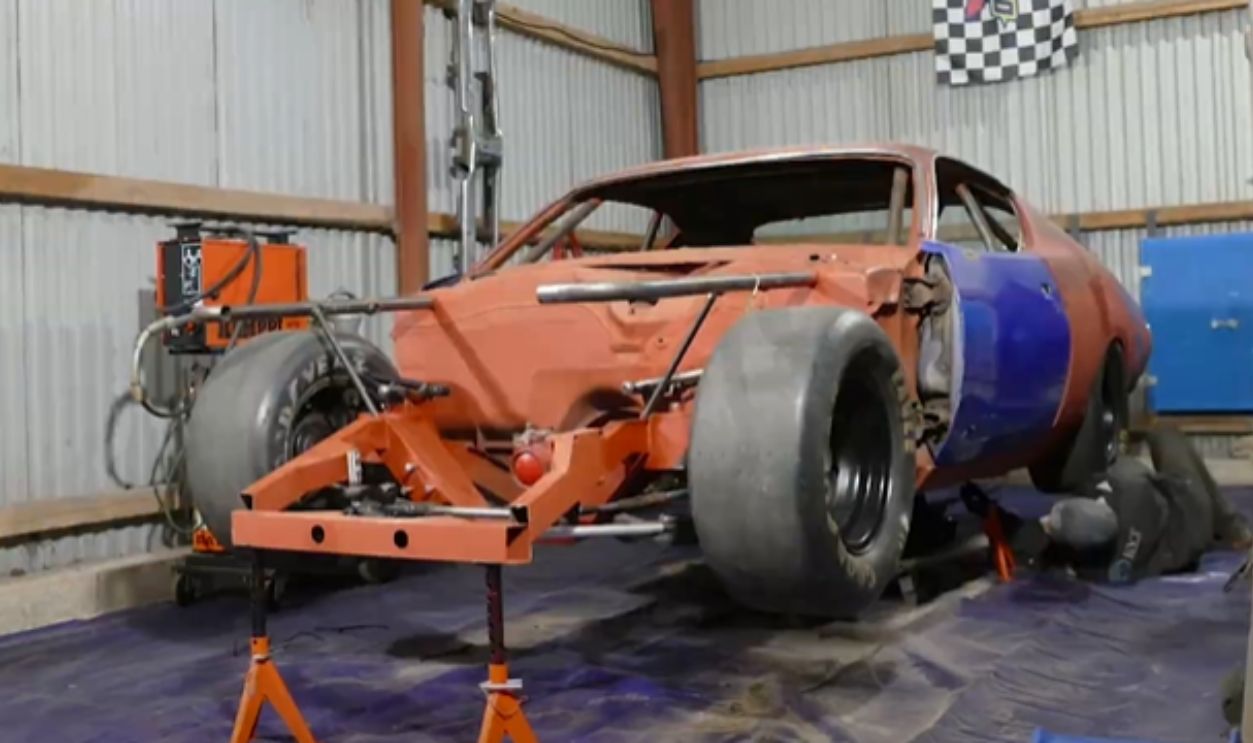 Roll Cage Frame & Suspension 1971 Dodge Charger Nascar Build Part 1 by Viktor Hansen
Roll Cage (Cont.)
In general, the cost of a roll cage of a NASCAR vehicle could be anywhere between $5,000 and $18,000. Additional features like the ones required for Truck Series racing put the price tag near the higher end.
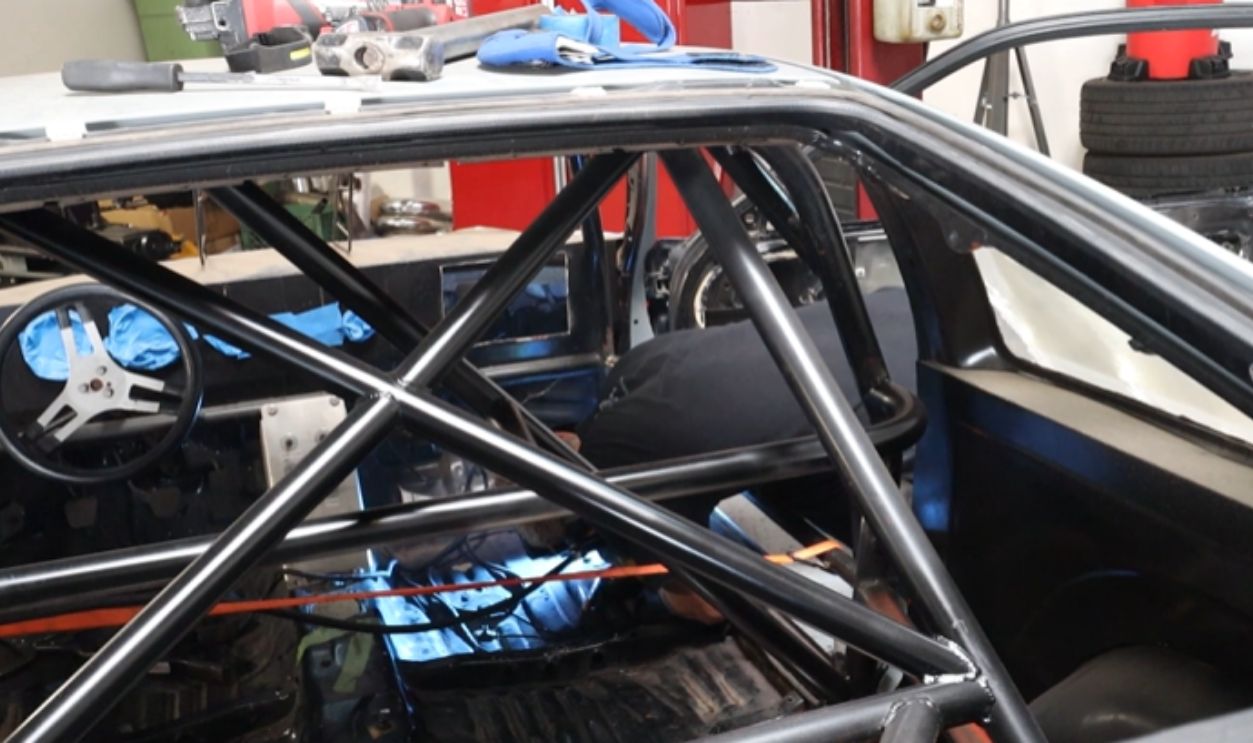 Building Nascar Door Bars For The CRX by ChrisSadowski
Roll Cage (Cont.)
On the other hand, the ones used in the Advance Auto Parts Weekly Series are more affordable. Nevertheless, for the Cup Series, using unique energy-absorbing materials takes the price tag up to $25,000 for maximum protection.
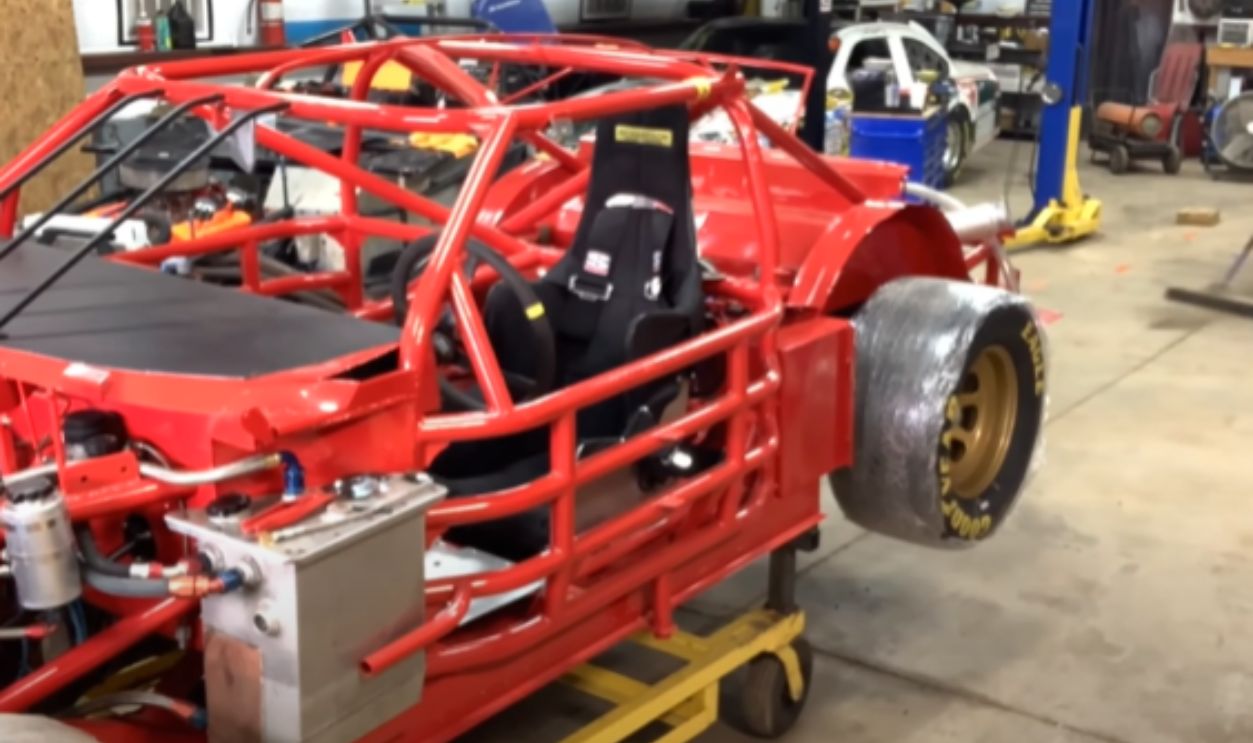 #141 Building A Roll Around NASCAR Chassis Cart For Our Shop !! by Racecar Fabrication & Restora
Telemetry And Data Systems
Telemetry and data systems collect real-time data on critical parameters such as engine performance, tire temperatures, suspension movement, and more. The extent and sophistication of telemetry systems to respond to the unique demands and budgets of each series.
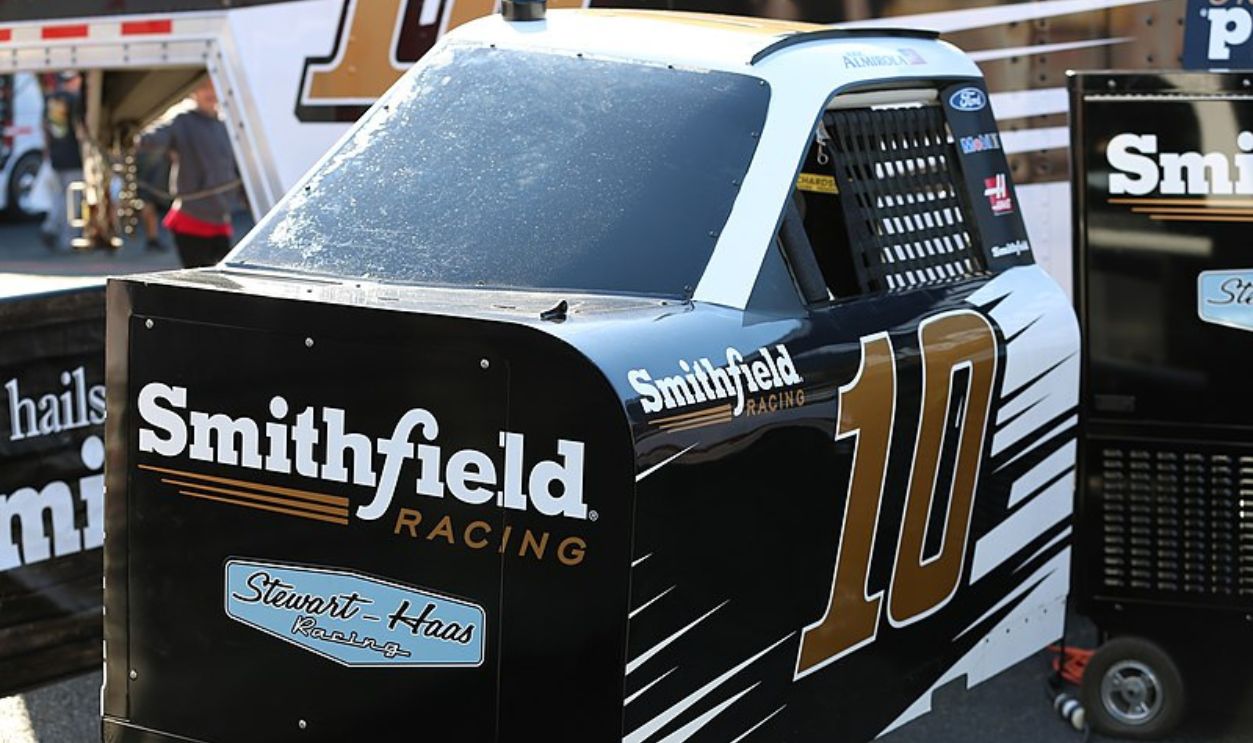 TaurusEmerald, CC BY-SA 4.0, Wikimedia Commons
Telemetry And Data Systems (Cont.)
Xfinity Series cars use telemetry systems that share similarities with those in the Cup Series but are slightly less complex and costly. These systems still provide vital data on performance metrics but focus on essential parameters to reduce expenses.
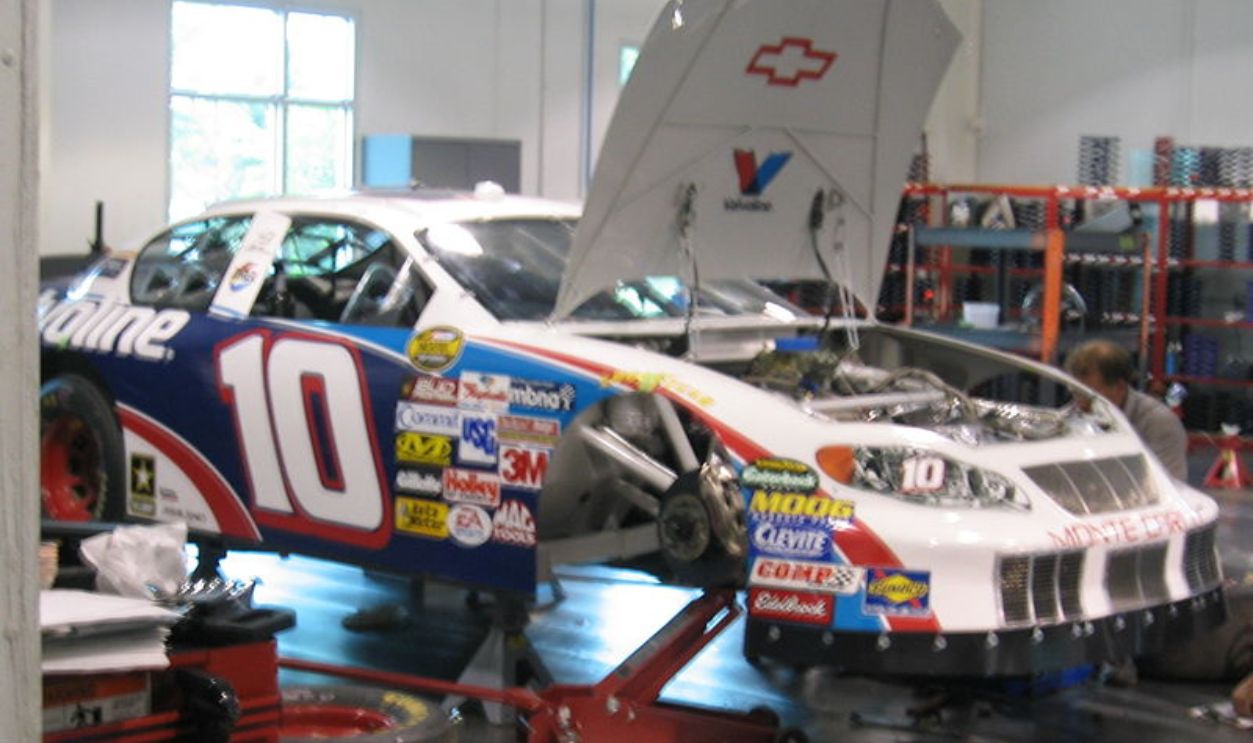 Edgester, CC BY 2.5, Wikimedia Commons
Telemetry And Data Systems (Cont.)
Costs for Xfinity telemetry systems range between $15,000 and $30,000 for a good balance of capability and affordability. The Cup Series features the most sophisticated telemetry and data systems in NASCAR. These systems include advanced sensors and GPS tracking with prices up to $50,000.
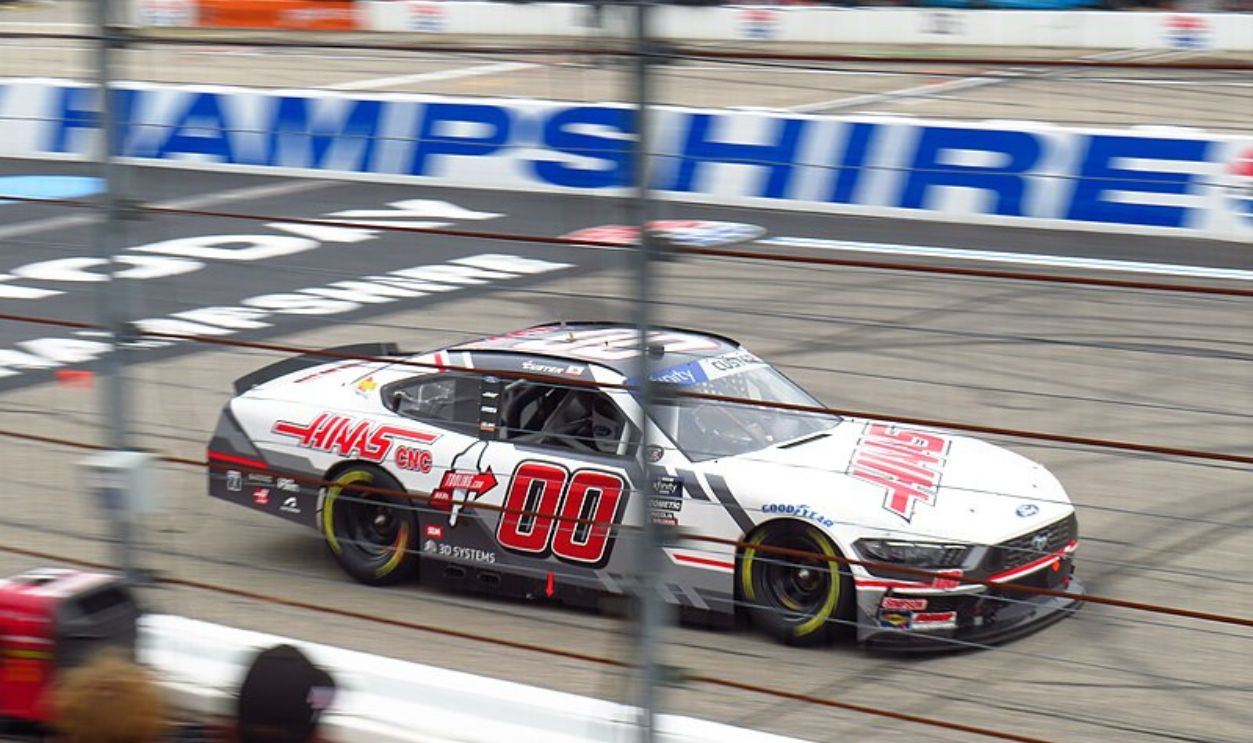 Caleb Spicer, CC BY 4.0, Wikimedia Commons





.jpg)


.jpg)


