When Your Car Starts Talking Back
Cars rarely fail without warning. Long before a major breakdown happens, most vehicles start giving subtle hints that something isn’t right. The problem is that drivers often ignore those clues—especially if the car still technically runs. But strange noises, warning lights, weird smells, and sudden changes in how your car drives are all signs that something may be going wrong under the hood. If your vehicle starts showing any of these red flags, it’s probably time to let a mechanic take a look.
 Ann Kosolapova, shutterstock.com
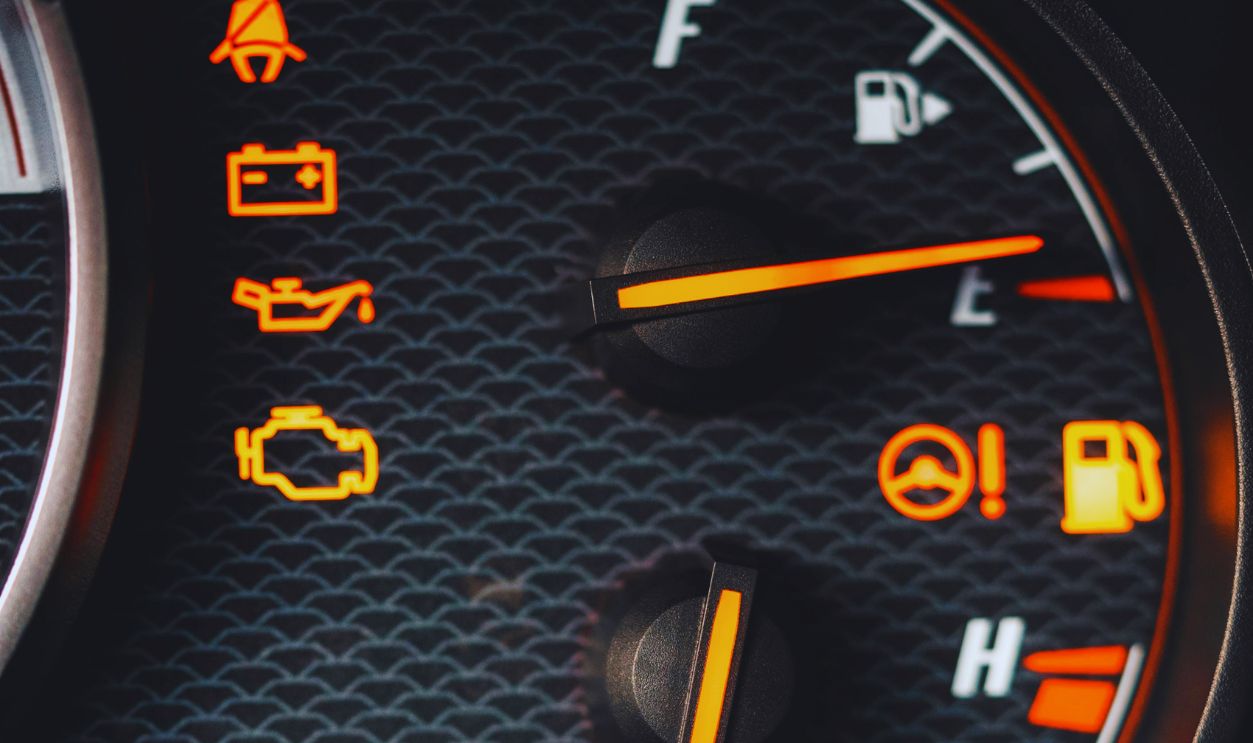
The Check Engine Light Won’t Turn Off
Most drivers have seen the check engine light pop on at some point, and many hope it will just disappear on its own. Sometimes the issue really is minor, like a loose gas cap, but that light can also mean something more serious is happening with the engine, fuel system, or emissions components. If it stays on for more than a short time—or starts flashing—it’s your car’s way of telling you it needs attention sooner rather than later.
Smoke Coming From Under The Hood
Seeing smoke coming from your engine bay is about as clear a warning sign as you can get. It usually means something is overheating, leaking, or burning where it shouldn’t be. Different colors of smoke can hint at different problems, but the main takeaway is simple: smoke means you should stop driving and figure out what’s going on before real damage happens.

Knocking Or Pinging Sounds From The Engine
Engines are supposed to sound smooth and steady, so any knocking or pinging noise is worth paying attention to. These sounds often happen when fuel isn’t burning properly inside the engine. Sometimes it’s caused by low-quality fuel or carbon buildup, but persistent knocking can also point to internal engine problems that shouldn’t be ignored.

The Engine Keeps Stalling
A car that stalls unexpectedly is both frustrating and potentially dangerous. If your engine shuts off while you’re stopped at a light—or worse, while you’re driving—there’s clearly a problem that needs attention. Stalling can happen because of fuel system issues, electrical problems, or ignition failures, and it’s definitely something a mechanic should diagnose.
Your Car Suddenly Feels Weak
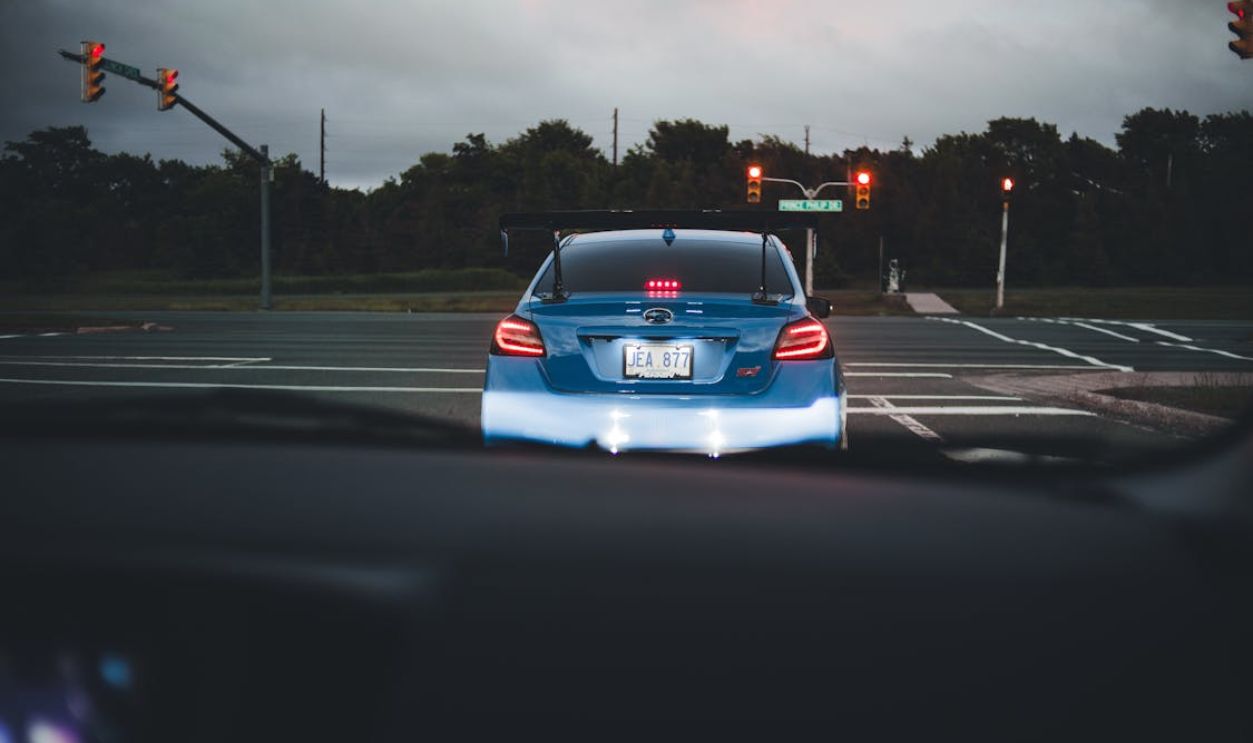
If your car suddenly struggles to accelerate or feels sluggish when you press the gas pedal, something might be restricting how the engine performs. Issues with the fuel system, sensors, or airflow can all cause a loss of power. Even if the car still moves, that drop in performance is a sign it’s not running the way it should.

Strange Vibrations While Driving
A little vibration from the road is normal, but strong or unusual shaking isn’t. If the steering wheel vibrates, the seat shakes, or the whole car feels rough while driving, it could mean there’s a problem with the tires, suspension, or even the engine mounts. Sudden vibrations are often a clue that something is wearing out or out of balance.

Grinding Noises You’ve Never Heard Before
Grinding sounds are almost always a bad sign because they usually mean metal parts are rubbing together. This often happens when brake pads wear down completely, but it can also show up in the transmission or engine. The longer grinding continues, the more damage it can cause, so it’s not something you want to ignore.

A Strong Burning Smell
If you notice a burning smell while driving, your car is probably trying to warn you that something is overheating or leaking. Burning oil, overheated brakes, or electrical issues can all produce strong odors. Even if the smell fades quickly, it’s a good idea to check things out before the problem gets worse.

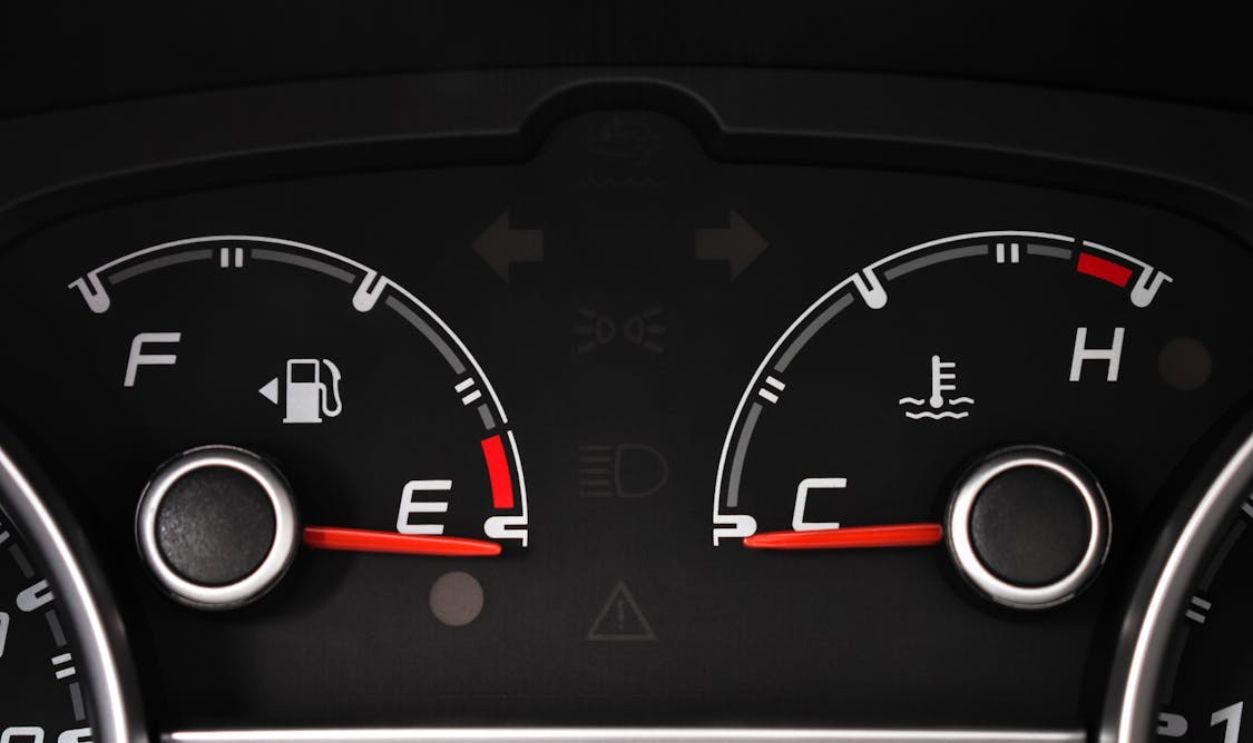
The Temperature Gauge Keeps Rising
Your car’s temperature gauge is there for a reason, and when it starts creeping toward the red zone, it’s telling you the engine may be overheating. This can happen because of low coolant, radiator trouble, or a failing water pump. Driving an overheating car can quickly cause severe engine damage, so it’s something that should be addressed immediately.
Puddles Forming Under Your Car
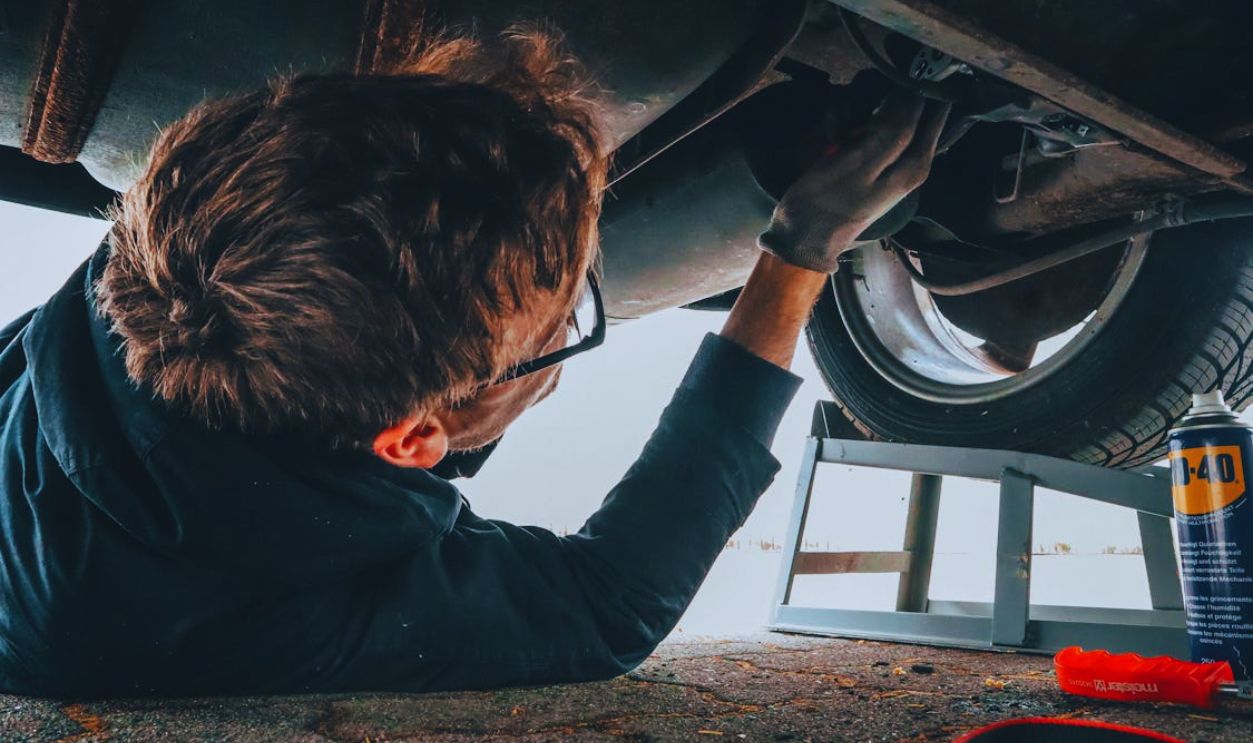
A small puddle under your car after it’s been parked can mean fluids are leaking somewhere. Oil, coolant, transmission fluid, and brake fluid all play important roles in keeping the vehicle running smoothly. Even a slow leak can eventually turn into a big problem if the fluid level drops too low.
Your Battery Keeps Dying
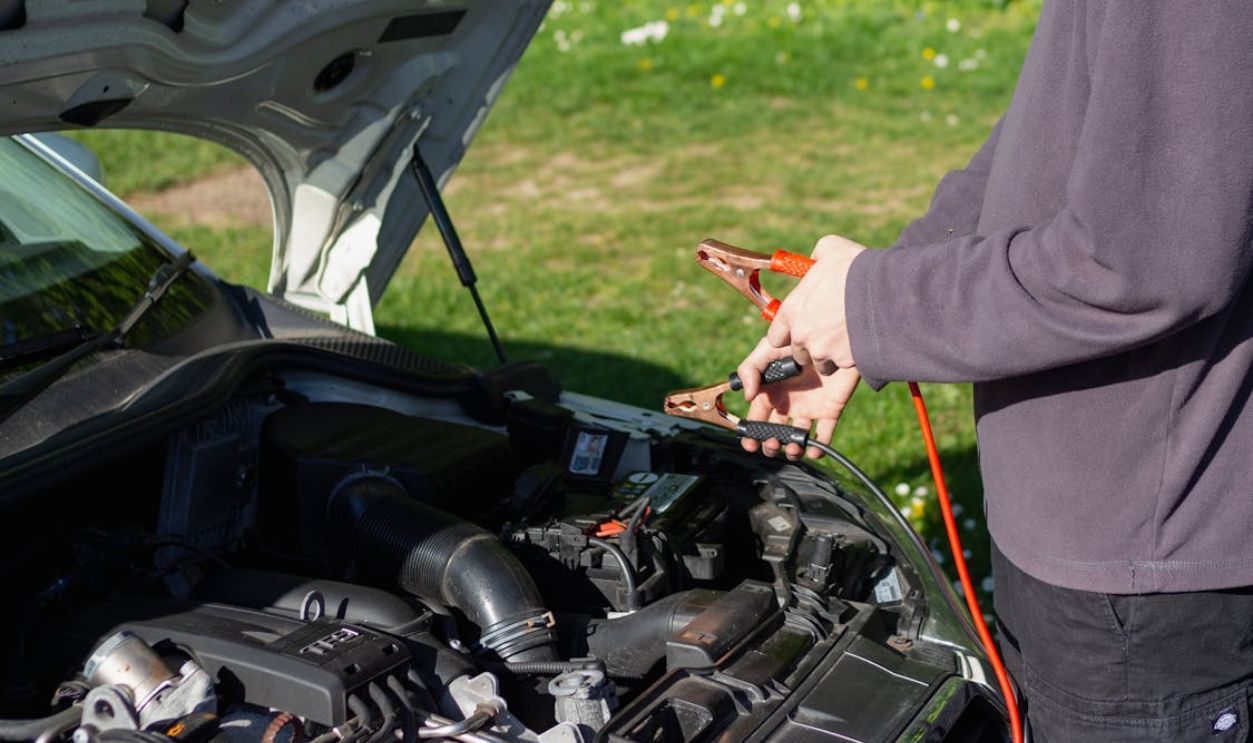
If your car struggles to start or the battery seems to die more often than it should, the battery might not be the only issue. Problems with the alternator, wiring, or electrical system can prevent the battery from charging properly. When starting the car becomes unpredictable, it’s worth having the charging system checked.
 Daniel @ bestjumpstarterreview.com, Pexels
Rough Idling At Stoplights
When your car is stopped but the engine feels shaky or uneven, that’s called rough idling. Instead of running smoothly, the engine might sputter or vibrate more than usual. This can happen because of clogged fuel injectors, vacuum leaks, or ignition problems that affect how the engine runs.

Dashboard Warning Lights Start Piling Up
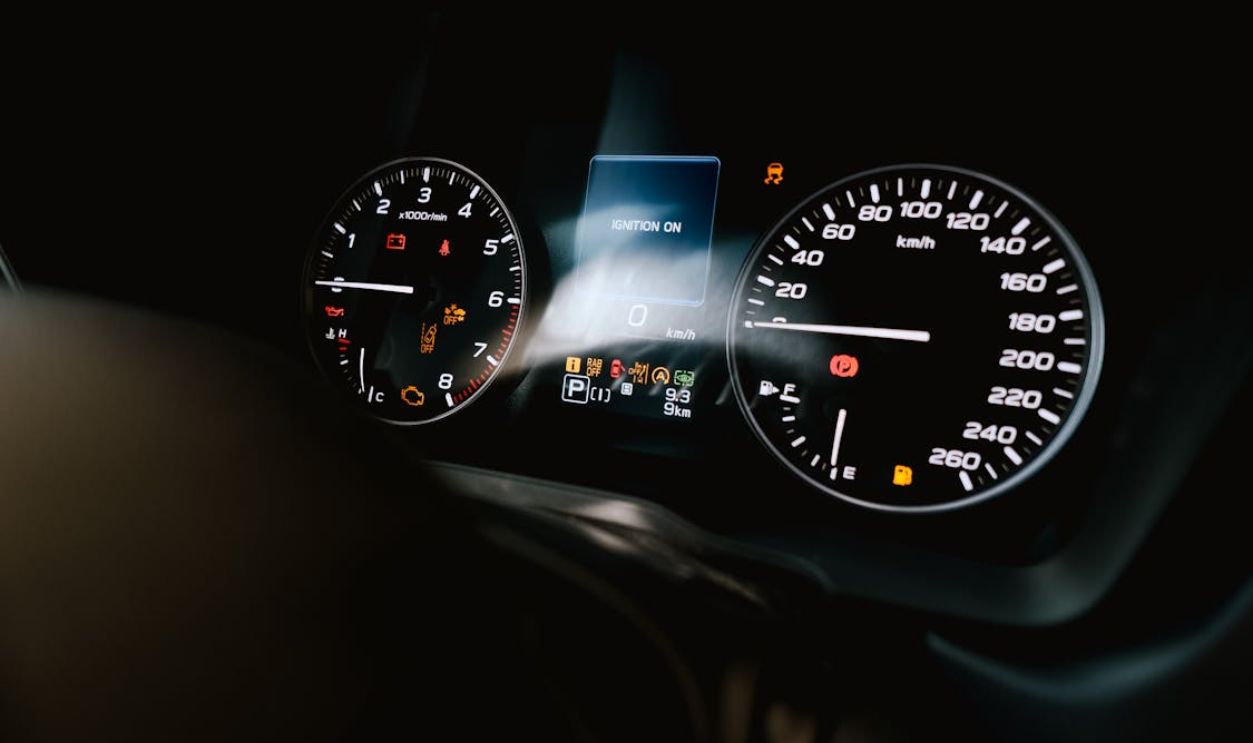
Modern cars are full of sensors designed to warn you when something isn’t working correctly. If multiple warning lights suddenly appear on the dashboard, it usually means the car’s systems are detecting issues that need attention. Even if the car still drives, those lights shouldn’t be ignored.
Your Car Pulls To One Side
If your car starts drifting left or right when you’re driving straight, there could be a problem with alignment, suspension, or tire pressure. Pulling to one side can make the vehicle harder to control and may cause uneven tire wear. A quick inspection can usually identify the cause before it turns into a bigger issue.

Your Gas Mileage Suddenly Drops
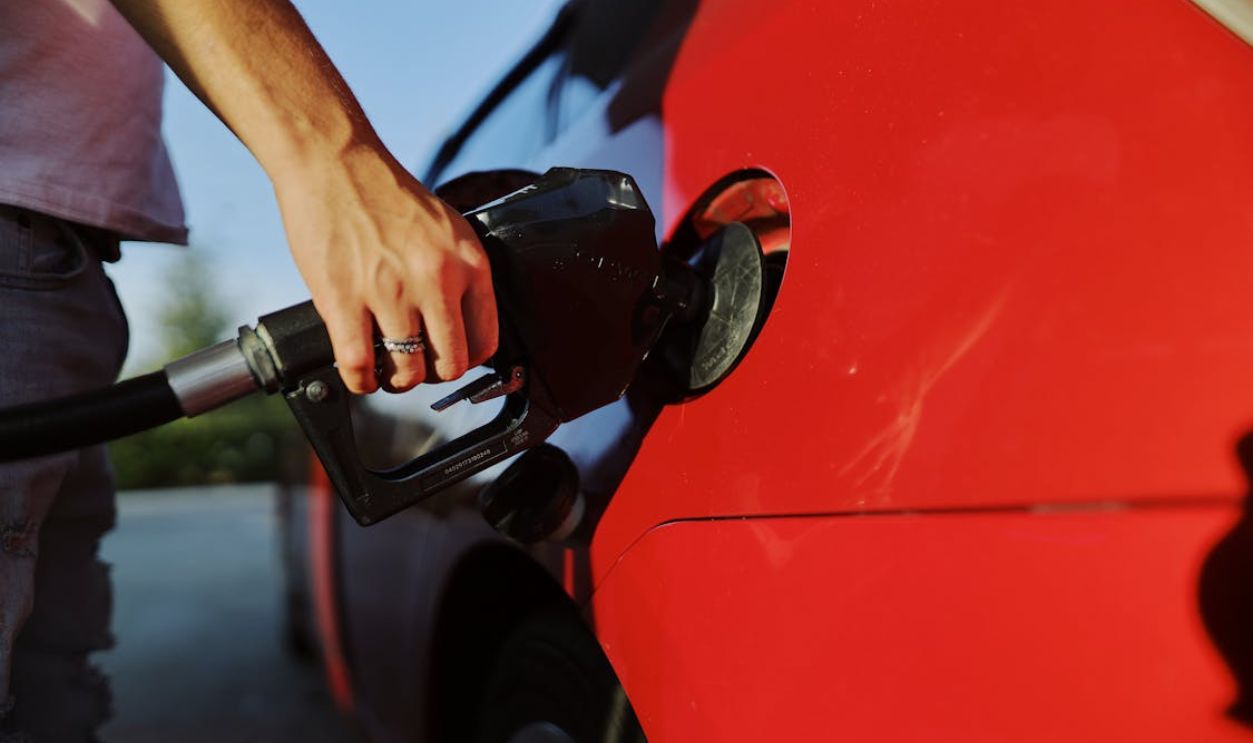
If you notice you’re filling up the tank much more often than usual, something might be affecting your engine’s efficiency. Faulty sensors, clogged filters, or engine performance problems can all cause fuel economy to drop. It’s not just annoying—it can also signal underlying mechanical issues.
The Transmission Starts Acting Strange
Transmission problems often show up as slipping gears, delayed shifting, or jerky movement while driving. You might notice the engine revving higher than normal without the car speeding up the way it should. Transmission issues rarely fix themselves and usually get worse over time.

Blue Or Black Smoke From The Exhaust
The color of your exhaust smoke can tell you a lot about what’s happening inside the engine. Blue smoke usually means oil is burning, while black smoke can indicate the engine is using too much fuel. Either way, visible smoke from the tailpipe is a strong signal that something isn’t working properly.

Steering Feels Loose Or Hard To Control
Your steering should feel predictable and responsive. If the wheel suddenly feels loose, stiff, or harder to turn, there may be a problem with the power steering system or suspension components. Because steering directly affects your ability to control the car, this is something that should be checked quickly.

Brakes Feel Soft Or Weak
When you press the brake pedal, the car should respond immediately and confidently. If the pedal feels spongy, requires extra pressure, or the car takes longer to stop, the braking system may have worn parts or leaking fluid. Brake problems are serious safety issues and should never be ignored.

Something Just Feels Off
Sometimes the biggest clue that something’s wrong is simply the feeling that your car isn’t behaving normally. Maybe it sounds different, drives differently, or just feels a little “off” compared to usual. Drivers who know their vehicles well can often sense when something isn’t right, and trusting that instinct can help catch problems early before they turn into major repairs.

You May Also Like:
DIY Car Maintenance: Simple Tasks to Keep Your Vehicle Running Smoothly