No sparks flying for EVs
Many Americans are hesitant about switching to electric vehicles despite their increasing popularity. Here are our reasons why consumers may want to avoid spending their hard-earned money on an EV.

They are too pricey
Electric cars are expensive with a higher initial cost than gas cars. Tax credits help, but the difference is still pretty substantial. Technological advances may eventually lower prices, but currently, cost is a major challenge for many consumers.
Low on battery
There is a real (and reasonable) fear of running out of battery, both while driving short and long distances. The range anxiety and lack of charging stations hinder people from making the jump from gas to electric.
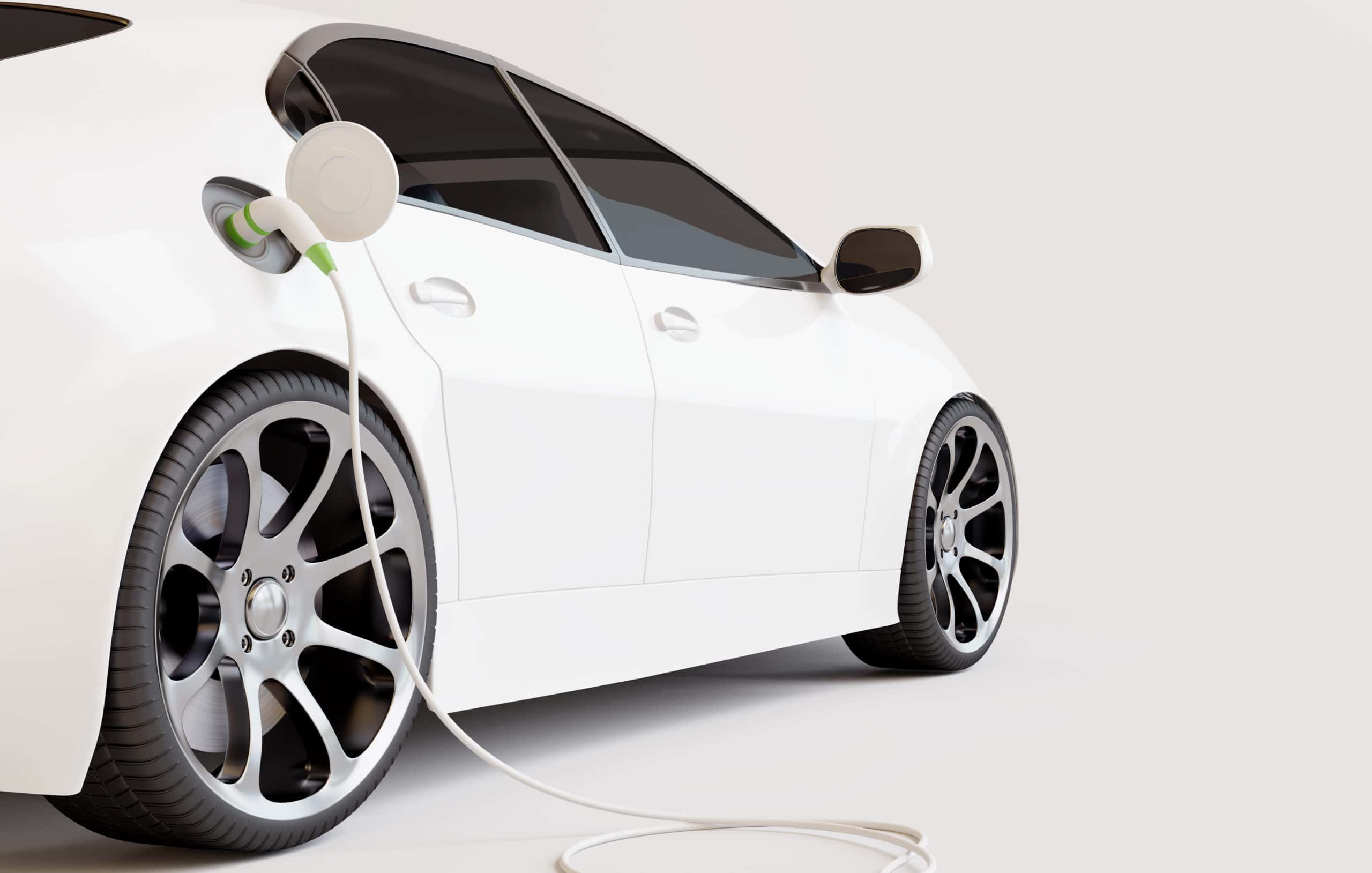
Not enough charging stations
There are simply fewer charging stations compared to gas stations. You could be fine in a large city when driving, but rural areas can pose challenges. This reduces the attractiveness of long road trips in an EV.
Long charging times
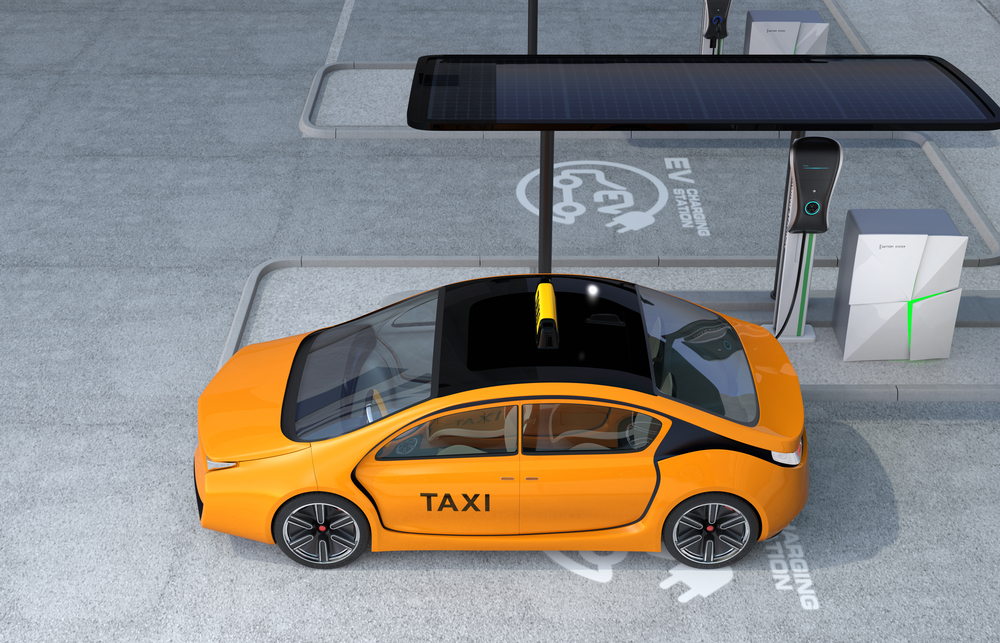
Charging an electric car is much slower than filling up a tank with gas. With rapid chargers, it still takes 30 minutes to an hour, and this is potentially a dealbreaker.
Repairs will eat up your money
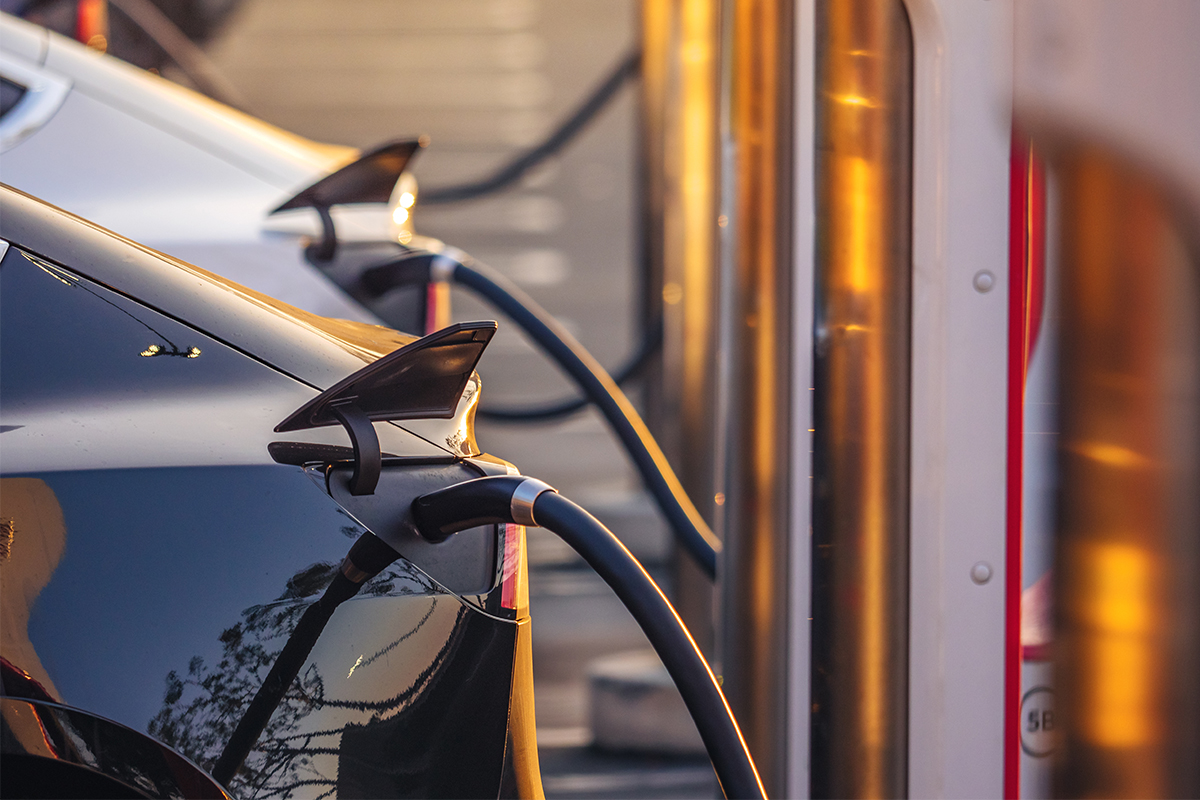
Replacing an electric vehicle's battery is pricey, despite warranties. The idea of future costly replacements causes anxiety for owners, and many of them do not want to be burdened financially with repairs.
 Quality Stock Arts, Shutterstock
EV production is not so green
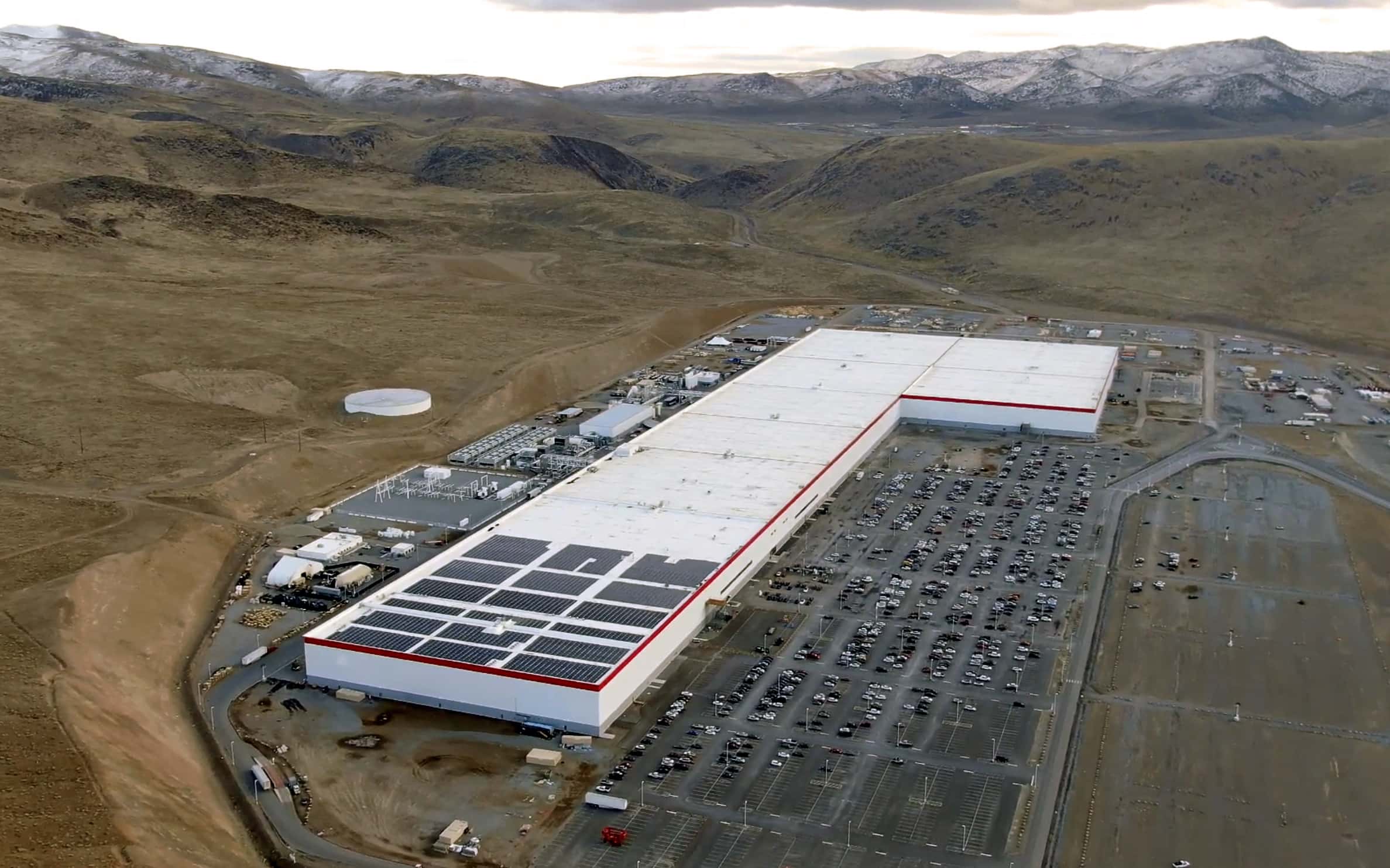
Electric vehicle production, especially batteries, emits harmful emissions due to extraction and production processes. Despite this, EVs emit less carbon than gas cars throughout their lifespan.
 Smnt, CC BY-SA 4.0, Wikimedia Commons
Subpar weather performance
Cold weather reduces electric vehicle efficiency, causing faster battery depletion. Concerns arise for reliability in severe weather regions. Winter poses challenges for EV performance.

Limited options
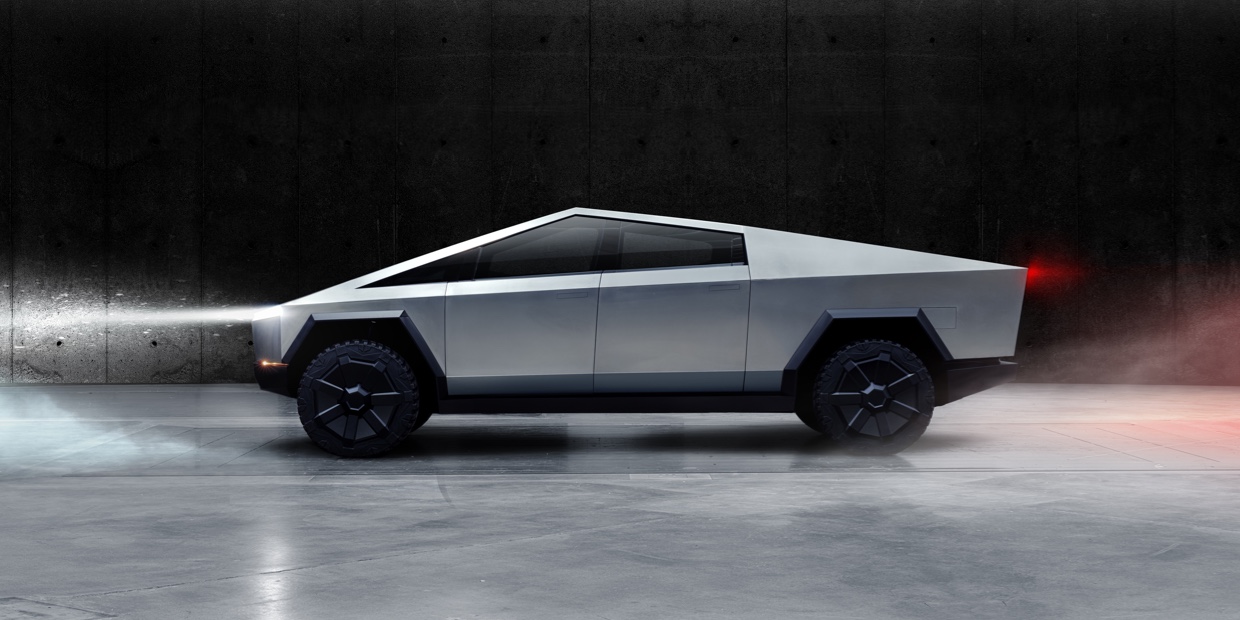
Limited electric car models compared to gas cars may disappoint individuals with specific size, style, and feature preferences. Apart from Tesla, there also aren't many other car brands with established EV lines to choose from.
Resale worries
Electric cars depreciate faster than gasoline cars, causing financial risk for buyers. Some are reluctant to buy due to fear of faster depreciation, which would effectively make their purchase not as worth it.
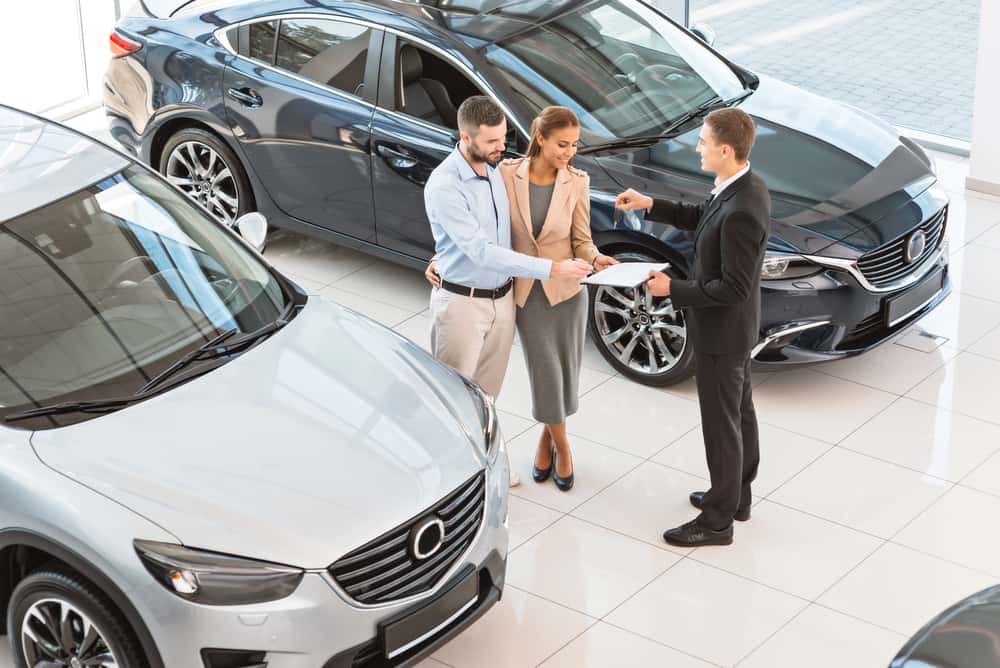
Not enough information
Limited understanding of electric vehicles leads to continued preference for gas-powered cars. More education on the benefits and performance of EVs is needed to promote a shift in choice.

Differences in beliefs
Political beliefs affect electric vehicle purchasing decisions. For example, many Republicans are hesitant to buy EVs as their spending habits are typically are not motivated by environmental causes.

Reliance on rewards
There is skepticism regarding government incentives that claim to reduce electric vehicle costs long-term. Some people beleive that if they buy an EV, they will become dependent on these incentives which are likely not to last forever.

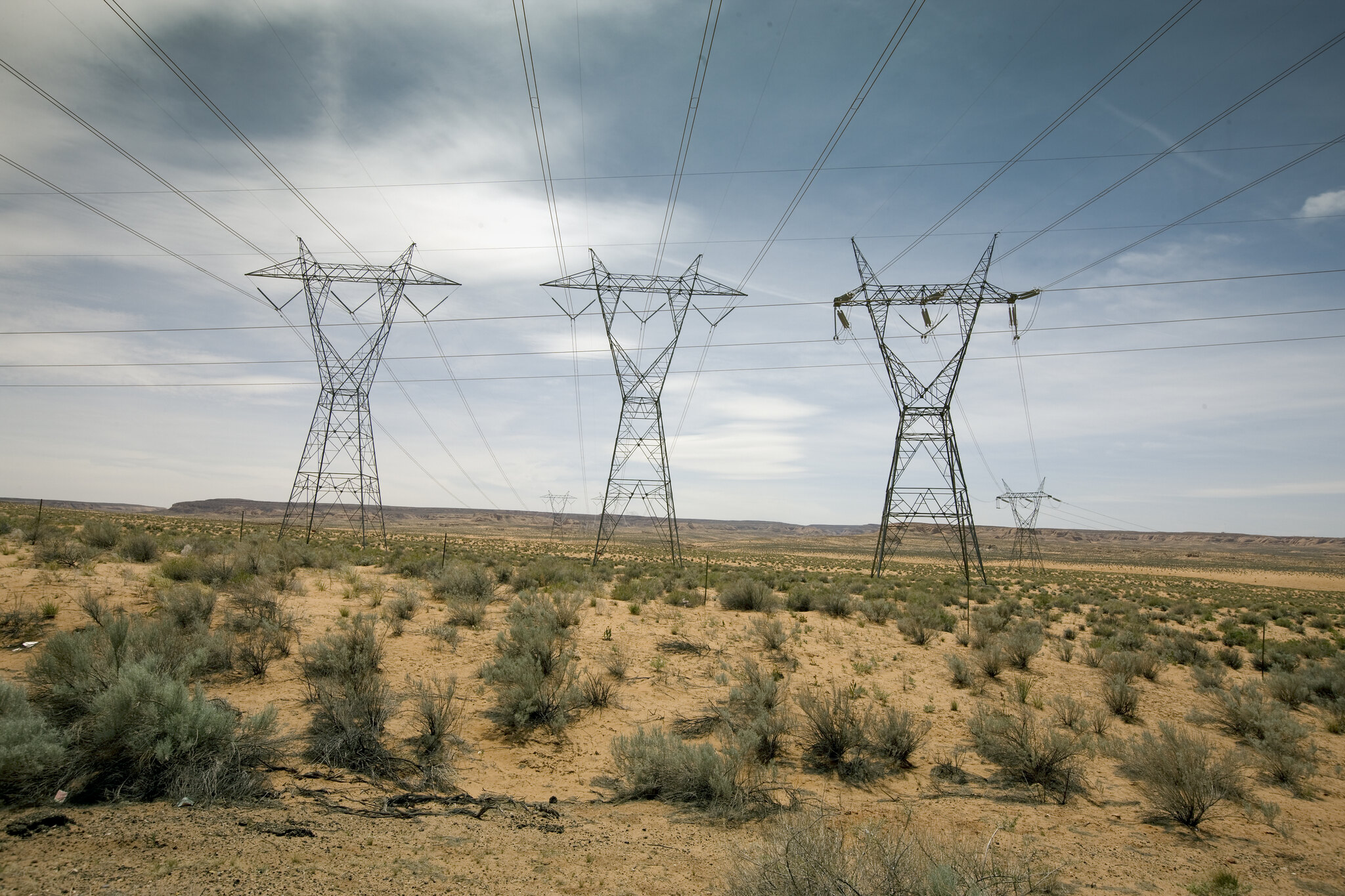
Overloading the grid
The rising number of EV users is increasing the demand for electricity. This means that th ecurrent power grid may struggle as a result of a greater need to charge EVs. Improvements to support a growing number of electric vehicles is cruical.
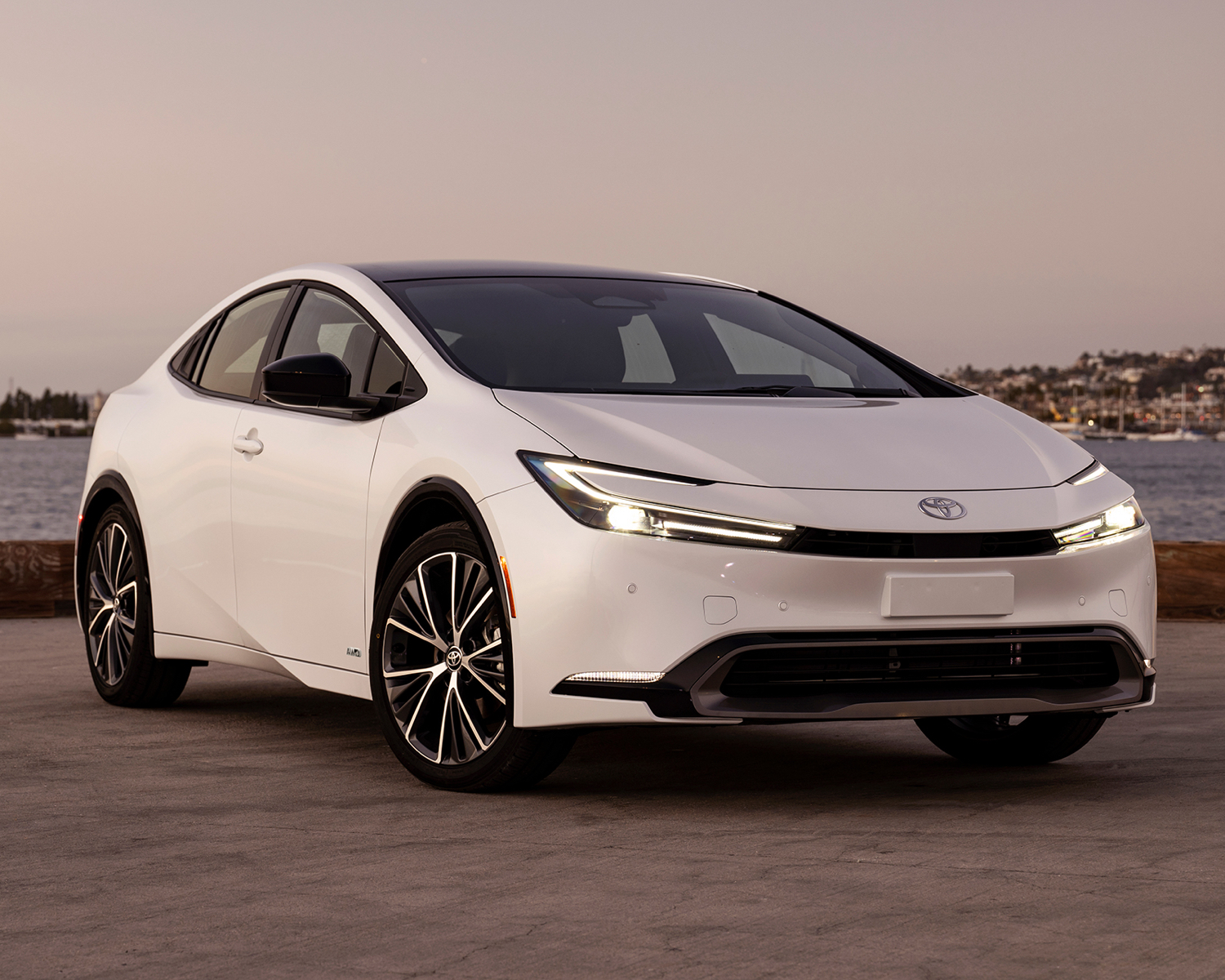
Car manufacturers on the fence
Some car manufacturers are not completely dedicated to producing EVs. Some prioritize hybrids or conventional vehicles, which tend to sell better than outright EVs. A result of this slow progression is a subsequent slowing of the advancement of EV related technologies.
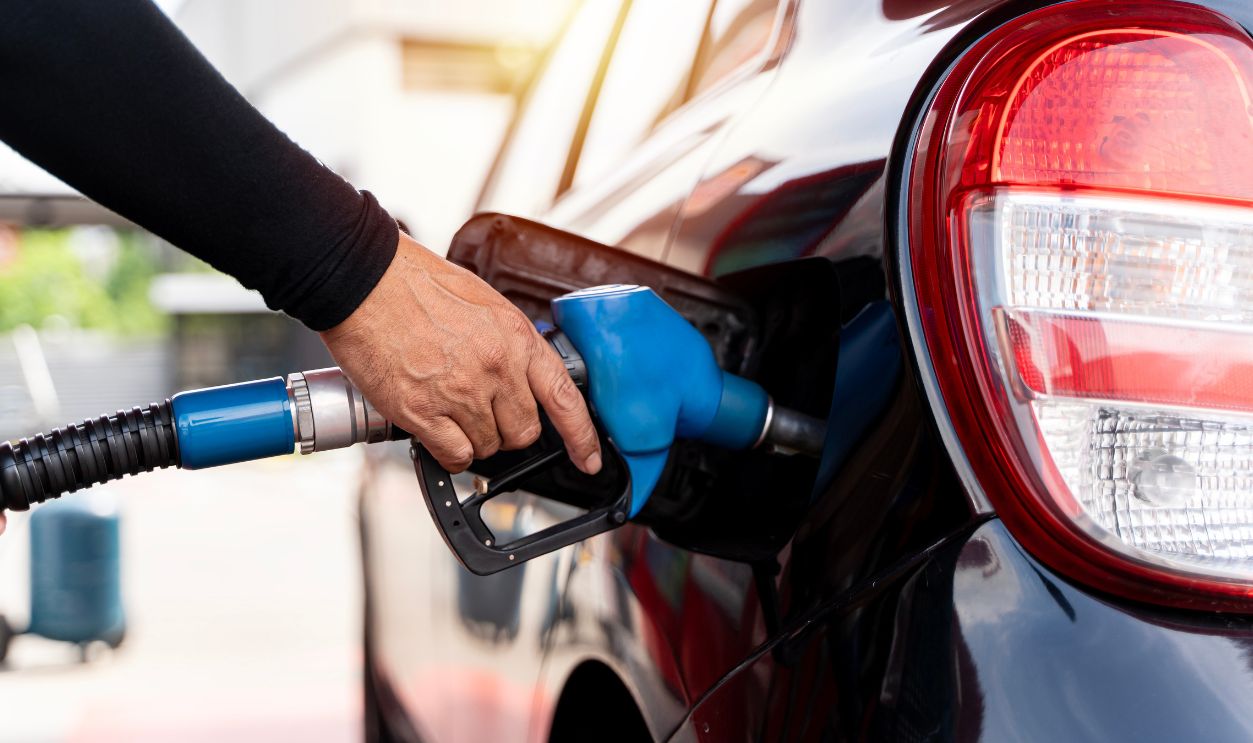
Most people still love gas vehicles
There is a powerful cultural connection to automobiles powered by gasoline. A lot of Americans have been raised with them and choose the comfort of familiarity. It will require both time and effort to shift this mindset.
A lackluster driving experience
Some drivers find electric vehicles less thrilling than gasoline cars, missing the engine noise and traditional feel. Highlighting electric cars' benefits could change their perspective, but it would still take a lot of convincing.
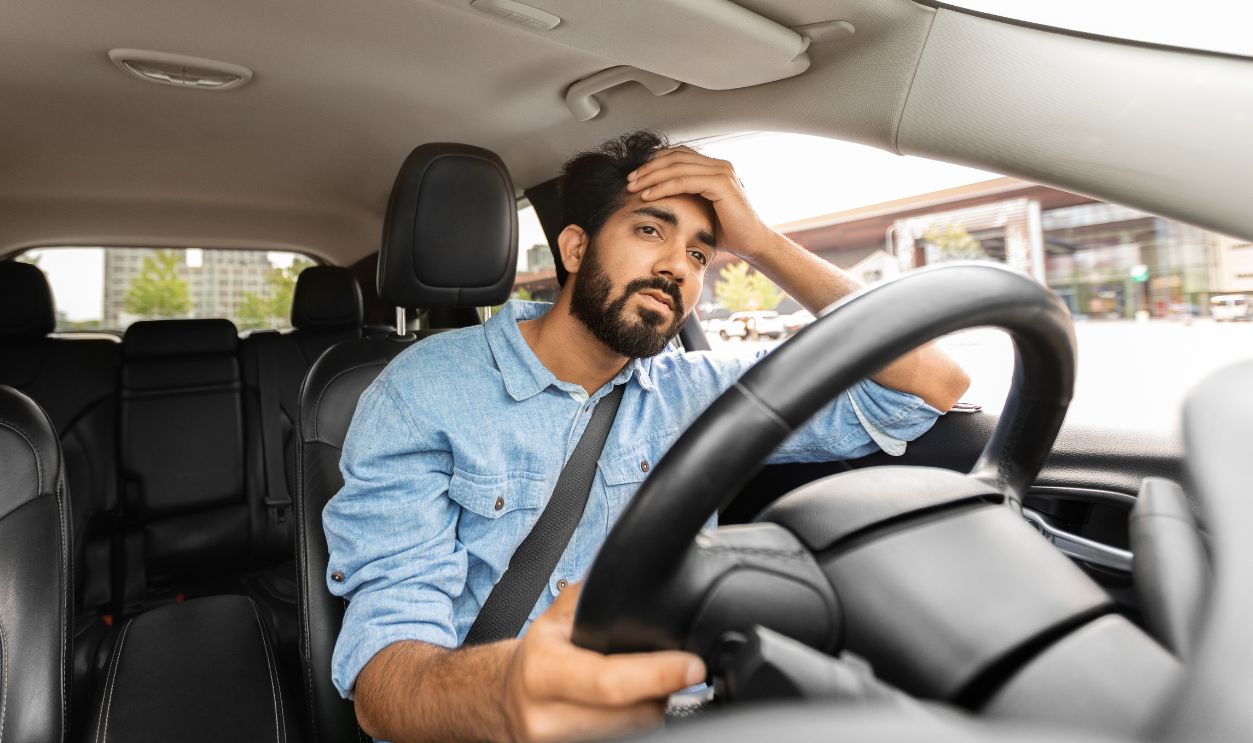
Anxiety about the future
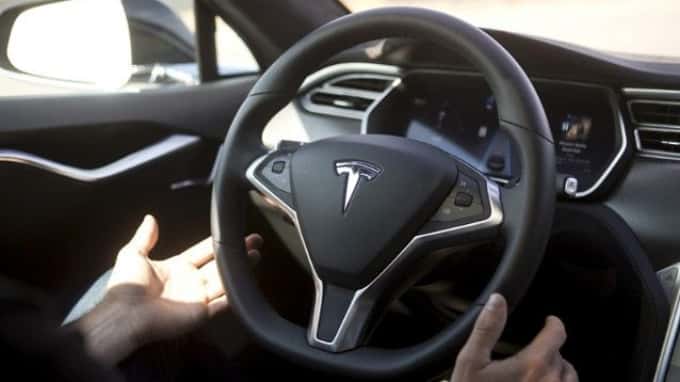
Advancing EV related technologies such as self-driving cars and AI dashboards is raising concerns among some individuals. The idea of robots dominating the roads is a concept that is not easy for everyone to grasp.
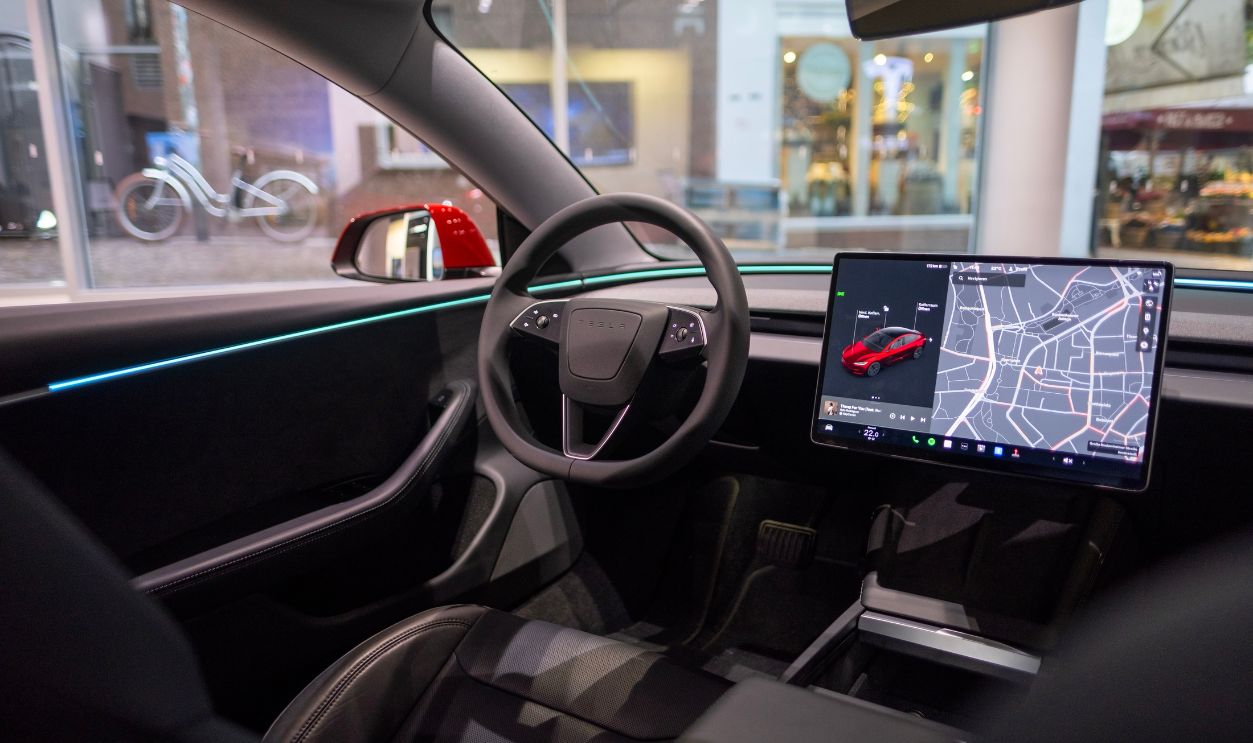
Safety concerns
Reports of EV battery fires and explosions have sparked safety concerns among the public, despite their rare occurrence and adherence to strict regulations. Ensuring people feel secure is crucial if EVs are going to be widely adopted.