That Price Jump Feels Like A Gut Punch
You show up ready to pick up your car, and the dealership says the price is higher than what you thought you agreed to. Picking a car is hard enough, but while it's frustrating and confounding, it does regularly happen. Whether they can legally do that depends on what paperwork was signed and whether the sale was actually final. The answer usually comes down to the written documents, not just what was said out loud.

A Quote Is Not Always A Final Deal
A lot of buyers think a quoted price, email offer, or worksheet locks the deal in. But a price discussion or unsigned buyer's order is often just part of negotiating. Dealers usually are not locked in until both sides sign a final sales contract or retail installment agreement. If you only had a verbal promise or a preliminary paper, the dealership may still try to change the terms.

The Contract Is The Main Thing That Matters
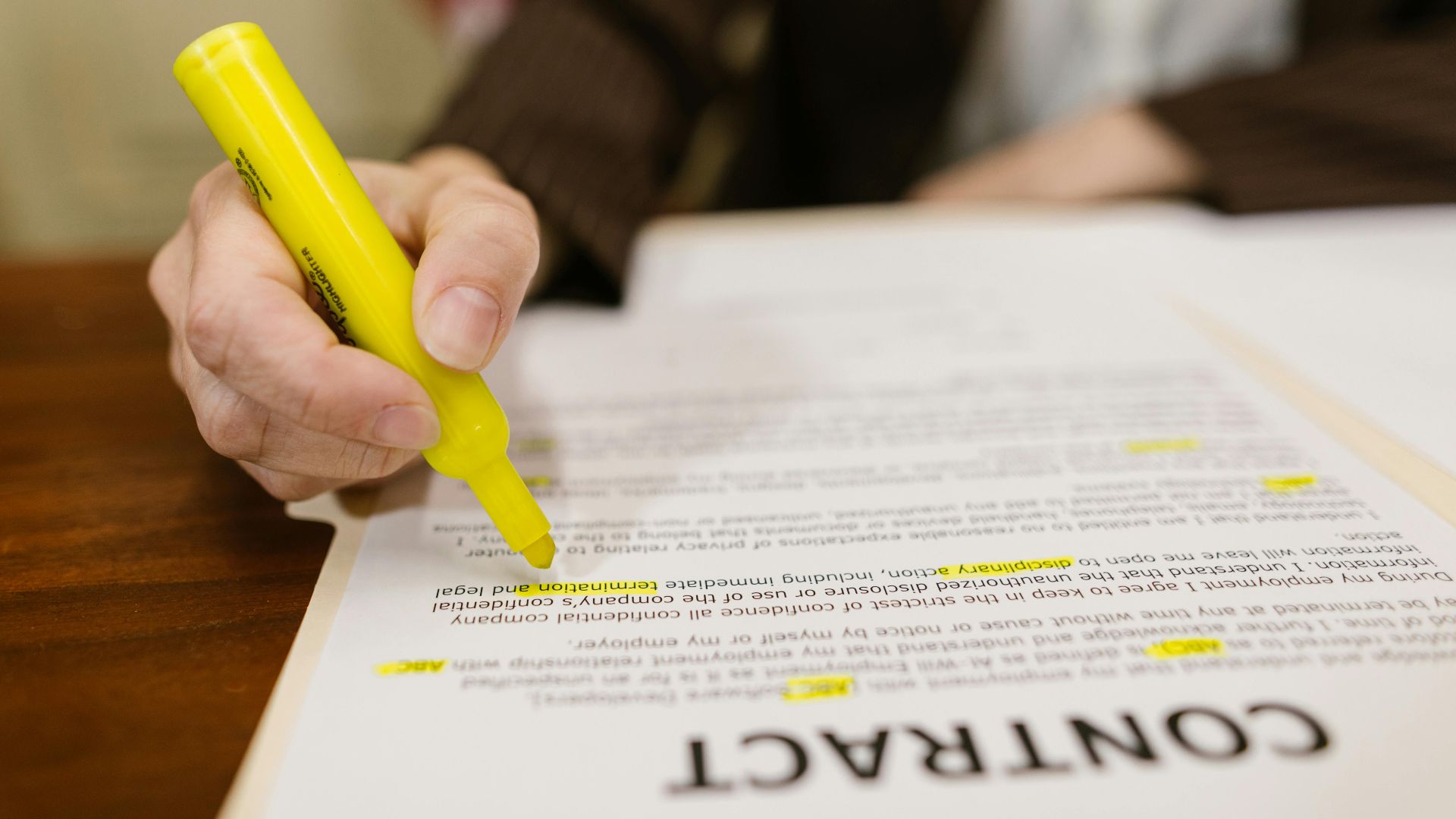
If you signed a purchase agreement with a set vehicle price, that document matters a lot. A valid contract usually includes the vehicle details, agreed price, fees, and signatures from both the buyer and dealer. Once both sides sign, the dealer usually cannot raise the price just because they changed their mind. Still, some contracts have clauses that allow changes in certain situations, so the fine print matters.
Signed By You Is Not Always Signed By Them
One big issue is whether the dealer actually accepted the contract. In some states and at some dealerships, the buyer signs first and the dealer does not fully accept the deal until later. If the dealer never countersigned or never otherwise accepted it, they may argue there was no completed contract. That can leave the buyer in a weaker spot than expected.

Spot Delivery Can Create Big Confusion
A common dealership practice is called spot delivery, sometimes called a yo-yo sale when it turns into a problem. This happens when you take the car home before financing is fully approved. If the financing falls through, the dealer may call you back and say you need to sign a new deal with a higher rate, bigger down payment, or different terms. Consumer protection agencies have warned that this can leave buyers feeling stuck.

Price Changes And Financing Changes Are Different Problems
Sometimes the sticker price changes, and other times the monthly payment changes because the financing changed. Those are not exactly the same thing, even though both cost you money. A car can keep the same sale price but still end up costing more overall because of a higher interest rate or extra products. That is why you should compare the full contract, not just the monthly payment.

Add-Ons Are A Classic Way Costs Rise
Dealers may present extras like service contracts, GAP coverage, paint protection, window etching, or anti-theft products at pickup. Some of these are optional, but they can be folded into the deal in ways that make the total much higher. The Federal Trade Commission has taken action against dealers for deceptive junk fees and add-on practices. If the new price includes extras you did not agree to, ask for a line-by-line breakdown.
Watch For Packing The Payment
Payment packing happens when costs are added to your financing without being clearly explained. Instead of saying the car price went up, the dealer may focus on a monthly payment that hides products or fees. That makes it harder to see what changed between the original discussion and the final paperwork. Always review the itemized contract and compare it with any earlier written quote or buyer's order.

Some Fees Are Legit, But They Still Must Be Disclosed
Taxes, title, registration, and documentation fees can properly change the out-the-door total from the advertised price. Even so, those charges should be disclosed and usually should not come as a surprise if the paperwork is clear. Problems start when a dealer adds vague charges or inflates fees beyond what was represented. A sudden jump without a clear explanation is a red flag.
The FTC's CARS Rule Is Tied Up In Court
The Federal Trade Commission adopted the Combating Auto Retail Scams, or CARS, Rule to address deceptive practices in car sales. But the rule has been challenged in court and is not currently in effect. That means buyers still mostly rely on existing federal and state consumer protection laws, contract law, and enforcement actions. So while the rule shows regulators are paying attention, it does not currently give you a direct new fix.
 Harrison Keely, Wikimedia Commons
State Law Often Decides What Happens Next
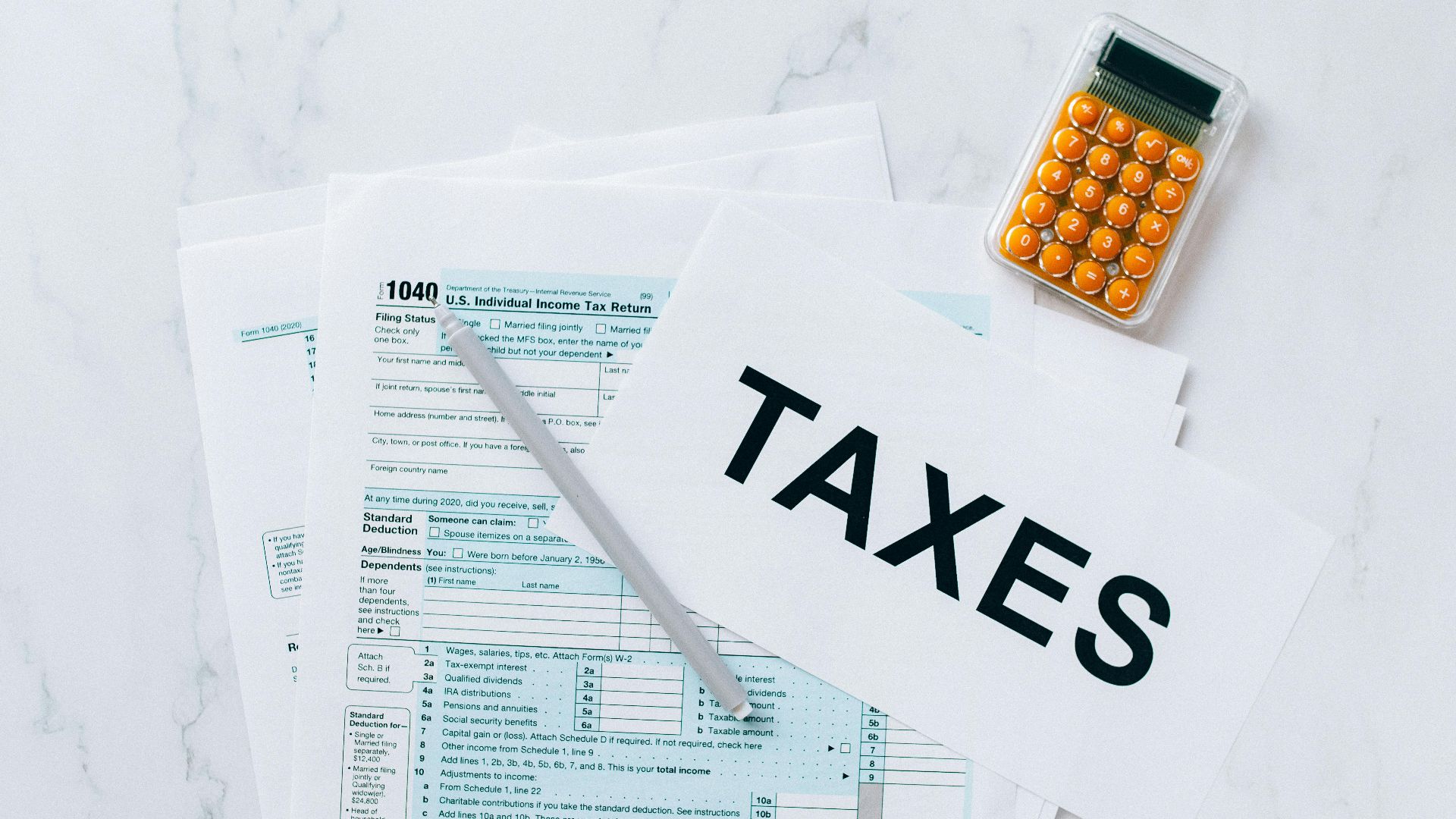
Car sales are heavily shaped by state contract rules, title laws, and consumer protection laws. Some states have specific rules about spot deliveries, cancellation rights, advertising, and fee disclosures. Others give dealerships more room to structure deals until financing is final. If your price changed at pickup, your state's attorney general or motor vehicle agency may have the most useful guidance.
 Tingey Injury Law Firm, Unsplash
Advertising Laws Still Matter
If a dealer advertised or emailed a specific price and then refused to honor it, that could raise issues under state unfair or deceptive practices laws. Regulators often look at whether the ad included clear conditions, expiration dates, financing assumptions, or required rebates. A dealer is not automatically bound by every advertised number, especially if the ad had lawful disclaimers. But bait-and-switch tactics can draw enforcement attention.

Manufacturer Incentives Can Expire
Sometimes the deal changes because a rebate, loyalty offer, or special APR expired before delivery. In that case, the dealer may not be making up a new price so much as reflecting that an incentive is no longer available. Even then, the timeline and paperwork matter. If the signed contract guaranteed a price based on that incentive, the dealer may not be able to simply rewrite the deal.

Your Trade-In Can Complicate The Situation
If you traded in your old car before the new deal was fully final, things can get messy fast. Dealers may already have paid off your loan, sold the trade, or taken possession. Consumer advocates warn that buyers can feel pushed to accept worse terms because undoing the trade-in becomes difficult. If your trade is involved, ask right away whether the whole transaction can be canceled and put back the way it was.

If You Have Not Taken Delivery, You Usually Have More Leverage
Before you drive off, it is usually easier to walk away from a changed deal. The dealership still has the vehicle, and you still have your money and trade unless the documents say otherwise. If the contract terms are different from what you accepted, you can refuse to sign the revised paperwork. Walking away may be inconvenient, but it can protect you from a deal you never wanted.

If You Already Took The Car Home, Read Everything Again
If the dealer calls after delivery saying the numbers changed, do not panic and do not rush back without reviewing your documents. Look at the retail installment sales contract, buyer's order, financing disclosures, and any spot delivery agreement. Check whether the contract says the sale was contingent on financing approval. If it does, the dealer may have some ability to unwind or renegotiate, but they still must follow the contract and state law.

There Is No General Three-Day Right To Cancel A Car Purchase
Many people think there is an automatic three-day cooling-off period for car sales. In most cases, that is not true for vehicles bought at a dealership. The Federal Trade Commission explains that the Cooling-Off Rule generally does not apply to sales made at a seller's regular place of business, which includes most dealerships. Unless your state gives a specific cancellation right or the dealer offers one in the contract, you may be bound once the deal is final.

Start By Asking For The Full Written Breakdown
If the price changed, ask for a printed itemization of the new total and compare it against your earlier paperwork. Be calm but direct, and ask what specifically changed: vehicle price, APR, fees, rebate eligibility, or optional products. Get names, dates, and copies of everything. A clear paper trail can make a big difference if you need to challenge the deal later.

Do Not Sign New Papers Until You Understand Them
Dealership staff may act like the revised contract is routine and needs to be signed right away. Do not give in to that pressure if the terms are not clear. Once you sign updated paperwork, it becomes much harder to argue that the old agreement should control. Take the documents home if possible, or at least step away and read every line before agreeing.

Complaints Can Help, Even If They Do Not Solve Everything Overnight
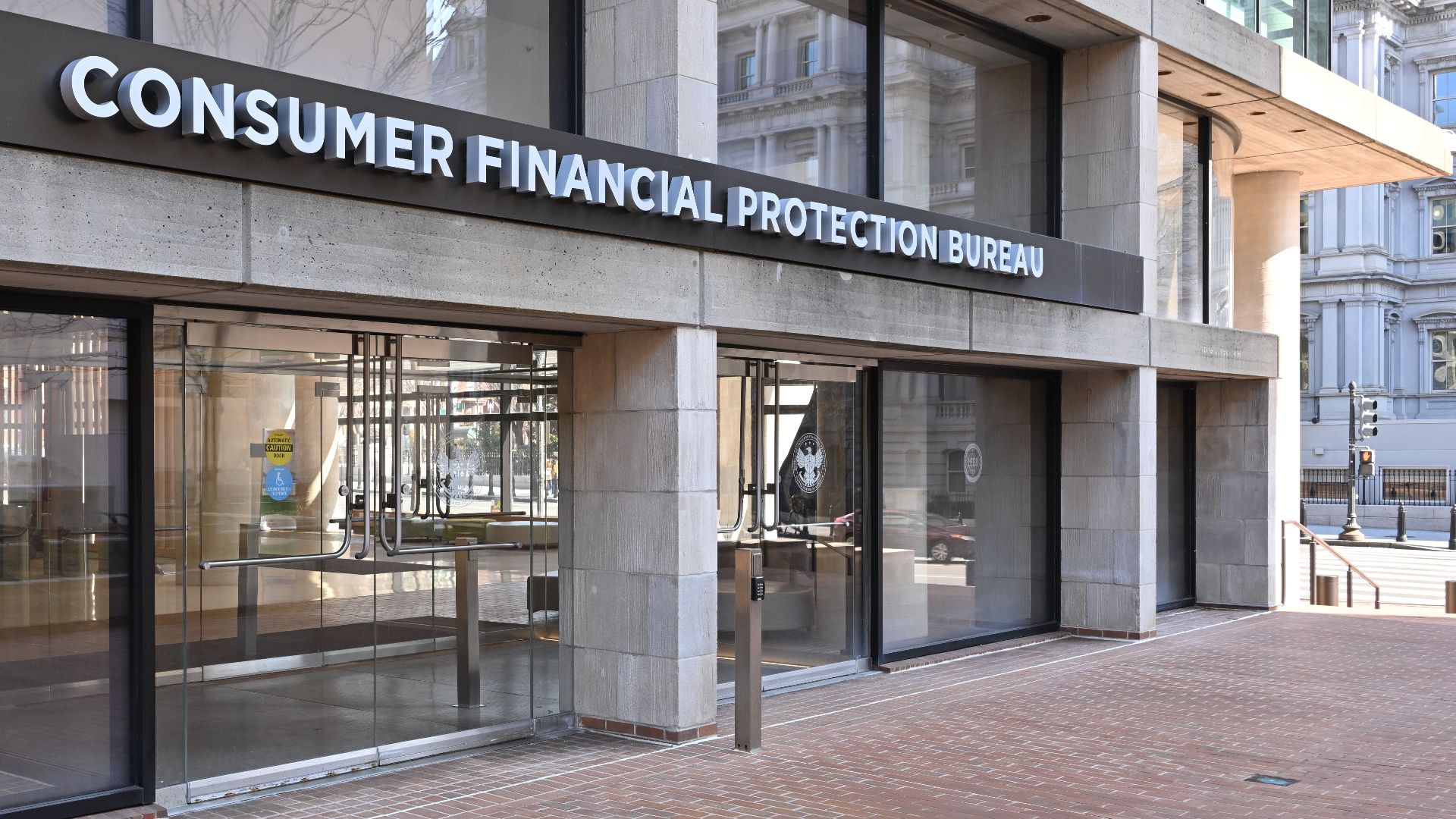
If you think the dealer acted deceptively, you can file complaints with your state attorney general, state consumer protection office, motor vehicle regulator, and the Better Business Bureau. You can also report financing-related issues to the Consumer Financial Protection Bureau if an auto lender or financing practice is involved. These complaints may not fix the problem right away, but they create a record and sometimes lead to a response from the business. In serious cases, it may be worth talking to a consumer lawyer.
 G. Edward Johnson, Wikimedia Commons
Small Claims Court May Be An Option
If the dispute involves a clear written agreement and a limited amount of money, small claims court may be a practical option. Rules vary by state, including dollar limits and whether businesses can be ordered to go through with a sale or only pay damages. Bring your signed documents, emails, screenshots, and notes from conversations. A judge will care much more about the paper trail than about handshake promises.

The Best Protection Is Before Pickup Day
Ask for the out-the-door price in writing before you arrive, including all fees and add-ons. Confirm whether financing is fully approved and whether any incentives could expire before delivery. Read the buyer's order and financing contract closely, especially any contingency language. If anything changes when you get there, pause the deal until the numbers match what you agreed to.

So Can They Change The Deal Like That?
Sometimes yes, sometimes no, and the difference usually comes down to whether a final binding contract existed and what conditions it included. If there was no completed agreement, or if financing and incentives were still contingent, the dealer may have room to change the terms or cancel the deal. If you had a signed final contract with a set price, a surprise increase is much harder for the dealer to justify. When in doubt, trust the paperwork, not the sales pitch.