Getting Into Your Own Car Shouldn't Require Acrobatics
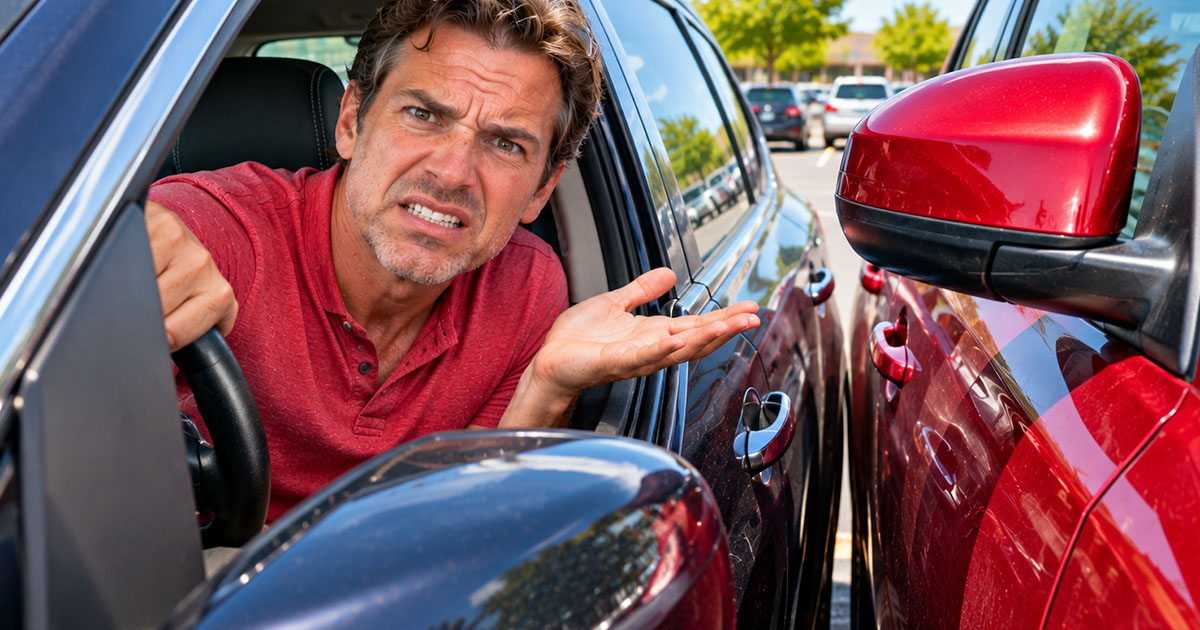
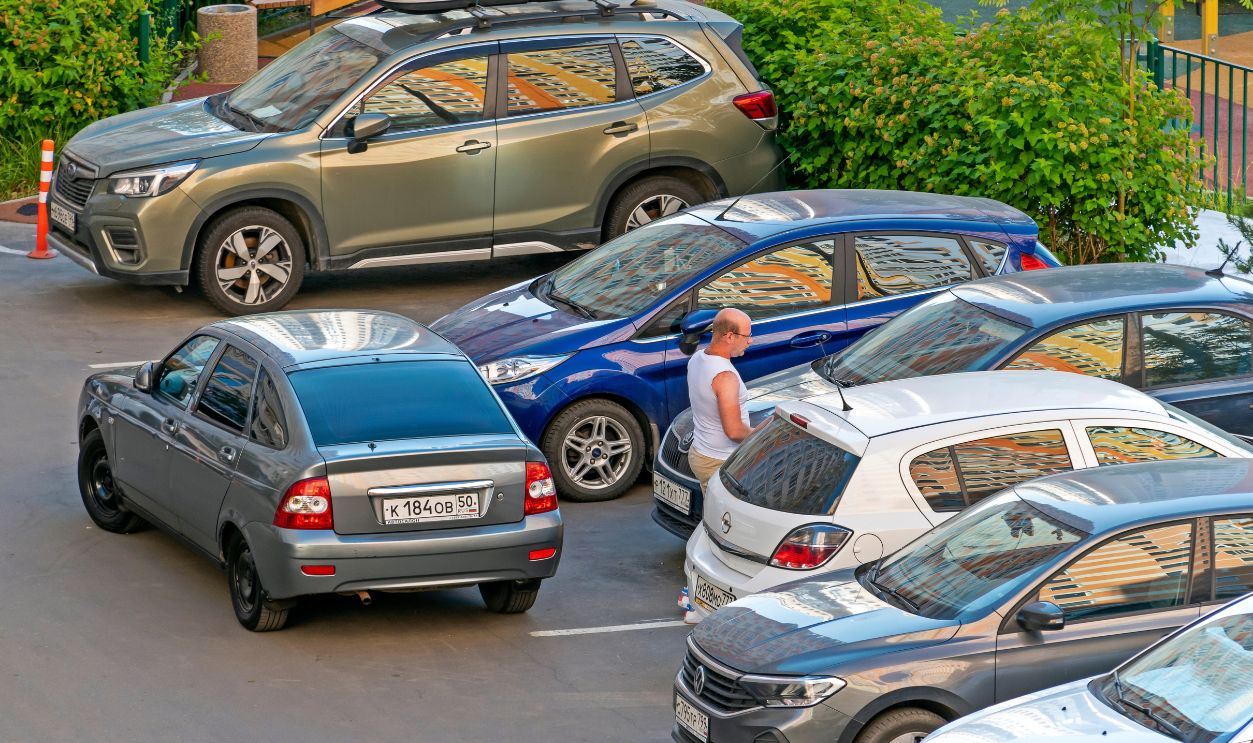
You come back to the parking lot and discover another car parked inches from your driver's door. There's no chance you're squeezing through, so you unlock the passenger side, climb across the console, and perform an awkward maneuver that was definitely not included in driver's ed. Surely there has to be some rule against parking that close... right?
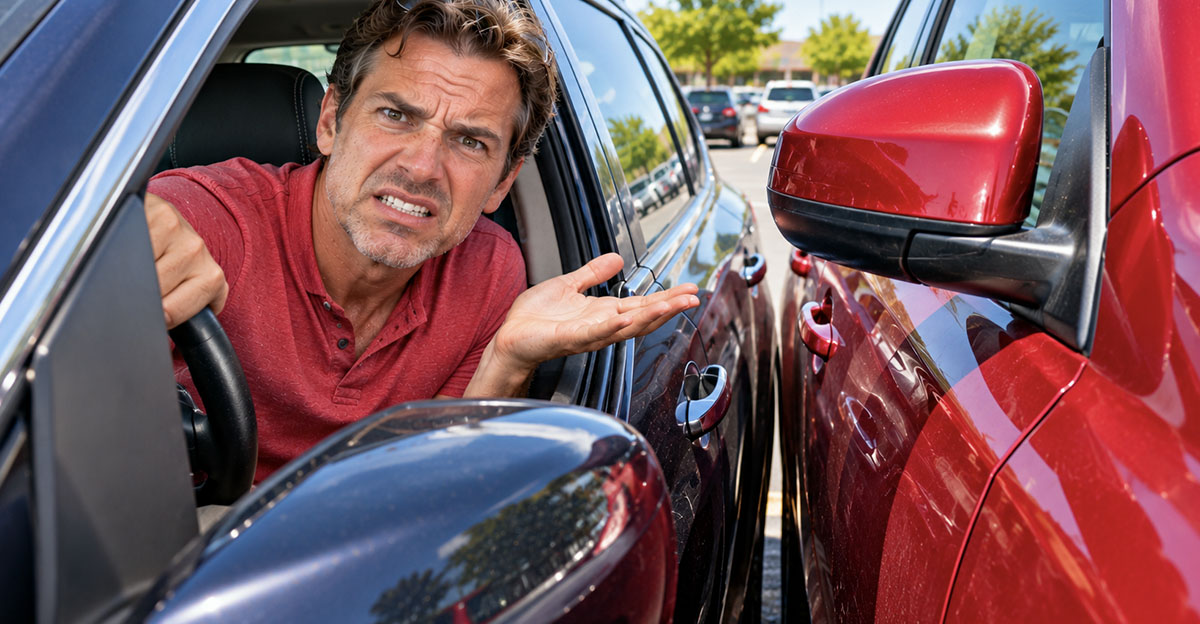
First, Check Those White Lines
Before getting too angry, look at how both vehicles are positioned.
If the other driver crossed the painted line into your space, that's an important detail. But if both cars are technically inside their respective spaces, the situation gets considerably more complicated.
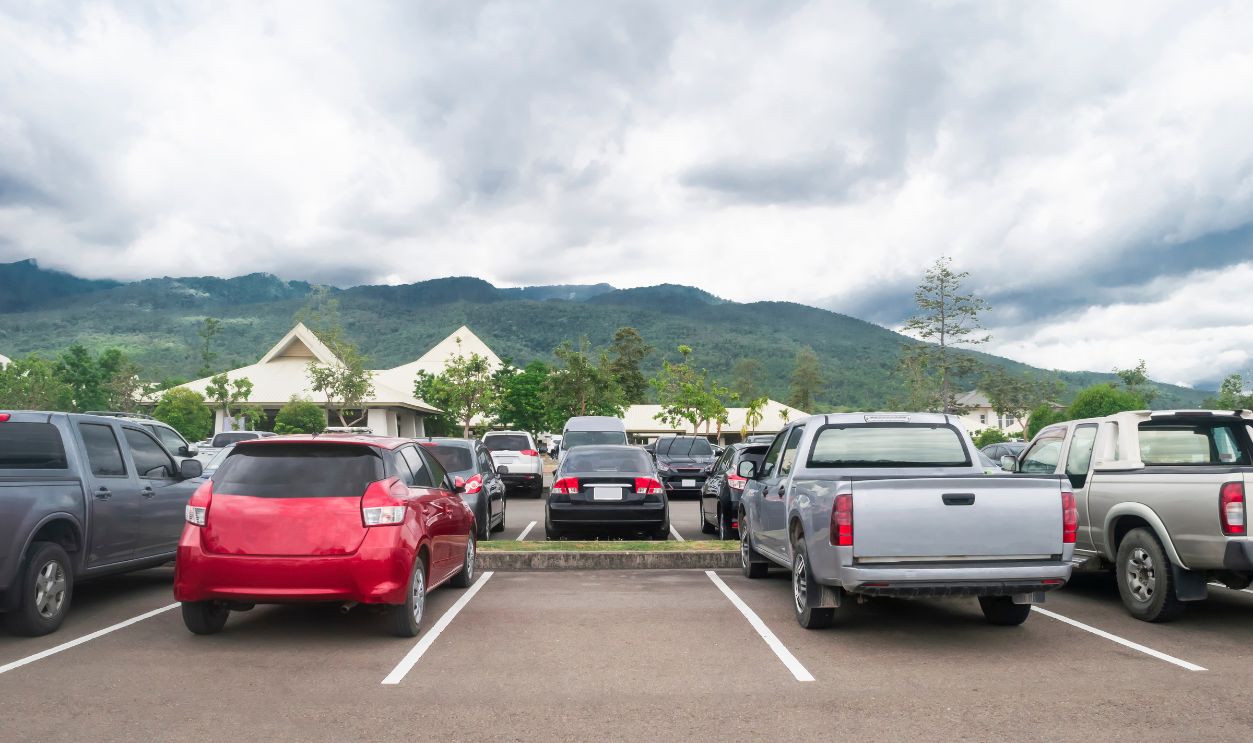
Parking Spaces Aren't Exactly Generous Anymore
Modern vehicles can be surprisingly wide, especially pickups and large SUVs.
Put two of them beside each other in a narrow parking lot and there may not be much door-opening space left even when both drivers parked reasonably well.
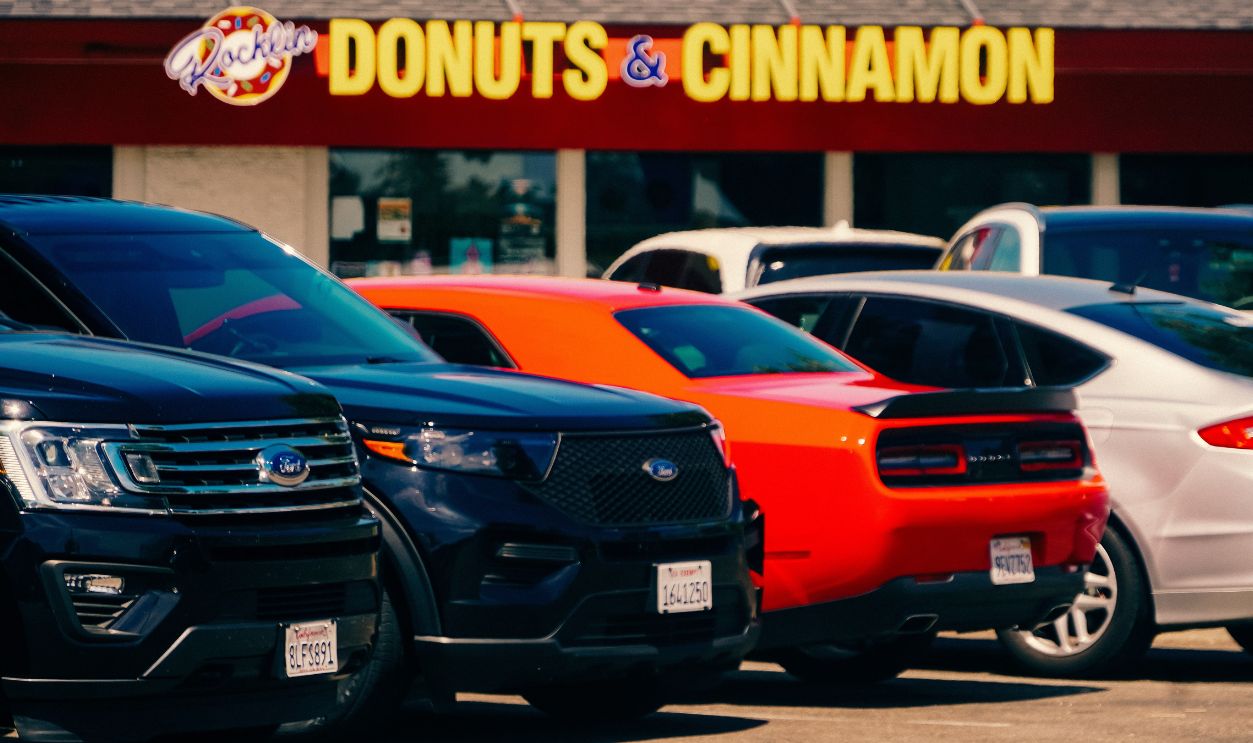
But This Sounds More Extreme
There's "I have to squeeze a little," and then there's "I physically cannot enter through the driver's door."
The second scenario feels less like an inconvenience and more like one vehicle is preventing another from being used normally. But does the law see it that way?
 Albina Gavrilovic, Shutterstock
Parking Laws Usually Focus On Something Else
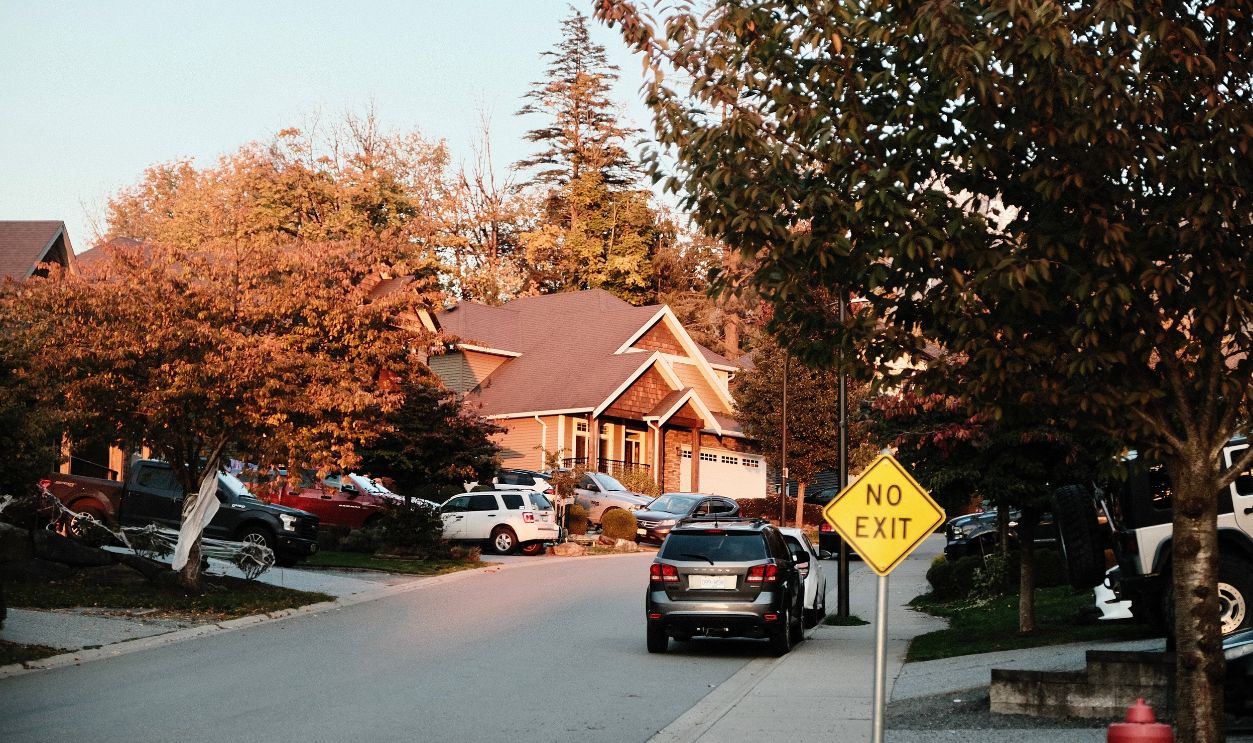
Look through state parking statutes and you'll find plenty of very specific prohibitions.
Drivers may be prohibited from parking in front of driveways, beside fire hydrants, on sidewalks, in intersections, on crosswalks, or wherever official signs prohibit parking. Texas law, for example, contains exactly those sorts of restrictions.
Oddly, Your Driver's Door May Not Be On That List
What you generally won't find is a nationwide rule saying another vehicle must remain exactly 18 inches, 24 inches, or some other fixed distance from your driver's door.
Parking laws vary by state and municipality, so there isn't one universal American minimum clearance between two cars parked side-by-side.
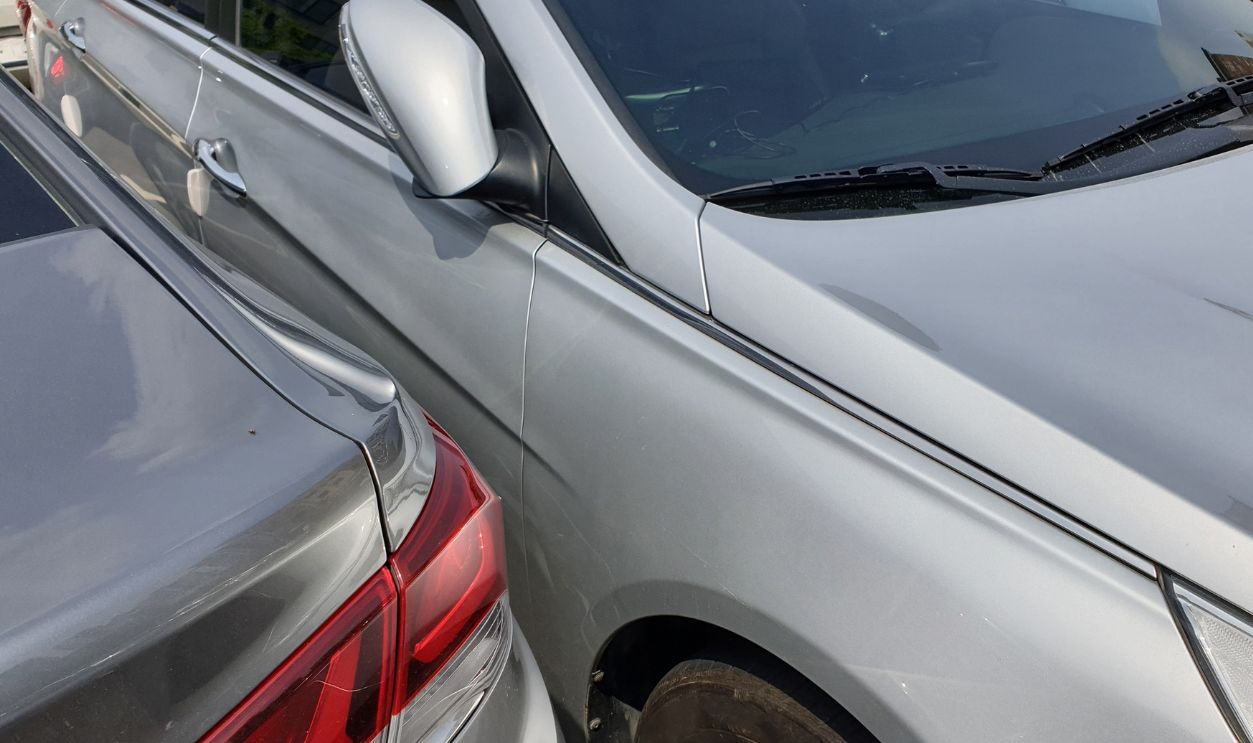
That Creates A Weird Situation
Imagine the other driver is perfectly centered within a legally marked space.
Your car is also perfectly centered in yours.
If the spaces are exceptionally narrow and your vehicles are exceptionally wide, neither person necessarily parked badly. You might simply have a terrible parking-lot design.
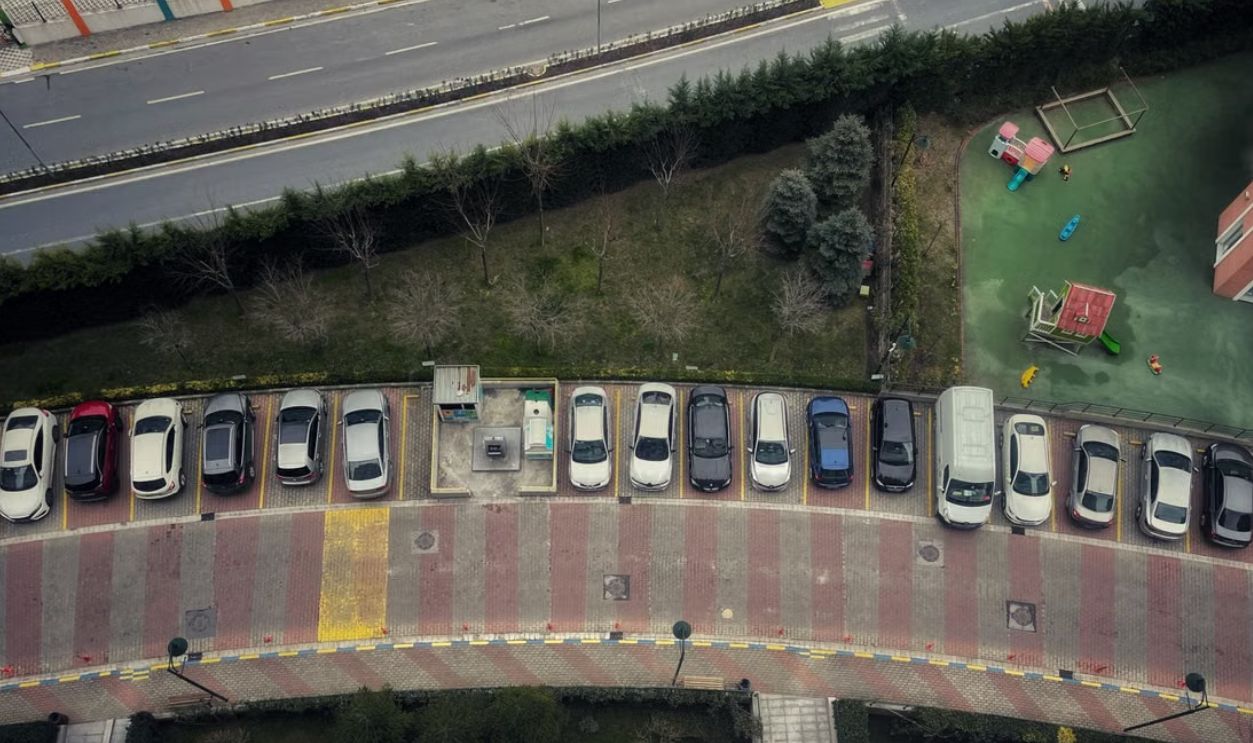
Crossing The Line Changes Things
Now imagine the neighboring vehicle's tires are clearly sitting inside your parking stall.
That's much harder to dismiss as "the spaces are narrow." The vehicle isn't simply close to yours; it's occupying part of the space intended for another car.
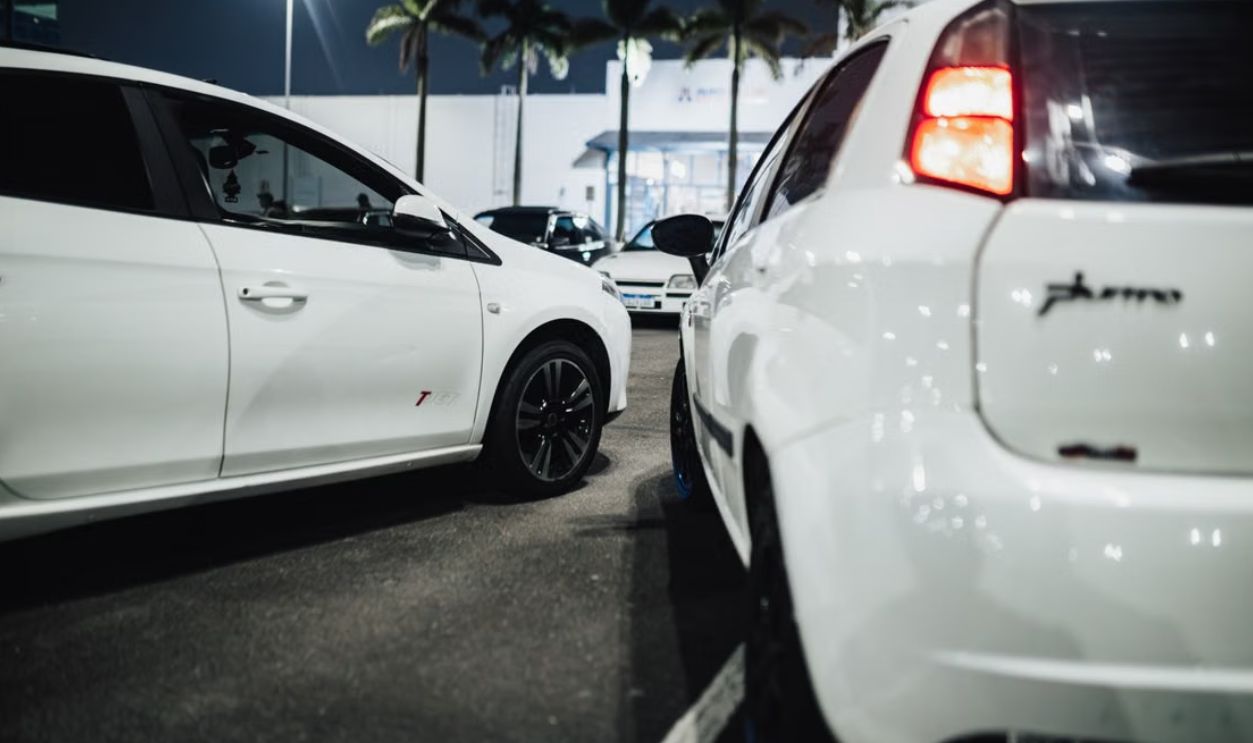
Private Parking Lots Make This More Complicated
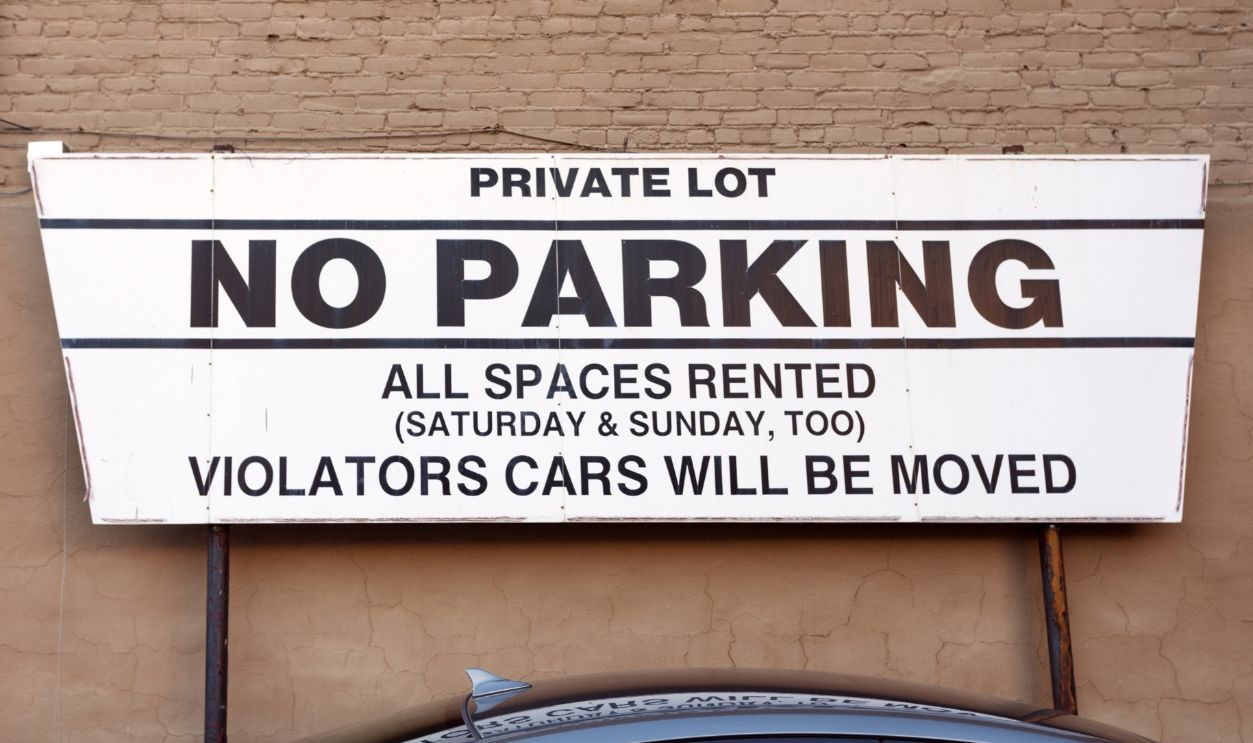
A grocery-store lot, apartment complex, office garage, and public street aren't necessarily governed in exactly the same way.
State traffic rules generally focus heavily on public roads, although some laws can extend to privately owned roads or areas accessible to the public. Private-property owners can also establish and enforce their own parking conditions.
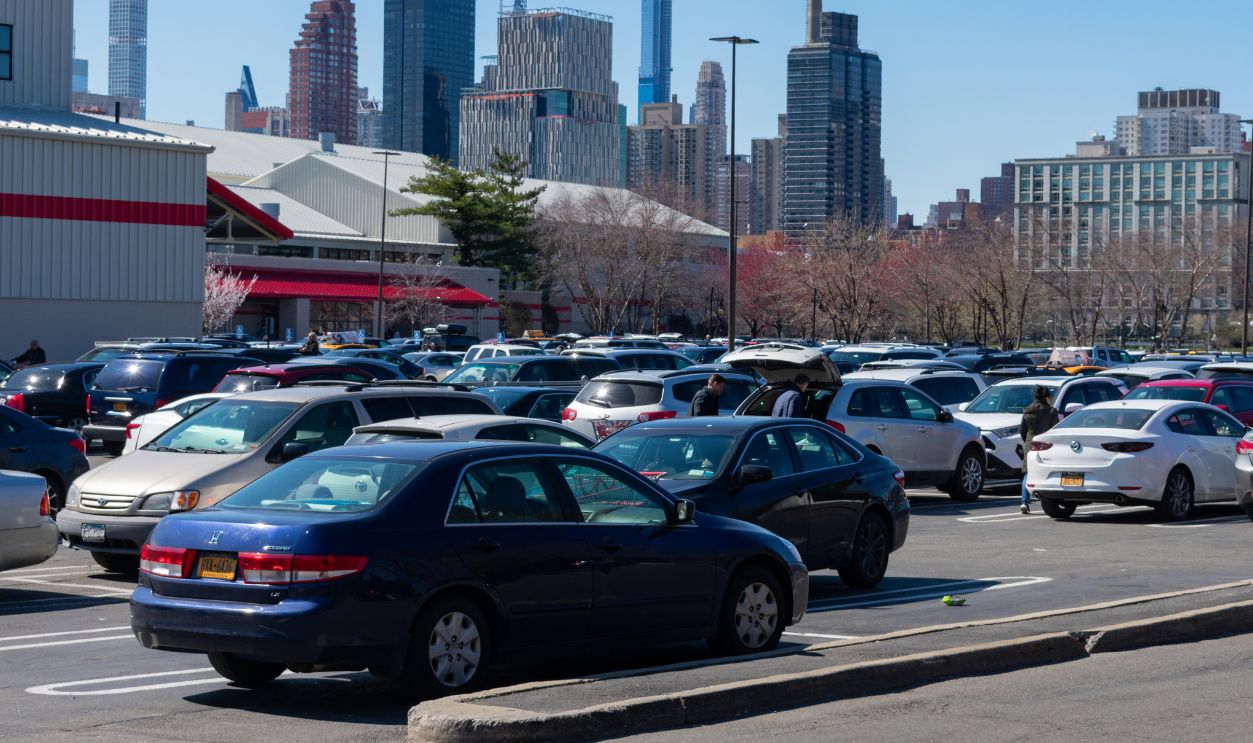
The Property Owner May Have Its Own Rules
A shopping center might require cars to remain within marked spaces even when local law doesn't prescribe a specific distance between neighboring vehicles.
Apartment complexes, universities, workplaces, airports, and paid garages can similarly have parking agreements or posted regulations.
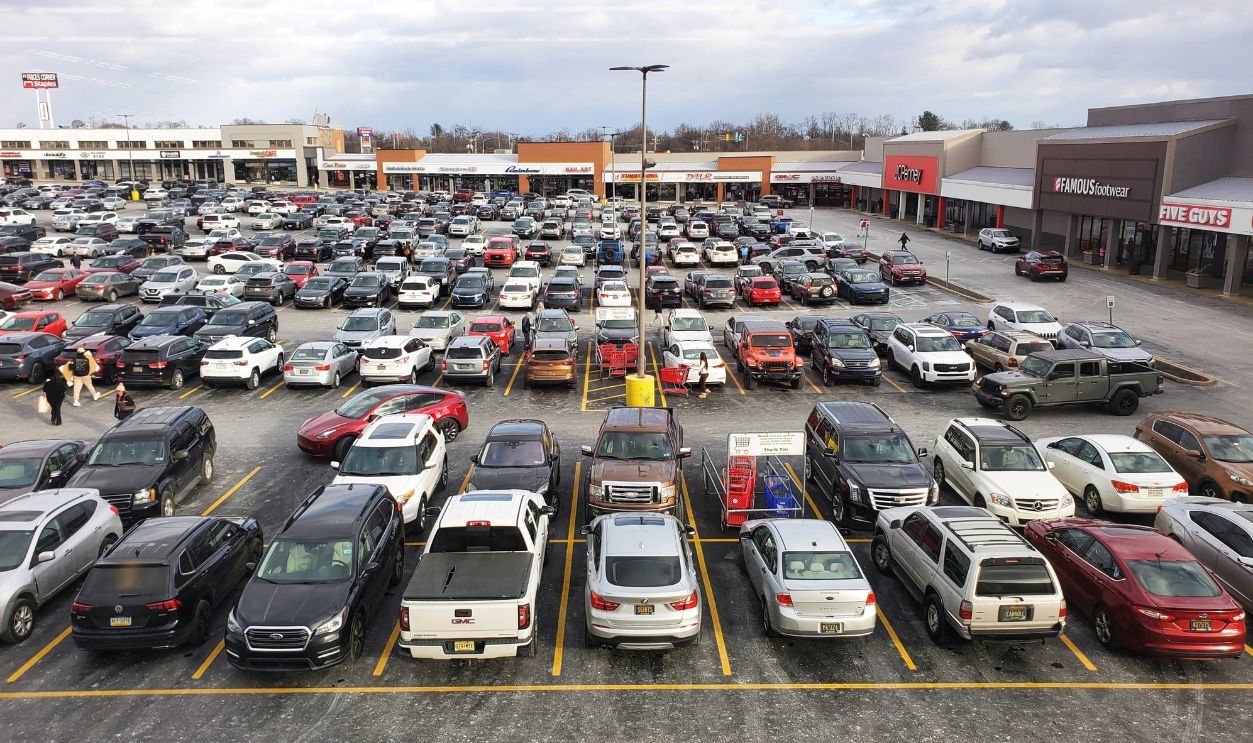 Khairil Azhar Junos, Shutterstock
That Means The Painted Lines Can Matter A Lot
If someone is badly straddling two spaces, take a photograph showing their vehicle, yours, and the parking lines.
That gives property management something much more concrete to evaluate than, "This car is really close to mine."
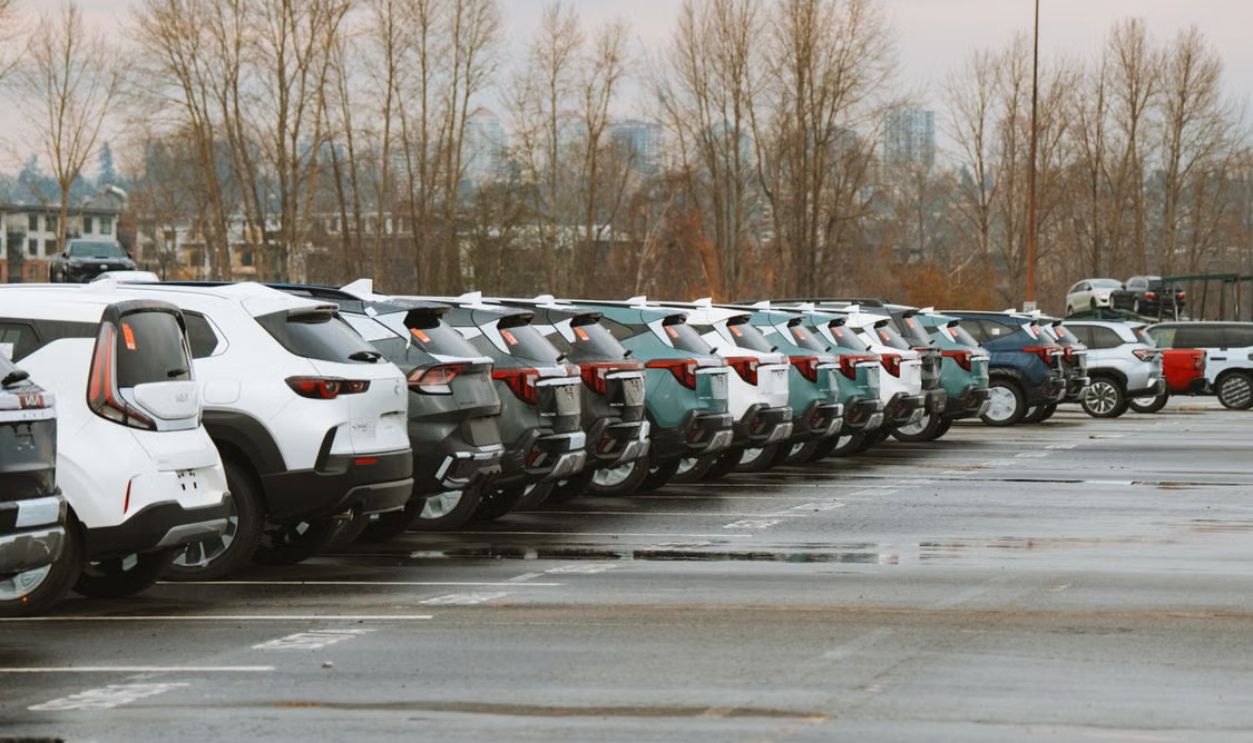
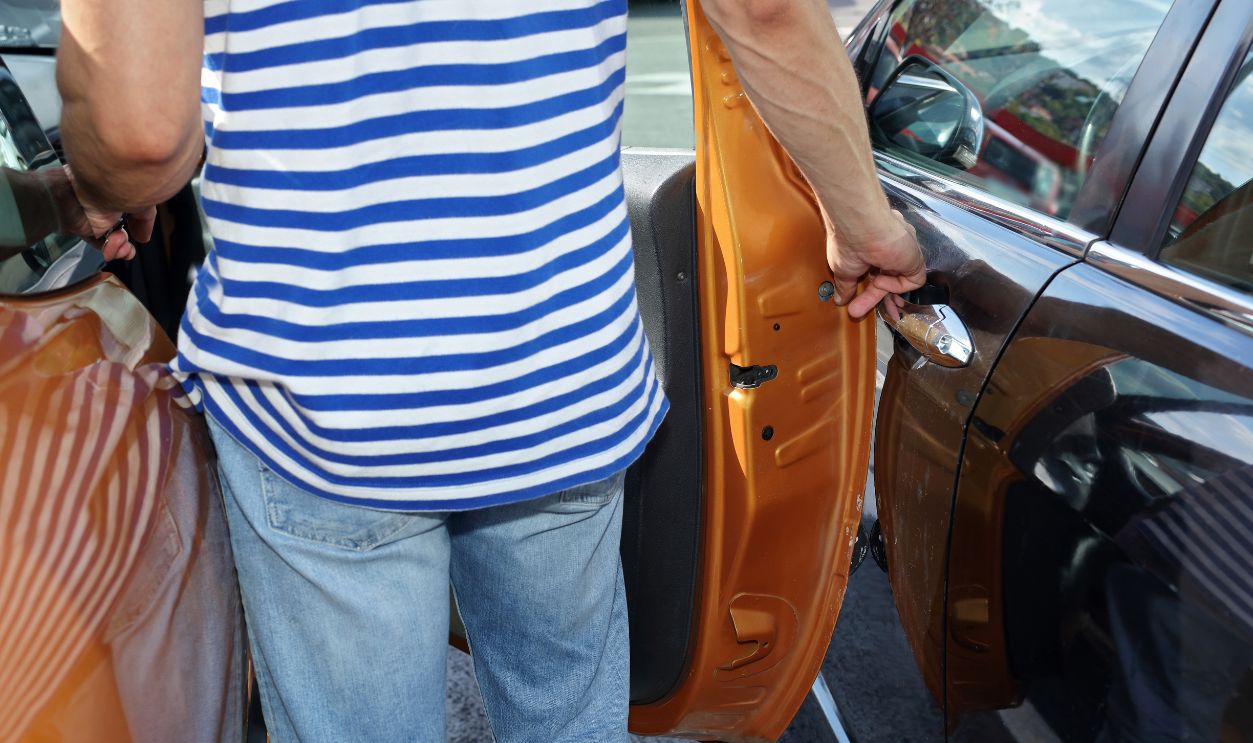
Don't Immediately Squeeze Your Door Open
You might be tempted to crack your driver's door open and force yourself through.
That's risky. If your door dents or scratches the neighboring vehicle, the parking dispute has suddenly turned into a property-damage dispute.
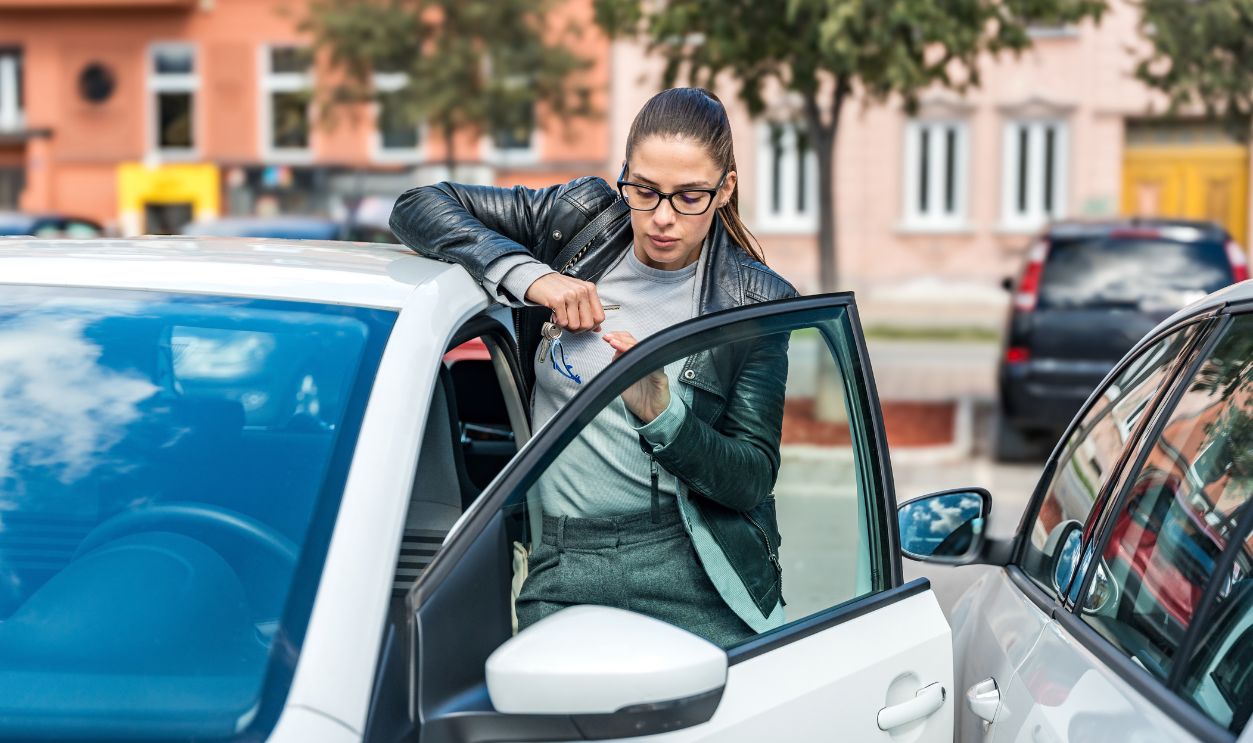 Srdjan Randjelovic, Shutterstock
Door Laws Can Actually Work Against You
Some states expressly regulate opening vehicle doors. Florida, for example, prohibits opening a motor-vehicle door unless doing so is reasonably safe and won't interfere with traffic.
The exact rule varies by jurisdiction and setting, but "they parked too close" isn't a good reason to deliberately slam your door into their paint.
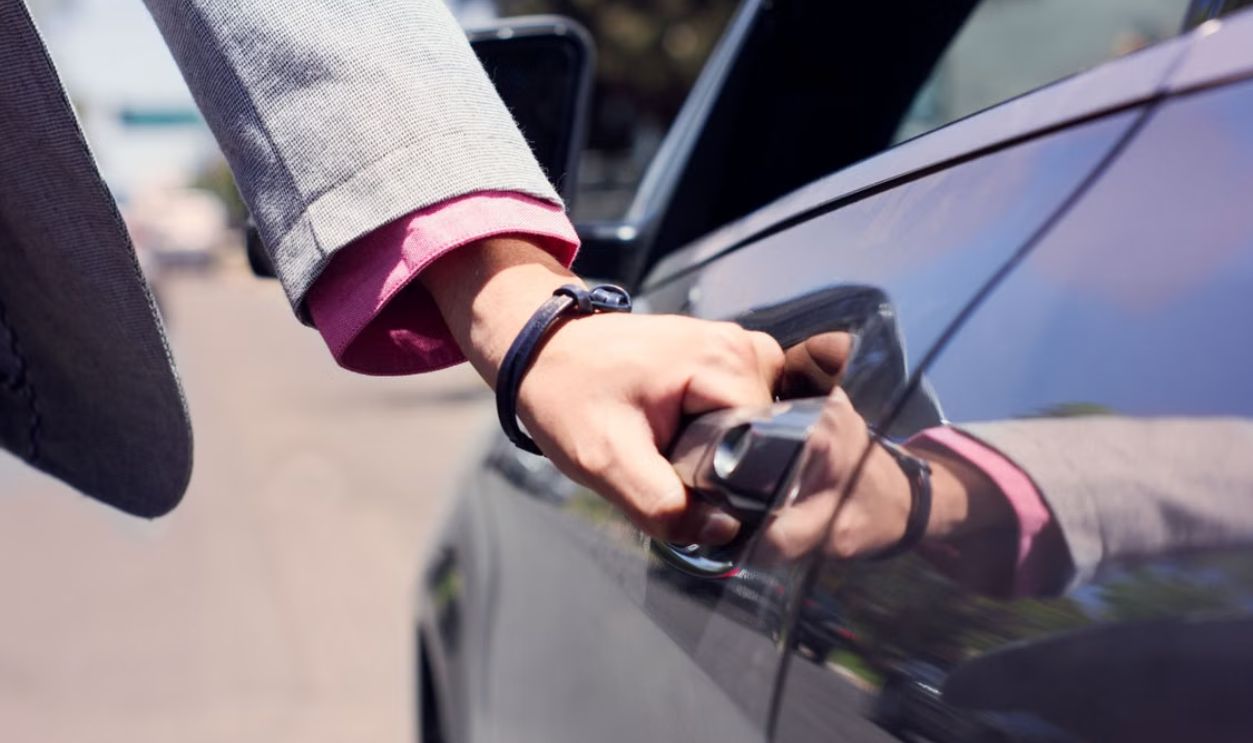
Passenger-Side Entry May Be The Safest Option
Yes, crawling across your center console while muttering about humanity is deeply annoying.
But if the alternatives are damaging another vehicle or waiting indefinitely, entering through another door may be the smartest immediate solution.

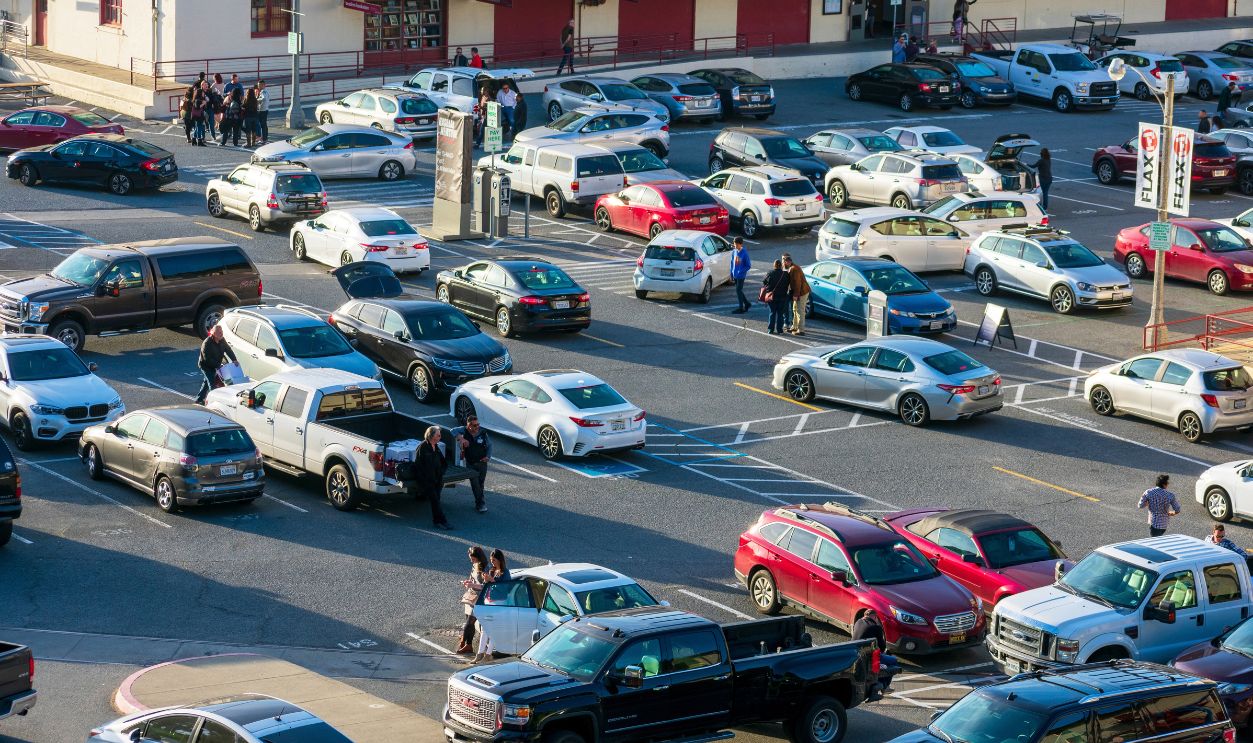
Take Pictures Before You Move Anything
Photograph both vehicles from several angles.
Make sure the images show the space markings, license plate, distance between the vehicles, and whether either car crosses a line. If damage occurs later, those photographs could become useful evidence.
What If You're Completely Boxed In?
Now we're entering more serious territory.
If vehicles are positioned so that you cannot safely enter or remove your car at all, contact the property owner, garage attendant, security office, or parking enforcement authority rather than trying to solve the problem yourself.
Could The Other Car Be Towed?
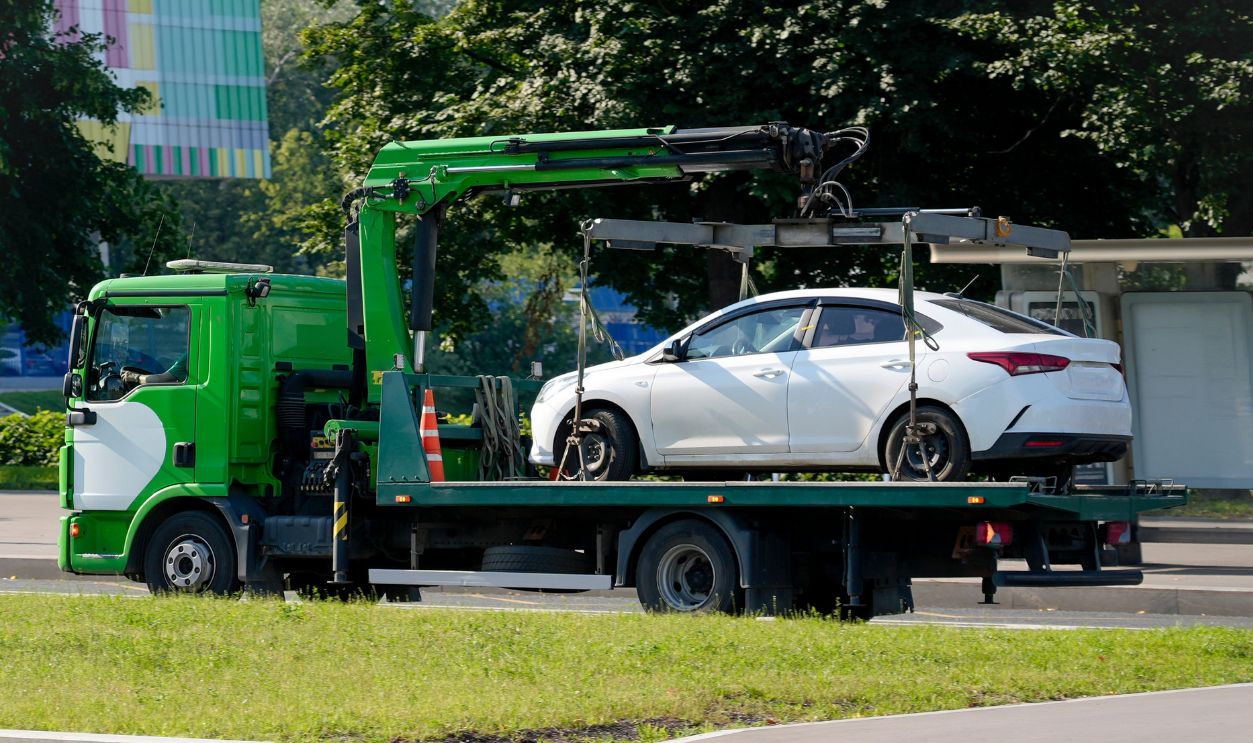
Possibly, but don't assume that parking annoyingly close automatically authorizes a tow.
Private-property towing is heavily regulated and varies by jurisdiction. Rules can depend on signage, property type, how the vehicle is parked, and who requests the removal.
Some States Specifically Regulate Private-Lot Towing
California illustrates how detailed these rules can become. State law restricts when vehicles can be removed from certain private parking lots, while allowing faster removal in particular situations such as blocking entrances, fire lanes, hydrants, or accessible spaces.
Being unable to open your driver's door isn't specifically listed there as a universal automatic-tow situation.
Accessible Spaces Are A Different Matter
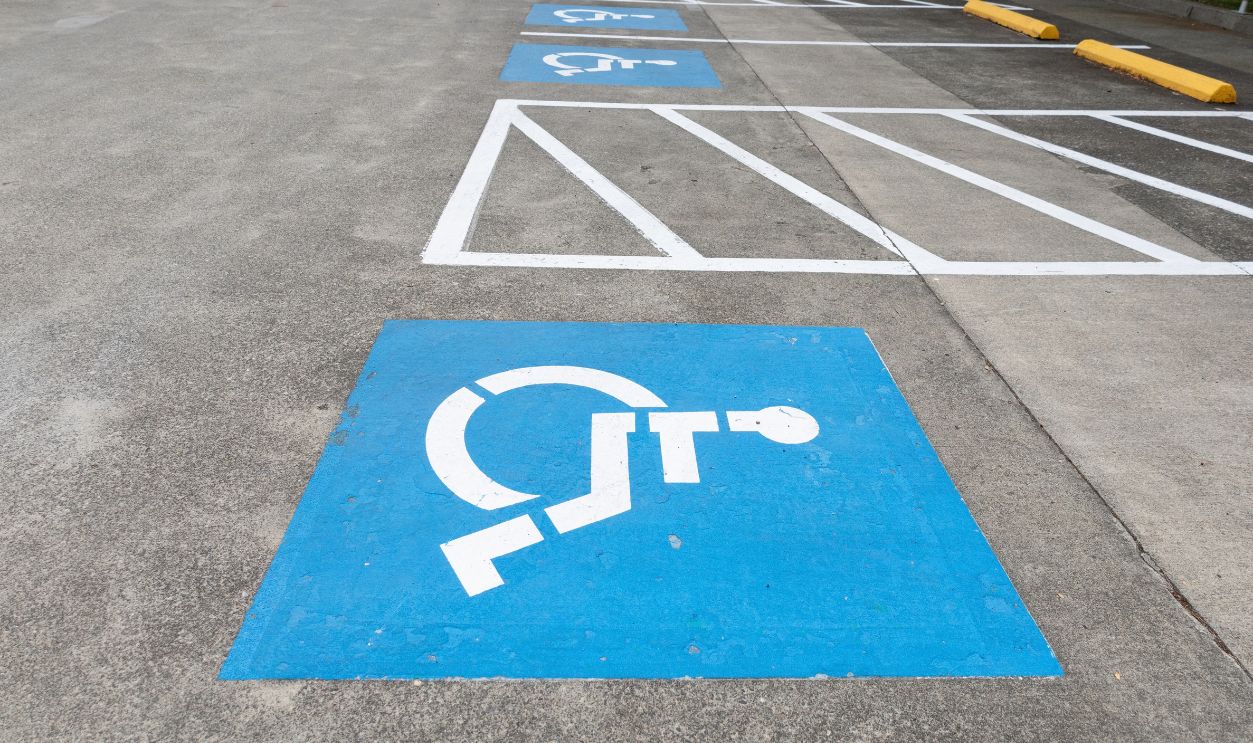
Accessible parking comes with additional legal requirements.
If someone has parked in an access aisle beside an accessible space, that isn't merely inconsiderate parking. Those striped access aisles exist so people with disabilities have room to enter, exit, and use mobility equipment.
Don't Park Them In For Revenge
It's tempting.
If someone left you six inches of clearance, you might want to reposition your vehicle so they receive exactly the same experience when they return.
Don't. Intentionally creating another obstruction can escalate a minor parking dispute and potentially expose your own vehicle to damage.
 Kleymenov Valery, Shutterstock
Sometimes The First Driver Wasn't Actually The Problem
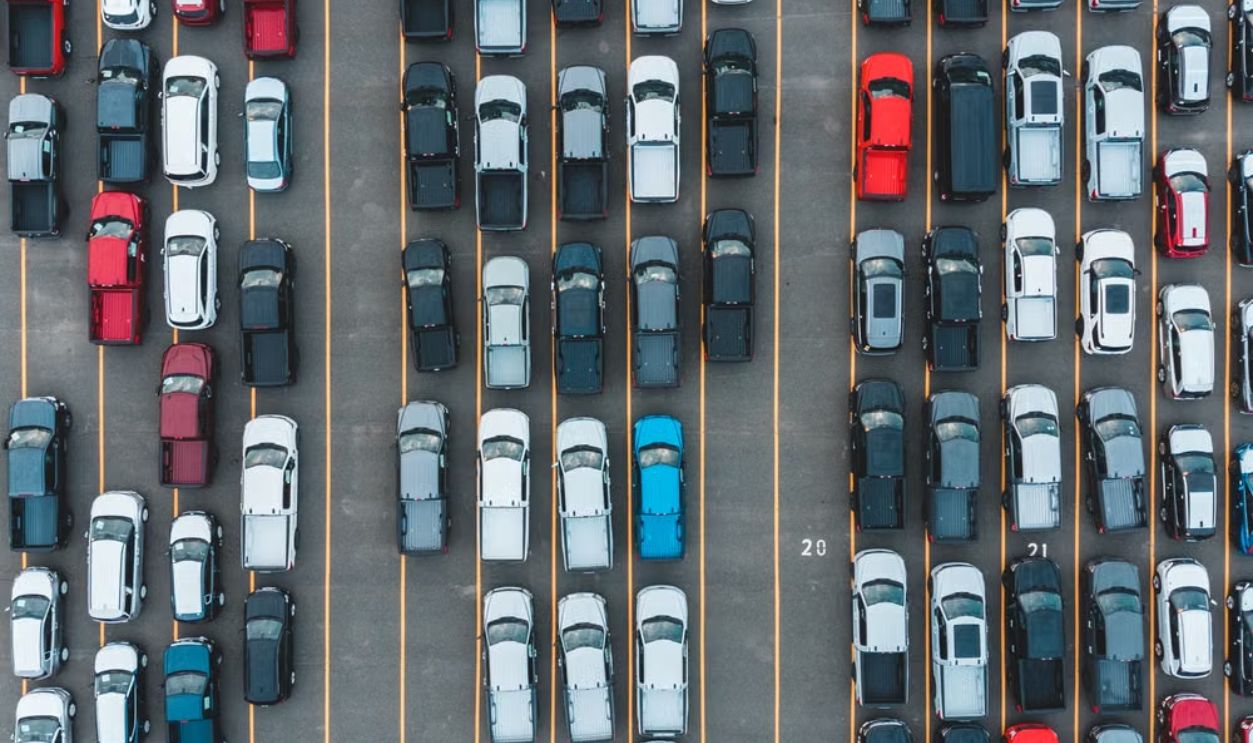
Parking lots have a strange domino effect.
Maybe Car A parked crooked. Car B compensated by moving over. Car A left, you parked normally in the newly empty space, and suddenly Car B looks like the villain.
Without seeing what happened earlier, you may not know who started the parking disaster.
This Is Why Photos Beat Assumptions
A photograph doesn't tell you why somebody parked badly, but it establishes the condition you found.
If you need to complain to a garage operator, landlord, store manager, or insurer, documentation is considerably more useful than trying to reconstruct the parking lot's history.
Here's The Question That Really Matters
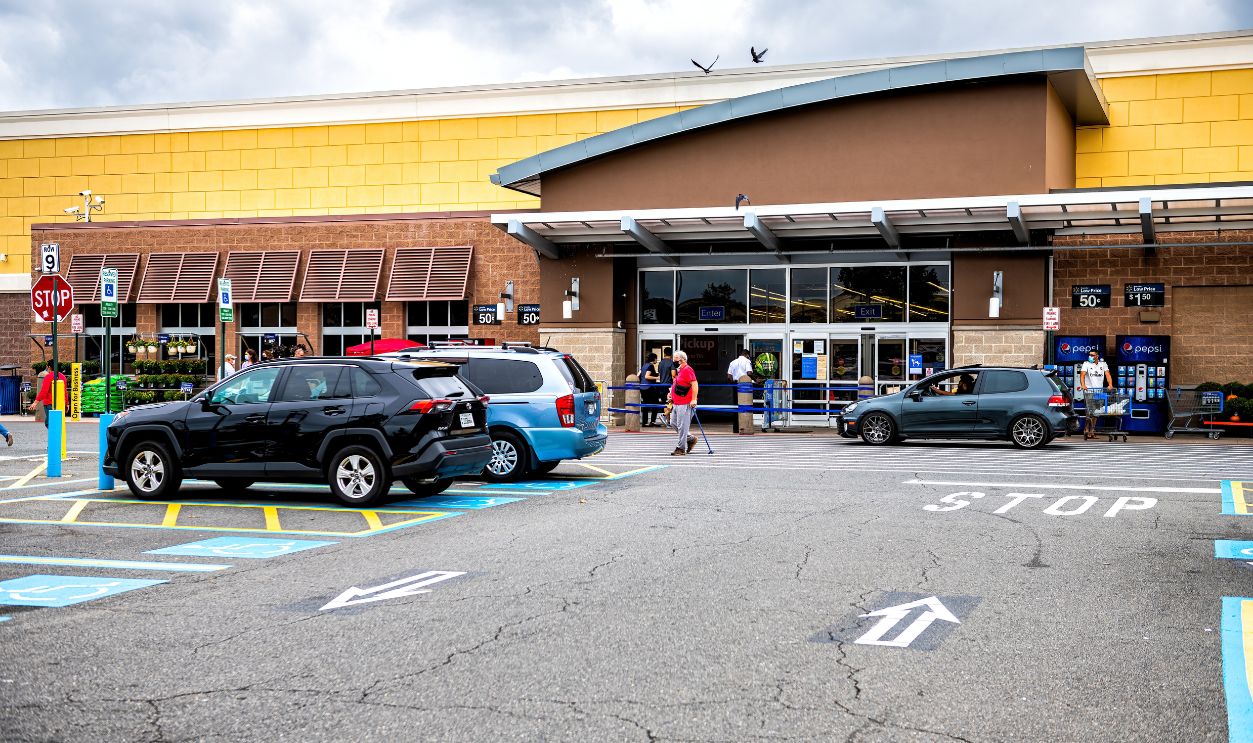
Was the other car merely close to yours, or was it actually violating a parking rule?
Look for crossed stall lines, posted parking requirements, accessible-access aisles, fire lanes, restricted areas, or an actual obstruction covered by local law.
That's where the answer starts becoming clearer.
So... Is There A Rule Against Parking That Close?
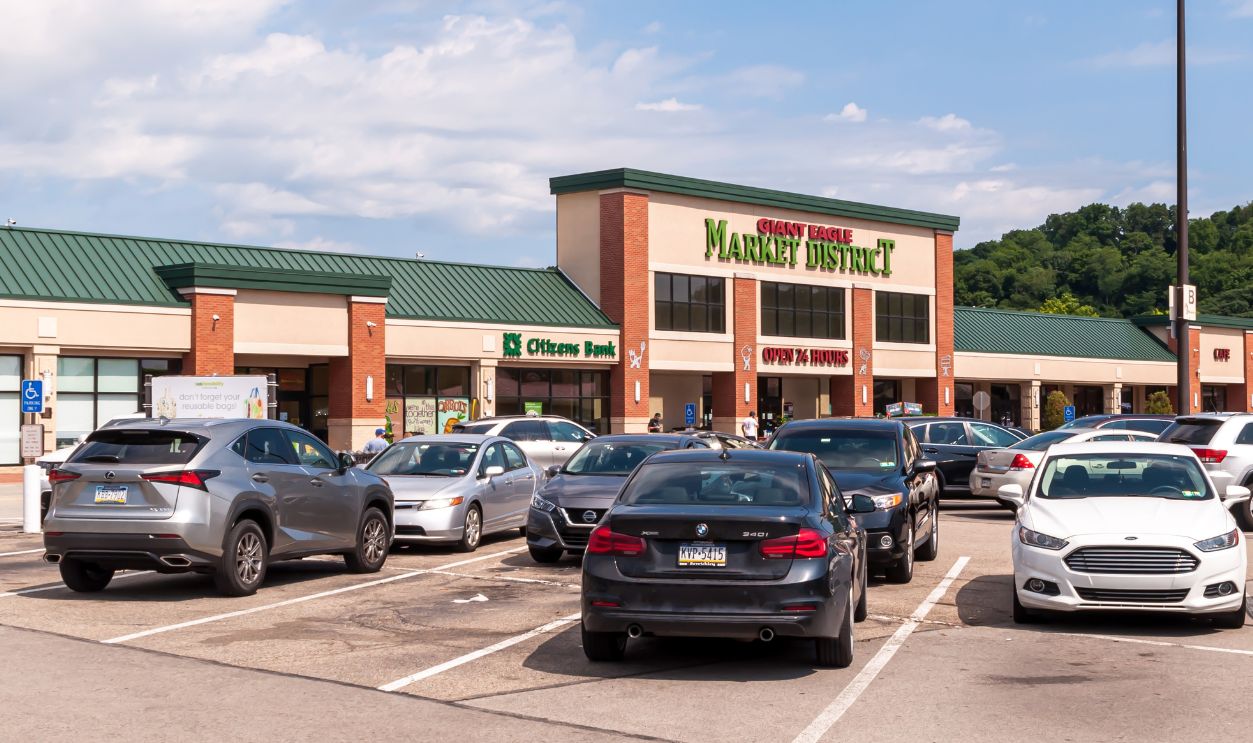
Not necessarily. There is no universal U.S. rule requiring a specific amount of space between two cars parked side-by-side. If both vehicles are legally parked within ordinary spaces, being so close that your driver's door won't open may be extremely inconsiderate without automatically being a ticketable offense.
However, the situation can change if the other vehicle crosses into your stall, violates posted private-property rules, occupies an accessible access aisle, creates an obstruction covered by local law, or otherwise violates your jurisdiction's parking regulations.
Being A Terrible Parker Isn't Always Illegal
That's probably the most frustrating part.
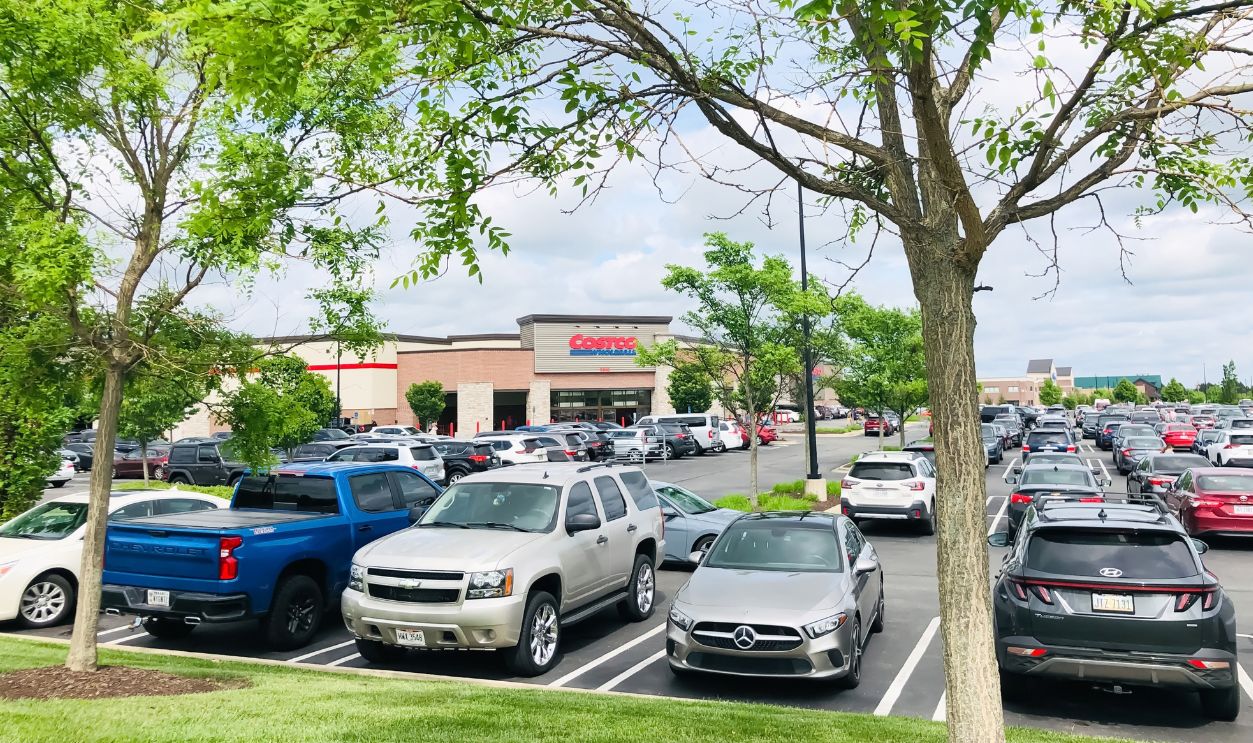
The law contains wonderfully precise rules about parking near hydrants, crosswalks, driveways, intersections, signs, and dozens of other locations. It doesn't necessarily guarantee you enough elbow room to comfortably open your driver's door.
So document the situation, check the markings and posted rules, and contact whoever controls the lot if you're genuinely blocked. And if you end up crawling across the passenger seat anyway, at least try not to honk the horn with your knee on the way over.
You May Also Like: