
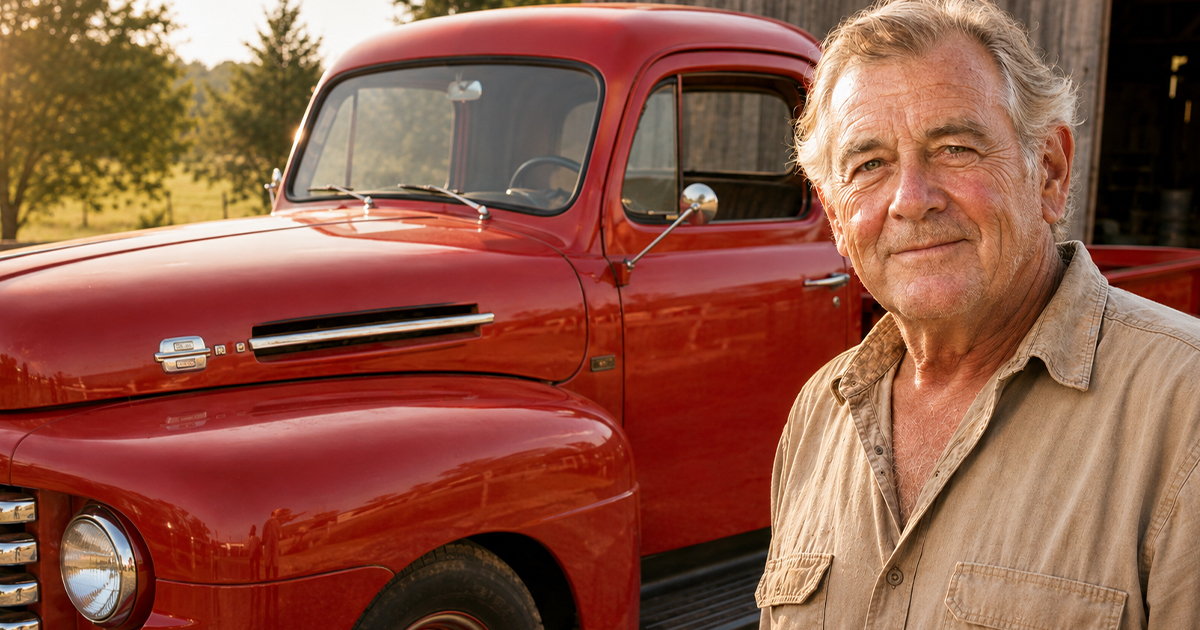
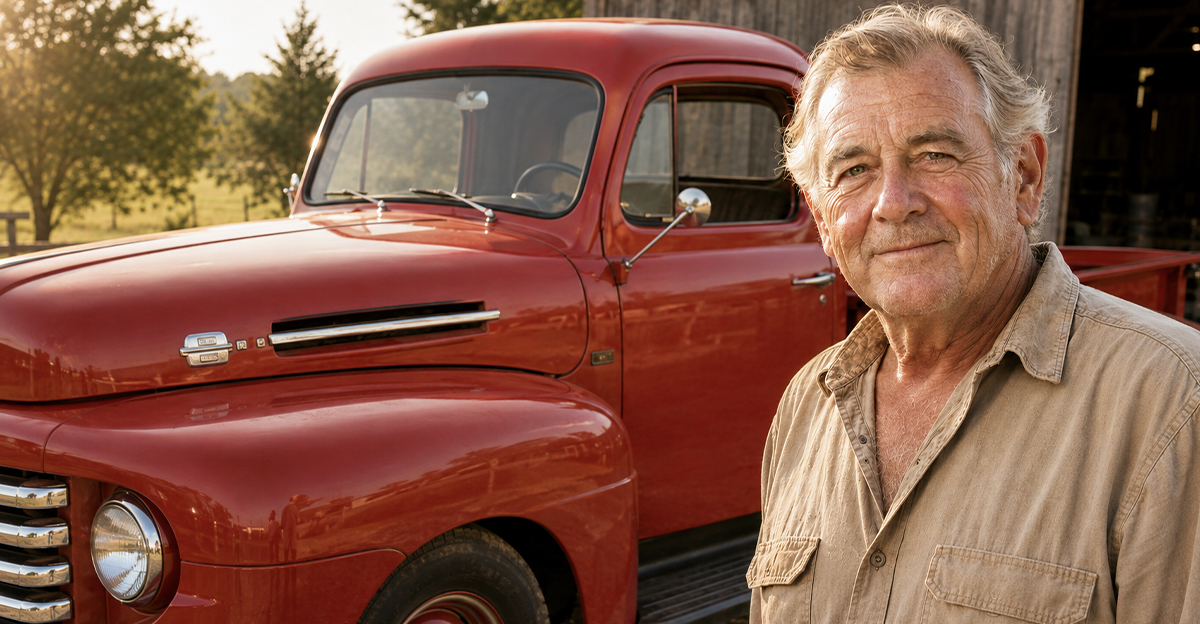
When America Went Back to Work, These Trucks Went With It
After World War II, America needed houses, highways, farms, factories, and nearly everything else built in a hurry. These pickups hauled the lumber, tools, feed, and returning veterans who created the postwar boom—usually without power steering, air conditioning, or much concern for anyone’s spine.
25. 1940 American Bantam Model 65 Pickup
The Model 65 was barely larger than some modern riding mowers, but it could squeeze into places full-size trucks couldn’t. Its 46-cubic-inch four-cylinder engine produced only about 22 horsepower, making steep hills an adventure. Still, the economical Bantam was useful for small shops, delivery routes, and farms where every gallon of gasoline mattered.
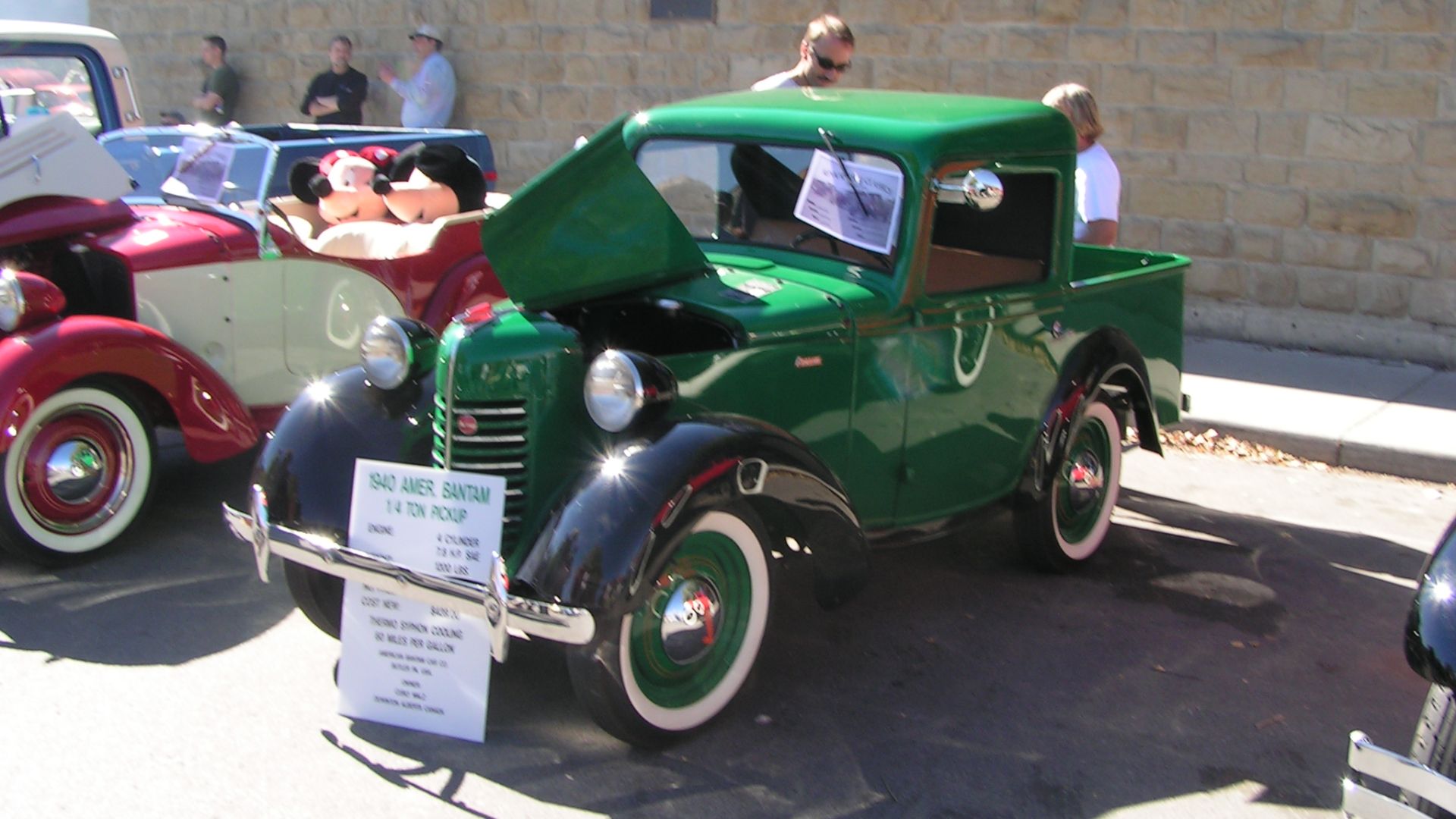 dave_7 from Lethbridge, Canada, Wikimedia Commons
24. 1941 Studebaker Champion Coupe-Delivery
Part automobile, part pickup, and entirely unusual, the Champion Coupe-Delivery placed a small cargo box where the car’s trunk normally went. It offered Studebaker’s economical flathead six and passenger-car comfort, making it ideal for florists, repairmen, and neighborhood merchants. Studebaker dropped it after 1941, leaving surviving examples wonderfully strange and exceptionally scarce.
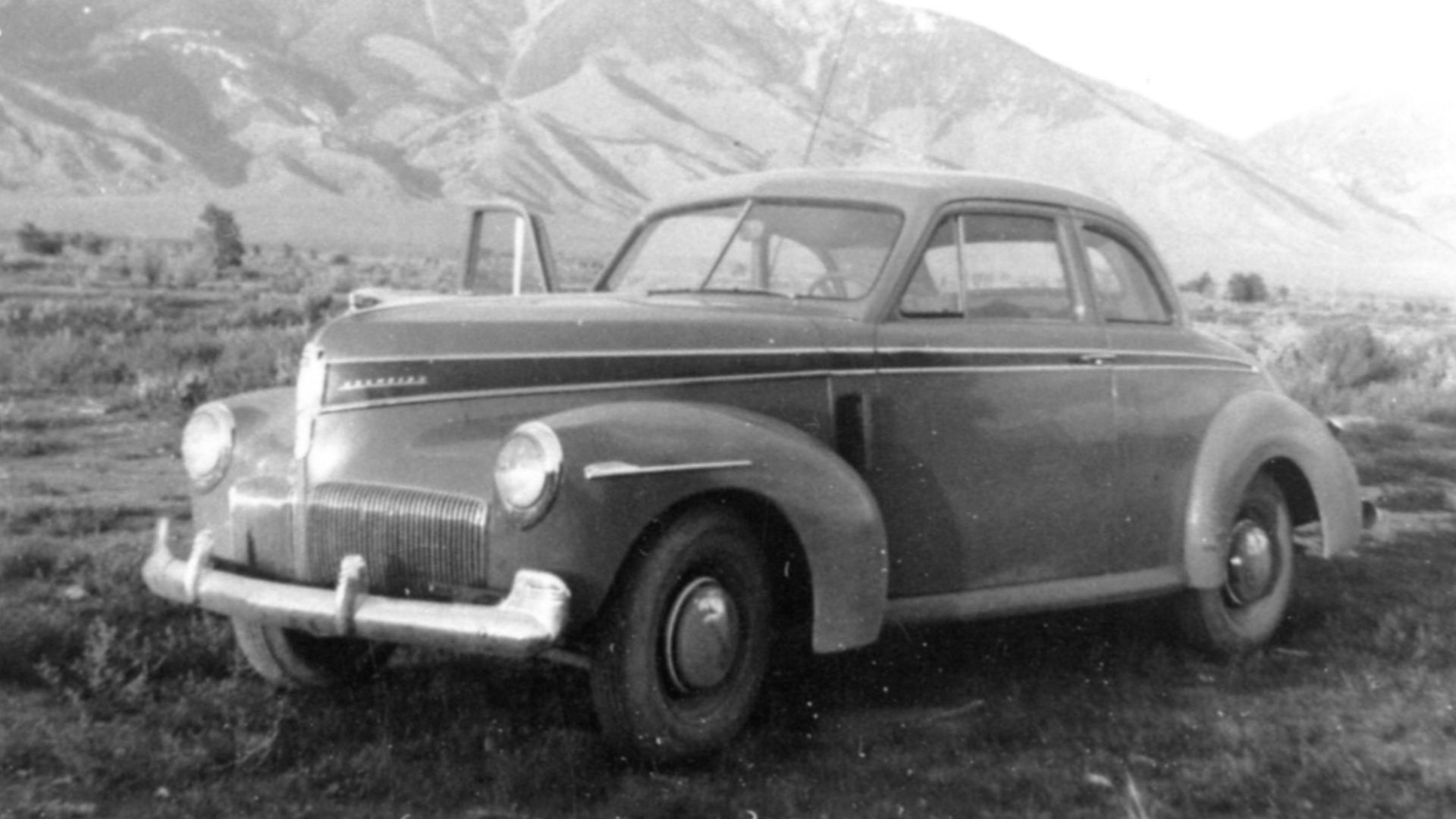 Uppper Snake River Valley Historical Society, Wikimedia Commons
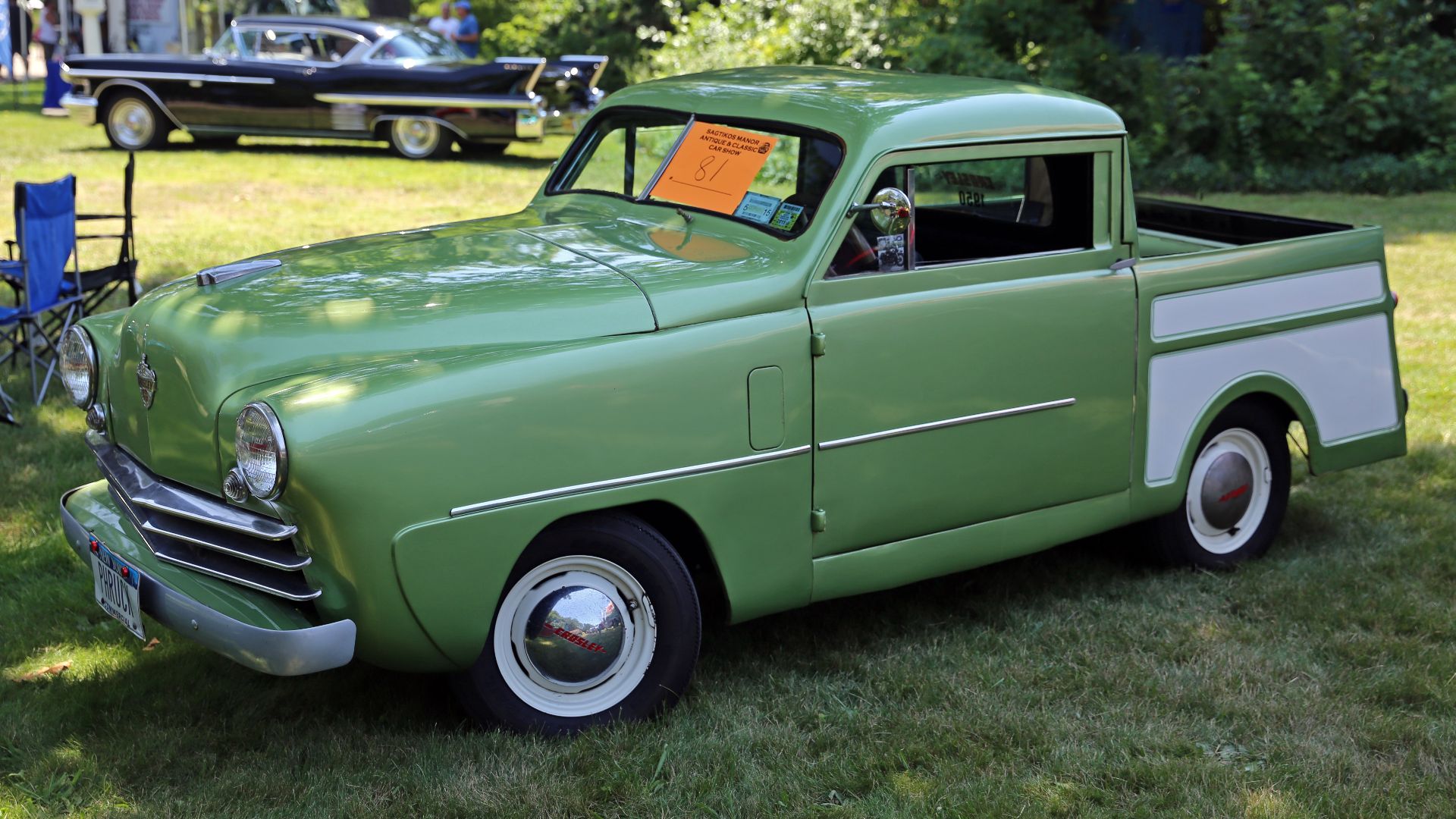
23. 1947 Crosley CC Roundside Pickup
Crosley’s miniature pickup weighed roughly 1,180 pounds and looked like someone had washed a regular truck in hot water. Its tiny 44-cubic-inch engine made about 26 horsepower, but that was sufficient for light deliveries and short trips around town. In an era of material shortages and careful household budgets, its thriftiness made genuine sense.
 Mr.choppers, Wikimedia Commons
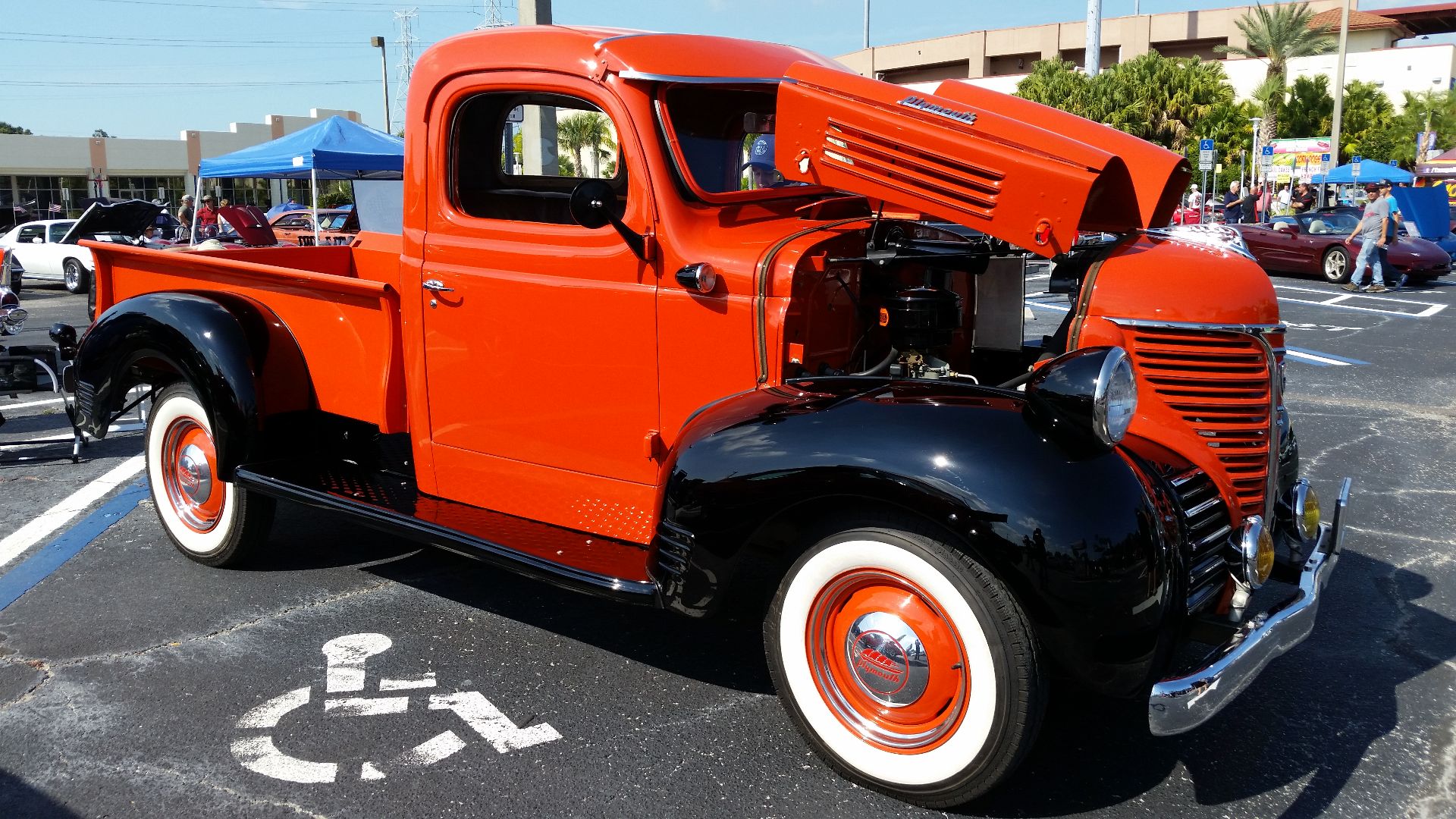
22. 1941 Plymouth PT-125 Pickup
The PT-125 was Plymouth’s final pickup before the company left the truck market in 1942. With handsome passenger-car-inspired styling and straightforward mechanicals, it served farmers and tradesmen who wanted utility without buying a heavier Dodge. Many continued working well after the war, although today Plymouth pickups are frequently forgotten outside dedicated collector circles.
 Michel Curi, Wikimedia Commons
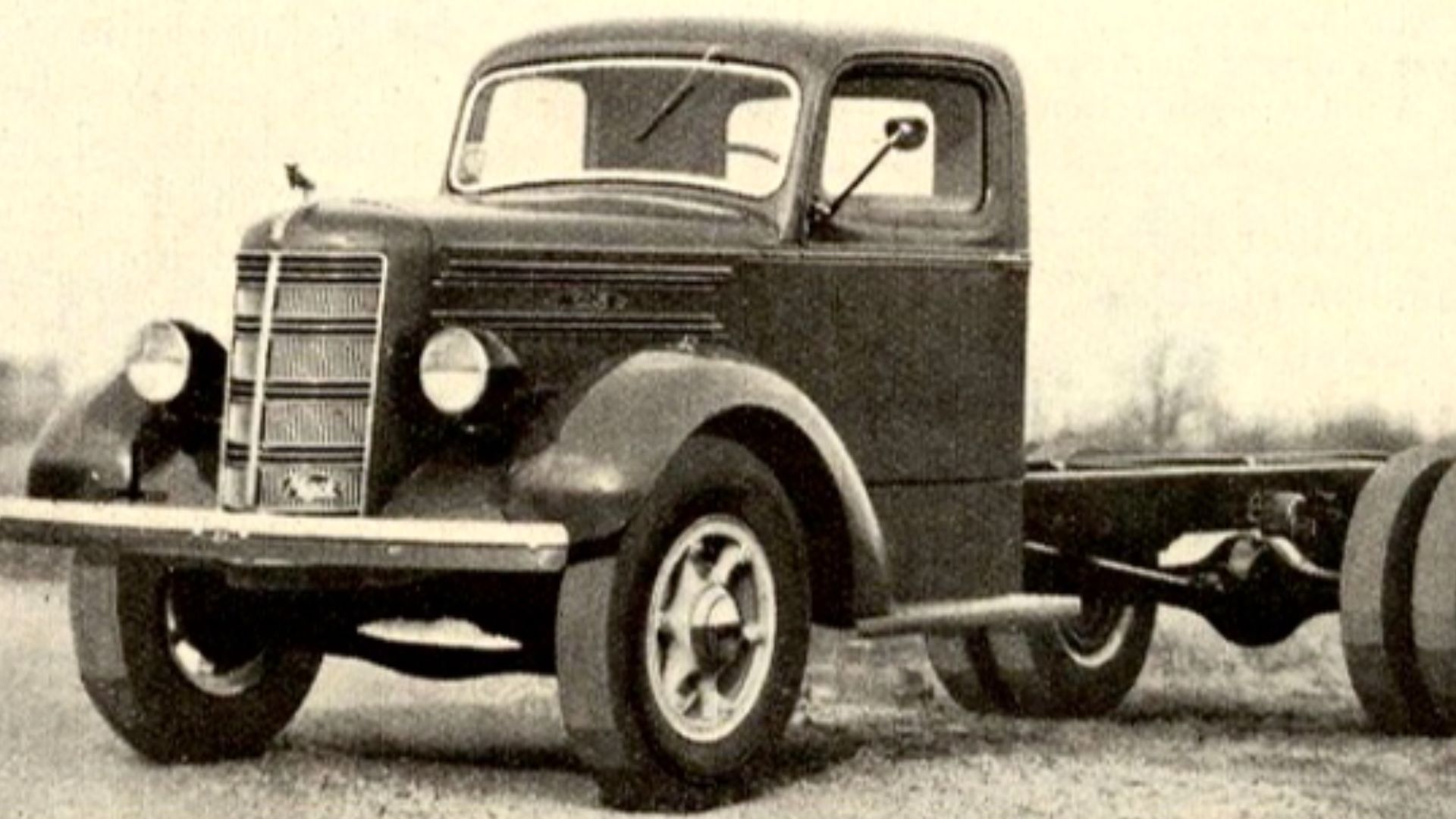
21. Mack Model ED
Mack was known for massive commercial trucks, but the Model ED was the company’s rare attempt at something smaller. Produced from 1938 through 1944, it was the lightest Mack of its time and used a Continental-built flathead six-cylinder engine. Only about 2,686 were built, making it a blue-collar rarity bearing one of America’s toughest badges.
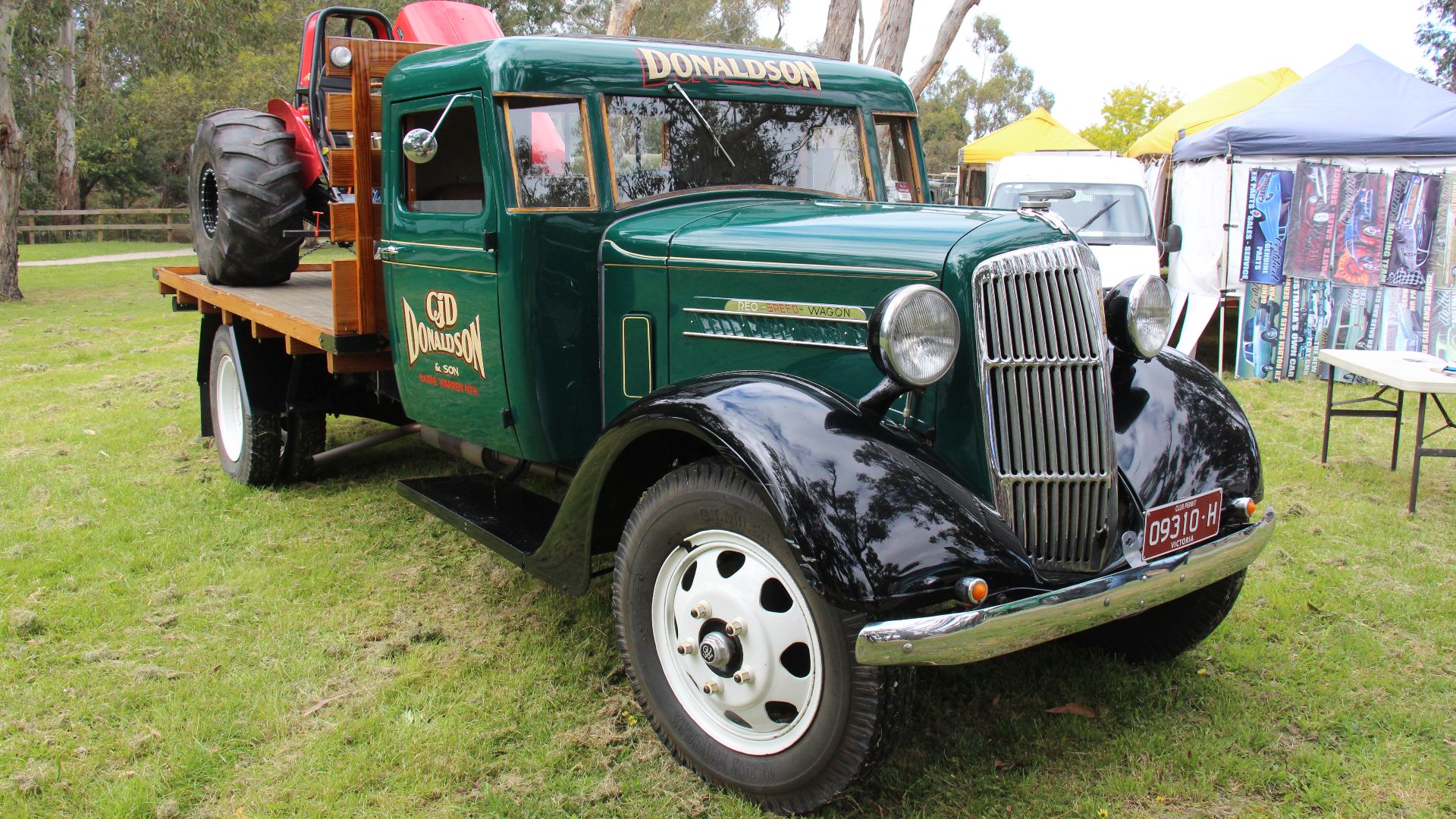
20. REO Speed Wagon Pickup
Long before the name became associated with a rock band, the REO Speed Wagon was a respected working truck. Pickup-bodied versions carried everything from produce to plumbing equipment, and older examples remained useful during the postwar vehicle shortage. They weren’t glamorous, but a Speed Wagon parked behind a shop usually meant somebody nearby knew how to fix things.
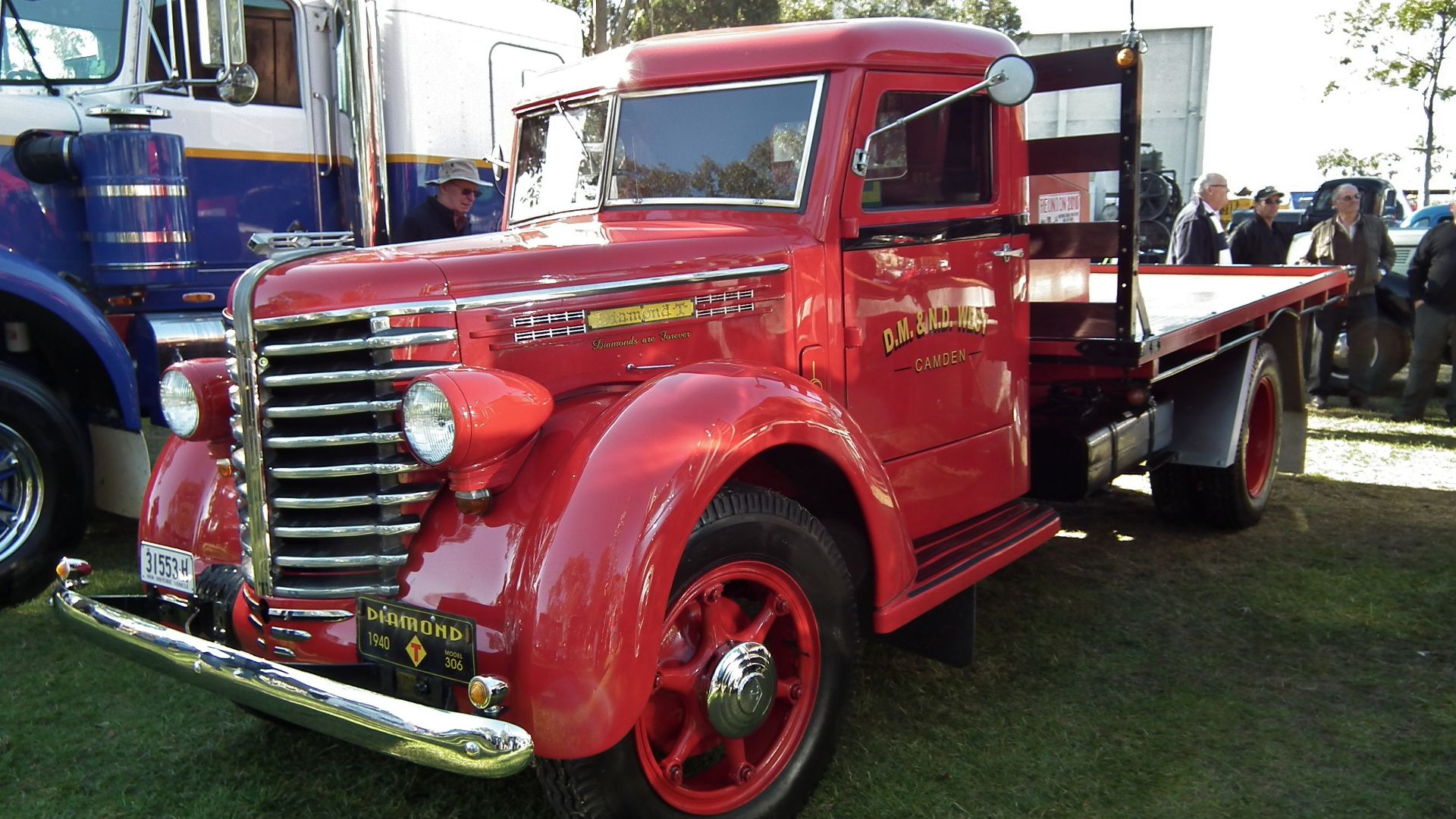
19. Diamond T Model 201
The Model 201 was the luxury pickup of its day, although “luxury” still meant you might have to shift gears with determination. Its sturdy frame, Hercules six-cylinder engine, and beautifully styled grille gave it an upscale appearance that ordinary work trucks lacked. Produced from 1938 through 1949, it was expensive, durable, and built in relatively small numbers.
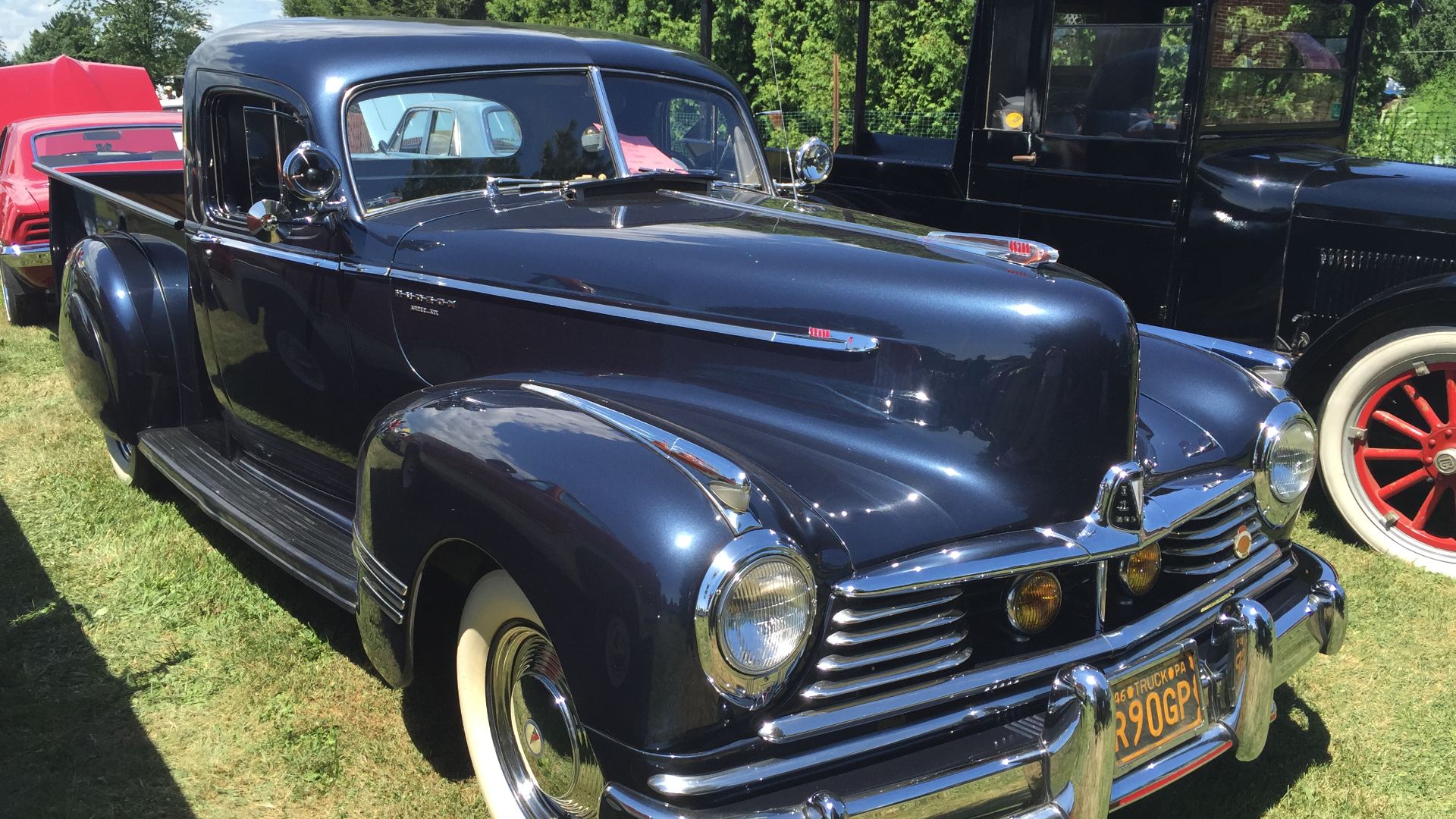
18. 1946 Hudson Super Six Pickup
Hudson’s postwar pickup was essentially a revival of the company’s 1942 “Big Boy,” complete with passenger-car styling and a generous cargo box. Just 1,900 were produced for 1946, so it never became a common sight. Those that did reach farms and businesses combined carlike road manners with enough carrying capacity for serious everyday work.
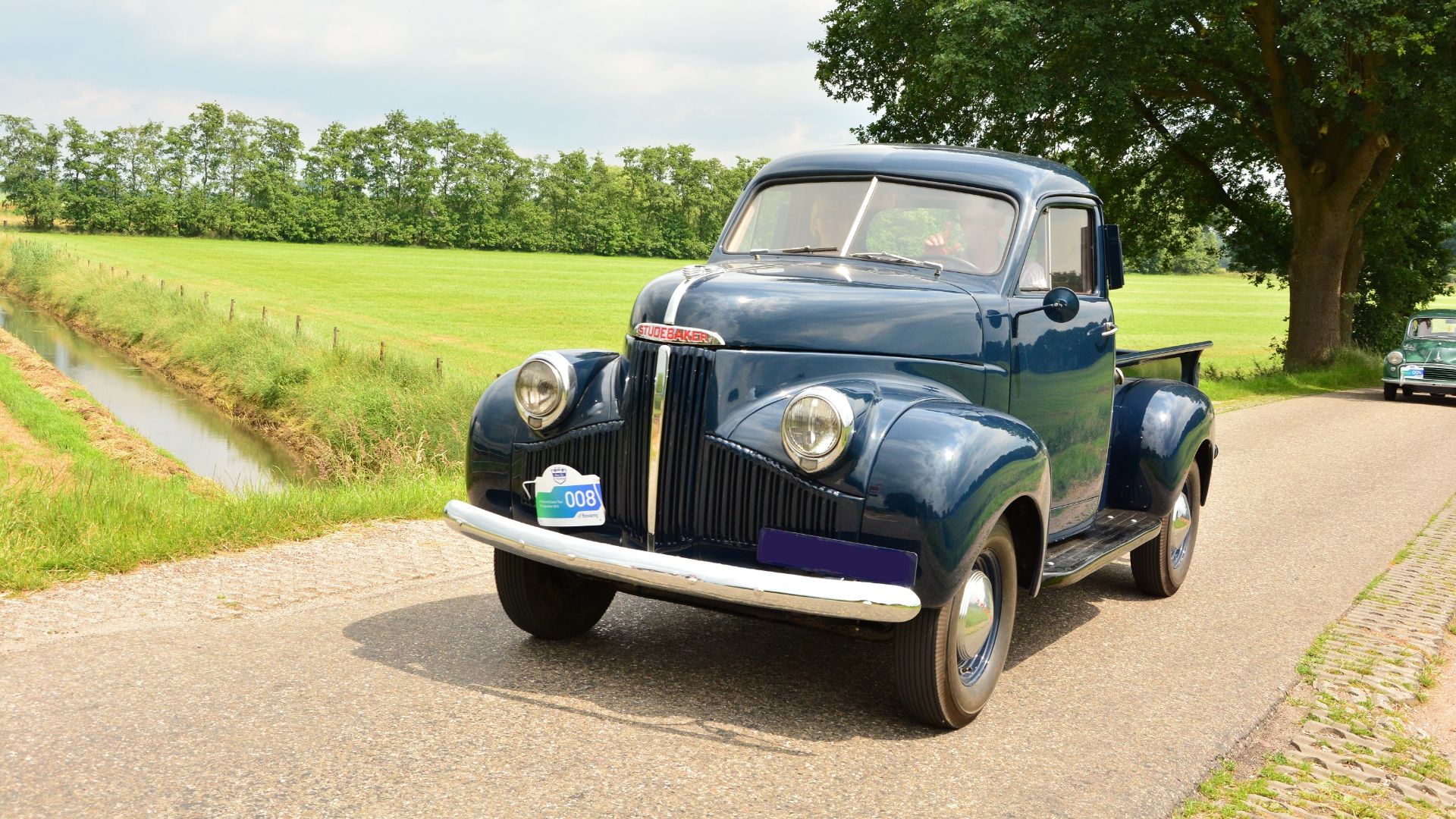
17. Studebaker M5
Studebaker’s M5 was the light-duty member of the handsome M-Series truck family. Civilian production resumed after the war, and these practical pickups quickly returned to farms, garages, and small businesses. Powered by Studebaker’s dependable Champion six, the M5 wasn’t a powerhouse—but it was economical, easy to maintain, and attractive enough for a Saturday trip into town.
 Jan Derk Remmers, Wikimedia Commons
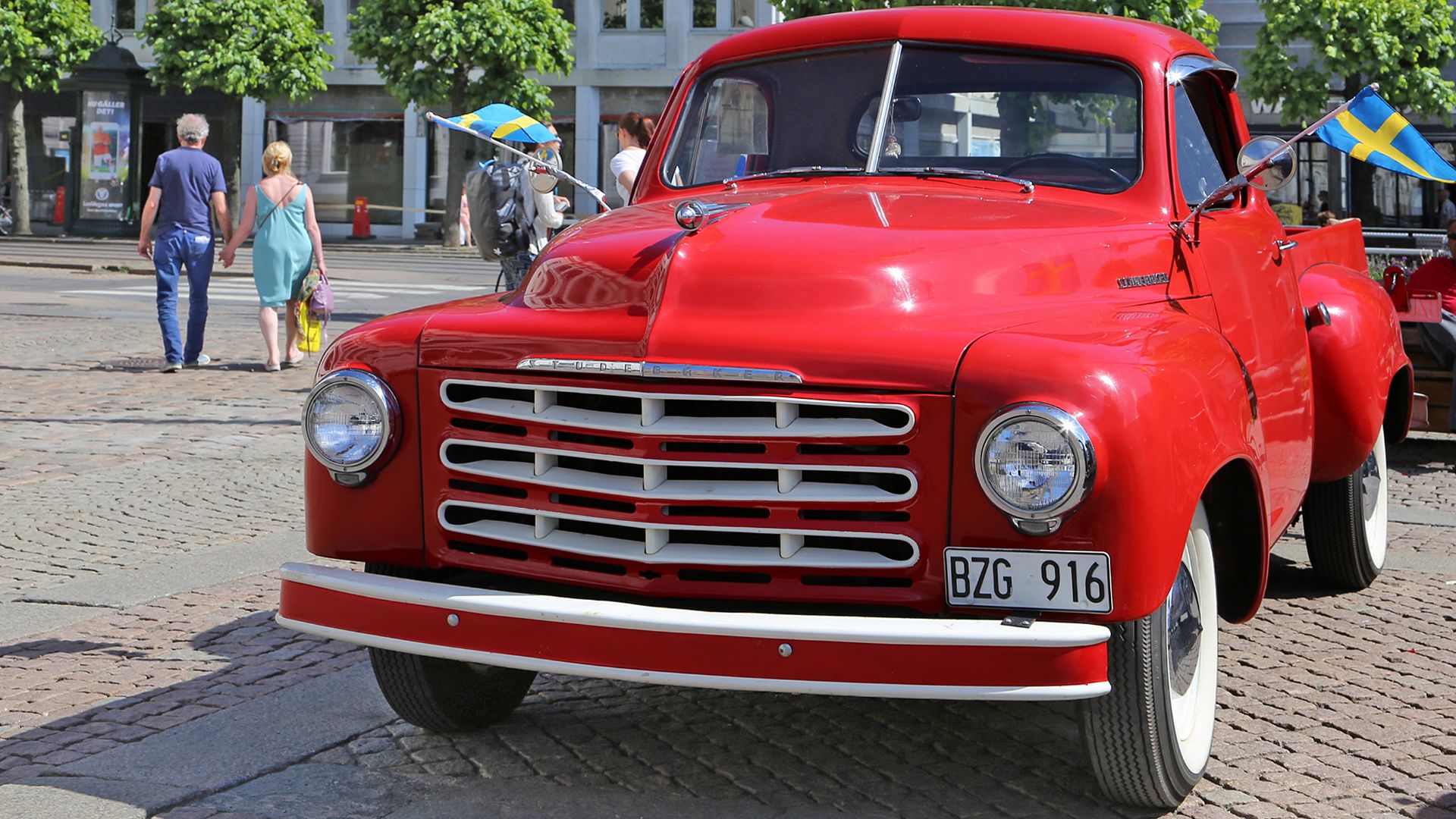
16. 1949 Studebaker 2R-5
The 2R-5 represented Studebaker’s fresh postwar thinking. Designer Robert Bourke gave it smooth bodywork, concealed running boards, and a wider, double-wall pickup bed. Its 170-cubic-inch flathead six produced around 85 horsepower, while the roomy cab made long workdays more tolerable. The 2R became Studebaker’s best-selling truck series for good reason.
15. International Harvester K-1
Introduced for 1940, the K-1 was International Harvester’s half-ton answer to Ford, Chevrolet, and Dodge. Its Green Diamond flathead six emphasized low-speed pulling power instead of flashy performance. Civilian availability became limited during the war, but production returned afterward, putting these rugged “Cornbinders” back to work on farms when America urgently needed food and machinery.
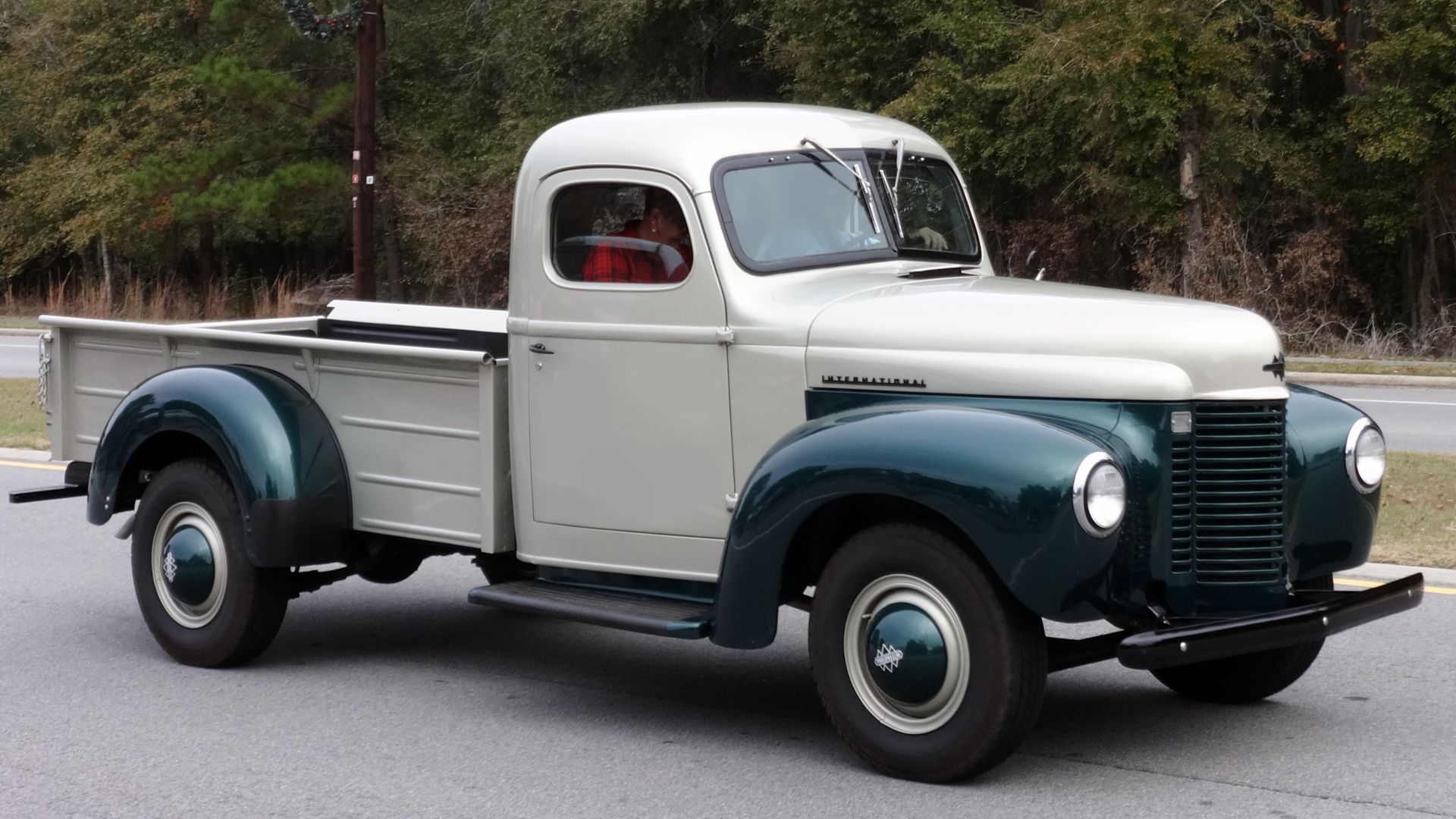 Michael Rivera, Wikimedia Commons
14. International Harvester KB-1
The KB-1 arrived in 1947 as an extensively updated version of the K-Series. Its distinctive chrome “winged” grille made it easy to recognize, even under a healthy coating of barn dust. International claimed dozens of improvements, but buyers mainly appreciated its toughness. It became a familiar partner for farmers, builders, utility crews, and small-town merchants.
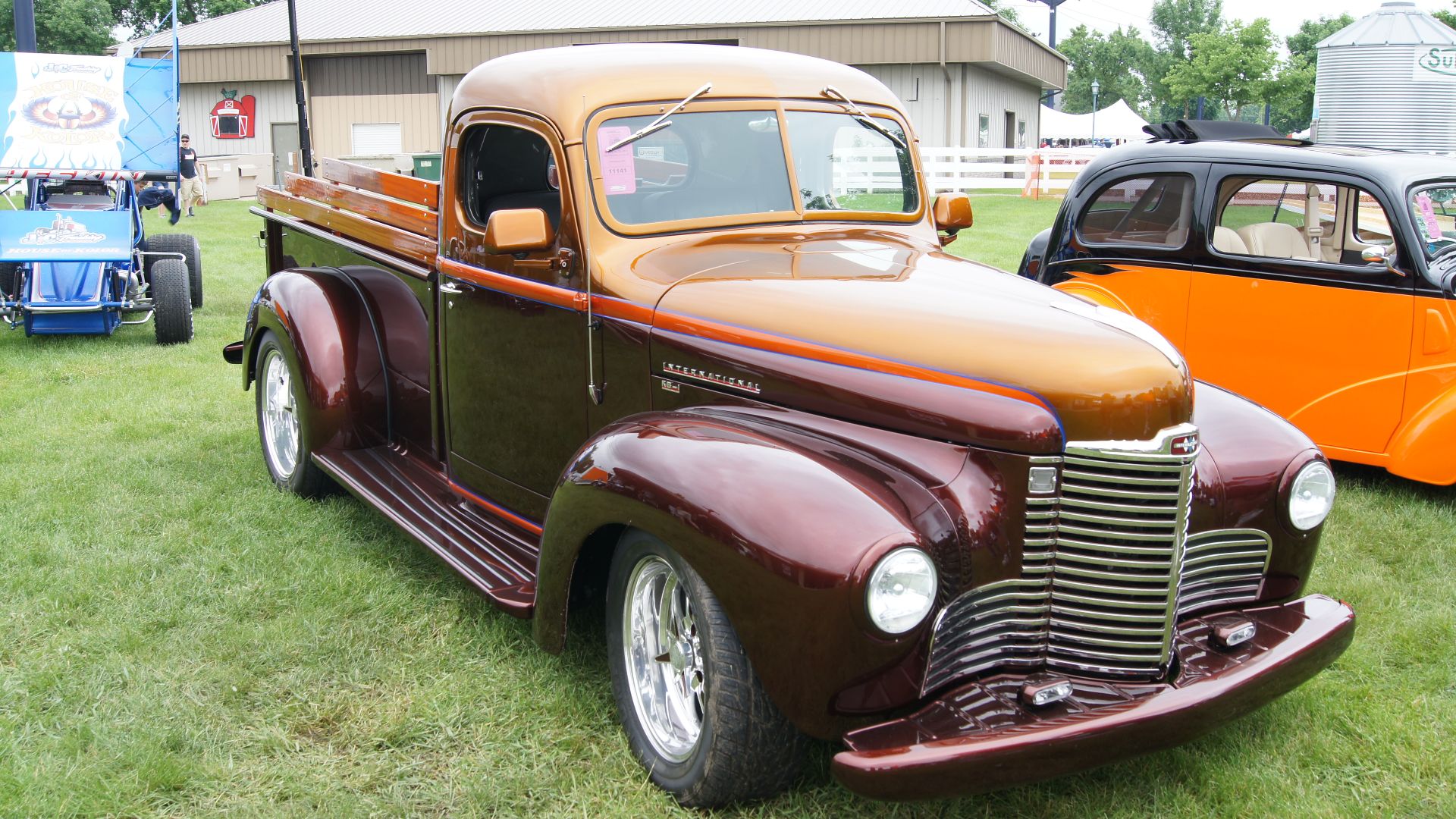 Greg Gjerdingen from Willmar, USA, Wikimedia Commons
13. Dodge VC/W-Series “Job-Rated” Pickup
Dodge’s Job-Rated pickups were advertised as trucks engineered specifically for the work expected of them. A 1940 half-ton model used a 201-cubic-inch flathead six producing roughly 79 horsepower—hardly muscle-truck territory, but dependable and torquey. Updated versions continued through 1947, bridging the gap between prewar styling and Dodge’s more modern postwar pickups.
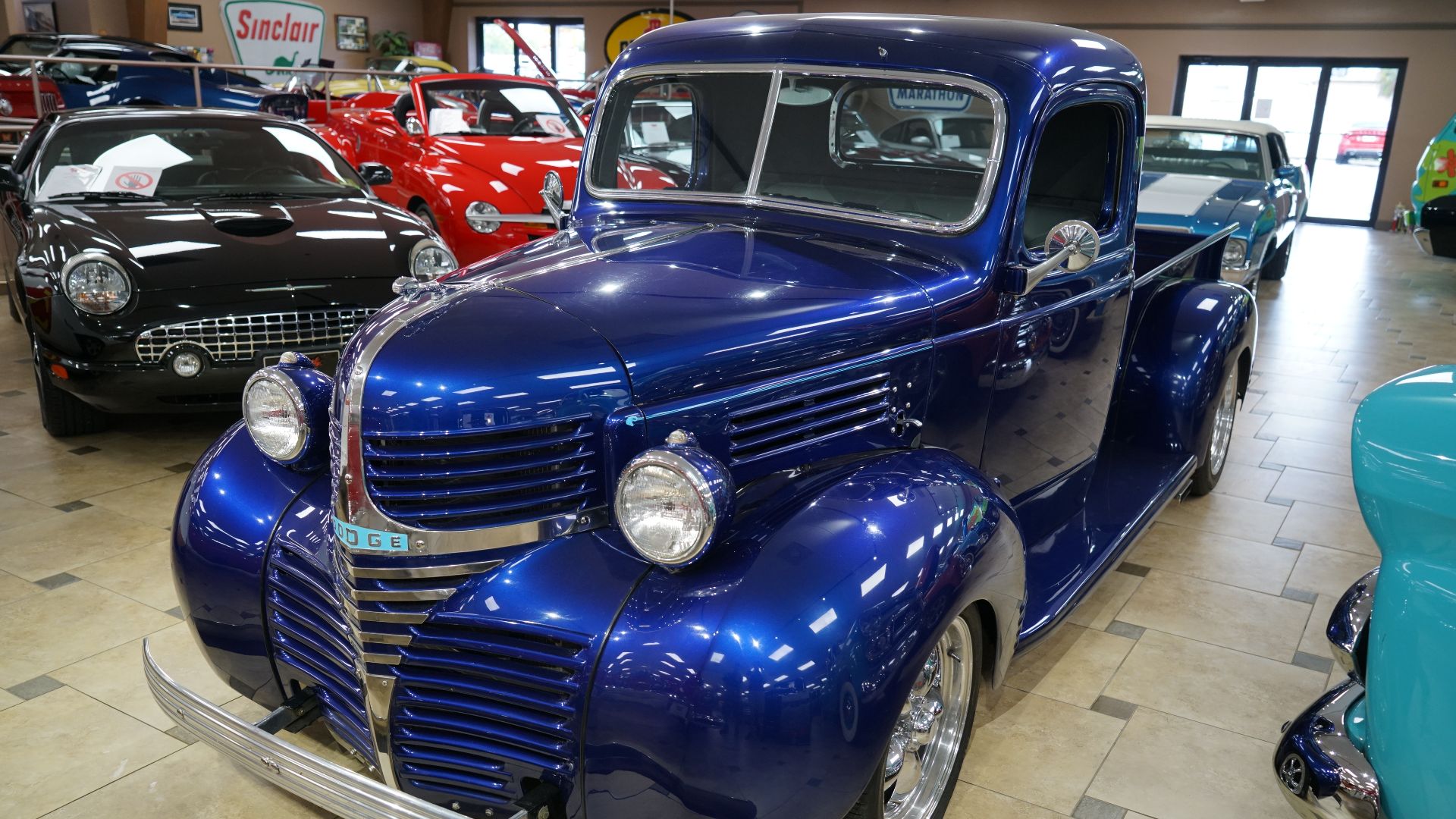 IdealClassicCars, Wikimedia Commons
12. Dodge WC-12 Military Pickup
The WC-12 was built for military service, not leisurely trips to the hardware store. This half-ton 4x4 carried personnel, supplies, and equipment under demanding wartime conditions. After the fighting ended, surplus examples found second lives on farms, construction sites, and remote properties. Their toughness helped introduce thousands of Americans to the usefulness of four-wheel drive.
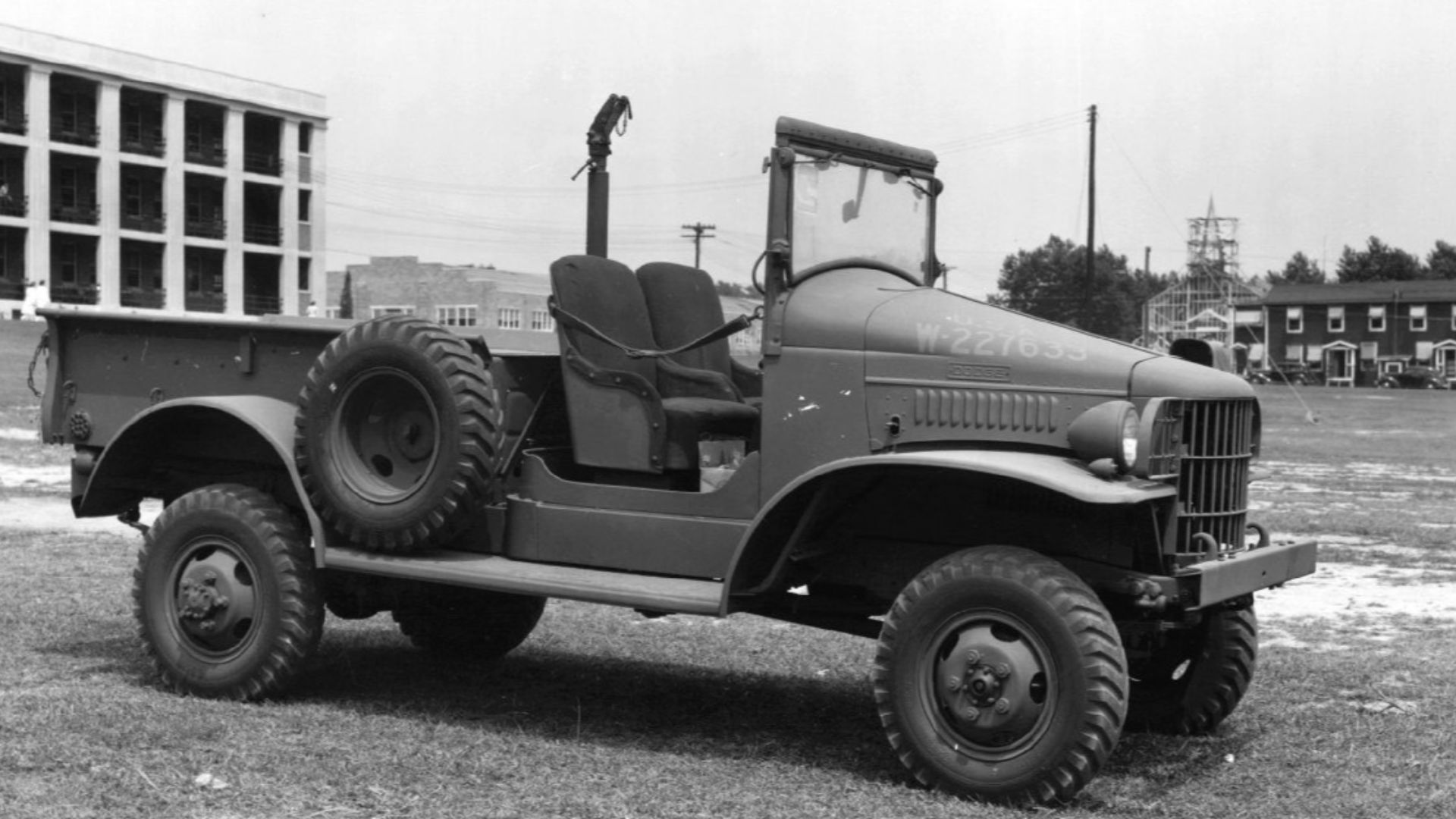 Van Deusen, Edwin S., Wikimedia Commons
11. 1941 Ford Half-Ton Pickup
The 1941 Ford pickup combined a bold horizontal-bar grille with familiar flathead V8 power. Civilian production would soon be interrupted by America’s entry into World War II, making these trucks valuable commodities during the vehicle-starved years that followed. Owners kept them running with improvised repairs, salvaged parts, and the sort of mechanical optimism that rarely involved reading instructions.
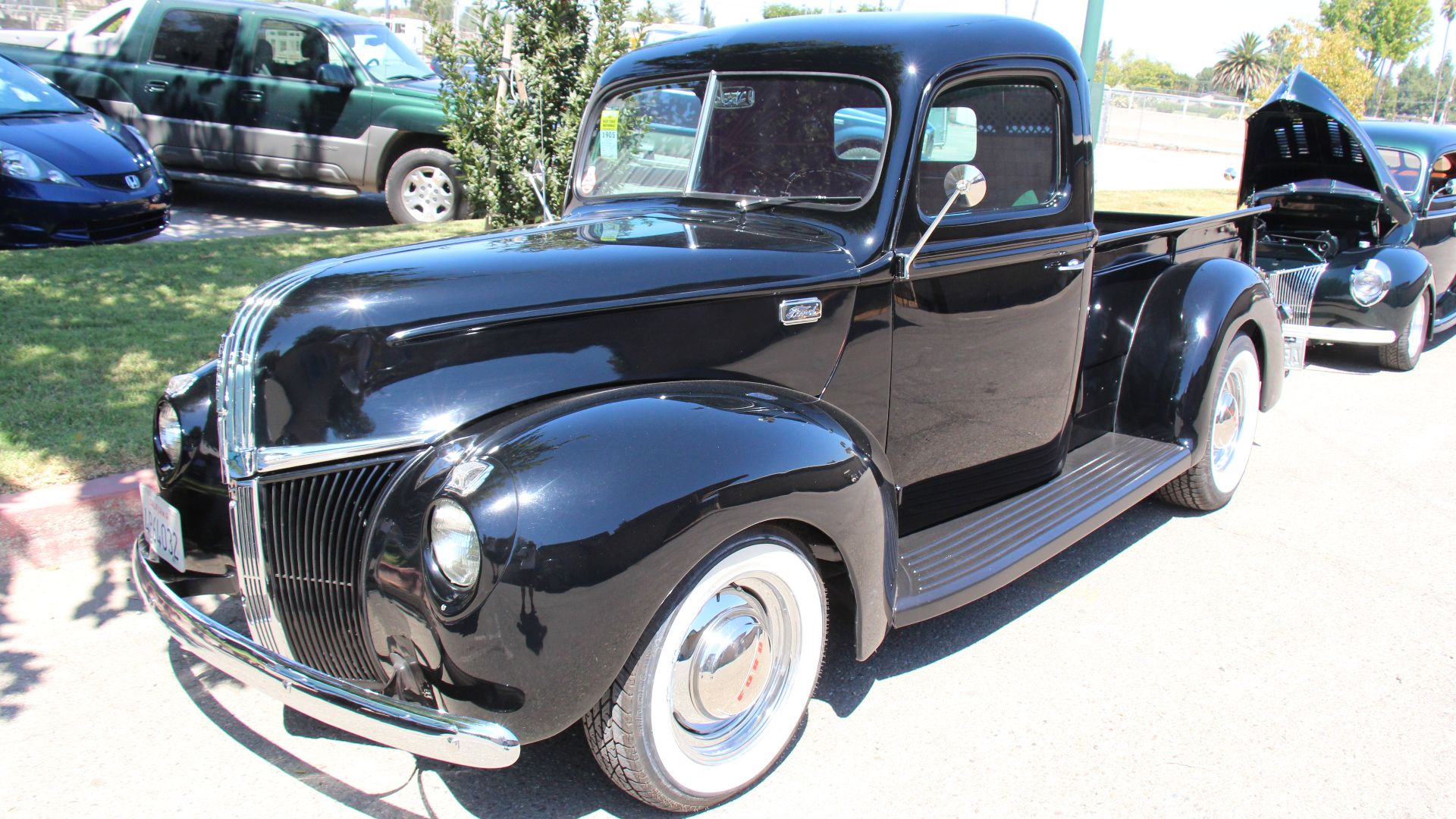
10. 1942–1947 Ford Half-Ton Pickup
Ford introduced redesigned trucks for 1942, only to have civilian production curtailed almost immediately. When peacetime manufacturing resumed, the basic design returned and helped satisfy enormous pent-up demand. Available with six-cylinder or flathead V8 power, these pickups hauled building materials, farm supplies, and household belongings as American families started businesses and moved into new communities.
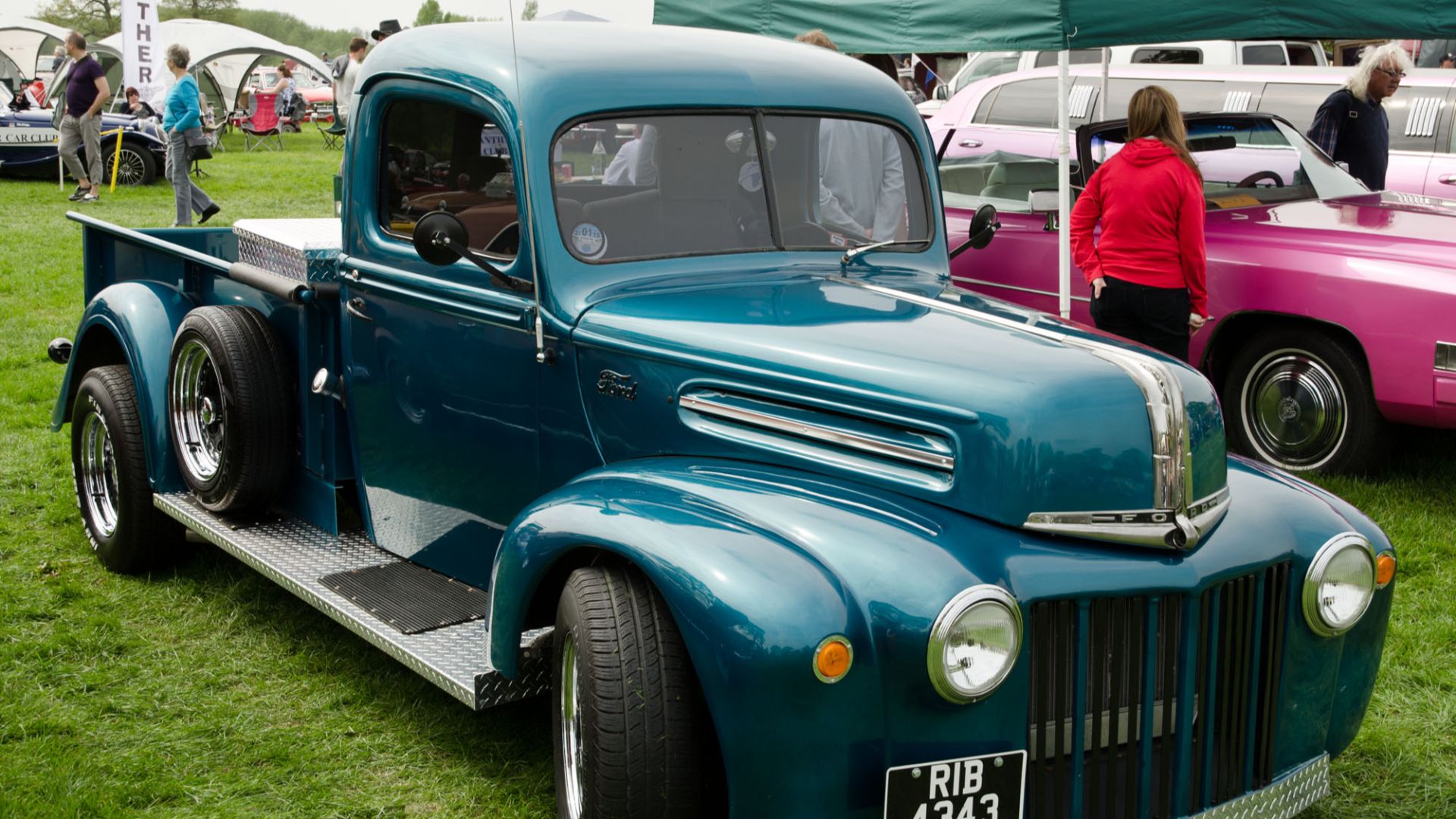
9. 1940 Chevrolet Model KC
The half-ton Model KC represented Chevrolet just before wartime priorities transformed the automobile industry. Its dependable 216-cubic-inch inline-six and conventional construction made it easy for local mechanics to maintain. Numerous examples survived into the late 1940s, when any functioning truck was valuable—and a Chevrolet with readily available parts was practically considered a member of the family.
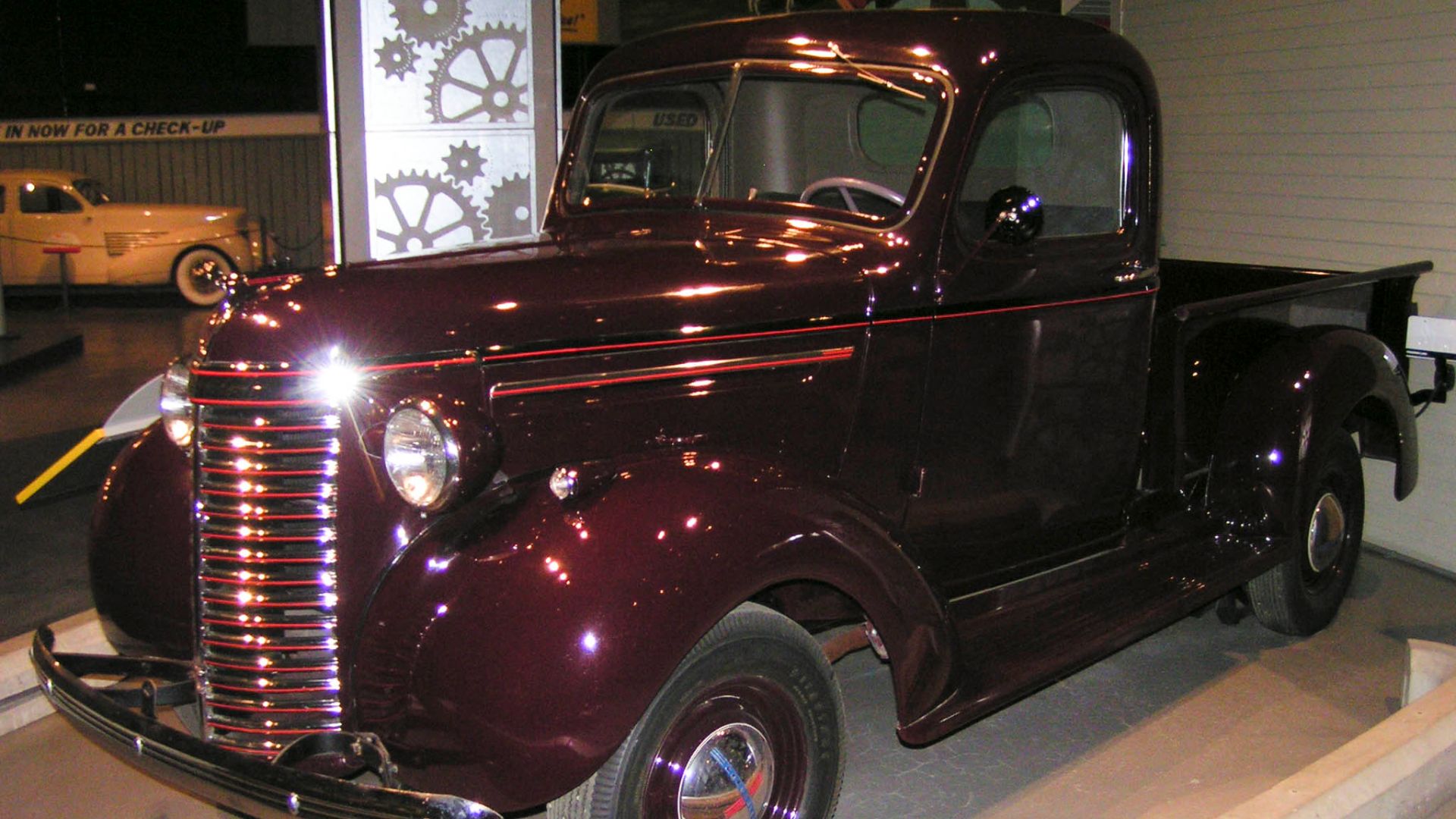 dave_7 from Lethbridge, Canada, Wikimedia Commons
8. Chevrolet AK-Series Pickup
Introduced for 1941, Chevrolet’s AK-Series brought flowing Art Deco styling to the working-truck market. Its separate fenders, broad grille, and sturdy inline-six made it both handsome and practical. Production resumed after the war, and thousands went straight into the hands of contractors, farmers, and businesses scrambling to replace equipment that had been kept alive through years of rationing.
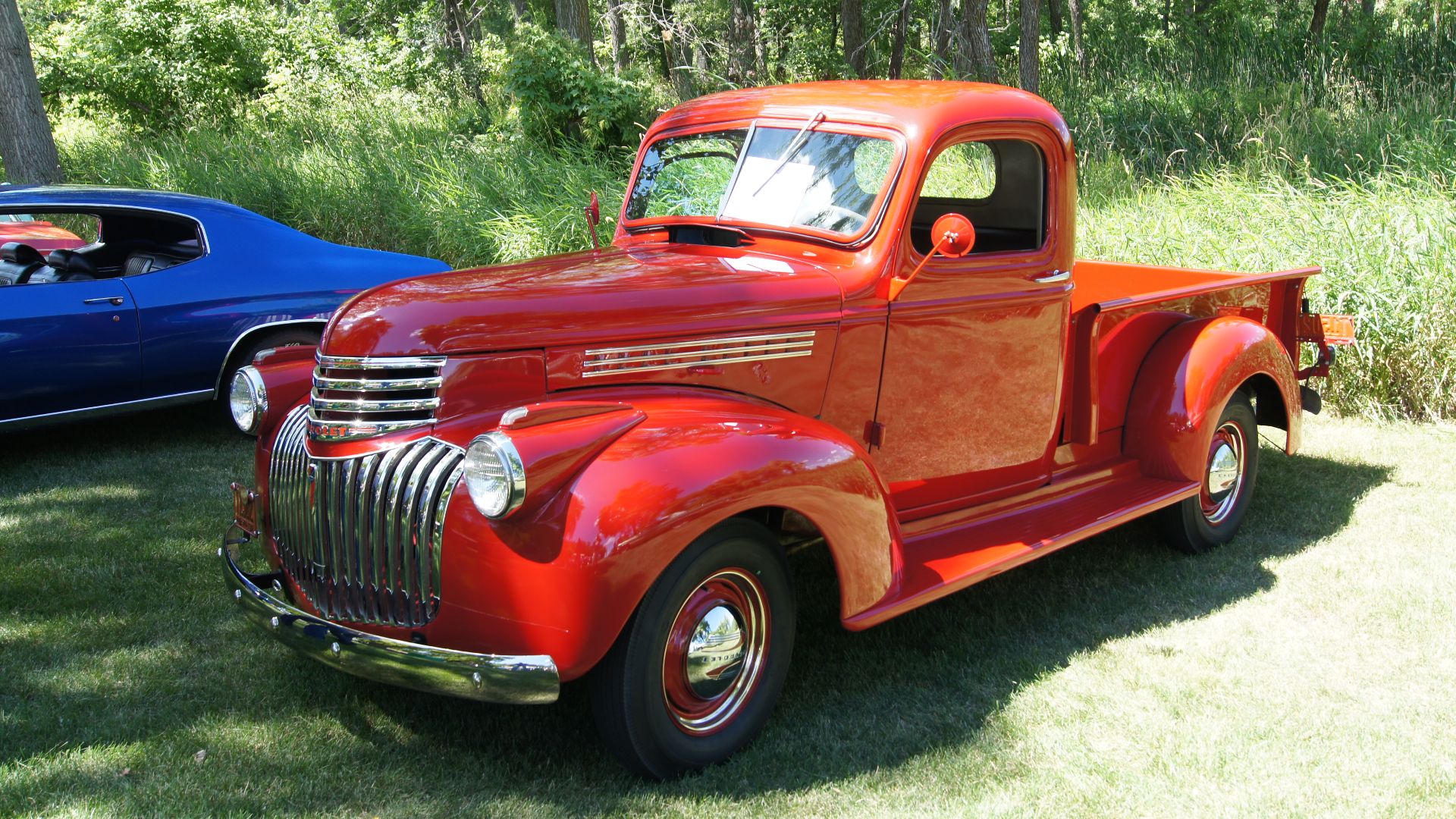 Greg Gjerdingen from Willmar, USA, Wikimedia Commons
7. GMC CC/EC-Series Pickup
GMC’s CC- and later EC-Series pickups shared some basic architecture with Chevrolet trucks but carried distinct grilles and GMC powerplants. Their larger six-cylinder engines gave them a reputation for serious pulling ability. These weren’t trucks purchased for chrome accessories or lifestyle statements—they were bought because a load needed moving, preferably before the foreman returned.
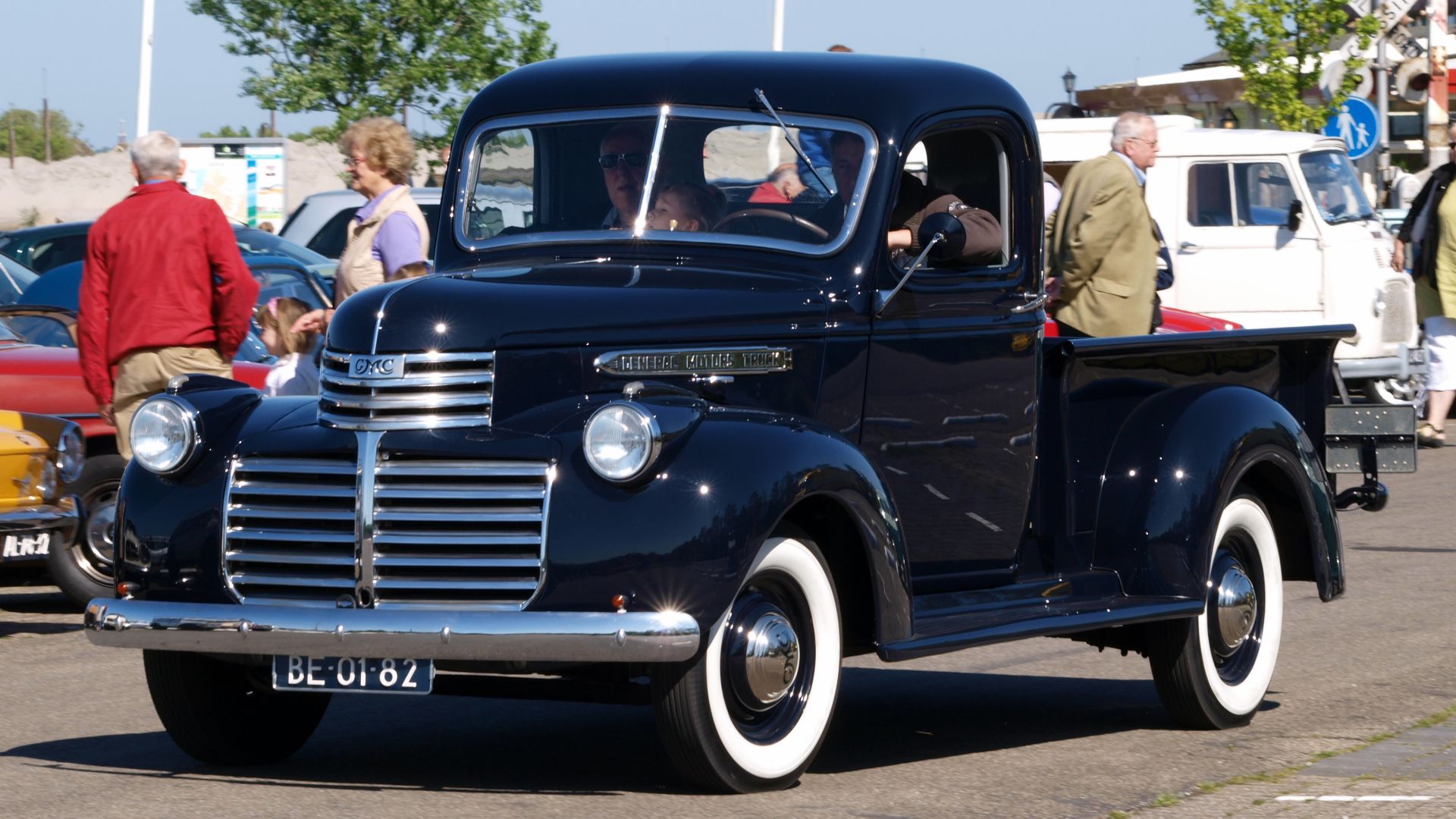
6. GMC New Design 100
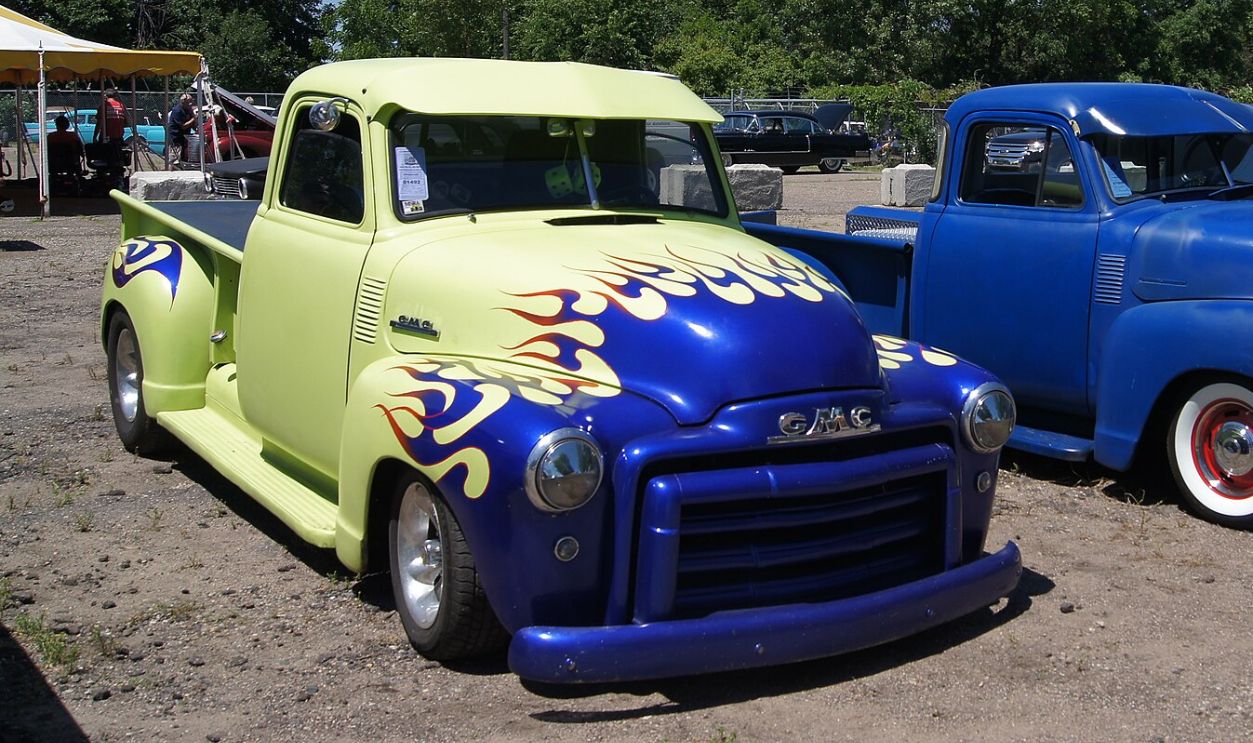
GMC introduced its New Design trucks in 1947 alongside Chevrolet’s related Advance-Design line. The half-ton Series 100 featured a wider, more comfortable cab, integrated headlamps, and the strong GMC 228-cubic-inch six. It looked modern enough for a growing suburban business yet remained tough enough for construction work, agriculture, and America’s rapidly expanding highway network.
 Greg Gjerdingen from Willmar, USA, Wikimedia Commons
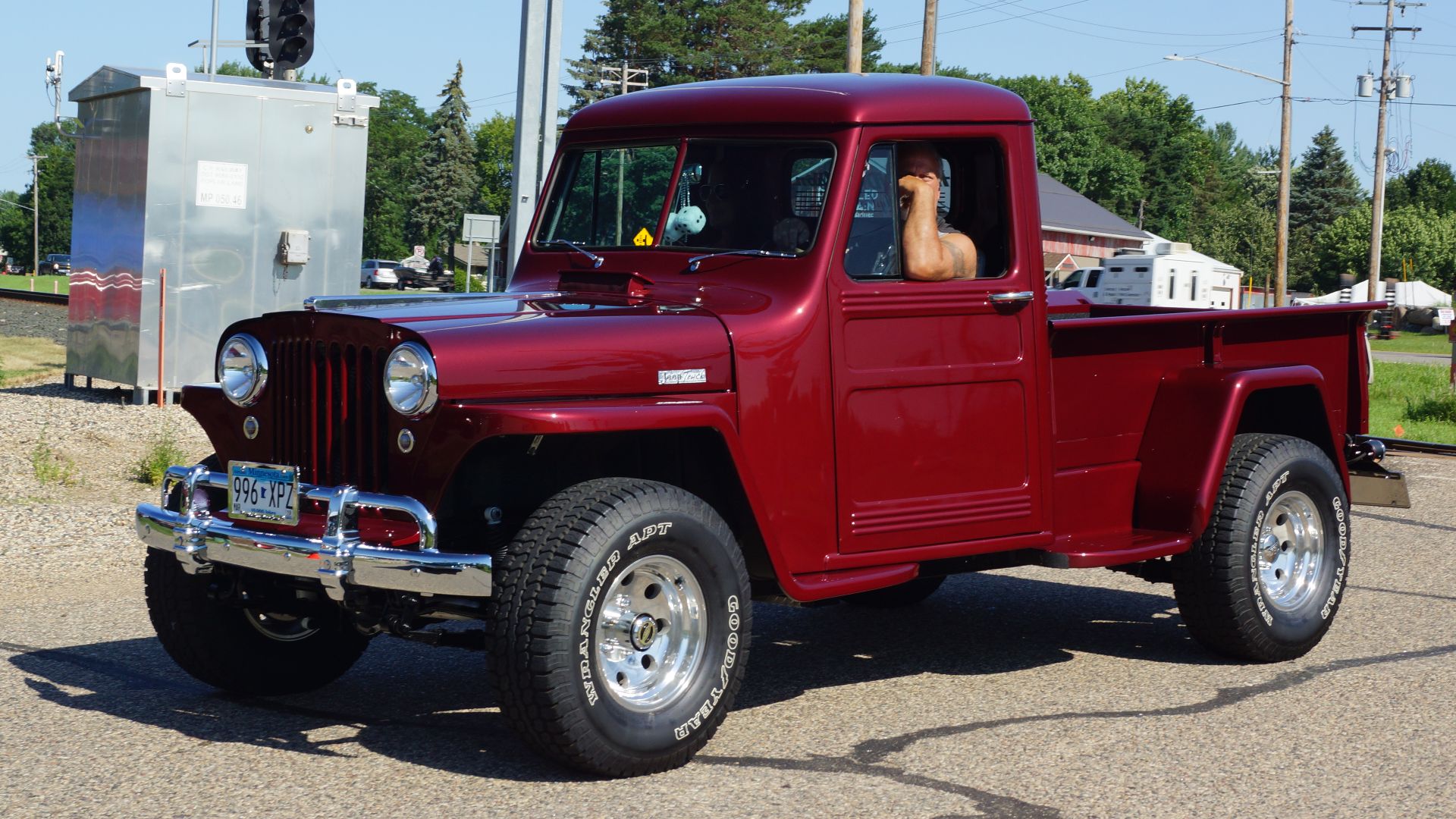
5. Willys-Overland Jeep Truck
Introduced for 1947, the Willys Jeep Truck brought wartime four-wheel-drive experience to civilian buyers. Farmers could order a practical pickup with the ability to reach muddy fields, snowy roads, and distant fence lines. Its ride was agricultural and conversation at speed was optional, but it offered working Americans something rare: a truck that kept going after the pavement ended.
 Greg Gjerdingen from Willmar, USA, Wikimedia Commons
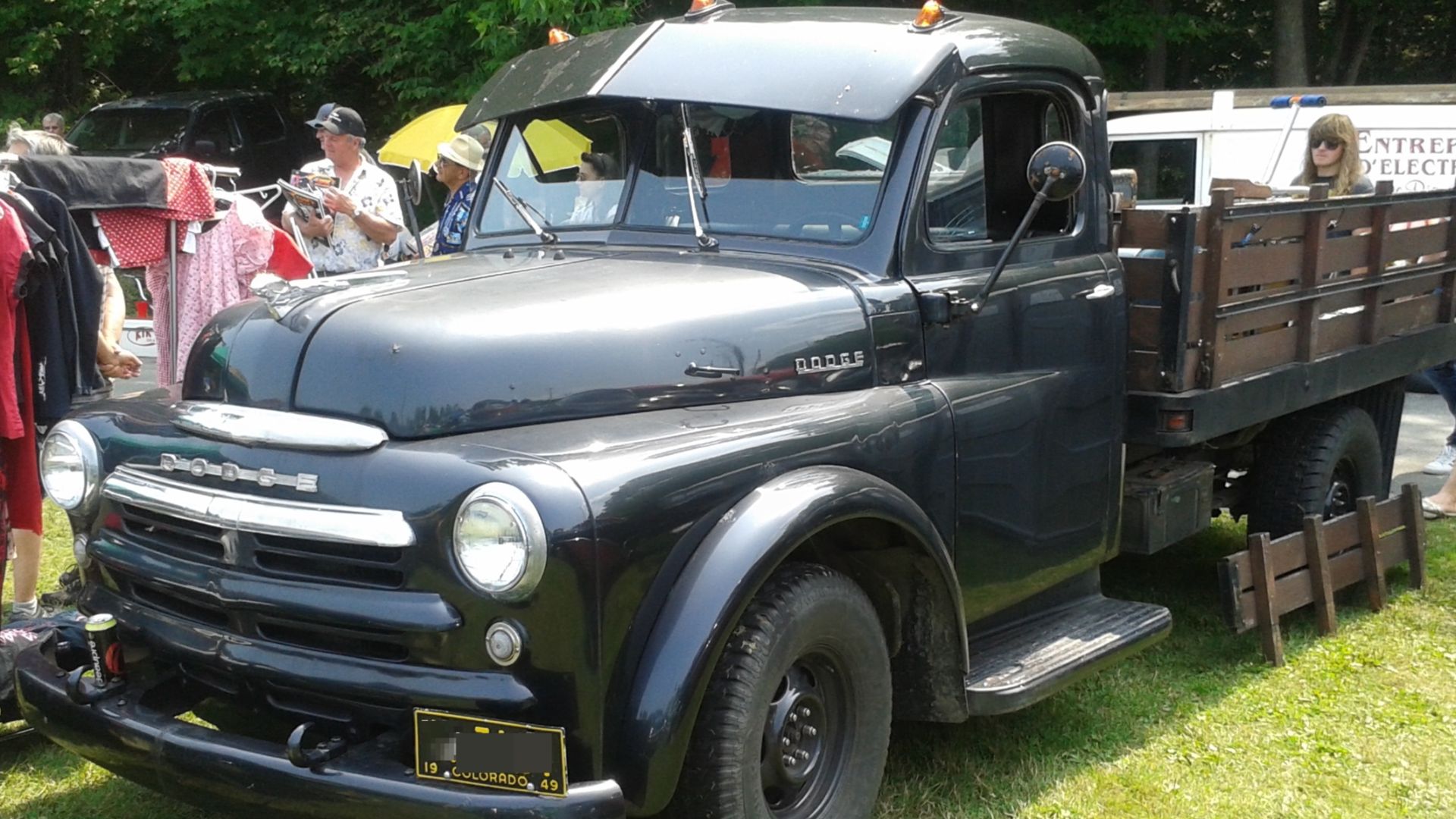
4. Dodge B-Series “Pilothouse” Pickup
Dodge’s 1948 B-Series earned the “Pilothouse” nickname from its tall cab and expansive glass area. The driver sat higher with excellent visibility, while the cab’s more spacious layout felt dramatically modern compared with prewar trucks. Its dependable flathead six wasn’t exciting, but it helped countless plumbers, carpenters, farmers, and delivery drivers put postwar prosperity on wheels.
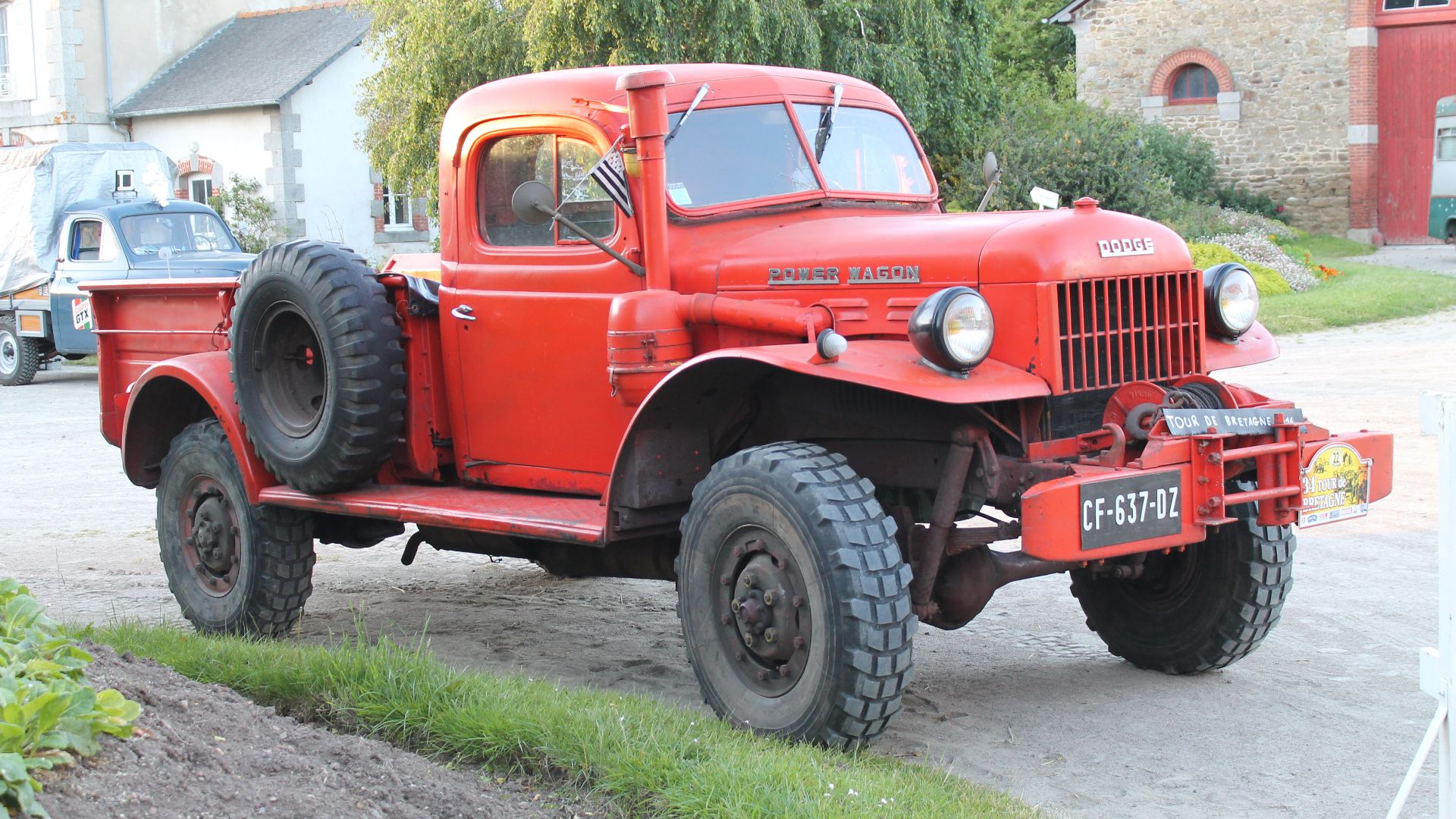
3. Dodge Power Wagon
The civilian Power Wagon arrived in 1946, applying Dodge’s military truck experience to a brutally capable working machine. With four-wheel drive, low gearing, an available power takeoff, and a substantial payload rating, it could run saws, pumps, and other equipment. Utilities, forestry crews, contractors, and farmers used it where ordinary pickups feared to leave the road.
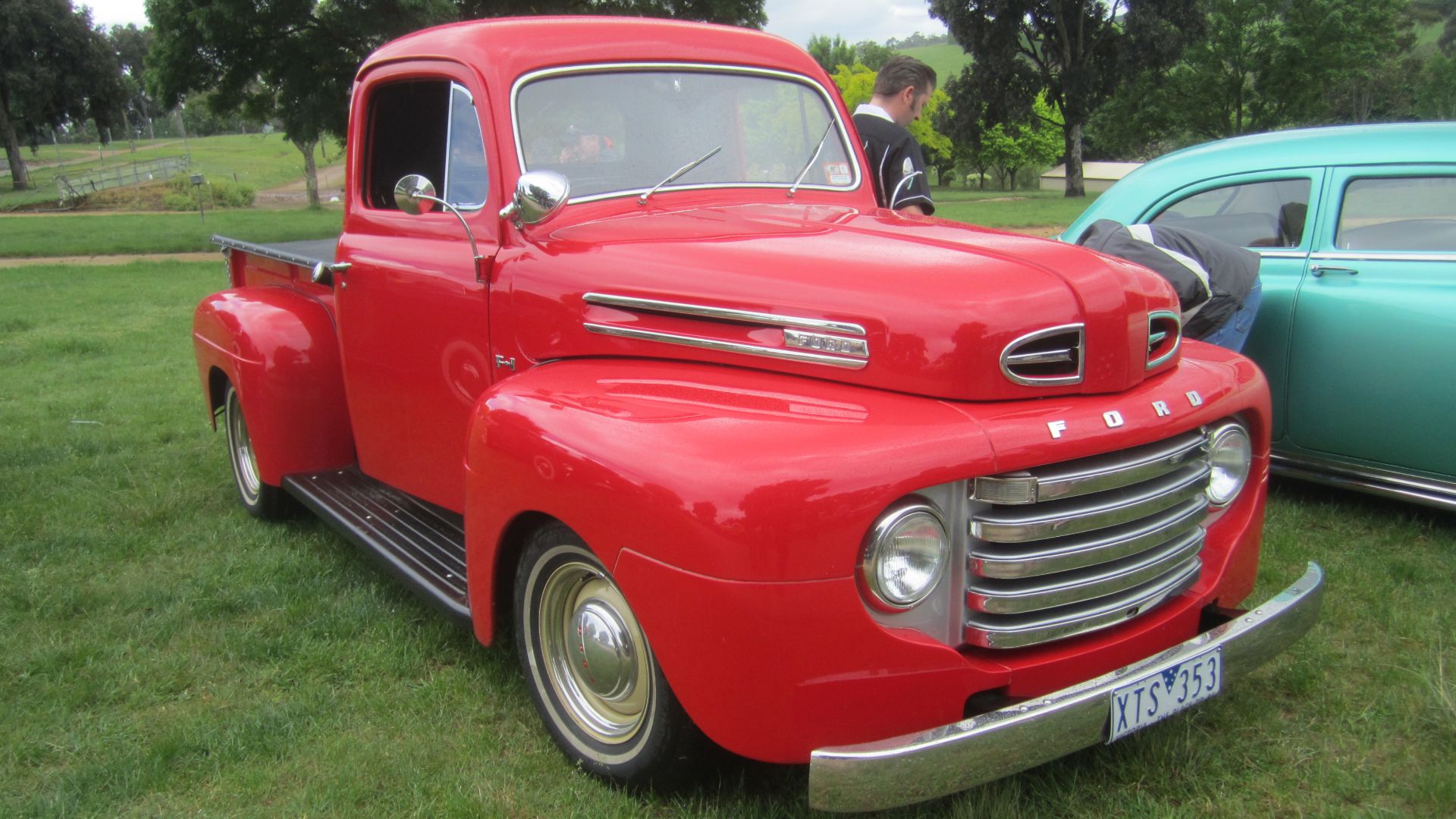
2. Ford F-1 “Bonus Built”
The 1948 F-1 launched the Ford F-Series, a name that would eventually become an American institution. Ford advertised the new range as “Bonus Built,” emphasizing improved comfort, strength, and usefulness. The roomy cab, one-piece windshield, integrated headlights, and broad engine selection made the F-1 a thoroughly modern partner for the workers building homes, roads, and businesses.
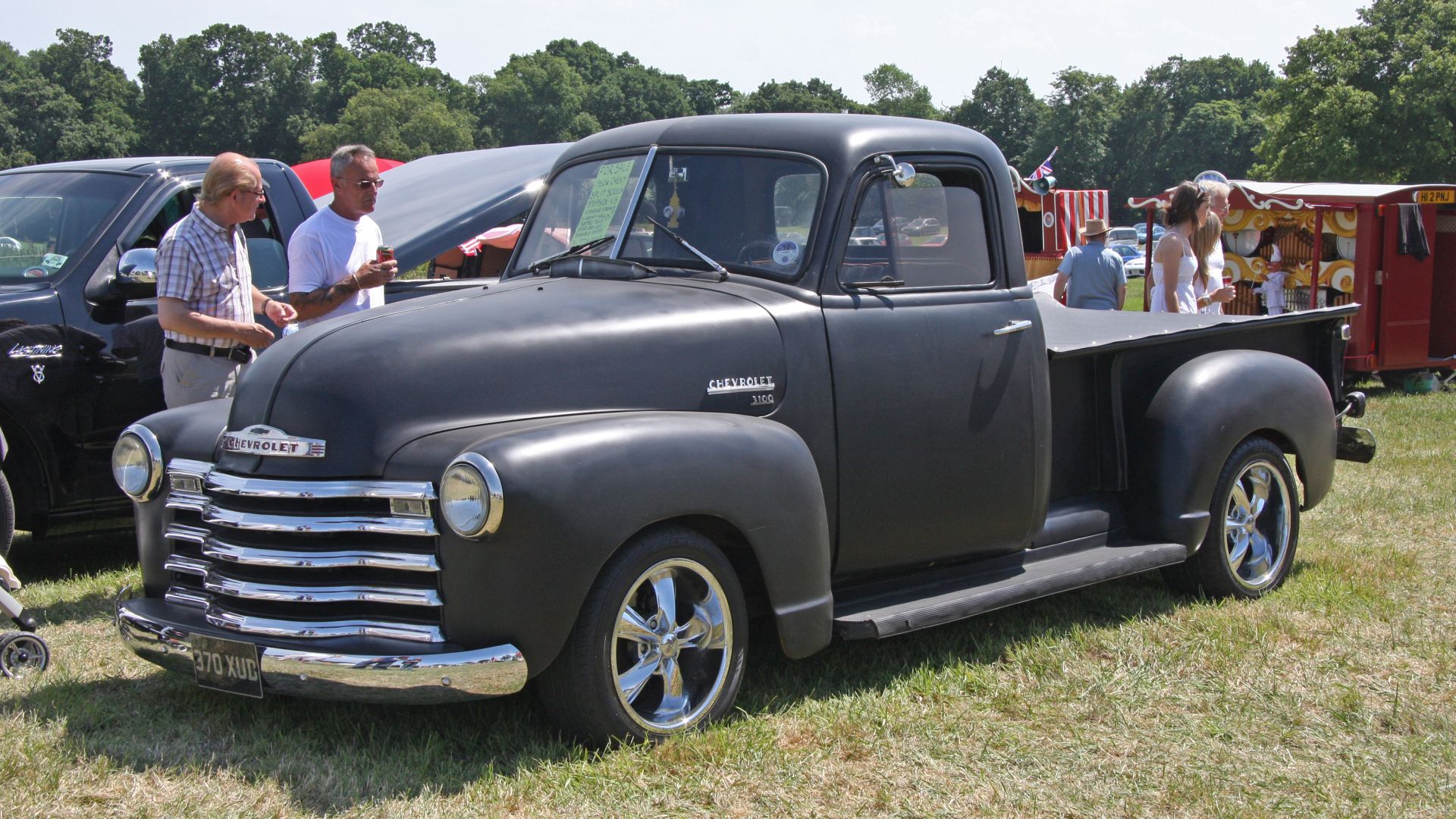
1. Chevrolet Advance-Design 3100
No pickup better represents postwar America than Chevrolet’s Advance-Design 3100. Introduced in 1947, it offered a larger cab, better visibility, integrated headlights, and smooth styling that looked equally appropriate beside a farmhouse or new suburban home. Affordable, durable, and produced in huge numbers, the 3100 helped America get back to work—and looked terrific doing it.
 Brian Snelson from Hockley, Essex, England, Wikimedia Commons
You May Also Like:
Pickup Trucks That Are Still Running Strong After 400,000 Miles
The Most Reliable Diesel Trucks For 2025, According To Edmunds
Classic Pickup Trucks Are Skyrocketing in Value—Here’s What’s Driving It
Sources: 1, 2, 3, 4, 5, 6, 7, 8, 9, 10, 11, 12, 13, 14, 15, 16





.jpg)