
A Free Perk Can Start An Expensive Argument
Free electric vehicle charging sounds like a small workplace perk until employees who drive gasoline cars start comparing what everyone receives. EV owners get electricity for their commute, while their coworkers still pay the full cost of gasoline. That can turn a sustainability program into a surprisingly complicated conversation about fairness, compensation, and who should pay for workplace benefits. Factinate Ltd
Workplace Charging Really Is An Employee Benefit
The U.S. Department of Energy describes workplace charging as a service that can make driving an EV more convenient and affordable for employees. Employers may offer charging for free, subsidize it, or require users to cover some or all of the cost. That means the free electricity has genuine economic value even when employees never see the benefit listed on a paycheck.

Not Every Employee Uses Every Benefit
Workplace benefits are rarely valuable to every employee in exactly the same way. Some workers use employer parking, transit programs, educational assistance, or other optional benefits while their coworkers do not. The fact that a benefit serves only part of the workforce therefore does not automatically make it inappropriate.

The Real Question Is What The Employer Wants
Before deciding whether EV drivers should pay, a company needs to know why it installed the chargers. An employer trying to encourage electric commuting may intentionally subsidize charging, while another employer may simply want to provide convenient infrastructure without paying employees' driving costs. Those different goals can reasonably produce different pricing policies.

The Electricity Still Costs Someone Money
A charger labeled "free" is free only to the driver using it. The site owner still pays for the electricity, and commercial electricity bills can depend on energy consumption, time of use, and electrical demand. Employers therefore have a legitimate reason to consider recovering at least some charging costs as usage grows.

The Charger Costs More Than The Power
Electricity is only part of the financial equation. Charging equipment can bring installation, maintenance, networking, and administrative expenses in addition to the electricity itself. A company deciding whether charging should remain free should therefore look at the entire program rather than only the cost of each kilowatt-hour.

Free Does Not Have To Mean Unlimited
Employers can offer complimentary charging without promising unlimited access forever. The Department of Energy recommends clear rules covering administration, registration, station sharing, pricing, and enforcement. A company can therefore keep the perk while placing reasonable boundaries around how employees use it.

Charger Congestion Changes The Conversation
The fairness debate becomes sharper when demand begins exceeding the number of available charging ports. Employees who leave fully charged cars connected all day can prevent coworkers from using a scarce workplace resource. At that point, pricing or time limits can be about managing access rather than simply collecting money.
Fees Can Be A Management Tool
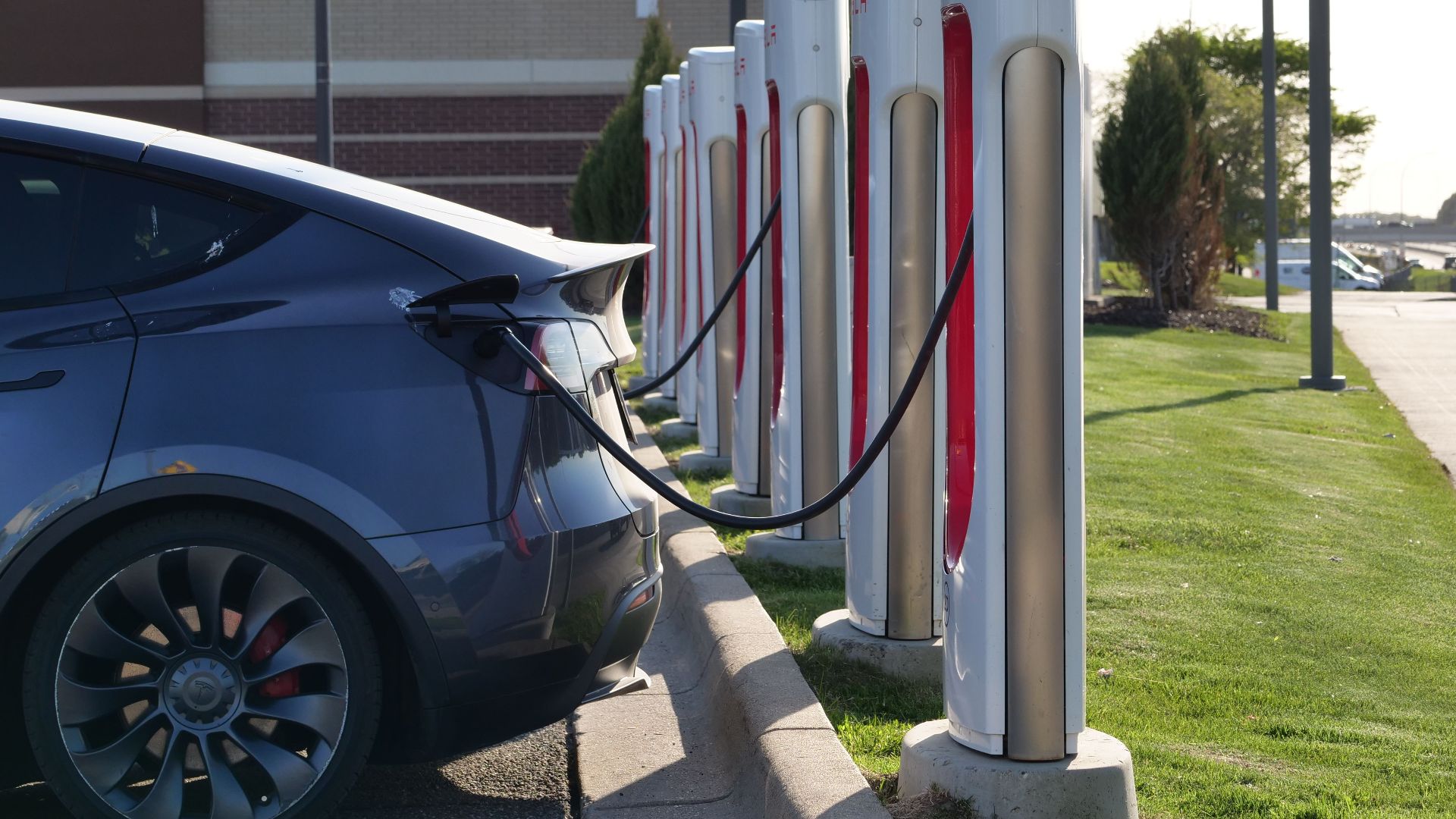
The Department of Energy specifically notes that charging fees can offset capital and operating costs associated with workplace charging. It also says fees may improve the perception of fairness because not every employee can use the service. Charging employees can therefore address both financial concerns and workplace resentment.

A Small Fee May Work Better Than Full Price
Employers do not necessarily have to choose between completely free charging and expensive commercial charging rates. Federal guidance suggests that a workplace fee slightly above local residential electricity rates can preserve an economic advantage for EV drivers while discouraging unnecessary use of limited charging spaces. That approach can make charging a subsidized convenience without turning it into an unlimited giveaway.
 https://kaboompics.com/, Pexels
Gas-Car Drivers Have A Reasonable Complaint
Someone spending substantial amounts on gasoline may understandably look across the parking lot and wonder why a coworker's transportation energy is being purchased by the company. The complaint becomes more persuasive when free charging is unlimited, heavily used, and unavailable to employees with conventional vehicles. Employers should not dismiss that reaction simply because the charging program supports environmental goals.

EV Drivers Have A Counterargument Too
EV owners can point out that employers routinely provide optional benefits that are more useful to some workers than others. A charging station can also be viewed as infrastructure that supports a particular commuting option rather than a reimbursement for every transportation expense. From that perspective, exact dollar-for-dollar equality is not necessarily the standard by which every workplace perk should be judged.

Free Parking Offers An Interesting Comparison
Parking itself is another commuting benefit that can have real monetary value. The IRS recognizes qualified parking provided on or near an employer's business premises as a qualified transportation benefit, subject to federal tax rules and annual limits. Employees who walk, bike, or work remotely may receive little value from employer-paid parking, yet that difference alone does not determine whether the parking policy is appropriate.

The Tax Rules Add Another Complication
Employers should also remember that workplace perks can have tax consequences. IRS Publication 15-B explains that fringe benefits are generally taxable unless a particular exclusion applies, while also providing rules for benefits considered sufficiently small to qualify as de minimis. That makes tax treatment a separate question from whether employees think a charging policy is fair.

Parking And Electricity Are Not Identical Benefits
The IRS specifically identifies qualified parking, transit passes, and commuter highway vehicle transportation within its qualified transportation benefit rules. Workplace electricity used to charge an employee's personal EV is not listed alongside those qualified transportation benefits in Publication 15-B. Employers offering free charging should therefore avoid assuming that electricity automatically receives exactly the same federal tax treatment as the parking space itself.
Payroll Should Review The Program
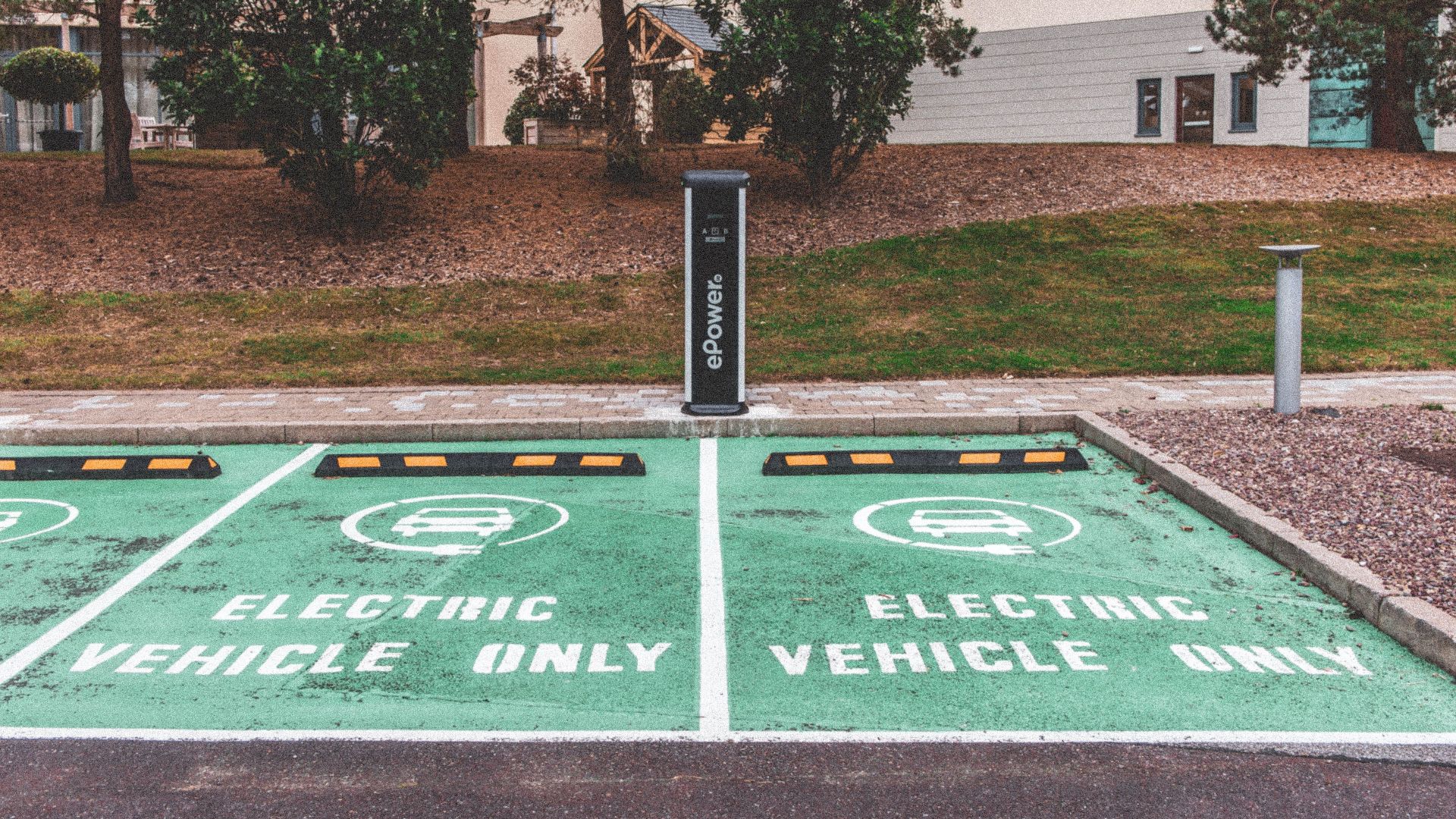
Because workplace charging arrangements vary, companies should have their tax or payroll advisers review how their particular program should be handled. Factors such as the value provided, frequency of use, recordkeeping, and applicable fringe-benefit rules can matter. Changing the price of charging without considering those issues could solve an employee-relations problem while creating an administrative one.
 Andrey_Popov, Shutterstock, Modified
Fairness And Discrimination Are Different Questions
Federal employment discrimination laws do not require every workplace benefit to be equally useful to every employee. They do prohibit employers from making benefit decisions unlawfully based on protected characteristics such as race, color, religion, gender, national origin, age, or disability. The legal question is therefore different from a coworker's more general argument that a perk feels unfair.

Driving A Gas Car Is Not A Protected Class
Choosing or owning a gasoline-powered vehicle is not itself a protected characteristic under the federal employment discrimination laws enforced by the EEOC. That means an EV charging program is not automatically discriminatory simply because employees with gasoline cars cannot plug in. Different facts could raise other legal issues, however, so employers should still apply their policies consistently.

The Rules Still Need To Be Neutral
An employer should not administer an otherwise neutral charging program in a way that discriminates on the basis of a legally protected characteristic. The EEOC states that employment benefits fall within the employment practices covered by federal nondiscrimination protections. Written eligibility and usage rules can make the program easier to administer consistently.

Federal Workplaces Follow Different Rules
Federal agencies provide an interesting contrast with private employers. Under the federal workplace charging program described by the Department of Energy, agencies offering charging for employees' privately owned vehicles are required to collect fees that recover installation, operation, and maintenance costs under the applicable federal authority. A private company should not assume those federal-agency requirements automatically govern its own parking lot.

Free Charging Can Serve A Business Goal
An employer may decide that subsidizing EV charging advances its environmental or transportation strategy. The Department of Energy says workplace charging can demonstrate organizational leadership in adopting advanced vehicle technologies and reducing vehicle pollution. When a company views the program as part of its sustainability strategy, the electricity is serving a corporate purpose as well as helping individual drivers.
Charging Can Make EV Commuting Easier
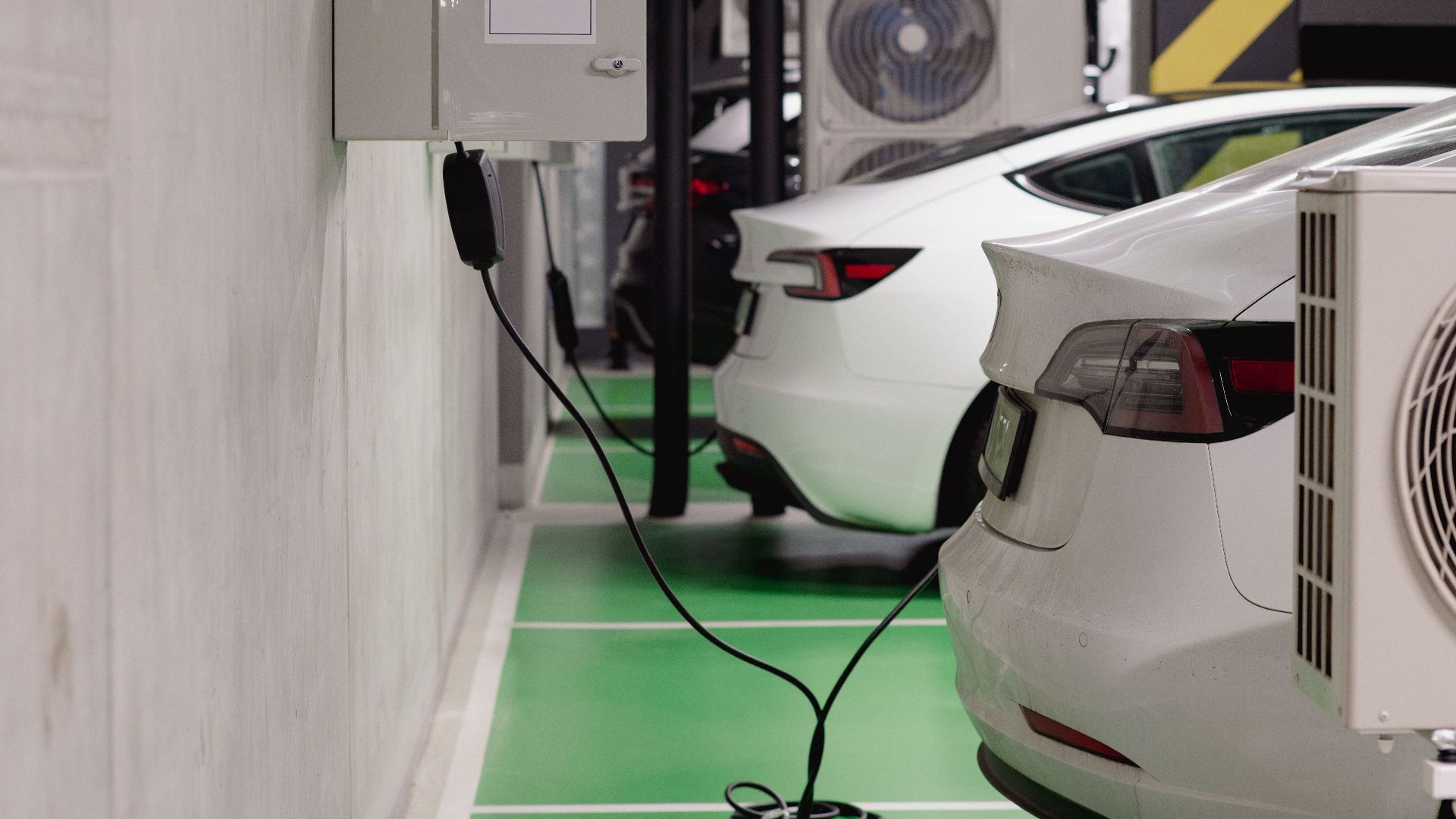
Workplace charging gives employees another location where their vehicles can recharge during a period when the cars would otherwise be parked. That additional option can make electric commuting more practical, particularly when employees need to replenish their batteries before driving home. This is one reason federal guidance treats workplace charging as more than a simple parking amenity.

The Benefit Can Grow Along With EV Adoption
A program that costs little when only two employees drive EVs may look very different when dozens regularly plug in. Electricity consumption, charger utilization, maintenance, and demand for additional equipment can all increase as participation expands. A pricing policy that made sense when the program launched therefore does not have to remain unchanged forever.

A Hybrid Policy May Be The Sweet Spot
One practical compromise is to subsidize charging without making every charging session completely free. Employees might receive a limited amount of complimentary charging and pay after exceeding it, or the employer might set a modest rate designed mainly to recover operating expenses. Either approach preserves the workplace benefit while addressing complaints that one commuting group receives unlimited free fuel.

Time Limits Can Solve A Different Problem
Charging by the minute or imposing idle fees can address drivers who occupy a station long after their vehicle has enough energy. Employers can also create station-sharing rules telling employees when they are expected to move their cars. The Department of Energy encourages employers to develop policies for situations in which more EVs need charging than there are available stations.
Employees Should Know What They Are Getting
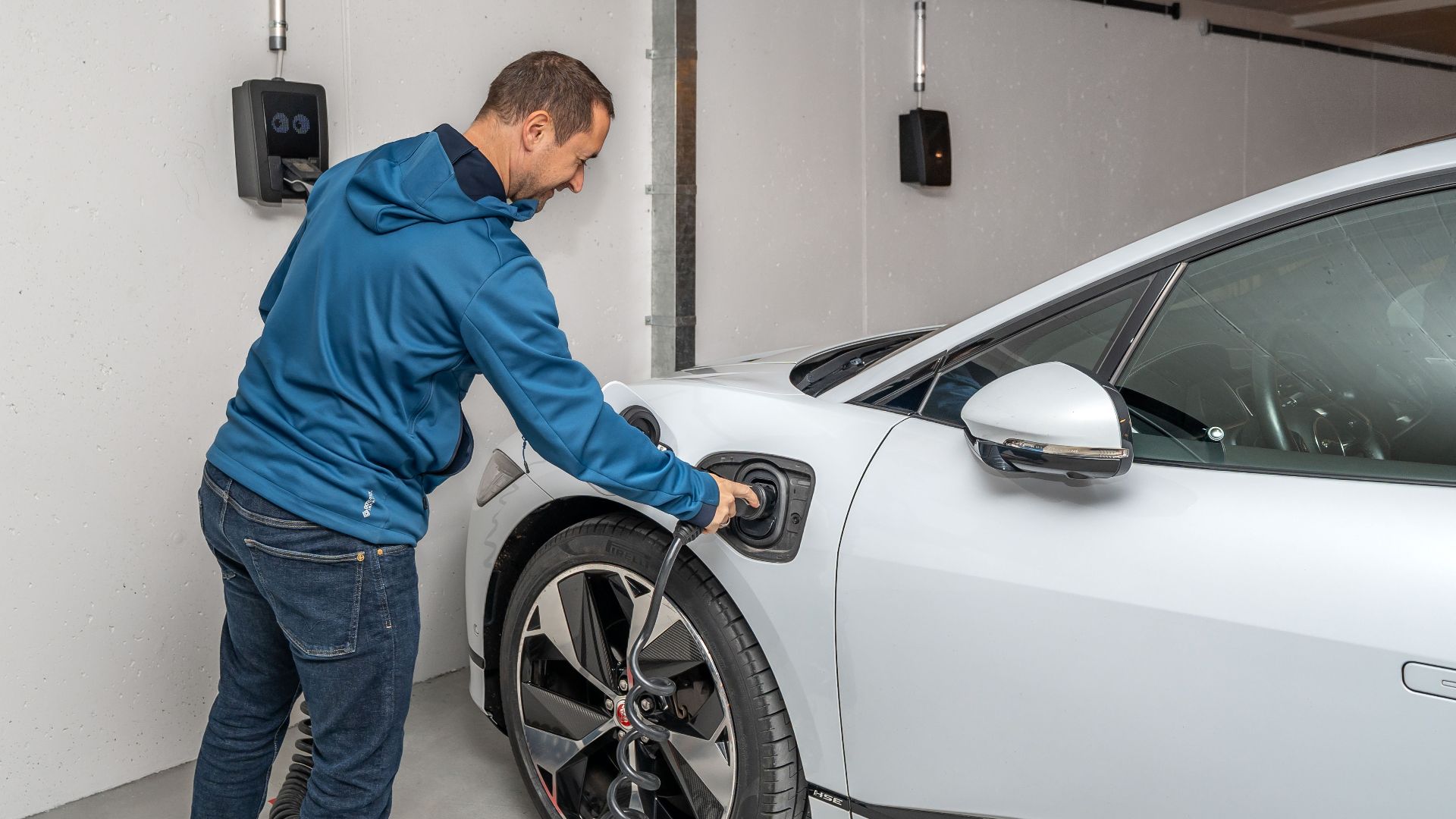
Resentment often grows when a workplace perk looks arbitrary or unexplained. A company can reduce confusion by stating why the chargers exist, who may use them, how much the employer subsidizes, and whether the arrangement will be reviewed as demand changes. Federal workplace-charging guidance likewise emphasizes clearly communicating charging policies to employees.

Equal Treatment Does Not Require Identical Perks
A fair benefits package does not necessarily mean every employee receives exactly the same dollar value from every individual program. What matters more is whether the employer has a legitimate purpose, follows nondiscrimination rules, applies its stated policy consistently, and considers how costs are distributed. That distinction allows companies to support new commuting technologies without pretending that concerns from non-EV drivers are meaningless.

Employers Should Watch The Numbers
Before changing anything, management can examine charger usage, electricity costs, maintenance expenses, waiting times, and employee demand. The Department of Energy recommends gauging employee interest and establishing responsibility for ongoing workplace-charging administration and costs. Decisions based on actual usage are more defensible than reacting to whichever group complains most loudly.

So Should Employees Have To Pay?
There is no single pricing model that makes sense for every private workplace. Free charging can be a legitimate employee benefit and sustainability incentive, while a modest fee can recover costs, discourage unnecessary use, reduce congestion, and address perceptions of unfairness. For a workplace where demand is rising and gas-car drivers are increasingly frustrated, a limited subsidy or modest usage fee is often a more balanced solution than either unlimited free charging or eliminating the benefit altogether.

You May Also Like:
The Most Overrated Cars Today, According To Car Enthusiasts
People With The Largest Car Collections In The World