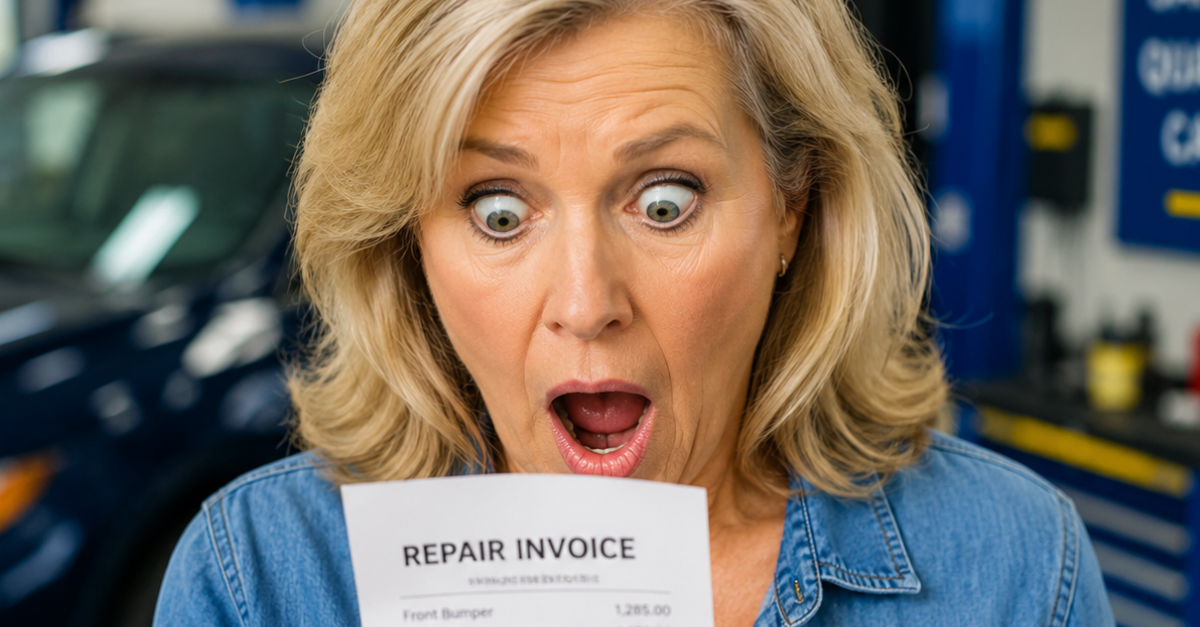
The Parking Bill That Changes Everything
More and more couples living in expensive cities are having the same argument. Your car payment feels manageable, but as real estate prices continue to skyrocket, parking costs have gone right up with them.
Once your parking bill costs more each month than your car payment, it's definitely time to start asking whether owning a car in the city still makes sense.

Why This Hits So Hard In Cities
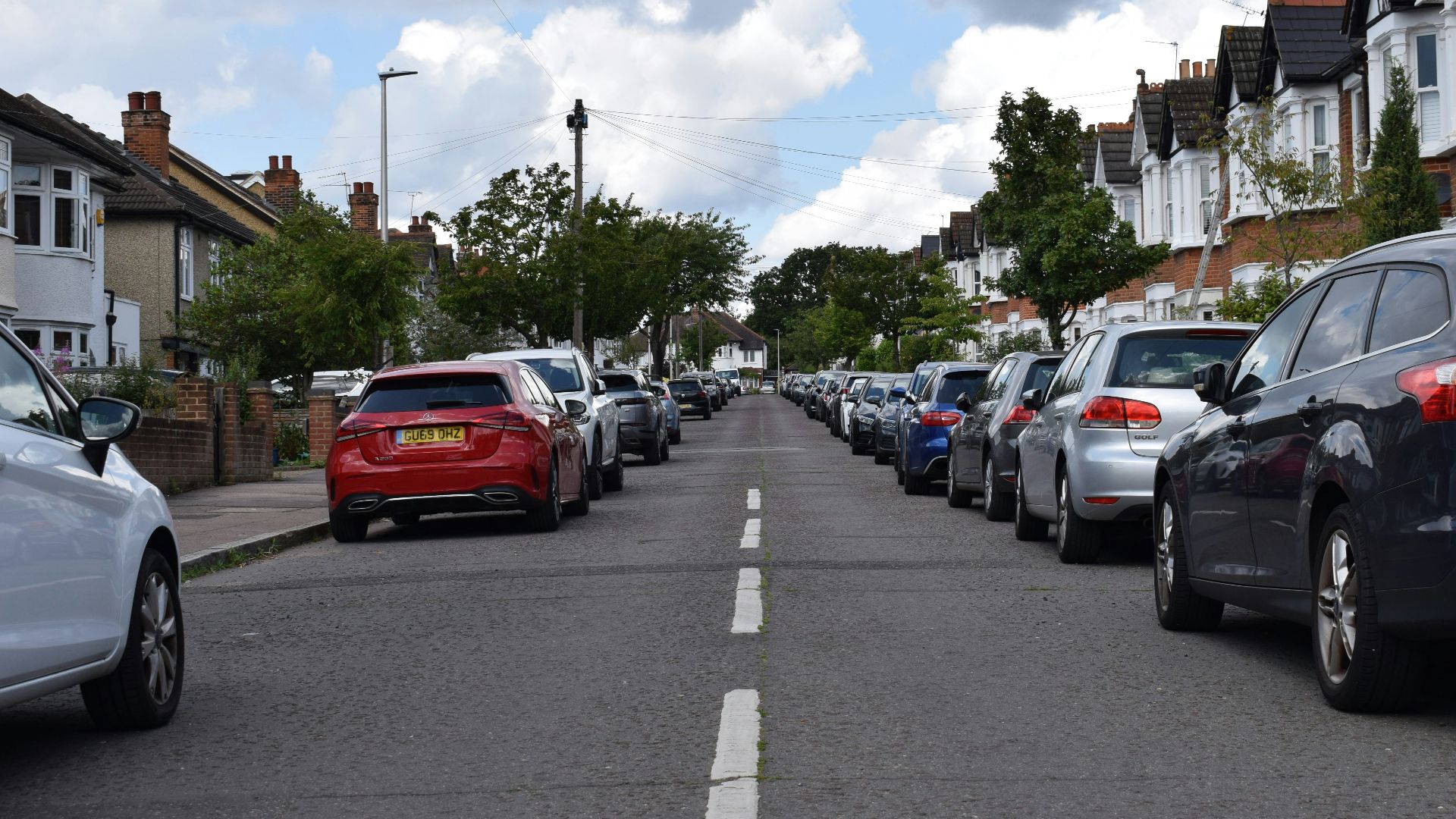
In a dense neighborhood, a car is not just a car. It comes with parking, insurance, gas, maintenance, registration, and depreciation. Parking is often the cost that pushes everything over the edge because it keeps charging even when the car barely moves.
The Big Number A Lot Of Drivers Miss
The American Automobile Association’s 2024 Your Driving Costs study estimated the average cost of owning and operating a new vehicle driven 15,000 miles a year at $12,297 annually, or about $1,024.71 a month. That total includes depreciation, finance charges, fuel, insurance, maintenance, fees, and taxes. And that figure does not assume a pricey downtown parking spot in places like Manhattan, Boston, or San Francisco, so many city drivers are starting even higher.

What AAA Counted In 2024
AAA based the 2024 study on five model-year 2024 vehicles across nine categories, from small sedans to half-ton pickups. The group said depreciation was still the biggest ownership cost, with finance charges and insurance also taking a big bite out of monthly budgets. For anyone trying to decide whether to keep a city car, the study gives a useful national baseline before expensive parking gets added on top.

Parking Is Not A Small Side Cost Anymore
In many major cities, parking is not a minor convenience fee. It can rival rent for a storage unit or cost more than the monthly payment on an affordable used car. Once that happens, the car has to justify itself with real convenience, family needs, or work demands, not just habit.
What Employers Tell Commuters
Stanford University’s commute program puts real numbers on what a lot of urban workers already know. Stanford says monthly parking rates can range from under $100 to more than $400, depending on the facility and region. The university also notes that owning a car can cost more than $10,000 a year once parking, insurance, registration, maintenance, and fuel are included.

Transit Agencies Make The Same Point
The Massachusetts Bay Transportation Authority has long made a simple comparison to get commuters to rethink solo driving. Its commuter materials note that car payments, maintenance, gas, tolls, and parking can push the yearly cost of driving well above the price of transit. That matters because a lot of people compare only the loan payment with a subway pass and leave out everything else.

Parking Is Often Priciest Where Cars Are Least Useful
This is one of the stranger parts of city life. The neighborhoods with the best transit, shortest trips, and easiest walking often have the highest parking costs. In other words, the more alternatives you have to driving, the more expensive it can be just to keep a car nearby.
The Loan Payment Trap
Most people focus on the monthly loan because it is the most obvious bill. But the loan is only one part of the ownership cost, and sometimes not even the biggest one. If parking alone is higher than the loan payment, the car is probably costing much more than it feels like day to day.

The Break-Even Question That Really Matters
The real question is not whether parking costs more than the loan. It is whether your total yearly cost of owning the car is lower than your best no-car option. That usually means adding up transit passes, rideshare trips, occasional rentals, car-share use, and maybe delivery fees.

Start With The True Monthly Cost
Add up the loan or lease payment, parking, insurance, gas, maintenance, registration, taxes, and a realistic estimate for depreciation. AAA’s 2024 average of about $1,025 a month is a useful benchmark if you want a quick national reference point. If your city parking runs several hundred dollars a month, your real total can rise fast.

Then Look At How Much You Actually Use The Car
This is where many city owners get a rough surprise. If the car mostly sits during the week and only comes out for a few errands or the occasional weekend trip, the cost per trip can get ridiculous. A vehicle that gets used four or five times a month can end up costing hundreds of dollars each time it leaves the garage.
The Cost Per Mile Test Can Be Brutal
Say your all-in monthly cost is $900 and you drive only 400 miles a month. That works out to $2.25 a mile before any surprise repair. Drive even less, and the number climbs fast. That is why low-mileage city owners often pay a huge premium for convenience.

The Cost Per Trip Test May Be Even Better
If your monthly total is $900 and you make 10 car trips a month, each trip costs about $90 before any parking at the destination. At that point, an occasional rideshare or weekend rental can look a lot cheaper. A transit pass starts to look less like a compromise and more like a bargain.

When Parking Alone Starts To Break The Deal
A practical rule of thumb is to rethink ownership when parking plus insurance gets close to the cost of your realistic no-car transportation plan. At that point, the fixed costs are doing so much damage that your actual driving has to provide major value to make the car worth keeping. If parking is higher than the loan, that is a warning sign, not the full diagnosis.

What A No-Car Budget Can Look Like
For many city households, the replacement budget might include two transit passes, a handful of rideshare trips, and one or two rental weekends each month. Depending on the city and your habits, that can still cost far less than full ownership. The key is to compare against a generous no-car plan, not an unrealistic one that assumes you will never need a ride in bad weather or late at night.
Families Have Different Limits
Parents with small children, caregivers for older relatives, and households with odd work hours often get more practical value from a car. That convenience is real, and it can be worth paying for. Even so, it still helps to ask whether the current setup makes sense or whether a cheaper car, a cheaper parking arrangement, or a part-time transit routine would work better.

Work Needs Can Change The Math Fast
If your job requires tools, field visits, or trips to places transit does not reach, a car may still be the right call. The same goes for commuters whose schedules start before transit service is reliable or end after it thins out. In those cases, the car is not just transportation. It is part of the job.

Street Parking Is Not Always The Cheap Escape
Some drivers think they can solve the problem by leaving the garage. Sometimes they can. But street parking comes with its own costs in tickets, time, damage risk, break-ins, street-cleaning rules, and stress. A lower parking bill can still end up being expensive if it eats up hours and peace of mind.
Depreciation Does Not Stop Just Because The Car Sits
One of AAA’s main findings is that depreciation remains the biggest ownership cost for new vehicles. That matters in cities because a lightly used car can seem cheap to keep when the odometer barely moves. In reality, age and market value keep working against you even when the car spends most of its life parked.

Insurance In Cities Is Its Own Problem
Urban insurance rates can be high because of density, theft risk, repair costs, and claim frequency. That means your fixed monthly cost can stay high even if you rarely drive. For some households, insurance plus parking alone is enough to fund a strong transit-and-rideshare lifestyle.

There Is Also The Opportunity Cost
Money tied up in a car cannot go toward debt, savings, or housing. If a household is paying hundreds each month for a vehicle that rarely gets used, the car may be crowding out more important goals. That is often why these parking arguments feel bigger than transportation.

A Simple Decision Rule For Couples
Try this for three months. Track every cost tied to the car, then estimate what each trip would have cost using transit, rideshare, taxi, or a rental. If the no-car option is clearly cheaper and only a little less convenient, the case for selling gets much stronger.

When City Car Ownership Still Makes Sense
It can still make sense if the car gets used several times a week, solves a childcare or work problem, or makes trips possible that would otherwise be a real hassle. It can also make sense if your parking is unusually cheap or included with housing. The point is not that city cars are always a bad deal. It is that they have to earn their high fixed costs.

When It Usually Stops Making Sense
Ownership often stops making sense when the car is mostly a weekend backup, parking is expensive, and transit or rideshare can cover daily life without much trouble. It also gets hard to justify when the fixed monthly costs stay high no matter how little you drive. If the car’s main job is just being there in case you need it, that can be one of the most expensive subscriptions in your budget.

The Parking-Payment Comparison Is A Useful Alarm Bell
Your wife’s rule is not perfect, but it is smart. When parking costs more than the loan payment, it is a sign that the full ownership math needs a close look. That comparison works because it shines a light on the least glamorous cost of car ownership and shows how it can end up driving the whole decision.
 https://kaboompics.com/, Pexels
The Practical Bottom Line
City car ownership stops making sense when your all-in monthly cost is consistently higher than a realistic no-car alternative and the convenience gap is small. AAA’s 2024 data shows how expensive ownership already is before premium urban parking enters the picture, and commuter guidance from places like Stanford and the MBTA shows how quickly parking can tip the balance. If your car is draining money while barely moving, selling it may not be giving something up. It may be the thing that finally gives your budget some breathing room.