The Cheapest Car May Carry A Hidden Cost
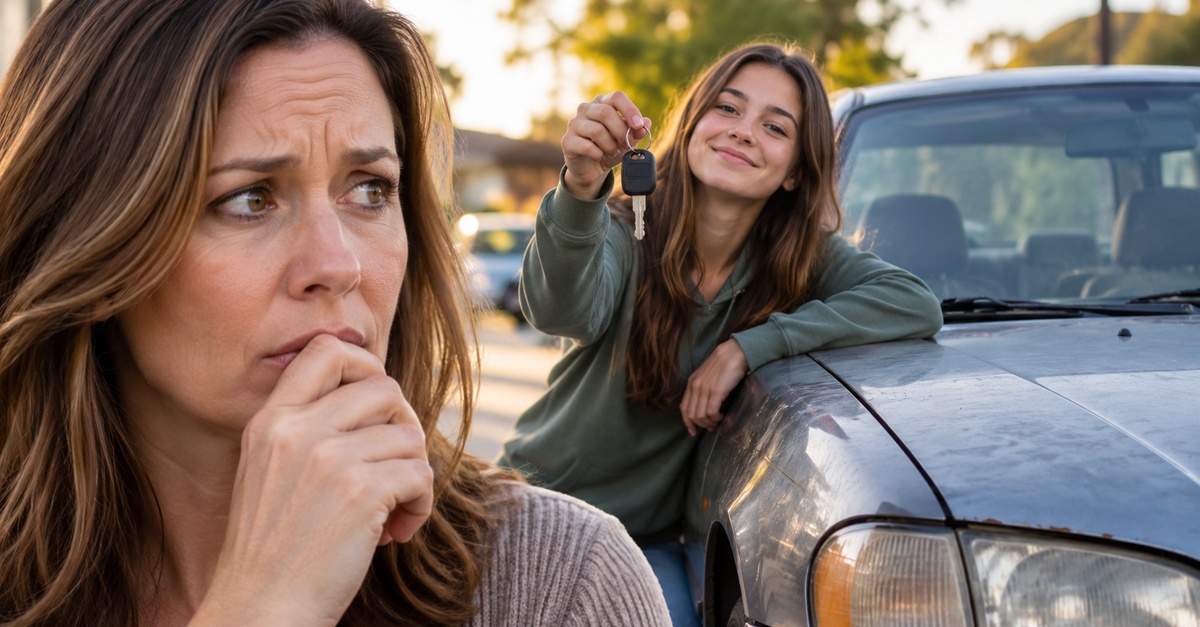
A teenager's first car does not need to be new, luxurious, or packed with every convenience feature. Safety deserves more weight in the decision, though, because drivers ages 16 to 19 have a fatal crash rate per mile roughly three times that of drivers 20 and older. The question is therefore not whether your teenager needs an expensive car, but whether the cheaper option gives up protections that matter when a new driver makes a mistake. Factinate Ltd
Your Nervousness Is Not Irrational
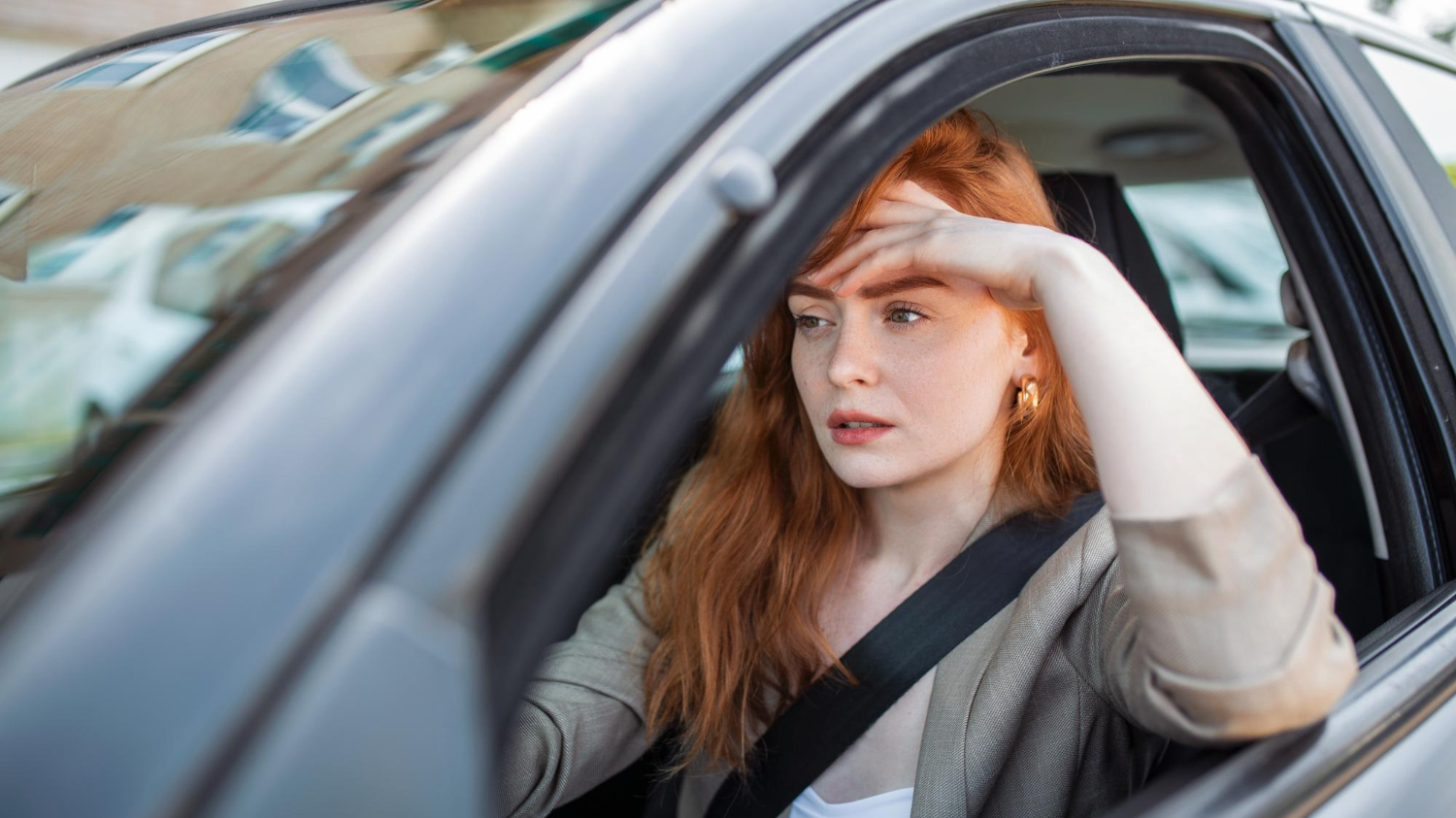
Teenagers generally have less experience recognizing hazards and responding correctly when something unexpected happens. The CDC notes that newly licensed teenagers are particularly vulnerable, with crash risk especially high during the first months of independent driving. That makes the vehicle surrounding your daughter more important during precisely the period when she is still developing judgment behind the wheel.
 Panumas Yanuthai, Shutterstock
New Drivers Make Different Mistakes
Driving skill involves much more than steering smoothly and remembering traffic signs. Teenagers are more likely than experienced drivers to underestimate dangerous situations or fail to recognize them quickly enough, according to the CDC. A vehicle cannot replace experience, but good crash protection and well-designed driver-assistance systems can provide another layer of protection when experience falls short.
Older And Cheaper Often Go Together
The problem is not simply that an older car has accumulated more miles. IIHS research has found that teenagers killed in crashes were more likely than middle-aged drivers to have been driving older and smaller vehicles. Older vehicles are also less likely to have safety equipment that became common or standard as vehicle design improved.

Not Every Older Car Is Unsafe
Age alone should not automatically eliminate a used car from consideration. IIHS and Consumer Reports currently recommend numerous older used models as appropriate choices for young drivers because they meet specific standards for crashworthiness, handling, braking, size, and other characteristics. Their 2026 recommendations include some vehicles with median retail prices below $5,000, showing that safe and affordable do not have to be opposites.
Electronic Stability Control Is A Baseline
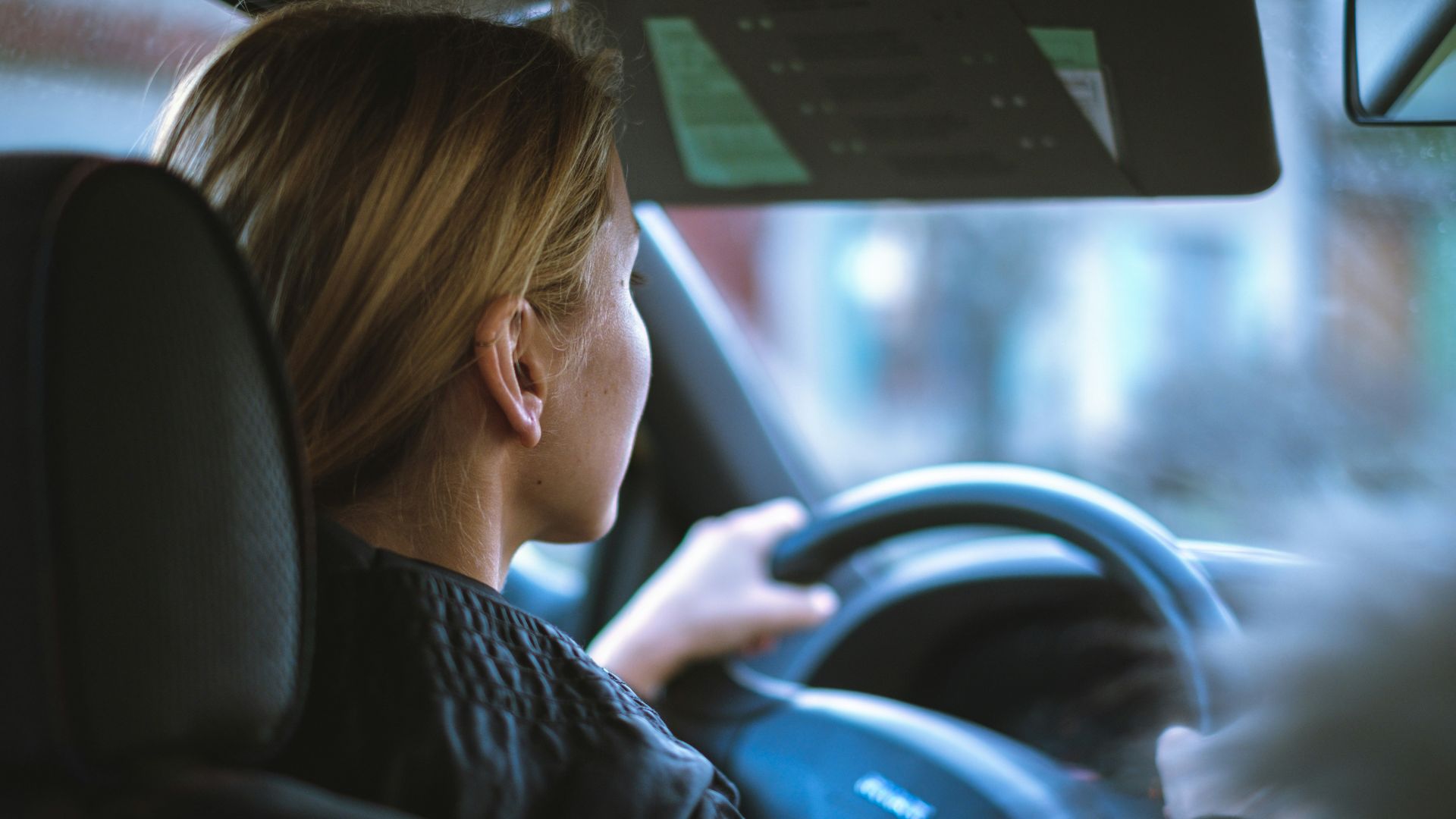
One feature parents should be reluctant to sacrifice is electronic stability control, commonly called ESC. The system can selectively brake individual wheels when it detects that the vehicle is beginning to lose directional control. IIHS calls ESC a must for teen vehicles because it substantially reduces fatal crash risk associated with loss of control, and it has been required on most passenger vehicles since the 2012 model year.
 Quality Stock Arts, Shutterstock
That Makes 2012 An Important Reference Point
A car built before the 2012 model year is not automatically dangerous, but it deserves additional scrutiny. IIHS specifically advises families handing down a pre-2012 vehicle to verify that it has electronic stability control. Moving into newer model years also generally increases the chance of finding vehicles designed around more recent safety expectations.
Crashworthiness Matters Just As Much As Gadgets
Modern safety technology is not limited to cameras, warning lights, and dashboard alerts. The structure of the passenger compartment and the way a vehicle manages crash energy can determine what happens after prevention fails. IIHS therefore requires its recommended teen vehicles to achieve strong performance in specified crashworthiness evaluations rather than judging them merely by their feature lists.
Tiny Cars Are Not The Ideal Compromise
A very small economy car can look attractive because the purchase price and fuel bills may be low. However, IIHS advises against micro and minicars for teenagers because they provide less crash protection, and its teen guide recommends a first vehicle weighing at least 2,750 pounds. In general, occupants of larger and heavier vehicles experience less force when colliding with lighter vehicles, although that does not mean teenagers need enormous SUVs or pickups.
 Krakenimages.com, Shutterstock
Bigger Is Not Always Better Either
Buying the largest vehicle available is not the solution. IIHS excludes large SUVs and large pickups from its teen recommendations because they can be more difficult to handle and can create greater risks for other road users. The practical target is a manageable vehicle with adequate size, solid crashworthiness, and predictable handling rather than either extreme.
Horsepower Deserves Attention Too
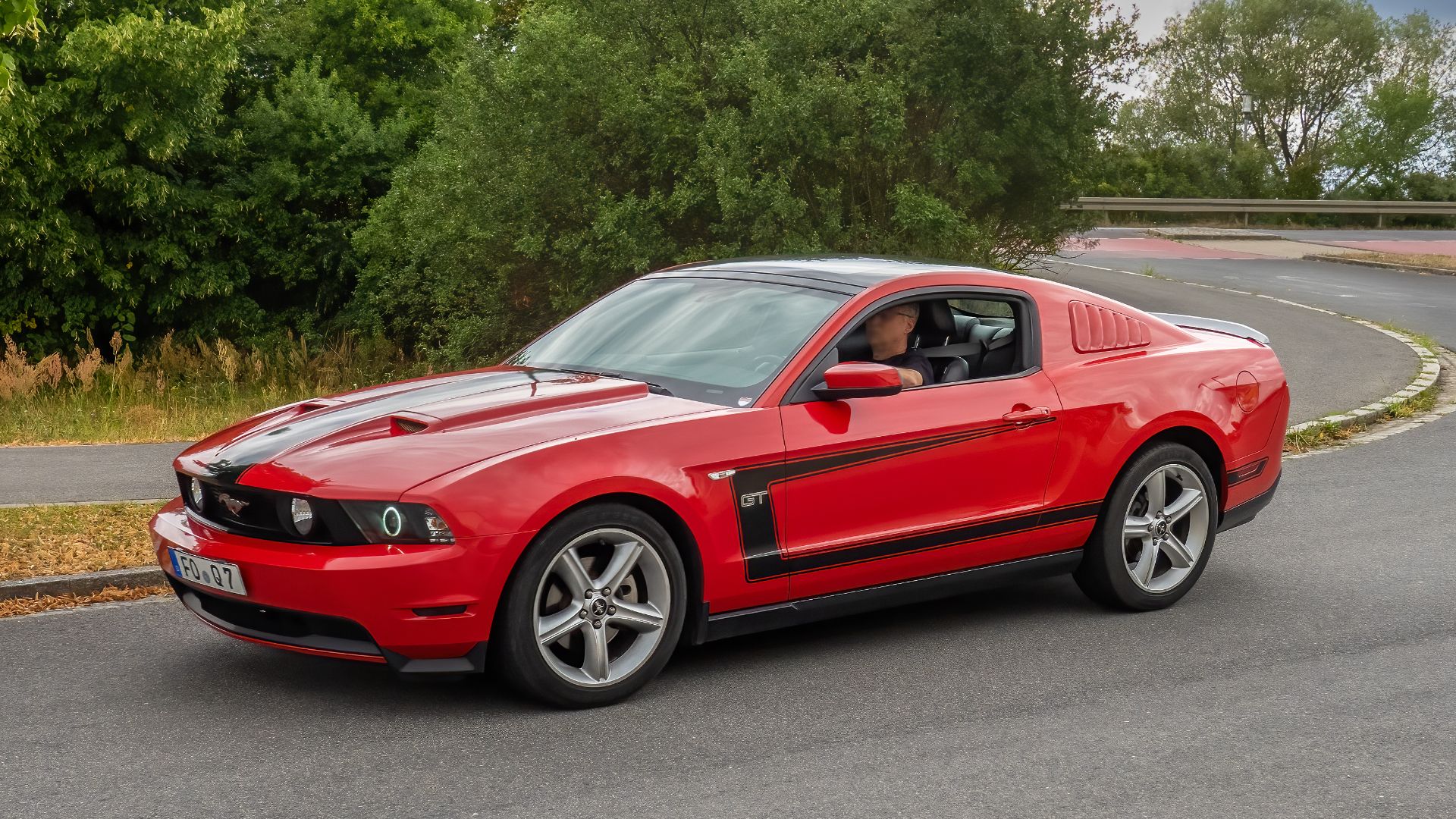
The exciting performance version of an otherwise sensible car may be the wrong version for a novice. IIHS advises families to avoid high-horsepower vehicles because their power may encourage speeding, and its recommended teen list deliberately excludes such models. A modest engine can be a safety advantage when the person behind the wheel is still learning restraint as well as technique.

Automatic Braking Is More Than Marketing
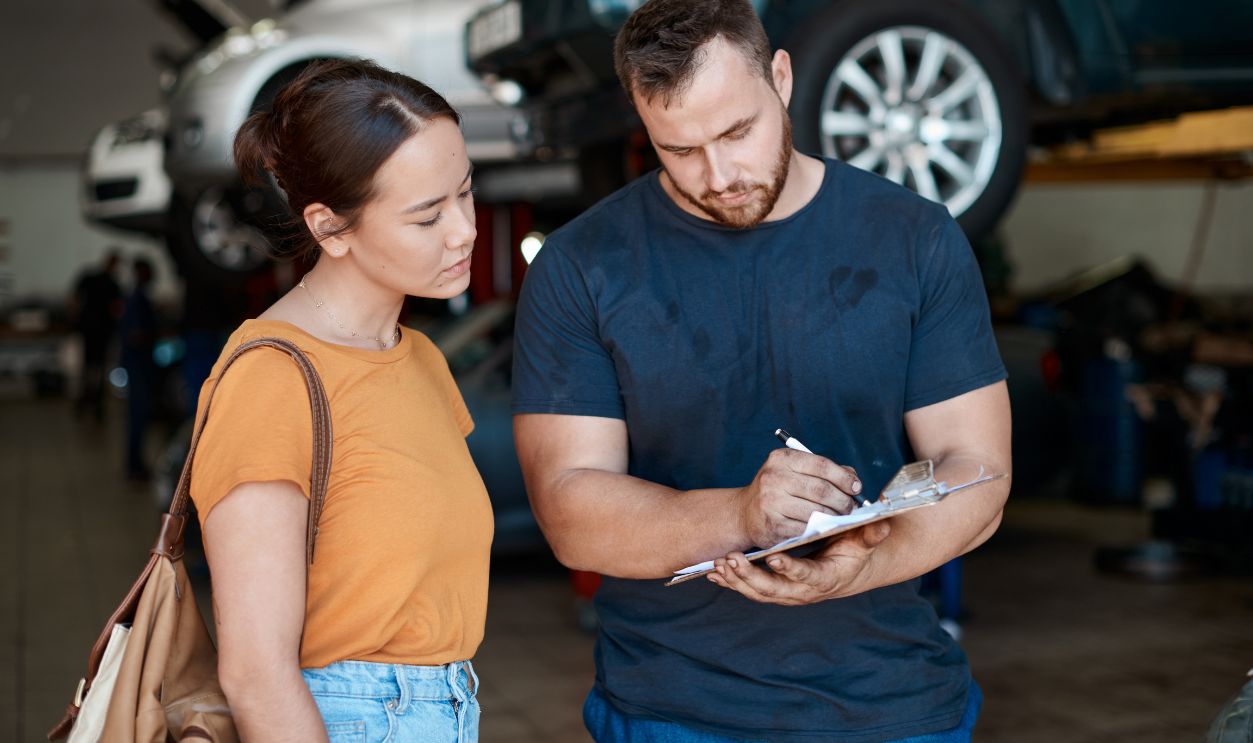
Automatic emergency braking, or AEB, monitors for certain impending collisions and can apply the brakes if the driver does not react quickly enough. An IIHS study found that forward-collision warning combined with AEB was associated with a 50 percent reduction in rear-end striking crash involvement rates compared with the same models without the systems. That is especially relevant when considering a driver who may occasionally react late.
Pedestrian Detection Adds Another Layer
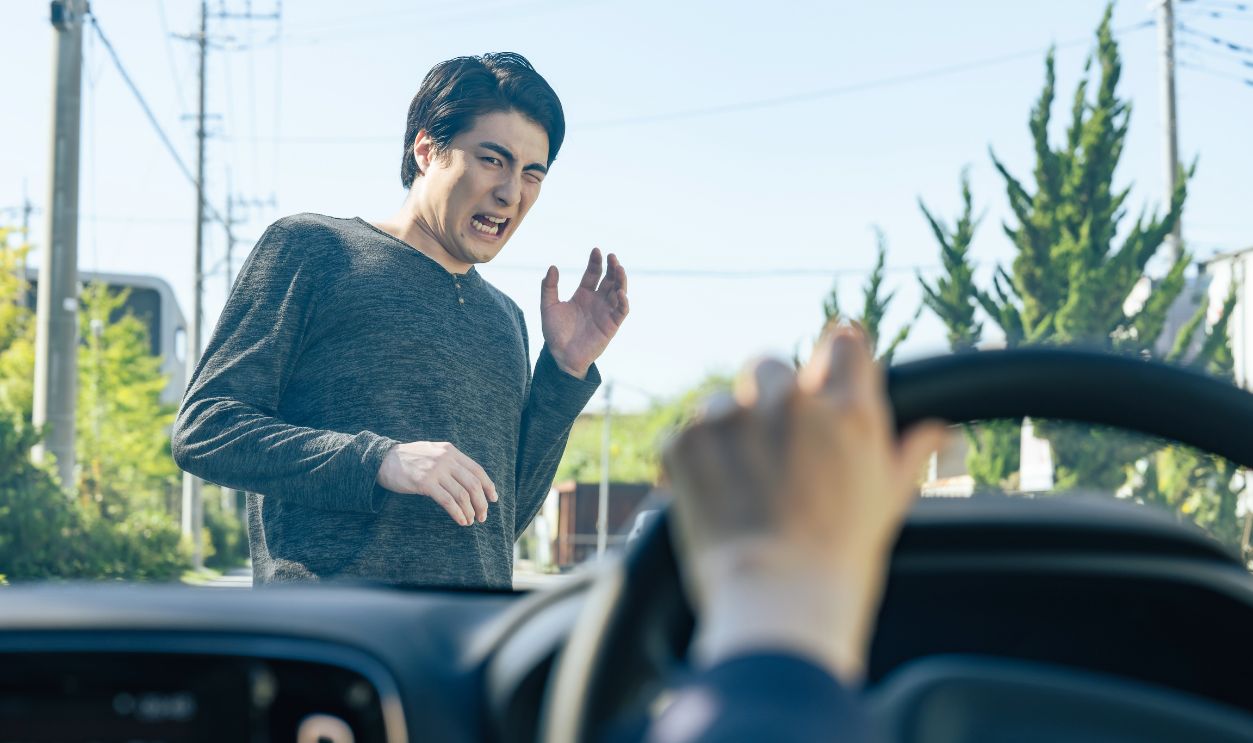
Some AEB systems can also recognize pedestrians. IIHS research found that pedestrian-detecting AEB was associated with a 25 to 27 percent reduction in pedestrian crash risk, although the study found limitations under certain conditions such as darkness without street lighting. Technology is not infallible, but those findings make pedestrian AEB a meaningful feature rather than a mere convenience.
Blind Spot Monitoring Can Help Too
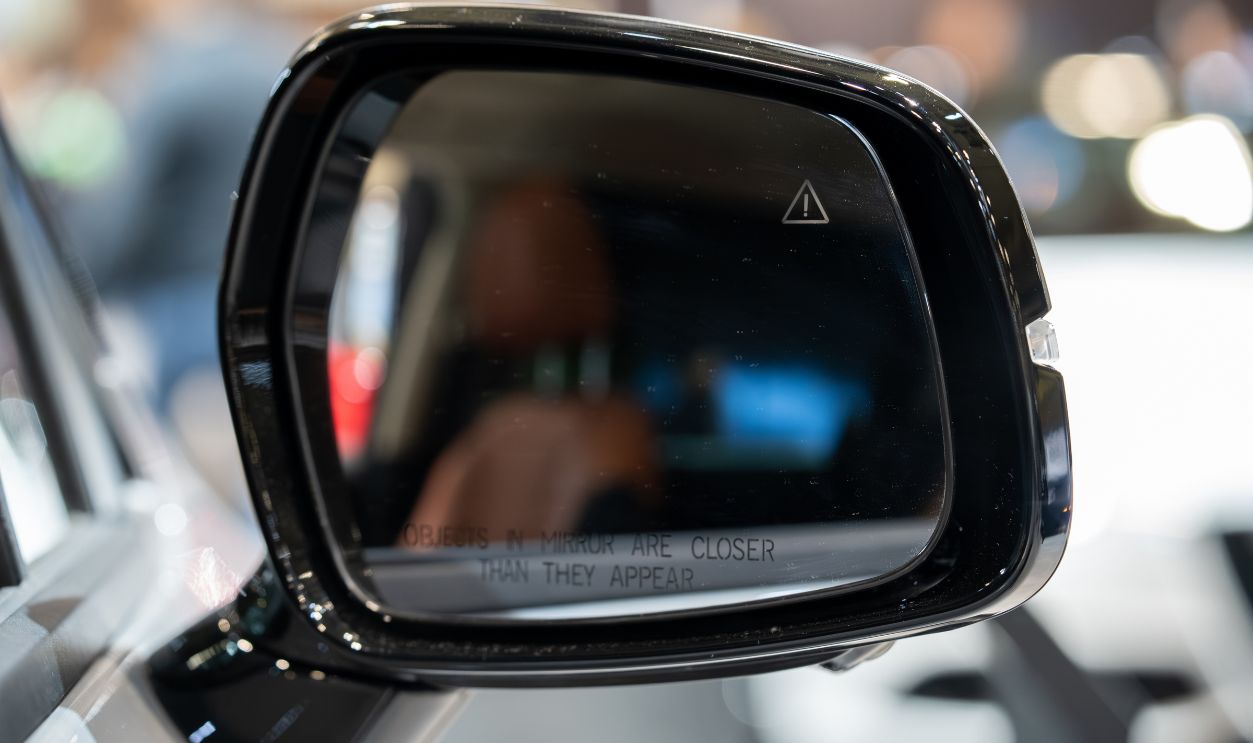
Changing lanes requires a new driver to coordinate mirrors, signals, speed, steering, and awareness of surrounding traffic. IIHS research found that blind spot monitoring was associated with a 14 percent reduction in police-reported lane-change crashes. The system should never replace checking mirrors and blind spots, but it can provide an additional warning when a driver overlooks another vehicle.
A Backup Camera Has Practical Value
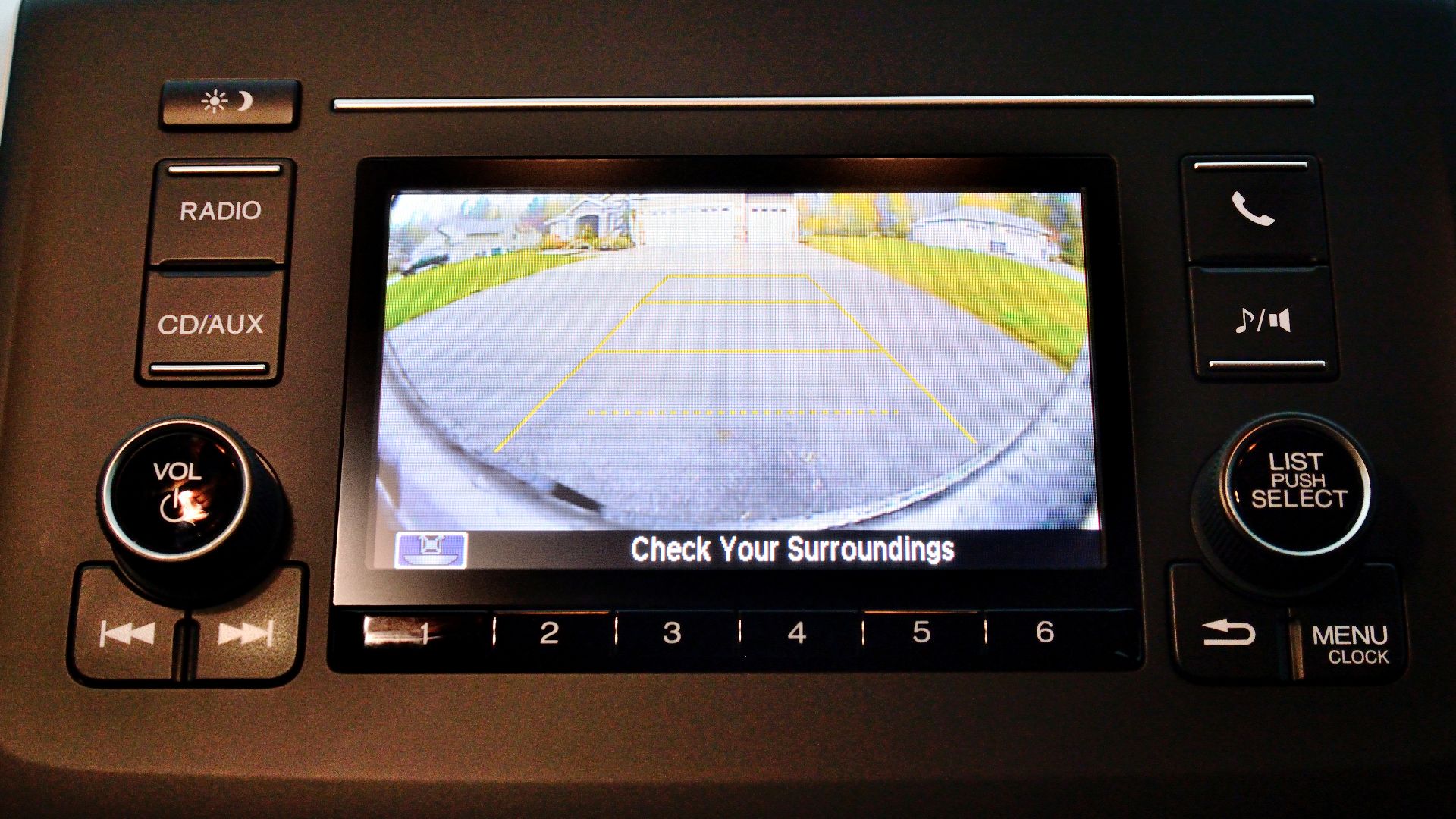
Rearview cameras give drivers a wider view behind the vehicle than they can obtain through the rear window alone. IIHS notes that rearview cameras have essentially been required on new vehicles since May 2018, reflecting their role in preventing backover incidents. For an inexperienced driver learning parking and reversing skills, that visibility is a useful safety tool rather than simply a luxury feature.
Not Every Electronic Feature Is Equally Important
A long options list can make car shopping unnecessarily confusing. A teenager does not need every parking sensor, semi-automated driving function, or premium technology package simply because it exists. Start with fundamentals such as crashworthiness, ESC, manageable size, braking and handling, then give meaningful crash-avoidance features such as AEB additional weight.

Headlights Are Easy To Overlook
Parents often shop during daylight and barely think about headlights, yet nighttime driving is particularly risky for teenagers. The CDC reports that the fatal crash rate at night for drivers ages 16 to 19 is about three times the rate for drivers ages 30 to 59 per mile driven. IIHS consequently includes headlight performance among the requirements for vehicles in its top tier of used teen recommendations.

Friends Can Change The Risk Equation
The car itself is only part of the safety picture. The CDC reports that having teen or young adult passengers increases the crash risk of an unsupervised teenage driver, with risk rising as additional young passengers are added. That is one reason graduated licensing systems commonly restrict young passengers during the early stages of independent driving.

Family Rules Still Matter
A safer vehicle should not create a false sense of security. Strong graduated licensing systems that restrict nighttime driving and young passengers have been associated with lower teen fatal crash rates. Parents can reinforce those principles with household rules that are at least as strict as applicable state law, particularly during the first months of independent driving.

Some Cars Can Help Enforce The Rules
Certain vehicles include technology designed specifically for families with young drivers. Ford's MyKey, for example, has offered features that let owners set speed alerts, limit audio volume, and program a maximum vehicle speed. Systems like these do not eliminate risky decisions, but they can give parents another way to establish boundaries while a teenager gains experience.
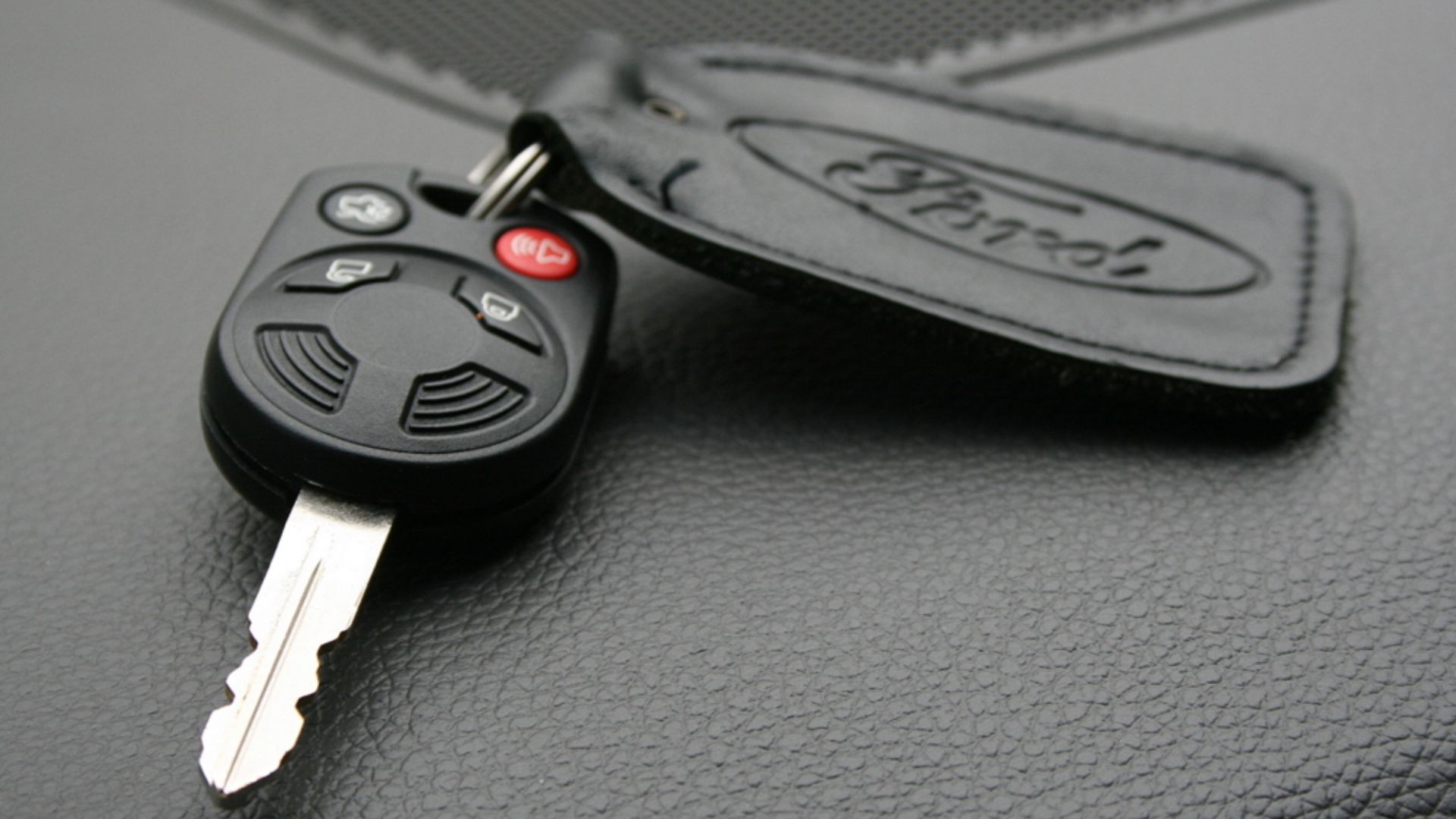 Michael Sheehan, Wikimedia Commons
There Is A Middle Ground On Price
Fortunately, this decision does not have to be a choice between an ancient bargain and a brand-new vehicle. In its May 2026 update, IIHS and Consumer Reports identified 45 recommended used vehicles starting below $10,000. Another 29 recommended models priced below $20,000 added highly rated headlights and automatic emergency braking with pedestrian detection.

Start With The Established Teen Lists
Instead of searching used-car listings first and researching safety afterward, reverse the process. IIHS and Consumer Reports maintain "Good Choices" and "Best Choices" lists specifically for young drivers. The 2026 list evaluates factors including crash-test performance, size, braking, emergency handling, and control usability, while the Best Choices add qualifying AEB and headlight performance.
Check The Exact Model Year
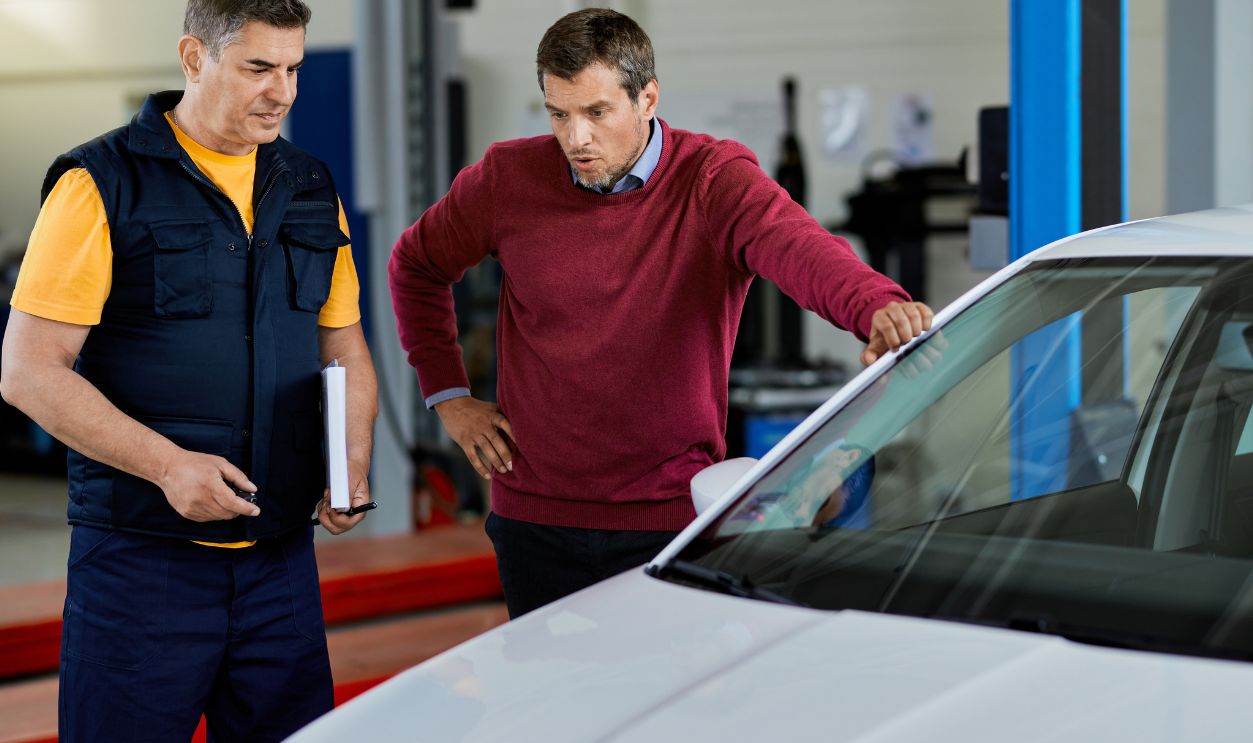
A model name alone is not enough to establish that a particular used vehicle is recommended. IIHS notes that safety-related design changes sometimes occur during a model year, which is why its recommendations occasionally specify production dates or exclude particular versions. Check the exact year, trim, equipment, and, where applicable, manufacturing date rather than assuming every vehicle wearing the same badge is equivalent.
Look Up The Crash Ratings Yourself
NHTSA's 5-Star Safety Ratings provide another useful shopping tool. The federal program evaluates frontal, side, and rollover performance, and its searchable database lets consumers research vehicles by year, make, and model. Combining government ratings with IIHS evaluations gives families more information than relying on advertising or a seller's description.

Run The VIN Before Buying
Safety research should continue once you find an individual car. NHTSA allows shoppers and owners to enter a vehicle identification number to check for unrepaired safety recalls associated with that vehicle. A promising model with an outstanding recall may simply need the free manufacturer remedy completed, but you want to know about it before handing over the keys.

Condition Still Matters
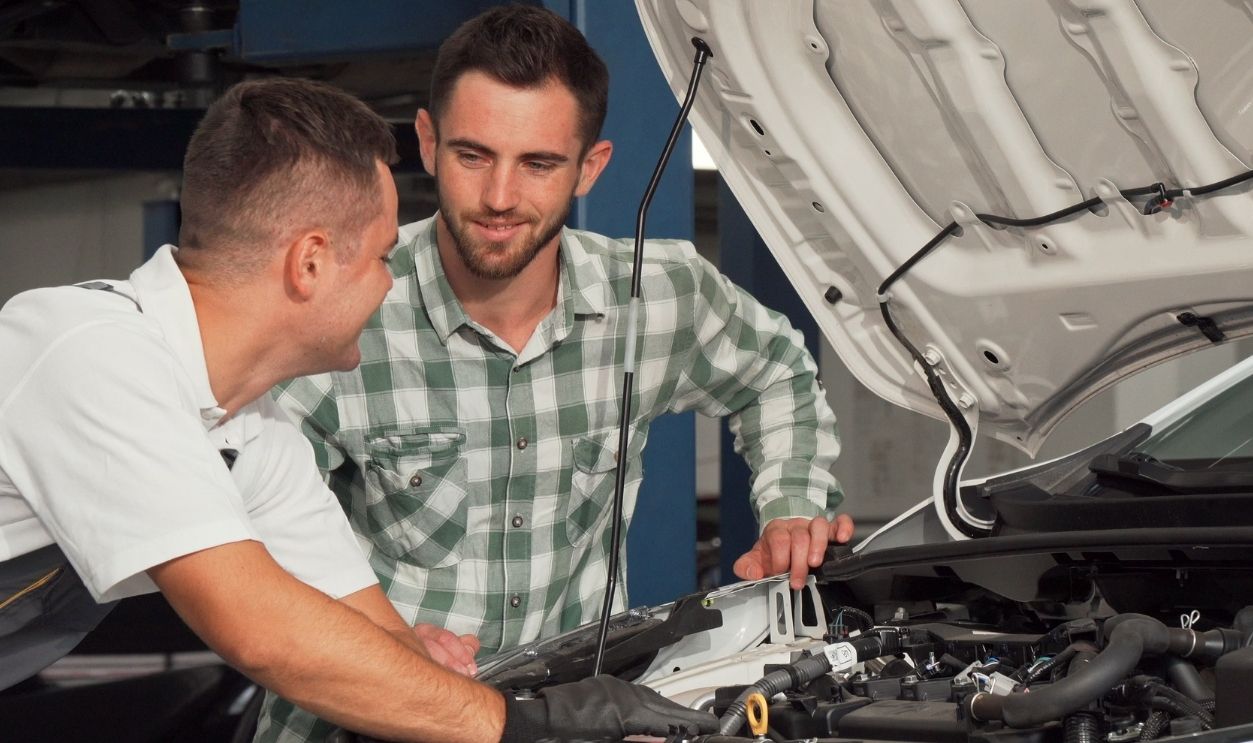
A highly rated model can still be a poor purchase if the individual example has been neglected or damaged. IIHS's recommended list is based on model-level safety characteristics, so it cannot tell you whether a particular used car has worn brakes, damaged tires, previous crash repairs, or other mechanical problems. A proper inspection of the actual vehicle remains an important part of turning a good model choice into a good purchase.
Compare Insurance Before Deciding
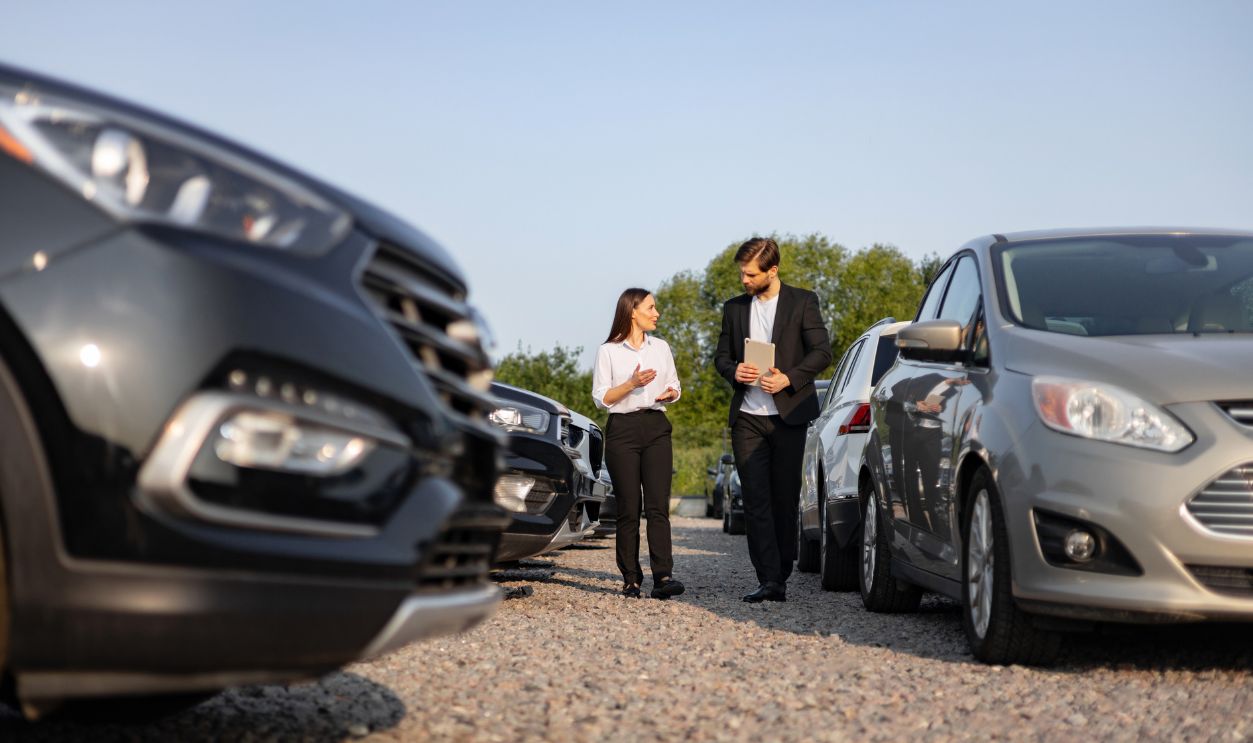
Purchase price is only one part of what the car will cost your family. IIHS and Consumer Reports specifically recommend considering insurance expenses alongside vehicle safety and reliability, and they suggest obtaining a quote before buying. A car that costs slightly more at the dealership may therefore deserve consideration if its overall ownership costs remain manageable.

Give Your Teen A Safety Budget
One useful compromise is to agree on the budget before shopping but make certain safety requirements nonnegotiable. You might reject minicars, high-horsepower variants, vehicles without ESC, and models with inadequate crash-test performance while allowing your teenager to choose among acceptable candidates. That gives her meaningful control over her first car without making safety just another optional feature to trade for a lower price.

Saving Money Is Worth It Until Safety Gets Cut
There is nothing wrong with buying a cheap first car. The 2026 IIHS and Consumer Reports recommendations demonstrate that vehicles with solid safety credentials can be found at modest used-car prices, so paying more is not automatically the answer. The savings become harder to justify when they require accepting poor crash protection, inadequate size, excessive power, or the absence of important technology that could help prevent a crash.

The Best First Car Buys Forgiveness
Teenagers will make mistakes as they learn, which is exactly why their first vehicle deserves careful thought. A sensible used car with strong crashworthiness, ESC, manageable power, and, when the budget permits, effective AEB and other proven crash-avoidance technology provides more opportunities for a small mistake to remain small. You do not need to buy your daughter the newest car available, but sacrificing meaningful safety simply to reach the lowest possible price is a tradeoff worth resisting.
 Photoroyalty, Shutterstock Images
You May Also Like:
The Most Overrated Cars Today, According To Car Enthusiasts
People With The Largest Car Collections In The World