The Matching SUV Fantasy
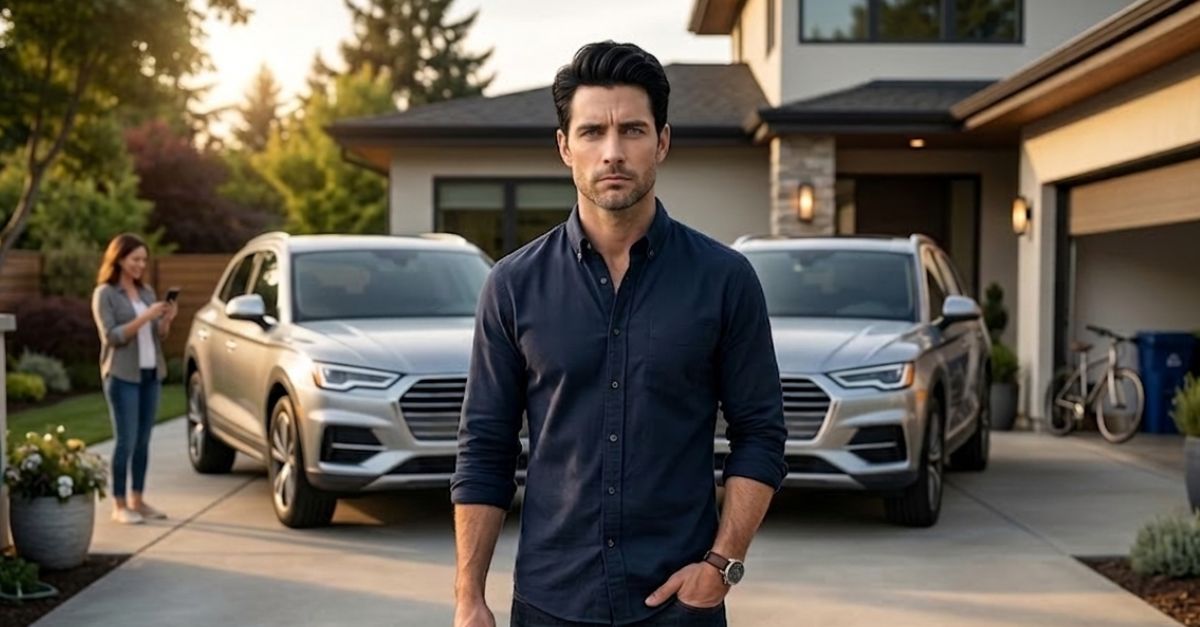
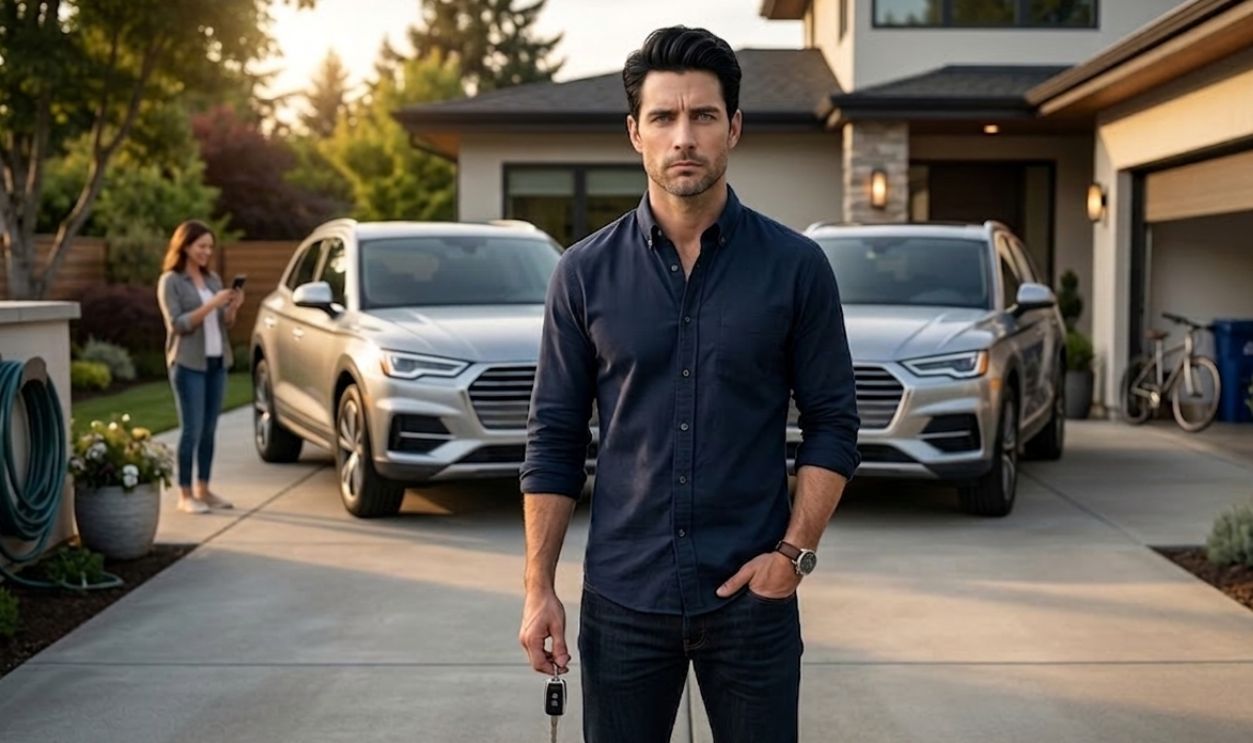
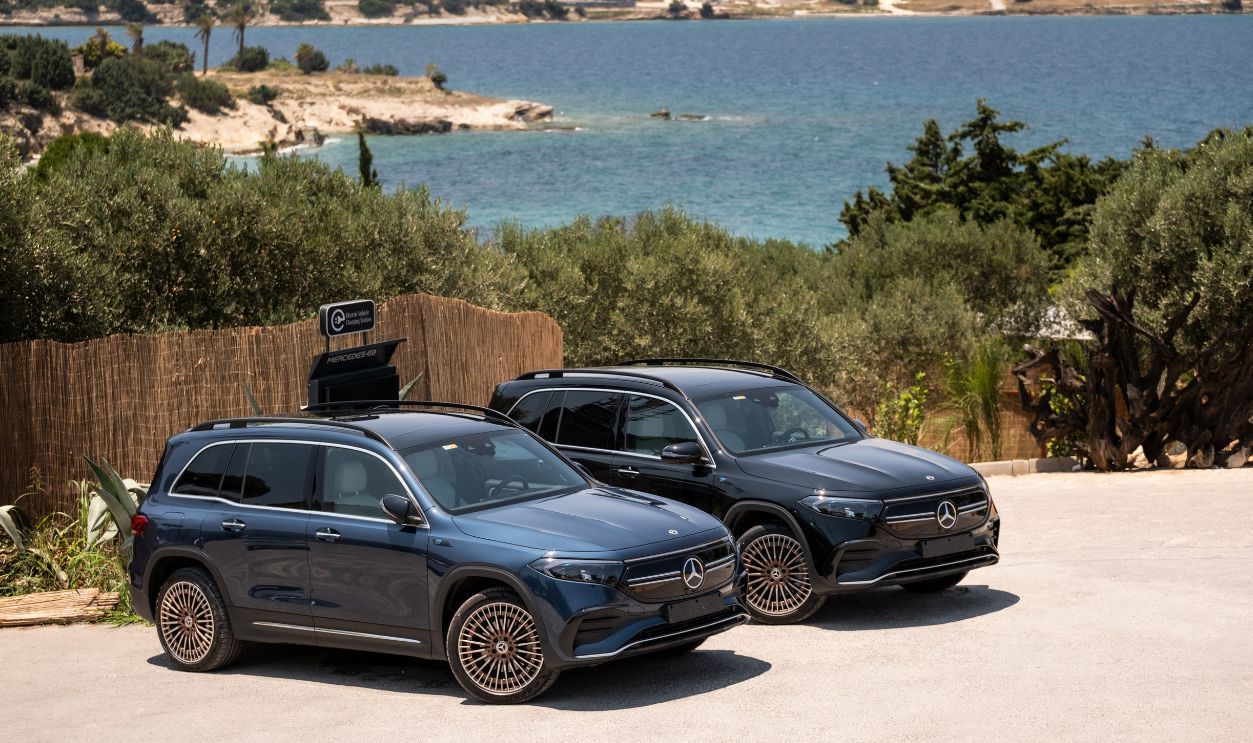
It's true, two gleaming luxury SUVs in one driveway can look like a picture of success, taste, and stability. Depending on your profession, that can make a difference. But the real question is whether that kind of purchase reflects what a family actually needs, or whether image is doing more of the driving than practicality.
Why This Debate Feels So Personal
For a lot of households, cars are more than transportation. They can signal identity, success, safety, and even relationship status to neighbors, friends, and coworkers. That is why a conversation about matching luxury SUVs can quickly turn into a conversation about values.
Status Has Been Part Of Car Buying For Decades
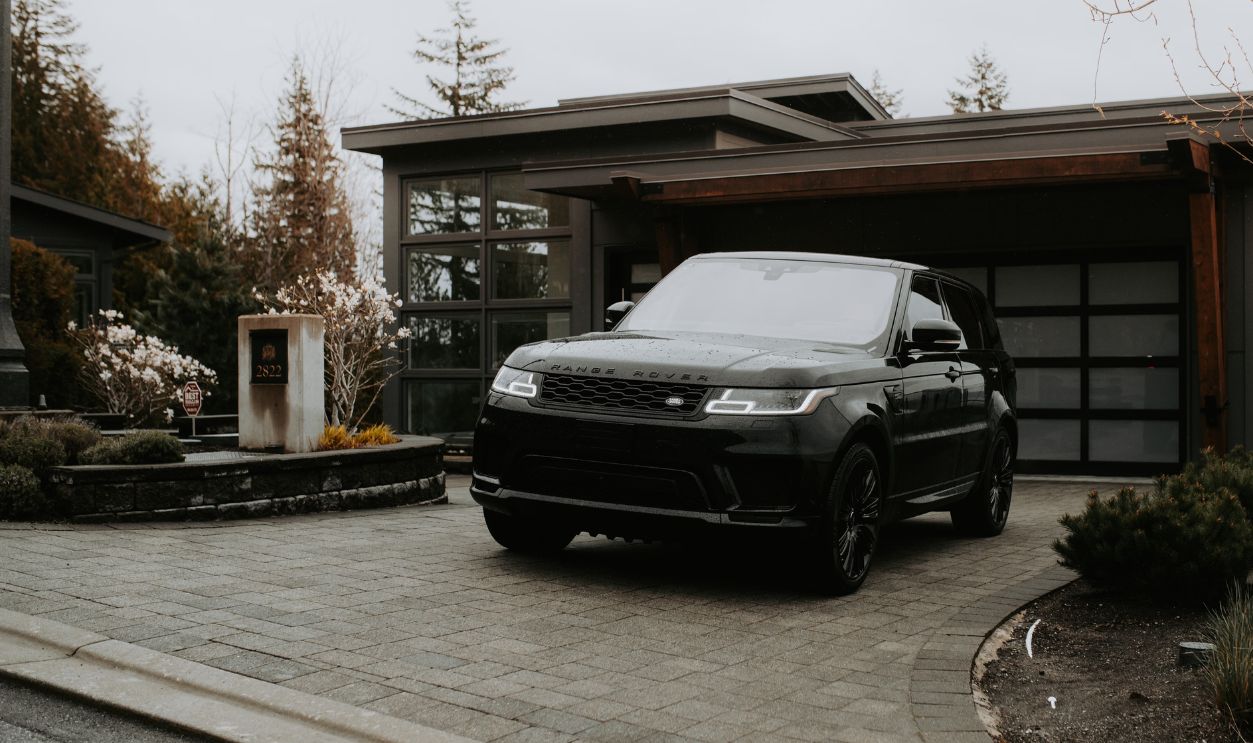
Researchers have been studying the social side of car ownership for a long time. A 2005 study by social psychologists Helmut Johannes Hahn and Robert Perner argued that automobiles can work as symbols people use to show social position and self-image. That helps explain why some buyers stretch beyond practical needs when shopping for a vehicle.

Luxury Brands Know The Visual Game
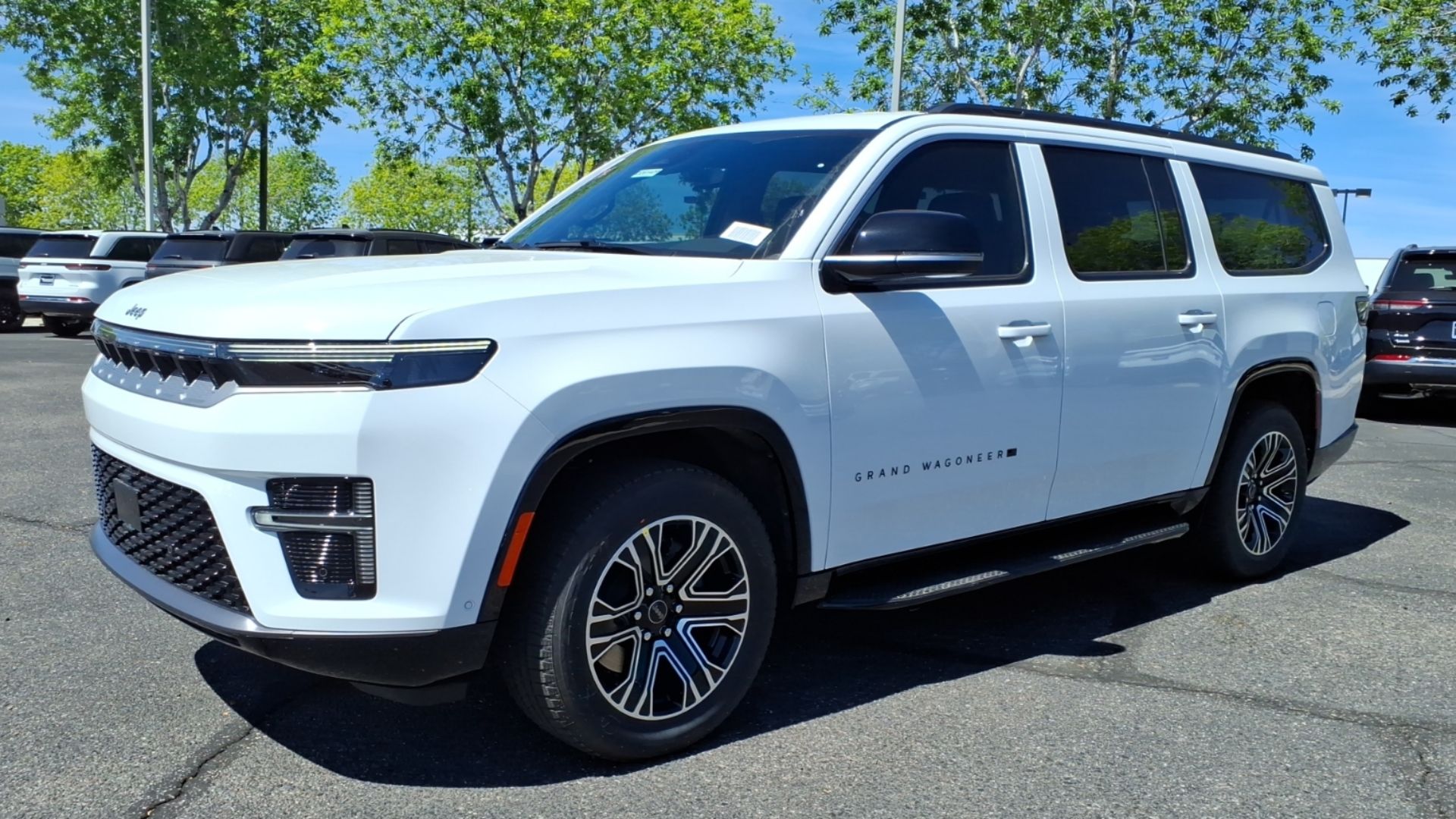
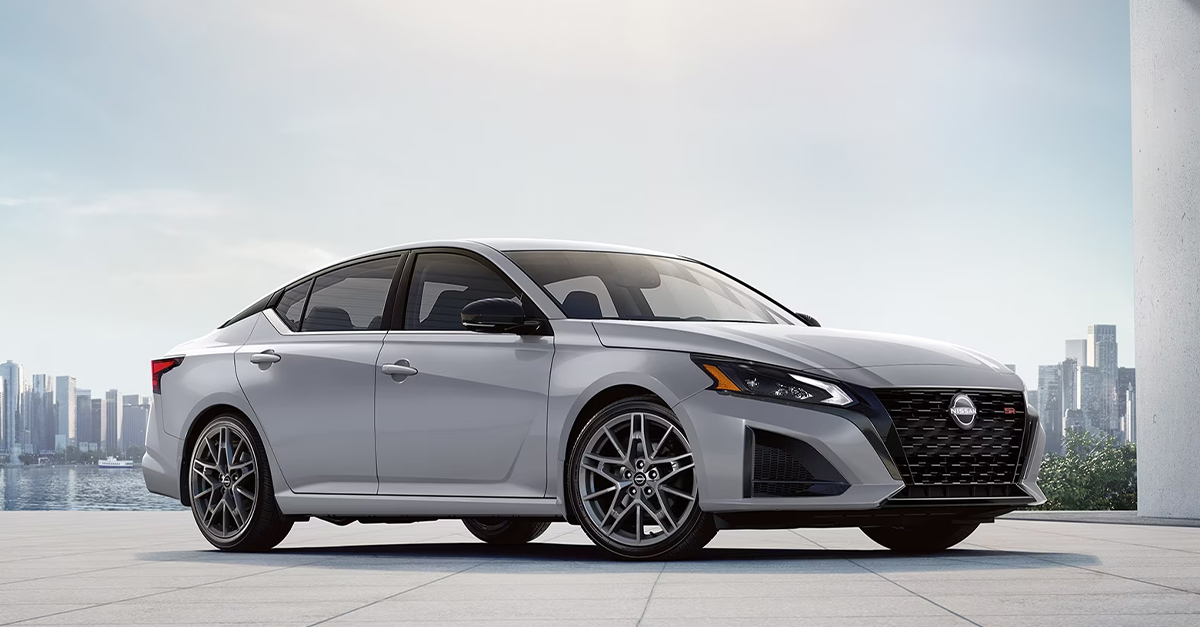
Automakers do not leave that to chance. Design teams spend years shaping grilles, lights, wheels, and body lines so a vehicle signals prestige from a distance. In the luxury SUV market, that visual message is not just a bonus. It is a core part of the product.
Why SUVs Became The Status Default
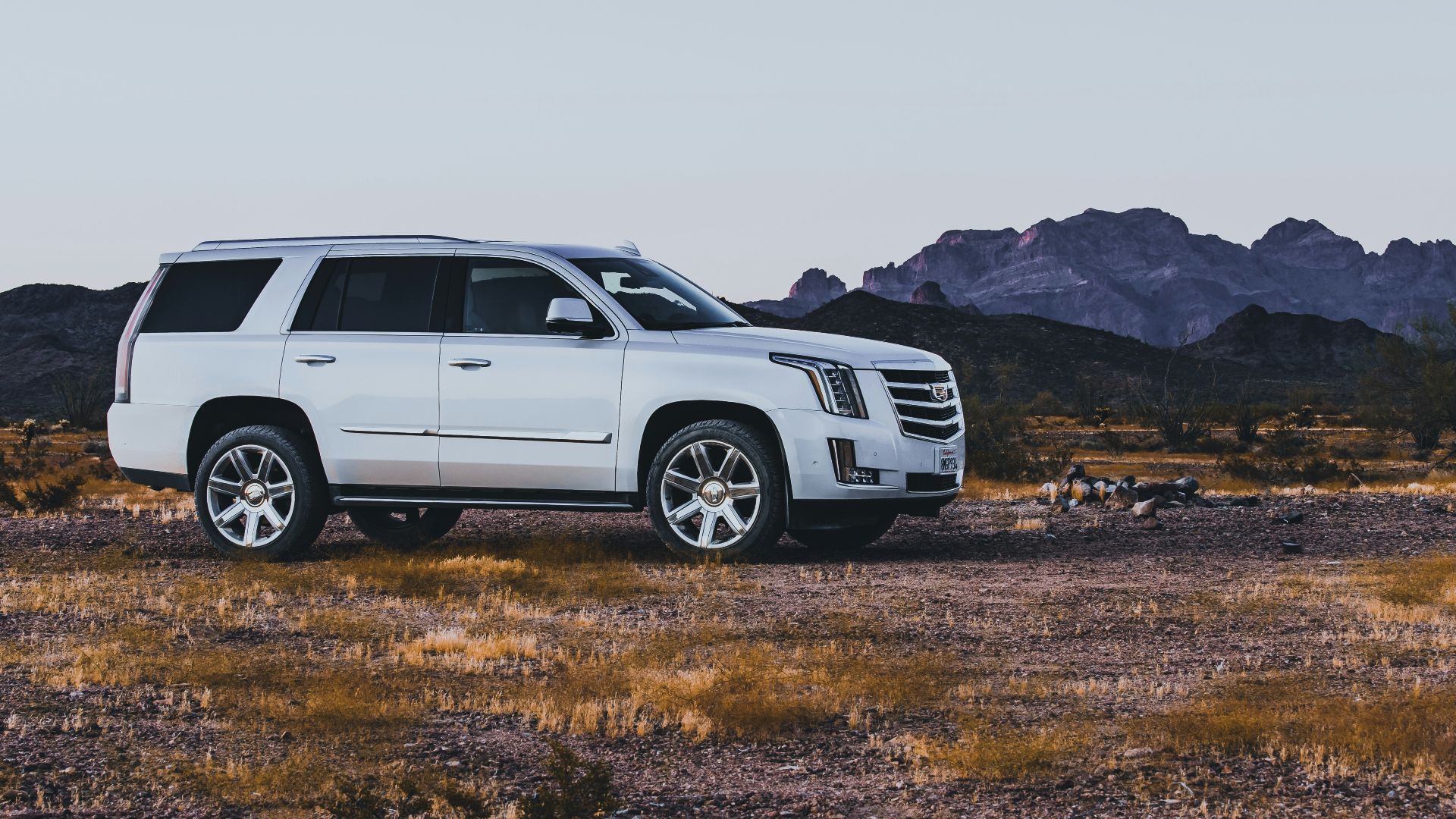
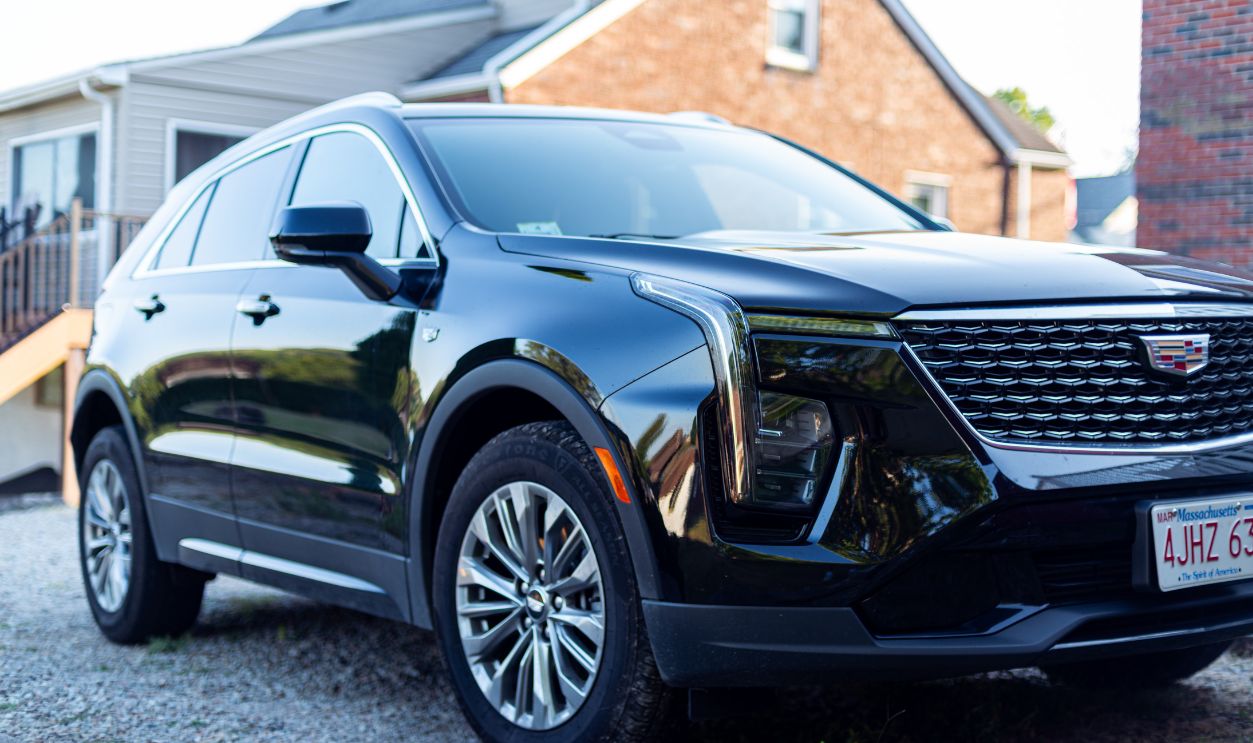
The luxury SUV became the go-to status vehicle because it sends several messages at once. It suggests money, family readiness, comfort, and confidence in bad weather. That mix makes it especially appealing to buyers who want something that looks successful without being as flashy as a sports car.
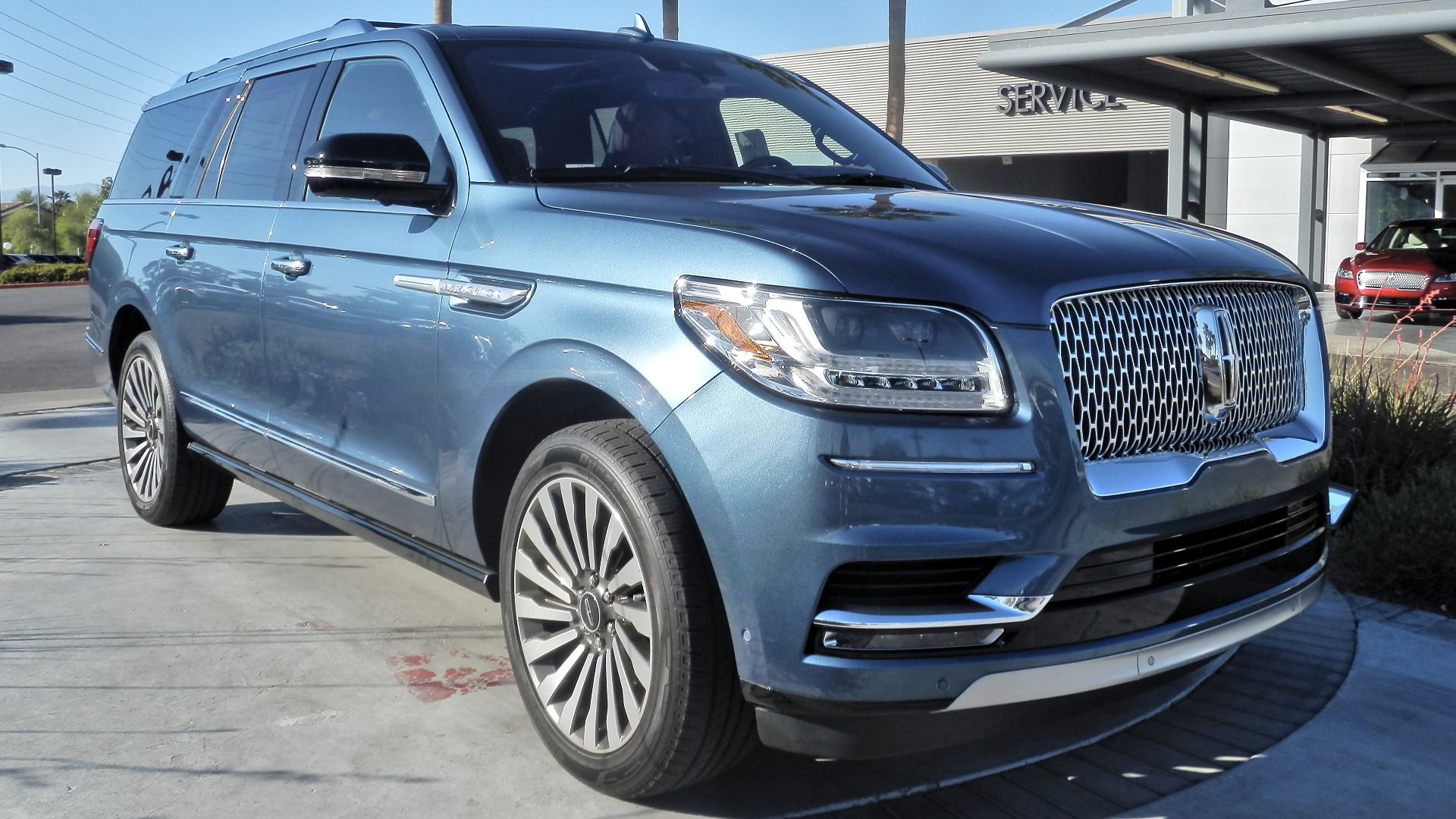 Alexander Migl, Wikimedia Commons
The Data Says Emotion Matters
Industry research has long shown that people buy cars with emotion as well as logic. Price and reliability matter, but so do styling, brand reputation, and the way a vehicle makes someone feel. In simple terms, most people do not make this decision with a spreadsheet alone.

Conspicuous Consumption Is Not A New Idea
The bigger idea behind all this is much older than modern SUVs. Economist Thorstein Veblen wrote about conspicuous consumption in 1899 as the public display of wealth through spending. A pair of matching luxury SUVs can fit that pattern if the real goal is to be seen as successful, not just to solve a transportation need.

There Is Also A “Keeping Up” Effect
People often measure themselves against the people around them, especially when it comes to visible purchases. Behavioral research has long shown that social comparison can shape spending, and cars are one of the most visible things a household buys. If several families in a neighborhood upgrade to premium SUVs, others may feel pressure to do the same.
What Success Looks Like Has Shifted
Not that long ago, a luxury sedan was the classic symbol of making it. Today, many affluent buyers prefer SUVs because they mix prestige with practicality. That shift shows up clearly in sales trends, with SUVs and crossovers steadily taking market share from traditional passenger cars in the United States over the past decade.
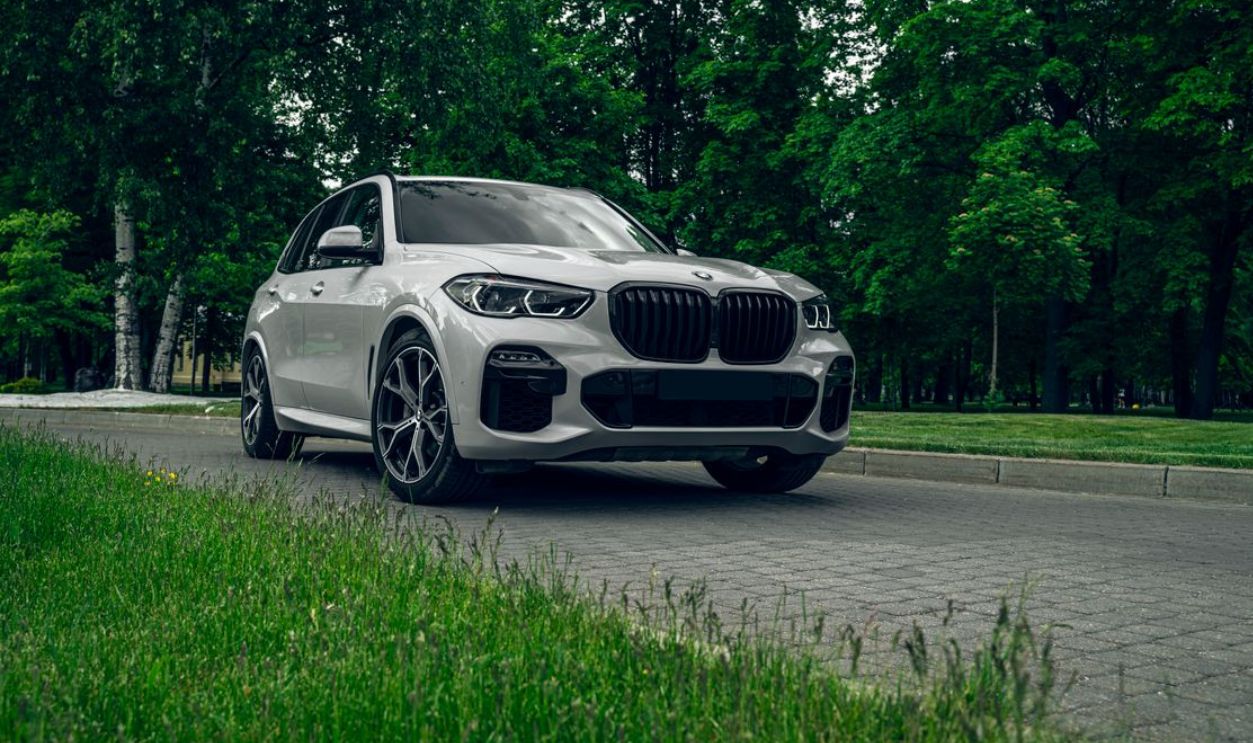
Matching Cars Add Another Layer
Buying one luxury SUV can be explained in a lot of practical ways. Buying two matching ones adds a coordinated image element that is hard to miss. It can suggest shared taste and unity, but it can also mean a couple is paying extra for visual symmetry more than everyday usefulness.
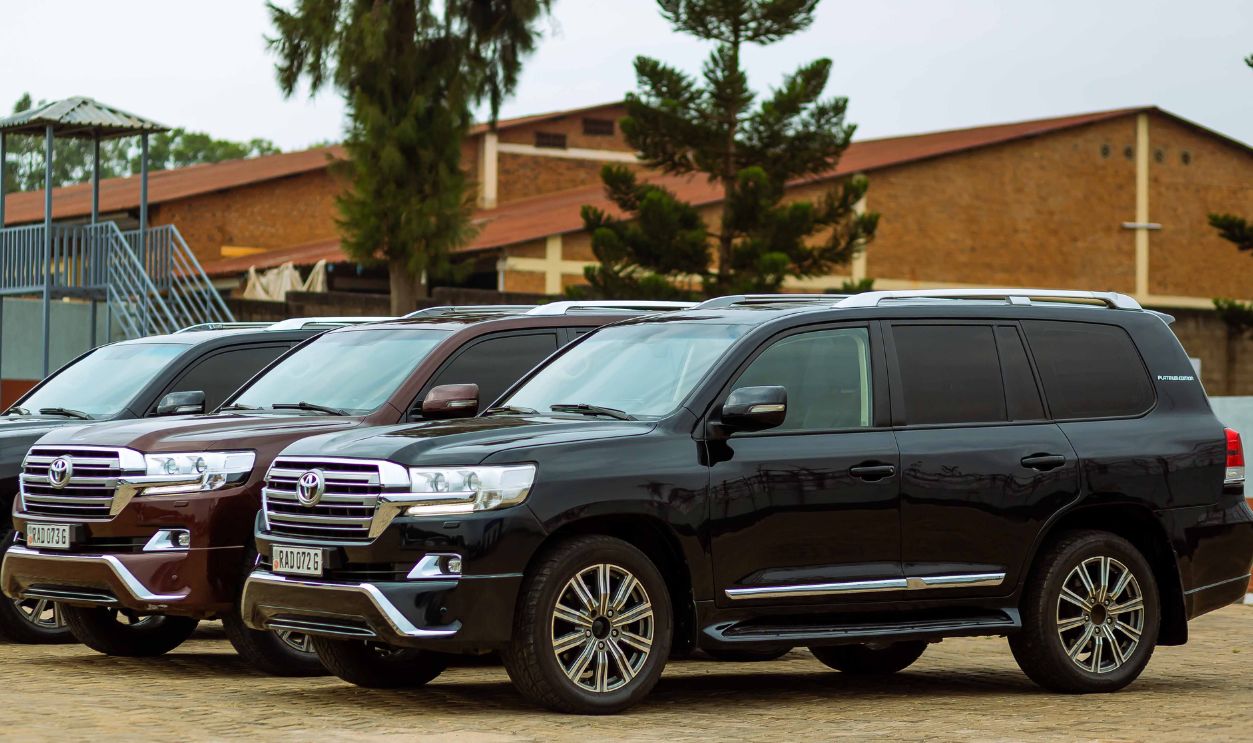
There Is Nothing Wrong With Caring About Image
It is worth saying plainly that caring about image is not automatically shallow. People spend money on homes, clothes, and watches partly because appearance matters to them. Cars are no different, as long as buyers are honest that image is part of what they are paying for.
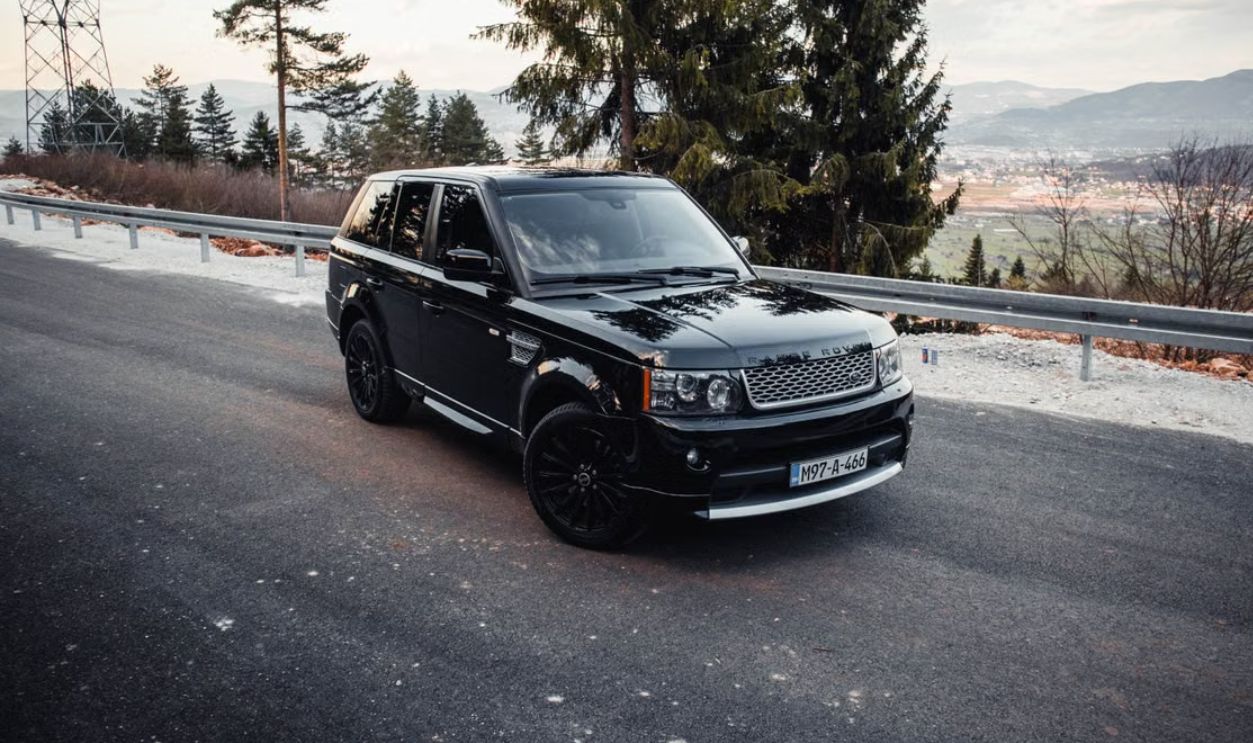
The Trouble Starts When Image Hides Cost
Luxury SUVs cost a lot more than the sticker price suggests. Insurance, depreciation, larger tires, premium fuel on some models, and costly repairs after the warranty ends can make the monthly payment look like the easy part. If appearance is a major reason for buying, couples should be especially honest about whether the long-term cost still feels worth it.
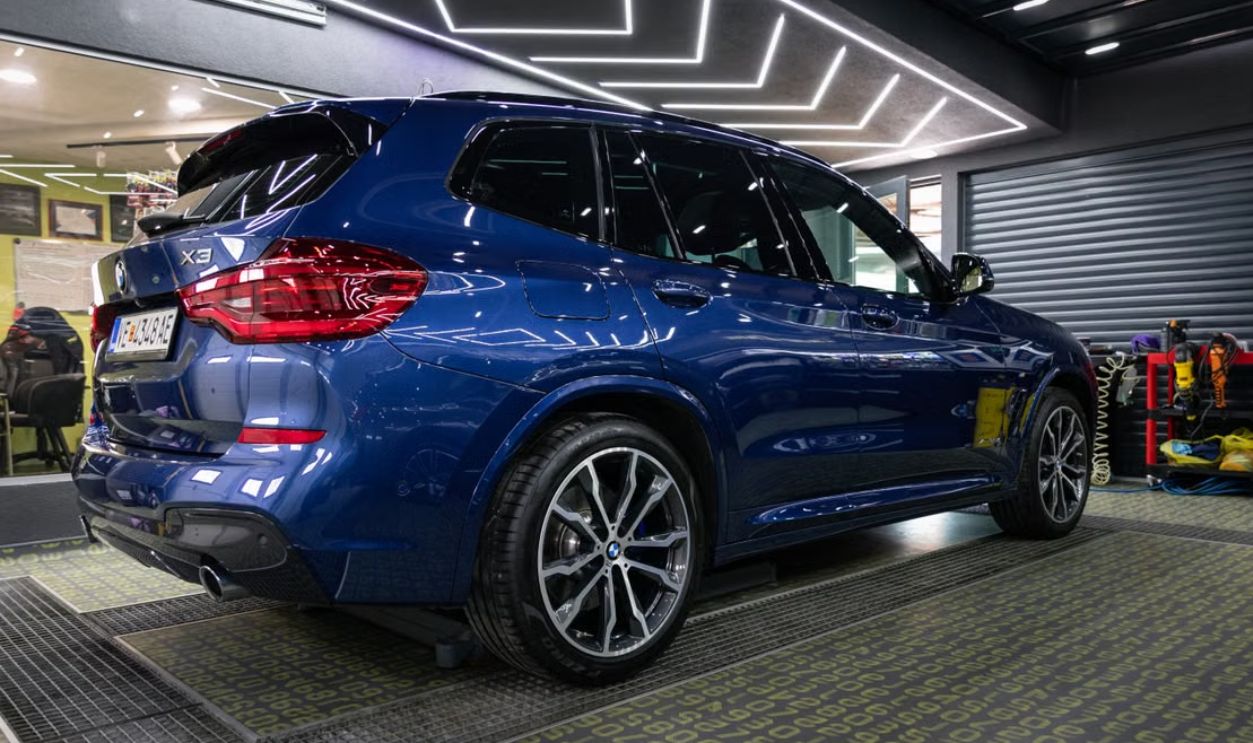
Depreciation Can Be The Silent Budget Killer
New luxury vehicles often lose value quickly in the first few years. That is not a moral issue or a flaw unique to one brand. It simply means that buying two new luxury SUVs for image can lock in a steep financial hit the moment both leave the lot.
Insurance Often Notices The Badge
Luxury branding can bring higher parts costs, more expensive sensors, and pricier body repairs. Insurers price that into premiums, and advanced driver-assistance hardware can push repair bills up even after low-speed crashes. A matching pair means the household budget takes on that risk twice.

One Size Rarely Fits Two Drivers
Even close couples usually do not drive the same way. One person may want a smaller, more efficient crossover for commuting and parking, while the other may need more cargo room or a third row. Matching vehicles can look neat in the driveway while forcing one or both people into a compromise that does not really fit daily life.

The Practicality Question Is Usually The Best Test
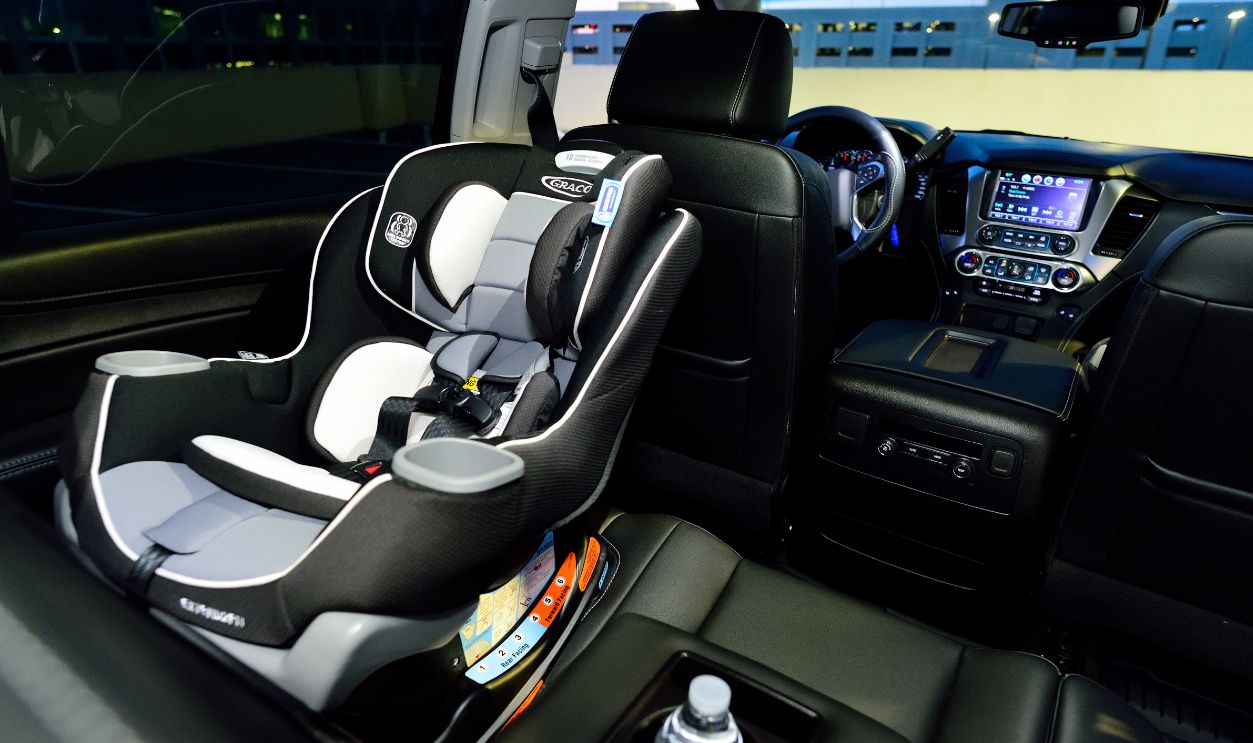
A good way to cut through the image factor is to ask what each SUV will actually do on an average Tuesday. Commute length, parking, child seats, cargo, road trips, and weather matter more than a driveway photo. If the answers are different for each spouse, matching vehicles may be more about looks than sense.
Luxury Can Still Be A Rational Choice
Not every luxury purchase is about vanity. Some buyers want quieter cabins, better seats, stronger dealer service, more safety tech, or better towing and all-weather performance. The key question is whether those benefits are being used in real life, not just admired in theory.
Brand Prestige Is A Real Product Feature
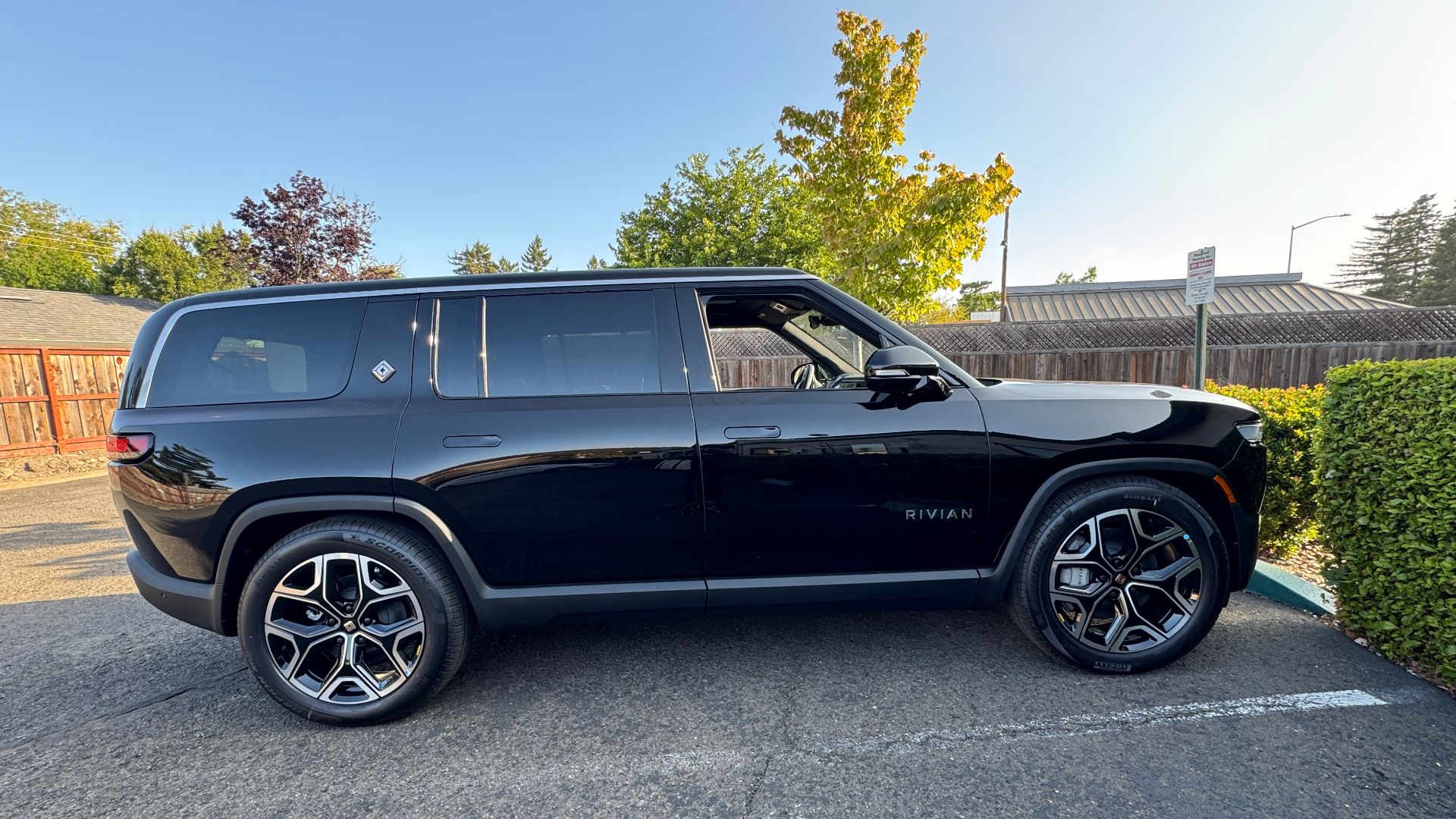
This may sound cynical, but prestige itself can be part of the product. Marketing researchers have long treated brand symbolism as a real source of consumer value, especially in categories tied to identity. If someone wants the confidence or social signal that comes with a premium badge, that desire is real even if it is not mechanical.
The Social Signal Can Work Both Ways
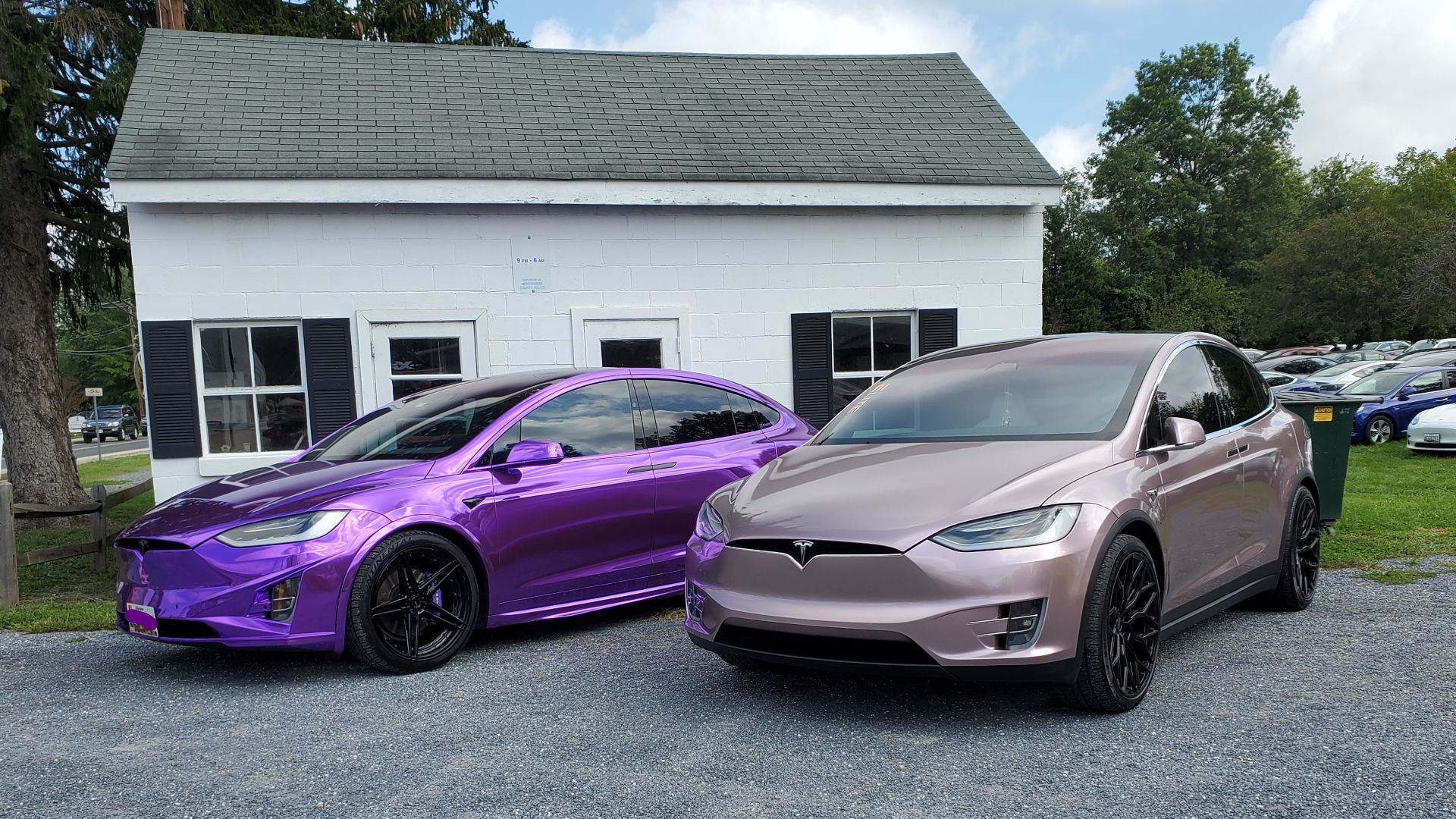
A luxury SUV may impress some people, but it can also invite judgment. Some observers will see ambition and success. Others will see overspending or insecurity. That is the risk with image-driven purchases: the message is never fully under the buyer’s control.
Advertising Has Been Training Our Eyes
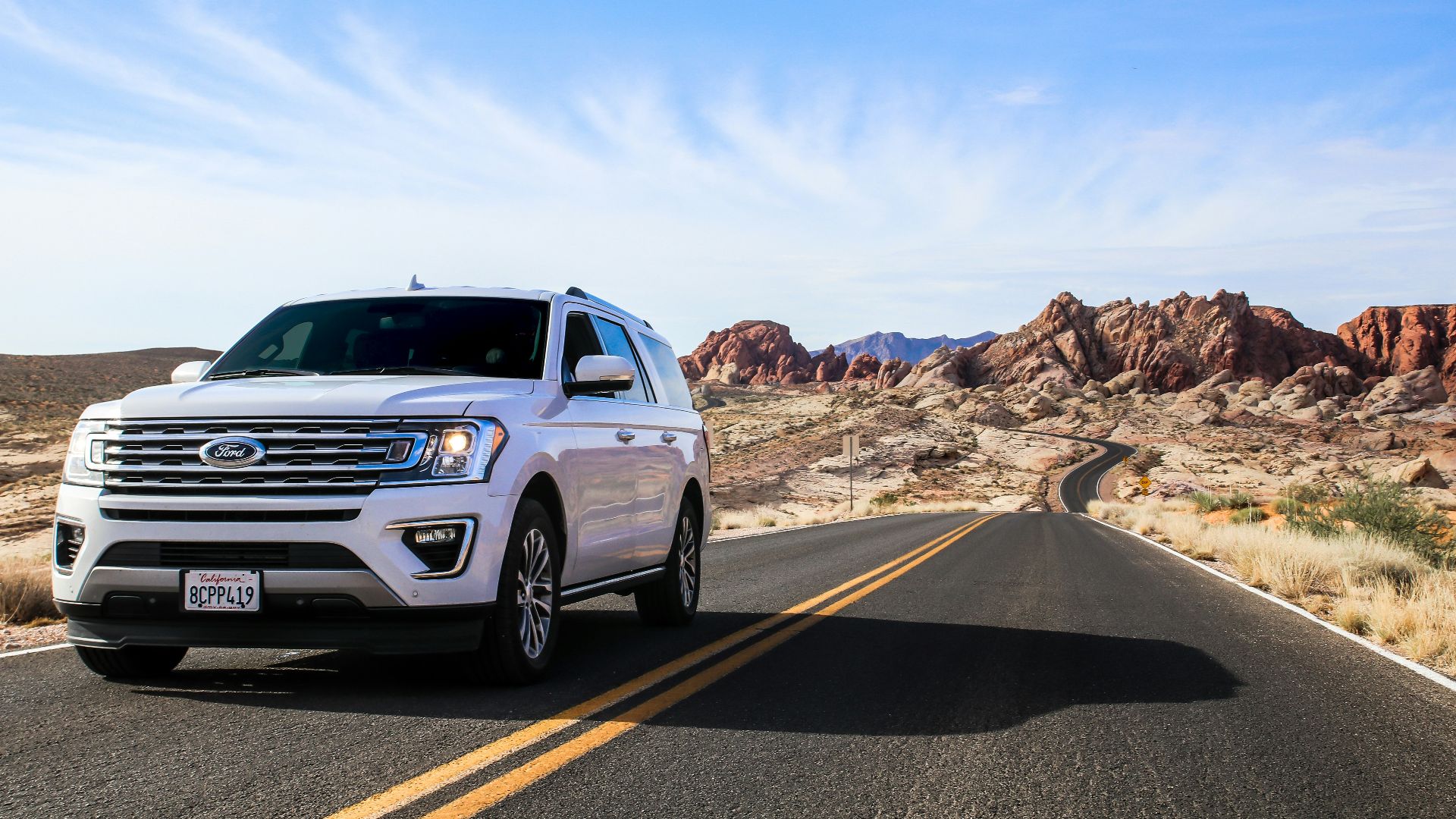
Luxury vehicle ads rarely focus only on horsepower or cargo space. They sell mood, status, arrival, and a polished life that looks effortless. When someone says matching luxury SUVs “look successful,” that reaction did not come from nowhere. It was shaped by years of branding that tied premium vehicles to a specific picture of achievement.
The Pandemic Era Supercharged Vehicle Identity
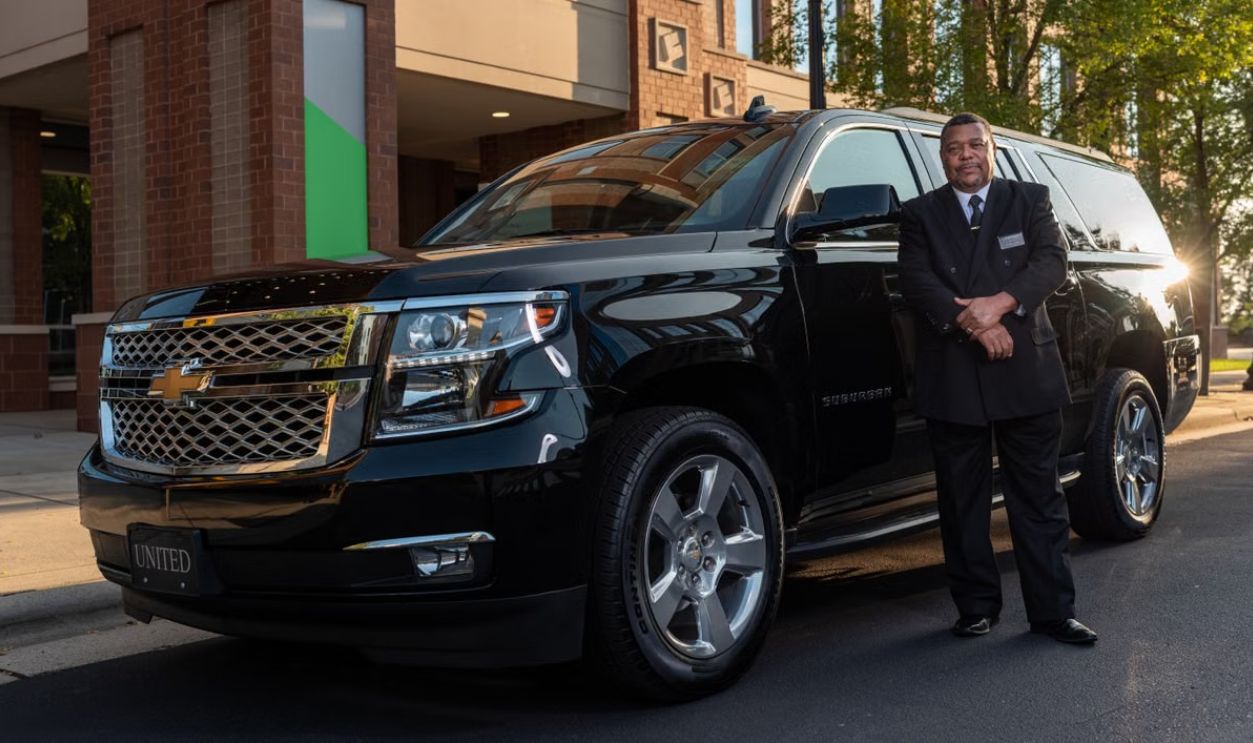
In recent years, vehicles became even more connected to personal space, control, and comfort. For some households, that made premium SUVs feel like a reward after a chaotic stretch of time. The emotional logic makes sense, but it still deserves a hard look at the budget.
There Is A Smarter Middle Ground
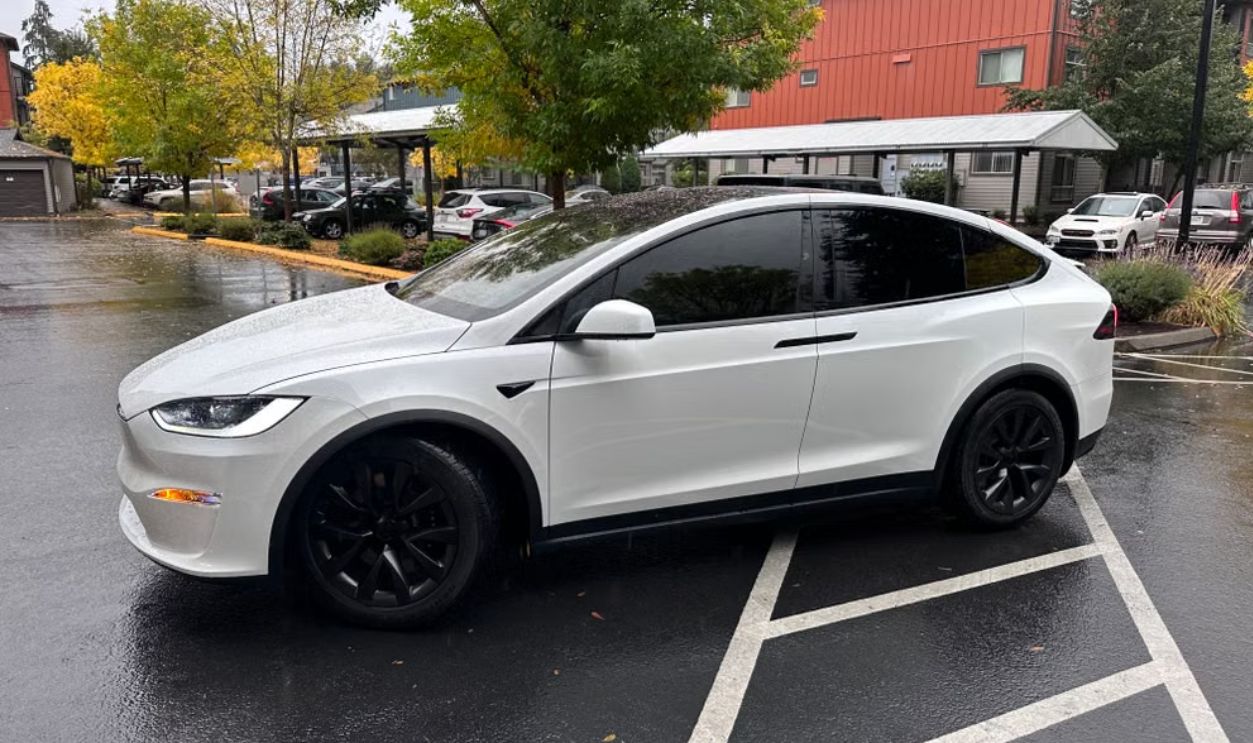
Couples do not have to choose between total restraint and a pair of matching luxury SUVs. One premium SUV and one more practical vehicle is often a smart compromise that keeps comfort without doubling every premium expense. Another option is buying lightly used instead of new, which can soften depreciation while keeping the upscale feel.
Try The Five-Question Reality Check
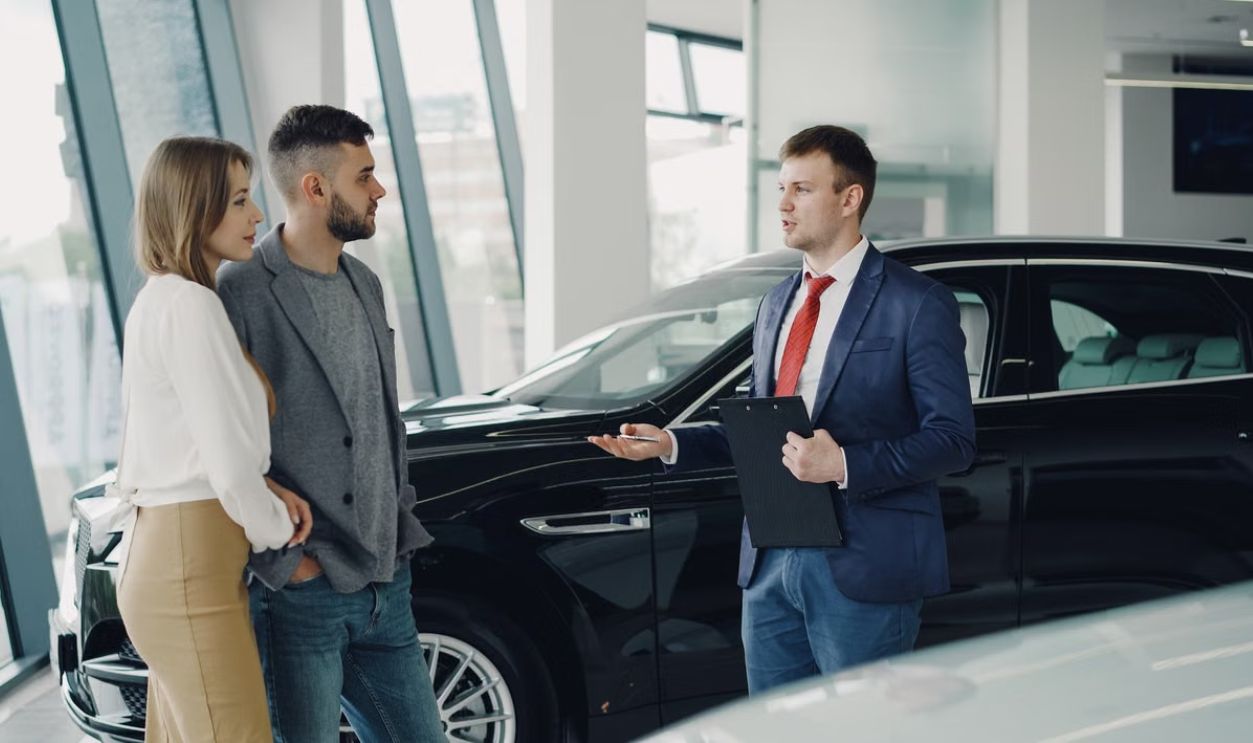
Ask five simple questions. Do both drivers really need the same size and capability? Can you comfortably afford the full cost of ownership? Would you still want them if nobody ever saw the driveway? Are there less expensive vehicles that meet 90 percent of the need? And does the purchase fit with bigger financial goals? Those answers usually reveal whether image is leading the decision or just tagging along.

If The Answer Is “Yes, We Want The Image”
That does not automatically make the purchase foolish. Adults are allowed to spend money on beauty, pleasure, and symbolism if they understand the tradeoffs and can afford them. The strongest position is being able to admit the emotional reason out loud and still carry the cost comfortably.

If The Answer Is “We Just Want To Look Successful”
That is the moment to slow down. Looking successful and being financially secure are not always the same thing, and expensive vehicles can blur that line fast. A household that builds savings, avoids money stress, and buys the right tools for the job may be far more successful than one with a perfect matching driveway.
What A Healthy Car Conversation Sounds Like
The best conversations do not shame either practicality or aspiration. One spouse may care more about value, while the other cares more about design and image, and both views are valid. The goal is not to win the argument. It is to make the hidden motivations clear before anyone signs the paperwork.

The Verdict On Image-Driven Buying
Yes, image absolutely shapes some car purchases, and luxury SUVs are one of the clearest examples. That does not mean every buyer is pretending or every premium purchase is irrational. It simply means that when matching luxury SUVs are on the table, it is smart to separate real need from the powerful urge to look like you have already arrived.