The Short Answer Is: Very Bad
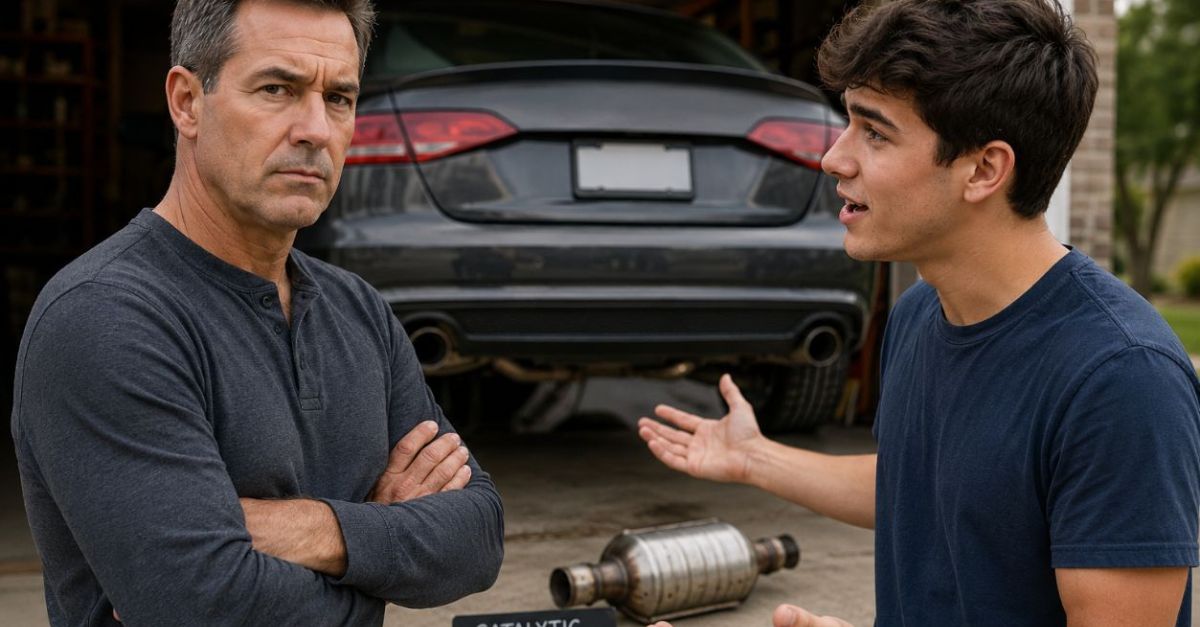
If your son wants to remove his car’s catalytic converter because he thinks it will sound better, the short version is: It's not a good idea.. In the United States, removing or disabling a catalytic converter on a street-driven car is generally illegal under federal law, and many states have their own rules too. But that's not even the only reason it's a bad idea.
Why This Part Matters So Much
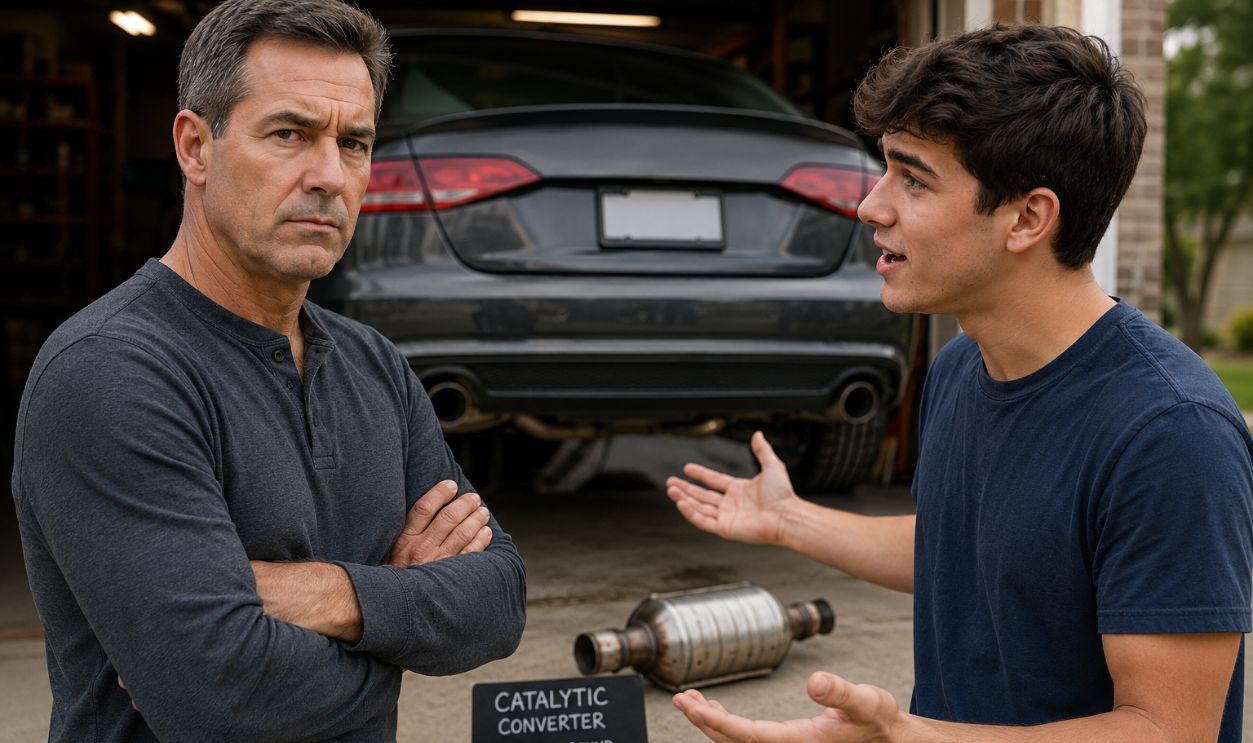
The catalytic converter is part of the exhaust system, but it is not just there to quiet the car down. Its main job is to cut harmful pollutants made during combustion before they leave the tailpipe. The U.S. Environmental Protection Agency says converters help control hydrocarbons, carbon monoxide, and oxides of nitrogen, which are major sources of air pollution.
The Catalytic Converter Has A Long History
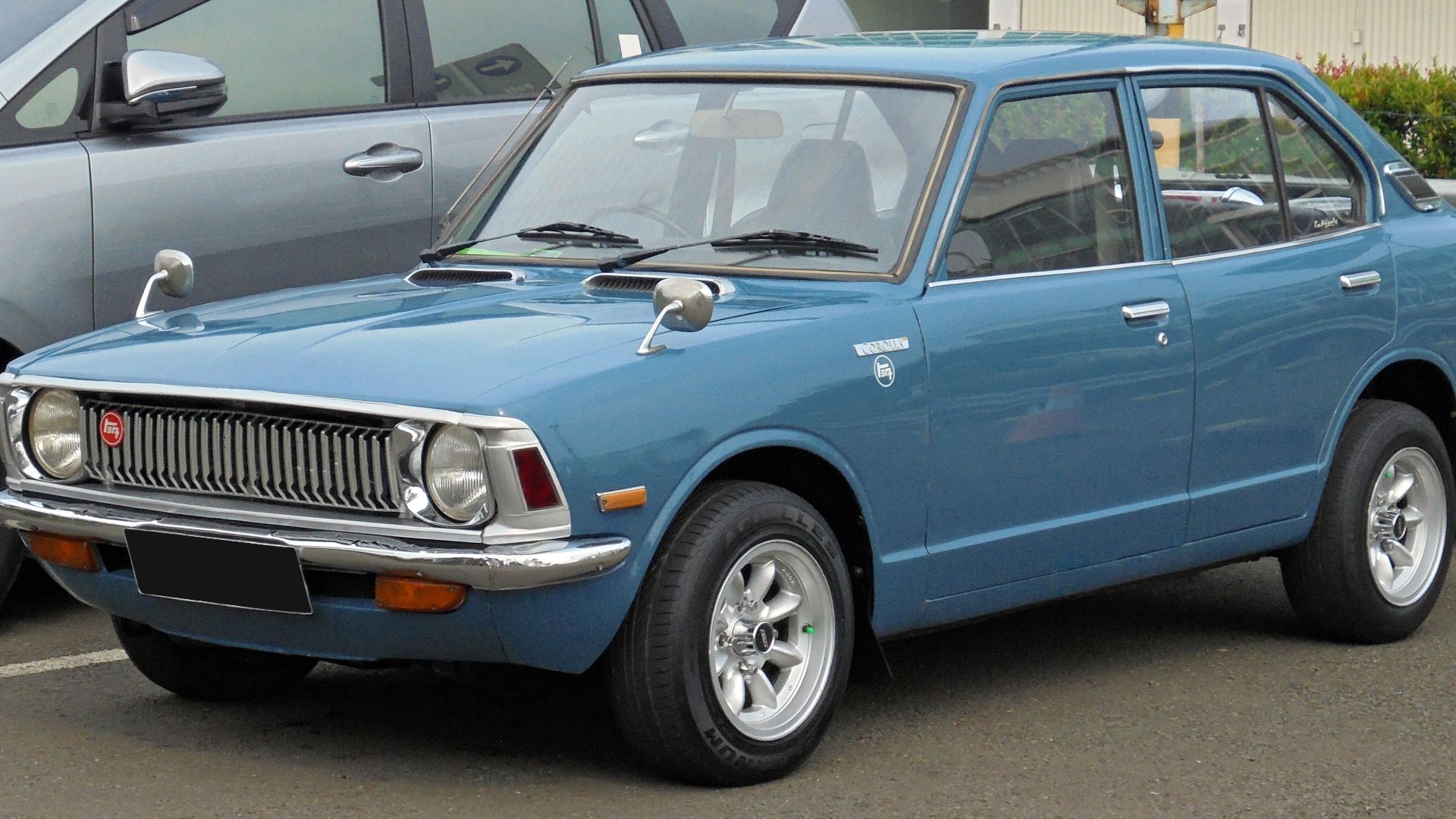
The modern catalytic converter for cars showed up in the mid-1970s as emissions rules got tougher in the United States. The EPA notes that catalytic converters became common on U.S. cars starting with the 1975 model year. That was the moment emissions control became a normal part of owning a car.
It Exists Because Exhaust Pollution Was A Real Crisis
This was not some random rule. By the 1960s and early 1970s, smog in major cities had become a serious public health and environmental problem, so lawmakers responded with stricter standards. The federal Clean Air Act, heavily updated in 1970, helped pave the way for emissions-control parts like catalytic converters to become required.

Who Made The Converter Possible
One key figure in the catalytic converter story was French mechanical engineer Eugène Houdry. He developed early catalytic devices and received U.S. patents related to catalytic exhaust purification in the 1950s. His work helped lay the groundwork long before converters became standard on passenger cars in the 1970s.
 Science History Institute, Wikimedia Commons
What A Catalytic Converter Actually Does
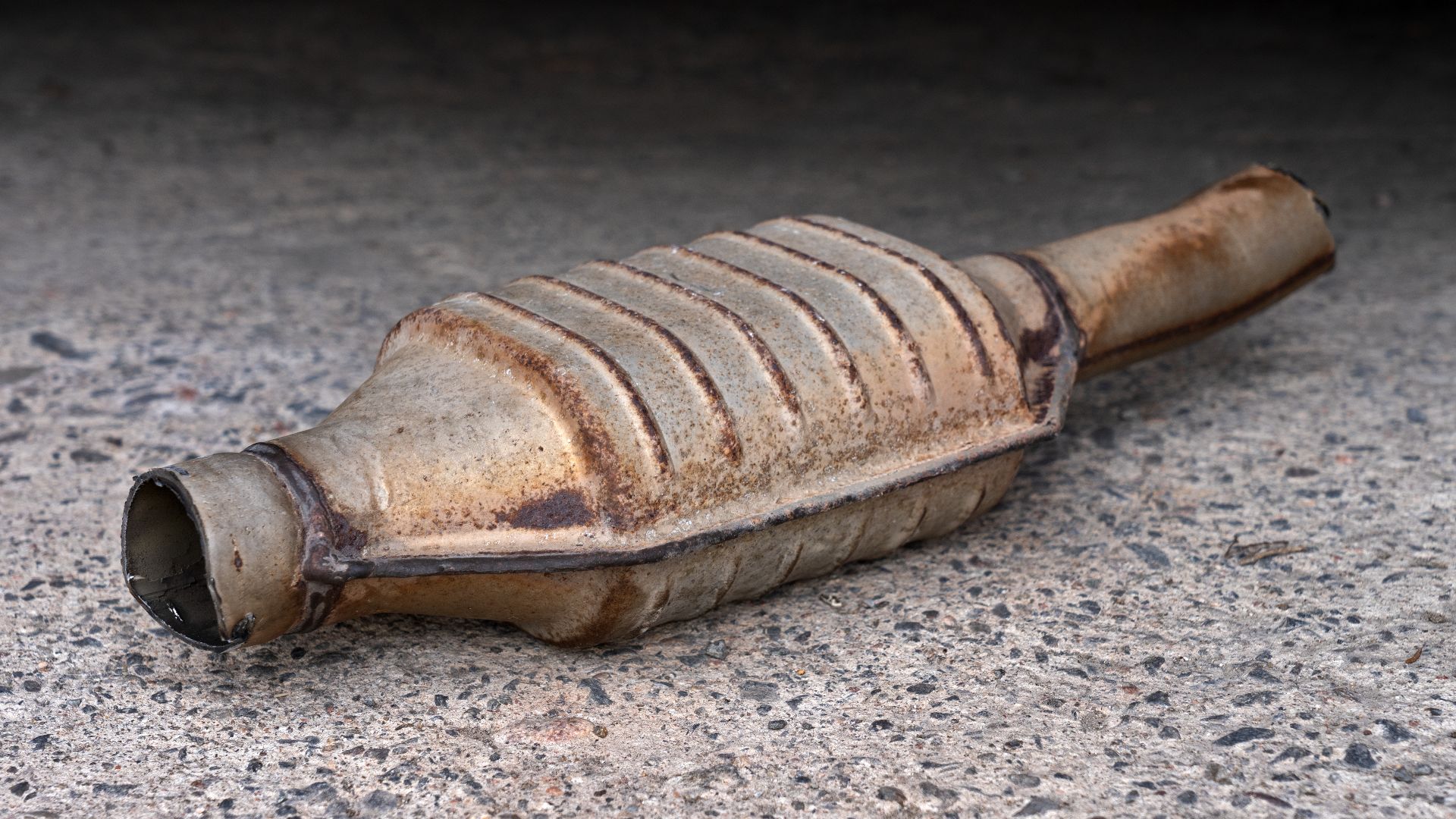
Inside the converter is a substrate coated with precious-metal catalysts, usually platinum, palladium, and rhodium. These materials help spark chemical reactions that turn dangerous exhaust gases into less harmful ones. According to the EPA, that means hydrocarbons become water vapor and carbon dioxide, carbon monoxide becomes carbon dioxide, and nitrogen oxides are reduced to nitrogen and oxygen.
 Santeri Viinamäki, Wikimedia Commons
Yes, Removing It Can Change The Sound
Your son is not wrong about that part. Removing a catalytic converter can make a car louder, sharper, raspier, and sometimes more aggressive sounding, depending on the engine and the rest of the exhaust. The problem is that different does not always mean better, especially after the novelty wears off and the drone kicks in on every highway drive.
Louder Is Not The Same As Better
A missing converter often makes an exhaust note harsher instead of deeper or smoother. On a lot of everyday cars, the result is less sports car and more cheap, tinny buzz. What sounds fun for a few minutes in a parking lot can get annoying fast on the road, especially for passengers and neighbors.

The Power Gain Claim Is Usually Overblown
There is a reason this idea keeps coming up: people often connect louder with faster. On a modern street car, removing the catalytic converter usually does not unlock some big hidden power gain. Many newer vehicles are built around the factory exhaust system, and a missing converter can create tuning problems instead of meaningful performance gains.
Modern Cars Do Not Like Missing Emissions Equipment
Most vehicles built since the 1990s use oxygen sensors before and after the catalytic converter to monitor how well it is working. If the converter is removed, the car’s computer may notice right away and trigger a check engine light. That can affect drivability, readiness monitors, and whether the car passes inspection.
 Jose Ricardo Barraza Morachis, Pexels
Federal Law Is The Big Red Flag
The EPA is very clear on this point. Under the Clean Air Act, it is illegal for any person to remove or disable emissions-control devices on a motor vehicle used on public roads, and that includes the catalytic converter. That rule applies not just to repair shops, but to individuals too.

The Fines Can Be Ugly
This is where the “sounds better” argument starts to fall apart. The EPA says penalties for tampering can be steep, and businesses that perform illegal modifications face especially serious consequences. Even if an individual never faces federal enforcement, state penalties, inspection failures, and repair costs can still turn this into an expensive mistake.

State Laws Can Make It Even Harder
Federal law is only part of the story. States such as California have strict anti-tampering and emissions inspection programs, and other states have their own inspection or smog-check rules. If the car has to pass an emissions or OBD-based inspection, a missing converter is often an instant fail.

California Is Especially Strict
The California Air Resources Board has some of the clearest guidance on aftermarket catalytic converters and emissions compliance. In California, replacement converters must meet specific standards and fit approved applications, and tampering is taken seriously. Even drivers outside California should pay attention, because many states follow California-style emissions rules in full or in part.

There Is Also The Smell Problem
People often focus on the sound and forget about the fumes. A car without a working catalytic converter can produce a stronger raw-exhaust smell, especially at idle, startup, or in enclosed spaces. That is not just unpleasant. It is a sign that more harmful pollutants are leaving the tailpipe untreated.

Why The Health Side Should Not Be Ignored
Carbon monoxide, hydrocarbons, and nitrogen oxides are not just chemistry terms. They are pollutants linked to health risks and poor air quality, which is exactly why emissions laws got stricter over time. The converter is one of the most effective tools a gasoline car has for cutting those tailpipe emissions during normal driving.

It Can Hurt Resale Value Too
A modified exhaust might impress a few friends, but it can turn off buyers, dealers, and inspection stations. A missing catalytic converter raises immediate questions about legality, maintenance history, and whether the car has been otherwise modified or abused. If the buyer has to return the car to legal condition, that cost will likely come out of the offer price.

Insurance And Warranty Questions Can Follow
Any illegal emissions tampering can complicate claims and repair discussions. The exact outcome depends on the insurer, but undocumented or unlawful modifications rarely help when a dispute comes up. If the car is still under any emissions-related warranty coverage, tampering can cause major problems there too.

The Noise May Attract The Wrong Attention
Some drivers picture a tougher soundtrack and forget about everyday reality. A much louder car can bring complaints from neighbors, extra attention from police, and trouble under local noise rules. The converter is not the only thing that affects sound, but removing it is a very blunt way to change it.
 Soul Winners For Christ, Pexels
Shops Are Not Supposed To Do This
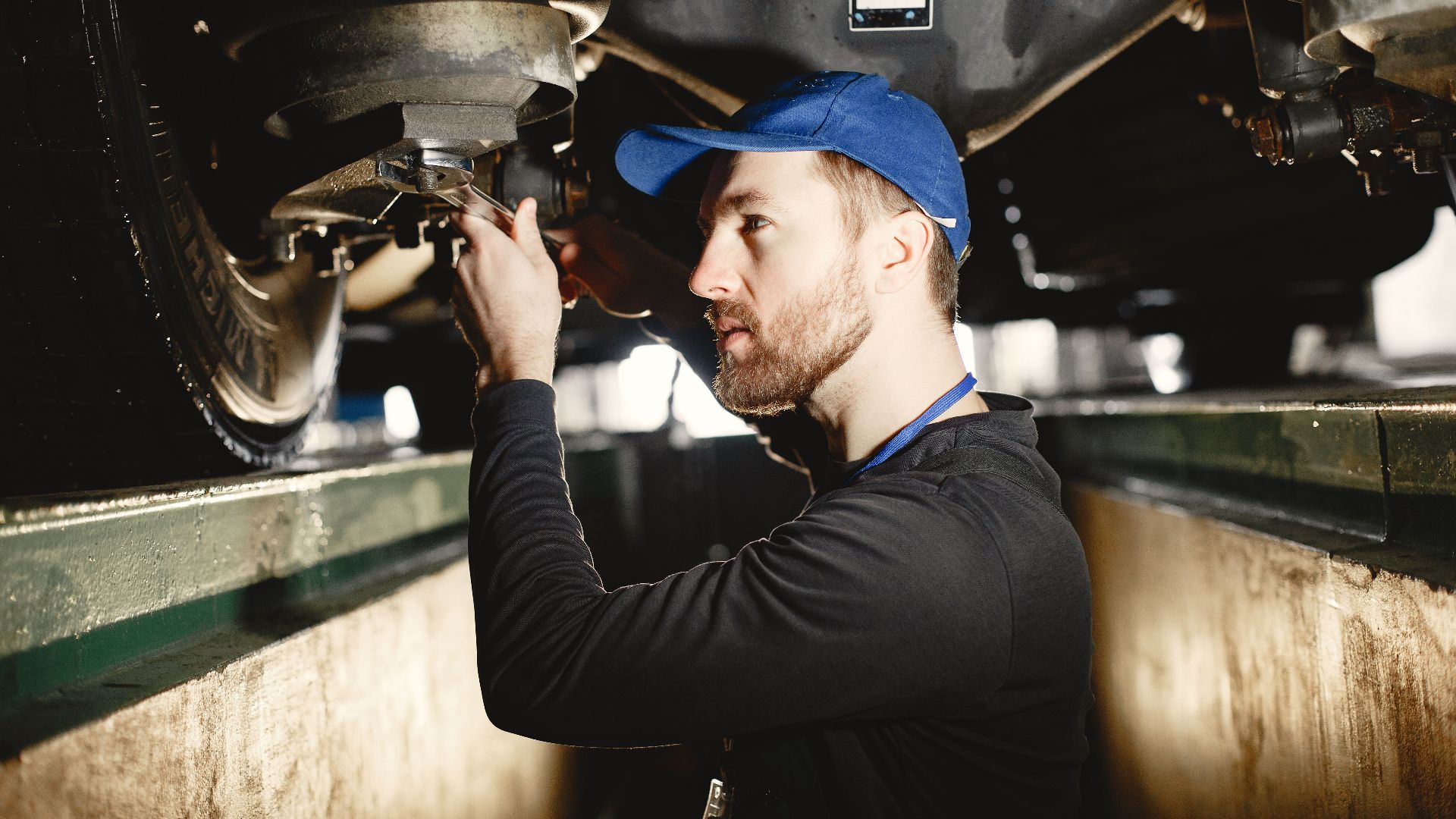
If your son thinks a muffler shop will just cut it out and send him on his way, that is not how the rules are supposed to work. The EPA has published guidance making clear that catalytic converter removal and illegal replacement practices violate federal anti-tampering law. Reputable shops know this, which is why many will refuse the job outright.
There Are Legal Ways To Change The Sound
If the real goal is a better exhaust note, there are smarter options. A legal cat-back exhaust system changes the sound after the catalytic converter and is often the first place enthusiasts look. On many cars, that can give a deeper or sportier tone without creating emissions problems.

An Intake Can Add Character Too
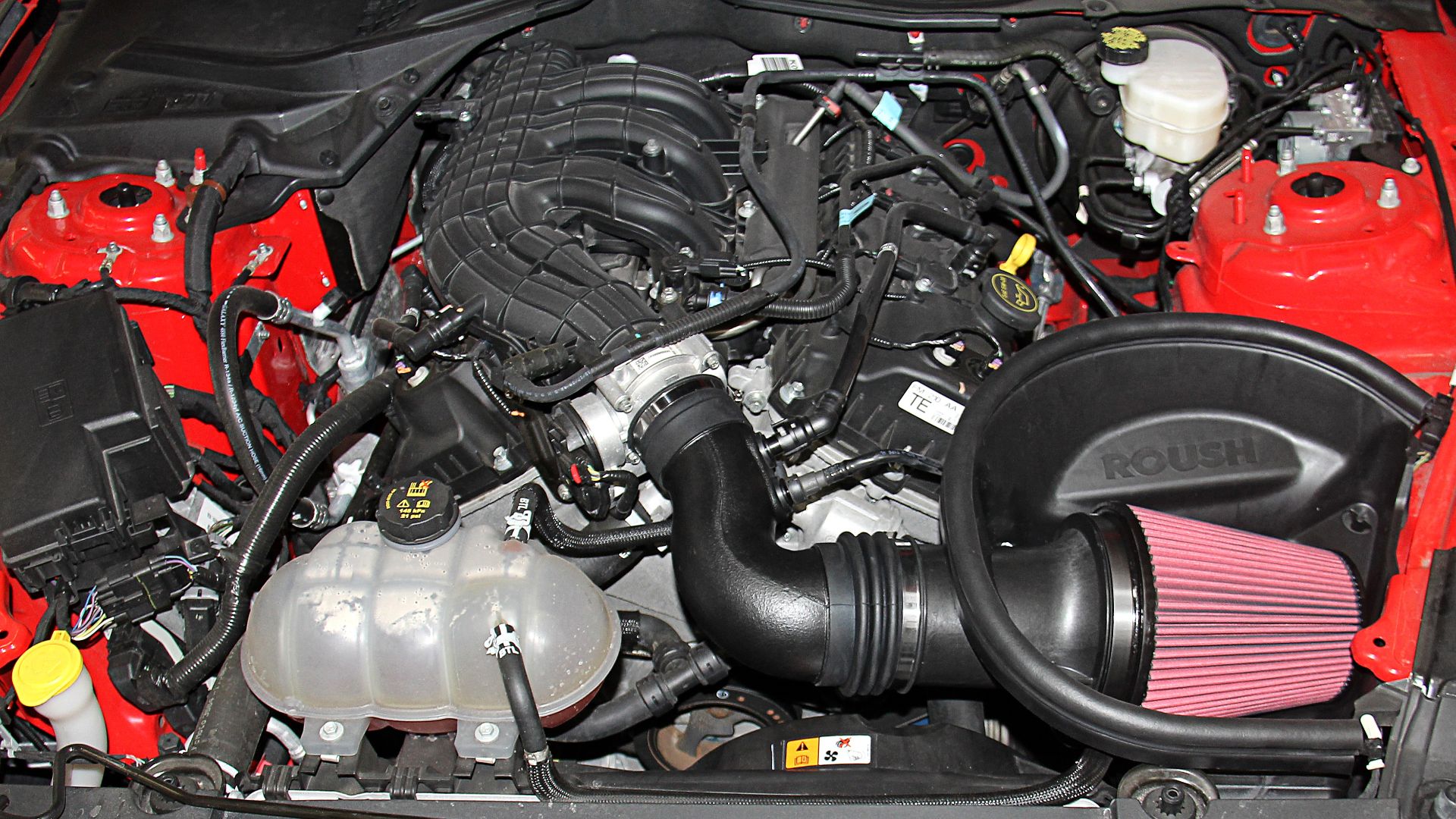
Some drivers do not actually want more exhaust noise. They just want the car to have a little more personality. Depending on the vehicle, a legal intake system can add induction sound under throttle without the legal and inspection mess that comes from removing the converter.
 Karamitchen, Wikimedia Commons
If The Converter Is Broken, That Is Different
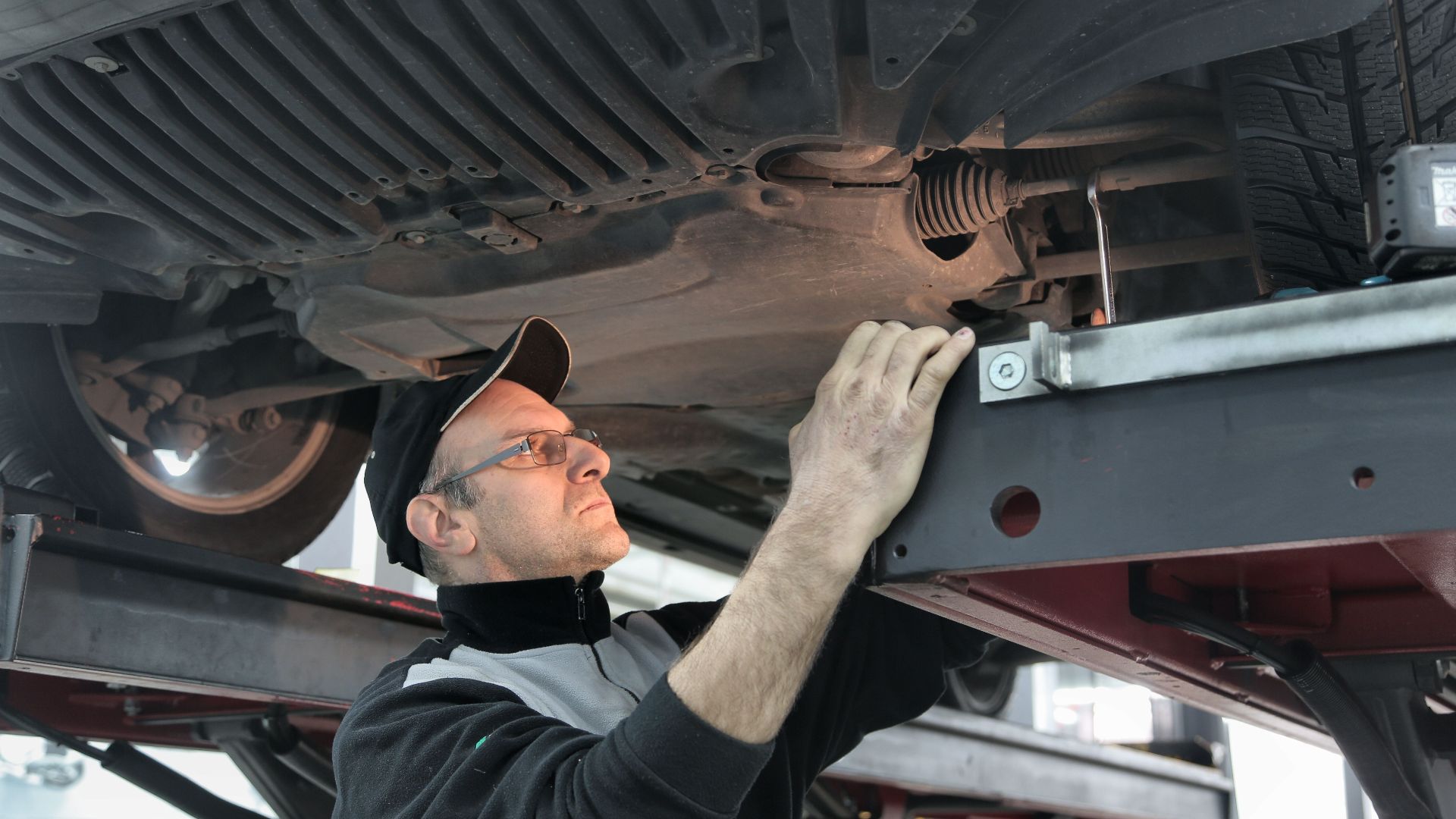
There is an important difference between illegal removal and lawful repair. If a catalytic converter has failed, it should be replaced with a compliant part that matches the vehicle and local rules. The EPA and CARB both provide guidance showing that replacement is regulated, not a free-for-all.
Used Parts Are Not Always The Easy Fix
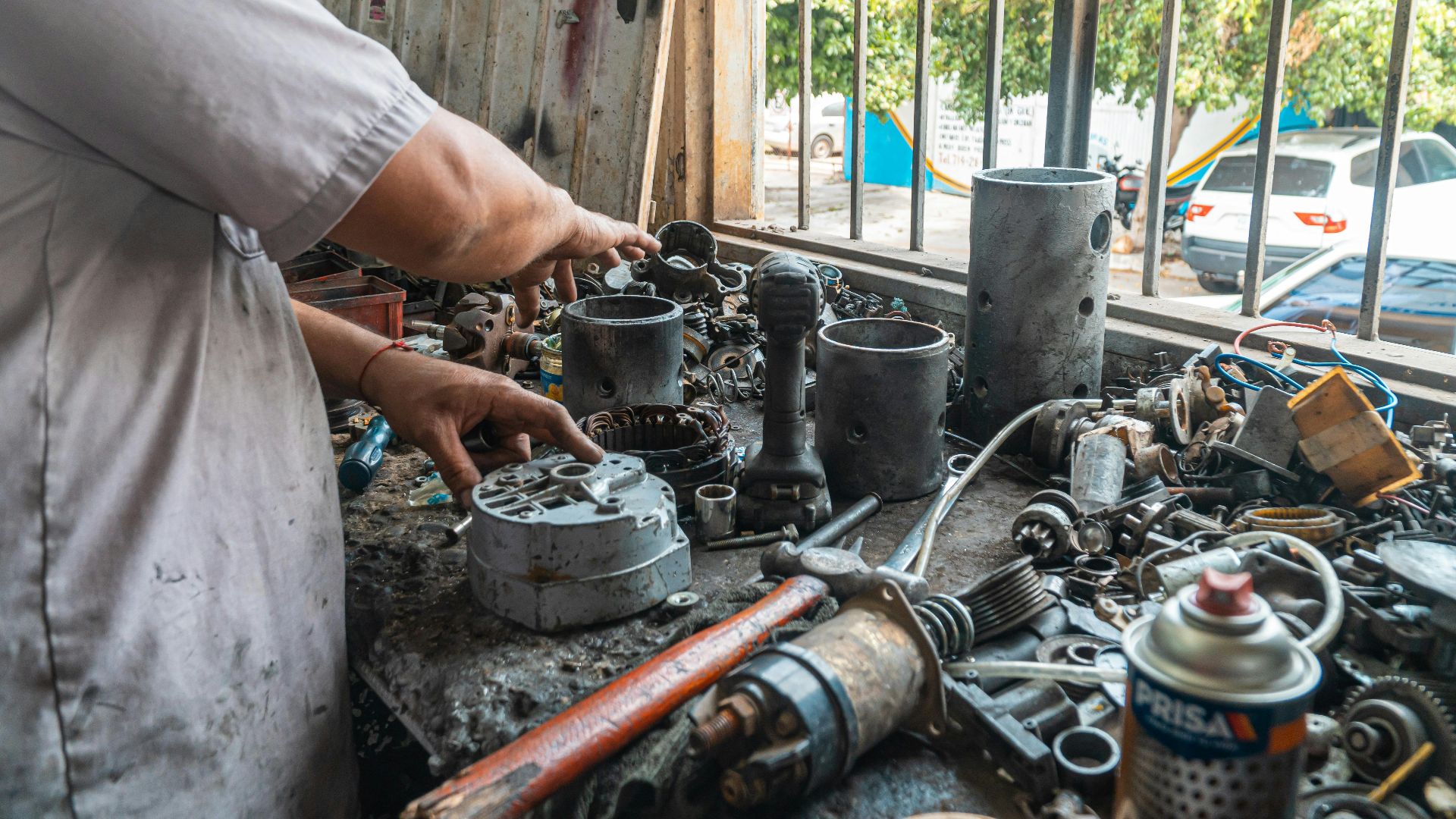
Some owners try to save money when replacing a bad converter, but the rules here can be stricter than people expect. The EPA regulates aftermarket replacement catalytic converters, and California has additional approval requirements. In other words, even fixing the problem has to be done the right way.
 Jose Ricardo Barraza Morachis, Pexels
There Is A Reason Converter Theft Became Such A Big Story
Catalytic converters contain precious metals, including platinum, palladium, and rhodium, which gave them real scrap value and helped drive theft spikes in recent years. The National Insurance Crime Bureau has documented how converter theft surged, especially around 2020 and 2021. That does not make the part disposable. It shows that the converter is both technologically important and financially valuable.
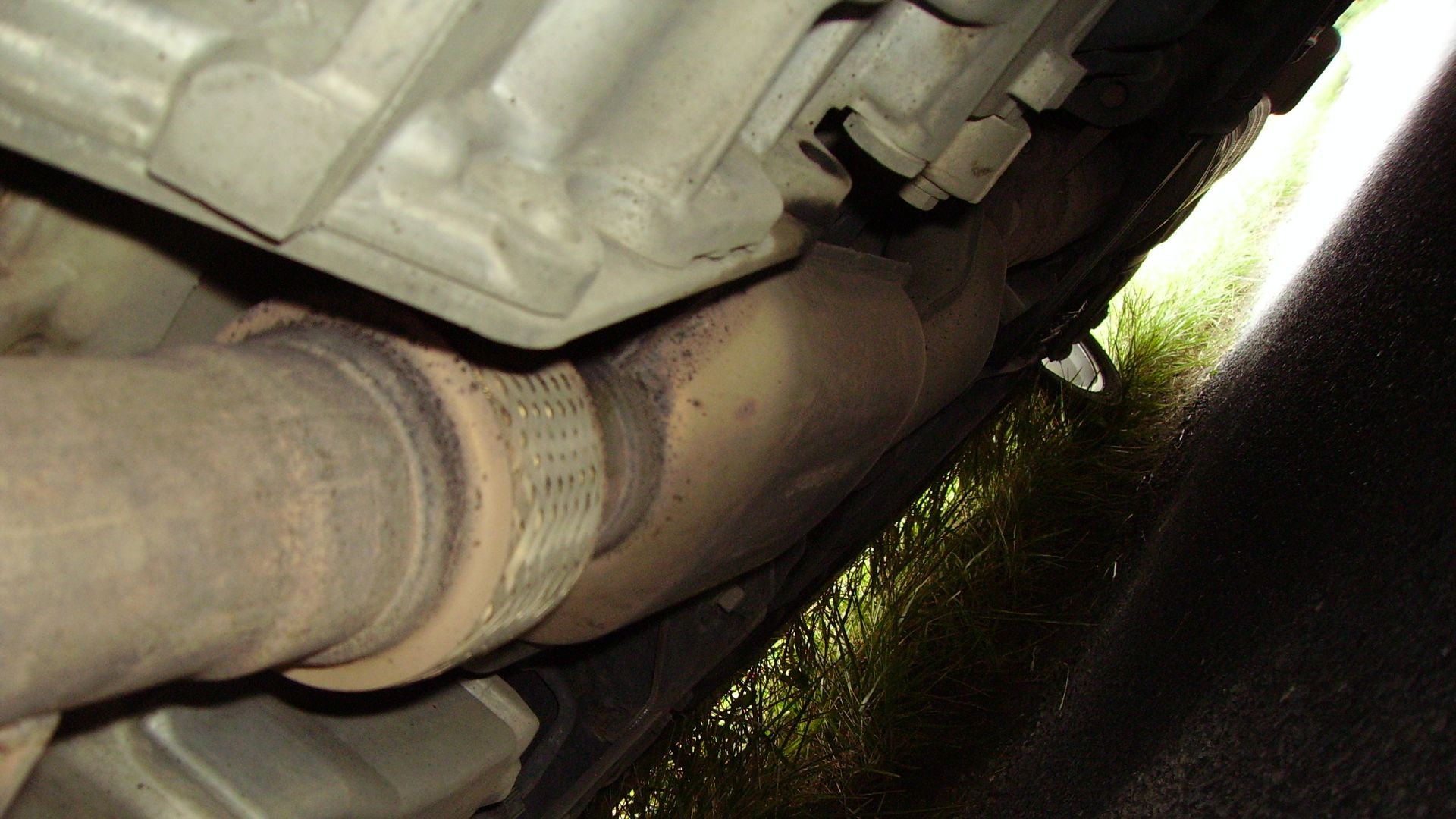 User Ballista on en.wikipedia, Wikimedia Commons
The Old “Backpressure” Argument Needs Context
Enthusiast talk often drifts into claims that removing restrictions automatically helps an engine breathe better. In reality, modern exhaust systems are designed as complete systems, and engines often depend on proper tuning and sensor feedback more than simple myths about cutting parts out. Removing the converter on a modern street car is usually a crude move with more downside than upside.
What To Tell Your Son
Keep it simple. Yes, removing the catalytic converter will probably change the sound, but it is illegal for street use, dirtier, likely to trigger warning lights or inspection trouble, and usually not worth the hassle. If he wants the car to sound better, tell him to look into legal cat-back exhaust options and leave the converter alone.

The Bottom Line For Parents And Drivers
On the scale of bad car ideas, this lands much closer to “do not do it” than “harmless experiment.” The catalytic converter exists because decades of engineering, regulation, and public-health evidence showed it makes a real difference. For a road car, cutting it out for noise is usually a shortcut to legal trouble, extra cost, and a worse ownership experience.