The Bargain That Makes Parents Nervous
To some, a retired taxi can look like both a fun idea and a total steal. The price is often low, the service records may be thick, and the car may have been maintained on a strict commercial schedule. But huge mileage is still a big deal. Wear does not vanish just because the oil got changed on time.

Cheap For A Reason
Used taxis are usually cheap because they have had a rough life. They spend hours idling, crawl through traffic, hit potholes, cycle through many drivers, and pile on miles faster than most privately owned cars ever will. That does not make them automatic junk, but it does mean the sticker price is just the starting point.

Mileage Is Not An Automatic Dealbreaker
High mileage alone does not doom a car. Consumer Reports has noted that modern vehicles can stay dependable well past 200,000 miles when they are maintained properly. The catch is that a retired taxi is not just a high mileage car. It is a high mileage commercial vehicle that has usually seen much harder use.
Why Taxis Are A Special Case
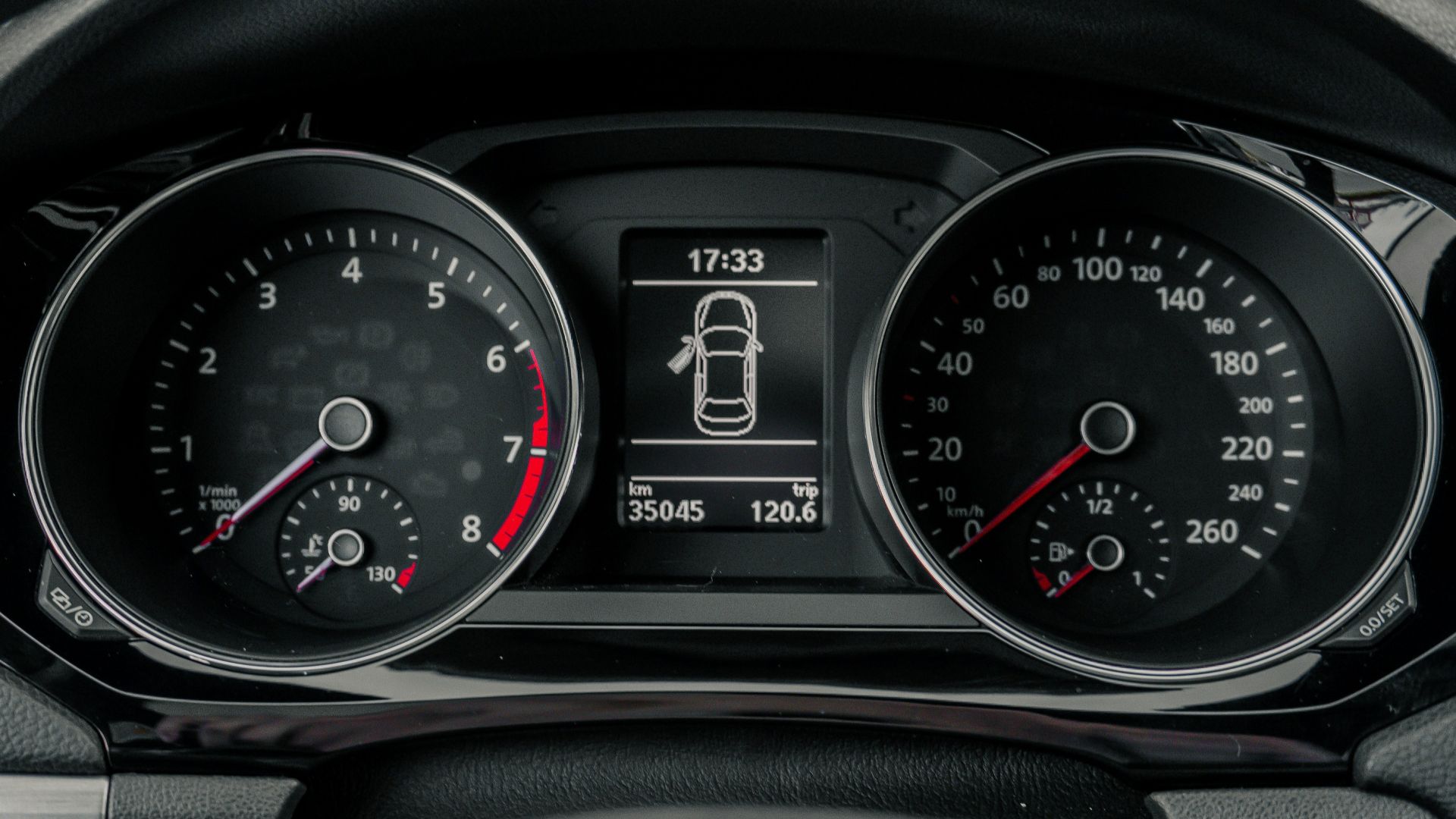
A family sedan with 220,000 highway miles and one careful owner is one thing. A taxi with the same odometer reading may have spent years idling at curbs, jumping away from stoplights, and dealing with hard use in the back seat. That matters because the engine, transmission, suspension, brakes, cooling system, and interior all wear differently under commercial use.

The Famous Taxis That Refuse To Die
There is a reason old taxi legends stick around. Irv Gordon’s Volvo P1800 became famous after Volvo verified its mileage over the years, and it eventually passed 3 million miles. It is a great example of what careful maintenance and gentle ownership can do. But it is not a model for the average fleet cab that has had many drivers and a punishing daily grind.
 Herranderssvensson, Wikimedia Commons
What Fleet Maintenance Gets Right
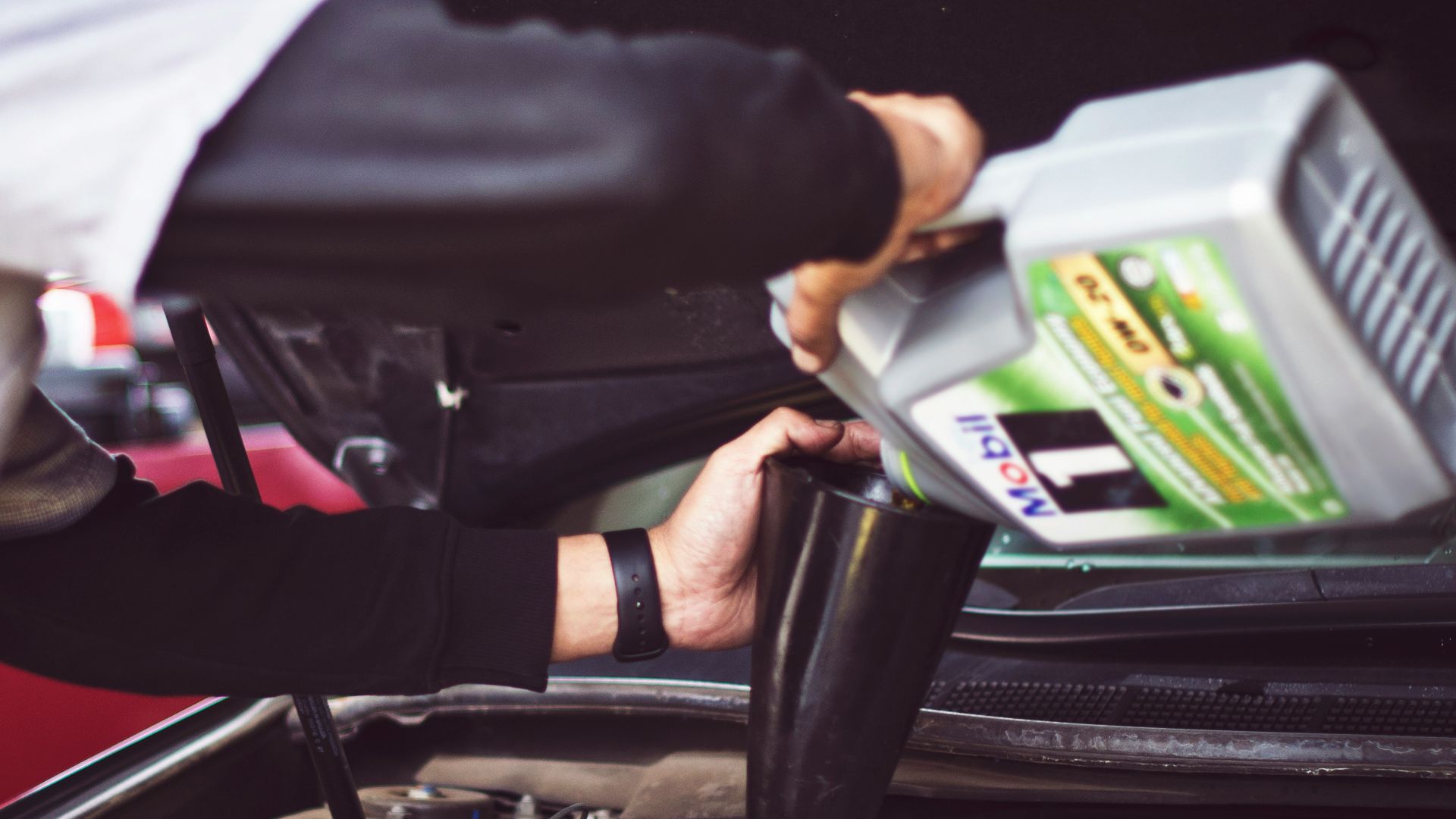
Commercial operators usually stay on top of routine service because downtime costs money. Oil changes, brake jobs, tires, and fluid checks are often done on schedule to keep the car earning. If your son can see records showing regular maintenance, that is one of the best arguments in the car’s favor.
Maintenance Records Matter More Than The Sales Pitch
A seller can call a retired taxi well maintained all day long. What matters is whether there are invoices, inspection reports, and a clear timeline showing what was done and when. If the records only show basic upkeep and say nothing about major components, assume expensive work may be coming.

Idle Hours Are The Hidden Mileage
One of the biggest traps with ex-taxis is engine wear that does not show up clearly on the odometer. The U.S. Department of Energy has long pointed out that idling burns fuel and adds wear even when a vehicle is not moving. A taxi that sat running for hours every shift may have the mechanical equivalent of far more miles than the dashboard shows.
 Sergiy Galyonkin from Raleigh, USA, Wikimedia Commons
The Transmission Deserves Extra Suspicion
Automatic transmissions in city service take a beating. Constant stop and go driving, heat, and endless low speed shifting can cut short their lifespan, especially if fluid service was delayed. A smooth test drive is a good sign, but a pre-purchase inspection with a scan for transmission codes is better.
 Jose Ricardo Barraza Morachis, Pexels
Suspension Wear Can Turn Cheap Into Costly
Taxis often spend their lives on rough city pavement, climbing curbs, dodging holes, and carrying passengers plus luggage. That is hard on struts, shocks, bushings, wheel bearings, and ball joints. A retired cab that feels loose, clunky, or uneven over bumps is warning you that the next repair bill may not be small.
 Benlisquare, Wikimedia Commons
Brakes May Have Been Replaced Often And That Is Fine
Brake wear is normal in city service, and frequent brake replacement is not a red flag by itself. In fact, documented brake work can be a sign the operator kept up with normal wear items. What you want to know is whether the repairs were done on time and whether there are signs of neglected calipers, worn lines, or ABS problems.

Cooling Systems Work Hard In Taxi Duty
Idling in traffic with the air conditioner on is tough on a cooling system. Radiators, water pumps, hoses, fans, and thermostats do not get an easy life in cab service. Any sign of overheating, a coolant smell, or temperature swings should move the car from maybe to no.

Interiors Tell The Truth Fast
The cabin can reveal a lot about how the whole vehicle was treated. Torn seats, broken switches, sagging trim, and dead rear door handles all point to heavy use and delayed repairs. Cosmetic damage does not automatically mean the engine is bad, but it often suggests a fleet that only fixed what was absolutely needed to keep the car on the road.

Look For Police Or Municipal Auction Clues
Many ex-taxis are sold through auctions, wholesalers, or dealers that bought them in batches. That can make the history less clear than a normal private-party sale. If the paperwork is fuzzy about prior use, VIN history and inspection records matter even more.

Check For Accident History And Title Problems
A hard-working taxi is more likely than the average commuter car to have picked up fender benders. A vehicle history report can help uncover salvage branding, repeated collision repairs, or title problems, though no report catches everything. Pair that with a careful visual inspection for mismatched paint, overspray, uneven panel gaps, and repairs underneath the car.
The Hybrid Exception Is Real
Some retired taxi hybrids have a better reputation than you might expect. The Toyota Prius became famous in taxi fleets around the world because operators found it economical and durable in city service. Consumer Reports has repeatedly rated Prius reliability strongly over the years, which helps explain why high mileage examples still have loyal buyers.
 Mariordo Mario Roberto Duran Ortiz, Wikimedia Commons
Battery Anxiety Needs Context
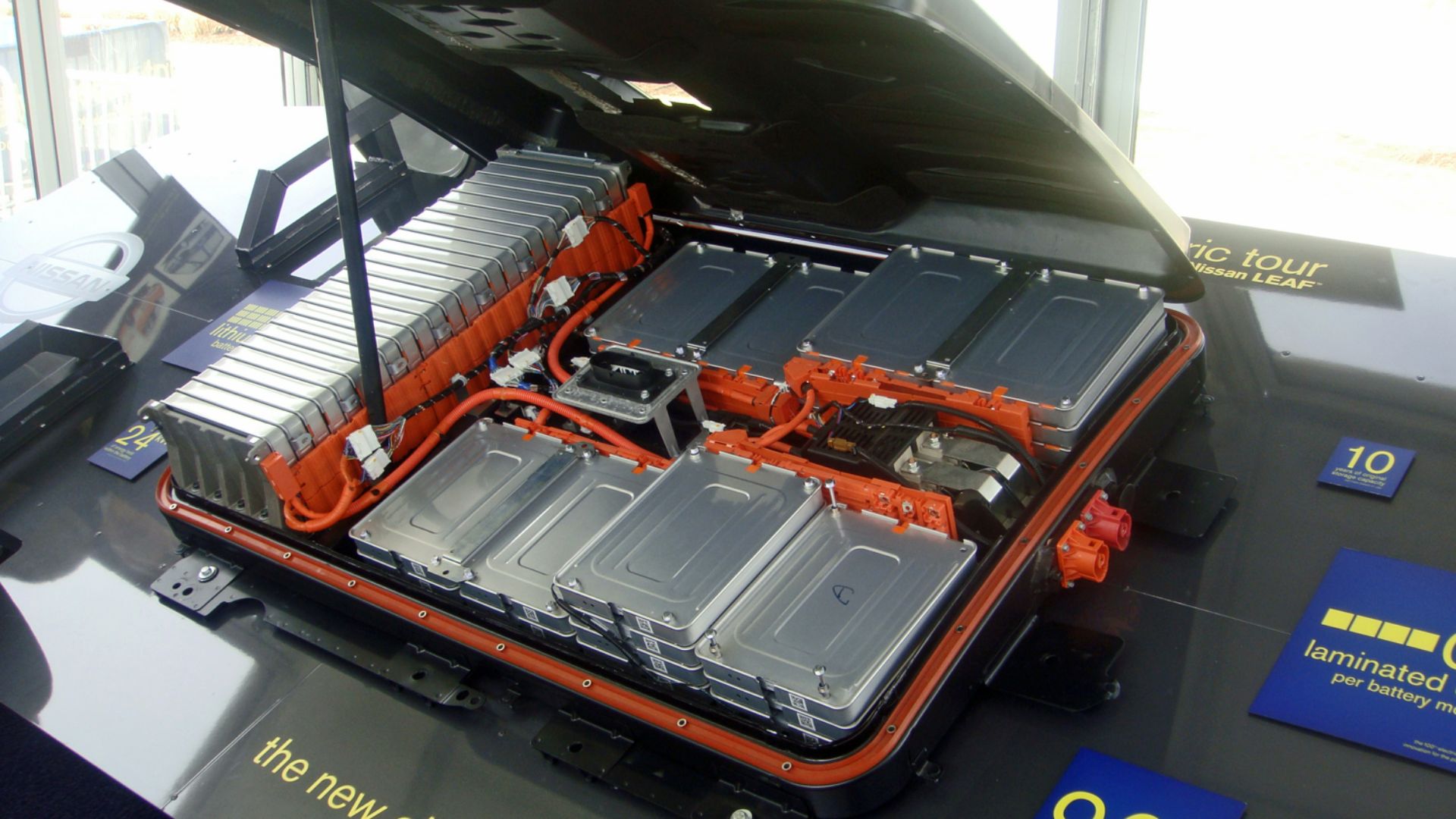
If the retired taxi is a hybrid, many buyers immediately worry about the battery. That makes sense, but battery age, state of health, and cooling system condition matter more than fear alone. Some packs last a very long time, but replacement cost needs to be part of the budget before anyone decides the car is cheap.
 Mariordo Mario Roberto Duran Ortiz, Wikimedia Commons
Taxi Use Can Be Better Than Short Hop Neglect
There is one argument for old cabs that deserves real credit. A vehicle in daily commercial use is often fully warmed up, serviced on schedule, and kept moving instead of sitting for months with old fluids and a weak battery. Compared with a neglected low mileage car, a well documented taxi can sometimes be the more honest machine.

But Fleet Economics Are Not Family Car Economics
Taxi companies maintain vehicles to keep them profitable, not to preserve them forever for the next owner. That means they may repair what stops the car from working and delay what only makes it nicer or longer lasting. Once your son buys it, those delayed costs become his problem.
 Verónica Caballero , Wikimedia Commons
Model Choice Matters More Than Taxi Status Alone
A retired taxi based on a durable model with cheap parts is very different from a retired taxi based on a more complicated car with a weak transmission record. Reliability data and common trouble spots for the exact year, engine, and transmission should be checked before any money changes hands. It is smarter to buy a known workhorse with 250,000 miles than a fragile model with 140,000.
 Leonhard Lenz, Wikimedia Commons
Do Not Skip A Professional Inspection
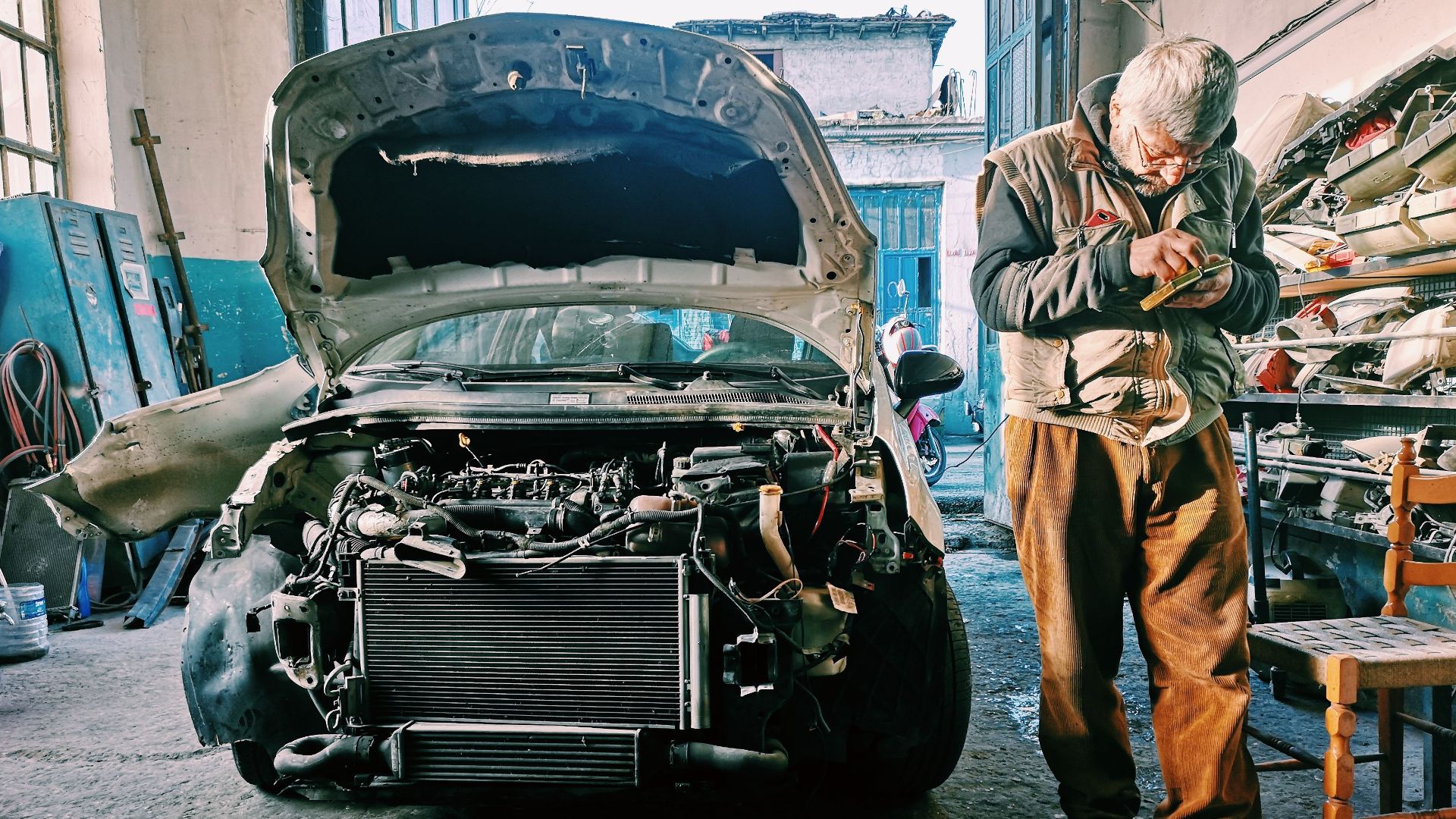
This is the point where spending a little can save a lot. A trusted mechanic should inspect the engine, transmission, suspension, brakes, tires, cooling system, electronics, and underbody, and should scan the car for fault codes. If the seller objects, walk away.

Pay Attention To The Test Drive
A quick lap around the block is not enough. The car should start cold, idle smoothly, track straight, shift cleanly, stop without vibration, and run at highway speed without overheating or whining. Turn everything on, including the air conditioning, and listen for noises that seem to vanish the moment a salesperson starts talking.

Price The Car Like A Project, Not A Prize
Even a good retired taxi should be priced with a repair cushion in mind. Budget for tires, fluids, filters, brakes, battery, suspension work, and the chance of a bigger surprise. If the deal only makes sense when nothing goes wrong, it does not make sense.

Who Should Actually Buy One
A retired taxi can make sense for a buyer who knows cars, thinks realistically about money, and does not mind cosmetic wear. It can also work for someone who just needs basic transportation and can handle occasional repairs without panic. It is a bad fit for a young driver who needs top reliability on a very tight budget and has no backup plan.

Who Should Pass Immediately
If your son needs a car for long commutes, school, work, and cannot afford downtime, a retired taxi is usually too risky. The same goes for anyone financing the purchase who would be crushed by a four figure repair in the first six months. Cheap transportation is only cheap when it stays on the road.
 Zoriana Zaitseva, Shutterstock
The Smart Middle Ground
If he likes the idea, push him toward the best version of it rather than the first cheap listing he sees. Look for full maintenance records, a durable model with a strong reputation, a clean title, and a clean inspection from an independent mechanic. If those pieces are missing, the smart move is to keep shopping.

So Is Huge Mileage A Dealbreaker
No, huge mileage is not an automatic dealbreaker. But on a retired taxi, mileage is only one part of a much bigger picture that includes idle time, city wear, maintenance quality, model reputation, and inspection results. The low price should be treated as a reason to look closer, not proof that he found a hidden gem.
 Alexandros Chatzidimos, Pexels