The Car Stays Parked, But The Bills Continue
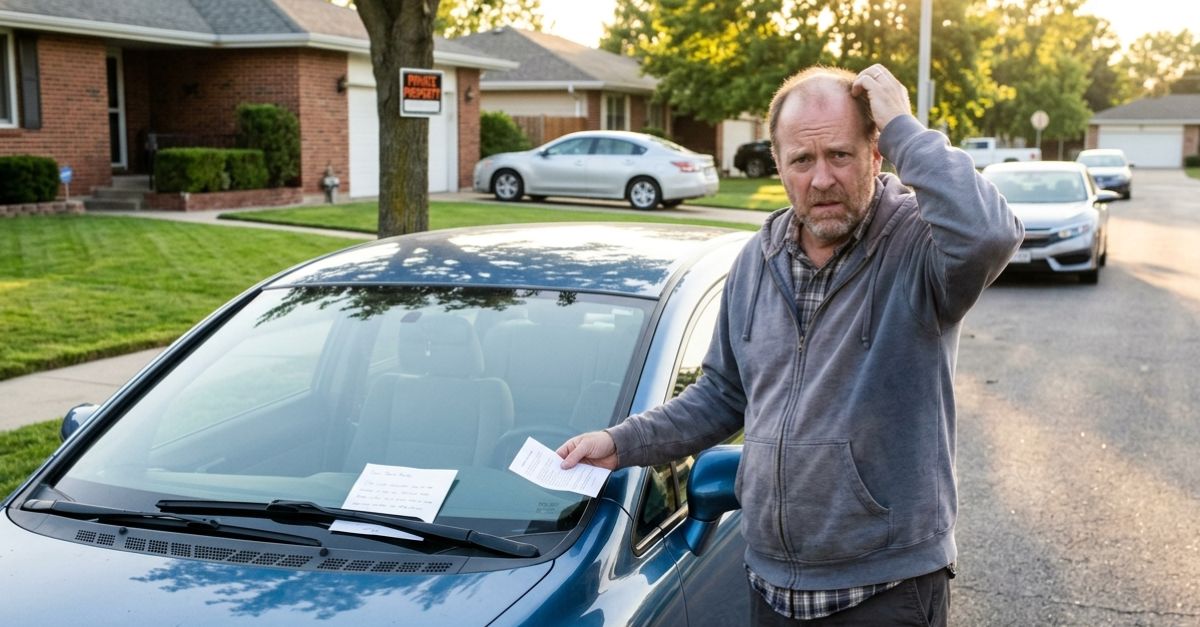
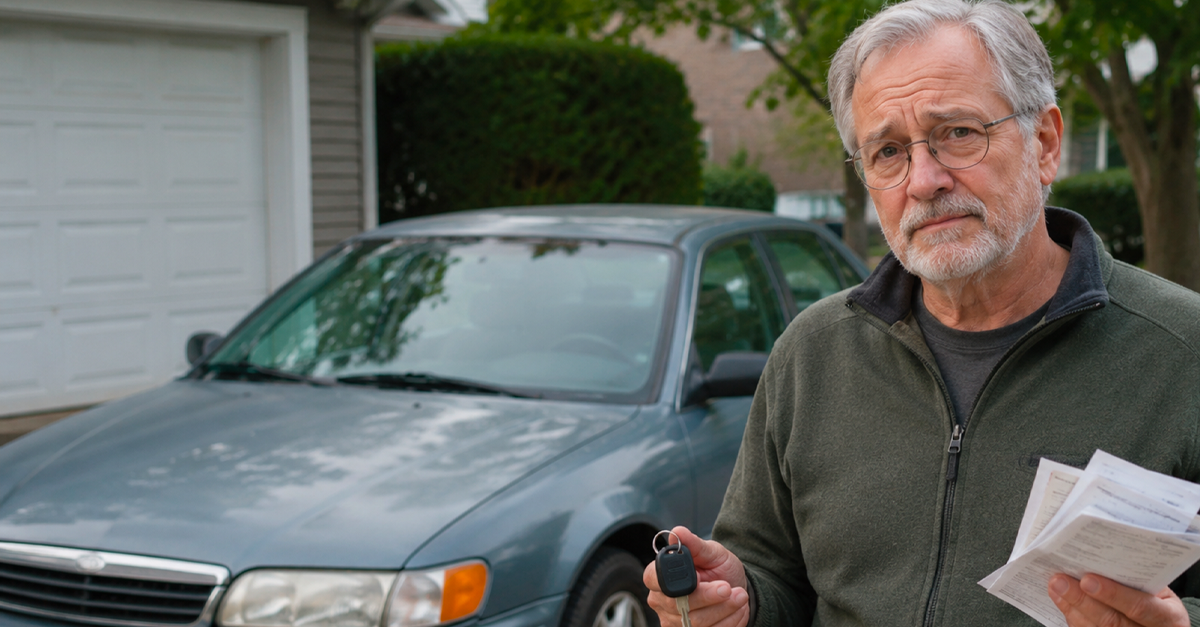
Your retired parents drive less than ever, yet their car still costs money every month. Insurance, registration, depreciation, maintenance, and possible loan interest continue while it sits. Falling fuel spending can disguise how little the total ownership bill has changed.
Low Mileage Can Make Every Trip Expensive
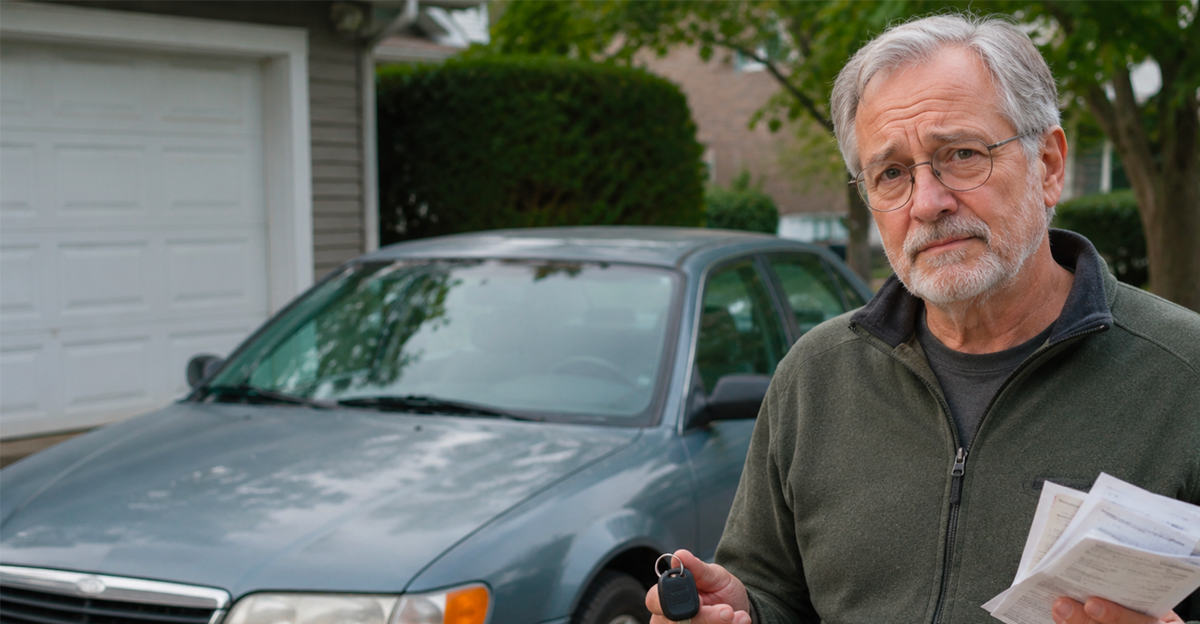
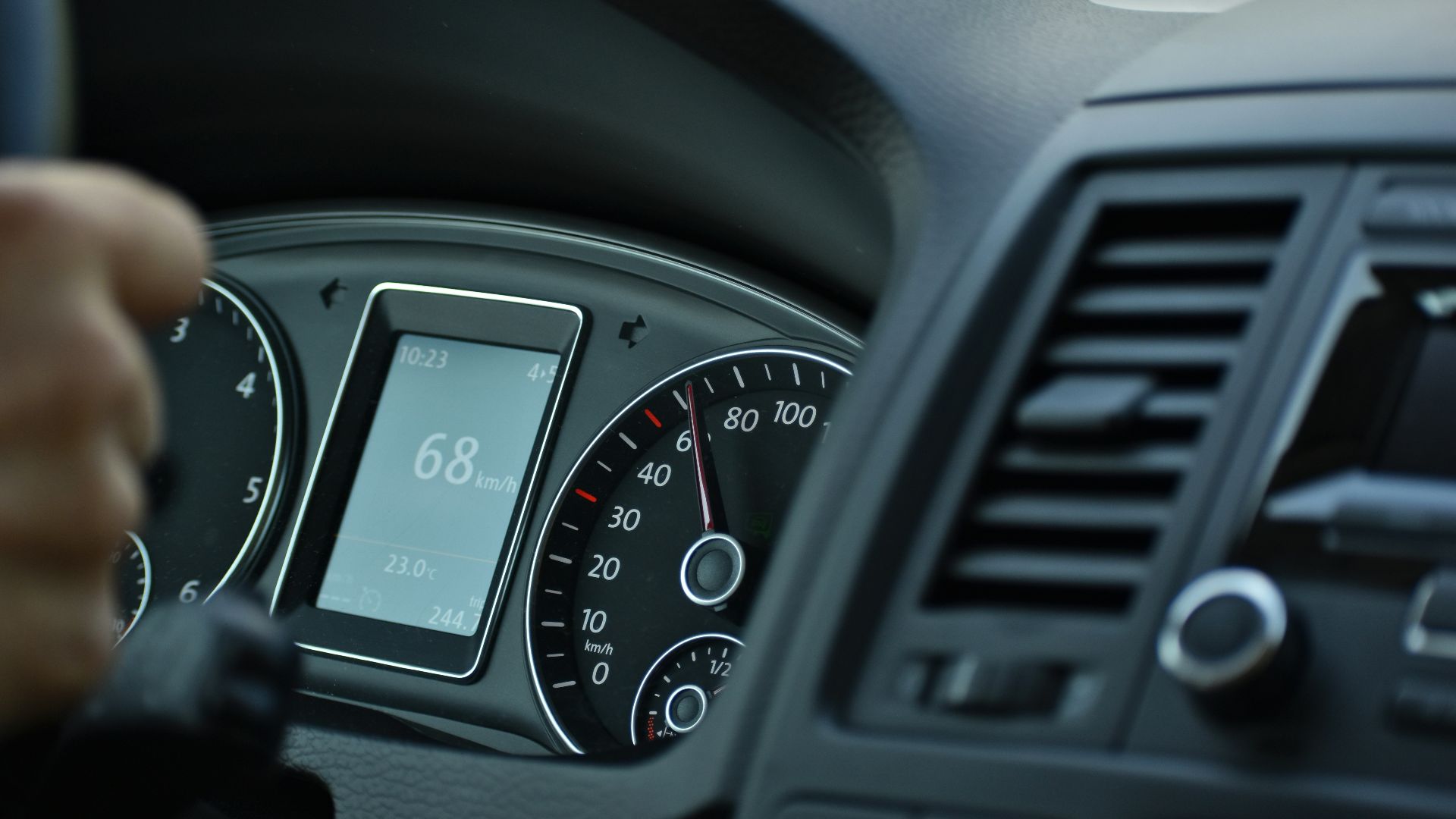
AAA estimated that a new vehicle driven 10,000 miles annually cost about $1 per mile in 2025. The average dropped to 66 cents at 20,000 miles because fixed ownership expenses were spread across more driving.
Begin With The Complete Annual Cost
Add insurance, registration, taxes, parking, maintenance, repairs, financing, fuel, and depreciation. The Consumer Financial Protection Bureau specifically warns buyers to consider long-term operating expenses, not merely the vehicle price or monthly loan payment.

Separate Fixed Costs From Driving Costs
Fuel and some maintenance rise with mileage, but many expenses continue regardless of use. Insurance, registration, financing, parking, and depreciation can remain substantial when a car travels only a few thousand miles annually. That distinction drives the decision.
Depreciation Is Still Real Money
Depreciation does not arrive as a bill, so owners often overlook it. However, keeping a vehicle means holding an asset that may continue losing resale value. Checking current trade-in and private-sale estimates reveals how much money remains tied up.

Older Paid-Off Cars Are Different
AAA’s averages describe new vehicles, so they should not be applied blindly to an older paid-off sedan. An older car may depreciate slowly and carry no financing cost. However, its repairs and maintenance may become less predictable.
 Chrofit the man to call, Pexels
Ask The Insurer About Actual Usage
Insurance premiums can reflect mileage, vehicle use, location, driving history, coverage, and the car itself. Some insurers offer lower rates for occasional or pleasure use. Parents should report their current driving pattern and request updated quotes.

Review Coverage Without Cutting Blindly
Increasing a deductible or removing optional coverage may reduce premiums, but the household must be able to absorb a loss. Before changing anything, compare the savings with the vehicle’s value, replacement cost, emergency fund, and personal risk tolerance.

A Parked Vehicle Still Needs Maintenance
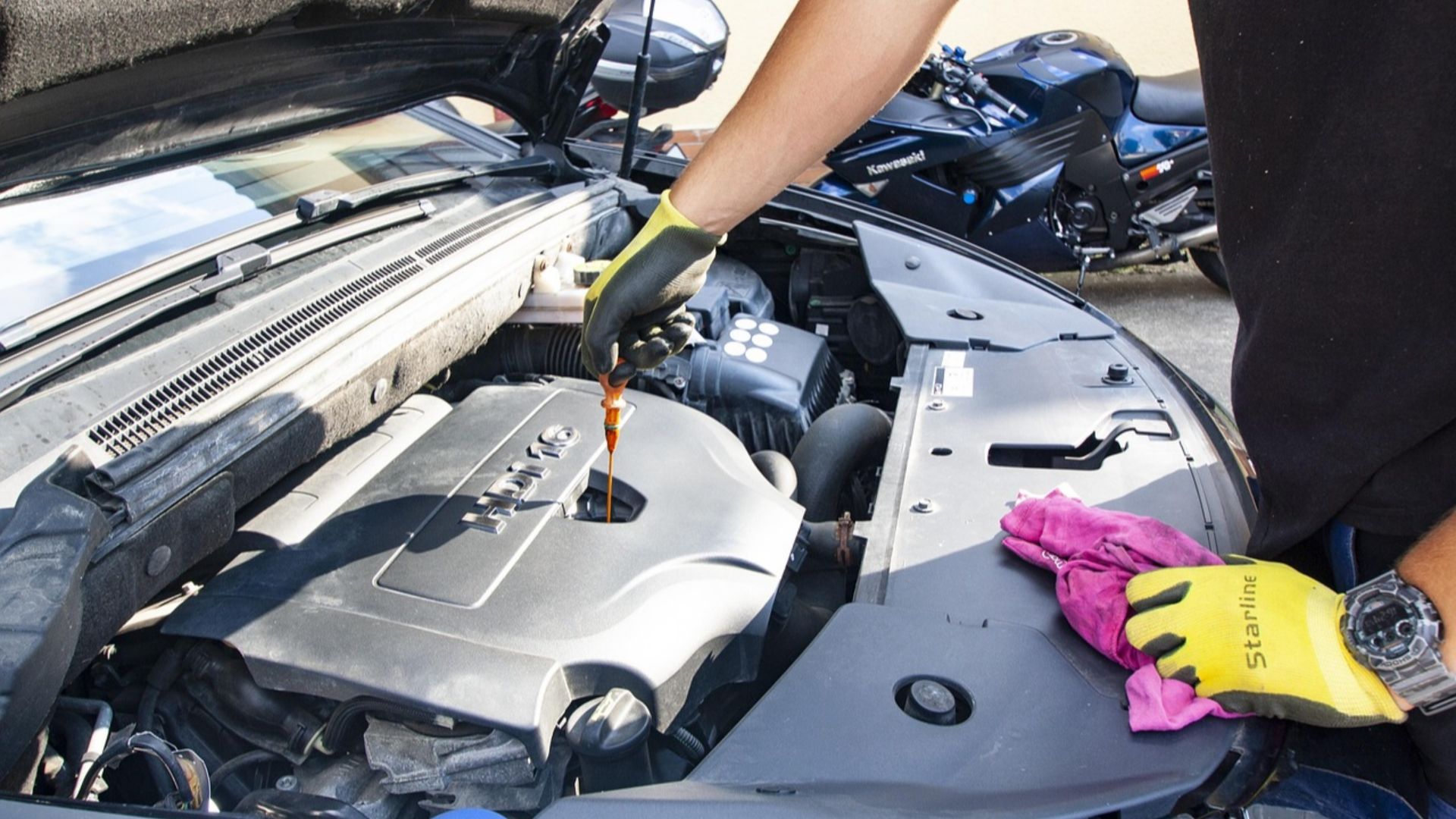
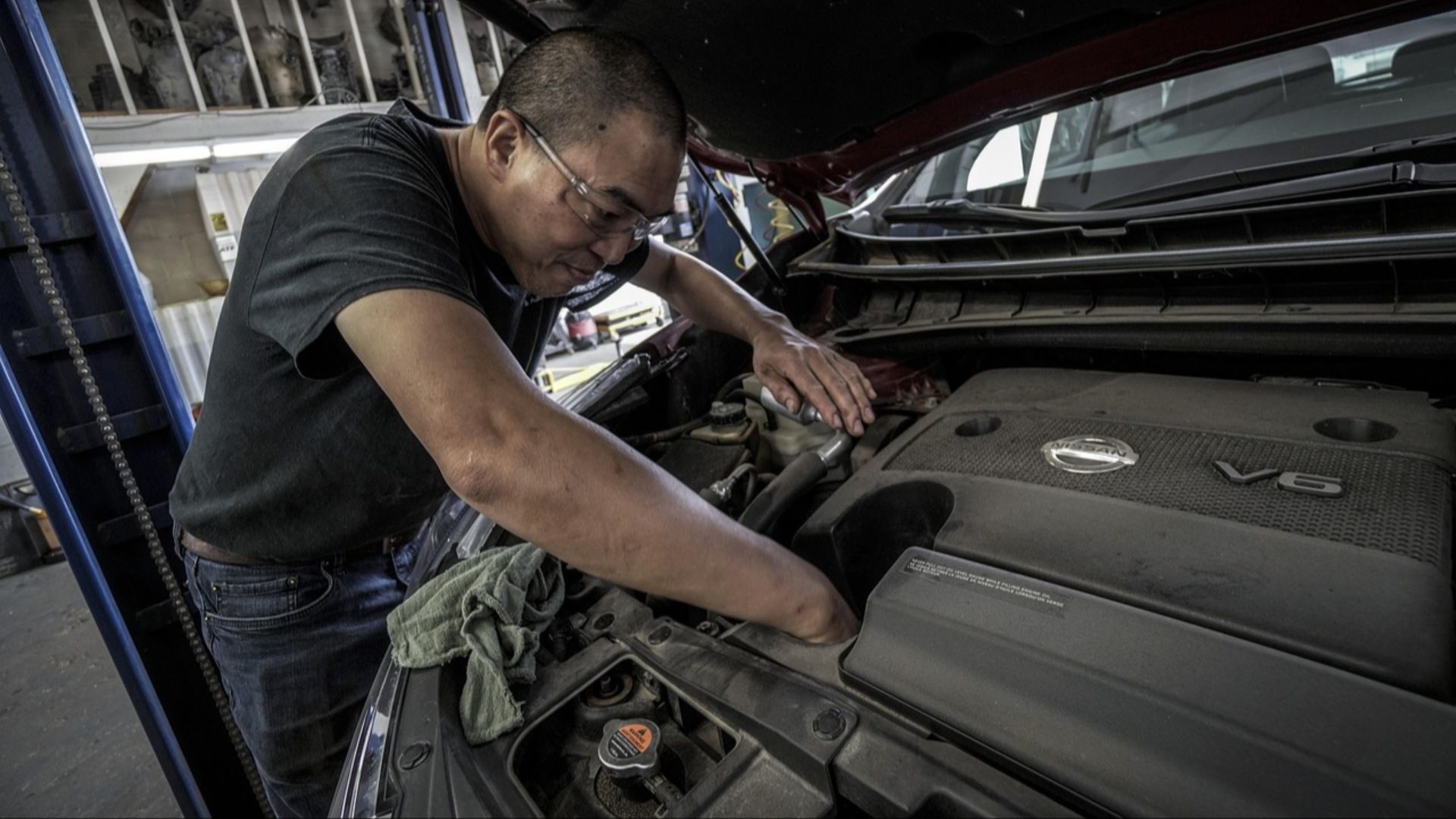
Cars deteriorate even when they are seldom driven. Batteries can discharge, tires can develop flat spots, oil can degrade, and brake rotors can rust. Owners must continue time-based maintenance instead of relying solely on accumulated mileage.
Track Every Journey For One Month
Ask both parents to record every trip, including its purpose, distance, timing, cargo, and passengers. The log will reveal which journeys truly require a private car and which continue mainly because the vehicle is already available.

Calculate The Cost Per Necessary Trip
Divide the car’s avoidable annual cost by the number of trips that genuinely require it. A vehicle costing $6,000 annually and providing 150 necessary trips costs $40 per trip. That comparison makes taxis and rentals look different.

Compare Only Costs That Would Change
Selling the car does not eliminate transportation spending. Transit fares, taxis, rideshares, rentals, deliveries, and family reimbursements may replace part of the ownership bill. Compare the costs that disappear with the realistic expenses that would take their place.

Build A Realistic Replacement Budget
Estimate a full year of alternative transportation. Include regular transit, several taxis or rideshares each month, occasional car rentals, grocery delivery, medical transportation, and extra spending during winter or bad weather. Avoid assuming every journey will be inexpensive.
 Mustafa Özdemir, Wikimedia Commons
Test Car-Free Living Before Committing
My parents could leave the vehicle parked for four weeks while using alternatives. They should test appointments, evening events, shopping, social visits, bad weather, and unexpected errands. A realistic trial exposes transportation gaps before the car is permanently sold.

Their Neighborhood May Decide The Answer
Car-free retirement is easier near stores, medical offices, friends, and frequent transit. It is considerably harder in rural or outer suburban communities with limited service. NHTSA recognizes that many older adults have few practical alternatives to driving.

Transportation Is About More Than Errands
Reliable transportation supports healthcare access, social connections, independence, and quality of life. Research on older adults and rideshare services found that affordability, reliability, technology, availability, and safety can determine whether alternatives work in practice.

Ownership And Independence Are Not Identical
A car may represent freedom after decades of driving, even when it is rarely used. However, true mobility means being able to reach necessary and enjoyable destinations. Reliable access to transportation can preserve independence without requiring personal vehicle ownership.

Safety Requires A Separate Conversation
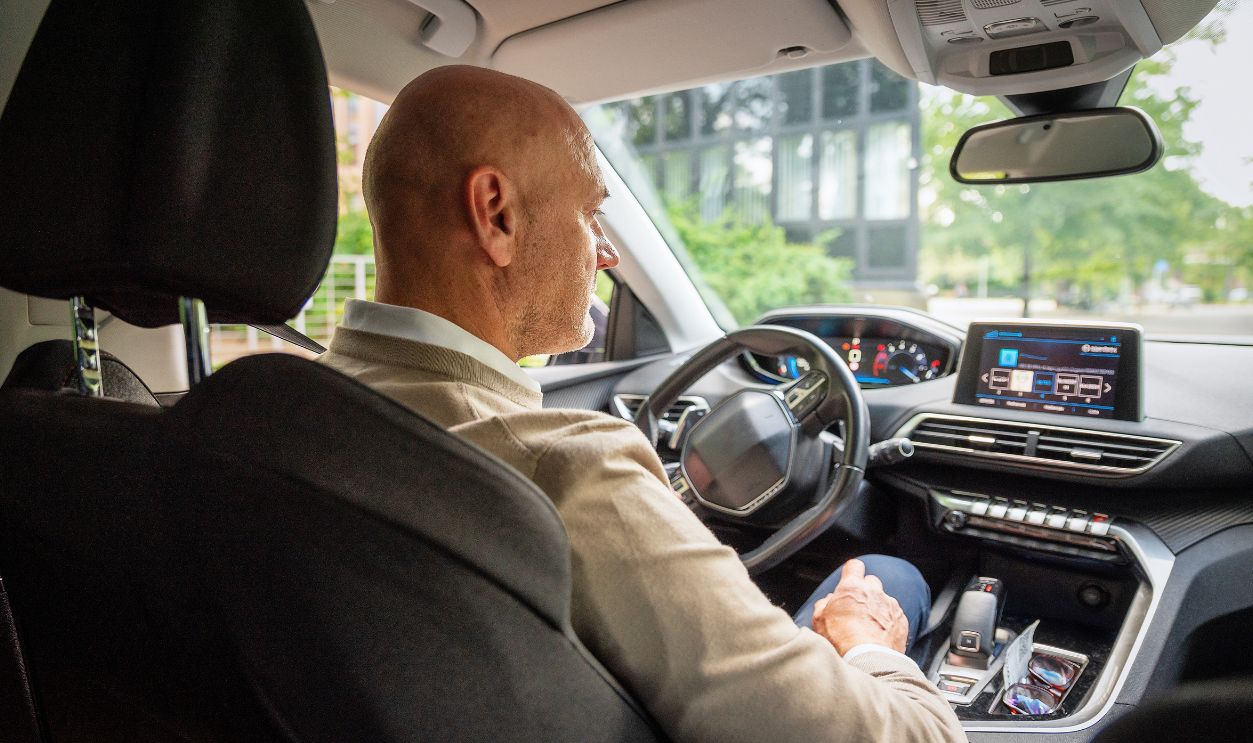
Affordability is only one part of the decision. NHTSA says driving ability should never be judged by age alone. Changes in vision, physical fitness, attention, reflexes, medical conditions, or medication effects can still affect driving safety.
Look For Changes, Not Birthdays
New dents, missed signs, confusion, close calls, or difficulty checking blind spots deserve attention. Avoiding darkness or highways may be sensible, but an increasingly narrow driving range can reduce the practical value of maintaining a private vehicle.

There Is No Universal Selling Age
AARP recommends asking whether driving remains safe, enjoyable, affordable, and replaceable. No single age or diagnosis settles the question for everyone. The right time depends on ability, finances, location, transportation access, and personal priorities.
The Second Car May Go First
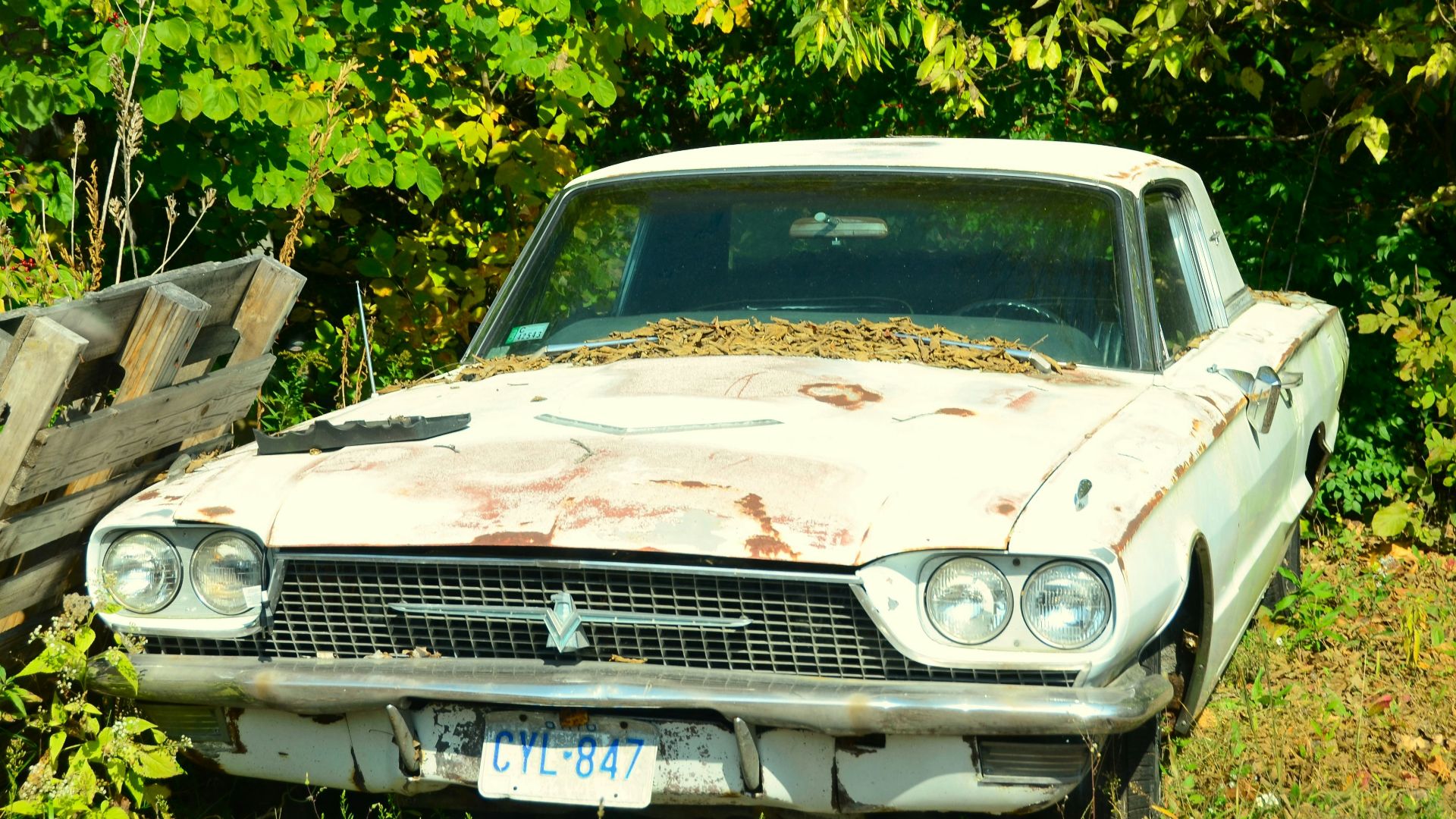
A retired couple with two vehicles may not need to become completely car-free. Selling the least useful car can eliminate its registration, maintenance, and depreciation. However, the remaining insurance bill should be quoted first because multicar discounts may disappear.

Downsizing Can Be A Middle Ground
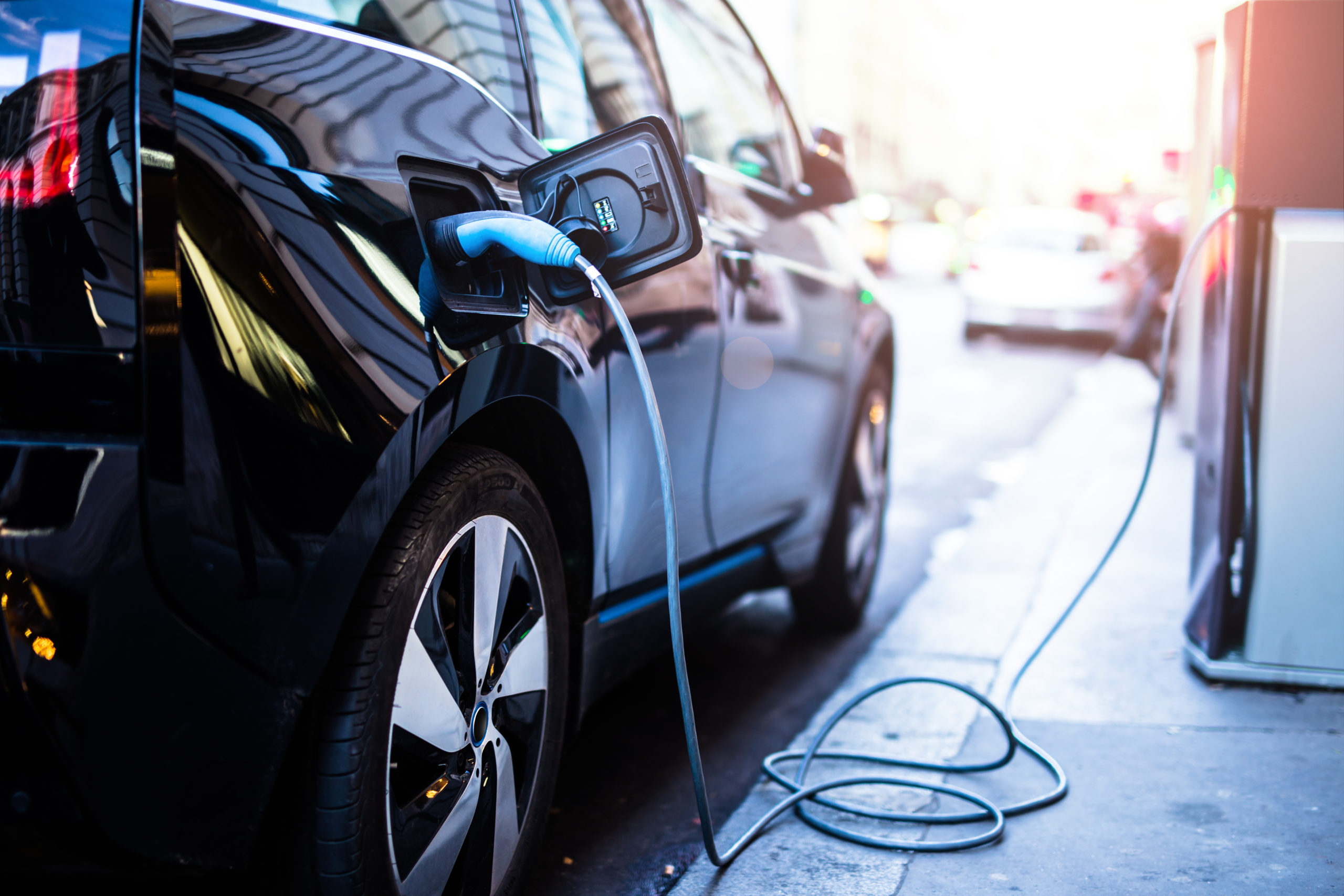
Selling a costly truck or SUV and buying a less expensive vehicle may preserve mobility while reducing expenses. AAA found substantial ownership-cost differences between vehicle categories. Accessibility, visibility, comfort, and ease of entry should remain priorities.
Selling Releases More Than Monthly Savings
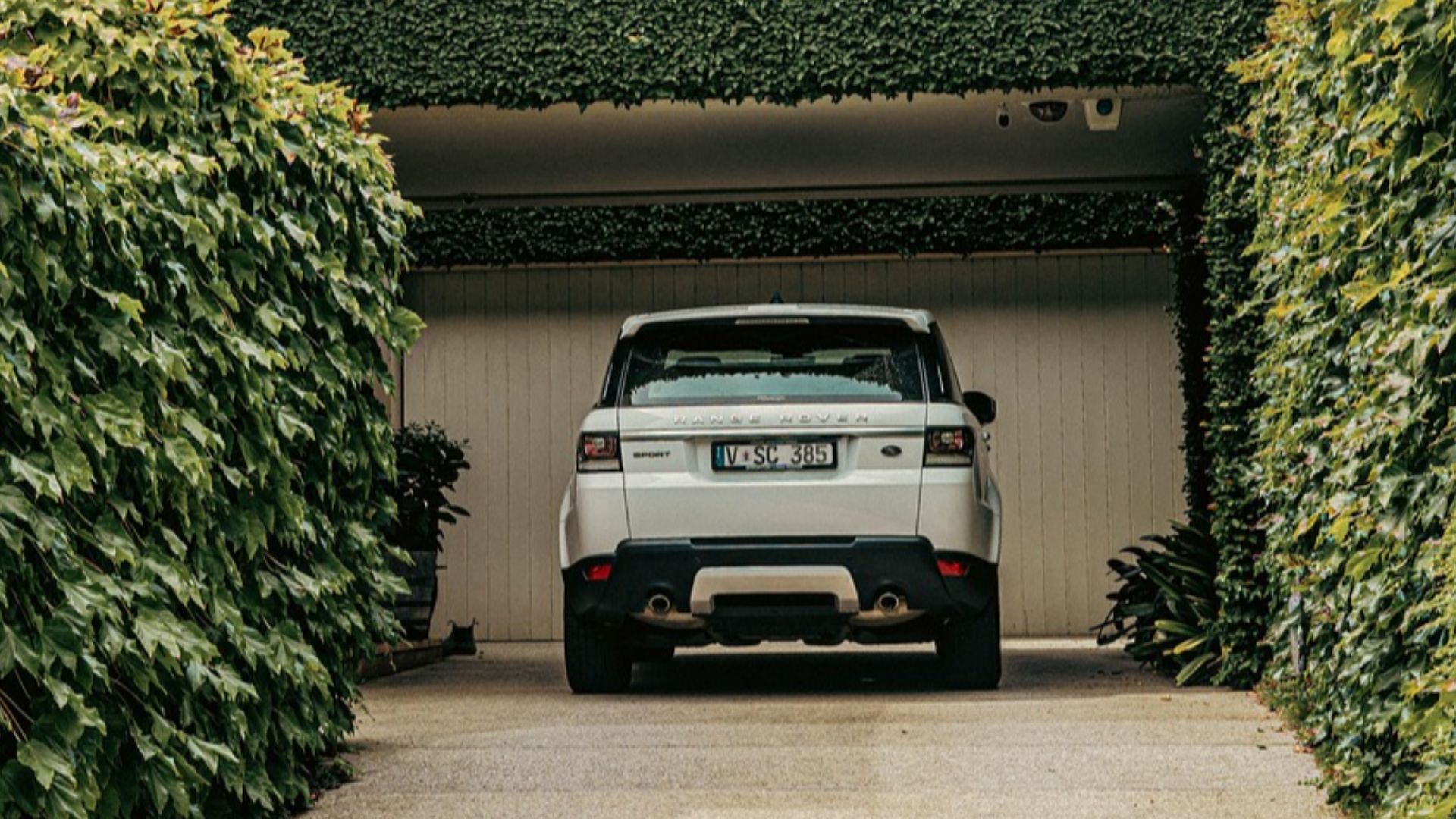
The transaction may produce immediate cash while ending several recurring costs. Those are separate benefits. Sale proceeds are received once, while lower insurance, registration, maintenance, and depreciation can improve retirement cash flow for years.

Family Help Must Be Sustainable
Adult children may willingly provide rides, but their time, fuel, parking, and availability have value. Parents may preserve more independence by budgeting for paid options and using family assistance selectively rather than depending on relatives for every appointment.

Emergencies Need A Written Backup Plan
Fear of emergencies often keeps an unused vehicle in the driveway. A stronger plan may include taxi numbers, rideshare access, medical transportation, nearby contacts, and emergency services. Test every option before selling so the plan works under pressure.

Find The Household’s Break-Even Point
Keeping the car stops making financial sense when its avoidable annual cost repeatedly exceeds realistic replacement transportation costs. The conclusion becomes stronger when usage declines, repairs rise, driving becomes stressful, and dependable alternatives are readily available.

Consider What The Savings Could Accomplish
Money released from an underused car could strengthen emergency savings, fund home modifications, cover healthcare expenses, or support travel and hobbies. The comparison is not simply car versus no car. It is car ownership versus other retirement priorities.

Make The Decision Gradually
There is no need for an abrupt change. My parents can reduce from two cars to one, renegotiate insurance, test alternatives, or choose a cheaper vehicle. A staged transition preserves flexibility while revealing what their actual mobility needs are.

Review The Choice Every Six Months
Driving habits, health, vehicle condition, and local transportation services can change. Repeating the cost and mobility review twice yearly prevents the car from remaining through inertia. The best decision is the one that still fits their current life.

So When Does The Car Stop Making Sense?
The car has probably become unnecessary when it costs more than practical alternatives, receives little essential use, and no longer adds meaningful independence. It should stay when it remains affordable, safely used, and difficult to replace without reducing quality of life.