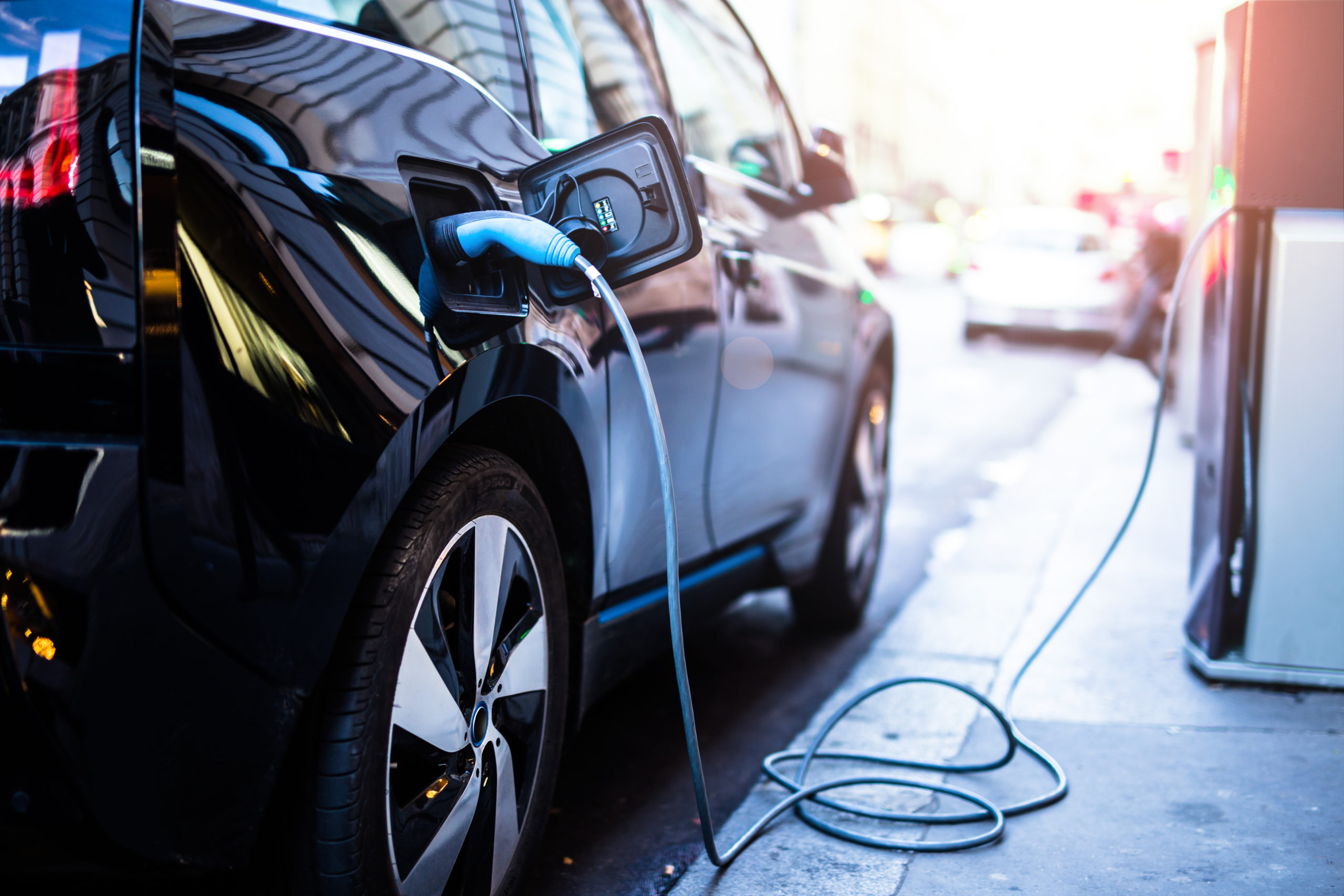
The Outlet Fight Starts Small
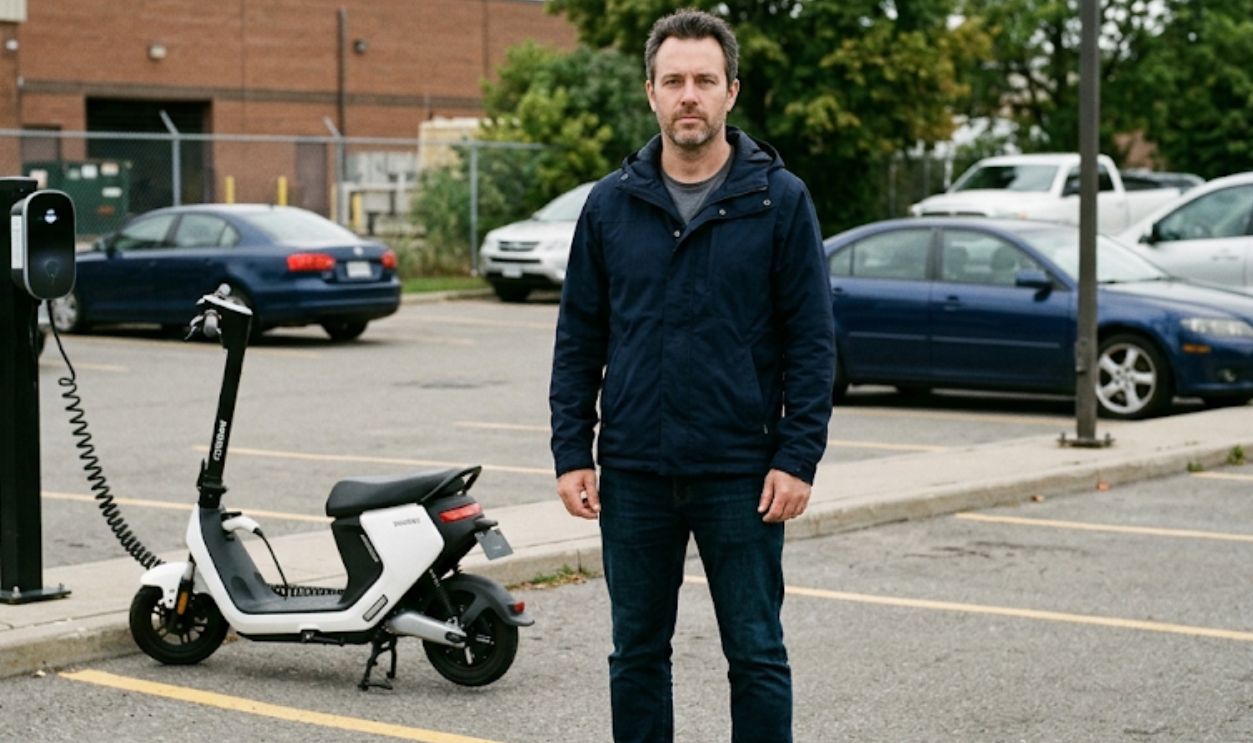
A neighbor plugging an electric scooter into a shared garage outlet can seem like no big deal until the power bill shows up. Then the real question hits: who is paying for that electricity? Usually, the answer comes down to what meter the outlet is tied to, what the lease or condo rules say, and whether that power counts as a shared building expense.
Who Actually Pays for That Power
The first thing to figure out is simple. The electric bill goes to the account tied to the outlet, not the person holding the charger. If the garage outlet runs through your private meter, you are likely paying unless there is some deal to pay you back. If it runs through a common-area meter, the cost is usually spread through HOA dues, condo fees, or rent.

Start With the Meter, Not the Argument
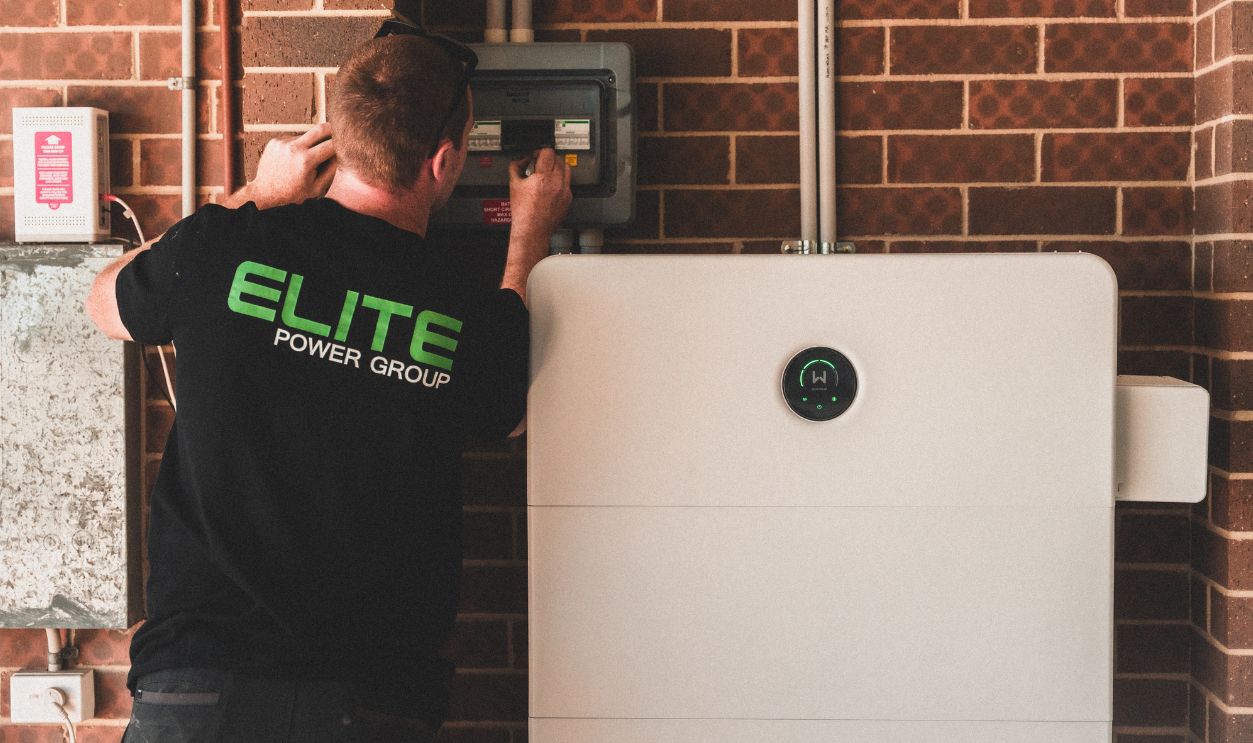
This is where most of these disputes should start. Find out whether the shared garage outlet is connected to a unit meter or the building's common-area service. The utility bills the customer on that meter, and property managers often know which circuits feed the garage outlets. Until you know that, everyone is just guessing.
The Cost Is Usually Smaller Than the Tension
Here is the part that surprises people. Charging a small electric scooter often costs only pennies per charge, depending on the battery size and local electric rates. The dollar amount may be small, but the issue can still get big when one resident uses a shared outlet for private transportation.

Battery Size Tells the Story
To estimate the cost, look at the battery's watt-hour or kilowatt-hour rating. Segway's support materials lay out the math clearly: convert watt-hours to kilowatt-hours, then multiply by your electricity rate. A 500 watt-hour battery is 0.5 kilowatt-hour, so at 16 cents per kilowatt-hour, a full charge costs about 8 cents before charging losses.

Real Charging Math Beats Guesswork
The U.S. Energy Information Administration reported that the average residential electricity price in 2023 was about 16.00 cents per kilowatt-hour. Using that average, a 0.5 kilowatt-hour scooter battery costs around 8 cents for the energy stored in the battery. Charging is not perfectly efficient, so the power pulled from the wall costs a little more, but usually still cents, not dollars, per full charge.
 https://kaboompics.com/, Pexels
Some Scooters Use Even Less
Many commuter scooters have batteries in roughly the 250 to 700 watt-hour range, though larger models can go beyond that. At 300 watt-hours, a full charge is 0.3 kilowatt-hour, which comes out to about 5 cents at the 2023 U.S. average rate. At 700 watt-hours, the stored energy cost is about 11 cents, again before charging losses.
Charging Losses Are Real
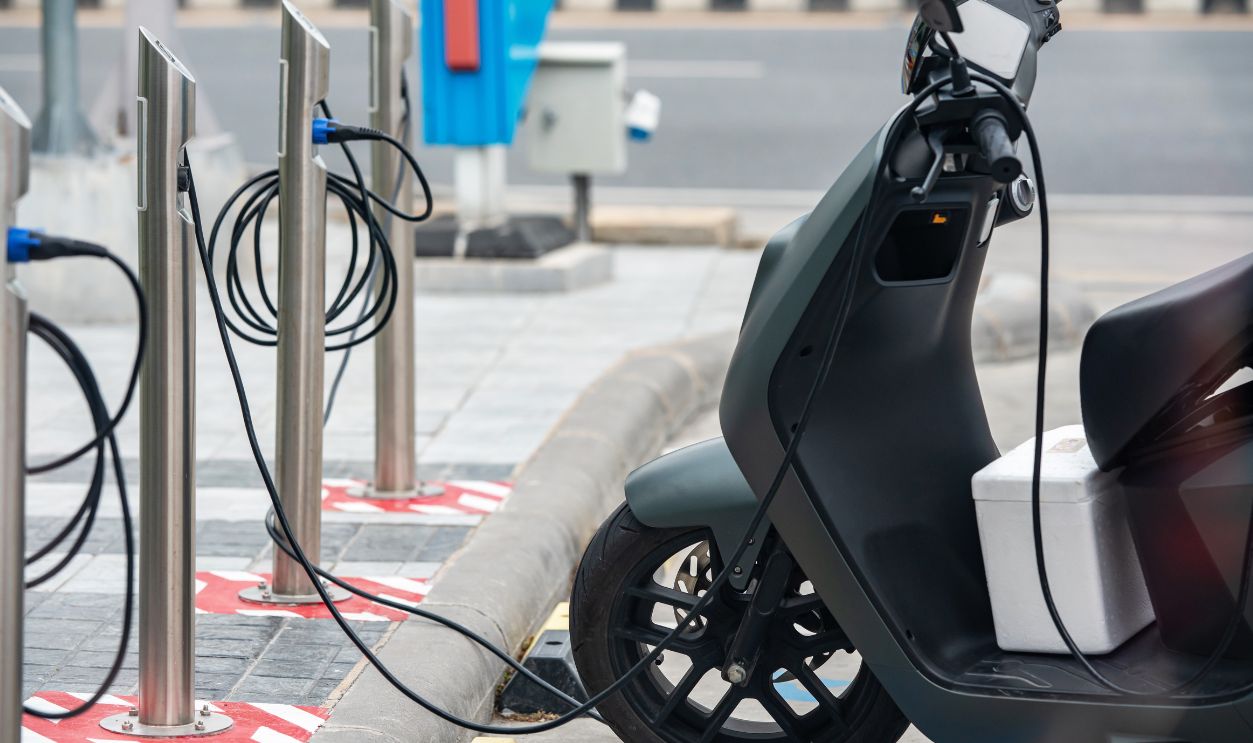
The number printed on the battery is not the whole story. Charging systems lose some energy as heat, and battery charging is never 100 percent efficient. Depending on the charger and battery management system, wall use can be noticeably higher than the battery's rated capacity, so an 8-cent charge may end up closer to 9 or 10 cents.

Daily Charging Adds Up Slowly
If your neighbor charges a 500 watt-hour scooter every day, the battery itself uses about 182.5 kilowatt-hours over a year. At 16 cents per kilowatt-hour, that works out to about $29.20 a year before charging losses. Add losses and local rates, and the total may still be modest, but it is not nothing.

High-Cost States Change the Mood
Not everyone pays the national average for electricity. In states with higher rates, the same scooter can cost quite a bit more to charge over a year. That still may not make it a huge expense, but it can make people a lot less casual about one resident using shared power for a personal vehicle.

Common Area Does Not Mean Free
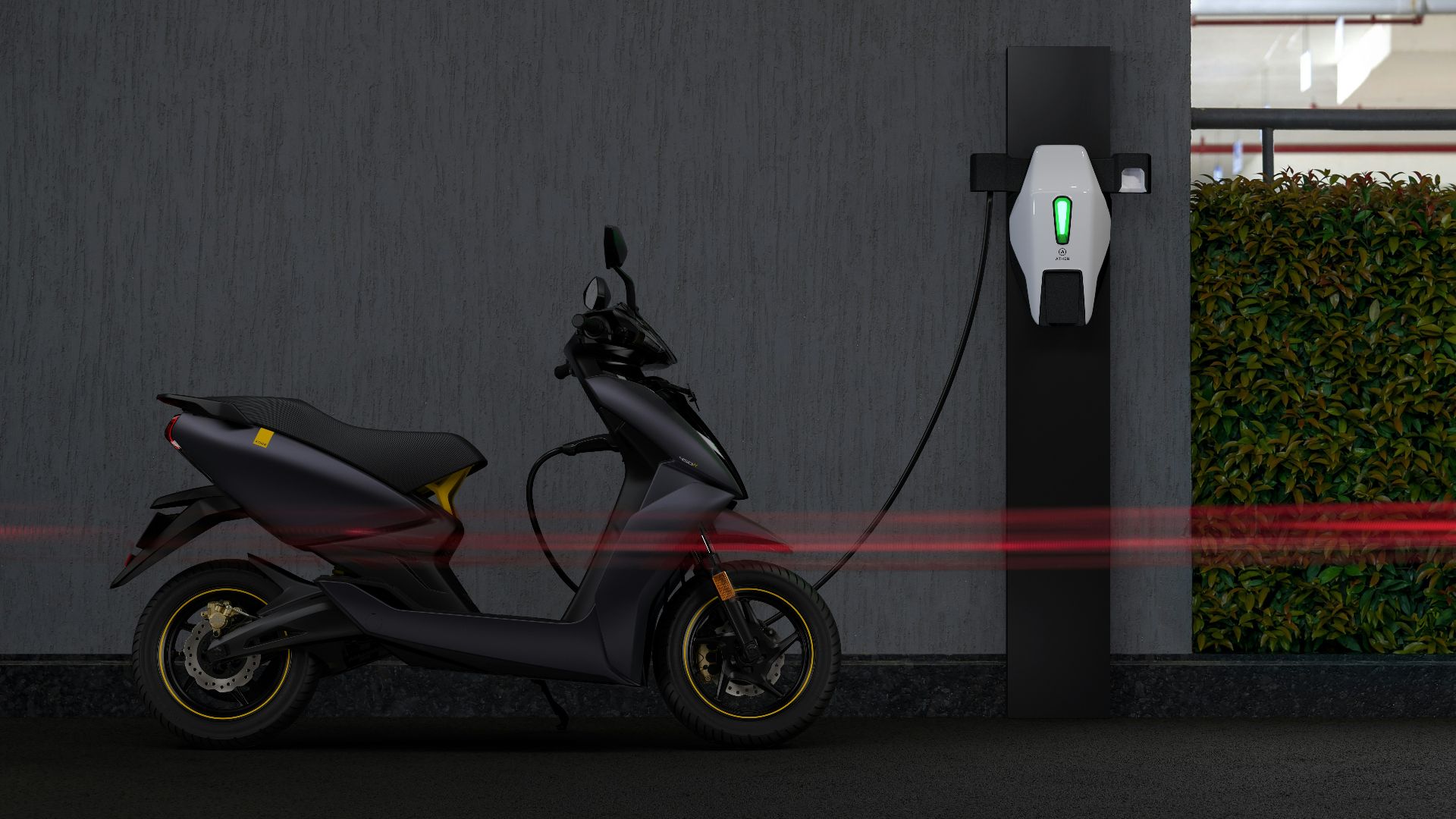
This is where a lot of the friction starts. A common-area outlet is not free electricity. It is paid for through rent, association dues, or building operating costs, which means everyone may be chipping in if one resident is charging a scooter and the rules do not cover it.
What Landlords Usually Care About
Landlords and property managers usually care less about one small charge and more about fairness, liability, and setting a pattern. If one resident starts using a shared outlet for a scooter, others may follow with e-bikes, tools, or larger devices. A tiny power draw can turn into a building-wide policy issue fast.
 World Sikh Organization of Canada, Pexels
Leases and Condo Rules Matter More Than Opinions
The real answer often sits in paperwork, not hallway arguments. Your lease, HOA declaration, condo bylaws, or house rules may already say how common areas and utilities can be used. If those documents ban unauthorized use of common-area electricity, that is the first solid answer to who should pay.

Shared Garage, Shared Rules
In multi-unit buildings, garages are often treated as common elements or limited common elements, depending on how the property is set up. That detail can matter. If the outlet is in a common area maintained by the association, the association may control how it is used, even if the scooter belongs to the resident parked nearby.

Safety Is the Bigger Wild Card
The money gets attention, but safety may be the bigger issue. Charging lithium-ion batteries in enclosed spaces raises fire and building-risk concerns, especially if people use off-brand chargers, damaged batteries, or extension cords. The National Fire Protection Association warns consumers not to charge damaged lithium-ion batteries and to follow the manufacturer's instructions.

Extension Cords Can Turn Petty Into Dangerous
If the scooter is plugged in through an extension cord running across the garage, the issue is no longer just a few cents of electricity. The NFPA warns that lithium-ion battery safety depends on proper charging equipment and safe setups. For some property managers, that alone is enough reason to ban charging in shared spaces.

Fire Departments Have Been Sounding the Alarm
The New York City Fire Department has repeatedly warned about hazards linked to lithium-ion batteries in e-bikes and e-scooters, especially when uncertified batteries or chargers are involved. Those warnings got louder as incidents rose in the early 2020s. Even if your neighbor's setup looks normal, management may react strongly because the larger risk is now well known.

Certified Equipment Matters
UL Solutions says certified e-mobility battery systems and chargers matter because they are tested to safety standards. That does not mean every scooter charger is dangerous. It means buildings and insurers increasingly want to know whether the charging gear is properly listed and being used the right way.

Insurance and Liability Can Change the Whole Conversation
If a battery fire starts in a shared garage, the costs can shoot far past a year's worth of electricity. That is why owners, associations, and insurers may set strict charging rules even when the direct power cost is tiny. In real life, the risk often drives the policy more than the utility bill does.

If the Outlet Is on Your Meter
This is the clearest version of the dispute. If the shared garage outlet runs back to your unit's electric meter, you are paying the utility unless your neighbor pays you back. In that case, asking them to stop or reimburse you is not petty. It is just accurate.

If the Outlet Is on a Common Meter
When the outlet is tied to a common-area meter, the cost is usually being absorbed by the building or association. In plain terms, that often means everyone is paying a little. Then the real question becomes whether the building allows personal charging from shared power and whether management wants to keep allowing it.

If You Rent, the Lease Comes First
Renters should start with the lease and house rules, not their own guess about what seems fair. Some leases ban using common-area outlets for personal devices without permission. Others say nothing, which usually means the landlord can still set a reasonable rule once the issue comes up.

If You Own in a Condo or HOA
Owners have a different set of documents to check. Condo declarations, bylaws, rules, and board resolutions may control use of common elements and changes to electrical service. If the board has never dealt with scooter charging before, this may be the point where it writes a formal rule.

How to Raise the Issue Without Starting a War
The best way to bring it up is usually not with an accusation. Ask whether they know which meter the outlet is on and whether building management approved charging there. A calm, fact-based question gives your neighbor a chance to explain before everyone digs in.
 Henri Mathieu-Saint-Laurent, Pexels
Ask for Three Specific Things
First, ask who gets billed for the outlet. Second, ask whether the building allows charging in that spot. Third, ask whether the charger and battery are approved by the manufacturer and in good shape. Those three questions cover cost, rules, and safety without turning the whole thing personal.

When Management Should Step In
If the garage is truly shared, management or the HOA should handle it. They can identify the meter, check the building rules, and decide whether scooter charging is allowed, limited, or banned. That is a lot better than residents trying to play electrician and lawyer in the parking area.

A Fair Practical Fix
Sometimes the easiest answer is reimbursement or a clear charging policy. If a resident wants to keep charging in a common area, management could estimate the yearly cost, require permission, or install an outlet with separate billing. That keeps the peace and treats the issue like a building problem, not a personal grudge.

The Bottom Line
Your neighbor does not automatically pay for the power just because the scooter belongs to them. The person or entity paying the electric account tied to that outlet usually covers the cost unless rules or reimbursement say otherwise. So the real answer has less to do with scooters than with meters, building documents, and safety.