
Did I Accidentally Buy A High-Maintenance Car?
You bought a turbocharged car because it offered more punch without a giant engine under the hood. Then your mechanic started talking about expensive synthetic oil and shorter service intervals. Suddenly, that efficient little turbo sounds suspiciously like a needy European sports car. Fortunately, the reality is usually less frightening.
Turbo Engines Work Harder
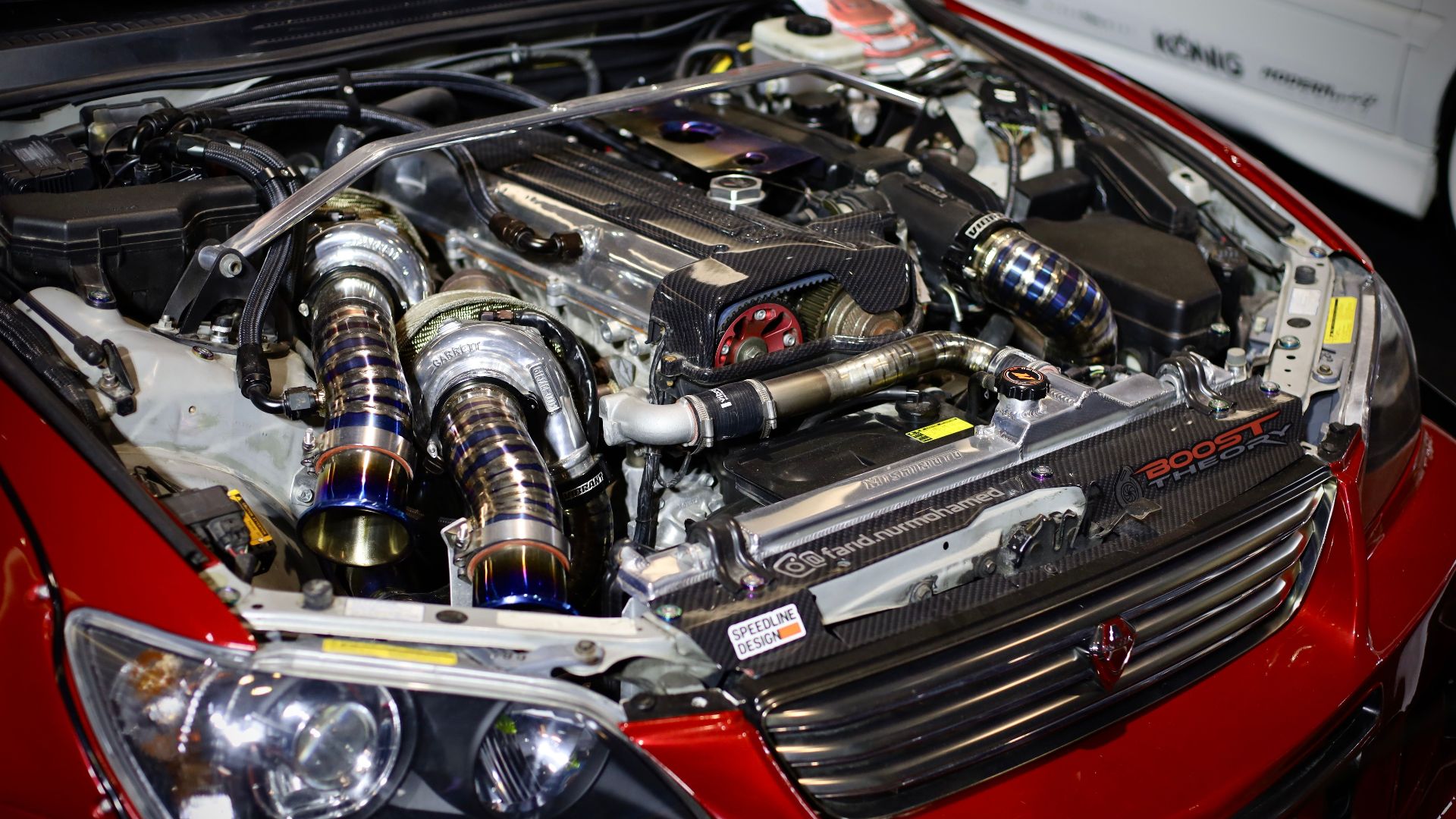
A turbocharger uses exhaust gases to force more air into the engine, allowing a relatively small motor to produce surprisingly strong power. That means higher temperatures and pressures than many old-school naturally aspirated engines experienced. Those demanding conditions are one reason oil quality matters so much.
Your Mechanic May Have A Point
When a mechanic recommends better oil for a turbo engine, it is not necessarily an upsell. Modern turbochargers can spin at extraordinarily high speeds while operating beside scorching exhaust components. The oil circulating through the engine also helps protect the turbocharger's bearings from all that heat and friction.

Premium Oil Does Not Mean Fancy Oil
“Premium oil” can sound suspiciously vague. What really matters is using oil that meets your manufacturer's required viscosity and specifications. Your car may require full synthetic oil or a particular industry certification. Paying more for an unnecessary boutique brand, however, usually accomplishes very little.
Synthetic Oil Has Real Advantages
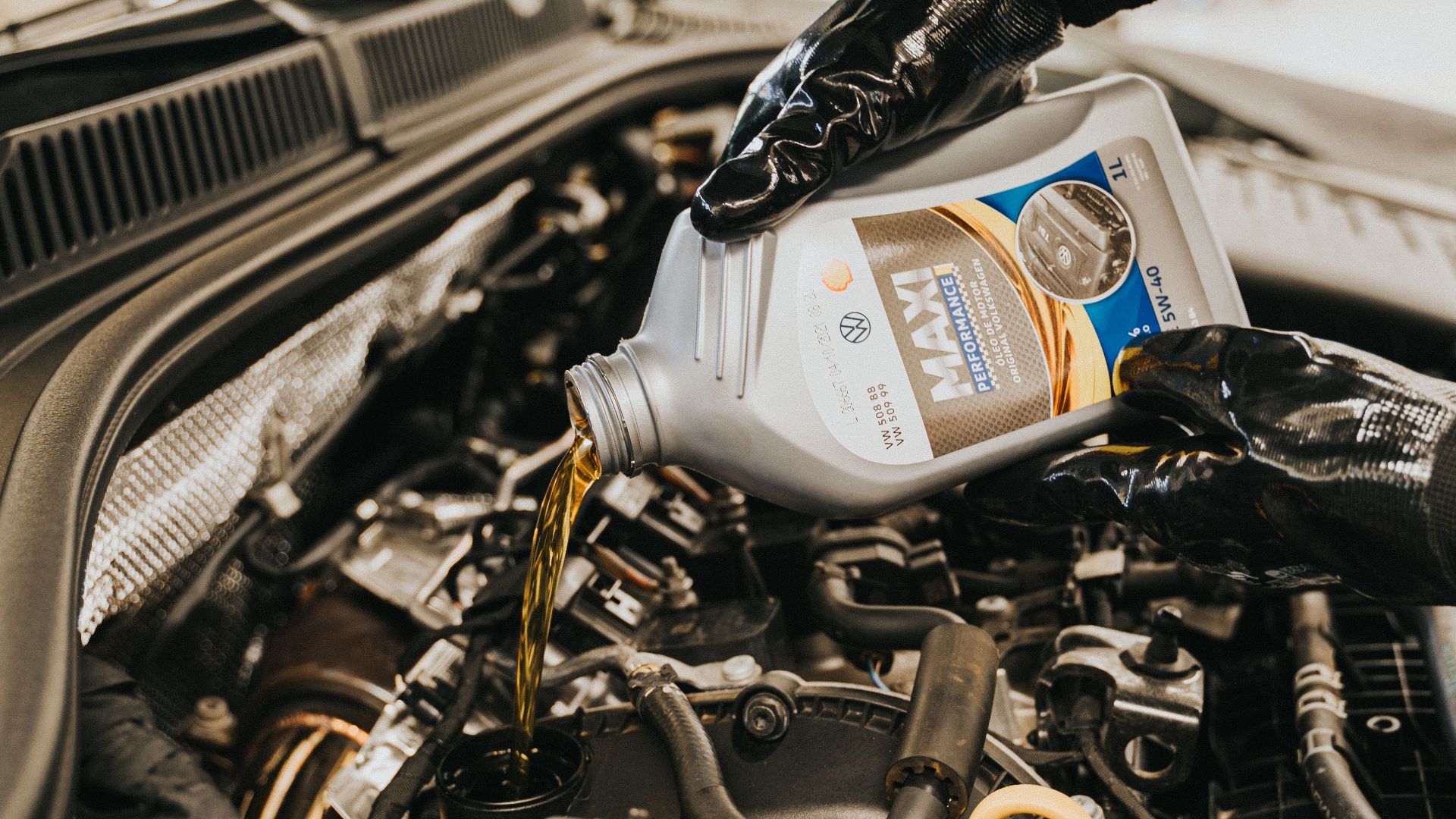
Synthetic motor oils generally tolerate extreme temperatures better than conventional oils and resist breaking down under stressful conditions. Those are useful characteristics inside a turbo engine. Synthetic oil also tends to flow well during cold starts, when an engine experiences much of its normal wear.
Old Oil Can Cause Bigger Problems
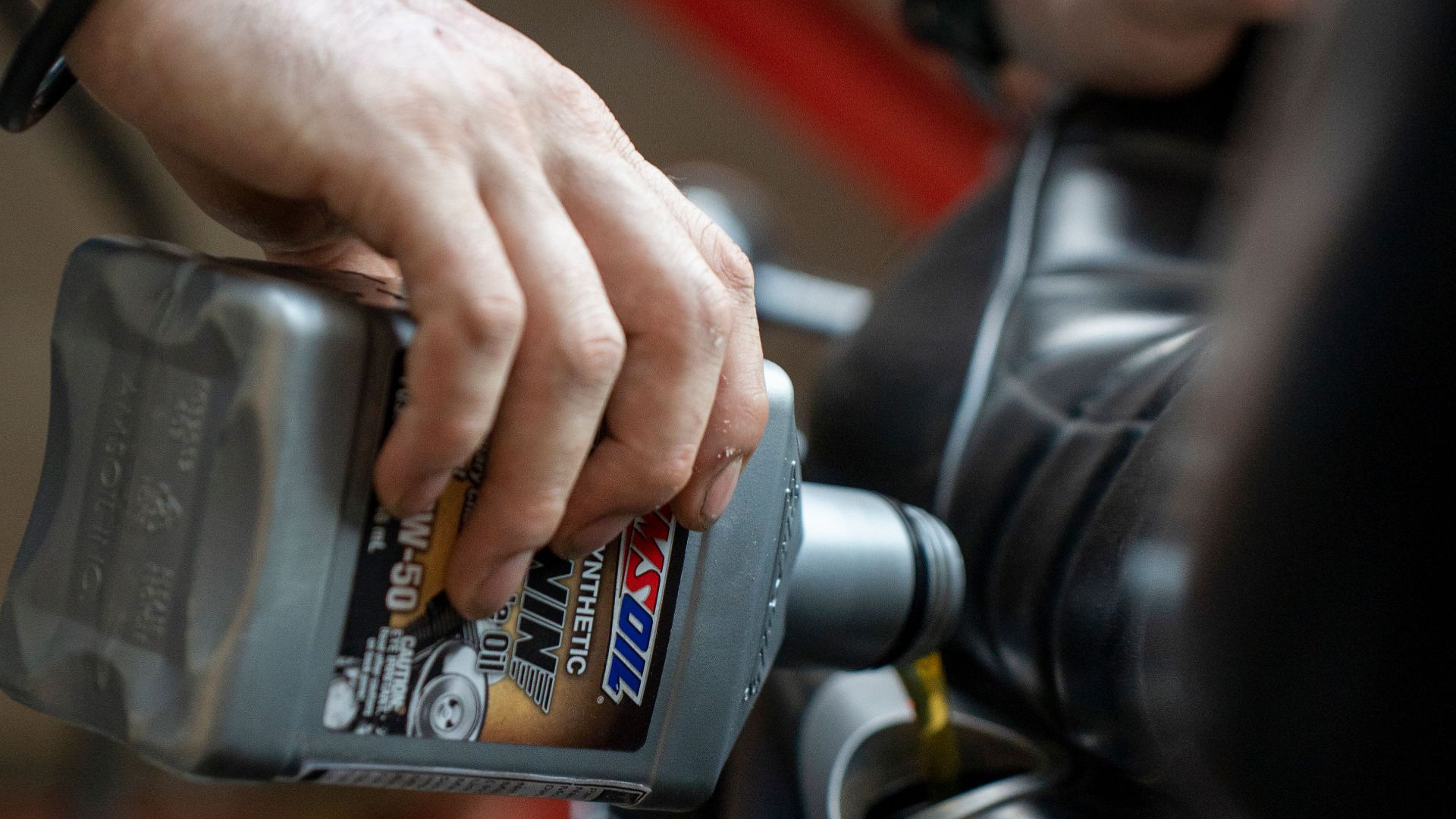
Turbochargers depend heavily on good lubrication. Oil that has deteriorated or become contaminated can leave deposits, restrict tiny oil passages, and increase bearing wear. Ignore oil changes long enough and the repair bill may make the cost of a few extra oil changes seem positively quaint.

Follow The Manual Before The Mechanic
Before accepting any unusually short service schedule, open the owner's manual. The manufacturer specifies the correct oil type and recommended interval after extensive testing. If your mechanic wants oil changes much sooner than the manual recommends, ask exactly why your driving conditions justify the difference.

There Is Often A Severe-Service Schedule
Many owners never notice the second maintenance schedule hiding in their manual. Automakers sometimes recommend shorter intervals for “severe” driving. Unfortunately, severe driving can describe surprisingly normal habits, including frequent short trips, extreme temperatures, heavy towing, extensive idling, or lots of stop-and-go traffic.

Short Trips Are Surprisingly Tough
A five-minute drive to the grocery store may feel gentle, but the engine may never become fully warm. Moisture and fuel contamination can accumulate in the oil when this happens repeatedly. Drivers who mostly make short trips may legitimately benefit from changing their oil sooner.
 Willian Justen de Vasconcellos, Pexels
Highway Driving Can Be Easier
Remember when people bragged about a car having “mostly highway miles”? There was some logic behind it. A fully warmed engine cruising steadily down the highway often experiences less stressful operation than one repeatedly starting cold and crawling through traffic, despite covering far more miles.

Turbo Heat Deserves Respect
After spirited driving, a turbocharger can become extremely hot. Older turbo cars sometimes required drivers to idle briefly before shutting the engine down. Most modern cars manage heat far better, but routinely flooring a cold engine or immediately shutting down after very hard driving still isn't ideal.

Warm It Up By Driving
You generally do not need to idle a modern turbocharged car in the driveway for ten minutes every winter morning. Start it, give the fluids a moment to circulate, and drive gently until the engine warms. Save the full-throttle heroics for after everything reaches normal operating temperature.

Oil Level Matters Too
Changing the oil on schedule will not help much if the engine spends months running a quart low. Some turbo engines consume small amounts of oil between services. Checking the dipstick periodically—assuming your car still has one—is an easy habit that older drivers may already remember well.

Do Not Guess At Viscosity
If the oil cap says 0W-20, pouring in thicker oil because “that's what Dad always used” is not automatically an upgrade. Modern engines are designed around specific oil viscosities and tolerances. Use what the manufacturer specifies unless there is a sound technical reason to do otherwise.

Cheap Filters Can Be False Economy
The oil filter also deserves attention. A quality filter traps contaminants while maintaining proper flow through the engine. Saving a few dollars on the cheapest filter available makes little sense when it is protecting an engine and turbocharger that could cost thousands of dollars to repair.

Turbo Engines Are Not Automatically Fragile
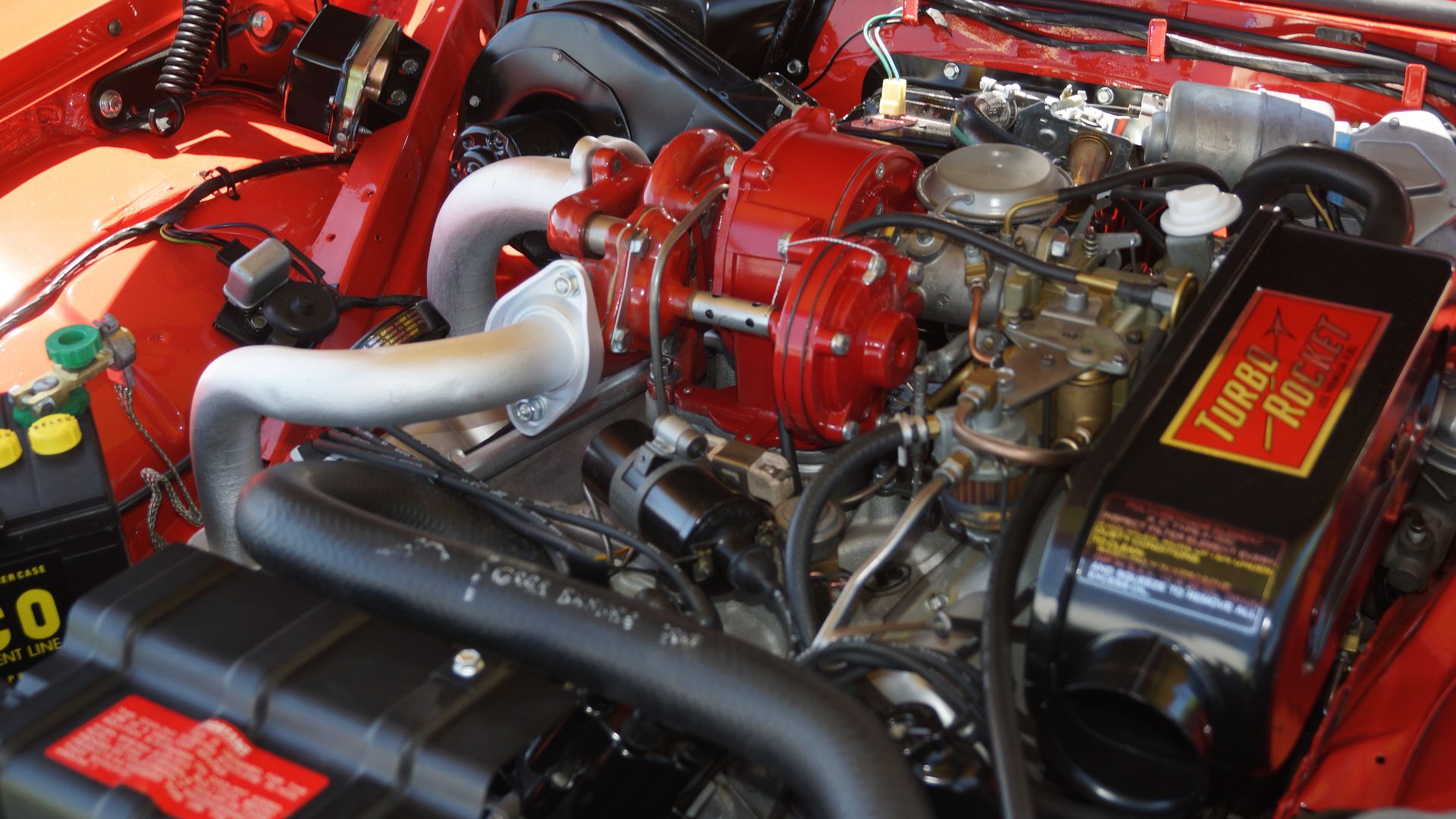
Millions of ordinary family vehicles now use turbocharged engines. They are no longer exotic technology reserved for Porsche posters and rally cars. A properly designed turbo engine that receives the correct maintenance can provide many years of service without becoming a permanent resident of your mechanic's garage.
 Greg Gjerdingen from Willmar, USA, Wikimedia Commons
More Power Means More Responsibility
There is still no free lunch. Manufacturers use turbocharging to squeeze impressive horsepower from smaller engines, and those engines can work hard when that power is requested. Owners who constantly accelerate aggressively, tow heavy loads, or drive in extreme heat may naturally put more stress on the oil.

Direct Injection Adds Another Twist
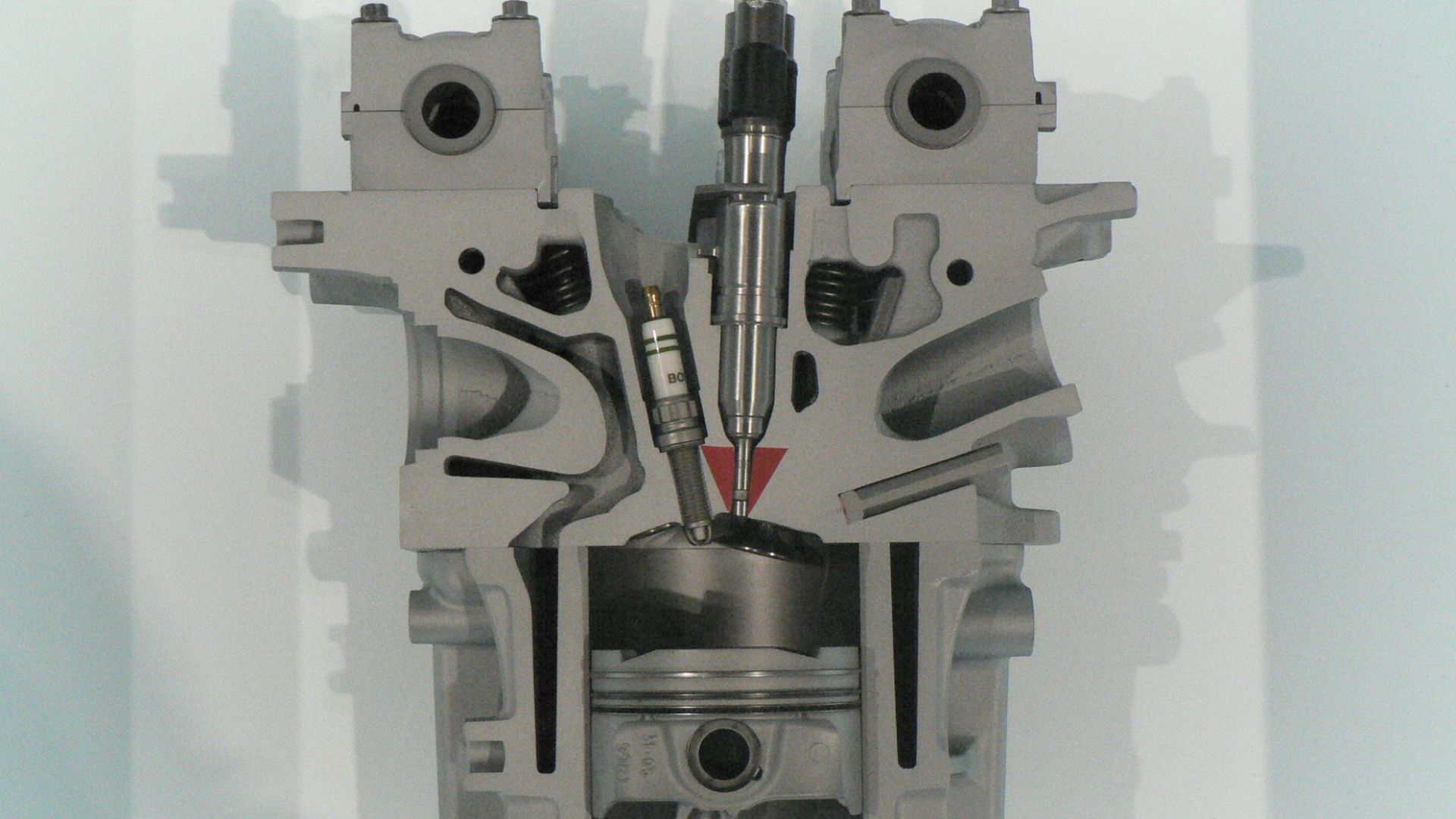
Many modern turbo engines also use direct fuel injection. This combination improves performance and efficiency, but certain designs can be prone to carbon deposits or fuel dilution under specific conditions. That does not mean disaster is inevitable, but following the proper maintenance schedule becomes especially important.
 Ton1~commonswiki, Wikimedia Commons
The Oil Reminder Is Usually Smarter Than A Sticker
Modern cars may calculate oil life using mileage, temperature, engine operating conditions, and other information. If your vehicle has a factory oil-life monitor, pay attention to it. A generic 3,000-mile oil-change sticker may be considerably more conservative than the schedule your manufacturer actually requires.

The Old 3,000-Mile Rule Is Mostly History
For decades, drivers were told to change their oil every 3,000 miles. Modern engines and synthetic oils have made that blanket rule outdated for many vehicles. Changing good synthetic oil excessively early generally will not hurt the engine, but it may unnecessarily lighten your wallet.

Going Too Long Is The Bigger Gamble
Stretching oil changes far beyond the recommended interval is another matter. Turbocharged engines are not good candidates for the “I'll get around to it next month” maintenance philosophy. Saving fifty or sixty dollars today becomes a poor bargain if sludge or lubrication problems eventually damage the turbocharger.
Keep Your Receipts
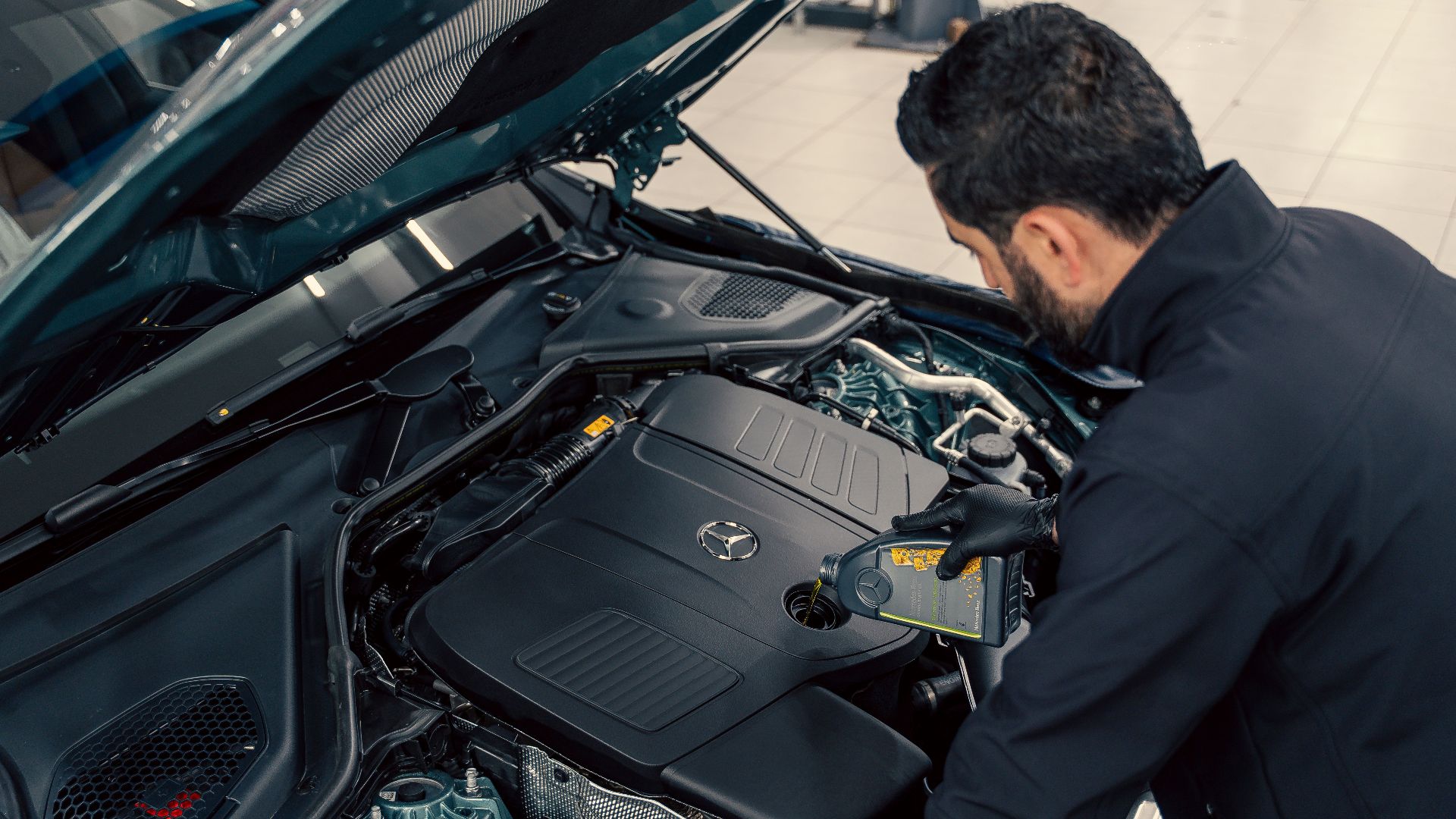
Whether you visit a dealership, independent mechanic, or change the oil yourself, keep records. Document the date, mileage, oil specification, and filter used. Those records can help with warranty claims, improve resale confidence, and prevent arguments over whether a critical service was actually performed.

Look Up The Exact Factory Specification
Oil requirements have become more complicated than simply choosing between 5W-30 and 10W-40. Some manufacturers demand oils meeting very specific standards. Check your manual, oil cap, or manufacturer information and make sure the bottle actually lists the required approval rather than relying on marketing language.

Ask Why The Interval Is Shorter
If your mechanic recommends changing oil every 5,000 miles while the manufacturer permits 10,000, ask what is driving that recommendation. Maybe your usage qualifies as severe service. Maybe the engine has a known tendency toward contamination. Or perhaps the shop simply uses an old-fashioned rule of thumb.

Maintenance Costs Should Stay In Perspective
An extra oil change or two each year is hardly the same thing as owning an unreliable car. If proper maintenance keeps an expensive turbocharger and engine healthy, spending a little more on the correct oil is cheap insurance compared with repairs involving four-digit invoices.

Your Driving Habits Matter Most
A carefully driven turbo engine receiving correct oil on schedule may live a relatively easy life. The same engine subjected to constant cold starts, neglected oil levels, hard acceleration, and stretched maintenance intervals may have a very different future. Ownership habits often matter as much as the technology itself.

You Probably Did Not Buy A Maintenance Nightmare
So, did you accidentally buy a high-maintenance car? Probably not. Turbocharged engines can be slightly less forgiving about neglected oil, but their needs are hardly outrageous. Use the exact oil your manufacturer specifies, follow the appropriate service schedule, check the level occasionally, and enjoy the extra boost without panicking.

You May Also Like:
Cars That Made It Past 1 Million Miles—And Believe It Or Not, Some Still Had Their Original Engines
Family Cars Gen X Grew Up With—And Swore They'd Never Own Themselves