The Awkward Parts Counter Standoff
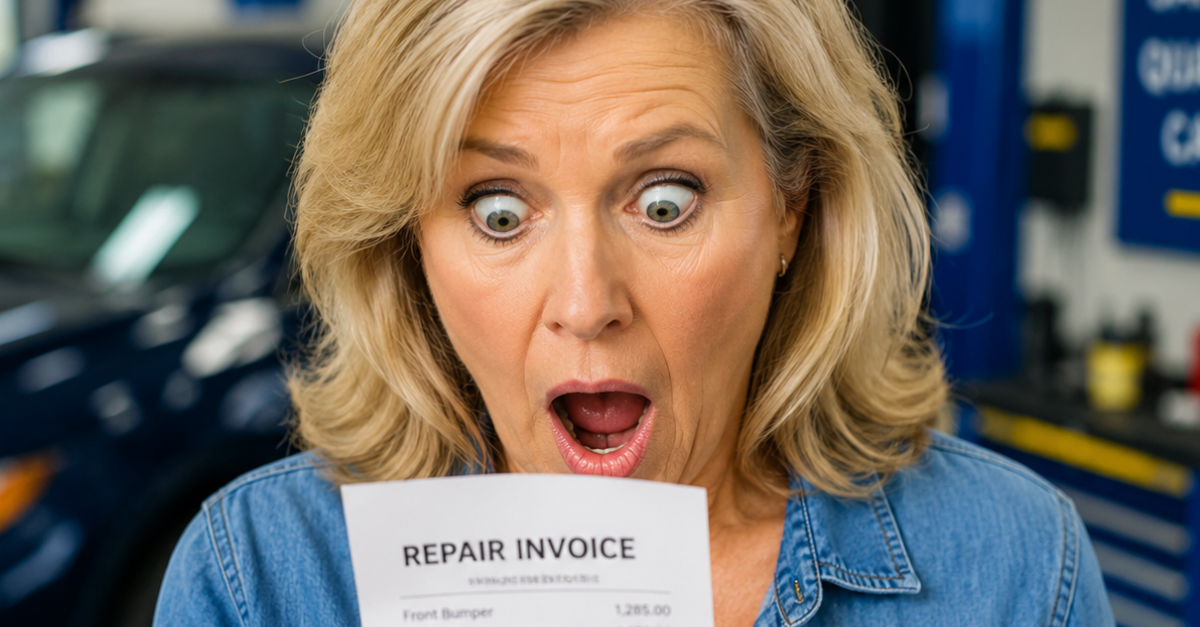
You found the exact same part your mechanic usually installs on the internet, and for noticeably less money. You buy it and bring it in, only for the shop to say no, or that it will only install the part with a stack of warnings to sign. Even if it's the same exact part, don't be surprised if this happens to you. Your mechanic is making a business decision tied to warranty risk, labor comebacks, and how modern repair shops operate.
 Gustavo Fring, Pexels, Modified
Why This Feels So Personal
Car repairs are expensive, so bringing your own part can seem like an easy way to cut the bill. It also seems logical if the box carries the same brand name the shop uses. The catch is that for a repair business, the issue is often not the brand on the box. It is everything that happens before and after that box reaches the service bay.

The Short Answer
Yes, it is usually reasonable for a mechanic to refuse to install a customer-supplied part. Independent shops generally have the right to decide what work they take and under what terms, as long as they follow consumer protection laws and avoid deceptive practices. In plain English, your mechanic is not automatically being difficult just because the part looks identical to one on the shelf.

What Shops Are Really Selling
A repair shop is not just selling labor hours. It is usually selling a complete repair, including diagnosis, parts sourcing, installation, and some kind of warranty support if something goes wrong later. The Automotive Service Association has explained that many shops avoid installing outside parts because they cannot control quality, availability, or warranty handling the way they can with their own suppliers.
The Warranty Headache Starts Here
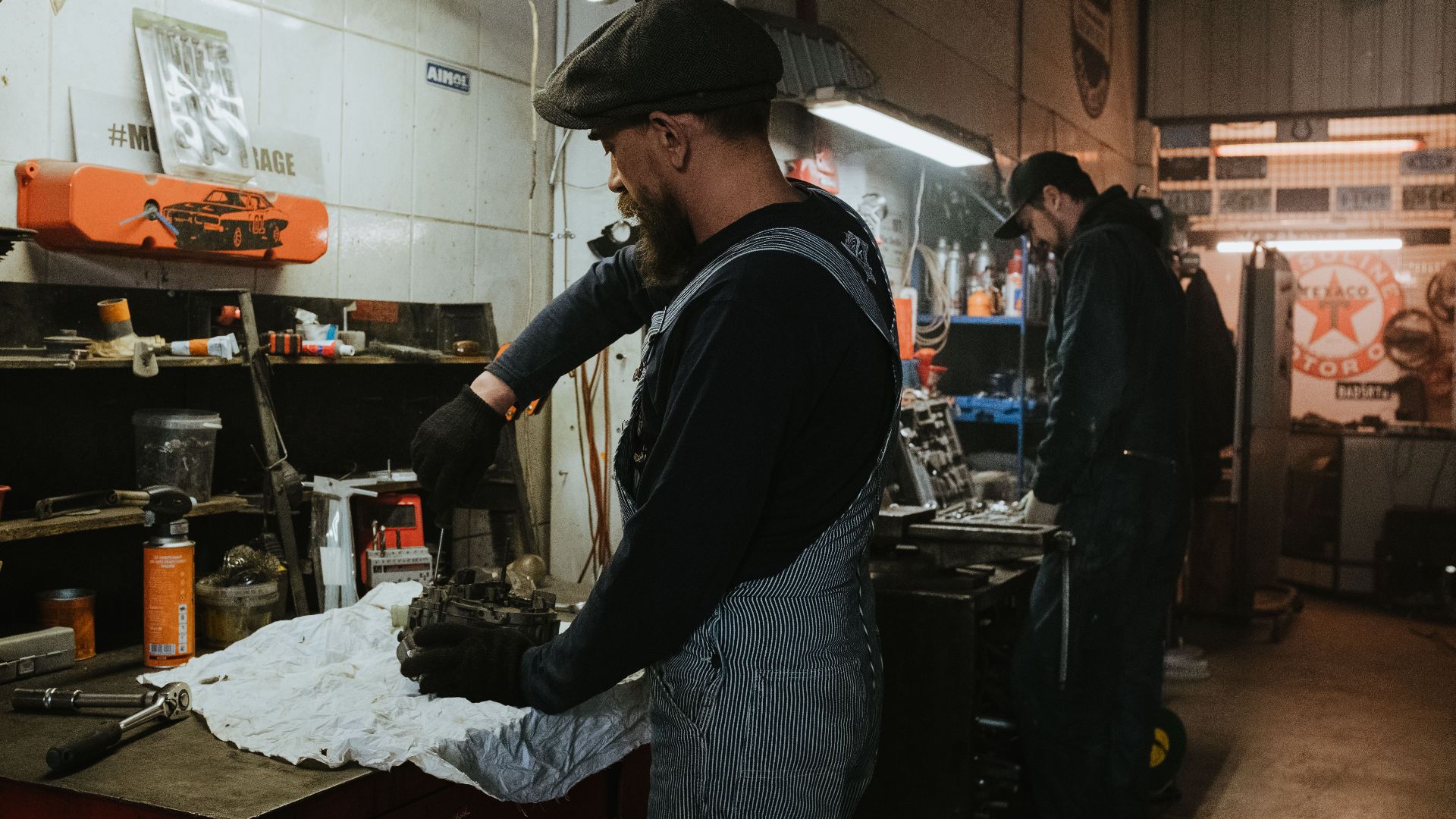
This is the biggest reason many shops say no. If a part fails, the customer usually comes back to the installer first, not the website or store that sold it. Consumer Reports has noted that many repair shops will not guarantee labor when customers bring their own components, and some refuse the work outright because sorting out blame can get expensive fast.
Same Brand Does Not Always Mean Same Part
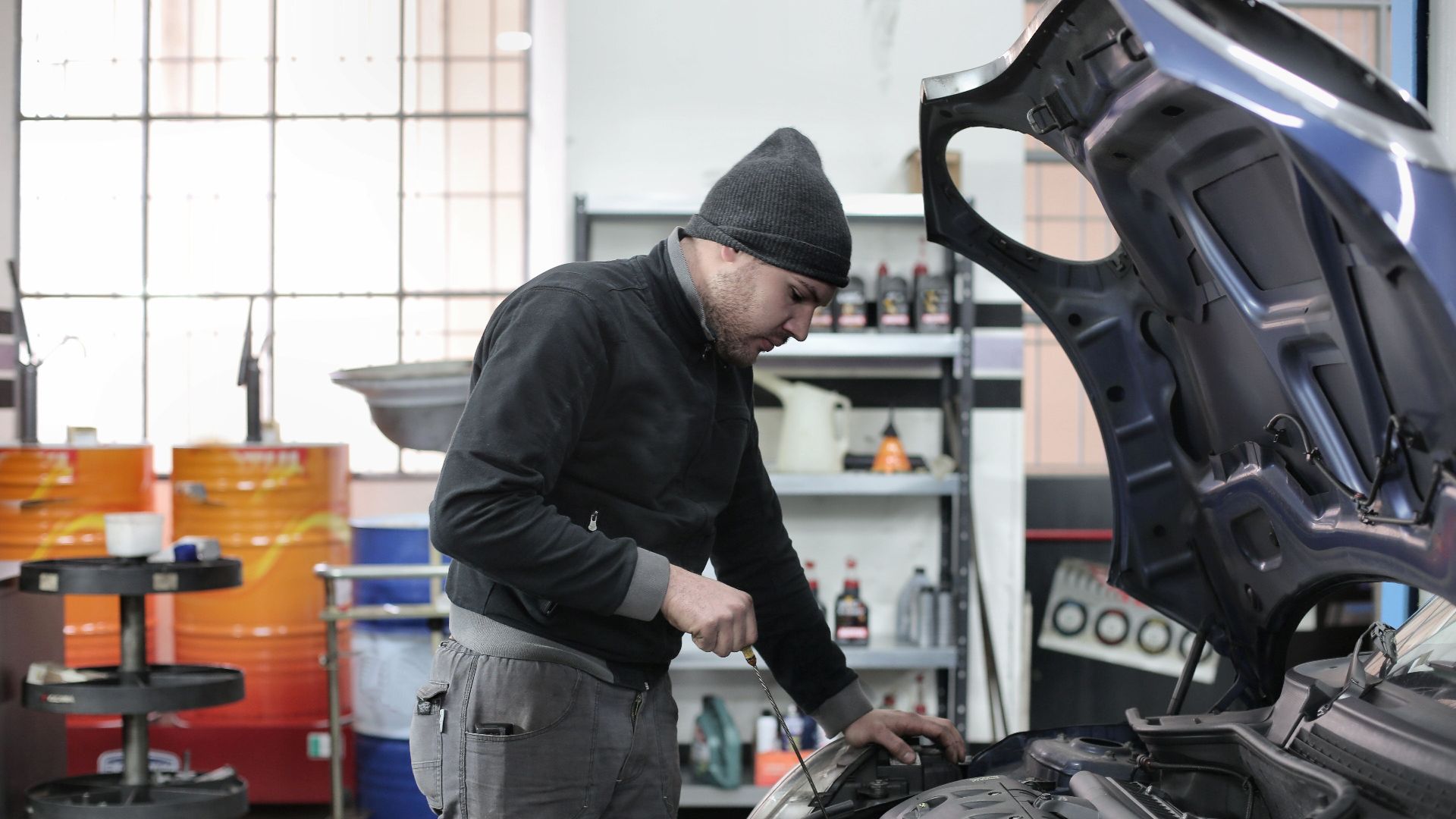
This is one of the key points in the whole debate. Two boxes with the same brand name can still contain parts from different production runs, different suppliers, or different quality levels such as economy, premium, or original-equipment line. AAA has warned consumers that replacement parts can vary widely in fit and quality, which matters because the shop is the one dealing with the comeback if the vehicle leaves with a problem.
Counterfeits Are A Real Problem
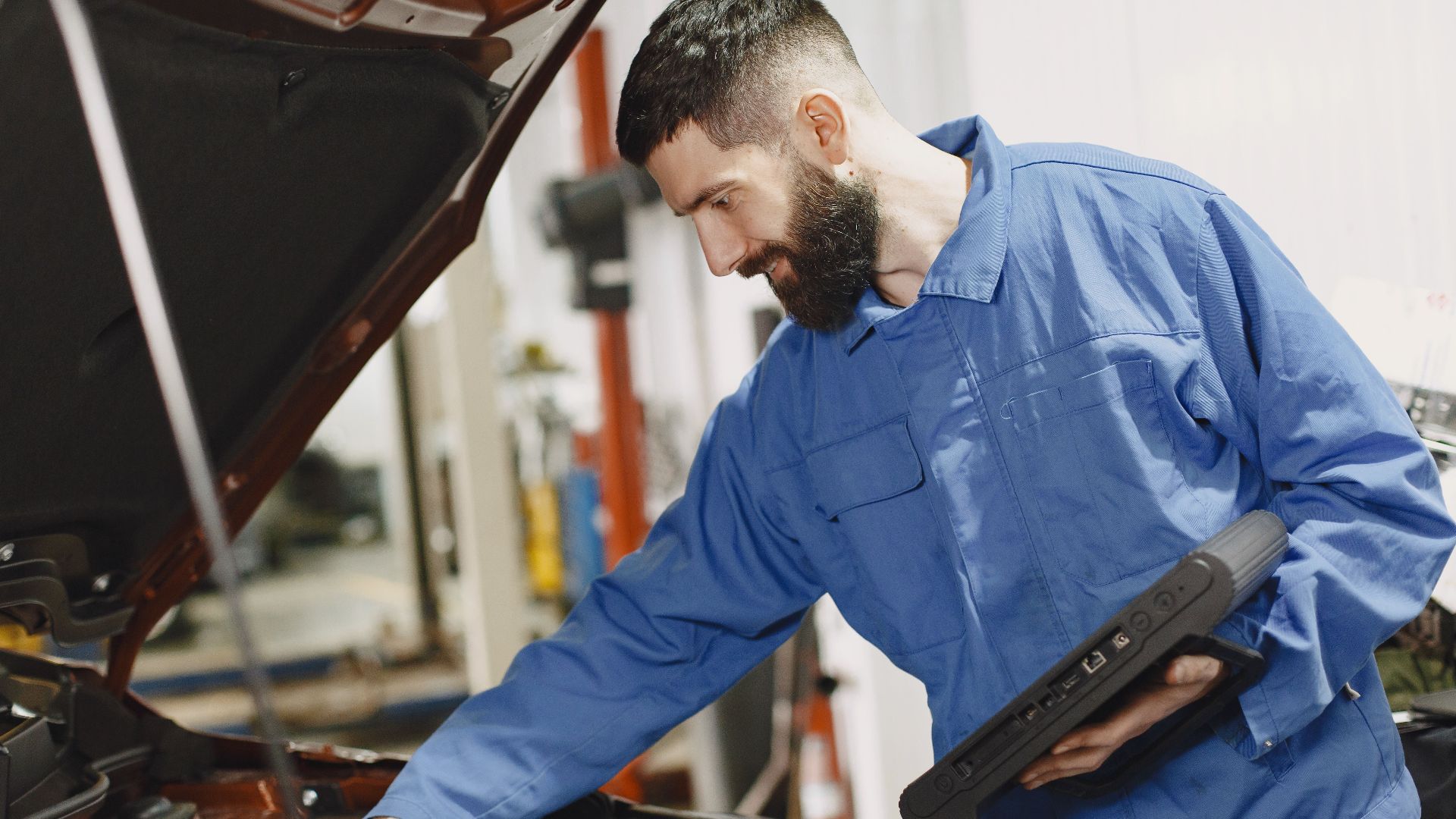
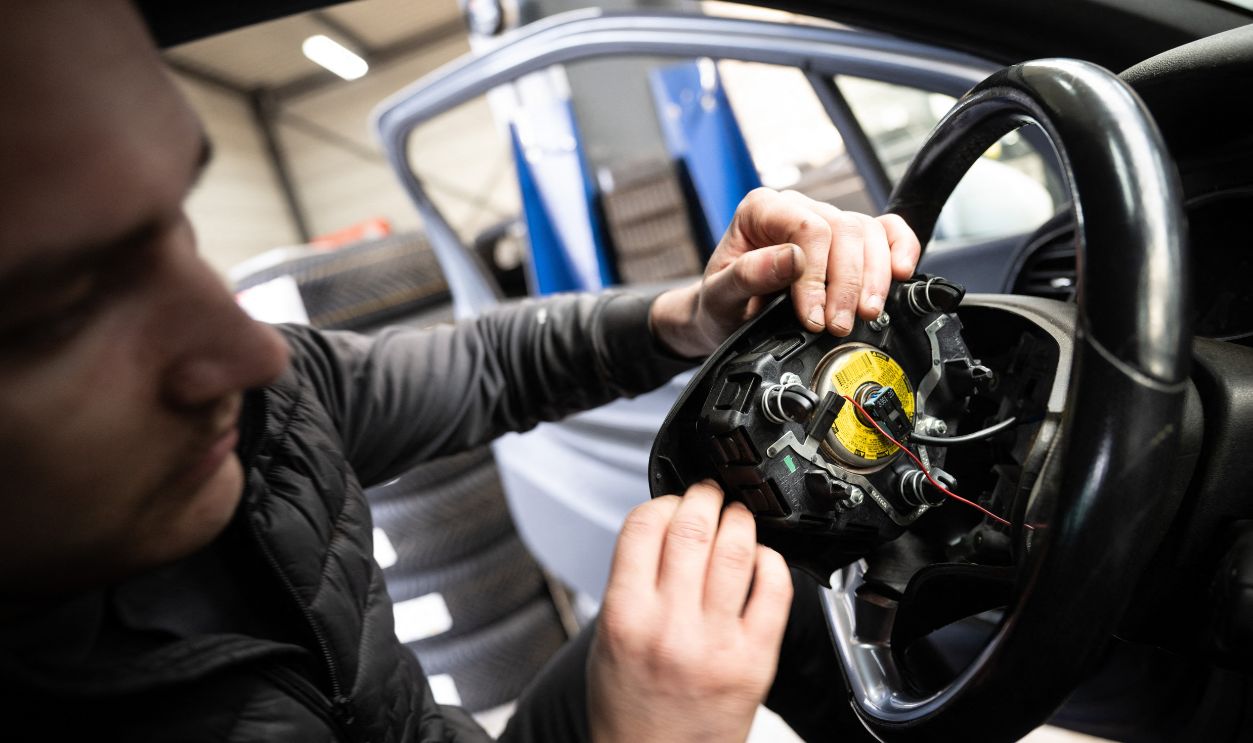
Another hard truth is that counterfeit auto parts are a real issue, not just a shop excuse. The U.S. Department of Justice and Homeland Security Investigations have announced multiple counterfeit parts enforcement cases over the years, including fake airbags and other safety-related components sold through online channels. A mechanic who did not buy the part through trusted distribution may simply not want that risk on the lift.

Online Marketplaces Changed The Game
The rise of online parts sellers made it easier than ever for drivers to compare prices. It also made it easier for shops to run into wrong parts, damaged shipments, gray-market inventory, and messy catalog listings. What looks like the exact same brand to a customer may show up missing hardware, carrying the wrong calibration, or meant for a slightly different trim, engine code, or production date.
Wrong Parts Cost More Than The Savings
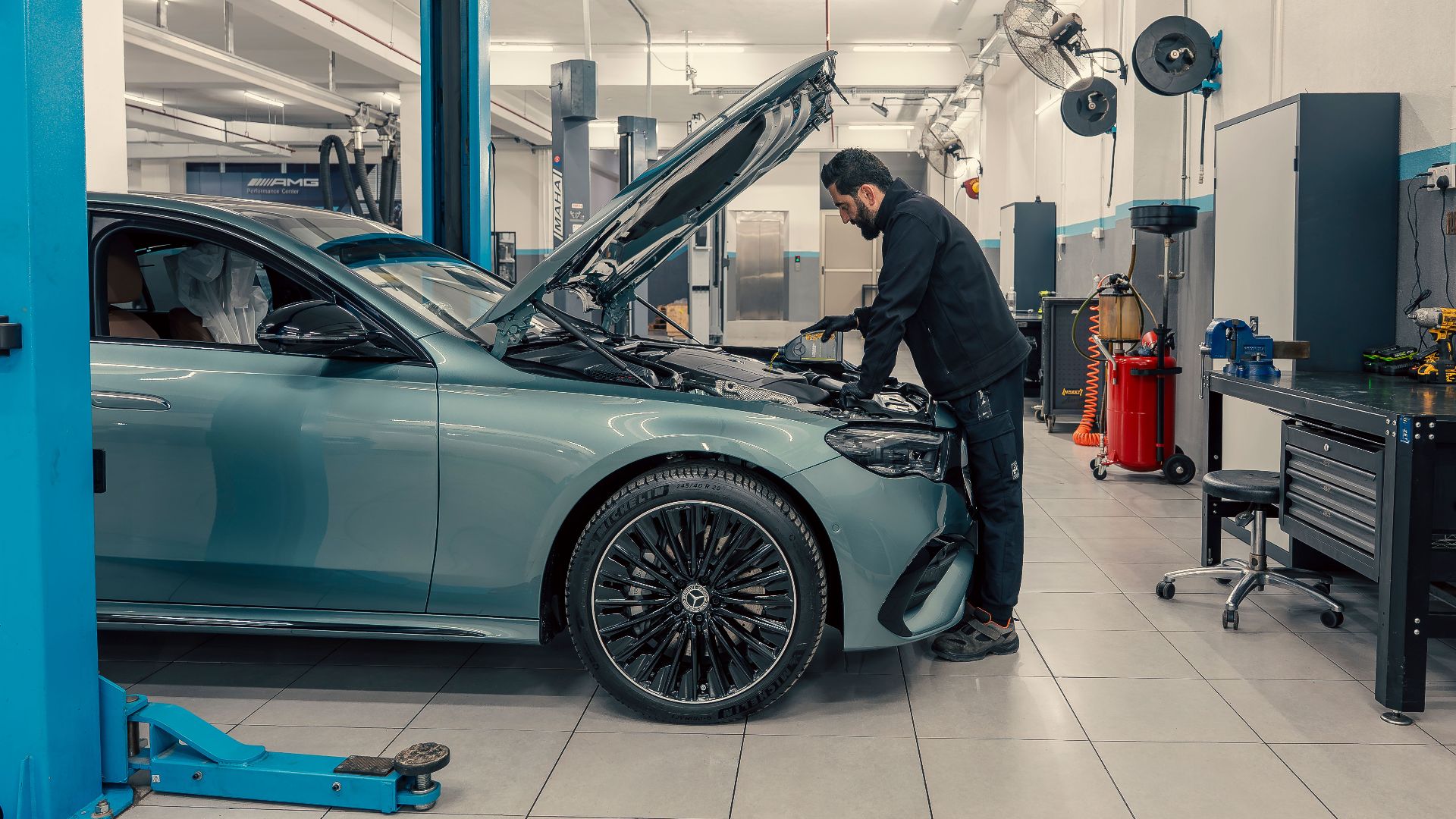
Every technician has stories about a car stuck on a bay waiting for a second or third part exchange. That matters because a disabled lift means lost revenue for the shop and longer delays for everyone else. NAPA and other industry sources have repeatedly pointed out that repair delays and bad catalog matches create real labor and scheduling costs, which is one reason many shops prefer to source parts themselves.
Labor Warranty Is Where Arguments Begin
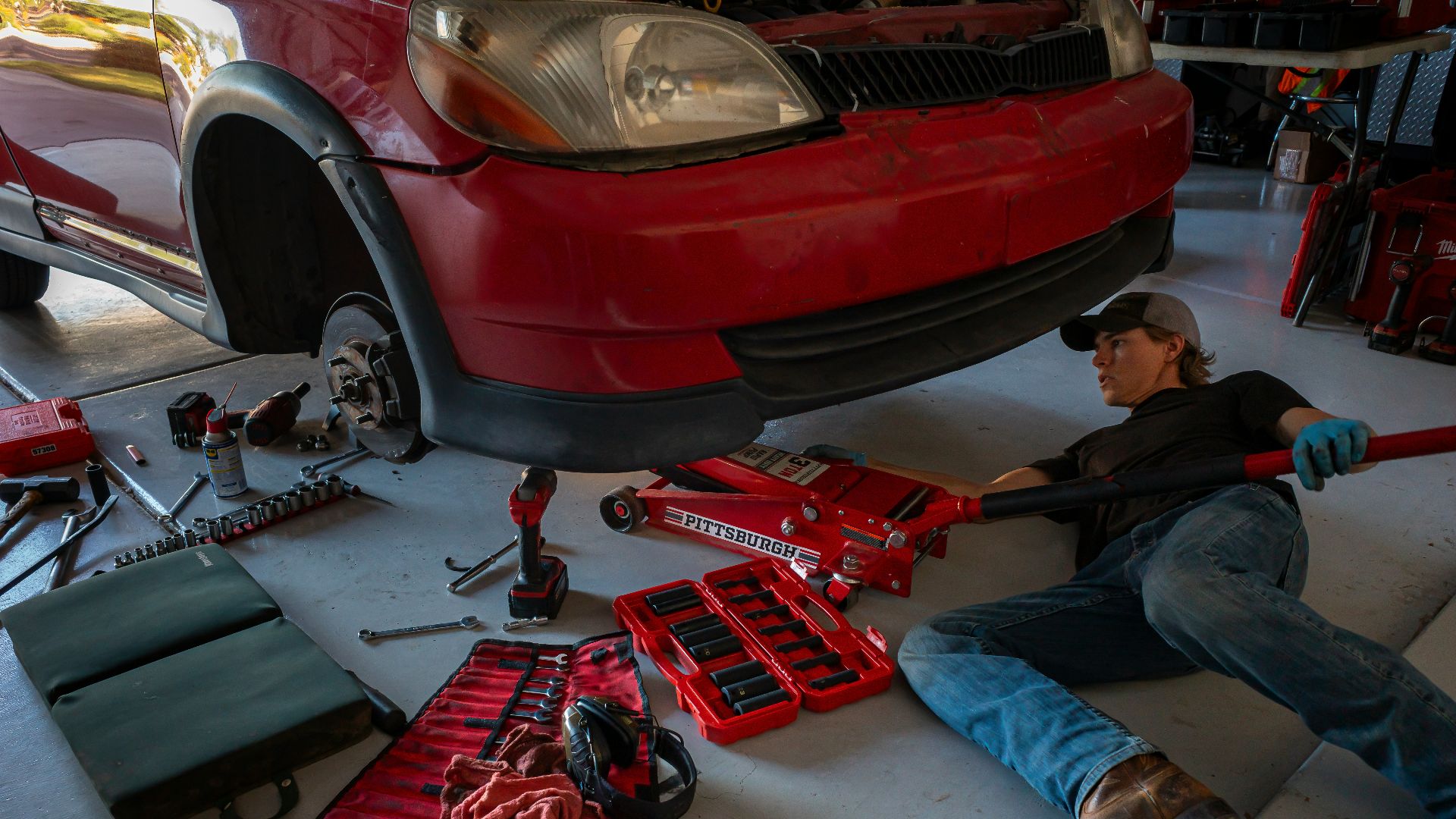
Even if a shop agrees to install your part, the warranty terms usually change. A common policy is that the shop will cover only the workmanship, not the part itself, and may charge labor again if the supplied component turns out to be defective. That is not automatically unfair, because the installer controls the labor process but not the quality history or handling of a part bought elsewhere.
Shops Also Lose Markup Revenue
There is another fact customers do not always love hearing. Parts markup helps many repair shops cover overhead, training, equipment, software subscriptions, insurance, and warranty comebacks. The Federal Trade Commission has long explained in consumer guidance that repair bills usually include both parts and labor, and those parts charges are part of how the business stays open.
This Is Similar To Bringing Steak To A Restaurant
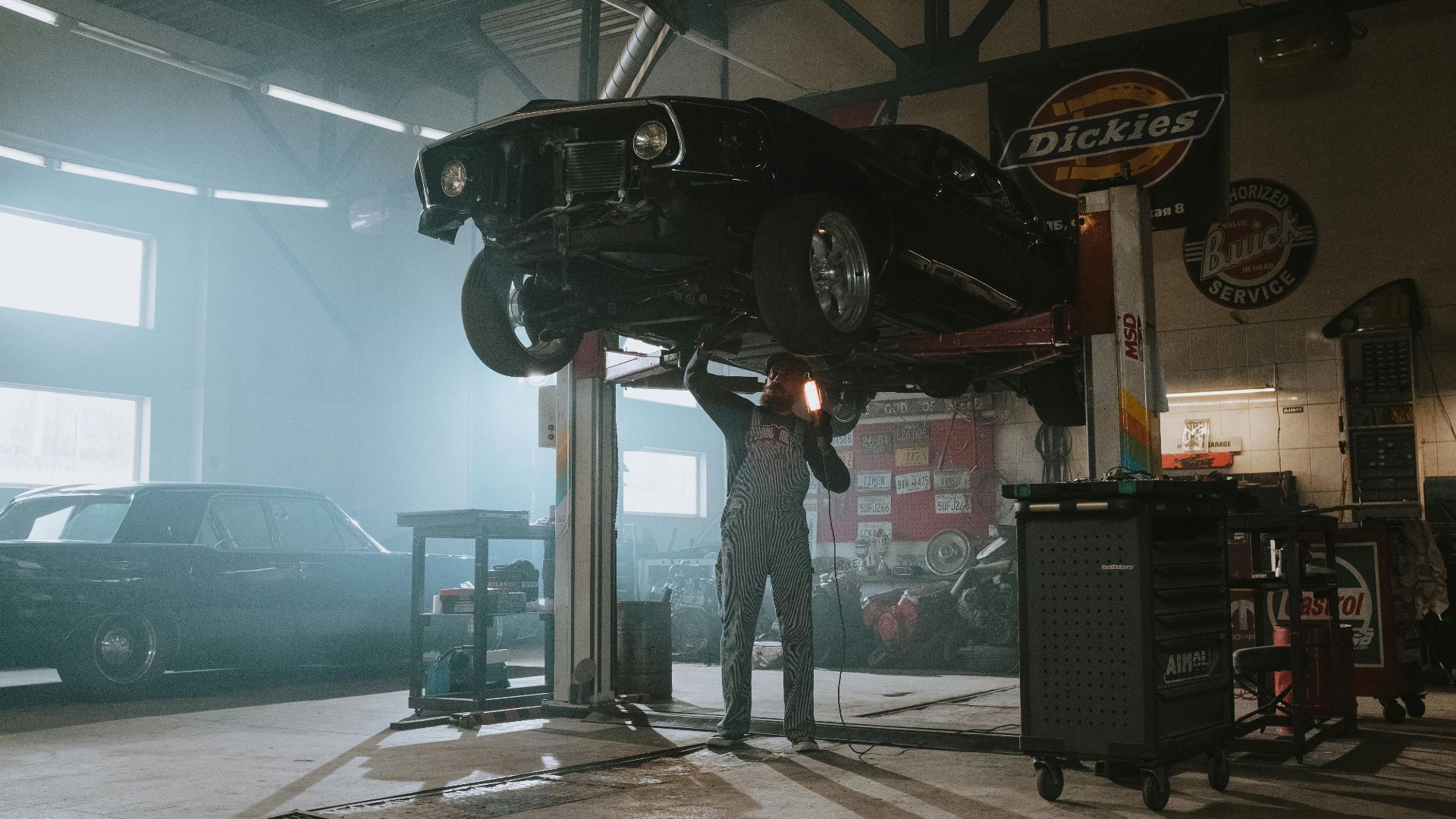
Service writers use this comparison all the time because it gets to the point. A restaurant usually does not cook food a customer brought from home, even if it is the same cut or brand used in the kitchen. A repair shop often sees outside parts the same way because the finished job carries the shop's name and reputation.

Reasonable Does Not Always Mean Customer Friendly
This is the distinction that matters. A refusal can be perfectly reasonable from the shop's side and still feel frustrating from the driver's side. If you spent time researching, confirmed the part number, and thought you were helping, the pushback can sound like gatekeeping even when it is really about managing risk.
There Are Legal Boundaries To Keep In Mind
The Magnuson-Moss Warranty Act often gets misunderstood in these conversations. The FTC explains that a manufacturer generally cannot require a specific branded part to keep a warranty valid unless that part is provided for free, but that rule does not force an independent repair shop to install a customer's part. Your warranty rights and a shop's right to set its own policies are two separate things.

Dealer Shops And Independent Shops Both Say No Sometimes
This is not just an independent garage issue. Dealership service departments also often refuse customer-supplied parts, especially for safety systems, emissions equipment, or repairs tied to factory procedures. Their caution is shaped by manufacturer policy, liability concerns, and documentation rules that can be even stricter than what a neighborhood shop follows.
 Jose Ricardo Barraza Morachis, Pexels
Safety-Critical Parts Get The Hardest No
If the repair involves brakes, steering, suspension, airbags, tires, or driver-assistance sensors, expect more resistance. Shops know that a failure in those systems can hurt people and lead to serious legal trouble. That is why many businesses draw a bright line and simply will not install outside parts in those categories, even if the brand is familiar.
Electronics And Programming Make It Worse
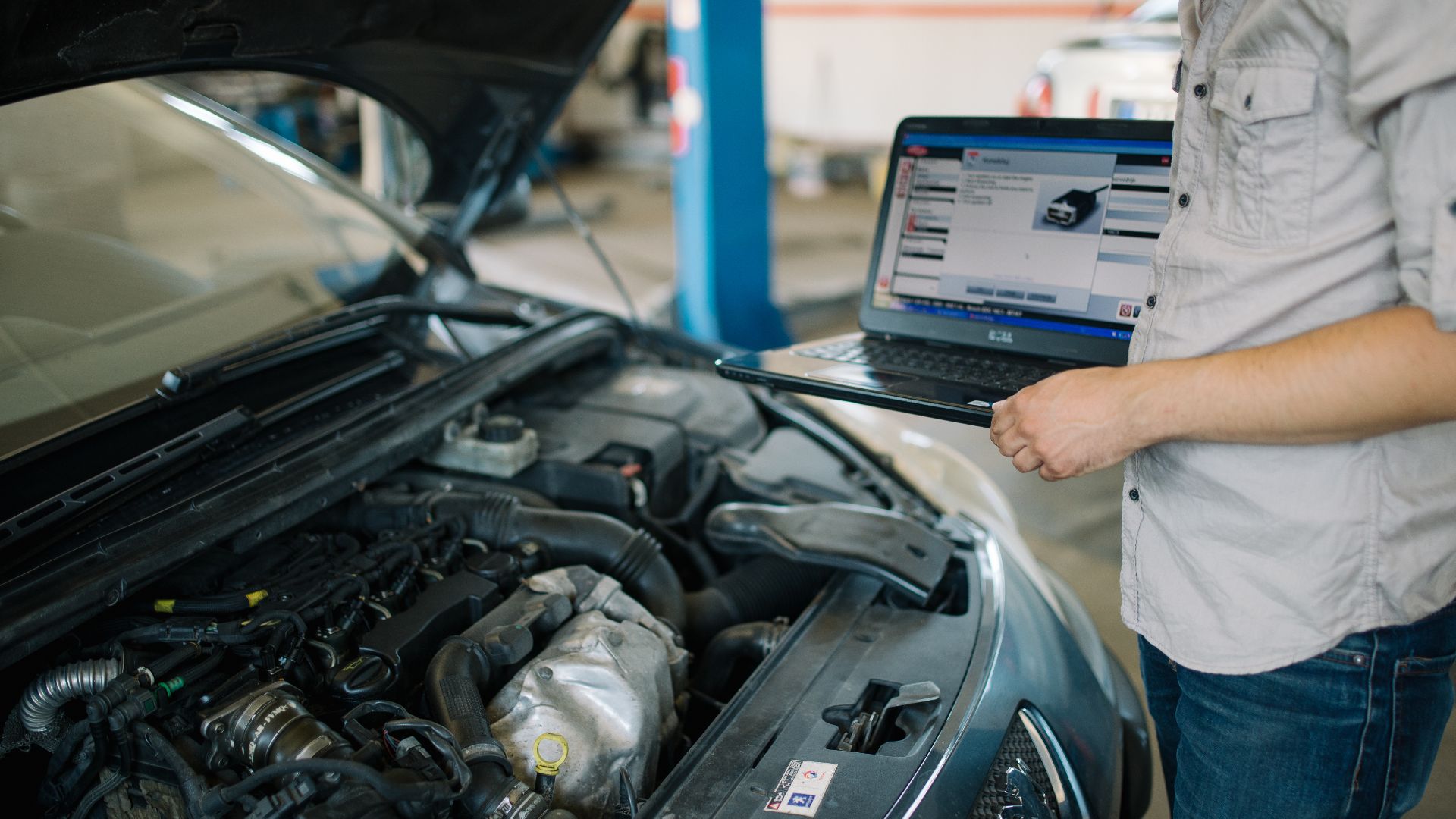
Modern vehicles are packed with modules that need coding, setup, or software matching after installation. A part that looks physically correct can still fail because it needs a different calibration or was built for another VIN range. From the shop's point of view, using its own supplier improves the odds of getting technical support and a quick warranty replacement if the programming process goes sideways.
 Shixart1985, Wikimedia Commons
Who Owns The Diagnosis If Your Part Does Not Fix It
This is another major source of conflict. Many customers buy a part based on a code scan or internet advice, but diagnostic trouble codes do not always point straight to the failed component. If the part does not solve the problem, the shop can end up in a messy argument over whether the issue was a bad diagnosis, a bad part, or a different failure altogether.
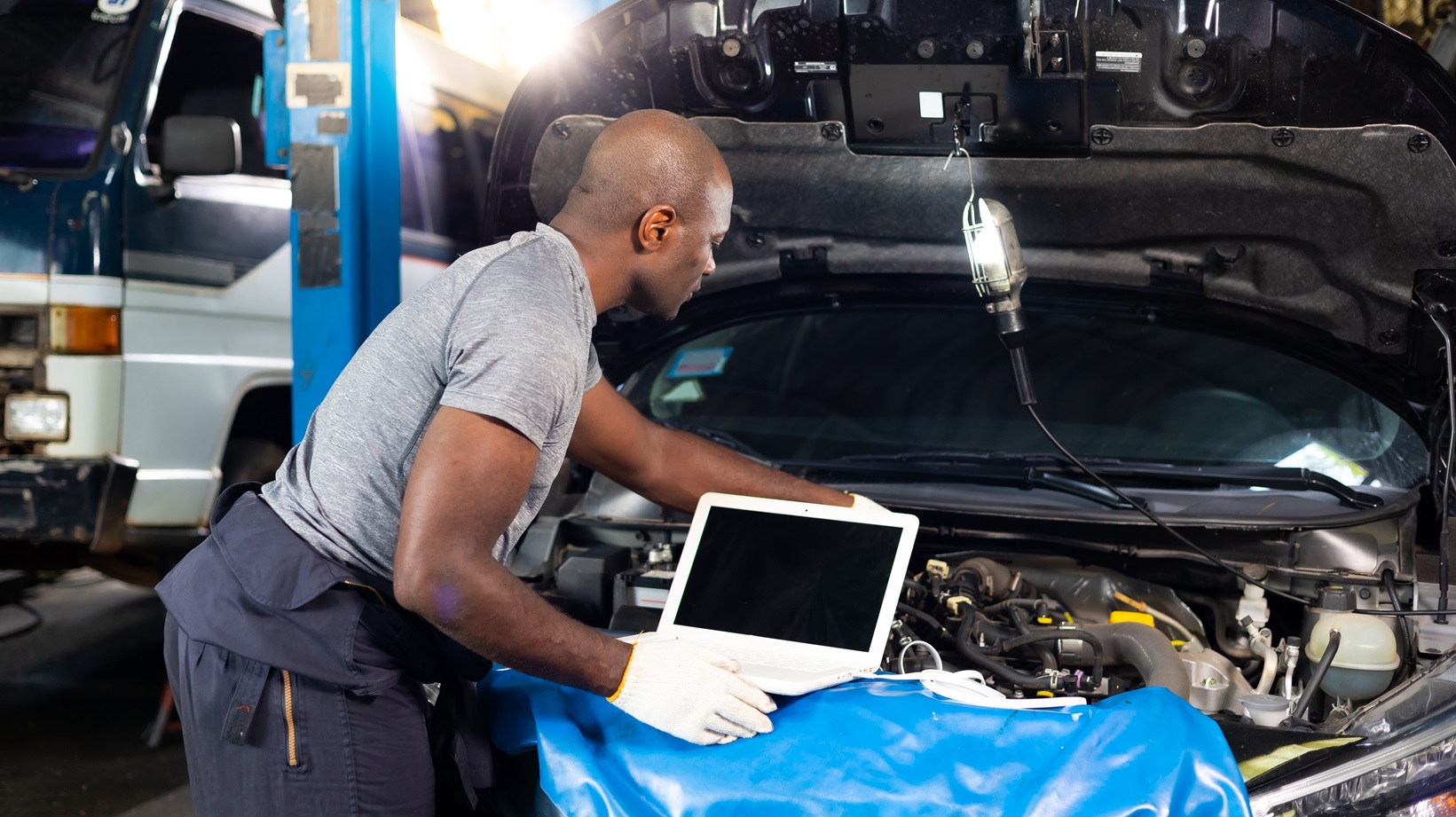
When A Shop Might Say Yes
Some mechanics will install customer-supplied parts in limited situations. It is more likely with simple bolt-on items, older vehicles, discontinued components, specialty performance parts, or parts a customer already owns from an earlier repair plan. Even then, expect paperwork that limits the warranty and makes clear who pays if the part is wrong or defective.
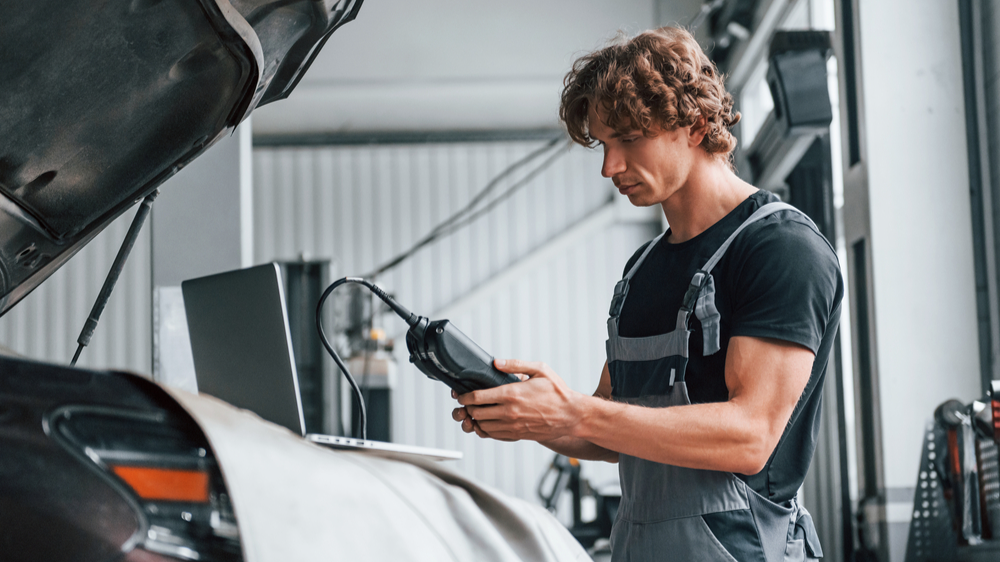
What A Fair Compromise Looks Like
If a shop is open to the idea, a fair compromise is usually spelled out in writing. The document may say there is no warranty on the supplied part, no free labor redo if it fails, and no responsibility for downtime caused by incorrect fitment. That may sound strict, but it is often the only way a shop can say yes without taking on open-ended risk.
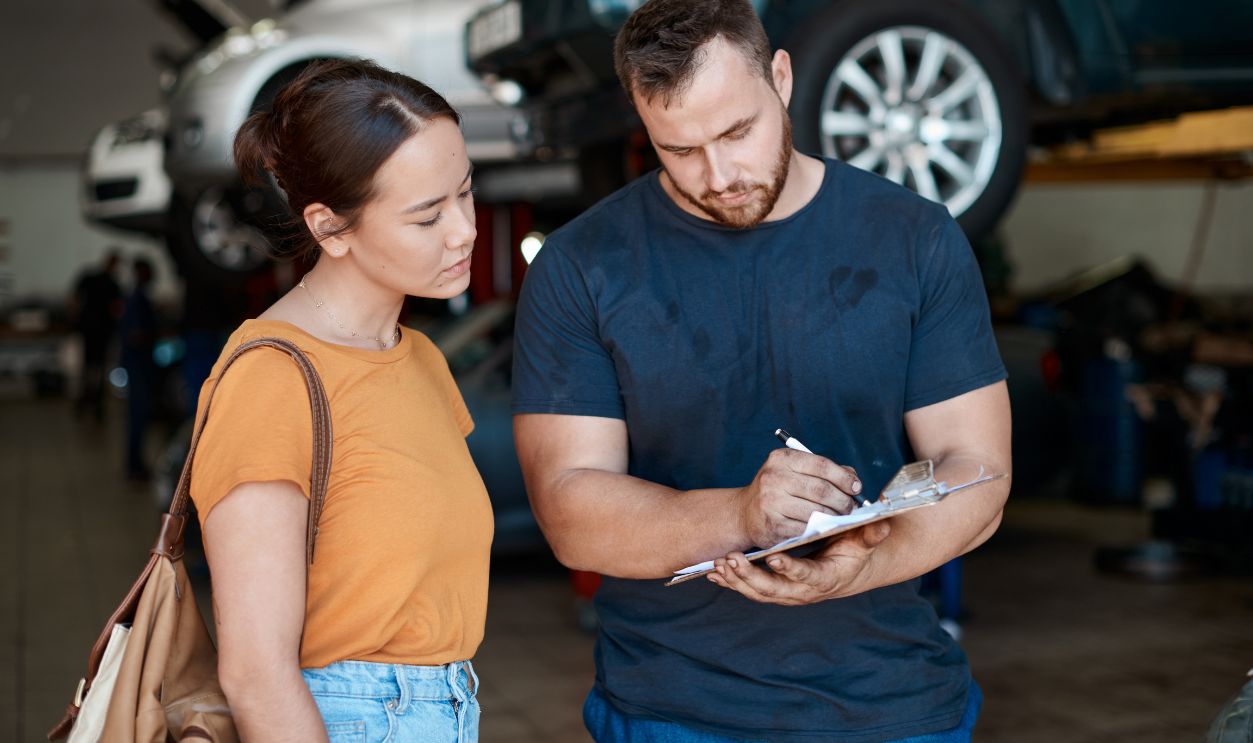
Ask About The Shop's Supplier Instead Of Arguing Brand Names
If you really want the part installed, shift the conversation away from “it is the same brand” and toward traceability. Ask whether your part came from an approved distributor, whether the exact part number matches their catalog, and whether all gaskets, clips, seals, and hardware are included. Those details matter far more than the logo on the box.
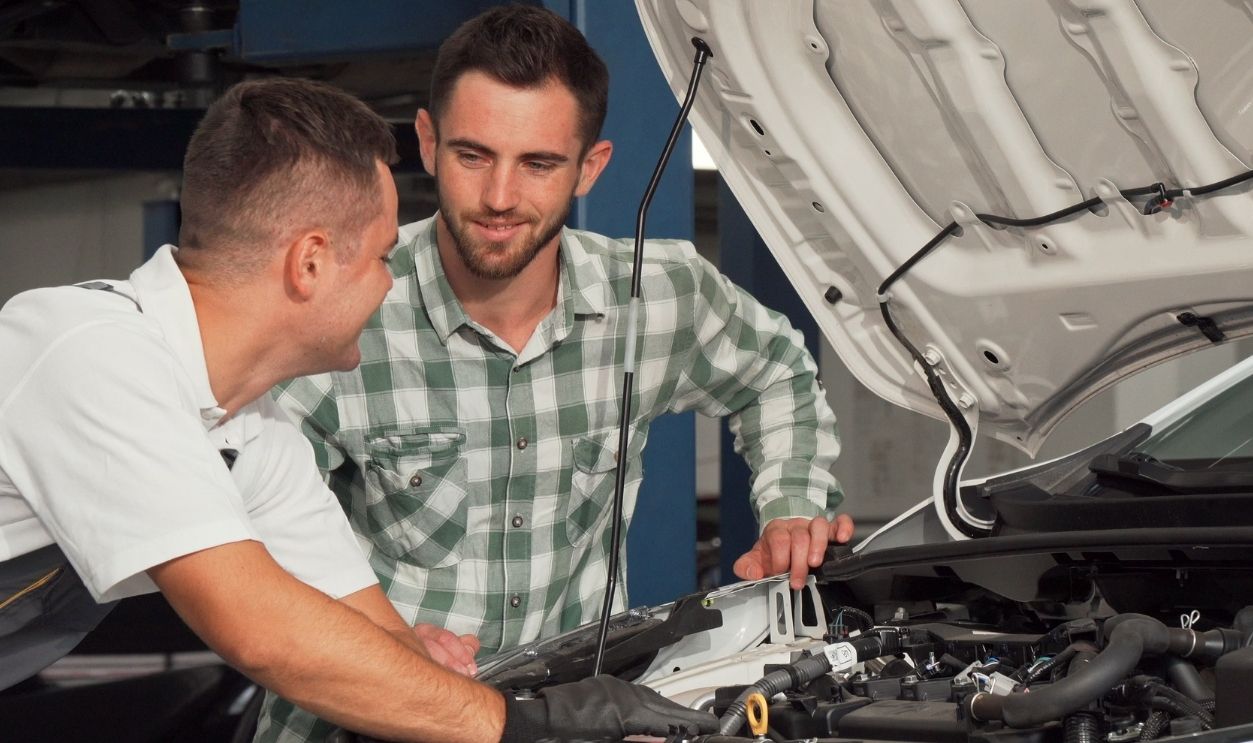
Sometimes The Shop Price Includes More Than The Box
Customers often compare the retail price of a single part to the shop's line item and assume the difference is pure markup. In practice, the shop price may include fast delivery, easy returns, technical hotline access, and local warranty exchange that gets your car back on the road the same day. If your bargain part fails, those support perks suddenly matter a lot.

How To Tell If The Refusal Is Reasonable Or A Red Flag
A reasonable refusal is clear, consistent, and explained up front before work begins. A red flag is a shop that gives vague answers, changes its story, or pressures you without explaining warranty terms and liability concerns. Good shops usually have a written policy, and they can tell you exactly why they apply it.
What You Should Say At The Counter
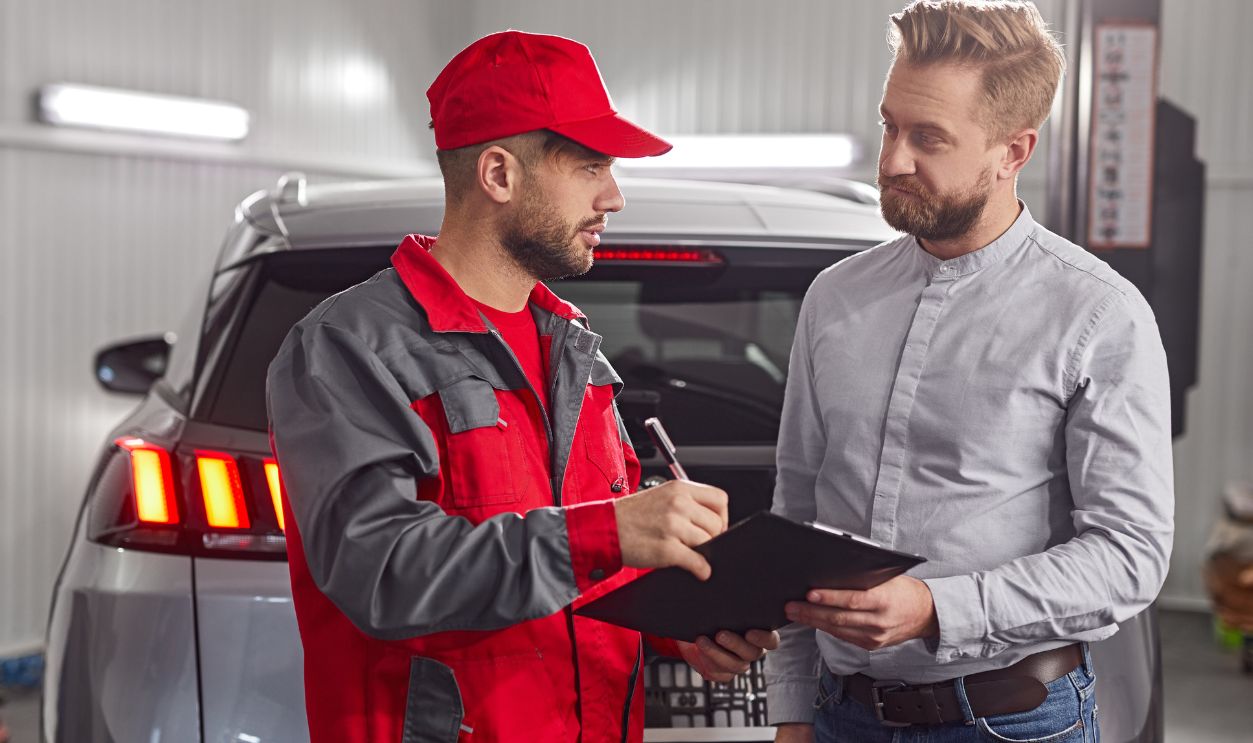
Keep it calm and practical. Ask, “Do you have a written policy on customer-supplied parts, and if not, would you install it with no part warranty and a labor disclaimer?” That wording shows you understand the risk on their side and can turn a flat no into a more useful conversation.

If They Still Refuse, You Have Options
You can ask another shop, look for a specialist who knows your vehicle, or return the part if possible and let the shop source its own. Another option is a mobile mechanic, though the same warranty concerns may still apply. The main thing is not to force a business relationship that starts with mistrust, because that rarely ends well when your car is on the rack.
When Bringing Your Own Part Makes The Most Sense
This approach works best when the part is rare, obsolete, enthusiast-specific, or already owned by the customer for a custom build. It can also make sense when a shop agrees in advance and everyone understands the limits. It makes less sense for routine maintenance and common repairs where the shop's supply chain is faster, safer, and easier to warranty.

The Bottom Line For Drivers
If your mechanic refuses to install a part you bought yourself, even if it appears to be the exact same brand, that is usually a reasonable policy rather than a personal slight. The core issue is not the label on the box. It is who carries the risk if the part is wrong, fake, damaged, unsupported, or simply fails after your car leaves the bay.