
“Filled For Life” Sounds More Absolute Than It Really Is
The dealer says the transmission fluid never needs changing, while an independent mechanic says replacing it now could protect an expensive hybrid transaxle. With a costly drivetrain sitting in the middle of that disagreement, deciding whose advice to trust becomes more complicated than it first appears.
First, Find Out What “Lifetime” Means For Your Car
“Lifetime fluid” usually means the automaker doesn't specify routine replacement under certain operating conditions. It doesn't necessarily mean the fluid remains chemically unchanged forever. Some vehicles are designed around inspection rather than scheduled replacement, while others eventually call for service. Consumer Reports notes that transmission-fluid intervals now range from relatively short schedules to more than 100,000 miles, with some transmissions treated as lifetime-fill units.

Not Every Hybrid Has The Same Kind Of Transmission
The word “hybrid” covers very different drivetrains. Some use conventional automatic transmissions, some use dual-clutch systems, and others use electrically controlled transaxles commonly called eCVTs. Their fluid does different jobs, so a maintenance recommendation that makes sense for one hybrid doesn't automatically apply to another.
 Damian B Oh, Wikimedia Commons
An ECVT Isn't The Same As A Belt-Type CVT
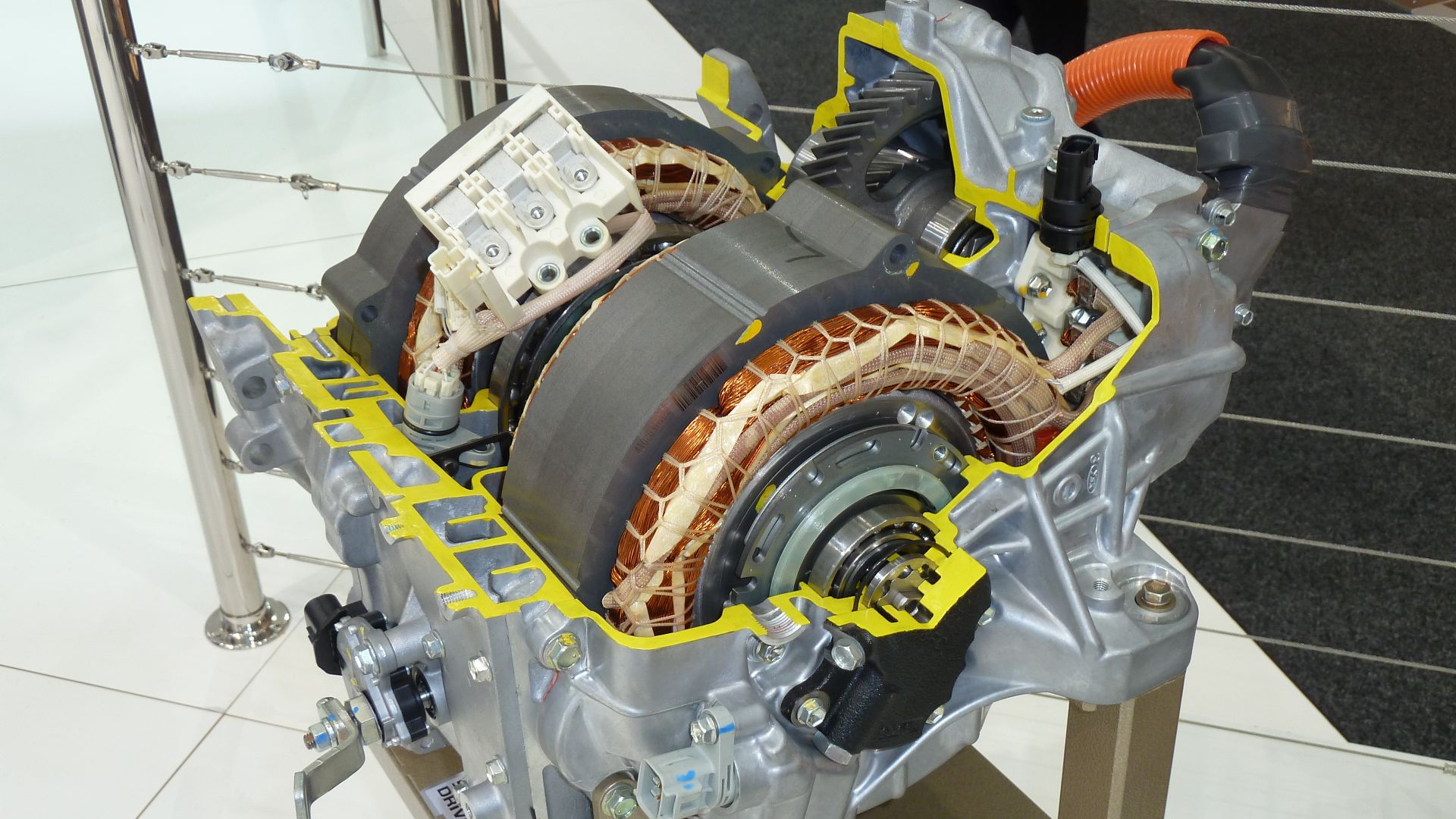
Toyota-style hybrid eCVTs are particularly easy to misunderstand. Despite the name, they don't operate like the belt-and-pulley CVTs found in many gasoline cars. Hybrid transaxles combine gears with electric motor-generators, so their fluid requirements and failure modes can be very different. Don't let a shop apply a generic “CVT service” recommendation without confirming exactly what transmission is in the car.
Start With The Maintenance Guide, Not An Internet Rule
Look up the owner's manual and, more importantly, the vehicle's warranty and maintenance guide using the exact year, model, engine, and drivetrain. Search for “transmission fluid,” “transaxle fluid,” and severe or special operating conditions. If the manufacturer provides a replacement interval, that's the strongest starting point for deciding when service belongs on the schedule.

The Dealer May Be Accurately Quoting The Normal Schedule
Sometimes the dealer really is following the manufacturer. Toyota says certain transmissions using its WS fluid are sealed, don't require periodic dipstick checks, and don't need replacement unless inspection indicates it has become necessary. That doesn't mean every Toyota hybrid follows exactly the same rule, but it shows why a dealer may legitimately say there is no routine normal-service interval.
 7715Mateenz, Wikimedia Commons
Your Mechanic Isn't Necessarily Trying To Sell Unnecessary Work Either
An experienced hybrid technician may recommend preventive fluid replacement because the car is getting older, has accumulated substantial mileage, or operates under harder conditions than the normal maintenance schedule assumes. That isn't automatically unreasonable. The useful question is why this particular car needs it now, rather than whether all lifetime fluids should always be changed.

Transmission Fluid Still Has A Job To Do
Even in a relatively simple hybrid transaxle, fluid lubricates bearings, gears, and other moving components while helping manage heat. As components wear, tiny amounts of material can enter the fluid. Fluid also experiences repeated heating and cooling cycles. A long replacement interval doesn't mean the lubricant is somehow immune to aging.

Severe Use Can Change The Schedule Completely
Heat is particularly important. Frequent mountain driving, heavy loads, towing where permitted, and other demanding conditions can put additional stress on transmission fluid. Some automakers publish separate instructions for those situations. Before assuming you qualify for the easy normal-service schedule, read the footnotes describing how the vehicle is actually used.

Honda Hybrids Provide A Good Example
Current Honda hybrid maintenance schedules explicitly include transmission-fluid replacement through the Maintenance Minder. Honda also says that regular low-speed driving in mountainous areas creates higher transmission temperatures and calls for fluid replacement every 47,500 miles or three years under those conditions. Clearly, “hybrid” does not automatically mean lifetime transmission fluid.
 Dinkun Chen, Wikimedia Commons
Toyota Shows Why The Answer Can Be Different
Toyota's Prius guidance can look very different. Some maintenance schedules primarily call for inspecting the transmission for leakage during normal use, while certain special operating conditions call for replacing the fluid. Toyota also publishes actual fluid-replacement procedures for its hybrid transaxles, so “no normal scheduled interval” isn't the same as “the fluid physically cannot be replaced.”

A Sealed Transmission Isn't Literally Sealed Forever
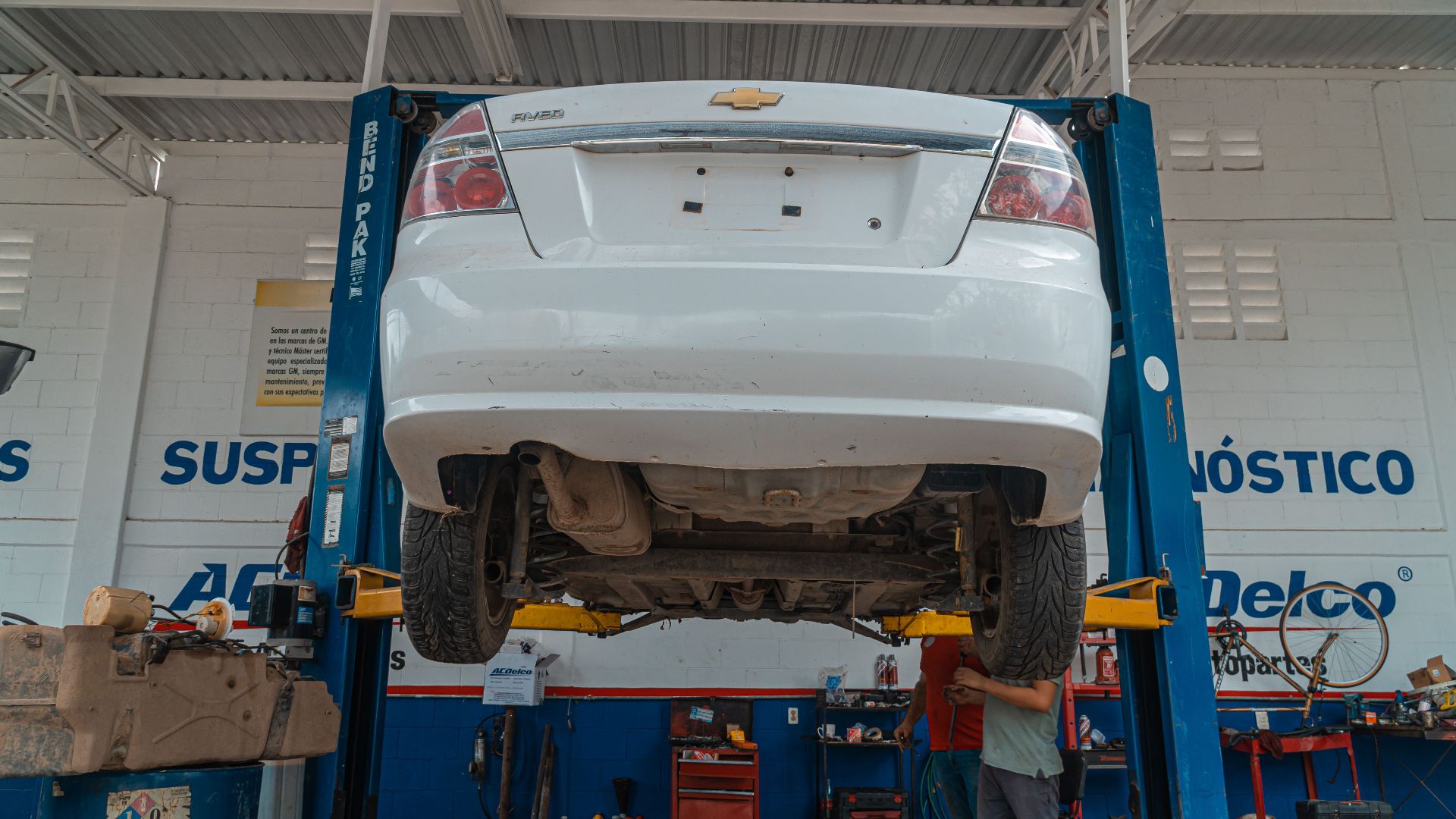
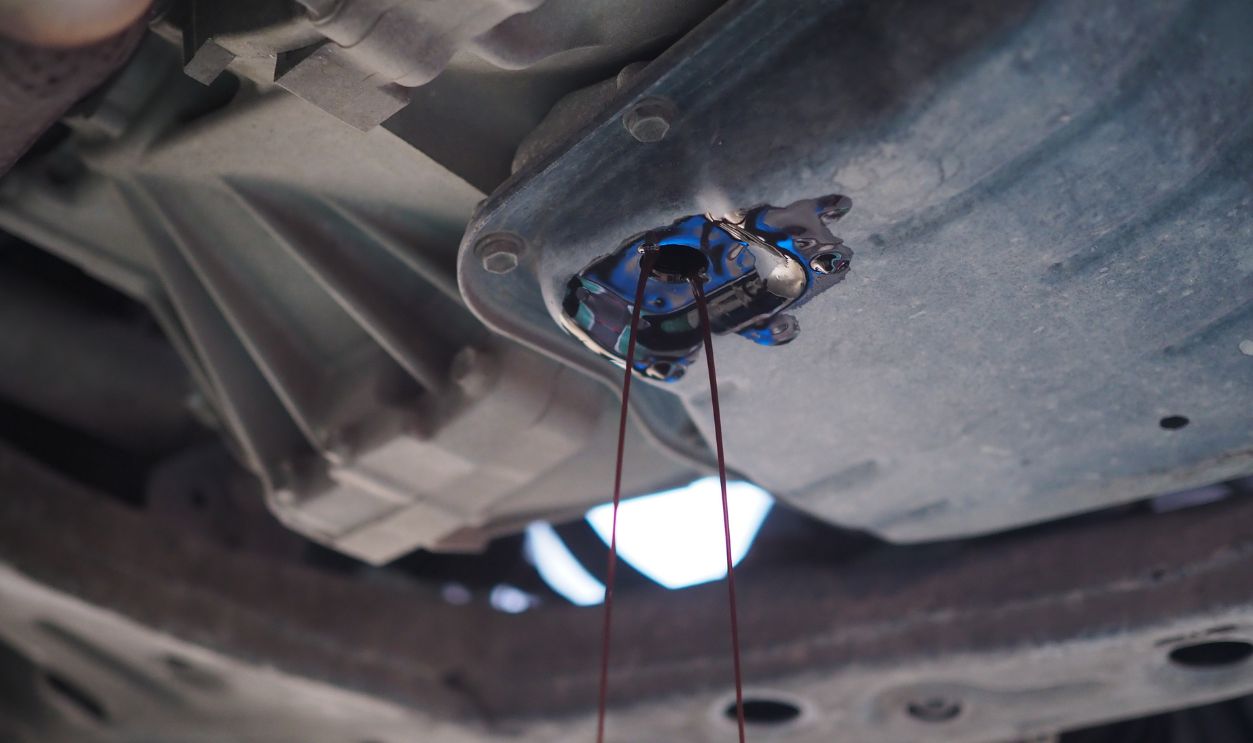
“Sealed” often means there's no convenient dipstick or routine owner-level check. Technicians may still have drain and fill plugs, fluid-level procedures, specified temperatures, or other service instructions. AAA similarly notes that so-called sealed transmissions can still contain serviceable fluid even though accessing it may require special equipment or procedures.
Ask For A Drain-And-Fill, Not Automatically A Flush
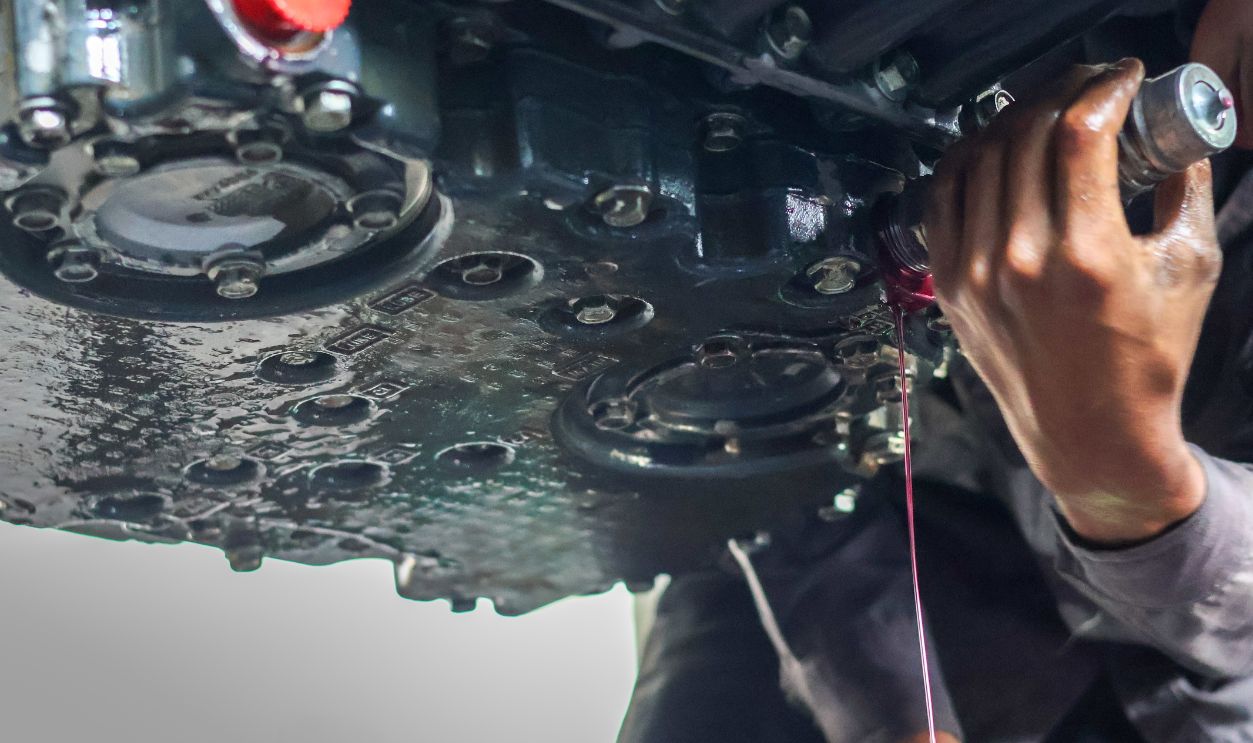
These terms matter. A drain-and-fill removes some or most of the old fluid and replaces it with the specified fresh fluid. A power flush uses equipment to move a larger quantity through the transmission. If preventive maintenance is the goal, ask exactly which procedure the mechanic intends to perform rather than agreeing to a vague “transmission service.”
 Jose Ricardo Barraza Morachis, Pexels
Be Cautious About Flushing A Neglected High-Mileage Transmission
Consumer Reports specifically distinguishes ordinary fluid replacement from power flushing and warns that flushing a high-mileage transmission can sometimes disturb accumulated material. That's particularly important if the car already has shifting problems or an unknown maintenance history. A careful drain-and-fill is a very different proposal from aggressively flushing an aging unit.
The Correct Fluid Specification Is Non-Negotiable
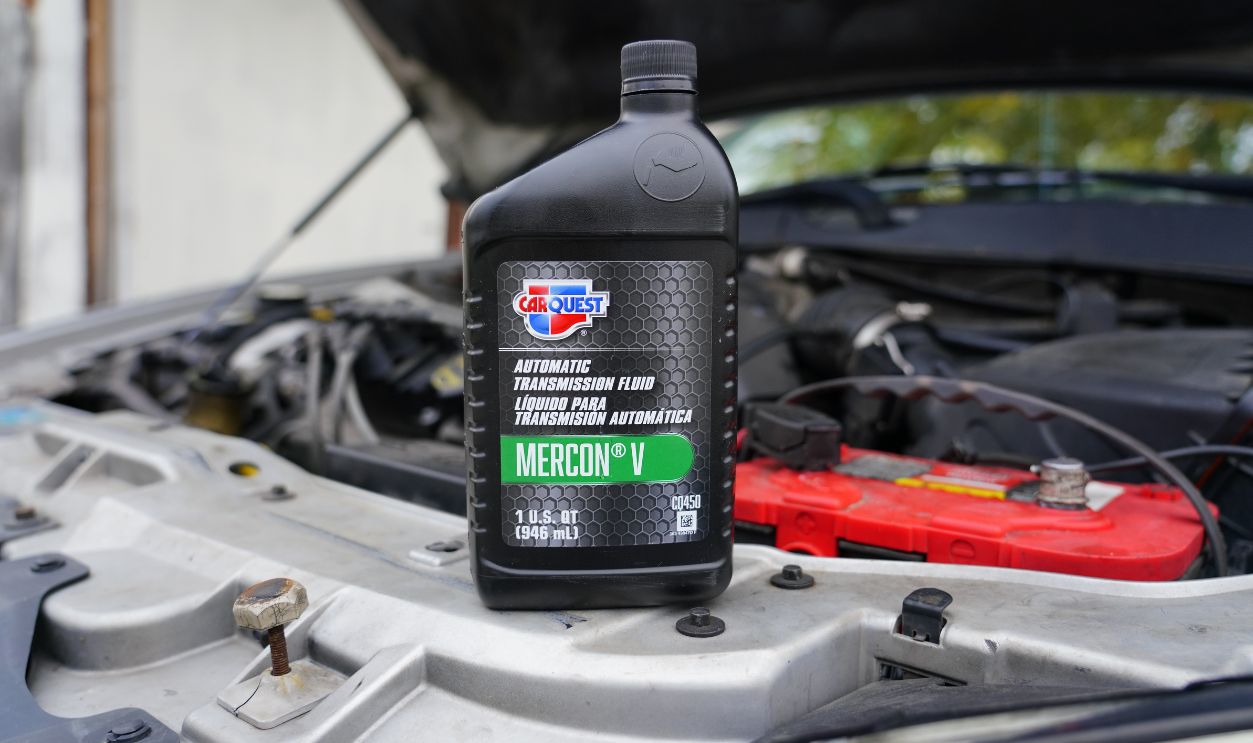
Hybrid transaxles can be extremely particular about fluid. Honda specifies HEVF-Type 1 for several current hybrids and warns that using the wrong fluid can affect operation and durability. Toyota likewise specifies particular fluids for its hybrid transaxles. Saving a few dollars with a generic substitute isn't worth risking a component that can cost thousands to repair.
 Aaron of L.A. Photography, Shutterstock
Fluid Appearance Can Provide Clues, But It Isn't A Perfect Test
A technician may inspect accessible fluid for unusual discoloration, contamination, burnt odor, or metal particles. Those findings can justify further investigation. But fluid can look darker without the transmission being doomed, and some sealed systems aren't easily inspected without opening a fill plug. Don't let color alone become the entire diagnosis.

Transmission Symptoms Need Diagnosis, Not Just Fresh Fluid
If the hybrid is already making unusual noises, shuddering, slipping, overheating, or setting transmission-related fault codes, changing fluid shouldn't be presented as a guaranteed cure. Fluid maintenance can help prevent problems, but it can't rebuild worn bearings, damaged gears, failed electronics, or other mechanical components.

A Leak Changes The Situation
Transmission fluid isn't normally consumed like engine oil. If the fluid level is low, there may be a leak. Toyota specifically recommends diagnosis when fluid leakage is suspected on its sealed transmissions. Fix the source of the leak and restore the fluid correctly rather than simply adding fluid and assuming the problem is solved.

An Unknown Used-Car History Requires More Judgment
A recently purchased 120,000-mile hybrid with no service records creates a different decision from a car you've owned since new. Before servicing an unfamiliar high-mileage transmission, have a hybrid specialist identify the exact unit, inspect its condition, check for fault codes and leaks, and determine what type of service is appropriate. Don't blindly follow either “never touch it” or “flush everything.”
 Quality Stock Arts, Shutterstock
Age Can Matter Even When Mileage Is Low
A 12-year-old hybrid with only 45,000 miles has still experienced years of temperature changes, condensation, seal aging, and storage. That doesn't automatically mean the fluid must be replaced, but it can be a reasonable factor in a preventive-maintenance discussion. Mileage isn't the only way a vehicle gets old.

Warranty Coverage Deserves Extra Caution
If the car is still covered by a powertrain or extended warranty, stick closely to the manufacturer's fluid specification and documented service procedure. Keep invoices showing exactly what was used. An unnecessary service performed incorrectly is particularly frustrating if it creates a warranty dispute on a transmission that wasn't due for maintenance in the first place.
 Memory Stockphoto, Shutterstock
Compare A Modest Service Bill With The Car's Future
A preventive drain-and-fill can be relatively inexpensive compared with replacing a hybrid transaxle, but “cheaper than a transmission” doesn't prove every proposed service is necessary. The calculation makes more sense on a vehicle you expect to keep another 100,000 miles than on one you're selling next month. Maintenance should have a reason, not simply an intimidating worst-case scenario.

Keep Records If You Decide To Service It
Write down the mileage, date, exact fluid specification, quantity used, and shop that performed the work. That prevents future mechanics from guessing and can help a later buyer understand the maintenance history. If the vehicle has a maintenance reminder that includes transmission service, make sure the appropriate item is properly recorded or reset.

Make The Mechanic Explain The Recommendation
Ask four simple questions: What transmission does this hybrid actually use? Where does the manufacturer discuss its fluid? Why does the mechanic recommend service at your current mileage? And will the job be a simple drain-and-fill using the exact specified fluid? A convincing recommendation should have better reasoning than “all transmission fluid should be changed every 30,000 miles.”

“Filled For Life” Shouldn't End The Conversation
The dealer may be correct that your hybrid has no routine transmission-fluid replacement interval under normal conditions. Your mechanic may also have a reasonable case for preventive service based on age, mileage, severe use, or the manufacturer's special-condition guidance. Check the exact maintenance schedule first, then decide based on the specific transmission and how the car has been used. If service makes sense, use the correct fluid and procedure, and don't turn a straightforward preventive drain-and-fill into an unnecessary aggressive flush.

You May Also Like: