The Check Can Feel Like Easy Money
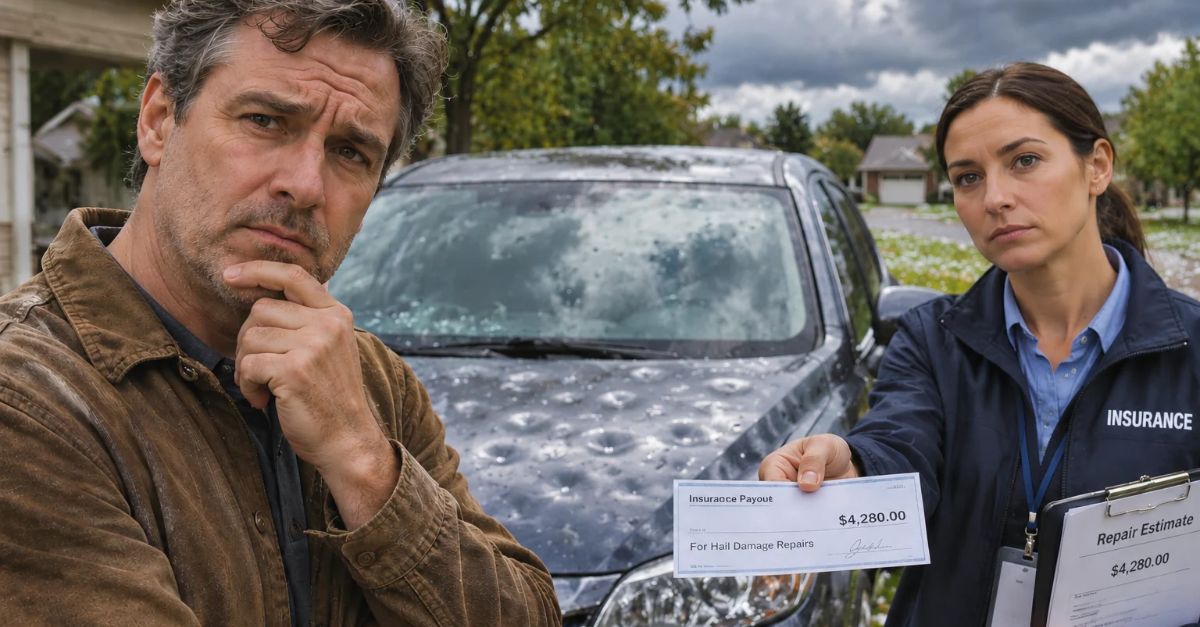
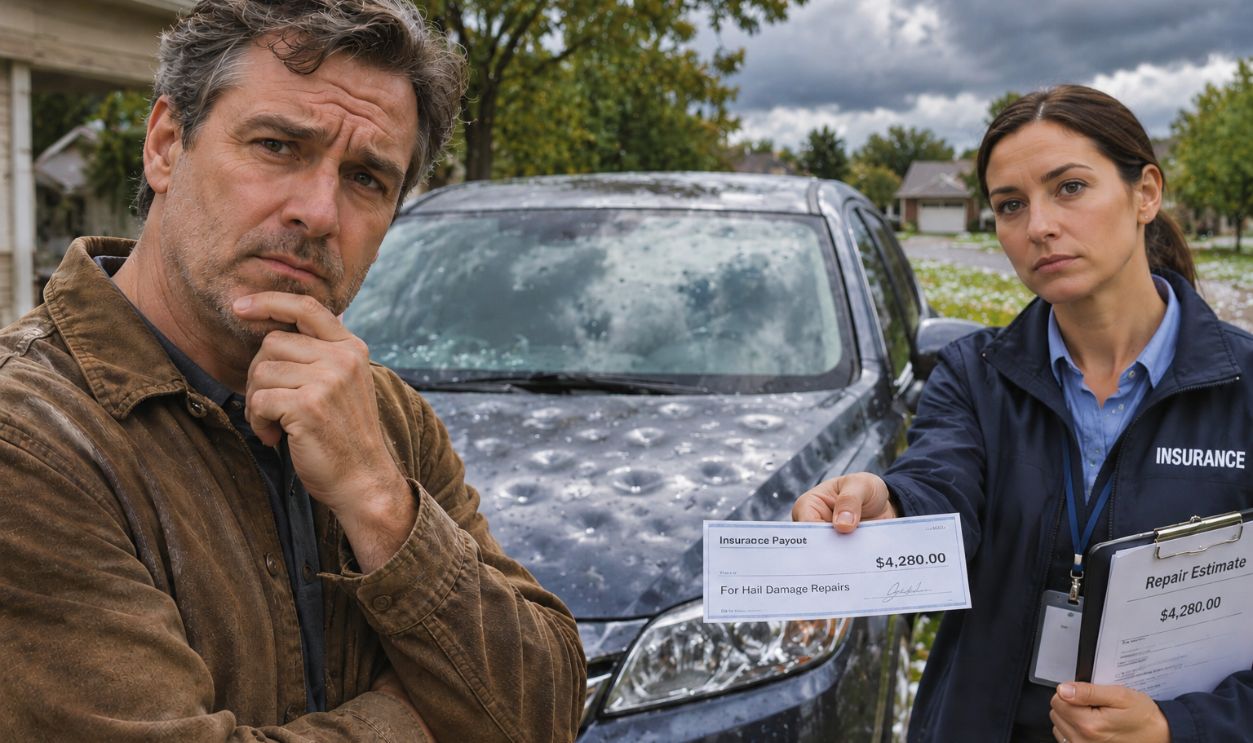
After a hailstorm, some insurers offer a cash payout instead of sending your car to a body shop. That can sound like a great deal, especially if the dents seem minor and the car still drives fine. But keeping the money and skipping repairs can affect future claims, your loan or lease, and what the car is worth later.
What This Offer Usually Means
In many cases, the insurer is paying the estimated cost to repair the hail damage, minus your deductible if your policy has one. This usually falls under comprehensive coverage, the part of an auto policy that typically covers hail, falling objects, theft, and other non-collision damage. The Insurance Information Institute says comprehensive coverage generally pays for damage from events like hail.
Comprehensive Coverage Is The Key
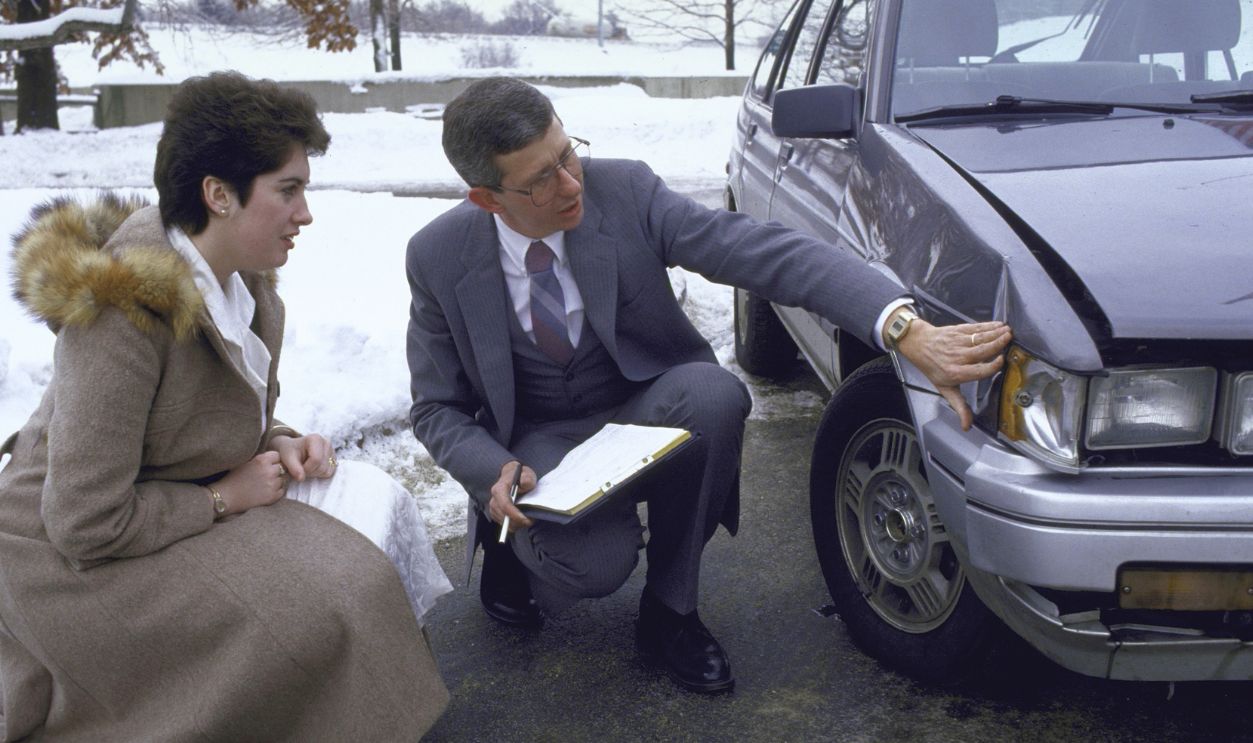
Hail claims usually fall under comprehensive, not collision. That matters because if you only have liability coverage, hail damage usually is not covered at all. The National Association of Insurance Commissioners says comprehensive coverage is optional in many cases unless a lender or lessor requires it.
 Chris Olszewski, Wikimedia Commons
You Can Often Take Cash Instead Of Repairs
Insurers often settle physical damage claims by paying what they believe is a reasonable repair cost. If you own the car outright, you can often take the payment and choose not to fix the damage. But that does not wipe the damage from the insurer’s records, and it does not mean future hail damage will be handled the same way.
 https://kaboompics.com/, Pexels
If You Have A Loan, Things Get More Complicated
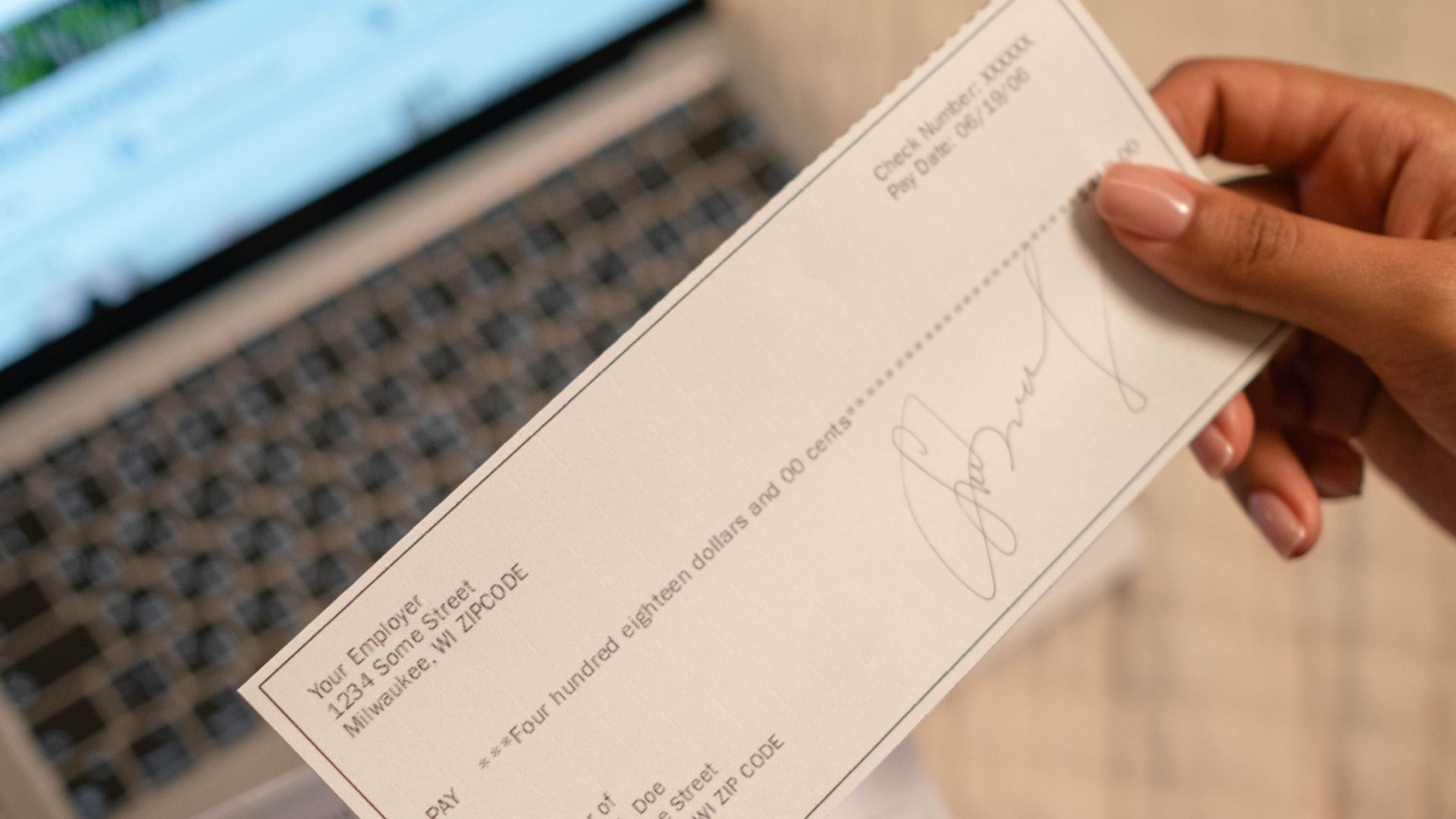
When a lender still has a financial interest in the car, the insurance payment may include the lender or lienholder as a payee. That means you may not be able to simply cash the check and move on. The Consumer Financial Protection Bureau explains that a lienholder has a legal claim to the vehicle until the loan is paid off, which is one reason lenders often want the car kept in good shape.

Lease Drivers Usually Have Less Flexibility
If you lease your vehicle, the leasing company still owns it. Lease contracts often require you to repair damage and return the vehicle in acceptable condition. If you keep the insurance money and leave the dents, you could get hit with charges at the end of the lease.
 f.t.Photographer, Shutterstock
The Check May Not Be Made Out To You Alone
On a financed car, an insurance claim payment is often made out to both you and the lender. That is not just red tape. It helps protect the lender’s collateral, since unrepaired damage can reduce the car’s value.
Your Insurer May Mark The Damage As Unrepaired
This is the part many drivers miss. If you accept a payout and do not make the repairs, the insurer may note that the hail damage is still there. If the same part of the car gets damaged again, or if you switch insurers, that old damage can become a real problem.

Future Claims Can Get Messy Fast
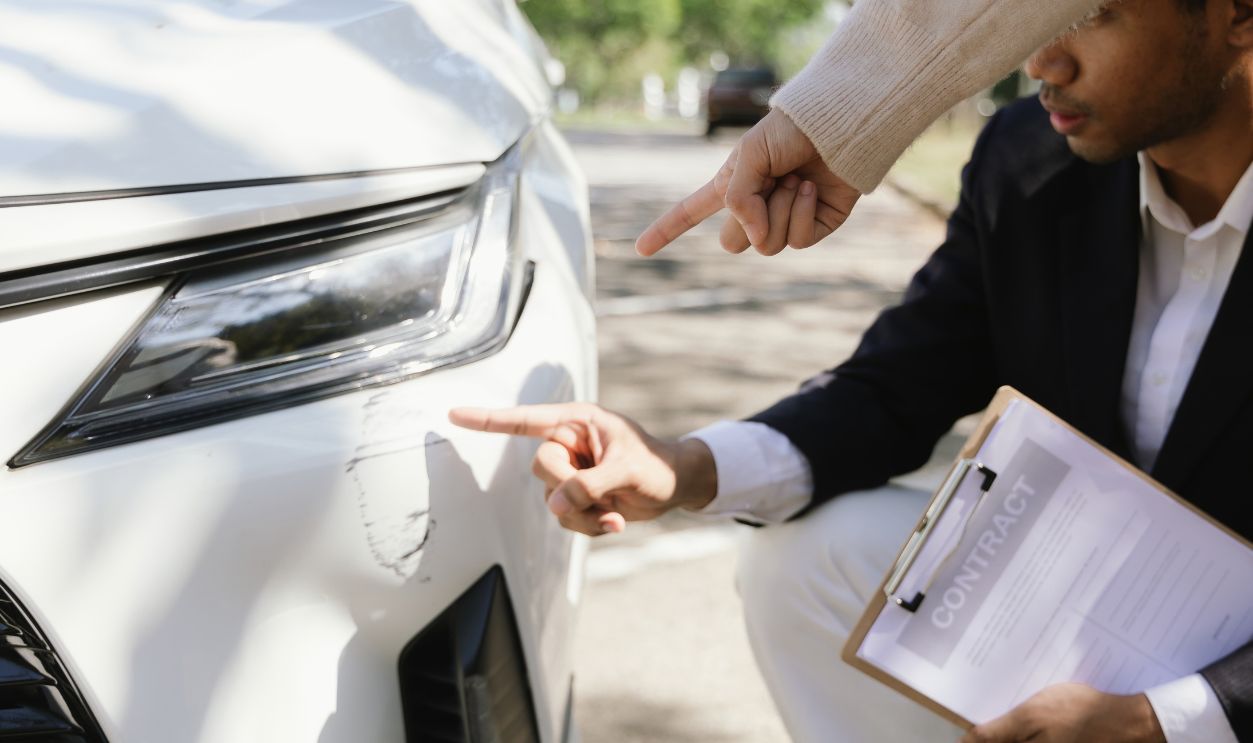
If another hailstorm rolls through, your insurer may refuse to pay for dents that were already there. It may only cover new damage that can be separated from the old damage. In some cases, the company may add an exclusion for the already-damaged panels or for cosmetic hail damage altogether.
 Tualek Photographer, Shutterstock
State Farm Has Said This Clearly
State Farm says that if you choose not to repair damage, your policy can stay in force, but any unrepaired damage may not be covered in a future loss. That is a major warning for anyone thinking about pocketing the check. The first payout can effectively shut the door on getting paid again for the same dents.
 Harrison Keely, Wikimedia Commons
Progressive Gives A Similar Warning
Progressive says drivers are generally not required to repair covered damage after a claim is paid, but future claims may be affected by existing damage. That is one of the biggest practical downsides of keeping the cash. The insurer usually is not giving you a second chance to collect for the same cosmetic damage.
 Stevehockey5, Wikimedia Commons
Your Premium Might Not Drop Just Because You Skip Repairs
Some drivers assume that if they do not repair the car, the insurer saves money and their rates will stay lower. That is usually not how insurance works. Your premium is based on many factors, and a comprehensive claim can still become part of your claims history even if you never fix the dents.

Hail Claims Usually Count Differently Than Crash Claims
Hail damage falls into the weather and comprehensive category, which is often treated differently from at-fault collision claims. That can matter when insurers look at risk. Still, any claim can become part of the underwriting picture, and the exact effect depends on the insurer and state rules.
Unrepaired Damage Can Hurt Resale Value
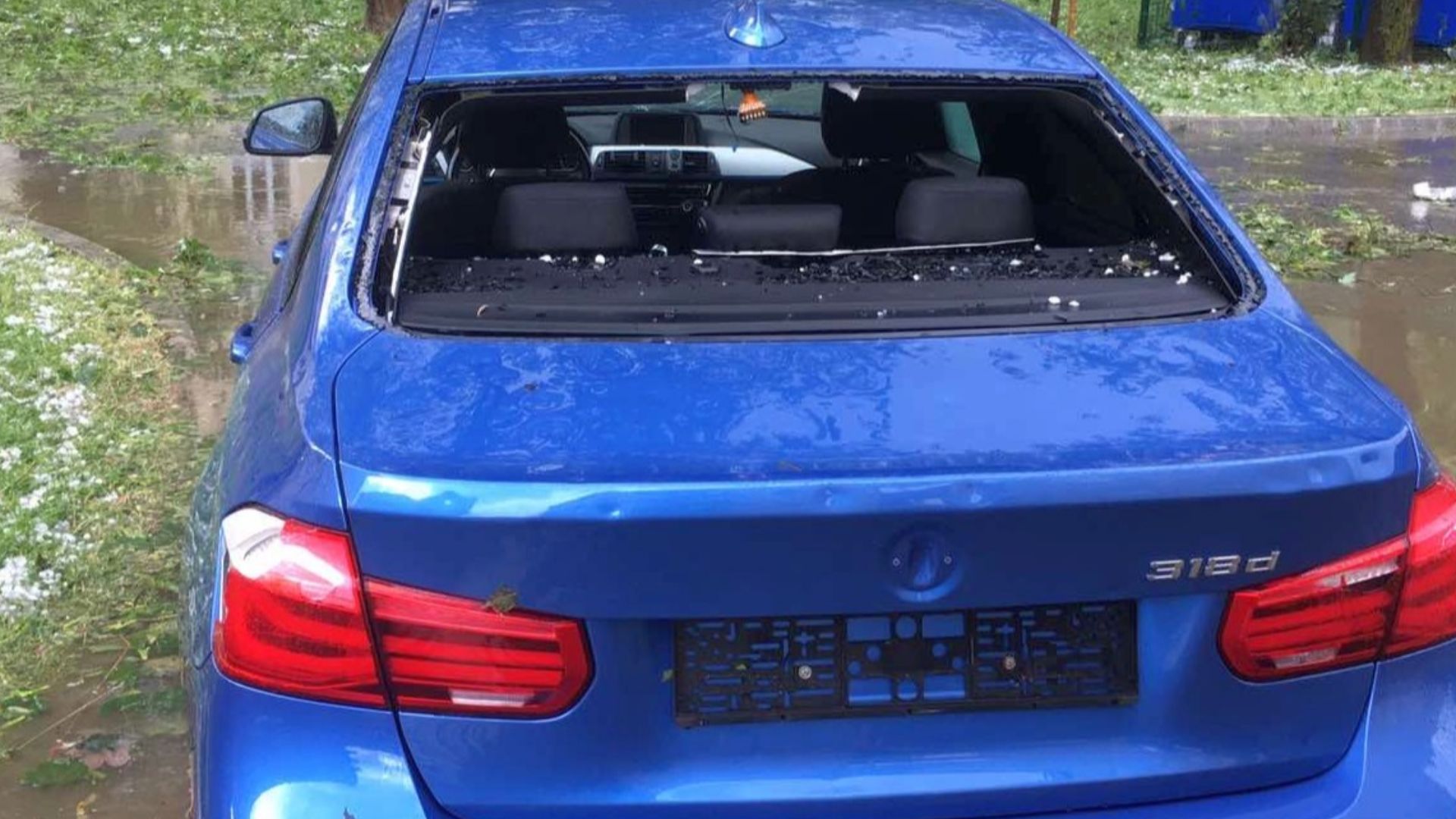
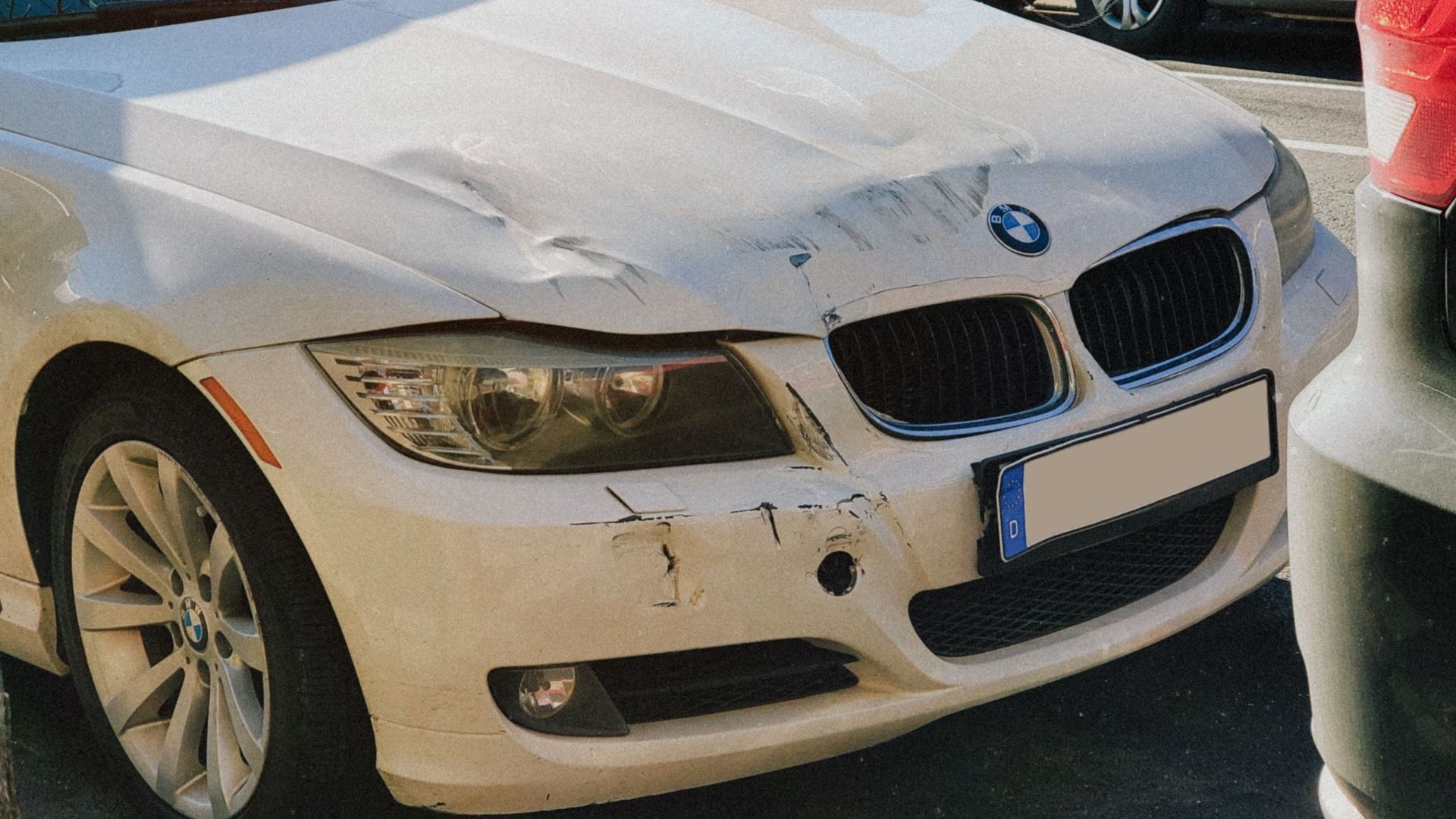
Dented metal and cracked trim can drag down what buyers are willing to pay. Kelley Blue Book says vehicle condition is a major factor in trade-in and private-party value. Even if the car runs perfectly, visible hail damage can turn a clean sale into a discounted one.
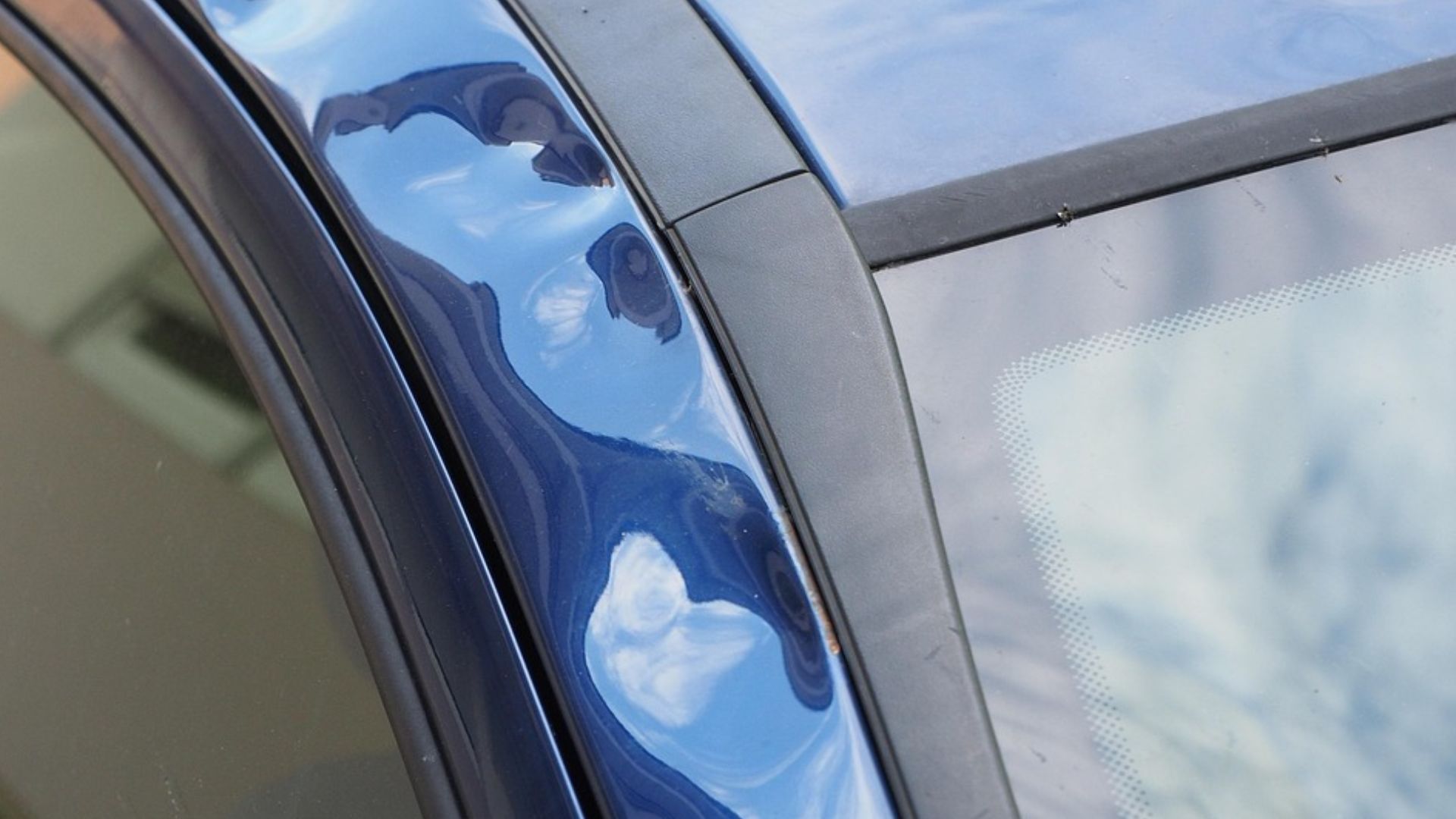
It Can Also Hurt A Trade-In Offer
Dealers look at repair costs when they value a trade-in. If your hood, roof, and trunk are covered in dents, the dealer may subtract expected repair costs or send the car straight to wholesale. The money you kept today can show up later as a lower offer when you are ready for your next car.

Cosmetic Damage Can Turn Into Mechanical Trouble
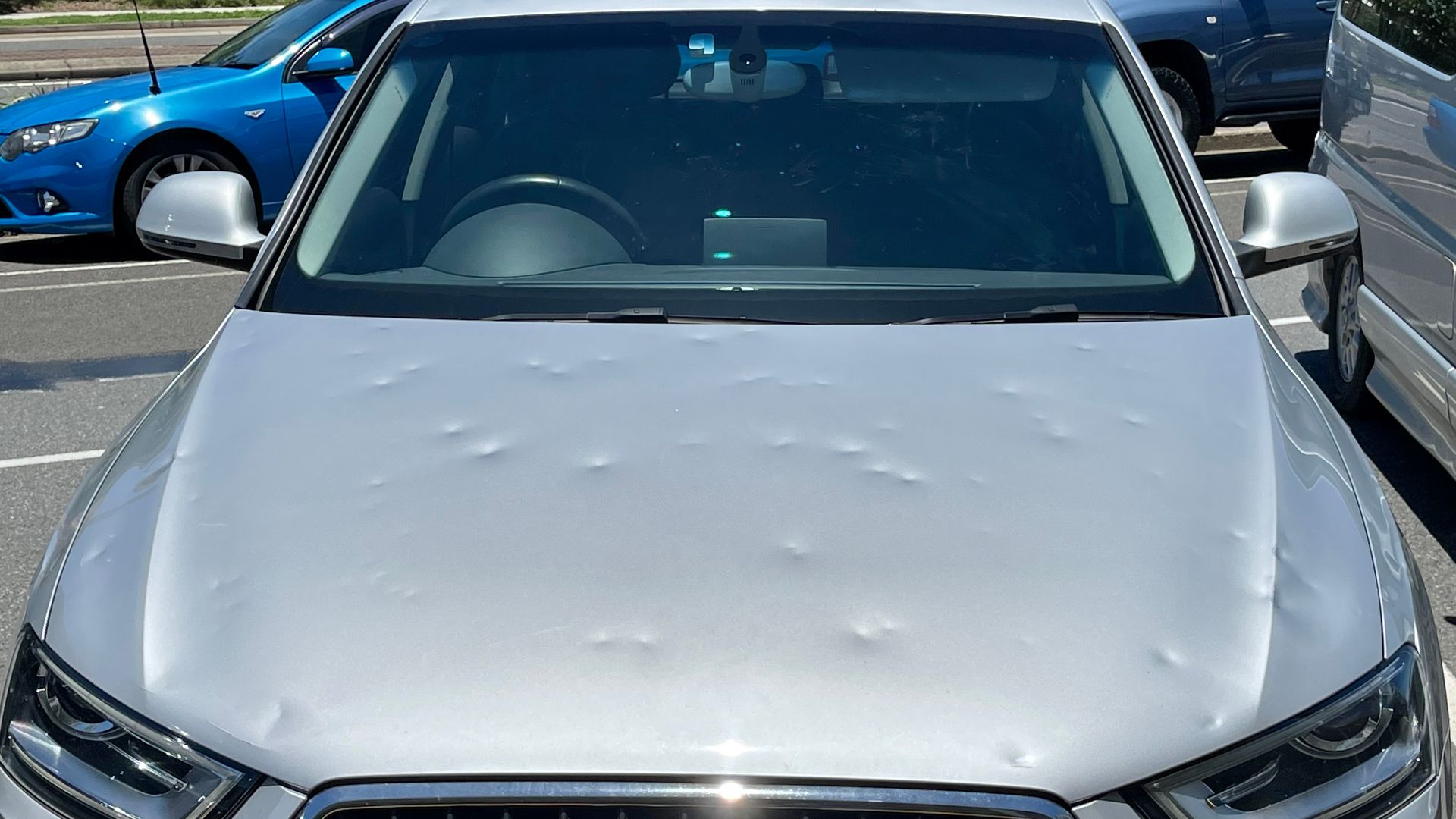
Not every hail claim is just about a few small dents. Hail can crack paint, chip glass, damage moldings, and affect cameras, sensors, or a sunroof. If moisture gets in later, what looked like a cosmetic issue can turn into a much more expensive repair.
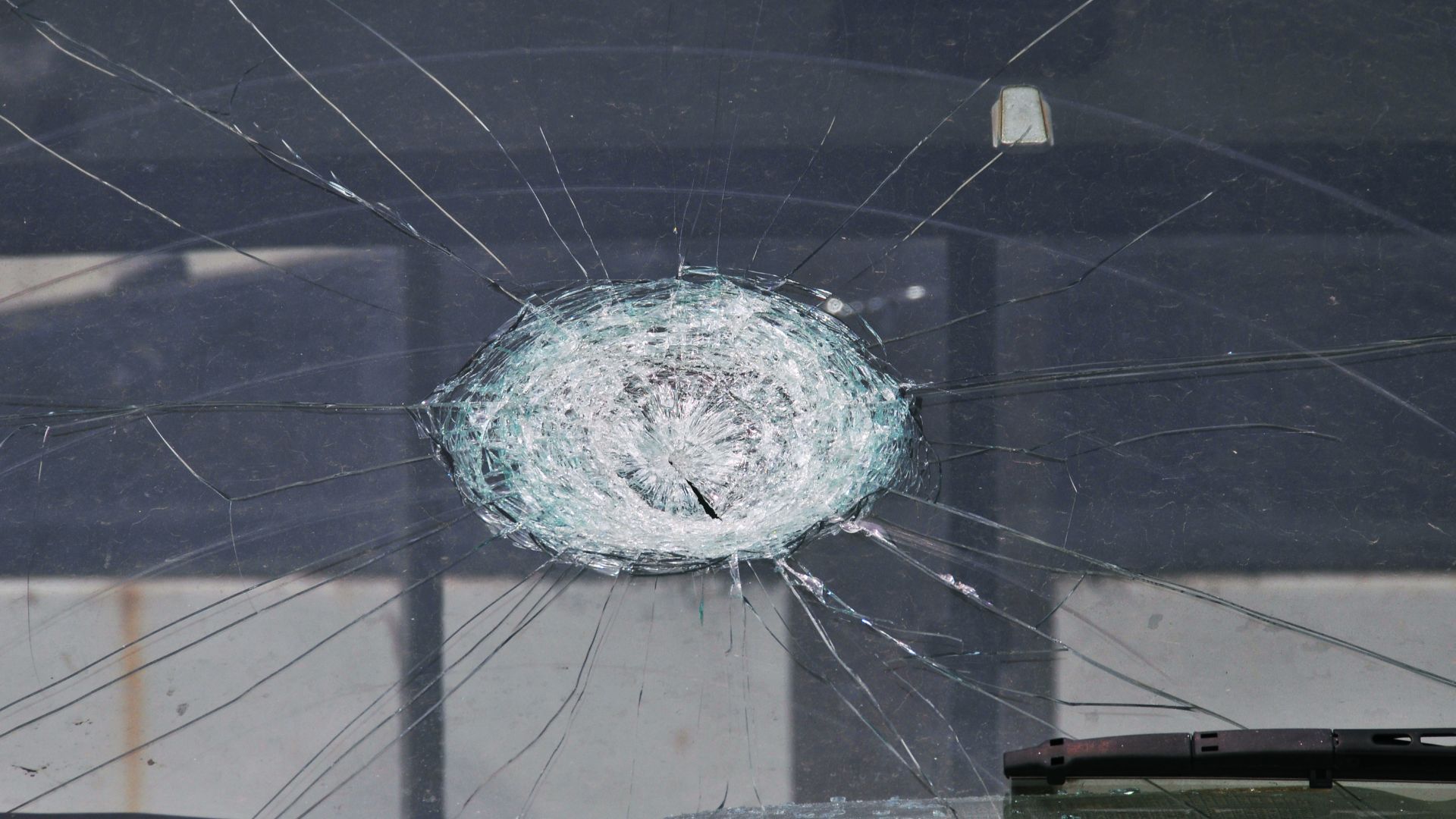
Glass Damage Is A Special Concern
A chipped windshield can spread into a large crack with temperature swings or road vibration. If the insurer already paid for visible hail-related glass damage and you did not repair it, later breakage can lead to arguments over what was old damage and what is new. That is another reason a cash payout can be riskier than it first seems.
 Win Henderson, Wikimedia Commons
Document The Damage Before You Decide
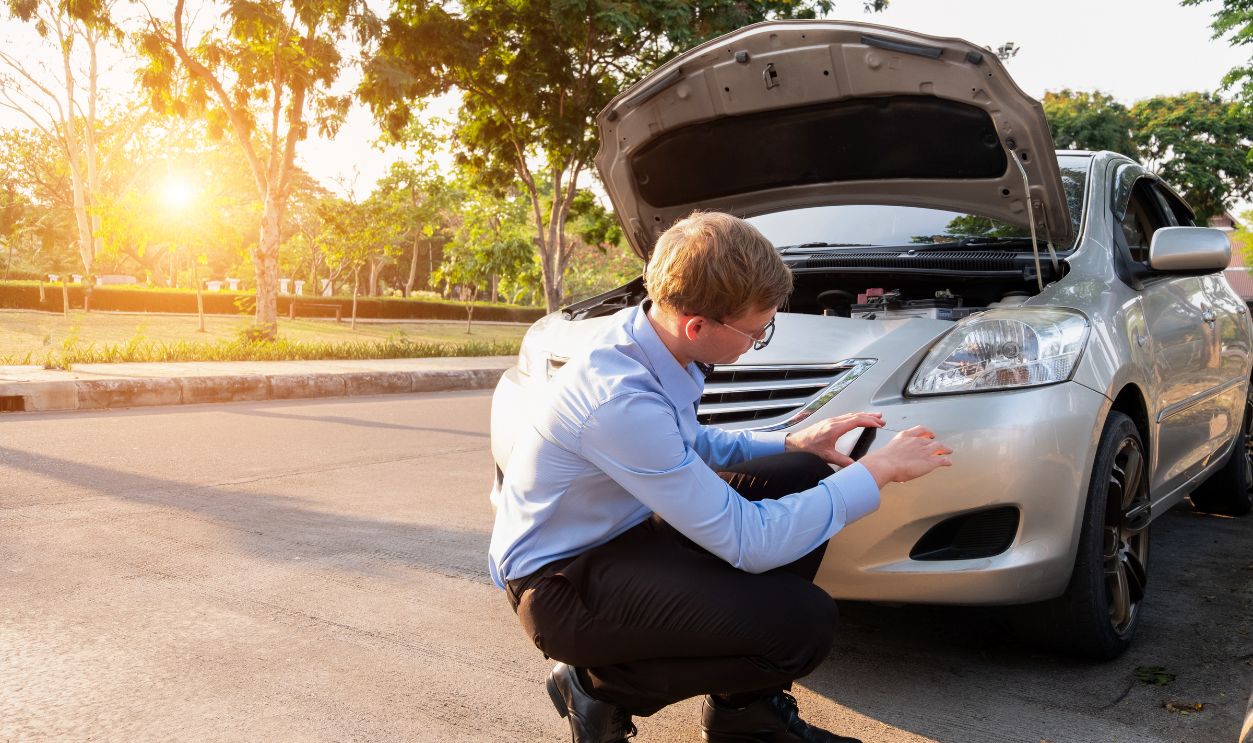
If you are thinking about keeping the money, take detailed photos of every damaged panel, the glass, and the roof. Save the insurer’s estimate and all claim paperwork. Good records can help if a future storm causes new damage and you need to show what was already there.
 I Believe I Can Fly, Shutterstock
Ask Whether The Payout Covers Visible Damage Or Full Repairs
Some estimates are preliminary and based only on visible damage. Once a shop starts the work, it may find additional issues under trim pieces or during the paintless dent repair process. If you keep the first check and skip repairs, you may never know whether the real repair bill would have been higher.

There Is Also A Total Loss Angle
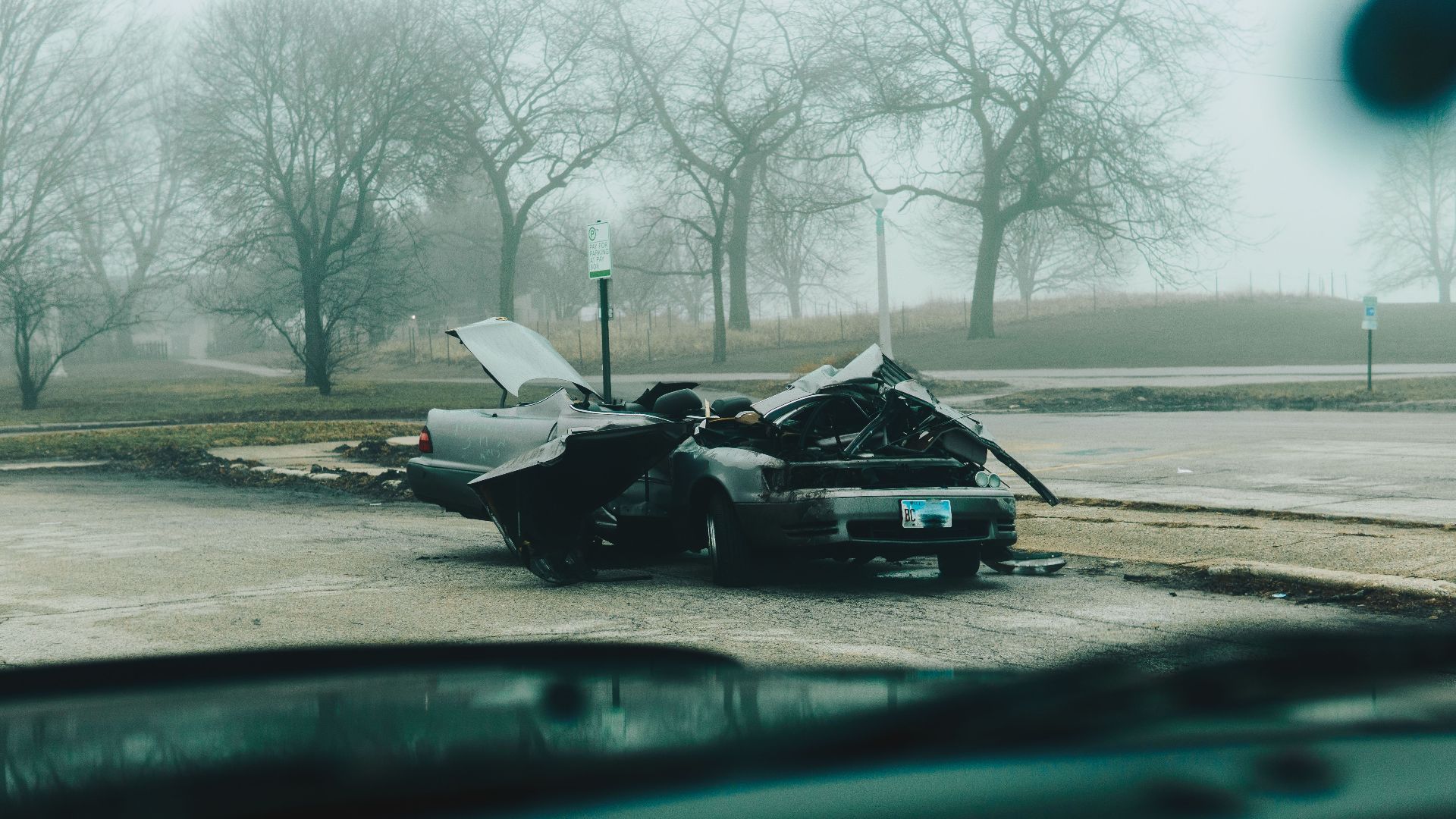
If the hail damage is bad enough, an insurer may decide the car is a total loss because repair costs come close to or exceed a threshold set by state law or company practice. In that situation, keeping the car and taking a reduced payout can involve salvage or rebuilt title rules, depending on the state. That is a much bigger issue than simply living with a few dents.
State Rules Matter More Than Most People Think
Insurance is heavily regulated at the state level, so the details can vary. Claims handling, total loss thresholds, and title branding rules are not the same everywhere. The NAIC reminds consumers that state insurance departments oversee insurers and consumer protections in their states.

If You Switch Insurers, Expect Questions
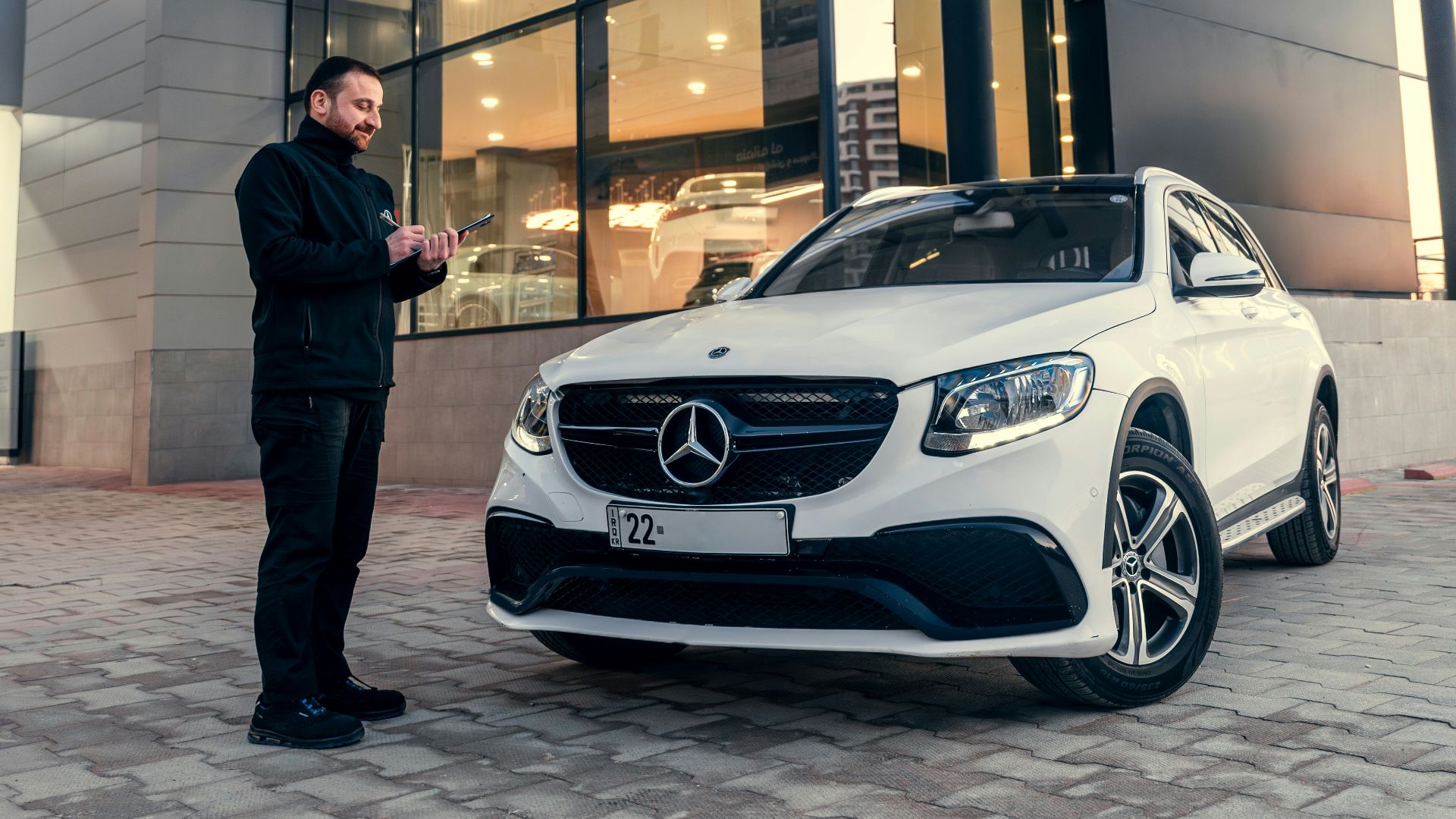
A new insurer may inspect the car or ask about existing damage. If the hail dents are obvious, the company may exclude them from coverage or note the condition in underwriting records. That can limit what is covered from the start of the new policy.
Your Loan Agreement May Require Repairs
Even if your insurer does not make you fix the car, your lender might. Auto loan contracts often require you to maintain the vehicle and protect the lender’s interest. If the car is badly damaged and you ignore it, you could be violating the financing agreement.

This Decision Is Different With An Older Car
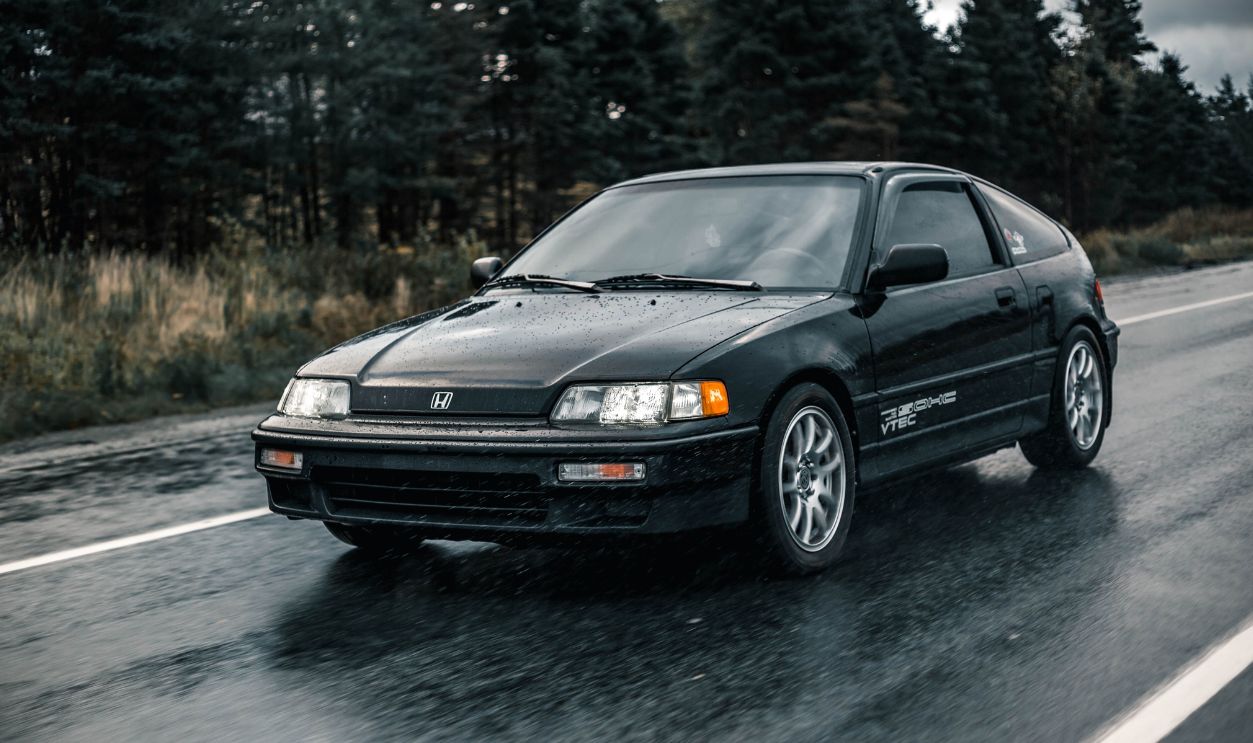
On an older car with low market value, keeping the money can make practical sense. You may decide a few dents are not worth dealing with, especially if the vehicle is near the end of its useful life. The trade-off is lower future value and possible coverage limits on those damaged areas.
When Repairing The Car Usually Makes More Sense
If the vehicle is newer, financed, leased, or still worth good money on the used market, repairs are usually the safer choice. The same goes for damage involving glass, paint, sensors, or surfaces that keep water out. In those cases, the short-term cash can look a lot less appealing once the long-term costs show up.
Questions To Ask Before You Pocket The Check
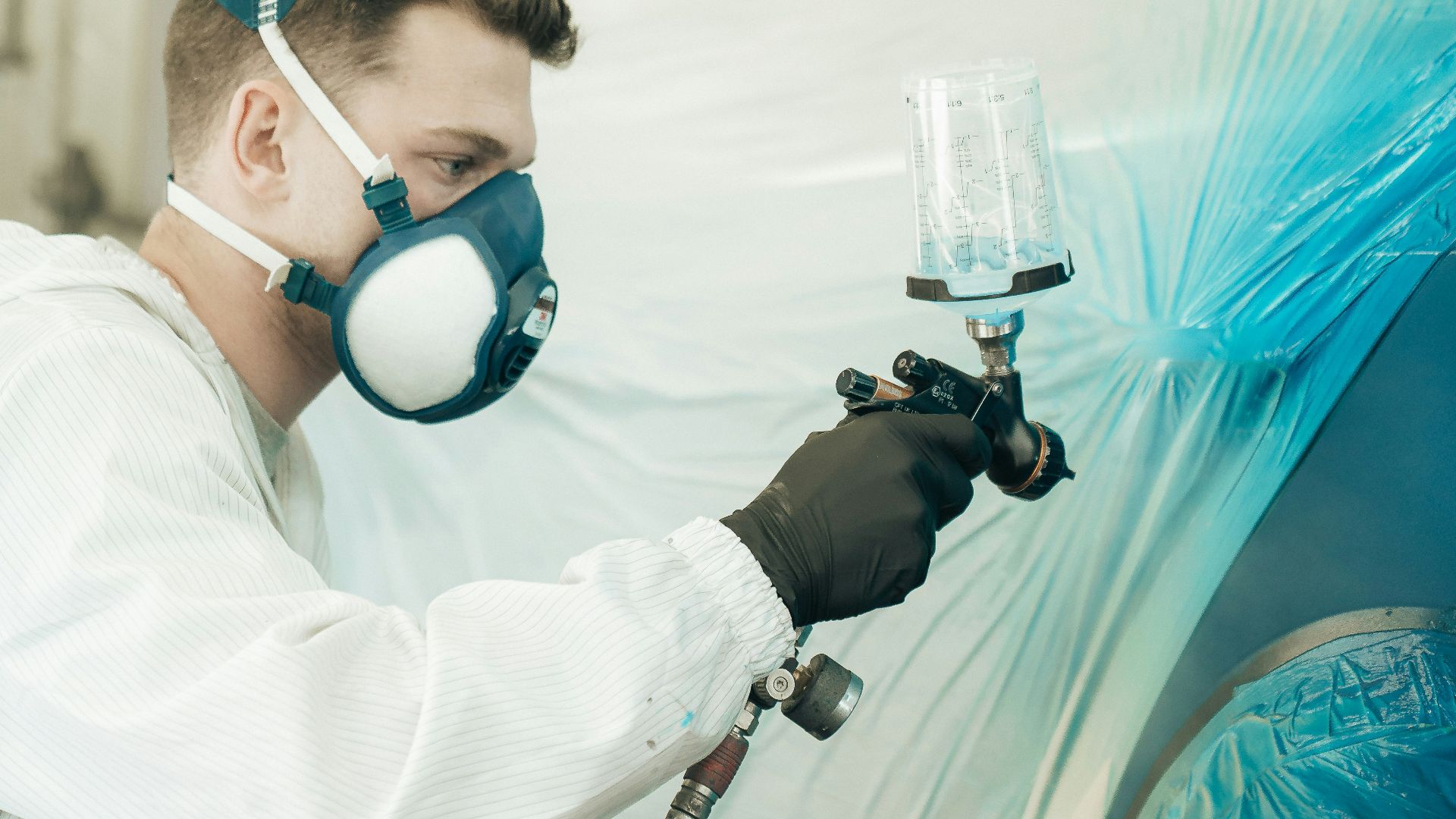
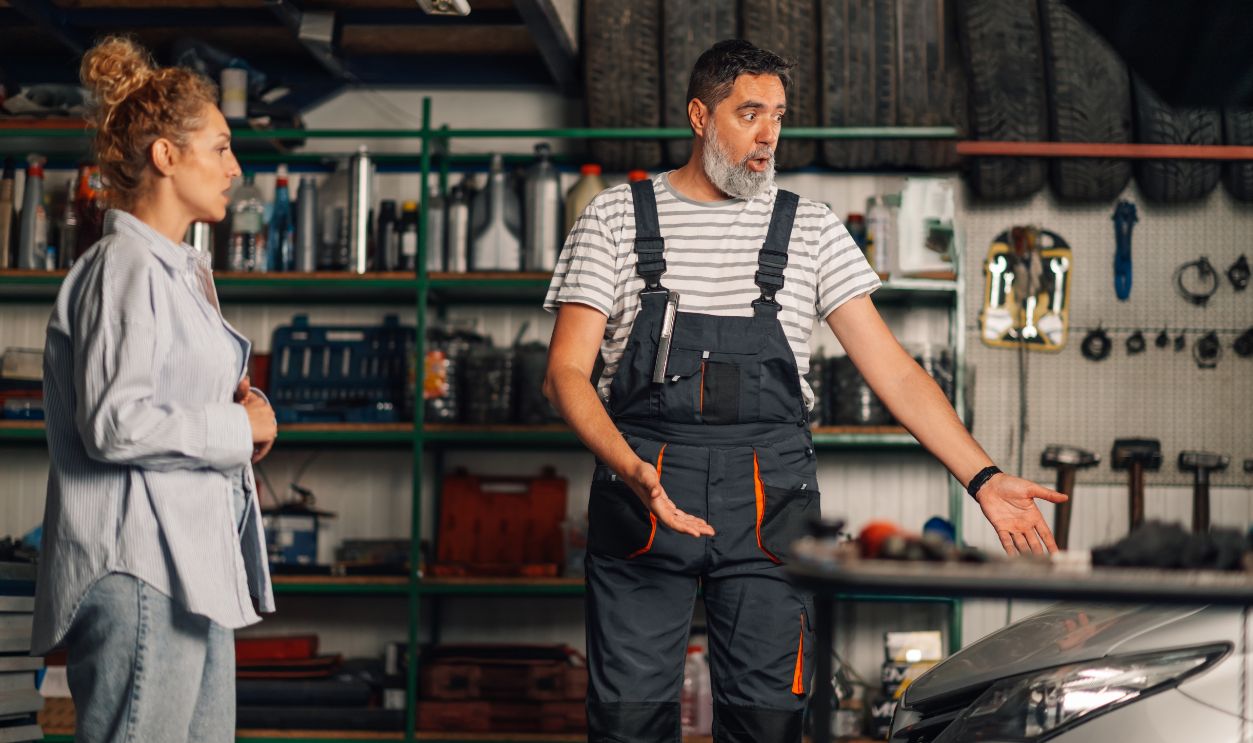
Ask your insurer whether unrepaired hail damage will be excluded from future claims. Ask your lender or leasing company whether repairs are required under your contract. Then ask a reputable body shop whether the estimate likely covers the full repair or only the damage seen during the first inspection.
 Zamrznuti tonovi, Shutterstock
The Bottom Line On Keeping The Money
Yes, you can often keep a hail-damage payout instead of repairing the car, especially if you own it outright. But that money rarely comes with no strings attached. The biggest issues are future claim exclusions, loan or lease obligations, and a car that may be worth a lot less when it is time to sell.
 Tualek Photographer, Shutterstock