The Little App That Can Cost You Real Money
If your insurance company says an app can save you money, that sounds harmless enough. Then the renewal notice shows up, and suddenly your “hard braking” is part of the problem. Major insurers and state regulators have long documented how telematics and driving behavior data can affect premiums.
What This Fight Is Really About
The real question is not whether insurers can track driving. They have been doing that for years through plug-in devices, phone apps, and connected car data. The harder question is whether they should be allowed to use things like sudden braking, phone handling, time of day, and mileage to raise rates, especially when many drivers may not fully understand what they agreed to.
Telematics Went Mainstream Fast
Usage-based insurance went from a niche experiment to a mainstream product over the last decade. The National Association of Insurance Commissioners says insurers use telematics to collect data like speed, acceleration, braking, miles driven, and time of day. These programs are usually pitched as a way to reward safer driving, but regulators also note that the data can affect underwriting and pricing.
Hard Braking Is Not Some Random Metric
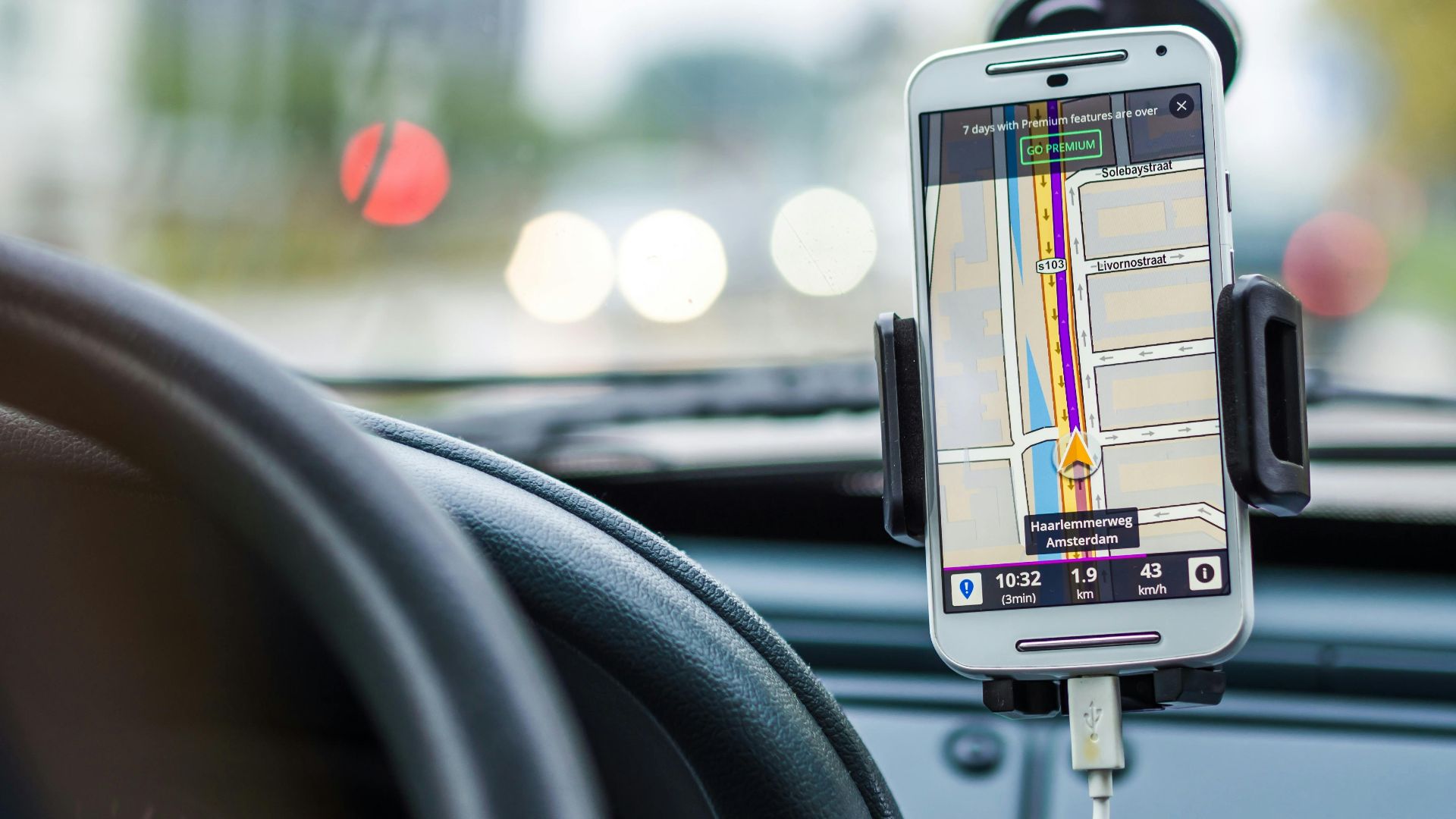
Insurers did not start using “hard braking” out of nowhere. It has long been one of the most common things tracked in telematics programs because it can be tied to crash risk. The Federal Highway Administration and other safety researchers have also studied harsh braking as a measurable driving behavior, which helps explain why insurers like using it as a pricing signal.

Yes, Insurers Sometimes Say Scores Can Raise Your Rate
This is where the sales pitch starts to wear thin. Some insurers offer an upfront participation discount, but official program materials and state filings show that renewal pricing may depend on the driving data they collect. In plain English, the app can start as a promise of savings and end up as another reason your premium goes up.

State Regulators Have Been Watching
Insurance is mostly regulated at the state level, so the rules depend on where you live. State insurance departments review whether rating factors are allowed and whether insurer filings meet state standards. That matters because an insurer usually cannot just invent a new penalty metric in secret and use it without approval where approval is required.

California Drew One Of The Clearest Lines
California has been one of the most closely watched states on this issue. In 2019, California Insurance Commissioner Ricardo Lara announced a framework that allowed insurers to offer telematics, but with restrictions tied to Proposition 103 and the state’s prior-approval system. The department said driving behaviors like sudden braking, abrupt acceleration, speeding, distracted driving, and nighttime driving could be used in telematics programs, but only under rules approved by the state.

California Also Put Limits On What Can Count
That 2019 California announcement mattered because it tried to balance new technology with consumer protection. The state said telematics could be used, but insurers still had to follow California law on rating factors. In other words, regulators did not say anything goes. They said insurers had to stay inside a tightly supervised system.

Not Every State Takes The Same Approach
Other states have allowed telematics more freely, though oversight still exists through filing requirements and rules against unfair discrimination. The NAIC has noted that usage-based insurance raises questions about privacy, transparency, and whether complicated algorithms produce fair results. That means a driver in one state may face a very different legal setup than a driver somewhere else.

The FTC Has Warned About Connected Car Data
In 2024, the Federal Trade Commission took a sharper interest in how driving data gets collected and shared. The agency announced action involving General Motors and OnStar over allegations tied to the collection and sharing of geolocation and driving behavior data with consumer reporting agencies. That mattered because it showed federal regulators were no longer treating vehicle data as some boring back-office issue.
Why That GM Case Turned Heads
The FTC’s allegations focused on whether consumers were given clear, meaningful consent before sensitive data was collected and shared. For drivers, that gets right to the heart of the insurance app problem. If your driving is being scored in ways that can affect your finances, regulators want to know whether you clearly understood what you were agreeing to.

Driving Data Can Travel Far Beyond One App
Many people picture a simple setup where their insurer’s app watches only their trips and nothing else. In reality, telematics data can come from a phone app, a plug-in device, or directly from a connected car platform. Depending on the setup, data may pass through automakers, analytics vendors, and insurance partners before it ever affects a quote or renewal.
Consumer Reports Helped Expose The Bigger Data Pipeline
In 2024, Consumer Reports published reporting showing that automakers were sharing connected vehicle data with data brokers and insurers in ways many drivers did not expect. The investigation got attention because it linked everyday car ownership to insurance consequences without the old image of a voluntary plug-in tracker. It suggested the telematics issue was bigger than a simple “downloaded an app, got a score” story.

Why Hard Braking Is A Messier Metric Than It Sounds
Hard braking can point to aggressive or distracted driving, but it can also happen because traffic is chaotic and other drivers are unpredictable. A driver who slams the brakes to avoid a crash may still get flagged for risky behavior. That does not automatically make the metric useless, but it does make fairness a lot more complicated than the marketing suggests.

Phone Sensors Are Useful, But Not Perfect
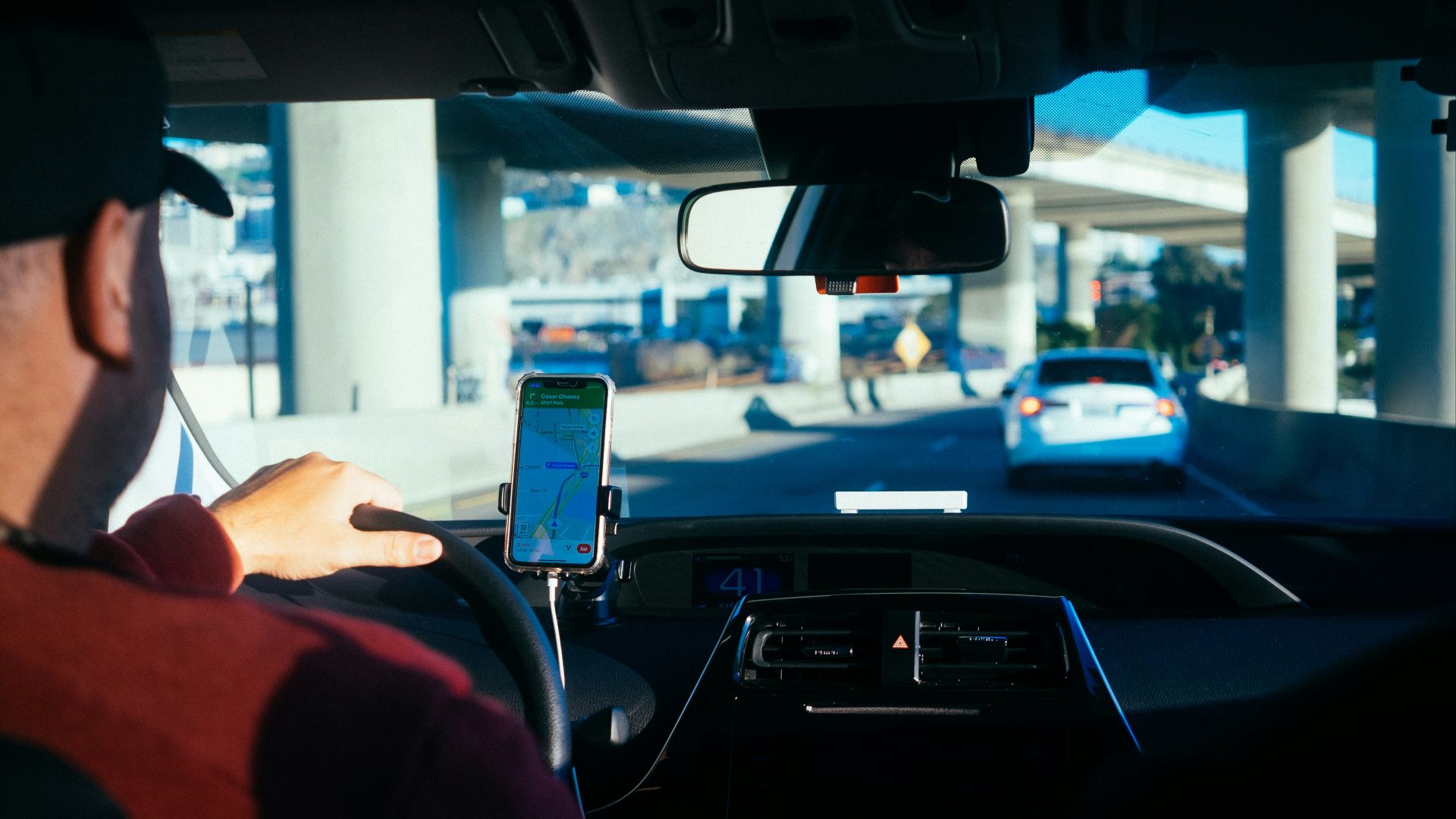
Insurance apps often rely on smartphone sensors like GPS, accelerometers, and gyroscopes. Those tools can estimate speed changes and braking events, but they are not magic. If the phone is in a cupholder, a bag, or a loose mount, the recorded event may not fully reflect what actually happened on the road.
Even Insurers Tell You The Phone Matters
Program disclosures often explain that the app works best when a phone’s settings, motion permissions, and battery management are set up correctly. That alone tells drivers something important. If the accuracy of your score partly depends on how your phone behaves, there is a real case for insurers being careful about turning that score into a surcharge.

Regulators Care About Unfair Discrimination
Insurance law does not usually stop companies from using data just because it feels invasive. The main legal question is often whether a pricing factor is backed by risk data and not unfairly discriminatory. That sounds dry, but it is the real battleground, because a metric can be unpopular and still be legal if regulators decide it predicts risk and fits state law.

Privacy Is The Other Half Of The Story
Even if a telematics program is statistically useful, privacy concerns do not go away. The NAIC has repeatedly highlighted consumer concerns about transparency, consent, and secondary data use. Drivers are not just asking whether the app can judge their braking. They are asking who else gets to see the detailed record of where and when they drive.

So Should Insurers Be Allowed To Do This
There is a strong case for saying yes, but only under tight rules. If telematics really does identify lower-risk drivers, it can make pricing more individualized and reward safer habits. The catch is that permission should depend on clear consent, simple disclosures, meaningful opt-outs, and strong limits on how weak or context-free data can be used.

The Best Argument In Favor
Supporters say traditional insurance pricing has always been a blunt tool. Age, ZIP code, claims history, and annual mileage can only say so much about how you actually drive. A telematics app, at least in theory, measures real behavior instead of relying so heavily on broad stand-ins.
The Best Argument Against
Critics say this can turn every commute into a surveillance product. They also argue that a driver may be penalized for reasonable emergency moves, heavy traffic, or sensor glitches. Once rate setting depends on opaque scoring systems, consumers can struggle to challenge errors they cannot even see.

Transparency Is Where The Industry Still Looks Weak
Many telematics programs explain that they track braking, speed, mileage, and phone use. Fewer give drivers a plain-language explanation of exactly how those inputs turn into dollars at renewal. If insurers want trust, they need to show not just what they collect, but how much each behavior really matters.
Consent Should Mean More Than Tapping Accept
A long privacy notice buried inside an app flow is not what most people would call informed consent. Regulators increasingly seem to agree that sensitive location and behavior data deserves a higher standard. If a scoring program can raise your bill, the disclosure should be obvious, direct, and hard to miss.

If You Already Signed Up, Read The Program Terms Again
The practical move is to check whether your telematics program promises only discounts or allows both discounts and surcharges. Look for details on tracked behaviors, data sharing, dispute options, and whether you can leave the program without losing a separate policy discount. Those details can be the difference between a useful tool and an expensive mistake.

You Should Also Check Your State Insurance Department
Your state insurance department may have consumer guides, bulletins, or filing information that makes clear what insurers are allowed to do where you live. This matters because state law often controls whether a rating plan is permitted and how it must be disclosed. If your rates jumped and you think the app played a role, your regulator is one of the first places to look.

Ask One Very Specific Question
If you are shopping for insurance or renewing, ask the insurer whether telematics can only lower your premium or can also increase it at renewal. Ask in writing if you can. It is the fastest way to cut through friendly marketing language and find out whether “safe driving rewards” can quietly become behavior-based penalties.

The Smart Middle Ground
There is nothing automatically outrageous about insurers using better data to price risk. The problem starts when the data is vague, the consent is fuzzy, the scoring is opaque, and the consumer has little power to challenge mistakes. A sensible system would allow telematics, but only with strict transparency, privacy safeguards, and regulator scrutiny.

What Drivers Should Remember
If an app tracked your braking and your rates went up, you are not imagining how the system works. Telematics programs can influence premiums, and regulators, consumer advocates, and federal agencies have all been paying closer attention in recent years. Insurers may be allowed to do it, but whether they should depends on how honestly they explain it, how fairly they measure it, and how much control they leave in your hands.
 Acharaporn Kamornboonyarush, Pexels