The Feature Was Already In Your Car
It would have seemed unthinkable just a few years ago, but more and more drivers are facing subscription fees and locked features in their new vehicles. Remote start is one of the clearest examples because it feels like something that's built into your car, not an extra feature—but what it feels like and what the companies can really do are two separate things.
Why Remote Start Makes People So Mad
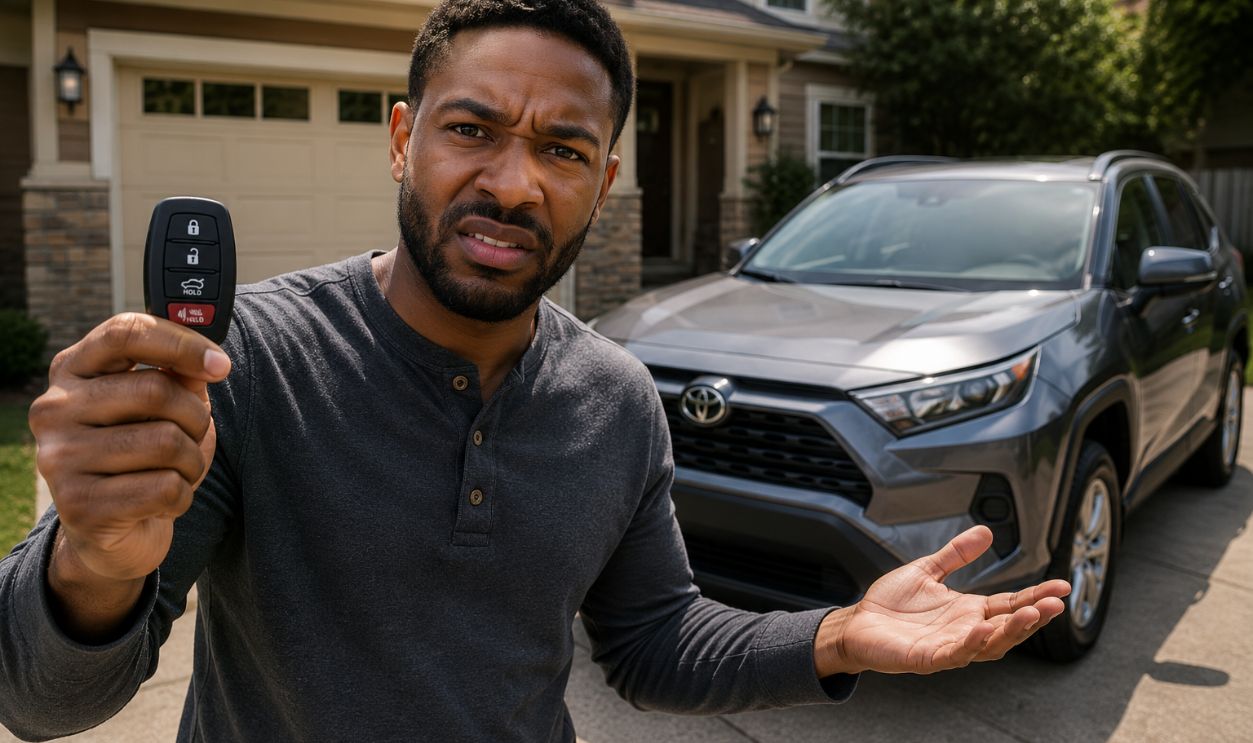
Remote start is not some minor software setting buried in a menu. People use it on freezing mornings and brutal hot afternoons, and many buyers assume it is part of the deal if the vehicle already has the hardware. When access suddenly sits behind a paywall, it feels a lot more personal than paying for something like live traffic data.
Toyota Became The Flashpoint In 2021
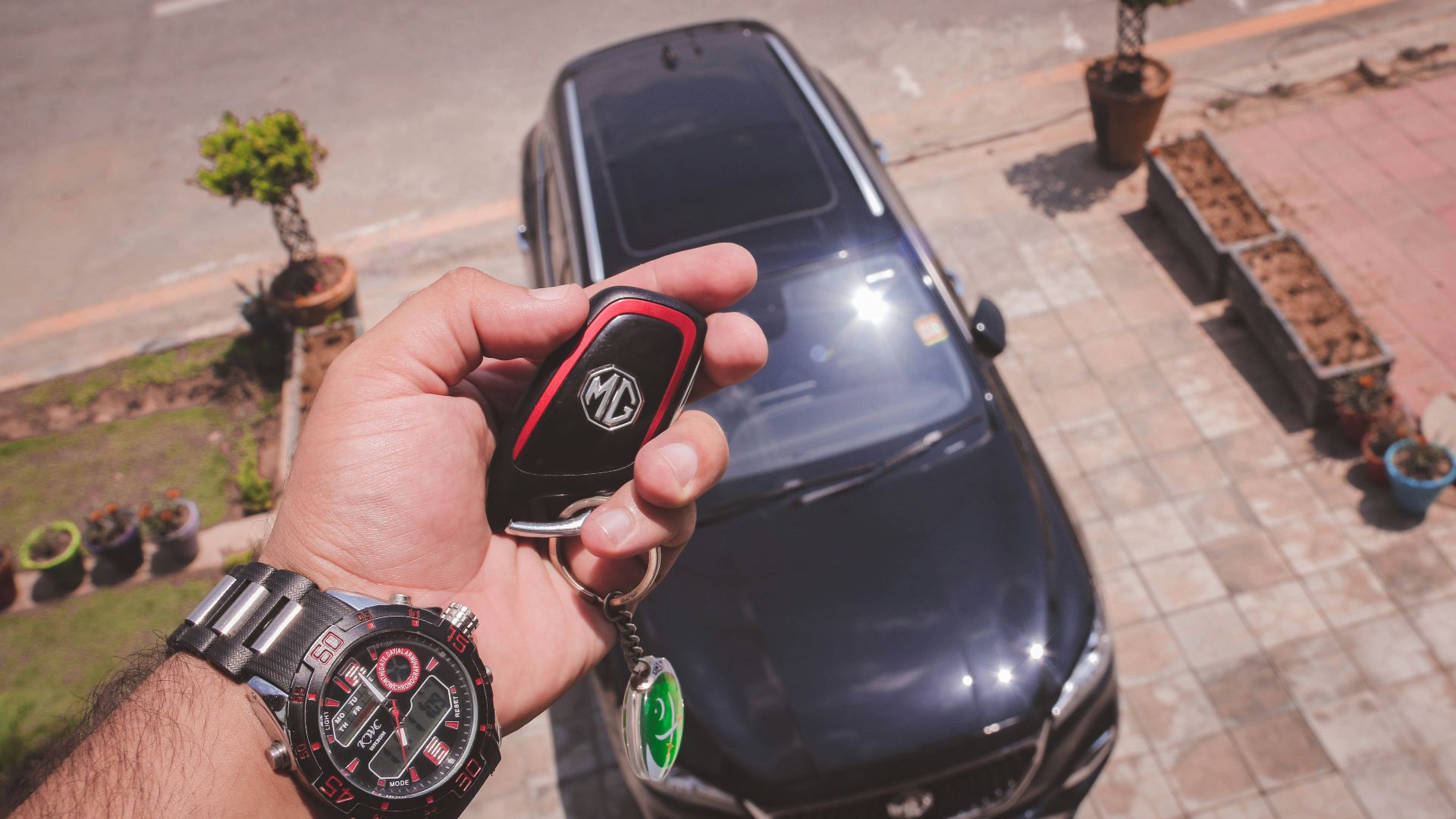
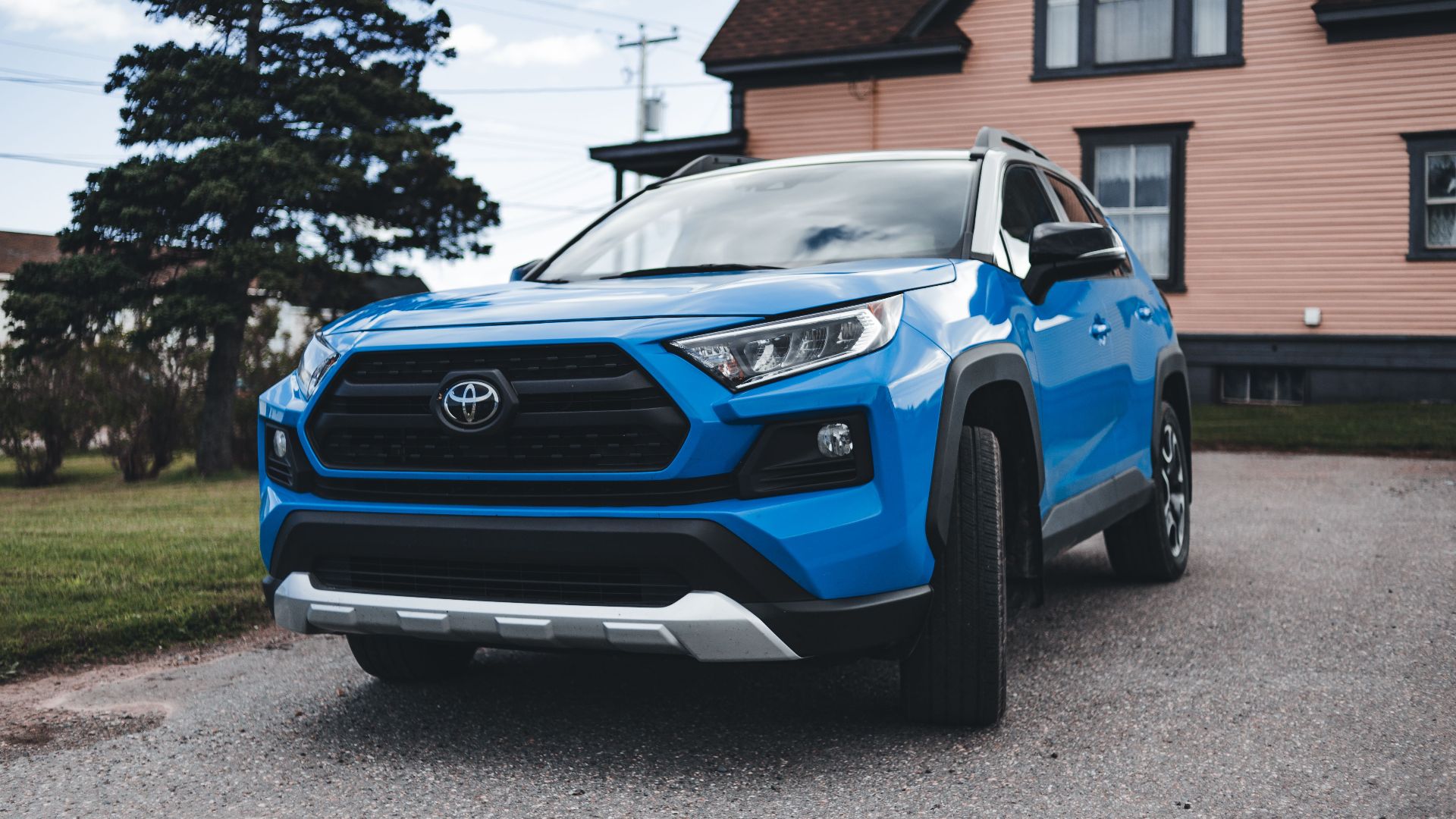
The issue blew up in December 2021, when The Drive reported that some Toyota owners found their key fob remote start stopped working after connected-services trials ended. The story hit a nerve because many drivers thought the key fob function was separate from any data plan. Instead, for certain models and audio systems, remote start through the fob depended on an active Remote Connect subscription after the trial period.
What Owners Found Out
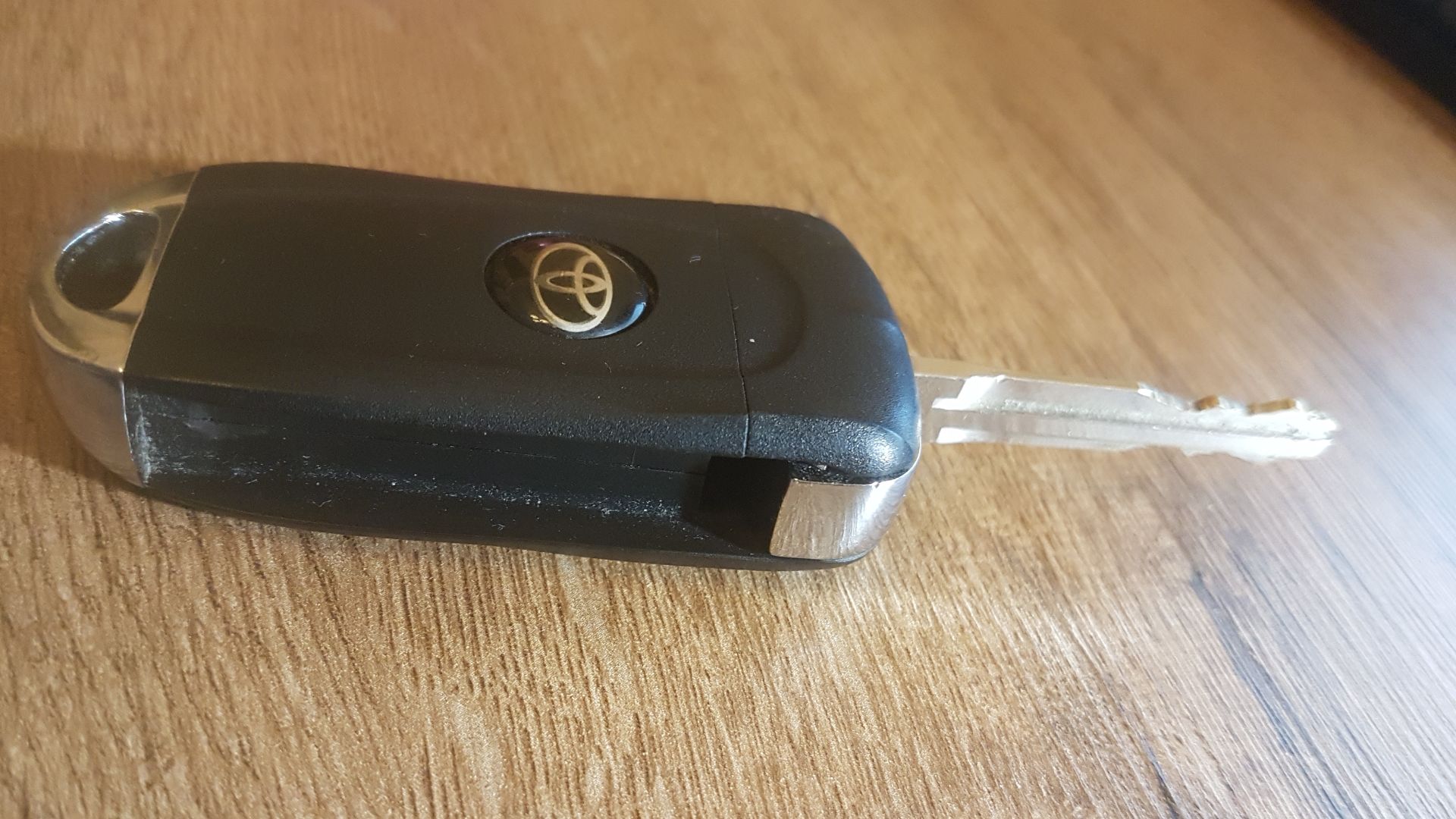
Toyota owners learned that the lock-button sequence on the key fob would start the vehicle only if the subscription status allowed it. That caught people off guard because a key fob command feels local, not cloud-based. The backlash was immediate because the feature seemed to have been shut off even though the car and fob were still sitting right there in the driveway.
Toyota Confirmed The Subscription Link
Toyota told reporters that key fob remote start was tied to the Remote Connect trial or paid subscription on certain vehicles. The company said trial lengths varied, including up to 10 years on some vehicles with Audio Plus and up to 3 years on some vehicles with Premium Audio, depending on model year and trim. That mattered because some owners would not hit the paywall for a long time, while others could run into it much sooner.

The Fine Print Existed, But Many Buyers Missed It
The most frustrating part for owners was that this was not a rumor or a glitch. Toyota’s own connected-services materials described the feature and the trial periods, but many buyers never realized a key fob action was tied to a subscription. A feature can be disclosed and still feel misleading if buyers reasonably understood it a different way.

Then Came A Partial Reversal
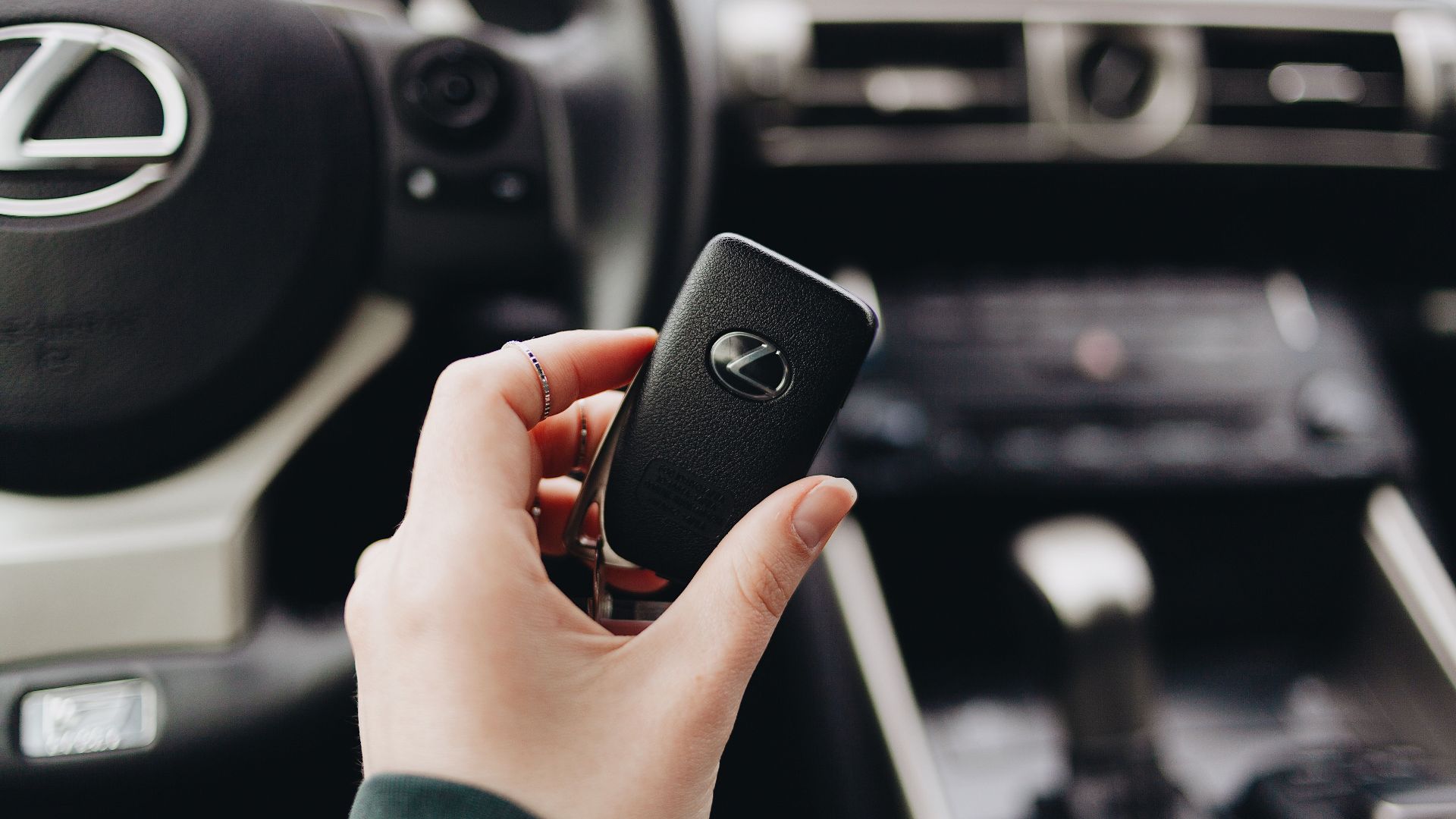
In November 2022, Toyota announced a change that eased some of the anger. The automaker said owners of certain 2018 through 2020 Toyota and 2020 through 2021 Lexus vehicles would keep key fob and smartwatch remote start even without a Remote Connect subscription. App-based remote services still required a subscription, but the key fob function was no longer automatically stuck behind that paywall for those covered vehicles.
That Did Not End The Debate
Toyota’s update helped, but it also made a larger point. If the company could change course and restore local-style access on some vehicles, owners were right to ask why it had been restricted in the first place. It also showed how much control automakers have over features that now sit at the crossroads of hardware, software, and account status.
BMW Added Fuel To The Fire
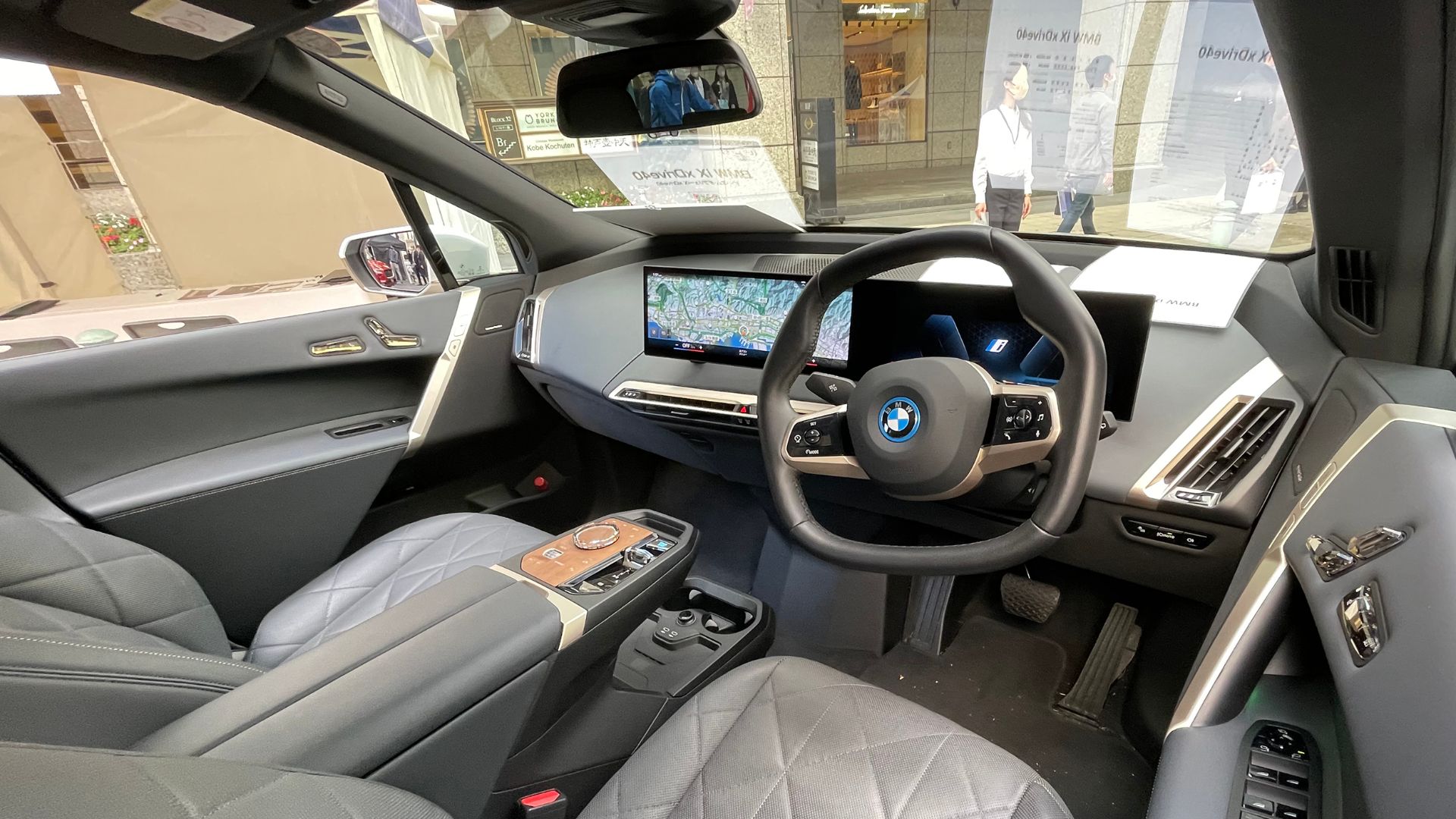
Toyota was not the only company to spark outrage over feature subscriptions. In July 2022, BMW made headlines after reports showed heated seat subscriptions were being offered in some markets through its digital store. The idea that seat heaters already built into the car could require a recurring fee quickly became a symbol of what drivers fear most about software-defined vehicles.
 Tokumeigakarinoaoshima, Wikimedia Commons
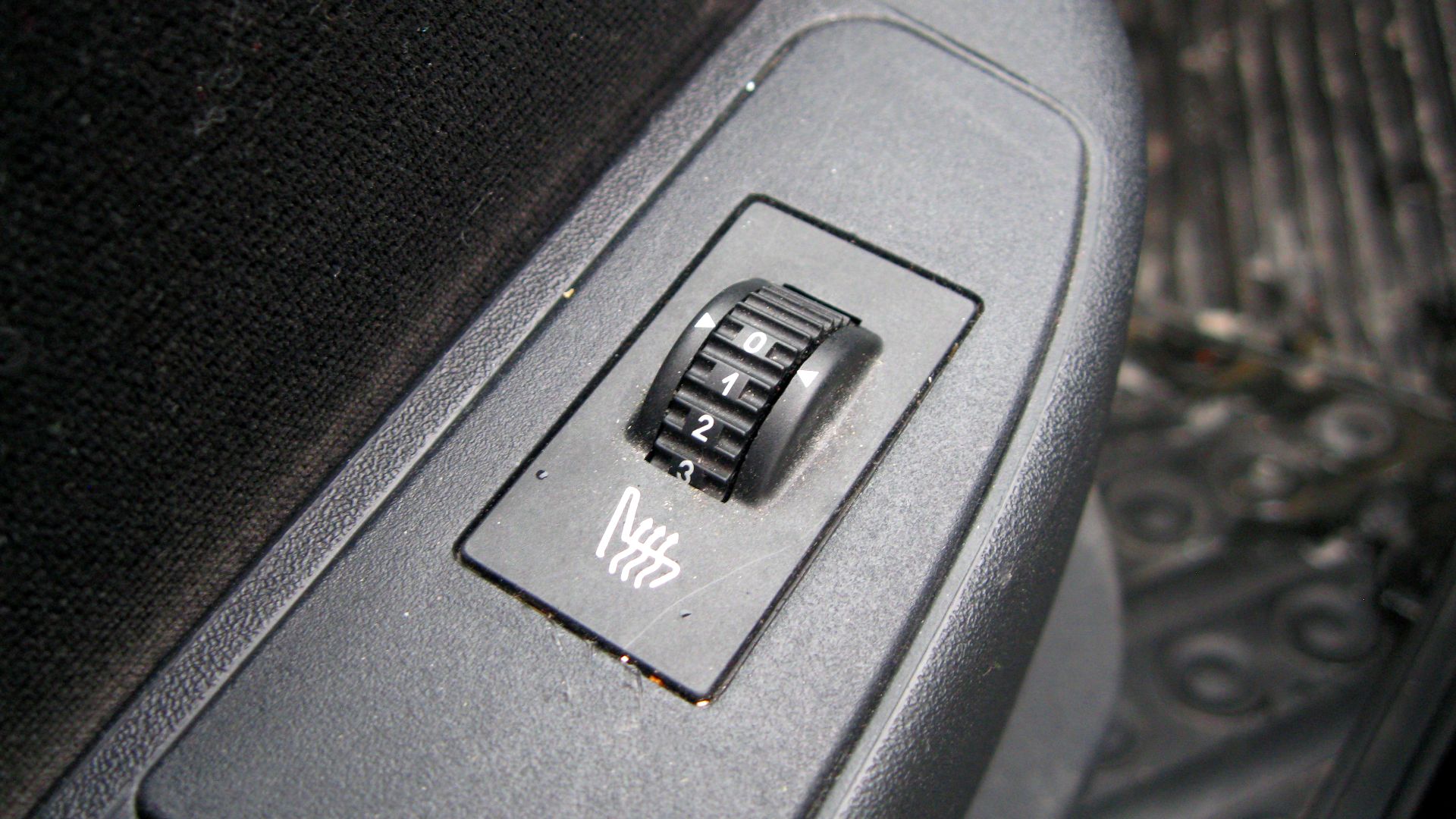
BMW’s Heated Seats Became The Poster Child
The outrage landed because heated seats are easy to understand. Unlike a streaming service, they do not depend on fresh content showing up every month over the internet. Even when companies argue that subscriptions give buyers flexibility or lower upfront prices, many drivers hear something much simpler: pay again for equipment that is already installed.
 Santeri Viinamäki, Wikimedia Commons
Mercedes Tried A Similar Move With Performance
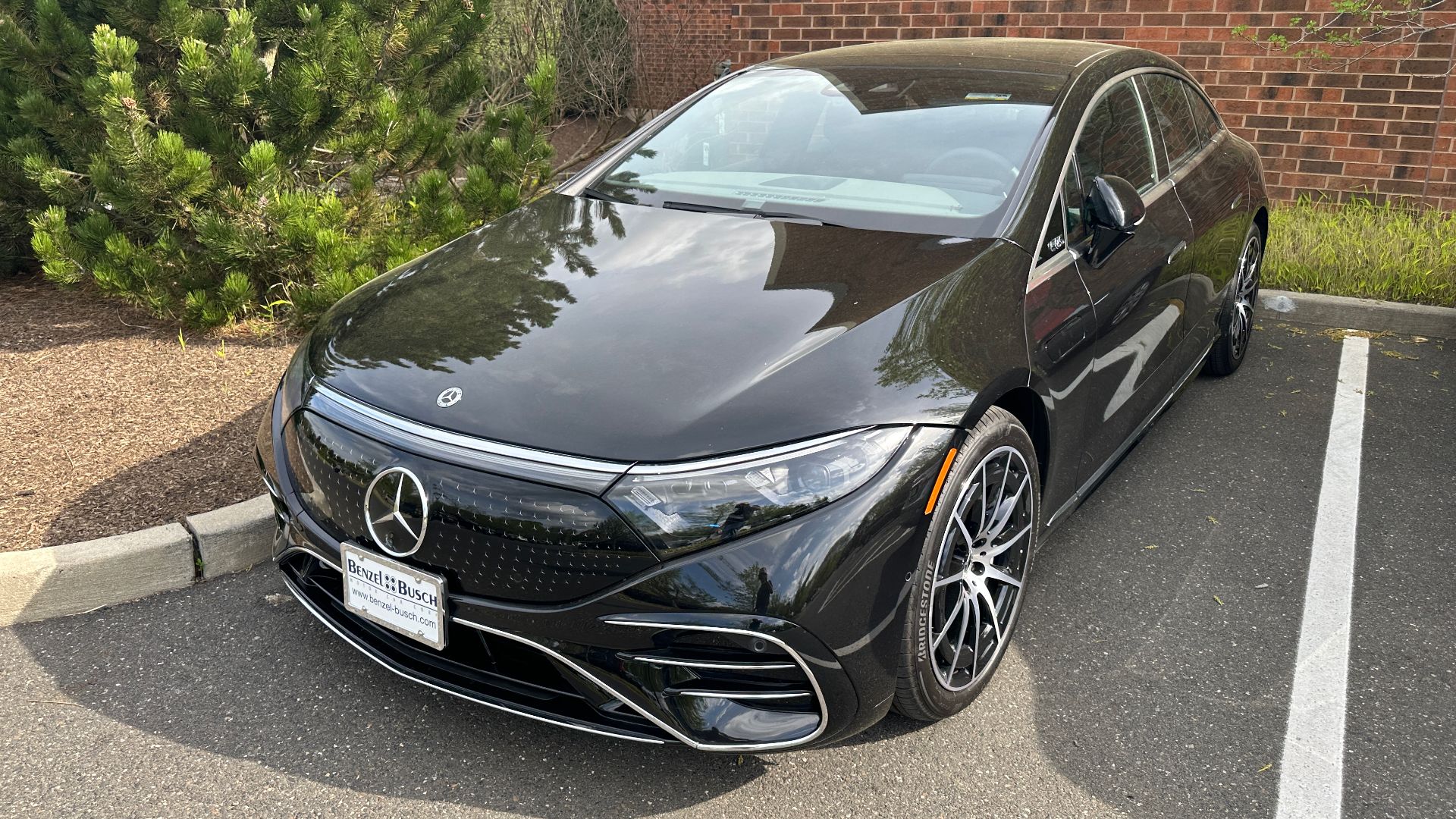
Mercedes-Benz also drew attention when it offered a yearly subscription in the United States to unlock quicker acceleration on certain EQ models. Reporting in late 2022 highlighted that buyers could pay recurring fees for a software-enabled performance boost. That raised a new version of the same question, because the hardware capacity was there, but software access decided whether owners could use all of it.
 Oleg Yunakov, Wikimedia Commons
General Motors Took A Different Subscription Route
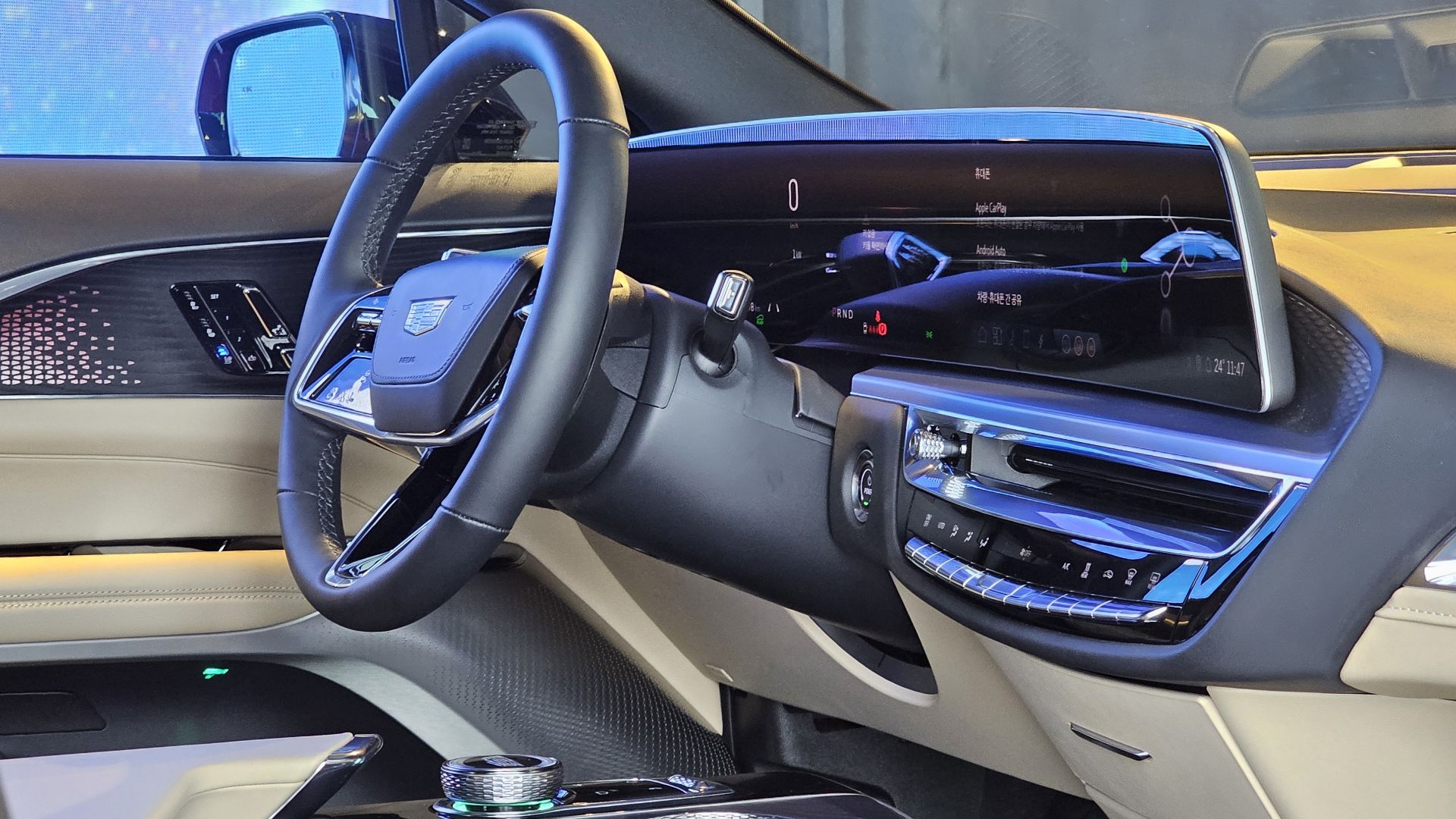
Not every controversial subscription is tied to a built-in comfort or convenience feature. General Motors announced in 2022 that most Buick, GMC, and Cadillac vehicles would come with OnStar and Connected Services plans, with pricing bundled into the vehicle MSRP. GM framed it as a way to include a connected experience from day one, but critics saw another sign that features and ownership are being reshaped around recurring services.
 Damian B Oh, Wikimedia Commons
So Can Companies Legally Do This
In many cases, yes, companies can charge for feature access if the terms were disclosed and the buyer agreed to them. Buying a car today often means agreeing to software licenses, telematics terms, and connected-services contracts alongside the usual sales paperwork. If remote start is defined as part of a service package rather than a permanent vehicle function, the legal footing can be stronger than owners expect.

Ownership Is Not As Simple As It Looks
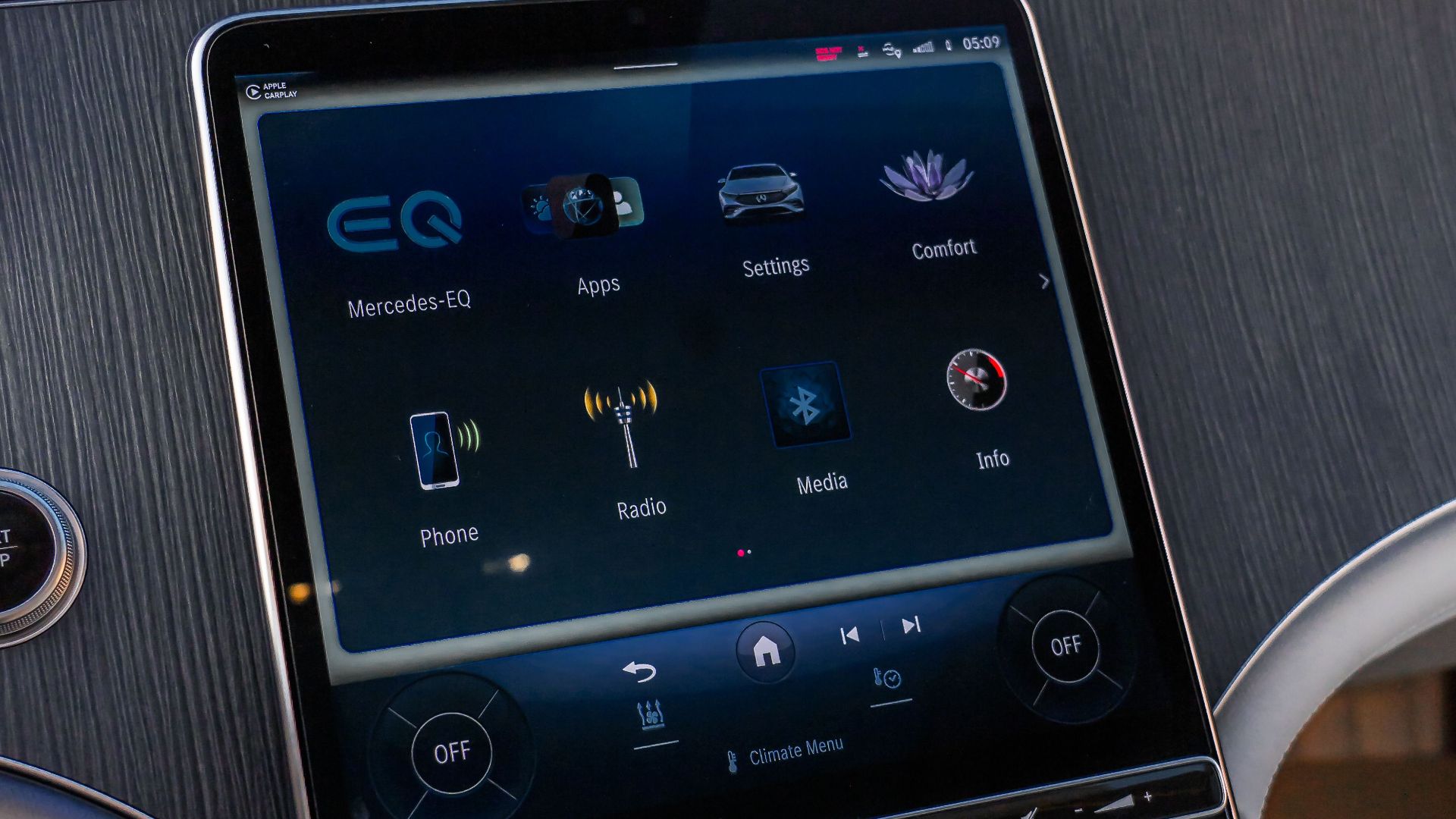
That mismatch sits at the center of the anger. Drivers think of themselves as owning a machine, while automakers increasingly structure features as licensed experiences layered on top of that machine. The hardware may be yours, but some software-controlled functions can still depend on terms, subscriptions, and account status.
The FTC Has Warned About Subscription Tricks
Regulators have not banned automotive subscriptions as a whole, but the Federal Trade Commission has repeatedly focused on deceptive or unfair subscription practices more broadly. In 2024, the FTC announced its click-to-cancel rule to make cancellation easier for negative option programs, though the rule later faced legal challenges. It is not aimed only at cars, but it shows regulators are paying attention to how companies sign people up for recurring payments and keep them there.
 Carol M. Highsmith (born 1946), Wikimedia Commons
State Laws Can Matter Too
Consumer protection fights often come down to state unfair and deceptive acts laws, warranty law, and what sales materials promised at the time of purchase. If a dealer or automaker presented remote start as included without clearly explaining ongoing fees, that can become a very different dispute from a clearly labeled trial subscription. The details in the ad, window sticker, purchase paperwork, and app enrollment screens can make or break a claim.

Dealers And Automakers Do Not Always Control The Same Things
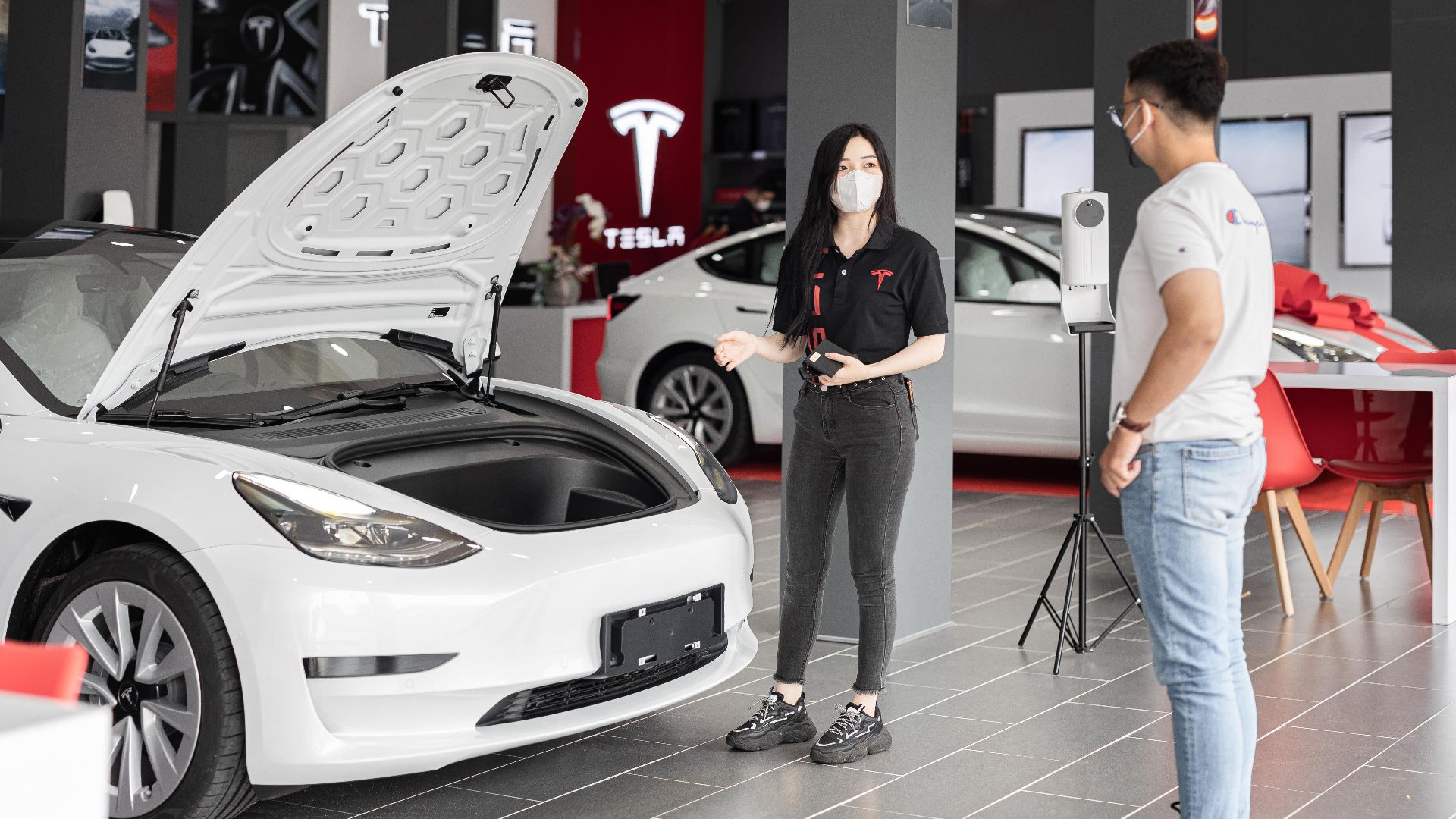
It also helps to separate the dealer from the manufacturer. A dealership may explain the feature badly, sell the car with confusing language, or fail to mention the trial period, but the actual power to enable or disable a connected feature is often controlled by the automaker’s software platform. If your remote start vanished, the source of the problem may be company policy rather than the local dealership.
Remote Start Is Sometimes Two Different Features
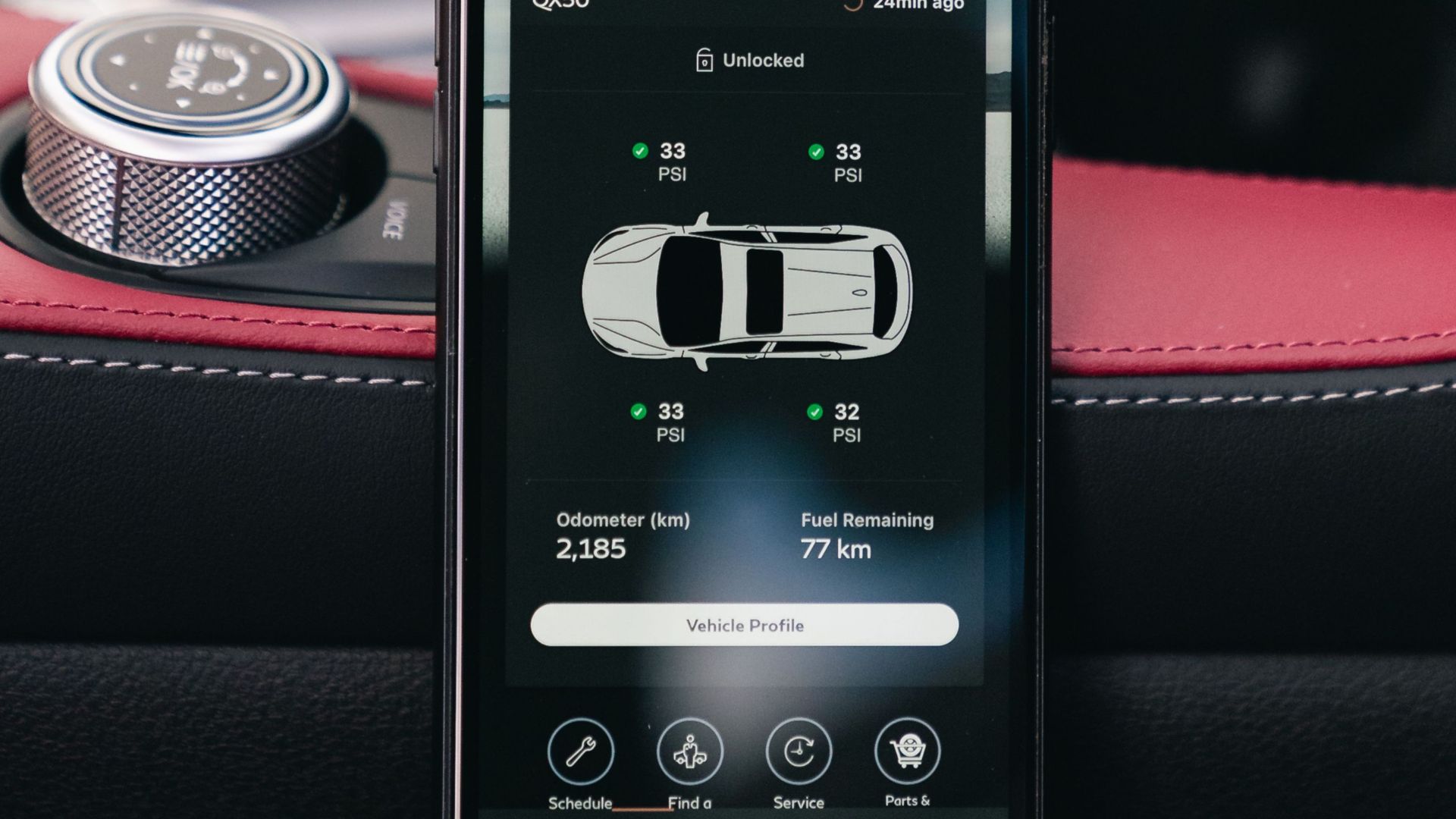
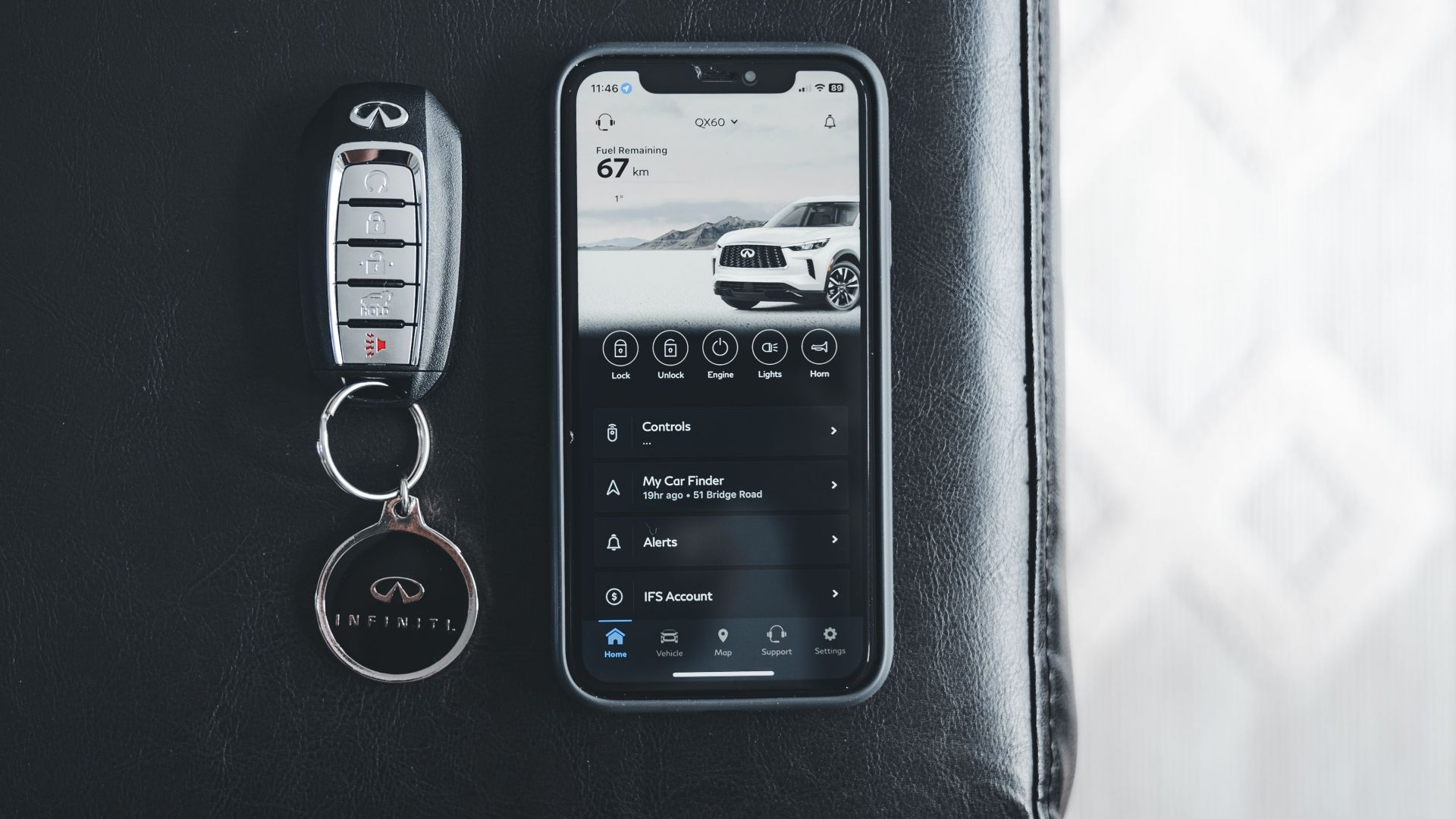
This is where many owners get tripped up. A lot of vehicles offer app-based remote start through a telematics connection, and that almost always depends on a subscription after a trial. Some vehicles also offer key fob remote start, and buyers may assume that should work forever because it seems like a direct radio command, but Toyota’s 2021 controversy showed that assumption is not always safe.
The Hardware Argument Is Strong, But Not Absolute
From a common-sense point of view, drivers have a real gripe when all the physical equipment is already there. From a legal point of view, though, the presence of hardware alone does not guarantee unlimited use if the software controlling it is licensed differently. That is why these cases can feel so unfair even when a company can point to terms and conditions.

The Right-To-Repair Movement Changed The Conversation
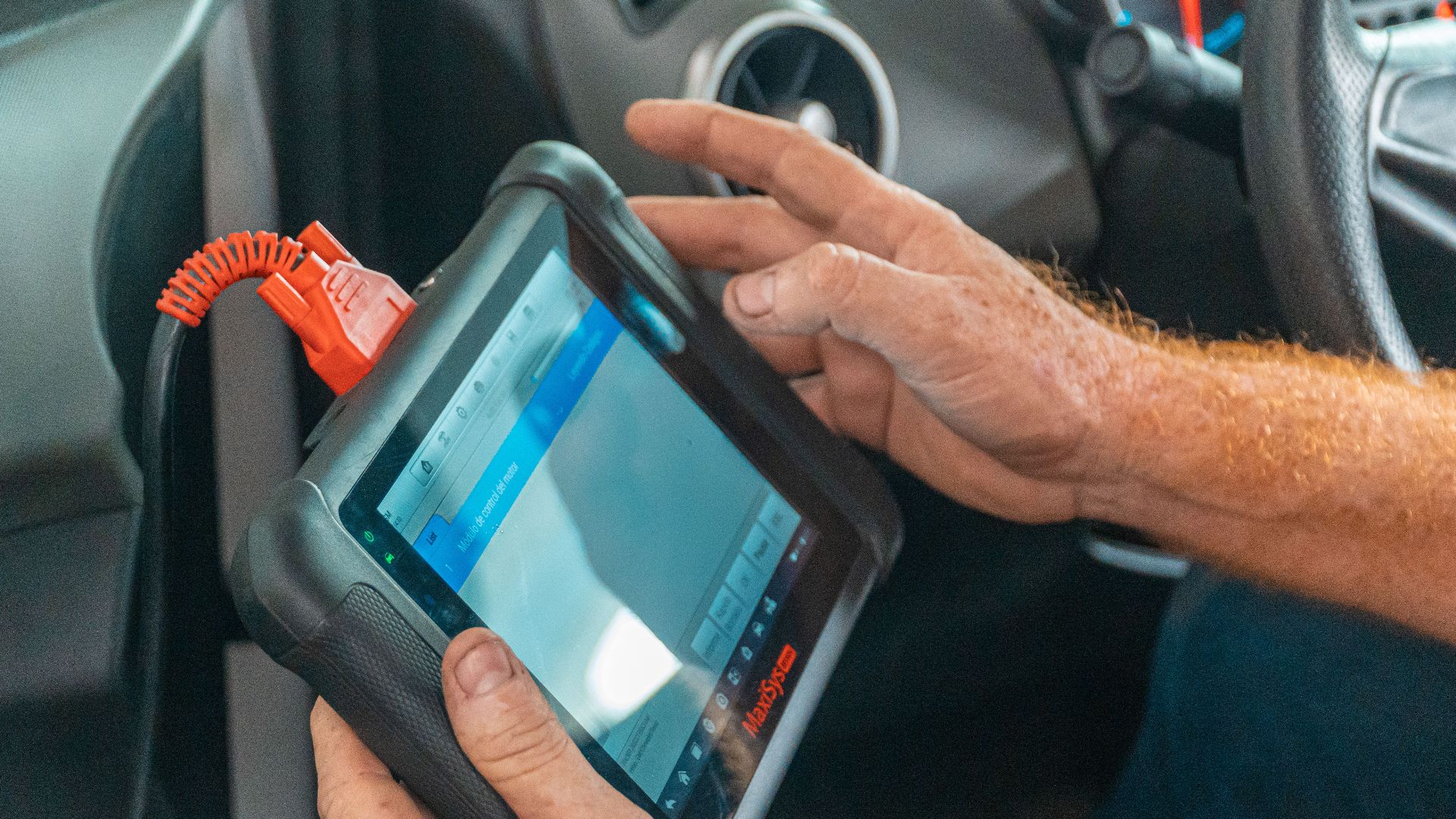
The larger fight over vehicle software control has been building for years through right-to-repair battles. In 2020, Massachusetts voters approved a ballot measure aimed at expanding access to vehicle telematics and repair data, though it later became tied up in litigation and federal safety arguments. The exact issue was repair access, not heated seats or remote start, but the principle is related: who really controls a modern car after the sale?
 Jose Ricardo Barraza Morachis, Pexels
Software-Defined Cars Mean More Of These Fights
Automakers increasingly market vehicles as platforms that can gain features over time. That can be great when updates fix bugs or add truly new abilities, but it also makes it easier to charge ongoing fees for things buyers once saw as permanent equipment. The more functions move behind software switches, the more often owners will have to ask what they bought versus what they only licensed.
What To Check Before You Buy
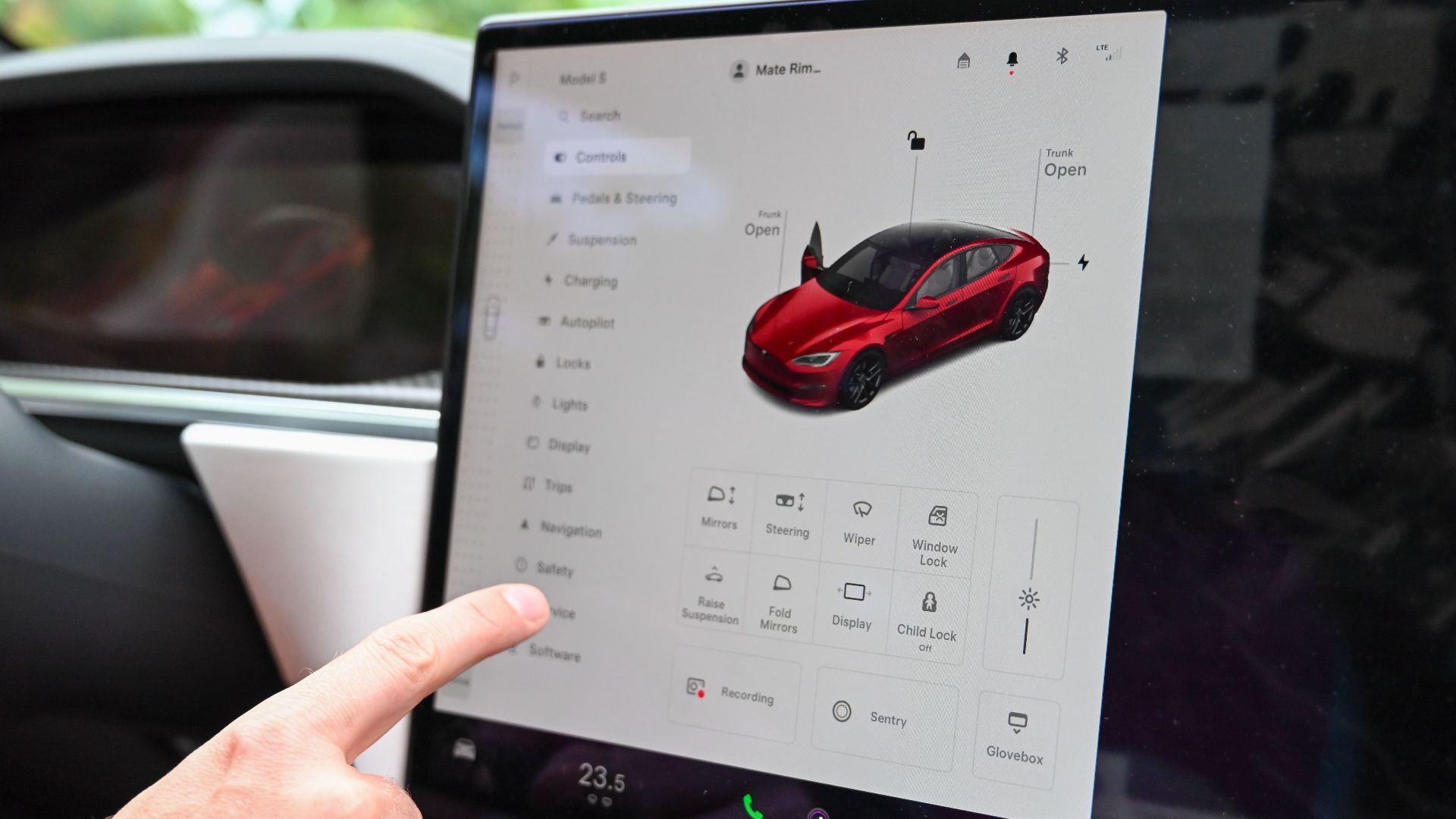
If you are shopping for a new or used car, ask the salesperson which features need a trial, subscription, or data plan after purchase. Ask separately about app-based remote functions and key fob functions, because they may not follow the same rules. Then get the answer in writing if the feature matters to you, especially for cold-weather basics like remote start and heated seats.

What To Do If Your Remote Start Suddenly Stops
First, confirm whether your vehicle has both app-based and key fob remote start and whether one still works. Next, review the owner’s manual, connected-services terms, and any emails about trial expiration. If the feature was advertised as included or the dealer told you it was permanent, save screenshots and paperwork before contacting the manufacturer and dealer in writing.

When It Is Worth Filing A Complaint
If you think the feature was marketed deceptively, you can file complaints with your state attorney general’s office, your state consumer protection agency if one exists, and the FTC. Be specific about the purchase date, the exact model, the subscription name, and what stopped working when the trial ended. Vague frustration is easy to brush aside, but clear documentation can force a response.

Small Claims Court Can Be An Option
For some owners, the practical path is not a giant lawsuit but small claims court or arbitration, depending on the contract terms. The question usually is not whether subscriptions are bad in the abstract. It is whether the car was sold with clear disclosures and whether the company removed something a reasonable buyer was led to believe was included.

Public Backlash Still Matters
Toyota’s 2022 policy change is a reminder that companies respond when a feature restriction turns into a reputation problem. Even if an automaker has legal language on its side, a bad customer experience can cost more than the subscription revenue is worth. In the connected-car era, public embarrassment is still one of the fastest ways to force a rethink.

The Bottom Line For Drivers
Yes, companies often can put vehicle features behind subscriptions if the agreements and disclosures support it. But that does not mean every shutdown is fair, clearly explained, or beyond challenge. If your dealership or automaker disabled remote start after a subscription expired, the smartest move is to gather the paperwork, confirm exactly which feature was cut off, and push back hard if the sales pitch did not match the fine print.