The Custom Paint Surprise
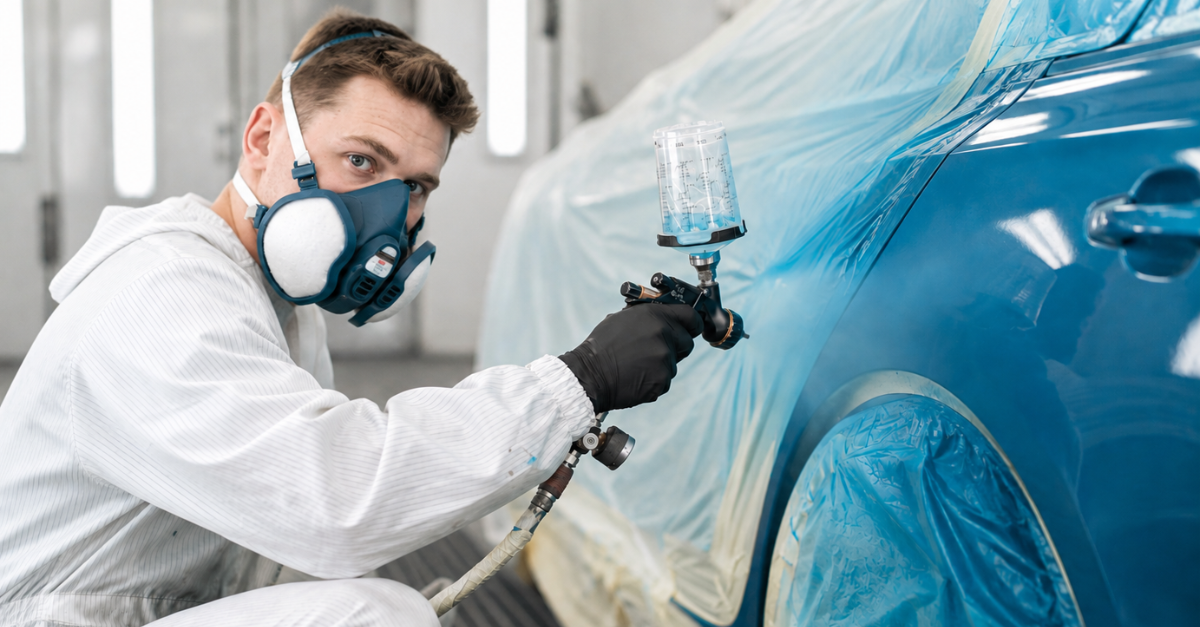
When you're paying to insure your car, it's easy to assume that the whole car is covered. But then you find out that your custom paint job would be excluded unless you pay for extra coverage. That might sound backward, but it's often exactly how auto policies work.
If your car has custom parts, aftermarket upgrades, or a finish that goes beyond the factory version, you have some decisions to make about your coverage.
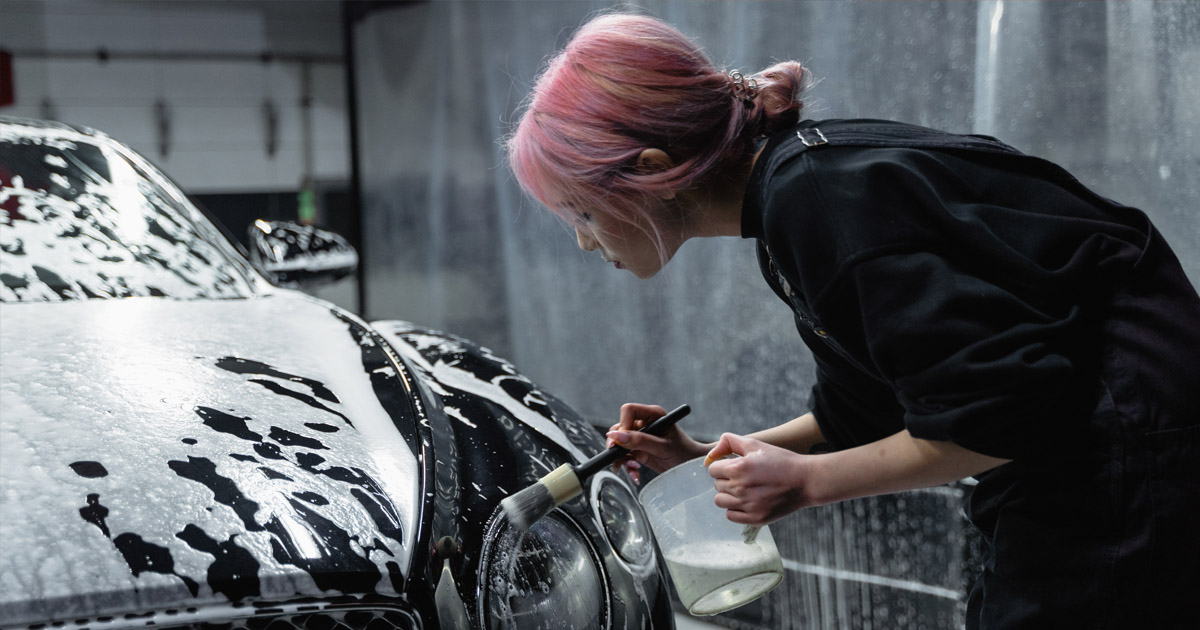
 Dylan Calluy, Unsplash, Modified
Why This Feels So Backwards
Most drivers hear “full coverage” and think it means everything on the car is protected. It does not. “Full coverage” is not a formal insurance term with one fixed meaning. It usually means a package with liability, comprehensive, and collision, but those coverages still come with limits, exclusions, and definitions. That is where a custom paint job can fall through the cracks.

What Insurers Mean By Custom Equipment
Insurance companies often put custom paint in the same bucket as upgraded wheels, stereo systems, body kits, and suspension work. If it was not part of the original factory setup, or if it raised the car’s value in a big way, the insurer may treat it as custom equipment. That matters because many policies only give limited coverage for custom equipment unless you list it and pay for extra protection. A paint job that cost thousands can easily go past that limit.
The Policy Language Is The Real Story
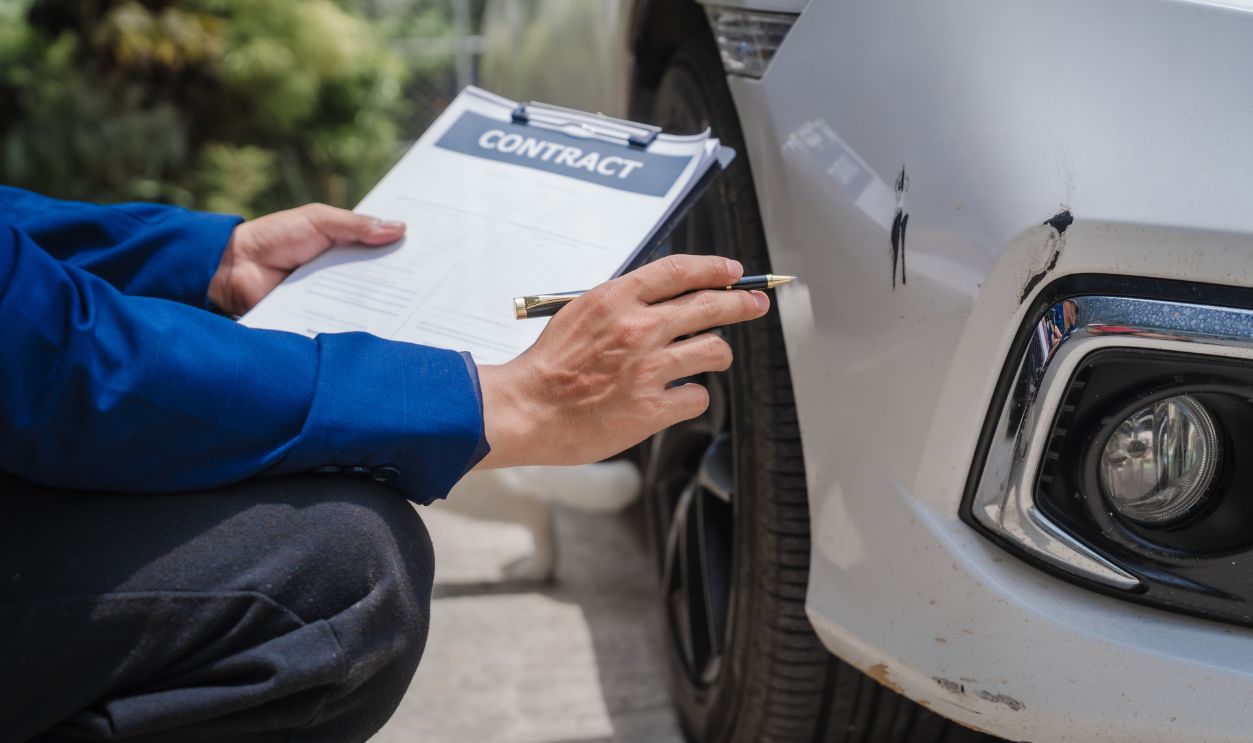
The big question is not whether your car is insured. The real question is what value your insurer agreed to cover and how the policy defines non-factory changes. Auto policies are contracts, and the wording decides what gets paid after a loss. If custom paint is treated as added equipment, the insurer can require an endorsement or rider before it pays the full amount.

What Standard Coverage Usually Protects
Collision coverage usually helps pay to repair or replace your car after a crash, no matter who caused it. Comprehensive usually applies to things like theft, fire, vandalism, hail, falling objects, and some animal strikes. But those protections are still based on the car as the policy values it. If your custom paint raised the car’s value and you did not add it to the policy, the payout may not come close to what you spent.
 Zoriana Zaitseva, Shutterstock
Factory Finish Versus Aftermarket Finish
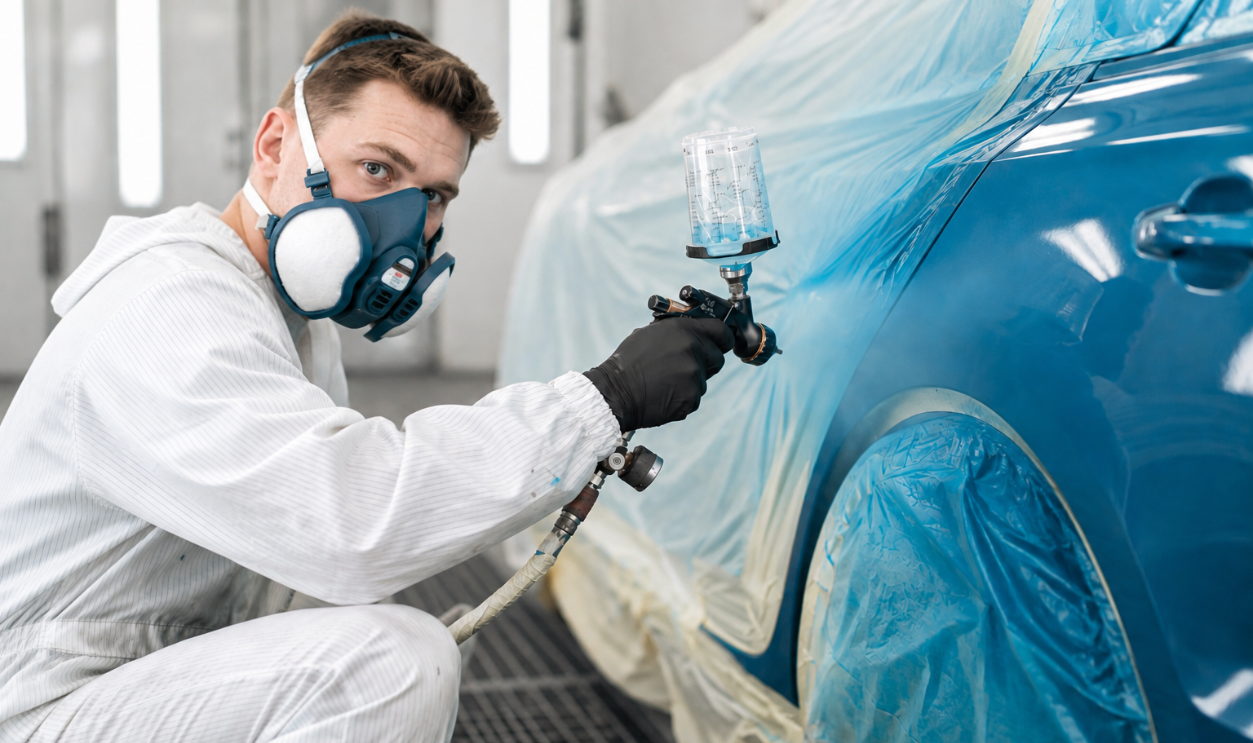
There is a big difference between fixing original factory paint and covering a one-of-a-kind custom finish. A normal repaint to bring the car back to its pre-loss condition is usually part of standard repair work after a covered claim. A pearl, matte, candy, airbrushed, or show-quality paint job can cost far more than factory-style refinishing. That extra cost is exactly why insurers often want it listed separately.
Why The Extra Premium Exists
Insurance pricing comes down to risk and replacement cost. If your custom paint costs much more to repair than a standard finish, the insurer is taking on a bigger possible payout. From the company’s point of view, charging extra is not a trick. It is a way to account for the higher value and the specialized work needed to restore that custom paint after a covered loss.

The Consumer Wording Backs This Up
Consumer guidance from major insurers and insurance groups has been pretty consistent on this point. They often explain that custom parts and equipment may have only limited coverage under a standard policy, sometimes up to a small default amount. If you want more protection, you usually need optional custom parts and equipment coverage. That is why two drivers with the same model car can end up with very different claim checks.

What III Says About Custom Parts
The Insurance Information Institute says optional coverage is available for custom parts and equipment like stereos, navigation systems, and custom wheels. It also notes that some insurers include only a limited amount of this coverage in a standard policy. The examples often focus on hardware, but the same logic applies to custom paint because it is a nonstandard upgrade that adds value. The takeaway is simple: if it is custom and expensive, make sure it is specifically covered.

State Regulators Echo The Same Warning
State insurance departments regularly tell drivers to review their policies after making modifications. Their guidance often warns that custom equipment, aftermarket parts, and other upgrades may not be fully covered unless you tell the insurer. That matters because regulators are not trying to sell you anything. They are pointing to the places where claim fights often happen and how to avoid them.
 f.t.Photographer, Shutterstock
Your Declarations Page Matters More Than The Sales Pitch
The declarations page shows what coverage you actually bought, along with deductibles and endorsements. If custom equipment coverage is not listed there, the insurer may owe only the limited amount built into the policy, if any. That is why a verbal promise during a quote is not enough. The declarations page and the endorsement are what matter when the claim is opened.

What “Actual Cash Value” Can Mean For Your Paint
Many standard policies settle losses based on actual cash value, especially if the car is a total loss. Actual cash value usually reflects depreciation and market value, not every dollar you spent on upgrades. That can hurt if you paid several thousand dollars for a custom finish last year. Without added coverage, you may not get back what that paint job cost.
Repairs Can Be Another Flash Point
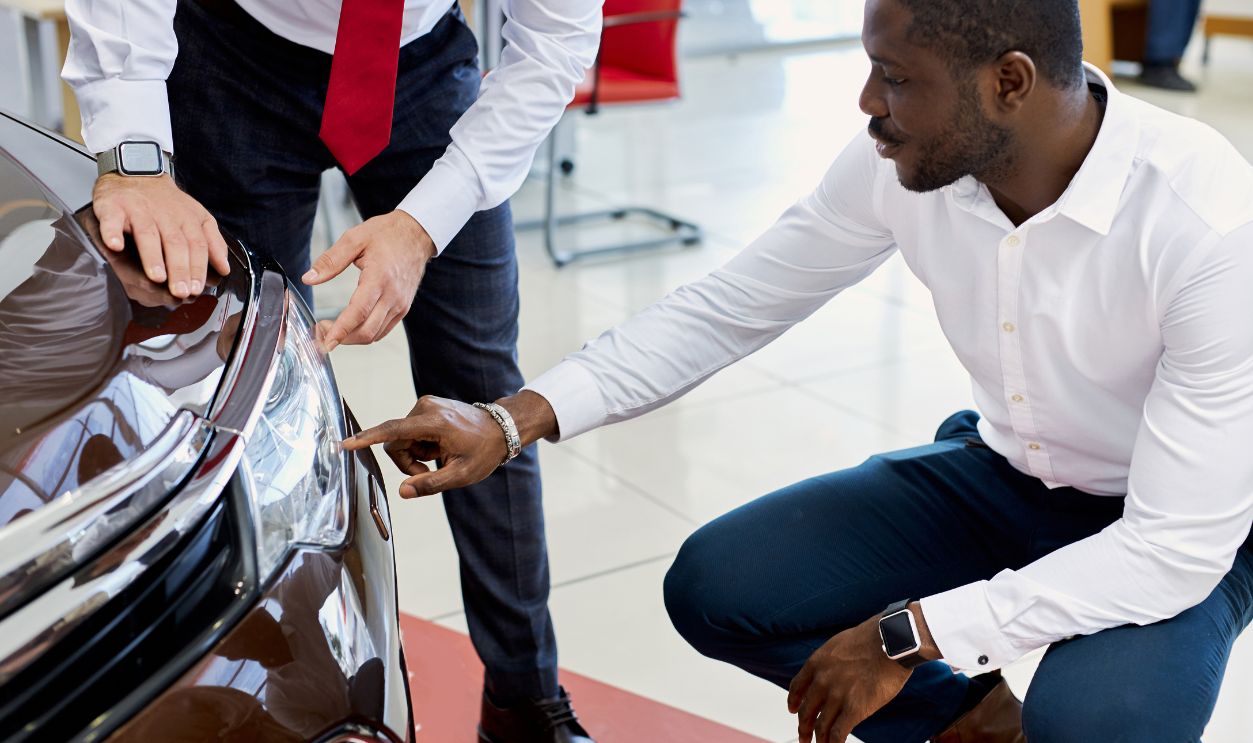
Even when the car can be repaired, arguments can start over how the insurer plans to restore the damaged area. A policy may cover repainting the panel, but not necessarily recreating a mural, multi-stage finish, or color-shift effect unless it was already endorsed. Matching specialty paint can also be hard and expensive. That is one reason custom paint owners often find out too late that they were underinsured.
Why Documentation Is So Important
If you want a custom paint job covered the right way, paperwork matters. Keep itemized invoices, before-and-after photos, shop estimates, and any written description of the materials and techniques used. If the painter is known for show cars or specialty finishes, note that too. Good records make it easier for the insurer to price the risk up front and harder to lowball the value later.

Tell Your Insurer Before There Is A Claim
The worst time to mention a custom paint job is after the car is stolen, vandalized, or wrecked. Insurers expect policyholders to report major changes that affect value or repair cost. If you call before a loss, you may be able to add custom parts and equipment coverage for a modest premium. If you wait, you may get a much smaller payout than expected or lose part of the claim altogether.
Do Not Assume The Shop’s Value Estimate Is Enough
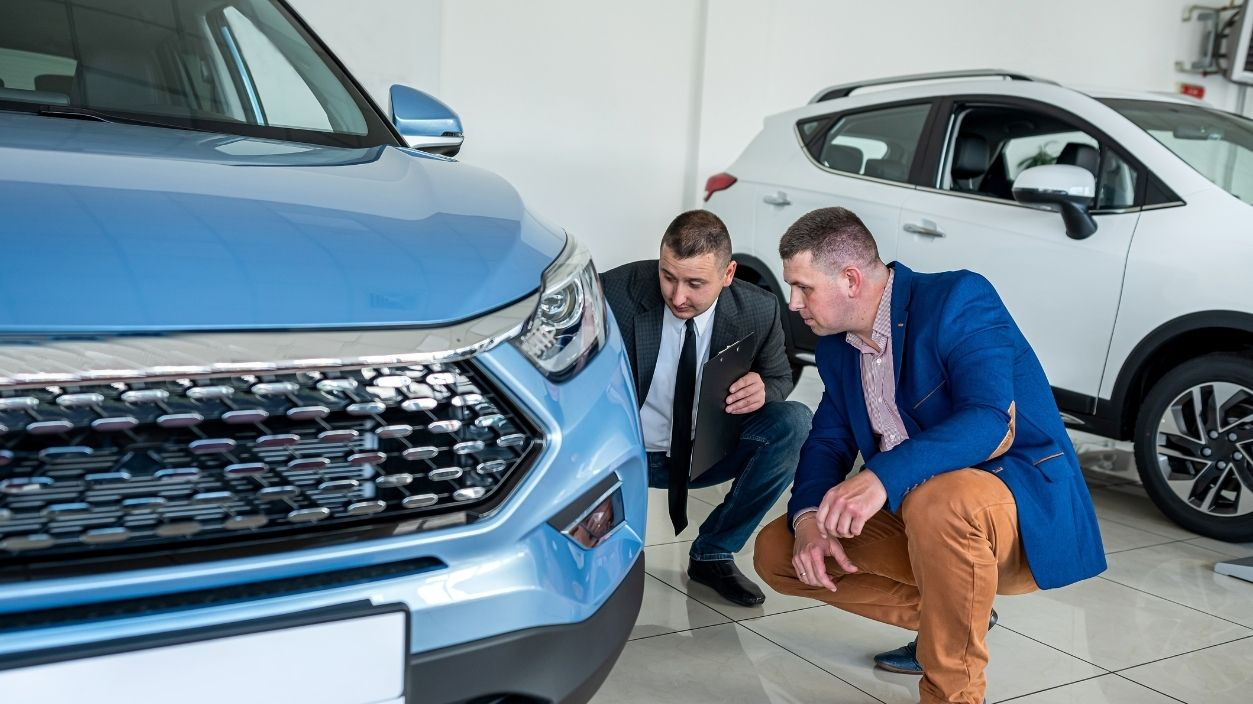
A body shop may say the paint job added ten thousand dollars in value, but the insurer does not have to accept that number automatically. The policy controls, and the insurer may want receipts, appraisals, photos, or a stated amount endorsement. Some carriers may not want to insure heavily modified cars at all. Others will, but only after taking a close look at the changes.

Classic And Collector Policies Can Work Differently
If the vehicle is a collector car, show car, or rarely driven custom build, a specialty policy may be a better fit than a regular personal auto policy. Some collector insurers offer agreed value coverage, which means the payout amount is set in advance if the vehicle is totaled, subject to policy terms. That can work much better for heavily customized cars. It also cuts down on arguments over whether the custom paint is worth what you say it is.

Agreed Value Versus Actual Cash Value
These two ideas are easy to mix up, but they can lead to very different payouts after a total loss. Actual cash value reflects depreciation and market conditions, while agreed value is a set insured amount accepted by the insurer ahead of time. If your car’s value is tied closely to its custom finish, agreed value can matter a lot. It does not solve every problem, but it can prevent the biggest surprise.

Watch For Low Built-In Limits
Some standard policies include a small automatic allowance for custom parts and equipment. The exact amount depends on the insurer and the policy, so there is no safe number you can count on. That default amount may be enough for a basic upgrade, but nowhere near enough for a high-end custom repaint. If your paint job cost more than the built-in limit, that gap is on you unless you buy more coverage.

Vandalism Is Where This Hits Hard
Think about key scratches on a factory paint job versus the same scratches on a hand-laid custom finish with layered graphics. Both may be covered under comprehensive if vandalism is a covered loss, but the cost to fix them can be miles apart. The insurer may agree to repair the damage and still stop short of paying for the full specialty finish if it was never endorsed. That is when the fine print gets expensive fast.

Total Losses Create The Biggest Shock
After a total loss, many drivers expect the settlement to reflect everything they put into the car. Instead, the insurer may value the vehicle using standard market comparisons, with little or no credit for undeclared custom work. That gap is one of the main reasons modified-car owners feel blindsided. The custom paint may be real to you, but it also has to be real on the policy.

How To Ask The Right Question
Do not ask only, “Is my car fully covered?” Ask, “Is my custom paint job covered up to its full documented value under collision, comprehensive, and total-loss situations?” Then ask the insurer to show you the endorsement or policy wording in writing. That turns a vague conversation into something you can actually verify. It also gives you a paper trail if there is confusion later.
What To Review Before You Pay For Extra Coverage
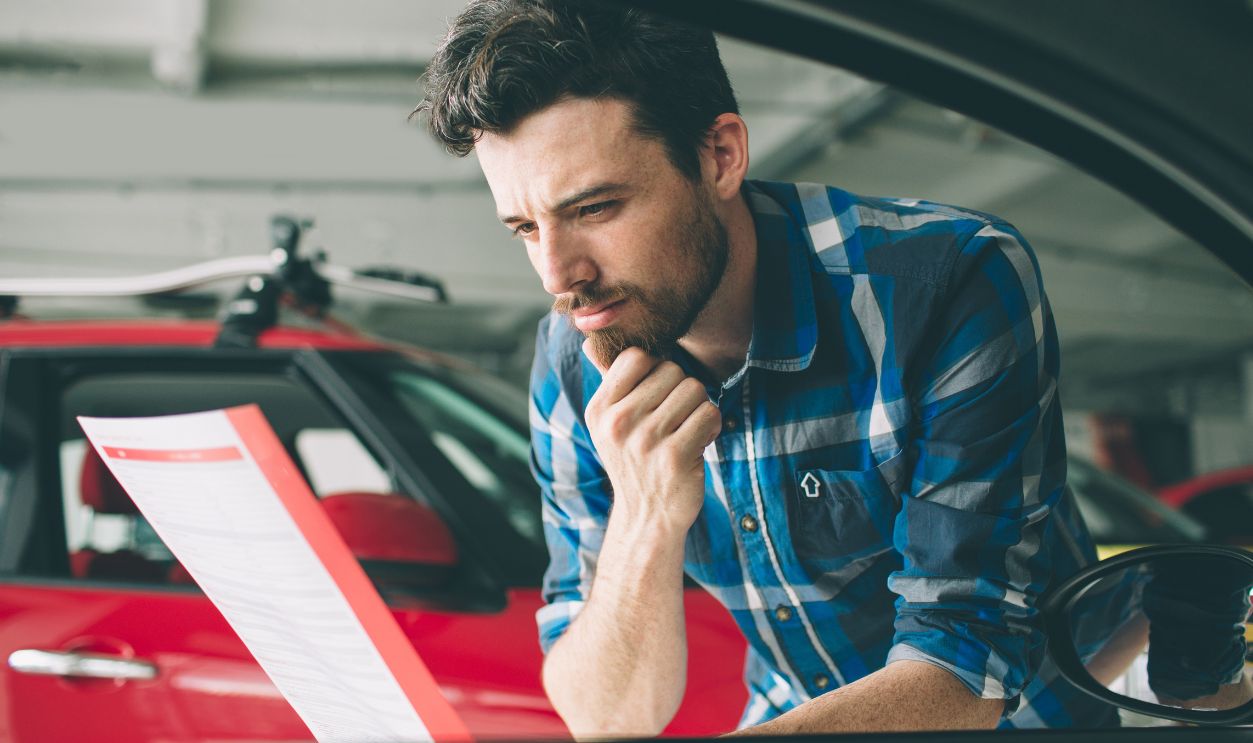
Check the premium, the deductible, the exact covered limit, and whether the policy pays actual cash value, stated amount, or agreed value. Ask whether the coverage applies to partial damage, total loss, theft, and vandalism. Ask whether custom graphics, wraps, matte finishes, and airbrushed art are all included or handled differently. Small wording changes can make a big difference when a claim happens.

Shopping Around Can Save The Headache
Not all insurers deal with modifications the same way. One company may offer a simple custom parts endorsement, while another may cap coverage so low that it barely helps. If your car has serious upgrades, compare insurers before renewal instead of after a claim. The cheapest standard policy can turn into the most expensive mistake if it leaves a major modification uncovered.
When An Appraisal Might Help
For costly custom work, an independent appraisal can help show the added value of the vehicle and help a specialty insurer cover it properly. This is especially useful for show cars, restorations, and vehicles with unique finishes that are hard to price using normal market data. An appraisal is not a cure-all, but it can strengthen your case. It also gives you a better sense of whether your current limits make sense.

If You Are Already In A Coverage Dispute
Start by asking the insurer for the exact policy provision it is relying on. Then review your declarations page, endorsements, receipts, photos, and any emails or notes from when you bought the policy. If the explanation still does not line up, contact your state insurance department or consider talking with a qualified attorney or public adjuster, depending on the kind of claim and your state’s rules. The goal is not to start a fight. It is to make sure the contract is being applied the right way.

The Bottom Line For Drivers
Your insurance company is not necessarily wrong when it says a custom paint job needs extra coverage. Standard auto insurance usually covers the car only as described in the policy, and custom upgrades often fall outside that baseline unless they are disclosed. The smart move is to treat custom paint like any other expensive modification: document it, report it, and get written proof that the value is actually insured.