The Garage Fight Showing Up in More Neighborhoods
Your HOA isn't the only one that wants EVs parked outside because of battery-fire fears. It might sound overblown to many EV drivers, but it comes from a real issue that has drawn attention from fire departments, insurers, and safety researchers in recent years.
The real question is not whether EV fires can happen. It's whether they happen often enough to justify a blanket rule.
What Your HOA Is Probably Worried About
Most HOA boards are focused on lithium-ion battery fires, especially the risk of thermal runaway. That is a chain reaction inside a battery pack that can create extreme heat, toxic gases, and sometimes reignition after the first flames are out. It is a real firefighting challenge, which is why the issue keeps coming up in parking garages and condo communities.
Battery Fires Are Real, but Context Matters
There is no honest way to say EV battery fires cannot happen. There have been high-profile incidents, and firefighters have had to change their tactics as EVs become more common. But the bigger point is that the data available does not show EVs catching fire more often than gasoline vehicles.
Federal Investigators Have Been Tracking the Risk
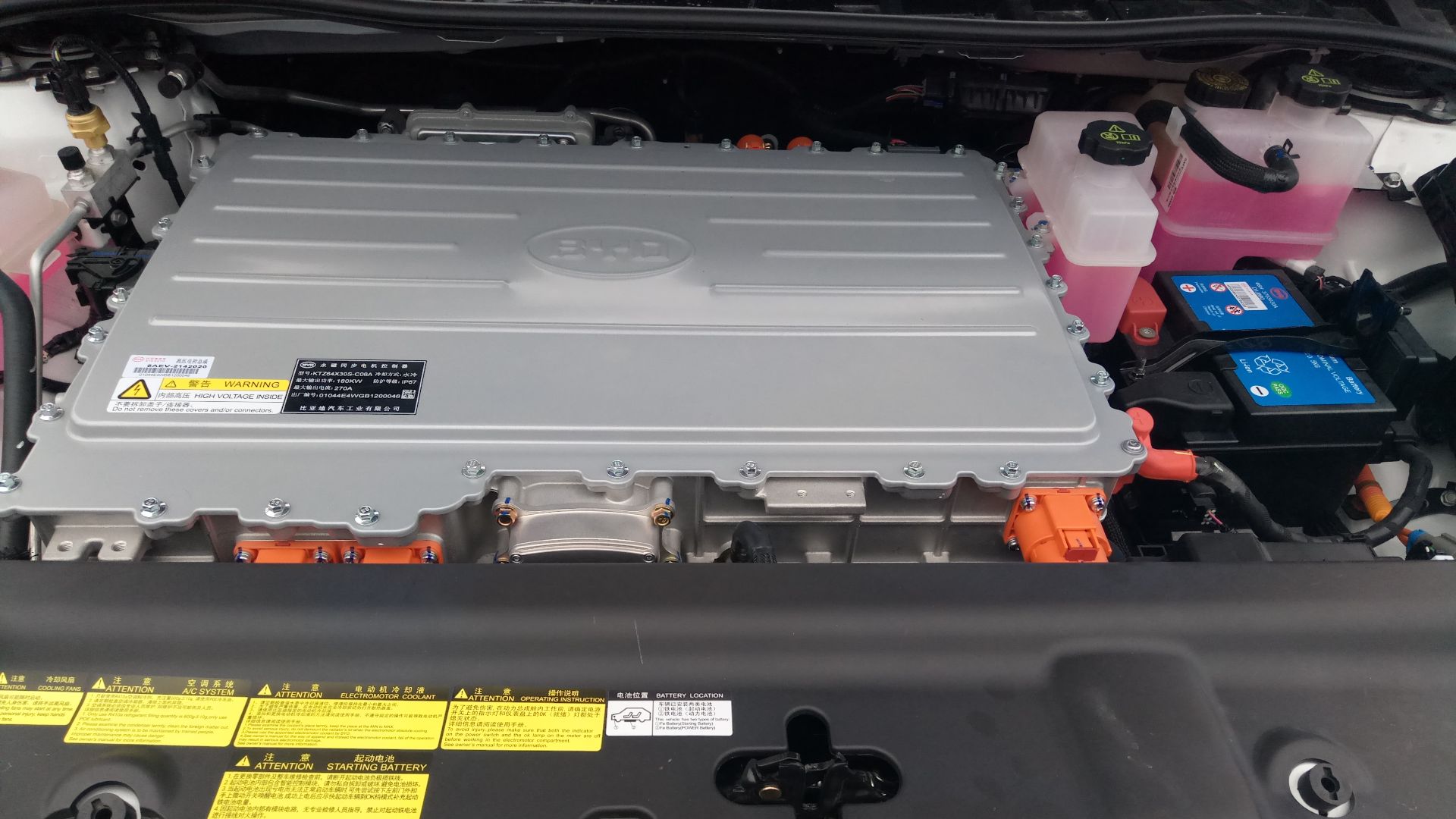
In 2020, the National Transportation Safety Board opened an investigation after several high-speed crashes involving electric vehicles and post-crash fires. In 2021, the NTSB issued Safety Recommendation Report H-21-31 through H-21-36, calling for better guidance for first responders and stronger manufacturer information on disabling high-voltage systems. The report did not say EVs are broadly too dangerous for enclosed parking, but it did make clear that post-crash battery fires bring unusual hazards.
The Fire Problem Looks Different From a Gas-Car Fire
Gasoline vehicle fires usually involve fuel, oil, or hot engine parts. EV battery fires involve stored electrical energy and cells that can keep making heat even after visible flames die down. That is why some departments monitor EVs for hours, or even longer, after a serious fire.
 Joenomias Menno De Jong, Wikimedia Commons
Who Has Studied This Most Closely
The National Fire Protection Association has published guidance for fire service response to electric vehicles and energy storage systems. NFPA materials explain that EV fires may need large amounts of water for cooling and can involve delayed reignition. That helps explain why an HOA board may be uneasy, even if the odds of a fire are still low.
The Best Public Data Does Not Support Panic
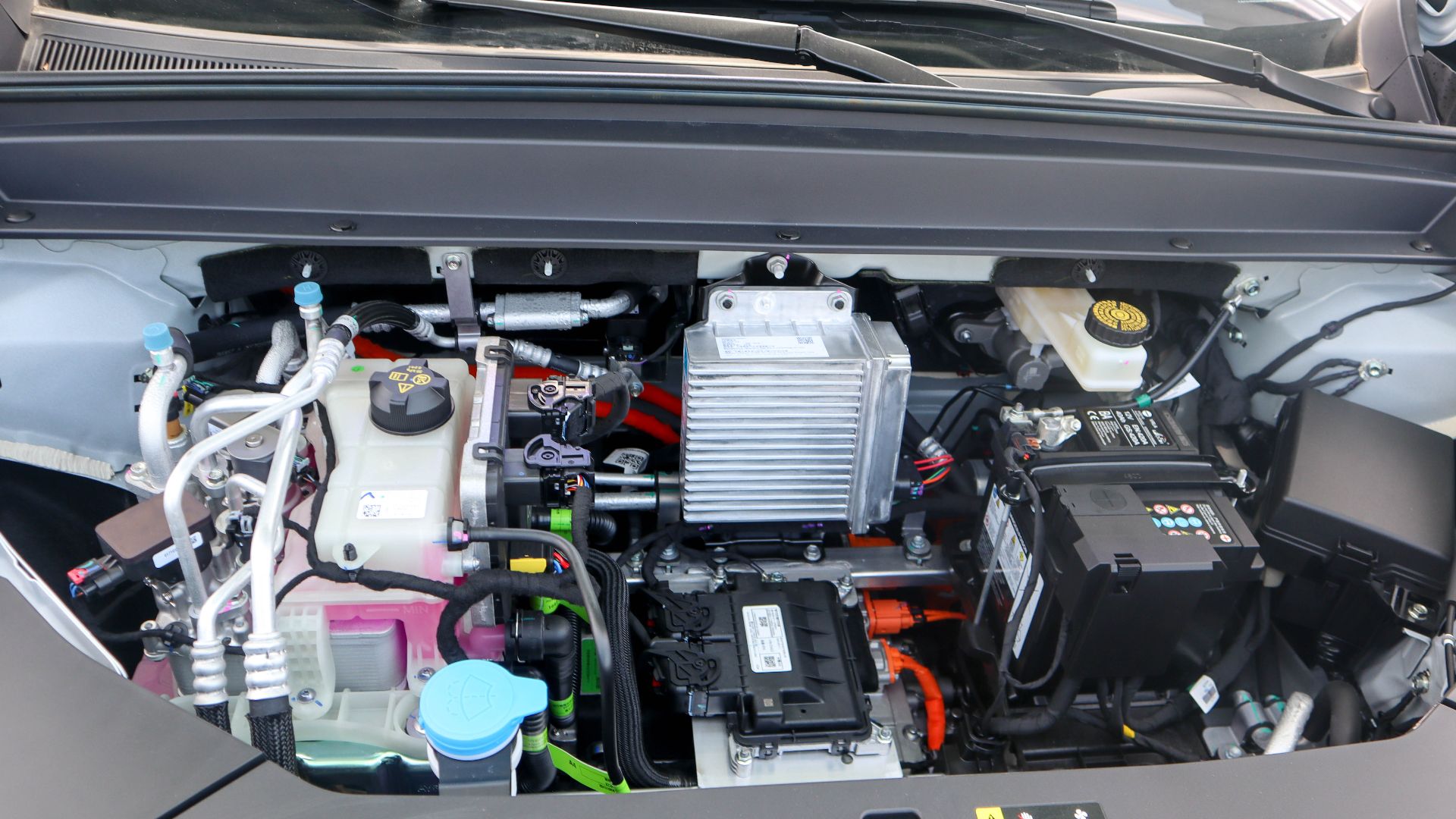
The Swedish Civil Contingencies Agency, known as MSB, is often cited because it compared vehicle fires by powertrain in Sweden. In a 2023 update covering 2022, MSB found 24 fires in electric cars and 3,400 fires in cars overall, while noting that the EV fleet was much smaller than the total passenger-car fleet. The takeaway was not that EVs never catch fire. It was that the numbers available did not show them burning at a uniquely high rate.
Auto Insurers Have Reached a Similar Bottom Line
Insurance industry researchers have also warned against broad claims. Data discussed by the Insurance Institute for Highway Safety and Highway Loss Data Institute has shown that EVs are not clearly overrepresented in fire claims compared with internal-combustion vehicles. That does not change how serious some battery fires can be, but it does weaken the case for treating all EVs as a special danger.
 Amnaj Khetsamtip, Shutterstock
Why EV Fires Get So Much Attention
An EV battery fire draws attention because it is unusual, dramatic, and hard to put out. Firefighters may use tens of thousands of gallons of water in severe cases, or keep a burned vehicle isolated while it cools. Those scenes stick in people’s minds far more than the many ordinary gasoline-car fires that get far less notice.

Parking Garages Became a Flash Point
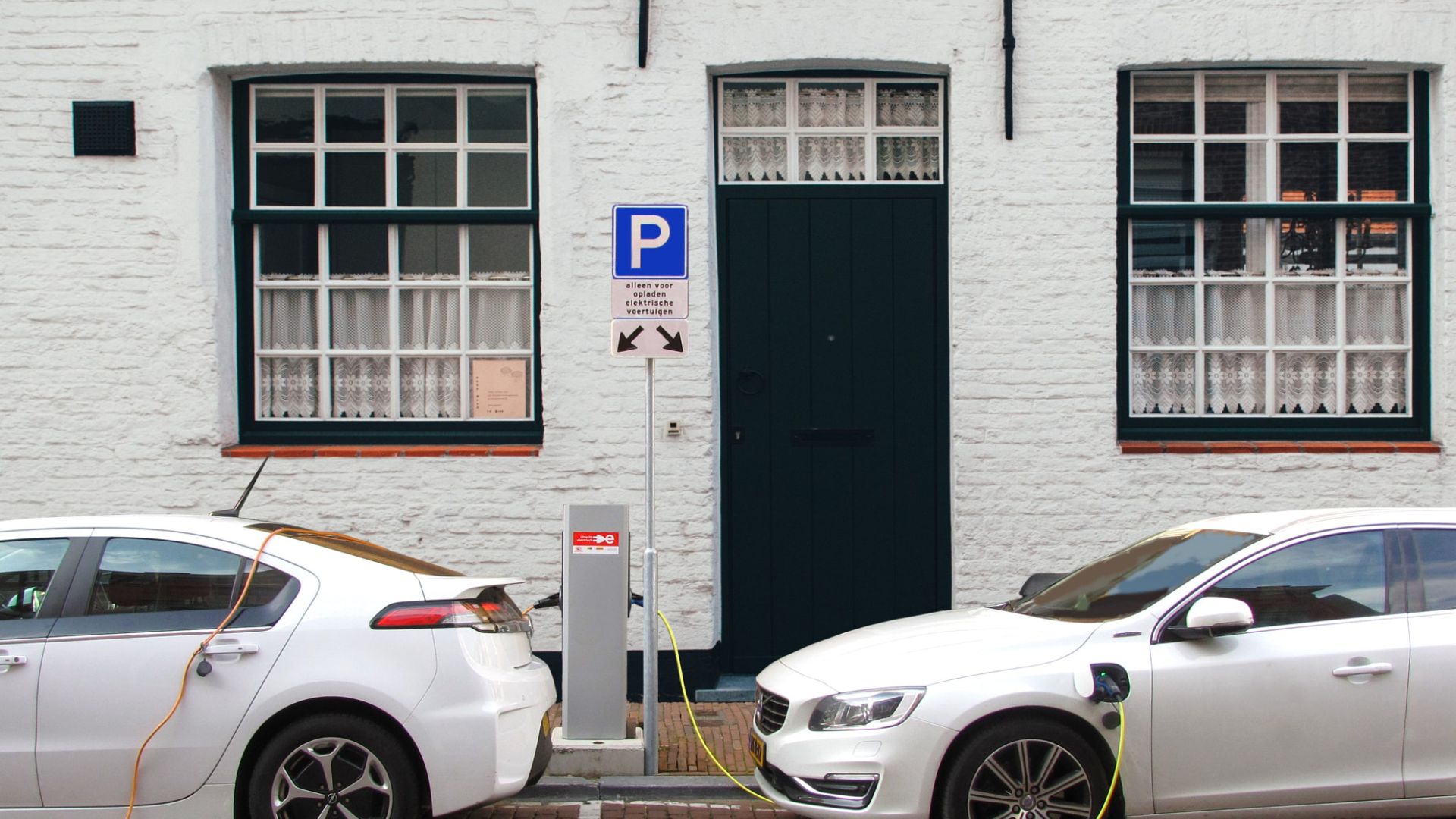
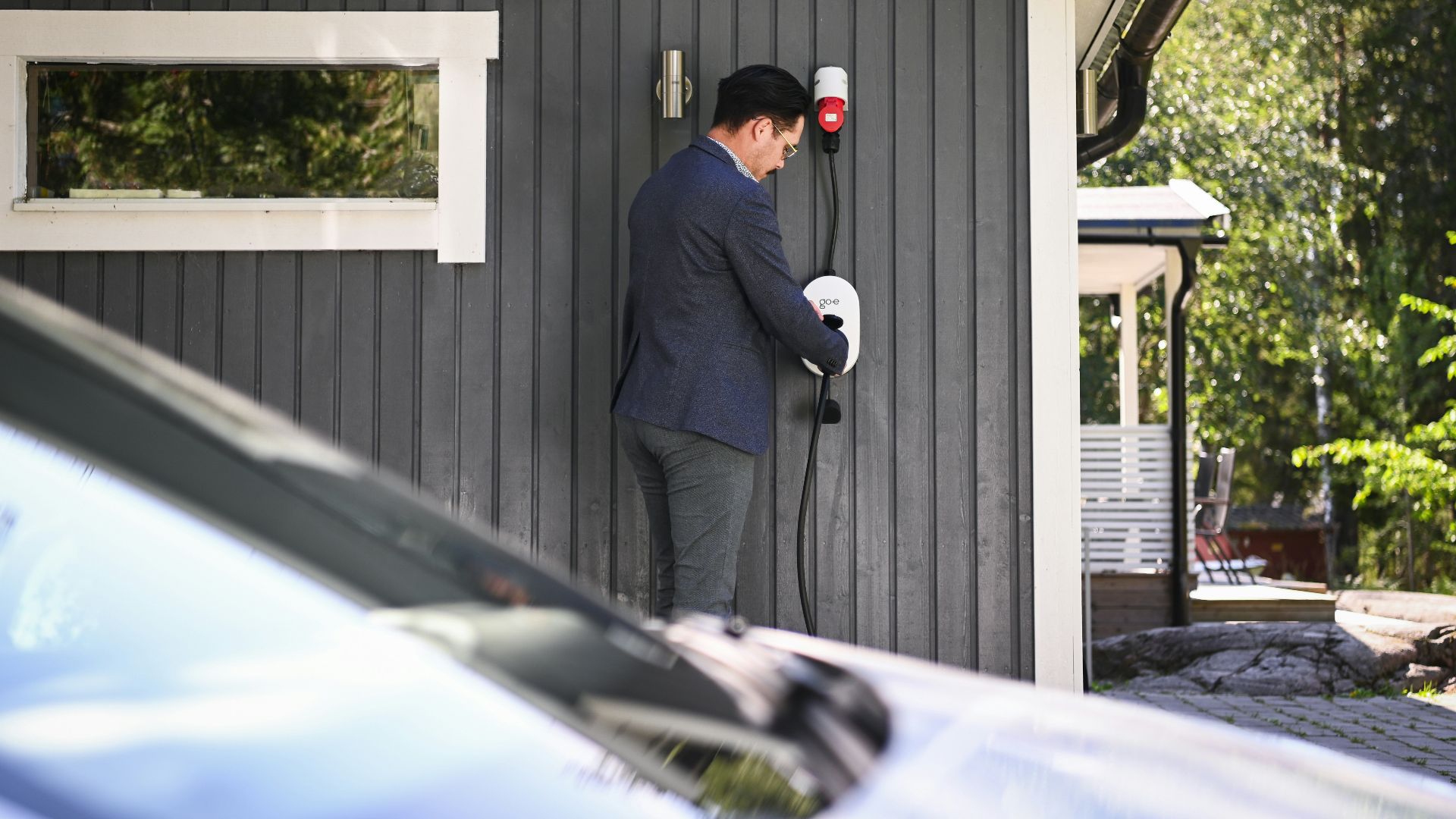
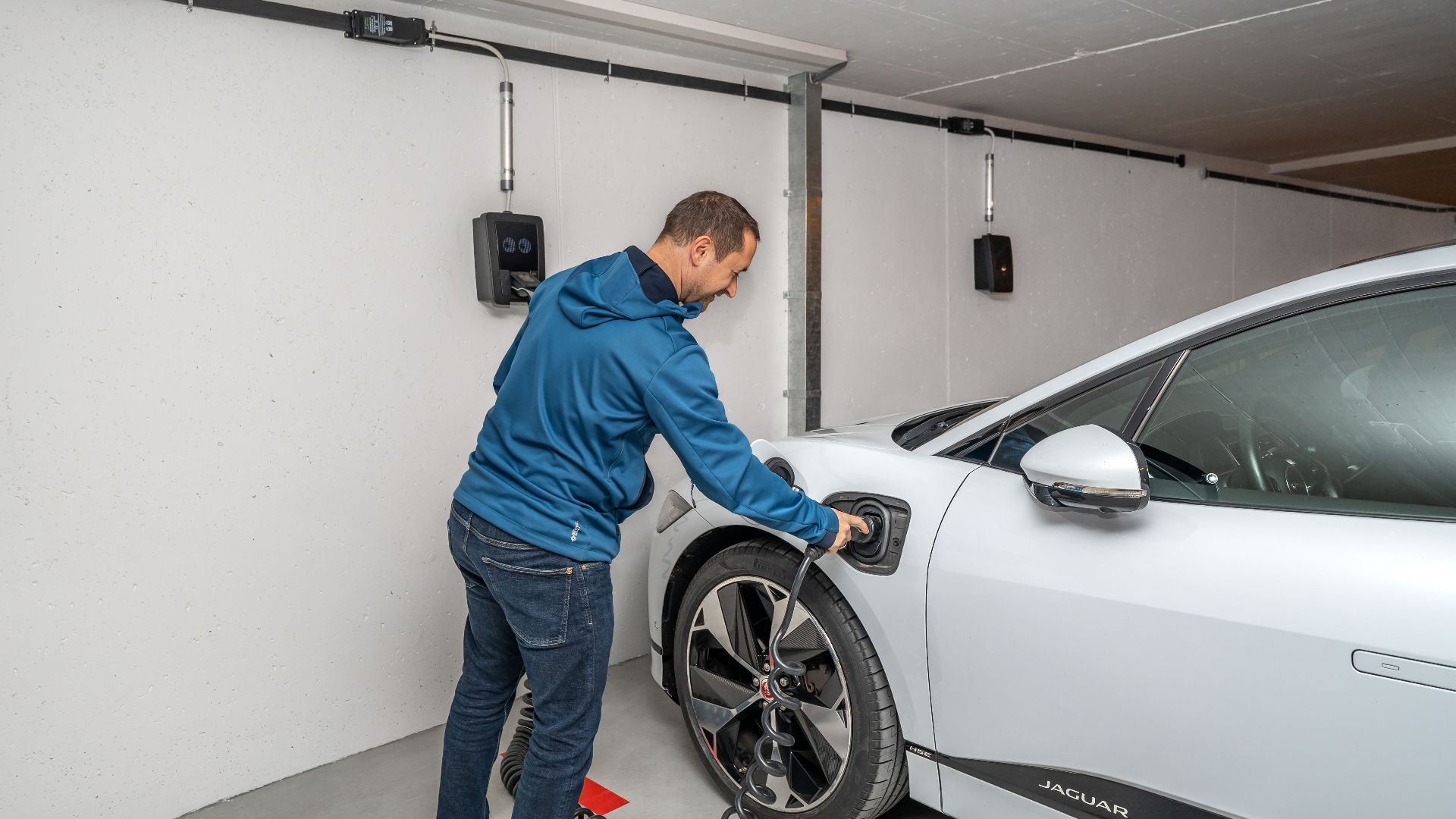
The fear tends to spike in condos and HOAs because garages put cars close to homes and shared buildings. Property managers worry about fire spread, smoke damage, and evacuation problems. In some communities, that concern has led to attempts to restrict EV parking specifically.
Fire Officials Have Not Issued a Blanket Ban
That is one of the biggest facts here. Major fire safety groups in the United States have focused on response planning, charger installation standards, ventilation, and emergency access, not broad instructions to keep all EVs outdoors. In other words, the professional response has mostly been risk management, not universal exclusion.
Charging Equipment Is Part of the Story Too
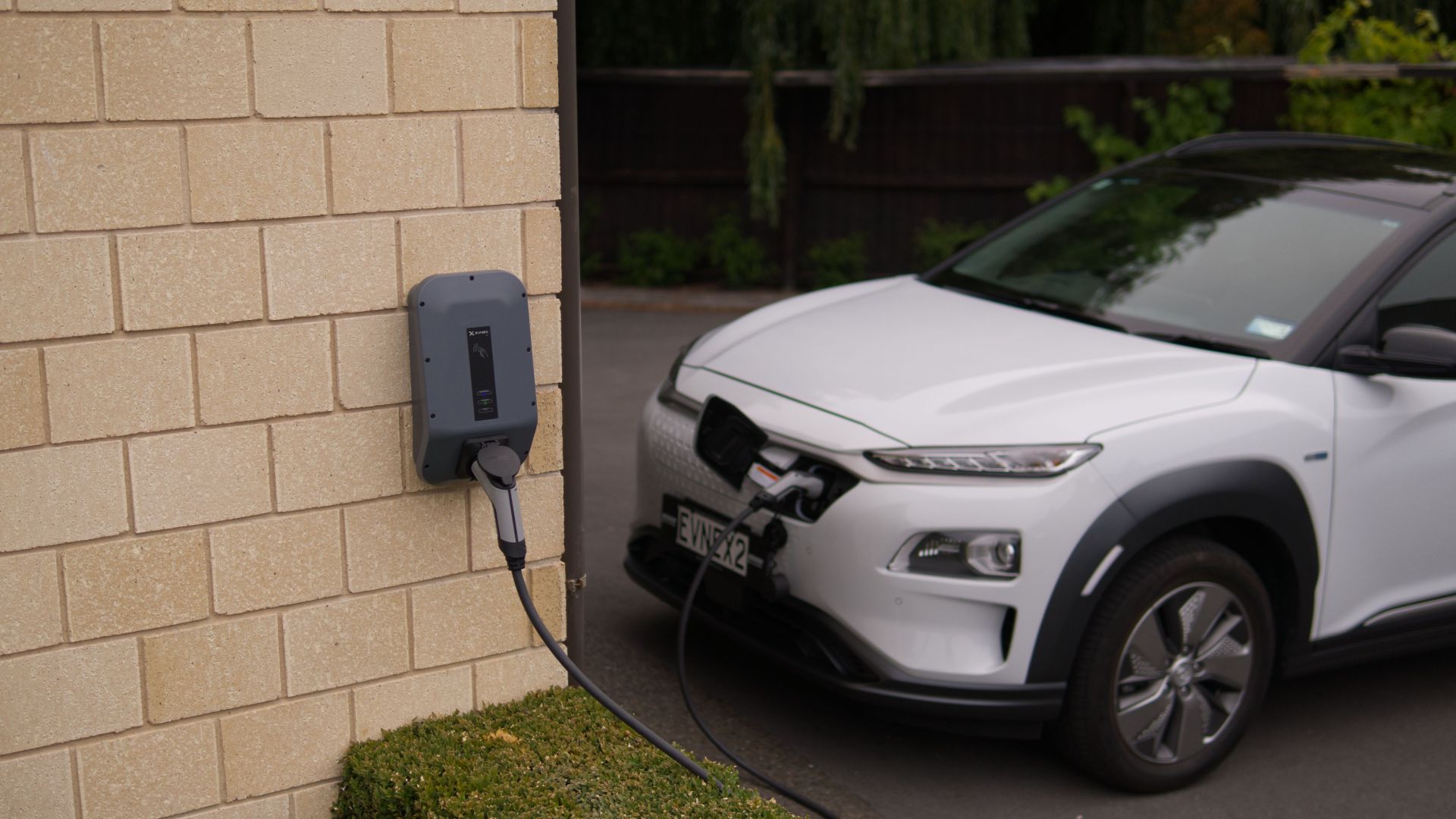
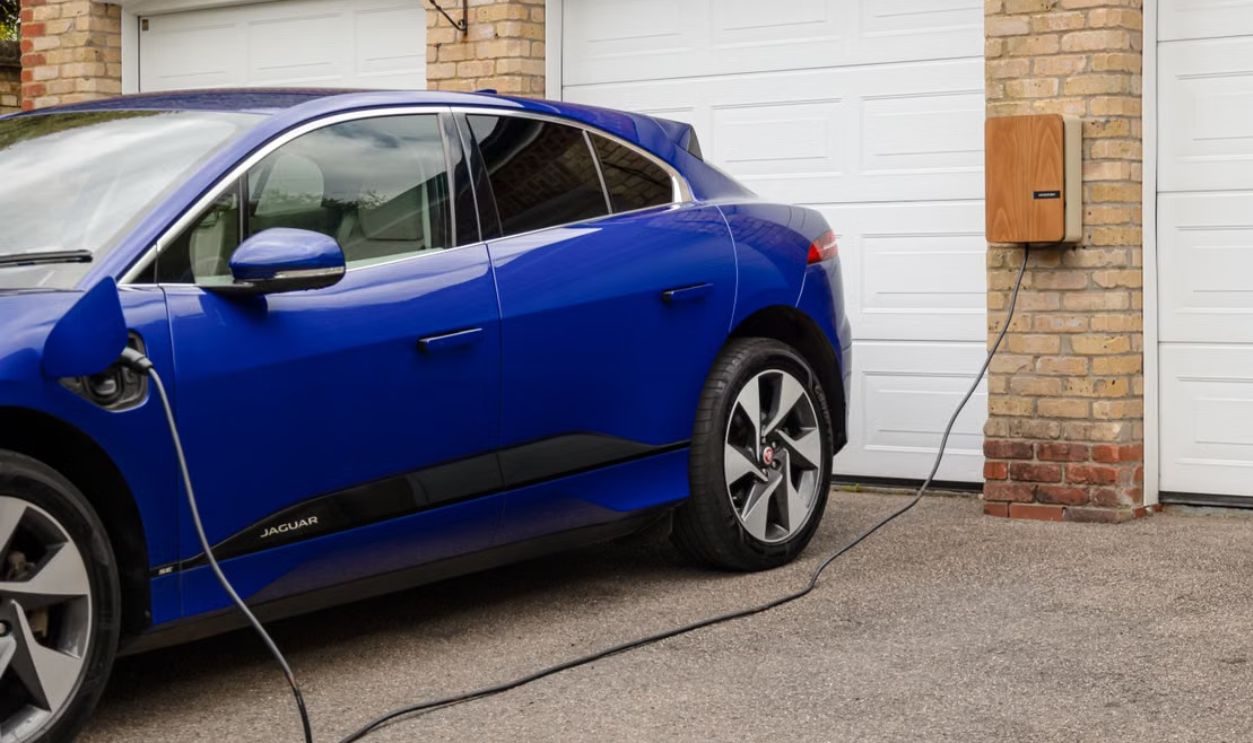
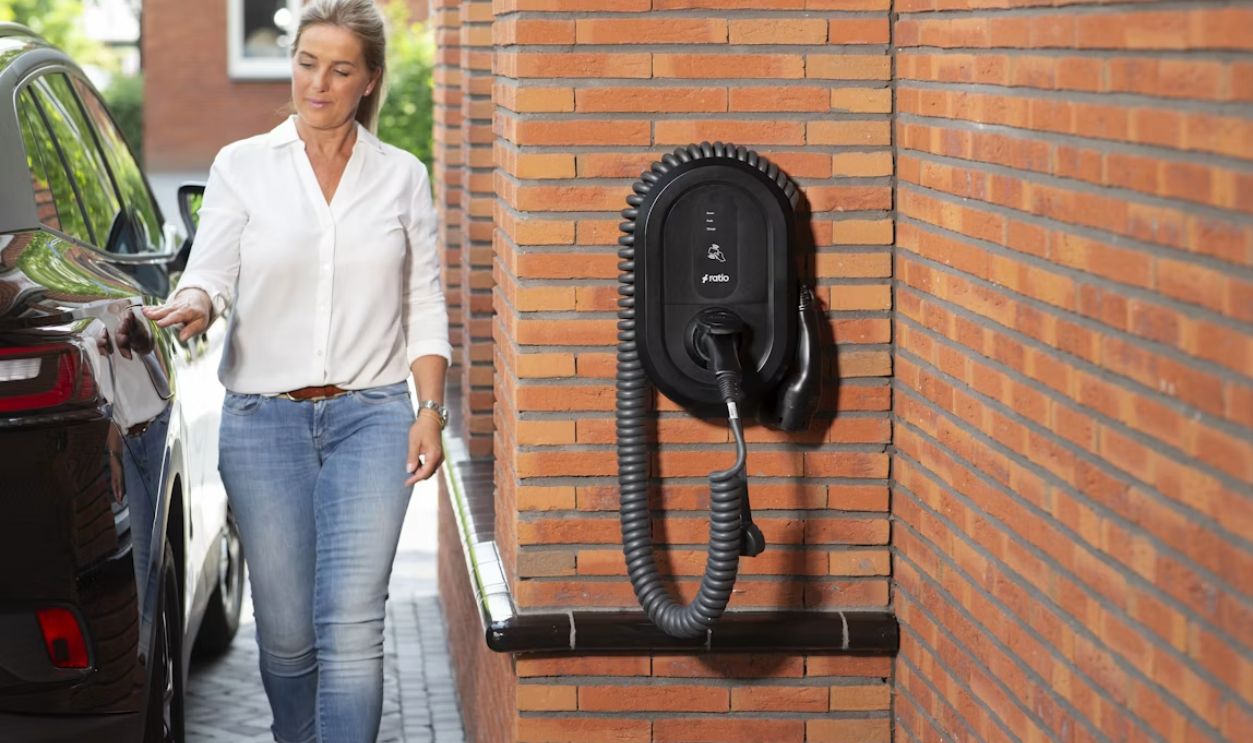
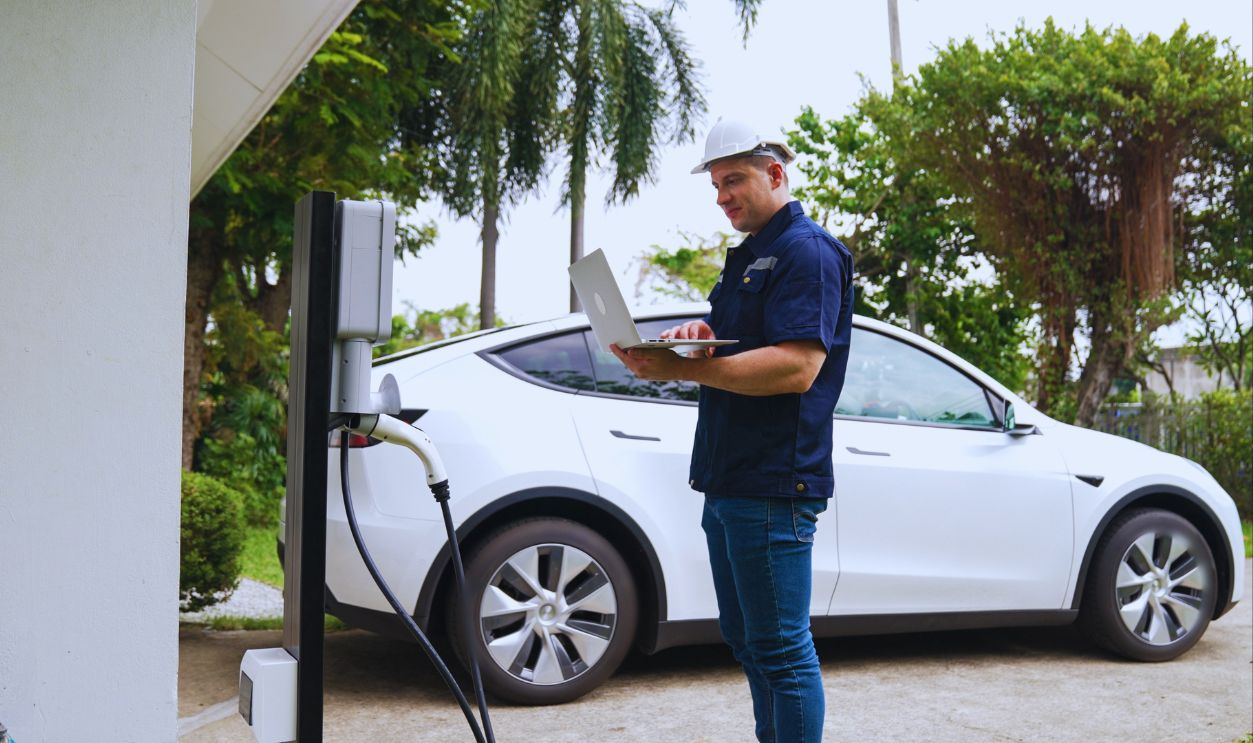
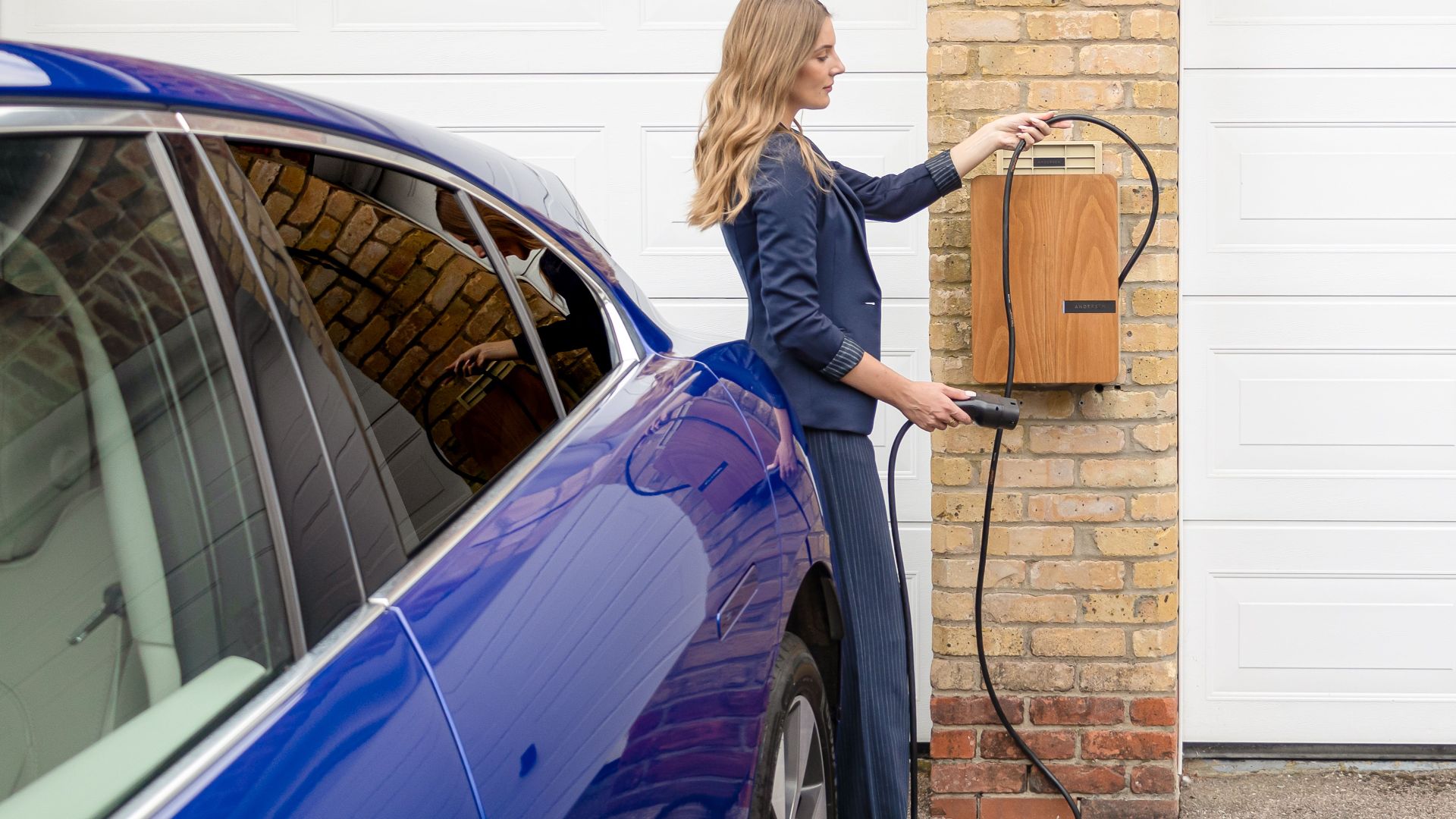
Sometimes the real risk is not the vehicle itself but bad electrical work. The National Fire Protection Association and code groups stress that EV charging equipment should be installed to current electrical code and manufacturer instructions. A badly installed circuit, damaged cord, or overloaded panel can create hazards no matter what kind of car is plugged in.
 Summit Art Creations, Shutterstock
There Is a Big Difference Between Parking and Post-Crash Storage
One source of confusion is that fire agencies often recommend special handling for damaged EVs after a crash or battery impact. A crashed EV with possible battery damage may need isolation and monitoring because the risk of thermal runaway is higher. That is not the same as saying a normal, undamaged EV should never be parked in a residential garage.

What NTSB Actually Wanted Changed
After its investigations, the NTSB pushed for stronger vehicle emergency response guides, better tow and salvage procedures, and more training for firefighters. The board’s focus was practical and specific. It was not saying that every EV in every garage creates an unreasonable danger.
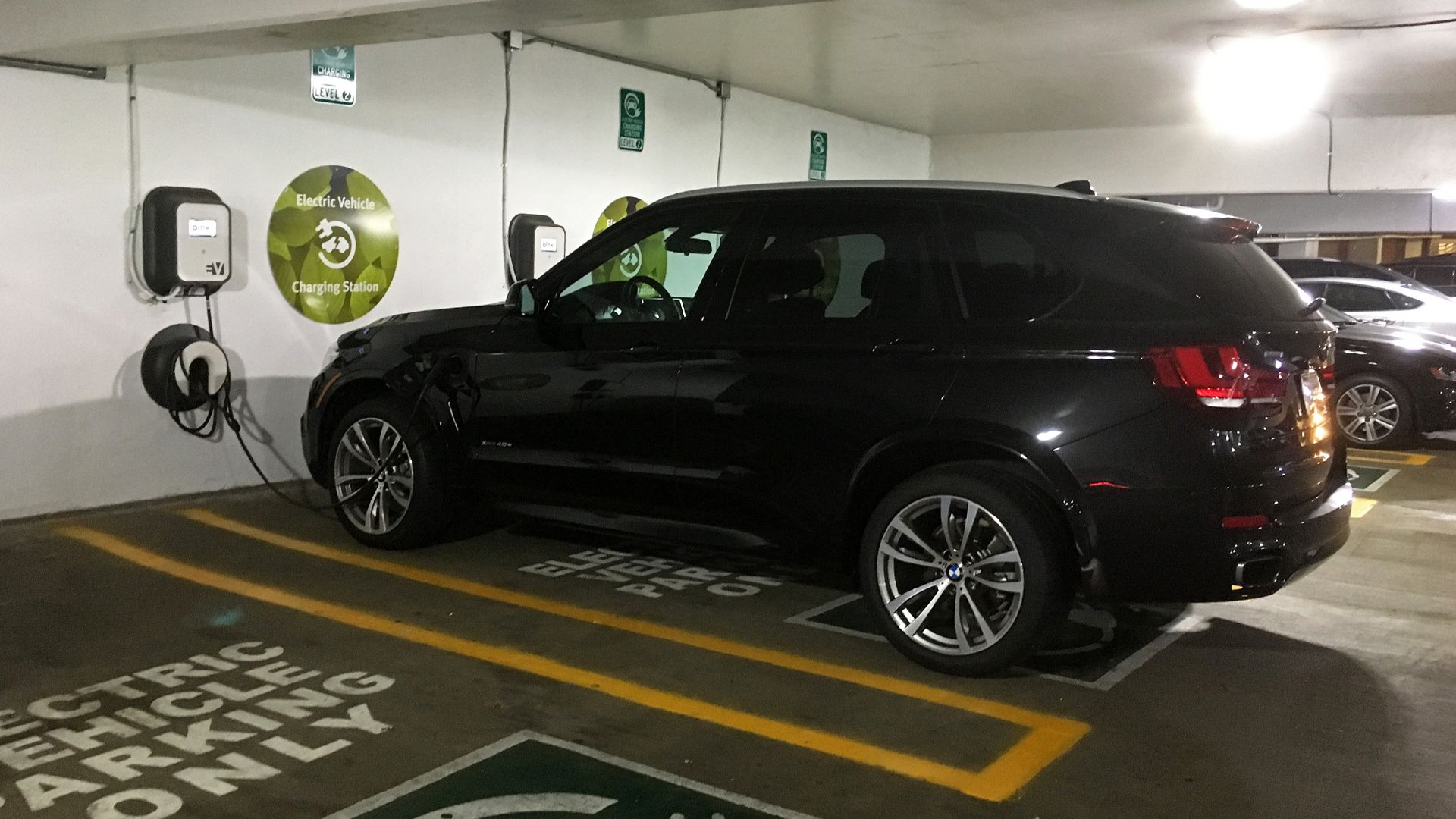 Mariordo (Mario Roberto Durán Ortiz), Wikimedia Commons
The Standards World Has Been Busy
Groups such as NFPA, SAE, and UL have spent the last several years refining standards for charging equipment, battery testing, and emergency response. That matters because safety policy is not standing still. HOA rules based on worst-case headlines can fall behind the more careful approach used by engineers and fire professionals.

Insurers Are Looking at Structures, Not Just Cars
Insurers and property managers care about concentration risk, meaning lots of vehicles and homes packed close together. That concern applies to all kinds of vehicle fires, not just electric ones. A gasoline SUV burning under a condo overhang is not exactly a minor event.

What Makes an HOA Rule Reasonable
A reasonable rule should be based on evidence, shaped to fit the actual property, and consistent with local law. An HOA might have a stronger case for regulating charging installation standards, extension-cord use, or parking of visibly damaged vehicles. A blanket order that all EVs must stay outside is harder to defend if it cannot point to code requirements, insurer demands, or expert guidance tied to that property.
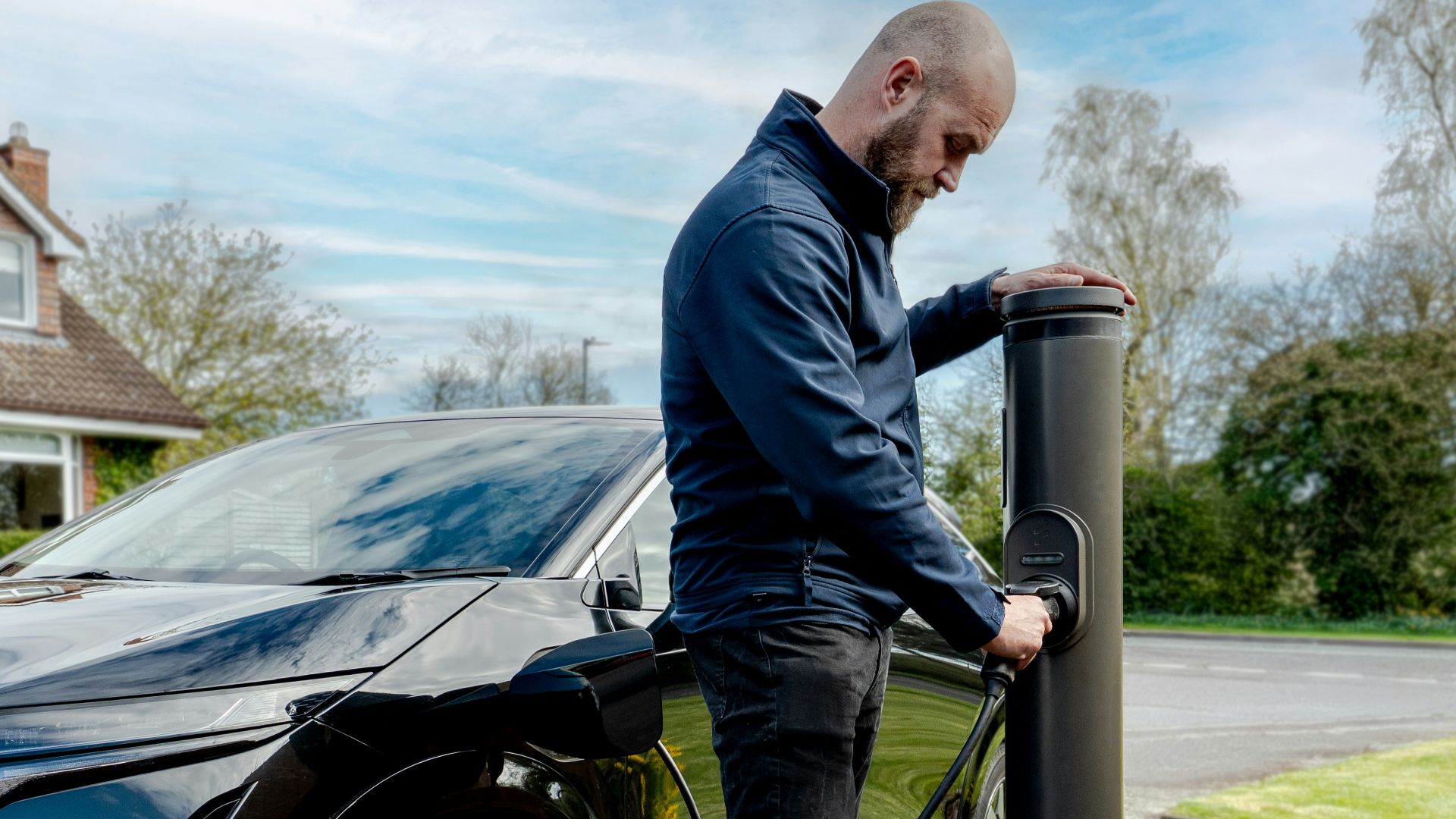
Local Fire Code Usually Matters More Than HOA Anxiety
If your building meets local fire and electrical code, that is a major point in your favor. Fire code officials, not neighborhood rumor, are usually the right authority on vehicle and charger safety. Before accepting a restrictive rule, ask whether the HOA has written input from the fire marshal, building department, or insurer.

Ask the Boring Questions That Reveal the Truth
Was there an actual incident on the property. Did the insurer require a restriction in writing. Has the local fire authority said enclosed EV parking is unsafe under the building’s current setup. Those questions often separate a fact-based policy from a fear-based one.

Outdoor Parking Is Not a Magic Safety Shield
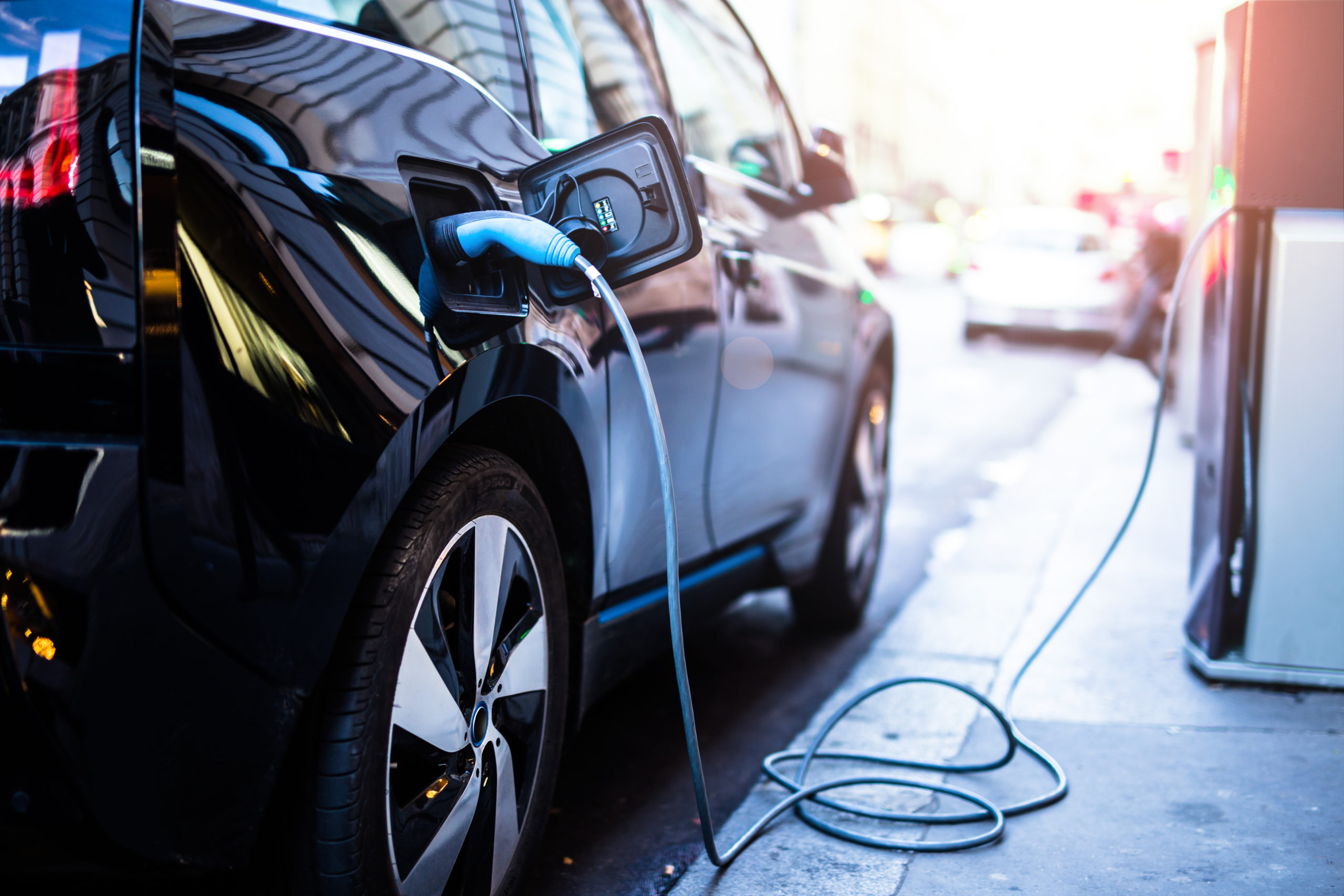
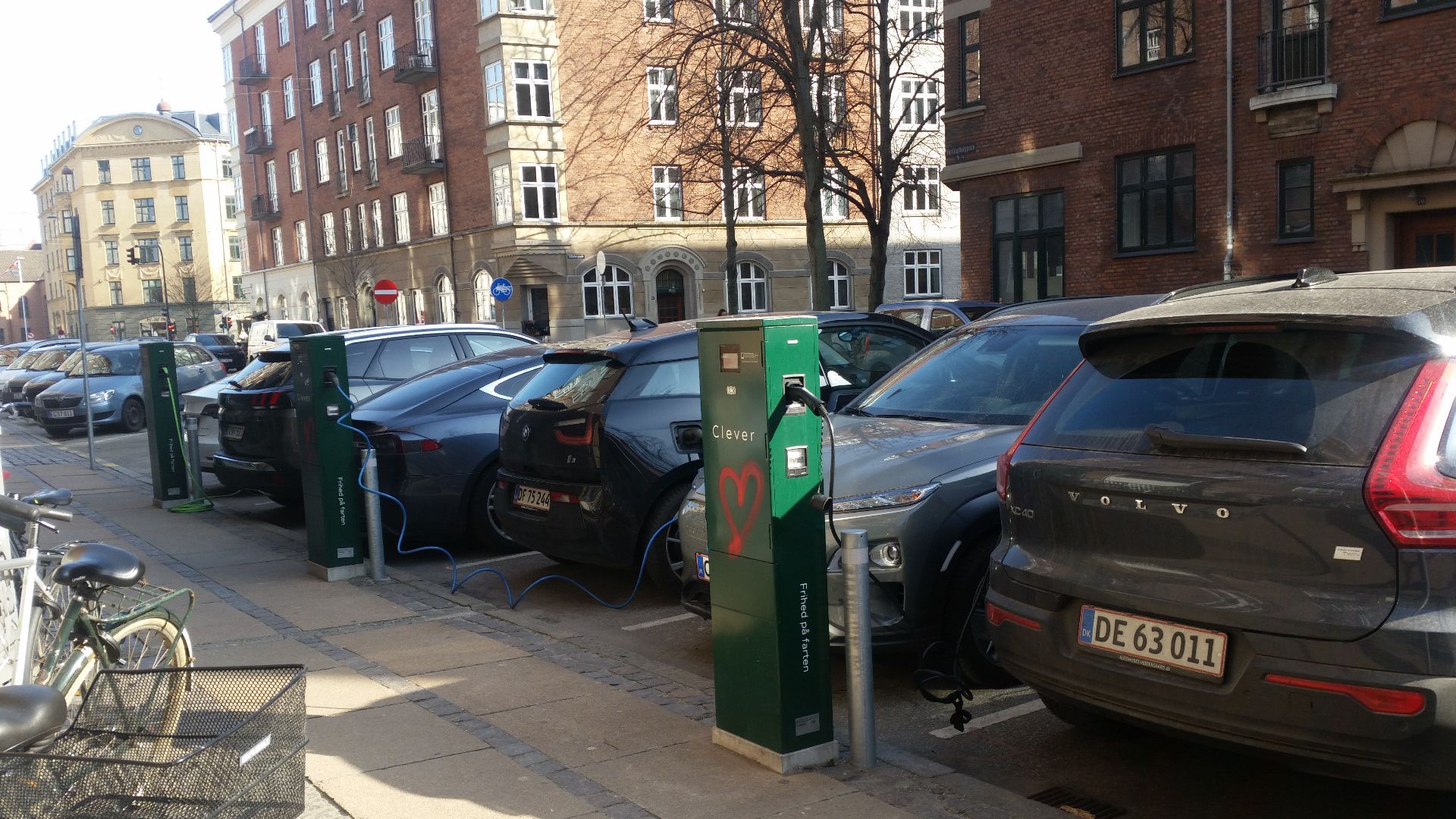
Moving EVs outside may reduce some building-exposure concerns, but it does not erase all risk. Vehicles can still be close to structures, other cars, and people outdoors. It can also create practical problems if the same HOA encourages EV adoption or has approved charging stations for residents.
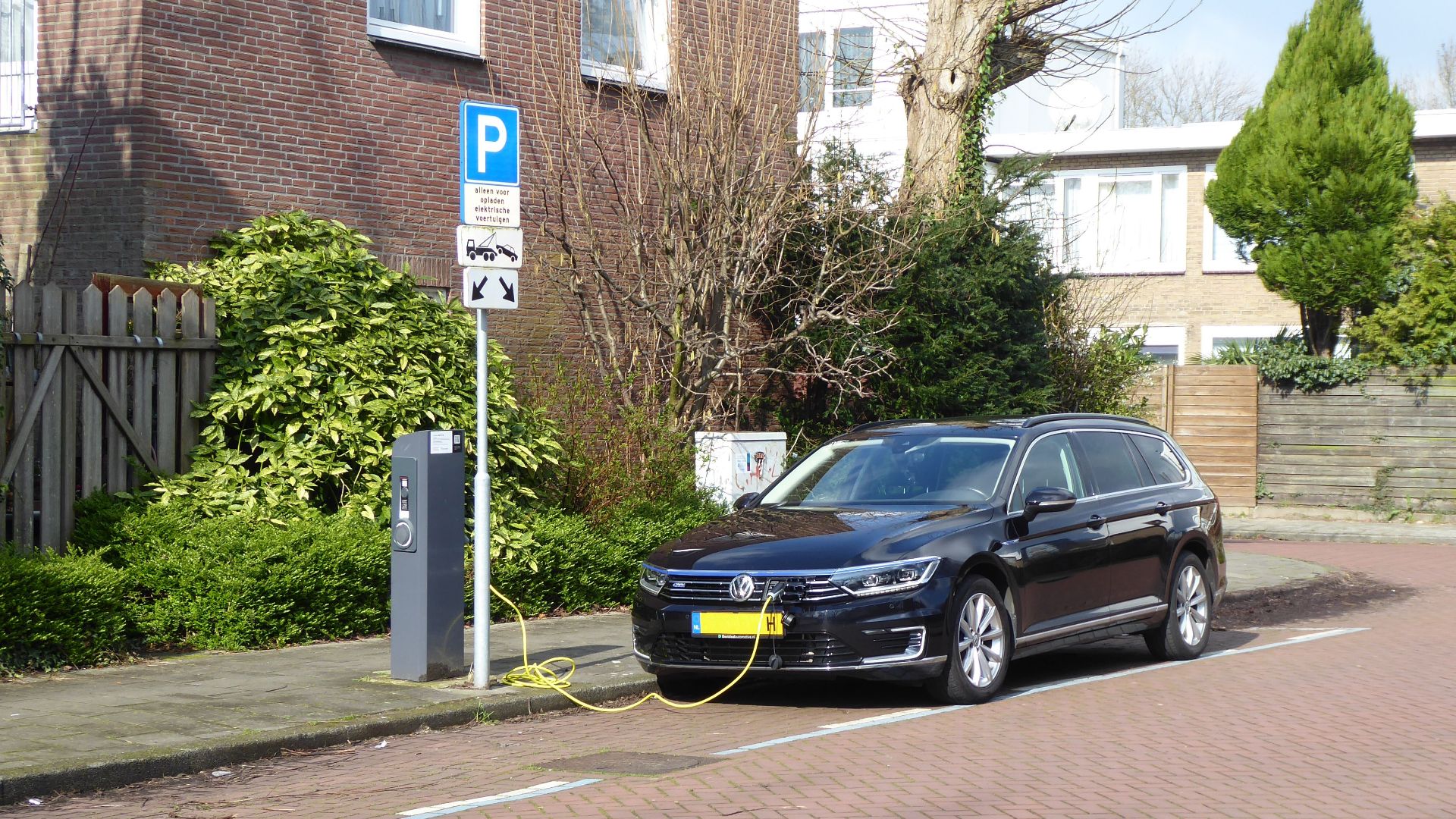
Cold Comfort for Drivers in Hot Markets
Forcing EVs outside can mean losing secure parking, weather protection, and easy access to charging. In some markets, it may even hurt resale value or make the vehicle harder to use as intended. That does not prove the rule is invalid, but it does raise the bar for showing that it is really necessary.
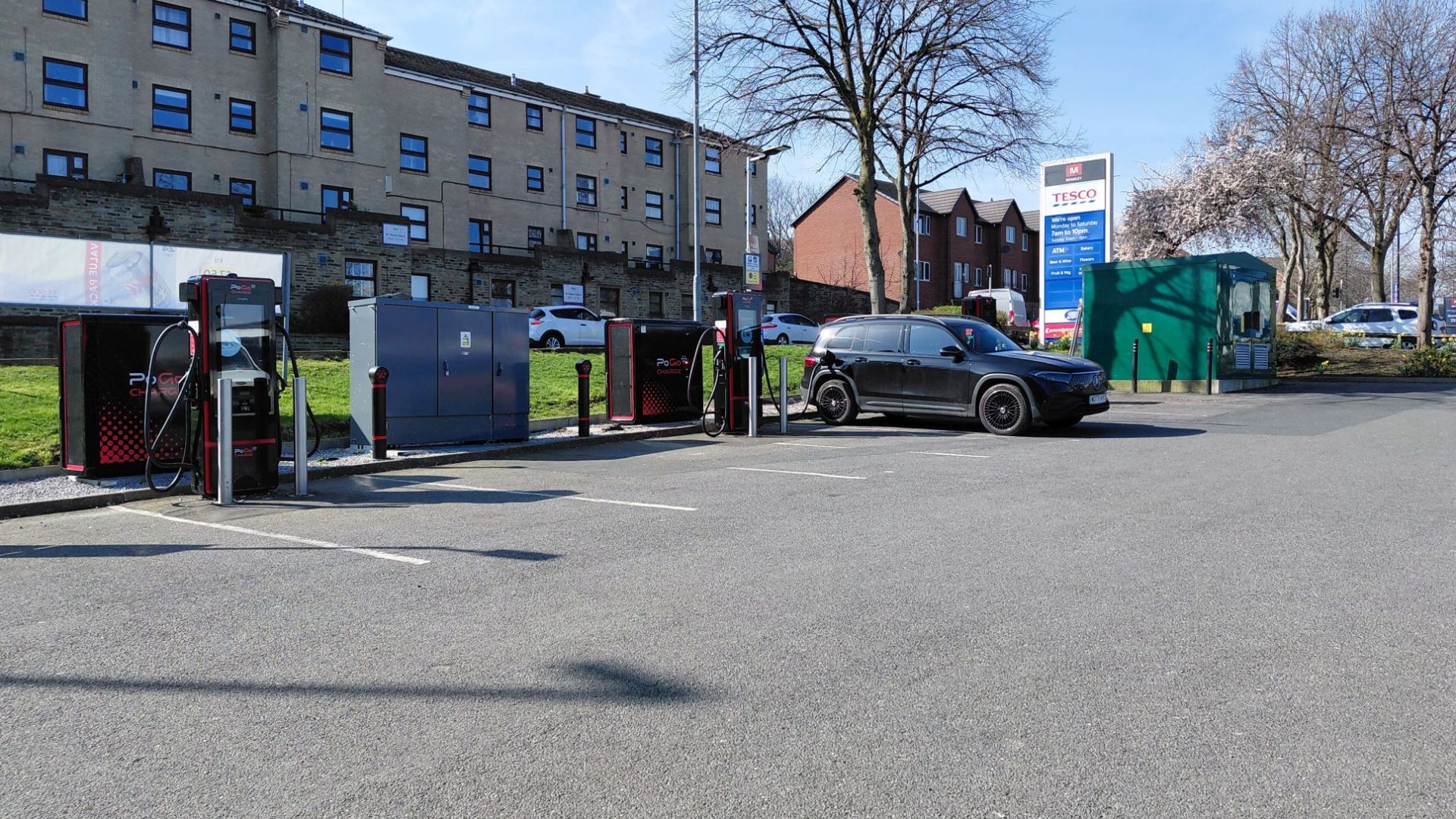 Stephen Craven , Wikimedia Commons
There Is Another Legal Angle
In some states, laws limit how far HOAs and landlords can go in restricting EV charging installations, especially in deeded spaces. Those laws do not usually give an absolute right to park anywhere under any conditions. But they can make it harder for an HOA to push EVs out of garages without a strong safety reason.

What Fire Departments Usually Recommend Instead
The practical advice is usually much less dramatic than an outright ban. Fire officials often stress clear access lanes, updated pre-incident plans, proper charger installation, signage, and procedures for damaged vehicles. That approach targets the real hazards without treating every EV like a rolling fireball.
If Your HOA Wants a Smarter Policy
A better rule would separate ordinary parking, active charging, and damaged or recalled vehicles. It would require permitted charging equipment, ban homemade extension-cord setups, and set procedures for any vehicle involved in a battery-impact crash. That kind of policy is more likely to hold up because it deals with actual risk factors.
If You Are the Resident Pushing Back
Stay calm and ask for documentation. Request the fire-risk analysis, insurer correspondence, code citations, and meeting minutes behind the proposed rule. If the HOA cannot produce more than news clips and general fear, that tells you a lot.

So, Is the HOA Being Reasonable
Sometimes, but not automatically. If the building has known code problems, weak electrical infrastructure, or a specific directive from local officials or insurers, tighter rules may be justified. If the policy is simply a blanket ban on garage parking for all EVs because battery fires sound scary, the evidence available today does not strongly support that as a universally reasonable position.

The Bottom Line for Drivers
EV battery fires are a real hazard, especially after severe damage, and first responders take them seriously for good reason. But the broader record does not show that normal EVs are so fire-prone that they should routinely be kept out of enclosed residential parking. Your HOA should be able to show more than fear before it tells you to leave your EV outside.