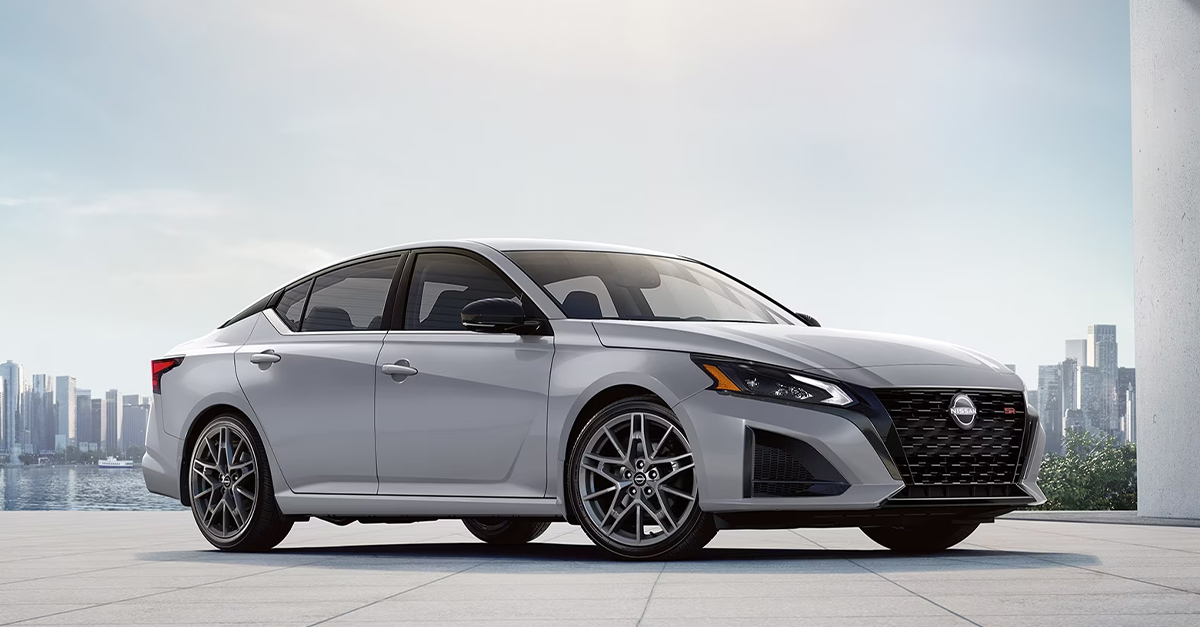
The Rental Car Reputation Problem
Say “former rental car” and a lot of shoppers picture a sedan that survived spring break, airport curbs, and one too many hard launches. That reputation did not come from nowhere, but it's absolutely not the whole story either. The truth is more useful than the stereotype, especially if you are trying to save money on a late-model used car.

Why This Question Keeps Coming Up
Rental fleets move huge numbers of vehicles every year, so ex-rentals regularly show up on dealer lots and in automaker certified used inventory. They are often newer, cheaper, and better-equipped than similar one-owner cars. That makes them tempting, which is why buyers keep wondering whether the lower price hides a real risk.

What A Rental Car Actually Goes Through
Most rental cars live a pretty specific kind of life. They are driven by lots of different people, often on unfamiliar roads, and they can pile on miles fast. That mix can mean more cold starts, more curb rash, and more careless treatment than a privately owned car would usually get.
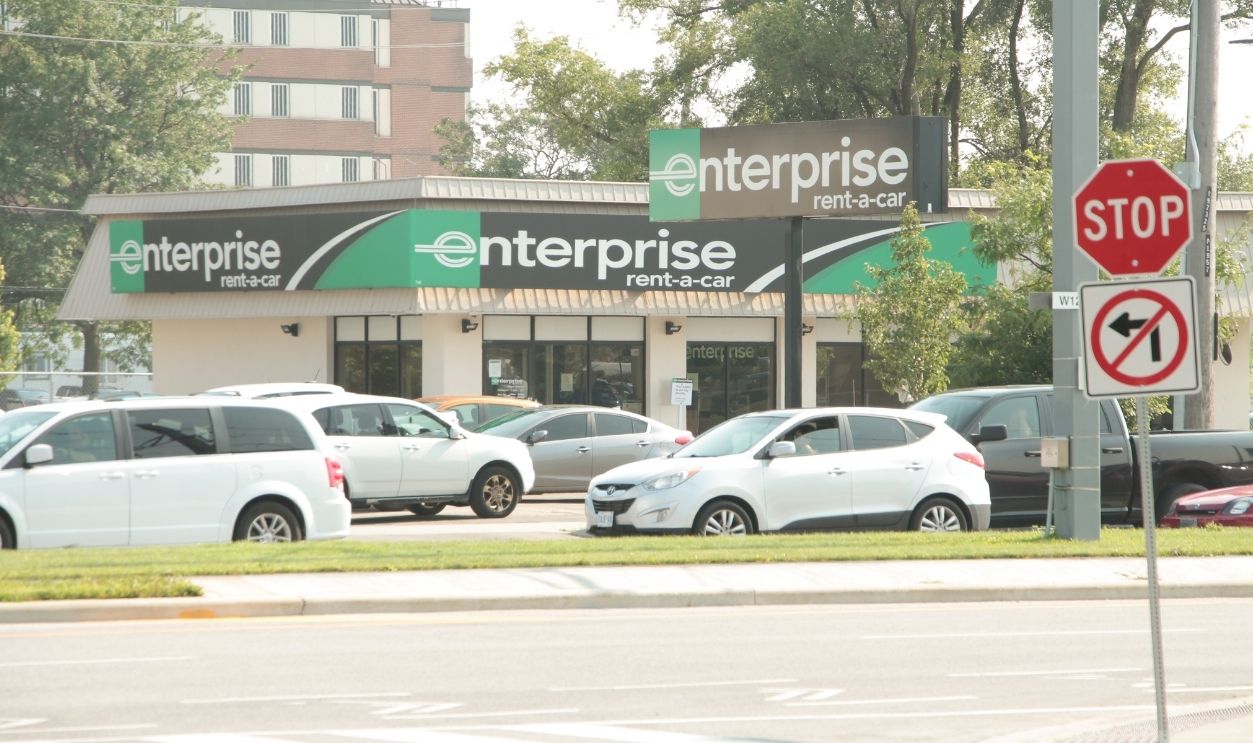
The “Drive It Like A Rental” Cliche
The phrase exists for a reason. Some renters do drive harder because they do not own the car and will hand it back in a few days. But that does not mean every former rental is mechanically wrecked, because modern cars are built to handle plenty of normal abuse and rental companies also have strong reasons to keep them running well.
What Consumer Reports Found
Consumer Reports has said a used rental can be a good value if the vehicle is carefully inspected and priced right. Its advice is pretty clear. Former rentals may have been driven harder, but they also tend to be maintained on schedule because breakdowns are bad for business.

Edmunds Took A Similar View
Edmunds has also noted that rental companies usually stay on top of routine maintenance and sell vehicles while they are still fairly young. That matters because age can be just as important as mileage when used-car problems show up. Edmunds’ advice is practical: inspect the car closely, check its history, and do not assume “rental” alone makes it a bad buy.
 Inside Creative House, Shutterstock
What The Big Rental Firms Say About Maintenance
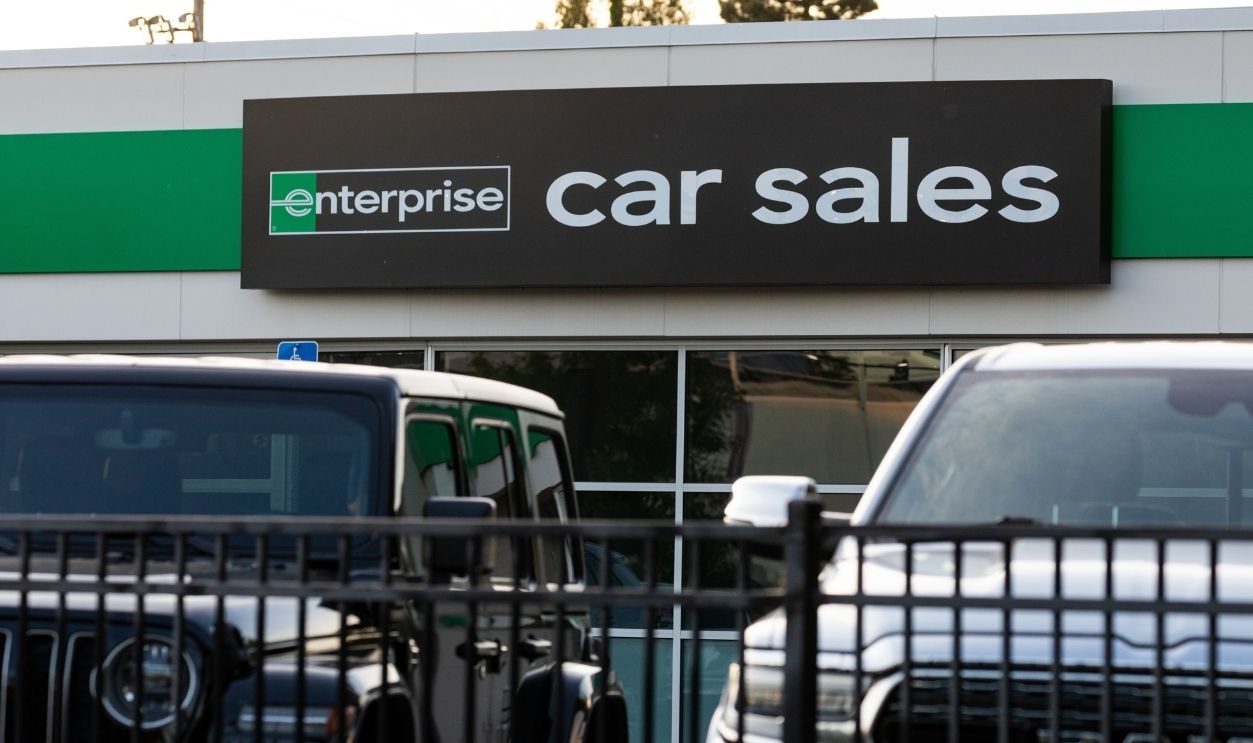
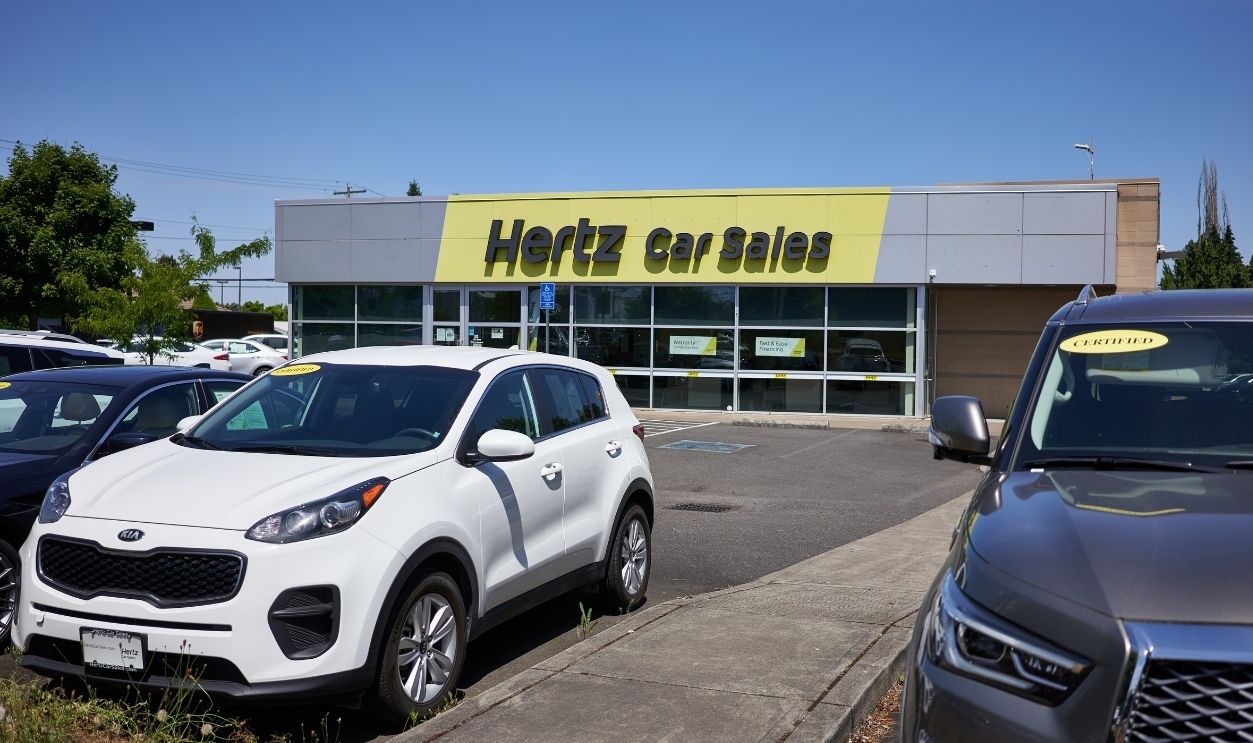
Major rental sellers such as Hertz Car Sales and Enterprise Car Sales market their vehicles as regularly maintained according to manufacturer guidelines. That does not prove every single car had a perfect life, but it does show how these companies protect fleet value. A rental company loses money when a car is sitting broken, so preventive service is in its interest.

Many Ex-Rentals Are Sold Young
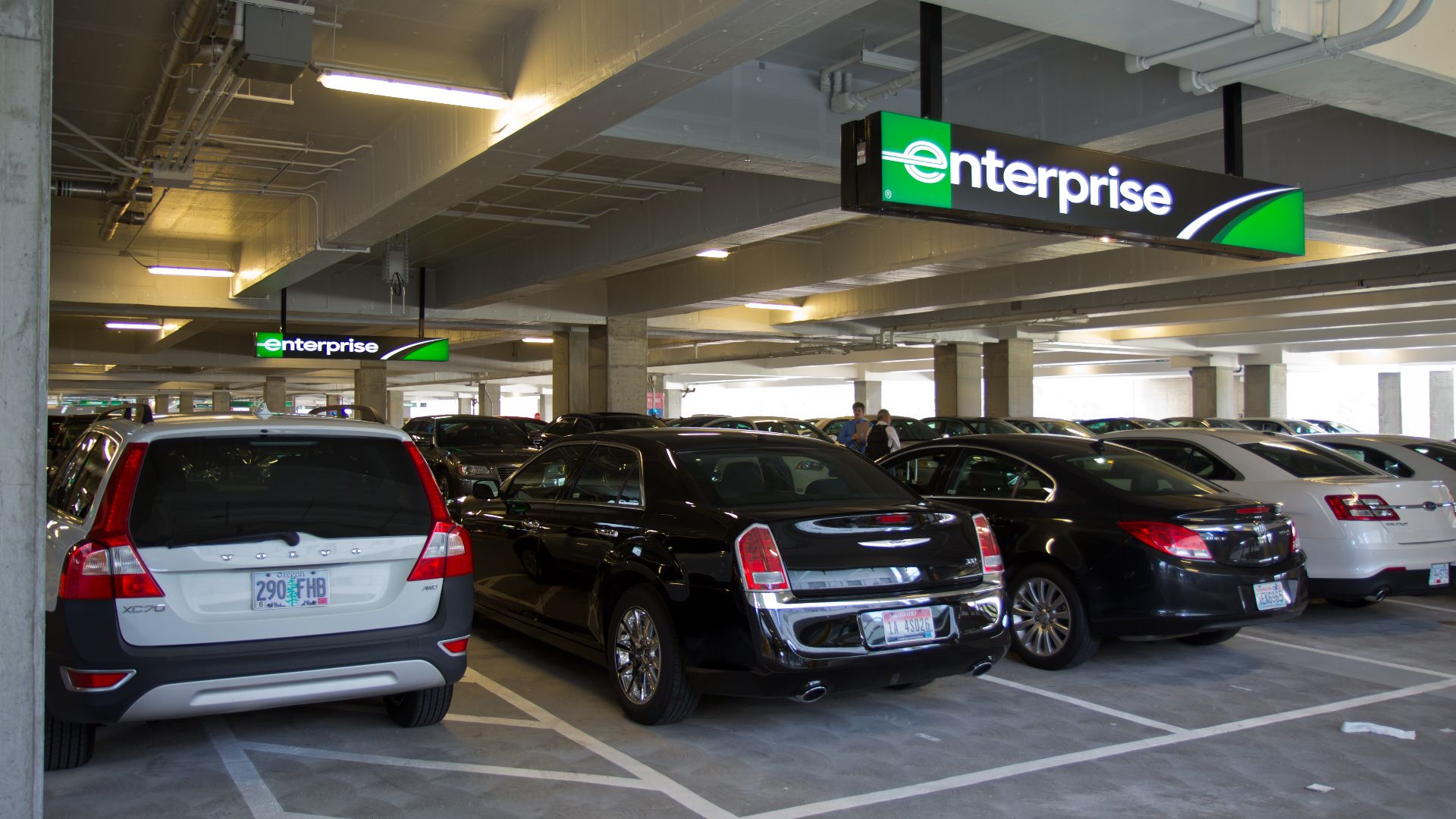
One reason former rentals can look appealing is that they are often sold after just a year or two in service. Enterprise and Hertz have long sold relatively late-model used cars, and that means newer safety tech, fresher interiors, and sometimes factory warranty still left. A younger car with higher miles can still be a better bet than an older one with unknown maintenance.
 Atomic Taco from Seattle, WA, USA, Wikimedia Commons
Miles Matter, But Context Matters More
Rental cars often show above-average mileage for their age, and that scares buyers off. But highway miles are usually easier on a vehicle than stop-and-go city driving. If a two-year-old rental spent much of its life doing airport-to-highway runs, that mileage may not be as rough as the odometer makes it look.

Wear You Can See Tells A Story
The smartest way to judge a former rental is to look for evidence, not rely on rumors. Check the tires for uneven wear, inspect the wheels for curb damage, and look over the bumpers for scrapes or sloppy repainting. Those clues can show whether the car lived a normal fleet life or a much rougher one.
 ANDRANIK HAKOBYAN, Shutterstock
Interior Damage Is A Bigger Red Flag Than Many Buyers Think
Cabin wear can say a lot about how the car was treated every day. Deep stains, broken trim, gouged plastics, and a badly worn driver’s seat in a relatively young vehicle can point to careless use. Rental companies often clean cars well before sale, so if obvious damage is still there, take it seriously.
 YAKOBCHUK VIACHESLAV, Shutterstock
History Reports Are Useful, But Not Magic
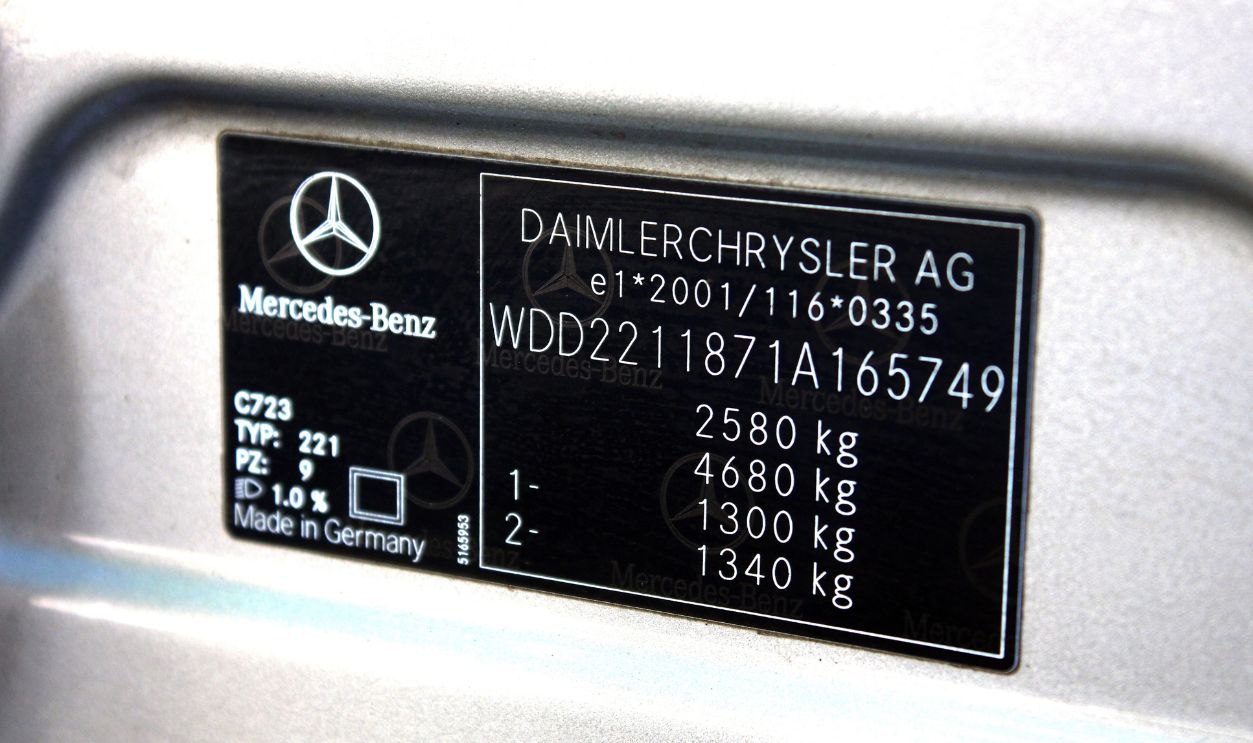
A Carfax or AutoCheck report can confirm whether a car was part of a rental fleet, and it may show title events, mileage records, and reported accidents. But those reports are only as complete as the data sent to them. A clean history report is helpful, not proof that nothing ever happened.

There Is A Federal Tool You Should Not Skip
The National Highway Traffic Safety Administration has a free VIN lookup tool for safety recalls. Before buying any used car, including a former rental, run the VIN and see whether open recalls are still out there. That quick check can uncover safety issues that matter far more than the “rental” label itself.
Inspection Is Where The Truth Comes Out
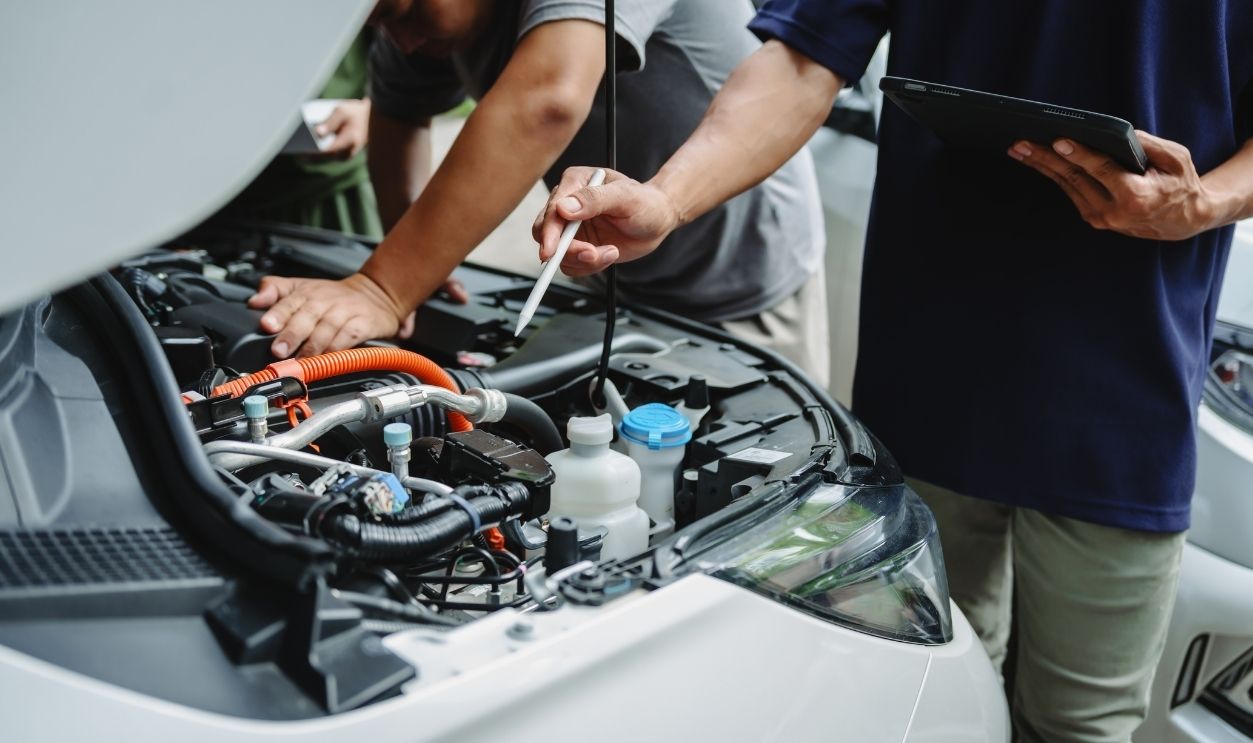
If you are serious about buying a former rental, pay for an independent pre-purchase inspection. A mechanic can spot fluid leaks, suspension wear, brake condition, accident repairs, and signs of neglected service that a shopper may miss. This is the step that turns a cheap-looking deal into either a smart buy or an easy pass.

Certified Used Changes The Equation
Some former rental cars end up in manufacturer certified pre-owned programs, depending on brand rules and the vehicle’s condition. A CPO inspection and warranty can cut some risk, though it does not replace your own homework. If an ex-rental qualifies for certification, that is at least some sign it cleared a higher bar than a random auction car.
 R Photography Background, Shutterstock
Price Is Supposed To Be The Reward
The main reason to consider a former rental is value. Kelley Blue Book has noted that prior rental use can lower a car’s market value, which can help a buyer if the vehicle is otherwise solid. If the discount is tiny, the whole deal gets a lot less appealing.
 Hrach Hovhannisyan, Shutterstock
Some Cars Make Better Ex-Rentals Than Others
Mainstream sedans, crossovers, and minivans often handle rental duty better than performance cars or luxury models loaded with expensive features. Simpler vehicles tend to be cheaper to maintain and less likely to hide costly electronic problems. If you are shopping ex-rental inventory, boring can be beautiful.
Avoid The “Cheap For A Reason” Trap
A low price should lead to questions, not excitement alone. If a former rental is much cheaper than similar used cars, find out why. The answer might be harmless fleet stigma, but it could also be accident repair, rough condition, or a trim level nobody wanted.

Warranty Coverage Can Tip The Scales
Former rental cars may still carry part of their original factory warranty, depending on age and mileage. That matters because it can soften the hit from unexpected repairs during your first months of ownership. Always confirm the in-service date and remaining coverage with the manufacturer or dealer, not just the window sticker.

Depreciation Can Work In Your Favor
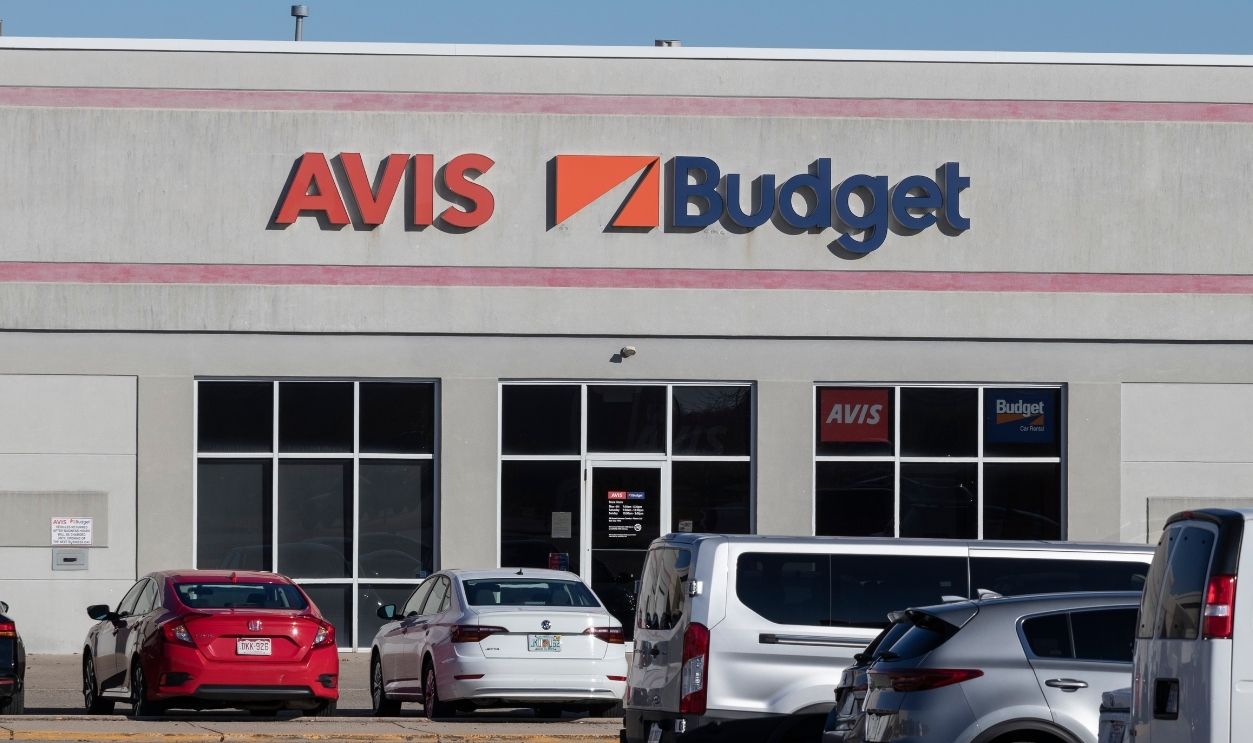
Rental fleet use can make a car lose value faster in the used market because some buyers avoid it on principle. That stigma is real, and it can help a careful shopper. If the vehicle checks out mechanically, you may be getting a discount for a reputation problem rather than a real defect.
But Resale Can Also Be Harder Later
The same stigma that helps you buy cheap can make your own resale tougher later on. Some buyers and dealers will still react negatively to a rental history years down the road. That does not kill the deal, but it should be part of the math before you sign anything.

Who Should Be Most Cautious
If you want a long-term keeper and hate surprises, be extra picky with former rentals. The same goes for shoppers looking at turbocharged, premium, or high-performance models that may be more sensitive to hard use or skipped cooling routines. A plain compact crossover is one thing. An abused sporty rental is another.

Who Might Benefit The Most
Budget-focused buyers who care more about value than bragging rights can do very well with ex-rentals. That is especially true if you want a newer car with modern safety gear and are comfortable doing careful homework. For that kind of shopper, a former rental can be a shortcut to more car for the money.
The Best Questions To Ask Before Buying
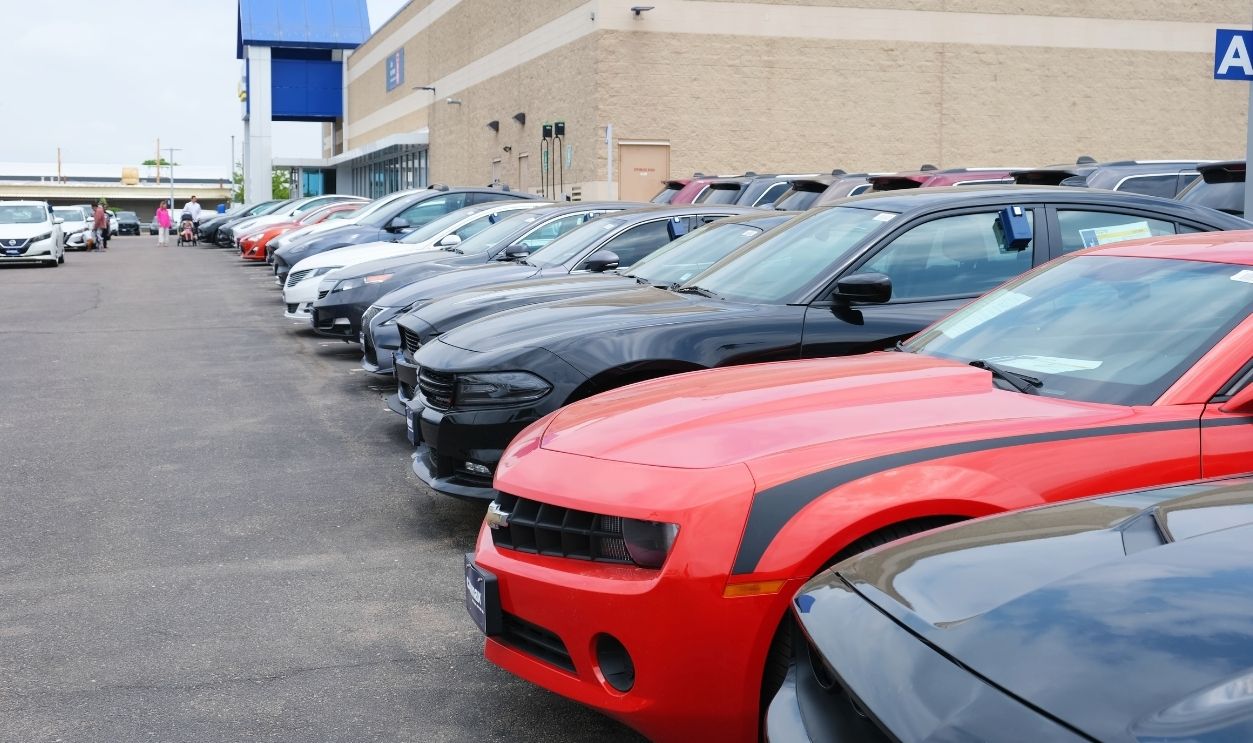
Ask for maintenance records, the date the car entered service, the return policy, and whether you can take it for an independent inspection. Ask if there is any remaining factory warranty and whether the vehicle has had paintwork or body repair. Direct questions do not guarantee honest answers, but they often reveal how transparent the seller is willing to be.

What Not To Assume
Do not assume every one-owner car was babied, because plenty were neglected by private owners. Do not assume every rental was trashed, because many spent their short lives getting regular service and covering easy highway miles. Used-car shopping gets better the moment you stop buying stereotypes and start buying condition.
So Are Former Rental Cars Really That Abused
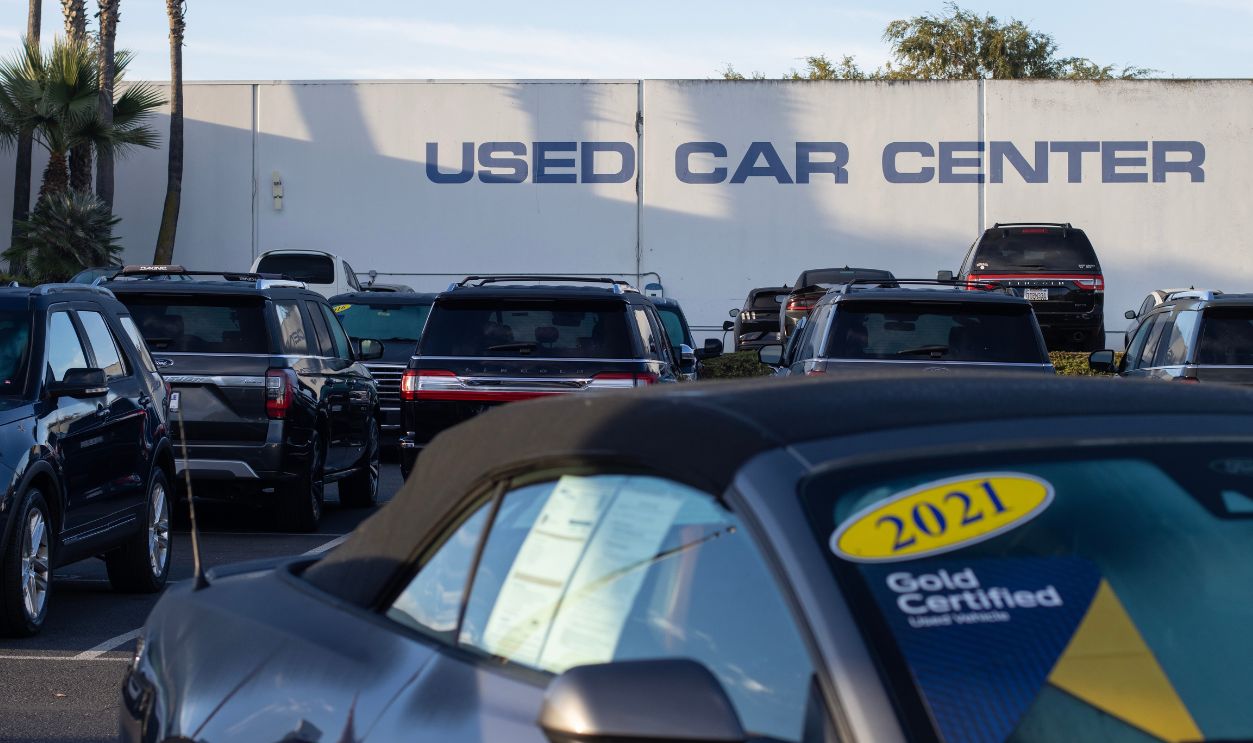
Sometimes, yes. Often, no. The evidence from consumer advice outlets and the business practices of major rental sellers points to a more balanced reality: former rentals can have rough cosmetic wear and a hard-driven history, but they also often come with consistent maintenance, young age, and appealing pricing.
The Bottom Line For Smart Shoppers
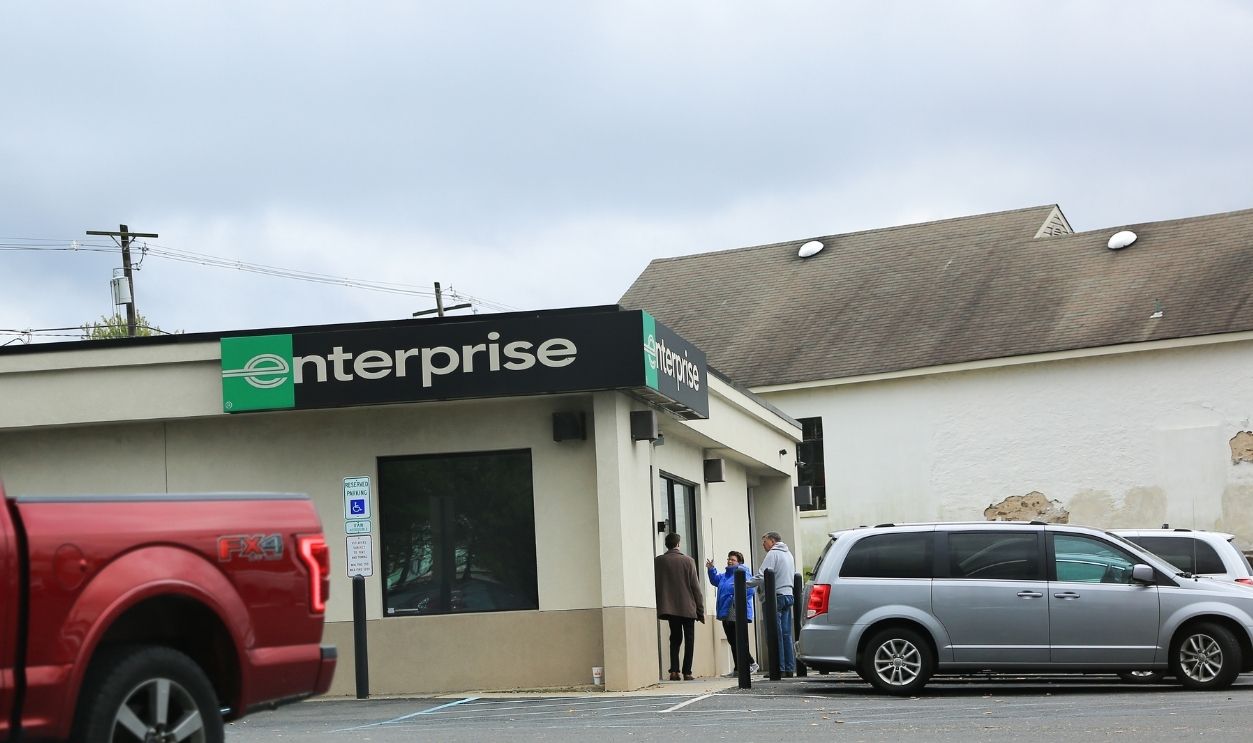
If the car is clean, inspected, properly discounted, and backed by records or warranty coverage, a former rental can be a perfectly sensible buy. If the seller cannot answer basic questions or the condition does not match the asking price, walk away. Your friend is not completely wrong, but “never” is doing too much work here.