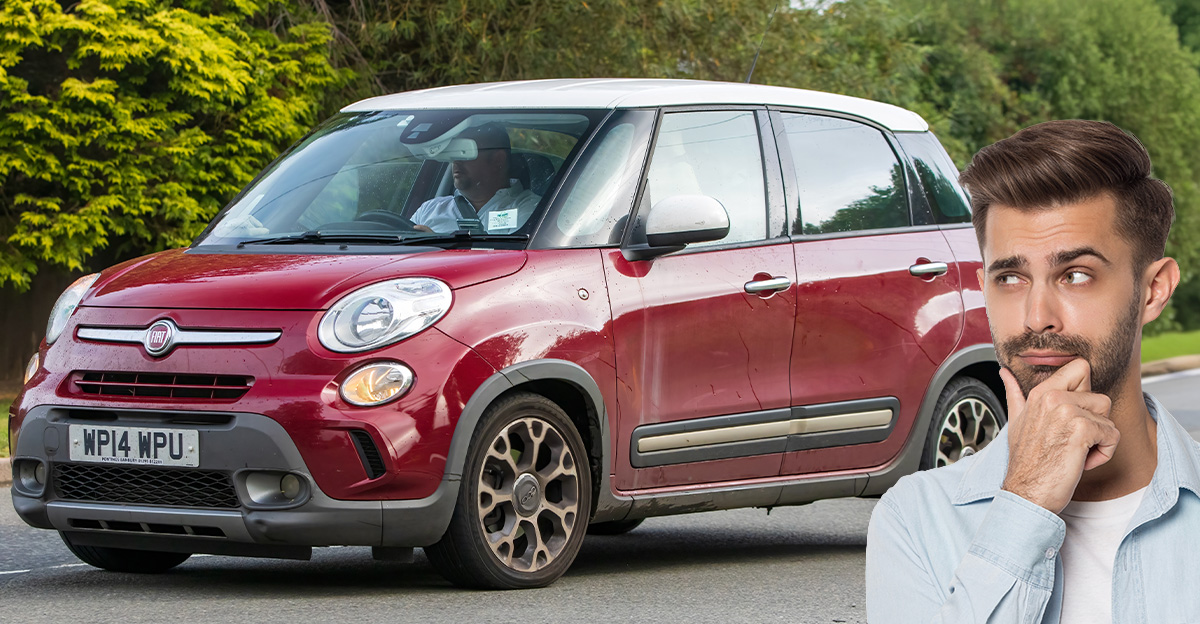
The Hybrid Horror Story Everyone Knows
The old knock on hybrids has always gone like this: twice the parts, twice the problems. You can see why people believe it, because a hybrid has a gas engine, an electric motor, and a high-voltage battery. But once you look at how modern hybrids are built, and what years of reliability data show? Maybe it's time to get with the times.

Why People Ask This In The First Place
When people hear “two systems,” they picture double the repair bills. That fear took off in the early days, when hybrid tech was still new to drivers and a lot of repair shops. But the real story is more complicated. In many cases, hybrids actually take stress off important mechanical parts instead of just piling on extra complexity.
 Zoriana Zaitseva, Shutterstock
Hybrids Have Been Around For A While
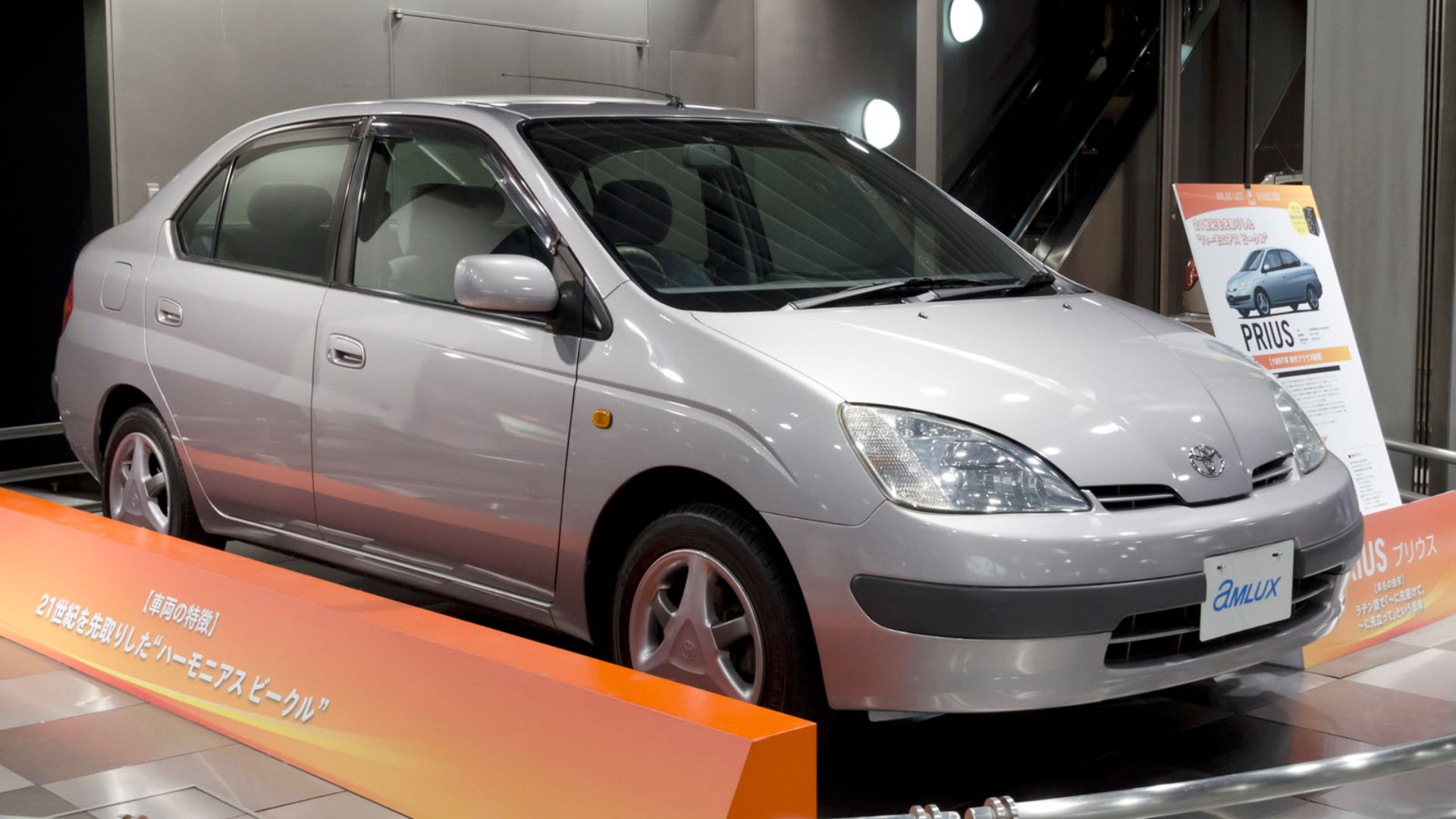
Hybrid cars are not some recent experiment. Toyota launched the first mass-produced Prius in Japan in 1997, and Honda followed with the Insight in 1999. Automakers have now had more than 25 years to improve hybrid drivetrains, battery management, and the weak spots that show up over time.
The Prius Made Hybrids A Real-World Test
The Prius matters because it gave the industry a huge sample size in the real world. Toyota began selling it globally in 2000, and over time the car built a reputation for going the distance. That long run gave buyers and researchers something better than marketing claims: years of actual ownership data.
What “Two Systems” Actually Means
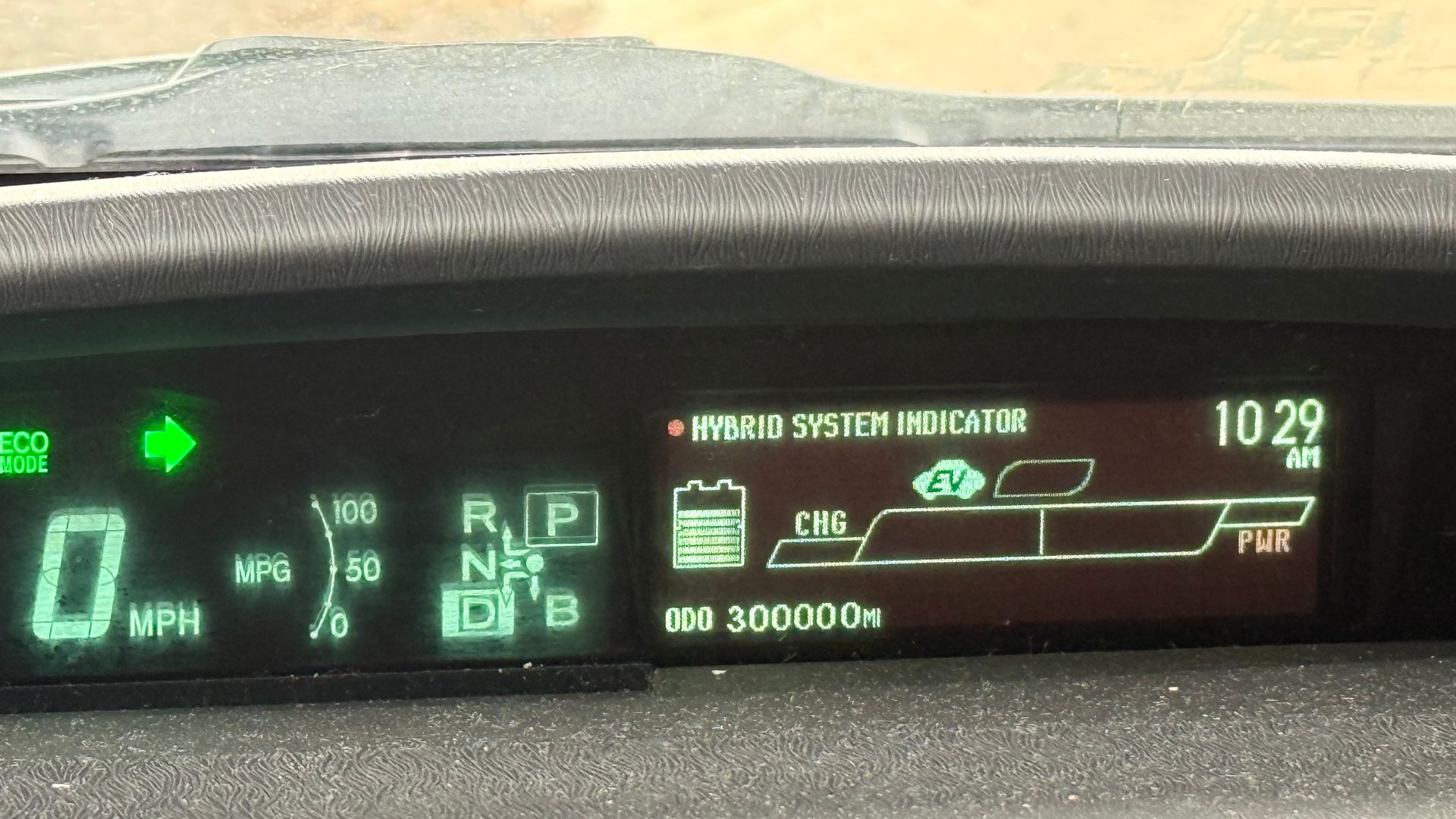
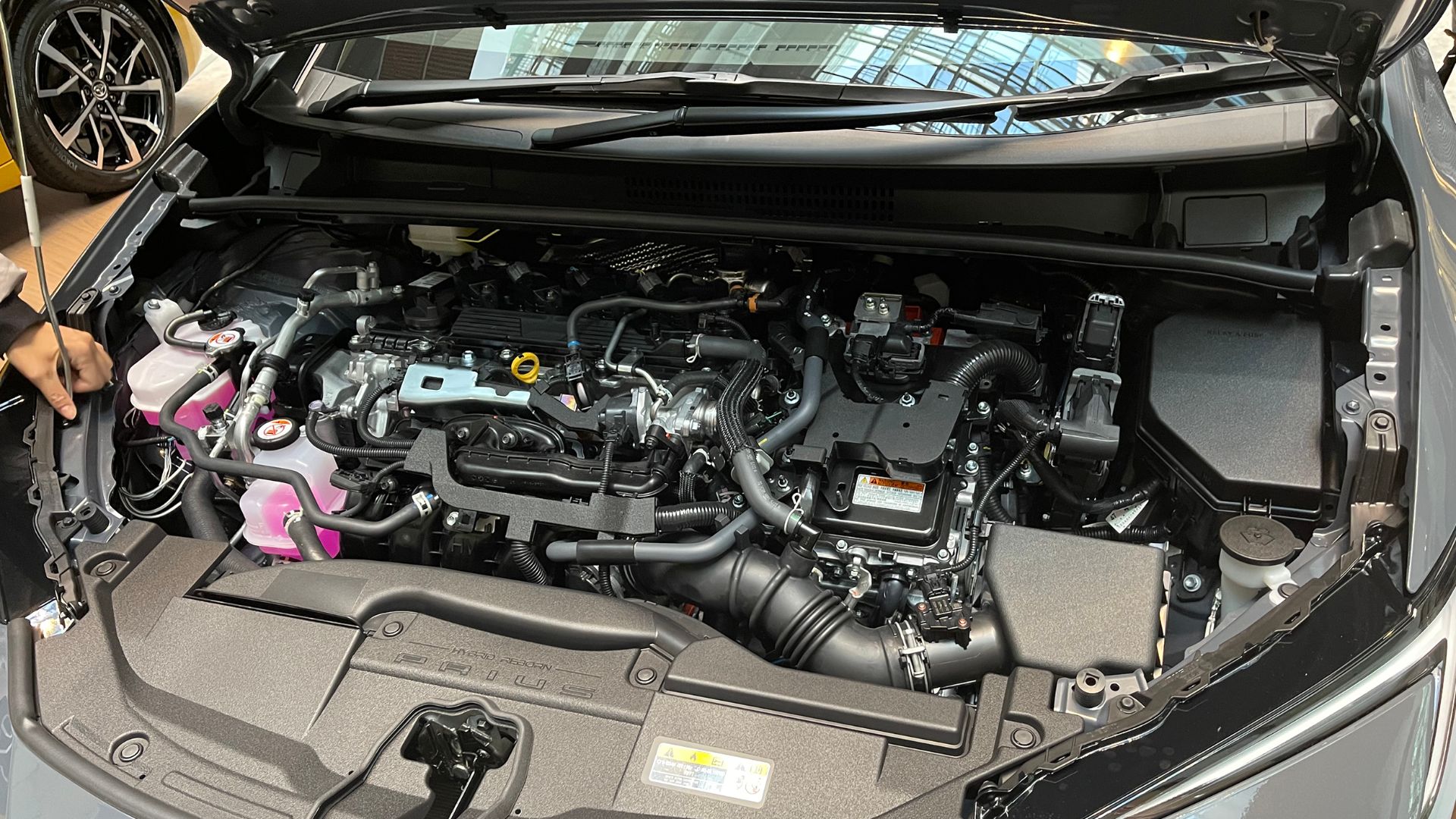
A typical hybrid has a gas engine, one or more electric motor-generators, a battery pack, and power electronics. On paper, that is more complicated than a regular gas-only car. But more complicated does not always mean less reliable, especially when some old-school wear items get used less or disappear altogether.
 Tokumeigakarinoaoshima, Wikimedia Commons
The Part That Makes People Nervous
The high-voltage battery is the big one. Battery replacement can be expensive if it becomes necessary, which is why scary stories spread so quickly online. But battery failure is not something that automatically happens early, and many hybrid battery packs last well beyond their original warranty.
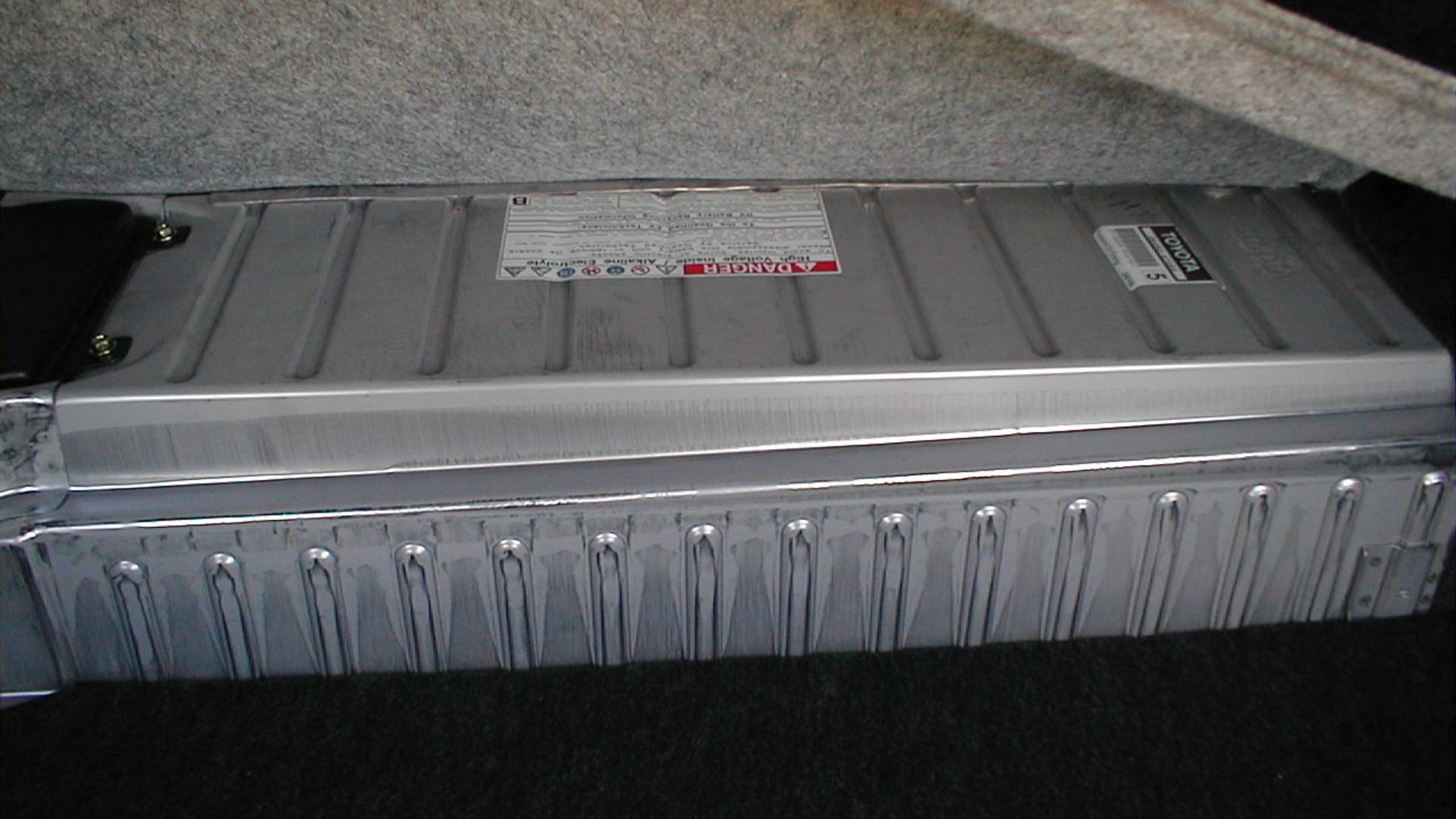 Ryan Finnie from Reno, NV, USA, Wikimedia Commons
What Warranty Rules Tell You
In the United States, hybrid-related emissions parts are covered by federal emissions warranties, and hybrid batteries often get longer coverage than many standard powertrain parts. Toyota, for example, says hybrid batteries from model year 2020 onward are covered for 10 years or 150,000 miles in the U.S. That does not mean no battery ever fails. It does show automakers are willing to back these systems for a long time.

California Pushed Coverage Even Further
In states that follow California emissions rules, some emissions-related parts can be covered even longer. That matters because hybrid systems are closely tied to emissions performance. In practice, many hybrid owners end up with stronger warranty protection than owners of some regular gas cars.

The Reliability Numbers Are Hard To Ignore
Consumer Reports has repeatedly found that hybrids, on average, are among the most reliable types of vehicles. In a 2023 analysis, it reported that hybrids had fewer problems than pure gas vehicles on average, while plug-in hybrids and EVs had more trouble spots. That does not mean every hybrid is flawless. It does mean the “worst of both worlds” line does not hold up very well.

Why Hybrids Can Be Easier On Engines
In many hybrid setups, the electric motor helps the car get moving and handles some low-speed driving. That means the gas engine may spend less time idling and less time working hard in stop-and-go traffic. Less stress in those moments can mean less wear than in a regular car that depends entirely on the engine every time it pulls away.

Brakes Often Get A Break Too
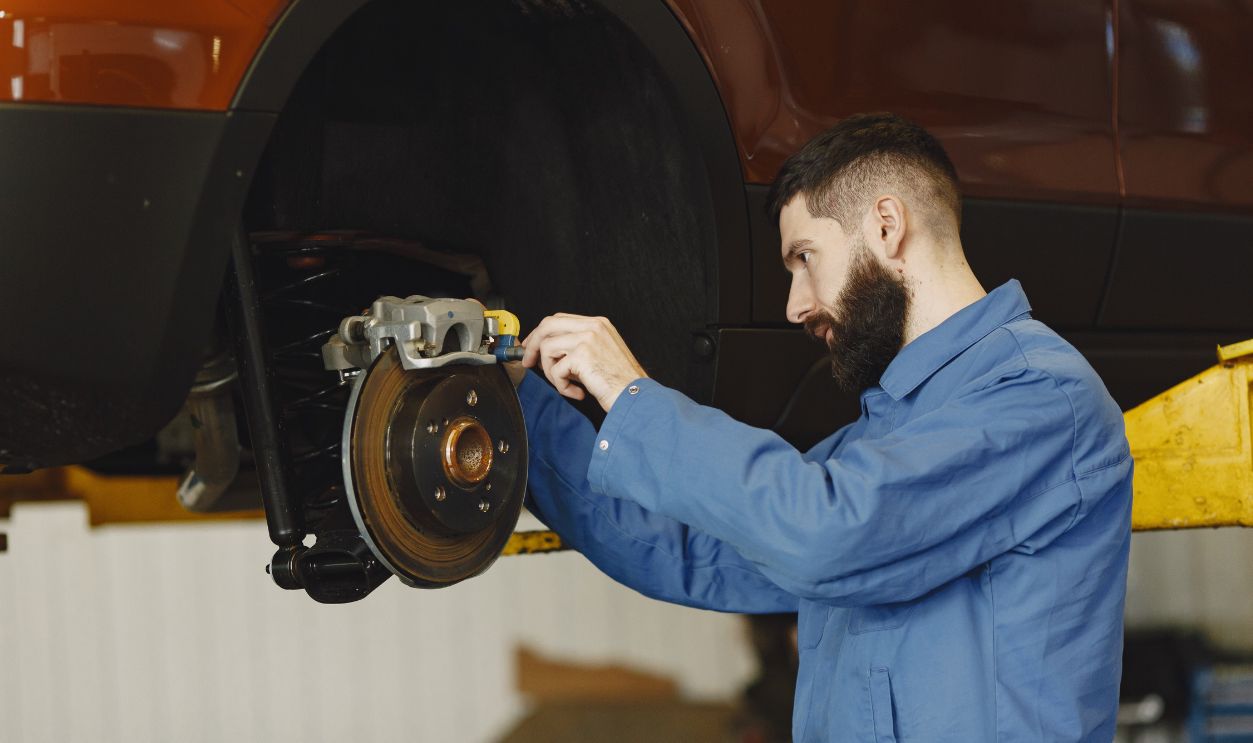
One of the most overlooked hybrid benefits is regenerative braking. Instead of relying only on friction brakes, the car can recover energy while slowing down. That means brake pads and rotors on many hybrids can last much longer than they do on similar gas-only vehicles.
Some Usual Failure Points Are Gone
Many hybrids do not use a conventional starter motor the same way a gas car does, and some also skip a traditional alternator because the high-voltage system handles those jobs differently. Fewer familiar parts can mean fewer familiar breakdowns. Hybrids do add specialized hardware, but they also remove or reduce dependence on some standard parts.

The Transmission Is Part Of The Story
Toyota’s hybrid system is a good example. Many of its models use an electronically controlled continuously variable transaxle with a power-split device instead of a traditional stepped automatic transmission. That setup has fewer clutch packs and avoids many of the stress points that come with gear changes. In that area, the simpler design can be a real durability advantage.
 Thomas Reincke, Wikimedia Commons
Taxis Put Hybrids Through The Wringer
Taxi fleets gave hybrids a brutal real-world test long before many buyers were sold on them. Prius taxis became common in major cities around the world, and many were reported with very high mileage. That does not prove every hybrid will be cheap to own, but it is strong evidence that the basic design can handle hard use.
 Mariordo Mario Roberto Duran Ortiz, Wikimedia Commons
Maintenance Is Usually Pretty Ordinary
A regular hybrid still needs tires, filters, coolant, brake fluid, and engine oil if it has a gas engine. It is not maintenance-free. But routine service usually is not wildly different from what a normal car needs, and the idea that hybrids are always in the shop for specialized work does not really match the ownership data.
Big Repairs Can Still Happen
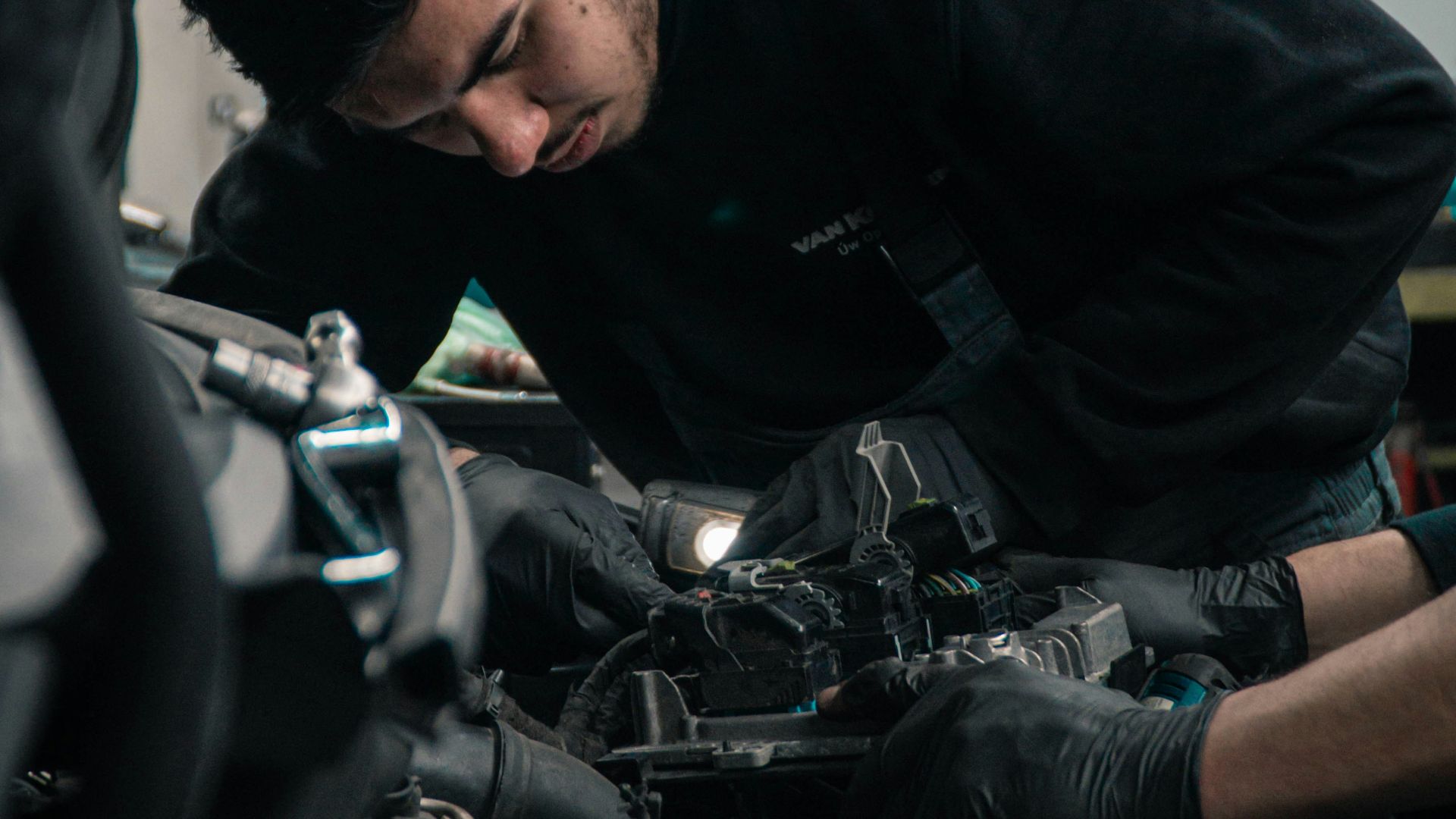
It would be misleading to pretend hybrids never lead to expensive repairs. If a battery pack, inverter, or another major high-voltage part fails outside warranty, the bill can be steep. The fair point is not that hybrids are always cheap to fix. It is that the nightmare stories get remembered a lot more than the many owners who have no major issues at all.

Not Every Hybrid Is The Same
A standard hybrid is not the same as a plug-in hybrid. Plug-in hybrids have larger batteries, charging hardware, and more complexity, which is one reason Consumer Reports has found them less reliable on average than regular hybrids. So when someone says “hybrids,” it helps to ask what kind they mean.
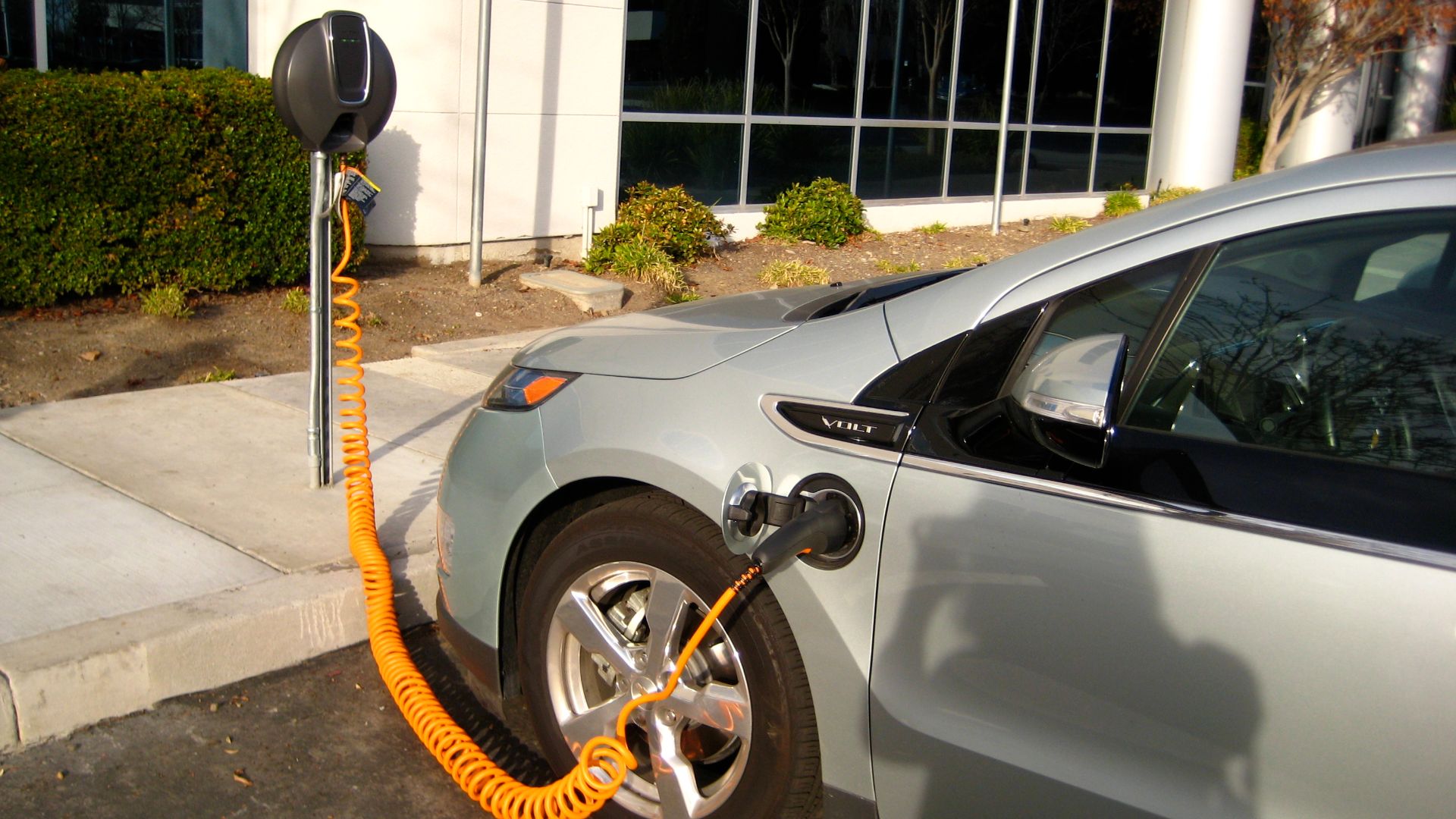 the rabbit * lapin, Wikimedia Commons
Mild Hybrids Are Their Own Thing
Mild hybrids use a smaller electric assist system and usually cannot drive far, or sometimes at all, on electricity alone. They are usually less mechanically different than full hybrids. For buyers who want some fuel savings without going all the way, they can be a middle ground, though the details vary a lot by brand.

The Battery Fear Is Real, But Often Overdone
Batteries do wear down over time. Heat, age, and repeated charging cycles all matter. But hybrid batteries are carefully managed by software that usually avoids extreme charging and discharging. That is a big reason many of them last longer than skeptics expect.
There’s Solid Public Info On This
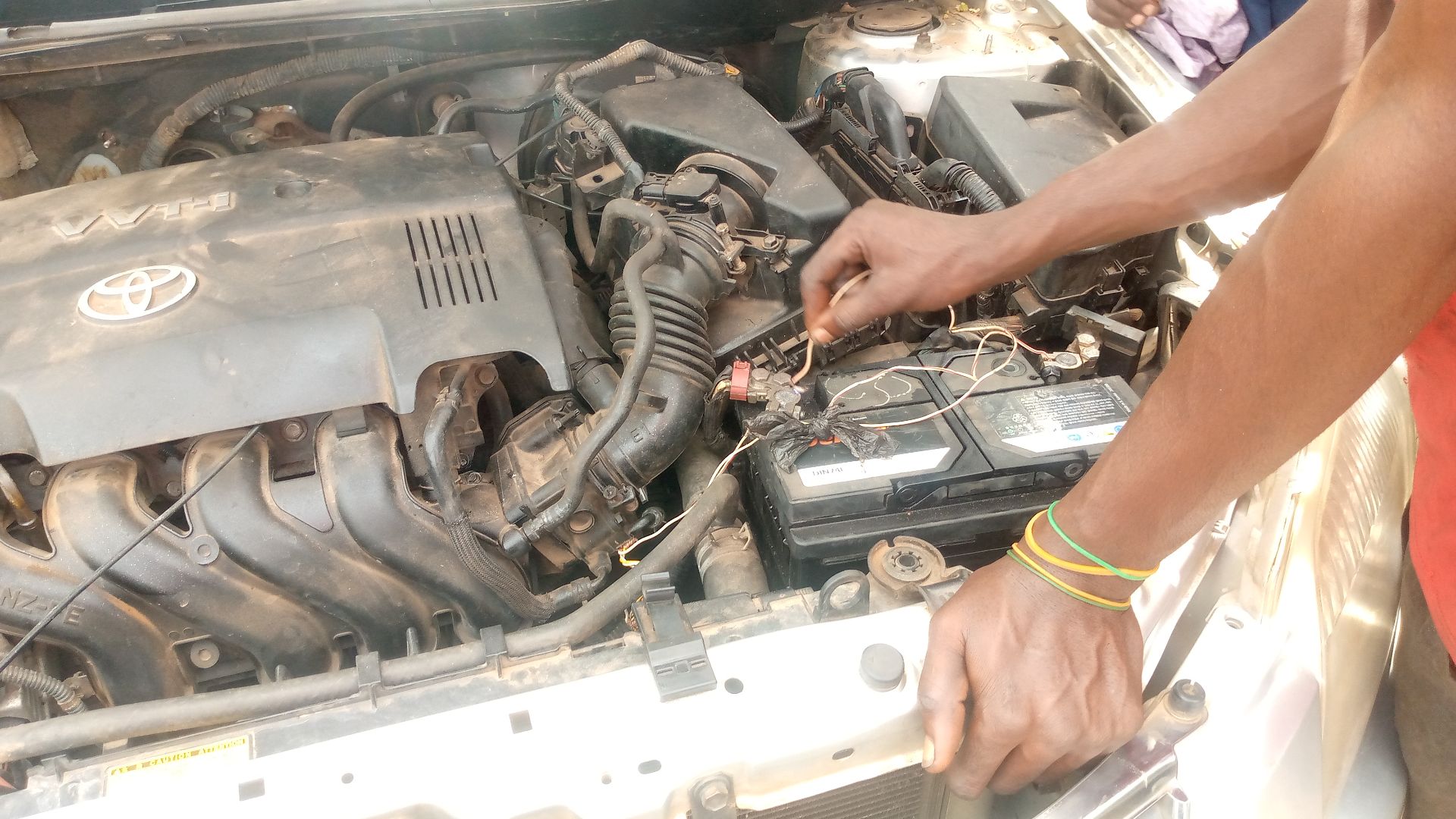
The U.S. Department of Energy and the Department of Energy’s Alternative Fuels Data Center have long published easy-to-read information on how hybrids work, along with their benefits and maintenance needs. Their material helps explain why regenerative braking and careful battery management can improve durability in some areas. That matters in a topic where rumor often spreads faster than facts.

Fuel Savings Change The Equation
Even if a hybrid has some costly parts, owning a car is not only about repair risk. Better fuel economy can make up a lot over years of driving, especially for commuters and city drivers. The smarter question is not just “Can something expensive break?” but “What will this car cost me overall?”

Your Driving Habits Matter A Lot
Hybrids usually make the most sense for people who deal with traffic, spend time driving around town, or rack up steady mileage every year. Those are the conditions where electric assist and regenerative braking can do their best work. If most of your driving is long highway trips at steady speed, the hybrid edge can get smaller.

Brand And Model Matter More Than The Hybrid Label
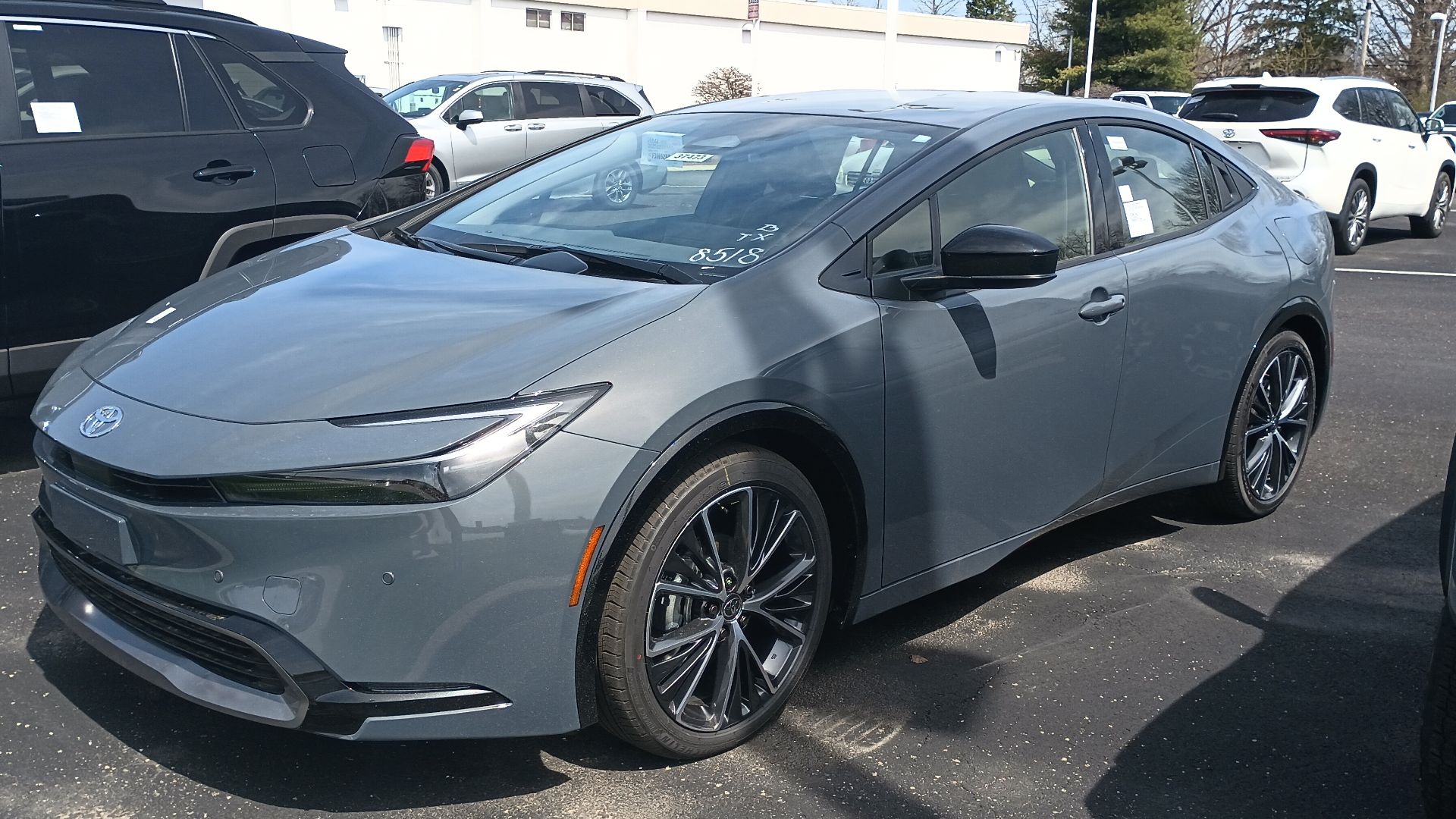
A proven hybrid from a company with years of experience is not the same gamble as a brand-new design with no track record. Toyota and Honda built their early reputations by refining these systems year after year. Buyers should look at the history of a specific model, not just react to the word “hybrid.”
 deathpallie325, Wikimedia Commons
Buying Used Means Being Careful, Not Fearful
If you are shopping for a used hybrid, check the service history, battery warranty status, and whether recalls or software updates have been done. A pre-purchase inspection from a technician who knows hybrids is a smart move. Fear by itself is a bad buying strategy, but so is assuming everything will be fine.

So, Are Hybrids The Worst Of Both Worlds?
For most mainstream full hybrids, the evidence says no. They do combine two propulsion systems, but they also reduce wear on some standard parts and have posted strong reliability results in large data sets. In many cases, they are better described as a well-worked-out trade-off that causes fewer problems than people expect.
A Better Way To Put It
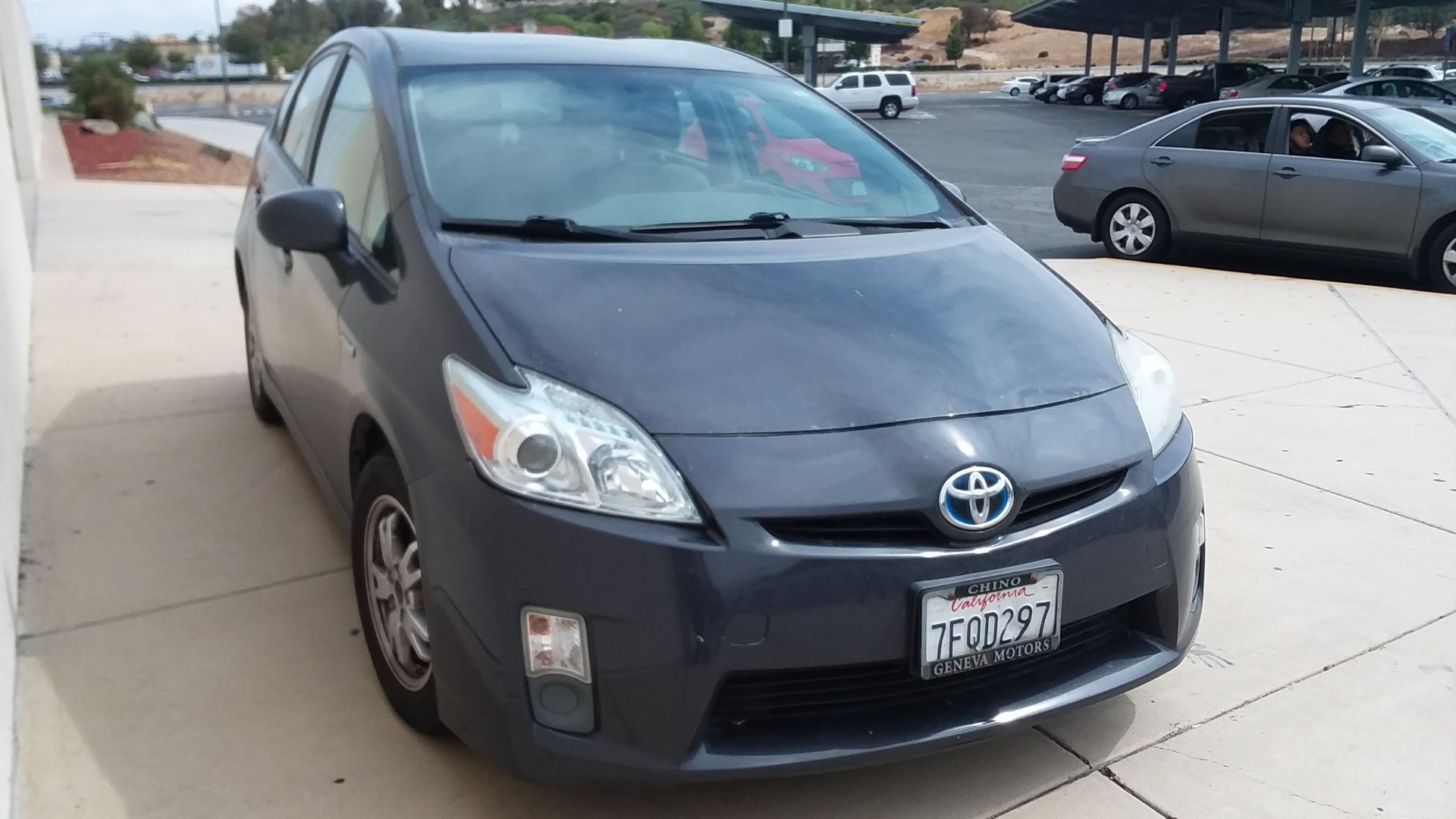
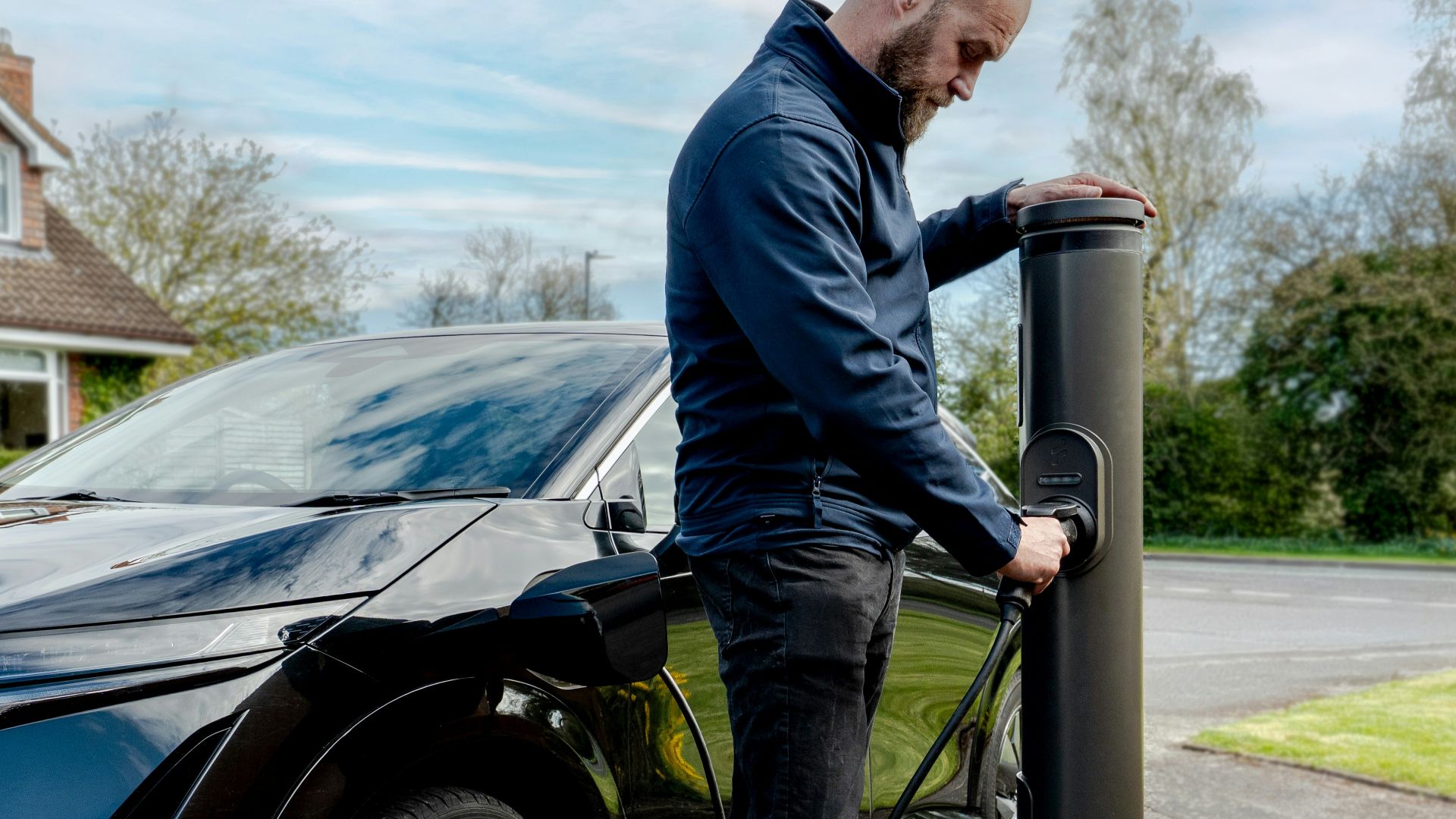
A hybrid can give you some of the fuel-saving benefits of electrification without the charging needs of a full EV. It can also leave you exposed to specialized repair costs if a major hybrid part fails after the warranty is gone. That is not the worst of both worlds. It is a trade-off, and for many drivers, it has been a good one.
The Bottom Line For Buyers
If someone tells you hybrids are automatic reliability nightmares because they have “two systems to break,” the facts do not really back that up. Standard hybrids have been on the road since the late 1990s, have logged millions of real-world miles, and often do very well in reliability studies. Choose a solid model, keep up with maintenance, and a hybrid can be one of the smartest cars on the lot.