That Little Sticker Can Start A Real Fight
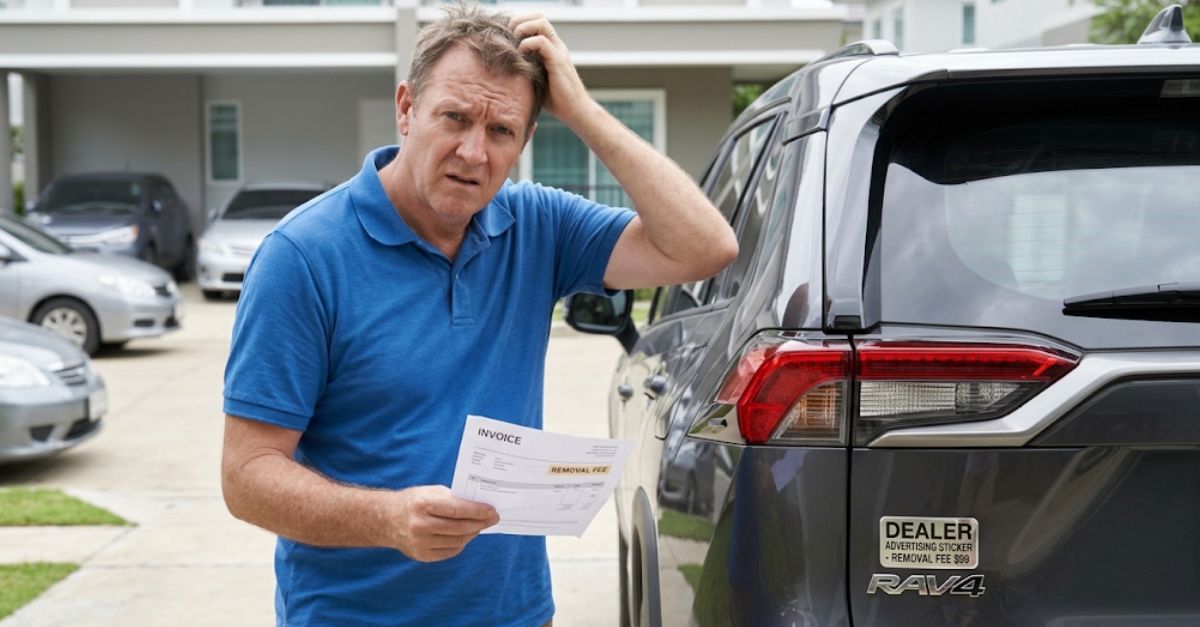
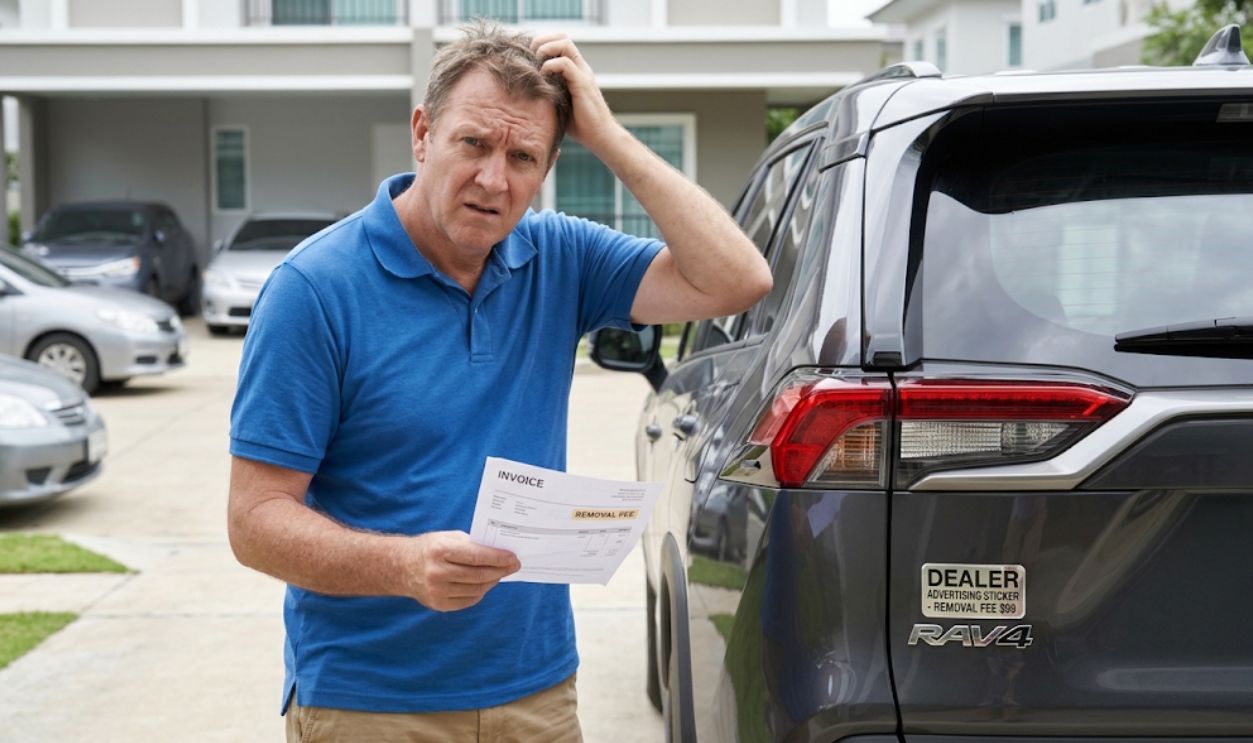
You buy the car, sign the papers, and drive it home. Then you notice the dealer’s badge or decal on bumper. You call up the dealership and they say they'll take it off no problem—for a fee. It feels like they shouldn't be able to charge you to take their advertising off of your car, but the dealer has more rights than you might think.
What Did You Agree To?
In most cases, a dealership can charge to remove its advertising sticker unless a law or contract term says otherwise. The sticker was usually put on the car before the sale, and the dealer can set terms for getting the vehicle ready for delivery. The bigger question is not whether it can ask for money, but whether you agreed to that setup before you bought the car.
 https://kaboompics.com/, Pexels
There Is No Broad Federal Ban On The Fee
No federal rule flatly says a dealership has to remove its own decal for free. The Federal Trade Commission focuses more on honest pricing and clear disclosures in car sales. So the legal problem is often not the fee itself, but whether it was hidden, misleading, or folded into the deal in a deceptive way.

The FTC Cares About Clear Pricing
On December 12, 2023, the FTC announced its Combating Auto Retail Scams rule, usually called the CARS Rule. The agency said the rule was aimed at bait-and-switch claims and surprise charges during the car-buying process. Parts of that rule are still being fought over in court, but the FTC’s position still shows what regulators care about most: clear, upfront pricing.

Why Disclosure Matters More Than The Sticker
If a dealer says before the sale that its badge stays on unless you pay to remove it, that is easier for the store to defend. If the fee shows up only after the paperwork is done, the buyer has a much better argument that the charge is unfair or deceptive. A fee does not have to be illegal to look shady.

The Real Issue Is The Advertising
Most buyers are not upset because a sticker is hard to peel off. They are upset because they paid for the car and do not want to drive around as free advertising. That is why this issue keeps showing up in reviews, forums, and consumer complaints.

Some Dealers Use Decals, Others Use Badges
Not every dealer mark is the same. A vinyl sticker is usually easier and cheaper to remove than a plastic or metal badge stuck on with adhesive foam. That difference matters because labor time, heat, solvents, and the risk of paint damage can all affect what a shop says the job is worth.
Yes, Removal Can Take Real Work
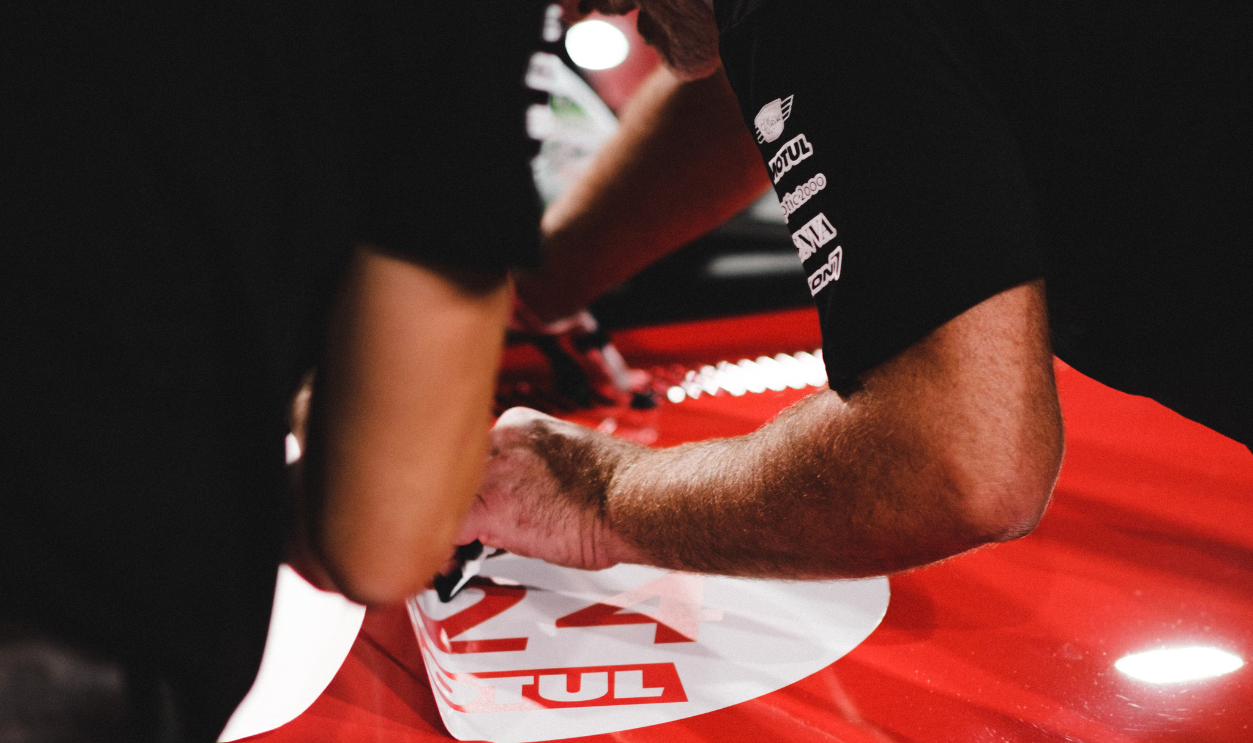
A fresh sticker on clean paint may come off fast. An older decal baked by sun and weather can leave behind sticky residue or a faint outline in the paint. That gives a dealership at least some basis to say removal takes work, even if buyers still hate the charge.

But The Fee Still Has To Be Honest
If a dealer says removal is a major service when it really takes a few minutes, that can turn into a consumer-protection issue. State unfair and deceptive acts laws generally ban misrepresentations in retail sales. So the size of the fee and the story behind it both matter.

State Law Usually Decides The Fight
These disputes usually come down to state consumer-protection law, contract law, and any attorney general guidance on auto sales. Many states ban unfair or deceptive conduct even if they do not have a car-specific rule about dealer decals. That is why the answer can change depending on where the sale happened and what the paperwork says.

California Shows How Broad Consumer Law Can Apply
California’s Department of Motor Vehicles publishes a Car Buyer’s Bill of Rights that stresses disclosure in vehicle transactions. The state also has broad consumer-protection rules under the Unfair Competition Law and Consumers Legal Remedies Act. Those laws do not specifically ban dealer sticker-removal fees, but they do back up the idea that hidden add-ons can create legal trouble.

New York Sends A Similar Warning
New York’s attorney general has long warned consumers to watch for add-ons and questionable charges in auto sales. The basic rule is the same: make clear what is optional, what is required, and what it costs. A removal fee dropped on the buyer after the sale is easier to challenge than one explained before signing.

The Contract Often Decides Everything
Your buyer’s order, retail installment contract, and any “we owe” form may settle the issue. If the paperwork mentions dealer-installed accessories or appearance items, the dealership may argue its decal policy was part of the deal. If the papers say nothing about it, the buyer has more room to push back.

Once You Own The Car, The Dealer Cannot Make You Come Back
After the sale is done, the dealership cannot force you to return and pay it to remove the decal. You can leave it alone, take it off yourself, or hire an independent detailer or body shop. At that point, the real question is cost, convenience, and the risk of hurting the paint.

Before Delivery Is The Best Time To Ask
The easiest time to handle this is before you take delivery. Ask the salesperson in writing to remove all dealer advertising, including front plate frames, decals, and badges, at no charge. If the dealer agrees before you sign, your position is much stronger than it would be later.

Get It In Writing
A verbal promise from a salesperson is better than nothing, but it is not ideal. Ask to have the promise added to a due bill or “we owe” form. Written promises are much easier to enforce if the car shows up with the advertising still attached.

Do Not Mix This Up With Illegal Junk Fees
Many buyers assume any annoying fee must be illegal. That is not usually how consumer law works. A charge is more likely to be a legal problem when it is mandatory, undisclosed, misdescribed, or impossible to avoid, not just because people dislike it.

What If The Dealer Added The Decal After You Agreed To Buy
If you agreed to buy the car and the dealer added branding before delivery, your argument gets stronger. You can say the vehicle no longer matches the condition you expected, especially if nobody discussed dealer advertising. That may not guarantee a legal win, but it is a solid point in negotiation.

What If The Sticker Damages The Paint
Paint damage changes the situation fast. If removing the badge causes peeling, discoloration, or clear-coat problems because of how the dealer applied it, the buyer may have a claim for repair costs. Take photos and ask for the dealership’s response in writing.

Independent Shops May Cost Less
If the dealership wants an unreasonable amount, call a reputable detailer. Many shops can remove decals and adhesive safely with heat, plastic tools, and adhesive remover for a modest price. That often ends the fight and gets you the result you wanted anyway.

DIY Removal Can Work, But Be Careful
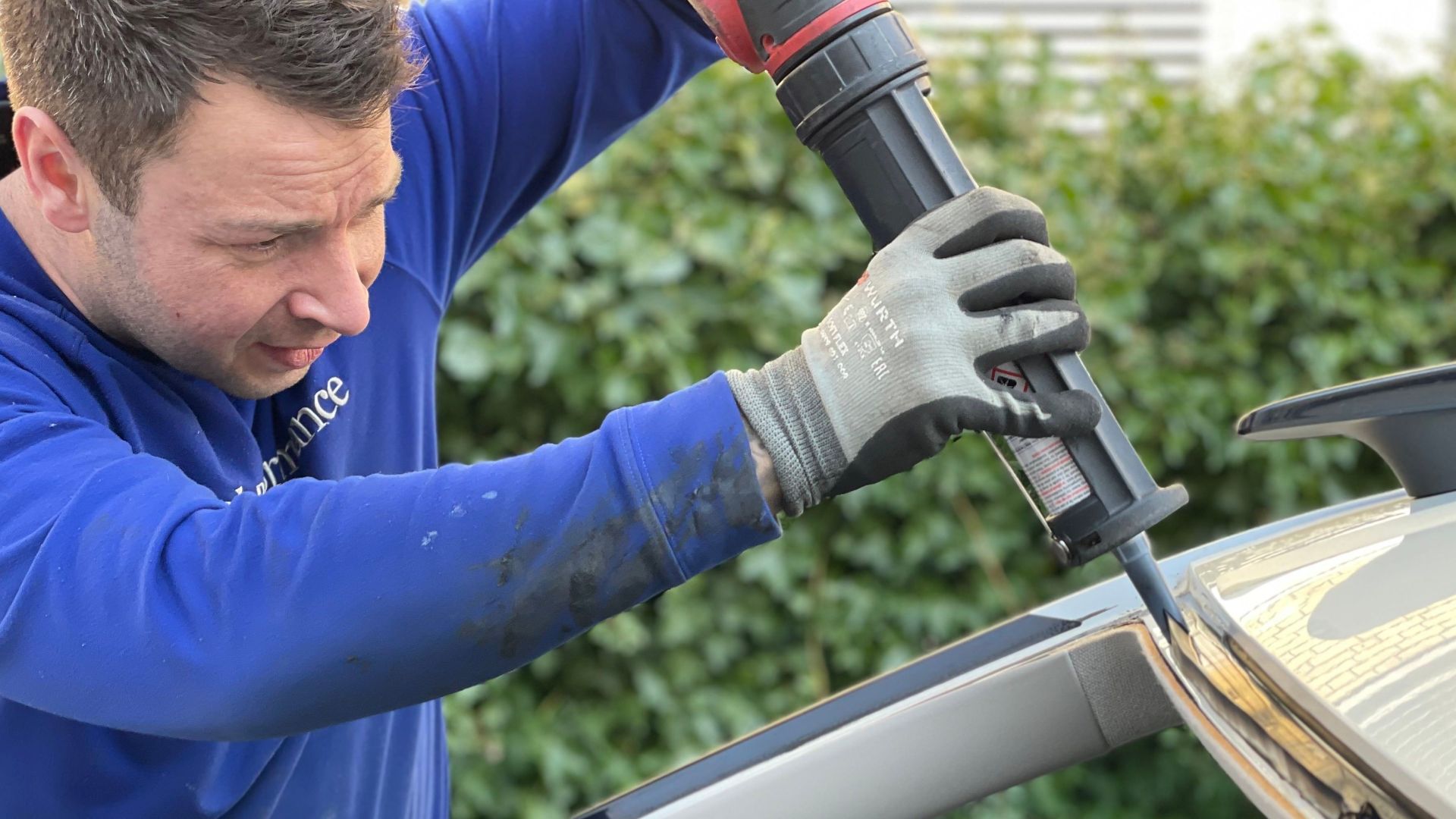
Some owners remove stickers with a hair dryer or a heat gun on a low setting, along with plastic trim tools and adhesive remover made for automotive paint. The risk is scratching the finish or overheating the panel. If the decal is old or the paint is delicate, paying a professional may be worth it.
Front Plate Frames Are Harder To Justify
Dealer-branded plate frames are different from glued-on decals because they are usually held on with screws. A dealer will have a much harder time defending a real removal fee for something that takes only a moment to swap out. It still makes sense to ask for those to be removed before delivery.

Your Best Leverage Is Being Ready To Walk
Before you sign, you still have bargaining power. If a dealership insists on charging to remove its own advertising, say clearly that the fee is a problem and ask for a revised buyer’s order. Stores often get more flexible when they think a sale could fall apart over a small but visible issue like this.

Reviews And Complaints Can Help
If the fee looks deceptive or was never disclosed, you can go beyond the sales desk. Ask for the general manager, then think about filing a complaint with your state attorney general, consumer-protection office, or motor vehicle regulator. Public reviews can also get attention, especially when they are factual and specific.

There Is A Difference Between Can And Should
That is really the whole issue. A dealership often can charge a fee to remove its branding if it clearly disclosed the policy and you still moved forward. But many buyers will reasonably decide it should not, because they do not want to pay to stop unwanted advertising on their own car.

So Can The Dealer Charge You
Usually yes, at least in the basic legal sense, unless state law, the sales contract, or the facts of the sale point the other way. The stronger your argument on nondisclosure, misrepresentation, or a surprise fee after the sale, the better your chances of getting it waived. The smartest move is to deal with dealer decals before you sign anything and get the result in writing.