The Seven-Year Promise Sounds Great
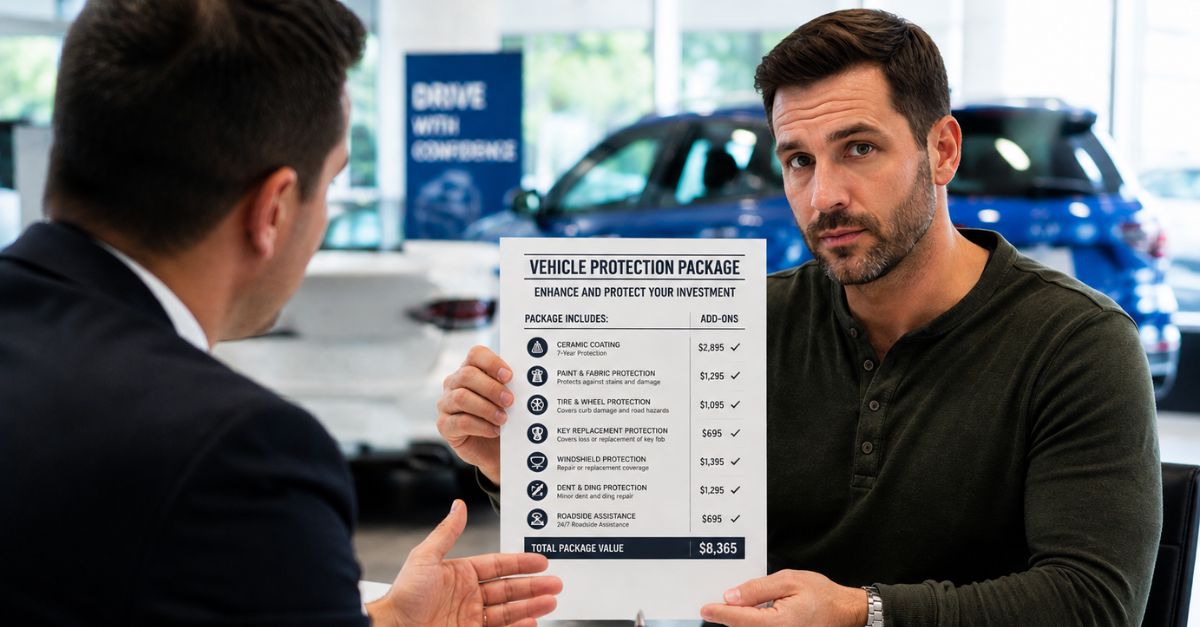
For a few thousand dollars more, the dealership says a ceramic coating will protect your new car for seven years and keep it looking sharp. It sounds appealing, but the real question is whether that protection is worth the hefty price tag at the beginning.
What Dealerships Are Actually Selling
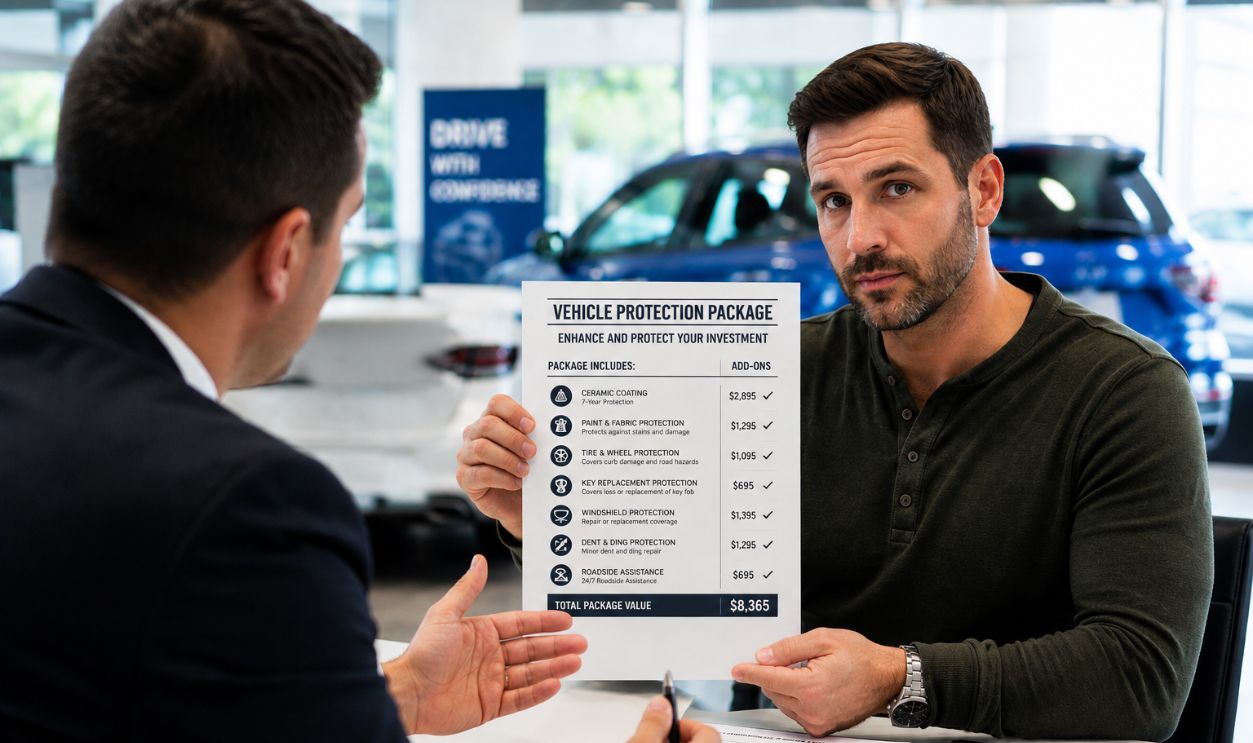
In many cases, the coating is not just one product. It is part of a package that may include paint treatment, interior protection, wheel coverage, and a warranty with plenty of conditions. The sales pitch sounds simple, but the real value depends on the product, the prep work, and what the warranty actually covers.

Ceramic Coating Is Real
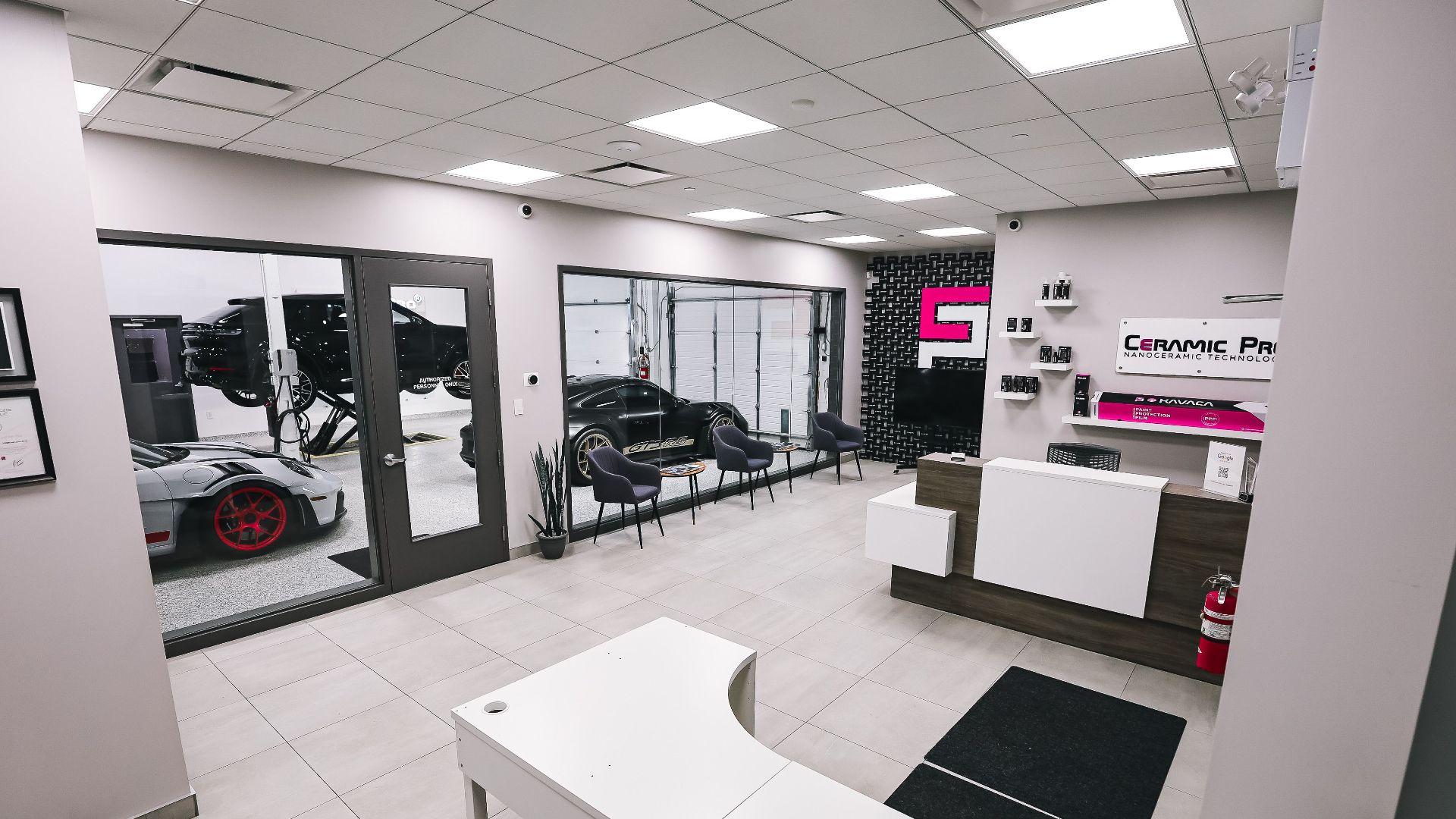
Ceramic coatings are not fake or pure marketing. Companies like Gtechniq, CarPro, and Ceramic Pro make silica-based coatings that bond to a vehicle’s clear coat and create a protective layer. These coatings can boost gloss, improve chemical resistance, and make the car easier to wash.
But It Is Not A Force Field
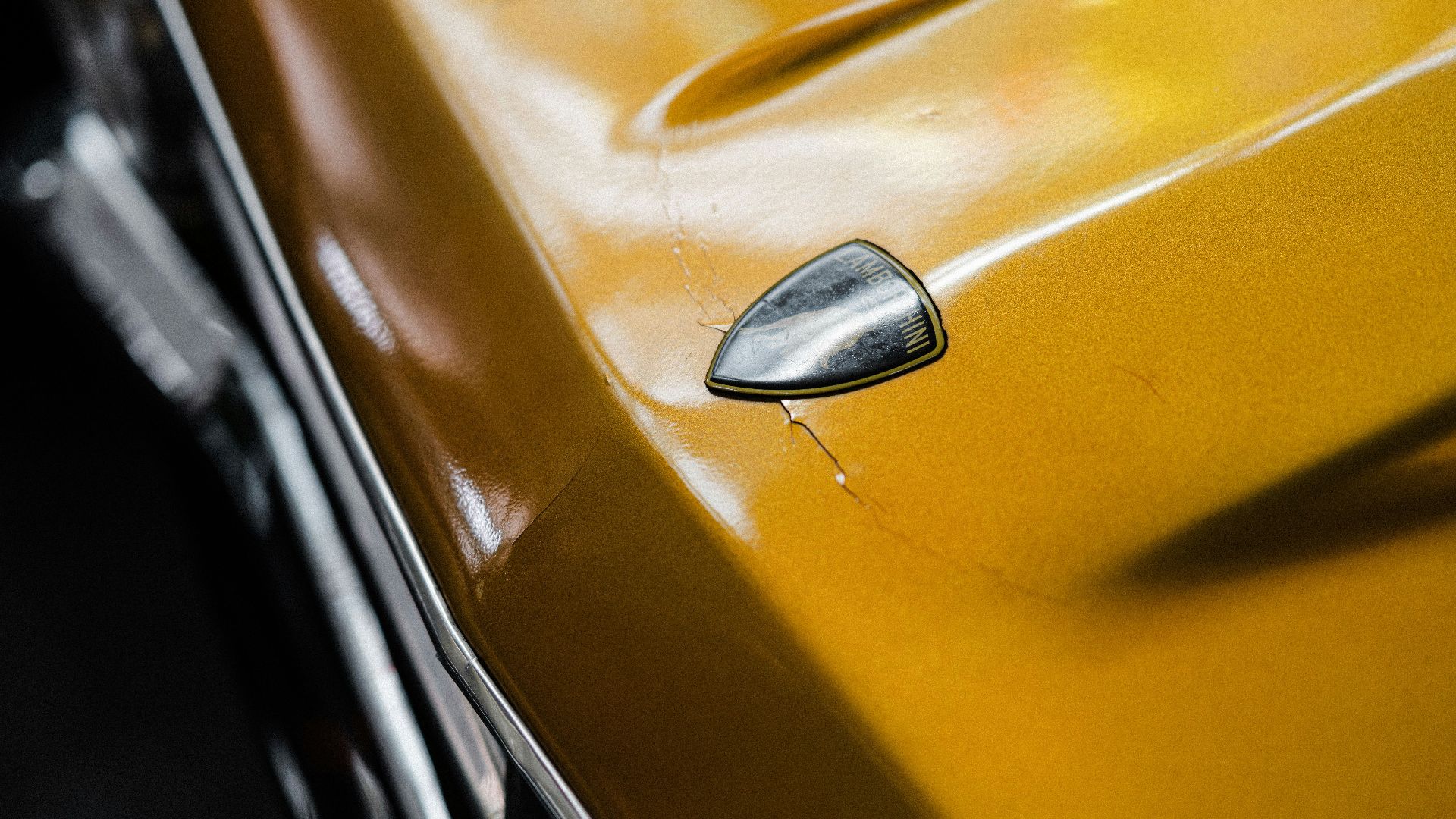
This is where sales pitches often go too far. Ceramic coating does not make paint immune to scratches, rock chips, dents, or every swirl mark. Even Ceramic Pro describes its coatings as protection that helps with maintenance, not as a shield against physical damage.
What A Ceramic Coating Does Best
The biggest benefits are easier cleaning, better water beading, and some protection from UV rays, bird droppings, bug splatter, and light chemical contamination. Gtechniq says coatings help repel dirt and make it harder for contaminants to stick to the paint. In plain terms, your car stays cleaner longer and washing it is less of a hassle.
Why The Water Beads Impress People
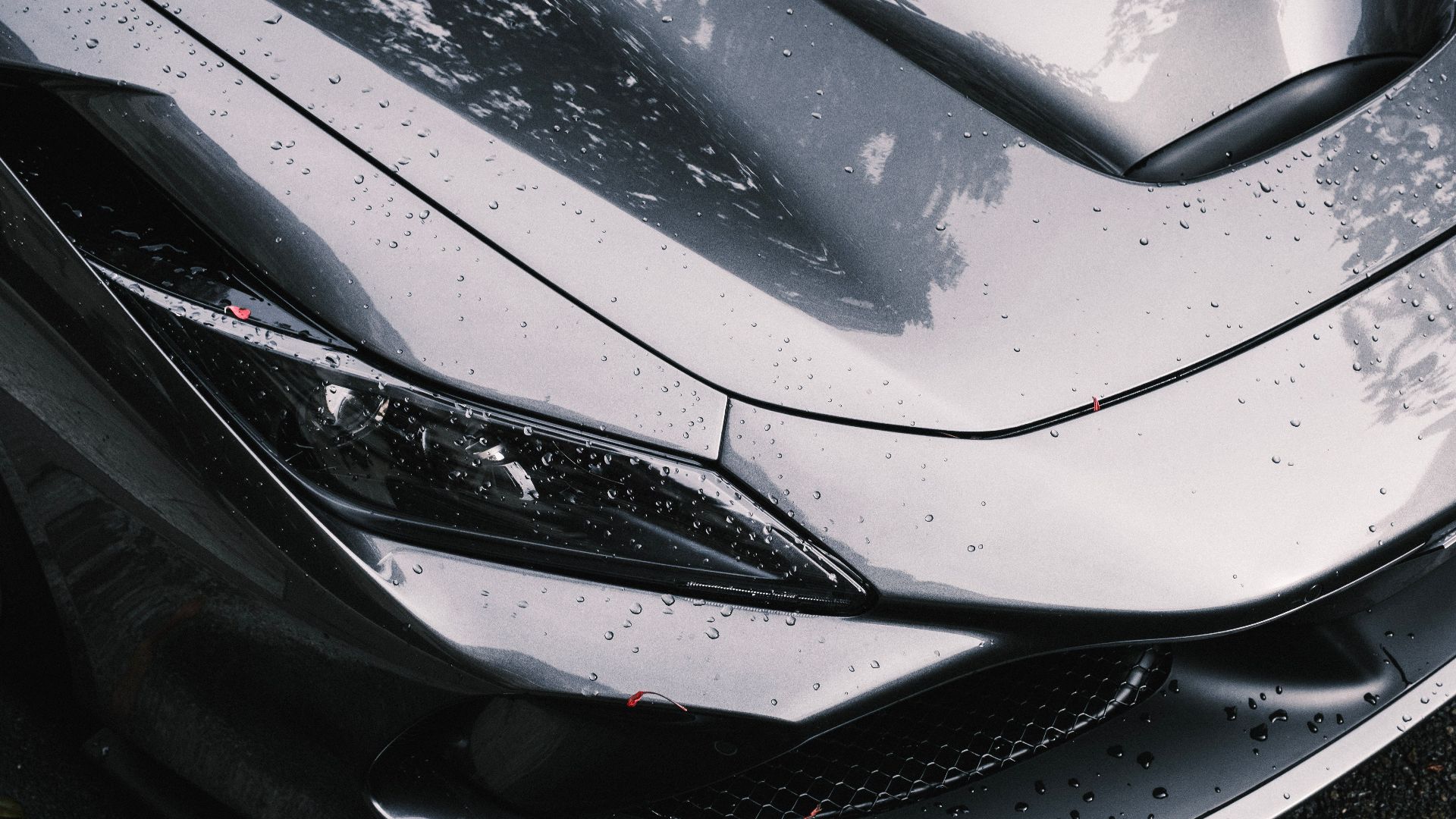
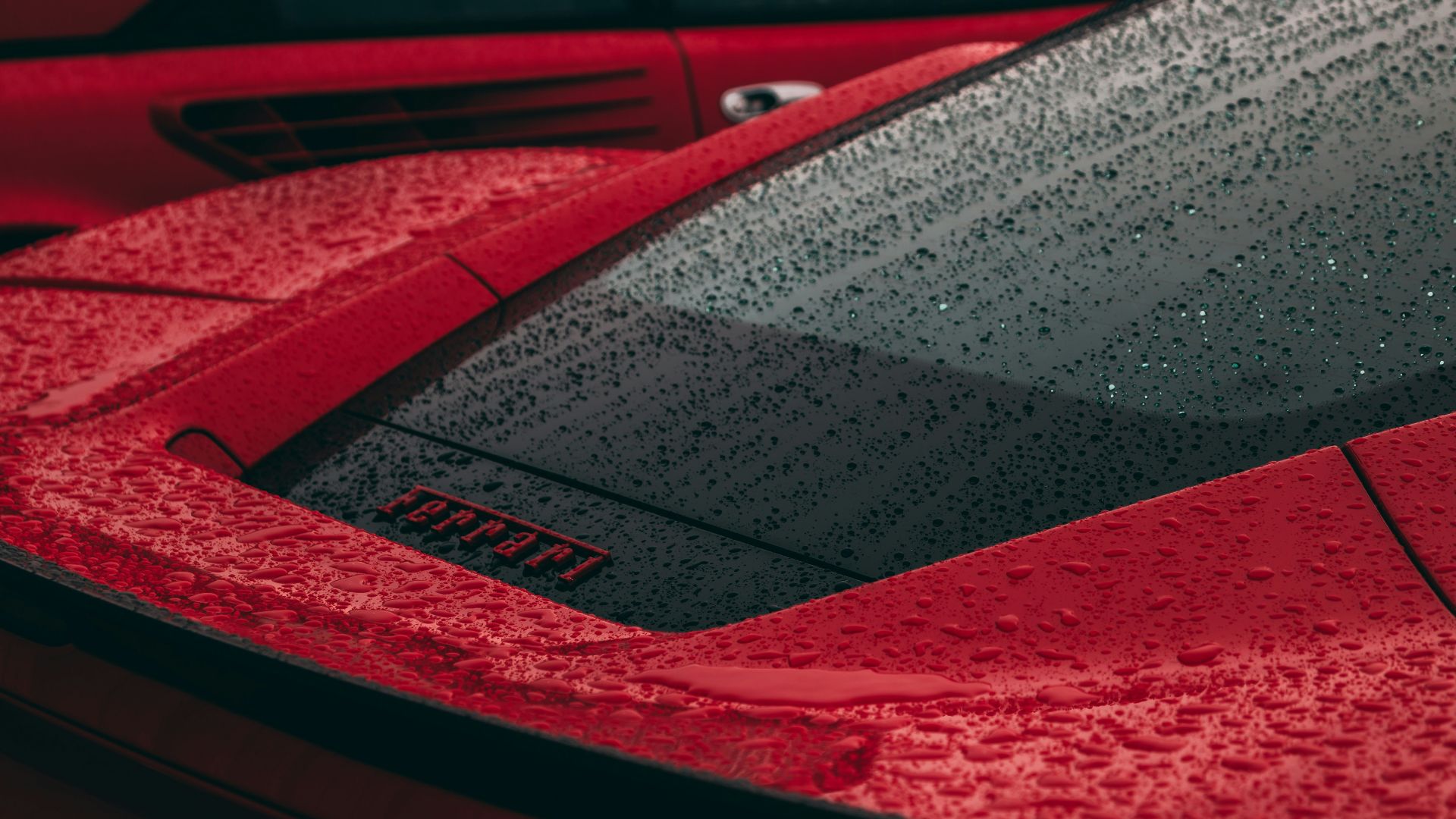
If you have ever seen water gather into tight beads on a freshly coated hood, you know the appeal. That hydrophobic effect is one of the most obvious benefits, and it can make a car look freshly detailed after a quick rinse. It is also a big reason ceramic coatings are such an easy sell.
The Seven-Year Claim Comes With Fine Print
A seven-year claim is not automatically false, but it is rarely that simple. Manufacturers that advertise multi-year durability usually tie those claims to professional installation, proper prep, and ongoing maintenance. Some warranties also require periodic inspections or approved care methods to stay valid.

Preparation Is Where The Real Work Is
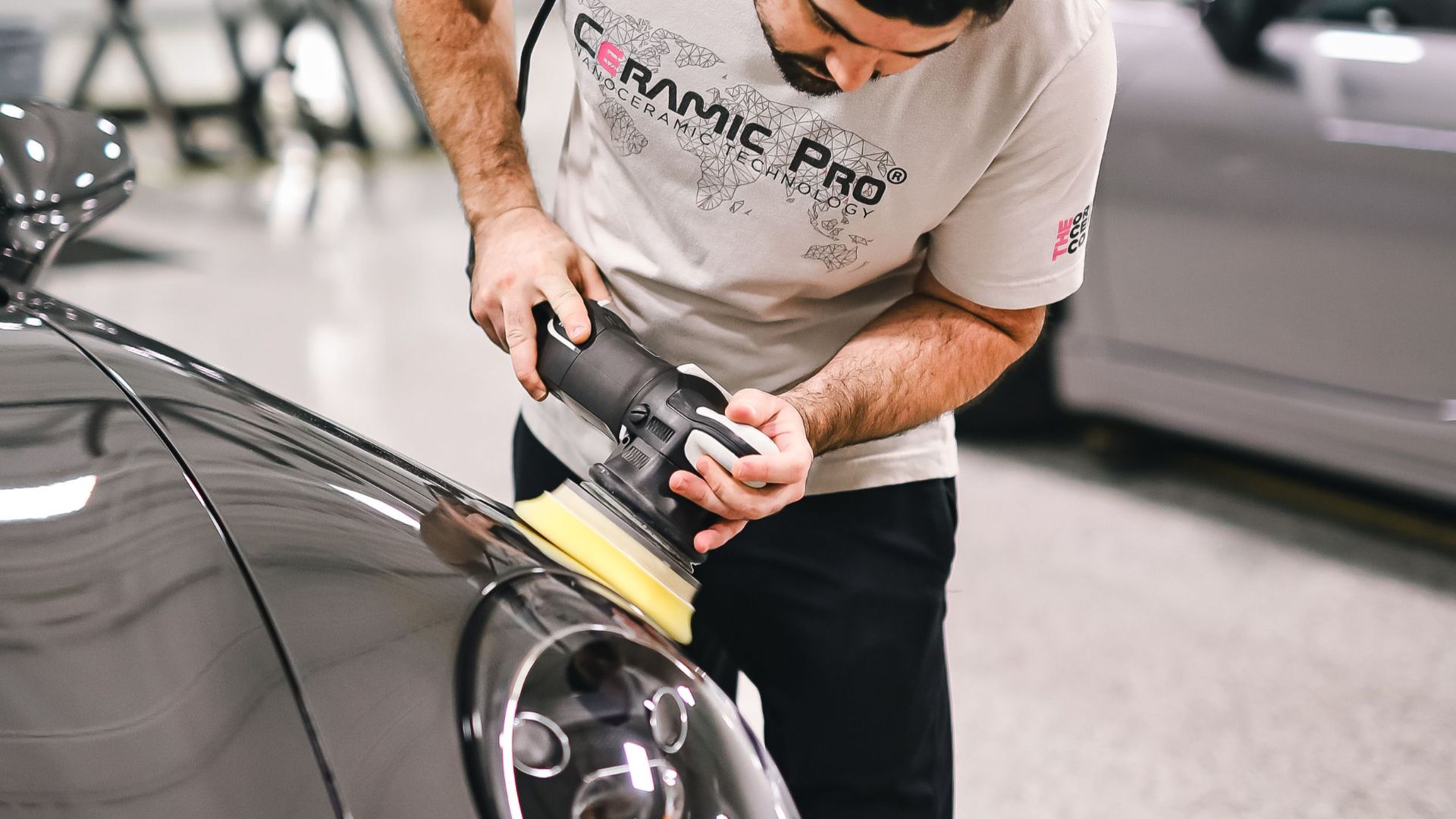
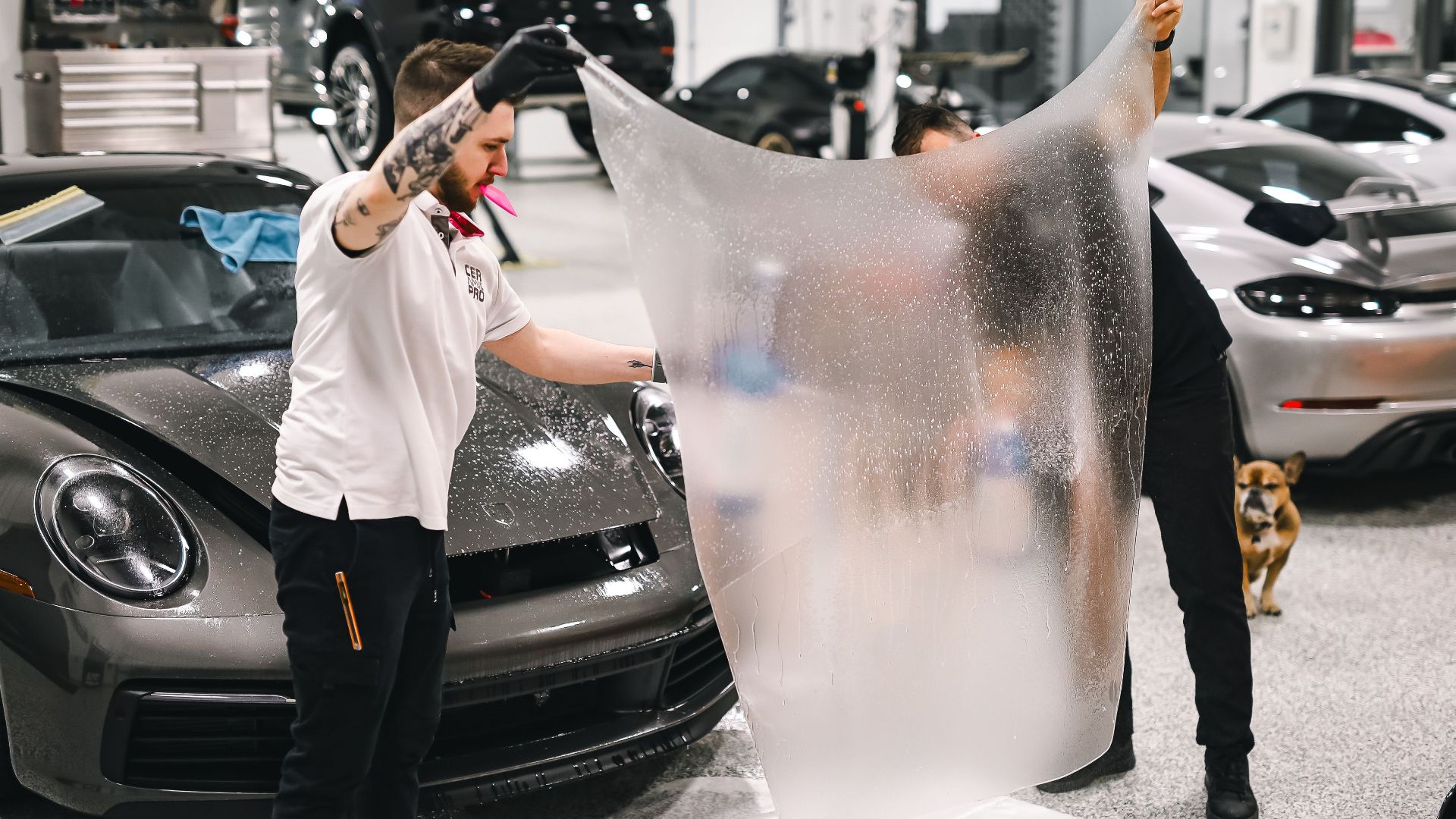
Before a high-end coating goes on, the paint should be washed, decontaminated, and often machine polished. That polishing step matters because ceramic coating locks in whatever the paint looks like underneath. If the surface has swirls or dealership-installed scratches, the coating can preserve those flaws instead of hiding them.
The Best Installers Charge For Labor, Not Magic
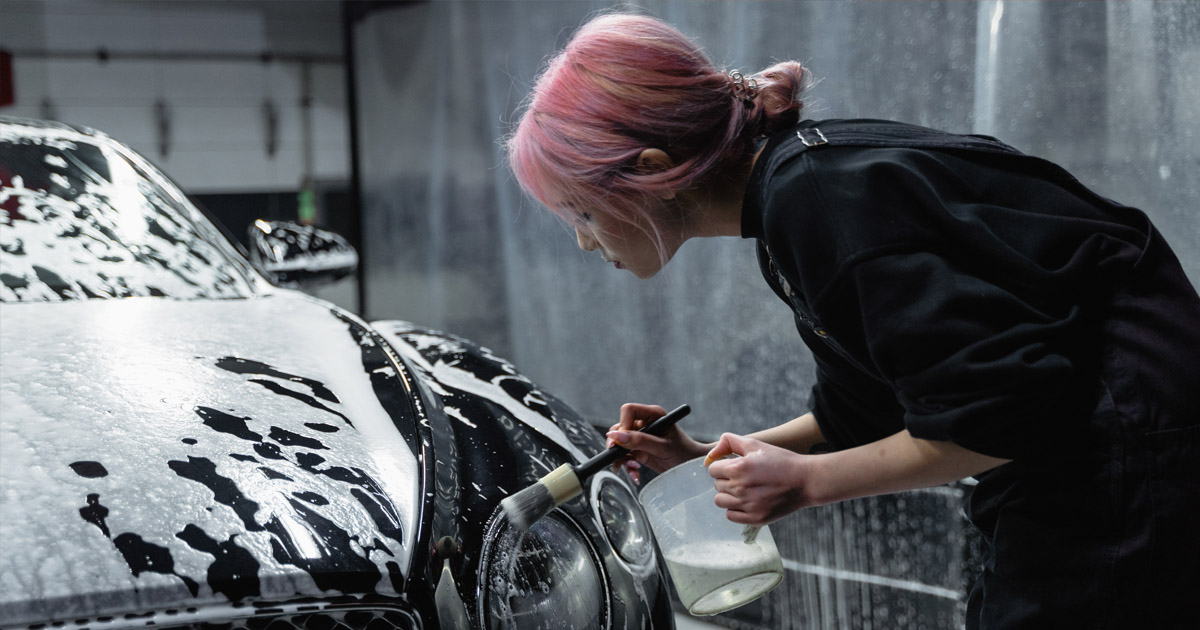
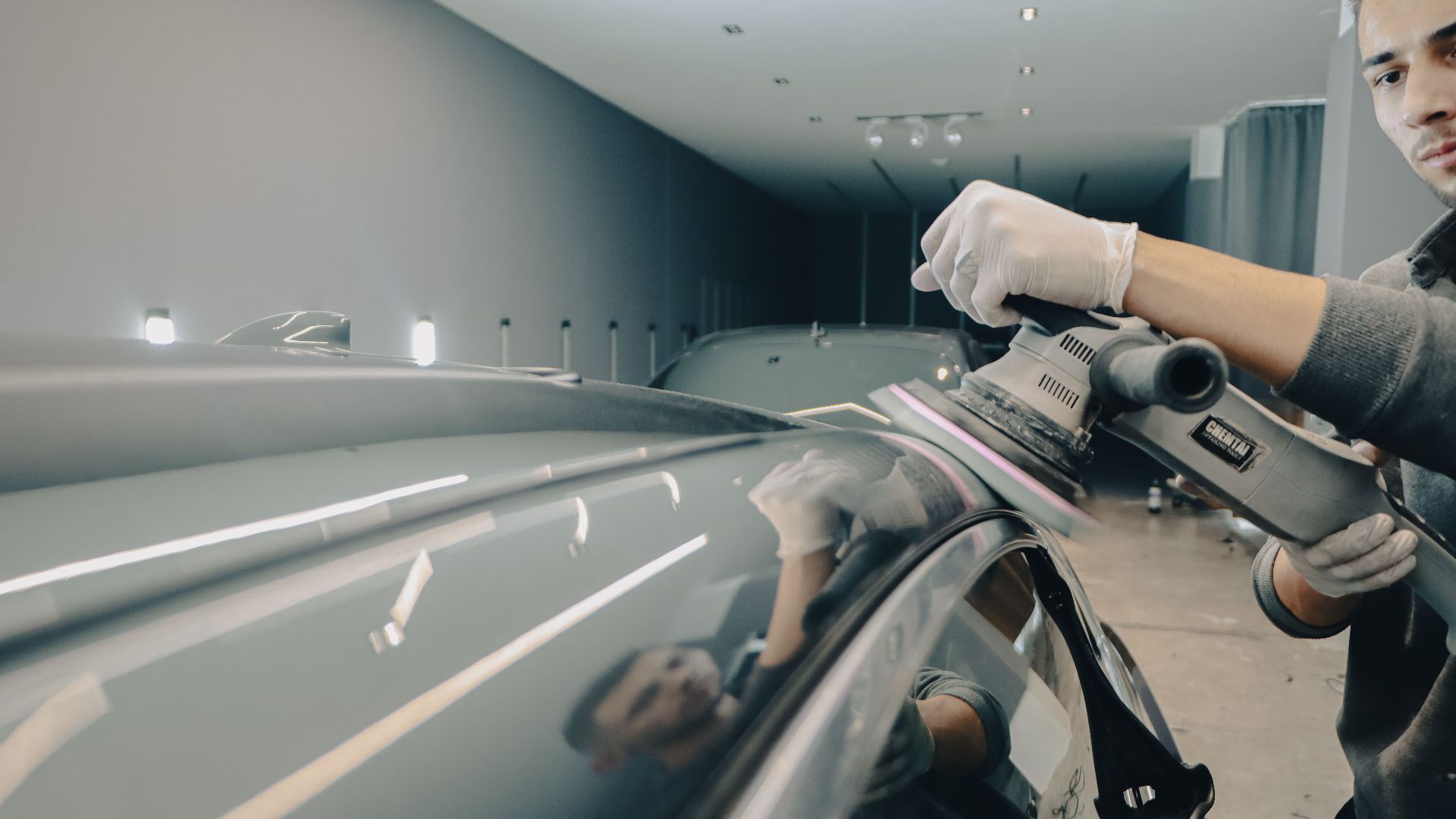
Professional ceramic coating costs a lot mostly because prep work takes time and skill. A detailer may spend hours correcting paint before the coating is even opened. When a dealership charges thousands, the key question is whether your car is getting that kind of careful work or a much faster assembly-line job.
That Difference Can Be Big
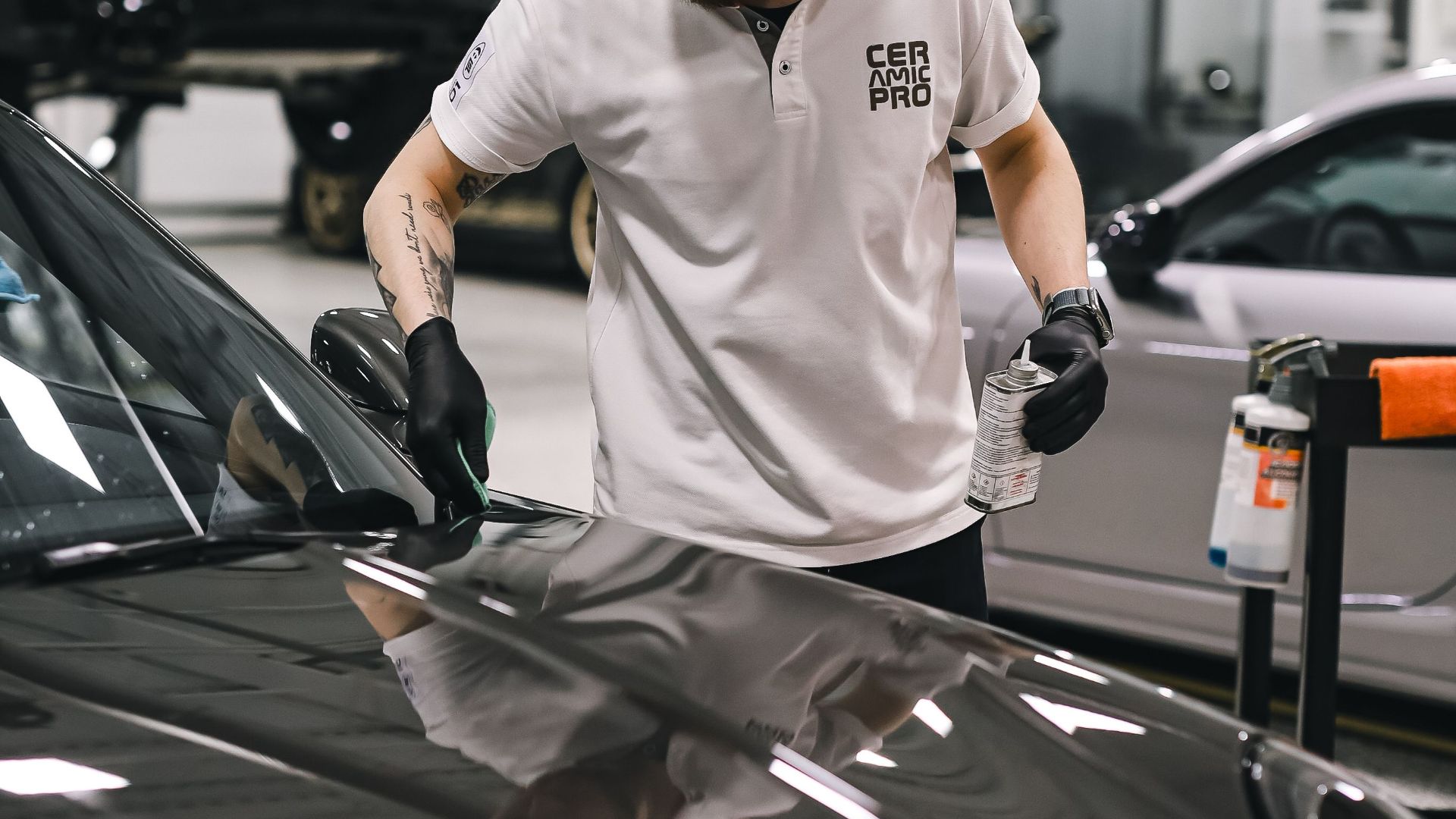
A specialty detail shop usually builds its reputation on finish quality, prep work, and product knowledge. A dealership usually focuses on volume, and the person applying the coating may not be a paint-correction expert. The results can vary a lot, even if the brochure looks premium.
Consumer Reports Has Warned Buyers To Read Closely
Consumer Reports has noted that dealer add-ons can carry steep markups and may not deliver value equal to their price. That advice matters here because ceramic coating sold in the finance office is often bundled into larger paint protection packages. The promise can sound strong, while the actual benefit depends on the details in the contract.

Some Dealer Packages Are More About Profit Than Protection
The Federal Trade Commission finalized its CARS Rule in 2023 to target deceptive practices in vehicle sales, including misleading add-ons, though the rule has faced legal challenges and is not currently in effect. Even so, the FTC’s broader warnings about junk fees and misrepresented extras still matter. Expensive protection packages deserve a hard look, and buyers should ask exactly what they are paying for.

The Warranty Is Not The Same As Insurance
Many ceramic coating warranties cover product failure, not every kind of paint damage you might deal with. If your car gets chipped on the highway or scratched in a car wash, that usually is not covered. A warranty may sound generous in the moment, but it is often much narrower than buyers assume.
Maintenance Still Matters
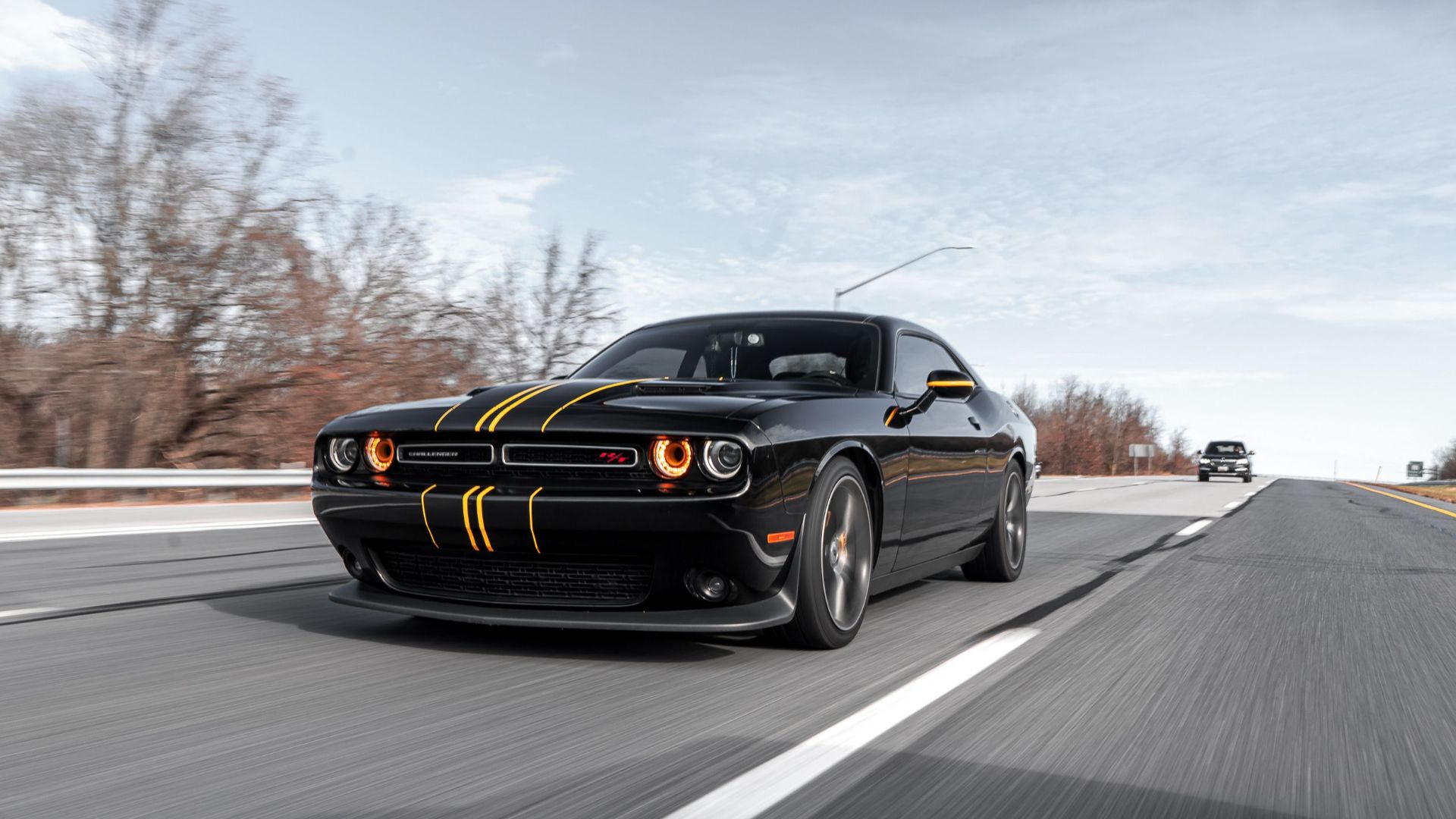
A coated car still needs regular washing. Manufacturers commonly recommend pH-neutral soaps and proper wash methods to avoid creating swirl marks. If a dealer says the coating means you can stop worrying about paint care, that is a red flag.
Automatic Car Washes Can Still Cause Problems
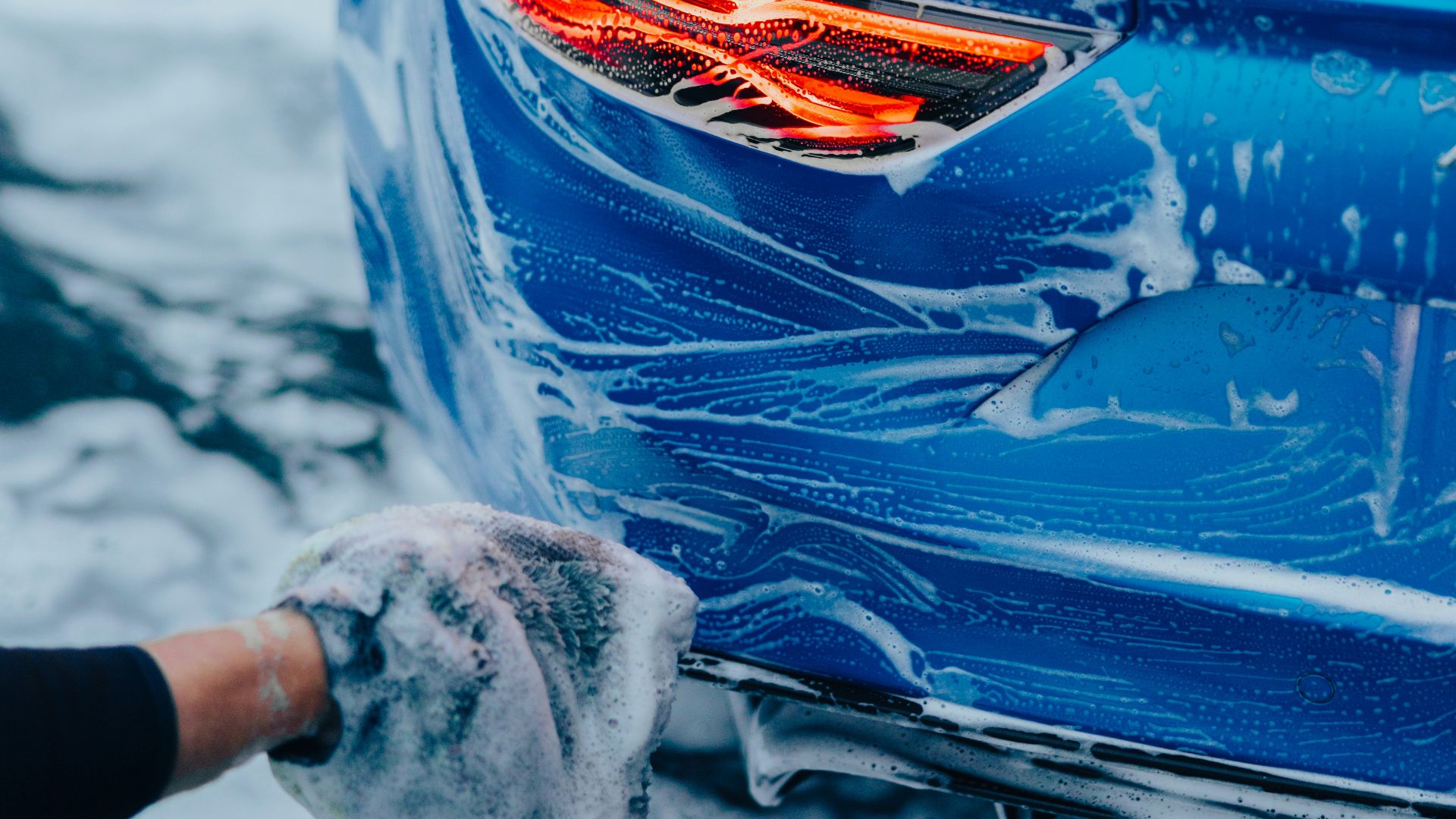
Even a durable coating sits on top of clear coat that can still be marred by abrasive brushes. The coating may reduce how much grime sticks, but it does not make rough contact harmless. If you depend on old-style tunnel washes with brushes, an expensive coating may not keep looking great for long.
Sun Protection Is A Real Benefit
UV exposure is one area where ceramic coatings can help over time. By adding a sacrificial barrier above the clear coat, they can reduce environmental wear and make the finish easier to preserve. That can be especially useful for cars parked outside every day in strong sun.
Chemical Resistance Helps Too
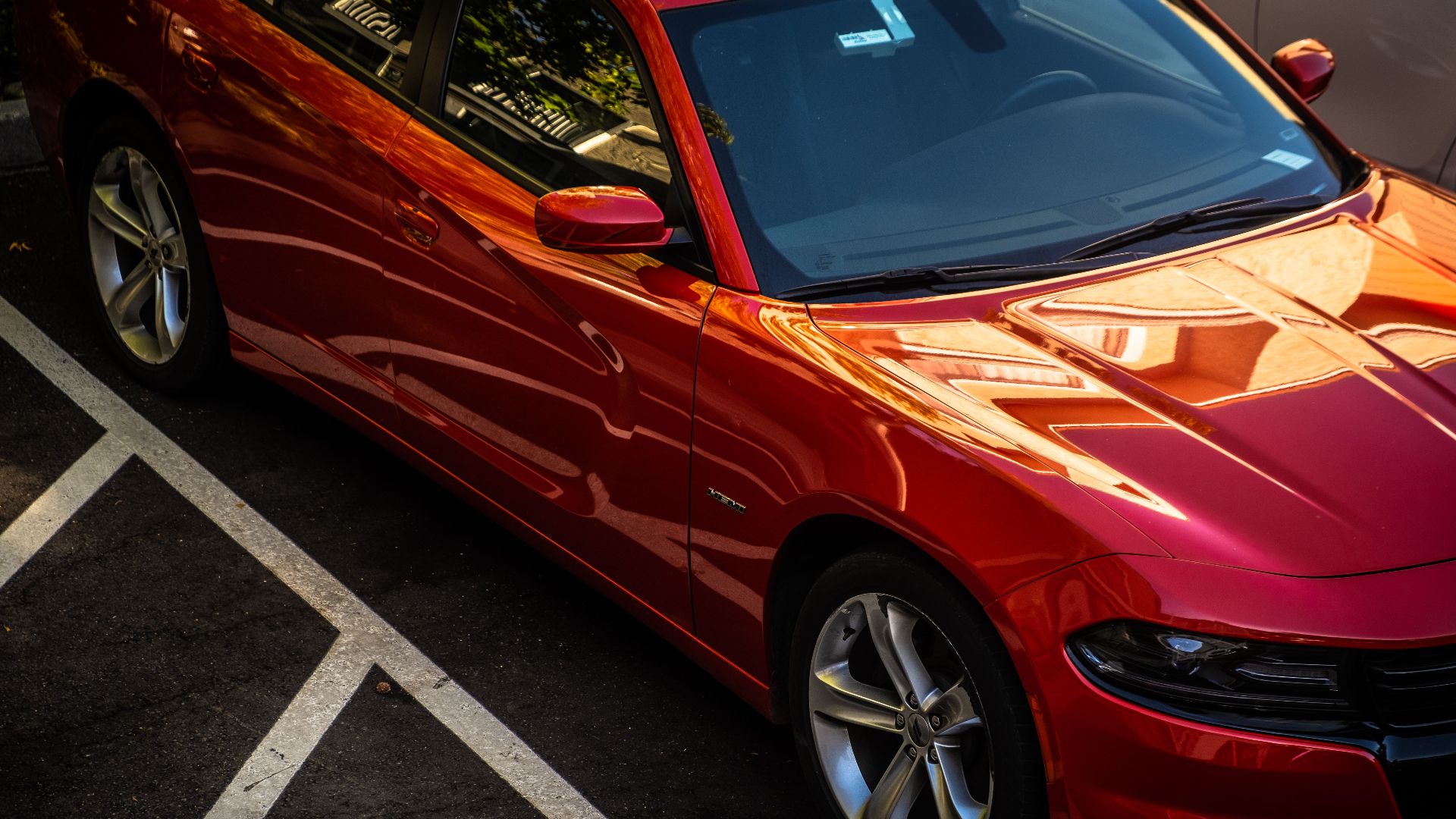
Bird droppings, bug remains, tree sap, and road grime can all damage paint if they sit too long. Ceramic coatings improve resistance, but they do not give you unlimited time to ignore a mess. Fast cleanup still matters because strong contamination can overwhelm even a good coating.
Gloss Is Part Of The Appeal
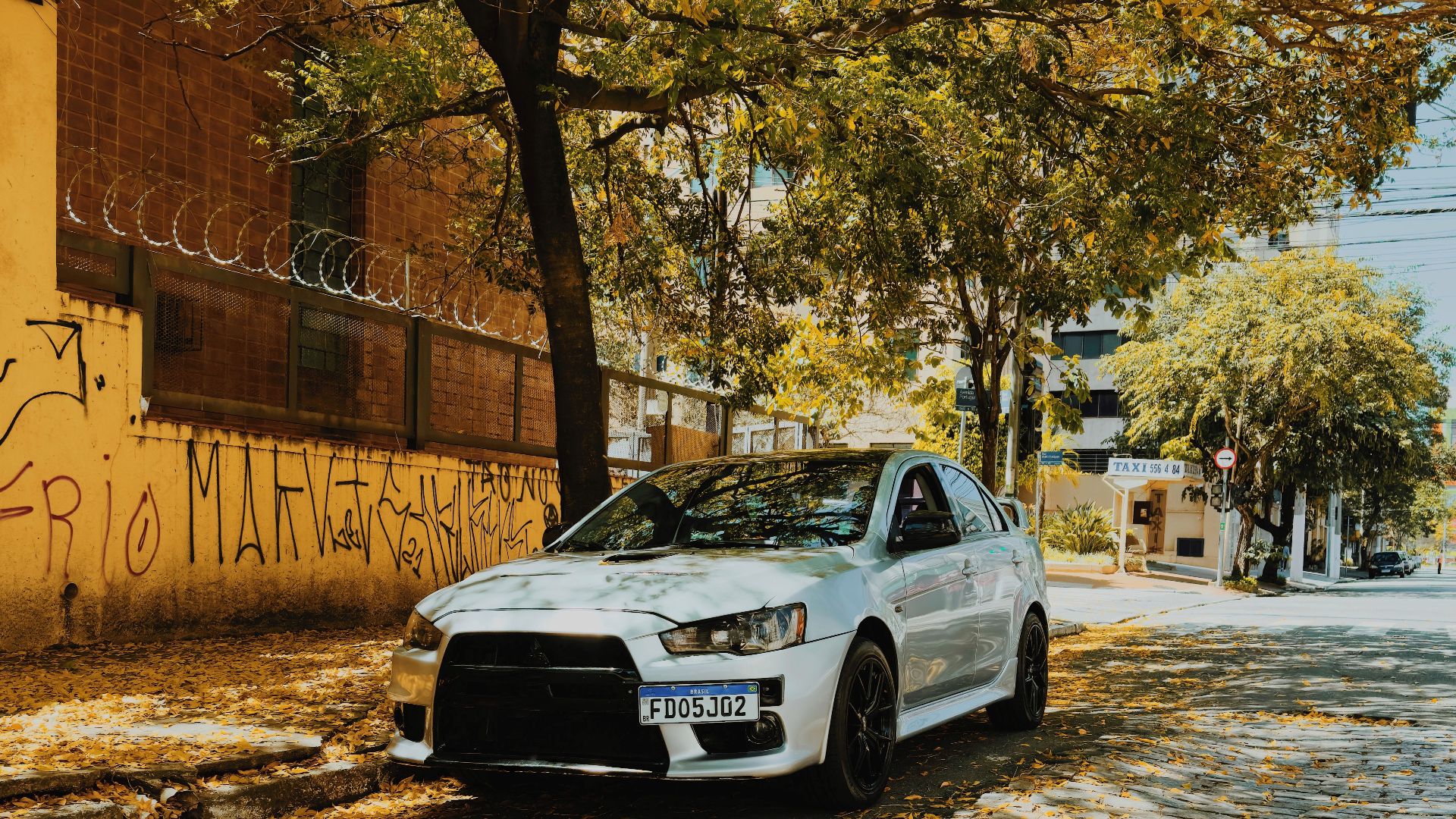
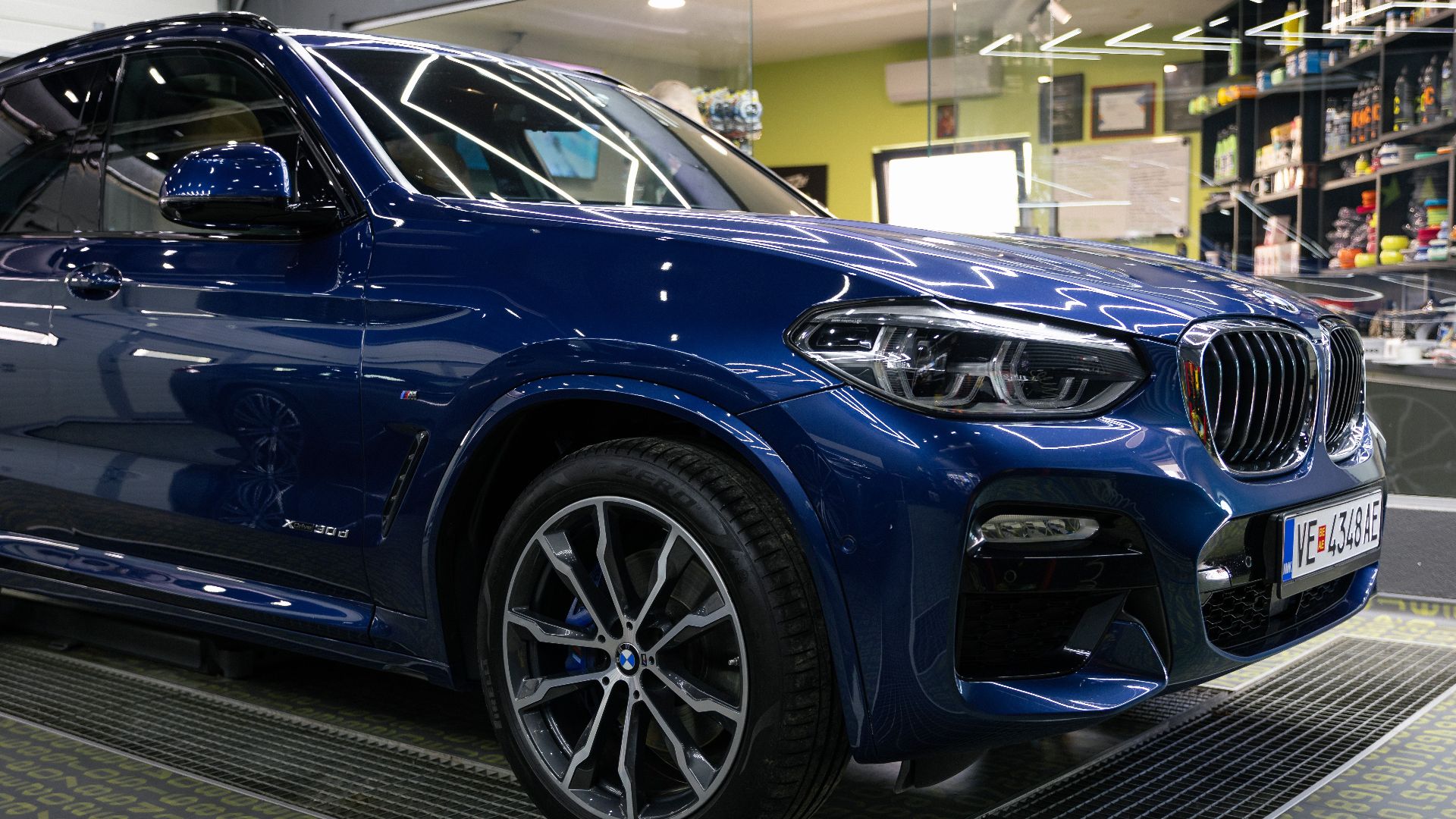
One reason owners rave about ceramic coating is simple. When it is done properly, it can make paint look deeper, darker, and slicker, especially on black, blue, and red vehicles. If you like walking up to your car and seeing a rich, reflective finish, that payoff is real.
But New Cars Are Not Always Perfect
A surprising number of new cars arrive with light wash marks, transport contamination, or small dealership-caused paint issues. That means a new vehicle can still benefit from paint correction before coating. If a dealer wants to apply a coating without talking about prep or inspection, that is a good reason to ask more questions.

Thousands Of Dollars Is The Main Issue
You can absolutely buy a quality ceramic coating service from an independent detailer for less than some dealership packages, though pricing varies by region, vehicle size, and correction work. In many markets, the dealer version costs more because of markup, not because the chemistry is dramatically better. That is often what makes the package hard to justify.
 f.t.Photographer, Shutterstock
DIY Options Have Changed The Picture
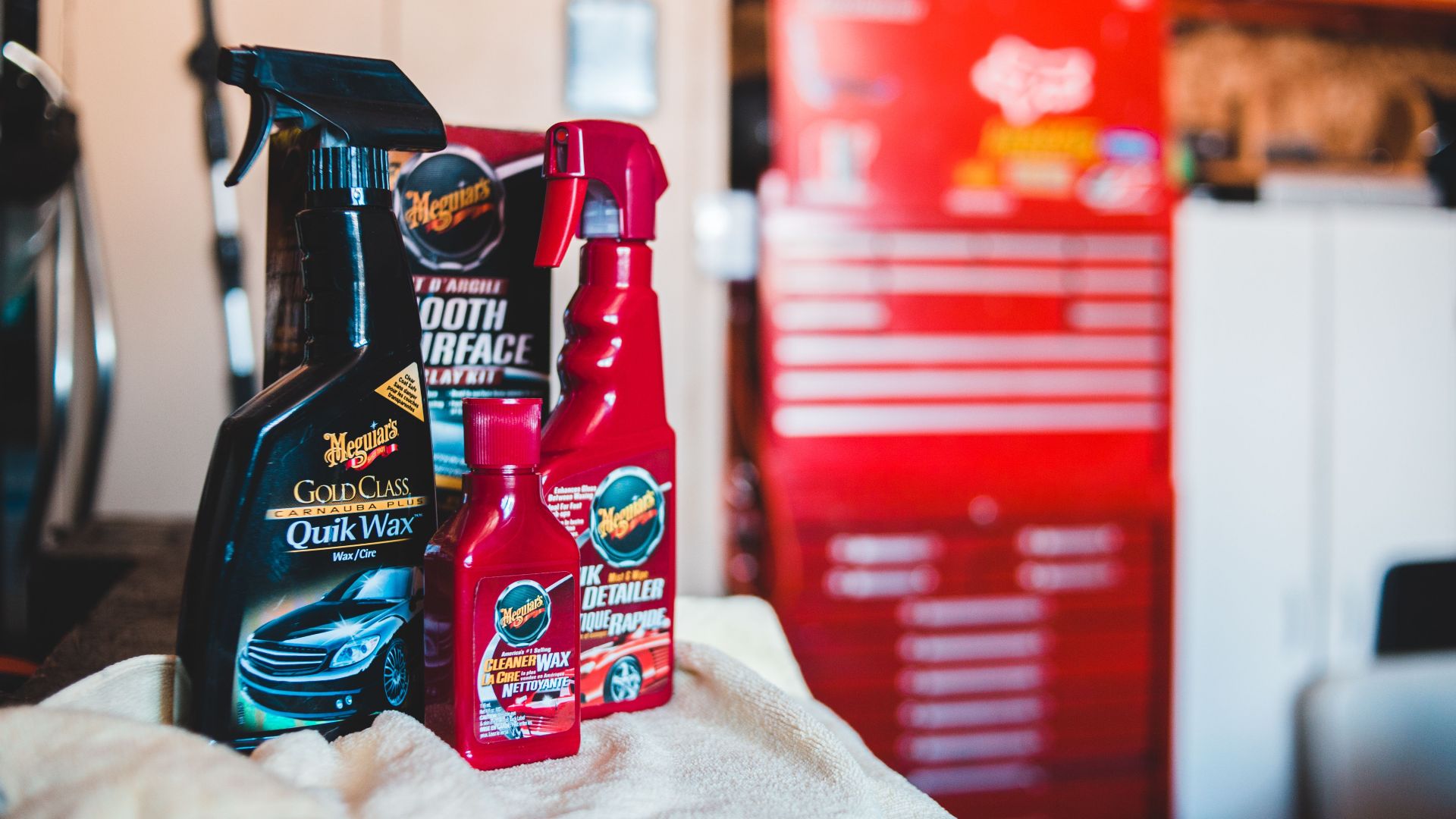
Over the last several years, consumer ceramic products have gotten much better and easier to use. Brands like Turtle Wax and Meguiar’s now sell spray ceramics and hybrid ceramic products that offer some of the same water-beading and easy-cleaning benefits for a fraction of the price. They will not always match a true professional coating for longevity, but they can still offer strong value.
Paint Protection Film Is A Different Question
If your main concern is rock chips on the front bumper or hood, ceramic coating is not the best answer. Paint protection film, usually called PPF, is thicker and designed to absorb impacts that would damage paint. Many owners use PPF on high-impact areas and ceramic coating on top for easier maintenance and extra gloss.
Who Gets The Most Out Of Ceramic Coating
The best candidate is someone who plans to keep the car for years, cares about how it looks, washes it properly, and wants maintenance to be easier. It also makes more sense on a vehicle with paint you really want to preserve, such as a new luxury car, sports car, or favorite daily driver. If you just want basic transportation and use automatic brush washes, the value drops fast.
Who Should Probably Skip The Dealer Package
If the coating is presented as a last-minute take-it-or-leave-it add-on, be careful. If the dealer cannot tell you the exact product name, prep process, installer qualifications, and warranty exclusions, that is another warning sign. In those cases, your money is often better spent somewhere else.

Questions To Ask Before You Say Yes
Ask what brand is being used, whether paint correction is included, how long the installer will spend on prep, and what the warranty actually covers. Ask whether annual inspections are required and whether hand washing is recommended. Also ask for the full coating package in writing before agreeing to anything.

What A Smarter Alternative Looks Like
You can skip the dealership package, take delivery of the car, and then get quotes from reputable local detailers. That gives you time to compare products, reviews, prep methods, and the amount of labor involved. In many cases, you will get better workmanship for the same money or similar protection for less.

So Is It Worth Thousands
Sometimes, but not automatically, and not just because a finance manager says seven years. Ceramic coating is genuinely useful, but it is better thought of as a convenience and appearance upgrade, not a miracle shield. If the dealer price is high, the coating details are vague, and the warranty is loaded with conditions, it is usually smarter to pass and shop around.

The Bottom Line For New-Car Buyers
Ceramic coating can be worth paying for when the product is reputable, the prep is thorough, and the installer is skilled. It usually is not worth thousands just because it is offered at the dealership during the sale. The smart move is to separate the real benefits from the sales pitch, then decide whether you want easier maintenance, better-looking paint, or simply a much smaller bill.